
Give us a Call
+1 (915) 412-6680
Send us a Message
[email protected]
Opening Hours
Mon-Thu: 7 AM - 7 PM
Fri - Sun: Closed
Memorial Day Rear-End Collisions and Chiropractic Care

Memorial Day Rear-End Collisions and Chiropractic Care

Memorial Day Rear-End Collisions and Chiropractic Care

Why Memorial Day Weekend Can Increase Rear-End Collision Risk

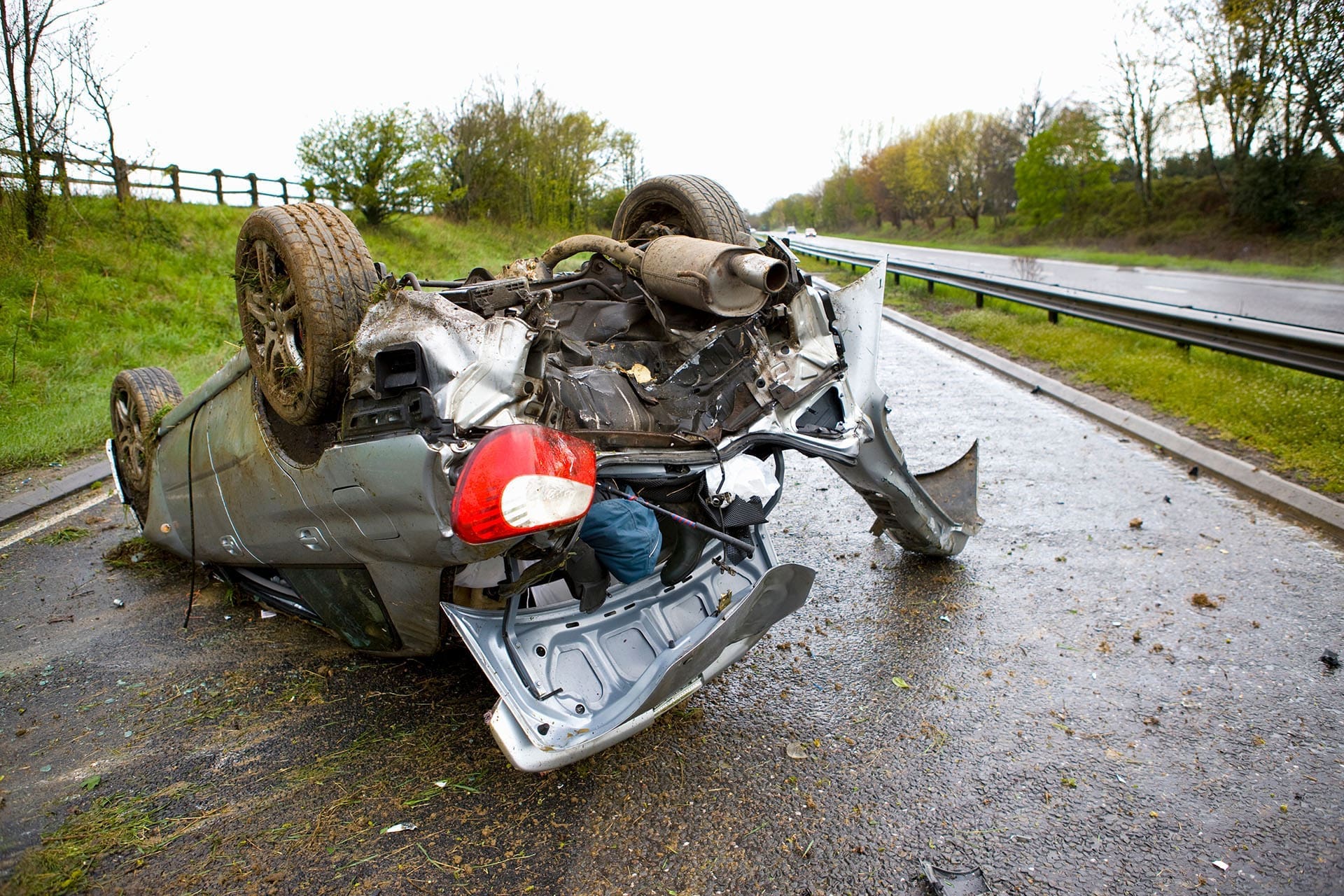
Memorial Day weekend is a busy time for travel. Many people are driving to visit family, attend events, go on vacation, or return home after a long weekend. More cars on the road can mean more traffic, more sudden stops, and more chances for rear-end collisions.

Rear-end collisions happen when one vehicle crashes into the back of another. These crashes are common in:

  • Heavy highway traffic
  • Stop-and-go traffic
  • Construction zones
  • Busy intersections
  • Parking lot exits
  • Sudden slowdowns
  • Chain-reaction crashes

During Memorial Day weekend, drivers may also be tired, distracted, or unfamiliar with the roads. A driver may look down at a GPS, check a phone, adjust music, manage passengers, or follow another vehicle too closely. In only a few seconds, traffic can stop, and a rear-end crash can happen.

Rear-end collisions are among the most common types of motor vehicle accidents because they often happen during sudden braking and distracted driving situations (John Price Law Firm, 2024; DeMayo Law Offices, n.d.).

Why Rear-End Collisions Can Injure the Neck and Spine

A rear-end crash can look minor, but the force can still affect the body. When a car is hit from behind, the body may move forward while the head and neck snap back and then forward. This fast motion can create whiplash.

Whiplash can affect the:

  • Neck muscles
  • Spinal joints
  • Ligaments
  • Tendons
  • Discs
  • Nerves
  • Upper back
  • Shoulders

The neck and spine are not made to absorb sudden crash forces. Even a lower-speed rear-end collision can strain soft tissues and irritate the spinal joints. In more serious crashes, the force may contribute to disc injuries, nerve pain, or long-term stiffness.

Whiplash and neck injuries are often linked to rear-end collisions because the sudden impact can stretch and strain the neck tissues (Accident Clinics, n.d.; Jax Litigation, n.d.).

Common Injuries After a Rear-End Collision

After a rear-end crash, pain may start in one area and then spread over time. Some people feel neck tightness first. Others notice headaches, shoulder pain, low back pain, or numbness later.

Common rear-end collision injuries may include:

  • Whiplash
  • Neck sprains and strains
  • Back sprains and strains
  • Muscle spasms
  • Herniated discs
  • Bulging discs
  • Shoulder pain
  • Headaches
  • Nerve impingement
  • Numbness or tingling
  • Low back pain
  • Sciatica-like symptoms
  • Postural changes

Soft tissue injuries can be difficult because they may not always appear clearly on basic imaging. Muscles, ligaments, tendons, fascia, and spinal joints can still sustain injuries even when no bone is broken. Back sprains and strains are common after vehicle accidents and can cause pain, stiffness, swelling, spasms, and limited movement (1-800-NOW-HURT, n.d.).

KNR Legal also notes that car accidents commonly cause whiplash, herniated discs, spinal injuries, and other neck and back problems (Kisling, Nestico & Redick, n.d.).

Why Symptoms Can Show Up Days or Weeks Later

One of the most important things to know is this: pain does not always show up right away.

After a crash, the body releases stress hormones like adrenaline. This can make a person feel alert and less aware of pain. Hours or days later, inflammation may increase, muscles may tighten, and symptoms may become more noticeable.

Delayed symptoms may include:

  • Neck stiffness
  • Headaches
  • Shoulder tightness
  • Mid-back pain
  • Low back pain
  • Dizziness
  • Muscle spasms
  • Pain when turning the head
  • Numbness or tingling
  • Trouble sleeping
  • Fatigue
  • Brain fog

This is why a full evaluation is recommended after a motor vehicle accident, even when the crash seems small. Accident-related symptoms may take time to appear, especially with whiplash, soft-tissue injuries, and nerve irritation (Accident Clinics, n.d.; Zwick Law, 2024).

How a Rear-End Collision Can Affect Posture

A rear-end crash can change how the body holds itself. When the neck or back is injured, muscles may tighten to protect the area. This protective response can change posture and movement.

A person may begin to:

  • Hold the head forward
  • Raise one shoulder higher than the other
  • Limit neck rotation
  • Walk differently
  • Avoid bending or lifting
  • Sit unevenly
  • Develop muscle guarding

Poor posture after an accident can place extra stress on the spine. Over time, these factors can make pain worse and slow recovery. De Bruin Chiropractic explains that auto accidents can affect posture and that chiropractic care may help by improving spinal mobility, soft-tissue function, and body alignment (De Bruin Chiropractic, n.d.).

How ChiroMed’s Integrative Approach Fits Into Recovery

For readers of ChiroMed, the key idea is that accident recovery should look at the whole injury pattern. A rear-end collision does not only affect one muscle or one joint. It can affect the spine, nerves, discs, ligaments, soft tissues, posture, inflammation, and movement.

Integrative chiropractic care focuses on helping the body heal naturally by combining different tools and therapies. The goal is not only to reduce pain but also to improve function.

A care plan may include:

  • Chiropractic adjustments
  • Soft tissue therapy
  • Myofascial release
  • Corrective exercises
  • Stretching and mobility work
  • Posture correction
  • Spinal decompression when appropriate
  • Rehabilitation exercises
  • Lifestyle guidance
  • Nutrition and inflammation support
  • Referrals for imaging or medical care when needed

Doctor Wagner explains that chiropractic care following a car accident may include spinal adjustments, soft-tissue therapy, therapeutic exercise, stretching, postural support, and patient education (Doctor Wagner, n.d.). This type of approach is beneficial because rear-end collision injuries often involve both the spine and the surrounding soft tissues.

Clinical Observations From Dr. Alexander Jimenez, DC, APRN, FNP-BC

Dr. Alexander Jimenez, DC, APRN, FNP-BC, has observed that injuries from motor vehicle accidents often involve more than simple pain. In many cases, the body develops a pattern of joint restriction, muscle guarding, nerve irritation, inflammation, and loss of movement.

Through his integrative clinical approach, Dr. Jimenez emphasizes the importance of identifying the root cause of pain rather than merely treating symptoms. His model combines chiropractic care, functional medicine principles, rehabilitation, diagnostic review, and, when appropriate, personalized recovery planning (Jimenez, n.d.-a).

His clinical observations also highlight that old car accident injuries may continue to cause pain months or years later when the original injury did not heal correctly. These lingering issues may involve muscles, ligaments, spinal joints, discs, nerves, fascia, and chronic inflammation (Jimenez, n.d.-b).

This matters after a Memorial Day rear-end collision because a person may not feel severe pain immediately. But if soft tissue damage, spinal restriction, or nerve irritation is missed, the injury may become harder to treat later.

Why a Full Evaluation Matters After a Memorial Day Crash

A full evaluation after a rear-end collision can help identify injuries early. This is important for both health and documentation. The evaluation should focus on how the accident affected the body, not just on whether a bone was broken.

A post-accident evaluation may include:

  • Review of how the crash happened
  • Neck and back pain assessment
  • Range-of-motion testing
  • Orthopedic testing
  • Neurological screening
  • Muscle strength checks
  • Reflex checks
  • Posture analysis
  • Functional movement testing
  • Imaging referral when needed

This type of exam can help identify whether the person has whiplash, soft tissue injuries, disc irritation, nerve symptoms, or other accident-related problems.

When to Seek Urgent Medical Care

Some symptoms after a crash require immediate medical attention. Chiropractic and integrative care can support recovery, but emergency symptoms should be checked right away.

Seek urgent care if there is:

  • Severe headache
  • Loss of consciousness
  • Confusion
  • Vision changes
  • Chest pain
  • Trouble breathing
  • Severe neck or back pain
  • Weakness in the arms or legs
  • Numbness that spreads
  • Loss of balance
  • Abdominal pain
  • Loss of bowel or bladder control
  • Worsening symptoms after the crash

These symptoms may point to a more serious injury and should not be ignored.

Preventing Rear-End Collisions During Holiday Travel

Drivers can reduce risk by planning ahead and staying focused. Memorial Day traffic can be stressful, but safe driving habits can make a big difference.

Helpful safety steps include:

  • Leave early to avoid peak traffic
  • Keep extra space between vehicles
  • Do not tailgate
  • Put the phone away
  • Let a passenger handle GPS directions
  • Avoid eating while driving
  • Take breaks on long trips
  • Watch for sudden stops
  • Slow down in heavy traffic
  • Avoid driving tired
  • Never drive under the influence

Distracted driving is a major risk because it takes attention away from the road. This includes phone use, GPS adjustments, eating, drinking, and managing passengers.

ChiroMed Takeaway: Do Not Wait for Pain to Become Severe

Memorial Day weekend rear-end collisions are common because of traffic congestion, sudden stops, distracted driving, and long-distance travel. These crashes can cause whiplash, neck pain, back pain, muscle spasms, disc injuries, nerve irritation, and posture problems.

The most important lesson is simple: do not ignore symptoms after a crash.

Even mild stiffness or a small headache may be the first sign of a deeper injury. Since symptoms can take days or weeks to fully appear, a full evaluation is recommended after an accident.

Integrative chiropractic care can support recovery by addressing the spine, soft tissues, posture, movement, and inflammation together. For ChiroMed readers, this approach offers a more complete way to understand and manage accident-related injuries.


References

Accident Clinics. (n.d.). Whiplash and neck pain treatment

De Bruin Chiropractic. (n.d.). How an auto accident impacts your posture and how chiropractic care can help

DeMayo Law Offices. (n.d.). What are the most common types of car accidents?

Doctor Wagner. (n.d.). Chiropractic care after a car accident

Jimenez, A. (n.d.-a). Dr. Alex Jimenez DC, APRN, FNP-BC

Jimenez, A. (n.d.-b). Can old car accident injuries heal with integrative care?

Jimenez, A. (n.d.-c). Dr. Alexander Jimenez LinkedIn profile

John Price Law Firm. (2024). What are the most common car accidents?

Jax Litigation. (n.d.). Car crashes and neck injuries

Kisling, Nestico & Redick. (n.d.). Most common car accident injuries

Sarasota Chiropractor. (n.d.). Auto accident injuries

Tooele Chiropractor. (n.d.). Chronic pain from old car accident injuries

Zwick Law. (2024). Common injuries after a rear-end collision
Regenerative Therapy for Auto Accident Injury Recovery

Regenerative Therapy for Auto Accident Injury Recovery

Regenerative Therapy for Auto Accident Injury Recovery

Abstract

Motor vehicle accidents can cause more than quick pain. A crash can injure muscles, ligaments, tendons, joints, nerves, and spinal tissues. Some injuries are felt right away, while others show up days later. For many people, early care can make a major difference in recovery. At a ChiroMed-style integrative clinic, the goal is to look at the whole injury pattern, not just the painful area. Care may include chiropractic treatment, rehabilitation, shockwave therapy, and regenerative options such as platelet-rich plasma (PRP), platelet-poor plasma, plasma-based therapies, and microfragmented adipose tissue (MFAT). These therapies may help support tissue healing, improve movement, reduce pain, and help some patients avoid surgery when appropriate.

Why Motor Vehicle Accidents Can Lead to Chronic Pain

A motor vehicle accident can place sudden force on the body. The neck may snap forward and backward. The lower back may twist. The shoulder, hip, knee, or ankle may absorb impact. Even when there are no broken bones, the soft tissues can still be injured.

Common accident-related injuries may include:

  • Whiplash
  • Neck and back sprains
  • Ligament injuries
  • Tendon injuries
  • Joint pain
  • Muscle strains
  • Disc irritation
  • Nerve irritation
  • Headaches
  • Shoulder, hip, or knee pain
  • Spinal stiffness
  • Reduced range of motion

These injuries can become more difficult to treat when they are ignored. Pain may begin as soreness, then turn into stiffness, weakness, nerve symptoms, or chronic inflammation. This is why early evaluation matters after an accident (Fletcher Family Chiropractic, n.d.; Health Coach Clinic, n.d.).

The ChiroMed Approach to Accident Recovery

ChiroMed is a natural fit for this topic because accident recovery often needs more than one type of care. A patient may need spinal care, soft tissue treatment, rehab, imaging review, and medical coordination. The goal is not only to reduce pain but also to improve how the body moves and heals.

An integrative chiropractic plan may include:

  • A detailed accident history
  • Orthopedic testing
  • Neurological screening
  • Range of motion testing
  • Posture and movement assessment
  • Imaging referrals when needed
  • Chiropractic adjustments
  • Soft tissue therapy
  • Corrective exercises
  • Shockwave therapy
  • Regenerative medicine consultation
  • Ongoing progress exams

This type of care helps connect the injury to the symptoms. It also helps create a clearer recovery plan, especially when the patient has soft-tissue injuries that may not be clearly visible on basic X-rays (Health Coach Clinic, n.d.; Pure Wellness, n.d.).

Why Soft Tissue Injuries Need Special Attention

Soft tissue injuries involve muscles, tendons, ligaments, fascia, and joint-supporting tissues. These structures help stabilize the spine and joints. When they are damaged, the body may become unstable, stiff, painful, or weak.

Soft tissue injuries can be difficult because they may heal slowly. Some tissues have limited blood flow, which can make recovery harder. Ligaments and tendons may also stay irritated if the joint continues to move poorly.

For example, after a rear-end crash, a person may develop whiplash. The neck muscles tighten to protect the spine. Ligaments may be stretched. Small joints in the neck may become irritated. If this pattern is not treated, the patient may develop headaches, limited neck motion, shoulder tightness, or nerve-like symptoms in the arm.

This is where combined care may help. Chiropractic care can improve motion. Rehab can rebuild strength. Shockwave therapy may support soft tissue healing. Regenerative options may be considered when injured tissue needs more support.

PRP Therapy After an Auto Accident

Platelet-rich plasma, or PRP, is a regenerative treatment made from the patient’s own blood. A small blood sample is drawn and processed to concentrate platelets. These platelets contain growth factors that help guide the body’s healing response. The PRP is then placed into the injured area when clinically appropriate (Johns Hopkins Medicine, n.d.).

PRP may be considered for:

  • Ligament sprains
  • Tendon injuries
  • Muscle injuries
  • Joint pain
  • Whiplash-related soft tissue injuries
  • Chronic pain after trauma
  • Pain that has not improved with basic care

PRP does not act like a pain-killing shot. Instead, it is used to support the body’s healing process. Patients still need a full recovery plan that may include chiropractic care, rehab, movement correction, and follow-up exams (MVA MVP, n.d.; Integrative Spine & Sports, n.d.).

PFP and Plasma-Based Regenerative Options

Some clinics discuss platelet-poor plasma, platelet fibrin plasma, or other plasma-based products. The terms can vary depending on how the product is prepared and what the provider is trying to treat. Patients should always ask what type of plasma product is used, why it is recommended, and how it fits into the full treatment plan.

In simple terms, plasma-based therapies are designed to support the tissue environment. After a crash, ligaments, tendons, joints, and spinal tissues may need help calming inflammation and rebuilding healthier function. Plasma-based care may be part of that process when medically appropriate.

For a ChiroMed-style plan, plasma-based care should not stand alone. It works best when the patient is also improving movement, strength, posture, stability, and daily activity habits.

MFAT Therapy for More Complex Soft Tissue and Joint Injuries

Micro-fragmented adipose tissue, or MFAT, uses a small amount of the patient’s own fat tissue. The tissue is processed into tiny fragments and then placed into the injured area. MFAT contains a natural tissue matrix and signaling factors that may help support repair in joints, tendons, ligaments, and other soft tissues (Engelen Sports & Orthobiologics, n.d.; Ortho-Regen, n.d.).

MFAT may be discussed for:

  • Chronic joint pain
  • Partial tendon tears
  • Ligament injuries
  • Meniscus-related problems
  • Degenerative joint changes
  • Soft tissue injuries that are slow to heal
  • Injuries that have not improved with standard care

MFAT is not for every patient. It requires proper evaluation, clear diagnosis, and careful clinical judgment. A 2025 review described MFAT as a developing regenerative option with potential for tissue repair, but also highlighted the need for proper patient selection and further clinical research (Fu & Wang, 2025).

Shockwave Therapy for Post-Accident Pain

Shockwave therapy uses acoustic energy to stimulate injured tissues. It is non-surgical and may be used to support circulation, collagen activity, and tissue remodeling, and to reduce pain. In accident care, shockwave therapy may be beneficial for soft tissue pain, scar tissue, tendon irritation, muscle tightness, and chronic inflammation (Advanced Back & Neck Care, n.d.; Mayo Clinic, n.d.).

Shockwave therapy may help with:

  • Neck and back soft tissue pain
  • Tendon pain
  • Muscle trigger points
  • Scar tissue stiffness
  • Chronic inflammation
  • Reduced mobility
  • Pain that has lasted longer than expected

For many patients, shockwave therapy fits into an integrative plan because it can be paired with chiropractic care and rehab. The goal is to help the tissue respond better while also correcting movement problems that keep stressing the injury.

Why Chiropractic Care Is the Foundation

Regenerative therapies may support tissue repair, but the body also needs proper movement. If a joint is not moving well, the injured area may continue to become irritated. If muscles are weak or tight, the spine may remain under stress. If posture is poor after the crash, pain may continue.

Chiropractic care may help by:

  • Improving spinal motion
  • Reducing joint restriction
  • Calming muscle guarding
  • Supporting better nerve function
  • Improving posture
  • Helping the body move with less stress
  • Supporting better rehab progress

After a motor vehicle accident, chiropractic care is often used for neck pain, back pain, whiplash, headaches, shoulder pain, hip pain, and joint stiffness. When combined with rehabilitation, it can help restore strength and stability, not just temporary comfort (Delaware Back Pain & Sports Rehabilitation Centers, n.d.; Pure Wellness, n.d.).

Dr. Alexander Jimenez’s Clinical Perspective

Dr. Alexander Jimenez, DC, APRN, FNP-BC, has long emphasized a dual-scope approach to personal injury care. This means considering both the structural and medical aspects of an injury. In a motor vehicle accident, the case may involve spinal and joint function, nerve symptoms, soft-tissue damage, inflammation, imaging needs, and clear documentation.

This approach is important because accident injuries can overlap. A patient may experience neck pain, headaches, shoulder tightness, lower back pain, and nerve irritation simultaneously. Treating only one symptom may miss the bigger injury pattern.

A ChiroMed-focused care model can reflect this same goal: evaluate the whole person, identify the injured tissues, restore movement, support healing, and help the patient return to daily life with better function.

Why Early Care Matters After a Crash

The best time to treat injuries from accidents is often early. This does not mean every patient needs advanced treatment right away. It means the patient should be examined before the injury becomes chronic.

Early care may help:

  • Reduce inflammation
  • Protect injured tissue
  • Improve range of motion
  • Prevent stiffness
  • Reduce compensation patterns
  • Identify nerve symptoms
  • Support better documentation
  • Lower the risk of long-term pain

When care is delayed, the body may begin moving around the painful area. This can lead to new problems in the spine, hips, shoulders, knees, and muscles. Over time, the patient may develop chronic pain, weakness, poor posture, or limited mobility.

When Regenerative Care May Be Considered

Regenerative therapies may be considered when a patient has tissue damage that is slow to heal or when the goal is to avoid surgery when possible. These treatments may be useful when standard care has helped only partly or when the tissue injury is more complex.

A provider may consider PRP, PFP, MFAT, or shockwave therapy when there is:

  • Ongoing ligament pain
  • Tendon damage
  • Joint injury
  • Soft tissue trauma
  • Chronic inflammation
  • Pain that returns with activity
  • Reduced function despite basic care
  • A desire to explore non-surgical options

However, regenerative care must be based on diagnosis. It should not be used as a guess. Imaging, exams, and medical history help determine whether the patient is a suitable candidate.

Physical Rehabilitation Completes the Recovery Plan

Rehabilitation is important because healing tissue needs strength and control. A patient may feel better after an adjustment, injection, or shockwave session, but long-term recovery also depends on how well the body moves during daily life.

Rehab may include:

  • Gentle mobility work
  • Stretching
  • Core strengthening
  • Balance training
  • Posture correction
  • Neck stabilization
  • Hip and shoulder strengthening
  • Walking programs
  • Return-to-work conditioning

Physical therapy and rehab can help patients regain confidence after an accident. They also help reduce fear of movement, which is common after painful trauma (RES Physical Medicine & Rehab, n.d.; Fairview Rehab, n.d.).

When Emergency Care Is Needed

Not every accident injury belongs in a chiropractic or regenerative medicine setting first. Some symptoms require emergency medical care.

A person should seek urgent care right away for:

  • Loss of consciousness
  • Severe headache
  • Chest pain
  • Trouble breathing
  • New weakness
  • Loss of bladder or bowel control
  • Severe abdominal pain
  • Numbness that is getting worse
  • Trouble walking
  • Severe neck or back pain after trauma
  • Confusion or memory problems

Safety comes first. Once serious conditions are ruled out, an integrative recovery plan may begin.

A Clear Path Forward With ChiroMed

Motor vehicle accident recovery works best when the care plan is clear, complete, and personalized. Regenerative therapies such as PRP, PFP, and related plasma-based options, as well as MFAT, may help support tissue healing. Shockwave therapy may help improve soft tissue response, circulation, and pain control. Chiropractic care may improve spinal motion, reduce joint stress, and support the nervous system. Rehabilitation helps rebuild strength and long-term stability.

For ChiroMed, the message is simple: accident injuries should not be ignored, and pain should not be treated as a one-size-fits-all problem. A thoughtful integrative plan can help patients understand their injuries, support healing, improve function, and reduce the risk of chronic pain after a motor vehicle accident.


References

Advanced Back & Neck Care. (n.d.). Shockwave therapy for motor vehicle accidents in Lumberton

BenGlassLaw. (n.d.). What is the value of my PRP therapy claim?

Delaware Back Pain & Sports Rehabilitation Centers. (n.d.). Best car accident pain solutions that work

Engelen Sports & Orthobiologics. (n.d.). Microfragmented adipose tissue (MFAT) therapy

Fairview Rehab. (n.d.). What type of post-accident therapy you may need

Fletcher Family Chiropractic. (n.d.). Why seeing a chiropractor after a car accident matters

FoRM Health. (n.d.). MFAT injections

Fu, H., & Wang, C. (2025). Micro-fragmented adipose tissue-An innovative therapeutic approach: A narrative review

Health Coach Clinic. (n.d.). Chiropractic integrative care for motor vehicle accidents

Health Coach Clinic. (n.d.). Regenerative medicine and integrative chiropractic approaches

Imperium Health Center. (n.d.). Holistic chiropractic treatments for injuries

Integrative Spine & Sports. (n.d.). PRP for whiplash: Accelerating recovery and restoring mobility

Jimenez, A. (n.d.). Dr. Alexander Jimenez, DC, APRN, FNP-BC

Jimenez, A. (n.d.). Dr. Alexander Jimenez LinkedIn profile

Johns Hopkins Medicine. (n.d.). Platelet-rich plasma injections

Mayo Clinic. (n.d.). Shockwave treatment: A new wave for musculoskeletal care

MVA MVP. (n.d.). Platelet-rich plasma therapy for vehicle accidents

Ortho-Regen. (n.d.). Microfragmented adipose tissue (MFAT)

Pure Wellness. (n.d.). Treating auto injuries with chiropractic care and regenerative medicine

RES Physical Medicine & Rehab. (n.d.). Road to recovery: The role of physical therapy after a car accident

Whalen Injury Lawyers. (n.d.). What is regenerative care in my motor vehicle accident case?

ChiroMed Holistic Stress Relief Enhances Wellness

ChiroMed Holistic Stress Relief

Emotional Driving: Risks and Solutions with ChiroMed’s Holistic Care in El Paso, TX

Driving is a daily necessity for many in El Paso, TX, whether commuting through bustling streets or heading to the scenic outskirts. However, strong emotions like anger, sadness, or stress can turn a routine drive into a dangerous one. This is known as emotional driving, where feelings impair focus and decision-making, increasing crash risks. At ChiroMed – Integrated Medicine Holistic Healthcare, we understand how emotions affect both mind and body, and we offer solutions to help drivers stay safe.

Emotional driving is a form of distracted driving, pulling attention from the road to internal struggles. It’s dangerous because it slows down reactions and leads to impulsive actions, such as speeding or swerving. Studies show emotional drivers are up to ten times more likely to crash (Pfeifer Morgan & Stesiak, 2023). In a vibrant city like El Paso, with its busy traffic, these risks are even more significant.

ChiroMed, located in the heart of El Paso, combines chiropractic care, nurse practitioner services, acupuncture, and more to address the physical and mental effects of emotional stress. Led by Dr. Alexander Jimenez, DC, APRN, FNP-BC, our clinic helps patients recover from injuries and build resilience to prevent emotional driving mishaps. This article explores emotional driving, its dangers, and how ChiroMed’s integrative approach promotes safer roads and better health.

Understanding Emotional Driving

Emotional driving occurs when intense emotions—such as anger from a work dispute, sadness from personal loss, or even excitement from good news—take over while you’re behind the wheel. These feelings shift focus from driving tasks, like watching for pedestrians or braking in time, to internal thoughts. At ChiroMed, we see how this impacts El Paso drivers daily.

Driving demands sharp attention and quick reflexes. Emotions disrupt this, triggering the body’s stress response. Hormones like cortisol flood the system, clouding judgment (LawyerDon, 2023). For example, an angry driver might tailgate, while a grieving one could miss a stop sign due to tears. Both scenarios heighten crash risks.

In El Paso, heavy traffic on I-10 or Loop 375 can amplify stress. A fight with a loved one or a tight deadline might prompt you to drive emotionally. As Dr. Jimenez notes, “Stress tightens the body, which clouds the mind” (Jimenez, n.d.a). Recognizing signs—like a racing heart or gripping the wheel too hard—helps. ChiroMed teaches patients to pause, breathe, and refocus before driving.

Why Emotional Driving Is Dangerous

Emotional driving is a major safety hazard. It reduces attention, slows reaction times, and sparks reckless behavior. In El Paso, where roads are busy, these effects can lead to serious accidents.

When emotions take hold, you experience tunnel vision, missing side hazards like merging cars (Car Accident Help, 2023). Reaction times drop significantly—braking that normally takes a second can take two or more. Data shows emotionally distracted drivers face a tenfold crash risk (Car Accident Help, 2023).

Impulsivity is another issue. Road rage might lead to cutting off others or speeding through lights. Sadness can cause slow driving or lane drifting, confusing other drivers (LawyerDon, 2023). Nationally, distracted driving, including emotional causes, contributes to over 11 million crashes annually, with costs in medical bills, lost wages, and trauma (Dermer Law Firm, n.d.).

At ChiroMed, we treat crash victims with injuries like whiplash from emotional driving accidents. These incidents don’t just harm the driver—they affect families, commuters, and communities. Addressing emotional triggers is key to safer El Paso roads.

Physical Impact of Emotions on Drivers

Emotions don’t just cloud the mind—they stress the body, making driving harder. At ChiroMed, we see how anger or sadness causes physical changes that impair safe driving.

When stressed, the brain’s amygdala triggers the release of adrenaline and cortisol, which speeds up your heart rate and tightens your muscles (Pfeifer, Morgan, & Stesiak, 2023). This “fight or flight” response clouds logical thinking, making it difficult to judge distances or speeds. Tense shoulders and necks from gripping the wheel cause pain, while crying blurs vision (Pfeifer, Morgan, & Stesiak, 2023).

Chronic emotional stress, common in El Paso’s fast-paced life, worsens health. It disrupts sleep, spikes blood pressure, and weakens the immune system (Genesis Medical, n.d.). These effects create a cycle: Poor rest fuels emotional instability, increasing driving risks. In accidents, a tense body is more injury-prone, leading to worse outcomes like chronic pain.

ChiroMed’s integrative approach targets these physical effects, using chiropractic adjustments and acupuncture to relieve tension and restore balance, helping drivers stay calm and focused.

Chiropractic Care at ChiroMed for Emotional Stress

Chiropractic care is a cornerstone of ChiroMed’s approach to managing emotional stress. Our El Paso clinic uses spinal adjustments to correct misalignments, or subluxations, caused by stress. These misalignments pinch nerves, amplifying tension and anxiety (Denver Chiropractic, n.d.).

Adjustments realign the spine, freeing nerves and improving blood flow. This reduces muscle tightness and boosts endorphins, calming the nervous system (RTOR, 2019). Studies show chiropractic care lowers blood pressure and anxiety, similar to meditation (Denver Chiropractic, n.d.).

For drivers, this means less neck pain from long commutes and fewer headaches from stress. Dr. Jimenez uses advanced neuromusculoskeletal imaging, like MRIs, to pinpoint issues in MVA patients. His adjustments, paired with massage, ease physical strain, helping patients drive with clearer minds. Regular visits—weekly or biweekly—build resilience against emotional triggers.

Integrative Medicine at ChiroMed: A Holistic Solution

ChiroMed’s integrative medicine blends chiropractic care with acupuncture, nutrition counseling, and rehabilitation to tackle emotional driving from all angles. This holistic approach treats the whole person, not just symptoms.

Key services include:

  • Acupuncture: Targets energy points to lower cortisol and improve sleep, reducing stress (Integrative Health Miami, n.d.).
  • Nutrition Counseling: Recommends omega-3-rich foods to stabilize moods (Indiana Wesleyan University, 2025).
  • Rehabilitation Exercises: Strengthen muscles and improve posture, preventing pain caused by stress (Evolve Chiropractor, n.d.).
  • Mindfulness Coaching: Teaches breathing techniques to stay calm in traffic (Hopkins Medicine, n.d.).

Dr. Jimenez combines these for personalized plans. For example, a stressed driver might get adjustments, acupuncture, and a tailored diet. This reduces physical tension and emotional volatility, cutting crash risks. Our clinic’s comfortable setting and licensed therapists ensure effective, compassionate care.

Dr. Alexander Jimenez’s Expertise at ChiroMed

Dr. Alexander Jimenez, DC, APRN, FNP-BC, leads ChiroMed with a dual expertise in chiropractic and nursing. His El Paso clinic treats injuries from work, sports, personal falls, and motor vehicle accidents (MVAs), many linked to emotional driving.

Using dual-scope diagnosis, Dr. Jimenez combines chiropractic exams with medical assessments. Advanced imaging, like digital X-rays, reveals stress-related inflammation or nerve issues (Jimenez, n.d.a). For MVA patients, he designs plans with adjustments, acupuncture, and rehab exercises to heal whiplash or back pain naturally.

Dr. Jimenez also excels in legal documentation. His detailed reports support insurance claims or court cases, ensuring fair compensation. His integrative approach—blending massage, nutrition, and mindfulness—helps patients recover fully, driving safer and living healthier.

Real-Life Impact at ChiroMed

Consider Maria, an El Paso teacher stressed by daily commutes. Tension headaches and shoulder pain made her irritable on the road. ChiroMed’s adjustments and acupuncture sessions eased her pain, while mindfulness coaching helped her stay calm. She now drives confidently, avoiding emotional risks.

Another patient, Juan, crashed after a heated phone call. Dr. Jimenez’s imaging found whiplash and nerve compression. Weekly adjustments, massage, and exercises restored his mobility. Detailed reports aided his insurance claim, and he’s back to safe driving.

These stories show ChiroMed’s impact. Integrative care speeds recovery by 25% compared to standard treatments (RTOR, 2019). Our patients leave with tools to prevent emotional driving.

Practical Tips to Avoid Emotional Driving

ChiroMed offers practical strategies to stay calm on El Paso roads:

  • Pre-Drive Check: Feel stressed? Take deep breaths—inhale for four, hold for seven, and exhale for eight (Willows Healthcare, n.d.).
  • Calming Routines: Play soothing music or practice gratitude before getting behind the wheel.
  • ChiroMed Support: Schedule regular adjustments or acupuncture to manage stress.
  • Lifestyle Tweaks: Eat mood-stabilizing foods and stretch daily to ease tension.

Our team, including therapists like Helen Wilmore, helps you build these habits for lasting safety.

ChiroMed’s Role in Community Safety

Emotional driving affects El Paso’s roads, contributing to thousands of crashes yearly (Dermer Law Firm, n.d.). ChiroMed’s holistic care reduces these risks by fostering healthier, calmer drivers. Our clinic partners with local health practitioners to promote wellness, aligning with our mission of community care.

Making Integrative Care a Routine

At ChiroMed, we encourage integrating care into daily life. Monthly adjustments help maintain spinal health, while weekly exercises, such as yoga, prevent tension. Nutrition counseling ensures balanced diets, and mindfulness apps reinforce calm.

Dr. Jimenez’s patients use home stretches after a motor vehicle accident (MVA) to stay strong. Regular acupuncture keeps stress low. These habits reduce emotional driving risks and enhance overall wellness.

Overcoming Barriers to Care

Worried about cost? ChiroMed accepts most insurances, including for accident-related care. Time constraints? Our flexible hours (Monday through Thursday, 7 AM-7 PM) accommodate busy schedules. Skeptical? Try one session—studies show adjustments rival medications for stress relief (Spine Clinic Salem, n.d.). Contact us at +1 (915) 412-6680 or [email protected] to start.

Conclusion

Emotional driving endangers El Paso’s roads, but ChiroMed—Integrated Medicine offers solutions. Our chiropractic and integrative care, led by Dr. Jimenez, heals injuries and builds emotional resilience. From adjustments to acupuncture, we help you drive safer and live better. Visit ChiroMed to take control of your health and El Paso’s streets.

References

Assured Hope Health. (n.d.). The power of integration: How a holistic approach can enhance your mental health.

Car Accident Help. (2023). The dangers of emotional driving.

Denver Chiropractic. (n.d.). The role of chiropractic care in managing stress and anxiety: Insights from Denver chiropractic.

Dermer Law Firm. (n.d.). Distracted driving accidents.

Evolve Chiropractor. (n.d.). How do chiropractic adjustments influence your body’s natural healing processes?.

Genesis Medical. (n.d.). How chiropractic care can help you manage your stress.

Hopkins Medicine. (n.d.). Stress busters: 4 integrative treatments.

Indiana Wesleyan University. (2025). The role of integrative health in mental wellness.

Integrative Health Miami. (n.d.). What are stress management techniques in functional medicine?.

Jimenez, A. (n.d.a). Injury specialists.

Jimenez, A. (n.d.b). Dr. Alexander Jimenez, DC, APRN, FNP-BC, IFMCP, CFMP, ATN ♛ – Injury Medical Clinic PA.

LawyerDon. (2023). Emotional driving: What it is and why it is dangerous.

Pfeifer Morgan & Stesiak. (2023). Dangers of emotional driving.

RTOR. (2019). Benefits of chiropractic care for anxiety and depression.

Spine Clinic Salem. (n.d.). Chiropractic care | Reduce stress | Mental & physical health.

Willows Healthcare. (n.d.). How to develop healthy coping mechanisms for stress.