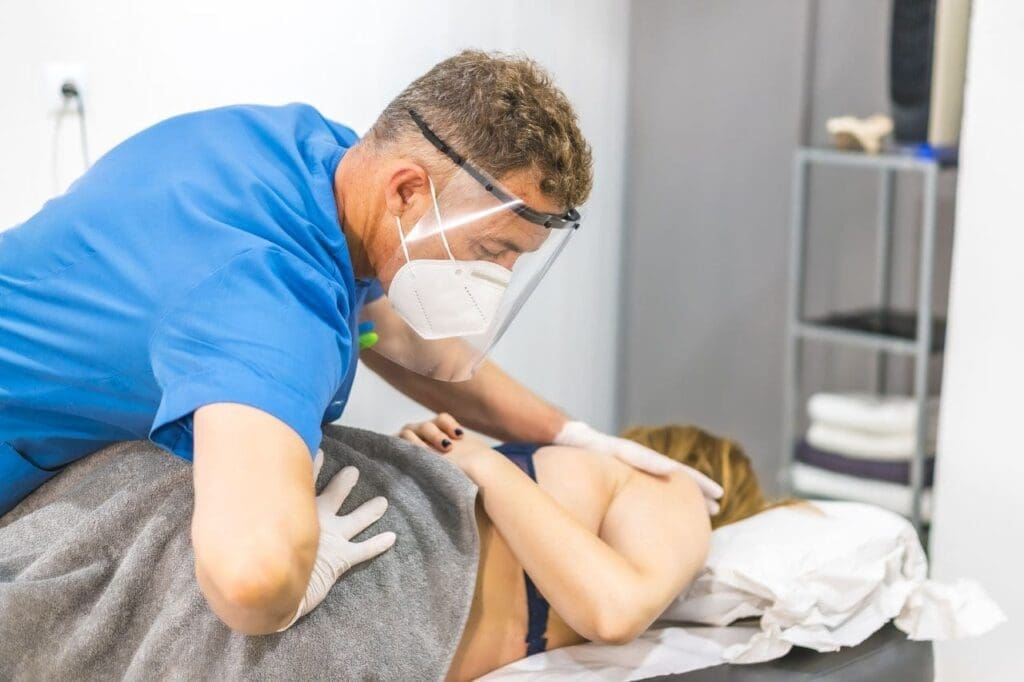
Tennis balls, foam rollers, and calf-release techniques are effective for self-massage.
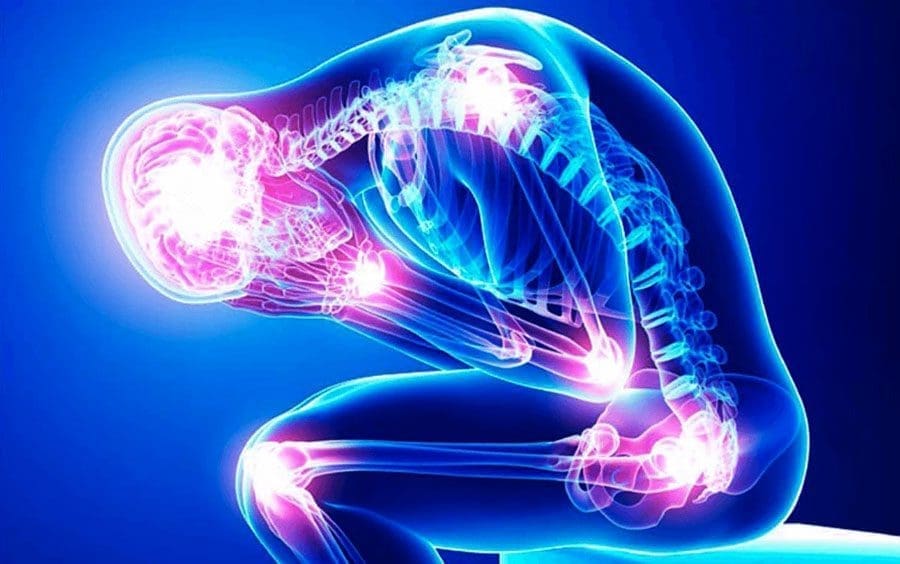
Sciatica is not a single diagnosis. It is a symptom pattern—often burning, sharp, or “electric” pain that can start in the low back or buttock and travel down the leg. Some people also feel tingling or numbness. At ChiroMed, sciatica is usually discussed as a signal problem: something is irritating or sensitizing nerve tissues, and the body reacts with pain, tightness, and protective muscle guarding. (ChiroMed, 2025a)
Self-massage can be a helpful tool because many sciatica flare-ups include tight muscles and trigger points in the low back, glutes, hips, and the piriformis muscle. When these tissues tighten, they can increase pressure around sensitive areas and prolong symptoms. (Healthline, 2021)
Below is a practical, safe, “easy-to-follow” self-massage plan that matches what many people use at home—tennis balls, foam rollers, and gentle calf work—plus how these tools often fit into a whole-person chiropractic plan at ChiroMed. (ChiroMed, 2025b)
The #1 Safety Rule: Stay in the “Hurts Good” Zone
Self-massage should feel like helpful pressure, not intense pain.
Use this simple rule:
0–3 out of 10 discomfort: okay (“hurts good”)
4–10 out of 10: too much (back off)
Sharp zaps, burning, or increasing numbness: stop right away
This approach aligns with common guidance for piriformis massage: start gently, avoid excessive pressure, and discontinue if symptoms worsen. (Healthline, 2021)
Important: Do not apply intense pressure directly over the area where you feel the “electric line” of sciatic symptoms. The goal is to release muscle tension around the area, not to crush a nerve. (HSS, 2024)
Why These Areas Matter for Sciatica
Most effective self-massage targets the “hot spots” that commonly tighten during sciatica:
Low back muscles (especially near the pelvis)
Glutes (buttock muscles)
Piriformis (a deep hip muscle)
The calf is often tight due to compensation or referred pain.
Piriformis tension is a common reason people feel buttock pain and leg symptoms that look like sciatica. (Healthline, 2021)
Tool 1: Tennis Ball Release for Glutes and Piriformis
A tennis ball is useful because it can quickly locate a tight point. Many sciatica massage guides recommend using a ball to target trigger points in the gluteal/piriformis area. (Massage Chair Store, 2021; Healthline, 2021)
How to do it (simple floor method)
Sit on the floor and place a tennis ball under one buttock.
Lean your body weight slightly into the ball.
Slowly roll a few inches until you find a tender spot.
Apply light pressure for 20–45 seconds; breathe slowly.
Move off the spot and repeat 2–4 times.
Switch sides if needed.
What you want to feel:
Dull ache, pressure, warmth = okay What you do not want:
If you experience a sharp shooting pain down your leg or an increase in numbness, you should stop immediately (Healthline, 2021).
“Peanut” trick (two tennis balls)
Some people tape two balls together (or put them in a sock) to create a “peanut.” This can help you apply pressure on both sides of soft tissue—not the spine. (Massage Chair Store, 2021)
Tool 2: Foam Roller for Broader, Gentler Pressure
Foam rolling distributes pressure over a larger area than a ball, which may feel safer on sensitive days. It is often used for myofascial release, meaning the application of slow pressure to relax tight muscles and fascia. (Dorsal Health, 2020)
Best foam roller targets for sciatica patterns
Glutes (roll slowly, small range)
Outer hip muscles
Upper hamstrings (avoid behind the knee)
Simple foam rolling dose:
30–60 seconds per area
1–2 rounds total
Keep discomfort ≤3/10 (Dorsal Health, 2020)
Calf Massage for Referred Pain and “Compensation Tightness”
Sciatica symptoms often alter a person’s gait, stance, and leg loading. That can make the calf feel tight, sore, or crampy—even if the main issue is higher up. Gentle calf massage can lower muscle guarding and improve comfort while you work on the hip and low back. (Chicago Pain Control, n.d.)
Simple calf massage (hands-only)
Sit comfortably and support your leg.
Use your thumbs and palms to knead the calf slowly.
Work from mid-calf toward the ankle and back up.
Stop if you feel sharp nerve sensations.
Add Heat to Improve Results
Heat can relax tissues and make self-massage feel more effective. Many home-care routines for sciatica recommend applying heat before soft-tissue work to reduce muscle guarding. (HSS, 2024)
Try:
Heat 10–15 minutes
Then self-massage for 5–8 minutes
Then a short walk, 3–10 minutes if tolerated
What ChiroMed Often Adds: An Integrative Plan for Long-Term Relief
Self-massage is helpful, but many people need more than symptom relief. A longer-term plan often focuses on **-two goals:
Lower nerve irritation
Fix the mechanical patterns that keep stress on tissues
ChiroMed’s content frequently emphasizes combining chiropractic care, soft-tissue work, and rehabilitation strategies so patients are not merely chasing pain day to day. (ChiroMed, 2025b)
Common integrative elements include:
Focused chiropractic adjustments to improve motion and reduce joint stress (Fremont Chiropractic, n.d.)
Myofascial release/trigger point therapy to calm tight muscles and improve movement (Pinnacle Hill Chiropractic, 2023)
Spinal decompression (when appropriate) to reduce pressure and support disc-related cases (Posture Perfect PH, n.d.)
Rehab and mobility exercises to build stability and reduce flare-ups (Bend Total Body Chiropractic, n.d.)
Clinical perspective reflected in Dr. Alexander Jimenez’s published education
Dr. Alexander Jimenez, DC, APRN, FNP-BC, often describes sciatica care as a “systems” problem—muscles, joints, discs, inflammation, and movement habits can all contribute. His educational posts emphasize combining hands-on care with guided self-care to support function rather than merely providing temporary relief. (Jimenez, n.d.-a; Jimenez, n.d.-b)
When to Stop Self-Massage and Get Evaluated
Seek medical evaluation urgently if you have:
New or worsening leg weakness
Loss of bowel/bladder control
Numbness in the groin/saddle area
Severe pain that is rapidly worsening
These signs may indicate more severe nerve involvement and should not be managed with home massage alone. (ChiroMed, 2026)
A Simple 7-Minute Routine (Daily or During Flares)
Heat: 10 minutes (optional) (HSS, 2024)
Tennis ball glute/piriformis: 2 minutes total (Healthline, 2021)
Foam roll glutes/outer hip: 2 minutes total (Dorsal Health, 2020)
Calf massage: 2 minutes total (Chicago Pain Control, n.d.)
Easy walk: 3–10 minutes if tolerated (ChiroMed, 2025a)
Keep it gentle, stay in the 0–3/10 range, and avoid pressing directly into sharp nerve pain.
Strength, Cardio, Mobility, and Recovery with Essential Warm-Ups and Cool-Downs
In El Paso, TX, establishing a weekly workout regimen requires consideration of the hot desert climate. The sun can be strong, and temperatures often climb high, so it’s smart to plan exercises that fit indoor spaces or early-morning times. An effective routine combines strength training, cardio, mobility work, and rest days to build fitness without injury. This helps people stay active and healthy in a region known for its dry heat and outdoor trails, such as those in the Franklin Mountains. Local gyms and classes make it easy to find options that match your level, whether you’re just starting or have some experience.
Balancing different types of workouts keeps things fun and effective. Strength training builds muscle, cardio boosts heart health, mobility improves how you move, and recovery allows your body to heal. In El Paso, using facilities such as Fit Body Boot Camp or Shanti Yoga can add variety. Fit Body Boot Camp offers 30-minute group classes with high-intensity interval training (HIIT) that burns fat and tones muscles, perfect for beginners with trainer support (Fit Body Boot Camp, n.d.). Shanti Yoga offers classes such as hot yoga, which can be comfortable in the desert air, but they are held indoors to avoid the heat (Fox Lexus of El Paso, n.d.).
For beginners and those at an intermediate level, aim for 3 to 5 workout days each week. This leaves room for rest, which is key in a hot climate where your body needs time to cool off and rebuild. Always include warm-ups and cool-downs to stay safe.
Why Balance Matters in Your Routine
A balanced regimen prevents burnout and helps you see results. Strength days focus on weightlifting or bodyweight exercises to build strength. Cardio could be running, cycling, or brisk walking to improve endurance. Mobility exercises, such as stretching or yoga, keep joints flexible. Recovery includes light walks or full rest. In El Paso, the desert climate means you should stay well hydrated and choose cooler times, such as before 11 a.m. or after 5 p.m. (Ortho El Paso, 2024). This reduces risks like heat stress.
Experts suggest splitting workouts by muscle groups or full-body sessions. For example, upper-body days target the arms, chest, and back, while lower-body days focus on the legs and core (Grinder Gym, n.d.). Mixing in cardio 2-3 times a week keeps your heart strong (Self, n.d.).
Strength Training Benefits: Builds muscle, boosts metabolism, and helps with daily tasks.
Cardio Advantages: Improves lung capacity and burns calories.
Mobility Perks: Reduces stiffness and improves range of motion.
Recovery Importance: Allows muscles to repair and prevents overtraining.
Incorporate local amenities such as Revolution Fitness for Zumba or weight training, which are indoor and air-conditioned (Fox Lexus of El Paso, n.d.).
Sample Weekly Regimen for Beginners
For someone new to fitness, start with 3 days a week. Each session lasts 30-45 minutes, plus warm-up and cool-down. Focus on simple moves.
Monday: Full-Body Strength – Squats, push-ups, rows. Do 2-3 sets of 10-12 reps.
Wednesday: Cardio – Brisk walk or cycle for 20-30 minutes.
Friday: Mobility – Yoga poses like child’s pose and cat-cow.
Rest Days: Tuesday, Thursday, Saturday, and Sunday. Light walks if you feel well.
This setup from sources like Emily Skye Fit builds confidence without overload (Emily Skye Fit, n.d.). In El Paso, try this at Her Gym, a women-only facility with classes such as BODYPUMP for strength (Fox Lexus of El Paso, n.d.).
Warm-ups: Spend 5-10 minutes with dynamic stretches like arm circles or leg swings to get blood flowing (Mayo Clinic, n.d.a). Cool-downs: Static stretches, held for 15-30 seconds, such as touching your toes (Les Mills, n.d.).
Sample Weekly Regimen for Intermediates
If you have some experience, go for 4-5 days. Add more intensity.
Monday: Upper Body Strength – Bench press, pull-ups, shoulder presses. 3 sets of 8-10 reps.
Tuesday: Cardio – Run or HIIT for 30 minutes.
Wednesday: Lower Body Strength – Lunges, deadlifts, and calf raises.
Thursday: Mobility and Core – Planks, twists, and stretches.
Friday: Full-Body or Active Recovery – Light yoga or swimming.
Weekend Rest: Focus on recovery.
This mirrors Health.com’s plans, adjusted for progress (Health.com, n.d.a). In El Paso’s heat, shift outdoor cardio to mornings and drink water every 10-15 minutes (Fusion Workplaces, 2022).
The Role of Warm-Ups and Cool-Downs
Warm-ups prepare your body. They raise heart rate and loosen joints. In the desert, this helps adjust to the heat. Do light cardio, such as walking, then dynamic moves (McPress Mayo Clinic, n.d.).
Warm-Up Tips: 5-10 minutes. Include marching in place and jumping jacks.
Why It Helps: Reduces injury risk by increasing flexibility (Shore Physicians Group, n.d.).
El Paso Twist: In hot weather, start slow to avoid overheating (National Weather Service, n.d.).
Cool-downs bring your heart rate down. Walk slowly, then static stretch. This aids recovery and flexibility (AIM7, n.d.).
Cool-Down Ideas: Hold stretches for major muscle groups such as the hamstrings and quadriceps.
Benefits: Prevents stiffness and promotes blood flow (Westwood Fitness, n.d.a).
Local Advice: After Pure Barre workouts, stretch to recover from toning classes (Fox Lexus of El Paso, n.d.).
Skipping these can lead to sprains or tendonitis (Shore Physicians Group, n.d.).
Adapting to El Paso’s Desert Climate
El Paso’s dry heat means special care. Exercise indoors at facilities such as Fusion Fitness Studio, which offers cycling classes (Fox Lexus of El Paso, n.d.). For outdoor hikes, hike early on trails and acclimate slowly, starting with 10-15 minutes (DesertUSA, n.d.).
Hydration: Drink water often; add electrolytes in hot weather (Zaca, n.d.).
Indoor Options: Use gyms for air-conditioned sessions.
Local spots from Yelp include Planet Fitness (4 stars, affordable), OrangeTheory Fitness (4.5 stars, HIIT), and CrossFit gyms for variety.
Enhancing with Integrative Chiropractic
Integrative chiropractic optimizes routines by fixing imbalances. It improves coordination, posture, and mobility to prevent injuries. Dr. Alexander Jimenez, DC, APRN, FNP-BC, notes that adjustments restore joint function, improve stability, reduce pain, and enhance performance (Jimenez, n.d.a.). His work at Injury Medical Clinic uses functional medicine to address root causes, such as in sports rehabilitation (Jimenez, n.d.b).
Neuromuscular Benefits: Enhances signal transmission for better moves.
Posture Correction: Fixes misalignments to avoid strain.
Mobility Gains: Restores range for full workouts.
Injury Prevention: Athlete-specific plans.
In El Paso, combine with routines for max results (Mountain Movement Center, n.d.).
Putting It All Together
A weekly regimen in El Paso should be balanced, safe, and fun. Use local amenities, adapt to the climate, and include chiropractic for optimization. Start slow, listen to your body, and track progress.
Car accidents are common in El Paso, Texas. Busy roads like I-10 and US-54 see many crashes each year. A single injury can significantly alter your daily routine. But what if you had a health issue before the accident? People often worry whether a new crash can worsen an old injury. And if it does, can they still get money for medical bills and other costs?
This question comes up a lot. Pre-existing conditions include back pain, arthritis, or stress-related issues. A car accident can worsen their pain. In Texas, the law protects you. You can receive compensation for the extra injury caused by the crash. The same rule applies in El Paso. Local rules follow the state. However, insurance companies might try to decline. They could blame all your pain on the old condition.
You have options. The “eggshell skull rule” is important. It means the person who caused the accident is responsible for all damages. This rule applies even if your past health problem put you at a higher risk. This rule is based on prior court decisions. It ensures fair help for everyone (Smith & Hassler, n.d.; Reyes Browne Law, n.d.).
In this article, we explain it all. What is the rule? How do you establish your case? What compensation can you get? What are the options for finding care in El Paso? We focus on ChiroMed – Integrated Medicine. This local clinic helps with these issues. Led by Dr. Alexander Jimenez, it offers care for accident injuries.
El Paso has unique problems. Border traffic and hot weather can increase accident risk. But support is here. Keep reading to learn.
What Is a Pre-Existing Condition?
A pre-existing condition is any health problem from before the accident. It might be from long ago or recent. Examples are:
Examples include back or neck pain resulting from previous falls.
Arthritis in joints.
Diabetes or heart problems.
Anxiety or other mental health issues.
Healed breaks that left weak spots.
These don’t block your claim. But they add challenges. The accident must cause additional harm or worsen the existing harm. This is aggravation (Gutierrez Law Firm, n.d.a).
Aggravation means the problem gets bad for good. It doesn’t return to normal. For instance, mild back pain becomes constant after the crash. That’s aggravation. A brief flare-up might not count as much (Reyes Browne Law, n.d.).
Doctors check your old and new records. They see the differences. In El Paso, clinics like ChiroMed do this well. They understand how accidents affect the body.
This matters because insurers want to pay less. Insurers might argue that your pain is due to pre-existing conditions. But Texas law disagrees. You get help for what the accident caused (GDL Law Firm, n.d.).
The Eggshell Skull Rule Explained
The eggshell skull rule is central to Texas law. Also known as the thin-skull or eggshell plaintiff rule. The rule originated in common law through judges’ rulings.
It works like this. Think of someone with a skull as thin as an eggshell. A light hits it. A normal person might be okay. The rule says the hitter pays for the whole break. They can’t say they didn’t know it was thin. They accept the victim as is (Amtz Law, n.d.; Abraham, Watkins, Nichols, Agosto, Aziz, & Stogner, n.d.).
In crashes, it covers pre-existing conditions. If you had weak bones from a condition, and the accident breaks them easily, the at-fault driver pays fully. This applies even if your condition made the accident worse (Smith & Hassler, n.d.).
Texas uses this in courts. Jury guides include it. This is evident in cases such as Leitch v. Hornsby (1996). Juries give money for the worsening, not the full old condition. The focus is solely on the additional damage (BHW Law Firm, n.d.; GTA Law, n.d.).
There’s also the crumbling skull rule. This rule applies to conditions that deteriorate over time, such as disc problems. The at-fault party pays only for the crash’s extra effect. This policy does not apply to natural changes (Smith & Hassler, n.d.).
In El Paso, this helps many. The area has older people with health concerns. Crashes often involve fast trucks. Injuries can be severe. The rule safeguards you (Reyes Browne Law, n.d.).
Experts advise honesty. Share all with your doctor and lawyer. It strengthens your case (No Bull Law, n.d.; STL Injury Law, n.d.).
Can You Get Compensation in El Paso, TX?
Yes. El Paso uses Texas laws. If the crash worsens your condition, you can get money. You can receive compensation for bills, lost pay, pain, and other related expenses.
Recoverable items include:
New medical expenses: Visits, therapy, or surgery due to the worsening.
Pain and suffering: Added hurt from the aggravation.
Lost income: Missed work due to the new severity.
Future treatment: Long-term care needs.
Life quality loss: Inability to enjoy activities or do tasks.
Amounts depend on the extent of worsening and evidence. Small cases get less; lasting ones more (Siegfried & Jensen, n.d.; Gutierrez Law Firm, n.d.b).
Insurers may resist. Claim it’s not crash-related. But solid proof wins. El Paso lawyers know this. They deal with local cases.
You have two years to file, per statute of limitations (Gutierrez Law Firm, n.d.b; No Bull Law, n.d.).
How Insurers Handle These Claims
Insurers aim to cut costs. They review your history. They may claim that all pain is pre-existing or inevitable.
Tactics they use:
Ask for a complete medical history, then use it inappropriately.
Use their doctors to deny aggravation.
Push fast, low offers.
Blame age or natural wear.
Avoid traps. Get a lawyer. They protect you. Handle records, share only essentials (Eckell, Sparks, Levy, Monte, Sloane, Matthews, & Auslander, n.d.; Romanow Law Group, n.d.).
In El Paso, insurers understand local judges. Strong cases lead to better settlements.
Proving the Aggravation
Proof is crucial. Show that the accident caused the deterioration.
Ways to prove it:
Collect records: Pre- and post-accident. Compare changes.
Visit doctors soon: Describe the old issue and new symptoms.
Do imaging: X-rays and MRIs to reveal differences.
Journal daily: Track pain and limitations.
Expert testimony: Doctors explain crash impact.
Accident evidence: Reports, photos, and statements.
El Paso clinics like ChiroMed use tests to document patient care. Builds strong claims (ChiroMed – Integrated Medicine, n.d.).
Be credible. Honesty is key. Dishonesty hurts (Gage Mathers, n.d.).
Importance of Medical Care in El Paso at ChiroMed
See a doctor quickly after a crash. Pain might start later. In El Paso, ChiroMed – Integrated Medicine specializes in this.
They document aggravation. Start recovery. Supports your claim.
ChiroMed is at 11860 Vista Del Sol Dr, Suite 128, El Paso, TX 79936. The clinic is led by Dr. Alexander Jimenez, who holds the titles of DC, APRN, and FNP-BC. Dr. Alexander Jimenez, DC, APRN, FNP-BC, leads the clinic and boasts over 30 years of experience. The clinic integrates chiropractic, functional medicine, and more.
They treat auto accidents and personal injuries. The clinic employs a holistic approach to address the underlying causes of injuries. Services include chiropractic adjustments, rehab, nutrition, and acupuncture.
Dr. Jimenez notes that accidents often exacerbate existing issues. For example, whiplash can exacerbate prior neck pain. Similarly, accidents can aggravate pre-existing back problems. Symptoms increase: pain, numbness.
They use advanced tools, including digital X-rays and nerve studies. Show pre- and post-changes.
Treatments: Non-surgical. Adjustments, decompression, therapy. Custom plans. We provide comprehensive documentation for both insurers and lawyers (ChiroMed – Integrated Medicine, n.d.).
Other services help too. These services are effective for treating soft-tissue injuries and chronic pain. Reduce inflammation and improve mobility (Foundation Chiropractic Clinic, n.d.; Hurst Clinic, n.d.; Concord Chiropractic, n.d.).
Pick specialists. They get auto injuries. Better than regular doctors. Provide claim reports (Comprehensive Accident and Injury Center, n.d.; Your Back in Line, n.d.).
In El Paso, ChiroMed handles local factors. Like heat aggravating pain.
What to Do After an Accident
Move fast. Safeguard your claim.
Steps to take:
Contact police: Obtain report.
Photograph everything: Area, vehicles, and wounds.
Collect witness details.
Seek medical care; discuss prior conditions.
Avoid solo insurer talks.
Engage a lawyer: They manage.
Record all: Expenses, pain notes.
Effective in El Paso. Help is nearby (STL Injury Law, n.d.; Spektor Law, n.d.).
Conclusion
Accidents in El Paso are stressful. This is particularly challenging when pre-existing conditions are involved. Texas law, under the eggshell skull rule, provides compensation. Prove with evidence. Get care at ChiroMed. Don’t let insurers prevail. Seek assistance. Recovery is possible.
The ketogenic diet, or keto, remains popular in 2026. It began as a treatment for epilepsy in the 1920s, but today it’s a go-to for health goals like weight loss and blood sugar control. At ChiroMed in El Paso, TX, we blend keto with our holistic services to help patients reach better health. “Keto” means low carbs, medium protein, and high fats, pushing your body into ketosis to burn fat for energy. In 2026, keto has moved past being a quick trend. It’s a key part of managing chronic issues and boosting wellness. Research supports its benefits, but we emphasize safe ways to use it. This article covers the uses of keto, recent studies, risks, and how ChiroMed’s team integrates it with chiropractic and nurse practitioner care.
Key Benefits of Keto at ChiroMed
Keto tackles many health problems. It’s great for epilepsy, cutting seizures when drugs fall short (Franciscan Health, 2024). A child’s success story shows keto ending tough seizures (Children’s Hospital of Philadelphia, n.d.). At ChiroMed, we use it to calm brain activity as fasting does.
For type 2 diabetes, a keto diet helps by reducing carbohydrates to stabilize blood sugar and increase insulin sensitivity (Houston Methodist, 2024). It lowers A1C levels, sometimes allowing patients to reduce medications. Our nurse practitioners at ChiroMed closely monitor results to prevent hypoglycemia.
Weight loss draws many to keto. It helps you lose weight quickly by burning fat and reducing hunger (Dr. Bolling, n.d.). Studies show greater short-term loss than with low-fat plans (Muscogiuri et al., 2022). In 2026, ChiroMed patients use keto for quick starts, but we build habits for lasting results.
Bullet points on keto benefits:
Fast Weight Drop: Often 2-3 kg more than other diets in months, with less hunger.
Blood Sugar Wins: Better insulin use for diabetes control.
Seizure Help: Up to 50% fewer in hard cases.
Steady Energy: No crashes after adapting.
Research on Mental Health, Brain, and Performance
By 2026, keto studies grow. For mental health, it aids depression, bipolar disorder, and more. Stanford research shows improved mood, sleep, and energy on a keto diet (Stanford Medicine, 2024). Ketones provide the brain with new fuel, addressing energy fluctuations. A 2026 report ties keto to less depression (WBUR, 2026).
Keto protects brains from aging. UC Davis finds that it strengthens muscles in seniors and guards the brain (UC Davis Health, 2023). It may slow Alzheimer’s and Parkinson’s by reducing swelling (Simeone et al., 2021).
For sports, a keto diet builds endurance by burning fat (Los Angeles Times, n.d.). ChiroMed helps athletes mix it with carbs for peak performance.
Study areas in bullets:
Mental Boost: 31% better symptoms in bipolar.
Brain Guard: Slows cellular aging and aids in neurodegenerative diseases.
Athlete Edge: More stamina, but watch intensity.
Neuro Help: Protects nerves in Parkinson’s.
Risks, Especially Heart, and Safe Choices
Keto has downsides. The long-term effects on the heart are unclear. Bad fats raise cholesterol (Harvard Health Publishing, 2023). A study notes that aged cells build up in organs (UT Health San Antonio, 2024). At ChiroMed, we recommend healthy fats, such as those from avocados and fish.
Other issues: Low fruit intake can lead to fiber gaps or vitamin deficiencies (Northwestern Medicine, n.d.). Keto flu brings headaches early. For diabetes, watch acid risks (Westman et al., 2007).
In 2026, we recommend using cycles to avoid problems (Scher, n.d.). Well-planned, it’s safe (Journal of Metabolic Health, 2024).
Risks:
Heart Watch: LDL can increase with poor dietary fats; choose healthy fats.
Nutrient Misses: Low fiber; use supplements.
Early Woes: Flu symptoms, gut issues.
Ongoing: Cell stress without pauses.
Personalized Keto for Lasting Health at ChiroMed
Keto in 2026 is tailored. Blend with lifestyles for longevity (Los Angeles Times, n.d.). Market hits $13B with custom foods (Mordor Intelligence, 2025). This approach is essential to metabolic care in obesity (SkyQuest Technology, n.d.).
Stick to whole foods and tracking. The duration of carbohydrate intake is important—short durations boost insulin levels, while long durations require careful management (Wang et al., 2024).
At ChiroMed, nutrition counseling fits keto into your plan.
Integrated Team Care at ChiroMed
Keto shines with experts. Our nurse practitioners offer nutrition advice and risk checks (American Association of Nurse Practitioners, n.d.). They are combined with exercise or medications (StatPearls, 2024).
Chiropractors realign spines, supporting metabolic function and pain relief (Teachout Chiropractic, n.d.). Pairing keto reduces swelling (Dr. Horine, n.d.). It boosts nerves and gut (Grove Chiropractic, n.d.).
Dr. Alexander Jimenez, DC, APRN, FNP-BC, leads at ChiroMed. He uses a ketogenic diet in functional medicine for weight and metabolic management (ChiroMed, n.d.). His multi-licenses ensure full care (LinkedIn, n.d.). Trials back team keto (ClinicalTrials.gov, 2025). Our staff, like Helen Wilmore and Kristina Castle, support holistic plans.
Integrated bullets:
Nurse Guidance: Custom diets, blood monitoring.
Chiro Perks: Alignment for better burn, no-pain moves.
Team Gains: Quicker loss, less pain, total wellness.
Dr. Jimenez’s Approach: Holistic keto for real results.
Visit ChiroMed at 11860 Vista Del Sol Dr, Suite 128, El Paso, TX, for keto integrated with chiropractic, naturopathy, and more.
Final Thoughts
Keto in 2026 aids epilepsy, diabetes, and weight. Mental and brain perks grow, but heart risks call for smart fats. At ChiroMed, we make keto safe and effective with team care (Brown Health, n.d.; Maragal Medical, n.d.; The Business Research Company, 2025; Adjusted Life, n.d.).
Learn how bio-regulatory medicine for cellular health can enhance your health and support your body’s natural functions.
Abstract: An Introduction to Advanced Cellular Restoration and Regenerative Medicine
Hello, I’m Dr. Alexander Jimenez, and I am honored to share my clinical experience and insights with you today. As a practitioner holding dual qualifications as a Doctor of Chiropractic (DC) and a Family Nurse Practitioner (FNP-APRN), my approach is rooted in a comprehensive, systems-based understanding of human physiology. My practice is dedicated to integrating the latest findings from leading researchers in the field, employing modern, evidence-based research methods to navigate the complex landscape of chronic illness, aging, and performance optimization. This educational post is designed to move beyond surface-level discussions and delve into the intricate biochemical and physiological mechanisms that govern our health. My goal is to present this information not as a rigid lecture but as an educational dialogue, sharing insights from modern, evidence-based research in a narrative format that is both comprehensive and relatable. In the sections that follow, we will examine several key conceptual areas in detail. We will begin by exploring the pleiotropic nature of natural molecules and therapies, likening them to “Swiss Army knives” for their multifaceted ability to modulate inflammation, reduce fibrosis, protect cells, and orchestrate healing. We’ll explore why a single approach is often insufficient and how combining therapies such as peptides, light therapy, and advanced oxygen therapies can create a powerful synergistic effect. Central to this is the extracellular matrix (ECM) and the role of myofibroblasts in healing versus fibrosis. Next, we will navigate the practical yet challenging aspects of clinical practice. I’ll share my personal methodology for ensuring patients can access necessary and affordable lab testing without jeopardizing their future insurability, emphasizing patient education and advocacy in today’s medical economy. We will also address the operational hurdles of integrating advanced therapies, including the prohibitive cost of certain equipment and the critical importance of proper technique and patient safety. This includes a deep dive into Extracorporeal Shockwave Therapy (ESWT), differentiating it from ultrasound and explaining how its mechanotransduction properties reboot stalled healing processes.
A significant portion of our discussion will be dedicated to the cutting edge of regenerative medicine. We will explore novel treatments, such as Dezawa MUSE cells, and clarify what makes these stress-enduring stem cells unique. This leads to an exploration of cellular memory and energetic transfer, examining how information can be stored in tissues. We will then apply these principles to clinical scenarios, including a detailed case study on managing post-traumatic osteoarthritis using a hierarchical approach that prioritizes foundational support before escalating to agents such as Thymosin Beta-4 (TB-500) and Body Protection Compound 157 (BPC-157). This underscores the principle of treating the individual rather than the diagnosis. Finally, we will synthesize these concepts in a comprehensive, interactive case study analysis of a 45-year-old woman with a complex constellation of symptoms. We will deconstruct her case, analyze her lab work, and construct a logical, evidence-based treatment plan from the ground up, demonstrating how to identify root causes and apply targeted interventions such as Selank, Tesamorelin, and GLP-1 agonists. We will conclude by reviewing the remarkable clinical outcomes achievable with an integrated, patient-centered approach, demonstrating the profound impact of moving beyond symptom management to restore foundational health. This post is a comprehensive resource that offers a deeper appreciation of the intricate, interconnected nature of the human body and the powerful tools we have to foster true healing and vitality.
The Critical Importance of Sourcing and Clinical Integrity in Regenerative Medicine
Before we delve into the core scientific concepts, I feel it’s imperative to address a fundamental aspect of my practice and a cornerstone of responsible medicine: the integrity of our tools and the nature of the practitioner-patient relationship. In the world of regenerative therapies, especially with substances like peptides, the source is everything. My journey into this field wasn’t just academic; it was a boots-on-the-ground investigation. It began over a decade ago when a representative from an online peptide company unexpectedly appeared in my office. He was selling powders, and this was long before peptides were a common topic of discussion in clinical circles. My curiosity was piqued not only by the products but also by the person and his story. This encounter set me on a path. I felt a profound responsibility to understand exactly what I might one day offer my patients. This wasn’t a responsibility I could delegate. I couldn’t just trust a website or a salesperson’s word. So, I traveled. I accompanied this individual to MIT, where I connected with distinguished scientists at the Broad Institute in Cambridge. They were deeply immersed in translational medicine, working on bringing laboratory discoveries to clinical practice. They recognized my potential as a collaborator, a clinician willing to bridge that gap. But I knew I had to proceed with the utmost caution. I couldn’t afford to put my patients or my license at risk. This led me down a literal and figurative path of exploration—visiting facilities, sometimes in back alleys, to see the steel tables and the synthesis processes firsthand. I needed to know the conditions under which these compounds were produced to assess the quality control, or lack thereof. My search for knowledge and quality extended to Europe, where I began meeting peptide science founders and researchers in 2016 and 2017. These were the pioneers, the people who had been studying these molecules for decades. I wasn’t just an attendee at a conference; I immersed myself in their world, becoming a friend and a trusted clinical colleague. They were researchers, and I was often the only clinician in the room, bringing real-world patient challenges to the table. For instance, I was working with a small, desperate group of patients with massive brain injuries who had exhausted all other options. I began using peptides such as BPC-157, then attended meetings with leaders in the field and learned that they had been using Thymosin peptides in humans since the 1960s. They had governmental permission in other countries to use these to keep children with DiGeorge’s Syndrome, a severe immunodeficiency, alive. This entire experience solidified a core principle: I must know my source. I need to work with pharmacists and manufacturers who can guarantee purity, explain peptide isomers, and don’t change their formulations arbitrarily. This is why I build personal relationships with my suppliers. I visit them. It’s the same level of personal commitment I bring to my patients. If I am going to offer a treatment, I must be confident that I am providing the highest-quality, safest option available—the same Tender Loving Care (TLC) I would want for myself or my family.
Empowering Patients Through Education and Shared Decision-Making
This brings me to the second cornerstone: the patient’s role. I do not make decisions for my patients. My role is to educate, lay out the options, risks, benefits, and the current state of scientific understanding. The final decision always rests with the patient. This is the essence of informed consent. I work with the medical board and am consistently impressed by their diligence, but I’m also aware of the risks practitioners take, sometimes without a full appreciation of the dangers. I once had a conversation with a colleague, a clinician and co-owner of a practice, who casually mentioned taking a powerful medication without a second thought. To me, this demonstrated a lack of appreciation for the profound biological impact of these substances. It’s far more dangerous than a simple cortisol shot, a procedure that itself is fraught with peril. I’ve witnessed the devastating consequences of seemingly routine procedures. I think of a patient, a vibrant man of Italian heritage, a passionate tennis player, who developed a knee problem. His doctors, intending to help, administered a steroid injection. And then another. Within two months, the tissue had degraded so severely that he required open-knee surgery. This surgery, performed on a body now in a state of malnourishment from the catabolic effects of the steroids, initiated a downward spiral. He developed a bleeding disorder, became emaciated, and ultimately, he passed away. This tragic story is a stark reminder that even well-intentioned interventions can have catastrophic, unforeseen consequences. Therefore, my approach is one of partnership. I never convince anyone to do anything. When a patient is hesitant or upset, I don’t push. I calmly state, “I understand that there are things you don’t yet understand, and that is okay. You are on your own journey. We need to determine where you want to be on that path. Right now, it seems we are not aligned. And if we’re not aligned, it’s not the right time for me to treat you.” I would love to help, but the foundation must be a participatory dialogue. When the patient is ready to have that conversation and engage as an equal partner, we can move forward. In medicine, especially when exploring the frontiers of regenerative therapies, we are always managing risk. The best we can do is to ensure that every decision is fully informed, deeply considered, and truly shared.
Fascia: The Unsung Hero of Healing and Communication
For decades, medical textbooks depicted fascia as little more than biological shrink-wrap—a passive, inert barrier that held our muscles and organs in place. We now know this view is profoundly outdated. Modern research, through advanced imaging and biomechanical studies, has revealed fascia as a dynamic, intelligent, and communicative system. It is a tensegrity structure, a complex, body-wide web of connective tissue that is intricately involved in every aspect of our physiology. Fascia is not a passive barrier. It is the fundamental fabric of our extracellular matrix (ECM), the environment in which all of our cells live. This matrix is a bustling neighborhood composed of cells, signaling molecules, and structural proteins. The cells within the fascia, what they secrete, and the structural components they produce—such as collagen and elastin—collectively organize how our bodies heal. This process determines whether we successfully restore tissue integrity or are left with a dysfunctional scar. Understanding this is absolutely critical for any effective therapeutic intervention.
Myofibroblasts: The Architects and Potential Saboteurs of Healing
Within this fascial universe, a specific cell type plays the leading role in wound repair: the myofibroblast. When you sustain an injury—a cut, a tear, a strain—your body initiates a beautifully orchestrated inflammatory cascade. Local cells release signals that call fibroblasts to the site of injury. These fibroblasts are the workhorses of tissue repair. In response to specific mechanical and chemical cues, they differentiate into myofibroblasts. These specialized cells are remarkable. They contain contractile filaments, much like those in smooth muscle cells, which allow them to physically pull the edges of a wound together. They are the architects of healing, diligently spinning a new scaffold of collagen to form a fibrin clot and bridge the damaged tissue. A little bit of this organized scarring is essential for survival. It provides a quick, strong patch to maintain structural integrity. The problem arises when this process doesn’t turn off. If the inflammatory signals persist—due to chronic injury, systemic inflammation, or metabolic dysfunction—the myofibroblasts remain activated. They continue to churn out collagen relentlessly. This is when healing goes awry. The organized, functional scaffold of a healthy scar devolves into a dense, disorganized, and restrictive mass of fibrotic tissue. This is the cytokine storm that creates a vicious cycle. The thick tissue restricts blood flow, trapping waste products and preventing nutrients from reaching the cells. This hypoxic and toxic environment triggers more inflammation, which in turn activates more myofibroblasts, leading to more fibrosis. The tissue loses its elasticity and glide, becoming stiff and painful. This process isn’t limited to musculoskeletal injuries. It happens in our organs as well. Pulmonary fibrosis, liver cirrhosis, and the stiffening of cardiac tissue in heart failure are all manifestations of this same underlying pathology: chronic myofibroblast activation and runaway fibrosis.
A Clinical Case Study: The Systemic Impact of Localized Fibrosis
To illustrate how devastating this fibrotic state can be, let me share the story of a dear friend and patient. He is a brilliant man who, for various reasons, has been managing his health in a fragmented way. I had seen his labs years ago and noted some concerning markers—signs of anemia and kidney stress. But he didn’t follow up consistently. He called me recently, five times in one week, his voice filled with despair. He had just seen his cardiologist, who informed him that his heart failure had significantly worsened. He was heartbroken and terrified. Listening to him, I immediately recognized the pattern. His body was in a state of hypercoagulation, a fibrogenic state strikingly similar to a systemic condition called Disseminated Intravascular Coagulation (DIC). In DIC, the body’s clotting mechanisms go into overdrive, creating micro-clots throughout the circulatory system, which can lead to organ failure. In my friend’s case, the primary organ was the heart, but the underlying principle is the same. The fibrinogen levels in his blood were likely elevated—a marker I often see alongside high ferritin in inflammatory states. This sticky, clot-promoting environment is a direct consequence of the systemic inflammation that drives fibrosis. Our circulatory system is not separate from our tissues; it’s an information highway. Inflammatory cytokines and fibrotic signaling molecules produced in one area circulate throughout the body, triggering dysfunction elsewhere. His heart wasn’t failing in a vacuum; it was failing within a systemic environment that was primed for fibrosis and clotting. I asked him a simple question: “What was your NT-proBNP level?” This is a crucial blood marker used to track the severity of heart failure. A healthy level is very low. In heart failure, it rises dramatically. With effective treatment, you can see this number drop from, say, 1,500 pg/mL down to 300 pg/mL, indicating that the strain on the heart is decreasing. He didn’t know his number. He hadn’t been tracking it, despite my recommendation a year prior. He was looking for a cure, a magic bullet. But medicine rarely offers cures for chronic conditions like this. What we can do is manage the underlying physiology. We can work to turn off the inflammatory signals, break the fibrotic cycle, and support the body’s innate capacity for repair. His situation is a powerful, albeit tragic, example of how a localized problem—in this case, the heart—is deeply enmeshed in a systemic web of inflammation and fibrosis, demonstrating the critical need for a holistic, systems-based approach to healing.
Harnessing Sound for Healing: An In-Depth Look at Shockwave Therapy
Given this understanding of fascia, fibrosis, and the devastating cycle of chronic inflammation, the logical question is: how can we intervene? How can we communicate with the tissue to break this cycle and promote true regeneration? This is where modalities that act at the biophysical level become incredibly powerful. One of the most effective and well-researched of these is Extracorporeal Shockwave Therapy (ESWT). My friend and colleague, Dr. P, does fantastic work with frequency-specific microcurrent and other vibrational therapies. Our conversations always circle back to the same conclusion: it’s not an “either/or” situation; it’s a “this and” approach. We are, at our core, electrical beings. Our tissues exhibit piezoelectricity, meaning they generate an electrical charge in response to mechanical stress. Our bodies are constantly interpreting and responding to physical forces. ESWT leverages this principle to restart a stalled healing process.
The Science of Shockwave: Beyond Ultrasound
First, let’s be clear about what a shockwave is and isn’t. People often confuse it with therapeutic ultrasound, but they are fundamentally different.
Ultrasound waves are biphasic and continuous. As you can see in the upper diagram on the screen, they have a symmetrical sine-wave pattern with both positive (compressive) and negative (tensile) phases. These continuous oscillations primarily generate a thermal (heating) effect in the tissue.
Shockwaves, in contrast, are monophasic. They are single-pulse acoustic waves characterized by a very rapid, high-pressure positive phase followed by a much smaller, longer negative phase. As the lower diagram illustrates, there is a dramatic, near-instantaneous rise to peak pressure. This is not a continuous oscillation. This unique physical property is what creates a strong mechanotransduction effect—the process by which cells convert a mechanical stimulus into a biochemical response.
ESWT is a non-invasive technology that uses a device to generate these high-intensity sound waves and deliver them to a specific area of the body. You might see it called Acoustic Wave Therapy or a similar name, but the principle is the same. It’s about delivering a precise mechanical force to stimulate a biological cascade. The technology has its roots in urology, where it has been used for decades as lithotripsy to break up kidney stones. It later found application in orthopedics for treating non-union fractures, in which bones have failed to heal on their own. Now, its application in musculoskeletal and regenerative medicine is exploding.
Radial vs. Focused Shockwave: Choosing the Right Tool for the Job
There are two main types of shockwave therapy, and they are not interchangeable. They have different methods of generation, physical characteristics, and clinical applications.
Radial Shockwave Therapy (rESWT): This is the more common type you’ll see. The device has a handpiece that looks a bit like a pistol. Inside, a projectile is accelerated by compressed air and strikes a metal applicator. The energy created at the applicator head then radiates outwards into the tissue in a divergent, or radial, pattern.
Characteristics: Energy is highest at the surface and dissipates as it moves deeper. It’s less precise and covers a broader area. The sensation is often described as a strong, percussive tapping.
Best Use: Radial shockwave is excellent for treating larger, more superficial areas. I often use it as a preparatory treatment. It’s gentler and more diffuse, making it perfect for “loosening up” the surrounding fascial tissue before targeting a specific lesion. It helps improve circulation and downregulate hypersensitive nerve endings across a wide area.
Focused Shockwave Therapy (fESWT): This technology is more advanced and was available in Europe long before it was widely adopted in the U.S. It uses an electrohydraulic, piezoelectric, or electromagnetic source to generate the wave, which is then focused by a lens or reflector to a specific point deep within the tissue, much like a magnifying glass focusing sunlight.
Characteristics: The energy converges at a precisely adjustable focal point, enabling treatment of deep structures without significantly affecting the overlying tissue. It can penetrate much deeper than a radial shockwave.
Best Use: Focused shockwave is the tool of choice for targeting specific deep pathologies, such as tendinopathies, non-union fractures, or trigger points within a muscle belly.
In my practice, I find the most effective approach is to use both together. I might start a treatment plan with radial shockwave to prepare the entire kinetic chain—calming the nervous system and improving tissue compliance. Then, in subsequent sessions, I can introduce focused shockwave therapy to target the primary lesion with greater precision and energy.
The Physiological Cascade: How Shockwave Reboots Healing
When a shockwave enters the tissue, it creates a cascade of biological effects that effectively reboot the healing process, shifting the tissue from a chronic, degenerative state to an acute, regenerative one.
Releases Substance P and Induces Analgesia:Substance P is a neuropeptide that acts as a primary neurotransmitter for pain. Chronic pain conditions are often associated with high concentrations of Substance P. The intense pulses of shockwave therapy cause a depletion of Substance P in the local nerve endings and inhibit its resynthesis. This leads to a significant and often immediate reduction in pain—an analgesic effect.
Enhances Circulation (Angiogenesis): Mechanical stress triggers the release of key angiogenic growth factors, such as Vascular Endothelial Growth Factor (VEGF). This stimulates angiogenesis and neovascularization—the formation of new blood vessels. You can see this in the diagrams showing tissue before and after treatment. The “before” tissue has sparse blood flow, while the “after” tissue shows a rich new capillary network. This is crucial. Improved blood flow brings oxygen and nutrients essential for healing and, just as importantly, flushes out metabolic waste products and inflammatory mediators that perpetuate the chronic state.
Stimulates Collagen Production and Breaks Down Calcification: The therapy initiates a controlled, pro-healing inflammatory response. This functionally stimulates fibroblast proliferation. It encourages them to produce fresh, healthy Type I and Type III collagen, the building blocks of healthy tendons and ligaments. For conditions like “calcific tendinitis,” the mechanical force of shockwaves can physically break up calcium deposits, which the body can then clear through the lymphatic system and improved circulation. I’ve seen remarkable reductions in calcified scar tissue.
Increases Cell Membrane Permeability and Restores Balance: At the cellular level, the shockwave’s shear force temporarily increases cell membrane permeability. This helps re-equilibrate the flow of ions such as sodium, potassium, and calcium, which is fundamental to restoring normal cell function, nerve signaling (action potentials), and mitochondrial energy production. You are essentially restoring the balance between tension and compression at the micro level, allowing the cells to breathe and function properly again.
Mobilizes Stem Cells: Research has shown that shockwave therapy can stimulate the mobilization and migration of the body’s own mesenchymal stem cells to the site of injury. These are the master repair cells, capable of differentiating into various tissue types to facilitate regeneration. By using shockwave, we are essentially ringing the dinner bell and calling the body’s intrinsic repair crew to the job site.
The Principle of Hormesis: Therapeutic Stress for Adaptation
It’s vital to understand that the magic of shockwave—and many other regenerative therapies like Hyperbaric Oxygen Therapy (HBOT) or intermittent fasting—lies in the principle of hormesis. Hormesis is a biological phenomenon in which a beneficial effect results from exposure to a low dose of an agent that is otherwise toxic or lethal at higher doses. When you apply shockwave to tissue, you create a controlled microtrauma. The therapy itself is the stressor. But the real healing happens after the treatment is over. The body perceives this controlled stress and mounts a powerful adaptive response. It up-regulates its own anti-inflammatory and regenerative systems. This response doesn’t just last an hour; it can last days or weeks. It’s the same principle as HBOT. When you are in the chamber at high pressure (e.g., 2.0 ATA), your plasma becomes supersaturated with oxygen (hyperoxia). But when you come out, your body experiences a state of relative hypoxia. This swing is the hormetic trigger that stimulates the production of stem cells and other healing factors. Even low-pressure HBOT (e.g., 1.3 ATA) is now showing profound effects, especially in neurological healing, because it’s the change in oxygen tension that drives adaptation. The body loves adaptation. Shockwave therapy is a perfect example of using a targeted physical stressor to provoke a robust, positive biological adaptation.
Practical Application and Clinical Evidence: From Head to Toe
The applications for shockwave therapy are vast. Hundreds of peer-reviewed scientific studies have validated its efficacy for a wide range of musculoskeletal conditions, making it a highly cost-effective and evidence-based treatment.
Plantar Fasciitis: This is one of the most well-studied indications, with success rates often exceeding 80-90%, even in chronic cases that have failed all other conservative treatments.
Tendinopathies: Achilles tendinopathy, patellar tendinopathy (“jumper’s knee”), rotator cuff tendinopathy, and lateral epicondylitis (“tennis elbow”) all respond exceptionally well. ESWT is effective at breaking down the disorganized, degenerative tissue and stimulating the production of healthy new tendon fibers.
Post-Stroke Spasticity: Shockwave therapy can be used to treat muscle spasticity and contractures after a stroke, improving range of motion and function.
Bone Healing: As mentioned, it is highly effective for delayed union or nonunion fractures, stimulating bone-forming cells (osteoblasts) to resume activity. A case study on the screen shows the healing of a horse’s leg fracture, comparing a screw-only repair to a screw-plus-shockwave repair. The shockwave group shows significantly faster and more robust healing, getting the athlete back to play sooner.
Myofascial Pain and Scar Tissue: It is excellent for breaking up dense scar tissue, whether from surgery or chronic injury, and for deactivating stubborn trigger points. I have even used it to break up cosmetic cellulite, which is fundamentally a problem of fibrotic bands pulling down on the skin.
I once treated my own hand after a particularly nasty injury. I made some Platelet-Rich Plasma (PRP), performed shockwave therapy on the area, and then injected the PRP. The initial response was intense—my hand was incredibly red and painful. I was worried I had overdone it. But I trusted the process and continued to work with it gently. The result was a complete recovery, with no residual scar tissue or dysfunction. I was shocked by how well it worked, especially in areas prone to adhesions, such as dentists’ hands or manual therapists’.
Important Contraindications and Precautions
While incredibly safe, shockwave therapy is not for everyone. There are some key contraindications:
Active Malignancy: You never want to apply shockwave over a known tumor, as it could potentially encourage metastasis by increasing circulation.
Pregnancy: It should not be used over the abdomen or the lower back of a pregnant woman.
Coagulation Disorders or Anticoagulant Use: If a patient has a known clotting disorder or is taking blood thinners such as Warfarin, caution is essential. If my heart failure patient had a known clot in his heart (an atrial thrombus), I would absolutely not perform shockwave anywhere on his body.
Over Open Growth Plates: It should not be used over the epiphyseal plates of growing children.
Recent Corticosteroid Injection: Be cautious. Steroids weaken tissue. I recommend waiting at least six weeks after a steroid injection before applying shockwave to that area to avoid the risk of tissue rupture.
In conclusion, shockwave therapy represents a paradigm shift in how we treat chronic musculoskeletal and fibrotic conditions. By moving away from purely biochemical or suppressive interventions (like NSAIDs or steroids) and embracing a biophysical approach, we can communicate directly with the body’s tissues in a language they understand—the language of force and adaptation. We can break the cycle of chronic pain and degeneration and empower the body to do what it does best: heal itself.
A2M (Alpha-2-Macroglobulin): The Molecular “Mop” for Joint and Tissue Inflammation
In my practice, I am constantly seeking therapies that are not only effective but also work in harmony with the body’s natural physiology. One of the most remarkable tools in our regenerative arsenal is Alpha-2-Macroglobulin(A2M). This isn’t a synthetic drug or an external compound; it’s a large plasma glycoprotein that your own body produces, primarily in the liver. Think of it as the body’s innate cleanup crew, a molecular “mop” specifically designed to seek out and neutralize the agents of tissue destruction. To truly appreciate the power of A2M, we must first understand the battlefield of a chronically inflamed joint, like an osteoarthritic knee. Within that joint space, a vicious cycle is at play. The initial injury or age-related wear and tear triggers an inflammatory response. This response, if not properly resolved, leads to the overproduction of a class of enzymes known as proteases. These include catabolic proteases like matrix metalloproteinases (MMPs) and ADAMTSs (A Disintegrin and Metalloproteinase with Thrombospondin Motifs).
In a healthy state, these enzymes are crucial for normal tissue remodeling—breaking down old, damaged cartilage so it can be replaced. However, in a state of chronic inflammation, they become hyperactive and unregulated. They begin to relentlessly chew away at the healthy cartilage, degrading the very collagen and proteoglycan structures that give the joint its cushion and smooth-gliding surface. This enzymatic destruction is a primary driver of pain, stiffness, and the progressive loss of function we see in osteoarthritis and other degenerative conditions. This is where A2M makes its dramatic entrance. A2M is a massive protein with a unique structure, often described as a “venus flytrap.” Its primary function is to act as a pan-protease inhibitor, meaning it can trap and inactivate a broad spectrum of these destructive enzymes. Here’s a step-by-step breakdown of its sophisticated mechanism:
Detection and Baiting: The A2M molecule contains a “bait region.” When a destructive protease, such as an MMP, approaches, it is attracted to the bait region and cleaves it, thinking it’s just another protein to degrade.
The “Trap” Mechanism: This cleavage triggers a massive conformational change in the A2M molecule. It essentially collapses around the protease, physically trapping it within a molecular cage. This is a covalent bond, meaning it’s incredibly strong and irreversible.
Neutralization and Clearance: Once trapped, the protease is completely neutralized. It can no longer access and degrade cartilage or other tissue components. Scavenger receptors then recognize the entire A2M-protease complex on cells like macrophages, which engulf and clear it from the joint space, effectively removing the destructive agent from the environment.
By concentrating A2M directly in an inflamed joint or soft-tissue area, we are essentially giving the body a super-dose of its own natural defense mechanism. We are stopping the chemical source of the breakdown. This is why I find A2M so valuable, particularly as a preparatory step before other regenerative procedures. Imagine you are trying to plant a new garden. If the soil is full of weeds and toxins (the proteases), your new seeds (stem cells, for example) will struggle to grow. A2M therapy clears the soil. It creates a healthier, less inflammatory, and more pro-regenerative microenvironment. If I am considering a stem cell or PRP procedure for a patient with significant joint degeneration, I will often recommend a preliminary A2M injection. By first reducing the levels of these hyperactive proteases, we ensure that the valuable growth factors and signaling molecules introduced by the subsequent procedure aren’t immediately degraded. It gives the regenerative cells a much better chance to survive, differentiate, and orchestrate the repair process. The procedure itself involves a significant blood draw from the patient, as A2M needs to be concentrated from a large volume of plasma. My practice is equipped with the specialized centrifuge and filtration system required for this. While the kits and the process can be costly, the investment is often justified by the profound and long-lasting results. We are not just masking pain; we are intervening in the core biochemical pathway of tissue destruction. For patients suffering from neuropathic pain, joint degeneration, or chronic soft tissue inflammation, A2M offers a powerful, evidence-based strategy to halt damage and pave the way for true healing.
Photobiomodulation (PBM): Harnessing Light to Energize Cellular Healing
I firmly believe that we are, at our core, electrical and energetic beings. Our bodies are constantly humming with biochemical and bioelectrical activity. It stands to reason, then, that we can use external energy sources to influence and optimize these internal processes. This is the fundamental principle behind Photobiomodulation (PBM). This therapy uses non-ionizing light sources, including lasers, LEDs, and broadband light, in the visible and near-infrared spectrum to stimulate healing, relieve pain, and reduce inflammation. For too long, medicine has been dominated by a purely chemical paradigm. PBM reintroduces the physics—specifically, the photoelectric effect—into our understanding of healing. This concept, for which Einstein won a Nobel Prize, describes how light, acting as a particle (a photon), can transfer its energy to an electron when it strikes a material. In the context of our bodies, this “material” is a specific molecule within our cells called a chromophore. The primary chromophore targeted by PBM is Cytochrome C Oxidase, a crucial component of the mitochondrial electron transport chain. Think of the mitochondria as the power plants of our cells, responsible for producing Adenosine Triphosphate (ATP), the universal energy currency of the body. Here’s how PBM sparks this cellular revitalization:
Light Absorption: When photons of a specific wavelength (typically in the red and near-infrared range, roughly 600-1000nm) penetrate the tissue, they are absorbed by Cytochrome C Oxidase within the mitochondria.
Nitric Oxide Dissociation: In stressed or inflamed cells, a molecule called Nitric Oxide (NO) can bind to Cytochrome C Oxidase, competitively inhibiting oxygen and effectively “clogging up” the ATP production line. The energy from the absorbed photon is just enough to break this bond, causing the NO to dissociate and release.
Restoration of Oxygen Flow & ATP Production: With the NO “blockage” removed, oxygen can once again bind freely, restoring the electron transport chain to its full efficiency. This results in a significant increase in ATP production. More ATP means more energy for the cell to perform its essential functions, including repair and regeneration.
Signaling Cascades: The release of NO isn’t just a side effect; it’s a therapeutic event in itself. The transient burst of NO acts as a powerful signaling molecule, leading to vasodilation (widening of blood vessels). This improves local circulation, bringing more oxygen and nutrients to the injured area and facilitating the removal of waste products. Furthermore, this process initiates downstream signaling cascades that activate transcription factors such as NF-κB (Nuclear Factor kappa B), leading to the production of a range of proteins involved in cell proliferation, migration, and tissue repair.
Reduction of Oxidative Stress: PBM has also been shown to modulate Reactive Oxygen Species (ROS). While high levels of ROS cause oxidative stress and damage, the modest, transient increase induced by PBM appears to act as a beneficial signaling mechanism, upregulating the body’s own endogenous antioxidant defenses.
The clinical applications of these mechanisms are vast. In my practice, I utilize a variety of light therapy devices, from targeted wands to whole-body systems like a BioCharger, which combines multiple forms of energy. For a patient with peripheral neuropathy, for instance, applying PBM to the affected limbs can help reduce pain and inflammation by increasing circulation and providing the damaged nerves with the ATP they desperately need to repair their myelin sheaths. For a joint injury, it reduces swelling and pain. In the context of brain health, transcranial PBM is being explored to improve cognitive function by enhancing mitochondrial activity in neurons. It’s crucial to understand that we are constantly bombarded by various energies in our modern environment, many of which are detrimental. Using targeted, therapeutic energies like PBM helps counteract this and actively support our body’s electrical nature. It is a modern, elegant, and deeply physiological approach that provides pain relief, reduces inflammation, improves circulation, and supports healing in a wide variety of neurological and musculoskeletal conditions. It’s a foundational therapy that helps power the very engine of cellular life.
The Foundational Trinity: Nourish, Measure, and Personalize
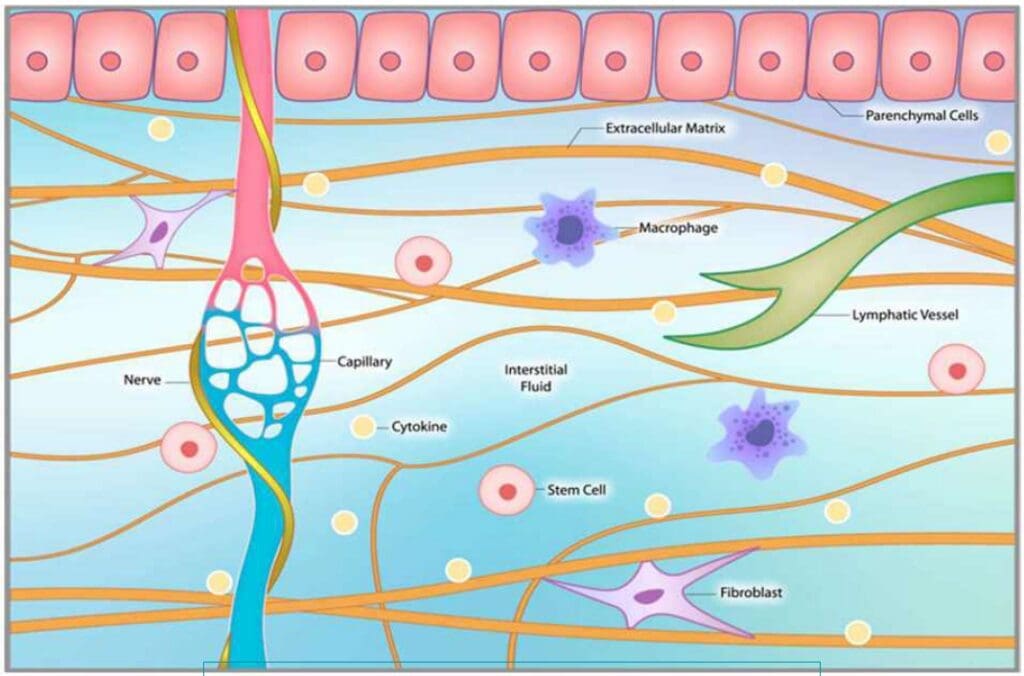
While advanced technologies like A2M and Photobiomodulation are powerful tools, they are most effective when applied to a body that has the fundamental building blocks it needs for repair. You cannot build a sturdy house with rotten wood and missing bricks. Similarly, you cannot expect the body to regenerate without the proper nutritional foundation. My approach to patient care is always anchored in this principle: nourish, nourish, nourish. The ultimate goal is to nurture the extracellular matrix (ECM). The ECM is the intricate, non-cellular three-dimensional network that surrounds all our cells. I often describe it to patients as the “soil” in which our cellular “seeds” (including stem cells) are planted. This soil is composed of a complex mesh of proteins like collagen and elastin, as well as glycoproteins and proteoglycans. It provides structural support, but far more importantly, it’s the medium through which cells communicate, receive nutrients, and get signals to grow, migrate, or differentiate. If this matrix is inflamed, dehydrated, or deficient in key nutrients, cellular function will be compromised. Stem cells will not receive the proper signals, waste products will accumulate, and the entire regenerative process will stall. Therefore, my priority is to ensure this “soil” is rich and fertile.
Measure, Don’t Guess: The Power of Advanced Diagnostics
This is where my philosophy diverges sharply from a one-size-fits-all approach. I never make things up. I need objective data to guide my clinical decisions because the risk of being wrong is too high when you are simply guessing. I rely on advanced functional testing to create a precise, personalized roadmap for each patient. A cornerstone of this is the Organic Acid Test (OAT). This comprehensive urine test provides a snapshot of the body’s metabolic processes. It can reveal incredible detail about:
Mitochondrial Function: Are you efficiently converting food into energy?
Neurotransmitter Levels: Are there imbalances in dopamine or serotonin metabolites that could be contributing to mood or pain perception?
Detoxification Pathways: Is your body effectively clearing toxins? The OAT measures markers for glutathione production, a master antioxidant crucial for detoxification.
Nutrient Deficiencies: This is a critical one. The OAT can show functional deficiencies in key vitamins and minerals. It tells me whether the body has enough zinc, selenium, B vitamins, and amino acids, such as glycine, to perform its necessary enzymatic reactions.
When I see a low glutathione level, I know the body’s ability to handle oxidative stress is compromised. This isn’t just an abstract finding; it has direct clinical implications. It means the patient is more susceptible to inflammation and cellular damage. My intervention is then highly targeted: I will support glutathione production with its precursors, such as N-acetylcysteine (NAC), glycine, and selenium.
Personalized Supplementation: The Right Tools for the Right Job
Based on this detailed testing, I can recommend a highly specific nutrient protocol. This isn’t about throwing a generic multivitamin at the problem. It’s about surgical precision.
Essential Fatty Acids: Everybody needs some form of omega fatty acids, but the type and ratio matter immensely. Based on their lab work and clinical presentation, a patient might need more EPA/DHA from fish oil for its potent anti-inflammatory effects. Another patient, perhaps with skin issues or hormonal imbalances, might benefit more from GLA (Gamma-Linolenic Acid), an omega-6 fatty acid. I measure, so I know.
Phospholipids: Phosphatidylcholine is a vital component of every cell membrane in your body. It ensures membrane fluidity, which is essential for proper cell signaling and nutrient transport. For patients with neurological issues or liver detoxification challenges, supporting cell membrane health with phosphatidylcholine can be a game-changer.
Minerals: Zinc is a cofactor in over 300 enzymatic reactions in the body. As we will see in the case study, a deficiency can have widespread effects, from impaired immune function to hair loss. Selenium is a critical cofactor for the enzyme glutathione peroxidase. Without it, your primary antioxidant system cannot function properly.
My approach is flexible and patient-centered. If a patient is overwhelmed, we start with just one thing. Let’s fix the most critical deficiency first. My team and I provide extensive follow-up, acting as partners and guides. We check in, monitor progress, and once the first change has been integrated, introduce the next. It’s a step-by-step process of rebuilding the body from the ground up. Sometimes, we start with hormones if that is the patient’s most pressing concern. Other times, we start with the gut. The entry point can be anywhere, just like reading a book—you don’t always have to start on page one. The key is to be confident in your understanding of the underlying physiology and to use objective data as your compass. The ultimate goal remains the same: to create a nutrient-rich, well-supported internal environment where the body’s own regenerative potential can be fully unleashed.
The Pleiotropic Power of Nature’s Molecules: The Swiss Army Knife Approach to Healing
In the world of functional and regenerative medicine, we often look to nature for inspiration. We find that the most effective molecules and therapeutic interventions rarely have just one job. Instead, they exhibit pleiotropic effects, meaning that a single agent can produce multiple, often seemingly unrelated, biological responses. Think of these compounds not as a simple key fitting a single lock, but as a sophisticated Swiss Army knife, equipped with a variety of tools to address a complex problem from multiple angles. Let’s consider a common flavonoid found in many plants. This single small molecule might simultaneously act as a powerful antioxidant, neutralizing damaging free radicals. At the same time, it could modulate inflammatory pathways such as NF-κB, effectively turning down the “volume” of systemic inflammation. It might also inhibit enzymes that contribute to scar tissue formation (fibrosis), promote the detoxification of harmful compounds, and subtly influence neurotransmitter balance in the brain. This multi-pronged action is not an accident; it’s a hallmark of biological efficiency. The body’s systems are deeply interconnected, and a problem in one area—say, chronic inflammation—inevitably spills over to affect others, like metabolic health, immune function, and neurological integrity. A therapy that only targets one specific point in this complex web is often fighting an uphill battle. This is where the “Swiss Army knife” approach becomes so valuable. When a patient presents with a constellation of issues, I ask myself a series of questions:
What is the primary driver of their dysfunction? Is it unchecked inflammation?
Am I trying to modulate an overactive immune response or elevate a suppressed one?
Is there a need to reduce fibrosis and break down restrictive scar tissue, perhaps in a joint or an organ?
Do I need to protect the cells from ongoing oxidative stress, a process known as cytoprotection?
Is the goal to modulate the intricate signaling of the gut-brain axis?
The beauty of pleiotropic therapies is that we can often address several of these needs simultaneously. This principle extends beyond plant molecules. Consider some of the advanced tools we use in our practice:
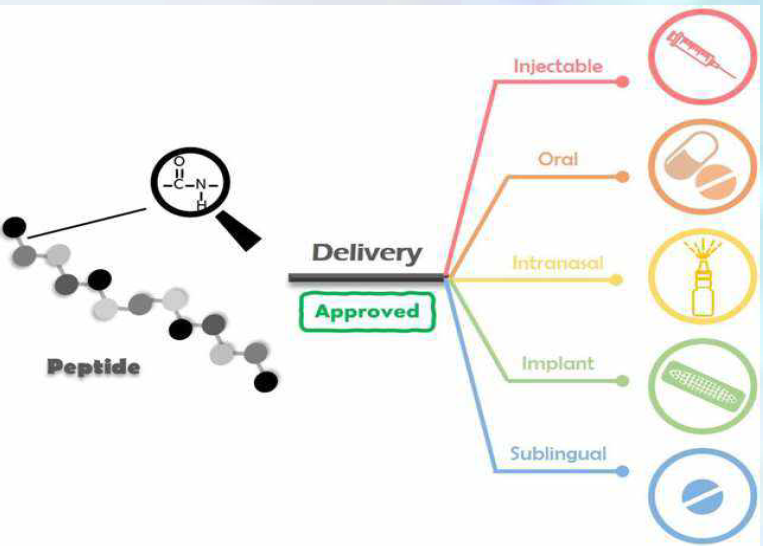
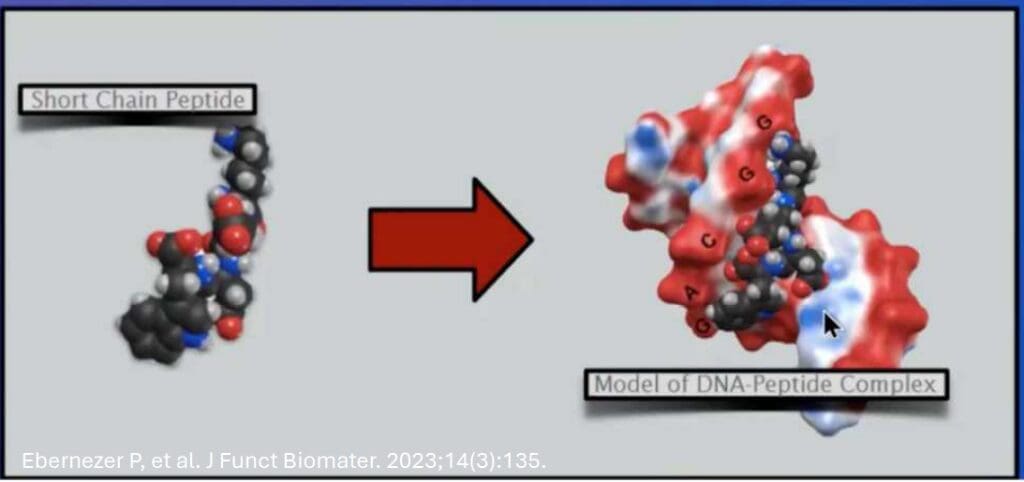
Peptide Therapy: Peptides are short chains of amino acids that act as signaling molecules. A peptide like BPC-157 is a prime example of a pleiotropic agent. It is renowned for its ability to heal the gut lining. Still, it also promotes angiogenesis (the formation of new blood vessels), reduces inflammation, protects organs, and accelerates the healing of tendons and ligaments. It doesn’t just “fix” one thing; it orchestrates a broad, systemic healing response. It is the quintessential Swiss Army knife in our therapeutic toolkit.
Light Therapy (Photobiomodulation): Exposing the body to specific wavelengths of red and near-infrared light can trigger a cascade of beneficial effects. It enhances mitochondrial function to produce more ATP (cellular energy), reduces inflammation, improves circulation, and stimulates collagen production. You might use it for skin rejuvenation, but it also helps reduce joint pain and improve muscle recovery.
Hyperbaric and Intermittent Hypoxic-Hyperoxic Therapy (IHHT): The “hypoxic-hyperoxic paradox” involves strategically alternating between low-oxygen and high-oxygen environments. This process stimulates the production of Hypoxia-Inducible Factor 1-alpha (HIF-1α), a master regulator of cellular adaptation. The result? Growth of new blood vessels, mobilization of stem cells, enhanced mitochondrial efficiency, and a powerful anti-inflammatory effect. It’s a systemic “upgrade” driven by a simple, powerful stimulus.
The key takeaway is that these therapies are fundamentally modulatory. They don’t typically force a pathway into overdrive or shut it down completely, as many pharmaceuticals do. Instead, they work with the body’s innate intelligence to restore balance, or homeostasis. They provide the signals and resources the body needs to heal itself. This is why a peptide like BPC-157, or a therapy like IHHT, can be beneficial for such a wide range of conditions. They are not treating the disease; they are restoring the function of the underlying systems that have gone awry. By understanding and leveraging these pleiotropic, modulatory actions, we can create more elegant, effective, and holistic treatment plans that honor the complexity of the human body.
Navigating the System: Strategic Lab Testing and Patient Advocacy
One of the most significant challenges in modern medicine is not a lack of knowledge or technology, but the bureaucratic and economic maze of the healthcare system. As a clinician committed to evidence-based practice, I rely heavily on comprehensive laboratory testing to get an accurate picture of a patient’s physiology. However, obtaining these tests can be a minefield of insurance denials, exorbitant “patient responsibility” bills, and the looming threat of future insurance discrimination. A crucial part of my role has become that of a strategist and advocate, helping my patients navigate this system to get the care they need without facing financial ruin or future penalties. The problem often begins with diagnostic codes. Every lab test ordered must be justified by an ICD-10 code, which represents a specific diagnosis or symptom. If an insurance company deems the test “not medically necessary” for the given code, they will deny the claim, leaving the patient with a potentially massive bill. Furthermore, certain diagnoses—even if used to justify a test—can be used by life or disability insurance companies to deny coverage or charge prohibitive premiums. So, what is the solution? I’ve developed a meticulous strategy. When I determine a patient needs a panel of tests—perhaps to assess nutrient levels, hormonal balance, inflammation, and metabolic markers—I don’t use a single, highly specific (and potentially problematic) code. Instead, I carefully review the patient’s entire symptom profile and medical history to identify multiple, less alarming, and fully justifiable codes. For example, I may use codes for:
Myositis (muscle inflammation) to justify testing for inflammatory markers like C-Reactive Protein (CRP) or creatine kinase.
Anemia (e.g., B12 deficiency anemia or iron-deficiency anemia) to justify tests for a complete blood count (CBC), ferritin, vitamin B12, and folate. This is a common, low-risk diagnosis.
Vitamin D Deficiency is another common and non-threatening code.
General symptoms like fatigue, malaise, or abnormal weight loss/gain.
I have compiled a master list of these “safe” and versatile codes, which my team uses to process lab requisitions. The goal is to find the most general yet accurate reason for the test that will not be held against the patient later. The primary reason I’m testing ferritin is that I suspect iron-deficiency anemia. Perhaps not. The primary reason might be to assess it as a critical inflammatory marker in the context of a complex chronic illness. But if the patient also has symptoms consistent with anemia, using that code is both ethically sound and strategically wise. I also believe in radical transparency with my patients. I educate them about the “game” of health insurance. I explain that if we bill their insurance and the claim is denied, the lab will often charge them a retail price that is three or four times higher than the direct cash price. The lab cannot legally go back and offer the cash price after the insurance has been billed. Therefore, for some tests, it’s far cheaper to bypass insurance altogether. A Vitamin B12 test might cost $150 through insurance but only $12 if paid directly. Why a Vitamin D test can cost $50 is another mystery of healthcare pricing, but knowing the cost upfront empowers the patient. I tell my patients, “I am going to recommend the tests I believe are clinically necessary for us to create an effective plan. I will also help you find the most affordable way to get them, whether it’s through a specific lab that offers better cash prices or by using your Health Savings Account (HSA). The choice is always yours. We can proceed with a plan based on your symptoms and clinical presentation—an educated guess—or we can test and know for sure. Here is the cost associated with each path.” This approach was born from hard-learned lessons. Early in my practice, I worked with a lab company under the assumption that they would handle the billing responsibly. I sent the patient’s insurance information and the appropriate codes. Later, I received a massive bill for thousands of dollars in “outstanding” lab fees. The company claimed that because the patients did not respond to their calls or emails to settle the denied claims, I, as the ordering physician, was responsible. This experience solidified my resolve to protect both my patients and my practice from the predatory aspects of the medical-industrial complex. My advice to patients today is often counterintuitive: consider getting a lower-premium insurance plan and saving the difference to pay for diagnostics and treatments directly. Use your HSA wisely. Be a savvy consumer of healthcare. My job is not just to diagnose and treat, but also to be your guide and advocate in this challenging environment, helping you make wise choices about your health and resources.
The Realities of Advanced Therapies: Cost, Safety, and Clinical Application
Integrating cutting-edge regenerative therapies into a clinical practice is an exciting prospect, but it comes with a host of practical challenges that are rarely discussed in academic papers. From the prohibitive cost of equipment to the steep learning curve and critical importance of patient safety, these are the on-the-ground realities that clinicians must master. A perfect example is the financial barrier to entry for many advanced modalities. I’ve often looked at a new piece of equipment—say, a machine for a specific type of extracorporeal blood treatment—and been astounded by the price tag. The manufacturer wants me to buy their machine, but then they make the disposable, single-use kits required for each treatment absurdly expensive. I once had a machine that sat in my office for six years, a constant reminder of this frustrating dynamic. I even challenged my engineering student interns, “Go figure out how to make these disposables cheaper. It’s absurd that a single treatment kit costs $500. It’s simply not sustainable for the patient.” This financial burden creates a significant barrier to access, limiting these powerful therapies to only the very wealthy. Beyond cost, there is the critical issue of technique and patient safety. A therapy is only as good as the person administering it. I’ve seen firsthand how a powerful treatment can go wrong in inexperienced hands. Let’s talk about Extracorporeal Blood Oxygenation and Ozonation (EBOO), a procedure where blood is drawn from one arm, passed through a dialysis filter where it is oxygenated and ozonated, and then returned to the other arm. It’s a powerful systemic detoxification and anti-inflammatory treatment. However, it requires significant skill to manage the patient, the equipment, and the IV access. I’ve had patients tell me they would rather have a knee injection any day of the week than go through another EBOO treatment. Why? Because a poorly executed procedure is uncomfortable and stressful. You need to cannulate two veins, the patient is tethered to a machine, and the blood flow must be carefully managed. I even witnessed a cardiothoracic surgeon, a brilliant man in his own field, attempt to perform this procedure on a patient in my office. He hooked the patient up, and then we all left the room. A few moments later, I heard the patient coughing and gasping for air. I rushed in to find him in distress. The surgeon had inadvertently turned off the machine. I had to intervene immediately. It was a stark reminder that even the most accomplished medical professionals need specific training and hands-on experience for these specialized procedures. This is not a “set it and forget it” therapy. This is why I am so meticulous about vetting both the technology and the practitioners I collaborate with. I have sought out and trained with clinicians who are true masters of their craft. For example, I spent days training with a remarkable physician who has developed his own refined techniques for blood filtration and has healed countless patients. I’ve had these procedures performed on myself. I’ve seen the difference that expertise makes. The bottom line is this: there is no single silver bullet in medicine. If there were, none of us would need to be here, constantly learning and refining our approach. The effectiveness of any advanced therapy—whether it’s EBOO, MUSE cell administration, or peptide injections—depends on a combination of factors:
The right patient: Is this therapy appropriate for this individual’s specific condition and physiology?
The right protocol: What is the correct dosage, frequency, and duration of treatment?
The right technique: Is the practitioner highly skilled and experienced in administering the therapy safely and effectively?
The right combination: Is the therapy being used in synergy with other supportive treatments to address the root cause of the problem?
For example, some of the most advanced protocols I’ve seen involve a sequence of therapies. A clinician might perform an EBOO treatment to “clean the canvas”—to reduce the patient’s inflammatory load and improve the microcirculatory environment. Then, immediately afterward, they might administer a high dose of exosomes or Dezawa MUSE cells, knowing that these regenerative agents will now enter a much more receptive and less hostile biological environment. This thoughtful, synergistic sequencing is where the real art and science of regenerative medicine lie. It’s about more than just owning the latest machine; it’s about mastering the “how,” the “when,” and the “why” for each unique patient.
Body Signals Decoded- Video
The Vanguard of Regenerative Medicine: Understanding Dezawa MUSE Cells
In the rapidly evolving field of regenerative medicine, the term “stem cells” is often used as a broad, catch-all phrase. However, this oversimplification does a great disservice to the nuanced and highly specific science that underpins this discipline. Not all stem cells are created equal, and one of the most exciting and rigorously studied types is the MUSE cell, which stands for Multilineage-differentiating Stress Enduring cell. To truly appreciate their therapeutic potential, it’s essential to understand what they are and why the source and processing method are critically important. MUSE cells were discovered and characterized by a team of researchers led by Dr. Mari Dezawa in Japan. Her extensive work, documented in over 200 published scientific papers, has established these cells as a unique and powerful tool for regeneration. What makes them so special?
Stress Enduring: As their name implies, MUSE cells have a remarkable ability to survive severe cellular stress. When tissue is damaged—whether by trauma, lack of oxygen (ischemia), or inflammation—most cells die. MUSE cells, however, can endure this hostile environment. They are naturally present in our bodies in small numbers, acting as a “first responder” repair crew that activates in response to injury.
Homing Capability: When administered intravenously, MUSE cells have an innate ability to “home” to sites of injury and inflammation. They are guided by the chemical distress signals (chemokines) released by damaged tissues. This means they travel through the bloodstream and accumulate precisely where they are needed most, rather than distributing randomly throughout the body.
Multilineage Differentiation: Once they arrive at the site of damage, MUSE cells can differentiate into a wide variety of cell types to replace those lost. They are pluripotent, meaning they can become cells of all three primary germ layers: endoderm (e.g., liver, pancreas), mesoderm (e.g., bone, muscle, cartilage), and ectoderm (e.g., neurons, skin). This versatility makes them applicable to a vast range of degenerative conditions.
Non-Tumorigenic: Unlike embryonic stem cells, MUSE cells are non-tumorigenic. They integrate into damaged tissue and stop dividing once the repair is complete, posing a very low risk of forming tumors.
Immune-Privileged: MUSE cells have low immunogenicity, meaning they are less likely to be rejected by the recipient’s immune system. This makes allogeneic (donor-sourced) MUSE cell therapy a viable option without the need for harsh immunosuppressive drugs.
Given these remarkable properties, it’s clear why the name “Dezawa” is so important. When a clinician refers to “Dezawa MUSE cells,” they mean the cells have been isolated, cultured, and processed according to the specific, patented protocols developed by Dr. Dezawa and her team. This is a critical distinction in quality control. Many labs may claim to offer “stem cells.” Still, if they are not specifically Dezawa MUSE cells, they lack the same body of scientific evidence supporting their identity, safety, and efficacy. So, when I consider using a cellular therapy product, my first question is always: “Are these authentic Dezawa MUSE cells?” The applications are profound. In my practice and in the broader research community, we’re seeing their use in complex cases ranging from neurodegenerative diseases to autoimmune conditions and post-COVID recovery. When you’re dealing with a patient who has a high inflammatory load and significant tissue damage, administering a high dose of these targeted, stress-enduring cells can provide the raw materials for a level of repair that the body can no longer achieve on its own. Furthermore, we are seeing these cells being used in combination with other powerful therapies. As mentioned earlier, a protocol might first “clear the ground” with a treatment such as EBOO to reduce systemic inflammation, and then introduce the MUSE cells into a more favorable environment. Some protocols also incorporate other types of regenerative cells, such as trophoblastic stem cells, which are sourced from the placenta and are also known for their powerful regenerative and immunomodulatory properties. The key is to understand that we are moving into an era of highly specific, targeted regenerative medicine. It’s not just about injecting “stem cells”; it’s about choosing the right type of cell, from the right source, processed in the right way, and administered in the right context to address the patient’s specific pathology. The work of pioneers like Dr. Dezawa has given us a powerful, evidence-based tool, and it is our responsibility as clinicians to use it with the precision and respect it deserves.
The Energetic Blueprint: Cellular Memory, Tissue Intelligence, and Intergenerational Transfer
One of the most profound and mind-bending concepts emerging from the frontiers of biology is the idea that our tissues possess a form of memory. This is not memory in the cognitive sense, such as recalling a childhood event, but a deeper, energetic, and informational imprint stored within the very fabric of our cells and the extracellular matrix. This concept challenges the purely mechanistic view of the body and opens the door to understanding how experiences, exposures, and even ancestral information can be physically encoded and transmitted. We often talk about the body in electrical terms. Our nervous system runs on electrical impulses, our heart has an electrical conduction system, and every cell maintains an electrical potential across its membrane. But the concept of tissue memory suggests a more subtle form of energy and information storage. How else can we explain phenomena that defy simple biochemical explanations? Consider the field of psychoneuroimmunology, which studies the interactions among our psychological processes, nervous system, and immune system. We know that chronic stress and trauma can lead to tangible, long-term changes in immune function and inflammation. The “memory” of that trauma isn’t just in the brain; it appears to be held in the body’s tissues, creating a state of chronic hypervigilance and inflammation. This is why body-based therapies like Somatic Experiencing or certain types of bodywork can be so effective in releasing trauma—they are working directly with the information stored in the tissues.
A more recent and controversial example comes from research surrounding the COVID-19 vaccines. Studies have emerged that found evidence of vaccine-induced spike protein in the sperm of vaccinated fathers. This information was then subsequently detected in their newborns. How is this possible? The conventional view struggles to explain how a protein fragment could be so durably stored and then transferred via germ cells. However, if we adopt an energetic and informative framework, it makes more sense. The body is not just a collection of chemical reactions; it is a dynamic, resonant field of information. Tissues, and the water-rich extracellular matrix that surrounds them, may function like a liquid crystal, capable of storing and transmitting information via vibrational patterns and electromagnetic fields. The spike protein, or more accurately, the data of the spike protein, could be encoded into this biological matrix. This energetic signature, this “memory,” can then be passed on through the energetic continuum of the germ line. This is a paradigm-shifting idea. It suggests that our cells and tissues are “listening” to our experiences and environment on a level we are only just beginning to comprehend. It gives a plausible mechanism for phenomena that have long been observed but dismissed as anecdotal, such as:
The “memory” of an injury that aches when the weather changes.
The transfer of tastes or preferences in organ transplant recipients.
The persistence of “phantom limb” pain, where the energetic blueprint of the limb remains even after the physical structure is gone.
This concept has profound implications for how we approach healing. It means that true, deep healing may require more than just correcting biochemical imbalances. It may require us to address the informational and energetic imprints held within the body. Therapies that work on this level include:
Peptide Therapy: Peptides are signaling molecules; they are pure information. They can introduce new, corrective messages into the system to override faulty or “stuck” informational loops.
Frequency and Light Therapies: These modalities use specific frequencies of sound, light, or electromagnetic fields to interact with and restore coherence to the body’s own energetic field.
Detoxification Protocols: By clearing heavy metals, toxins, and other disruptive elements from the extracellular matrix, we can improve the clarity and fidelity of the body’s internal communication system.
The idea that information and memory can be stored in our very tissues and passed down through generations is not science fiction. It is the leading edge of a new biology, one that recognizes the body as an intelligent, interconnected system of energy and information. As we continue to explore this “bio-energetic” framework, we will unlock even more powerful ways to understand and heal the human body, moving beyond the physical to address the energetic blueprint that underlies our health.
A Hierarchical Approach to Post-Traumatic Osteoarthritis in the Young
When a young person presents with osteoarthritis (OA) that is significantly advanced for their age, it’s almost always a case of post-traumatic OA. This can result from a single major injury, such as a ligament tear or fracture, or from the cumulative effects of repetitive microtrauma and surgeries. The conventional approach often jumps directly to managing symptoms with anti-inflammatory drugs and, eventually, joint replacement. My approach, however, is hierarchical and foundational. I believe we must first address the underlying systemic issues preventing the joint from healing before we bring in high-tech regenerative tools. There is a definite role for peptides like Thymosin Beta-4 (TB-500) and BPC-157, but they are not the first step. Here is how I would structure the treatment plan for a young individual with post-traumatic OA, building from the ground up:
Step 1: Re-mineralize and Balance the Terrain
The first and most overlooked aspect of joint health is the body’s mineral composition. We are fundamentally mineral-based beings. The cartilage, bone, and synovial fluid that make up a joint require a rich and diverse array of minerals to maintain their structure and function. We have become hyper-focused on a few key players, like magnesium and calcium. Still, we often forget the vast spectrum of trace minerals that are essential for enzymatic processes, collagen synthesis, and the control of inflammation. Our modern food supply is notoriously depleted of these vital minerals due to soil degradation. Therefore, my first intervention is to ensure the patient has an abundant supply of a full spectrum of minerals. This means looking beyond standard supplements. We must consider the periodic table of elements. Yes, some aspects of that table are toxic in large amounts, but many are required in minute, trace amounts for optimal physiological function. We often find that patients with degenerative conditions are deficient in elements such as silica, boron, manganese, copper, and many others that are no longer present in their diet. Alongside re-mineralization, I assess and address the body’s pH balance. A state of chronic, low-grade metabolic acidosis creates an internal environment that is hostile to healing. Acidic stress contributes to the breakdown of cartilage and bone, as the body leaches alkaline minerals from these tissues to buffer the acid load. Correcting this with dietary changes, proper hydration, and targeted alkaline-forming supplements is a non-negotiable first step.
Step 2: Protect the Core and Provide the Building Blocks
The next step is to protect the body’s primary regenerative engine: the bone marrow. The bone marrow is the source of our hematopoietic and mesenchymal stem cells, the very cells that are responsible for tissue repair. If the bone marrow is suppressed by chronic inflammation, toxicity, or nutrient deficiencies, the body’s ability to heal is profoundly compromised. Therapies that support bone marrow health, such as certain peptides and nutrient protocols, are crucial. Simultaneously, we must provide the raw materials for repair. A joint is primarily made of collagen, which is made of protein. I will ensure the patient’s diet is rich in high-quality protein and supplemented with specific amino acids that are the precursors to collagen, such as glycine, proline, and lysine. Using a targeted secretagogue, which is a substance that stimulates the pituitary gland to release its own growth hormone, can also be beneficial here. A gentle, pulsatile release of endogenous growth hormone is a powerful signal for tissue repair without the risks of using exogenous hormones. A peptide like CJC-1295/Ipamorelin could be considered at this stage.
Step 3: Introduce Targeted Regenerative Peptides
Once the foundation is laid—the mineral stores are replenished, the pH is balanced, and the basic building blocks are available—we can introduce the more specialized tools. This is where peptides like BPC-157 and Thymosin Beta-4 (TB-500) shine.
BPC-157: As our “Swiss Army knife,” BPC-157 will work systemically and locally to reduce inflammation in the joint, promote the formation of new blood vessels (angiogenesis) to bring nutrients to the damaged cartilage, and accelerate the healing of ligaments and tendons that provide stability to the joint. It is a master orchestrator of the healing cascade.
Thymosin Beta-4 (TB-500): TB-500 primarily promotes cell migration, differentiation, and tissue regeneration. It is particularly effective at stimulating the progenitor cells that give rise to cartilage (chondrocytes) and at reducing inflammation within the joint capsule. It acts as the “foreman” on the construction site, directing the raw materials and cellular workers to the right place to rebuild the damaged structure.
In some cases, I might also consider a more advanced injectable therapy, such as Extracellular Matrix (ECM) products, which provide a biological scaffold for new tissue to grow on, or a bioregulatory peptide designed to support cartilage health. The key to this hierarchical approach is patience and diligence. We are not looking for a quick fix. We are systematically rebuilding the body’s internal environment and its innate capacity for healing. By addressing foundational issues first, we ensure that when we introduce powerful regenerative agents like BPC-157 and TB-500, they can work their magic in a receptive, supportive biological environment, leading to more profound, lasting results. This is the essence of true regenerative medicine.
The Uniqueness of the Individual: A Tale of Two Twins
One of the most profound lessons in my clinical practice—and indeed, in my personal life—is the undeniable uniqueness of each individual. The principle of biochemical individuality is not just a theoretical concept; it is a fundamental truth that I see play out every single day. Even identical twins, who share 100% of their DNA, can have dramatically different health journeys and responses to life. I have a unique perspective as the mother of identical twin daughters. For the first two decades of their lives, their synchronicity was astonishing. They looked the same, of course, but it went far deeper than that. They broke the same fingers on the same day. They lost their baby teeth within hours of each other. Their growth charts were so perfectly aligned that they would both grow half an inch in the same week. They slept in the same bed, shared everything, and even, as toddlers, would suck on each other’s thumbs. They were, for all intents and purposes, a single entity in two bodies. All the “experts” who studied them were fascinated by their similarities. They had the same diet, the same environment, the same upbringing. And then, life happened. They went off to college and, for the first time, had truly different experiences. One of my daughters entered into a situation that was incredibly damaging—emotionally, psychologically, and even physically. She experienced a level of trauma that her sister did not. And in their mid-20s, everything changed. The perfect synchronicity was shattered. The invisible trauma had imprinted itself on her biology. Their health trajectories, their emotional responses, and their physiological needs diverged completely. They were no longer the same. This experience with my own daughters, who are now 28, informs my approach to every patient who walks into my office. If identical twins, with similar genes and nearly identical upbringings, can be so profoundly different due to their unique experiences, how can we possibly treat any two unrelated patients with the same protocol? When a patient comes to me, I see more than a diagnosis. I see a unique biography written into their physiology. The fraternal twins I treat are unique individuals from birth. The siblings I treat require different approaches. My son, who is just 15 months older than my twins, has distinct needs. This principle becomes particularly poignant when a family is in crisis. Recently, the daughter who endured the trauma required an intensive intervention. It was a serious event that demanded a massive mobilization of resources—emotional, financial, and temporal. I had to sit down with my other children and have a frank conversation. “Right now,” I told them, “all of my resources have to go to your sister. We are in survival mode. I am here for you, I love you, but there is only so much of me to go around. I need you to pull your own stuff together and let me know if you are in a true crisis. The squeaky wheel is getting the oil right now.” And I reminded them, “If it were you, and when it has been you in the past, you received the same focused attention.” This is a microcosm of clinical practice. We must triage and prioritize. When a patient presents with a complex case, we must identify the “squeaky wheel”—the system in the most acute state of dysfunction—and direct our initial efforts there. Is it the gut? The adrenal glands? The immune system? We must address the most pressing fire first, all while keeping the whole person in view. This is why I reject one-size-fits-all protocols. BPC-157 might be a go-to peptide for gut healing, but it’s not the right tool for everyone in every situation. A ketogenic diet might be miraculous for one person’s brain health and disastrous for another’s hormonal balance. The art of medicine lies in the ability to listen to the patient’s story, their symptoms, and the subtle signals of their body—and to tailor a truly individualized plan that honors their unique journey, biochemistry, and needs at that specific moment in time. My daughters taught me that in a way no textbook ever could.
Case Study Series: Applying Integrative Principles in Complex Conditions
To truly illustrate how these principles converge in a clinical setting, I want to share a series of cases that are powerful testaments to the body’s interconnectedness and its profound capacity for healing when the right underlying issues are addressed.
Case Study 1: Healing Alopecia, Inflammation, and Distress in a Young Boy
This case is one of my earliest and most memorable patients, and it solidifies my belief in an integrative, systems-based approach. The patient was an 11-year-old boy. His parents brought him to me in a state of deep distress. The presenting issues were alarming: alopecia areata (patchy, autoimmune hair loss) that was progressing rapidly, persistent nocturnal enuresis (bedwetting), and significant emotional upset. For a boy on the cusp of adolescence, losing his hair and wetting the bed was socially and emotionally devastating.
His parents explained that they had been on a frustrating journey, seeking answers from conventional medicine. They had been to a major children’s hospital where he was given a diagnosis of Lyme disease and treated with a course of minocycline. However, his condition did not improve; in fact, it worsened. The family came to me in January, feeling lost and desperate.
The Diagnostic Deep Dive: Uncovering the Roots
My first step, as always, was to look deeper. We ran a comprehensive panel of labs to investigate the underlying functional imbalances. The conventional tests for celiac disease, CRP (C-Reactive Protein, a general marker of inflammation), CBC (Complete Blood Count), and CMP (Comprehensive Metabolic Panel) were all largely unremarkable. This is a common scenario; standard labs often miss the functional disturbances that drive chronic illness. However, two critical findings stood out from our more specialized testing:
Low Zinc: His zinc level was significantly low. As I mentioned earlier, zinc is a vital mineral cofactor for hundreds of biological processes. It is essential for a healthy immune system, proper growth and development, and the integrity of skin and hair. A deficiency in a growing boy is a major red flag.
Low BPC-157: We measured his low endogenous BPC-157 levels. BPC-157 (Body Protective Compound-157) is a peptide—a short chain of amino acids—naturally found in human gastric juice. It is a master repair signaling molecule, known for its potent systemic healing effects. It plays a crucial role in gut health, wound healing, angiogenesis (the formation of new blood vessels), and modulating inflammation. Knowing his genetic history and his parents’, I suspected a predisposition that might affect his ability to produce or utilize this critical peptide. Low levels would certainly contribute to systemic inflammation and poor tissue repair.
Here we had two concrete, actionable pieces of data. His body was lacking a fundamental building block (zinc) and a key repair signal (BPC-157). The alopecia and bedwetting were not two separate problems; they were likely downstream manifestations of a core systemic inflammatory process and a compromised ability to heal.
A Multi-Pronged Treatment Protocol
Armed with this information, we designed a multi-faceted treatment plan. This was not about treating the alopecia or the bedwetting in isolation; it was about treating the boy and restoring his body’s systemic balance.
Nutritional Support: The first and simplest step was to correct the zinc deficiency. We significantly increased his zinc supplementation, from the low dose he was already taking to a more therapeutic level.
Peptide Therapy – BPC-157: We began subcutaneous (subQ) injections of BPC-157. The goal was to replenish his low levels of this master repair peptide. By providing an external source, we aimed to quell the systemic inflammation, promote healing in his gut (which is often the epicenter of autoimmunity), and send a powerful “repair” signal throughout his entire system.
Local Regenerative Therapy – PRP: To directly target the areas of hair loss, we performed Platelet-Rich Plasma (PRP) injections into the dermis of his scalp. This procedure involves drawing the patient’s own blood, concentrating the platelets, and injecting this platelet-rich solution into the target tissue. Platelets are a reservoir of powerful growth factors that stimulate tissue regeneration and activate local stem cells. In this case, the goal was to awaken the dormant hair follicles.
The results were astonishing. Five weeks after his first treatment, he returned to the office, and the change was dramatic. New hair was visibly starting to grow in the bald patches. His parents were overjoyed. More importantly, the bedwetting had stopped completely. This confirmed that we were on the right track—we were treating a systemic issue, and the improvements were body-wide.
Phase Two: Enhancing the Healing Cascade with TB4
While the initial progress was remarkable, there were still areas of alopecia. To build on our success, we initiated a second phase of treatment. We continued PRP on the scalp to further stimulate follicles and added methionine, an essential amino acid crucial for hair health. Crucially, we added another therapeutic peptide: Thymosin Beta-4 (TB4). TB4 is another systemically active repair peptide known for promoting cell migration, stimulating the formation of new blood vessels, and strongly downregulating inflammation. It works in beautiful synergy with BPC-157. While BPC-157 is a potent stabilizer and protector, TB4 is a primary promoter of actin mobilization—the very process by which cells move to sites of injury to begin repair. I often think of TB4 as a key signal for “recruiting the troops” to the battlefield. He started taking TB4 subcutaneously every day. Over ten years ago, when I treated him, our understanding of peptide dosing was still evolving. But I knew the physiology. I knew that by providing both BPC-157 and TB4, we were giving his body an unparalleled combination of signals to protect, repair, and regenerate. The final results were a complete success. His mom sent me pictures showing a full, healthy head of hair. This case was a profound learning experience that solidified my belief in an integrative, systems-based approach.
Case Study 2: The Mouth-Body Connection and Oral Regeneration
The human body is not a collection of disconnected parts; it is a deeply integrated system. Nowhere is this more evident than in the relationship between oral health and systemic health. One of the most critical and underappreciated issues in dentistry is the formation of cavitations. A cavitation is an area of dead or decaying bone, often occurring in the jaw at the site of a previous tooth extraction. These areas become chronic, low-grade septic pockets that continuously leak inflammatory cytokines and bacterial toxins into the bloodstream. I will state this unequivocally: if we could effectively identify and fix the cavitations in people’s mouths, we could heal a significant portion of heart disease. The mouth is a direct source of organisms and inflammation that seeds the rest of the body. Let me share a case that highlights a regenerative approach to oral health. This patient first came to see me around 2019, dealing with a failing dental implant due to fragile bone. Her bone density was insufficient to support the implant. I advised her to consult her local oral surgeon, and in 2020, we began a collaborative effort. Her surgeon was Dr. Arun Garg, a talented practitioner I’ve had the pleasure of working with. Our treatment plan was based on stimulating her body’s own healing processes within the jaw.
Platelet-Rich Plasma (PRP): We used her own blood to prepare a platelet-rich plasma concentrate containing growth factors. Platelets release a host of growth factors that orchestrate the healing cascade: they attract stem cells, stimulate cell proliferation, and promote the formation of new blood vessels. We injected PRP throughout the soft tissue and into the bone surrounding the failing implant.
Phosphatidylcholine (PPC): This is another key element of her protocol. PPC is a fundamental component of all our cell membranes. When administered, often intravenously, it helps to repair damaged cell membranes throughout the body, supporting cellular health and robust tissue regeneration. She takes it orally or via another route based on her preference and schedule.
This tailored treatment protocol empowers her to take control of her health. Today, her oral health is the best it has ever been. The bone has regenerated, the implant is stable, and she is thriving. This is a perfect example of what can be achieved when we combine skilled surgical intervention with biological therapies that support the body’s innate wisdom.
Case Study 3: Accelerating Musculoskeletal Recovery in Athletes
The principles of regenerative medicine have transformative applications in sports medicine. Let’s explore a few cases. The Young Athlete with a Hamstring Tear: This case involves a 26-year-old male I’ll call George. He had just recovered from a significant health crisis when he sustained an acute hamstring tear while sprinting for a soccer ball. He came into the office right away. Our approach was twofold:
Shockwave Therapy: We administered ESWT twice a week. The shockwaves create micro-trauma, jumpstarting the body’s healing response by increasing blood flow, stimulating growth factor release, and reducing pain.
Peptide Therapy: To complement the physical modality, we used BPC-157 and TB4. BPC-157 is renowned for its healing effects on muscle and tendon, while TB4 is crucial for cell migration and stem cell activation. Together, they create a powerful synergistic effect.
The results were swift. He healed completely, getting back on his feet far quicker than with conventional rest and ice.
The Student with Chronic Joint Injuries: This 26-year-old student came to me in 2021 from California with chronic injuries in his left shoulder and right knee that had persisted for two years despite physical therapy. This is a classic picture of a chronic, non-healing state with fibrosis and low-grade inflammation. Our treatment plan included:
Peptide Injections: We injected a combination of BPC-157 and TB4 directly into both the shoulder and knee joints to reduce inflammation, break down fibrosis, and stimulate regeneration.
Shockwave Therapy: We used shockwave on both joints to stimulate blood flow and trigger the healing cascade.
Altitude Therapy: Intermittent Hypoxic-Hyperoxic Training (IHHT), in which a patient breathes air with alternating low and high oxygen concentrations. This process creates a mild stress that forces mitochondria to become more efficient, enhancing systemic healing capacity.
The outcome was a complete success. He regained full strength and, since 2021, has been attending Harvard Business School, even running the Boston Marathon. These cases underscore a key principle: tissue wants to heal; you have to give it what it needs.
Decoding Long COVID: A Deep Dive into Systemic Inflammation and Autoimmunity
We now face a global health challenge of unprecedented scale: Post-Acute Sequelae of SARS-CoV-2 infection (PASC), more commonly known as Long COVID. This condition presents with a bewildering array of over 200 possible symptoms, affecting nearly every organ system. I want to walk you through a comprehensive case of a young woman with Long COVID to illustrate the profound systemic dysregulation that can occur and how we can begin to address it.
The Patient Presentation
This 22-year-old patient came to see me from Wisconsin. She is from a family of physicians; her mother is a pediatrician. For a year and a half, she had been incredibly sick. Her primary issue was profound exertional fatigue. This wasn’t just feeling tired; this was a complete crash after even minimal physical or mental effort, a hallmark symptom known as post-exertional malaise (PEM). Her case was a classic Long Hauler’s story. Her medical history was complex:
Initial Infection: March 2020, early in the pandemic.
Reinfection: Two years later.
Co-morbidities: A history of Irritable Bowel Syndrome (IBS), chronic elbow tendonitis, and recurrent skin issues.
Systemic Symptoms: She was heavier than her normal weight, had developed disordered eating patterns, and was struggling with significant anxiety and depression.
My task was to get her out of the “tunnel” of chronic illness.
Lab Analysis: Uncovering the Roots of Dysfunction
To understand what we were dealing with, we needed a deep dive into her biochemistry. Her labs told a story of profound immune dysregulation and metabolic chaos.
Complete Blood Count (CBC): A Window into the Immune System
The first and most glaring finding was on her basic CBC with differential.
White Blood Cell (WBC) Count:1.7 K/uL (Normal range is typically 4.0-11.0). This is a state of severe leukopenia (low white blood cells).
Neutrophils: Her neutrophil count was dangerously low (neutropenia). Neutrophils are our primary defense against bacterial infections.
Platelets: Her platelet count was low at 175 K/uL (normal range is roughly 150-450). This is a concern in Long COVID and is often related to endothelial damage.
Clinical Insight: Forget the subtle details. The bottom line was leukopenia. Her immune system was suppressed and exhausted. This is the central problem that needs to be resolved.
Inflammatory and Metabolic Markers: The Fire Within
C-Reactive Protein (CRP): 3.7 mg/L. Elevated, indicating a persistent inflammatory state.
Fibrinogen: Slightly elevated. A sign of inflammation and potential micro-clotting.
Insulin and HOMA-IR: Elevated, indicating metabolic dysfunction and insulin resistance.
Coenzyme Q10 (CoQ10): A significant deficiency. CoQ10 is critical to the electron transport chain in our mitochondria, which generates ATP. A deficiency means her cellular energy production was severely impaired—a direct biochemical explanation for her profound fatigue.
Cortisol: Her morning cortisol level was 29 ug/dL. This is extremely high, reflecting severe, chronic stress.
Genetics and Immunology: The Attack on Self
Genetics: She had genetic markers indicating a predisposition to high oxidative stress and issues with her glutathione pathway, the body’s master antioxidant.
Cytomegalovirus (CMV): Her IgG was positive, indicating a past infection. Reactivation of latent viruses like CMV and Epstein-Barr Virus (EBV) is a common feature of Long COVID.
Brain Autoimmunity: The most concerning finding was evidence of brain autoimmunity and brain inflammation. Her symptoms were not just “in her head”; they were the result of an inflammatory process affecting her central nervous system.
The Physiology of Long COVID: A Cascade of Dysfunction
Let’s synthesize this information. The SARS-CoV-2 spike protein binds to the ACE2 receptor, triggering a cascade of events:
Endothelial Damage: The virus attacks the endothelium, the inner lining of blood vessels, leading to endotheliitis, inflammation, and a pro-clotting state.
Mitochondrial Hijacking: The virus hijacks the mitochondria to replicate, draining the cell of energy and creating massive oxidative stress. This is the root of the profound fatigue.
Immune Dysregulation: The immune response becomes chaotic, leading to exhaustion (leukopenia) and the production of autoantibodies that attack the body’s own tissues, including the brain.
Neuroinflammation: The spike protein can cross the blood-brain barrier, triggering inflammation that injures regions such as the area postrema, a brainstem chemosensor. This leads to brain fog, headaches, dizziness, and dysautonomia.
This is a complex, vicious cycle. Inflammation drives mitochondrial dysfunction, which creates more inflammation.
A Phased Treatment Protocol: Rebuilding from the Ground Up
Given this complexity, the treatment must be comprehensive, personalized, and phased.
Phase 1: Foundational Support and Calming the System
Oral Supplementation:
Nutritional Support: A comprehensive medical food shake and a multivitamin.
Mitochondrial Cocktail: High-dose CoQ10, L-carnitine, D-ribose, and magnesium.
Adrenal Support: An adrenal adaptogen formula and potassium.
Peptide Therapy: We started with gentle peptides.
KPV: A small peptide fragment that is powerfully anti-inflammatory, especially in the gut.
Thymosin Alpha-1 & Beta-4: To begin immune modulation and tissue repair.
Photobiomodulation (Light Therapy): To support mitochondrial function systemically.
Phase 2: Deeper Healing and Cellular Regeneration
Phosphatidylcholine (PPC) + Glutathione (GSH): A cornerstone IV therapy to repair damaged cell membranes and combat oxidative stress.
Hyperbaric Oxygen Therapy (HBOT): She did 40 sessions. In an HBOT chamber, you breathe 100% oxygen under pressure. This floods tissues with oxygen, reducing inflammation, promoting new blood vessel growth (angiogenesis), mobilizing stem cells, and healing the brain.
BioCharger: Before each HBOT session, she used the BioCharger, which uses light, frequencies, and PEMF to charge the body’s cells.
This multi-modal approach is not a quick fix. It is a systematic process of removing dysfunction while providing the raw materials and energetic support the body needs to heal itself, from the mitochondria up.
Case Study Workshop: Deconstructing Complexity
Now, let’s roll up our sleeves and apply these principles to a real-world scenario. This is the kind of complex case that walks into my office every day.
The Patient Profile
Our patient is a 45-year-old woman in a strained marriage, a significant source of chronic stress. She presents with a long list of symptoms and an even longer list of supplements.
Chief Complaints & History:
Weight Gain: “Fluffy” weight gain around the middle.
Stress & Eating Habits: She is a self-professed stress eater who craves bowls of cereal or nachos.
Fatigue & Energy Dysregulation: Low energy in the middle of the day.
Sleep Disruption: Wakes frequently at night.
Gastrointestinal Issues: “Always” constipated, significant bloating, and floating stools.
Sinus & Allergy Symptoms: Chronic sinus problems, itching, and watery eyes—a major red flag for gut issues.
Cognitive & Mood Issues: Anxiety and “perseverates” on thoughts.
Current Regimen (The “Throw Everything at It” Approach):
Phentermine: An amphetamine-like appetite suppressant.
Caffeine: Consumed throughout the day.
BPC-157, CJC-1295 / Ipamorelin, a “Vegan Cleanser,” Melatonin, and a laundry list of other supplements.
This is a classic case of a highly motivated patient who is completely lost. She is throwing dozens of interventions at the problem without a coherent strategy, and nothing is really working.
Initial Laboratory Findings & Analysis
We ran comprehensive labs, including a DUTCH test and a blood panel.
DUTCH Test (Hormones): Her cortisol pattern is dysregulated—likely high at night (poor sleep) and blunted during the day (midday fatigue). She’s in a state of HPA axis dysfunction, or “adrenal fatigue.”
Blood Panel:
Thyroid Peroxidase (TPO) Antibodies: Elevated at 8.34 (top of range is 9.0), indicating she is on the cusp of Hashimoto’s thyroiditis.
Analysis: She is stuck in a classic “wired and tired” cycle driven by chronic stress. She is using stimulants (Phentermine, caffeine) to function and a sedative (Melatonin) to sleep. Her gut is a mess, driving systemic inflammation that is now manifesting as autoimmunity against her thyroid.
Clinical Approach
Let me walk you through the protocol we actually implemented. Phase 1: Stop the Noise and Calm the System
Dampen the Stress Response: First, we got her off stimulants and managed her cortisol levels. We started her on Selank, a neuropeptide known for its potent anti-anxiety effects. Why Selank? Her stress eating is a classic cortisol-induced carbohydrate craving. By calming the stress response with Selank, we reduce cravings at their source.
Address the Gut Dysbiosis: Her gut is a disaster. We initiated a “kill” phase using antimicrobial agents like berberine and grapefruit seed extract. This was followed by a “repair” phase with L-glutamine, zinc carnosine, and BPC-157 (used at the right time!).
Improve Insulin Sensitivity: Cortisol dysregulation has made her insulin-resistant. We used a combination of Alpha-Lipoic Acid (ALA), Chromium, and Berberine to help her body handle carbohydrates more effectively.
Identify Food Triggers: Given her symptoms, food sensitivities are a certainty. We recommended a comprehensive food allergy/sensitivity test to identify and remove inflammatory triggers.
Phase 2: Rebuilding and Optimizing
Once the inflammation was down, we moved on to rebuilding, which included:
Hormone Modulation: Carefully balancing her estrogen, progesterone, and testosterone.
Thyroid Support: Providing nutrients like iodine and selenium.
Targeted Peptide Therapy: Strategically using peptides like Tesamorelin, a GHRH analog that is particularly effective at reducing visceral adipose tissue—the dangerous fat around the organs driven by cortisol.
This systematic, hierarchical approach is key. We didn’t just add more supplements. We removed triggers, calmed the system, addressed root causes in order of priority (Stress/HPA Axis -> Gut -> Insulin Resistance), and rebuilt on a solid foundation.
The Power of GLP-1 Agonists: A Modern Tool for Metabolic Reset
In our discussion of metabolic health, it’s impossible to ignore one of the most significant breakthroughs in recent years: the class of medications known as GLP-1 (Glucagon-Like Peptide-1) receptor agonists. These include drugs like Semaglutide (Ozempic/Wegovy) and Tirzepatide (Mounjaro). While often sensationalized as simple “weight loss drugs,” their physiological effects are far more profound. Let’s look at a case that illustrates their impact. This is a male patient with classic signs of metabolic syndrome. Baseline Labs (Before GLP-1 Therapy):
A1c: 6.1% (pre-diabetic)
Fasting Glucose: 105 mg/dL (impaired)
Triglycerides: 201 mg/dL (high)
Total Testosterone: 296 ng/dL (low)
SHBG (Sex Hormone-Binding Globulin): 38 nmol/L (high, binding up his testosterone)
This is a picture of severe insulin resistance. The high insulin is driving down his testosterone and driving up his SHBG, creating a vicious cycle: low testosterone leads to more fat and less muscle, which worsens insulin resistance, which further suppresses testosterone. Now, let’s look at his labs after treatment with a GLP-1 agonist, combined with lifestyle changes. Follow-Up Labs (After GLP-1 Therapy):
A1c: 5.2% (optimal)
Fasting Glucose: 85 mg/dL (optimal)
Triglycerides: 75 mg/dL (excellent)
Total Testosterone: 550 ng/dL (significant improvement)
SHBG: 25 nmol/L (lowered, freeing up more testosterone)
The transformation is remarkable. GLP-1 agonists work through several key mechanisms:
They Mimic a Natural Gut Hormone: GLP-1 signals the pancreas to release insulin, suppresses glucagon, and slows gastric emptying, making you feel full longer.
They Work on the Brain: They activate receptors in the hypothalamus, the brain’s appetite-control center, thereby directly reducing hunger signals and cravings.
They Improve Insulin Sensitivity: By reducing the glucose load and promoting weight loss, they dramatically increase the body’s sensitivity to insulin.
In this patient, breaking the cycle of insulin resistance restored his body’s natural hormonal cascade. As his insulin came down, his SHBG dropped, his pituitary sent a stronger signal to his testes, and his testosterone production came back online. The weight loss was a sign of a fundamental metabolic reset. It’s crucial to understand that these are powerful tools that must be used as part of a comprehensive program. But for the right patient, they can provide the leverage needed to break free and regain control of their health.
Summary, Conclusion, and Key Insights
Summary
This educational post has navigated a broad and complex landscape of modern regenerative and functional medicine from my perspective as Dr. Jimenez (DC, FNP-APRN). We began by establishing the foundational concept of pleiotropism, illustrating how natural molecules and advanced therapies act as “Swiss Army knives” to produce multifaceted healing responses. We transitioned to the pragmatic realities of clinical practice, detailing the strategic necessity of navigating diagnostic codes and the operational challenges of implementing advanced therapies like Extracorporeal Shockwave Therapy (ESWT) and A2M injections. The core of the post focused on applying these principles through a series of detailed case studies. We explored the successful treatment of alopecia areatawith peptides such as Thymosin Beta-4 (TB4) and BPC-157, the regeneration of bone around a dental implant withPRP, and the rapid recovery of musculoskeletal injuries in athletes. We undertook an extensive analysis of a complex Long COVID case, uncovering severe leukopenia, mitochondrial dysfunction, and neuroinflammation, and outlined a multi-phased treatment protocol incorporating peptides, nutritional support, and Hyperbaric Oxygen Therapy (HBOT). Finally, we deconstructed a multi-symptom case in a 45-year-old woman, demonstrating a systematic approach to identify root causes such as HPA axis dysregulation and gut dysbiosis, and to build a logical treatment plan incorporating Selank and GLP-1 agonists.
Conclusion
The landscape of medicine is shifting from a model of disease suppression to one of physiological restoration. The future of medicine lies not in finding a single magic bullet, but in a deeper understanding of the body as an interconnected, intelligent system. True healing comes from a holistic and hierarchical approach that honors this complexity. It begins with re-establishing the foundations of health: providing essential nutritional building blocks, balancing the body’s internal terrain, and calming the chronic stress responses that drive modern disease. Only then can we effectively leverage the power of advanced regenerative tools—whether they are peptides, specialized stem cells, or novel metabolic drugs—to guide the body back to a state of balance and vitality. Pathological fibrosis and chronic inflammation are not irreversible endpoints but dynamic processes that can be influenced. The role of the clinician is evolving into that of a master integrator, a strategist, and a patient advocate, skillfully combining evidence-based science with the art of individualized care to unlock the profound healing potential that resides within each person.
Key Insights
Fascia as a Communicative Organ: The most critical shift in understanding is to view fascia not as inert tissue, but as a body-wide sensory and communication system that actively directs healing and biomechanical function.
Myofibroblasts are a Double-Edged Sword: While essential for acute healing, the chronic activation of myofibroblasts is the central villain in the story of fibrosis and many chronic pain syndromes. The primary therapeutic goal should be to turn off these “on” signals.
Hormesis is the Master Principle of Healing: The body adapts and grows stronger in response to controlled stress. Regenerative therapies like ESWT and HBOT work by applying a targeted stressor that provokes a powerful, positive adaptive response. The healing is in the reaction, not the stimulus itself.
Peptides as Master Regulators: Peptides like Thymosin Alpha-1, Thymosin Beta-4, and BPC-157 are sophisticated signaling molecules that can precisely modulate the immune system, orchestrate complex tissue repair, and reduce inflammation.
Mitochondrial Health is Paramount: Profound fatigue and systemic dysfunction, especially in chronic conditions like Long COVID, are often rooted in mitochondrial damage. Therapies that support mitochondrial function are critical for restoring vitality.
Long COVID is a Multi-System Disease: a complex syndrome driven by a vicious cycle of endothelial damage, mitochondrial dysfunction, immune dysregulation, and neuroinflammation that requires a comprehensive, multimodal approach.
Biochemical Individuality is Paramount: Even genetically identical twins diverge based on life experiences, mandating that all treatment plans must be uniquely tailored to the individual’s biography and physiology.
Systemic Problems Require Systemic Solutions: Seemingly unrelated symptoms often stem from a common root of systemic inflammation. Effective treatment requires looking beyond the site of pain to address the entire physiological environment.
References (Illustrative Examples of Supporting Literature):
d’Agostino, M. C., Craig, K., Tibalt, E., & Respizzi, S. (2015). Shock wave as biological therapeutic tool: From mechanical stimulation to recovery and healing, through mechanotransduction. International Journal of Surgery, 24, 147-153.
Gabbiani, G. (2003). The myofibroblast in wound healing and fibrocontractive diseases. Journal of Pathology, 200(4), 500-503.
Goldstein, A. L., Hannappel, E., & Kleinman, H. K. (2007). Thymosin β4: a multi-functional regenerative peptide. Expert Opinion on Biological Therapy, 7(5), 671-678.
Lechner, J., & von Baehr, V. (2014). RANTES and fibroblast growth factor 2 in jawbone cavitations: triggers for systemic disease? International Journal of General Medicine, 7, 277–290.
Mattson, M. P. (2008). Hormesis defined. Ageing Research Reviews, 7(1), 1-7.
Pretorius, E., Venter, C., & Laubscher, G. J. (2021). Prevalence of symptoms and comorbidities, and their association with T-cell activation and platelet-leukocyte aggregates, in a cohort of convalescent COVID-19 patients. Cardiovascular Diabetology, 20(1), 1-15.
Robbins, T., Glyn, M., Bouteleux, C., & et al. (2022). Hyperbaric oxygen therapy for the treatment of long COVID: a randomised controlled trial. The Lancet Regional Health – Europe, 21, 100462.
Schleip, R., Jäger, H., & Klingler, W. (2012). What is ‘fascia’? A review of different nomenclatures. Journal of Bodywork and Movement Therapies, 16(4), 496-502.
Seiwerth, S., Birač, K., Vukojević, J., Kos, K., & Sikirić, P. (2021). Brain-gut axis and pentadecapeptide BPC 157: Theoretical and practical implications. CNS & Neurological Disorders-Drug Targets, 20(4), 304-314.
Wang, S., Wei, X., Zhou, J., Zhang, J., Li, K., & He, C. (2014). Identification of α2-macroglobulin as a master inhibitor of cartilage-degrading enzymes in obscene, and its synergistic anti-inflammatory effects with platelet-rich plasma. Arthritis & Rheumatology, 66(7), 1843-1853.
Wirth, K., & Scheibenbogen, C. (2021). A Unifying Hypothesis of the Pathophysiology of Myalgic Encephalomyelitis/Chronic Fatigue Syndrome (ME/CFS): A Vicious Circle of Low-Grade Neuroinflammation and Dysfunctional Autoimmunity. Journal of Clinical Medicine, 10(15), 3418.
Dezawa, M., et al. (2004). Specific Isolation of Multilineage-differentiating Stress Enduring (Muse) Cells from Human Bone Marrow. Journal of Stem Cells & Regenerative Medicine.
Disclaimer
The information provided in this post is for educational and informational purposes only and is not intended as medical advice. The content is not a substitute for professional medical advice, diagnosis, or treatment. The content reflects the clinical opinions and perspectives of Dr. Jimenez, based on her education, training, and experience. It should not be interpreted as a recommendation for a specific treatment plan, product, or course of action. All individuals must obtain recommendations for their personal health situations from their own licensed medical providers. Do not disregard professional medical advice or delay in seeking it because of something you have read in this post. Reliance on any information provided here is solely at your own risk. The case studies presented are individual experiences and do not guarantee similar outcomes for others. Always consult your physician or another qualified health care provider with any questions you may have about a medical condition.
Optimal joint movement is essential for living an active, comfortable life. It’s defined as the ability to move a joint through its full, anatomically intended range of motion (ROM) in a smooth, coordinated, and pain-free way. This is often known as high-quality mobility, blending flexibility with active control to support daily activities and sports performance (Anschutz Medical Campus, n.d.). At ChiroMed Integrated Medicine in El Paso, TX, we understand how crucial this is. Our holistic approach combines chiropractic care, rehabilitation, and nutrition to help restore and maintain optimal joint function.
When joint balance is disrupted by injury or a sedentary lifestyle, mobility decreases, leading to compensatory movements elsewhere. This can create a chain of issues, like back pain from stiff hips. Optimal joint movement means joints move through their natural ROM smoothly, efficiently, and without pain. It balances mobility (active movement) and stability (joint control), enabling muscles, ligaments, and tendons to function effectively. At ChiroMed, our integrative chiropractic care uses spinal adjustments, soft tissue therapy, and movement guidance to restore function, reduce inflammation, and improve neuromuscular coordination (Mainstay Medical, n.d.).
By enhancing joint mobility, strengthening muscles, and optimizing nervous system pathways, our comprehensive methods at ChiroMed help you move with ease and efficiency and reduce your risk of injury. Located at 11860 Vista Del Sol Dr, Suite 128, El Paso, TX, we’ve provided superior expertise since 1996, with a focus on patient-centered care.
Understanding Range of Motion at ChiroMed
Range of motion (ROM) measures how far a joint can move. For instance, a normal knee bends from 0 to 135 degrees, and a shoulder reaches 180 degrees overhead (Verywell Health, 2023a). At ChiroMed, we assess ROM to tailor treatments for better daily function.
Here are typical ROM values for key joints:
Neck: Flexion 50 degrees, extension 60 degrees, rotation 80 degrees per side (Physiopedia, n.d.a).
Our team at ChiroMed uses tools such as goniometers to capture precise measurements, ensuring personalized treatment plans.
Balancing Mobility and Stability with ChiroMed’s Approach
Mobility allows free movement, while stability provides control. At ChiroMed, we follow a joint-by-joint approach: ankles and hips prioritize mobility, while knees and the lower back emphasize stability (Motus Physio, n.d.). Imbalances can cause pain, but our rehabilitation services address them.
Common Imbalances: Hip stiffness causing back strain, or unstable shoulders affecting the neck.
Our acupuncture and naturopathy complement chiropractic adjustments for optimal balance.
How Injuries and Sedentary Lifestyles Affect Joints – Insights from ChiroMed
Injuries cause scar tissue, limiting ROM, while prolonged sitting tightens muscles (Dr. OngKeeLeong, n.d.). This leads to compensation, such as overusing the back due to poor hip mobility (Physical Therapy FitMJC, n.d.).
At ChiroMed, we see this in patients with auto accidents or sports injuries. Our team, led by Dr. Alex Jimenez, DC, APRN, FNP-BC, uses muscle energy techniques (MET) to address imbalances, restore gait, and prevent chronic pain. Prolonged immobility worsens issues, but our rehab breaks the cycle (Frozen Shoulder Clinic, n.d.).
Key Benefits of Optimal Joint Movement at ChiroMed
Good joint movement enhances life quality. At ChiroMed, patients report:
Everyday Ease: Simpler tasks like reaching or walking (OneStep, n.d.).
Sports Edge: Greater power and agility (Activ Therapy, n.d.).
Injury Avoidance: Stronger joints handle stress (Anschutz Medical Campus, n.d.).
Pain Management: Less arthritis discomfort through lubrication (Arthritis Foundation, n.d.).
Improved Gait: Better balance and health (Baliston, n.d.).
Dr. Alex Jimenez, with over 25 years of experience in chiropractic and physical therapy, observes mobility loss due to poor lifestyle choices. At ChiroMed, he treats sciatica and hip pain with adjustments and MET to restore ROM quickly.
His blog covers how gait affects joints and the use of functional medicine for inflammation. Patients regain activity post-treatment for back or knee issues. Dr. Jimenez links gut health to joint health and offers detox programs.
Team members like Helen Wilmore (massage) and Kristina Castle (PT) enhance care.
Joint Movement in Daily Activities – ChiroMed Tips
In walking, joints coordinate: ankles flex, knees bend (Physiopedia, n.d.c). Limited ROM causes issues, but ChiroMed’s warm-ups and footwear advice help.
Addressing Specific Joint Challenges at ChiroMed
Shoulders are mobile but unstable (Indy Spine, n.d.). Knees need functional ROM (The GO Knee, n.d.). We treat frozen shoulder with therapy (Frozen Shoulder Clinic, n.d.).
The Kinetic Chain in ChiroMed’s Holistic View
Body parts move together; one imbalance affects all (OMassageT, n.d.). ChiroMed ensures chain-wide mobility and stability (ACE Fitness, n.d.a).
Components of Movement Health at ChiroMed
We address flexibility, strength, and coordination (Stretch Affect, n.d.), creating custom plans.
Conclusion: Partner with ChiroMed for Optimal Mobility
Optimal joint movement powers a vibrant life. At ChiroMed Integrated Medicine, our blend of chiropractic, rehab, and nutrition restores it. Reach out to us at +1 (915) 412-6680 or visit https://chiromed.com/ to begin your journey. Achieve pain-free movement today with the help of experts like Dr. Jimenez.
Signs, Symptoms, and Holistic Care Options at ChiroMed
Digestive problems can affect anyone, from mild stomach aches to more serious issues that impact daily life. Many people aren’t sure whether to see their primary care doctor or a specialist such as a gastroenterologist. At ChiroMed – Integrated Medicine in El Paso, TX, we believe in a holistic approach that combines traditional care with natural therapies to address the root causes of gut health concerns. This article explains when to see a primary care physician (PCP) versus a gastroenterologist, key warning signs, and how integrative services, such as those at ChiroMed, can support your digestive wellness. Whether you’re dealing with heartburn or chronic pain, understanding your options can lead to better health outcomes.
The Roles of Primary Care Physicians and Gastroenterologists
Primary care physicians, such as family doctors, manage routine health needs and can treat common digestive complaints. They might recommend simple fixes like changing your diet or taking over-the-counter remedies (Verywell Health, 2023). If issues persist, they can refer you to experts.
Gastroenterologists specialize in the digestive tract, including the stomach, intestines, liver, and pancreas. They complete additional training to use tools such as endoscopies to ensure accurate diagnoses (Advocate Health, n.d.). Seeing a specialist often results in better management of complex conditions, reducing the need for hospital visits (Gastro1, n.d.).
At ChiroMed, Dr. Alex Jimenez, a board-certified Doctor of Chiropractic and Family Nurse Practitioner, notes that many digestive issues stem from imbalances that PCPs may initially overlook. His integrated approach combines chiropractic adjustments with functional medicine to support gut health (Jimenez, n.d.).
Starting with a Primary Care Physician for Mild Digestive Issues
For short-term or mild problems, begin with your PCP. These can often be resolved without specialist input, saving time and resources.
Common situations for PCP visits include:
A short bout of stomach flu with temporary vomiting or diarrhea.
Mild heartburn triggered by certain foods.
Occasional constipation due to stress or travel.
Basic abdominal pains that resolve quickly (IDCC Health, n.d.).
Your PCP can:
Review your symptoms and history.
Perform simple tests, such as blood or stool analysis.
Suggest lifestyle adjustments, such as increasing water intake or fiber-rich foods.
Prescribe basic medications for relief (IWC Primary Care, n.d.).
Acute symptoms—those that start suddenly but aren’t intense— are usually manageable by PCPs (Texas Specialty Clinic, n.d.). If you’re unsure, starting here allows you to request a referral if needed.
Recognizing When to Consult a Gastroenterologist
For ongoing, severe, or recurring symptoms, especially if you’re over 45, a gastroenterologist is recommended. They manage chronic conditions and perform procedures such as colonoscopies (Houston Methodist, 2022).
Gastroenterologists provide advanced care for conditions such as Crohn’s disease and liver conditions, offering treatments that PCPs may not specialize in (Gastro1, n.d.).
Key symptoms warranting a specialist:
Trouble swallowing, which might indicate esophageal problems (Virtua, n.d.).
Constant belly pain that lingers.
Blood in your stool or rectal bleeding, possibly from hemorrhoids or something more serious (Rush, n.d.).
Sudden weight loss without trying.
Long-lasting diarrhea or constipation (Oshi Health, n.d.).
Heartburn that doesn’t respond to usual treatments.
Skin or eyes turning yellow (jaundice).
Unusual bloating or gas.
Changes in bowel movements, such as thinner stools.
Family history of digestive cancers (Unio Specialty Care, n.d.).
Blood in stool may indicate cancer, but early detection through specialized tests significantly improves survival rates (Houston Methodist, 2022; Havranek, n.d.).
Dr. Jimenez at ChiroMed notes that digestive disorders are often linked to spinal misalignments affecting nerve function. He recommends specialist consults alongside holistic therapies for comprehensive care (Jimenez, 2017).
What to Do If You’re Not Sure About Your Symptoms
If symptoms confuse you, consult your PCP first. They can evaluate and, if necessary, refer, often required by insurance (IDCC Health, n.d.).
Dr. Jimenez emphasizes that PCPs play a vital role but benefit from collaborating with integrative experts, such as those at ChiroMed, to gain holistic insights (Jimenez, 2017).
Holistic Support for Digestive Health at ChiroMed
At ChiroMed – Integrated Medicine, located in El Paso, TX, we offer a blend of conventional and alternative therapies to tackle digestive issues from the ground up. Our team, led by Dr. Alex Jimenez, focuses on personalized plans that include chiropractic care, nutrition counseling, and functional medicine (ChiroMed, n.d.).
Nurse practitioners at ChiroMed, specializing in integrative medicine, examine causes such as nutrient deficiencies, stress, and poor sleep. They order tests such as microbiome analysis and create tailored nutrition plans (Rupa Health, n.d.).
Our integrative chiropractors target:
Gut-brain connection: Adjusting spinal alignments to improve nerve signals for better digestion.
Manual therapies: Using visceral manipulation to reduce abdominal tension and boost gut movement.
Lifestyle guidance: Recommending anti-inflammatory diets and supplements for gut healing (Tru Healers, n.d.).
ChiroMed addresses viscerosomatic disturbances, in which spinal issues affect organs such as the stomach. Our services include acupuncture and rehab to enhance overall wellness (ChiroMed, n.d.).
Dr. Jimenez, with over 30 years of experience, uses evidence-based methods to treat conditions like IBS through nutrition and adjustments. Patients at ChiroMed report improved digestion without relying solely on medications (LinkedIn, n.d.).
Integrative care at ChiroMed complements medical treatments, promoting long-term health through natural means (Integrative Behavioral, n.d.).
Common Digestive Issues and How ChiroMed Can Help
Many digestive issues are preventable through lifestyle changes. Acid reflux, for example, often stems from diet and can be managed with smaller meals (Providence Medical Partners, n.d.).
Other frequent concerns:
IBS: Involves cramps and irregular bowels; ChiroMed uses stress reduction and diet plans.
Diarrhea: From infections; hydration and probiotics are key.
Celiac disease: Gluten avoidance; functional testing at ChiroMed identifies sensitivities (Providence Medical Partners, n.d.).
For those over 45, colonoscopies are crucial for polyp removal (Nuvance Health, n.d.). At ChiroMed, we support pre- and post-screening care with holistic therapies.
Preparing for Your Healthcare Visit
Track symptoms, diet, and family history before any appointment (Havranek, n.d.). At ChiroMed, our initial consultations involve thorough assessments to build custom plans.
Don’t delay seeking help—early intervention prevents complications. Visit ChiroMed for integrated support that addresses the whole body.
In conclusion, PCPs handle mild issues, while gastroenterologists tackle complex ones. For holistic options, ChiroMed provides expert care in El Paso, focusing on natural healing for digestive health.
A woman, assisted by a trainer, performs shoulder and back exercises during a beginner gym workout.
Simple, Safe, and Athletic
Starting a gym routine can feel confusing because there are so many workouts online. For beginners who want “sports training” (not just bodybuilding), the goal is simple: build a foundation of strength, movement quality, and conditioning—without getting hurt or burning out.
A beginner-friendly sports training plan usually works best as a 3-day-per-week full-body program, built around compound movements (squat, hinge, push, pull, carry) plus core stability and low-impact cardio. This structure appears in many beginner training guides because it provides enough practice to improve while still leaving recovery time for your body to adapt. (Planet Fitness, 2019/2025; Under Armour, n.d.; Mikolo, 2024).
Below is a practical sports training plan you can follow for 4–8 weeks, along with tips on technique, progression, recovery, and how integrative chiropractic care can support your training and help you move better.
What “Sports Training” Means for a Beginner
For beginners, sports training is not about maxing out or doing complicated drills. It’s about learning to produce force safely and efficiently, in patterns that show up in real life and sport:
A full-body approach is especially helpful early on, because you practice these patterns more often without needing long workouts. Many beginner gym plans also recommend starting with simple machines or stable variations so you can learn form safely (Planet Fitness, 2018/2025; 10 Fitness, 2025).
The “3 Rules” That Make a Beginner Plan Actually Work
1) Keep it simple and repeatable
You want a plan you can do even when you’re tired or busy. If the workout has 25 exercises, it won’t last.
2) Train hard enough, not maximal
Most sets should feel like you could do 2–3 more reps with proper form. That’s how you build strength without turning every day into a recovery problem (Squatwolf, n.d.).
3) Progress slowly on purpose
The beginner’s “secret” is consistency. Small weekly increases add up fast.
Friday: Full-Body Workout A (next week start with B)
On non-lifting days, add low-impact cardio and mobility (e.g., walking, biking, rowing, or an incline treadmill) (Planet Fitness, 2019; Under Armour, n.d.; Mikolo, 2024).
Warm-Up (8–12 Minutes)
A good warm-up raises your body temperature, wakes up your joints, and teaches your body the positions you need.
Step 1: Easy cardio (3–5 minutes)
Treadmill walk (flat or slight incline)
Bike
Rower
Planet Fitness highlights that beginner cardio doesn’t need to be extreme—simple options work (Planet Fitness, 2019).
The Beginner Sports Training Gym Program (3 Days/Week)
Reps, Sets, and Rest (Simple Standards)
Most strength moves: 3 sets of 8–12 reps
Core holds: 3 sets of 20–40 seconds
Rest: 60–90 seconds between sets (longer if needed)
This aligns with the common beginner recommendation to use moderate rep ranges that build skill and strength together (Mikolo, 2024; 10 Fitness, 2025).
Workout A (Full Body Foundation)
1) Squat pattern (choose one)
Goblet squat (dumbbell) or
Leg press (machine)
3 sets x 8–12
2) Push pattern (choose one)
Incline push-up (hands on bench) or
Chest press machine
3 sets x 8–12
3) Pull pattern (choose one)
Seated row machine or
Dumbbell row (bench-supported)
3 sets x 8–12
4) Hinge pattern (choose one)
Romanian deadlift with dumbbells (light) or
Hip hinge with cable pull-through
3 sets x 8–12
5) Core stability
Plank 3 x 20–40 seconds
6) Conditioning finisher (optional)
Rower: 6 minutes, easy steady pace or
Incline treadmill walk: 8–12 minutes
Planet Fitness and other beginner guides commonly use incline walking, machines, and simple cardio finishers because they’re easy to scale (Planet Fitness, 2025; 10 Fitness, 2025).
Workout B (Full Body Athletic Balance)
1) Lunge/single-leg pattern
Reverse lunge (bodyweight or light dumbbells) or
Step-ups
3 sets x 8 reps each leg
2) Overhead or vertical push (beginner-friendly)
Dumbbell shoulder press (light) or
Shoulder press machine
3 sets x 8–12
3) Vertical pull
Lat pulldown machine 3 sets x 8–12
4) Glute + posterior chain
Glute bridge or hip thrust (bodyweight or light weight)
3 sets x 10–12
5) Anti-rotation core (beginner sports core)
Pallof press (cable/band) 3 sets x 10 each side
6) Easy aerobic
Bike or elliptical 10–15 minutes conversational pace
This “movement-pattern” setup is common in beginner athletic plans because it builds total-body strength and stability without needing complicated programming (Mikolo, 2024; Under Armour, n.d.).
How Heavy Should You Lift?
A beginner-friendly rule that works:
Pick a weight you can lift for 8–12 reps with correct form
The last 2–3 reps feel challenging, but you could still do 1–2 more reps if you had to
If you can easily do 15+ reps, it’s probably time to increase the weight slightly
That “difficult but manageable” guideline is widely recommended for safe progression (Squatwolf, n.d.).
Progression Plan (So You Keep Improving)
Use a simple progression method for 4–8 weeks:
Week-to-week progression
Option A (reps first): Keep the same weight and add 1 rep per set until you reach the top of the range (12 reps). Then increase weight slightly and go back to 8 reps.
Option B (small weight jumps): If the form is stable, add 2.5–5 lb per dumbbell (or the smallest machine increase) when you can complete all sets cleanly.
What to track
Exercise
Weight used
Reps completed
How it felt (easy/moderate/hard)
Beginner Cardio That Supports Sports Performance (Without Beating You Up)
A common beginner mistake is going too hard on cardio too soon. Instead, use low-impact cardio that builds your base and helps recovery:
Good beginner options
Incline treadmill walking
Rowing machine
Stationary bike
Elliptical
Brisk outdoor walking
Planet Fitness emphasizes beginner-friendly cardio options and the importance of gradually building cardiovascular endurance (Planet Fitness, 2019; Planet Fitness, 2025).
Simple cardio plan
2–3 days/week
15–25 minutes
You should be able to talk in short sentences
Recovery Essentials (Where Beginners Actually Get Results)
Training breaks muscle down. Recovery is where your body rebuilds.
Active recovery examples
Light walking
Mobility work
Gentle cycling
Stretching sessions
Sanford Sports highlights that recovery helps you regenerate and avoid overtraining, and that active recovery can be a smart part of the week (Sanford Sports, 2024).
Basic recovery checklist
Sleep: aim for consistent, restful sleep
Protein: include protein at most meals
Hydration: steady intake throughout the day
Easy movement on rest days
Integrative Chiropractic Care Helps Beginners Train Better
A smart beginner program is not only about exercises—it’s about movement quality. Integrative chiropractic care (when done responsibly and paired with exercise) often focuses on improving joint motion, reducing pain triggers, and correcting movement compensation patterns.
How chiropractic fits into beginner sports training
1) Injury prevention through movement checks Functional movement evaluations can reveal weak links (hip control, ankle stiffness, and shoulder restriction) before they lead to injury. This is a central theme in Dr. Alexander Jimenez’s integrative sports injury education and movement-focused approach (Jimenez, 2026; PushAsRx, 2026).
2) Mobility and joint mechanics Better mobility can help you hit safer positions in squats, hinges, and presses. Dr. Jimenez’s clinical content on integrated chiropractic and NP care frequently emphasizes joint mobility, balance, coordination, and reduced risk of re-injury as practical athletic goals (Jimenez, 2026).
3) Recovery support (especially when you’re sore or stiff) Many chiropractic and sports rehab sources describe combining manual care with exercise to help patients restore function and return to activity (Team Elite Chiropractic, 2022).
Before or after workouts: what’s better?
There isn’t one universal rule, but many clinics describe two common patterns:
Before training: focus on mobility, joint mechanics, and movement quality
After training: focus on reducing stiffness and supporting recovery
Some chiropractic guidance suggests that getting adjusted before exercise may help movement feel smoother, while post-workout care may help with soreness and relaxation (Atlas Total Health, 2022).
Practical beginner tip: If you’re starting out and you tend to get sore easily, schedule chiropractic visits on lighter training days or rest days so you can feel the changes without rushing back into heavy lifting.
Corrective Exercises: The “Bridge” Between Treatment and Training
Corrective exercises are simple drills that restore balance and improve movement patterns. They are often used when someone has tight areas, weak stabilizers, or poor control (Asheville Medical Massage, 2025).
Examples that pair well with beginner lifting
Glute bridges (glute activation)
Bird dogs (core + spine control)
Dead bugs (core bracing)
Wall angels (posture + shoulder mobility)
Cat-cow (spinal mobility)
Many chiropractic exercise lists include similar basics because they reinforce better posture and better movement options (Elevate to Life, n.d.; Team Elite Chiropractic, 2022).
Beginner Mistakes to Avoid (So You Don’t Quit)
1) Going too hard in week one Soreness is normal, but crushing yourself makes consistency harder. Planet Fitness beginner guidance commonly encourages starting with manageable sessions and learning equipment first (Planet Fitness, 2025).
2) Skipping the warm-up A short warm-up improves performance and helps you move better that day.
3) Changing the plan every workout Beginners improve faster by repeating key patterns.
4) Ignoring form for heavier weight The fastest path is controlled reps, full ranges you own, and slow progression.
A Simple 4-Week “Ramp Up” Example
If you want a very clear starting path:
Week 1
Do Workout A and B with light weights
Keep cardio easy
Focus on learning movement
Week 2
Add 1–2 reps per set or a small weight increase
Add one extra 10-minute cardio session if energy is good
Week 3
Increase weight slightly on 1–2 main lifts
Keep form strict
Week 4
Keep building reps/weight gradually
Deload if needed (reduce weights by ~10–15% for a week if you feel beat up)
Under Armour’s beginner schedule also supports the idea of only a few strength days weekly with rest days built in (Under Armour, n.d.).
Safety Notes (Especially for Beginners Who Want Sports Performance)
Stop and get checked if you have:
Sharp pain, numbness, tingling, or weakness
Joint swelling that doesn’t settle
Pain that changes your walking pattern
Symptoms after a recent injury that are getting worse
If you’re under chiropractic or medical care, your training plan should align with your exam findings and current tolerance.
Bottom Line: The Best Beginner Sports Training Plan Is the One You Repeat
A recommended sports training gym workout for beginners is:
3 full-body strength days per week
Built around squat + hinge + push + pull + core
Supported by low-impact cardio
Protected by recovery days
Improved by movement assessments and corrective exercise
Enhanced by integrative chiropractic strategies that help restore mobility, reduce compensation, and support training consistency (Jimenez, 2026; PushAsRx, 2026).
If you want the simplest next step: start with the workouts above for 4 weeks, track your progress, and adjust slowly.
Back and shoulder pain and stress-relief treatment.
ChiroMed Integrated Medicine
Stress is everywhere in our busy lives, but you can fight back and feel better. At ChiroMed Integrated Medicine in El Paso, TX, we know how stress can build up and harm your health. The good news is, yes, there is a way to detox from stress. This means lowering cortisol, your body’s main stress hormone, and helping your nervous system relax. By using simple habits and professional help, you can shift from a tense “fight-or-flight” state to a calm “rest-and-digest” mode. In this article, we’ll explain stress detox, why it’s important, and easy ways to do it. We’ll highlight how our team at ChiroMed, led by Dr. Alex Jimenez, uses integrative chiropractic care, nutrition, and more to help patients in El Paso reduce stress and restore balance.
Stress detox is like giving your body a break from constant pressure. When stressed, your body releases cortisol to handle short-term threats, but chronic stress keeps levels high, causing issues such as poor sleep, anxiety, and pain (Healthline, n.d.). At ChiroMed, we’ve helped people since 1996 with holistic care that targets these problems. Dr. Alex Jimenez, our Doctor of Chiropractic and Family Nurse Practitioner, sees how stress causes tight muscles and spine issues in his patients. Our clinic at 11860 Vista Del Sol Dr, Suite 128, offers personalized plans combining chiropractic adjustments, naturopathic medicine, and nutrition to relieve tension and reduce cortisol levels (ChiroMed, n.d.).
Understanding Stress Buildup and the Need for Detox
Your nervous system has two parts: the sympathetic for action and the parasympathetic for rest. Chronic stress locks you in sympathetic mode, leading to shallow breaths, muscle knots, and misaligned spines (Henry Ford Health, 2025a). Detoxing helps the body shift into rest mode for healing.
Common signs of high stress Include Constant fatigue, frequent colds, and tension headaches.
Advantages of detoxing: Improved energy, better sleep, and stronger immunity.
The process: It reduces cortisol and supports organs like the liver and kidneys to clear stress toxins (Recover Well Studio, n.d.).
Experts recommend starting small. Mindfulness, like meditation, can lower stress and tiredness (Recover Well Studio, n.d.). At ChiroMed, we integrate these with our treatments for full results.
Everyday Habits to Reduce Cortisol Levels
Simple daily changes can make a big impact on stress detox. At ChiroMed, we guide patients through these habits as part of our holistic approach.
Exercise as a Stress Buster
Physical activity is key to burning off stress. Try 30 to 50 minutes of walking, yoga, or light jogging daily. It releases endorphins, natural mood boosters that counter cortisol (Mayo Clinic, n.d.). Our rehabilitation services at ChiroMed include tailored exercise plans to improve movement and reduce tension.
Activities to start with: A quick walk, swimming, or home yoga.
How it aids detox: Boosts circulation to help your body flush toxins.
Our advice: Combine with our physical therapy for safe, effective routines.
Dr. Jimenez often pairs exercise with adjustments to help El Paso patients with stress-related pain (ChiroMed, n.d.).
Prioritize Quality Sleep
Sleep lets your body recharge. Get 7 to 8 hours of sleep nightly to reduce cortisol. Bad sleep fuels a stress cycle (Henry Ford Health, 2025a). At ChiroMed, our naturopathic services assess sleep issues and recommend natural remedies.
Better sleep habits: Stick to a consistent schedule, dim the lights, and avoid caffeine late in the day.
Detox benefits: Deep sleep clears brain toxins from daily stress.
Clinic tips: Use our nutrition counseling for sleep-friendly diets.
Patients at ChiroMed report better rest after our integrative plans (ChiroMed, n.d.).
Practice Meditation and Breathing Exercises
These tools calm you quickly. Meditation focuses your mind, reducing stress. Deep breathing slows your heart and activates rest mode (Goop, n.d.). We teach these at ChiroMed alongside acupuncture for deeper relaxation.
Simple breath technique: Breathe in for 4, hold for 4, out for 4—repeat for 5 minutes.
Meditation starters: Free apps for guided sessions.
Proven effects: Can reduce cortisol by 20% with practice.
Our team uses these in conjunction with chiropractic care to free up blocked energy (Abundant Life Chiropractor, n.d.).
Nutrition and Hydration for Effective Detox
Fuel your body right to handle stress. At ChiroMed, our nutrition counseling creates plans that support detox organs.
Choose vitamin-packed foods like fruits, veggies, and grains. Cut sugar and caffeine to avoid cortisol spikes (Healthline, n.d.). Drink 8 glasses of water daily to aid toxin removal.
Top anti-stress foods: Bananas, nuts, and a bit of dark chocolate (Addiction Center, n.d.a).
Sample meals: Veggie stir-fry with lean protein.
Supplement options: We recommend omega-3s or magnesium after checks.
Dr. Jimenez’s functional medicine at ChiroMed supports detoxification through nutrient-rich diets (DCLabs, n.d.).
Benefits of Nature Time
Outdoor time naturally lowers stress. It drops cortisol and lifts spirits (NatureMed, n.d.). Just 20 minutes in nature promotes rest mode.
Ideas to try: Park walks, gardening, or picnics.
Science behind it: Sunlight increases vitamin D for stress fighting.
Routine building: Schedule weekly outings.
This complements our holistic care at ChiroMed for emotional balance (The Plymouth House, n.d.).
Establishing Work and Digital Boundaries
Non-stop work and screens raise stress. Set limits, such as no emails after hours (Monterey Premier, n.d.). Our wellness plans at ChiroMed include tips for balance.
Tech detox steps: Silence alerts and limit apps.
Work rules: Take breaks and delegate tasks.
Quick cleanse: A tech-free day with reading or hobbies (Local Care Force, n.d.).
This helps reset from acute stress (AdventHealth, n.d.).
Chiropractic Care at ChiroMed for Stress Relief
Chiropractic is central to stress detox at ChiroMed. Adjustments correct spinal misalignments caused by tension, easing nerve pressure and promoting relaxation (Henry Ford Health, 2025b).
Our techniques release muscles and improve flow (Rodgers Stein Chiropractic, n.d.a). Dr. Jimenez, with certifications in multiple states, treats stress-linked anxiety with gentle methods (ChiroMed, n.d.).
Key benefits: Eases pain and boosts mood.
Integrated options: Add massage or acupuncture.
Supporting data: Enhances the nervous system for lower cortisol (North Bay Spine and Rehab, n.d.).
As a nurse practitioner, Dr. Jimenez offers full care (Dallas Accident and Injury Rehab, n.d.).
Our Integrative Health Approaches
At ChiroMed, we blend therapies for the best results. Our team includes chiropractors, physical therapists, and naturopaths (Psychology Today, 2025).
We address root causes using functional medicine, assessing hormones and recommending changes (ChiroMed, n.d.). This builds vitality (RU Well Adjusted, n.d.).
Therapy combinations: Acupuncture for pain (My Evolve Chiropractor, n.d.).
Ongoing perks: Greater stress resistance (Addiction Center, n.d.b).
Sustain detox with lasting habits. Laughter releases oxytocin against stress (Mayo Clinic, n.d.). Try music or pets for relief (MHP Colorado, n.d.).
Build-up strategies: Journal, socialize, or learn skills (CDC, n.d.a).
Avoid mistakes: Avoid unhealthy coping, such as overeating.
Monitor changes: Track feelings weekly.
Our holistic approach at ChiroMed prevents stress from returning (ChiroMed, n.d.).
Try a One-Day Stress Reset
For fast relief, follow this plan: morning exercise, healthy eating, meditation, nature, no tech, and a relaxing end (Goop, n.d.).
AM routine: Breathe and walk.
PM activities: Light meal and outdoors.
Night wind-down: Book and bed.
Incorporate into our programs at ChiroMed (AdventHealth, n.d.).
Wrapping Up Stress Detox with ChiroMed
You can detox from stress with our support and habits at ChiroMed. From exercise to chiropractic, we lower cortisol and restore peace. Dr. Jimenez and our team in El Paso are ready to guide you. Contact us at (915) 850-0900 or visit for a consultation.
The front of your hip and upper leg holds a powerful group of muscles called the anterior hip and leg muscles. These muscles lift your knee, bend you forward at the waist, straighten your knee, and keep your pelvis steady so you can walk, run, climb stairs, or stand up from a chair without falling. They do a lot of work every day, which is why they sometimes experience soreness, tightness, or injury. At ChiroMed Integrated Medicine in El Paso, Texas, our team sees this problem all the time. We use gentle chiropractic care, nurse practitioner services, rehabilitation exercises, and nutrition support to identify the underlying cause of your pain and help your body heal naturally.
Sitting for hours at work or school shortens these muscles. Running, soccer, or quick direction changes can strain them. When they get out of balance, pain shows up in the front of the hip or down the thigh. The good news? You don’t have to live with it. Dr. Alexander Jimenez, DC, APRN, FNP-BC, and the ChiroMed team create personalized plans that address the root cause rather than just masking pain.
What Exactly Are the Anterior Hip and Leg Muscles?
These muscles sit in the front compartment of your thigh. They start near your lower back and pelvis and run down to your knee. Blood flows to them through the femoral artery, and the femoral nerve tells them when to move.
Here is a simple list of the main muscles:
Iliopsoas (psoas major + iliacus) – The strongest hip flexor. It pulls your knee up toward your chest.
Rectus femoris – Part of the quadriceps. It bends the hip and straightens the knee simultaneously.
Vastus medialis, vastus intermedius, vastus lateralis – The other three quadriceps muscles. They mainly straighten your knee and keep your kneecap in place.
Sartorius – The longest muscle in the body. It helps you cross your legs and rotate your thigh.
Pectineus – A small muscle that pulls your leg toward the middle of your body.
These muscles work as a team. When you take a step, the iliopsoas lifts your leg, and the quadriceps lock your knee so you can push off the ground.
Everyday Jobs These Muscles Do
Think about your day:
Walking to class or work
Getting out of bed
Climbing stairs
Kicking a soccer ball
Standing up after sitting
Each of those movements engages the anterior hip muscles. In sports, they work even harder. Runners use them thousands of times per run. Soccer players sprint and change direction quickly. Cyclists keep them bent for hours. When muscles become tired or tight, they experience pain.
Why Do These Muscles Hurt So Often?
Pain usually stems from two major problems: prolonged sitting and repetitive stress.
Sitting Too Much
Desks, cars, and couches keep your hips bent. The iliopsoas and rectus femoris stay short and tight. When you finally stand up, they feel stiff and pull on your lower back. Over time, this creates a cycle of pain that spreads to your knee or groin.
Overuse in Sports or Work
Sudden stops, starts, or kicks can strain the muscles or tendons. Common injuries include:
Hip flexor strain – A tear in the iliopsoas or rectus femoris from sprinting or kicking.
Iliopsoas tendinopathy – Irritation where the tendon attaches to the bone.
Bursitis – Inflammation of the fluid sac that cushions the tendon.
Muscle imbalance – Weak glutes or core makes the front muscles work overtime.
Dr. Alexander Jimenez has treated hundreds of these cases in El Paso. He explains that many patients arrive with tight hip flexors and weak stabilizers. Once we lengthen tight muscles and strengthen weak ones, pain decreases quickly.
Other Common Causes
Poor posture
Weak core
Previous ankle or knee injuries that change how you walk
Carrying extra weight
Not warming up before exercise
How ChiroMed’s Integrative Approach Fixes the Problem
At ChiroMed, we don’t just adjust your back and send you home. We look at the whole picture—spine, hips, muscles, nerves, and even nutrition.
Step-by-Step Care at ChiroMed
Detailed Exam Dr. Jimenez checks your posture, hip range of motion, muscle strength, and nerve function. We use gentle tests to see exactly which muscle is tight or weak.
Chiropractic Adjustments: Gentle moves realign your pelvis and lower back. This relieves pressure on the hip flexors, allowing them to relax.
Soft-Tissue Therapy Massage therapists and physical therapists release knots in the iliopsoas and quadriceps. We use tools and hands-on work to break up scar tissue.
Rehabilitation Exercises: Our physical therapists teach you safe stretching and strengthening exercises. We start slow and build up so you don’t get hurt again.
Nurse Practitioner Support: If needed, our APRNs can order imaging, prescribe short-term anti-inflammatory medications, or screen for other health issues, such as low vitamin D, that may slow healing.
Nutrition and Lifestyle Coaching Anti-inflammatory foods and proper hydration help muscles recover faster.
Dr. Jimenez often says, “The hip is only as strong as the core and the opposite glute.” That’s why we always work the entire muscle chain, not just the sore spot.
Simple Exercises You Can Do at Home
Do these daily to keep your anterior hip muscles healthy.
Hip Flexor Stretch: Kneel on your right knee. Push your hips forward until you feel a gentle stretch in the front of your right hip. Hold for 30 seconds, switch sides. Do it 3 times.
Glute Bridge: Lie on your back, feet flat. Lift your hips up, squeeze your glutes, and hold for 5 seconds. Lower slowly. 10 reps.
Wall Sit: Slide your back down the wall until your knees are bent 90 degrees. Hold for 20–30 seconds. Builds quadriceps strength.
Bird-Dog: On hands and knees, reach one arm forward and the opposite leg back. Hold for 5 seconds. 10 reps on each side. Strengthens your core so the hip flexors don’t have to work alone.
Prevention Tips from the ChiroMed Team
Stand up and walk every 30 minutes
Stretch your hip flexors before and after exercise
Strengthen your glutes and core 3 times a week
Wear supportive shoes
Warm up before sports
Stay at a healthy weight
Real Results from Real Patients
Patients tell us the same thing: “I can finally walk without limping,” or “My knee pain is gone because my hips finally move right.” Dr. Jimenez’s combination of chiropractic care, functional medicine, and rehabilitation helps people return to work, sports, and family life faster.
Ready to Feel Better?
If the front of your hip or thigh hurts, don’t wait. Call ChiroMed today at (915) 850-0900 or visit chiromed.com to schedule your exam. We are located at 11860 Vista Del Sol Dr, Suite 128, El Paso, TX 79936. Let our integrated team—led by Dr. Alexander Jimenez—help you move freely again.