Give us a Call
+1 (915) 412-6680
Send us a Message
[email protected]
Opening Hours
Mon-Thu: 7 AM - 7 PM
Fri - Sun: Closed
Understanding the Sciatic Nerve: Optimal Function

Understanding the Sciatic Nerve: Optimal Function

Understanding the Sciatic Nerve: Optimal Function

Relief Through ChiroMed Integrated Medicine

The sciatic nerve is a major part of how we move and feel things in our lower body. It is the longest and widest nerve in the body. This nerve begins in the lower back and extends down to the feet. When it functions well, it lets us walk, run, and stand without any pain. But if issues arise, it can lead to sciatica, causing sharp pain or numbness. Many face this problem, but places like ChiroMed Integrated Medicine in El Paso, TX, provide natural solutions. This article covers the sciatic nerve’s role, what ideal health means for it, and how ChiroMed’s integrative chiropractic approach can help without surgery.

What Is the Sciatic Nerve?

The sciatic nerve is essential in our nervous system. It forms from nerve roots in the lower spine, specifically from L4 to S3 in the lumbar and sacral regions. This means it starts in the lower back and spreads out. It passes through the buttocks, along the back of each thigh, and divides near the knee. Branches then reach the hips, lower legs, and feet.

As a mixed nerve, it carries both motor and sensory fibers. It has protective layers. In some individuals, the route differs, such as passing under specific muscles. This nerve is somatic, innervating voluntary muscles, such as leg muscles.

  • Length and Width: The longest nerve, from the spine to the feet, is sometimes as wide as a finger.
  • Pathway: Begins at the spine base, goes through the glutes, and ends at the foot.
  • Branches: Divides into tibial and common fibular nerves at the knee.

Knowing its build explains why troubles here affect so much, particularly mobility and sensation in the lower limbs.

Motor and Sensory Functions of the Sciatic Nerve

The sciatic nerve has two key roles: motor and sensory. Motor functions control muscles by sending brain signals to move the legs. It powers hamstrings in the thigh, which bend the knees and aid hip moves.

Through branches, it indirectly manages the lower leg and foot muscles. This enables walking, running, and toe-standing. Without it, basic steps like lifting the foot are tough.

Sensorially, it sends sensations such as touch, pain, and heat back to the brain from the legs and feet. It covers the backs of the thighs, lower legs, and foot soles. The tibial branch feels the foot bottoms; the common fibular does the tops and sides.

  • Motor Examples: Knee bending, foot flexing, and outward leg rotation.
  • Sensory Areas: Lateral leg skin, foot dorsum, and plantar surfaces.
  • Overall Role: Links the brain to the lower body for balance.

These make daily moves comfy and steady.

Optimal Function for Health and Mobility

For best health, the sciatic nerve should be a pain-free signal path. It sends information without blocks or interruptions. This gives smooth leg control and sensory feedback to the spine. Proper work means full, painless lower body motion.

It allows free flow from the lumbar spine to the foot. This aids comfy walking, standing, and sensing. It supports balance and prevents foot drops.

Stay active and build core strength to maintain it. Maintaining good posture and avoiding prolonged sitting can be beneficial. Walk or swim regularly.

  • Good Function Signs: No pain with movement, full leg flexion, and strong foot sensation.
  • Benefits: Improved stability, easy tasks, lower injury risk.
  • Tips: Hamstring stretches, lumbar supports, and weight control.

Unobstructed nerves lead to a better life.

When the Sciatic Nerve Faces Problems: Understanding Sciatica

Sciatica occurs with nerve compression or irritation. Pain starts in the lower back and shoots down the leg. Often one side. Includes numbness, tingling, and weakness.

Causes: Herniated discs, spine misalignment, and muscle imbalances. Pregnancy or stress causes flare-ups. Sitting for long periods or during heavy lifts increases the risk.

  • Flare Triggers: Poor posture, extra weight, tight muscles.
  • Effects: Tough to walk, stand, or sit.
  • Prevalence: Hits about 8 in 10 people sometimes.

It messes with routine but is manageable.

Causes and Prevention of Sciatica

Sciatica from compression. Discs herniate and press on roots. Stenosis narrows the path. Piriformis syndrome traps a nerve.

Prevention: Exercise, proper lifting. Avoid smoking to improve blood flow. Stress management cuts tension.

  • Steps: Core strength, daily stretches, no lift twists.
  • Changes: Weight health, sit breaks, yoga flex.
  • Why Effective: Keeps nerve pressure-free.

Prevention maintains smooth function.

How ChiroMed Integrated Medicine Addresses Sciatica

ChiroMed Integrated Medicine in El Paso, TX, tackles root causes non-surgically. Established in 1996, it blends conventional and alternative care for holistic health. They handle compression from misalignments, discs, and imbalances. Adjustments realign the spine and reduce pressure.

Soft tissue work relaxes muscles and cuts inflammation. Exercises boost strength and flexibility. The program encompasses nutrition, acupuncture, and rehabilitation. The program offers personalized plans specifically designed to address sciatica pain.

Located at 11860 Vista Del Sol Dr, Suite 128, El Paso, TX 79936. Contact: (915) 412-6680 or [email protected].

  • Techniques: Manipulations, massages, knee-chest stretches.
  • Non-Surgical: No meds/cuts, natural healing.
  • Assessment: Exams, history, imaging.

Gentle restoration.

Benefits of Care at ChiroMed for Sciatica

At ChiroMed, care restores mobility and reduces pain. The care at ChiroMed enhances flexibility by alleviating tight spots. Less pill reliance.

It provides long-term relief by addressing the underlying causes. Alignment cuts flares. Boosts health and productivity. A multidisciplinary team provides comprehensive care.

  • Key Perks: Pain drop, better sleep, stability.
  • Holistic: Drug-free, posture improvement, quick recovery.
  • Outcomes: Fast relief, return to activity.

The holistic approach is a top choice for those seeking natural help.

Clinical Observations from Dr. Alexander Jimenez at ChiroMed

Dr. Alexander Jimenez, DC, APRN, FNP-BC, leads ChiroMed with 30+ years of experience. Licensed in multiple states; specializes in functional medicine, nutrition, and pain management. Dr. Alexander Jimenez frequently observes sciatica, which is primarily caused by disc herniation in 90% of cases. Symptoms: Burning, tingling, and leg numbness.

Uses adjustments for realignment and symptom ease. Integrative, like functional protocols for roots via nutrition and therapy. Offers shockwave and acupuncture.

  • Observations: Impact activities, drug-free, treatable.
  • Approaches: Custom plans, podcasts, and education.
  • Results: Mobility up, pain down.

ChiroMed’s approach supports natural recovery.

Wrapping Up: Path to Nerve Health with ChiroMed

The sciatic nerve is key to the lower body. Optimal means pain-free movement, sense. Sciatica disrupts, but ChiroMed fixes naturally. Adjustments and therapies restore. Prevention is achieved through activity and proper posture. Dr. Jimenez’s team at ChiroMed provides relief without invasive procedures. Visit chiromed.com or call for help in El Paso.


References

Functional Medicine Nutrition and Chiropractic

Functional Medicine Nutrition and Chiropractic

Functional Medicine Nutrition and Chiropractic

How Food Helps Calm Inflammation, Balance Hormones, and Repair the Gut (With Integrative Chiropractic Support)

Functional medicine uses food as a therapeutic tool. That means nutrition is not treated like “just calories” or a short-term diet trend. Instead, food is used to help address the root causes of chronic health problems by lowering inflammation, supporting hormone balance, and improving gut function. The functional medicine model also emphasizes that daily lifestyle choices, especially nutrition, can change how the body functions over time. (Institute for Functional Medicine, n.d.)

At ChiroMed, this approach fits naturally with integrative chiropractic care. ChiroMed describes a multidisciplinary model that includes chiropractic care, nurse practitioner services, nutrition counseling, rehabilitation, acupuncture, and other holistic strategies designed to work together. (ChiroMed, n.d.-a; ChiroMed, n.d.-b) When you combine pain relief and improved mobility with personalized nutrition and lifestyle coaching, people often experience progress that feels faster, more complete, and easier to maintain.

This article explains how functional medicine uses personalized nutrition (including elimination and therapeutic diets when appropriate), why the gut often becomes the starting point, and how ChiroMed-style integrative chiropractic care can support the entire process.


What Makes Functional Medicine Nutrition Different?

Functional medicine nutrition is personal and systems-based. It treats the body like a connected network rather than separate parts. Instead of asking only, “What pill treats this symptom?” functional medicine asks, “What is driving the pattern?” Then it uses nutrition and lifestyle changes to support the body as a whole. (Institute for Functional Medicine, n.d.)

Many people come in with symptoms like:

  • Ongoing fatigue or “brain fog”
  • Bloating, reflux, constipation, or diarrhea
  • Chronic joint pain or muscle tightness
  • Headaches or migraines
  • Sleep problems
  • Weight gain that feels stubborn
  • Mood changes, irritability, or low motivation

Functional medicine does not assume that all these symptoms have a single cause. It looks for common drivers that can overlap, such as inflammation, gut dysfunction, blood sugar swings, poor sleep, high stress load, and nutrient gaps. (Nourish Medicine, 2025)

Food is not just fuel; it is instruction

Several functional medicine educators describe food as “information.” Food can shape which gut microbes thrive, influence inflammation signaling, and support the gut lining. Plant fibers and polyphenols (natural compounds in colorful plants) can act like supportive signals for gut health, while ultra-processed patterns may push the body toward inflammation. (The Good Trade, 2025)

That is why many functional medicine plans start with food first. It is a daily lever you can pull, multiple times per day, to support healing.


Why ChiroMed Integrates Nutrition With Chiropractic Care

ChiroMed highlights a coordinated, integrative care model that includes wellness and nutrition services alongside chiropractic and other therapies. (ChiroMed, n.d.-b) This matters because many people do not experience symptoms in isolation.

For example:

  • Pain affects sleep
  • Poor sleep affects hormones and appetite signals
  • Appetite and cravings influence food choices
  • Food choices affect inflammation and recovery
  • Inflammation can increase pain sensitivity

So if you only treat one piece, you can still feel stuck.

The role of chiropractic care in the bigger picture

Chiropractic care often focuses on improving joint motion, reducing mechanical stress, and supporting healthier movement patterns. When pain drops and movement improves, it becomes easier to follow a nutrition plan, exercise safely, and sleep more comfortably. (Cary Pain & Injury, n.d.; Team Chiropractic, n.d.)

ChiroMed also positions chiropractic care as part of a broader “whole-body” plan that can include nutrition counseling and lifestyle guidance, not just adjustments. (ChiroMed, n.d.-a; ChiroMed, n.d.-b)


The Gut: Why Functional Medicine Often Starts There

Functional medicine often starts with gut health because digestion influences so many other systems. When digestion is off, nutrient absorption can drop. When the microbiome is imbalanced, inflammation can rise. When the gut lining is irritated, food sensitivities and symptom flares can become more likely. (The Good Trade, 2025)

A functional medicine nutrition approach commonly focuses on:

  • Supporting digestion and motility (how food moves through)
  • Improving microbiome balance (gut bacteria environment)
  • Reducing gut irritation triggers
  • Building a diet that supports the gut lining

The Good Trade explains this idea clearly: food patterns strongly shape which microbes thrive, and polyphenol-rich plant foods can support a healthier gut environment. (The Good Trade, 2025)

Dr. Alexander Jimenez’s clinical observations (integrative lens)

A recurring theme in Dr. Alexander Jimenez’s clinical education content is that symptoms often overlap across systems. Pain, stress physiology, sleep disruption, and gut symptoms can feed on each other, so the care plan works best when it supports multiple systems simultaneously. (Jimenez, n.d.) In practical clinic terms, this often means pairing movement-based recovery and pain care with nutrition strategies that lower inflammation and improve gut tolerance.


Personalized Nutrition: What It Looks Like in Real Life

Personalized nutrition means your plan is built around your body, your symptoms, and your daily routine. Two people can eat the same “healthy” meal and have very different responses.

Functional medicine providers often assess:

  • Symptom patterns (timing, triggers, flares)
  • Sleep and stress load
  • Activity level and injury history
  • Meal timing and hydration
  • Digestive signals (bloating, reflux, bowel changes)
  • Sometimes, lab patterns are used to guide the plan (as appropriate)

Nourish Medicine describes how functional medicine may use targeted labs and clinical patterns to personalize nutrition, with a focus on nutrient-dense foundations and gut support. (Nourish Medicine, 2025)

The nutrition foundation most people start with

Even with personalization, many care plans use a similar base:

  • More whole foods, fewer ultra-processed foods
  • More fiber-rich plants (as tolerated)
  • Adequate protein at meals
  • Healthy fats (olive oil, nuts, seeds, avocado)
  • Better hydration
  • More consistent meal timing (for steadier energy)

Mindful eating and balanced meals can also matter because they help stabilize blood sugar and support steadier energy. (The Good Trade, 2025)


Anti-Inflammatory Eating: Simple Principles That Work

Inflammation is not always bad. Acute inflammation is part of healing. The problem is chronic, low-grade inflammation that never shuts off. Functional medicine nutrition often aims to reduce unnecessary inflammation signals from food patterns, poor sleep, and stress overload. (Nourish Medicine, 2025)

Here are practical anti-inflammatory principles used in many functional medicine plans:

  • Build meals around minimally processed foods
  • Choose protein at each meal (for repair and stable energy)
  • Increase colorful plants (for fiber and phytonutrients)
  • Emphasize healthy fats (especially omega-3 sources)
  • Reduce added sugar and refined carbs (when blood sugar swings are an issue)
  • Limit alcohol if it worsens sleep, gut symptoms, or inflammation patterns

ChiroMed’s nutrition content also emphasizes essential nutrients and balanced macronutrients (protein, carbs, and fats) as building blocks for health. (ChiroMed, n.d.-c)

Quick list: common anti-inflammatory food categories

  • Leafy greens and colorful vegetables
  • Berries and other deeply colored fruits
  • Beans and lentils (if tolerated)
  • Nuts and seeds
  • Olive oil and avocado
  • Fatty fish (salmon, sardines)
  • Herbs and spices (like turmeric and ginger)

Elimination and Therapeutic Diets: Why They Are Used (and How to Do Them Safely)

Functional medicine often uses elimination or therapeutic diets as temporary tools. The goal is not to restrict forever. The goal is to reduce symptom “noise,” identify triggers, and build a more personalized maintenance plan. (ThinkVIDA, n.d.)

Nourish Medicine describes several therapeutic diet strategies used in functional medicine, such as paleo-style approaches, ketogenic patterns for specific goals, autoimmune protocol approaches, fasting-mimicking strategies, and refeeding plans when appropriate. (Nourish Medicine, 2025)

ThinkVIDA also describes multiple functional medicine food plans designed for different needs, including elimination and low FODMAP approaches for gut symptoms. (ThinkVIDA, n.d.)

Common therapeutic approaches (examples)

  • Elimination diet: temporarily removes common triggers, then reintroduces them in a structured way (ThinkVIDA, n.d.)
  • Low FODMAP plan: often used for IBS-type symptoms, bloating, gas, and gut discomfort by temporarily reducing specific fermentable carbohydrates (ThinkVIDA, n.d.-b)
  • Cardiometabolic-focused plan: supports blood sugar stability and heart-metabolic health (ThinkVIDA, n.d.)
  • Mitochondrial support plan: emphasizes nutrients that support cellular energy (ThinkVIDA, n.d.)

A simple elimination and reintroduction flow (patient-friendly)

Many people do best with a clear, step-by-step process:

  • Step 1: Baseline tracking (7-14 days)
    • Log meals, sleep, stress, and symptoms
  • Step 2: Elimination phase (often 2-6 weeks)
    • Remove likely triggers (chosen based on symptoms and history)
    • Replace with nutrient-dense foods (not just “take away”)
  • Step 3: Reintroduction phase
    • Reintroduce one food at a time
    • Watch for changes in digestion, pain, energy, sleep, skin, or mood
  • Step 4: Maintenance plan
    • Keep what works
    • Expand variety as tolerated
    • Build a routine you can live with long-term

Low FODMAP plans are especially important to do correctly, because the goal is usually reintroduction and personalization, not permanent restriction. (ThinkVIDA, n.d.-b)


How ChiroMed Supports a Whole-Person Plan

ChiroMed positions itself as an integrated clinic that combines multiple services under one roof, including chiropractic care, nutrition counseling, rehabilitation, acupuncture, and nurse practitioner services. (ChiroMed, n.d.-a; ChiroMed, n.d.-b) This type of structure can help because chronic symptoms often require more than one tool.

Here is what “integrated support” can look like:

  • Chiropractic care for pain, mobility, posture, and mechanical stress support
  • Nutrition counseling to reduce inflammation drivers and support gut function
  • Lifestyle guidance for sleep, stress, and recovery habits
  • Rehabilitation strategies to rebuild strength and movement tolerance
  • Coordinated follow-ups that adjust the plan based on real results

ChiroMed’s service descriptions and blog content repeatedly emphasize whole-body, integrative care and nutrition as a key part of wellness. (ChiroMed, n.d.-a; ChiroMed, n.d.-c)


Why Integrative Nutrition + Chiropractic Care Can Feel Faster and More Sustainable

When people address food alone without addressing pain and movement limitations, they may struggle to exercise, sleep, and stay consistent. When people only address pain without addressing inflammation and gut drivers, they may feel better temporarily but not fully. A combined plan often works better because it addresses multiple bottlenecks simultaneously, such as pain, inflammation, and dietary factors, leading to more comprehensive improvements in overall health and well-being. (Team Chiropractic, n.d.; Cary Pain & Injury, n.d.)

Patients commonly report improvements like:

  • Better energy with fewer crashes (more stable meals)
  • Less bloating when triggers are identified
  • Improved sleep when pain and inflammation calm down
  • More consistent movement because the body feels safer to move
  • Better mood and motivation when daily symptoms reduce

Integrative medicine also commonly emphasizes foundational lifestyle pillars like nutrition, stress management, exercise, and sleep as interconnected drivers of health. (Parkview Health, 2020)


A Practical Starting Plan (Without Getting Overwhelmed)

If you want to start today, you do not need a perfect diet. Start with a few high-impact moves and build momentum.

5 simple steps you can try this week

  • Add 1-2 servings of colorful plants per day (as tolerated)
  • Include protein at breakfast (or your first meal)
  • Swap one ultra-processed snack for a whole-food snack
  • Drink water consistently throughout the day
  • Track one symptom pattern (like energy, bloating, or pain) for 7 days

If symptoms persist, a more personalized plan may help, including structured elimination or low FODMAP approaches when appropriate. (ThinkVIDA, n.d.; ThinkVIDA, n.d.-b)


Key Takeaways (ChiroMed-Style Summary)

  • Functional medicine uses food as a therapeutic tool to address root drivers such as inflammation, hormonal imbalance patterns, and gut dysfunction. (Institute for Functional Medicine, n.d.; Nourish Medicine, 2025)
  • Diet is personalized because people respond differently to the same foods. (Nourish Medicine, 2025)
  • Therapeutic and elimination-based diets can be short-term tools to identify triggers and calm symptoms, then transition into a sustainable long-term plan. (ThinkVIDA, n.d.)
  • ChiroMed’s integrative model (chiropractic + nutrition + NP support + rehab and other services) is designed to support the whole person, not just one symptom. (ChiroMed, n.d.-a; ChiroMed, n.d.-b)
  • Combining nutrition with chiropractic care can help people feel better in a broader way by supporting pain, movement, inflammation, and recovery. (Team Chiropractic, n.d.; Cary Pain & Injury, n.d.)

References

Cary Pain & Injury Center. (n.d.). Chiropractic care and functional medicine: A powerful partnership for wellness.

ChiroMed. (n.d.-a). ChiroMed – Integrated Medicine Holistic Healthcare in El Paso, TX.

ChiroMed. (n.d.-b). Integrated Medicine Services El Paso TX.

ChiroMed. (n.d.-c). Nutrition El Paso, TX.

Institute for Functional Medicine. (n.d.). The power of functional nutrition.

Jimenez, A. (n.d.). Dr. Alex Jimenez.

Nourish Medicine. (2025, October 3). Food as medicine: Functional medicine guide to healing.

Parkview Health. (2020, February 19). What is integrative medicine?.

Team Chiropractic. (n.d.). The benefits of functional medicine and chiropractic together.

The Good Trade. (2025, December 5). Food is information: What functional medicine gets right about eating.

ThinkVIDA. (n.d.). Functional medicine food plans: Guide to health and longevity.

ThinkVIDA. (n.d.-b). Low FODMAP diet.

Stay Motivated with Easy Strategies for Weight Loss

Stay Motivated with Easy Strategies for Weight Loss

Stay Motivated with Easy Strategies for Weight Loss

Workouts for Long-Term Success

Starting a weight-loss workout plan feels exciting at first, but many people lose steam after a few weeks. Life gets busy, muscles get sore, or results seem slow. The good news is that motivation does not have to fade. Simple changes in how you approach workouts can keep you going strong. This guide shares practical tips for beginners and anyone looking to lose weight through exercise. You will learn how to set goals, build habits, make workouts fun, and use support systems. Later, we will explore how integrative chiropractic and functional medicine clinics make the whole process easier by fixing pain and other roadblocks. These steps focus on consistency, not perfection, so you can enjoy steady progress and feel better every day.

A few simple strategies to stay motivated:

  • Create objectives that are SMART, or specific, measurable, attainable, relevant, and time-bound.
  • Establish a routine and work your way up slowly.
  • Make notes on your results to see real progress.
  • Enhance the fun factor by picking activities you like.
  • Celebrate with non-food rewards.
  • Determine accountability with a partner or group.
  • Keep your “why” in mind every day.
  • Get ready for days with low energy.

Set SMART Goals That Feel Doable

Vague goals like “I want to lose weight” often fail because they are too big and hard to track. Instead, use SMART goals that give clear direction. SMART stands for Specific, Measurable, Attainable, Relevant, and Time-bound. For example, say “I will walk for 20 minutes, four days a week, for the next month” instead of just “exercise more.” This kind of goal tells you exactly what to do, how to measure it, and when to check progress (Hey Life Training, n.d.; Beskur, 2024).

Why does this help with weight-loss workouts? Clear goals keep your brain focused and give small wins that build confidence. Research shows that people who set process goals, such as walking a certain number of days, stick with exercise longer than those who only watch the scale (Pullen, 2026). Start with one or two SMART goals. Write them on your phone or a sticky note. Review them each Sunday. When you hit the goal, you feel proud and ready for the next week. Over time, these small steps add up to real fat loss and stronger muscles without feeling overwhelmed.

Build a Routine Gradually to Avoid Burnout

Jumping into hard workouts every day leads to sore muscles and quitting. The smarter path is to start small and add more over time. Begin with just 10 to 15 minutes of movement most days. Once that feels easy, increase to 20 or 30 minutes. Focus on showing up regularly rather than pushing super hard (HelpGuide.org, 2026; Babauta, n.d.).

Consistency beats intensity for weight loss. Short daily walks or gentle stretching create a habit your body and mind accept. Many people notice better energy and sleep after just two weeks of light routines. On busy days, even five minutes of marching in place counts. This approach prevents burnout and keeps motivation high because you never feel like a failure. Think of it like learning to ride a bike: you start with training wheels and slowly remove them as you get stronger.

Track Your Results and Watch Motivation Grow

Seeing proof that your efforts work is one of the best motivators. Keep a simple log of steps, workout minutes, or how your clothes fit. Draw a quick graph each week to show progress. Zen Habits points out that a visual graph of your steps or workout days can be a powerful motivator because it shows an upward trend over time (Babauta, n.d.).

You do not need fancy apps. A notebook or free phone tracker works fine. Measure your waist once a month or take a progress photo every four weeks. These records remind you how far you have come on tough days. People who track their activity lose more weight and keep it off because the numbers prove the workouts are paying off (Pullen, 2026). Celebrate when you hit new records, like 10,000 steps in a day. The visual wins keep you excited about weight-loss workouts.

Make Workouts Fun So You Actually Look Forward to Them

Exercise should not feel like punishment. Choose activities you enjoy, and motivation stays high. Try dancing to your favorite music for 15 minutes, swimming at the local pool, riding a bike on a scenic trail, or playing active video games like those on Wii or Kinect. These low-impact options burn calories without stressing joints (HelpGuide.org, 2026; Pullen, 2026).

Fun turns workouts into something you want to do, not something you have to do. Listen to podcasts or upbeat playlists while walking. Join a beginner dance class or a cycling class with friends. One study found that people who picked enjoyable activities exercised longer and more often. For weight loss, this matters because consistent movement beats perfect but miserable sessions every time. Experiment until you find two or three activities that make you smile. Rotate them to keep things fresh.

Easy, fun, low-impact exercises to try:

  • Brisk walking in a park or around your neighborhood
  • Swimming or water aerobics
  • Gentle yoga flows at home or in a studio
  • Dancing in your living room to your favorite songs
  • Leisure cycling on flat paths
  • Active video games that get you moving

Reward Yourself for Small Wins

After you complete five workouts in a week, give yourself a non-food treat. Buy new workout socks, watch a movie, or enjoy a long bath. Rewards train your brain to link exercise with positive feelings (Babauta, n.d.; Planet Fitness, n.d.).

Start with frequent small rewards in the beginning. After a month, stretch the time between treats. Non-food rewards work better for weight loss because they do not undo your calorie efforts. Many people report that these little celebrations keep them coming back even when motivation dips. The key is to plan the reward ahead so you have something positive to look forward to after each session.

Find Accountability That Keeps You Honest

Telling a friend or family member about your goals makes it harder to skip workouts. Better yet, find a workout buddy who joins you for walks or classes. Knowing someone expects you creates gentle pressure to follow through (Healthline, 2026; HelpGuide.org, 2026).

Accountability works because humans like to keep their word. Apps that share step counts with friends or group challenges also help. Some people get a dog that needs daily walks—this built-in buddy system adds motivation and extra steps. Whatever method you choose, regular check-ins turn solo weight-loss workouts into a team effort.

Remember Your “Why” on Tough Days

Write down your personal reasons for losing weight. Maybe you want more energy to play with kids, better sleep, or confidence in your favorite clothes. Read your “why” list every morning. Focus on feelings like extra energy or less joint pain rather than just a number on the scale (Planet Fitness, n.d.; Beskur, 2024).

Your “why” acts like an anchor when motivation fades. Studies show people driven by internal reasons stick with exercise longer than those pushed by outside pressure (Pullen, 2026). Keep the list in your phone or on the bathroom mirror. On low days, reading it reminds you why the effort matters. This mental boost often gets you moving even when you feel tired.

Plan Ahead for Low-Energy Days

Everyone has days when workouts feel impossible. Have backup plans ready, like 10 minutes of gentle yoga or a slow stroll around the block. These light sessions still count and keep your streak alive (Beskur, 2024; HelpGuide.org, 2026).

Preparing alternatives stops all-or-nothing thinking that leads to quitting. Rest is important too—muscles repair on off days. Give yourself credit for any movement, even household chores done at a brisk pace. This flexible mindset protects long-term motivation for weight-loss workouts.

How Integrative Chiropractic and Functional Medicine Clinics Boost Motivation

Pain, stiffness, or low energy can kill workout drive fast. Integrative chiropractic and functional medicine clinics address these root problems so exercise feels possible again. By lowering pain levels, increasing mobility, and removing metabolic roadblocks, these clinics make weight loss more attainable and less scary.

Key ways these clinics help keep you motivated:

  • Reduced pain and increased mobility through gentle adjustments
  • Individualized low-impact workout plans that fit your body
  • Fixing underlying metabolic or hormonal issues
  • Stress management that lowers cortisol and improves mood
  • Regular check-ins for personalized accountability
  • Better posture and confidence that encourage continued movement

Chiropractic adjustments realign the spine and joints, easing chronic back, hip, or knee pain that often stops people from exercising. Patients report they can walk or stretch longer without discomfort after just a few sessions (Krueger, 2010; Adjusted Life Chiropractic, n.d.). Improved mobility means everyday tasks and workouts become easier, creating a positive cycle where movement feels beneficial instead of painful.

Functional medicine looks deeper at hormones, digestion, and nutrition that affect weight. Specialists identify issues such as a sluggish thyroid or inflammation that can slow metabolism. Simple diet tweaks and supplements then support steady fat loss. When the body works better internally, energy rises, and cravings drop, making workouts feel natural.

Stress is a hidden weight-gain villain because it raises cortisol, which stores belly fat and zaps motivation. Chiropractic care calms the nervous system, lowers stress hormones, and improves sleep. Better rest means more energy for morning walks or evening yoga (Adjusted Life Chiropractic, n.d.).

Clinics create personalized accountability through follow-up visits and custom plans. Patients feel supported, not judged, which builds confidence. Improved posture from adjustments also lifts self-image, making people prouder to show up for workouts.

Clinical observations from Dr. Alexander Jimenez, DC, APRN, FNP-BC

In his El Paso practice at Injury Medical Clinic, Dr. Alexander Jimenez combines chiropractic adjustments with functional medicine to help patients overcome pain barriers. He has observed that spinal adjustments restore nerve function, reduce inflammation, and improve mobility, allowing individuals with long-term discomfort to begin low-impact activities such as walking or swimming. Many patients report higher energy, better sleep, and reduced stress after care, which directly supports consistent weight-loss workouts (Jimenez, n.d.). His integrative approach addresses metabolic and hormonal factors through personalized nutrition and lifestyle changes, helping remove roadblocks that traditional programs miss. Testimonials from his clinic highlight restored function after injuries, enabling return to daily movement and exercise without pain. Dr. Jimenez emphasizes natural healing and root-cause solutions, noting that when the nervous system functions optimally, patients feel motivated to maintain active lifestyles and achieve sustainable weight goals.

Clinics like his also suggest practical, low-impact workouts, such as water exercises or light resistance bands, that build strength without strain. These tailored programs fit real life and prevent the overwhelm that causes dropout. By combining chiropractic care, nutritional guidance, and stress management tools, patients see faster gains in energy and mobility, which fuel ongoing motivation.

Putting It All Together for Lasting Results

Staying motivated with weight-loss workouts is a skill you build one day at a time. Use SMART goals, track wins, keep things fun, reward effort, lean on accountability, remember your deeper reasons, and plan for off days. When pain or low energy holds you back, integrative chiropractic and functional medicine offer real solutions. Experts like Dr. Alexander Jimenez show how addressing the body as a whole—spine, metabolism, stress, and movement—makes exercise feel achievable and enjoyable.

Start today with one small change, like a 15-minute walk and a SMART goal. In a few weeks, you will notice more energy, looser clothes, and a stronger drive. The journey gets easier as habits form and support systems grow. You deserve to feel strong, confident, and healthy. Keep moving, celebrate progress, and watch your weight-loss goals become reality.


References

31 Ways to Motivate Yourself to Exercise. (n.d.). Zen Habits. https://zenhabits.net/31-ways-to-motivate-yourself-to-exercise/

5 Ways to Motivate Yourself to Exercise and Lose Weight. (n.d.). Hey Life Training. https://heylifetraining.com/5-ways-to-motivate-yourself-to-exercise-and-lose-weight/

Consistent Gym Motivation. (n.d.). Planet Fitness. https://www.planetfitness.com/blog/articles/consistent-gym-motivation

How to Get Motivated to Workout. Beskur, A. (2024, January 25). Cleveland Clinic. https://health.clevelandclinic.org/how-to-get-motivated-to-workout

How to Start Exercising and Stick to It. (2026, February 18). HelpGuide.org. https://www.helpguide.org/wellness/fitness/how-to-start-exercising-and-stick-to-it

Holistic Approaches to Weight Loss: Combining Chiropractic Care and Lifestyle Changes. (n.d.). Adjusted Life Chiropractic. https://adjusted.life/holistic-approaches-to-weight-loss-combining-chiropractic-care-and-lifestyle-changes/

Chiropractic Care – Who Knew?. Krueger, M. (2010, Spring). Obesity Action Coalition. https://www.obesityaction.org/resources/chiropractic-care-who-knew/

16 Ways to Motivate Yourself to Lose Weight. Pullen, C. (2026, January 21). Healthline. https://www.healthline.com/nutrition/weight-loss-motivation-tips

Injury Specialists – El Paso, TX Chiropractor Dr. Alex Jimenez DC. Jimenez, A. D. (n.d.). Injury Medical Clinic PA. https://dralexjimenez.com/

Weight Loss Journey Tips. (n.d.). Planet Fitness. https://www.planetfitness.com/blog/articles/weight-loss-journey-tips

Shockwave Therapy Helps MVA Injuries Heal Faster

Shockwave Therapy Helps MVA Injuries Heal Faster

Shockwave Therapy Helps MVA Injuries Heal Faster
The doctor is explaining an X-ray to the patient and pointing at the computer screen. The woman is wearing a cervical collar

Motor vehicle accidents can change life in a second. In El Paso, many drivers and passengers end up with painful injuries like whiplash, back strains, neck pain, shoulder damage, or knee sprains. These problems often cause scar tissue, swelling, and stiff muscles, making everyday tasks hard. Without the right care, pain can become long-term and limit work, family time, and fun.

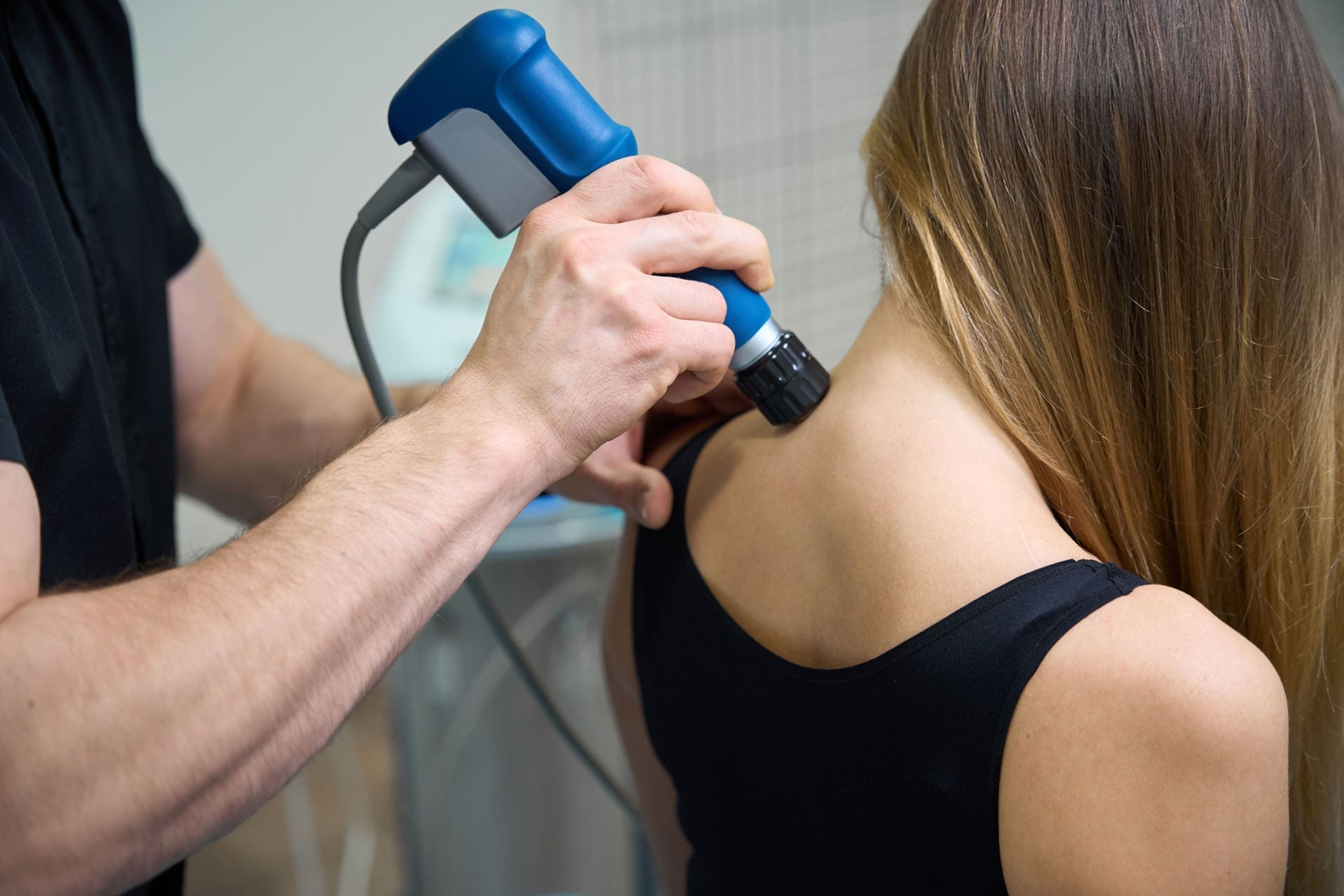
At ChiroMed – Integrated Medicine Holistic Healthcare in El Paso, Texas, genuine extracorporeal shockwave therapy (ESWT) gives patients a powerful, drug-free option. This advanced treatment sends high-energy sound waves deep into injured tissues. It breaks down painful scar tissue, lowers inflammation, boosts blood flow, and kick-starts the body’s natural healing. When combined with chiropractic adjustments and nurse practitioner care, results happen faster and last longer. Patients at ChiroMed often return to normal activities sooner and avoid chronic pain that drags on for months or years.

Dr. Alex Jimenez, DC, APRN, FNP-BC, has helped El Paso residents since 1996 with a full team approach. He leads the clinic with more than 25 years of experience in motor vehicle accident (MVA) care. The clinic blends chiropractic, nurse practitioner services, naturopathy, rehabilitation, nutrition, and acupuncture under one roof. Genuine ESWT fits perfectly into this holistic plan, fixing tissues while the team corrects alignment and supports overall health.

How Genuine ESWT Works on Injured Tissues

Genuine ESWT uses a medical device to create focused high-energy sound waves. A trained technician applies gel to the skin and glides a handheld applicator over the sore area. The waves travel deep—up to 4 to 6 centimeters or more—without cutting the skin or causing damage. Each session lasts only 10 to 20 minutes.

Inside the body, the waves do important repair work. They create tiny, controlled stresses called microtrauma. This signals the body to send more blood, oxygen, and nutrients to the injured spot. Scar tissue softens and breaks down. Inflammation drops. Cells start making fresh collagen, the strong protein that builds healthy, flexible tissue again.

Doctors describe this as mechanotransduction—the sound waves turn mechanical energy into biological healing. Stem cells wake up, new blood vessels form, and damaged areas regenerate properly rather than remaining stiff or painful.

At ChiroMed in El Paso, patients receive genuine, focused ESWT, not weaker radial devices. Focused waves reach deeper and create true regenerative changes, exactly what MVA injuries need (ChiroMed, n.d.).

Key benefits of genuine ESWT include:

• Breaks down thick scar tissue that causes stiffness and pain • Reduces swelling and inflammation in muscles, ligaments, and tendons • Increases blood circulation to speed natural repair • Stimulates collagen for stronger, more flexible tissue • Calms overactive nerves to ease pain quickly • Activates growth factors and stem cells for deep healing

Many El Paso patients notice less pain and better movement after just a few visits.

Genuine ESWT Helps Common Motor Vehicle Accident Injuries

Car crashes in El Paso often cause sudden forces that strain the neck, back, shoulders, and legs. Whiplash from rear-end impacts, seatbelt bruises on the chest or shoulders, and twisting injuries to the lower back are very common.

Genuine ESWT works especially well for these soft-tissue problems. For whiplash, the waves relax tight neck muscles, improve blood flow to strained ligaments, and restore normal motion. Headaches and stiffness fade. Patients at ChiroMed report they can turn their heads more easily and sleep better.

Back and shoulder strains respond quickly, too. The therapy loosens knots, clears micro-tears, and strengthens weak areas. Knee or ankle sprains from impact also improve as swelling drops and stability returns.

Dr. Alex Jimenez often sees these patterns in MVA patients. His clinical observations show that early use of genuine ESWT, paired with spinal adjustments, prevents scar tissue from locking joints and nerves in painful positions (Jimenez, n.d.).

Common MVA injuries treated successfully at ChiroMed with ESWT:

• Whiplash and neck strain – reduced stiffness and fewer headaches • Lower back sprains and muscle pulls – better support and less shooting pain • Shoulder injuries from seatbelts – faster strength return and less clicking • Knee or ankle ligament sprains – improved stability and quicker swelling relief • Chronic deep muscle knots or bruising that lingers after the crash

Research supports these results. Studies show ESWT lowers pain scores and helps people return to daily life faster after trauma (Mazin et al., 2023).

How Many Sessions Do Patients Need at ChiroMed?

Most people feel improvement within 2–3 sessions. A full plan usually runs 4 to 12 visits, depending on injury severity. The ChiroMed team schedules them one or two times per week to match each patient’s healing pace.

Sessions are short and easy. Patients walk in, receive treatment, and leave right away with no downtime. Many return to work or driving the same day.

Dr. Jimenez and the nurse practitioners adjust energy levels and number of pulses for each person. They combine ESWT with chiropractic adjustments in the same visit when helpful, so alignment and tissue repair happen together.

The Power of Combining Genuine ESWT with Chiropractic and Nurse Practitioner Care at ChiroMed

Accidents knock the spine and joints out of place and damage soft tissues. Chiropractic adjustments at ChiroMed gently realign the body, take pressure off nerves, and restore smooth movement. Genuine ESWT clears scar tissue, so adjustments hold better and last longer.

Nurse practitioners add full-body care. They perform detailed exams, review imaging, check for hidden issues, and guide nutrition or supplements that fight inflammation. Naturopathy, rehabilitation exercises, and acupuncture complete the plan.

This integrated approach at ChiroMed treats the whole person. Dr. Alex Jimenez explains that combining therapies addresses root causes instead of just covering symptoms. Patients heal naturally, quickly, and more completely (Jimenez, n.d.; ChiroMed, n.d.).

Benefits patients see at ChiroMed include:

• Tissue repair from ESWT plus structural alignment from chiropractic • Less need for pain pills or surgery • Faster return to work, driving, and exercise in El Paso’s active lifestyle • Lower chance of scar tissue causing future flare-ups • Personalized plans that include nutrition and stress relief

One integrative resource notes that chiropractic care, along with shockwave therapy, leads to faster recovery from strains and sprains following accidents (Iszler, 2024). At ChiroMed, the team makes this combination seamless.

Safety and Why Genuine Focused ESWT Matters

Genuine ESWT is safe and non-invasive. Patients feel a tapping or mild warmth during treatment, but most rate it low on the discomfort scale. After the session, any redness or soreness fades quickly. No anesthesia, no needles, and no drugs.

The Mayo Clinic reports that shockwave therapy has “minimal associated adverse effects” and serves as a beneficial alternative to more invasive options (Mayo Clinic, 2025).

ChiroMed uses only genuine focused ESWT equipment. These devices deliver precise, high-energy waves deep where real damage hides. Cheaper radial or acoustic devices only reach the surface and give short-term relief. Focused waves create the deep regeneration MVA patients need (ChiroMed, n.d.).

Real Results and Preventing Long-Term Pain in El Paso

Patients at ChiroMed share encouraging stories. One driver with months of whiplash could finally turn her head without pain after five sessions. Another with lower-back strain from a highway crash returned to his construction job stronger than before.

Success rates for soft-tissue and tendon problems reach 60 to 91 percent when patients complete the plan (Health Coach Clinic, n.d.). Early care makes the biggest difference. Waiting lets scar tissue harden, and inflammation becomes chronic.

Dr. Jimenez stresses that the right combination of genuine ESWT, chiropractic, and supportive care helps the body “heal itself naturally, quickly, and effectively.” This prevents the slide into ongoing pain or limited movement that affects so many after car accidents (Jimenez, 2026).

Conclusion

Genuine extracorporeal shockwave therapy at ChiroMed in El Paso offers motor vehicle accident victims a modern, effective path to recovery. By breaking down scar tissue, reducing inflammation, improving circulation, and building healthy new tissue, ESWT speeds healing for whiplash, sprains, strains, and other common crash injuries.

When paired with the clinic’s expert chiropractic adjustments, nurse practitioner oversight, and full integrative services, patients experience even better outcomes. Most notice changes in 2 to 3 visits, with complete plans of 4 to 12 sessions tailored to their needs.

The approach is safe, convenient, and focused on lasting repair rather than temporary relief. El Paso residents who choose ChiroMed return to the active lives they love and greatly reduce the risk of chronic pain.

If you or a loved one has been in a car accident and is still hurting, do not wait. Contact ChiroMed today at 11860 Vista Del Sol Dr, Suite 128, El Paso, TX 79936 or call (915) 412-6680. The experienced team led by Dr. Alex Jimenez can evaluate your injuries and create a personalized plan that combines genuine ESWT with holistic care to help you heal strong and fast.


References

ChiroMed. (n.d.). Effective shockwave therapy (ESWT) El Paso, TX. https://chiromed.com/effective-shockwave-therapy-eswt-el-paso-tx/

Health Coach Clinic. (n.d.). Combining ESWT with chiropractic for effective healing. https://healthcoach.clinic/combining-eswt-with-chiropractic-for-effective-healing/

Iszler, D. (2024). Enhancing recovery: How chiropractic care, shockwave therapy, and laser therapy work together for soft tissue injuries. Trinity Advanced Health. https://trinityadvancedhealth.com/enhancing-recovery-how-chiropractic-care-shockwave-therapy-and-laser-therapy-work-together-for-soft-tissue-injuries/

Jimenez, A. (n.d.). El Paso back clinic ESWT for chronic pain relief. https://elpasobackclinic.com/el-paso-back-clinic-eswt-for-chronic-pain-relief/amp/

Jimenez, A. (2026). Effective shockwave therapy explained for patients. Personal Injury Doctor Group. https://personalinjurydoctorgroup.com/2026/02/24/effective-shockwave-therapy-explained-for-patients/amp/

Mayo Clinic. (2025). Shockwave treatment: A new wave for musculoskeletal care. https://www.mayoclinic.org/medical-professionals/physical-medicine-rehabilitation/news/shockwave-treatment-a-new-wave-for-musculoskeletal-care/mac-20590258

Mazin, Y., Lemos, C., Paiva, C., Oliveira, L. A., Borges, A., & Lopes, T. (2023). The role of extracorporeal shock wave therapy in the treatment of muscle injuries: A systematic review. Cureus. https://pmc.ncbi.nlm.nih.gov/articles/PMC10521343/

Preferred Family Chiropractic. (2025). Recover from auto accident injuries with shockwave therapy. https://www.preferredfamilychiropractic.com/blog/posts/recover-from-auto-accident-injuries-with-shockwave-therapy

Heat-Smart Eating in El Paso: Hydrating Foods

Heat-Smart Eating in El Paso: Hydrating Foods

Heat-Smart Eating in El Paso: Hydrating Foods

When El Paso temperatures rise, your body has one main job: stay cool while keeping your heart, muscles, and brain working well. That is harder than it sounds. Heat makes you sweat, and sweating pulls water and minerals out of your body. If you only replace water but not minerals, you can still feel tired, crampy, lightheaded, or “off.”

At ChiroMed (Integrated Medicine Holistic Healthcare in El Paso), we see the same pattern every warm season: people feel drained, tight, and sore, and they assume it is just the heat. Heat stress, dehydration, and low electrolyte levels are often present, especially among people who work outdoors, train in the heat, or are recovering from injuries. A smart nutrition plan can help your body handle heat better and support mobility, recovery, and energy (ChiroMed, n.d.-a; Jimenez, n.d.-a).

This guide focuses on three simple goals:

  • Hydrate with food and fluids
  • Replace electrolytes lost through sweat
  • Choose lighter, easy-to-digest meals so your body does not generate extra heat during digestion

Why Heat Hits Hard in El Paso

Heat affects more than comfort. It can impact:

  • Fluid balance (dehydration risk rises)
  • Electrolyte balance (you lose sodium, potassium, magnesium, and more)
  • Muscle function (cramps and tightness become more likely)
  • Energy and focus (fatigue, headaches, brain fog)

Public health guidance highlights that heat illness can be prevented through steady hydration, avoiding excessive alcohol, and using simple checks such as urine color (Centers for Disease Control and Prevention [CDC], 2025). Local El Paso resources also emphasize cooling centers, hydration, and limiting time outdoors during peak heat (City of El Paso Department of Public Health, n.d.; Paso del Norte Health Foundation, 2025).

ChiroMed perspective: If you are dealing with back pain, neck pain, nerve irritation, or post-injury recovery, heat dehydration can make symptoms feel worse. Tight muscles protect sore joints, and dehydration can increase that tight, “locked up” feeling. That is why heat-season nutrition matters for both wellness and musculoskeletal care (ChiroMed, n.d.-a; Jimenez, n.d.-a).


The Heat-Friendly Food Plan: Water + Minerals + Light Digestion

A practical way to think about heat nutrition is a 3-part plan:

  1. Water-rich foods to raise hydration from your plate
  2. Electrolytes to replace minerals lost through sweat
  3. Light meals to avoid adding digestive “heat load”

Community guidance often recommends smaller, lighter meals and avoiding heavy, greasy foods during heat spikes because digestion can increase body warmth (Community First Emergency Room, 2024). This is one of the easiest changes that brings fast results.

Quick “Do This Most Days” Checklist

  • Build meals around water-rich produce
  • Add a light protein
  • Use cooling herbs (mint) and bright flavors (citrus)
  • Use electrolytes when sweating is heavy
  • Keep portions moderate, especially at midday

(Community First Emergency Room, 2024; ChiroMed, n.d.-a)


Cooling and Hydrating Foods (Best Choices for Hot Days)

Water-rich fruits and vegetables

These foods hydrate and deliver fiber, vitamins, and minerals. They also tend to feel “lighter” in the stomach.

Great options:

  • Cucumbers (very water-rich) (Kaiser Permanente, 2025; Bass Medical Group, n.d.)
  • Celery (hydrating and crunchy) (Community First Emergency Room, 2024)
  • Tomatoes (hydration + antioxidants) (Community First Emergency Room, 2024)
  • Zucchini (light and easy to digest) (Community First Emergency Room, 2024)
  • Romaine or iceberg lettuce (hydrating base for meals) (Community First Emergency Room, 2024)

Simple ways to eat them:

  • Add cucumber + tomato to lunch and dinner
  • Make a quick salad with romaine, citrus, and mint
  • Blend zucchini into a light soup or sauté it briefly for a cooling side

Melons and berries

Melons are classic heat-season foods because they help you “catch up” on hydration fast.

  • Watermelon is about 92% water and contains lycopene, an antioxidant that may support skin health during sun exposure (Community First Emergency Room, 2024).
  • Other lists also recommend watermelon, berries, and similar fruits for hydration and heat safety (Neighbors Who Care, n.d.).

Try these snacks:

  • Frozen watermelon cubes
  • Cold cantaloupe slices
  • Strawberries with plain yogurt

Citrus for vitamin C and hydration

Citrus supports hydration and adds vitamin C.

  • Oranges, lemons, and grapefruit are often recommended during hot weather for their fluid content and nutrient support (Community First Emergency Room, 2024; Neighbors Who Care, n.d.).

Easy citrus habits:

  • Add lemon to water
  • Squeeze lime on grilled fish tacos
  • Add orange slices to a salad for a “cooling” feel

Cooling dairy: plain, unsweetened yogurt

Plain yogurt can be a heat-season win because it hydrates and provides protein.

  • UT Southwestern notes that plain yogurt is about 88% water and can be used in smoothies or as a snack (UT Southwestern Medical Center, 2023).

Quick yogurt ideas:

  • Plain yogurt + berries + cinnamon
  • Yogurt + cucumber + mint as a cooling side (like a simple raita-style bowl)

Light Proteins That Support Heat Tolerance

Heavy, fried meals can feel worse in the heat. Lighter proteins digest more easily and support stable energy.

Better choices:

  • Grilled chicken
  • Fish or shrimp
  • Beans and lentils
  • Egg-based meals (lighter cooking methods)

Kaiser Permanente’s hot-weather nutrition advice emphasizes starting with water-rich produce and building meals that feel lighter in the heat (Kaiser Permanente, 2025). That matches what many people notice in real life: lighter meals feel better when it is 100°F+.

ChiroMed-friendly “local flavor” meal idea

A heat-smart El Paso plate can look like this:

  • Soft-tortilla tacos with grilled fish or chicken
  • Avocado, onions, and fresh salsa
  • A side of cucumber and citrus

This lighter Mexican food style is highlighted as a healthy local option (PushAsRx Athletic Training Centers, n.d.).


Herbs and Spices: Cooling vs. “Sweat-to-Cool”

Cooling herbs

  • Mint provides a cooling sensation and pairs well with salads, yogurt bowls, and water (Sunnybrook Health Sciences Centre, n.d.).
  • Cardamom can be added to yogurt or smoothies for a fresh, calming flavor (Community First Emergency Room, 2024).

Hot spices that can help you cool

It sounds strange, but spicy foods can increase sweating. When sweat evaporates, it cools your skin.

  • Kaiser Permanente explains that sweating triggered by spicy foods can help cool the body through evaporation (Kaiser Permanente, 2025).

Examples:

  • Red chile
  • Ginger
  • Cayenne (small amount)

Important note: If spicy foods worsen reflux or stomach irritation, keep spices mild. The hot season is not the time to inflame your gut.


Electrolytes: The Missing Piece for Many People

If you sweat a lot, you are losing more than water. Electrolytes help control:

  • Muscle contraction and relaxation
  • Nerve signaling
  • Fluid balance
  • Cramp prevention

ChiroMed’s own integrative care content includes a simple “fortify and hydrate” approach that specifically mentions magnesium and potassium, and uses electrolytes during heat and sweat (ChiroMed, n.d.-a). Other clinical wellness sources also recommend electrolytes such as magnesium and potassium to support summer heat (Physical Dimensions IH(G), 2024).

Signs you may need more electrolytes (not just water)

  • Muscle cramps or twitching
  • Headaches during heat exposure
  • Feeling weak or “flat” after sweating
  • Lightheadedness when standing up
  • Very heavy sweat with minimal urine output

(Physical Dimensions IH(G), 2024; CDC, 2025)

Food-based electrolytes

Try to “eat your electrolytes” first:

  • Potassium: beans, leafy greens, citrus, melons
  • Magnesium: nuts, seeds, legumes, leafy greens
  • Sodium: salted foods (in reasonable amounts), broths, electrolyte mixes

When electrolyte drinks or supplements make sense

Consider them when:

  • You work outdoors
  • You train in the heat
  • You sweat heavily for long periods
  • You are prone to cramps

Some people use packaged electrolyte mixes. If you do, follow label directions and avoid stacking multiple products at once. Also, remember that too much plain water without electrolytes can still leave you feeling unwell if sweat losses were high (CDC, 2025).

Safety reminders

  • If you have kidney disease, heart disease, or take diuretics or blood pressure medications, ask your clinician before using high-dose electrolyte products (CDC, 2025).
  • Do not mega-dose potassium unless under medical supervision.

Supplement Support: Magnesium, Potassium, Vitamin C, Omega-3s, B12

Supplements can help, but they work best when built on a solid food-and-fluids base.

Magnesium (often helpful for cramps and tightness)

Magnesium supports muscle relaxation and nerve signaling. Many heat-season guides mention magnesium for electrolyte balance and cramp support (Physical Dimensions IH(G), 2024; Optum Perks, 2025).

Common forms people tolerate well:

  • Magnesium glycinate (often gentler for the stomach)
  • Magnesium citrate (can loosen stools in some people)

Potassium (important, but be careful)

Potassium helps fluid balance and muscle function. It is best to avoid food unless your clinician directs otherwise (CDC, 2025).

Vitamin C (antioxidant support)

Vitamin C supports antioxidant defenses and is often recommended in summer wellness lists (Physical Dimensions IH(G), 2024). Food sources like citrus and berries are easy to incorporate into a daily routine.

Omega-3 fatty acids (inflammation support)

Omega-3s are commonly used to support inflammation balance. Optum notes that supplements may be discussed for heat-season resilience, but overall heat safety habits remain the most important (Optum Perks, 2025).

Food sources:

  • Salmon, sardines
  • Walnuts, flax, chia

Vitamin B12 (fatigue and energy support)

Some summer fatigue resources mention B12 as part of fatigue support strategies, especially if a person is low (NDL Pro-Health, n.d.; Physical Dimensions IH(G), 2024). Testing is smart if fatigue is persistent.


Liquid Chlorophyll: Helpful Add-On or Hype?

Liquid chlorophyll is often marketed as a “detox” add-on. Some wellness brands describe antioxidant-related benefits (Life Extension, n.d.). However, broader health reporting notes that many chlorophyll claims are overpromised, and evidence for dramatic detox effects is limited (Health.com, 2024).

If you choose to use it

  • Treat it as optional, not essential
  • Follow the label
  • Stop if it upsets your stomach
  • Do not expect it to replace real hydration, electrolytes, or sleep

A simple alternative is to increase the amount of greens and herbs in meals.


El Paso Heat Habits That Work (Simple, Repeatable)

Eat smaller, more frequent meals

Large meals can raise body heat during digestion. Smaller meals are often better tolerated in high temperatures (Community First Emergency Room, 2024).

Try a schedule like:

  • Light breakfast
  • Mid-morning fruit snack
  • Lunch with hydrating salad + protein
  • Afternoon electrolyte drink if sweating is heavy
  • Light dinner with grilled protein and water-rich sides

Drink steadily, not just when thirsty

CDC guidance emphasizes drinking fluids regularly during heat exposure and using urine color as a simple check (CDC, 2025).

Urine color check

  • Clear to pale yellow: usually well hydrated
  • Dark yellow: you are behind

Limit excess alcohol and watch caffeine

Alcohol increases dehydration risk. Too much caffeine can also contribute to fluid loss and symptoms for some people (CDC, 2025; Ally Medical, n.d.).

Use cooling resources on extreme heat days

El Paso offers free cooling stations with posted schedules through the City’s public health preparedness resources (City of El Paso Department of Public Health, n.d.). Paso del Norte Health Foundation also lists cooling centers and community strategies for heat safety (Paso del Norte Health Foundation, 2025).


Heat Exhaustion: Know the Warning Signs

Heat exhaustion can build up quickly.

Common signs can include:

  • Heavy sweating
  • Weakness, dizziness
  • Headache
  • Nausea
  • Feeling faint or unusually tired

(Ally Medical, n.d.; Lokmanya Hospitals, n.d.)

If symptoms are severe, worsening, or include confusion or fainting, seek urgent medical care.


A Practical “ChiroMed Heat Day” Meal Plan

Morning

  • Water + light breakfast (yogurt + berries) (UT Southwestern Medical Center, 2023)
  • Citrus water (lemon or lime) (Sunnybrook Health Sciences Centre, n.d.)

Midday

  • Romaine salad with cucumber, tomato, citrus
  • Grilled chicken, fish, or beans (Kaiser Permanente, 2025)

Afternoon

  • Frozen watermelon or grapes (Community First Emergency Room, 2024)
  • Electrolytes if sweating is heavy (ChiroMed, n.d.-a; Physical Dimensions IH(G), 2024)

Evening

  • Soft-tortilla tacos with grilled fish/chicken, avocado, and salsa (PushAsRx Athletic Training Centers, n.d.)
  • Hydrating side: cucumbers and tomatoes

Hydration check

  • Aim for pale yellow urine (CDC, 2025)

How This Fits ChiroMed’s Integrative Care Model

ChiroMed’s approach focuses on integrated, whole-person care in El Paso, including chiropractic support, movement-based rehabilitation, and nutrition strategies that match real-life needs (ChiroMed, n.d.-b; ChiroMed, n.d.-c). Heat-season nutrition is not “separate” from musculoskeletal health. Dehydration and electrolyte imbalance can affect muscle tone, joint loading, recovery, and fatigue, which may influence how you feel day to day.

Clinical observation from Dr. Alexander Jimenez’s integrative practice emphasizes that recovery and resilience often improve when people combine:

  • Smarter hydration
  • Better mineral balance
  • Consistent nutrition
  • Movement and alignment support

(ChiroMed, n.d.-a; Jimenez, n.d.-a)


References

Ally Medical. (n.d.). Dehydration and heat stroke: Staying safe and hydrated in the summer heat

Bass Medical Group. (n.d.). Hydrating summer foods

Centers for Disease Control and Prevention. (2025, July 25). About heat and your health

ChiroMed. (n.d.-a). Mobility nutrition and chiropractic integrative care

ChiroMed. (n.d.-b). About us

ChiroMed. (n.d.-c). Chiropractor El Paso, TX

City of El Paso Department of Public Health. (n.d.). Be climate ready

Community First Emergency Room. (2024, April 29). Eat to beat the heat

Health.com. (2024). Health benefits of chlorophyll

Jimenez, A. (n.d.-a). Hydrating foods, intense heat, body health

Kaiser Permanente. (2025, October 5). How to stay cool in the heat: 6 foods that can help

Life Extension. (n.d.). What are the benefits of chlorophyll?

Lokmanya Hospitals. (n.d.). First aid for heat exhaustion: Effective treatments and what to eat and drink for recovery

NDL Pro-Health. (n.d.). Best vitamins for summer fatigue

Neighbors Who Care. (n.d.). Preventing heat stroke

Optum Perks. (2025). Supplements for heat regulation: 3 types to consider

Paso del Norte Health Foundation. (2025, June 24). Keeping El Paso safe in the summer heat

Physical Dimensions IH(G). (2024, May 29). Summer supplements

PushAsRx Athletic Training Centers. (n.d.). Nutritious Mexican foods in El Paso for better health

Sunnybrook Health Sciences Centre. (n.d.). Eat to beat the heat

UT Southwestern Medical Center. (2023). 25 water-rich foods to help you stay hydrated this summer