

Slip-and-Fall Injuries: A Guide to Recovery
Abstract
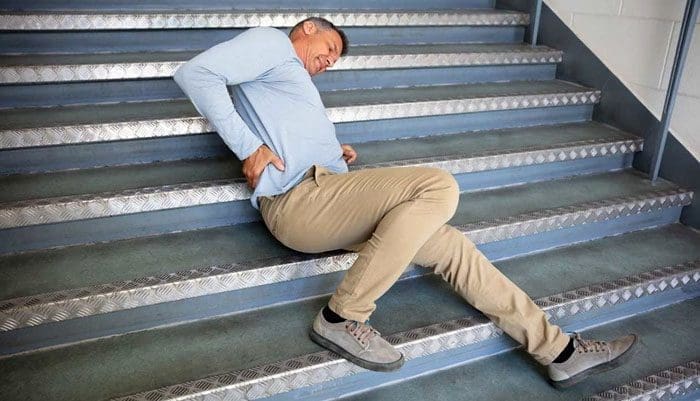
A slip-and-fall accident can seem minor at first, but it may lead to serious injuries involving the spine, joints, muscles, ligaments, nerves, and even the brain. These accidents are also considered personal injury cases when unsafe property conditions contribute to the fall. More specifically, they often fall under premises liability, which means a property owner or business may be responsible if poor maintenance, unsafe flooring, spills, broken steps, or other hazards caused the injury. At ChiroMed – Integrated Medicine in El Paso, the focus is on understanding the full injury picture: what happened, what tissues were damaged, how the spine and joints were affected, and what type of care may help the body recover. ChiroMed describes its model as holistic, patient-centered care that brings together chiropractic care, nurse practitioner services, naturopathy, rehabilitation, nutrition, and acupuncture under one roof.
Why Slip-and-Fall Accidents Are Personal Injury Cases
A slip-and-fall accident is usually more than a simple fall. If the accident happens because a property was unsafe, it may become a personal injury claim. In legal terms, this is commonly called a premises liability case.
Premises liability means that a property owner, business, landlord, or another responsible party may have a duty to keep the property reasonably safe. Justia explains that slip-and-fall cases may involve unsafe conditions and that the injured person generally must show a duty, a breach of that duty, causation, and damages.
Common hazards include:
- Wet or slippery floors
- Broken stairs
- Loose rugs or mats
- Uneven sidewalks
- Poor lighting
- Ice, rainwater, or oil on the ground
- Clutter in walkways
- Missing handrails
- Unmarked spills
- Damaged flooring
Not every fall means someone else is legally responsible. A claim usually depends on whether the property owner knew or should have known about the hazard and failed to correct it or warn people within a reasonable time.
Texas Slip-and-Fall Rules: Why Timing Matters
Slip-and-fall laws are handled by each state. In Texas, personal injury claims generally have a two-year statute of limitations. This means a person usually has two years from the date of the injury to file a lawsuit. Texas Civil Practice and Remedies Code Section 16.003 states that personal injury actions must generally be brought within two years.
Texas also uses a modified comparative fault rule. Under Texas Civil Practice and Remedies Code Section 33.001, a person may not recover damages if their percentage of responsibility is greater than 50 percent.
This matters because the other side may argue that the injured person was partly responsible. They may ask:
- Were you distracted?
- Were warning signs posted?
- Were you looking at your phone?
- Were your shoes unsafe for the surface?
- Was the danger easy to see?
- Did the property owner have enough time to fix the hazard?
For this reason, documentation is important. Photos, incident reports, witness names, medical records, and any shoes or clothing that were saved may help show what happened and how the injury developed.
Why You May Not Feel Pain Right Away
After a fall, many people feel embarrassed, anxious, or rushed. Some stand up quickly and say, “I’m fine.” But the body can hide pain at first. Adrenaline and stress hormones may reduce pain for a short time. Hours or even days later, stiffness, swelling, headaches, back pain, neck pain, numbness, or joint pain may appear.
Mayo Clinic advises seeking emergency medical care when back pain occurs after trauma, such as a bad fall, or when symptoms include bowel or bladder problems, fever, weakness, numbness, tingling, or pain radiating down the legs.
After a slip-and-fall accident, seek medical care right away if you notice:
- Headache or dizziness
- Confusion or memory problems
- Neck pain
- Back pain
- Numbness or tingling
- Weakness in the arms or legs
- Trouble walking
- Hip, wrist, ankle, shoulder, or knee pain
- Loss of balance
- Bowel or bladder changes
- Deep bruising or swelling
- Pain that gets worse after 24 to 72 hours
Even if the pain seems mild, an evaluation can help identify injuries early and create a record that connects the symptoms to the fall.
Common Injuries After a Slip-and-Fall Accident
Slip-and-fall accidents can injure many parts of the body. The force of the fall, the landing position, the surface, the person’s age, and pre-existing health conditions can all affect the injury pattern.
Common injuries include:
- Wrist fractures from trying to catch the fall
- Hip fractures from landing on the side
- Ankle fractures or sprains from twisting
- Knee sprains or ligament injuries
- Shoulder injuries
- Back sprains and strains
- Neck pain or whiplash-type injuries
- Herniated or bulging discs
- Sciatica or nerve irritation
- Concussions
- Cuts, bruises, and contusions
Boston Medical Center explains that sprains, strains, and soft-tissue injuries may involve ligaments, muscles, or tendons and may cause pain, swelling, bruising, weakness, or reduced motion.
A fall can also affect the spine. When the body lands suddenly, the spine may compress, twist, or bend too far. This can irritate spinal joints, muscles, discs, and nerves. In some cases, a person may develop pain that travels from the low back into the leg or from the neck into the shoulder, arm, or hand.
The ChiroMed Approach: Looking Beyond the Pain
ChiroMed – Integrated Medicine is geared toward whole-person care. The clinic describes its mission as addressing root causes rather than treating only symptoms, with services including chiropractic care, nurse practitioner services, naturopathy, rehabilitation, nutrition counseling, and acupuncture.
For slip-and-fall injuries, this kind of approach matters because pain may come from several sources at once. For example, a patient may have:
- A restricted spinal joint
- A strained muscle
- An irritated nerve
- A swollen knee
- Poor walking mechanics
- Headaches from neck tension
- Inflammation from soft-tissue trauma
- Fear of movement after the fall
Based on the clinical observations of Dr. Alexander Jimenez, DC, APRN, FNP-BC, slip-and-fall recovery should include a careful history, orthopedic and neurological examinations, movement testing, and clinical correlation. His public clinical materials describe care areas involving personal injury, back pain, herniated disc treatment, sciatica, whiplash, nerve injury, imaging, and integrative medical care.
This does not mean every patient needs every treatment. It means the treatment plan should match the diagnosis.
Chiropractic Care After a Fall
Chiropractic care may help when a fall causes spinal joint restriction, muscle guarding, altered posture, or painful movement patterns. A chiropractor may evaluate spinal motion, joint tenderness, nerve signs, muscle tension, posture, gait, and range of motion.
A chiropractic plan may include:
- Gentle spinal or joint adjustments when safe
- Soft-tissue therapy
- Mobility work
- Corrective exercises
- Posture guidance
- Balance and gait retraining
- Home care instructions
- Referral for imaging or medical care when needed
Safety comes first. If there are signs of fracture, spinal cord injury, severe neurological symptoms, or major trauma, the patient should receive medical evaluation before manual treatment.
Regenerative Medicine: PRP, PFP, and MFAT
Some slip-and-fall injuries involve tissues that heal slowly, such as ligaments, tendons, cartilage, and joint structures. In selected cases, regenerative medicine may be considered as part of a broader treatment plan.
Platelet-rich plasma, or PRP, is made from a patient’s own blood. The American Academy of Orthopaedic Surgeons explains that PRP contains a higher concentration of platelets than normal blood, and platelets contain growth factors that may support the healing process.
Other regenerative options may include platelet-poor plasma, or PFP, and micro-fragmented adipose tissue, or MFAT. These treatments should not be described as guaranteed cures. They may be considered when clinically appropriate, depending on the injury, imaging findings, patient health, and treatment goals.
Regenerative care may be discussed for injuries such as:
- Tendon irritation
- Ligament sprains
- Joint pain
- Cartilage-related pain
- Chronic soft-tissue injury
- Certain sports or fall-related injuries
The goal is to support tissue repair, reduce inflammation, and improve function when conservative care alone is not enough.
Epidural Injections for Severe Nerve Pain
Some falls can irritate spinal nerves. This may happen when a disc bulge, herniated disc, swelling, or spinal inflammation presses on a nerve root. Symptoms may include sharp pain, burning, numbness, tingling, or weakness that travels into an arm or leg.
In some cases, epidural steroid injections may be used to reduce inflammation around irritated spinal nerves. Cleveland Clinic explains that epidural steroid injections can provide temporary pain relief for certain spine-related pain conditions, but they usually do not cure the underlying cause.
This is why injections often work best as part of a complete plan that may also include chiropractic care, rehabilitation, strengthening, posture correction, and medical follow-up.
A Complete Recovery Plan
A strong recovery plan should not only ask, “Where does it hurt?” It should also ask, “Why does it hurt, what tissues were injured, and how can function be restored?”
A ChiroMed-style integrated plan may include:
- Examination and diagnosis
- Chiropractic care for joint mechanics
- Rehabilitation for strength and balance
- Nutrition support for inflammation and healing
- Acupuncture for pain modulation when appropriate
- Regenerative medicine for selected soft-tissue injuries
- Epidural injections for severe nerve pain when medically indicated
- Follow-up testing or imaging when needed
- Care coordination with attorneys, specialists, or other providers when appropriate
The purpose is to treat the whole injury pattern, not just mask symptoms.
What To Do After a Slip-and-Fall Accident
After a fall, simple steps can protect your health and help preserve important details.
Consider the following:
- Report the fall to the property owner or manager.
- Ask for an incident report.
- Take pictures of the hazard.
- Get witness names and contact information.
- Save your shoes and clothing.
- Write down what happened.
- Seek medical care as soon as possible.
- Follow your treatment plan.
- Keep copies of medical records.
- Speak with a qualified attorney for legal advice.
Early medical care can help rule out serious injury. It can also document the connection between the fall and the symptoms.
Conclusion
Slip-and-fall accidents can cause more than bruises. They may lead to fractures, concussions, spinal misalignments, herniated discs, whiplash, sprains, torn ligaments, and nerve pain. Legally, these accidents may fall under premises liability when unsafe property conditions contribute to the injury. In Texas, timing and fault rules can affect a claim, so documentation matters.
At ChiroMed – Integrated Medicine, the focus is on integrated, patient-centered care. For many patients, recovery may involve chiropractic care, rehabilitation, nutrition, acupuncture, regenerative medicine, or, when appropriate, pain-management injections. The best plan is built around the patient’s injury, symptoms, function, and long-term health goals.
This article is for educational purposes only and is not medical or legal advice. For medical concerns after a fall, seek care from a licensed healthcare professional. For legal questions, speak with a qualified attorney in your state.
References
American Academy of Orthopaedic Surgeons. (n.d.). Platelet-rich plasma (PRP). OrthoInfo.
Boston Medical Center. (n.d.). Sprains, strains & soft-tissue injuries.
ChiroMed – Integrated Medicine. (n.d.). ChiroMed – Integrated Medicine holistic healthcare in El Paso, TX.
Cleveland Clinic. (2021). Epidural steroid injection (ESI): What it is, benefits, risks & results.
Jimenez, A. (n.d.). El Paso, TX chiropractor Dr. Alex Jimenez DC | Personal injury specialist.
Justia. (2025). Slip and fall accident law.
Mayo Clinic. (2024). Back pain: When to see a doctor.
Texas Civil Practice and Remedies Code § 16.003. (2025). Two-year limitations period.
Texas Civil Practice and Remedies Code § 33.001. (2025). Proportionate responsibility.
Post Disclaimer
General Disclaimer, Licenses and Board Certifications *
Professional Scope of Practice *
The information herein on "Slip-and-Fall Injuries: A Guide to Recovery" is not intended to replace a one-on-one relationship with a qualified health care professional or licensed physician and is not medical advice. We encourage you to make healthcare decisions based on your research and partnership with a qualified healthcare professional.
Blog Information & Scope Discussions
Welcome to El Paso's Premier Wellness and Injury Care Clinic & Wellness Blog, where Dr. Alex Jimenez, DC, FNP-C, a Multi-State board-certified Family Practice Nurse Practitioner (FNP-BC) and Chiropractor (DC), presents insights on how our multidisciplinary team is dedicated to holistic healing and personalized care. Our practice aligns with evidence-based treatment protocols inspired by integrative medicine principles, similar to those on this site and on our family practice-based chiromed.com site, focusing on naturally restoring health for patients of all ages.
Our areas of multidisciplinary practice include Wellness & Nutrition, Chronic Pain, Personal Injury, Auto Accident Care, Work Injuries, Back Injury, Low Back Pain, Neck Pain, Migraine Headaches, Sports Injuries, Severe Sciatica, Scoliosis, Complex Herniated Discs, Fibromyalgia, Chronic Pain, Complex Injuries, Stress Management, Functional Medicine Treatments, and in-scope care protocols.
Our information scope is multidisciplinary, focusing on musculoskeletal and physical medicine; wellness, contributing etiological viscerosomatic disturbances within clinical presentations, associated somato-visceral reflex clinical dynamics; subluxation complexes, sensitive health issues, and functional medicine articles, topics, and discussions.
We provide and facilitate clinical collaboration with specialists across disciplines. Each specialist is governed by their professional scope of practice and licensure jurisdiction. We use functional health & wellness protocols to treat and support care for musculoskeletal injuries or disorders.
Our videos, posts, topics, and insights address clinical matters and issues that directly or indirectly relate to our clinical scope of practice.
Our office has made a reasonable effort to provide supportive citations and has identified relevant research studies that support our posts. We provide copies of supporting research studies upon request to regulatory boards and the public.
We understand that we cover matters that require an additional explanation of how they may assist in a particular care plan or treatment protocol; therefore, to discuss the subject matter above further, please feel free to ask Dr. Alex Jimenez, DC, APRN, FNP-BC, or contact us at 915-850-0900.
We are here to help you and your family.
Blessings
Dr. Alex Jimenez DC, MSACP, APRN, FNP-BC*, CCST, IFMCP, CFMP, ATN
email: [email protected]
Multidisciplinary Licensing & Board Certifications:
Licensed as a Doctor of Chiropractic (DC) in Texas & New Mexico*
Texas DC License #: TX5807, Verified: TX5807
New Mexico DC License #: NM-DC2182, Verified: NM-DC2182
Multi-State Advanced Practice Registered Nurse (APRN*) in Texas & Multi-States
Multi-state Compact APRN License by Endorsement (42 States)
Texas APRN License #: 1191402, Verified: 1191402 *
Florida APRN License #: 11043890, Verified: APRN11043890 *
Colorado License #: C-APN.0105610-C-NP, Verified: C-APN.0105610-C-NP
New York License #: N25929, Verified N25929
License Verification Link: Nursys License Verifier
* Prescriptive Authority Authorized
ANCC FNP-BC: Board Certified Nurse Practitioner*
Compact Status: Multi-State License: Authorized to Practice in 40 States*
Graduate with Honors: ICHS: MSN-FNP (Family Nurse Practitioner Program)
Degree Granted. Master's in Family Practice MSN Diploma (Cum Laude)
Dr. Alex Jimenez, DC, APRN, FNP-BC*, CFMP, IFMCP, ATN, CCST
(Board Certified: Family Practice Nurse Practitioner—Multistate)*
(Licensed Nurse Practitioner & Chiropractor - Multistate)*
Clinical Director
Digital Business Card
Dr. Maria Cardenas, MD
(Board Certified: Internal Medicine)
(Licensed Medical Doctor)
Medical Director, Clinical Director & Collaborative Physician
NPI # 1164426749
MD License #: J2933
Licenses and Board Certifications:
MD: Medical Doctor
DC: Doctor of Chiropractic
APRNP: Advanced Practice Registered Nurse
FNP-BC: Family Practice Specialization (Multi-State Board Certified)
RN: Registered Nurse (Multi-State Compact License)
CFMP: Certified Functional Medicine Provider
MSN-FNP: Master of Science in Family Practice Medicine
MSACP: Master of Science in Advanced Clinical Practice
IFMCP: Institute of Functional Medicine
CCST: Certified Chiropractic Spinal Trauma
ATN: Advanced Translational Neutrogenomics
Memberships & Associations:
TCA: Texas Chiropractic Association: Member ID: 104311
AANP: American Association of Nurse Practitioners: Member ID: 2198960
ANA: American Nurse Association: Member ID: 06458222 (District TX01)
TNA: Texas Nurse Association: Member ID: 06458222
NPI: 1205907805
| Primary Taxonomy | Selected Taxonomy | State | License Number |
|---|---|---|---|
| No | 111N00000X - Chiropractor | NM | DC2182 |
| Yes | 111N00000X - Chiropractor | TX | DC5807 |
| Yes | 363LF0000X - Nurse Practitioner - Family | TX | 1191402 |
| Yes | 363LF0000X - Nurse Practitioner - Family | FL | 11043890 |
| Yes | 363LF0000X - Nurse Practitioner - Family | CO | C-APN.0105610-C-NP |
| Yes | 363LF0000X - Nurse Practitioner - Family | NY | N25929 |
Dr. Alex Jimenez, DC, APRN, FNP-BC*, CFMP, IFMCP, ATN, CCST
(Board Certified: Family Practice Nurse Practitioner—Multistate)*
(Licensed Nurse Practitioner & Chiropractor - Multistate)*
Clinical Director
Digital Business Card
Dr. Maria Cardenas, MD
(Board Certified: Internal Medicine)*
(Licensed Medical Doctor)*
Medical Director, Clinical Director & Collaborative Physician
NPI # 1164426749
MD License #: J2933
📆 Schedule Appointment: Schedule 24/7 (Click Here)