Give us a Call
+1 (915) 412-6680
Send us a Message
[email protected]
Opening Hours
Mon-Thu: 7 AM - 7 PM
Fri - Sun: Closed

ChiroMed’s Approach to Sciatic Nerve Wellness

ChiroMed’s Approach to Sciatic Nerve Wellness

Sciatic Nerve Health at ChiroMed: Integrated Care for Holistic Healing

The sciatic nerve is a vital part of your body’s ability to move and feel. As the largest nerve in the human body, it stretches from your lower back down through your legs, helping you walk, stand, and sense touch or pain. When it becomes irritated or compressed, it can cause sciatica—a condition that brings sharp pain, numbness, or tingling down the leg. At ChiroMed—Integrated Medicine in El Paso, TX, we specialize in helping patients manage sciatic nerve issues through holistic, patient-centered care.

In this article, we’ll explore the sciatic nerve’s structure, which is made up of bundles of nerve fibers called axons wrapped in protective connective tissue. We’ll also explain how ChiroMed’s chiropractic techniques relieve pressure on the nerve and how our integrated care—combining massage, physical therapy, and nutrition—promotes lasting healing. Drawing on the expertise of Dr. Alexander Jimenez, DC, APRN, FNP-C, and our skilled team, we’ll show how ChiroMed treats injuries from work, sports, personal accidents, and motor vehicle crashes (MVAs) to restore health naturally.

Whether you’re dealing with sciatica or aiming to prevent nerve problems, ChiroMed’s approach can help you feel better and live well.

The Sciatic Nerve: A Key Player in Movement

The sciatic nerve begins in the lower spine, where nerve roots from L4 to S3 come together. It travels through the buttocks and down each leg, splitting into smaller nerves that control muscles and carry sensations from the thighs, calves, and feet. When compressed by a herniated disc, tight muscles, or injury, it can trigger sciatica, causing pain that disrupts daily life.

At ChiroMed, we understand how important a healthy sciatic nerve is for staying active. Our goal is to address the root causes of nerve irritation using natural, non-invasive methods that support your body’s healing process.

How the Sciatic Nerve Is Built

The sciatic nerve is like a cable that carries signals for movement and feeling. It’s made of neurons, or nerve cells, each with a long fiber called an axon. These axons are bundled into groups called fascicles, which are held together by layers of connective tissue.

  • Endoneurium: This thin layer wraps each axon, protecting it and its myelin sheath, which speeds up nerve signals.
  • Perineurium: This surrounds each fascicle, acting like a barrier to keep the bundle secure.
  • Epineurium: The outermost layer encases the entire nerve, giving it strength and flexibility.

These layers make up nearly half the nerve’s structure, ensuring it can handle stress while staying pliable. If inflammation or injury affects these tissues, it can pinch the axons, causing pain or numbness. ChiroMed’s treatments focus on keeping these layers healthy to support nerve function.

What Causes Sciatic Nerve Problems?

Sciatica often results from pressure on the nerve. Common causes include:

  • Herniated disks: When spinal disks bulge, they can press on nerve roots.
  • Spinal stenosis: Narrowing of the spinal canal crowds the nerve.
  • Piriformis syndrome occurs when the tight piriformis muscle in the buttocks pinches the nerve.
  • Injuries: Work accidents, sports mishaps, falls, or MVAs can inflame the nerve.

At ChiroMed, we see these issues in patients with repetitive job strains, athletic overuse, or car crash injuries. Identifying the cause is the first step to effective care.

ChiroMed’s Chiropractic Care: Easing Nerve Pressure

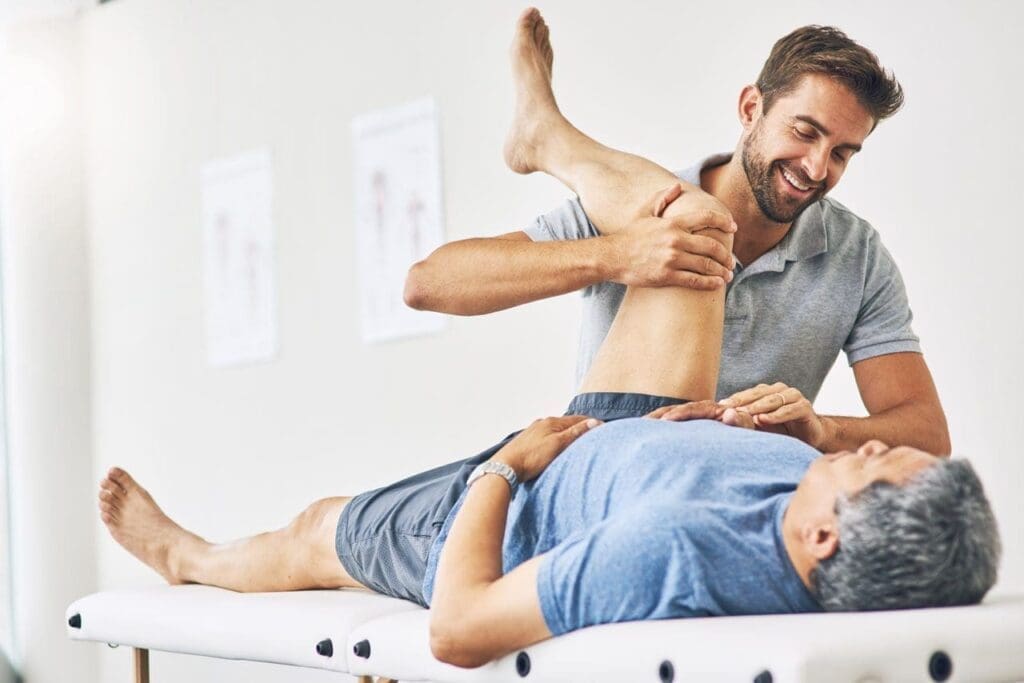
Chiropractic care at ChiroMed is a cornerstone of sciatic nerve relief. Our chiropractors, led by Dr. Alexander Jimenez, use gentle adjustments to realign the spine and pelvis. This takes pressure off the sciatic nerve, reducing pain and improving mobility.

For example, a misaligned vertebra can press a disk against a nerve. A precise adjustment corrects this, creating space for the nerve to function. Dr. Jimenez uses advanced imaging, like X-rays or MRIs, to pinpoint the issue. For a warehouse worker with back pain from lifting, he might adjust the lumbar spine and recommend exercises to prevent re-injury.

Our clinic’s approach is backed by evidence showing chiropractic care outperforms medication for chronic pain (Ideal Spine, n.d.). Dr. Jimenez’s dual expertise as a chiropractor and nurse practitioner ensures thorough assessments, blending spinal exams with neurological tests for accurate diagnoses.

Integrated Care at ChiroMed: A Holistic Approach

At ChiroMed, we believe in treating the whole person. Our integrated care combines chiropractic with massage, physical therapy, acupuncture, and nutrition to support sciatic nerve health. This team effort, guided by our Practitioners Network, ensures coordinated, evidence-based care.

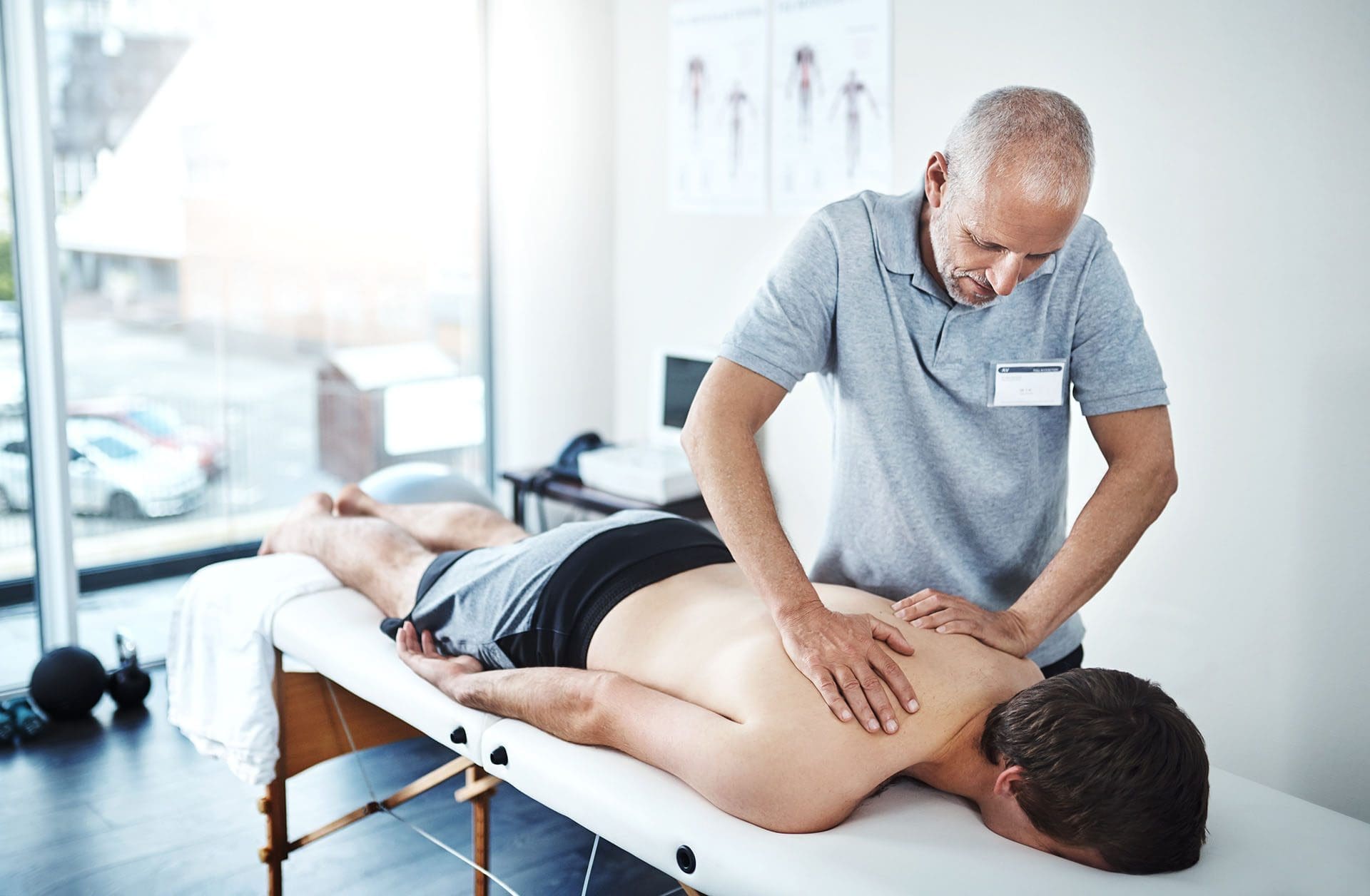
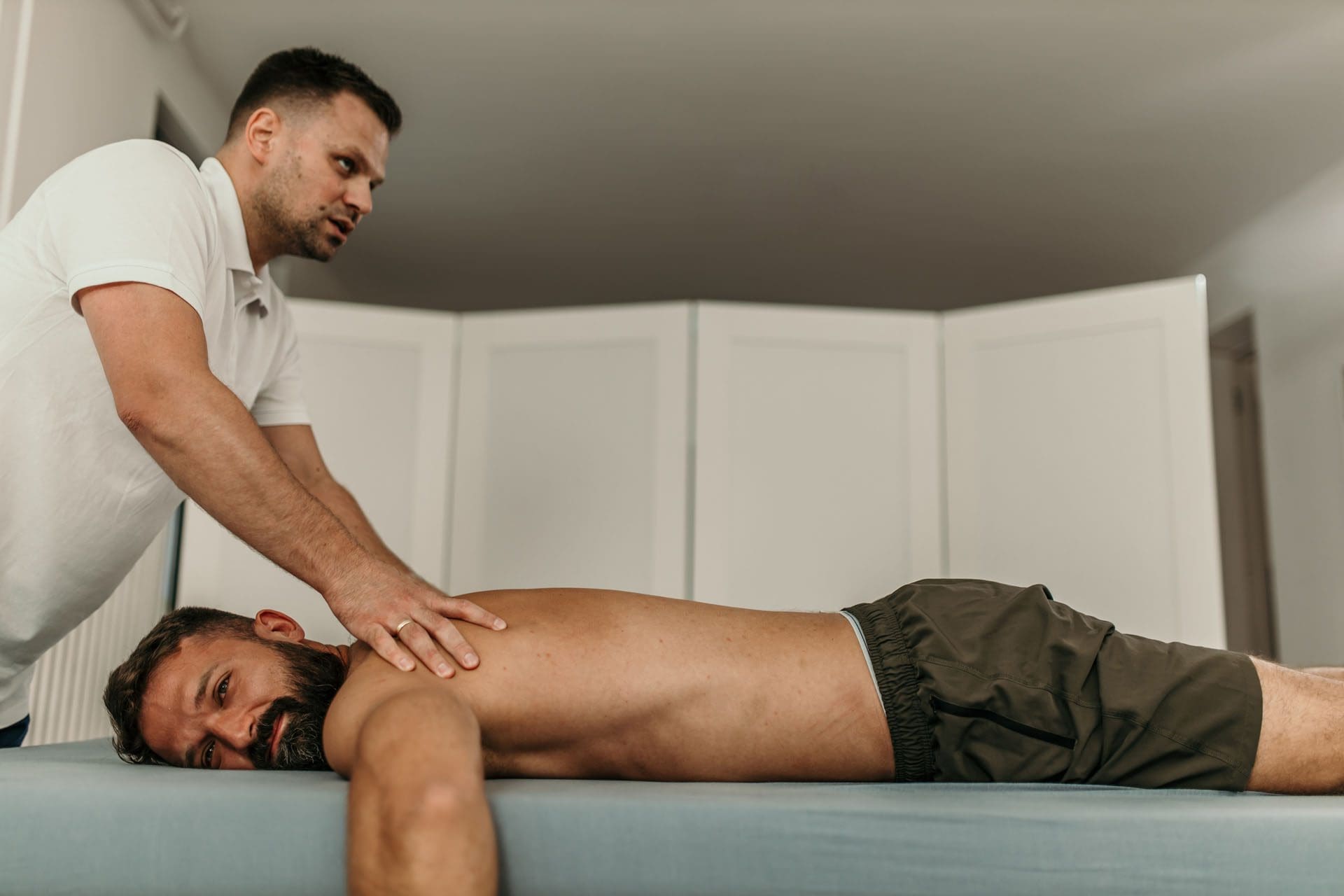
  • Massage Therapy: Our licensed therapist, Helen Wilmore, uses deep tissue and trigger point massage to relax muscles like the piriformis, easing nerve compression. Patients feel less tingling and move better after sessions.
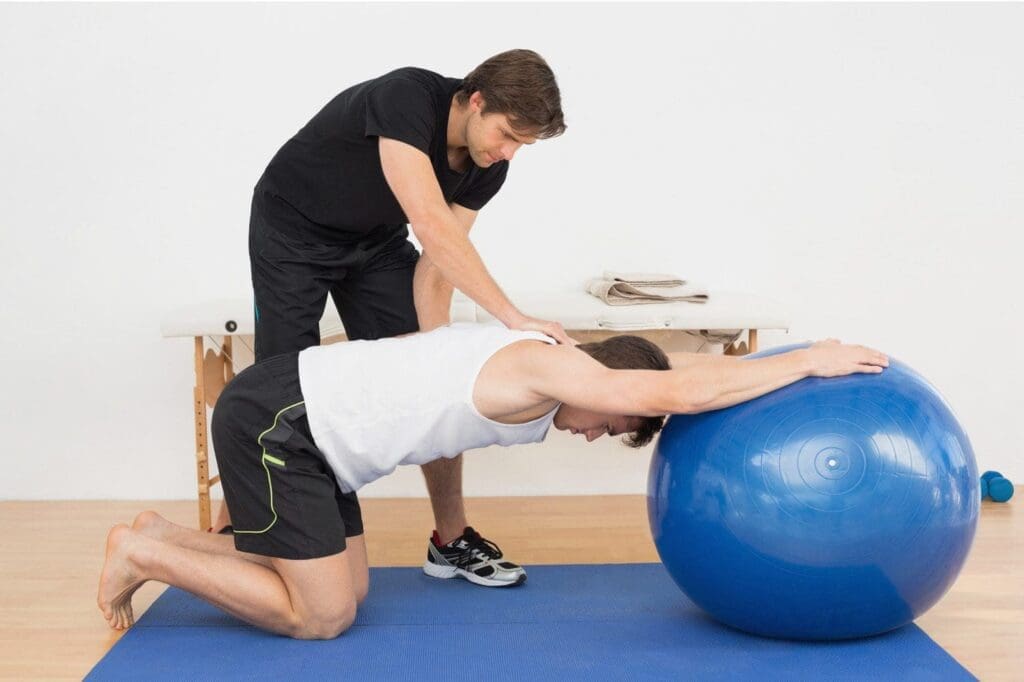
  • Physical Therapy: Therapists Kristina Castle and Dr. Jimenez design exercises to strengthen the core and stretch tight hips. Techniques like the McKenzie method reduce leg pain by aligning the spine.
  • Acupuncture: This calms inflammation and boosts natural painkillers like endorphins, complementing chiropractic adjustments.
  • Nutrition Counseling: We guide patients on nerve-friendly foods. Vitamin B12 (found in fish and eggs) supports myelin repair, while alpha-lipoic acid (in spinach) reduces nerve inflammation (RxWellness, n.d.; Verywell Health, n.d.).

This integrative model, inspired by guidelines from the National Center for Complementary and Integrative Health (NCCIH, n.d.), promotes natural healing and prevents long-term issues.

Dr. Jimenez’s Expertise: Treating Diverse Injuries

Dr. Alexander Jimenez, with over 25 years of experience, leads ChiroMed’s mission to heal injuries from work, sports, personal accidents, and MVAs. His dual training as a DC and APRN allows for comprehensive diagnoses using tools like EMG, MRI, and functional assessments.

  • Work Injuries: For a nurse with sciatica from repetitive bending, Dr. Jimenez uses spinal decompression and B-vitamin supplements to repair nerve damage. Ergonomic tips prevent future strain.
  • Sports Injuries: A cyclist with leg numbness gets adjustments and acupuncture to free the nerve, with rehab exercises to restore balance.
  • Personal Injuries: A slip-and-fall patient receives massage and PT to reduce swelling, with detailed legal documentation for insurance claims.
  • MVAs: Car crash victims benefit from full-body scans to link whiplash to sciatica. Dr. Jimenez’s team provides progress reports for legal and medical needs.

His clinic’s approach, detailed on dralexjimenez.com, emphasizes root-cause treatment and patient empowerment through holistic care.

How ChiroMed Supports Legal and Medical Needs

Injury cases often involve insurance or legal claims. ChiroMed excels at providing detailed documentation, from initial X-rays to recovery metrics. For MVAs, we track healing with pain scales and range-of-motion tests, ensuring fair settlements. Our staff works with attorneys to streamline paperwork, letting patients focus on healing.

Preventing Long-Term Nerve Problems

ChiroMed’s integrative care sparks natural healing. Adjustments improve blood flow to axons, while exercises build strength to protect the spine. Nutrition reduces inflammation, and massage clears scar tissue. Regular checkups at our comfortable El Paso clinic prevent chronic pain or arthritis.

Our therapy goals, set with patients, ensure lasting results. By addressing causes such as poor posture or weak muscles, we help you prevent future nerve issues.

Why Choose ChiroMed for Sciatic Nerve Care?

Located at the heart of El Paso, ChiroMed—Integrated Medicine offers a welcoming clinic where licensed professionals deliver personalized care. Our services, from chiropractic to naturopathy, work together to relieve sciatica and enhance wellness. Call us at +1 (915) 412-6680 or email [email protected] to start your healing journey.

With ChiroMed, you’re not just treating pain—you’re building a healthier future.


References

Alliance Orthopedics. (n.d.). Can chiropractic care help with sciatica? https://allianceortho.com/can-chiropractic-care-help-with-sciatica/

Asuta Health. (n.d.). Natural approaches to neuropathic pain relief: Evidence-based strategies for managing nerve pain. https://asutahealth.org/natural-approaches-to-neuropathic-pain-relief-evidence-based-strategies-for-managing-nerve-pain/

Atlas Pain Specialists. (n.d.). Can a chiropractor help with nerve pain? https://atlaspainspecialists.com/can-a-chiropractor-help-with-nerve-pain/

Byju’s. (n.d.). Nerves. https://byjus.com/biology/nerves/

Cleveland Clinic. (n.d.). Nerves. https://my.clevelandclinic.org/health/body/22584-nerves

Enhanced Living Chiropractic. (n.d.). How chiropractic care can help with sciatica. https://www.enhancedlivingchiro.com/blog/1193309-how-chiropractic-care-can-help-with-sciatica

Ideal Spine. (n.d.). Pain, chiropractic care, and the neuromusculoskeletal system. https://idealspine.com/pain-chiropractic-care-and-the-neuromusculoskeletal-system/

Jimenez, A. (n.d.). Dr. Alex Jimenez’s website. https://dralexjimenez.com/

Merck Manuals. (n.d.). Nerves. https://www.merckmanuals.com/home/brain-spinal-cord-and-nerve-disorders/biology-of-the-nervous-system/nerves

NCCIH. (n.d.). Complementary, alternative, or integrative health: What’s in a name? https://www.nccih.nih.gov/health/complementary-alternative-or-integrative-health-whats-in-a-name

RxWellness. (n.d.). Natural therapies for nerve damage: A guide to holistic healing solutions. https://www.rxwellness.net/natural-therapies-for-nerve-damage-a-guide-guide-to-holistic-healing-solutions/

ScienceDirect. (n.d.). Sciatic nerve. https://www.sciencedirect.com/topics/immunology-and-microbiology/sciatic-nerve

SEER Training. (n.d.). Structure of a nerve. https://training.seer.cancer.gov/anatomy/nervous/organization/pns.html

Spine-Health. (n.d.). Sciatic nerve anatomy. https://www.spine-health.com/conditions/spine-anatomy/sciatic-nerve-anatomy

Verywell Health. (n.d.). Supplements for neuropathy. https://www.verywellhealth.com/supplements-for-neuropathy-11693153
Massage Therapy Body Mechanics: Safe Pressure Control

Massage Therapy Body Mechanics: Safe Pressure Control

Mastering Massage Therapy at ChiroMed: Body Mechanics, Techniques, and Integrative Care

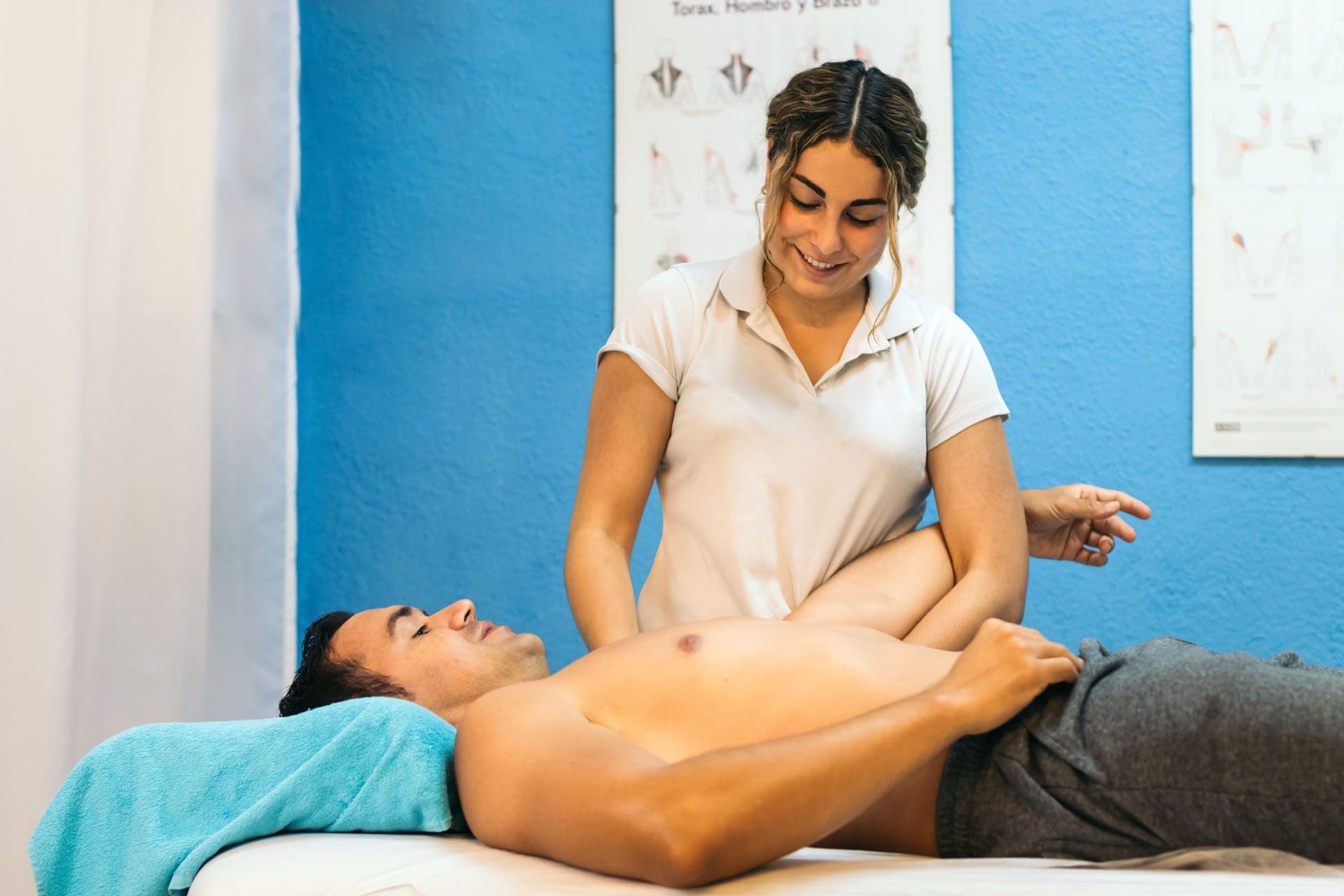
At ChiroMed—Integrated Medicine in El Paso, TX, massage therapy is a cornerstone of our holistic approach to healthcare. Our skilled massage therapists, led by experts like Helen Wilmore, use proper body mechanics, diverse techniques, and clear communication to deliver tailored treatments with variable pressure. Rather than relying on brute force, our therapists leverage body weight, strategic positioning, and specialized tools to provide light, medium, or deep pressure safely and effectively. This article examines how ChiroMed’s massage therapy complements chiropractic care, nurse practitioner services, and other modalities in treating injuries, promoting natural healing, and preventing long-term issues, drawing on the clinical expertise of Dr. Alexander Jimenez, DC, APRN, FNP-BC.

The Science of Body Mechanics at ChiroMed

At ChiroMed, our massage therapists are trained to use precise body mechanics to deliver effective treatments while protecting their own health. This approach ensures sustainable careers and high-quality care for our patients (Turchaninov & Ryason, n.d.). By using leverage and body weight, therapists avoid strain and fatigue, allowing them to focus on patient outcomes.

Key Body Mechanics Techniques

  1. Leverage and Body Weight: ChiroMed therapists utilize their body weight to apply pressure, leaning into strokes rather than relying on arm strength. For example, adopting a lunge stance allows therapists to let gravity assist, reducing strain on their shoulders and arms (Madison Better Body, n.d.-a).
  2. Stable Stance and Alignment: Our therapists maintain a balanced stance, such as a horse stance or lunge position, to ensure stability. This alignment engages the legs and core, preventing back injuries and enabling deeper pressure when needed (Madison Better Body, n.d.-a).
  3. Use of Tools and Body Parts: Therapists at ChiroMed employ elbows, forearms, knuckles, or tools like massage sticks to target specific areas. This approach minimizes hand and thumb strain, which is common in the profession (Gialelis, 2022).
  4. Breath Control: Proper breathing techniques help our therapists maintain stamina and focus during sessions. Steady breathing ensures consistent pressure delivery without tension (AMTA, n.d.-a).

These techniques allow ChiroMed therapists to perform deep tissue massages or gentle relaxation sessions while prioritizing their own well-being, aligning with our commitment to sustainable healthcare practices.

Variable Pressure: Personalized Massage at ChiroMed

ChiroMed’s massage therapy is tailored to each patient’s needs, with pressure levels ranging from light to very deep. Our therapists work closely with patients to determine the appropriate pressure, ensuring both comfort and therapeutic benefits.

Types of Pressure Offered

  • Light Pressure: Ideal for relaxation, light pressure uses gentle strokes like effleurage to improve circulation and reduce stress. This is perfect for patients seeking a calming spa-like experience or those with sensitive conditions (Madison Better Body, n.d.-b).
  • Medium Pressure: Used in Swedish massage, medium pressure balances relaxation with therapeutic effects. Techniques like petrissage (kneading) help relieve mild tension and improve mobility, suitable for patients recovering from minor injuries (Massage Therapy Reference, n.d.-a).
  • Deep Pressure: For patients with chronic pain or tight muscles, deep tissue massage targets deeper layers using slow, firm strokes. ChiroMed therapists use elbows or knuckles to release knots safely, guided by patient feedback (Hand in Health, n.d.).

Adjusting Pressure with Patient Feedback

Our therapists use a 1–10 pressure scale, where 1 is very light and 10 is the maximum tolerable pressure. A “hurt so good” sensation (around 7–8) is often ideal for deep tissue work, providing relief without harm (Reddit, 2021a). During sessions, therapists like Helen Wilmore check in with patients to adjust pressure, ensuring comfort and effectiveness. For example, a patient with a sports injury may need medium pressure to avoid aggravating the area, while someone with chronic back pain might benefit from deeper pressure (Massage Capital, n.d.).

Comprehensive Training for ChiroMed Therapists

ChiroMed’s massage therapists undergo rigorous training, typically ranging from 300 to 1,000 hours, covering anatomy, physiology, and advanced techniques. Certification through exams like the Massage and Bodywork Licensing Exam (MBLEx) ensures competency in body mechanics and pressure control (Mayo Clinic College, n.d.). Our therapists, including Helen Wilmore, are skilled in techniques such as:

  • Effleurage: Long, gliding strokes to warm muscles and boost circulation (Massage Therapy Reference, n.d.-a).
  • Petrissage: Kneading to release muscle tension (Massage Therapy Reference, n.d.-a).
  • Ischemic Compression: Sustained pressure on trigger points to alleviate pain (Real Bodywork, n.d.).

Continuing education, including courses from the American Massage Therapy Association (AMTA), keeps our team updated on best practices, ensuring safe and effective care (AMTA, n.d.-b).

Dr. Alexander Jimenez’s Integrative Approach at ChiroMed

Dr. Alexander Jimenez, a board-certified chiropractor and family nurse practitioner, leads ChiroMed’s integrative care model. His dual-scope expertise allows for comprehensive diagnosis and treatment of injuries from work, sports, personal accidents, and motor vehicle accidents (MVAs) (Jimenez, n.d.-a).

Dual-Scope Diagnosis and Treatment

Dr. Jimenez combines chiropractic and nurse practitioner skills to create personalized treatment plans:

  • Diagnostic Assessments: Using advanced neuromusculoskeletal imaging (X-rays, MRIs), Dr. Jimenez identifies injury causes, such as spinal misalignments or soft tissue damage in MVA patients (Jimenez, n.d.-a).
  • Treatment Protocols: Plans integrate chiropractic adjustments, massage therapy, acupuncture, and targeted exercises. Massage reduces muscle tension, while adjustments restore alignment. Acupuncture and exercises enhance healing and prevent re-injury (Jimenez, n.d.-b).

Addressing Diverse Injuries

ChiroMed treats a wide range of injuries:

  • Work Injuries: Repetitive strain issues, like carpal tunnel, are managed with massage to relax muscles and chiropractic care to correct joint dysfunction (Jimenez, n.d.-a).
  • Sports Injuries: Sprains or muscle tears benefit from massage to reduce swelling and exercises to restore function (Mayo Clinic Health System, n.d.-a).
  • Personal Injuries: Falls or overuse injuries are treated with massage and acupuncture to promote healing (Jimenez, n.d.-b).
  • Motor Vehicle Accident Injuries: Whiplash and other MVA injuries receive massage to loosen muscles and chiropractic adjustments for spinal health (Jimenez, n.d.-a).

Medical Care and Legal Documentation

ChiroMed provides detailed medical records for injury cases, particularly MVAs. Dr. Jimenez ensures thorough documentation of diagnostics, treatment plans, and progress, supporting insurance claims and legal proceedings. For instance, a patient with whiplash might have records showing improved mobility after massage and chiropractic care (Jimenez, n.d.-b).

Promoting Natural Healing

ChiroMed’s integrative approach, combining massage, chiropractic care, acupuncture, and nutrition counseling, addresses injury causes and prevents chronic issues. Massage boosts circulation and reduces inflammation, while chiropractic care corrects structural imbalances. Acupuncture targets pain pathways, and exercises strengthen muscles to prevent future injuries (Mayo Clinic Health System, n.d.-a; Jimenez, n.d.-a).

Communication: The Key to Effective Therapy at ChiroMed

Clear communication is central to ChiroMed’s massage therapy. Therapists discuss patients’ goals, pain levels, and preferences before sessions. During treatment, they check in to adjust pressure based on feedback, ensuring a comfortable and effective experience. For example, a patient recovering from a work injury might prefer medium pressure, while another with chronic pain may request deep tissue work (Reddit, 2021b). Our therapists educate patients about the therapeutic process, explaining the “hurt so good” sensation to set expectations (Massage Capital, n.d.).

Benefits of ChiroMed’s Integrative Massage Therapy

At ChiroMed, massage therapy complements our holistic services, offering:

  • Pain Relief: Reduces pain from conditions like chronic back pain or post-surgical recovery (Mayo Clinic Health System, n.d.-b).
  • Stress Reduction: Light pressure massages promote relaxation, ideal for stress relief (Live Well Health, n.d.).
  • Improved Circulation: Effleurage enhances blood flow, aiding injury recovery (Massage Therapy Reference, n.d.-a).
  • Enhanced Mobility: Medium and deep pressure improves range of motion for injury patients and athletes (Madison Better Body, n.d.-b).

Our integrative approach, combining massage with chiropractic care, acupuncture, and nutrition counseling, ensures comprehensive care that promotes long-term health (Jimenez, n.d.-a).

Challenges and Safety Considerations

ChiroMed therapists are trained to avoid excessive pressure, which could cause bruising or worsen conditions like fibromyalgia (Reddit, 2021a). They also prioritize self-care, using proper body mechanics and exercises to prevent burnout (AMTA, n.d.-a). Special populations, such as pregnant women or elderly patients, receive tailored treatments to ensure safety and comfort (Target Therapies, n.d.).

Conclusion

At ChiroMed—Integrated Medicine in El Paso, TX, our massage therapists use advanced body mechanics, diverse techniques, and patient-centered communication to deliver personalized treatments. By leveraging body weight and tools, they provide light, medium, or deep pressure safely and effectively. Under Dr. Alexander Jimenez’s leadership, our integrative approach combines massage with chiropractic care, acupuncture, and other modalities to treat injuries, promote natural healing, and prevent long-term issues. Whether addressing work, sports, personal, or MVA injuries, ChiroMed’s holistic care ensures patients achieve optimal health and well-being.

References

American Massage Therapy Association. (n.d.-a). Work smarter, not harder: Body mechanics for massage therapists.

American Massage Therapy Association. (n.d.-b). CE: Body mechanics for the massage therapist.

East West College. (n.d.). The different skills that a full-fledged massage therapist must have.

Gialelis, J. (2022, September 8). 7 body mechanics tips for a long massage career. Massage Magazine.

Hand in Health Massage Therapy. (n.d.). Deep tissue massage: How deep is too deep?.

Jimenez, A. (n.d.-a). Clinical observations and insights.

Jimenez, A. (n.d.-b). Professional profile.

Live Well Health and Physiotherapy. (2021, December 1). Difference between massage therapy and spa massage.

Madison Better Body. (n.d.-a). Mastering body mechanics: How massage therapists deliver deep pressure without excessive strength.

Madison Better Body. (n.d.-b). Massage pressure: A guide to light, medium, and deep tissue techniques.

Massage Capital. (n.d.). How much pressure is too much when getting a massage?.

Massage Therapy Reference. (n.d.-a). How to massage: Basic techniques used by massage therapists.

Massage Therapy Reference. (n.d.-b). Massage therapist self-care: Posture & body mechanics.

Mayo Clinic. (n.d.). Massage therapy.

Mayo Clinic College of Medicine and Science. (n.d.). Medical massage therapist.

Mayo Clinic Health System. (n.d.-a). Benefits of massage therapy.

Mayo Clinic Health System. (n.d.-b). Massage therapy services & treatment.

Reddit. (2021a). How much pressure is too much pressure?.

Reddit. (2021b). Need advice from a LMT on what level of pressure.

Real Bodywork. (n.d.). Massage techniques.

Stephenson, E. (n.d.). Deep tissue massage body mechanics course. ABMP CE.

Target Therapies. (n.d.). Relaxing full body massage.

The Clinic Health Group. (n.d.). What massage pressure is right for you?.

Turchaninov, R., & Ryason, S. (n.d.). Body mechanics. Science of Massage Institute.

ChiroMed: Your Path to Holistic Healing in El Paso

ChiroMed: Your Path to Holistic Healing

Welcome to ChiroMed – Integrated Medicine

At ChiroMed – Integrated Medicine in El Paso, TX, we believe in treating the whole person, not just symptoms. Our integrative approach combines chiropractic care with complementary therapies, including acupuncture, massage, and nutrition counseling, to promote natural healing. Led by Dr. Alex Jimenez, DC, APRN, FNP-BC, our team is dedicated to helping you recover from injuries, manage chronic conditions, and enhance overall wellness. This article explores common questions about integrative chiropractic care, its benefits, and how ChiroMed can support your health journey.

What Makes ChiroMed’s Approach Unique?

ChiroMed’s integrative chiropractic care stands out by blending traditional spinal adjustments with complementary therapies. Unlike standard chiropractic care, our focus is on holistic wellness, addressing the root causes of health issues (Integrative Chiropractic Center, n.d.). Dr. Jimenez’s dual expertise as a chiropractor and nurse practitioner allows for comprehensive assessments, using advanced imaging and personalized treatment plans to treat conditions like migraines, chronic pain, and injuries from work, sports, or motor vehicle accidents (MVAs) (Jimenez, n.d.).

What Can You Expect on Your First Visit?

Your first visit to ChiroMed is a step toward better health. Here’s what to expect:

  • Health History Discussion: We review your medical background, injuries, and current symptoms.
  • Physical Assessment: Our team evaluates your posture, mobility, and spinal alignment.
  • Diagnostic Imaging: X-rays or MRIs may be used to pinpoint issues accurately.
  • Personalized Plan: Dr. Jimenez outlines a tailored treatment plan, which may include an initial adjustment or therapy.

The visit typically lasts 30–60 minutes, ensuring a thorough understanding of your needs (Pivotal Chiropractic, n.d.). Our comfortable clinic environment feels like a health and wellness center, making your experience welcoming and stress-free.

What Conditions Can Integrative Chiropractic Treat?

Integrative chiropractic care at ChiroMed goes beyond back and neck pain. It’s effective for:

  • Migraines: A 2019 study showed spinal manipulation reduced migraine frequency and intensity (Healthgrades, 2025).
  • Dizziness: Adjustments improve nervous system function, enhancing balance (ScienceDirect, n.d.).
  • Allergies: While evidence is limited, some patients report relief due to reduced stress and improved immune function (Mile High Spine, n.d.).
  • Chronic Pain: Our approach addresses musculoskeletal issues from injuries or long-term conditions.

Dr. Jimenez’s clinic excels in treating work, sports, personal, and MVA injuries, using a combination of therapies to promote recovery and prevent long-term issues (Jimenez, n.d.).

What Techniques Does ChiroMed Use?

Our integrative approach incorporates a range of techniques tailored to each patient:

  • Spinal Adjustments: Correct misalignments to improve nerve function.
  • Massage Therapy: Relaxes muscles and reduces inflammation.
  • Acupuncture: Stimulates healing and pain relief.
  • Targeted Exercises: Strengthens muscles to support recovery.
  • Nutrition Counseling: Enhances overall health and healing.
  • Naturopathy: Supports natural healing processes.

Dr. Jimenez often uses the Diversified Technique for adjustments, paired with therapies like massage or acupuncture to address specific needs, such as sports injuries or chronic pain (Jimenez, n.d.; DE Integrative Healthcare, n.d.).

Is It Safe for Everyone?

Integrative chiropractic care at ChiroMed is safe for most populations, including children, pregnant women, and older adults, when performed by licensed professionals like our team. For example, chiropractic care has been shown to be safe for migraines during pregnancy, though more research is needed (Medical News Today, n.d.). For older adults, adjustments can improve balance and reduce dizziness (ScienceDirect, n.d.). Dr. Jimenez’s dual training ensures careful assessments, using gentler techniques for patients with conditions like osteoporosis or recent surgeries (Integrative Services, n.d.).

Can It Help with Chronic or Severe Pain?

Yes, ChiroMed’s integrative care is highly effective for chronic and severe pain. A 2019 case study demonstrated significant improvement in chronic migraines and neck pain after chiropractic care (Vertebral Subluxation Research, 2019). Dr. Jimenez uses advanced imaging and dual-scope diagnosis to identify pain causes, combining adjustments, massage, and exercise to reduce inflammation and restore function. This approach is particularly effective for injuries from work, sports, or MVAs, preventing long-term complications (Jimenez, n.d.).

How Much Does Treatment Cost?

Costs at ChiroMed vary based on treatment type and frequency. In El Paso, a single session typically ranges from $50 to $150, with initial visits potentially higher due to diagnostic assessments (DE Integrative Healthcare, n.d.). We offer packages or memberships to make ongoing care affordable. Contact our office at [email protected] or +1 (915) 412-6680 for detailed pricing.

Does ChiroMed Accept Insurance?

ChiroMed accepts many insurance plans, though coverage varies. Chiropractic care for conditions like back pain or injuries is often covered, but integrative therapies like acupuncture may have limited coverage. Our team assists with insurance claims and offers options for uninsured patients. Verify coverage with your provider and contact us for assistance (Integrative Services, n.d.).

Is Treatment Ongoing?

For optimal results, integrative chiropractic care at ChiroMed is often ongoing, especially for chronic conditions or injury recovery. Initial treatment may involve frequent visits, transitioning to maintenance care (e.g., monthly) as you improve. Dr. Jimenez creates long-term plans with exercises and lifestyle advice to prevent re-injury and promote wellness (DE Integrative Healthcare, n.d.).

How to Choose ChiroMed in El Paso

Selecting the right chiropractor is key. Here’s why ChiroMed stands out in El Paso:

  1. Credentials: Dr. Jimenez is a licensed chiropractor and nurse practitioner with extensive experience (Jimenez, n.d.).
  2. Referrals: Ask your doctor or friends for recommendations, or check reviews on platforms like Healthgrades (Healthgrades, n.d.).
  3. Integrative Expertise: Our team offers chiropractic care, naturopathy, rehabilitation, and more.
  4. Patient-Centered Care: We prioritize clear communication and personalized plans.
  5. Insurance Support: We work with your insurance and offer flexible payment options.

Schedule a consultation at ChiroMed to discuss your needs and experience our welcoming clinic (LinkedIn, n.d.).

Dr. Alex Jimenez’s Expertise at ChiroMed

Dr. Alex Jimenez brings a unique dual perspective as a chiropractor and nurse practitioner. His clinical approach includes:

  • Comprehensive Diagnosis: Combining medical and chiropractic assessments for accurate diagnoses.
  • Advanced Imaging: Utilizing X-rays or MRIs to pinpoint the cause of injuries.
  • Personalized Treatments: Blending adjustments, acupuncture, massage, and exercise.
  • Injury Specialization: Treating work, sports, personal, and MVA injuries with thorough documentation for legal or insurance needs.
  • Holistic Focus: Addressing root causes to promote natural healing and prevent chronic issues.

His expertise ensures patients receive tailored care that supports recovery and long-term health (Jimenez, n.d.).

How ChiroMed Treats Injuries

ChiroMed excels in treating injuries from work, sports, personal incidents, or MVAs. Our integrative approach includes:

  • Chiropractic Adjustments: Restore spinal alignment and reduce pain.
  • Massage Therapy: Relieves muscle tension and inflammation.
  • Acupuncture enhances pain relief and promotes healing.
  • Targeted Exercises: Strengthens affected areas to prevent re-injury.
  • Nutrition and Naturopathy: Supports overall recovery.

For MVA cases, we provide detailed documentation to support insurance claims or legal proceedings, ensuring comprehensive care (Jimenez, n.d.).

Why Choose ChiroMed?

ChiroMed – Integrated Medicine in El Paso offers a holistic, patient-centered approach to health. From migraines to chronic pain, our integrative therapies address a wide range of conditions. Dr. Jimenez’s expertise, combined with our skilled team and comfortable clinic, makes us a trusted choice. Contact us at +1 (915) 412-6680 or [email protected] to start your journey to better health.


References

DE Integrative Healthcare. (n.d.). Answers to your top 10 questions about chiropractic care. Retrieved from https://deintegrativehealthcare.com/answers-to-your-top-10-questions-about-chiropractic-care/

Healthgrades. (n.d.). 8 tips for choosing a chiropractor. Retrieved from https://resources.healthgrades.com/right-care/chiropractic-care/8-tips-for-choosing-a-chiropractor

Healthgrades. (2025). Chiropractic care for migraines: Benefits, effectiveness, and more. Retrieved from https://resources.healthgrades.com/right-care/migraine-and-headache/chiropractic-for-migraine-headaches

Integrative Chiropractic Center. (n.d.). What is integrative chiropractic? Retrieved from https://www.integrativechirocenter.com/uncategorized/what-is-integrative-chiropractic/

Integrative Services. (n.d.). FAQ. Retrieved from https://www.integrative.services/faq/

Jimenez, A. (n.d.). Dr. Alexander Jimenez. Retrieved from https://dralexjimenez.com/

LinkedIn. (n.d.). Dr. Alexander Jimenez. Retrieved from https://www.linkedin.com/in/dralexjimenez/

Medical News Today. (n.d.). Chiropractic for migraine: Does it work? Retrieved from https://www.medicalnewstoday.com/articles/chiropractic-for-migraine

Mile High Spine. (n.d.). Frequently asked questions about chiropractic care. Retrieved from https://milehighspine.com/frequently-asked-questions-about-chiropractic-care/

NJ Spine Doc. (n.d.). Common questions about chiropractic care. Retrieved from https://njspinedoc.com/common-questions/

Pivotal Chiropractic. (n.d.). 20 essential questions every patient should ask their chiropractor. Retrieved from https://www.pivotalchiro.com/20-essential-questions-every-patient-should-ask-their-chiropractor/

Reno Spine Care. (n.d.). What to ask your chiropractic doctor. Retrieved from https://www.renospinecare.com/blog/what-to-ask-your-chiropractic-doctor/

ScienceDirect. (n.d.). Chiropractic care for older adults: Effects on balance, dizziness, and chronic pain. Retrieved from https://www.sciencedirect.com/science/article/abs/pii/S0161475411000565

Vertebral Subluxation Research. (2019). Resolution of chronic migraines & neck pain in a 23-year-old female following chiropractic care. Retrieved from https://vertebralsubluxationresearch.com/2019/07/01/resolution-of-chronic-migraines-neck-pain-in-a-23-year-old-female-following-chiropractic-care/

Whole Health Chiropractic. (n.d.). FAQs. Retrieved from https://www.chirowholehealth.com/faqs

Stiffness Uncovered: Role of Genes in Limited Mobility

Stiffness Uncovered: Role of Genes in Limited Mobility

Why Some People Are Naturally Stiffer: The Role of Genetics and More

Have you ever noticed how some people can bend and stretch with ease while others feel stiff no matter how much they try? Flexibility varies widely from person to person, and while habits and age play a role, genetics can be a major factor in determining how naturally flexible—or stiff—someone is. This natural stiffness isn’t always a problem; it’s often just a normal variation in how our bodies are built. Understanding why some people are stiffer from a young age can help explain lifelong differences in range of motion and guide approaches to staying healthy and mobile.

The Genetic Influence on Stiffness and Flexibility

Genetics shape how our muscles and connective tissues are structured, which directly affects how flexible we can be. Connective tissues, like ligaments and tendons, are made up of proteins such as collagen, which provide strength and elasticity. Some people inherit gene variations that lead to stiffer connective tissues. For example, research suggests that mutations in genes like COL5A1, which control collagen production, can make tissues less elastic, reducing the natural range of motion (Xcode Life, 2023). This means that even from childhood, some individuals might struggle to touch their toes or perform deep stretches without effort.

Muscle fiber composition also plays a part. People with a higher percentage of slow-twitch muscle fibers, which are built for endurance, may experience more stiffness compared to those with more fast-twitch fibers, which are linked to explosive movements and greater flexibility (Alexander Orthopaedics, 2023). Additionally, certain genetic conditions, such as Ehlers-Danlos syndrome, can cause hypermobility (excessive flexibility), while other rare conditions might lead to stiffness. For instance, an inherited disorder resembling stiff-person syndrome has been observed across multiple generations, highlighting how genetics can cause joints to become rigid early in life (Moersch & Woltman, 1956).

Stiffness isn’t always a flaw—it can be a natural trait. Studies show that variations in genes affecting muscle and joint structure can create a spectrum of flexibility, with some people naturally stiffer as a protective mechanism against injury (PMC, 2020). This inherent stiffness may limit the range of motion but can also provide stability for activities such as weightlifting or sports that require strength over flexibility.

How Age and Habits Impact Flexibility

While genetics set the foundation, age and lifestyle habits can amplify or soften natural stiffness. As we get older, our muscles and connective tissues lose elasticity due to changes in collagen and reduced water content in tissues (Alexander Orthopaedics, 2023). This is why someone who was moderately flexible in their youth might feel stiffer in their 40s or 50s. However, age alone doesn’t tell the whole story—habits matter too.

Sedentary lifestyles, poor posture, or repetitive movements can tighten muscles and reduce flexibility over time. For example, sitting for long hours can shorten hip flexors, making it harder to bend forward. On the other hand, regular stretching or activities like yoga can improve flexibility, though the gains might be limited if someone’s genetics lean toward stiffness (Quora, 2023). Even with effort, someone with a naturally rigid body structure might not achieve the same range of motion as a naturally flexible person, showing how genetics can set a baseline that habits can only modify to a certain extent.

Clinical Insights from Dr. Alexander Jimenez

Dr. Alexander Jimenez, a nurse practitioner and chiropractor in El Paso, has spent years observing how genetics and lifestyle influence stiffness and injury recovery. Through his clinical practice, he notes that patients with inherent stiffness often report less flexibility from a young age, which can predispose them to certain injuries (Jimenez, 2023, https://dralexjimenez.com/). His approach combines chiropractic care, integrative medicine, and personalized treatment plans to address these natural differences and promote healing.

Treating Work, Sports, Personal, and Motor Vehicle Accident Injuries

Dr. Jimenez tailors his treatments to a variety of injury types, recognizing that stiffness and flexibility issues can complicate recovery. For work-related injuries, such as those from repetitive strain or heavy lifting, he uses chiropractic adjustments to realign the spine and relieve pressure on stiff muscles and joints. Sports injuries, like sprains or strains from overextension, benefit from targeted exercises and massage therapy to restore mobility while respecting natural stiffness limits (Jimenez, 2023, https://www.linkedin.com/in/dralexjimenez/).

Personal injuries and motor vehicle accident (MVA) cases often involve whiplash or soft tissue damage. Dr. Jimenez employs a combination of spinal decompression, acupuncture, and integrative medicine to reduce inflammation and promote natural healing. His dual role as a chiropractor and nurse practitioner allows him to integrate advanced diagnostics, ensuring treatments address both the injury and any underlying genetic factors contributing to stiffness (Jimenez, 2023, https://www.whatsapp.com/channel/0029VaLL6qY3rZZiMGQ0S32u/364).

Medical Care and Legal Documentation in Personal Injury Cases

In personal injury cases, especially those involving MVAs, Dr. Jimenez provides comprehensive medical care and meticulous legal documentation. He conducts thorough assessments to document the extent of injuries, using diagnostic tools like X-rays or MRIs to establish a baseline. This documentation is crucial for insurance claims or legal proceedings, ensuring patients receive fair compensation. His integrative approach, blending chiropractic care with medical management, supports recovery while providing evidence of treatment necessity (Jimenez, 2023, https://x.com/threebestrated/status/1947288030055678043).

Chiropractic and Integrative Medicine for Injury Causes and Health Enhancement

Chiropractic care and integrative medicine address the root causes of injuries, not just the symptoms. Dr. Jimenez uses spinal adjustments to correct misalignments that may worsen stiffness or limit motion, while massage therapy helps relax tight muscles. Acupuncture stimulates blood flow and reduces pain, aiding natural healing. Integrative medicine, including nutrition plans, addresses inflammation and supports tissue repair, thereby enhancing overall health and preventing long-term issues such as chronic pain or reduced mobility (Jimenez, 2023, https://www.instagram.com/reel/DMXxvgsiwAt/).

Clinical Correlation, Diagnosis, and Treatment

Dr. Jimenez’s dual-scope diagnosis combines chiropractic and medical perspectives to correlate patient injuries with their symptoms. For example, a patient with stiff joints after an MVA might undergo sophisticated imaging to assess spinal damage, followed by a treatment plan that includes adjustments, exercises, and anti-inflammatory diets. This approach ensures accurate diagnoses and tailored treatments, reducing the risk of future complications (Jimenez, 2023, https://www.facebook.com/reel/24240689962228572).

Preventing Long-Term Consequences

By addressing stiffness and injury early, Dr. Jimenez’s methods help prevent long-term consequences. Regular chiropractic care maintains joint function, while targeted exercises strengthen supporting muscles. Integrative therapies like acupuncture and nutrition enhance resilience, ensuring individuals can stay active and healthy despite genetic predispositions to stiffness (Jimenez, 2023, https://www.threads.com/@threebestratedofficial/post/DMXxwzOieix).

In conclusion, natural stiffness is a common variation influenced heavily by genetics, with factors such as muscle fiber types and gene mutations setting the stage for lifelong differences in flexibility. While age and habits can modify this trait, they can’t fully overcome a genetic baseline. Dr. Jimenez’s expertise in chiropractic and integrative medicine offers a path to manage stiffness and recover from injuries, promoting natural healing and long-term health through personalized care.

References

Alexander Orthopaedics. (2023). Why are some individuals more flexible than others? https://alexanderorthopaedics.com/blog/why-are-some-individuals-more-flexible-than-others/

Hopkins Medicine. (n.d.). Stiff person syndrome (SPS). https://www.hopkinsmedicine.org/health/conditions-and-diseases/stiff-person-syndrome-sps

Jimenez, A. (2023). Dr. Alex Jimenez health & wellness center. https://dralexjimenez.com/

Jimenez, A. (2023). Dr. Alex Jimenez DC, APRN, FNP-BC. https://www.linkedin.com/in/dralexjimenez/

Jimenez, A. (2023). WhatsApp channel. https://www.whatsapp.com/channel/0029VaLL6qY3rZZiMGQ0S32u/364

Jimenez, A. (2023). Facebook reel. https://www.facebook.com/reel/24240689962228572

Jimenez, A. (2023). Instagram reel. https://www.instagram.com/reel/DMXxvgsiwAt/

Michigan State University. (2024). Stiff person syndrome. https://healthcare.msu.edu/news/2024-06-13%20Stiff%20Person%20Syndrome.html

Moersch, F. P., & Woltman, H. W. (1956). Progressive fluctuating muscular rigidity and spasm (“stiff-man” syndrome): Report of a case and some observations in 13 other cases. JAMA Pediatrics, 112(6), 504-780. https://jamanetwork.com/journals/jamapediatrics/fullarticle/504780

PMC. (2020). Genetics of muscle stiffness, muscle elasticity and explosive strength. https://pmc.ncbi.nlm.nih.gov/articles/PMC7706646/

Quora. (2023). My body is naturally inflexible and stiff. I tried stretching a lot lately but still my flexibility is not improving much. Why is that? https://www.quora.com/My-body-is-naturally-inflexible-and-stiff-I-tried-stretching-a-lot-lately-but-still-my-flexibility-is-not-improving-much-Why-is-that

Three Best Rated. (2023). X post. https://x.com/threebestrated/status/1947288030055678043

Three Best Rated. (2023). Threads post. https://www.threads.com/@threebestratedofficial/post/DMXxwzOieix

Xcode Life. (2023). Is flexibility genetic? https://www.xcode.life/genes-and-fitness/is-flexibility-genetic/

Three Best Rated. (2023). Pinterest pin. https://www.pinterest.com/pin/1132936850022111288/

Dr. Jimenez’s Guide to Spine and Gut Health

Dr. Jimenez’s Guide to Spine and Gut Health

Boost Your Spine and Gut Health: Simple Exercises and Expert Insights from Dr. Alex Jimenez

Many people deal with back pain or tummy troubles every day. Did you know that your spine and gut are connected in ways that affect your whole body? Taking care of both can lead to feeling better overall. In this article, we’ll look at easy exercises that help your spine stay strong and flexible while also improving how your gut works. We’ll talk about walking, yoga poses like cat-cow and child’s pose, and other moves like planks and bird-dog. Plus, we’ll share how experts like Dr. Alex Jimenez use these ideas in real treatments for injuries.

The gut and spine link comes from how your body moves and relaxes. When your spine is healthy, it supports good posture, which helps your organs work properly. Stress or poor movement can slow digestion, leading to issues like bloating or constipation. Exercises can help alleviate this by boosting blood flow, reducing stress, and gently massaging internal organs.

The Connection Between Spine Health and Gut Function

Your spine is like the main support beam of your body. It holds you up and protects nerves that control everything, including digestion. A stiff or weak spine can cause pain that makes it hard to move, and that can affect your digestive system. For example, bad posture from sitting too much tightens muscles around your belly, slowing down food processing.

On the flip side, gut problems can affect your spine. Bloating or gas might make you slouch, putting extra pressure on your back. Experts say regular movement keeps both areas healthy. Brisk walking, for instance, gets your heart pumping and helps prevent back pain by keeping your spine flexible.

Walking is a simple way to start. It improves blood flow to your spine and gut, helping nutrients reach where they need to go. Studies show that activities like this reduce stiffness and support better digestion by keeping things moving in your intestines.

Yoga poses add another layer. They stretch your back while gently compressing your abdominal organs, much like a natural massage. This can ease constipation and improve spinal mobility. Strength moves build core muscles that hold your spine steady, preventing injuries.

Breathing deeply ties it all together. It calms your mind, lowers stress hormones that slow digestion, and helps your diaphragm work better, which aids gut motility.

Now, let’s dive into specific exercises and how they help.

Aerobic Exercises: Walking for Better Digestion and Spine Support

Walking is one of the easiest ways to care for your spine and gut. It’s low-impact, meaning it doesn’t jar your body, but it still gets results. Regular brisk walking strengthens your back muscles and improves posture, which takes pressure off your spine. This can prevent pain and keep your spine aligned.

For gut health, walking boosts digestion by stimulating the muscles in your intestines. This helps food move through faster, reducing the chances of constipation or bloating. Aim for 30 minutes a day, five days a week. You don’t need fancy gear—just comfortable shoes and a safe path.

Start slow if you’re new to it. Walk at a pace where you can talk but not sing easily. This gets your heart rate up, improving circulation to your gut. Better blood flow means more oxygen and nutrients for digestion.

One tip: Walk after meals to help with acid reflux or gas. It’s gentle and effective. Combining walking with healthy habits like drinking water makes it even better for your gut.

Experts recommend this for everyone, from busy adults to those recovering from injuries. It’s a foundation for other exercises we’ll discuss.

Yoga Poses: Cat-Cow, Child’s Pose, Knee-to-Chest, and Seated Twists

Yoga is great because it combines stretching, strength, and breathing. Poses like cat-cow improve spinal mobility by gently bending your back in both directions. This loosens tight muscles and increases flexibility, reducing the risk of back pain.

For the gut, cat-cow massages your abdomen as you arch and round your back. This stimulates organs, helping with motility—the way your intestines push food along. To do it: Start on hands and knees. Inhale, drop your belly, and lift your head (cow). Exhale, round your back, and tuck your chin (cat). Repeat 10 times.

Child’s pose is a restful stretch. Kneel, sit back on your heels, and fold forward with arms out. It relaxes your lower back, easing tension. For digestion, it compresses your belly gently, aiding in bloating relief. Hold for 30 seconds, breathing deeply.

Knee-to-chest is simple but powerful. Lie on your back, pull one knee to your chest, hold for five seconds, then switch. Do both knees together, too. This stretches your lower back, relieving pain, and presses on your abdomen to help gas pass and improve bowel movements. Repeat 2-3 times daily.

Seated twists target both areas well. Sit cross-legged, twist your torso one way, hold, then switch. This stretches out your spine for improved mobility and squeezes your abdominal organs, enhancing blood flow and waste removal. Hold each side for five breaths.

These poses manage stress too, which is key since stress can worsen gut issues like IBS. Deep breathing in yoga activates your “rest and digest” system, calming nerves that control digestion.

Mix them into your routine 3-4 times a week. Start slow to avoid strain.

Strength Moves: Planks and Bird-Dog for Core and Stability

A strong core is essential for spine health. It acts like a natural belt, supporting your back during daily activities. Planks build this strength without much movement, making them safe for beginners.

To plank: Lie face down, rise on forearms and toes, keep body straight. Hold 20-30 seconds. It strengthens the abs, back, and sides, improving posture and reducing lower back pain. For gut health, a strong core helps with posture, which aids digestion by keeping organs in place.

Side planks add variety: Lie on one side, lift your hips up on your elbow and feet. This targets obliques, further stabilizing your spine.

Bird-dog challenges balance. On hands and knees, extend one arm forward and the opposite leg back. Hold, then switch. It builds spinal stability by engaging core and back muscles. This prevents injuries and supports good posture, which helps gut function.

Do 10-12 reps per side. It’s great for pain relief in areas like L5-S1, a common spot for back trouble.

These moves also improve endurance, allowing your spine to stay supported for longer periods during the day.

Breathing Techniques: Diaphragmatic Breathing for Stress and Digestion

Breathwork is underrated but powerful. Diaphragmatic breathing involves breathing deeply into your belly, rather than shallowly in your chest. Inhale through the nose, let the stomach rise; exhale through the mouth.

This reduces stress, which can slow digestion. Lower stress leads to improved gut motility and reduced IBS symptoms. It also oxygenates your body, helping intestinal health.

Practice 5-10 minutes daily. It’s like yoga’s breath component, enhancing the benefits of the poses.

Combine with exercises for best results.

Dr. Alex Jimenez: Expert Care for Injuries and Overall Health

Dr. Alexander Jimenez, DC, APRN, FNP-BC, is a leading expert in El Paso, Texas. He’s a chiropractor and nurse practitioner with over 30 years of experience. His clinic focuses on holistic care, blending chiropractic with functional medicine.

Dr. Jimenez treats injuries from work, sports, personal life, and car accidents. For work injuries, he addresses strains and back issues with non-invasive plans. Sports injuries get rehab to restore performance. Personal injuries vary, but he uses tailored protocols to address each case. For motor vehicle accidents, he handles cases involving whiplash and soft tissue injuries.

In personal injury cases, he manages medical care and legal documents. His clinic works with insurance providers and provides reports to support claims. This ensures patients get care without hassle.

Chiropractic and integrative medicine are key. He uses adjustments, acupuncture, massage, and exercises to treat root causes. This promotes natural healing and prevents long-term issues, such as chronic pain.

His clinical approach links injuries to diagnoses and treatments. He uses assessments, imaging, and functional tests for dual-scope diagnosis, encompassing both chiropractic and medical approaches. This covers neuromusculoskeletal issues.

For example, in back pain, he correlates symptoms to spine misalignment, then uses targeted exercises like the bird-dog. Massage relaxes muscles, acupuncture reduces inflammation, and nutrition supports healing.

Patients benefit from pain-free living. His awards, including Top Chiropractor 2015-2024, demonstrate his impact.

Integrating Exercises into Daily Life

Start small: add walking daily and yoga twice a week. Listen to your body—if in pain, consult experts like Dr. Jimenez.

These habits prevent issues and enhance health.

Conclusion

Exercises such as walking, cat-cow, and planks support both spine and gut health. Combined with Dr. Jimenez’s expertise, they offer a path to wellness.

References

Enhance Recovery: Chiropractic Sport-Specific Care

Enhance Recovery: Chiropractic Sport-Specific Care

Boosting Athletic Performance and Recovery with Collaborative Sports-Specific Training and Chiropractic Care

Athletes push their bodies to the limit, facing intense physical demands that can lead to injuries if not managed properly. A collaborative approach combining sports-specific training with chiropractic integrative care offers a powerful solution. This method enhances performance, speeds up injury recovery, and prevents future injuries by focusing on the musculoskeletal system’s mechanics and tailoring interventions to each athlete’s unique needs. Unlike generic fitness programs, this integrated model optimizes function, balance, flexibility, and coordination, reducing the risk of sports-related injuries and boosting overall athletic capacity.

How This Approach Enhances Performance

Sports-specific training targets the unique physical demands of each sport, such as the explosive power needed for basketball or the endurance required for long-distance running. By focusing on sport-specific movements, athletes can improve their skills and efficiency. Chiropractic care complements this method by ensuring the spine and joints are aligned, which enhances nerve function and muscle performance (Anyspine, 2024). This partnership enables coaches to develop training programs tailored to an athlete’s physical condition, resulting in enhanced performance on the field or court.

Chiropractors work closely with athletes to identify and correct biomechanical imbalances that could hinder performance. Regular adjustments improve joint mobility and reduce muscle tension, allowing athletes to move more effectively (My Evolve Chiropractor, 2023). For example, a soccer player might benefit from tailored exercises to enhance kicking power, while chiropractic care ensures their hips and back support those movements. This focused approach not only improves overall athletic ability but also aligns with the physiological demands of the game (American Sport and Fitness, 2023).

Accelerating Injury Recovery

Injury recovery is a critical phase for athletes, and a collaborative approach can expedite and enhance its effectiveness. Sports-specific rehabilitation introduces exercises that mimic the athlete’s sport, helping them regain strength and coordination tailored to their activities (HQPT, 2023). For instance, a football player recovering from an ACL injury might focus on agility training, while a runner might work on stability for uneven terrain.

Chiropractic care plays a crucial role in addressing musculoskeletal issues that can impede healing. Custom adjustments and therapies target the specific biomechanical needs of the athlete, reducing pain and inflammation (Essential Chiropractic, 2023). Dr. Alexander Jimenez, a renowned chiropractor and nurse practitioner in El Paso, emphasizes personalized treatment plans that speed recovery by promoting natural healing. His approach includes spinal adjustments and soft tissue therapies, which help athletes like runners heal faster from overuse injuries (Dr. Alex Jimenez, 2023).

Physical therapy also supports this process by incorporating techniques such as stretching and strengthening exercises, which help restore function and prevent reinjury (MidAm Ortho, 2023). Together, these methods create a holistic recovery plan that addresses both the injury and the athlete’s overall health, ensuring a safer return to sport.

Preventing Future Injuries

Preventing injuries is just as important as recovering from them. Sports-specific training builds strength, flexibility, and coordination, which are essential for protecting the body against the stresses of athletic activities (PreventPT, 2023). For example, tailored mobility and flexibility training can reduce the risk of strains by improving the range of motion (Athlete’s Potential, 2023).

Chiropractic care adds another layer of protection by identifying and correcting biomechanical imbalances before they lead to injury. Regular adjustments improve posture and joint function, reducing the likelihood of sports-related issues like sprains or tendonitis (Hyper Health, 2023). Dr. Jimenez’s clinical observations highlight how proactive chiropractic care can optimize athletic performance and minimize injury risks by addressing underlying musculoskeletal problems (Dr. Alex Jimenez, 2023).

This preventive strategy also includes education on proper techniques and conditioning programs customized to the sport’s demands. By maintaining muscular balance and enhancing neuromuscular control, athletes can avoid common injuries and sustain long-term health (Physio-Pedia, 2023).

The Role of Dr. Alexander Jimenez in Integrated Care

Dr. Alexander Jimenez, based in El Paso, is a leader in combining chiropractic care with integrative medicine to treat a wide range of injuries—work-related, sports-related, personal, and those from motor vehicle accidents. His dual expertise as a chiropractor and nurse practitioner allows him to offer comprehensive care that addresses both immediate injuries and their long-term effects.

For sports injuries, Dr. Jimenez uses a personalized approach, starting with a thorough assessment to identify the injury’s cause. He employs diagnostic tools, such as X-rays and MRI scans, to pinpoint issues, followed by treatments including spinal adjustments, targeted exercises, and massage therapy (Dr. Alex Jimenez, 2023). For a basketball player with a knee injury, he might combine chiropractic adjustments to align the spine with sport-specific drills to rebuild strength.

In work-related or motor vehicle injuries, Dr. Jimenez focuses on restoring function and managing pain. He uses acupuncture and integrative therapies to promote natural healing while also addressing legal documentation for personal injury lawsuits. His detailed reports and expert testimony support patients in legal cases, ensuring their medical needs are met (Dr. Alex Jimenez, 2023).

His treatment process involves a dual-scope diagnosis, correlating patient symptoms with clinical findings. Sophisticated imaging helps him assess musculoskeletal damage, guiding a treatment plan that includes chiropractic care, exercise, and complementary therapies. This approach not only treats injuries but also prevents chronic issues by enhancing overall health (Dr. Alex Jimenez, 2023).

Benefits of Chiropractic and Integrative Medicine

Chiropractic care, paired with targeted exercise, massage therapy, and acupuncture, offers a natural way to heal injuries. Spinal adjustments enhance nerve function and alleviate pain, while exercises strengthen the supporting muscles (Ames Barry Chiro, 2025). Massage therapy relieves muscle tension, and acupuncture reduces inflammation, aiding recovery from strains or joint issues (Amersham Chiropractic, 2023).

Integrative medicine takes this approach further by addressing the whole body, not just the injury. Dr. Jimenez’s use of these therapies helps athletes recover faster and prevents long-term consequences like arthritis or reduced mobility (Dr. Alex Jimenez, 2023). This holistic method ensures athletes return to their sport stronger and healthier.

Why This Integrated Model Stands Out

Unlike general fitness programs, this collaborative approach tailors interventions to the athlete’s sport and physical demands. It optimizes function by improving balance and coordination, which are crucial for performance and injury prevention (Mount Sinai, 2023). The ECU model—Assess, Plan, Implement, Evaluate, Identify, and Intervene—supports this process, ensuring a structured plan that adapts to the athlete’s progress (ECU, 2023).

Chiropractic care’s focus on musculoskeletal health complements this by enhancing joint stability and reducing the risk of injury (Nansledan Chiropractic, 2023). Dr. Jimenez’s clinical correlation between injuries and treatments exemplifies how this model can transform athletic care, making it a game-changer for performance and recovery (Dr. Alex Jimenez, 2023).

Conclusion

A collaborative approach combining sports-specific training with chiropractic integrative care is a game-changer for athletes. It enhances performance by aligning training with physical capabilities, accelerates recovery with personalized therapies, and prevents injuries through proactive care. Dr. Alexander Jimenez’s expertise in El Paso showcases how this method can treat diverse injuries and support legal needs, offering a holistic path to better health. By focusing on the musculoskeletal system and tailoring interventions, this model helps athletes reach their peak potential while minimizing risks.

References

Integrative Care for Post-Travel Fatigue

Recovering from Travel Fatigue: How Chiropractic and Integrative Care Can Help After a Vacation Weekend

Traveling can be an exciting way to unwind and explore new places, especially during a long vacation weekend. However, the joy of travel often comes with a downside—travel fatigue. This condition can leave you feeling exhausted, stiff, and mentally drained due to long hours of sitting, time zone changes, or the stress of navigating new environments. Fortunately, chiropractic care and integrative therapies, led by experts like Dr. Alexander Jimenez, DC, APRN, FNP-BC, in El Paso, offer a natural and effective solution to alleviate these symptoms. This comprehensive blog post explores how chiropractic adjustments and integrative treatments can address the physical and neurological effects of travel fatigue, including muscle stiffness and nervous system disturbances, while promoting relaxation, reducing stress, and improving sleep quality.

Understanding Travel Fatigue and Its Effects

Travel fatigue is more than just feeling tired after a trip. It’s a combination of physical exhaustion, mental fog, and bodily discomfort caused by prolonged travel (Kuoda Travel, 2023). Whether you’re driving for hours on a summer road trip or flying across multiple time zones, your body and mind take a hit. Sitting for long periods can lead to muscle stiffness, especially in the neck, back, and legs. The nervous system may also become disrupted due to stress, dehydration, or irregular sleep patterns, leaving you feeling out of sync.

According to clinical observations, travel fatigue can mimic symptoms of chronic fatigue, including weakness and brain fog, which are often linked to imbalances in the body (Moss Center for Integrative Medicine, 2023). For high school students or anyone planning a weekend getaway, understanding these effects is the first step toward recovery. Let’s break it down further.

Physical Effects: Muscle Stiffness and Posture Issues

Long periods of inactivity during travel can cause muscles to tighten and joints to stiffen. For example, hunching over in a car seat or airplane chair can strain your spine and shoulders, leading to discomfort that lingers even after you arrive (Get Radiant Life, 2023). This stiffness is often a result of poor circulation and lack of movement, which can also affect your posture over time.

Neurological Effects: Nervous System Disturbances

The nervous system, which controls everything from your heartbeat to your mood, can be thrown off balance by travel. Jet lag, stress, and irregular sleep patterns disrupt your body’s internal clock, or circadian rhythm, leading to fatigue and irritability (Collective Chiro, 2023). This disruption can also weaken your immune response, making you more susceptible to illness after a trip.

Why It Matters After a Vacation Weekend

A vacation weekend is meant to refresh you, but travel fatigue can turn that relaxation into exhaustion. High school students, in particular, may struggle to return to school feeling energized if their bodies haven’t recovered. This is where chiropractic care and integrative therapies come in, offering a holistic approach to restore your health naturally.

The Role of Chiropractic Care in Alleviating Travel Fatigue

Chiropractic care focuses on aligning the spine and improving nervous system function, which are key to overcoming travel fatigue. Dr. Alexander Jimenez, a dual-licensed chiropractor and nurse practitioner in El Paso, uses his expertise to help patients recover from the physical toll of travel. Here’s how chiropractic care can make a difference.

Restoring Spinal Alignment

Travel often leads to spinal misalignments due to prolonged sitting or carrying heavy luggage. Chiropractic adjustments realign the spine, relieving pressure on nerves and improving overall mobility (Desert Shadows Chiropractic, 2023). This process helps reduce muscle stiffness and restores your body’s natural posture, which is often compromised during travel.

Boosting Nervous System Function

A well-aligned spine supports a healthy nervous system, which is essential for combating fatigue. By correcting subluxations (misalignments), chiropractic care enhances nerve communication, helping your body adapt to new time zones or recover from stress (Advantage Chiropractic, 2023). This balance is crucial for regaining energy and mental clarity.

Clinical Justification

Dr. Jimenez’s clinical approach is grounded in evidence-based practice. His adjustments not only address immediate discomfort but also prevent long-term issues like chronic back pain or posture problems. Studies suggest that spinal manipulation can improve blood flow and reduce inflammation, aiding recovery from travel-related strain (Get Radiant Life, 2023).

Integrative Therapies: Complementing Chiropractic Care

While chiropractic adjustments lay the foundation for recovery, integrative therapies enhance the process by targeting relaxation, stress relief, and sleep quality. These therapies work synergistically with chiropractic care to provide a comprehensive recovery plan.

Swedish Massage: Relieving Tension and Fatigue

Swedish massage is a gentle technique that utilizes long, flowing strokes and kneading motions to relax muscles and enhance circulation. For travelers, this therapy is ideal for easing muscle tension caused by long road trips or flights (Red Mint, 2023). It also reduces anxiety and boosts mood by stimulating the release of endorphins, helping you unwind after a busy weekend.

Massage for Jet Lag: Mental and Physical Restoration

Jet lag can leave you feeling disoriented and exhausted. Massage therapy, particularly after long flights, promotes mental relaxation and regulates the digestive system, which is often disrupted by travel (Spa Theory, 2023). Gentle movements also flush out toxins that build up from extended sitting, aiding overall recovery (Kaizen Health Group, 2023).

Acupuncture: Enhancing Energy and Sleep

Acupuncture involves inserting thin needles into specific points on the body to stimulate energy flow. This ancient practice increases blood circulation and balances the nervous system, making it effective for combating fatigue (Trinity Acupuncture, 2023). It also improves sleep quality, which is often poor after travel, allowing your body to recharge (Acupuncture NE, 2023).

IV Therapy: Rapid Rehydration and Nutrient Boost

Long trips can lead to dehydration and nutrient depletion, which can exacerbate fatigue. IV therapy delivers vitamins and minerals directly into the bloodstream, providing rapid rehydration and supporting muscle and nerve function (Austin MD Clinic, 2023). This treatment is especially beneficial for students or athletes returning from a weekend trip.

Clinical Correlation

Dr. Jimenez integrates these therapies based on individual needs, using a dual-scope diagnosis that combines chiropractic and medical assessments. His approach ensures that each patient receives personalized care to address the root causes of travel fatigue, from muscle stiffness to nervous system imbalances (Moss Center for Integrative Medicine, 2023).

Dr. Jimenez’s Approach to Treating Various Injuries

Dr. Alexander Jimenez’s expertise extends beyond travel fatigue to treating a wide range of injuries, including those from work, sports, personal incidents, and motor vehicle accidents (MVAs). His dual licensure as a chiropractor and nurse practitioner allows him to offer a unique, integrative approach.

Work Injuries

Work-related injuries, such as repetitive strain or lifting injuries, can cause chronic pain and stiffness. Dr. Jimenez uses chiropractic adjustments to restore spinal health and incorporates targeted exercises to strengthen affected areas. Massage therapy and acupuncture further reduce inflammation and promote healing (Jimenez, 2023, https://dralexjimenez.com/).

Sports Injuries

Athletes often face sprains, strains, or joint injuries. Dr. Jimenez employs spinal decompression and manual adjustments to alleviate pain, while integrative therapies like acupuncture enhance recovery and prevent re-injury. His functional medicine approach also includes nutrition plans to support athletic performance (Jimenez, 2023, https://www.linkedin.com/in/dralexjimenez/).

Personal Injuries

Falls or household accidents can lead to back or neck pain. Dr. Jimenez’s dual-scope diagnosis identifies underlying issues through sophisticated imaging, followed by tailored treatment plans that include chiropractic care and IV therapy for nutrient support (Jimenez, 2023, https://www.facebook.com/reel/24240689962228572).

Motor Vehicle Injuries

MVAs often result in whiplash or soft tissue damage. Dr. Jimenez combines chiropractic adjustments with advanced diagnostics to accurately assess the severity of injuries. Acupuncture and massage therapy reduce pain and inflammation, while his legal documentation supports personal injury claims (Jimenez, 2023, https://www.instagram.com/reel/DMXxvgsiwAt/).

Medical Care and Legal Documentation in Personal Injury Lawsuits

Dr. Jimenez’s role extends beyond treatment to supporting patients in personal injury lawsuits. His dual expertise ensures accurate diagnosis and documentation, which are critical for legal proceedings.

Comprehensive Medical Care

Using advanced imaging techniques like X-rays and MRIs, Dr. Jimenez identifies the causes of injuries, ranging from spinal misalignments to nerve damage. His treatment plans integrate chiropractic care, targeted exercises, and integrative therapies to enhance health and prevent long-term consequences (Jimenez, 2023, https://x.com/threebestrated/status/1947288030055678043).

Legal Documentation

Dr. Jimenez provides detailed reports that link injuries to their causes, such as MVAs, supporting fair compensation. His dual-scope approach ensures thorough assessments, making his documentation a valuable asset in court (Jimenez, 2023, https://www.threads.com/@threebestratedofficial/post/DMXxwzOieix).

Clinical Correlation: Diagnosis, Treatment, and Imaging

Dr. Jimenez’s clinical practice revolves around correlating patient injuries with dual-scope diagnosis, treatment procedures, and sophisticated imaging.

Dual-Scope Diagnosis

Combining chiropractic and medical evaluations, Dr. Jimenez assesses musculoskeletal and systemic issues, ensuring a holistic understanding of each patient’s condition (Jimenez, 2023, https://www.pinterest.com/pin/1132936850022111288/).

Treatment Procedures

His treatments include spinal adjustments, acupuncture, massage therapy, and IV therapy, tailored to address specific injuries and promote natural healing (Jimenez, 2023, https://www.whatsapp.com/channel/0029VaLL6qY3rZZiMGQ0S32u/364).

Diagnostic Assessments and Imaging

Sophisticated imaging, such as MRIs, provides detailed insights into injury severity, guiding precise interventions and preventing chronic issues (Jimenez, 2023, https://dralexjimenez.com/).

Promoting Natural Healing and Preventing Long-Term Consequences

Chiropractic care, targeted exercise, massage therapy, acupuncture, and integrative medicine work together to treat injuries and promote long-term health.

Treating a Variety of Injuries

These therapies address everything from travel fatigue to MVA injuries, reducing pain and improving function (Rupa Health, 2023).

Promoting Natural Healing

By enhancing circulation and reducing inflammation, these treatments support the body’s self-healing mechanisms (Herban Ohm, 2023).

Preventing Long-Term Consequences

Regular care helps prevent chronic pain, arthritis, and posture issues, ensuring lasting wellness (Empowering Wellness, 2023).

Conclusion

Recovering from travel fatigue after a vacation weekend is possible with chiropractic care and integrative therapies. Dr. Alexander Jimenez in El Paso offers a comprehensive approach that addresses muscle stiffness, nervous system disturbances, and overall well-being. By combining spinal adjustments with Swedish massage, acupuncture, and more, patients can return to their routines refreshed and healthy. Whether you’re a student, athlete, or traveler, this holistic care can transform your recovery experience.

For more information or to schedule a consultation, contact Dr. Jimenez’s clinic today and start your journey to optimal health!

References

ChiroMed’s Integrative Path to Diet and Injury Healing


Chiropractic and Integrative Functional Care: A Holistic Path to Nutrition, Healing, and Recovery at

Good health means more than just feeling okay—it’s about caring for your whole body. At ChiroMed, we employ a holistic approach that combines chiropractic care, personalized nutrition, and supplementation to support the body’s natural healing process. Unlike treatments that only relieve symptoms, our goal is to identify and address the underlying causes of health issues. This helps enhance recovery, boost energy, and promote long-lasting wellness.

Why ChiroMed? We provide care for a wide range of needs—from everyday aches to complex injuries from work, sports, or car accidents. Dr. Alexander Jimenez, DC, APRN, FNP-BC, leads our approach with both chiropractic and nurse practitioner expertise. He combines spinal adjustments, tailored nutrition, movement therapies, and advanced diagnostics to help patients recover better and stronger. He also supports them through legal and insurance processes when needed.

This full-length guide covers:

  • Functional medicine and personalized diet
  • Chiropractic nutrition and supplements
  • How gut health supports recovery
  • ChiroMed’s integration of therapies
  • Dr. Jimenez’s unique dual‑scope care
  • Examples, deeper insights, and research support

1. Functional Medicine and Personalized Nutrition

Functional medicine is all about treating the unique person, not a general disease. Instead of a one-size-fits-all diet, functional nutritionists assess each person’s unique health, habits, genetics, and lab results to create personalized plans. Their goal is to fix what’s really causing your health issue—whether that’s gut problems, inflammation, or hormone imbalance—and help your body heal naturally.

Personalized plans often include:

  • Focusing on whole, nutrient-rich foods
  • Supporting gut health, which affects digestion, immunity, and metabolism
  • Preventing future problems by addressing root causes

By helping your body heal on a deeper level, this approach supports long-term health rather than just reducing symptoms.(chiromed.com, chiromed.com)


2. Chiropractic Care, Nutrition, and Supplements

A. Nutrition’s Role in Chiropractic Healing

Chiropractic adjustments realign the spine, helping the nervous system function more effectively. However, food also plays a significant role—especially in reducing inflammation and aiding the healing of muscles, joints, and connective tissue.

Key nutrients:

  • Lean proteins and collagen help rebuild muscles, tendons, and ligaments—essential after injuries. (chiromed.com)
  • Omega‑3 fatty acids, found in fish, nuts, and seeds, reduce inflammation and support joint comfort and healing. (chiromed.com)
  • Calcium, vitamin D, magnesium, and vitamin C support bone strength, muscle repair, and collagen formation. (chiromed.com)

Nutrition, paired with chiropractic care, improves mobility, lowers pain, and accelerates healing. (chiromed.com)

B. When Supplements Help

Food should come first—but sometimes supplements fill in nutrient gaps, especially after injury or when dietary restrictions exist. Chiropractors may recommend:

  • Vitamin D for bone health
  • Omega‑3s for inflammation control
  • Magnesium for muscle and nerve support
  • Probiotics for gut balance

Based on lab results and individual needs, supplements help patients recover faster and feel better overall. (chiromed.com, chiromed.com)


3. Gut Health, Hormones, and Injury Recovery

A. The Gut–Musculoskeletal Connection

A healthy gut does more than aid digestion—it sends nutrients and hormones that help muscles and bones stay strong. When gut bacteria are out of balance, it can lead to weaker tissues and slower recovery. (chiromed.com)

How gut health helps:

  • Improved nutrient absorption, especially calcium and vitamin D, which bind to stronger bones. (chiromed.com)
  • Reduced inflammation, speeding muscle and soft tissue healing
  • Support for hormones that build muscle and bone (like growth hormone and estrogen) (chiromed.com)

At ChiroMed, nutrition plans are designed around gut healing—featuring fiber-rich foods, probiotics, and anti-inflammatory ingredients—to help injuries heal faster and resilience remain strong. (chiromed.com)


4. ChiroMed’s Integrated Therapies for Recovery

At ChiroMed, our recovery plans make healing stronger by combining multiple therapies.

A. What Our Rehab Includes

  • Chiropractic adjustments to correct alignment and relieve nerve stress (chiromed.com)
  • Targeted exercises and physical therapy to restore strength, coordination, and flexibility (chiromed.com)
  • Massage therapy to reduce muscle tension, improve circulation, and support detox pathways (chiromed.com)
  • Acupuncture to ease pain and support natural healing through energy pathways (chiromed.com)
  • Nutrition counseling to guide dietary changes that aid healing and reduce inflammation (chiromed.com)
  • Hydration and detox support to flush out waste and support organ function (chiromed.com)

B. Why Integration Works

These therapies address multiple parts of healing—structural, metabolic, and systemic. Alignment promotes better nerve communication, exercise strengthens tissues, massage improves blood flow, acupuncture supports pain relief, and a balanced diet fuels the repair process. Together, they help patients recover faster and reduce the risk of chronic issues. (chiromed.com)


5. Dr. Alexander Jimenez’s Dual-Scope, Patient-Focused Care

A. Dual Training & Advanced Diagnostics

Dr. Alex Jimenez is both a chiropractor and a nurse practitioner. This allows him to:

  • Use advanced imaging—like X-rays and MRIs—to precisely identify injury patterns
  • Order and interpret lab tests that inform nutrition, supplements, and inflammation management
  • Combine manual spinal adjustments with medical diagnostics for holistic treatment

This dual-scope approach enables him to treat both body structure and internal health simultaneously, resulting in more accurate and effective recovery plans. (chiromed.com, chiromed.com)

B. Legal and Personal Injury Support

Dr. Jimenez’s practice often involves patients recovering from:

  • Work injuries
  • Sports trauma
  • Personal injury cases
  • Motor vehicle accidents

He helps not only with medical and chiropractic care but also with legal and insurance paperwork, easing patient stress and ensuring they receive full treatment and compensation. (chiromed.com)

C. Recovery Examples

  • A driver injured in a collision (MVA): spinal adjustments address whiplash, nutrition supports gut health for better healing, acupuncture and massage reduce pain, and specific exercises rebuild strength and mobility. Dr. Jimenez coordinates diagnostics and handles insurance documentation. (chiromed.com)
  • An athlete with chronic inflammation: chiropractic realigns the spine, a diet rich in omega‑3s and collagen supports connective tissues, massage and acupuncture relieve tension, and exercises restore performance—all designed with lab data and patient lifestyle in mind.

6. Research Support for These Methods

A. Scientific Basis of Chiropractic, Nutrition, and Gut Health

  • Nutrition and mobility: Collagen and omega‑3s support joint health and recovery. Protein enables muscle and tendon repair. (chiromed.com)
  • Gut–muscle–bone connection: Studies show that gut health impacts hormone levels, nutrient absorption, inflammation, and tissue repair—key factors in injury recovery. (chiromed.com)
  • Multimodal rehabilitation success: Combining chiropractic care, exercise, massage, acupuncture, and nutrition yields better outcomes than single therapies. (chiromed.com)

B. ChiroMed’s Approach Is Evidence-Informed

At ChiroMed, Dr. Jimenez uses imaging, lab results, and personalized plans—backed by research—to support each patient’s journey. This thoughtful layering of evidence-based care reflects the best in modern holistic rehabilitation. (chiromed.com)


7. Patient Stories

A. Real-Life Example: Auto Accident Recovery

Maria, a 32-year-old mom, was rear-ended and had whiplash, back pain, and fatigue. At ChiroMed:

  1. Dr. Jimenez ordered imaging to understand her spine and soft tissue damage.
  2. Adjustments relieved neck stress.
  3. A personalized plan added an anti-inflammatory diet rich in omega‑3s, collagen, and water.
  4. Massage and acupuncture eased pain.
  5. Rehabilitation exercises improved strength.
  6. Lagging gut health was addressed with probiotics for better nutrient uptake.

Within weeks, Maria’s pain decreased, her energy returned, and she regained her ability to care for her family.

B. Example: Ending Cravings and Helping Digestion

John, a 45-year-old office worker, struggled with junk-food cravings, digestive issues, and neck tension from poor posture. At ChiroMed:

  1. Spinal alignment improves nerve flow, affecting the gut and stress systems.
  2. Nutrition counseling introduced balanced meals and healthy snacking habits.
  3. Stress-reducing therapies like acupuncture and targeted exercise helped curb cravings.
  4. Over months, John ate healthier, digested better, and felt less neck tension.

8. Conclusion

ChiroMed’s integrated care model, led by Dr. Alexander Jimenez, demonstrates that healing is most effective when nutrition, chiropractic adjustments, gut health, movement therapies, and personalized supplementation work in tandem. This approach not only heals injuries but also builds a foundation for long-term wellness—helping people feel strong, active, and resilient.

By understanding how food and supplements aid healing, using gut-focused strategies, and integrating multiple therapies under one roof, ChiroMed supports patients in recovering fully—and staying well.


References by Section

Functional Medicine & Personalized Nutrition
ChiroMed. (2025). ChiroMed: Combining Care for Better Health. (chiromed.com)

Nutrition & Supplements
ChiroMed. (2025). Nutrition and Supplements for Flexibility and Mobility. (chiromed.com)
ChiroMed. (2025). ChiroMed: Combining Care for Better Health. (chiromed.com)

Gut Health & Recovery
ChiroMed. (2025). The Gut Microbiome: Key to Musculoskeletal Injury Healing. (chiromed.com)

Integrated Rehab Therapies
ChiroMed. (2025). ChiroMed: Combining Care for Better Health. (chiromed.com)
ChiroMed. (2025). Chiropractic and Integrative Care for Retraining Muscles after a Motor Vehicle Accident. (chiromed.com)
ChiroMed. (2025). Comprehensive Rehabilitation at ChiroMed. (chiromed.com)

Dr. Jimenez’s Dual-Scope Care
ChiroMed. (2025). ChiroMed: Combining Care for Better Health. (chiromed.com)
ChiroMed. (2025). The Gut Microbiome…. (chiromed.com)
ChiroMed. (2025). How Spine Care & Diet Fight Food Cravings. (chiromed.com)

Research Basis
ChiroMed. (2025). Nutrition and Supplements…. (chiromed.com)
ChiroMed. (2025). The Gut Microbiome…. (chiromed.com)
ChiroMed. (2025). Chiropractic and Integrative Care…. (chiromed.com)


Ease Pain with Holistic Sciatic Nerve Care

Ease Pain with Holistic Sciatic Nerve Care
Physical therapy with mechanical traction to relieve back pain and stiffness by gently stretching the spine, reducing pressure, and enhancing mobility for improved recovery.

How Functional Medicine Supports a Strong and Healthy Sciatic Nerve

The sciatic nerve, the longest nerve in the body, runs from the lower back down through the legs, playing a key role in movement and sensation. When it becomes irritated or compressed, it can lead to sciatica, causing pain, numbness, or tingling. Functional medicine offers a holistic approach to maintaining nerve strength and health by addressing the root causes of nerve dysfunction, including inflammation, nerve compression, and poor lifestyle habits. Unlike traditional treatments that may only mask symptoms with medication, functional medicine focuses on natural solutions to promote long-term health and wellness.

One major way functional medicine helps is by reducing inflammation, which can damage the sciatic nerve over time. Inflammation often stems from poor diet, stress, or injury, and it can irritate the nerve, leading to pain. Natural anti-inflammatory treatments, such as topical creams or dietary changes, can help reduce inflammation without the side effects of drugs (Paragon Spine & Sport Wellness, 2023). For example, using creams with natural ingredients can block pain signals and reduce swelling, giving the nerve a chance to heal.

Another key approach is optimizing spinal alignment. When the spine is misaligned, it can pinch the sciatic nerve, causing discomfort. Chiropractic adjustments and traction techniques gently realign the spine, relieving pressure and improving mobility (Dr. Leitman, 2023). These methods mobilize the spine and surrounding tissues, helping to reduce the radiating pain often associated with sciatica (National Center for Biotechnology Information, 2016). This not only eases current pain but also prevents future nerve issues.

Regenerative medicine is another tool in functional medicine that supports the health of the sciatic nerve. This approach utilizes the body’s own healing abilities, such as platelet-rich plasma (PRP), to repair damaged tissues surrounding the nerve. By enhancing tissue repair, regenerative treatments can facilitate the sciatic nerve’s recovery from injury or wear (Family Integrative Medicine, 2023). This is especially helpful for chronic conditions where the nerve has been under prolonged stress.

Improving circulation is also crucial, and massage therapy plays a significant role in this process. Poor blood flow can starve the sciatic nerve of oxygen and nutrients, worsening pain. Massage increases circulation, delivering essential nutrients to the nerve and helping it stay healthy (Zama Massage, 2018). This natural method can be combined with stretching or assisted exercises for even better results (WebMD, 2023).

Targeted exercises are a cornerstone of functional medicine for sciatic nerve health. Simple stretches and strengthening moves can relieve pressure on the nerve and improve flexibility. For instance, exercises like knee-to-chest stretches can open up the lower back, reducing nerve compression (WebMD, 2023). Regularly doing these exercises can help build strength around the spine, supporting the nerves in the long term.

Dietary changes are equally important. A diet rich in anti-inflammatory foods, like omega-3s from fish or antioxidants from fruits, can reduce nerve irritation. Supplements such as vitamin B12 or magnesium may also support nerve function and repair (Therapy Organics, 2023). By addressing nutrition, functional medicine helps create an internal environment that supports the sciatic nerve’s optimal function.

Finally, functional medicine considers the whole picture, encompassing lifestyle factors such as sleep, stress, and physical activity levels. Poor habits can worsen nerve health, but adjusting them through better sleep or stress management can prevent inflammation and support healing (Read IIM Health, 2023). This comprehensive approach ensures the sciatic nerve stays strong by tackling all potential triggers.

References


Dr. Alex Jimenez’s Expertise in Treating Work, Sports, Personal, and Motor Vehicle Injuries

Dr. Alex Jimenez, a chiropractor and nurse practitioner based in El Paso, Texas, is recognized for his specialized care for individuals who have sustained injuries from work, sports, personal incidents, and motor vehicle accidents (MVAs). His unique approach combines his dual expertise to help people recover from a wide range of injuries, ensuring they return to their best health. With over 25 years of experience, Dr. Jimenez has established a reputation for addressing the complex needs of individuals injured on the job, in the field, or in car crashes.

Dr. Jimenez excels at connecting patient injuries to their root causes through a dual-scope diagnosis. This means he utilizes both chiropractic techniques and medical assessments to fully understand the extent of an injury. For example, someone with back pain after a car accident might have a misaligned spine or a herniated disc. Dr. Jimenez combines hands-on spinal adjustments with advanced medical evaluations to pinpoint the problem (Jimenez, 2023a). This thorough diagnosis helps create treatment plans that target the specific injury, whether it’s a strained muscle from sports or nerve damage from a workplace fall.

Diagnostic assessments and advanced imaging are key parts of his process. He uses tools such as X-rays, MRIs, and functional health assessments to obtain a clear picture of the injury. These tests reveal details such as bone alignment or soft tissue damage that may not be apparent during a regular examination (Jimenez, 2023b). This data-driven approach ensures treatments are precise, whether it’s for a worker lifting heavy loads or an athlete recovering from a tackle.

What sets Dr. Jimenez apart is his ability to handle both medical care and legal paperwork for personal injury cases. His dual role as a chiropractor and nurse practitioner enables him to provide detailed medical reports that are admissible in court or with insurance companies. This is crucial for MVA victims or workers seeking compensation, as his documentation proves the injury’s impact and the need for treatment (Jimenez, 2023c). Patients value this support, as it alleviates the stress of legal battles, allowing them to focus on their recovery.

His treatments focus on addressing the root causes of injuries, not just the symptoms. Chiropractic care realigns the spine to relieve nerve pressure, while integrative medicine considers overall health factors, such as diet and stress. This combination helps patients recover fully, whether they’re a construction worker with back pain or a soccer player with a knee injury (Jimenez, 2023d). By improving circulation, reducing inflammation, and strengthening the body, Dr. Jimenez helps prevent long-term issues like chronic pain.

References


Comprehensive Rehabilitation with Chiropractic Care, Exercise, Massage, Acupuncture, and Integrative Medicine

Recovering from injuries, especially those affecting the neuromusculoskeletal system, requires a well-rounded approach. Dr. Alex Jimenez uses chiropractic care, targeted exercises, massage therapy, acupuncture, and integrative medicine to offer a comprehensive rehabilitation plan. This combination addresses various injuries, promotes natural healing, and helps prevent long-term complications, making it an ideal choice for individuals with back pain, sciatica, or joint issues.

Chiropractic care is a foundation of this approach. It involves manual adjustments to correct spinal misalignments that can compress nerves or cause pain. For individuals with sciatica, these adjustments can help relieve pressure on the sciatic nerve, thereby improving mobility and reducing discomfort (Thrive Cedar Falls, 2023). Regular chiropractic sessions help maintain spinal health, preventing future injuries.

Targeted exercises build on this improvement by strengthening the muscles around the spine and joints. Simple moves, such as bridges or hamstring stretches, can help stabilize the lower back, supporting the sciatic nerve and reducing strain (WebMD, 2023). These exercises are tailored to the individual’s injury, ensuring they rebuild strength without risking further damage. Consistency with these routines can lead to lasting improvements.

Massage therapy enhances recovery by improving circulation and relaxing tight muscles. After an injury, muscles around the spine or legs can become tense, which can worsen the pain. Massage increases blood flow, delivering oxygen and nutrients to damaged areas, which speeds up healing (Zama Massage, 2018). It’s especially beneficial for those with chronic pain from work or sports injuries.

Acupuncture offers another layer of relief by targeting pain points with tiny needles. This traditional technique stimulates the body’s natural painkillers, reducing inflammation and easing nerve irritation (Thrive Cedar Falls, 2023). For MVA victims with whiplash or athletes with muscle strains, acupuncture can accelerate recovery and improve comfort.

Integrative medicine ties it all together by addressing the whole body. It includes nutritional advice, stress management techniques, and lifestyle modifications to support the healing process. For example, an anti-inflammatory diet rich in foods like turmeric can help reduce nerve inflammation, while stress reduction techniques can prevent tension from worsening injuries (Asuta Health, 2023). This holistic approach helps prevent complications such as arthritis or chronic pain.

The strength of this integrative approach lies in its ability to tackle different aspects of neuromusculoskeletal problems. Chiropractic care fixes structural issues, exercises build strength, massage improves circulation, acupuncture reduces pain, and integrative medicine supports overall health. Together, they create a powerful plan that promotes natural healing and prevents long-term issues, helping individuals return to their daily activities with confidence.

References


Conclusion

Functional medicine offers a powerful approach to maintaining the health and strength of the sciatic nerve by addressing inflammation, nerve compression, and lifestyle factors through natural treatments, spinal alignment, regenerative medicine, massage, targeted exercises, and dietary adjustments. Dr. Alex Jimenez in El Paso brings this approach to life with his expertise in treating work, sports, personal, and motor vehicle injuries. His dual-scope diagnosis, advanced imaging, and ability to handle medical and legal needs set him apart, ensuring patients recover fully. By combining chiropractic care, exercises, massage, acupuncture, and integrative medicine, he provides a comprehensive recovery plan that addresses nerve and muscle issues, promotes natural healing, and prevents future problems. This integrative method supports overall health and helps individuals thrive after injury.

References

Chiropractic Care for Hidden Auto Accident Injuries


Chiropractic Care for Hidden Auto Accident Injuries

Why You Might Feel “Fine” After a Crash

Right after a car accident, many people believe they are uninjured because they don’t feel immediate pain. This is often due to adrenaline and shock, which mask symptoms temporarily. Hours or even days later, stiffness, headaches, or back pain can suddenly appear. Hidden injuries like whiplash, ligament sprains, and spinal misalignments often develop gradually if they are not detected early 【Avon Chiropractic PA, n.d.】.

Reference: Avon Chiropractic PA – Car Accident Injuries


Detecting Injuries That Don’t Show Up Right Away

Emergency room doctors check for fractures, bleeding, or obvious trauma, but many soft tissue and spinal problems remain invisible on a basic X-ray. Chiropractors and integrative specialists use motion studies, MRIs, and neurological exams to uncover these issues. Early detection ensures that small problems don’t progress into chronic pain 【Core Wellness Centre, n.d.】.

Reference: Core Wellness Centre – Early Intervention Treatment


Spinal Adjustments and Natural Healing

Chiropractic adjustments are one of the most effective ways to restore alignment after an accident. When vertebrae shift out of place, they can irritate nerves, reduce circulation, and cause muscle spasms. Gentle realignments reduce inflammation, improve mobility, and allow the body to heal naturally without depending on heavy pain medications 【Function First Indy, n.d.】.

Reference: Function First Indy – Finding Relief and Recovery


The Emotional Side of Recovery

Car accidents don’t just damage the body—they also take a toll on mental health. Anxiety, insomnia, and even post-traumatic stress may follow. Chiropractic care, massage therapy, and acupuncture help calm the nervous system and relieve muscle tension. This holistic approach improves mood, sleep, and emotional resilience during recovery 【Hudak, n.d.】.

Reference: Dr. Hudak – Emotional Toll of Car Accidents


Beyond Pain Relief: Restoring Movement and Strength

Many hidden injuries affect mobility more than pain. A person may not notice limitations until they try to bend, lift, or exercise. Scar tissue, tight muscles, and joint stiffness can limit range of motion. Chiropractors combine adjustments with guided stretches and strengthening exercises to restore flexibility and prevent further injury 【Function First Indy, n.d.】.

Reference: Function First Indy – Role of Chiropractic Adjustments in Mobility


An Integrative Approach to Healing

Chiropractic care is most powerful when combined with integrative therapies:

  • Massage therapy for muscle relaxation and circulation
  • Acupuncture to reduce pain and balance the body’s systems
  • Targeted exercises to rebuild strength and posture
  • Nutritional support to decrease inflammation and speed tissue repair

By treating every layer of injury—musculoskeletal, neurological, and emotional—patients gain a full recovery instead of temporary relief 【Pura Vida MN, n.d.】.

Reference: Pura Vida MN – Auto Accident Recovery


Dr. Alexander Jimenez: Dual-Scope Expertise

Dr. Alexander Jimenez, DC, APRN, FNP-BC, is both a chiropractor and nurse practitioner in El Paso who specializes in auto accident and personal injury cases. His dual training allows him to:

  • Provide chiropractic adjustments and medical evaluations
  • Use advanced imaging (MRIs, digital X-rays, motion studies) for hidden injuries
  • Develop treatment protocols that combine chiropractic, functional medicine, and rehabilitation
  • Support patients with legal documentation needed for personal injury claims

This dual-scope model is unique because it ensures both health recovery and strong medical-legal support 【Jimenez, 2025】.

References:


Why Early Care Matters Most

Patients who seek chiropractic and integrative treatment right after an accident often heal faster and avoid chronic conditions. Early care reduces inflammation, corrects misalignments, and prevents scar tissue from hardening. Long-term benefits include less pain, stronger mobility, and reduced dependence on painkillers 【Blue Diamond Clinic, n.d.; OC Well Studio, n.d.】.

References:


Whole-Person Benefits of Chiropractic and Integrative Care

The combined effect of spinal adjustments, exercise therapy, acupuncture, massage, and functional medicine extends beyond pain relief. Patients experience:

  • Better posture and balance
  • Stronger immune function
  • Improved emotional well-being
  • Less stress on joints
  • A reduced risk of long-term degeneration

This whole-person recovery method supports not just accident rehabilitation but overall wellness 【Marshall Chiropractic, n.d.; Dallas Accident & Injury Rehab, n.d.】.

References:


Final Thoughts

Car accidents often leave hidden injuries that only show up days or weeks later. Ignoring them can lead to chronic pain and reduced quality of life. Chiropractic and integrative care, especially in expert hands like those of Dr. Alexander Jimenez, provide safe, noninvasive, and effective solutions. By treating both the physical and emotional sides of recovery, these approaches allow patients to return to optimal health and prevent long-term damage.


References

Avon Chiropractic PA. (n.d.). Car accident injuries. Avon Chiropractic PA.

Blue Diamond Clinic. (n.d.). 7 reasons to visit a chiropractor for car accident recovery. Blue Diamond Clinic.

Core Wellness Centre. (n.d.). Early intervention treatment. Core Wellness Centre.

Dallas Accident & Injury Rehab. (n.d.). Mental health and chiropractic care for injury recovery. Dallas Accident & Injury Rehab.

Dr. Hudak. (n.d.). The emotional toll of car accidents: Healing and treatment options with chiropractic care. Dr. Hudak Chiropractic.

Function First Indy. (n.d.). Finding relief and recovery: How chiropractic care can help personal injury. Function First Chiropractic.

Function First Indy. (n.d.). The role of chiropractic adjustments in maintaining mobility as you age. Function First Chiropractic.

Jimenez, A. (2025). Dr. Alexander Jimenez – Injury Medical & Chiropractic Clinic PA. Dr. Alex Jimenez.

Jimenez, A. (2025). Alexander Jimenez, DC, APRN, FNP-BC – LinkedIn. LinkedIn.

Marshall Chiropractic. (n.d.). How chiropractic care helps after a car accident. Marshall Chiropractic.

OC Well Studio. (n.d.). Safety of chiropractic care. OC Well Studio.

Pura Vida MN. (n.d.). Auto accident recovery. Pura Vida Chiropractic & Wellness.