Give us a Call
+1 (915) 412-6680
Send us a Message
[email protected]
Opening Hours
Mon-Thu: 7 AM - 7 PM
Fri - Sun: Closed
How Poor Posture Impacts Breathing and Digestion

How Poor Posture Impacts Breathing and Digestion
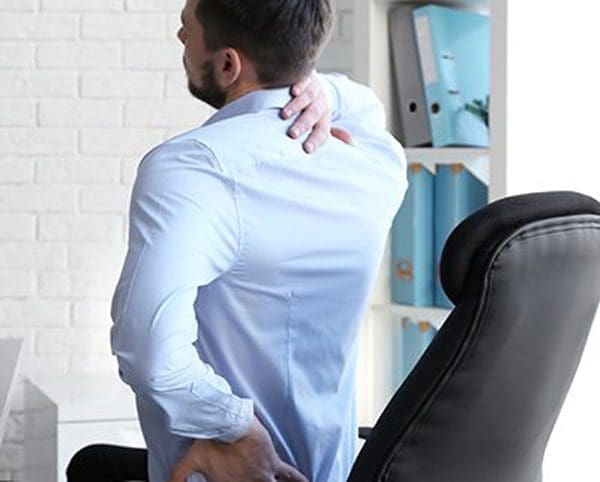
How Poor Posture Impacts Breathing and Digestion

The Role of Chiropractic Care

Poor posture is something many people deal with every day. Sitting at a desk for long hours or looking down at a phone can lead to slouching. This habit might seem harmless, but it can cause real problems with your breathing and digestion. When you slouch, your body gets out of line. This puts extra pressure on your lungs and stomach. Over time, it makes breathing harder and can slow down your digestion. Many health experts point out that improving posture through methods like chiropractic care can make a significant difference. This article looks at how slouching affects breathing and digestion. It also explains how integrative chiropractic care can improve things. We’ll use simple facts from trusted sources to show why good posture matters for your health.

Understanding Poor Posture

Poor posture happens when your spine is not in its natural curve. This can come from slouching, hunching over, or carrying your head too far forward. These positions squeeze your chest and belly areas. As a result, your organs don’t have enough room to work properly. For example, your diaphragm, which is a muscle that helps you breathe, gets tight. Your stomach and intestines also get compressed, which messes with digestion (UCLA Health, n.d.).

Bad posture is common in today’s world with so much screen time. But it’s not just about looks. It leads to slowly developing health issues. Let’s break down how it affects breathing first.

How Slouching Affects Breathing

When you slouch, your shoulders round forward and your chest caves in. This makes your rib cage smaller. Your lungs can’t expand fully, so you end up taking shallow breaths. Shallow breathing means less oxygen gets into your body. Over time, this can make you feel tired or even cause headaches (Capital Area Physical Therapy, n.d.).

Here are some key ways poor posture harms breathing:

  • Diaphragm Constriction: The diaphragm needs space to move down when you inhale. Slouching presses on it, making breaths shorter and less effective (Total Health Chiropractic, n.d.).
  • Reduced Lung Capacity: A hunched posture limits the amount of air your lungs can hold. This leads to quicker fatigue during activities such as walking or exercise (New Life Chiropractic, n.d.).
  • Lower Oxygen Intake: With shallow breaths, your blood gets less oxygen. This slows down your metabolism and can make you feel less alert (Ultimate Spine Chiropractic, n.d.).
  • Increased Stress on Muscles: Neck and shoulder muscles work harder to compensate, leading to tension and pain that makes breathing even tougher (Breathe Works, n.d.).

Studies show that forward head posture is a big culprit. It tilts your head forward, straining the neck and compressing the airways. This can lead to chronic issues if not fixed (Harvard Health Publishing, 2021). Dr. Alexander Jimenez, a chiropractor with over 30 years of experience, has observed in his practice that patients with poor posture often report shortness of breath. At Injury Medical Clinic in El Paso, Texas, he uses an integrative approach, including spinal adjustments, to realign the body. This frees up the chest area, allowing better diaphragm movement (Jimenez, n.d.; LinkedIn, n.d.).

The Link Between Posture and Digestion

Digestion is another area hit hard by slouching. When you hunch over, your abdomen gets squished. This puts pressure on your stomach, intestines, and other organs. Food doesn’t move through your system as smoothly. As a result, you might get heartburn, bloating, or constipation (Nolensville Chiropractic, n.d.).

Poor posture slows down the whole digestive process. It can make it harder for your body to break down food and absorb nutrients. Over time, this might lead to more serious problems, such as gastroesophageal reflux disease (GERD), in which acid flows back into your esophagus (Breathe Works, n.d.).

Let’s list out the main effects on digestion:

  • Compressed Organs: Slouching squeezes the stomach and intestines, slowing the movement of food and waste (Ultimate Spine Chiropractic, n.d.).
  • Acid Reflux and Heartburn: Pressure on the stomach pushes acid up, causing burning sensations and discomfort after meals (Alter Chiropractic, n.d.).
  • Constipation: Reduced space in the abdomen makes bowel movements harder, leading to buildup and bloating (Peak Portland Chiropractic, n.d.).
  • Impaired Swallowing and Chewing: Forward head posture changes jaw alignment, making it tough to eat properly (Breathe Works, n.d.).
  • Slower Metabolism: Less efficient digestion means your body doesn’t get energy from food as quickly, which can affect weight and energy levels (Live Aligned Chiropractic, n.d.).

Research from health sites indicates that spinal misalignment can irritate nerves that control digestion. This nerve interference adds to the problems caused by compression (Corner Chiropractic, n.d.). In his clinical work, Dr. Jimenez has seen how posture issues contribute to gut problems. He combines chiropractic care with functional medicine to address root causes, such as gastrointestinal imbalances. His patients often report less bloating and better digestion after treatments that improve spinal alignment (Jimenez, n.d.; LinkedIn, n.d.).

Other Health Risks from Bad Posture

Beyond breathing and digestion, poor posture can lead to broader issues. It might lead to back pain, reduced circulation, and even affect your mood. When organs are misaligned, blood flow slows, raising the risk of heart problems (Denver Colorado Chiropractic, n.d.). Shallow breathing from slouching can also increase stress hormones, making you feel anxious (Harvard Health Publishing, 2021).

Here are additional risks:

  • Nerve Compression: Pinched nerves from bad alignment can cause tingling or numbness, affecting overall body function (Scoliosis Center of Utah, n.d.).
  • Lower Energy Levels: Less oxygen and poor nutrient absorption leave you feeling drained (The Bluffs Chiropractic, n.d.).
  • Worsened Chronic Conditions: People with asthma or IBS may notice symptoms worsening due to posture-related pressure (Breathe Works, n.d.).

Dr. Jimenez notes in his functional medicine work that posture plays a key role in whole-body health. His protocols often include nutrition and rehab to support recovery from these issues (LinkedIn, n.d.).

How Integrative Chiropractic Care Can Help

Chiropractic care focuses on aligning the spine to improve body function. Integrative chiropractic goes further by combining adjustments with other therapies, such as exercise and nutrition. This approach helps free up space in the chest and abdomen, making breathing and digestion easier (Ultimate Spine Chiropractic, n.d.).

When a chiropractor realigns your spine, it reduces pressure on the diaphragm and organs. This restores nerve function, so signals between your brain and body work better. Better nerve flow means improved breathing and faster digestion (Nolensville Chiropractic, n.d.).

Benefits of chiropractic for posture-related issues include:

  • Better Breathing: Adjustments open up the chest, allowing deeper breaths and more oxygen (Capital Area Physical Therapy, n.d.).
  • Improved Digestion: Realigning the spine reduces abdominal compression, which can help with acid reflux and constipation (Alter Chiropractic, n.d.).
  • Restored Nerve Function: Clearing blockages lets nerves control organs more effectively (Corner Chiropractic, n.d.).
  • Reduced Pain and Tension: Less strain on muscles means you can maintain good posture longer (Peak Portland Chiropractic, n.d.).
  • Overall Wellness Boost: Integrative care addresses the whole body, leading to more energy and fewer health problems (Live Aligned Chiropractic, n.d.).

Dr. Alexander Jimenez, DC, APRN, FNP-BC, uses this integrative method in his clinic. With certifications in functional medicine and trauma care, he has helped patients with posture issues for decades. His observations show that spinal adjustments often lead to quick improvements in breathing efficiency. For digestion, he combines alignments with nutritional advice to tackle gut imbalances. In one of his articles, he discusses tools such as chiropractic wedges for gentle posture correction, which aid whole-body recovery without invasive methods (Jimenez, n.d.; LinkedIn, n.d.).

Many patients report feeling better after just a few sessions. Chiropractic care is safe and non-drug-based, making it a good option for long-term health (New Life Chiropractic, n.d.).

Tips for Improving Posture Daily

You don’t have to wait for problems to start fixing your posture. Small changes can make a big difference. Stand tall with your shoulders back, and take breaks to stretch if you sit a lot. Use ergonomic chairs or pillows to support your back (UCLA Health, n.d.).

Simple daily habits:

  • Check Your Stance: Keep your head over your shoulders, not forward.
  • Strengthen Core Muscles: Exercises like planks help support your spine.
  • Breathe Deeply: Practice diaphragm breathing to counteract shallow habits.
  • Eat Mindfully: Sit up straight during meals to aid digestion.

Combining these with professional care, like chiropractic, can prevent issues from getting worse (Harvard Health Publishing, 2021).

Conclusion

Poor posture, like slouching, does more than make you look tired. It constricts your diaphragm, leading to breathing problems and less oxygen. It also compresses your digestive organs, causing issues like acid reflux and constipation. Over time, these can slow your metabolism and affect your health. Integrative chiropractic care offers a way to fix this by realigning the spine and restoring function. Experts like Dr. Alexander Jimenez highlight how these methods improve breathing, digestion, and overall wellness through personalized, non-invasive treatments.

Taking steps to improve posture can lead to better health. If you notice symptoms, talk to a healthcare provider. Good posture is key to feeling your best every day.


References

Alter Chiropractic. (n.d.). 7 ways posture correction improves your health.

Breathe Works. (n.d.). Posture breathing gut health digestion reflux.

Breathe Works. (n.d.). Posture digestion bloating reflux gut health.

Capital Area Physical Therapy. (n.d.). Is poor posture affecting your breathing?

Corner Chiropractic. (n.d.). Chiropractic care and digestion: How spinal health impacts your gut.

Denver Colorado Chiropractic. (n.d.). Understanding the link between posture and overall wellness: Advice from Denver Chiropractic.

Harvard Health Publishing. (2021, February 15). 3 surprising risks of poor posture.

Jimenez, A. (n.d.). Dr. Alex Jimenez.

LinkedIn. (n.d.). Dr. Alexander Jimenez, DC, APRN, FNP-BC, IFMCP, CFMP, ATN.

Live Aligned Chiropractic. (n.d.). Can chiropractic care improve digestion?

New Life Chiropractic. (n.d.). How poor posture affects your breathing and how chiropractic can help.

Nolensville Chiropractic. (n.d.). The connection between posture and digestive health.

Nolensville Chiropractic. (n.d.). The connection between posture and digestive health.

Peak Portland Chiropractic. (n.d.). 7 ways posture correction improves your health.

Scoliosis Center of Utah. (n.d.). How posture affects digestion.

The Bluffs Chiropractic. (n.d.). How chiropractic care straightens out poor posture.

Total Health Chiropractic. (n.d.). Can poor posture affect the way you breathe?
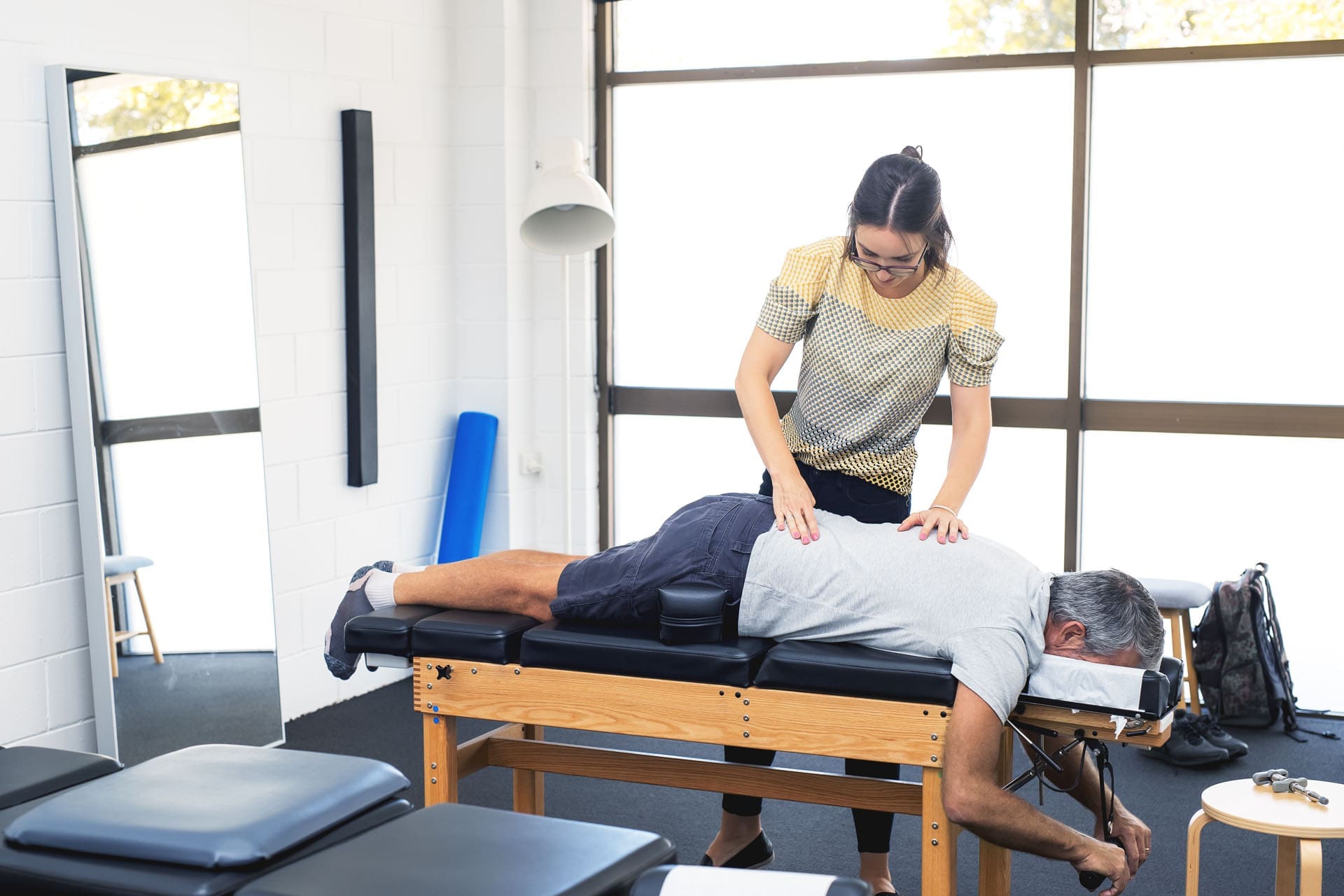
UCLA Health. (n.d.). Why good posture matters.

Ultimate Spine Chiropractic. (n.d.). Beyond the back: How poor posture affects breathing, digestion, and brain function.

Ultimate Spine Chiropractic. (n.d.). Beyond the back: How poor posture affects breathing, digestion, and brain function.

Chiropractic Wedges and How They Support Spinal Health

Chiropractic Wedges and How They Support Spinal Health

Chiropractic Wedges and How They Support Spinal Health

Benefits and Uses

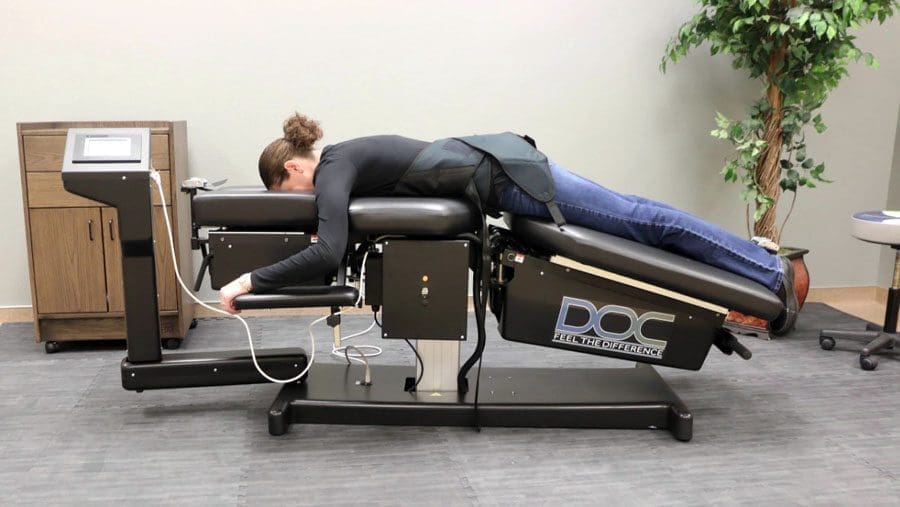
Chiropractic care offers many ways to help the body heal without surgery or strong medicines. One simple tool in this field is the chiropractic wedge. These are triangle-shaped blocks made from foam or other firm materials. Chiropractors place them on parts of the body, such as the neck, hips, or feet, to use gravity for gentle adjustments. This helps align the spine, stretch tight areas, and correct body imbalances. Wedges work by letting your own body weight do the job over time, which can ease pain and improve how you move (Diamond State Chiropractic, n.d.).

People often use wedges to bring back the spine’s natural curves. A healthy spine has gentle bends that help absorb shocks from daily life. When these curves get flat or twisted, it can cause discomfort in the back, neck, or even headaches. Wedges help decompress the spine by creating space between the vertebrae, reducing pressure on nerves and discs. This can lessen stress on your posture and make standing or sitting feel better. They are especially useful for issues such as uneven hips, tailbone pain, or spinal curves like scoliosis (Jimenez, n.d.a).

In chiropractic sessions, wedges provide a passive means of correcting problems. You don’t need forceful pushes; instead, you relax on the wedge for a few minutes. This makes them ideal for people who want gentle care, such as older adults, pregnant women, or those recovering from injuries. Over time, regular use can lead to better balance and less pain in everyday activities (Walkley Chiropractic Group, n.d.).

Types of Chiropractic Wedges and How to Use Them

There are different kinds of wedges, each designed for specific body areas. Let’s look at the main types and how they help.

  • Neck (Cervical) Wedges: These restore the natural curve in your neck, called cervical lordosis. To use one, lie on your back with the wedge under your neck. The flat side goes against your shoulders, and your head rests on the sloped part. Stay there for 5-10 minutes, letting gravity gently pull your head back. This traction opens up the neck joints, improves blood flow to the discs, and reduces pressure on the shoulders and upper back. It’s helpful for poor posture from looking at screens all day, which can lead to headaches or stiff necks (Core Chiropractic, n.d.; Pure Health, n.d.; Cordova & Siegmund, 2018).
  • Pelvic or SOT Blocks: Used in the Sacro Occipital Technique (SOT), these come in pairs and go under the hips while you lie face down. They act like a pivot point, using your body weight to fix tilts in the pelvis or spine. For example, if one hip is higher, place a wedge under the higher side and another on the opposite sacroiliac joint. This corrects imbalances in the lower back, sacrum, or tailbone. It’s good for sciatica, scoliosis, or coccydynia (tailbone pain), and doesn’t require any thrusting from the doctor (Tigerlily Chiropractic, n.d.; Diamond State Chiropractic, n.d.; El Paso Chiropractor Blog, 2019).
  • Foot Wedges: These small devices adjust how your feet move, fixing issues like over-pronation (feet rolling in) or supination (rolling out). Place them in shoes or under the feet during exercises to guide joint motion. They influence the entire body chain, from the ankles to the knees and up to the back. This can ease pain in the feet, legs, or even lower back from bad walking habits. They’re useful for recurrent injuries or nagging aches that don’t go away with rest (PhysioFlexx Ayrshire, n.d.).

Using wedges at home can support in-office treatments. Always start slow to avoid strain. For neck wedges, begin with 1-2 minutes and build up. Roll off to the side when done, don’t sit straight up. Combine them with chiropractic adjustments for best results—they’re not a standalone fix (Chiropractic First, n.d.; Pure Health, n.d.).

Benefits of Wedges for Common Health Issues

Wedges offer many advantages in chiropractic care. They promote gentle, effective changes without discomfort.

  • Spinal Alignment and Decompression: By restoring curves such as the neck’s lordosis or the lower back’s sway, wedges reduce nerve pressure. This can help with chronic back pain, herniated discs, or pinched nerves (Core Chiropractic, n.d.).
  • Pain Relief: They ease discomfort from conditions like sciatica (pain down the leg), headaches, or tailbone issues. For hips out of alignment, wedges help reset them, stopping pain from spreading to the back or knees (Jimenez, n.d.b; Diamond State Chiropractic, n.d.).
  • Improved Posture and Mobility: Poor posture from sitting too much strains the body. Wedges counteract this by encouraging better biomechanics, making movement easier for elderly or pregnant people (Walkley Chiropractic Group, n.d.).
  • Support for Specific Conditions: In scoliosis, they help straighten the spine’s curve. For coccydynia, wedge cushions reduce pressure on the coccyx. They also help with foot-related pains that affect the whole body (El Paso Chiropractor Blog, 2019; PhysioFlexx Ayrshire, n.d.).

Clinical observations from Dr. Alexander Jimenez, a chiropractor with over 30 years of experience, indicate that misaligned hips—often corrected with tools such as wedges—cause widespread problems. He notes symptoms like limping, reduced motion, and radiating pain, which improve with non-invasive methods like decompression and orthotics. Jimenez emphasizes checking for leg length differences, where a foot wedge can balance things out and prevent chronic problems (Jimenez, n.d.a; Jimenez, n.d.c; Jimenez, LinkedIn, n.d.).

Integrating Wedges in a Holistic Chiropractic Approach

Chiropractic care often goes beyond just adjustments. In integrated clinics, skilled practitioners combine wedges with other methods for full-body health. This holistic view looks at lifestyle, diet, and emotions, not just symptoms (Poets Corner Medical Centre, n.d.).

Holistic chiropractors use wedges alongside manual tweaks and advice on daily habits. For example, they might suggest posture exercises while on a neck wedge to strengthen muscles. This optimizes healing and prevents recurring issues (Core Chiropractic, n.d.).

Like approaches from the National Center for Complementary and Integrative Health (NCCIH), this includes team-based care. About 11% of U.S. adults used chiropractic care in 2022, often for pain, and often combined it with other therapies (NCCIH, 2024).

Multidisciplinary Therapies Enhancing Chiropractic Care

A multidisciplinary setup brings together experts like chiropractors, physical therapists, and acupuncturists. This team effort improves results beyond solo treatments.

  • With Physical Therapy: Adjustments with wedges align the spine, while PT adds exercises for strength and flexibility. This combo speeds recovery from injuries (Dallas Accident and Injury Rehab, n.d.).
  • Acupuncture Integration: Needles calm nerves, paired with wedges for alignment, helping chronic pain or headaches (All Cure Spine and Sports, n.d.).
  • Nutritional Counseling: Diet advice reduces inflammation, supporting wedge-based corrections for better mobility and quality of life (Poets Corner Medical Centre, n.d.; Involve Health, n.d.).

Benefits include less need for pain meds, faster healing, and lasting relief. Dr. Jimenez observes that functional medicine, combining nutrition with chiropractic tools, addresses root causes such as inflammation and imbalances, treating conditions ranging from sciatica to neuropathy (Jimenez, LinkedIn, n.d.; All Cure Spine and Sports, n.d.).

Dos and Don’ts for Safe Wedge Use

To get the most from wedges, follow these tips based on expert advice.

  • Dos: Use on a firm surface, relax fully, start short sessions, and pair with professional care. For pelvic wedges, ensure proper placement for your imbalance (Pure Health, n.d.; Unknown, n.d.).
  • Don’ts: Avoid overdoing time, using without adjustments, or craning your neck for screens. Stop if pain increases (Chiropractic First, n.d.).

Dr. Jimenez stresses personalized plans, using tests like X-rays to guide wedge use for safe, effective alignment (Jimenez, n.d.c).

Conclusion: Why Consider Chiropractic Wedges?

Wedges are a key part of gentle chiropractic care, helping align the body and naturally ease pain. From neck curves to foot biomechanics, they support health in simple ways. In holistic clinics, they’re part of broader plans with therapies like PT and nutrition. As Dr. Jimenez’s work shows, addressing imbalances early prevents bigger issues. If you have back or neck troubles, talk to a chiropractor about wedges—they could improve your daily life.


References

All Cure Spine and Sports. (n.d.). The benefits of a multidisciplinary therapeutic approach.

Chiropractic First. (n.d.). Wedge videos.

Core Chiropractic. (n.d.). Posture exercises and neck wedges: Do you need them?

Cordova, N., & Siegmund, B. (2018, August 3). Cervical wedge demonstration [Video].

Dallas Accident and Injury Rehab. (n.d.). Integrating chiropractic care with other treatments.

Diamond State Chiropractic. (n.d.). 5 common chiropractic techniques for back and neck pain.

El Paso Chiropractor Blog. (2019, October). Tailbone pain, also known as coccydynia.

Involve Health. (n.d.). Chiro FAQs.

Jimenez, A. (n.d.a). Out of alignment hips.

Jimenez, A. (n.d.b). Dr. Alex Jimenez.

Jimenez, A. (n.d.c). Dr. Alexander Jimenez [LinkedIn profile].

NCCIH. (2024). Chiropractic: In depth.

PhysioFlexx Ayrshire. (n.d.). Foot wedges.

Poets Corner Medical Centre. (n.d.). Why should you visit a holistic chiropractor?

Pure Health. (n.d.). Neck traction wedge dos and don’ts.

Tigerlily Chiropractic. (n.d.). Our techniques.

Unknown. (n.d.). Pelvic wedge home care [Video].

Walkley Chiropractic Group. (n.d.). Biomechanical wedges.

Why Is Neuropathy Treatment So Expensive?

Why Is Neuropathy Treatment So Expensive?

Why Is Neuropathy Treatment So Expensive?
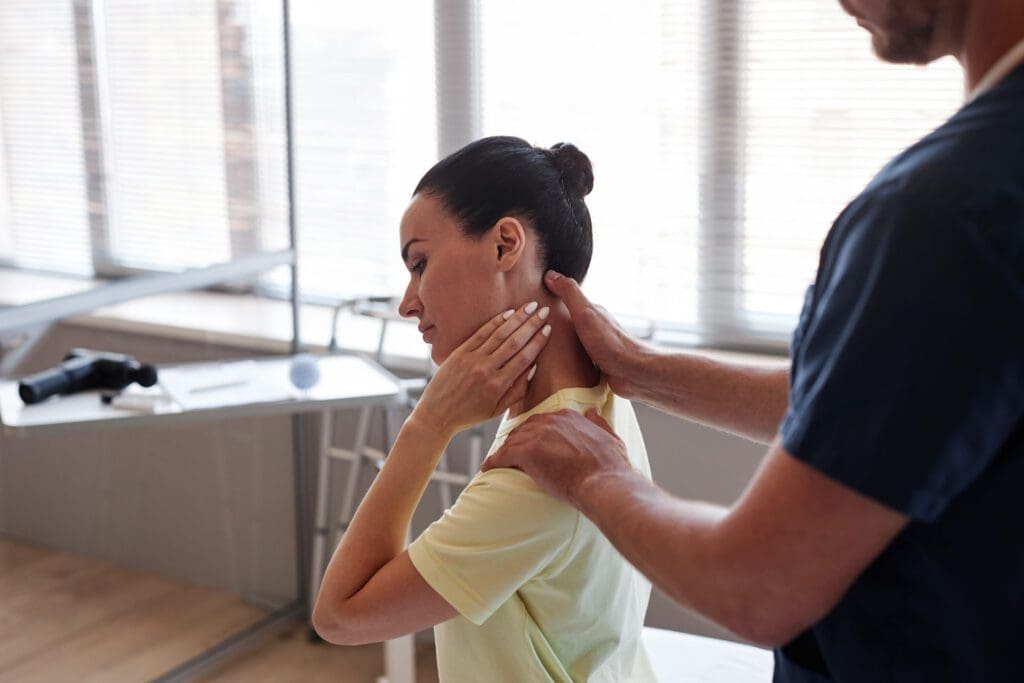
A young woman is complaining of neck pain while a doctor is examining her in the clinic

Neuropathy is a condition in which nerves are damaged. This can cause pain, numbness, tingling, or weakness, often in the hands and feet. It can come from diabetes, injuries, or infections. Many people ask why fixing it costs so much. The reason is that it needs long-term care, special tests, and sometimes high-end drugs or steps. These pile up fast. At ChiroMed – Integrated Medicine Holistic Healthcare in El Paso, TX, they know this well. They offer a mix of chiropractic care, nurse practitioner help, naturopathy, rehab, nutrition, and acupuncture. This all-in-one approach assesses the whole body to ease symptoms and identify root causes without always relying on expensive medications (ChiroMed, n.d.a). In this article, we break down the costs with simple examples and lists. We also show how ChiroMed’s holistic ways can help manage expenses. Additionally, we cover extra costs such as missed work. Their goal is honest, custom care to boost health since 1996.

First, understand why neuropathy requires ongoing support. Nerves heal slowly or not at all. Damage can stick around for years. So, care aims to reduce pain and prevent further worsening. This means steady visits, meds, and therapies. All costs money. Data shows folks with diabetic neuropathy spend way more on care—over four times as much (Sadosky et al., 2023). That’s due to more hospital time, doctor meetings, and ER stops.

The Long-Term Nature of Neuropathy: Needing Steady Care

A top reason for high costs is neuropathy being a lasting problem. It’s not like a sprain that mends quickly. Nerve repair is slow, if it occurs. Patients need help for months or years. Pros call this “chronic management.” It covers check-ins to refine plans and identify new issues.

  • Regular Checkups: Meets with nerve experts to monitor progress. These can run $100 to $500 each (Northstar Joint and Spine, n.d.).
  • Lifestyle Tweaks: Diet or workout plans for nerve health. You might need the services of a food expert or trainer, who can charge $50 to $150 per session.
  • Avoiding Extras: No care can lead to falls or infections. Addressing these issues can increase costs (Sicras-Mainar et al., 2017).

At ChiroMed in El Paso, TX, the practice emphasizes whole-person care. Led by Dr. Alex Jimenez, DC, APRN, FNP-BC, they use functional medicine to identify causes such as poor diet or stress. Plans combine natural remedies, supplements, and adjustments to provide lasting support that may reduce future costs (ChiroMed, n.d.b). Even so, repeat visits add up, but the integrated model aims to make it smarter and more cost-effective over the long term.

Special Tests: Paying to Pinpoint the Issue

Treating neuropathy starts with finding the cause. This takes fancy tests that cost a lot. They identify nerve damage and rule out other causes.

Key tests are:

  • Nerve Speed Checks: See how quickly signals move. $100 to $1,000 or more (Northstar Joint and Spine, n.d.).
  • Muscle Response Tests (EMG): Look at muscles reacting to nerves. Often paired, hiking the cost.
  • Scans such as MRI or CT: Look for compressed nerves. $500 to $2,000 each.

These matters, since neuropathy has many triggers, like sugar issues or low vitamins. No tests, wrong care. In clinics, full check packs for challenging cases can cost thousands (Advantage Health Center, n.d.). ChiroMed uses deep checks, including genetic and lifestyle factors, to target treatment more effectively. This could save by skipping bad paths (ChiroMed, n.d.a).

Name-Brand Meds: Why Drugs Cost Big

Pills play a big role in neuropathy. But often special ones for nerve aches. These are seizure or mood drugs reused for nerves. Names like Lyrica (pregabalin) or Cymbalta (duloxetine).

Why pricey?

  • Make Costs: Firms spend tons to build and test. Passed to you.
  • No Cheap Versions: Some are patented, no knockoffs. Pregabalin: $200 to $500 per month (Northstar Joint and Spine, n.d.).
  • Try-and-Error: Might test a few or mixtures. Each change means more scripts and cash.

In Spain, nerve pain drugs like pregabalin cost €2,400 to €3,200 over two years per person (Sicras-Mainar et al., 2017). Over $2,600 U.S. If the first fails, costs climb. Opioids are sometimes used, but not advised, due to risks and short-term help (American Society of Regional Anesthesia and Pain Medicine, 2023). ChiroMed leans toward natural products like alpha-lipoic acid to dodge drug prices and side effects (ChiroMed, n.d.c).

Steady Expert Meets: Cost of Pro Help

Neuropathy requires specialists such as neurologists, pain management professionals, or chiropractors. Their know-how costs more.

  • Meet Fees: $50 to $150 per meeting, possibly weekly early on (Advantage Health Center, n.d.).
  • Pack Deals: Clinics offer 12-session packages priced at $3,000 to $6,000 (Olympic Spine, n.d.).
  • Team Work: Nurses, therapists, and docs—all add.

Nerve setup is tricky. Each is unique, so custom plans (London Pain Clinic, n.d.). This ups the value and price. At ChiroMed, Dr. Jimenez combines chiropractic care and nursing to develop plans that include hands-on lifestyle tips. They aim to be affordable without insurance hassles (ChiroMed, n.d.b). The El Paso spot focuses on safe, no-drug ways for symptoms like tingling or balance woes (ChiroMed, n.d.a).

High-End Steps and Therapies: When Simple Won’t Do

For bad cases, pros use top options. These help, but hit hard on cash.

Like:

  • Spine Stim: Implants block pain. $4,000 to $9,500 per year, but it cuts hospitalization (Sadosky et al., 2023).
  • Stem Cells: Fix nerves with cells. $5,000 to $50,000 (Advantage Health Center, n.d.).
  • Laser: $50-$150 per session; many needed (Creekside Chiropractic, n.d.).

This treatment is recommended for “hard” cases where drugs are not effective. Better, but insurance may skip (DVC Stem, n.d.). TENS electric: $30 to $100; add-on with home (Advantage Health Center, n.d.). ChiroMed adds regenerative therapies to heal quickly without major surgery (ChiroMed, n.d.c).

Extra Hits: More Than Med Bills

Care costs go beyond docs.

  • Work Loss: Pain means missed days or no job. 18% more lost work (Sadosky et al., 2023).
  • Travel, Home Fixes: To pros or aides, such as walkers.
  • Mind Strain: Worry or sadness may require talking to someone for help.

Non-med costs, such as sick leave, account for half of the total (Sicras-Mainar et al., 2017). Numb falls add ER. Early help cuts.

Watch for Tricks and High-Price Traps

Some ads promise fast results with braces or shots, but offer no proof. Thousands wasted, insurance too (Foundation for Peripheral Neuropathy, n.d.). Consult a real brain doctor first (Instagram Reel, n.d.).

ChiroMed warns about these. They push for evidence-based care with no waste (ChiroMed, n.d.b).

Insurance and Place Factors

Costs change by spot and coverage. Cities charge more. Insurance does basics, not always extras (Northstar Joint and Spine, n.d.). Own pay is $500 to $5,000 per year (Advantage Health Center, n.d.).

Effective plans or generics provide assistance. ChiroMed works with insurance, but flexible payment plans are available for access (ChiroMed, n.d.a).

Final Thoughts: Handling Neuropathy Costs at ChiroMed

Neuropathy care costs are high due to complex, steady needs. Tests, medications, professionals, and hidden costs add up. But knowing helps plan. Start soon to lower long bills. Choose spots like ChiroMed in El Paso, TX, for whole-body care with natural methods. This makes it effective, perhaps at a lower cost. Contact at 11860 Vista Del Sol Dr Suite 128, El Paso, TX 79936, or call (915) 412-6680.

Costs range from hundreds to thousands. Chat doc for budget fits. The right plan manages without a bank break.


References

Neuropathy Treatment Cost Eau Claire

Peripheral Neuropathy Cost

Instagram Reel on Neuropathy Trends

Peripheral Neuropathy Scams

Cost of Treatment of Peripheral Neuropathic Pain

Understanding Treatment Costs

Peripheral Neuropathic Pain: Why Is It So Difficult to Treat?

Health Care Utilization and Costs in Patients With Painful Diabetic Neuropathy Treated With 10 kHz SCS Therapy

Neuropathy Causes, Evidence-Based Treatments, and Misleading Claims

Neuropathy Treatment

Neuropathy Treatment Update 2023

Neuropathy Doctor

What Is the Latest Treatment for Neuropathy?

Peripheral Neuropathy

Neuropathic Pain Drug Treatment

ChiroMed – Integrated Medicine Holistic Healthcare

Integrated Medicine Services, El Paso, TX

Neuropathy Pain Relief in El Paso: Best Medications

Fastpitch Softball Injuries and Chiropractic Care

Fastpitch Softball Injuries and Chiropractic Care

Fastpitch Softball Injuries and Chiropractic Care

How ChiroMed’s Integrative Care Helps Athletes Recover Faster and Stay Strong

Competitive fastpitch softball pushes the body hard with fast pitches, quick turns, and sudden dives. Pitchers use the underhand windmill motion, which spins the arm in a full circle at high speeds. All players face rapid direction changes on the field. These actions often cause muscle and bone injuries. At ChiroMed – Integrated Medicine in El Paso, TX, athletes find help through a holistic approach. This care combines spinal adjustments, soft-tissue work, and rehabilitation exercises to treat injuries at the root cause. It helps players heal faster, gain more power, and avoid further injury.

The Tough Demands of Fastpitch Softball

The windmill pitch is unique to fastpitch. It creates strong pulls on the shoulder and elbow, unlike overhand throws. Pitchers might throw over 100 pitches in a game, leading to wear and tear. Fielders run, slide, and collide, putting stress on legs and joints. Bases are run in one direction, which twists ankles and knees the same way each time. These repeated movements account for the common injuries in the sport.

Main Overuse Injuries in Fastpitch Softball

Overuse results from performing the same motion too often. It causes most issues for players. Key ones include:

  • Shoulder problems: Strains in the rotator cuff from constant pitching. This small group of muscles gets inflamed and weak.
  • Elbow damage: Tears in the ulnar collateral ligament (UCL) from the arm’s twist in the windmill.
  • Back pain: Twisting during pitches and swings stresses the lower spine.
  • Hand and wrist strains: From gripping bats or catching balls hard.

Data show that overuse accounts for 60-70% of injuries among youth and college pitchers (Fastpitch Softball Injuries Study, 2024).

Sudden Acute Injuries on the Field

Some injuries occur in a single moment from impacts or poor landings. The sport’s speed leads to these:

  • ACL tears: The knee’s anterior cruciate ligament rips during quick stops or turns. Girls and women face higher risks due to body alignment.
  • Ankle sprains: Rolling the ankle while sliding or jumping.
  • Breaks and fractures: In fingers, arms, or collarbones from hits or falls.
  • Concussions: From ball strikes to the head or player crashes.

Lower-body injuries, such as sprains, top the list across all positions (Summit Orthopedics, 2022).

Other Common Issues That Slow Players Down

Injuries can result from overuse and sudden hits. They include:

  • Sprains in fingers or hands from tags or dives
  • Strains in hamstrings or groin from sprints
  • Neck strain from tracking fly balls

Catchers deal with knee stress from squatting. Outfielders twist their backs leaping for catches. Every role has risks.

Limits of Basic Injury Care

Rest, ice, and simple therapy help at first. But they might not address deeper problems, such as tight hips affecting the shoulder or spine issues, or changes in knee movement. Without full fixes, injuries return.

ChiroMed’s Integrative Chiropractic Approach

At ChiroMed, care treats the whole body as connected. Led by Dr. Alexander Jimenez, DC, APRN, FNP-BC, the team uses chiropractic adjustments, nurse practitioner services, naturopathy, rehab, nutrition, and acupuncture. This evidence-based method, inspired by functional medicine, targets root causes like muscle imbalances or nerve issues (ChiroMed – Integrated Medicine, n.d.).

Dr. Jimenez’s clinical work shows that small spinal misalignments accumulate in athletes, leading to poor form and injuries. His approach restores alignment for better nerve flow and movement.

Tools at ChiroMed include:

  • Adjustments: To correct spinal and joint alignment, reducing nerve pressure.
  • Soft tissue therapy: Massage and tools to heal muscles and reduce scars.
  • Rehab exercises: To build strength and balance for safe play.
  • Holistic support: Nutrition and recovery tips to boost healing.

This helps with sports injuries like those in softball, promoting faster recovery without drugs (Push as Rx, n.d.).

Benefits for Fastpitch Players at ChiroMed

Athletes see real gains. Shoulder strains heal in half the time. Pitches get faster with better body mechanics. Ankles strengthen after sprains. Reports show less pain, more flexibility, and fewer missed practices (Southern California University of Health Sciences, n.d.).

Dr. Jimenez notes that softball players often ignore early signs, which can lead to more serious issues. ChiroMed’s personalized plans help them return stronger and more confident.

Preventing Injuries with ChiroMed’s Help

Stopping problems before they start is key. ChiroMed offers check-ups to spot tight spots early. Programs include:

  • Warm-ups tailored to pitching
  • Exercises for core and hips
  • Mechanics training to protect arms
  • Rest guidelines based on pitch counts

Teams that use this stay healthier throughout the season.

Why Choose ChiroMed for Softball Recovery

Fastpitch demands resilience, but injuries can stop progress. ChiroMed’s integrative chiropractic care in El Paso offers a natural way to heal, perform better, and prevent setbacks. Visit https://chiromed.com/ to learn more and get back in the game stronger.


References

What Are the Most Common Softball Injuries? Summit Orthopedics. (2022, May 19).

Common Injuries in Softball Rock Valley Physical Therapy. (n.d.).

Common Softball and Baseball Injuries and Prevention UCHealth. (n.d.).

Integrative Chiropractic Prevents Future Injuries for Athletes Push as Rx. (n.d.).

Treating Sports Injuries: 5 Methods Chiropractors Use Southern California University of Health Sciences. (n.d.).

Fastpitch Softball Injuries: Epidemiology, Biomechanics, and Injury Prevention Fastpitch Softball Injuries Study. (2024).

ChiroMed – Integrated Medicine ChiroMed – Integrated Medicine. (n.d.).

Softball Injury Sports Chiropractor Chiropractic Sports Care. (n.d.).

Sciatica Self-Massage at Home: Integrative Approach

Sciatica Self-Massage at Home: Integrative Approach

Sciatica Self-Massage at Home: Integrative Approach

Tennis balls, foam rollers, and calf-release techniques are effective for self-massage.

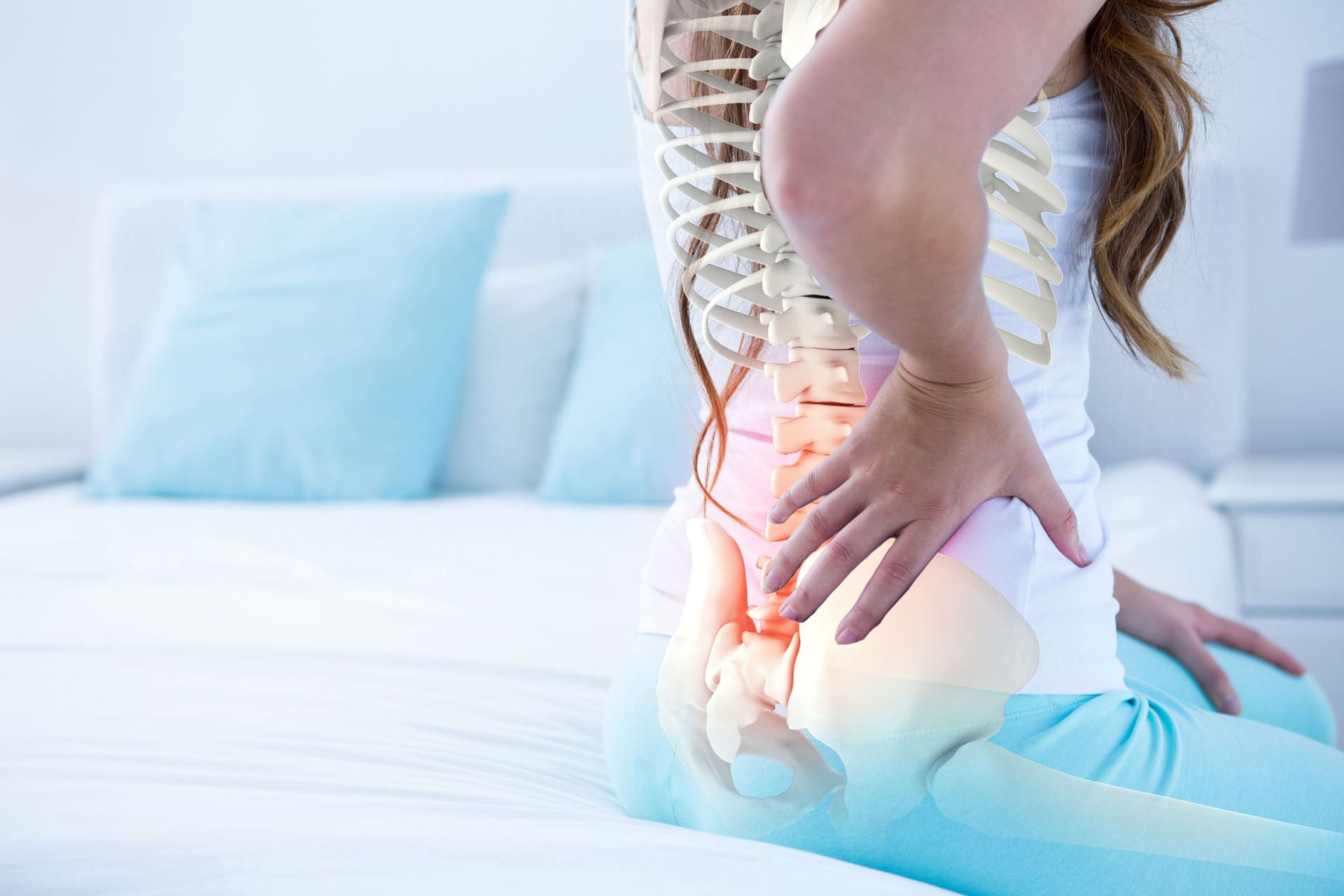
Sciatica is not a single diagnosis. It is a symptom pattern—often burning, sharp, or “electric” pain that can start in the low back or buttock and travel down the leg. Some people also feel tingling or numbness. At ChiroMed, sciatica is usually discussed as a signal problem: something is irritating or sensitizing nerve tissues, and the body reacts with pain, tightness, and protective muscle guarding. (ChiroMed, 2025a)

Self-massage can be a helpful tool because many sciatica flare-ups include tight muscles and trigger points in the low back, glutes, hips, and the piriformis muscle. When these tissues tighten, they can increase pressure around sensitive areas and prolong symptoms. (Healthline, 2021)

Below is a practical, safe, “easy-to-follow” self-massage plan that matches what many people use at home—tennis balls, foam rollers, and gentle calf work—plus how these tools often fit into a whole-person chiropractic plan at ChiroMed. (ChiroMed, 2025b)


The #1 Safety Rule: Stay in the “Hurts Good” Zone

Self-massage should feel like helpful pressure, not intense pain.

Use this simple rule:

  • 0–3 out of 10 discomfort: okay (“hurts good”)
  • 4–10 out of 10: too much (back off)
  • Sharp zaps, burning, or increasing numbness: stop right away

This approach aligns with common guidance for piriformis massage: start gently, avoid excessive pressure, and discontinue if symptoms worsen. (Healthline, 2021)

Important: Do not apply intense pressure directly over the area where you feel the “electric line” of sciatic symptoms. The goal is to release muscle tension around the area, not to crush a nerve. (HSS, 2024)


Why These Areas Matter for Sciatica

Most effective self-massage targets the “hot spots” that commonly tighten during sciatica:

  • Low back muscles (especially near the pelvis)
  • Glutes (buttock muscles)
  • Piriformis (a deep hip muscle)
  • The calf is often tight due to compensation or referred pain.

Piriformis tension is a common reason people feel buttock pain and leg symptoms that look like sciatica. (Healthline, 2021)


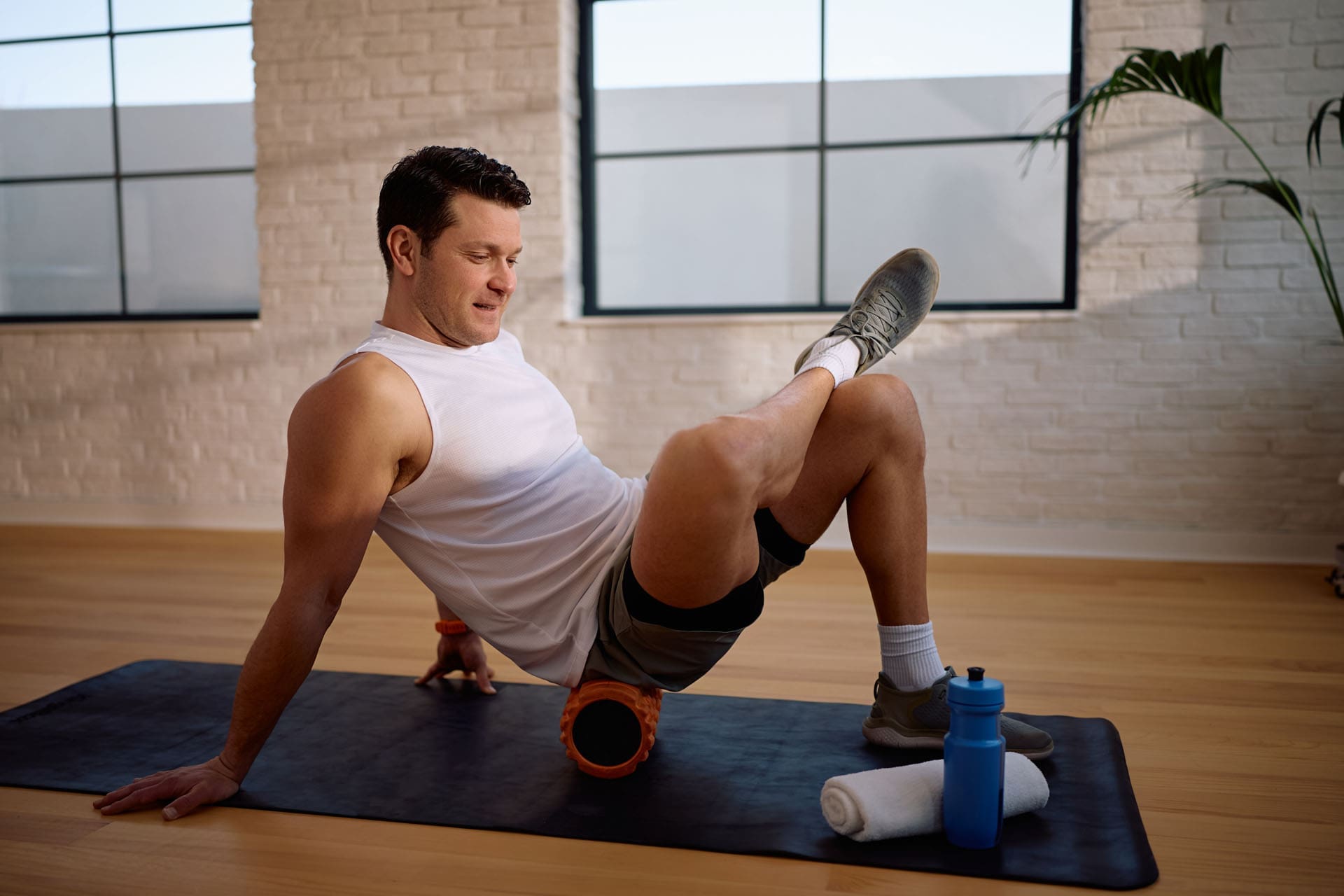
Tool 1: Tennis Ball Release for Glutes and Piriformis

A tennis ball is useful because it can quickly locate a tight point. Many sciatica massage guides recommend using a ball to target trigger points in the gluteal/piriformis area. (Massage Chair Store, 2021; Healthline, 2021)

How to do it (simple floor method)

  1. Sit on the floor and place a tennis ball under one buttock.
  2. Lean your body weight slightly into the ball.
  3. Slowly roll a few inches until you find a tender spot.
  4. Apply light pressure for 20–45 seconds; breathe slowly.
  5. Move off the spot and repeat 2–4 times.
  6. Switch sides if needed.

What you want to feel:

  • Dull ache, pressure, warmth = okay
    What you do not want:
  • If you experience a sharp shooting pain down your leg or an increase in numbness, you should stop immediately (Healthline, 2021).

“Peanut” trick (two tennis balls)

Some people tape two balls together (or put them in a sock) to create a “peanut.” This can help you apply pressure on both sides of soft tissue—not the spine. (Massage Chair Store, 2021)


Tool 2: Foam Roller for Broader, Gentler Pressure

Foam rolling distributes pressure over a larger area than a ball, which may feel safer on sensitive days. It is often used for myofascial release, meaning the application of slow pressure to relax tight muscles and fascia. (Dorsal Health, 2020)

Best foam roller targets for sciatica patterns

  • Glutes (roll slowly, small range)
  • Outer hip muscles
  • Upper hamstrings (avoid behind the knee)

Simple foam rolling dose:

  • 30–60 seconds per area
  • 1–2 rounds total
  • Keep discomfort ≤3/10 (Dorsal Health, 2020)

Calf Massage for Referred Pain and “Compensation Tightness”

Sciatica symptoms often alter a person’s gait, stance, and leg loading. That can make the calf feel tight, sore, or crampy—even if the main issue is higher up. Gentle calf massage can lower muscle guarding and improve comfort while you work on the hip and low back. (Chicago Pain Control, n.d.)

Simple calf massage (hands-only)

  • Sit comfortably and support your leg.
  • Use your thumbs and palms to knead the calf slowly.
  • Work from mid-calf toward the ankle and back up.
  • Stop if you feel sharp nerve sensations.

Add Heat to Improve Results

Heat can relax tissues and make self-massage feel more effective. Many home-care routines for sciatica recommend applying heat before soft-tissue work to reduce muscle guarding. (HSS, 2024)

Try:

  • Heat 10–15 minutes
  • Then self-massage for 5–8 minutes
  • Then a short walk, 3–10 minutes if tolerated

What ChiroMed Often Adds: An Integrative Plan for Long-Term Relief

Self-massage is helpful, but many people need more than symptom relief. A longer-term plan often focuses on **-two goals:

  1. Lower nerve irritation
  2. Fix the mechanical patterns that keep stress on tissues

ChiroMed’s content frequently emphasizes combining chiropractic care, soft-tissue work, and rehabilitation strategies so patients are not merely chasing pain day to day. (ChiroMed, 2025b)

Common integrative elements include:

  • Focused chiropractic adjustments to improve motion and reduce joint stress (Fremont Chiropractic, n.d.)
  • Myofascial release/trigger point therapy to calm tight muscles and improve movement (Pinnacle Hill Chiropractic, 2023)
  • Spinal decompression (when appropriate) to reduce pressure and support disc-related cases (Posture Perfect PH, n.d.)
  • Rehab and mobility exercises to build stability and reduce flare-ups (Bend Total Body Chiropractic, n.d.)

Clinical perspective reflected in Dr. Alexander Jimenez’s published education

Dr. Alexander Jimenez, DC, APRN, FNP-BC, often describes sciatica care as a “systems” problem—muscles, joints, discs, inflammation, and movement habits can all contribute. His educational posts emphasize combining hands-on care with guided self-care to support function rather than merely providing temporary relief. (Jimenez, n.d.-a; Jimenez, n.d.-b)


When to Stop Self-Massage and Get Evaluated

Seek medical evaluation urgently if you have:

  • New or worsening leg weakness
  • Loss of bowel/bladder control
  • Numbness in the groin/saddle area
  • Severe pain that is rapidly worsening

These signs may indicate more severe nerve involvement and should not be managed with home massage alone. (ChiroMed, 2026)


A Simple 7-Minute Routine (Daily or During Flares)

  • Heat: 10 minutes (optional) (HSS, 2024)
  • Tennis ball glute/piriformis: 2 minutes total (Healthline, 2021)
  • Foam roll glutes/outer hip: 2 minutes total (Dorsal Health, 2020)
  • Calf massage: 2 minutes total (Chicago Pain Control, n.d.)
  • Easy walk: 3–10 minutes if tolerated (ChiroMed, 2025a)

Keep it gentle, stay in the 0–3/10 range, and avoid pressing directly into sharp nerve pain.


References

Optimizing Your Weekly Workout Regimen in El Paso, TX

Optimizing Your Weekly Workout Regimen in El Paso, TX

Optimizing Your Weekly Workout Regimen in El Paso, TX

Strength, Cardio, Mobility, and Recovery with Essential Warm-Ups and Cool-Downs

In El Paso, TX, establishing a weekly workout regimen requires consideration of the hot desert climate. The sun can be strong, and temperatures often climb high, so it’s smart to plan exercises that fit indoor spaces or early-morning times. An effective routine combines strength training, cardio, mobility work, and rest days to build fitness without injury. This helps people stay active and healthy in a region known for its dry heat and outdoor trails, such as those in the Franklin Mountains. Local gyms and classes make it easy to find options that match your level, whether you’re just starting or have some experience.

Balancing different types of workouts keeps things fun and effective. Strength training builds muscle, cardio boosts heart health, mobility improves how you move, and recovery allows your body to heal. In El Paso, using facilities such as Fit Body Boot Camp or Shanti Yoga can add variety. Fit Body Boot Camp offers 30-minute group classes with high-intensity interval training (HIIT) that burns fat and tones muscles, perfect for beginners with trainer support (Fit Body Boot Camp, n.d.). Shanti Yoga offers classes such as hot yoga, which can be comfortable in the desert air, but they are held indoors to avoid the heat (Fox Lexus of El Paso, n.d.).

For beginners and those at an intermediate level, aim for 3 to 5 workout days each week. This leaves room for rest, which is key in a hot climate where your body needs time to cool off and rebuild. Always include warm-ups and cool-downs to stay safe.

Why Balance Matters in Your Routine

A balanced regimen prevents burnout and helps you see results. Strength days focus on weightlifting or bodyweight exercises to build strength. Cardio could be running, cycling, or brisk walking to improve endurance. Mobility exercises, such as stretching or yoga, keep joints flexible. Recovery includes light walks or full rest. In El Paso, the desert climate means you should stay well hydrated and choose cooler times, such as before 11 a.m. or after 5 p.m. (Ortho El Paso, 2024). This reduces risks like heat stress.

Experts suggest splitting workouts by muscle groups or full-body sessions. For example, upper-body days target the arms, chest, and back, while lower-body days focus on the legs and core (Grinder Gym, n.d.). Mixing in cardio 2-3 times a week keeps your heart strong (Self, n.d.).

  • Strength Training Benefits: Builds muscle, boosts metabolism, and helps with daily tasks.
  • Cardio Advantages: Improves lung capacity and burns calories.
  • Mobility Perks: Reduces stiffness and improves range of motion.
  • Recovery Importance: Allows muscles to repair and prevents overtraining.

Incorporate local amenities such as Revolution Fitness for Zumba or weight training, which are indoor and air-conditioned (Fox Lexus of El Paso, n.d.).

Sample Weekly Regimen for Beginners

For someone new to fitness, start with 3 days a week. Each session lasts 30-45 minutes, plus warm-up and cool-down. Focus on simple moves.

  • Monday: Full-Body Strength – Squats, push-ups, rows. Do 2-3 sets of 10-12 reps.
  • Wednesday: Cardio – Brisk walk or cycle for 20-30 minutes.
  • Friday: Mobility – Yoga poses like child’s pose and cat-cow.
  • Rest Days: Tuesday, Thursday, Saturday, and Sunday. Light walks if you feel well.

This setup from sources like Emily Skye Fit builds confidence without overload (Emily Skye Fit, n.d.). In El Paso, try this at Her Gym, a women-only facility with classes such as BODYPUMP for strength (Fox Lexus of El Paso, n.d.).

Warm-ups: Spend 5-10 minutes with dynamic stretches like arm circles or leg swings to get blood flowing (Mayo Clinic, n.d.a). Cool-downs: Static stretches, held for 15-30 seconds, such as touching your toes (Les Mills, n.d.).

Sample Weekly Regimen for Intermediates

If you have some experience, go for 4-5 days. Add more intensity.

  • Monday: Upper Body Strength – Bench press, pull-ups, shoulder presses. 3 sets of 8-10 reps.
  • Tuesday: Cardio – Run or HIIT for 30 minutes.
  • Wednesday: Lower Body Strength – Lunges, deadlifts, and calf raises.
  • Thursday: Mobility and Core – Planks, twists, and stretches.
  • Friday: Full-Body or Active Recovery – Light yoga or swimming.
  • Weekend Rest: Focus on recovery.

This mirrors Health.com’s plans, adjusted for progress (Health.com, n.d.a). In El Paso’s heat, shift outdoor cardio to mornings and drink water every 10-15 minutes (Fusion Workplaces, 2022).

The Role of Warm-Ups and Cool-Downs

Warm-ups prepare your body. They raise heart rate and loosen joints. In the desert, this helps adjust to the heat. Do light cardio, such as walking, then dynamic moves (McPress Mayo Clinic, n.d.).

  • Warm-Up Tips: 5-10 minutes. Include marching in place and jumping jacks.
  • Why It Helps: Reduces injury risk by increasing flexibility (Shore Physicians Group, n.d.).
  • El Paso Twist: In hot weather, start slow to avoid overheating (National Weather Service, n.d.).

Cool-downs bring your heart rate down. Walk slowly, then static stretch. This aids recovery and flexibility (AIM7, n.d.).

  • Cool-Down Ideas: Hold stretches for major muscle groups such as the hamstrings and quadriceps.
  • Benefits: Prevents stiffness and promotes blood flow (Westwood Fitness, n.d.a).
  • Local Advice: After Pure Barre workouts, stretch to recover from toning classes (Fox Lexus of El Paso, n.d.).

Skipping these can lead to sprains or tendonitis (Shore Physicians Group, n.d.).

Adapting to El Paso’s Desert Climate

El Paso’s dry heat means special care. Exercise indoors at facilities such as Fusion Fitness Studio, which offers cycling classes (Fox Lexus of El Paso, n.d.). For outdoor hikes, hike early on trails and acclimate slowly, starting with 10-15 minutes (DesertUSA, n.d.).

  • Hydration: Drink water often; add electrolytes in hot weather (Zaca, n.d.).
  • Timing: Avoid midday sun (GORE-TEX Brand, 2017).
  • Clothing: Light, loose fits (John Ferguson Moving & Storage, 2024).
  • Indoor Options: Use gyms for air-conditioned sessions.

Local spots from Yelp include Planet Fitness (4 stars, affordable), OrangeTheory Fitness (4.5 stars, HIIT), and CrossFit gyms for variety.

Enhancing with Integrative Chiropractic

Integrative chiropractic optimizes routines by fixing imbalances. It improves coordination, posture, and mobility to prevent injuries. Dr. Alexander Jimenez, DC, APRN, FNP-BC, notes that adjustments restore joint function, improve stability, reduce pain, and enhance performance (Jimenez, n.d.a.). His work at Injury Medical Clinic uses functional medicine to address root causes, such as in sports rehabilitation (Jimenez, n.d.b).

  • Neuromuscular Benefits: Enhances signal transmission for better moves.
  • Posture Correction: Fixes misalignments to avoid strain.
  • Mobility Gains: Restores range for full workouts.
  • Injury Prevention: Athlete-specific plans.

In El Paso, combine with routines for max results (Mountain Movement Center, n.d.).

Putting It All Together

A weekly regimen in El Paso should be balanced, safe, and fun. Use local amenities, adapt to the climate, and include chiropractic for optimization. Start slow, listen to your body, and track progress.


References

AIM7. (n.d.). Cool down. AIM7.com

Active Fitness Medowie. (n.d.). How to balance cardio and strength training for optimal fitness. Activefitnessmedowie.com.au

Back in Action Therapy. (n.d.). The importance of proper warm-up and cool-down routines. Backinactiontherapy.com

Betweenthebumpers. (n.d.). Adult classes. Betweenthebumpers.com

Capilano Chiropractic. (n.d.). Beat the heat: Hydration strategies for hot summer workouts. Capilanochiropractic.com

Codecademy. (n.d.). Create custom workouts using Chat GPT. Codecademy.com

Dover Chiropractors. (n.d.). Weight training and chiropractic care: 3 reasons why they work together. Doverchiropractors.com

Drummond Chiropractic. (n.d.). Sports rehab. Drummondchiropractic.com

Elevation CW. (n.d.). How to warm up and cool down like a pro. Elevationcw.com

Emily Skye Fit. (n.d.). The best beginner workouts for women with Emily Skye. Emilyskyefit.com

EOS Fitness. (n.d.). Workout routine: How to create your weekly gym routine. Eosfitness.com

Fitness 19. (n.d.). A comprehensive guide to endurance workouts. Fitness19.com

Fitness CF Gyms. (n.d.). How to build a balanced weekly workout plan without burning out. Fitnesscfgyms.com

Fitness Wellbeing Hub. (n.d.). Mastering HYROX: A guide to improving your wall ball lunges and burpee broad jumps. Fitnesswellbeinghub.com

Fit Body Boot Camp. (n.d.). El Paso, TX. Fitbodybootcamp.com

Fit Results. (n.d.). Home workouts guide. Fitresults.net

Fox Lexus of El Paso. (n.d.). Sweat it out at these El Paso workout spots. Foxlexusofelpaso.com

Grinder Gym. (n.d.). How we structure your weekly workouts for maximum results. Grindergym.com

Health.com. (n.d.a). Workout schedule. Health.com

Health Coach Clinic. (n.d.). Beginner training gym workout for lasting results. Healthcoach.clinic

Hurry The Food Up. (n.d.). Simple consistent exercise. Hurrythefoodup.com

Indiana State Police. (n.d.). ISP applicant physical training week 3. In.gov

Integrative Chiropractic. (n.d.). How integrative chiropractic and wellness can enhance your athletic performance and ward off injuries during summer activities. Integrativechiropractic.net

ISSA Online. (n.d.a). How to structure a gym workout for optimal results. Issaonline.com

ISSA Online. (n.d.b). Include a proper warmup and cool down to maximize workouts. Issaonline.com

Jimenez, A. (n.d.a). Injury specialists. Dralexjimenez.com

Jimenez, A. (n.d.b). LinkedIn profile. Linkedin.com

Just Move Fitness Club. (n.d.). Full body workout routine muscle and strength. Justmovefitnessclub.com

Lake Shore SF. (n.d.). How to schedule your weekly workout routine. Lakeshoresf.com

Les Mills. (n.d.). Cooldowns. Lesmills.com

Mayo Clinic. (n.d.a). Exercise. Mayoclinic.org

Mayo Clinic. (n.d.b). How to warm up and cool down for exercise. Mcpress.mayoclinic.org

Mountain Movement Center. (n.d.). Integrating chiropractic into your fitness routine. Mountainmovementcenter.com

Myoc Fit Body. (n.d.). Building a balanced workout routine for all fitness levels. Myocfitbody.com

Myo Max Fitness. (n.d.). How to design weight training routine. Myomaxfitness.com

Niles Fitness. (n.d.). The ultimate guide to warm ups and cool downs. Nilesfitness.com

One Medical. (n.d.). Summer workout tips. Onemedical.com

One Peloton. (n.d.). Weekly workout routine. Onepeloton.com

Push as Rx. (n.d.). Integrative chiropractic prevents future injuries for athletes. Pushasrx.com

Self. (n.d.). Here’s what a perfect week of working out looks like. Self.com

Sherwood Park Physio. (n.d.). Personal training for women Sherwood Park. Sherwoodparkphysio.ca

Shore Physicians Group. (n.d.). Exercise smart: How proper warm-ups and cool-downs safeguard your joints and muscles. Shorephysiciansgroup.com

The Joint. (n.d.). Chiropractic fitness tips: Warm ups cooldowns. Thejoint.com

Today. (n.d.). Weekly workout plan. Today.com

Treadmill Factory. (n.d.). Balanced cardio exercise routine. Treadmillfactory.ca

Triangle CrossFit. (n.d.). CrossFit frequency. Trianglecrossfit.com

Westwood Fitness. (n.d.a). The ultimate guide to warm ups and cool downs. Westwoodfitness.org

Yelp. (n.d.). Workout classes in El Paso, TX. Yelp.com

Pre-Existing Conditions and Car Accidents in El Paso

Pre-Existing Conditions and Car Accidents in El Paso

Pre-Existing Conditions and Car Accidents in El Paso

Car accidents are common in El Paso, Texas. Busy roads like I-10 and US-54 see many crashes each year. A single injury can significantly alter your daily routine. But what if you had a health issue before the accident? People often worry whether a new crash can worsen an old injury. And if it does, can they still get money for medical bills and other costs?

This question comes up a lot. Pre-existing conditions include back pain, arthritis, or stress-related issues. A car accident can worsen their pain. In Texas, the law protects you. You can receive compensation for the extra injury caused by the crash. The same rule applies in El Paso. Local rules follow the state. However, insurance companies might try to decline. They could blame all your pain on the old condition.

You have options. The “eggshell skull rule” is important. It means the person who caused the accident is responsible for all damages. This rule applies even if your past health problem put you at a higher risk. This rule is based on prior court decisions. It ensures fair help for everyone (Smith & Hassler, n.d.; Reyes Browne Law, n.d.).

In this article, we explain it all. What is the rule? How do you establish your case? What compensation can you get? What are the options for finding care in El Paso? We focus on ChiroMed – Integrated Medicine. This local clinic helps with these issues. Led by Dr. Alexander Jimenez, it offers care for accident injuries.

El Paso has unique problems. Border traffic and hot weather can increase accident risk. But support is here. Keep reading to learn.

What Is a Pre-Existing Condition?

A pre-existing condition is any health problem from before the accident. It might be from long ago or recent. Examples are:

  • Examples include back or neck pain resulting from previous falls.
  • Arthritis in joints.
  • Diabetes or heart problems.
  • Anxiety or other mental health issues.
  • Healed breaks that left weak spots.

These don’t block your claim. But they add challenges. The accident must cause additional harm or worsen the existing harm. This is aggravation (Gutierrez Law Firm, n.d.a).

Aggravation means the problem gets bad for good. It doesn’t return to normal. For instance, mild back pain becomes constant after the crash. That’s aggravation. A brief flare-up might not count as much (Reyes Browne Law, n.d.).

Doctors check your old and new records. They see the differences. In El Paso, clinics like ChiroMed do this well. They understand how accidents affect the body.

This matters because insurers want to pay less. Insurers might argue that your pain is due to pre-existing conditions. But Texas law disagrees. You get help for what the accident caused (GDL Law Firm, n.d.).

The Eggshell Skull Rule Explained

The eggshell skull rule is central to Texas law. Also known as the thin-skull or eggshell plaintiff rule. The rule originated in common law through judges’ rulings.

It works like this. Think of someone with a skull as thin as an eggshell. A light hits it. A normal person might be okay. The rule says the hitter pays for the whole break. They can’t say they didn’t know it was thin. They accept the victim as is (Amtz Law, n.d.; Abraham, Watkins, Nichols, Agosto, Aziz, & Stogner, n.d.).

In crashes, it covers pre-existing conditions. If you had weak bones from a condition, and the accident breaks them easily, the at-fault driver pays fully. This applies even if your condition made the accident worse (Smith & Hassler, n.d.).

Texas uses this in courts. Jury guides include it. This is evident in cases such as Leitch v. Hornsby (1996). Juries give money for the worsening, not the full old condition. The focus is solely on the additional damage (BHW Law Firm, n.d.; GTA Law, n.d.).

There’s also the crumbling skull rule. This rule applies to conditions that deteriorate over time, such as disc problems. The at-fault party pays only for the crash’s extra effect. This policy does not apply to natural changes (Smith & Hassler, n.d.).

In El Paso, this helps many. The area has older people with health concerns. Crashes often involve fast trucks. Injuries can be severe. The rule safeguards you (Reyes Browne Law, n.d.).

Experts advise honesty. Share all with your doctor and lawyer. It strengthens your case (No Bull Law, n.d.; STL Injury Law, n.d.).

Can You Get Compensation in El Paso, TX?

Yes. El Paso uses Texas laws. If the crash worsens your condition, you can get money. You can receive compensation for bills, lost pay, pain, and other related expenses.

Recoverable items include:

  • New medical expenses: Visits, therapy, or surgery due to the worsening.
  • Pain and suffering: Added hurt from the aggravation.
  • Lost income: Missed work due to the new severity.
  • Future treatment: Long-term care needs.
  • Life quality loss: Inability to enjoy activities or do tasks.

Amounts depend on the extent of worsening and evidence. Small cases get less; lasting ones more (Siegfried & Jensen, n.d.; Gutierrez Law Firm, n.d.b).

Insurers may resist. Claim it’s not crash-related. But solid proof wins. El Paso lawyers know this. They deal with local cases.

You have two years to file, per statute of limitations (Gutierrez Law Firm, n.d.b; No Bull Law, n.d.).

How Insurers Handle These Claims

Insurers aim to cut costs. They review your history. They may claim that all pain is pre-existing or inevitable.

Tactics they use:

  • Ask for a complete medical history, then use it inappropriately.
  • Use their doctors to deny aggravation.
  • Push fast, low offers.
  • Blame age or natural wear.

Avoid traps. Get a lawyer. They protect you. Handle records, share only essentials (Eckell, Sparks, Levy, Monte, Sloane, Matthews, & Auslander, n.d.; Romanow Law Group, n.d.).

In El Paso, insurers understand local judges. Strong cases lead to better settlements.

Proving the Aggravation

Proof is crucial. Show that the accident caused the deterioration.

Ways to prove it:

  • Collect records: Pre- and post-accident. Compare changes.
  • Visit doctors soon: Describe the old issue and new symptoms.
  • Do imaging: X-rays and MRIs to reveal differences.
  • Journal daily: Track pain and limitations.
  • Expert testimony: Doctors explain crash impact.
  • Accident evidence: Reports, photos, and statements.

Stay consistent. Follow care plans. Skips weaken cases (STL Injury Law, n.d.; Reyes Browne Law, n.d.; Ellis & Thomas, n.d.).

El Paso clinics like ChiroMed use tests to document patient care. Builds strong claims (ChiroMed – Integrated Medicine, n.d.).

Be credible. Honesty is key. Dishonesty hurts (Gage Mathers, n.d.).

Importance of Medical Care in El Paso at ChiroMed

See a doctor quickly after a crash. Pain might start later. In El Paso, ChiroMed – Integrated Medicine specializes in this.

They document aggravation. Start recovery. Supports your claim.

ChiroMed is at 11860 Vista Del Sol Dr, Suite 128, El Paso, TX 79936. The clinic is led by Dr. Alexander Jimenez, who holds the titles of DC, APRN, and FNP-BC. Dr. Alexander Jimenez, DC, APRN, FNP-BC, leads the clinic and boasts over 30 years of experience. The clinic integrates chiropractic, functional medicine, and more.

They treat auto accidents and personal injuries. The clinic employs a holistic approach to address the underlying causes of injuries. Services include chiropractic adjustments, rehab, nutrition, and acupuncture.

Dr. Jimenez notes that accidents often exacerbate existing issues. For example, whiplash can exacerbate prior neck pain. Similarly, accidents can aggravate pre-existing back problems. Symptoms increase: pain, numbness.

They use advanced tools, including digital X-rays and nerve studies. Show pre- and post-changes.

Treatments: Non-surgical. Adjustments, decompression, therapy. Custom plans. We provide comprehensive documentation for both insurers and lawyers (ChiroMed – Integrated Medicine, n.d.).

Other services help too. These services are effective for treating soft-tissue injuries and chronic pain. Reduce inflammation and improve mobility (Foundation Chiropractic Clinic, n.d.; Hurst Clinic, n.d.; Concord Chiropractic, n.d.).

Pick specialists. They get auto injuries. Better than regular doctors. Provide claim reports (Comprehensive Accident and Injury Center, n.d.; Your Back in Line, n.d.).

In El Paso, ChiroMed handles local factors. Like heat aggravating pain.

What to Do After an Accident

Move fast. Safeguard your claim.

Steps to take:

  • Contact police: Obtain report.
  • Photograph everything: Area, vehicles, and wounds.
  • Collect witness details.
  • Seek medical care; discuss prior conditions.
  • Avoid solo insurer talks.
  • Engage a lawyer: They manage.
  • Record all: Expenses, pain notes.

Effective in El Paso. Help is nearby (STL Injury Law, n.d.; Spektor Law, n.d.).

Conclusion

Accidents in El Paso are stressful. This is particularly challenging when pre-existing conditions are involved. Texas law, under the eggshell skull rule, provides compensation. Prove with evidence. Get care at ChiroMed. Don’t let insurers prevail. Seek assistance. Recovery is possible.


References

Abraham, Watkins, Nichols, Agosto, Aziz & Stogner. (n.d.). Do pre-existing conditions disqualify me from damages in a personal injury case? https://abrahamwatkins.com/personal-injury-faqs/do-pre-existing-conditions-disqualify-me-from-damages-in-a-personal-injury-case/

Amtz Law. (n.d.). How pre-existing conditions affect your personal injury claim. https://amtzlaw.com/how-pre-existing-conditions-affect-your-personal-injury-claim/

BHW Law Firm. (n.d.). Pre-existing injury accident Texas. https://www.bhwlawfirm.com/pre-existing-injury-accident-texas/

ChiroMed – Integrated Medicine. (n.d.). ChiroMed – Integrated Medicine. https://chiromed.com/

Comprehensive Accident and Injury Center. (n.d.). Doctor or chiropractor after a car accident. https://comprehensiveaccidentandinjury.com/doctor-or-chiropractor-after-a-car-accident/

Concord Chiropractic. (n.d.). Auto accident rehabilitation Carneys Point NJ. https://www.concordchiropracticde.com/auto-accident-rehabilitation/carneys-point-nj

Eckell, Sparks, Levy, Monte, Sloane, Matthews & Auslander. (2025). Impact pre-existing conditions on car accident claim. https://www.eckellsparks.com/2025/04/25/impact-pre-existing-conditions-on-car-accident-claim/

Ellis & Thomas. (n.d.). Pre-existing condition personal injury Texas. https://www.ellisandthomas.com/pre-existing-condition-personal-injury-texas/

Foundation Chiropractic Clinic. (n.d.). Auto injuries. https://www.foundationchiroclinic.com/services/auto-injuries/

Gage Mathers. (n.d.). Does pre-existing condition affect accident claim. https://gagemathers.com/does-pre-existing-condition-affect-accident-claim/

GDL Law Firm. (n.d.). Will a pre-existing condition affect my personal injury claim in Texas? https://gdlfirm.com/will-a-pre-existing-condition-affect-my-personal-injury-claim-in-texas/

GTA Law. (n.d.). Impact of pre-existing conditions on personal injury claims. https://www.gta-law.com/impact-of-pre-existing-conditions-on-personal-injury-claims/

Gutierrez Law Firm. (n.d.a). An accident aggravated a pre-existing condition: Do I still have a claim? https://gutierrez-law.com/blog/an-accident-aggravated-a-pre-existing-condition-do-i-still-have-a-claim/

Gutierrez Law Firm. (n.d.b). Do I still have a personal injury claim in Texas if I have a pre-existing condition? https://gutierrez-law.com/personal-injury-lawyer-bryan-tx/do-i-still-have-a-personal-injury-claim-in-texas-if-i-have-a-pre-existing-condition/

Hurst Clinic. (n.d.). MVC and OJI claims at Hurst Chiropractic. https://hurstclinic.com/mvc-and-oji-claims-at-hurst-chiropractic/

No Bull Law. (n.d.). Aggravated condition car accident settlement Texas. https://www.nobulllaw.com/blog/aggravated-condition-car-accident-settlement-texas

Reyes Browne Law. (n.d.). Accident aggravated a pre-existing condition. https://www.reyeslaw.com/blog/accident-aggravated-a-pre-existing-condition/

Romanow Law Group. (n.d.). Impact of pre-existing conditions on car accident injury claims. https://www.romanowlawgroup.com/articles/impact-of-pre-existing-conditions-on-car-accident-injury-claims/

Siegfried & Jensen. (n.d.). How do pre-existing injuries affect a car accident claim? https://siegfriedandjensen.com/faqs/how-do-pre-existing-injuries-affect-a-car-accident-claim/

Smith & Hassler. (n.d.). What happens car accident worsens pre-existing condition. https://www.smithandhassler.com/articles/what-happens-car-accident-worsens-pre-existing-condition/

Spektor Law. (n.d.). Pre-existing conditions after car accident. https://www.spektorlaw.com/pre-existing-conditions-after-car-accident/

STL Injury Law. (n.d.). What to do if a car accident aggravates a pre-existing condition. https://stlinjurylaw.com/blog/what-to-do-if-a-car-accident-aggravates-a-pre-existing-condition/

Your Back in Line. (n.d.). Been hurt in an auto accident. https://www.yourbackinlinenow.com/been-hurt-in-an-auto-accident

Optimal Joint Movement: Achieving Pain-Free Mobility

Optimal Joint Movement: Achieving Pain-Free Mobility

Optimal Joint Movement: Achieving Pain-Free Mobility

ChiroMed Integrated Medicine

Optimal joint movement is essential for living an active, comfortable life. It’s defined as the ability to move a joint through its full, anatomically intended range of motion (ROM) in a smooth, coordinated, and pain-free way. This is often known as high-quality mobility, blending flexibility with active control to support daily activities and sports performance (Anschutz Medical Campus, n.d.). At ChiroMed Integrated Medicine in El Paso, TX, we understand how crucial this is. Our holistic approach combines chiropractic care, rehabilitation, and nutrition to help restore and maintain optimal joint function.

When joint balance is disrupted by injury or a sedentary lifestyle, mobility decreases, leading to compensatory movements elsewhere. This can create a chain of issues, like back pain from stiff hips. Optimal joint movement means joints move through their natural ROM smoothly, efficiently, and without pain. It balances mobility (active movement) and stability (joint control), enabling muscles, ligaments, and tendons to function effectively. At ChiroMed, our integrative chiropractic care uses spinal adjustments, soft tissue therapy, and movement guidance to restore function, reduce inflammation, and improve neuromuscular coordination (Mainstay Medical, n.d.).

By enhancing joint mobility, strengthening muscles, and optimizing nervous system pathways, our comprehensive methods at ChiroMed help you move with ease and efficiency and reduce your risk of injury. Located at 11860 Vista Del Sol Dr, Suite 128, El Paso, TX, we’ve provided superior expertise since 1996, with a focus on patient-centered care.

Understanding Range of Motion at ChiroMed

Range of motion (ROM) measures how far a joint can move. For instance, a normal knee bends from 0 to 135 degrees, and a shoulder reaches 180 degrees overhead (Verywell Health, 2023a). At ChiroMed, we assess ROM to tailor treatments for better daily function.

Here are typical ROM values for key joints:

  • Neck: Flexion 50 degrees, extension 60 degrees, rotation 80 degrees per side (Physiopedia, n.d.a).
  • Shoulder: Flexion 180 degrees, abduction 180 degrees, internal rotation 70 degrees (Physiopedia, n.d.a).
  • Elbow: Flexion 150 degrees, extension 0 degrees (Verywell Health, 2023a).
  • Hip: Flexion 120 degrees, extension 30 degrees, abduction 45 degrees (Physiopedia, n.d.a).
  • Knee: Flexion 135 degrees, extension 0 degrees (The GO Knee, n.d.).
  • Ankle: Dorsiflexion 20 degrees, plantarflexion 50 degrees (Baliston, n.d.).

Our team at ChiroMed uses tools such as goniometers to capture precise measurements, ensuring personalized treatment plans.

Balancing Mobility and Stability with ChiroMed’s Approach

Mobility allows free movement, while stability provides control. At ChiroMed, we follow a joint-by-joint approach: ankles and hips prioritize mobility, while knees and the lower back emphasize stability (Motus Physio, n.d.). Imbalances can cause pain, but our rehabilitation services address them.

  • Common Imbalances: Hip stiffness causing back strain, or unstable shoulders affecting the neck.
  • ChiroMed Benefits: Improved posture, enhanced athletic power, reduced injuries through targeted therapies (Activ Therapy, n.d.).

Our acupuncture and naturopathy complement chiropractic adjustments for optimal balance.

How Injuries and Sedentary Lifestyles Affect Joints – Insights from ChiroMed

Injuries cause scar tissue, limiting ROM, while prolonged sitting tightens muscles (Dr. OngKeeLeong, n.d.). This leads to compensation, such as overusing the back due to poor hip mobility (Physical Therapy FitMJC, n.d.).

At ChiroMed, we see this in patients with auto accidents or sports injuries. Our team, led by Dr. Alex Jimenez, DC, APRN, FNP-BC, uses muscle energy techniques (MET) to address imbalances, restore gait, and prevent chronic pain. Prolonged immobility worsens issues, but our rehab breaks the cycle (Frozen Shoulder Clinic, n.d.).

Key Benefits of Optimal Joint Movement at ChiroMed

Good joint movement enhances life quality. At ChiroMed, patients report:

  • Everyday Ease: Simpler tasks like reaching or walking (OneStep, n.d.).
  • Sports Edge: Greater power and agility (Activ Therapy, n.d.).
  • Injury Avoidance: Stronger joints handle stress (Anschutz Medical Campus, n.d.).
  • Pain Management: Less arthritis discomfort through lubrication (Arthritis Foundation, n.d.).
  • Improved Gait: Better balance and health (Baliston, n.d.).
  • Aging Well: Maintain independence (Chesapeake Regional, n.d.).

Our nutrition counseling supports joint health with anti-inflammatory diets.

Assessing and Enhancing Mobility with ChiroMed Services

We evaluate “end-feel” for joint health – it should be soft, not painful (Physiopedia, n.d.b). Simple tests at ChiroMed reveal deficits.

Improvement strategies include:

  • Stretching Routines: Shoulder rolls, knee bends (Chesapeake Regional, n.d.).
  • Strength Building: Weights for stability (ACE Fitness, n.d.b).
  • Mobility Exercises: Squats, lunges (Royal City Physio, n.d.).
  • Daily Walking: Boosts lower body ROM (Baliston, n.d.).
  • Mind-Body Practices: Yoga for balance (Muscle and Motion, n.d.).

For arthritis, low-impact options such as swimming can provide relief (Arthritis Foundation, n.d.).

Integrative Chiropractic Care at ChiroMed

ChiroMed offers spinal adjustments, massage, and exercises to restore joints (Rodgers Stein Chiropractic, n.d.a). Our multidisciplinary team addresses root causes.

Benefits:

  • Flexibility Boost: Freeing stuck joints (TXMAC, n.d.).
  • Coordination Improvement: Nerve pathway optimization (Evolved Health Chiropractic, n.d.).
  • Sustained Health: Preventing degeneration (Duca Chiropractic, n.d.).
  • Effortless Movement: Easier daily activities (Core Integrative Health, n.d.).

Manual therapy sessions maintain wellness (Smart Sports Med, n.d.).

Expert Insights from ChiroMed’s Dr. Alex Jimenez

Dr. Alex Jimenez, with over 25 years of experience in chiropractic and physical therapy, observes mobility loss due to poor lifestyle choices. At ChiroMed, he treats sciatica and hip pain with adjustments and MET to restore ROM quickly.

His blog covers how gait affects joints and the use of functional medicine for inflammation. Patients regain activity post-treatment for back or knee issues. Dr. Jimenez links gut health to joint health and offers detox programs.

Team members like Helen Wilmore (massage) and Kristina Castle (PT) enhance care.

Joint Movement in Daily Activities – ChiroMed Tips

In walking, joints coordinate: ankles flex, knees bend (Physiopedia, n.d.c). Limited ROM causes issues, but ChiroMed’s warm-ups and footwear advice help.

Addressing Specific Joint Challenges at ChiroMed

Shoulders are mobile but unstable (Indy Spine, n.d.). Knees need functional ROM (The GO Knee, n.d.). We treat frozen shoulder with therapy (Frozen Shoulder Clinic, n.d.).

The Kinetic Chain in ChiroMed’s Holistic View

Body parts move together; one imbalance affects all (OMassageT, n.d.). ChiroMed ensures chain-wide mobility and stability (ACE Fitness, n.d.a).

Components of Movement Health at ChiroMed

We address flexibility, strength, and coordination (Stretch Affect, n.d.), creating custom plans.

Conclusion: Partner with ChiroMed for Optimal Mobility

Optimal joint movement powers a vibrant life. At ChiroMed Integrated Medicine, our blend of chiropractic, rehab, and nutrition restores it. Reach out to us at +1 (915) 412-6680 or visit https://chiromed.com/ to begin your journey. Achieve pain-free movement today with the help of experts like Dr. Jimenez.


References

ACE Fitness. (n.d.a). Stability vs. mobility: What’s the difference?

ACE Fitness. (n.d.b). Joint mobility and stability.

Activ Therapy. (n.d.). Why improve joint movement for sporting success.

Anschutz Medical Campus. (n.d.). Flexibility, mobility, stability and injury prevention.

Arthritis Foundation. (n.d.). 8 ways exercise helps joints.

Baliston. (n.d.). How does your range of motion impact your quality of walking.

Bernstein, J. (n.d.). Integrated fixation.

Chesapeake Regional. (n.d.). Exercise to improve your arthritis symptoms.

ChiroMed Integrated Medicine. (n.d.). ChiroMed website.

Core Integrative Health. (n.d.). Chiropractic care: Moving freely with great range of motion.

DrOngKeeLeong. (n.d.). Improve shoulder mobility.

Duca Chiropractic. (n.d.). The benefits of chiropractic care for long-term joint health.

Evolved Health Chiropractic. (n.d.). Chiropractic care for joint health: Maintaining mobility and flexibility for life.

Frozen Shoulder Clinic. (n.d.). MUA frozen shoulder.

Indy Spine. (n.d.). The shoulder: The most mobile and troublesome joint in the body.

Jimenez, A. (n.d.). Dr. Alex Jimenez’s website.

Mainstay Medical. (n.d.). Relationship between joint mobility and stability.

Motus Physio. (n.d.). The joint-by-joint approach to physiotherapy: Understanding knee pain.

Muscle and Motion. (n.d.). Mobility: The key to optimal movement.

Musculoskeletal Key. (n.d.). Assessment and classification of uncontrolled movement.

NASM. (n.d.). Mobility and stability: Joint functions when we move.

OMassageT. (n.d.). Understanding the kinetic chain: How body structure affects movement.

OneStep. (n.d.). The importance of range of motion.

Peninsula WP. (n.d.). How integrative chiropractic care connects movement and recovery.

Physical Therapy FitMJC. (n.d.). How to figure out if you have a range of motion deficit.

Physiopedia. (n.d.a). Range of motion normative values.

Physiopedia. (n.d.b). End-feel.

Physiopedia. (n.d.c). Joint range of motion during gait.

Rodgers Stein Chiropractic. (n.d.a). Why do adjustments enhance mobility and flexibility.

Rodgers Stein Chiropractic. (n.d.b). 5 ways chiropractic adjustments enhance flexibility.

Royal City Physio. (n.d.). Flexibility vs. mobility: They are different and what you should know.

Smart Sports Med. (n.d.). Enhancing joint health: The role of joint mobilization in manual therapy.

Stretch Affect. (n.d.). The eight components to movement health.

The GO Knee. (n.d.). Understanding knee range of motion.

Trainerize. (n.d.). Understanding normal ranges of motion.

TXMAC. (n.d.). Why choose chiropractic for enhanced flexibility.

Verywell Health. (2023a). What is normal range of motion in a joint.

Digestive Problems: When to See a Gastroenterologist

Digestive Problems: When to See a Gastroenterologist

Digestive Problems: When to See a Gastroenterologist
A doctor consulting a patient with stomach pain

Signs, Symptoms, and Holistic Care Options at ChiroMed

Digestive problems can affect anyone, from mild stomach aches to more serious issues that impact daily life. Many people aren’t sure whether to see their primary care doctor or a specialist such as a gastroenterologist. At ChiroMed – Integrated Medicine in El Paso, TX, we believe in a holistic approach that combines traditional care with natural therapies to address the root causes of gut health concerns. This article explains when to see a primary care physician (PCP) versus a gastroenterologist, key warning signs, and how integrative services, such as those at ChiroMed, can support your digestive wellness. Whether you’re dealing with heartburn or chronic pain, understanding your options can lead to better health outcomes.

The Roles of Primary Care Physicians and Gastroenterologists

Primary care physicians, such as family doctors, manage routine health needs and can treat common digestive complaints. They might recommend simple fixes like changing your diet or taking over-the-counter remedies (Verywell Health, 2023). If issues persist, they can refer you to experts.

Gastroenterologists specialize in the digestive tract, including the stomach, intestines, liver, and pancreas. They complete additional training to use tools such as endoscopies to ensure accurate diagnoses (Advocate Health, n.d.). Seeing a specialist often results in better management of complex conditions, reducing the need for hospital visits (Gastro1, n.d.).

At ChiroMed, Dr. Alex Jimenez, a board-certified Doctor of Chiropractic and Family Nurse Practitioner, notes that many digestive issues stem from imbalances that PCPs may initially overlook. His integrated approach combines chiropractic adjustments with functional medicine to support gut health (Jimenez, n.d.).

Starting with a Primary Care Physician for Mild Digestive Issues

For short-term or mild problems, begin with your PCP. These can often be resolved without specialist input, saving time and resources.

Common situations for PCP visits include:

  • A short bout of stomach flu with temporary vomiting or diarrhea.
  • Mild heartburn triggered by certain foods.
  • Occasional constipation due to stress or travel.
  • Basic abdominal pains that resolve quickly (IDCC Health, n.d.).

Your PCP can:

  • Review your symptoms and history.
  • Perform simple tests, such as blood or stool analysis.
  • Suggest lifestyle adjustments, such as increasing water intake or fiber-rich foods.
  • Prescribe basic medications for relief (IWC Primary Care, n.d.).

Acute symptoms—those that start suddenly but aren’t intense— are usually manageable by PCPs (Texas Specialty Clinic, n.d.). If you’re unsure, starting here allows you to request a referral if needed.

Recognizing When to Consult a Gastroenterologist

For ongoing, severe, or recurring symptoms, especially if you’re over 45, a gastroenterologist is recommended. They manage chronic conditions and perform procedures such as colonoscopies (Houston Methodist, 2022).

Gastroenterologists provide advanced care for conditions such as Crohn’s disease and liver conditions, offering treatments that PCPs may not specialize in (Gastro1, n.d.).

Key symptoms warranting a specialist:

  • Trouble swallowing, which might indicate esophageal problems (Virtua, n.d.).
  • Constant belly pain that lingers.
  • Blood in your stool or rectal bleeding, possibly from hemorrhoids or something more serious (Rush, n.d.).
  • Sudden weight loss without trying.
  • Long-lasting diarrhea or constipation (Oshi Health, n.d.).
  • Heartburn that doesn’t respond to usual treatments.
  • Skin or eyes turning yellow (jaundice).
  • Unusual bloating or gas.
  • Changes in bowel movements, such as thinner stools.
  • Family history of digestive cancers (Unio Specialty Care, n.d.).

Blood in stool may indicate cancer, but early detection through specialized tests significantly improves survival rates (Houston Methodist, 2022; Havranek, n.d.).

Dr. Jimenez at ChiroMed notes that digestive disorders are often linked to spinal misalignments affecting nerve function. He recommends specialist consults alongside holistic therapies for comprehensive care (Jimenez, 2017).

What to Do If You’re Not Sure About Your Symptoms

If symptoms confuse you, consult your PCP first. They can evaluate and, if necessary, refer, often required by insurance (IDCC Health, n.d.).

Dr. Jimenez emphasizes that PCPs play a vital role but benefit from collaborating with integrative experts, such as those at ChiroMed, to gain holistic insights (Jimenez, 2017).

Holistic Support for Digestive Health at ChiroMed

At ChiroMed – Integrated Medicine, located in El Paso, TX, we offer a blend of conventional and alternative therapies to tackle digestive issues from the ground up. Our team, led by Dr. Alex Jimenez, focuses on personalized plans that include chiropractic care, nutrition counseling, and functional medicine (ChiroMed, n.d.).

Nurse practitioners at ChiroMed, specializing in integrative medicine, examine causes such as nutrient deficiencies, stress, and poor sleep. They order tests such as microbiome analysis and create tailored nutrition plans (Rupa Health, n.d.).

Our integrative chiropractors target:

  • Gut-brain connection: Adjusting spinal alignments to improve nerve signals for better digestion.
  • Manual therapies: Using visceral manipulation to reduce abdominal tension and boost gut movement.
  • Lifestyle guidance: Recommending anti-inflammatory diets and supplements for gut healing (Tru Healers, n.d.).

ChiroMed addresses viscerosomatic disturbances, in which spinal issues affect organs such as the stomach. Our services include acupuncture and rehab to enhance overall wellness (ChiroMed, n.d.).

Dr. Jimenez, with over 30 years of experience, uses evidence-based methods to treat conditions like IBS through nutrition and adjustments. Patients at ChiroMed report improved digestion without relying solely on medications (LinkedIn, n.d.).

Integrative care at ChiroMed complements medical treatments, promoting long-term health through natural means (Integrative Behavioral, n.d.).

Common Digestive Issues and How ChiroMed Can Help

Many digestive issues are preventable through lifestyle changes. Acid reflux, for example, often stems from diet and can be managed with smaller meals (Providence Medical Partners, n.d.).

Other frequent concerns:

  • IBS: Involves cramps and irregular bowels; ChiroMed uses stress reduction and diet plans.
  • Constipation: Linked to low fiber; our nutritionists guide better eating habits.
  • Diarrhea: From infections; hydration and probiotics are key.
  • Celiac disease: Gluten avoidance; functional testing at ChiroMed identifies sensitivities (Providence Medical Partners, n.d.).

For those over 45, colonoscopies are crucial for polyp removal (Nuvance Health, n.d.). At ChiroMed, we support pre- and post-screening care with holistic therapies.

Preparing for Your Healthcare Visit

Track symptoms, diet, and family history before any appointment (Havranek, n.d.). At ChiroMed, our initial consultations involve thorough assessments to build custom plans.

Don’t delay seeking help—early intervention prevents complications. Visit ChiroMed for integrated support that addresses the whole body.

In conclusion, PCPs handle mild issues, while gastroenterologists tackle complex ones. For holistic options, ChiroMed provides expert care in El Paso, focusing on natural healing for digestive health.


References

Advocate Health. (n.d.). When to see a gastroenterologist

ChiroMed. (n.d.). Integrated medicine holistic healthcare in El Paso, TX

Digestive Disease Care. (n.d.). Stomach specialist NY

Gastro1. (n.d.). GI specialist vs gastroenterologist: Key differences

Hancock Health. (2021). GI or GP? That is the question

Havranek, R. (n.d.). When digestive issues require a doctor’s visit

Houston Methodist. (2022). 7 signs it’s time to see a gastroenterologist

IDCC Health. (n.d.). Do you need a referral to see a neurologist?

Integrative Behavioral. (n.d.). Take charge of your health with integrative medicine

IWC Primary Care. (n.d.). How does primary care doctor help in improving your gut health

Jimenez, A. (2017). The role of healthcare professionals for gastrointestinal diseases

Jimenez, A. (n.d.). Injury specialists

LI Gastro Health. (n.d.). Signs you need to see a gastroenterologist

LinkedIn. (n.d.). Dr. Alexander Jimenez DC, APRN, FNP-BC, IFMCP, CFMP, ATN ♛

Mattheweidem. (n.d.). 9 reasons see gastroenterologist immediately

Medoc Care. (n.d.). An internist or a gastroenterologist

Nuvance Health. (n.d.). When should you see a gastroenterologist

Oshi Health. (n.d.). 12 warning signs when to see a gastroenterologist

Parc of Ontario. (n.d.). How chiropractic care improves digestive health

Physicians Alliance of Connecticut. (n.d.). When to see a gastroenterologist: 7 signs

Providence Medical Partners. (n.d.). Common GI problems

Rupa Health. (n.d.). Functional medicine vs conventional medicine: Key differences

Rush. (n.d.). 5 reasons see gastroenterologist

Texas Specialty Clinic. (n.d.). Primary care physician digestive disorders diagnosis treatment

Tru Healers. (n.d.). Chiropractor for gut health

Unio Specialty Care. (n.d.). 10 common signs you should see a gastroenterologist

United Digestive. (n.d.). 11 signs you should see a gastroenterologist

Verywell Health. (2023). Gastroenterologist

Virtua. (n.d.). 8 signs it’s time to see a gastroenterologist

Recommended Sports Training Gym Workout for Beginners

Recommended Sports Training Gym Workout for Beginners

Recommended Sports Training Gym Workout for Beginners
A woman, assisted by a trainer, performs shoulder and back exercises during a beginner gym workout.

Simple, Safe, and Athletic

Starting a gym routine can feel confusing because there are so many workouts online. For beginners who want “sports training” (not just bodybuilding), the goal is simple: build a foundation of strength, movement quality, and conditioning—without getting hurt or burning out.

A beginner-friendly sports training plan usually works best as a 3-day-per-week full-body program, built around compound movements (squat, hinge, push, pull, carry) plus core stability and low-impact cardio. This structure appears in many beginner training guides because it provides enough practice to improve while still leaving recovery time for your body to adapt. (Planet Fitness, 2019/2025; Under Armour, n.d.; Mikolo, 2024).

Below is a practical sports training plan you can follow for 4–8 weeks, along with tips on technique, progression, recovery, and how integrative chiropractic care can support your training and help you move better.


What “Sports Training” Means for a Beginner

For beginners, sports training is not about maxing out or doing complicated drills. It’s about learning to produce force safely and efficiently, in patterns that show up in real life and sport:

  • Squat (sit, jump, change levels)
  • Hinge (bend, pick up, sprint posture)
  • Push (push-ups, presses)
  • Pull (rows, pulldowns)
  • Brace + rotate control (core stability)
  • Locomotion + conditioning (walking, rowing, incline treadmill, bike)

A full-body approach is especially helpful early on, because you practice these patterns more often without needing long workouts. Many beginner gym plans also recommend starting with simple machines or stable variations so you can learn form safely (Planet Fitness, 2018/2025; 10 Fitness, 2025).


The “3 Rules” That Make a Beginner Plan Actually Work

1) Keep it simple and repeatable

You want a plan you can do even when you’re tired or busy. If the workout has 25 exercises, it won’t last.

2) Train hard enough, not maximal

Most sets should feel like you could do 2–3 more reps with proper form. That’s how you build strength without turning every day into a recovery problem (Squatwolf, n.d.).

3) Progress slowly on purpose

The beginner’s “secret” is consistency. Small weekly increases add up fast.


Recommended Weekly Schedule (Beginner Sports Training)

A simple week that works for most beginners:

  • Monday: Full-Body Workout A
  • Wednesday: Full-Body Workout B
  • Friday: Full-Body Workout A (next week start with B)

On non-lifting days, add low-impact cardio and mobility (e.g., walking, biking, rowing, or an incline treadmill) (Planet Fitness, 2019; Under Armour, n.d.; Mikolo, 2024).


Warm-Up (8–12 Minutes)

A good warm-up raises your body temperature, wakes up your joints, and teaches your body the positions you need.

Step 1: Easy cardio (3–5 minutes)

  • Treadmill walk (flat or slight incline)
  • Bike
  • Rower

Planet Fitness highlights that beginner cardio doesn’t need to be extreme—simple options work (Planet Fitness, 2019).

Step 2: Dynamic mobility (4–6 minutes)
Pick 4–5 moves, 5–8 reps each:

  • Arm circles
  • Hip circles
  • Leg swings (front/back)
  • Bodyweight good mornings
  • Deep squat hold (light, comfortable)

Step 3: Movement prep (1–2 minutes)

  • 1 set of 8 bodyweight squats
  • 1 set of 6 incline push-ups
  • 1 set of 8 band rows (or light machine rows)

The Beginner Sports Training Gym Program (3 Days/Week)

Reps, Sets, and Rest (Simple Standards)

  • Most strength moves: 3 sets of 8–12 reps
  • Core holds: 3 sets of 20–40 seconds
  • Rest: 60–90 seconds between sets (longer if needed)

This aligns with the common beginner recommendation to use moderate rep ranges that build skill and strength together (Mikolo, 2024; 10 Fitness, 2025).


Workout A (Full Body Foundation)

1) Squat pattern (choose one)

  • Goblet squat (dumbbell) or
  • Leg press (machine)

3 sets x 8–12

2) Push pattern (choose one)

  • Incline push-up (hands on bench) or
  • Chest press machine

3 sets x 8–12

3) Pull pattern (choose one)

  • Seated row machine or
  • Dumbbell row (bench-supported)

3 sets x 8–12

4) Hinge pattern (choose one)

  • Romanian deadlift with dumbbells (light) or
  • Hip hinge with cable pull-through

3 sets x 8–12

5) Core stability

  • Plank 3 x 20–40 seconds

6) Conditioning finisher (optional)

  • Rower: 6 minutes, easy steady pace or
  • Incline treadmill walk: 8–12 minutes

Planet Fitness and other beginner guides commonly use incline walking, machines, and simple cardio finishers because they’re easy to scale (Planet Fitness, 2025; 10 Fitness, 2025).


Workout B (Full Body Athletic Balance)

1) Lunge/single-leg pattern

  • Reverse lunge (bodyweight or light dumbbells) or
  • Step-ups

3 sets x 8 reps each leg

2) Overhead or vertical push (beginner-friendly)

  • Dumbbell shoulder press (light) or
  • Shoulder press machine

3 sets x 8–12

3) Vertical pull

  • Lat pulldown machine 3 sets x 8–12

4) Glute + posterior chain

  • Glute bridge or hip thrust (bodyweight or light weight)

3 sets x 10–12

5) Anti-rotation core (beginner sports core)

  • Pallof press (cable/band) 3 sets x 10 each side

6) Easy aerobic

  • Bike or elliptical 10–15 minutes conversational pace

This “movement-pattern” setup is common in beginner athletic plans because it builds total-body strength and stability without needing complicated programming (Mikolo, 2024; Under Armour, n.d.).


How Heavy Should You Lift?

A beginner-friendly rule that works:

  • Pick a weight you can lift for 8–12 reps with correct form
  • The last 2–3 reps feel challenging, but you could still do 1–2 more reps if you had to
  • If you can easily do 15+ reps, it’s probably time to increase the weight slightly

That “difficult but manageable” guideline is widely recommended for safe progression (Squatwolf, n.d.).


Progression Plan (So You Keep Improving)

Use a simple progression method for 4–8 weeks:

Week-to-week progression

  • Option A (reps first):
    Keep the same weight and add 1 rep per set until you reach the top of the range (12 reps). Then increase weight slightly and go back to 8 reps.
  • Option B (small weight jumps):
    If the form is stable, add 2.5–5 lb per dumbbell (or the smallest machine increase) when you can complete all sets cleanly.

What to track

  • Exercise
  • Weight used
  • Reps completed
  • How it felt (easy/moderate/hard)

Beginner Cardio That Supports Sports Performance (Without Beating You Up)

A common beginner mistake is going too hard on cardio too soon. Instead, use low-impact cardio that builds your base and helps recovery:

Good beginner options

  • Incline treadmill walking
  • Rowing machine
  • Stationary bike
  • Elliptical
  • Brisk outdoor walking

Planet Fitness emphasizes beginner-friendly cardio options and the importance of gradually building cardiovascular endurance (Planet Fitness, 2019; Planet Fitness, 2025).

Simple cardio plan

  • 2–3 days/week
  • 15–25 minutes
  • You should be able to talk in short sentences

Recovery Essentials (Where Beginners Actually Get Results)

Training breaks muscle down. Recovery is where your body rebuilds.

Active recovery examples

  • Light walking
  • Mobility work
  • Gentle cycling
  • Stretching sessions

Sanford Sports highlights that recovery helps you regenerate and avoid overtraining, and that active recovery can be a smart part of the week (Sanford Sports, 2024).

Basic recovery checklist

  • Sleep: aim for consistent, restful sleep
  • Protein: include protein at most meals
  • Hydration: steady intake throughout the day
  • Easy movement on rest days

Integrative Chiropractic Care Helps Beginners Train Better

A smart beginner program is not only about exercises—it’s about movement quality. Integrative chiropractic care (when done responsibly and paired with exercise) often focuses on improving joint motion, reducing pain triggers, and correcting movement compensation patterns.

How chiropractic fits into beginner sports training

1) Injury prevention through movement checks
Functional movement evaluations can reveal weak links (hip control, ankle stiffness, and shoulder restriction) before they lead to injury. This is a central theme in Dr. Alexander Jimenez’s integrative sports injury education and movement-focused approach (Jimenez, 2026; PushAsRx, 2026).

2) Mobility and joint mechanics
Better mobility can help you hit safer positions in squats, hinges, and presses. Dr. Jimenez’s clinical content on integrated chiropractic and NP care frequently emphasizes joint mobility, balance, coordination, and reduced risk of re-injury as practical athletic goals (Jimenez, 2026).

3) Recovery support (especially when you’re sore or stiff)
Many chiropractic and sports rehab sources describe combining manual care with exercise to help patients restore function and return to activity (Team Elite Chiropractic, 2022).

Before or after workouts: what’s better?

There isn’t one universal rule, but many clinics describe two common patterns:

  • Before training: focus on mobility, joint mechanics, and movement quality
  • After training: focus on reducing stiffness and supporting recovery

Some chiropractic guidance suggests that getting adjusted before exercise may help movement feel smoother, while post-workout care may help with soreness and relaxation (Atlas Total Health, 2022).

Practical beginner tip:
If you’re starting out and you tend to get sore easily, schedule chiropractic visits on lighter training days or rest days so you can feel the changes without rushing back into heavy lifting.


Corrective Exercises: The “Bridge” Between Treatment and Training

Corrective exercises are simple drills that restore balance and improve movement patterns. They are often used when someone has tight areas, weak stabilizers, or poor control (Asheville Medical Massage, 2025).

Examples that pair well with beginner lifting

  • Glute bridges (glute activation)
  • Bird dogs (core + spine control)
  • Dead bugs (core bracing)
  • Wall angels (posture + shoulder mobility)
  • Cat-cow (spinal mobility)

Many chiropractic exercise lists include similar basics because they reinforce better posture and better movement options (Elevate to Life, n.d.; Team Elite Chiropractic, 2022).


Beginner Mistakes to Avoid (So You Don’t Quit)

1) Going too hard in week one
Soreness is normal, but crushing yourself makes consistency harder. Planet Fitness beginner guidance commonly encourages starting with manageable sessions and learning equipment first (Planet Fitness, 2025).

2) Skipping the warm-up
A short warm-up improves performance and helps you move better that day.

3) Changing the plan every workout
Beginners improve faster by repeating key patterns.

4) Ignoring form for heavier weight
The fastest path is controlled reps, full ranges you own, and slow progression.


A Simple 4-Week “Ramp Up” Example

If you want a very clear starting path:

Week 1

  • Do Workout A and B with light weights
  • Keep cardio easy
  • Focus on learning movement

Week 2

  • Add 1–2 reps per set or a small weight increase
  • Add one extra 10-minute cardio session if energy is good

Week 3

  • Increase weight slightly on 1–2 main lifts
  • Keep form strict

Week 4

  • Keep building reps/weight gradually
  • Deload if needed (reduce weights by ~10–15% for a week if you feel beat up)

Under Armour’s beginner schedule also supports the idea of only a few strength days weekly with rest days built in (Under Armour, n.d.).


Safety Notes (Especially for Beginners Who Want Sports Performance)

Stop and get checked if you have:

  • Sharp pain, numbness, tingling, or weakness
  • Joint swelling that doesn’t settle
  • Pain that changes your walking pattern
  • Symptoms after a recent injury that are getting worse

If you’re under chiropractic or medical care, your training plan should align with your exam findings and current tolerance.


Bottom Line: The Best Beginner Sports Training Plan Is the One You Repeat

A recommended sports training gym workout for beginners is:

  • 3 full-body strength days per week
  • Built around squat + hinge + push + pull + core
  • Supported by low-impact cardio
  • Protected by recovery days
  • Improved by movement assessments and corrective exercise
  • Enhanced by integrative chiropractic strategies that help restore mobility, reduce compensation, and support training consistency (Jimenez, 2026; PushAsRx, 2026).

If you want the simplest next step: start with the workouts above for 4 weeks, track your progress, and adjust slowly.


References