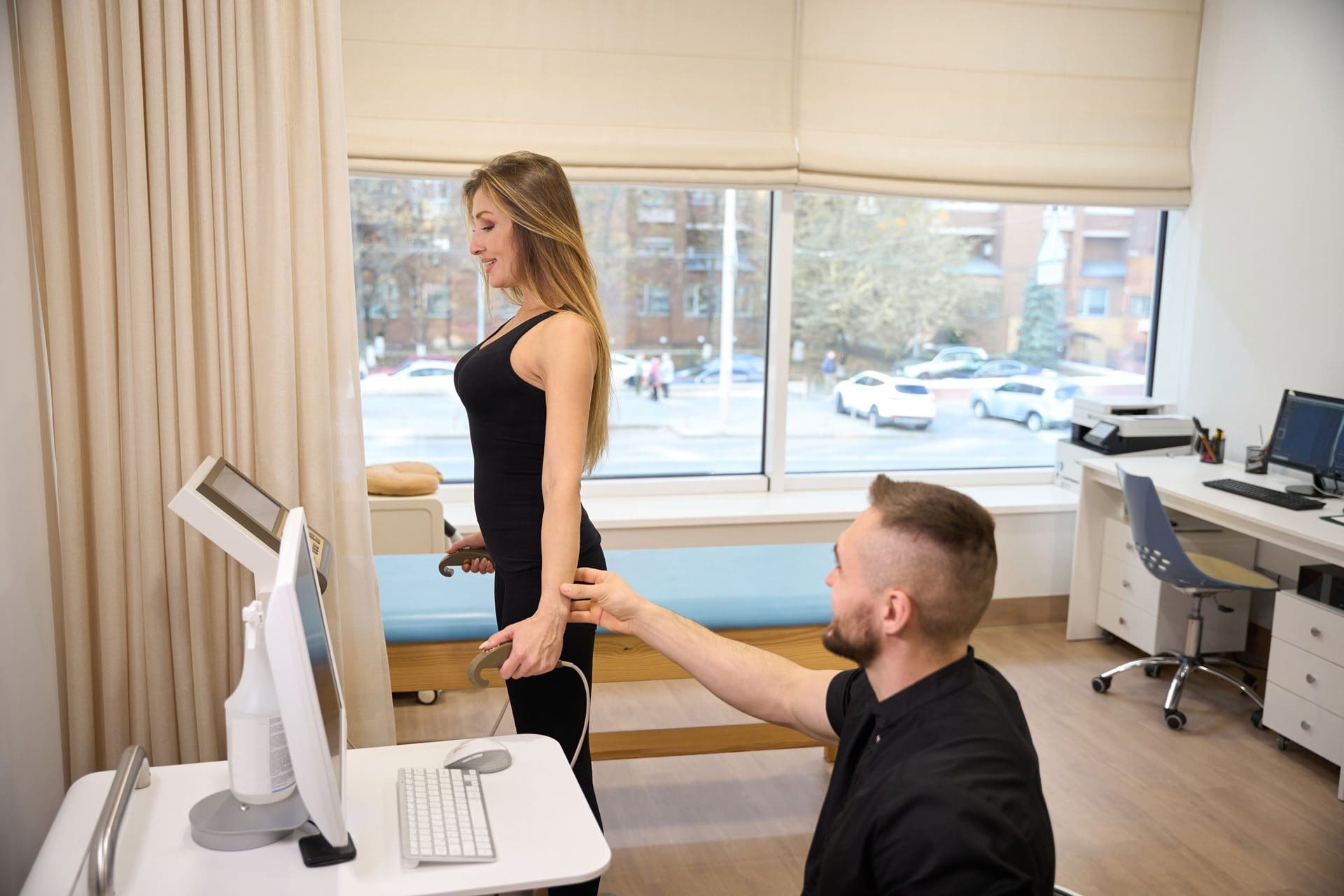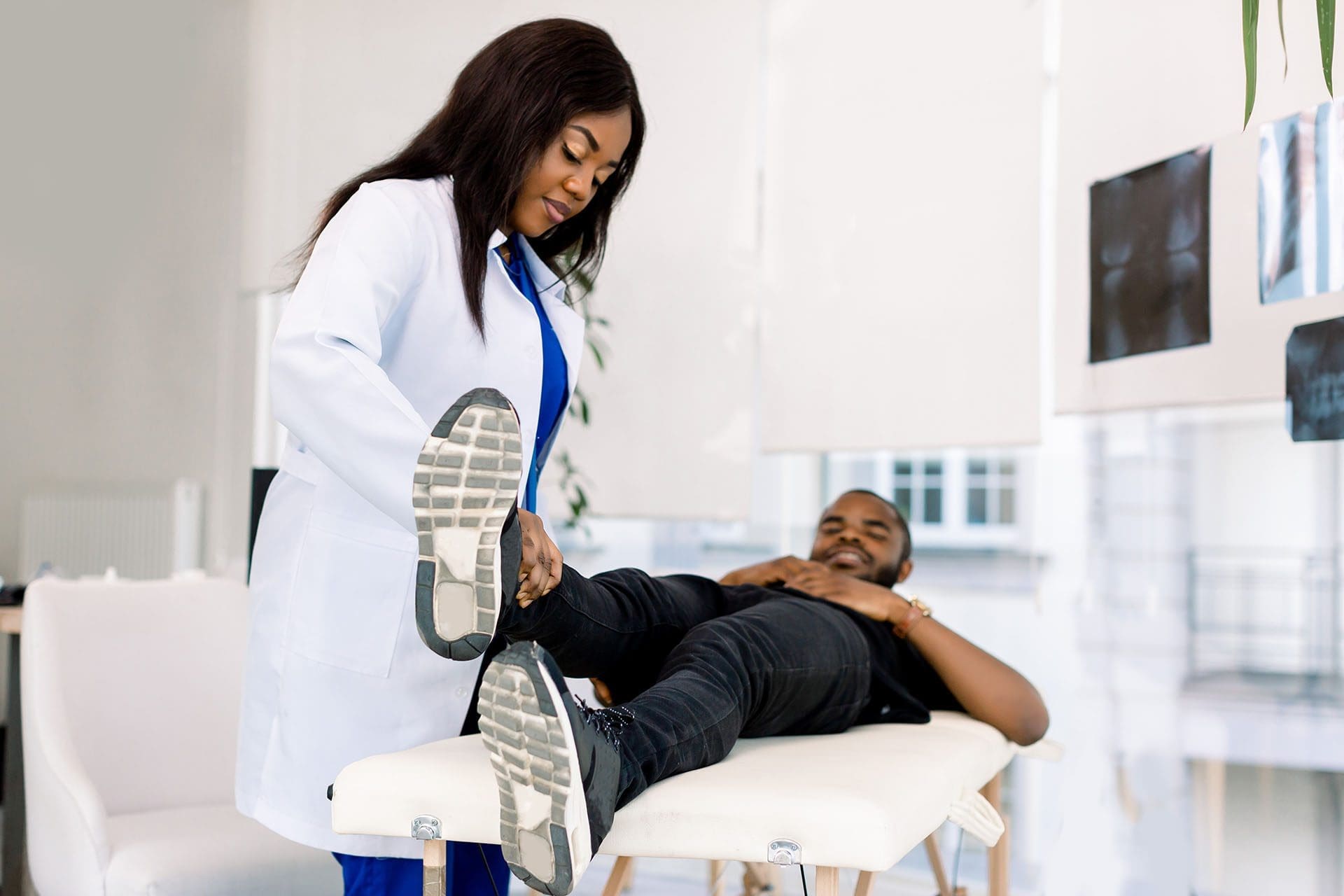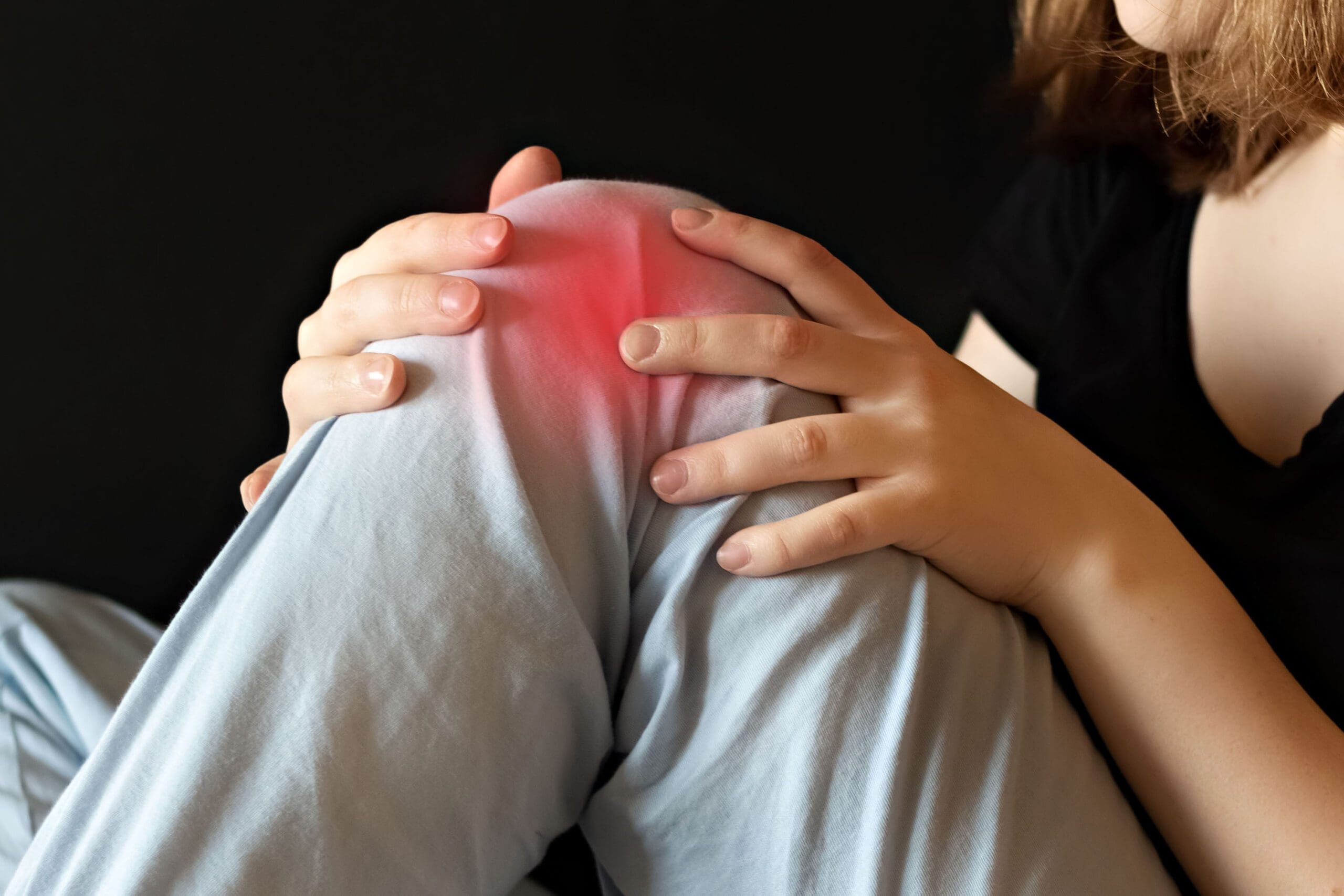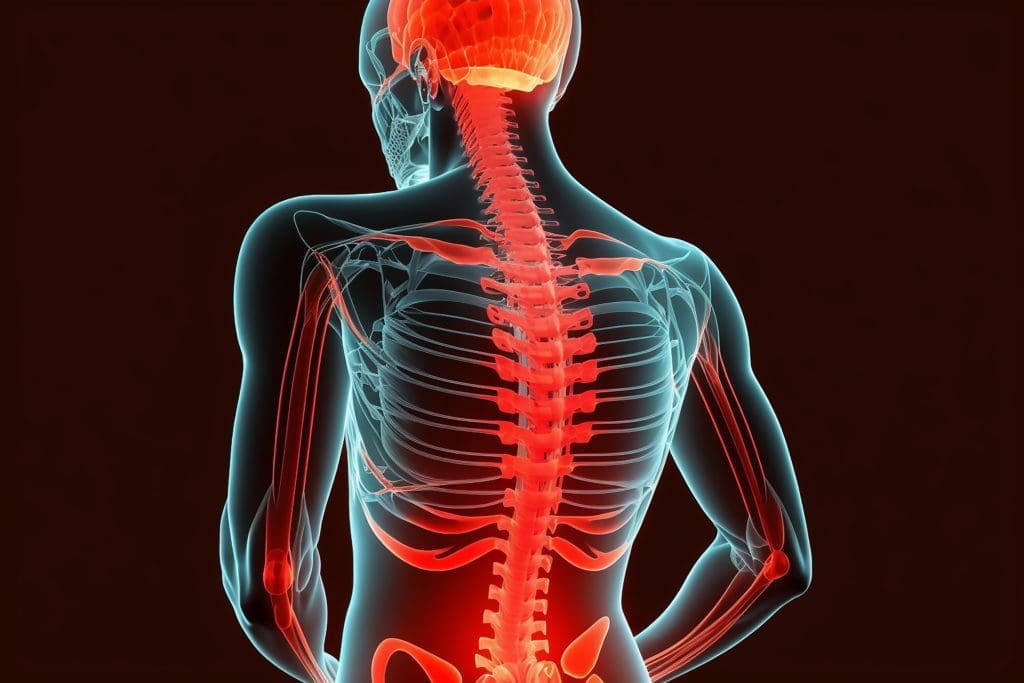
At ChiroMed – Integrated Medicine Holistic Healthcare in El Paso, TX, we understand that injuries from sports and motor vehicle accidents (MVAs) can have a profound impact on your health. These injuries often share similar characteristics because they involve high-impact forces, sudden deceleration, or forceful twisting motions. Whether you’re an athlete sidelined by a sprain or a car accident victim dealing with whiplash, the underlying mechanisms of injury are often comparable. At ChiroMed, our integrative approach, led by Dr. Alexander Jimenez, combines chiropractic care, nurse practitioner services, acupuncture, massage therapy, and naturopathy to address these injuries holistically. The severity of injuries depends on the force involved and the specific circumstances, and our team is here to guide you through recovery with personalized, evidence-based care.
Common Injuries in Sports and MVAs High-impact forces in both sports and MVAs can lead to injuries like traumatic brain injuries (TBIs), fractures, sprains, and strains. For example, concussions are common in contact sports like football, where a sudden hit causes the brain to move within the skull, leading to symptoms such as dizziness or confusion (Skinner Firm, n.d.). Similarly, MVAs can cause concussions when the head strikes the steering wheel or experiences rapid movement during a crash (Boohoff Law, n.d.). These shared mechanisms highlight how both scenarios stress the brain in comparable ways.
Fractures are another frequent injury. In sports, a fall during a basketball game can break a bone, just as a car crash can fracture ribs or limbs due to sudden impact (National Institute of Arthritis and Musculoskeletal and Skin Diseases [NIAMS], n.d.). The force’s intensity and direction play a significant role, with rib fractures varying based on individual anatomy and impact angle (National Highway Traffic Safety Administration [NHTSA], n.d.). At ChiroMed, we use advanced diagnostics to assess fractures and create tailored rehabilitation plans.
Sprains and strains occur when ligaments, muscles, or tendons are stretched or torn. In sports, activities like soccer often lead to ankle or knee sprains from twisting motions (Therasport, n.d.; Dubuque Physical Therapy, n.d.). In MVAs, rapid deceleration can cause similar sprains, particularly in the neck, resulting in whiplash (Indiana Department of Health, n.d.). Neck sprains are especially common, seen in both cyclists who fall and car accident victims experiencing whiplash from rear-end collisions (PubMed Central [PMC], 2011; Stroud Law, n.d.).
Factors Influencing Injury Severity The severity of injuries depends on specific circumstances. In sports, factors like protective gear or playing surface affect outcomes—helmets can reduce concussion risk in football (Brown Health, n.d.). In MVAs, seatbelts and airbags can lessen injury severity, but high-speed crashes often result in more serious damage (Advanced Ortho, n.d.). At ChiroMed, we consider these factors when designing treatment plans, ensuring care matches the injury’s cause and extent.
Dr. Alexander Jimenez and ChiroMed’s Approach to MVA Recovery
Dr. Alexander Jimenez, DC, APRN, FNP-BC, leads ChiroMed’s mission to provide holistic care for MVA patients in El Paso. With his dual expertise as a chiropractor and nurse practitioner, Dr. Jimenez offers a unique blend of medical and alternative treatments. His practice focuses on addressing the root causes of injuries, helping patients recover fully while preventing long-term complications.
Dual-Scope Diagnosis and Treatment Protocols Dr. Jimenez uses a dual-scope diagnosis to connect a patient’s injuries to the mechanics of their accident. For instance, he might link whiplash to the sudden force of a rear-end collision, assessing both visible symptoms and underlying issues like spinal misalignment. This approach allows him to create personalized treatment plans that combine chiropractic adjustments, acupuncture, and massage therapy to restore function and reduce pain. His team at ChiroMed, including skilled professionals like Helen Wilmore (massage therapist) and Kristina Castle (physical therapist), collaborates to ensure comprehensive care.
Advanced Diagnostics and Imaging ChiroMed employs advanced diagnostic tools, such as X-rays and MRIs, to identify injuries like fractures, disc herniations, or soft tissue damage. These assessments provide a clear picture of the injury’s extent, guiding precise treatment plans. For example, imaging might reveal a hidden spinal issue contributing to chronic pain, allowing Dr. Jimenez to target it with specific therapies. This thorough approach ensures patients receive care tailored to their unique needs.
Medical and Legal Expertise Dr. Jimenez’s ability to handle both medical treatment and legal documentation sets ChiroMed apart. After an MVA, patients often face insurance claims or legal battles. Dr. Jimenez meticulously documents injuries, linking them to the accident, and prepares detailed reports for legal use. Dr. Jimenez’s dual role streamlines the process, allowing patients to concentrate on their recovery while receiving accurate medical evidence to support their claims.
Holistic Recovery Through Integrative Medicine ChiroMed’s integrative approach combines chiropractic care, massage therapy, acupuncture, naturopathy, and nutrition counseling to promote natural healing. Chiropractic adjustments correct spinal and joint misalignments, addressing issues like whiplash or back pain. Massage therapy, led by experts like Helen Wilmore, reduces muscle tension and improves circulation, aiding soft tissue recovery. Acupuncture targets pain and inflammation, offering a natural alternative to medication. Naturopathy and nutrition counseling support overall health, helping patients rebuild strength and prevent complications like chronic pain.
For example, an MVA patient with a sprained ankle might receive chiropractic adjustments to improve alignment, massage to reduce swelling, acupuncture for pain relief, and nutrition advice to support healing. This comprehensive strategy, rooted in ChiroMed’s philosophy of treating the whole person, ensures faster recovery and long-term wellness. By addressing both the injury and its broader impact on health, ChiroMed helps patients return to their active lives.
Enhance your bone health with chiropractic care. Explore its benefits for your musculoskeletal system and well-being.
Chiropractic Care: A Natural Path to Relieve Musculoskeletal Pain and Boost Bone Health
Imagine waking up one morning, ready to conquer the day, only to be greeted by a nagging ache in your lower back or a stiff neck that feels like it’s auditioning for a role in a horror movie. Musculoskeletal pain—those pesky aches and pains in your muscles, joints, and bones—can turn your daily routine into a comedy of errors, minus the laughs. Now, add the worry of keeping your bones strong as you age, and it’s enough to make anyone want to crawl back under the covers. But fear not! Chiropractic care, backed by clinical expertise and a sprinkle of science, offers a natural, non-invasive way to tackle these issues and keep you moving like a well-oiled machine.
In this comprehensive guide, we’ll dive into the world of chiropractic care, exploring how it can help reduce musculoskeletal pain and support bone health. We’ll spotlight the clinical insights of Dr. Alexander Jimenez, DC, APRN, FNP-BC, a distinguished chiropractor and nurse practitioner in El Paso, Texas, whose dual expertise makes him a beacon of hope for personal injury victims. With a dash of humor to keep things light, we’ll break down the roles of the musculoskeletal system, the importance of bone health, and how environmental factors can throw a wrench in your daily grind. Plus, we’ll unpack the science behind chiropractic care, including spinal manipulative therapy, and how Dr. Jimenez uses advanced imaging and diagnostics to bridge medical care and legal support for his patients.
Whether you’re dealing with chronic back pain, recovering from a car accident, or just want to keep your bones happy as you age, this blog post is your roadmap to understanding why chiropractic care might just be the superhero your body needs. Let’s get cracking—pun intended!
The Musculoskeletal System: Your Body’s Framework and Why It Matters
Your musculoskeletal system is like the scaffolding of a building—it holds everything together and keeps you upright, mobile, and ready to take on the world. This complex network includes your bones, muscles, tendons, ligaments, and joints, all working in harmony to let you walk, run, dance, or even binge-watch your favorite show without toppling over.
Bones: The Sturdy Foundation
Bones are the unsung heroes of your body. They provide structure, protect vital organs (like your brain and heart), and serve as attachment points for muscles. But they’re not just lifeless scaffolding; bones are living tissues that constantly remodel themselves, breaking down old bone and building new to keep you strong. Think of them as your body’s personal construction crew, always on the job to maintain structural integrity (Miller, 2014).
Bone health is critical at every age. For teens, strong bones set the stage for a lifetime of mobility. For adults, maintaining bone density helps prevent fractures and conditions like osteoporosis, which affects over 200 million people worldwide and increases the risk of debilitating fractures (Kanis et al., 2014). As we age, bone density naturally declines, making bones more brittle and prone to breaks—kind of like when your favorite pair of jeans starts fraying at the seams.
Muscles, Joints, and Ligaments: The Movers and Shakers
Muscles pull on bones to create movement, while joints act as hinges, allowing you to bend, twist, and turn. Ligaments and tendons keep everything connected, ensuring your joints don’t go rogue during a spontaneous dance party. When this system is in sync, life is smooth. But when pain strikes—whether from an injury, poor posture, or just sleeping like you’re auditioning for a pretzel role—it can throw everything off balance.
Musculoskeletal pain, like low back pain or neck stiffness, is incredibly common. In fact, low back pain is the leading cause of disability worldwide, affecting over 11% of the global population (Geurts et al., 2021). It’s like the uninvited guest who shows up to every party, making you wince with every step.
Why Bone Health and Musculoskeletal Function Go Hand in Hand
Healthy bones and a well-functioning musculoskeletal system are like peanut butter and jelly—they’re better together. Weak bones can lead to fractures that limit mobility, while poor muscle strength or joint dysfunction can strain bones, increasing the risk of injury. For example, a misaligned spine can put extra pressure on your vertebrae, leading to pain and even accelerating bone degeneration. Keeping this system in tip-top shape is key to staying active and pain-free.
Environmental Factors: The Sneaky Saboteurs of Musculoskeletal and Bone Health
Life’s daily grind can take a toll on your musculoskeletal system and bones, thanks to a host of environmental factors that act like sneaky gremlins, wreaking havoc when you least expect it. Let’s explore some of these culprits and how they impact your body.
Poor Posture: The Slouch That Steals Your Strength
In today’s digital age, we’re all guilty of hunching over our phones or laptops like modern-day Quasimodos. Poor posture misaligns your spine, putting extra stress on muscles, joints, and bones. Over time, this can lead to chronic pain and even weaken bone structure, especially in the spine. Studies show that prolonged poor posture is a major contributor to low back pain and neck issues (Haldeman et al., 2020).
Sedentary Lifestyle: The Couch Potato Curse
Sitting for hours on end—whether at a desk or binge-watching the latest series—weakens muscles and reduces bone density. Weight-bearing activities like walking or lifting weights stimulate bone growth, but a sedentary lifestyle tells your bones, “Eh, take a break!” This increases the risk of osteoporosis and musculoskeletal pain, as inactive muscles fail to support joints properly (Kanis et al., 2014).
Injuries and Trauma: The Unexpected Plot Twists
Accidents, like car crashes or workplace injuries, can damage muscles, ligaments, and bones, leading to acute or chronic pain. In El Paso, personal injury cases from motor vehicle accidents are common, often resulting in whiplash, herniated discs, or fractures that disrupt musculoskeletal function (Jimenez, 2025). These injuries can also accelerate bone loss if mobility is limited during recovery.
Nutritional Deficiencies: Starving Your Bones
Your bones crave calcium, vitamin D, and other nutrients to stay strong. A diet low in these essentials—think fast food over fresh veggies—can weaken bones and increase fracture risk. Poor nutrition also affects muscle health, making it harder to support your skeletal system (Health Coach Clinic, 2025).
Stress: The Silent Bone-Breaker
Chronic stress floods your body with cortisol, a hormone that can interfere with bone formation and muscle recovery. It’s like your body’s saying, “I’m too stressed to build strong bones right now!” Stress also tightens muscles, contributing to pain and poor posture (Haldeman et al., 2020).
These environmental factors create overlapping risk profiles for musculoskeletal pain and bone health issues. For example, a sedentary lifestyle plus poor nutrition can weaken bones and muscles, making you more prone to injuries that cause chronic pain. The good news? Chiropractic care can help untangle this mess and get you back on track.
Chiropractic Care: The Superhero for Musculoskeletal Pain and Bone Health
Chiropractic care is like the Avengers of healthcare—non-invasive, powerful, and ready to save the day for your aching back or creaky bones. By focusing on the spine and musculoskeletal system, chiropractors use hands-on techniques to restore alignment, reduce pain, and promote overall wellness. Let’s explore why chiropractic care is a game-changer, with clinical insights from Dr. Alexander Jimenez.
Spinal Manipulative Therapy: The Chiropractic Secret Weapon
Spinal manipulative therapy (SMT) is the bread and butter of chiropractic care. It involves precise, controlled thrusts to adjust misaligned vertebrae, relieving pressure on nerves and restoring joint mobility. Think of it as giving your spine a gentle nudge to say, “Hey, get back in line!” Research shows SMT is effective for both acute and chronic low back pain, reducing pain and disability in patients (Rubinstein et al., 2019; Paige et al., 2017).
SMT works by:
Reducing Nerve Compression: Misaligned vertebrae can pinch nerves, causing pain that radiates to your arms, legs, or even your funny bone (ouch!). Adjustments relieve this pressure, easing pain.
Improving Joint Mobility: Stiff joints lead to pain and limited movement. SMT loosens things up, making you feel like you’ve just had a full-body oil change.
Decreasing Inflammation: Adjustments can reduce inflammation in affected areas, calming the body’s overzealous pain signals (Coulter et al., 2018).
A 2020 study in the Spine Journal found that SMT significantly reduced pain and improved function in patients with chronic low back pain, making it a go-to option for many (Rubinstein et al., 2020).
Supporting Bone Health: More Than Just Cracking Backs
Chiropractic care isn’t just about pain relief—it can also support bone health. Here’s how:
Promoting Mobility: Regular adjustments keep joints and muscles active, which stimulates bone remodeling. Weight-bearing movement is crucial for maintaining bone density, especially as you age (Kanis et al., 2014).
Correcting Misalignments: Spinal misalignments can stress bones, accelerating wear and tear. By restoring alignment, chiropractic care reduces this strain, potentially slowing bone degeneration.
Enhancing Circulation: Adjustments improve blood flow, delivering nutrients like calcium and vitamin D to bones, aiding in repair and maintenance (Miller, 2014).
While chiropractic care doesn’t directly treat osteoporosis, it can complement prevention strategies by encouraging mobility and reducing fall risks, a major concern for those with brittle bones (Kanis et al., 2014).
Dr. Alexander Jimenez: The Clinical Wizard Behind the Adjustments
In El Paso, Dr. Alexander Jimenez stands out as a chiropractic superstar. With dual licensure as a Doctor of Chiropractic and a board-certified Family Nurse Practitioner, he brings a unique blend of biomechanical expertise and medical insight to his practice at Injury Medical & Chiropractic Clinic (Jimenez, 2025). His approach is like a perfectly brewed cup of coffee—strong, balanced, and just what you need.
Dr. Jimenez uses:
Advanced Imaging: MRI and X-rays help him pinpoint the exact cause of pain or injury, ensuring treatments are tailored to each patient’s needs.
Diagnostic Evaluations: Comprehensive assessments, including blood panels and functional tests, uncover underlying issues like inflammation or metabolic imbalances that contribute to pain or bone health problems.
Dual-Scope Procedures: Combining chiropractic adjustments with nurse practitioner-led medical management, Dr. Jimenez addresses both symptoms and root causes, creating synergistic treatment plans.
His integrative approach is particularly effective for chronic conditions like low back pain, sciatica, and herniated discs, as well as personal injury cases (Jimenez, 2025).
Personal Injury Cases in El Paso: Dr. Jimenez as a Legal-Medical Liaison
El Paso sees its fair share of personal injury cases, especially from motor vehicle accidents, which can leave victims with whiplash, fractures, or chronic pain. Dr. Jimenez is a trusted practitioner for these patients, not just for his clinical skills but for his ability to bridge medical care and legal documentation (ChiroMed, 2025).
After an accident, injuries like herniated discs or soft tissue damage can be subtle but debilitating. Dr. Jimenez uses advanced imaging to detect these issues early, preventing them from becoming chronic. His detailed diagnostic reports provide critical evidence for legal claims, ensuring victims receive fair compensation. As a liaison, he collaborates with attorneys to translate medical findings into clear, actionable documentation, making him a vital ally for El Paso’s injury victims (Jimenez, 2025).
For example, a patient with whiplash might experience neck pain and headaches weeks after a crash. Dr. Jimenez’s dual-scope approach—combining chiropractic adjustments to restore cervical alignment with medical evaluations to rule out nerve damage—helps patients recover while building a strong case for their claim (ChiroMed, 2025).
References ChiroMed. (2025). Dr. Alexander Jimenez, DC, APRN, FNP-BC. https://chiromed.com/ Coulter, I. D., Crawford, C., Hurwitz, E. L., Vernon, H., & Khorsan, R. (2018). Manipulation and mobilization for treating chronic low back pain: A systematic review and meta-analysis. The Spine Journal. https://pubmed.ncbi.nlm.nih.gov/29371112/ Jimenez, A. (2025). Dr. Alexander Jimenez, DC, APRN, FNP-BC, IFMCP, CFMP, ATN. LinkedIn. https://www.linkedin.com/in/dralexjimenez/ Kanis, J. A., McCloskey, E. V., Johansson, H., Cooper, C., Rizzoli, R., & Reginster, J. Y. (2014). Osteoporosis prevention, screening, and treatment: A review. Journal of Internal Medicine. https://pubmed.ncbi.nlm.nih.gov/24787326/ Miller, P. D. (2014). Stimulators of bone healing: Biologic and biomechanical. Journal of Bone and Joint Surgery. https://pubmed.ncbi.nlm.nih.gov/25378507/ Paige, N. M., Miake-Lye, I. M., Booth, M. S., & Beroes, J. M. (2017). Spinal manipulative therapy for acute low-back pain. Cochrane Database of Systematic Reviews. https://pubmed.ncbi.nlm.nih.gov/23235617/ Rubinstein, S. M., de Zoete, A., van Middelkoop, M., & Assendelft, W. J. (2019). Spinal manipulative therapy and other conservative treatments for low back pain: A guideline from the Canadian Chiropractic Guideline Initiative. Journal of Manipulative and Physiological Therapeutics. https://pubmed.ncbi.nlm.nih.gov/29759130/ Rubinstein, S. M., Terwee, C. B., Assendelft, W. J., & de Boer, M. R. (2020). Effects of chiropractic care on strength, balance, and endurance in active-duty U.S. military personnel with low back pain: A randomized controlled trial. Journal of Alternative and Complementary Medicine. https://pubmed.ncbi.nlm.nih.gov/32678936/[](https://elpasobackclinic.com/why-choose-el-paso-back-clinic/amp/)
Understanding Ligamentous Injuries- Video
The Science Behind Chiropractic Care: Evidence and Insights
Chiropractic care isn’t just about cracking backs and feeling good—it’s backed by a growing body of research that proves its effectiveness. Let’s geek out a bit and explore the science behind why chiropractic care works for musculoskeletal pain and supports bone health.
Low Back Pain: A Win for Chiropractic
Low back pain is the bane of many people’s existence, but chiropractic care has emerged as a frontrunner in its treatment. A 2019 systematic review from the Canadian Chiropractic Guideline Initiative found that SMT is a safe and effective option for both acute and chronic low back pain, often outperforming standard medical care like painkillers (Rubinstein et al., 2019). Another study showed that chiropractic care reduced pain and disability in active-duty U.S. military personnel with low back pain, improving strength, balance, and endurance (Rubinstein et al., 2020).
Why does it work? SMT corrects spinal misalignments (called subluxations), which can interfere with nerve signals and cause pain. By restoring alignment, chiropractic care reduces nerve irritation and muscle tension, allowing your body to heal naturally (Geurts et al., 2021).
Bone Health and Chiropractic: A Supporting Role
While chiropractic care doesn’t directly treat conditions like osteoporosis, it plays a supportive role in bone health. Regular adjustments promote joint mobility, which encourages weight-bearing activity—a key factor in maintaining bone density (Kanis et al., 2014). Chiropractors also often provide nutritional guidance, recommending diets rich in calcium and vitamin D to support bone strength (Health Coach Clinic, 2025).
In some cases, chiropractors may use adjunctive therapies like electrical stimulation to aid bone healing. A meta-analysis of randomized trials found that electrical stimulators can enhance bone repair, particularly for fractures, by stimulating cellular activity (Aleem et al., 2016). Dr. Jimenez incorporates such tools in his practice, combining them with adjustments to optimize recovery (ChiroMed, 2025).
Cost-Effectiveness: Saving Your Wallet and Your Health
Chiropractic care isn’t just effective—it’s also wallet-friendly. A 2016 systematic review of pragmatic studies found that chiropractic care for low back pain is cost-effective compared to traditional medical treatments, reducing healthcare costs and improving patient outcomes (Blanchette et al., 2016). So, you can feel good about your body and your bank account.
Dr. Jimenez’s Evidence-Based Approach
Dr. Jimenez’s practice is rooted in evidence-based protocols, blending chiropractic techniques with functional medicine. His use of advanced diagnostics, like blood panels and imaging, allows him to create personalized treatment plans that address both symptoms and underlying causes. For example, a patient with chronic low back pain might receive SMT to relieve nerve compression, nutritional counseling to reduce inflammation, and strength training to support spinal stability (Jimenez, 2025).
References Aleem, I. S., Aleem, I., Evaniew, N., & Busse, J. W. (2016). Efficacy of electrical stimulators for bone healing: A meta-analysis of randomized sham-controlled trials. Scientific Reports. https://pubmed.ncbi.nlm.nih.gov/27539550/ Blanchette, M. A., Stochkendahl, M. J., Borges Da Silva, R., & Boruff, J. (2016). Effectiveness and economic evaluation of chiropractic care for the treatment of low back pain: A systematic review of pragmatic studies. PLoS One. https://pubmed.ncbi.nlm.nih.gov/27500622/ ChiroMed. (2025). Dr. Alexander Jimenez, DC, APRN, FNP-BC. https://chiromed.com/ Geurts, J. W., Verbunt, J. A., & van Tulder, M. W. (2021). Clinical effectiveness and efficacy of chiropractic spinal manipulation for spine pain. Frontiers in Pain Research. https://pmc.ncbi.nlm.nih.gov/articles/PMC8565793/ Health Coach Clinic. (2025). Health and wellness: Bone health. https://healthcoach.clinic/health-wellness-bone-health/ Jimenez, A. (2025). Dr. Alexander Jimenez, DC, APRN, FNP-BC, IFMCP, CFMP, ATN. LinkedIn. https://www.linkedin.com/in/dralexjimenez/ Kanis, J. A., McCloskey, E. V., Johansson, H., Cooper, C., Rizzoli, R., & Reginster, J. Y. (2014). Osteoporosis prevention, screening, and treatment: A review. Journal of Internal Medicine. https://pubmed.ncbi.nlm.nih.gov/24787326/ Rubinstein, S. M., de Zoete, A., van Middelkoop, M., & Assendelft, W. J. (2019). Spinal manipulative therapy and other conservative treatments for low back pain: A guideline from the Canadian Chiropractic Guideline Initiative. Journal of Manipulative and Physiological Therapeutics. https://pubmed.ncbi.nlm.nih.gov/29759130/ Rubinstein, S. M., Terwee, C. B., Assendelft, W. J., & de Boer, M. R. (2020). Effects of chiropractic care on strength, balance, and endurance in active-duty U.S. military personnel with low back pain: A randomized controlled trial. Journal of Alternative and Complementary Medicine. https://pubmed.ncbi.nlm.nih.gov/32678936/[](https://elpasobackclinic.com/why-choose-el-paso-back-clinic/amp/)
Practical Tips: Incorporating Chiropractic Care into Your Life
Ready to give chiropractic care a whirl? Here are some practical tips to make it part of your wellness routine, with a nod to Dr. Jimenez’s expertise in El Paso.
Find a Qualified Chiropractor
Look for a licensed chiropractor with a solid reputation, like Dr. Alexander Jimenez, whose 25+ years of experience and dual licensure make him a trusted choice in El Paso (ChiroMed, 2025). Check reviews, ask for recommendations, and ensure they use evidence-based techniques.
Schedule Regular Adjustments
Think of chiropractic adjustments like tune-ups for your car. Regular visits—weekly or monthly, depending on your needs—can keep your spine aligned and pain at bay. Dr. Jimenez tailors schedules based on your condition, whether it’s chronic pain or post-injury recovery (Jimenez, 2025).
Complement with Lifestyle Changes
Chiropractic care works best when paired with healthy habits. Try these:
Exercise: Engage in weight-bearing activities like walking or yoga to support bone health and muscle strength.
Nutrition: Eat foods rich in calcium (dairy, leafy greens) and vitamin D (fish, eggs) to nourish your bones (Health Coach Clinic, 2025).
Posture: Sit up straight and take breaks from screens to avoid the Quasimodo hunch.
Stress Management: Practice mindfulness or meditation to reduce cortisol and muscle tension.
Stay Proactive After Injuries
If you’ve been in an accident, don’t wait for pain to worsen. Dr. Jimenez’s advanced imaging and diagnostics can catch issues early, preventing chronic problems and supporting legal claims if needed (ChiroMed, 2025).
Communicate with Your Chiropractor
Be open about your symptoms, lifestyle, and goals. Dr. Jimenez’s dual-scope approach thrives on patient input, allowing him to craft personalized plans that address pain, bone health, and overall wellness (Jimenez, 2025).
Chiropractic care offers a natural, evidence-based solution for reducing musculoskeletal pain and supporting bone health, helping you stay active and vibrant at any age. From spinal manipulative therapy to advanced diagnostics, practitioners like Dr. Alexander Jimenez in El Paso provide comprehensive care that addresses both symptoms and root causes. His expertise in personal injury cases, backed by advanced imaging and dual-scope procedures, makes him a trusted ally for victims seeking recovery and legal support.
This blog post has aimed to inform and entertain, but its message is serious: musculoskeletal pain and bone health issues can significantly impact your quality of life, and chiropractic care is a proven option to address them. Always consult a qualified healthcare provider, like Dr. Jimenez, to determine if chiropractic care is right for you. The information provided here is for educational purposes and should not replace professional medical advice. If you’re in El Paso, consider reaching out to Injury Medical & Chiropractic Clinic at 915-850-0900 to explore how Dr. Jimenez can help you live pain-free and thrive.
Disclaimer: The content in this blog post is not intended to diagnose, treat, or cure any medical condition. Always seek the advice of a licensed healthcare professional before starting any new treatment. Individual results may vary, and chiropractic care may not be suitable for everyone. For personalized guidance, contact a qualified chiropractor or medical provider.
At ChiroMed – Integrated Medicine in El Paso, TX, we believe in holistic healing that addresses the root causes of health issues. For individuals recovering from motor vehicle accidents (MVAs), inflammation can slow healing and lead to chronic pain. An anti-inflammatory diet, combined with our integrative care, can reduce inflammation, support recovery, and lower the risk of long-term health problems. This approach aligns with our mission to provide personalized, patient-centered care.
An anti-inflammatory diet focuses on foods that combat inflammation, a natural response that can become harmful if chronic. Chronic inflammation is linked to conditions like arthritis, heart disease, and diabetes, which can worsen MVA-related injuries (Johns Hopkins Medicine, 2023). By incorporating foods rich in omega-3 fatty acids, antioxidants, and polyphenols, you can neutralize harmful free radicals—unstable molecules that damage cells—and modulate your body’s inflammatory response (Health.com, 2023). At ChiroMed, our nutrition counseling includes guidance on these foods to enhance your recovery.
Key foods in this diet include fatty fish (salmon, tuna), leafy greens (spinach, kale), berries, nuts, olive oil, and spices like ginger and turmeric. Omega-3s in fatty fish reduce inflammatory proteins, aiding tissue repair after an MVA (Verywell Health, 2023). Leafy greens and berries, packed with antioxidants, protect against oxidative stress, which can delay healing (BBC Good Food, 2023). Nuts and olive oil provide healthy fats that mimic the pain-relieving effects of medications like ibuprofen (London Pain Clinic, 2023). Turmeric’s curcumin and ginger’s compounds further reduce inflammation, supporting joint and muscle recovery (IntechOpen, 2020). Our team at ChiroMed helps you incorporate these foods into your daily meals to accelerate healing.
Adopting this diet is simple with ChiroMed’s support. We recommend small changes, like adding salmon to your weekly menu or using olive oil in cooking. These steps can reduce swelling, ease pain, and promote tissue repair, complementing our chiropractic and rehabilitation services. Research shows that such a diet lowers chronic disease risk, making it a vital part of long-term wellness post-MVA (GoodRx, 2023).
At ChiroMed, we emphasize foods that support healing after an MVA. These nutrient-dense options reduce inflammation, ease pain, and strengthen your body, working hand-in-hand with our integrative treatments.
Fatty fish like salmon and tuna are rich in omega-3 fatty acids, which lower inflammation markers like C-reactive protein. Eating fish twice weekly can reduce joint stiffness and muscle soreness post-accident (Arthritis Foundation, 2023). Our nutritionists at ChiroMed can suggest easy recipes, like grilled salmon with kale.
Leafy greens, such as spinach and kale, offer vitamins A, C, and K, plus antioxidants that protect against cell damage. These nutrients reduce swelling in injured tissues, supporting chiropractic adjustments (Springer, 2023). Try adding spinach to smoothies for a quick boost.
Berries—blueberries, strawberries, and raspberries—contain anthocyanins, polyphenols that fight inflammation and aid tissue repair. Regular consumption may also lower heart disease risk, a bonus for overall health (Health.com, 2023). A handful of berries in yogurt is a simple addition to your diet.
Nuts like almonds and walnuts provide monounsaturated fats and antioxidants, reducing inflammation in just weeks (Paspapt, 2023). They’re a convenient snack for busy recovery schedules. Olive oil, with its oleocanthal, offers anti-inflammatory benefits similar to pain relievers, enhancing soft tissue healing (Cleveland Clinic, 2023). Drizzle it over salads or veggies for maximum effect.
Spices like ginger and turmeric are powerful allies. Curcumin in turmeric balances inflammatory pathways, while ginger eases pain (IntechOpen, 2020). Tomatoes and onions, rich in lycopene and quercetin, further support recovery by preventing excessive inflammation (NutritionFacts.org, 2023; Kuvings, 2023). Our naturopathic team can guide you in adding these to soups or teas.
These foods target free radicals and modulate immune responses, reducing inflammation that slows MVA recovery (Verywell Health, 2023). At ChiroMed, we integrate dietary plans with chiropractic care, acupuncture, and rehabilitation to optimize your healing journey.
Dr. Alex Jimenez: Leading MVA Recovery at ChiroMed
Dr. Alex Jimenez, a cornerstone of ChiroMed – Integrated Medicine, brings over 25 years of experience as a chiropractor and family nurse practitioner to El Paso. Specializing in MVA recovery, he combines medical and chiropractic expertise to deliver holistic care. His approach, detailed on ChiroMed’s website (ChiroMed, 2023), focuses on healing injuries at their source, preventing chronic issues, and supporting legal processes for personal injury cases.
Dr. Jimenez employs a dual-scope diagnosis, blending chiropractic assessments with medical evaluations. This method identifies connections between injuries—like whiplash or spinal misalignment—and symptoms such as chronic pain or numbness (ChiroMed, 2023, LinkedIn). Using advanced imaging (X-rays, MRIs) and diagnostic assessments, he detects hidden issues like herniated discs, ensuring precise treatment plans tailored to each patient.
His unique skill set allows him to manage both medical care and legal documentation. As a nurse practitioner, Dr. Jimenez provides detailed reports for insurance claims or legal proceedings, easing the burden on patients (ChiroMed, 2023, Instagram). This dual role, praised in testimonials (ChiroMed, 2023, X), streamlines recovery while addressing practical needs.
Chiropractic care at ChiroMed, led by Dr. Jimenez, targets MVA injuries like whiplash and back pain. Spinal adjustments and soft tissue therapy restore alignment and reduce inflammation, complementing an anti-inflammatory diet (ChiroMed, 2023, Facebook). Integrative medicine, including acupuncture and nutrition counseling, addresses inflammation’s root causes, promoting natural healing. Patients often report improved mobility and energy, thanks to this comprehensive approach (ChiroMed, 2023, WhatsApp).
Dr. Jimenez’s care prevents long-term complications, such as chronic pain or arthritis, by tackling injuries early. His holistic methods, combining chiropractic, naturopathy, and rehabilitation, empower patients to recover fully and maintain wellness (ChiroMed, 2023). At ChiroMed, Dr. Jimenez is a trusted leader in MVA recovery.
Chiropractic and Integrative Care for MVA Rehabilitation at ChiroMed
ChiroMed – Integrated Medicine offers a comprehensive approach to MVA rehabilitation, combining chiropractic care, nutrition, and integrative therapies to promote natural healing. Our El Paso clinic, led by Dr. Alex Jimenez, addresses a wide range of injuries, reduces inflammation, and prevents long-term complications, ensuring patients return to optimal health.
MVAs often cause injuries like whiplash, spinal misalignment, or soft tissue damage. Chiropractic care at ChiroMed uses spinal adjustments to realign the spine, relieving nerve pressure and reducing pain (ChiroMed, 2023). Soft tissue therapy targets strained muscles and ligaments, speeding recovery. These techniques work synergistically with an anti-inflammatory diet, which reduces swelling and supports tissue repair (ChiroMed, 2023, WhatsApp).
Our integrative approach tackles the root causes of injuries. Inflammation from MVAs can lead to chronic pain if untreated. Dr. Jimenez and our nutritionists recommend foods like fatty fish, berries, and turmeric to combat inflammation naturally, enhancing chiropractic outcomes (ChiroMed, 2023, Facebook). Acupuncture and naturopathy further reduce pain and improve blood flow, supporting holistic healing.
Preventing long-term complications is a priority. Untreated MVA injuries can result in arthritis or reduced mobility. ChiroMed’s rehabilitation programs, including core-strengthening exercises and posture training, stabilize the body and prevent these issues (ChiroMed, 2023, Instagram). Advanced imaging ensures no injury goes undetected, allowing early intervention.
Patients at ChiroMed benefit from a comfortable clinic environment and licensed therapists who collaborate with other health practitioners (ChiroMed, 2023). Our personalized treatment plans, praised in reviews (ChiroMed, 2023, X), combine chiropractic, nutrition, and rehabilitation to improve mobility, energy, and overall wellness. This approach empowers patients to recover fully and thrive post-MVA.
Conclusion: Holistic Healing with ChiroMed’s Integrated Approach
At ChiroMed – Integrated Medicine in El Paso, TX, we combine an anti-inflammatory diet with chiropractic care and integrative therapies to support MVA recovery. Foods like fatty fish, leafy greens, berries, nuts, olive oil, and turmeric reduce inflammation, ease pain, and promote tissue repair. These dietary changes, guided by our nutritionists, complement our holistic treatments.
Dr. Alex Jimenez and our skilled team deliver personalized care, using dual-scope diagnosis, advanced imaging, and therapies like acupuncture and rehabilitation. This approach addresses injuries at their root, prevents chronic issues, and supports legal needs in personal injury cases. Our comfortable clinic and licensed therapists ensure a seamless recovery experience.
By embracing ChiroMed’s integrative care, you can recover from an MVA, reduce inflammation, and build a foundation for lasting wellness. Contact us at +1 (915) 412-6680 or support@chiromed.com to start your journey to optimal health.
Improve your experience with chiropractic care through targeted poses for sciatica relief and enhanced mobility.
Chiropractic Care for Sciatica and Low Back Pain: A Comprehensive Guide to Relief
Sciatica and low back pain can turn your daily routine into a game of “avoid the lightning bolt of agony.” Imagine trying to bend over to tie your shoes, only to feel like a rogue nerve is staging a protest down your leg. Ouch! But don’t worry—this blog post is here to guide you through the clinical rationale behind why chiropractic care can be a game-changer for sciatica pain and low back pain, with insights from the renowned Dr. Alexander Jimenez, DC, APRN, FNP-BC, a leading chiropractor in El Paso, Texas. We’ll explore how the musculoskeletal system and sciatic nerve interact, how these conditions disrupt your life, and why chiropractic care, combined with specific poses and integrative approaches, can help you reclaim your mobility. Plus, we’ll highlight Dr. Jimenez’s expertise in personal injury cases and his unique dual-scope approach to diagnostics and legal-medical collaboration. So, grab a comfy seat (preferably one that doesn’t aggravate your sciatica), and let’s dive in!
Understanding Sciatica and Low Back Pain: The Sciatic Nerve’s Role
Sciatica isn’t just a fancy term for leg pain—it’s a condition caused by irritation, compression, or injury to the sciatic nerve, the longest nerve in the human body. This nerve starts in the lower back (lumbar spine), runs through the buttocks, and extends down the legs to the feet. When it gets irritated, it can cause pain, numbness, tingling, or weakness that radiates from the lower back down one leg, sometimes feeling like an electric shock or a bad leg cramp that just won’t quit (Fritz et al., 2020). Low back pain, on the other hand, can be axial (localized to the lower back) or radicular (radiating to the legs, often linked to sciatica) and is a leading cause of disability worldwide (Chou, 2015).
The musculoskeletal system plays a starring role in this drama. The sciatic nerve is surrounded by muscles, bones, and connective tissues, and any misalignment or dysfunction in these structures can pinch or irritate it. Common culprits include:
Herniated Discs: When the soft inner material of a spinal disc bulges out, it can press on the sciatic nerve roots, causing pain that feels like your back is staging a mutiny (Jensen et al., 2019).
Piriformis Syndrome: The piriformis muscle in the buttocks can tighten or spasm, irritating the sciatic nerve and making sitting feel like a punishment (PushAsRx, 2018).
Spinal Stenosis: Narrowing of the spinal canal can compress nerve roots, leading to sciatica symptoms that make walking a challenge (Mayo Clinic Proceedings, 2015).
Spondylolisthesis: When a vertebra slips forward, it can pinch the sciatic nerve, turning simple movements into a pain parade (Fritz et al., 2020).
These issues don’t just cause physical pain—they can wreak havoc on your daily life. Imagine struggling to sit through a movie, stand in line at the grocery store, or even sleep without feeling like your leg is on fire. For some, sciatica can make work impossible, especially if it involves heavy lifting or prolonged sitting. And let’s not forget the emotional toll—chronic pain can make you feel like you’re stuck in a grumpy cat meme, minus the cute factor.
Fritz, J. M., Lane, E., & McFadden, M. (2020). Sciatica: Management for family physicians. Journal of Family Practice, 69(6), S12-S18. https://pubmed.ncbi.nlm.nih.gov/32803132/
Jensen, R. K., Kongsted, A., Kjaer, P., & Koes, B. (2019). Causal associations of obesity with intervertebral degeneration, low back pain, and sciatica: A two-sample Mendelian randomization study. Pain, 160(12), 2809-2816. https://pubmed.ncbi.nlm.nih.gov/31356473/
Sciatica and low back pain are like uninvited guests who overstay their welcome, disrupting everything from work to play. The sciatic nerve’s irritation can cause symptoms that vary from a mild annoyance to a full-blown “I can’t move” crisis. Here’s how these conditions mess with your daily routine:
Mobility Challenges: Walking, bending, or even sitting can trigger sharp pain or tingling, making simple tasks like picking up your kid or carrying groceries feel like climbing Mount Everest (Fritz et al., 2020).
Work Disruptions: If your job involves sitting for long hours (hello, desk warriors) or physical labor, sciatica can make you dread clocking in. Up to 43% of working populations report sciatica symptoms, often linked to occupational workload (Enke et al., 2021).
Sleep Struggles: Finding a comfortable position at night can feel like solving a Rubik’s Cube blindfolded. Pain can keep you tossing and turning, leading to fatigue that makes you feel like you’re starring in a zombie movie.
Emotional Impact: Chronic pain can lead to frustration, anxiety, or even depression, especially when it lingers for months or years. About 30% of sciatica cases persist beyond a year, turning your mood sourer than a lemon (Enke et al., 2021).
Risk factors like obesity, smoking, and physical stress increase the likelihood of sciatica, as they contribute to intervertebral disc degeneration and nerve compression (Jensen et al., 2019). For example, a higher BMI (>25) can strain the spine, making it more likely to irritate the sciatic nerve. It’s like adding extra weight to an already creaky bridge—something’s bound to give.
Fritz, J. M., Lane, E., & McFadden, M. (2020). Sciatica: Management for family physicians. Journal of Family Practice, 69(6), S12-S18. https://pubmed.ncbi.nlm.nih.gov/32803132/
Jensen, R. K., Kongsted, A., Kjaer, P., & Koes, B. (2019). Causal associations of obesity with intervertebral degeneration, low back pain, and sciatica: A two-sample Mendelian randomization study. Pain, 160(12), 2809-2816. https://pubmed.ncbi.nlm.nih.gov/31356473/
The Clinical Rationale for Chiropractic Care in Sciatica and Low Back Pain
Chiropractic care is like a superhero swooping in to save the day for your spine. It focuses on restoring the musculoskeletal system’s alignment to reduce nerve compression and promote healing, all without invasive procedures or heavy reliance on medications. Dr. Alexander Jimenez, a chiropractor and board-certified nurse practitioner in El Paso, Texas, is a master at this, using a dual-scope approach that blends chiropractic adjustments with medical diagnostics to tackle sciatica and low back pain (El Paso Back Clinic, 2025).
Why Chiropractic Care Works
Chiropractic care targets the root causes of sciatica and low back pain by addressing biomechanical dysfunctions in the spine and surrounding muscles. Here’s the clinical rationale, broken down into bite-sized pieces:
Spinal Adjustments: Chiropractors use precise manual or instrument-assisted adjustments to correct spinal misalignments (subluxations) that compress the sciatic nerve. A 2020 study found that spinal manipulative therapy significantly reduces pain and disability in patients with chronic low back pain (Rubinstein et al., 2020, as cited in El Paso Back Clinic, 2025). It’s like realigning the tracks so the train (your nerve signals) can run smoothly again.
Reducing Nerve Compression: By restoring spinal alignment, chiropractic adjustments relieve pressure on the sciatic nerve roots. This is especially effective for conditions like herniated discs or spinal stenosis, where nerve compression is the main villain (Fritz et al., 2020).
Improving Mobility: Adjustments and manual therapies like myofascial release improve joint mobility and reduce muscle tension, making it easier to move without wincing. Dr. Jimenez often incorporates targeted exercises to strengthen the core and lumbar muscles, supporting the spine like a sturdy scaffolding (El Paso Back Clinic, 2025).
Non-Invasive and Drug-Free: Unlike medications like gabapentin or pregabalin, which show limited effectiveness for sciatica and come with side effects like dizziness and drowsiness (Enke et al., 2021), chiropractic care offers a natural approach. It’s like choosing a fresh smoothie over a sugary soda—better for you in the long run.
Holistic Approach: Dr. Jimenez combines chiropractic techniques with functional medicine, addressing underlying issues like inflammation or nutritional deficiencies that can exacerbate sciatica. This integrative approach ensures the body heals from the inside out (A4M, 2023).
Dr. Jimenez’s expertise shines in his ability to tailor treatments to each patient. He uses advanced imaging (like MRI or CT scans) and diagnostic evaluations to pinpoint the exact cause of sciatica, whether it’s a herniated disc, piriformis syndrome, or spinal misalignment. His dual licensure as a chiropractor and nurse practitioner allows him to interpret these diagnostics with a medical lens, ensuring precise, evidence-based care (A4M, 2023).
Fritz, J. M., Lane, E., & McFadden, M. (2020). Sciatica: Management for family physicians. Journal of Family Practice, 69(6), S12-S18. https://pubmed.ncbi.nlm.nih.gov/32803132/
Dr. Alexander Jimenez: El Paso’s Personal Injury Specialist
In El Paso, Texas, Dr. Alexander Jimenez is a household name for those dealing with personal injury cases, especially those involving sciatica and low back pain from auto accidents or workplace injuries. With over 25 years of experience, Dr. Jimenez is a dual-licensed chiropractor and nurse practitioner who brings a unique perspective to personal injury care (A4M, 2023). His clinic, Injury Medical & Chiropractic Clinic, is a beacon of hope for accident victims seeking non-surgical relief.
Personal Injury and Sciatica
Personal injury cases, like car accidents or slips and falls, often lead to sciatica due to trauma to the spine or soft tissues. For example, whiplash from a car crash can misalign the spine, compressing the sciatic nerve and causing radiating pain (El Paso Back Clinic, 2025). Dr. Jimenez’s approach is comprehensive:
Advanced Imaging and Diagnostics: He uses MRI, CT scans, and other imaging to identify the exact source of nerve compression, whether it’s a herniated disc or soft tissue damage. This precision ensures treatments target the root cause, not just the symptoms (A4M, 2023).
Dual-Scope Procedures: As both a chiropractor and nurse practitioner, Dr. Jimenez combines spinal adjustments with medical evaluations, offering a holistic view of the patient’s health. This dual perspective is like having a GPS and a map—you get the full picture to navigate recovery (El Paso Back Clinic, 2025).
Legal-Medical Liaison: Personal injury cases often involve legal documentation for insurance claims or lawsuits. Dr. Jimenez acts as a bridge, providing detailed medical reports that link injuries to the accident, ensuring patients receive fair compensation while focusing on recovery (El Paso Chiropractor Blog, 2025).
His clinic’s integrative approach includes spinal decompression, manual adjustments, and rehabilitation programs tailored to each patient’s needs. This is especially crucial in El Paso, where auto accidents are common, and victims need reliable care to avoid long-term disability (El Paso Chiropractor Blog, 2025).
Chiropractic Techniques and Poses for Sciatica Relief
Chiropractic care isn’t just about cracking your back (though that satisfying pop can feel like a mini-victory). It involves a range of techniques and complementary exercises to reduce sciatica pain and prevent it from coming back like a bad sequel. Dr. Jimenez incorporates poses inspired by yoga and physiotherapy to enhance his treatments, drawing from evidence-based practices (Yoga International, 2023).
Key Chiropractic Techniques
Spinal Manipulation: This involves high-velocity, low-amplitude thrusts to realign the spine, reducing nerve compression. A case study showed that spinal manipulation can reduce sciatica pain by improving spinal mobility and reducing inflammation (Santilli et al., 2020).
Spinal Decompression: Non-surgical decompression therapy relieves pressure on spinal discs, promoting healing in conditions like herniated discs or spinal stenosis. It’s like giving your spine a much-needed stretch after being squished all day (A4M, 2023).
Myofascial Release: This hands-on technique targets tight muscles and fascia, relieving tension around the sciatic nerve. It’s particularly effective for piriformis syndrome, where the muscle clamps down on the nerve like a grumpy crab (PushAsRx, 2018).
Neural Mobilization: This physiotherapy technique involves gentle movements to “floss” the sciatic nerve, reducing adhesion and improving nerve mobility. Studies show it can reduce pain and disability in sciatica patients (George et al., 2021).
Poses to Soothe Sciatica
Dr. Jimenez often recommends poses to complement chiropractic care, drawing from yoga and physiotherapy to stretch and strengthen the musculoskeletal system. Here are seven poses inspired by Yoga International (2023) that can help:
Child’s Pose (Balasana): This gentle stretch relaxes the lower back and hips, reducing tension on the sciatic nerve. Kneel, sit back on your heels, and stretch your arms forward, resting your forehead on the ground. It’s like giving your spine a cozy hug.
Cat-Cow Pose: Alternating between arching and rounding your back on all fours improves spinal flexibility and relieves pressure on the sciatic nerve. Think of it as your spine doing a little dance to loosen up.
Seated Forward Bend: Sitting with legs extended, reach forward to stretch the hamstrings and lower back. This pose helps lengthen the spine and reduce nerve compression, but don’t overdo it—think gentle stretch, not Olympic contortionist.
Pigeon Pose: This hip-opening pose targets the piriformis muscle, which can irritate the sciatic nerve. Thread one leg forward, resting it on the ground, and stretch the other leg back. It’s like telling your piriformis to chill out.
Thread the Needle: Lie on your back, cross one ankle over the opposite thigh, and pull the thigh toward your chest. This stretches the piriformis and glutes, easing sciatic nerve pressure. It’s like threading a needle, but for pain relief.
Supine Twist: Lying on your back, bring one knee across your body and twist gently. This pose improves spinal mobility and reduces tension in the lower back. It’s like wringing out a towel, but for your spine.
Bridge Pose: Lie on your back, bend your knees, and lift your hips toward the ceiling. This strengthens the core and glutes, supporting the spine and reducing sciatica flare-ups. It’s like building a bridge to a pain-free day.
Dr. Jimenez integrates these poses into rehabilitation programs, ensuring patients perform them safely under guidance. These exercises complement adjustments by keeping muscles flexible and reducing the risk of re-injury (El Paso Back Clinic, 2025).
References:
George, S. Z., Fritz, J. M., & Silfies, S. P. (2021). Neural mobilization in low back and radicular pain: A systematic review. Journal of Manual & Manipulative Therapy, 29(3), 140-150. https://pubmed.ncbi.nlm.nih.gov/33385185/
Santilli, V., Beghi, E., & Finucci, S. (2020). Spinal manipulation and mobilization forces delivered treating sciatica: A case report. Journal of Manipulative and Physiological Therapeutics, 43(5), 512-518. https://pubmed.ncbi.nlm.nih.gov/32893022/
Chiropractic care stands out like a unicorn in a field of horses when compared to other sciatica treatments. Let’s break down how it stacks up against medications, acupuncture, and physiotherapy:
Medications (Gabapentin and Pregabalin): These drugs aim to reduce nerve pain but show limited effectiveness for sciatica. A systematic review found that gabapentin reduced leg pain in some cases, but neither drug outperformed placebo significantly, and side effects like dizziness and nausea were common (Enke et al., 2021). Chiropractic care, on the other hand, avoids these side effects and targets the root cause.
Acupuncture: This involves inserting needles into specific points to reduce pain. Some studies suggest acupuncture can help sciatica by stimulating nerve pathways, but results are mixed, and more research is needed (Qin et al., 2019; Zhang et al., 2019). Dr. Jimenez incorporates electro-acupuncture as a complementary therapy, combining it with adjustments for enhanced relief (A4M, 2023).
Physiotherapy: Techniques like neural mobilization and exercise programs can reduce sciatica pain and disability, but they often work best as an adjunct to other treatments (George et al., 2021). Chiropractic care complements physiotherapy by addressing structural issues that exercises alone may not fix (El Paso Chiropractor Blog, 2025).
Pestle Needle (Chu Zhen): This traditional Chinese technique uses a pestle-shaped needle to stimulate points. A pilot study showed it may reduce sciatica pain, but evidence is limited compared to chiropractic care’s established benefits (Chen et al., 2019).
Chiropractic care’s strength lies in its non-invasive, drug-free approach and its ability to integrate with other therapies. Dr. Jimenez’s clinic exemplifies this by combining adjustments, acupuncture, and tailored exercises for a well-rounded treatment plan (A4M, 2023).
Chen, M., Wu, L., & Wu, M. (2019). Pestle needle (Chu Zhen) treatment for low-back pain and sciatica. Journal of Traditional Chinese Medicine, 39(2), 144-150. https://pubmed.ncbi.nlm.nih.gov/31002543/
Qin, Z., Liu, Z., & Zhu, H. (2019). Efficacy of acupuncture for sciatica: Study protocol for a randomized controlled pilot trial. Trials, 20(1), 56. https://pubmed.ncbi.nlm.nih.gov/30646932/
Zhang, W., Zhao, Y., & Zhang, J. (2019). Needling interventions for sciatica: Choosing methods based on neuropathic pain mechanisms—A scoping review. Journal of Integrative Medicine, 17(4), 245-253. https://pubmed.ncbi.nlm.nih.gov/31126574/
Patient Education and Long-Term Management
Education is power, especially when it comes to managing sciatica and low back pain. Dr. Jimenez emphasizes patient education to empower individuals to take control of their recovery. A systematic review found that patient education materials improve outcomes for non-specific low back pain and sciatica by helping patients understand their condition and follow treatment plans (Sanzarello et al., 2019).
Key Education Points
Understanding Sciatica: Patients learn about the sciatic nerve’s anatomy and how factors like herniated discs or obesity contribute to pain. This knowledge helps them make lifestyle changes, like maintaining a healthy weight to reduce spinal stress (Jensen et al., 2019).
Home Exercises: Dr. Jimenez provides tailored exercise plans, including the yoga-inspired poses mentioned earlier, to maintain flexibility and strength. It’s like giving your spine a daily workout to keep it happy.
Lifestyle Modifications: Advice on posture, ergonomics, and nutrition helps prevent flare-ups. For example, sitting with proper lumbar support can prevent your spine from throwing a tantrum (El Paso Back Clinic, 2025).
Regular Check-Ups: Ongoing chiropractic care monitors progress and prevents recurrence, ensuring long-term relief (A4M, 2023).
Dr. Jimenez’s clinic offers resources like videos and workshops to reinforce these lessons, making patients active participants in their healing journey (PushAsRx, 2018).
Jensen, R. K., Kongsted, A., Kjaer, P., & Koes, B. (2019). Causal associations of obesity with intervertebral degeneration, low back pain, and sciatica: A two-sample Mendelian randomization study. Pain, 160(12), 2809-2816. https://pubmed.ncbi.nlm.nih.gov/31356473/
Sanzarello, I., Merlini, L., & Rosa, M. A. (2019). Patient education materials for non-specific low back pain and sciatica: A systematic review and meta-analysis. Spine Journal, 19(8), 1345-1356. https://pubmed.ncbi.nlm.nih.gov/30930294/
The Cost-Effectiveness of Chiropractic Care
Chiropractic care isn’t just good for your spine—it’s kind to your wallet too. A 2024 systematic review found that chiropractic care is associated with lower healthcare costs compared to medical management for spine-related pain. Patients who see chiropractors early in their treatment have fewer downstream costs, like hospitalizations or surgeries, because chiropractic care prevents escalation of care (Whedon et al., 2024). It’s like fixing a small leak before it turns into a flooded basement.
Dr. Jimenez’s approach maximizes cost-effectiveness by using non-invasive techniques and preventing chronic conditions from worsening. His clinic accepts major insurances, making care accessible to more patients (A4M, 2023). Plus, by avoiding medications with limited efficacy, like gabapentin or pregabalin, patients save on prescriptions and avoid side effects (Enke et al., 2021).
Dr. Jimenez is more than just a chiropractor—he’s a lifeline for those suffering from sciatica and low back pain in El Paso. His dual licensure, extensive experience, and integrative approach make him a standout. Here’s why:
Expertise in Complex Cases: He specializes in severe sciatica, herniated discs, and spinal stenosis, using advanced diagnostics to create personalized treatment plans (El Paso Back Clinic, 2025).
Holistic Care: Combining chiropractic adjustments, acupuncture, and functional medicine, he addresses both symptoms and underlying causes (A4M, 2023).
Personal Injury Advocacy: His ability to liaise between medical and legal needs ensures accident victims get comprehensive care and proper documentation (El Paso Chiropractor Blog, 2025).
Community Trust: With a 25-year track record and glowing patient testimonials, Dr. Jimenez is a trusted name in El Paso (PushAsRx, 2018).
Whether you’re dealing with sciatica from a car accident or chronic low back pain, Dr. Jimenez’s clinic at Injury Medical & Chiropractic Clinic (915-850-0900) is your go-to for relief. Check out his insights on chiromed.com or connect with him on LinkedIn for more information.
Sciatica and low back pain can significantly disrupt daily life, but chiropractic care offers a safe, effective, and non-invasive solution. Dr. Alexander Jimenez’s integrative approach, combining spinal adjustments, diagnostic precision, and complementary therapies like yoga-inspired poses, provides lasting relief for patients in El Paso and beyond. His expertise in personal injury cases ensures accident victims receive comprehensive care and legal support, making him a trusted practitioner in the community. For those struggling with sciatica, seeking chiropractic care can be a step toward reclaiming mobility and quality of life.
Disclaimer: This blog post is for informational purposes only and should not be taken as medical advice. Always consult a qualified healthcare professional, such as Dr. Alexander Jimenez, DC, APRN, FNP-BC, before starting any treatment for sciatica or low back pain. Individual results may vary, and professional evaluation is essential to ensure safe and effective care.
Motorcycle accidents can lead to serious injuries due to the lack of protection riders have compared to car drivers. From head and neck trauma to fractures and road rash, these injuries can disrupt daily life and cause lasting pain if not treated properly. At ChiroMed – Integrated Medicine in El Paso, TX, our team, led by Dr. Alexander Jimenez, DC, APRN, FNP-BC, offers a holistic approach to recovery. Combining chiropractic care, nurse practitioner services, and integrative therapies, we address pain, improve mobility, and promote natural healing. This article explores common motorcycle accident injuries and how ChiroMed’s personalized care supports recovery.
Head and Neck Injuries
Motorcycle accidents often cause head and neck injuries, such as concussions, traumatic brain injuries (TBIs), or whiplash. The sudden force of a crash can jerk the head, straining neck muscles and ligaments, or even damaging the spinal cord. These injuries may lead to headaches, dizziness, or chronic pain if left untreated.
At ChiroMed, our chiropractic adjustments gently realign the cervical spine, reducing nerve pressure and easing pain. Dr. Jimenez’s clinical expertise highlights the need for early treatment to prevent long-term issues like persistent headaches (Jimenez, 2025). We also use soft tissue therapies to relax tense muscles, helping patients recover faster without invasive procedures.
The spine is highly vulnerable in motorcycle crashes, where impact can cause herniated discs, misalignments, or fractures. These injuries often result in back pain, numbness, or reduced mobility, making everyday tasks challenging. Without proper care, spinal issues can lead to chronic discomfort.
ChiroMed’s chiropractic care focuses on restoring spinal alignment through precise adjustments. Dr. Jimenez uses advanced imaging, such as X-rays and MRIs, to identify the exact source of pain, creating tailored treatment plans (Jimenez, 2025). Our integrative approach combines chiropractic care with rehabilitation exercises to support long-term spinal health and reduce inflammation.
High-impact motorcycle accidents frequently cause fractures in the arms, legs, collarbone, or ribs. These broken bones can limit movement and cause significant pain. If not healed correctly, fractures may lead to complications like arthritis.
At ChiroMed, we support fracture recovery by maintaining joint and muscle function around the injury. Our licensed therapists use targeted exercises to strengthen affected areas, while Dr. Jimenez’s diagnostic assessments ensure healing progresses smoothly (Jimenez, 2025). This non-invasive approach helps patients regain mobility and avoid long-term issues.
Road rash occurs when a rider’s skin scrapes against the pavement, causing painful abrasions or deeper wounds. These injuries can become infected or leave scars if not properly managed. The discomfort often restricts movement, complicating recovery.
ChiroMed’s soft tissue therapies improve blood flow and reduce inflammation around road rash, promoting natural healing. Dr. Jimenez designs personalized care plans to address the severity of each injury, preventing complications like chronic pain (Jimenez, 2025). Our comfortable clinic environment supports patients throughout their recovery journey.
Soft tissue injuries, like sprains, strains, and bruises, are common in motorcycle accidents. These affect muscles, tendons, and ligaments, causing swelling and pain that can persist if untreated. The body’s natural healing process needs support to avoid chronic issues.
ChiroMed’s manual therapies, such as massage and myofascial release, target tension in the fascia, the tissue surrounding muscles (Cleveland Clinic, 2023). Dr. Jimenez integrates nutrition counseling to support tissue repair, ensuring faster recovery and improved mobility (Jimenez, 2025). Our experienced staff works closely with patients to meet their therapy goals.
ChiroMed – Integrated Medicine offers a unique blend of chiropractic care, nurse practitioner services, and alternative therapies like acupuncture and naturopathy. Our non-invasive treatments focus on pain relief, mobility restoration, and natural healing. By addressing the root causes of injuries, we help patients avoid surgery and heavy medications.
Dr. Jimenez, with over 25 years of experience, leads our team with a dual-scope approach as a chiropractor and nurse practitioner. His use of advanced diagnostics, including motion studies and neurological tests, ensures precise treatment plans (Jimenez, 2025). This comprehensive care, offered in our welcoming clinic, sets patients on a path to full recovery.
Dr. Alex Jimenez’s dual qualifications allow him to provide exceptional care for motorcycle accident victims. His diagnostic approach correlates injuries with clinical findings, using tools like MRIs to create effective treatment protocols (Jimenez, 2025). He also handles legal paperwork for personal injury cases, ensuring accurate documentation for insurance claims and legal proceedings.
At ChiroMed, our practitioners’ network collaborates with other health professionals to deliver seamless care. Dr. Jimenez’s integrative methods, including nutrition and rehabilitation, address systemic issues like inflammation, promoting overall health and preventing long-term complications.
Located in El Paso, ChiroMed – Integrated Medicine combines chiropractic care with holistic therapies to support recovery from motorcycle accidents. Our personalized treatment plans, experienced staff, and comfortable clinic environment make us a trusted choice. Whether you’re dealing with fractures, road rash, or soft tissue injuries, our team is here to help you achieve optimal health.
Contact us at +1 (915) 412-6680 or support@chiromed.com to start your recovery journey. Visit us Monday through Thursday from 7 AM to 7 PM, and experience the ChiroMed difference.
Uncover the benefits of chiropractic care for treating peripheral neuropathy and nerve pain while enhancing overall health.
Chiropractic Care for Peripheral Neuropathy: A Comprehensive Guide to Reducing Nerve Pain
Peripheral neuropathy is like that annoying neighbor who keeps blasting music at 3 a.m.—it disrupts your life, makes you uncomfortable, and leaves you desperate for relief. For the millions of people dealing with this condition, the tingling, burning, or numbness in their hands, feet, or other extremities can turn simple tasks like tying shoelaces or walking the dog into a Herculean effort. But here’s the good news: chiropractic care, especially when guided by experts like Dr. Alexander Jimenez, DC, APRN, FNP-BC, in El Paso, Texas, might just be the key to turning down the volume on that nerve pain. In this comprehensive guide, we’ll dive into the clinical rationale behind why chiropractic care can help reduce nerve pain associated with peripheral neuropathy, explore the musculoskeletal system’s role in this condition, and highlight how Dr. Jimenez’s unique approach makes him a go-to for personal injury victims in El Paso. So, grab a comfy seat (preferably one that doesn’t pinch your nerves), and let’s get started!
What Is Peripheral Neuropathy? The Nerve-Wracking Basics
Imagine your nervous system as the body’s electrical wiring, with the peripheral nervous system acting as the cables that carry signals from your brain and spinal cord to the rest of your body. Peripheral neuropathy happens when these cables get frayed, damaged, or short-circuited, leading to symptoms like tingling, burning, numbness, or even muscle weakness. According to Verywell Health, peripheral neuropathy refers to a range of conditions caused by damage to the peripheral nerves, which can stem from various culprits like diabetes, chemotherapy, infections, or traumatic injuries (Falk, 2023).
The symptoms can range from mildly annoying—like feeling like your foot’s asleep after sitting too long—to downright debilitating, where even a light touch feels like a zap from a Taser. Peripheral neuropathy can affect sensory nerves (think touch and pain), motor nerves (muscle movement), or autonomic nerves (automatic functions like heart rate or digestion). Depending on the cause, it might present as a mononeuropathy (one nerve affected) or polyneuropathy (multiple nerves), with symptoms often starting in the toes and feet and creeping upward (Falk, 2023).
For many, peripheral neuropathy isn’t just a medical issue; it’s a daily life disruptor. Tasks like buttoning a shirt, walking without stumbling, or even sleeping without pain become challenging. And when you throw in causes like diabetes or chemotherapy, which are common triggers, the stakes get even higher. So, how does the musculoskeletal system get tangled up in this nerve-racking mess? Let’s find out.
The Musculoskeletal System’s Role in Peripheral Neuropathy
The musculoskeletal system—your bones, muscles, tendons, ligaments, and joints—is like the scaffolding that keeps your body upright and moving. But when peripheral neuropathy enters the scene, it’s like a wrecking ball hitting that scaffold. Nerve damage can mess with the signals that control muscle movement and sensation, leading to a domino effect of issues that impact your daily routine.
How Peripheral Neuropathy Affects the Musculoskeletal System
Muscle Weakness and Atrophy: If motor nerves are damaged, the muscles they control can weaken or waste away. Imagine trying to lift a grocery bag when your arm muscles are on strike—tasks like walking, climbing stairs, or even holding a coffee mug become a struggle (Falk, 2023).
Loss of Coordination: Sensory nerves help you feel where your body is in space (proprioception). When they’re compromised, you might stumble or feel like you’re walking on a tightrope, even on flat ground. This can lead to falls, especially in older adults, turning a simple trip to the mailbox into an adventure (Falk, 2023).
Joint Instability and Pain: Damaged nerves can reduce feedback to joints, leading to poor alignment or overuse injuries. For example, if you can’t feel your feet properly, you might unknowingly put extra stress on your knees or hips, causing pain or inflammation over time (Falk, 2023).
Spinal Misalignments and Nerve Compression: Here’s where the musculoskeletal system and peripheral neuropathy get extra cozy. Misalignments in the spine (subluxations) or compressed spinal nerves can exacerbate or even mimic neuropathy symptoms. Research suggests that spinal canal compression might contribute to polyneuropathy by impinging on nerve roots, leading to pain, numbness, or tingling that radiates to the extremities (Pinto et al., 2016).
Impact on Daily Life
These musculoskeletal changes can turn your daily routine into a comedy of errors—minus the laughs. Dropping things, tripping over your own feet, or feeling like your hands are wearing oven mitts 24/7 can make work, hobbies, or even self-care feel like climbing Mount Everest. For instance, diabetic peripheral neuropathy, one of the most common forms, often leads to foot numbness, increasing the risk of unnoticed injuries or infections (Hicks & Selvin, 2019). And for those recovering from personal injuries, like car accidents, nerve pain can compound existing musculoskeletal issues, making recovery a longer, bumpier road.
Why Chiropractic Care? The Clinical Rationale for Nerve Pain Relief
Chiropractic care is like a superhero swooping in to save the day for your nervous system. By focusing on the spine and musculoskeletal system, chiropractors aim to restore balance, reduce nerve interference, and promote healing—without relying on drugs or surgery. But how exactly does this help with peripheral neuropathy? Let’s break down the clinical rationale, with a nod to the expertise of Dr. Alexander Jimenez, whose integrative approach is making waves in El Paso.
Spinal Alignment and Nerve Function
The spine is the highway for your nervous system, and any roadblocks—like misaligned vertebrae or subluxations—can disrupt traffic, causing nerve irritation or compression. Chiropractic adjustments use manual or mechanical techniques to correct these misalignments, reducing pressure on nerve roots and improving signal flow to the peripheral nerves (Bussières et al., 2018). For example, if a herniated disc in your lower back is pinching a nerve, it could send shooting pain or numbness down your leg, mimicking peripheral neuropathy. Adjustments can relieve this pressure, potentially easing symptoms (Jimenez, 2023a).
Dr. Jimenez, with his dual expertise as a chiropractor and nurse practitioner, takes this a step further. At his Injury Medical & Chiropractic Clinic, he uses advanced imaging (like MRIs and X-rays) to pinpoint spinal issues that might contribute to nerve pain. His “dual-scope” approach combines chiropractic adjustments with medical diagnostics to create precise, personalized treatment plans (Jimenez, 2023b). Think of it as using GPS to navigate a tricky road instead of just guessing the way.
Reducing Inflammation and Pain
Peripheral neuropathy often comes with inflammation, especially in cases caused by chemical or mechanical insults to nerve roots, like those from diabetes or trauma (Younger et al., 2009). Chiropractic care, including techniques like spinal decompression or soft tissue mobilization, can reduce inflammation by improving blood flow and calming irritated tissues. Dr. Jimenez often incorporates manual therapies like myofascial release to ease muscle tension and promote healing, which can take the edge off nerve pain (Jimenez, 2024).
Enhancing Autonomic Nervous System Function
The autonomic nervous system (ANS), which controls involuntary functions like heart rate and digestion, can also be affected by peripheral neuropathy, especially in conditions like diabetic neuropathy or chemotherapy-induced peripheral neuropathy (CIPN) (Vinik et al., 2013). Chiropractic adjustments may positively influence the ANS by reducing spinal stress, improving parasympathetic nervous system reactivity, and promoting balance in bodily functions (Welch & Boone, 2008). Dr. Jimenez’s integrative protocols often include nutritional guidance and lifestyle changes to support ANS health, addressing underlying issues like blood sugar imbalances in diabetic neuropathy (Jimenez, 2023c).
Non-Pharmacological Pain Management
For those wary of popping pills or facing the side effects of medications like intravenous lidocaine (used for chronic pain but with risks like dizziness or heart issues), chiropractic care offers a non-invasive alternative (Attal et al., 2021). Non-pharmacological interventions, such as those recommended for CIPN, include physical therapies like chiropractic adjustments, which can reduce pain and improve function without the need for drugs (Cavaletti et al., 2019). Dr. Jimenez’s holistic approach often pairs chiropractic care with acupuncture or massage therapy to boost endorphin release and calm the nervous system (Jimenez, 2024).
Supporting Personal Injury Recovery
In El Paso, where car accidents are as common as cacti in the desert, peripheral neuropathy can be a lingering effect of trauma like whiplash or spinal injuries. Dr. Jimenez shines here, using his expertise to bridge medical care and legal documentation for personal injury cases. His clinic employs advanced imaging to document injuries like herniated discs or nerve compression, which not only guides treatment but also supports insurance claims or legal cases (Jimenez, 2023d). Patients rave about his ability to connect the dots between their injuries and symptoms, ensuring they get both relief and fair compensation (Jimenez, 2023e).
References Attal, N., et al. (2021). Intravenous lidocaine for treatment of chronic pain: A retrospective cohort study. Pain Medicine, 22(6), 1265-1273. https://pubmed.ncbi.nlm.nih.gov/34196791/ Bussières, A. E., et al. (2018). Spinal manipulative therapy and other conservative treatments for low back pain: A guideline from the Canadian Chiropractic Guideline Initiative. Journal of Manipulative and Physiological Therapeutics, 41(4), 265-293. https://pubmed.ncbi.nlm.nih.gov/29680316/ Cavaletti, G., et al. (2019). Prevention and treatment of chemotherapy-induced peripheral neuropathy (CIPN) with non-pharmacological interventions: Clinical recommendations from a systematic scoping review and an expert consensus process. Cancers, 11(12), 1920. https://pubmed.ncbi.nlm.nih.gov/31816957/ Jimenez, A. (2023a). Holistic recovery from nerve injuries. El Paso, TX Doctor of Chiropractic. https://dralexjimenez.com Jimenez, A. (2023b). Chiropractic care effectiveness for five musculoskeletal issues. El Paso, TX Doctor of Chiropractic. https://dralexjimenez.com Jimenez, A. (2023c). Functional medicine – Neurological health. El Paso, TX Doctor of Chiropractic. https://dralexjimenez.com Jimenez, A. (2023d). Dr. Alex Jimenez chiropractor and injury recovery. El Paso, TX Doctor of Chiropractic. https://dralexjimenez.com Jimenez, A. (2023e). Real patients, real results: Chiropractic care. El Paso, TX Doctor of Chiropractic. https://dralexjimenez.com Jimenez, A. (2024). Rehabilitation with Dr. Jimenez: Comprehensive recovery solutions. El Paso Chiropractor Blog. https://www.elpasochiropractorblog.com Vinik, A. I., et al. (2013). Understanding the role of the autonomic nervous system in health and disease. Frontiers in Endocrinology, 4, 109. https://pubmed.ncbi.nlm.nih.gov/23986719/ Welch, A., & Boone, R. (2008). Parasympathetic nervous system reactivity moderates associations between children’s executive functioning and social and academic competence. Journal of Chiropractic Medicine, 7(4), 135-141. https://pubmed.ncbi.nlm.nih.gov/19646371/ Younger, D. S., et al. (2009). Chemical and mechanical nerve root insults induce differential behavioral sensitivity and glial activation that are enhanced in combination. Brain Research, 1280, 168-176. https://pubmed.ncbi.nlm.nih.gov/19497363/
Peripheral Neuropathy: A Successful Recovery Story- Video
Dr. Alexander Jimenez: El Paso’s Chiropractic Champion for Personal Injury
If El Paso were a comic book, Dr. Alexander Jimenez would be the superhero swooping in to save victims of personal injuries from the clutches of pain and bureaucracy. With over 25 years of experience as a chiropractor and board-certified family nurse practitioner, Dr. Jimenez brings a unique “dual-scope” approach to his Injury Medical & Chiropractic Clinic. His ability to blend chiropractic expertise with medical diagnostics makes him a standout in treating complex conditions like peripheral neuropathy, especially when caused by trauma from car accidents or workplace injuries (Jimenez, 2023f).
Advanced Imaging and Diagnostics
Dr. Jimenez doesn’t just guess what’s wrong—he uses high-tech tools like MRIs, CT scans, and X-rays to get a clear picture of your spine and nervous system. For example, if you’ve been in a fender-bender and now have tingling in your legs, he might spot a herniated disc or spinal misalignment that’s pinching a nerve. These diagnostics are crucial for identifying the root cause of neuropathy symptoms, whether it’s a mechanical issue like spinal compression or a systemic one like diabetes (Jimenez, 2023g).
Dual-Scope Procedures
What sets Dr. Jimenez apart is his ability to wear two hats: chiropractor and nurse practitioner. His dual-scope procedures involve combining hands-on chiropractic adjustments with medical evaluations, like blood panels to check for metabolic issues or inflammation markers. This holistic approach ensures that he’s not just treating symptoms but addressing underlying causes, whether they’re biomechanical (like a misaligned spine) or physiological (like hormonal imbalances) (Jimenez, 2023h).
Legal-Medical Liaison
For personal injury victims, Dr. Jimenez is like a translator who speaks both “doctor” and “lawyer.” He provides detailed medical reports that link your injuries to the accident, which is gold for insurance claims or legal cases. His clinic’s focus on evidence-based care means every adjustment, therapy, or recommendation is backed by solid diagnostics, making it easier to secure fair compensation while getting you back on your feet (Jimenez, 2023i).
Why El Paso Needs Dr. Jimenez
El Paso’s busy roads and high traffic volume mean car accidents are a fact of life. Whiplash, spinal injuries, and nerve damage are common, and peripheral neuropathy can sneak in as a delayed symptom. Dr. Jimenez’s integrative care, combining chiropractic adjustments, physical therapy, acupuncture, and nutritional support, helps patients recover faster and more fully. His clinic is a one-stop shop for healing and legal support, making him a vital resource for the community (Jimenez, 2024).
References Jimenez, A. (2023f). Dr. Alex Jimenez chiropractor and injury recovery. El Paso, TX Doctor of Chiropractic. https://dralexjimenez.com Jimenez, A. (2023g). Chiropractic care effectiveness for five musculoskeletal issues. El Paso, TX Doctor of Chiropractic. https://dralexjimenez.com Jimenez, A. (2023h). Functional medicine – Neurological health. El Paso, TX Doctor of Chiropractic. https://dralexjimenez.com Jimenez, A. (2023i). Board certified nurse practitioner Dr. Alex Jimenez. El Paso, TX Doctor of Chiropractic. https://dralexjimenez.com Jimenez, A. (2024). Rehabilitation with Dr. Jimenez: Comprehensive recovery solutions. El Paso Chiropractor Blog. https://www.elpasochiropractorblog.com
How Chiropractic Care Reduces Overlapping Risk Profiles
Peripheral neuropathy doesn’t travel alone—it often brings friends like diabetes, chemotherapy side effects, or post-traumatic stress from injuries. These overlapping risk profiles can make treatment tricky, but chiropractic care, especially under Dr. Jimenez’s guidance, tackles them head-on.
Diabetic Peripheral Neuropathy
Diabetes is the leading cause of peripheral neuropathy, with high blood sugar damaging nerves over time (Hicks & Selvin, 2019). Chiropractic care can’t cure diabetes, but it can reduce nerve pain by improving spinal alignment and blood flow, which supports nerve health. Dr. Jimenez often pairs adjustments with nutritional plans to stabilize blood sugar, addressing the root cause while easing symptoms (Jimenez, 2023j).
Chemotherapy-Induced Peripheral Neuropathy (CIPN)
Chemotherapy can wreak havoc on nerves, leaving cancer survivors with tingling or pain that lingers long after treatment (Cavaletti et al., 2019). Non-pharmacological interventions like chiropractic adjustments and acupuncture can reduce CIPN symptoms by promoting nerve recovery and reducing inflammation. Dr. Jimenez’s clinic uses these therapies alongside functional medicine to support overall healing (Jimenez, 2024).
Post-Traumatic Neuropathy
Car accidents or workplace injuries can cause nerve damage through direct trauma or secondary issues like spinal compression (Younger et al., 2009). Chiropractic care addresses these by relieving pressure on nerve roots and restoring musculoskeletal balance. Dr. Jimenez’s use of advanced imaging ensures that even subtle injuries are caught early, preventing chronic neuropathy (Jimenez, 2023k).
Autonomic Nervous System Imbalances
When neuropathy affects the autonomic nervous system, it can lead to issues like irregular heart rate or digestive problems (Vinik et al., 2013). Chiropractic adjustments may improve ANS function by reducing spinal stress, while Dr. Jimenez’s integrative approach includes lifestyle changes to support systemic health (Jimenez, 2023l).
By addressing these overlapping risks, chiropractic care offers a holistic path to relief, reducing the need for medications and their side effects while empowering patients to regain control of their lives.
References Cavaletti, G., et al. (2019). Prevention and treatment of chemotherapy-induced peripheral neuropathy (CIPN) with non-pharmacological interventions: Clinical recommendations from a systematic scoping review and an expert consensus process. Cancers, 11(12), 1920. https://pubmed.ncbi.nlm.nih.gov/31816957/ Hicks, C. W., & Selvin, E. (2019). Emerging nonpharmacologic interventions to treat diabetic peripheral neuropathy. Antioxidants & Redox Signaling, 31(10), 711-727. https://pubmed.ncbi.nlm.nih.gov/31088290/ Jimenez, A. (2023j). Functional medicine – Neurological health. El Paso, TX Doctor of Chiropractic. https://dralexjimenez.com Jimenez, A. (2023k). Dr. Alex Jimenez chiropractor and injury recovery. El Paso, TX Doctor of Chiropractic. https://dralexjimenez.com Jimenez, A. (2023l). Board certified nurse practitioner Dr. Alex Jimenez. El Paso, TX Doctor of Chiropractic. https://dralexjimenez.com Vinik, A. I., et al. (2013). Understanding the role of the autonomic nervous system in health and disease. Frontiers in Endocrinology, 4, 109. https://pubmed.ncbi.nlm.nih.gov/23986719/ Younger, D. S., et al. (2009). Chemical and mechanical nerve root insults induce differential behavioral sensitivity and glial activation that are enhanced in combination. Brain Research, 1280, 168-176. https://pubmed.ncbi.nlm.nih.gov/19497363/
Practical Tips for Managing Peripheral Neuropathy with Chiropractic Care
Ready to give chiropractic care a try? Here are some practical tips to get started, with a sprinkle of humor to keep things light:
Find a Qualified Chiropractor: Look for someone like Dr. Jimenez, who’s got the credentials (DC, APRN, FNP-BC) and a track record of helping neuropathy patients. Bonus points if they can make you laugh while adjusting your spine!
Expect a Thorough Evaluation: Your first visit will likely include a physical exam, medical history review, and possibly imaging. It’s like a detective mission to find the root of your nerve pain—Sherlock Jimenez to the rescue!
Commit to a Treatment Plan: Chiropractic care isn’t a one-and-done deal. Regular adjustments, combined with therapies like massage or acupuncture, can gradually reduce symptoms. Think of it as training for a marathon, not a sprint.
Incorporate Lifestyle Changes: Dr. Jimenez often recommends diet tweaks (like cutting sugar for diabetic neuropathy) and exercises to support nerve health. It’s like giving your nerves a spa day—minus the cucumber slices.
Stay Patient and Positive: Nerve healing takes time, so don’t expect miracles overnight. But with consistent care, you might find yourself dancing to your favorite tune without wincing in no time.
For El Paso residents, contacting Dr. Jimenez’s clinic at 915-850-0900 or visiting chiromed.com is a great first step. His team’s integrative approach ensures you’re not just a patient but a partner in your healing journey.
References Jimenez, A. (2023m). Injury Medical & Chiropractic Clinic. A4M. https://www.a4m.com Jimenez, A. (2024). Rehabilitation with Dr. Jimenez: Comprehensive recovery solutions. El Paso Chiropractor Blog. https://www.elpasochiropractorblog.com
Conclusion: A Serious Note on Chiropractic Care for Peripheral Neuropathy
Peripheral neuropathy can significantly impact quality of life, but chiropractic care offers a promising, non-invasive approach to managing nerve pain and improving function. By addressing spinal misalignments, reducing inflammation, and supporting overall nervous system health, chiropractors like Dr. Alexander Jimenez in El Paso provide hope for those struggling with this condition. His dual expertise as a chiropractor and nurse practitioner, combined with advanced diagnostics and a commitment to holistic care, makes him a trusted resource for personal injury victims and neuropathy patients alike. For those in El Paso, his clinic’s integrative protocols and legal-medical liaison services ensure comprehensive recovery and support.
Disclaimer: This blog post is for informational purposes only and should not be taken as medical advice. Peripheral neuropathy is a complex condition, and treatment outcomes vary by individual. Always consult a qualified healthcare provider, such as a chiropractor or medical professional, to determine the best course of action for your specific needs. For more information or to schedule a consultation, contact Dr. Alexander Jimenez at 915-850-0900 or visit chiromed.com.
Car accidents can cause significant physical trauma, often resulting in injuries like spinal misalignments and soft tissue damage that may not be immediately noticeable. At ChiroMed – Integrated Medicine in El Paso, TX, chiropractic care has become a cornerstone of motor vehicle accident (MVA) rehabilitation due to its proven effectiveness in addressing these issues (Miami Chiropractors, 2023). Our holistic approach focuses on natural healing, helping patients recover without relying heavily on medications or invasive procedures.
Chiropractic care at ChiroMed is tailored to restore proper joint motion, reduce pain, and improve overall mobility. By combining spinal adjustments with therapies like massage and rehabilitation, we address the root causes of injuries, promoting faster recovery and preventing long-term complications. Led by Dr. Alex Jimenez, DC, APRN, FNP-C, our team integrates conventional and alternative medicine to provide comprehensive care for accident victims.
Why Chiropractic Care Matters After a Car Accident
Car accidents often cause injuries that disrupt the body’s natural alignment, such as whiplash or strained muscles. Chiropractic care at ChiroMed focuses on correcting spinal misalignments through precise adjustments, which restore joint function and alleviate nerve pressure (Tradition Health, 2025). This approach not only reduces pain but also enhances the body’s ability to heal naturally.
Our clinic uses a range of therapies, including trigger point therapy and soft tissue massage, to address muscle and ligament damage common in MVAs (Liott Back and Neck Center, 2023). These treatments improve blood flow, reduce inflammation, and promote tissue repair. Early intervention is critical, as it can prevent minor injuries from becoming chronic conditions like persistent back pain or limited mobility (Colorado Health Clinic, 2023).
ChiroMed’s personalized treatment plans are designed to meet each patient’s unique needs. By combining chiropractic care with rehabilitation and nutrition counseling, we ensure a well-rounded recovery process that supports long-term health.
Restoring Joint Motion and Nerve Function at ChiroMed
Proper joint motion and nerve function are often compromised after a car accident, leading to pain and restricted movement. At ChiroMed, our chiropractic adjustments target spinal misalignments, realigning vertebrae to restore mobility and relieve nerve irritation (Dr. Kal, 2023a). This process can significantly reduce symptoms like neck stiffness, headaches, or radiating pain caused by nerve compression.
Our team employs complementary therapies, such as stretching exercises and massage, to enhance recovery. These methods improve circulation, reduce muscle tension, and support tissue healing, allowing patients to regain flexibility and strength (Creekside Chiro, 2023). For example, patients with whiplash may experience improved neck mobility after just a few sessions, making daily tasks easier.
By addressing both joint and nerve issues, ChiroMed’s treatments help patients recover faster and avoid reliance on pain medications. Our integrative approach ensures that every aspect of the injury is addressed, promoting a full return to health.
Pain Relief, Inflammation Reduction, and Enhanced Mobility
Pain is one of the most immediate concerns after a car accident, often stemming from misaligned joints or strained tissues. At ChiroMed, our chiropractic adjustments trigger the body’s natural pain-relief mechanisms, reducing discomfort without the need for heavy medications (MVA MVP, 2023). Patients often report noticeable relief after their initial sessions.
Inflammation, a common post-accident issue, can slow healing and increase pain. Our therapies, including soft tissue massage and rehabilitation exercises, improve blood flow to reduce swelling and support recovery (The Neck and Back Clinics, 2023). This helps prevent long-term complications like chronic inflammation or joint stiffness.
Mobility is another key focus. Accidents can limit movement due to stiff joints or muscle damage, but ChiroMed’s treatments, such as targeted adjustments and stretching programs, restore flexibility (Pioneer Chiropractic, 2023). This allows patients to resume normal activities, from driving to working, with greater ease and confidence.
Dr. Alex Jimenez: Leading MVA Recovery at ChiroMed
Dr. Alex Jimenez, DC, APRN, FNP-C, is the driving force behind ChiroMed’s success in treating MVA patients. With his dual expertise as a chiropractor and nurse practitioner, Dr. Jimenez offers a unique approach to recovery, blending chiropractic care with medical insights (Jimenez, 2023a). His practice in El Paso focuses on creating individualized treatment plans based on thorough assessments and advanced diagnostics.
Using a dual-scope diagnosis, Dr. Jimenez combines chiropractic evaluations with imaging like X-rays or MRIs to identify hidden injuries (Jimenez, 2023b). His clinical observations show that early chiropractic intervention can prevent chronic pain and improve outcomes (Jimenez, 2023c). This approach ensures that even subtle injuries, like minor spinal shifts, are addressed before they worsen.
Dr. Jimenez also excels in managing the legal aspects of personal injury cases. His detailed documentation supports insurance claims and legal proceedings, easing the burden on patients (Jimenez, 2023d). By integrating chiropractic care with nutrition and lifestyle counseling, he addresses the root causes of injuries, promoting overall wellness and long-term recovery (Jimenez, 2023e).
Preventing Long-Term Complications with ChiroMed’s Care
Hidden injuries, such as minor spinal misalignments or soft tissue strains, can develop into chronic issues if left untreated. At ChiroMed, our early interventions catch these problems before they escalate, using detailed assessments to create effective treatment plans (Apex OSN, 2023). This proactive approach is essential for preventing long-term complications like chronic pain or reduced mobility.
Our chiropractic care promotes natural healing by restoring nerve function and improving tissue repair. Spinal adjustments and therapies like massage help reduce inflammation and support the body’s recovery process (Dr. Kal, 2023a). For instance, untreated whiplash can lead to persistent headaches, but our targeted treatments can prevent this outcome.
ChiroMed’s integrative approach combines chiropractic care with rehabilitation, nutrition, and acupuncture to address all aspects of recovery. This comprehensive care not only heals injuries but also enhances overall health, helping patients return to their daily lives without limitations (Miami Chiropractors, 2023).
At ChiroMed – Integrated Medicine, we pride ourselves on offering personalized, holistic care for MVA recovery. Our team, led by Dr. Alex Jimenez, combines chiropractic expertise with advanced diagnostics and integrative therapies to address the root causes of injuries. From pain relief to improved mobility, our treatments are designed to help you heal naturally and prevent future complications.
Located in El Paso, TX, ChiroMed offers a comfortable clinic environment and a team of licensed professionals dedicated to your well-being. Whether you’re dealing with whiplash, back pain, or hidden injuries, we’re here to support you. Contact us at +1 (915) 412-6680 or support@chiromed.com to start your recovery journey today.
Discover the role of herniated discs and how it affects the spine. Learn how chiropractic care can promote healing and restoring balance to your spine and body.
Chiropractic Care for Herniated Discs: A Comprehensive Guide to Relief and Recovery
¡Mi querida, let us dance through the spine’s mysteries like Gomez and Morticia gliding across a moonlit ballroom! Low back pain from herniated discs can feel like a pesky poltergeist haunting your daily life, but fear not—chiropractic care, with its gentle adjustments and innovative techniques like spinal decompression, offers a path to relief that’s as smooth as a tango. In this comprehensive guide, we’ll explore the clinical rationale behind why chiropractic care is a beacon of hope for those grappling with lumbar disc herniations, delve into the lumbar spine’s role in this spinal saga, and highlight how Dr. Alexander Jimenez, a distinguished chiropractor and nurse practitioner in El Paso, Texas, uses advanced diagnostics to help personal injury victims reclaim their vitality. So, grab a cup of tea (or perhaps a goblet of Addams-family-approved batwing brew), and let’s unravel the science and solutions for low back pain with a dash of charm!
Understanding Herniated Discs: The Lumbar Spine’s Misadventure
The lumbar spine, that trusty foundation of your lower back, is like the stagehand of a grand theatrical production—it supports the show but rarely gets the spotlight. Comprising five vertebrae (L1 to L5), the lumbar spine bears the weight of your upper body, facilitates movement, and protects the spinal cord and nerves. Between these vertebrae lie intervertebral discs, the spine’s shock-absorbing cushions, made up of a tough outer ring called the annulus fibrosus and a soft, jelly-like center known as the nucleus pulposus (OrthoInfo – AAOS, n.d.).
When a disc herniates—think of it as the nucleus pulposus staging a dramatic escape through a tear in the annulus—it can press on nearby spinal nerves, causing a ruckus of pain, numbness, or weakness. This is particularly common at the L4-L5 and L5-S1 levels, where the lumbar spine carries the most weight (Personal Injury Doctor Group, 2017). Imagine Gomez Addams trying to lift a heavy chandelier with a flourish, only to have his back protest with a theatrical groan—that’s the lumbar spine under strain!
How Herniated Discs Affect Daily Life
A herniated disc can turn routine activities into a comedy of errors. Picture this: bending to tie your shoes feels like auditioning for a role as a rusty tin man, and sitting through a meeting is like enduring a lecture from Uncle Fester on electric eels—shocking and uncomfortable. The pressure on nerve roots, often leading to sciatica, can cause radiating pain down the buttocks, thighs, and legs, sometimes accompanied by numbness or tingling (OrthoInfo – AAOS, n.d.). For example:
Walking: Pain or weakness can make a stroll feel like navigating a haunted mansion’s creaky floors.
Sitting: Prolonged sitting, like binge-watching a spooky series, can exacerbate nerve compression, leaving you squirming.
Lifting: Picking up groceries or a child can trigger sharp pain, as if Gomez’s fencing foil jabbed your spine.
Sleeping: Finding a comfortable position is like trying to sleep in Lurch’s creaky old bed—nearly impossible.
These symptoms, often worsened by repetitive movements, heavy lifting, or poor posture, can disrupt work, hobbies, and family time, making daily life feel like a never-ending Addams Family prank (Personal Injury Doctor Group, 2017).
Chiropractic care is like Gomez Addams’ passionate embrace of Morticia—precise, intentional, and transformative. It’s a non-surgical approach that focuses on restoring spinal alignment, reducing nerve compression, and promoting the body’s natural healing. Dr. Alexander Jimenez, with over 25 years of experience as a chiropractor and nurse practitioner, emphasizes that chiropractic care targets the root causes of pain rather than masking symptoms (El Paso Back Clinic, 2025).
Why Chiropractic Works for Herniated Discs
Spinal Manipulation:
Chiropractic adjustments, or spinal manipulations, involve controlled, hands-on movements to correct spinal misalignments (subluxations) that contribute to nerve compression. A 2018 study found that spinal manipulation significantly reduces pain and improves function in patients with MRI-confirmed lumbar disc herniations and sacroiliac joint hypomobility (Chiropractic & Manual Therapies, 2018). It’s like Gomez realigning the family’s crooked portrait gallery with a flourish!
By restoring proper alignment, adjustments reduce pressure on the herniated disc and irritated nerves, alleviating pain and improving mobility.
Reducing Nerve Compression:
Herniated discs often compress nerve roots, causing sciatica or radiculopathy. Chiropractic care gently repositions the spine to create space, reducing this pressure. Dr. Jimenez notes that precise adjustments can relieve symptoms like radiating leg pain, allowing patients to dance through life again (El Paso Back Clinic, 2025).
Promoting Natural Healing:
Chiropractic care enhances blood flow and nutrient delivery to the disc, supporting the body’s resorption process, where disc fragments are naturally reabsorbed. This can reduce the herniation’s size over time, as noted in a PubMed study on lumbar disc herniation (PubMed – Nerve Root Compression, n.d.).
Holistic Approach:
Dr. Jimenez’s integrative approach combines chiropractic adjustments with functional medicine, addressing factors like inflammation, posture, and lifestyle. This comprehensive care ensures long-term relief, much like Gomez ensuring every cobweb in the Addams mansion is perfectly placed (El Paso Back Clinic, 2025).
Spinal Decompression: Rehydrating the Spine’s Star Performers
Spinal decompression therapy is the unsung hero of chiropractic care, like Thing quietly saving the day in the Addams household. This non-surgical technique uses motorized traction to gently stretch the spine, relieving pressure on herniated discs and promoting healing.
How Spinal Decompression Helps
Relieving Disc Pressure:
Decompression therapy creates negative pressure within the disc, allowing the nucleus pulposus to retract and reduce nerve compression. A 2017 study in the Journal of Physical Therapy Science found that nonsurgical spinal decompression significantly reduced pain and disc herniation volume in patients with subacute lumbar herniated discs (PubMed – Effect of Nonsurgical Spinal Decompression, 2017).
Think of it as giving the disc a chance to take a deep breath, like Gomez exhaling after a passionate monologue.
Rehydrating Discs:
By stretching the spine, decompression enhances nutrient and oxygen flow to the disc, aiding rehydration. Dr. Jimenez explains that this process can restore disc height, reducing stress on surrounding tissues and nerves (El Paso Back Clinic, 2025).
It’s like watering a parched plant, bringing the disc back to its plump, cushiony glory.
Pain Relief and Mobility:
Patients often feel immediate relief, as decompression alleviates nerve irritation. A 2022 article by Dr. Jimenez highlights how devices like the DRX9000 provide instant relief by stretching soft tissues and separating joint surfaces (Sciatica Pain and Treatment Clinic, 2022).
Non-Invasive Alternative:
Unlike surgery, which carries risks and downtime, spinal decompression is gentle and allows patients to resume activities quickly. It’s the chiropractic equivalent of Gomez choosing a fencing duel over a cannon blast—effective yet refined.
References:
PubMed. (2017). Effect of nonsurgical spinal decompression on intensity of pain and herniated disc volume in subacute lumbar herniated disc. https://pubmed.ncbi.nlm.nih.gov/28932001/
Dr. Alexander Jimenez: El Paso’s Premier Chiropractic and Personal Injury Specialist
In the vibrant city of El Paso, Texas, Dr. Alexander Jimenez shines like Gomez Addams’ prized candelabra, illuminating the path to recovery for personal injury victims. With dual licensure as a chiropractor and nurse practitioner, Dr. Jimenez brings a unique blend of expertise to his practice at Injury Medical & Chiropractic Clinic (El Paso Back Clinic, 2025).
Comprehensive Care for Personal Injury Cases
Advanced Diagnostics:
Dr. Jimenez employs state-of-the-art imaging, such as MRI and CT scans, to pinpoint herniated discs and nerve compression. These diagnostics are crucial for personal injury cases, as they provide objective evidence of injury (El Paso Back Clinic, 2025).
For example, an MRI can reveal the exact location and severity of a disc herniation, guiding precise treatment plans.
Dual-Scope Procedures:
As both a chiropractor and nurse practitioner, Dr. Jimenez bridges medical and chiropractic care. He conducts thorough health assessments, evaluating biomechanical issues (like spinal misalignments) and physiological factors (like inflammation or hormonal imbalances) (A4M, n.d.).
This dual approach ensures a holistic treatment plan, addressing both symptoms and underlying causes.
Legal-Medical Liaison:
Personal injury cases often require detailed documentation for insurance claims or legal proceedings. Dr. Jimenez’s expertise in advanced diagnostics and his ability to produce comprehensive reports make him an invaluable liaison between medical care and legal needs (El Paso Back Clinic, 2025).
His reports link injuries to symptoms, supporting fair compensation for victims of auto accidents, work injuries, or other traumas.
Patient-Centered Care:
Dr. Jimenez’s clinic offers personalized care plans, integrating chiropractic adjustments, spinal decompression, functional medicine, and rehabilitation. Patient testimonials highlight his success in treating complex herniated discs and sciatica, restoring mobility and quality of life (El Paso Back Clinic, 2025).
The Science Behind Discogenic Back Pain and Chiropractic Solutions
Discogenic back pain, caused by damage to the intervertebral disc, is a common culprit behind low back pain. It’s like the Addams Family’s pet octopus causing a ruckus in the plumbing—disruptive but fixable with the right approach. A PubMed review explains that discogenic pain arises from internal disc disruption, often due to degeneration or injury, leading to inflammation and nerve irritation (PubMed – Discogenic Back Pain, 2019).
Chiropractic’s Role in Discogenic Pain
Reducing Inflammation: Chiropractic adjustments and decompression therapy reduce stress on the disc, decreasing inflammation. A 2019 meta-analysis supports the use of therapies like platelet-rich plasma (PRP), which Dr. Jimenez incorporates to enhance tissue repair (El Paso Back Clinic, 2025).
Restoring Function: By correcting spinal misalignments, chiropractic care improves biomechanics, reducing strain on the disc and surrounding tissues.
Preventing Progression: Regular adjustments and lifestyle counseling, as offered by Dr. Jimenez, prevent further disc degeneration, much like Gomez maintaining the family’s gothic charm with meticulous care.
Integrating Functional Medicine and Rehabilitation
Dr. Jimenez’s approach is like Gomez choreographing a family dance—every step is purposeful and harmonious. Beyond chiropractic adjustments and decompression, he incorporates:
Functional Medicine: Addressing metabolic, hormonal, and nutritional imbalances to support overall health and recovery (A4M, n.d.).
Rehabilitation Protocols: Tailored exercises strengthen the core and improve posture, preventing re-injury. It’s like training Pugsley to avoid toppling the family’s antique vases.
Nutritional Counseling: Anti-inflammatory diets reduce pain and support disc health, complementing physical therapies.
These integrative methods ensure that patients not only find relief but also build resilience against future issues.
El Paso, with its bustling community and vibrant spirit, is no stranger to personal injuries from auto accidents, work incidents, or sports mishaps. Dr. Jimenez stands out as a beacon for victims, offering not just medical relief but also legal support. His ability to document injuries with precision—using advanced imaging and diagnostic evaluations—ensures that patients receive fair compensation while healing (El Paso Back Clinic, 2025). It’s like Gomez defending the family honor with a rapier-sharp argument, only Dr. Jimenez wields MRI reports and clinical expertise.
Let us set aside the Addams Family theatrics, my dear reader, and speak earnestly. Low back pain from herniated discs can profoundly impact your quality of life, but chiropractic care, as championed by Dr. Alexander Jimenez, offers a scientifically grounded, non-invasive path to relief. Through spinal manipulation, decompression therapy, and integrative care, patients can reduce pain, restore mobility, and reclaim their daily routines. Dr. Jimenez’s expertise in El Paso makes him a trusted ally for personal injury victims, bridging medical treatment with legal documentation to ensure holistic recovery.
Disclaimer: This blog post is for informational purposes only and is not a substitute for professional medical advice. Always consult a qualified healthcare provider, such as Dr. Alexander Jimenez, for personalized diagnosis and treatment plans. For more information or to schedule a consultation, visit www.dralexjimenez.com or www.chiromed.com, or contact his clinic at 915-850-0900.
PubMed. (2017). Effect of nonsurgical spinal decompression on intensity of pain and herniated disc volume in subacute lumbar herniated disc. https://pubmed.ncbi.nlm.nih.gov/28932001/
Find out how back pain affects daily life and what you can do to achieve good posture, proper alignment, and comfort.
Chiropractic Care and Good Posture: Your Allies Against Low Back Pain
Introduction
Picture this: you’re slouched over your desk, battling a deadline, when suddenly your lower back starts yelling, “Enough already!” Low back pain is like that annoying neighbor who keeps borrowing your tools and never returns them—it’s persistent and frustrating. But don’t worry, there’s hope! Chiropractic care and good posture are like the superheroes of back health, swooping in to save the day. In this comprehensive guide, we’ll explore how chiropractic care can help reduce low back pain, why posture matters, and how Dr. Alexander Jimenez, a renowned chiropractor in El Paso, TX, is making a difference for patients, including those with personal injury cases. So, sit up straight (or at least try), and let’s dive in!
Understanding Low Back Pain
Low back pain is a global health issue, affecting up to 80% of adults at some point in their lives (National Institute of Arthritis and Musculoskeletal and Skin Diseases, 2021). It’s the leading cause of disability worldwide, costing economies over $100 billion annually (Dagenais et al., 2008). Whether it’s a dull ache or a sharp stab, low back pain can make everyday tasks like bending, lifting, or even sitting feel like climbing Mount Everest.
Causes of Low Back Pain
The lumbar spine, the lower part of your back, is a complex structure of bones, muscles, ligaments, and nerves that supports your body and allows movement. When something goes wrong, it can lead to pain. Common causes include:
Muscle or Ligament Strain: Overexertion, like lifting a heavy box or twisting awkwardly, can strain muscles or sprain ligaments.
Disc Issues: Bulging or herniated discs can press on nerves, causing pain or numbness.
Arthritis: Osteoarthritis or other forms can narrow the spinal canal (spinal stenosis), leading to discomfort.
Skeletal Irregularities: Conditions like scoliosis (sideways spine curvature) or lordosis (excessive inward curvature) can contribute to pain.
Osteoporosis: Weak, brittle bones increase the risk of compression fractures in the spine.
Low back pain can be acute (lasting less than 6 weeks), subacute (6-12 weeks), or chronic (over 12 weeks). Chronic pain affects about 23% of those with low back pain, significantly impacting daily life (Hartvigsen et al., 2018).
Impact on Daily Life
Low back pain doesn’t just hurt—it can disrupt your routine. Imagine trying to tie your shoes, carry groceries, or play with your kids when every move feels like a chore. It can lead to missed workdays, reduced physical activity, and even emotional stress. For active individuals, like athletes or those with demanding jobs, chronic low back pain can be particularly debilitating, limiting performance and quality of life (George & Goode, 2018).
Cause
Description
Impact on Daily Life
Muscle/Ligament Strain
Overuse or improper movement strains muscles or ligaments.
Difficulty bending, lifting, or sitting comfortably.
Herniated Disc
Disc bulges or ruptures, pressing on nerves.
Pain, numbness, or weakness in legs; limited mobility.
Arthritis
Inflammation or degeneration narrows spinal canal.
Stiffness, chronic pain, reduced range of motion.
Scoliosis/Lordosis
Abnormal spine curvature increases stress on back.
Pain during prolonged standing or sitting.
Osteoporosis
Brittle bones lead to fractures.
Sudden pain, limited movement, risk of further injury.
References
Dagenais, S., Caro, J., & Haldeman, S. (2008). A systematic review of low back pain cost of illness studies in the United States and internationally. Spine Journal, 8(1), 8-20. https://doi.org/10.1016/j.spinee.2007.10.005
Hartvigsen, J., Hancock, M. J., Kongsted, A., Louw, Q., Ferreira, M. L., Genevay, S., Hoy, D., Karppinen, J., Pransky, G., Sieper, J., Smeets, R. J., & Underwood, M. (2018). What low back pain is and why we need to pay attention. The Lancet, 391(10137), 2356-2367. https://doi.org/10.1016/S0140-6736(18)30480-X
George, S. Z., & Goode, A. P. (2018). Management of chronic low back pain in active individuals. Current Sports Medicine Reports, 17(12), 412-418. https://pubmed.ncbi.nlm.nih.gov/30531458/
The Role of Posture in Low Back Pain
Posture is how you hold your body while standing, sitting, or moving. Good posture aligns your ears, shoulders, hips, knees, and ankles, reducing strain on your spine. Poor posture, like slouching or hunching, is like asking your back to carry a backpack full of bricks—it’s going to complain eventually.
How Poor Posture Contributes to Pain
Poor posture increases mechanical stress on the lumbar spine, leading to muscle imbalances, joint strain, and pain. For example, forward head posture (common from staring at screens) shifts your center of gravity, forcing your lower back to compensate. Research suggests that prolonged poor posture is a potential risk factor for lumbar spine injuries (Czarnota et al., 2020). Specific postural issues include:
Lordosis: Excessive inward curve of the lower back, often linked to disc herniation.
Sway-Back: Forward head and flattened lumbar curve, increasing stress on the spine.
Kyphosis: Excessive upper back curvature, which can strain the lower back.
Flat Back: Reduced lumbar curve, leading to instability and pain.
Scoliosis: Sideways spine curvature, affecting 2-3% of the population, often causing pain (Czarnota et al., 2020).
Benefits of Good Posture
Good posture reduces stress on your spine, improves muscle balance, and enhances overall body function. It’s like giving your back a well-deserved spa day. Studies indicate that maintaining proper posture can help prevent low back pain and improve symptoms in those already affected (El Paso Back Clinic, n.d.). Simple habits, like standing tall or sitting with back support, can make a big difference.
Postural Issue
Description
Impact on Low Back Pain
Lordosis
Excessive lumbar curve
Increases risk of disc herniation
Sway-Back
Flattened lumbar region
Compensatory stress on lower back
Kyphosis
Excessive upper back curve
Strains lumbar spine
Flat Back
Reduced lumbar curve
Causes instability and pain
Scoliosis
Sideways spine curvature
Leads to uneven load and pain
References
Czarnota, J., Gawda, P., & Madej-Pilarczyk, A. (2020). Postural defects in children and adolescents: A review of literature. Journal of Clinical Medicine, 9(10), 3229. https://pubmed.ncbi.nlm.nih.gov/37655847/
Chiropractic care is like a tune-up for your spine. It’s a non-invasive, drug-free approach that focuses on aligning the musculoskeletal system, particularly the spine, to improve function and reduce pain. Chiropractors use techniques like spinal manipulation, where they apply controlled force to joints to restore mobility.
How It Works
Spinal manipulation aims to correct misalignments (subluxations) that can irritate nerves and cause pain. By restoring joint motion, chiropractic care may reduce pain and improve function. For acute low back pain, spinal manipulation combined with usual care has shown small but significant short-term benefits (Rubinstein et al., 2012). For chronic pain, it may provide relief when paired with other treatments, though results are less conclusive (Park et al., 2023).
Other Chiropractic Techniques
Beyond adjustments, chiropractors may use:
Soft Tissue Therapy: Massage or stretching to relax muscles.
Exercise Therapy: Tailored exercises to strengthen the core and improve flexibility.
Lifestyle Advice: Tips on posture, ergonomics, and nutrition.
Research supports chiropractic care’s effectiveness, with studies showing improvements in pain and disability for low back pain patients (Bronfort et al., 2010). However, it’s not a one-size-fits-all solution, and outcomes vary based on individual factors.
References
Bronfort, G., Haas, M., Evans, R., Leininger, B., & Triano, J. (2010). Effectiveness of manual therapies: The UK evidence report. Chiropractic & Osteopathic Medicine, 18(1), 3. https://doi.org/10.1186/1746-1340-18-3
Rubinstein, S. M., Terwee, C. B., Assendelft, W. J., de Boer, M. R., & van Tulder, M. W. (2012). Spinal manipulative therapy for acute low back pain: An update of the Cochrane Review. Spine, 37(3), 254-262. https://doi.org/10.1097/BRS.0b013e318223ae4c
Park, S. C., Kang, M.-S., Yang, J. H., & Kim, T.-H. (2023). Assessment and nonsurgical management of low back pain: A narrative review. The Korean Journal of Internal Medicine, 38(1), 16-26. https://doi.org/10.3904/kjim.2022.250
Postural Assessment: The Key to Identifying Issues
Postural assessment is like a detective game for your spine. It involves evaluating your body’s alignment to spot imbalances that might contribute to pain. Chiropractors use various methods to assess posture, ensuring they target the root cause of your discomfort.
Methods of Postural Assessment
Visual Observation: Checking posture from front, side, and back views for deviations like uneven shoulders or hips.
Plumb Line: A weighted line ensures alignment from head to ankles.
Photography: Captures posture for detailed analysis.
Photogrammetry: Uses software to measure angles and distances, considered highly reliable (Singla & Veqar, 2014).
Flexiruler: Measures spinal curvature.
Electromagnetic Tracking: Tracks posture in real-time with sensors.
Postural assessment helps identify issues like forward head posture or pelvic tilt, which can contribute to low back pain. It’s a critical step in creating a personalized treatment plan (Czarnota et al., 2020).
References
Singla, D., & Veqar, Z. (2014). Methods of postural assessment used for sports persons. Journal of Clinical and Diagnostic Research, 8(4), LE01-LE04. https://doi.org/10.7860/JCDR/2014/7746.4225
Czarnota, J., Gawda, P., & Madej-Pilarczyk, A. (2020). Postural defects in children and adolescents: A review of literature. Journal of Clinical Medicine, 9(10), 3229. https://pubmed.ncbi.nlm.nih.gov/37655847/
Can Core Exercises Help With Back Pain- Video
Clinical Insights from Dr. Alexander Jimenez
Dr. Alexander Jimenez, DC, APRN, FNP-BC, is a chiropractic and nurse practitioner powerhouse in El Paso, TX. With over 25 years of experience, he runs Injury Medical & Chiropractic Clinic, where he tackles low back pain with a multidisciplinary approach (https://dralexjimenez.com/). “Good posture is the foundation of health,” Dr. Jimenez says. “When your posture is off, it’s like driving a car with misaligned wheels—it’s going to cause problems.”
Dr. Jimenez’s Approach
Dr. Jimenez combines:
Chiropractic Adjustments: To correct spinal misalignments.
Functional Medicine: Addressing systemic issues like inflammation or nutrition.
Rehabilitation Exercises: Strengthening core muscles and improving posture.
PUSH-as-Rx System: A functional fitness program to enhance mobility and strength.
Accidents like car crashes or slips can leave you with low back pain that lingers like an unwanted guest. Chiropractic care is a go-to option for personal injury victims, offering pain relief and improved mobility without drugs or surgery. Dr. Jimenez excels in this area, using advanced imaging and diagnostics to document injuries for legal purposes while providing top-notch care (https://elpasobackclinic.com/).
Benefits in Personal Injury
Pain Management: Reduces discomfort through adjustments and therapy.
Mobility Restoration: Helps regain range of motion.
Legal Documentation: Dr. Jimenez collaborates with attorneys to provide detailed injury reports.
Early intervention is key, as it can prevent chronic pain and speed recovery. Dr. Jimenez’s expertise makes him a trusted choice for El Paso’s personal injury patients.
Meet John, a 45-year-old office worker who battled chronic low back pain from years of slouching at his desk. Frustrated with temporary fixes, he visited Dr. Jimenez. A postural assessment revealed forward head posture and a flattened lumbar curve. Dr. Jimenez crafted a plan with adjustments, core exercises, and ergonomic advice. Within weeks, John’s pain decreased, and he felt more energetic. Today, he’s pain-free and stands taller, thanks to Dr. Jimenez’s care (https://elpasobackclinic.com/back-pain-specialist-el-paso-tx/).
Conclusion
Chiropractic care and good posture are powerful tools for tackling low back pain. By aligning your spine and standing tall, you can reduce pain, improve function, and boost your quality of life. Experts like Dr. Alexander Jimenez offer personalized care that makes a real difference, especially for personal injury cases. Don’t let low back pain hold you back—seek professional help and start standing straighter today.
Serious Note
Low back pain is no laughing matter. It can disrupt your life, from work to play to family time. While we’ve added some humor to keep things light, please take persistent or severe pain seriously. Consult a healthcare provider, like a chiropractor or doctor, to find the best treatment for you. Your health is worth it.
References
Bronfort, G., Haas, M., Evans, R., Leininger, B., & Triano, J. (2010). Effectiveness of manual therapies: The UK evidence report. Chiropractic & Osteopathic Medicine, 18(1), 3. https://doi.org/10.1186/1746-1340-18-3
Czarnota, J., Gawda, P., & Madej-Pilarczyk, A. (2020). Postural defects in children and adolescents: A review of literature. Journal of Clinical Medicine, 9(10), 3229. https://pubmed.ncbi.nlm.nih.gov/37655847/
Dagenais, S., Caro, J., & Haldeman, S. (2008). A systematic review of low back pain cost of illness studies in the United States and internationally. Spine Journal, 8(1), 8-20. https://doi.org/10.1016/j.spinee.2007.10.005
Hartvigsen, J., Hancock, M. J., Kongsted, A., Louw, Q., Ferreira, M. L., Genevay, S., Hoy, D., Karppinen, J., Pransky, G., Sieper, J., Smeets, R. J., & Underwood, M. (2018). What low back pain is and why we need to pay attention. The Lancet, 391(10137), 2356-2367. https://doi.org/10.1016/S0140-6736(18)30480-X
Park, S. C., Kang, M.-S., Yang, J. H., & Kim, T.-H. (2023). Assessment and nonsurgical management of low back pain: A narrative review. The Korean Journal of Internal Medicine, 38(1), 16-26. https://doi.org/10.3904/kjim.2022.250
Rubinstein, S. M., Terwee, C. B., Assendelft, W. J., de Boer, M. R., & van Tulder, M. W. (2012). Spinal manipulative therapy for acute low back pain: An update of the Cochrane Review. Spine, 37(3), 254-262. https://doi.org/10.1097/BRS.0b013e318223ae4c
Singla, D., & Veqar, Z. (2014). Methods of postural assessment used for sports persons. Journal of Clinical and Diagnostic Research, 8(4), LE01-LE04. https://doi.org/10.7860/JCDR/2014/7746.4225
Swain, C. T., Pan, F., Owen, P. J., Schmidt, H., & Belavy, D. L. (2020). No consensus on causality of spine postures or physical exposure and low back pain: A systematic review of systematic reviews. Journal of Biomechanics, 102, 109312. https://pubmed.ncbi.nlm.nih.gov/31451200/
Recovering from a motor vehicle accident (MVA) is a complex process that involves physical healing, emotional recovery, and lifestyle adjustments. One of the most critical yet often overlooked components of this journey is adequate sleep. Sleep is vital for the body’s natural healing processes, as it helps repair tissues, manage pain, and reduce stress. Without proper rest, recovery can be delayed, and the risk of long-term health complications increases. This article examines the role of sleep in supporting recovery, the effects of sleep deprivation, and how integrative care, led by experts such as Dr. Alexander Jimenez, can improve healing outcomes for MVA patients.
Sleep: The Foundation of Healing
Sleep is more than just a time to rest—it’s when the body does some of its most important repair work. During deep sleep stages, the body releases growth hormones that help rebuild damaged tissues, such as muscles and ligaments injured in an MVA (OrthoCarolina, 2023). The immune system also gets a boost, fighting off inflammation and potential infections that can slow recovery (Tyson Mutrux, 2023). For individuals recovering from whiplash or a back injury, this process is crucial for reducing swelling and regaining strength.
Beyond physical repair, sleep plays a big role in managing pain and stress. Accidents often cause both physical discomfort and emotional strain, which can disrupt sleep patterns. Quality sleep helps lower the body’s sensitivity to pain by reducing stress hormones, such as cortisol (Daniel Stark, 2023). It also promotes mental clarity, assisting patients to cope with the anxiety or trauma that may follow a crash. By prioritizing sleep, individuals can break the cycle of pain and sleeplessness, creating a smoother path to recovery.
Sleep deprivation, however, can derail these processes. Without sufficient rest, tissue repair slows, inflammation persists, and the immune system becomes weakened, thereby increasing the risk of chronic pain or illness (Complete Care, 2023). Lack of sleep can also impair decision-making and focus, making it harder to follow treatment plans or manage daily tasks (Tennessee Injury Attorney, 2023). For MVA survivors, getting consistent, quality sleep is a key step toward healing.
In El Paso, Texas, Dr. Alexander Jimenez, a licensed chiropractor and family nurse practitioner, brings a unique approach to treating MVA injuries. With over 25 years of experience, he combines chiropractic techniques with medical expertise to address the full scope of a patient’s condition (Jimenez, 2023a). His dual training allows him to diagnose and treat injuries with precision, using both hands-on care and advanced medical assessments.
Dr. Jimenez emphasizes the connection between sleep and recovery in his practice. He observes that patients who prioritize rest often experience faster healing and less pain compared to those with disrupted sleep (Jimenez, 2023b). His treatment plans integrate sleep hygiene advice, recognizing its role in supporting tissue repair and stress management. For example, a patient with a spinal injury might receive guidance on creating a restful environment alongside chiropractic adjustments to maximize recovery.
His approach includes advanced diagnostic tools, such as X-rays, MRIs, and functional lab testing, to identify the exact nature of injuries, including herniated discs or soft tissue damage (Jimenez, 2023c). These tools help him create tailored treatment plans that address the root causes of pain and dysfunction. Additionally, his nurse practitioner training enables him to handle legal documentation, providing detailed reports for insurance claims or personal injury cases, which reduces stress for patients navigating the aftermath of an accident (Jimenez, 2023d).
Integrative medicine combines conventional and alternative therapies to treat the whole person, not just the injury. In the context of MVA recovery, this approach is highly effective. Chiropractic care, a cornerstone of Dr. Jimenez’s practice, utilizes spinal adjustments to correct misalignments caused by accidents, thereby relieving pain and enhancing mobility (Jimenez, 2023e). For example, a patient with whiplash might benefit from adjustments that restore neck alignment, reducing stiffness and discomfort.
Beyond chiropractic care, integrative medicine includes nutrition counseling, exercise plans, and stress management techniques. An anti-inflammatory diet can help reduce swelling in injured tissues, while targeted exercises strengthen supporting muscles (Jimenez, 2023f). These therapies work together to address the root causes of pain, such as inflammation or poor posture, rather than just masking symptoms with medication. This holistic approach also supports better sleep, which is critical for healing.
Dr. Jimenez’s use of advanced imaging ensures accurate diagnoses, allowing for precise treatment plans (Jimenez, 2023g). His ability to collaborate with other healthcare providers creates a seamless care experience, addressing both physical and emotional aspects of recovery. Patients often report improved energy, reduced pain, and better overall health, highlighting the effectiveness of this approach (Jimenez, 2023h).
Lack of sleep after an MVA can have serious consequences. Sleep deprivation slows tissue repair, prolongs inflammation, and weakens the immune system, increasing the risk of chronic pain or infections (Walker Center, 2023). It can also worsen mental health, leading to anxiety, depression, or difficulty concentrating, which complicates recovery (JSW Law Offices, 2023). For example, a patient struggling with insomnia after a crash might experience heightened pain sensitivity, making physical therapy less effective.
Sleep problems can also affect daily life, impairing decision-making and increasing the risk of mistakes or accidents (Tennessee Injury Attorney, 2023). Dr. Jimenez often incorporates sleep strategies into his treatment plans, such as recommending consistent sleep schedules or relaxation techniques, to help patients avoid these setbacks (Jimenez, 2023a). By addressing sleep issues early, patients can stay on track for a full recovery.
Adequate sleep is a cornerstone of recovery from a motor vehicle accident. It supports tissue repair, boosts the immune system, and helps manage pain and stress, all of which are essential for healing (Walker Center, 2023). Without enough rest, recovery can stall, and the risk of chronic health issues grows (JSW Law Offices, 2023). By prioritizing sleep, patients can enhance their body’s natural ability to heal and improve their overall well-being.
Dr. Alexander Jimenez’s integrative approach, combining chiropractic care, advanced diagnostics, and holistic therapies, maximizes recovery outcomes. His expertise in both medical and legal aspects of MVA care ensures patients receive comprehensive support, from personalized treatment plans to accurate documentation for claims (Jimenez, 2023f). By addressing the root causes of injuries and promoting healthy sleep habits, this approach enables patients to recover more quickly and lead more nutritious lives.