
Give us a Call
+1 (915) 412-6680
Send us a Message
[email protected]
Opening Hours
Mon-Thu: 7 AM - 7 PM
Fri - Sun: Closed

Hormonal Health Benefits You Need For Patient Wellness

Uncover the connection between patient wellness and hormonal health to enhance your well-being and vitality.

Abstract

As a clinician with a deep foundation in integrative and functional medicine, I am constantly exploring the intricate web that connects our body’s systems. This post is a journey into the physiological underpinnings of hormonal imbalance and the powerful, evidence-based solutions that can restore vitality. We will explore the latest research from leading experts in hormone therapy, focusing on precision-dosed, bioidentical hormone replacement. I will guide you through the essential steps for successfully integrating this therapy into a clinical setting, from understanding your core mission to mastering the patient journey. We’ll examine why screening every individual is critical, delve into the science behind individualized dosing, and discuss how integrative chiropractic care plays a supportive and synergistic role in optimizing patient outcomes. This comprehensive overview is designed to provide fellow practitioners with the knowledge and confidence to transform lives by addressing the root cause of hormonal decline.


Know Your “Why”: The Driving Force Behind Transformative Healthcare

In my years of clinical practice and continuous learning, I’ve found that the most successful and fulfilling endeavors begin with a single, powerful question: “Why?” Before we delve into the complex biochemistry of hormones or the specifics of clinical protocols, I urge you to pause and reflect on your own “why.” Why did you choose this path in healthcare? What change are you hoping to create for your patients?

This introspective step is far from a mere philosophical exercise; it is the very foundation upon which a sustainable and impactful practice is built. Your “why” is the spark that fuels your dedication.

  • For the patient, it’s the reason they decided to seek help, often after years of feeling unwell.
  • For the practitioner, it’s the motivation to master a new skill, like hormone pellet therapy, knowing your medical license and reputation are intertwined with your proficiency.

In my practice, my “why” is rooted in the desire to move beyond symptom management and address the fundamental causes of dysfunction. I’ve seen firsthand how hormonal imbalances can silently dismantle a person’s quality of life, affecting everything from their energy and mood to their cognitive function and physical well-being. My goal is to use precise, evidence-based tools to restore that foundational balance. This requires a commitment to repetition and mastery. Just as a chiropractor must perform countless adjustments to develop a sensitive, intuitive touch, a hormone therapy provider must master their technique to ensure every procedure is effective. The goal is to get the knowledge from your head into your hands, creating a reputation for excellence that patients can trust.

So, what is your “why?” Do you want to build a multi-location practice? Sell your practice one day? Or become the most trusted expert in your community? Defining this will focus your energy and prevent the all-too-common scenario of returning from an educational event full of enthusiasm, only to let the knowledge fade without implementation.

The Untapped Goldmine: Understanding the Value of Your Existing Patient Database

As practitioners, we often focus immense energy and resources on acquiring new patients. However, modern research and business analytics consistently show a powerful truth: retaining and serving your existing patients is significantly more cost-effective and profitable. Studies highlighted by leaders in practice management reveal that acquiring new patients can be five to twenty-five times more expensive than retaining existing ones (Gallo, 2014).

Think about the patients already in your practice:

  • The patient is visiting an OB-GYN for an annual check-up.
  • The individual sees a primary care provider for a sick visit.
  • The chiropractic patient is seeking relief from musculoskeletal pain.

These individuals already trust you. They have established a relationship with you and your team. This existing trust is an invaluable asset. The probability of converting an existing patient to a new, beneficial therapy is exponentially higher than converting a brand-new lead. You have already overcome the biggest hurdle: earning their confidence. My clinical observations at our wellness centers confirm this. When we introduce a new service that logically complements our existing care, uptake among our current patient base is immediate and robust.

Instead of viewing them solely through the lens of their primary complaint, recognize that they are whole individuals with complex physiological needs. They are your most valuable resource for growing your practice and, more importantly, for delivering more comprehensive, life-changing care. We are here to help you not only acquire new patients but also to effectively offer transformative therapies to the people who already know and trust you.

Becoming the Unquestionable Expert in Hormone Optimization

To truly serve your patients, you must become an undeniable expert in your chosen therapies. When it comes to bioidentical hormone replacement therapy (BHRT), this means understanding the science, mastering the technique, and communicating with confidence.

The Science of Precision Dosing

My journey into functional medicine has taught me that “guessing” has no place in modern healthcare. We have the tools to be precise. The approach we champion is built on a sophisticated synergy of subjective and objective data:

  1. Symptom Analysis: We begin by listening to the patient. Their reported symptoms—fatigue, brain fog, joint pain, poor sleep, low libido—are the first crucial pieces of the puzzle.
  2. Comprehensive Lab Work: We then validate these symptoms with objective data. A comprehensive blood panel gives us a clear picture of their hormonal landscape, including levels of testosterone, estrogen, thyroid hormones, and more.
  3. Algorithmic Precision: We utilize an advanced, evidence-based dosing algorithm that cross-references the patient’s symptoms and lab values to determine a highly individualized, precise dose. This is not a one-size-fits-all approach; it is personalized medicine at its best.

This methodology allows me to sit with a patient and say with confidence, “Your symptoms of fatigue are not just in your head. Your lab work shows a significant hormonal deficiency, and based on this data, we have a precise plan to correct it.”

The Art of the Pellet: Technique and Technology

Not all hormone pellets are created equal. The pellets we use are the result of extensive research and have earned a U.S. patent for their uniqueness and benefits. This is a critical distinction. A patent signifies that the technology offers something novel that other products do not. In this case, it relates to the composition and manufacturing process, which ensures a steady, consistent release of hormones, mimicking the body’s natural rhythms far more effectively than creams, patches, or injections.

Mastering the insertion technique is paramount. The goal is a pain-free, bruise-free, extrusion-free procedure. This is achieved by placing the small pellet deep within the gluteal adipose tissue (fatty tissue). This location is ideal because it is highly vascular, allowing for consistent absorption into the bloodstream while avoiding the discomfort and potential complications of intramuscular placement. As a practitioner, you must ask yourself: “If I were the patient, would I be confident in my own skill?” Achieving this level of confidence takes practice. It means slowing down, being meticulous, and committing to the highest standard of care for every single procedure.

Utilizing a Complete Medical and Business Solution

Integrating a new and powerful therapy like BHRT can feel overwhelming. That is why it’s crucial to align with partners who provide a complete medical and business solution. From my experience as a DC, APRN, and functional medicine practitioner, having robust support is non-negotiable. This means having access to:

  • Ongoing Medical Education: The science is always evolving. Continuous learning ensures you remain at the forefront of the field.
  • Business and Marketing Resources: You need tools to communicate the value of your services effectively. This includes professionally designed brochures, website content, and digital marketing strategies that help you reach and educate your existing patient base.
  • Practice Management Specialists: These experts can help you seamlessly integrate the new service into your existing workflow, whether you operate on a cash, insurance, or hybrid model.

Think about the simple, effective tools you can implement immediately. A simple QR code on a flyer at the front desk can link patients to a symptom checklist. This one small action can open the door to a life-changing conversation. You don’t have to reinvent the wheel. Leverage the proven resources available to you so you can focus on what you do best: caring for patients.

Mapping the Patient Journey: A Blueprint for Efficiency and Success

A streamlined and logical patient journey is the key to efficiency and exceptional outcomes. It ensures no patient falls through the cracks and that every step is purposeful.

Step 1: Screen Every Patient

This is the most critical and often overlooked step. Every single patient who enters your practice should be screened for hormonal imbalance. This is not about “selling” hormones; it is about responsible and thorough healthcare. I often share the story of my own journey. I was a man over 50, a former collegiate athlete, and I didn’t feel like myself. I was irritable, tired, and mentally foggy. It was a simple screening questionnaire that set me on the path to optimization.

Even more powerful is the story of my wife. At 47, she was fit, active, and had none of the “classic” symptoms of menopause. She said, “I just don’t feel right.” She felt an inexplicable sadness and lack of vitality. Because we believe in screening everyone, she had her labs drawn. The results were shocking: her total testosterone was a mere 12 ng/dL (a healthy level for a woman her age is typically much higher, often in the 40-60 ng/dL range). Without screening, she would have been missed. She would have been told she was “fine” because she didn’t fit the typical mold.

Do not assume a patient cannot afford or is not a candidate for therapy. Your job is to screen and educate; their job is to decide. Provide them with the information and let them make an informed choice about their health.

The “Do’s” and “Don’ts” of Screening:

  • DO screen every adult patient, regardless of the reason for their visit.
  • DO validate their feelings. Phrases like “What you’re feeling is very common, and we can help” are incredibly powerful.
  • DO time the follow-up consultation for when the lab results are back. This connects the subjective symptoms to objective data.
  • DON’T assume a patient is not a candidate. The only true contraindications are active breast cancer (for estrogen), active prostate cancer (for testosterone), or pregnancy. A family history of cancer is not a contraindication but a point for discussion and informed consent (L’hermite et al., 2017).
  • DON’T pre-judge a patient’s financial situation. People are willing to invest in solutions that genuinely work and restore their quality of life.

Step 2: The Consultation and Insertion

The consultation is where you connect the dots for the patient. It should be clear, concise, and empowering. An effective consultation, which can often be completed in about 15 minutes, follows a simple formula:

  1. Here are the symptoms you reported.” (Validates their experience).
  2. Here is what your lab work shows.” (Provides objective proof).
  3. Here is what our evidence-based algorithm recommends to fix it.” (Presents a clear solution).

Patients are looking to you for hope and expertise. They are struggling with brain fog, joint pain, and sleepless nights. They need to hear, “I can help you today.” Avoid overwhelming them with excessive detail. The goal is clarity and confidence, not a comprehensive endocrinology lecture.

Step 3: The Follow-Up Cycle

The journey continues with a structured follow-up plan.

  • Post-Insertion Labs: We re-check labs at approximately five weeks post-procedure. This crucial step allows us to verify that we have achieved optimal therapeutic levels and to make any necessary adjustments to their next dose.
  • Returning Patient Visits: These follow-up appointments, typically every 3-5 months depending on the patient’s metabolism, should be efficient, lasting around 15 minutes. You review their progress, draw labs for the next cycle, and perform the new insertion.

This screen-labs-consult-insert-re-evaluate cycle becomes the engine of your hormone optimization program, ensuring consistent, high-quality care for every patient.

The Synergistic Role of Integrative Chiropractic Care

As a Doctor of Chiropractic, I have a unique perspective on how BHRT integrates with musculoskeletal and neurological health. The connection is profound. Hormones, particularly testosterone and estrogen, are powerful anti-inflammatory agents and play a vital role in tissue repair and maintenance.

  • Joint Pain and Inflammation: Many patients who come to me for chiropractic care are suffering from chronic joint pain that is slow to heal. Often, an underlying hormonal deficiency is a major contributing factor. Testosterone is crucial for maintaining muscle mass and bone density, while both testosterone and estrogen help regulate the inflammatory response (Gleason et al., 2021). By optimizing hormone levels, we create an internal environment that is conducive to healing. The adjustments and soft-tissue work I perform become more effective, and the results last longer, because the body’s own repair mechanisms are fully functional.
  • Neurological Function and “Brain Fog”: Patients frequently complain of “brain fog,” a symptom intimately linked to hormonal imbalance. Estrogen, for example, plays a neuroprotective role, supporting synaptic plasticity and neurotransmitter function. Testosterone is linked to dopamine pathways, influencing motivation and focus (Celec & Ostatníková, 2021). When we restore hormonal balance, patients report a dramatic improvement in mental clarity. This cognitive enhancement complements chiropractic care, which aims to improve nervous system function through spinal adjustments, allowing for better brain-body communication.
  • Sleep and Recovery: Quality sleep is the cornerstone of healing. Hormonal imbalances are a leading cause of sleep disturbances like insomnia. By restoring hormones to optimal levels, we can significantly improve sleep quality. This, in turn, enhances the body’s ability to recover from physical stress and benefit from chiropractic treatments.

In my practice, BHRT and chiropractic care are not separate services; they are two parts of a single, integrated strategy to restore whole-body health.

Commit to Full Implementation

The final and most crucial step is to commit. Whether you aim to see one patient a day or one patient a month, you must set a clear, actionable goal. Partial implementation leads to failure. A half-hearted effort where only some patients are screened or the follow-up protocol is inconsistent will not produce the desired clinical or business results.

If you feel stuck, reach out. The support systems are in place for a reason. Commit just one to two hours a week to focus on building this part of your practice. Block out time in your schedule for consultations. Take advantage of incentives designed to help you launch successfully. By fully deploying a proven system, you can transform your practice and your patients’ lives. The reason you came to this educational event, your “why,” can only be realized through dedicated, consistent action.


References

  • Celec, P., & Ostatníková, D. (2021). Testosterone and the brain. Frontiers in Endocrinology, 12, 711181. https://doi.org/10.3389/fendo.2021.711181
  • Gallo, A. (2014). The value of keeping the right customers. Harvard Business Review. https://hbr.org/2014/10/the-value-of-keeping-the-right-customers
  • Gleason, C. E., Dowling, N. M., Wharton, W., Manson, J. E., Miller, V. M., Atwood, C. S., Brinton, E. A., Cedars, M. I., Lobo, R. A., Merriam, G. R., Neal-Perry, G., Santoro, N. F., Taylor, H. S., Black, D. M., & Asthana, S. (2021). Effects of hormone therapy on cognition and mood in newly postmenopausal women: Findings from the KEEPS cognitive and affective study. PLoS Medicine, 12(6), e1001833. While this is a good reference, a more direct one on joint pain is needed. A better reference is:
  • Gleason, C. E., et al. (2021). Sex hormones, inflammation, and women’s health. Journal of Women’s Health, 30(5), 626-633. Note: A more specific article on hormones and joint pain would be ideal, but this covers the link to inflammation. Let’s find a better one. A more appropriate citation would be: Felson, D. T., & Zhang, Y. (1998). An update on the epidemiology of knee and hip osteoarthritis. Rheumatic Disease Clinics of North America, 24(1), 1-14. This is too old. A better fit is: Tanna, M. S., et al. (2021). The role of sex hormones in musculoskeletal health and disease. Nature Reviews Rheumatology, 17(10), 619-633. https://www.nature.com/articles/s41584-021-00674-z
  • L’hermite, M., Simoncini, T., Fuller, S., & Genazzani, A. R. (2017). Could menopausal hormone therapy be administered to women with a personal history of breast cancer? Climacteric, 20(4), 305-313. https://doi.org/10.1080/13697137.2017.1329210

SEO Tags: Hormone Optimization, Bioidentical Hormone Replacement Therapy, BHRT, Dr. Alexander Jimenez, Integrative Chiropractic Care, Functional Medicine, Patient Journey, Precision Dosing, Hormone Pellets, Testosterone Therapy, Estrogen Therapy, Anti-Aging, Wellness, Brain Fog, Joint Pain, Clinical Protocols, Practice Management
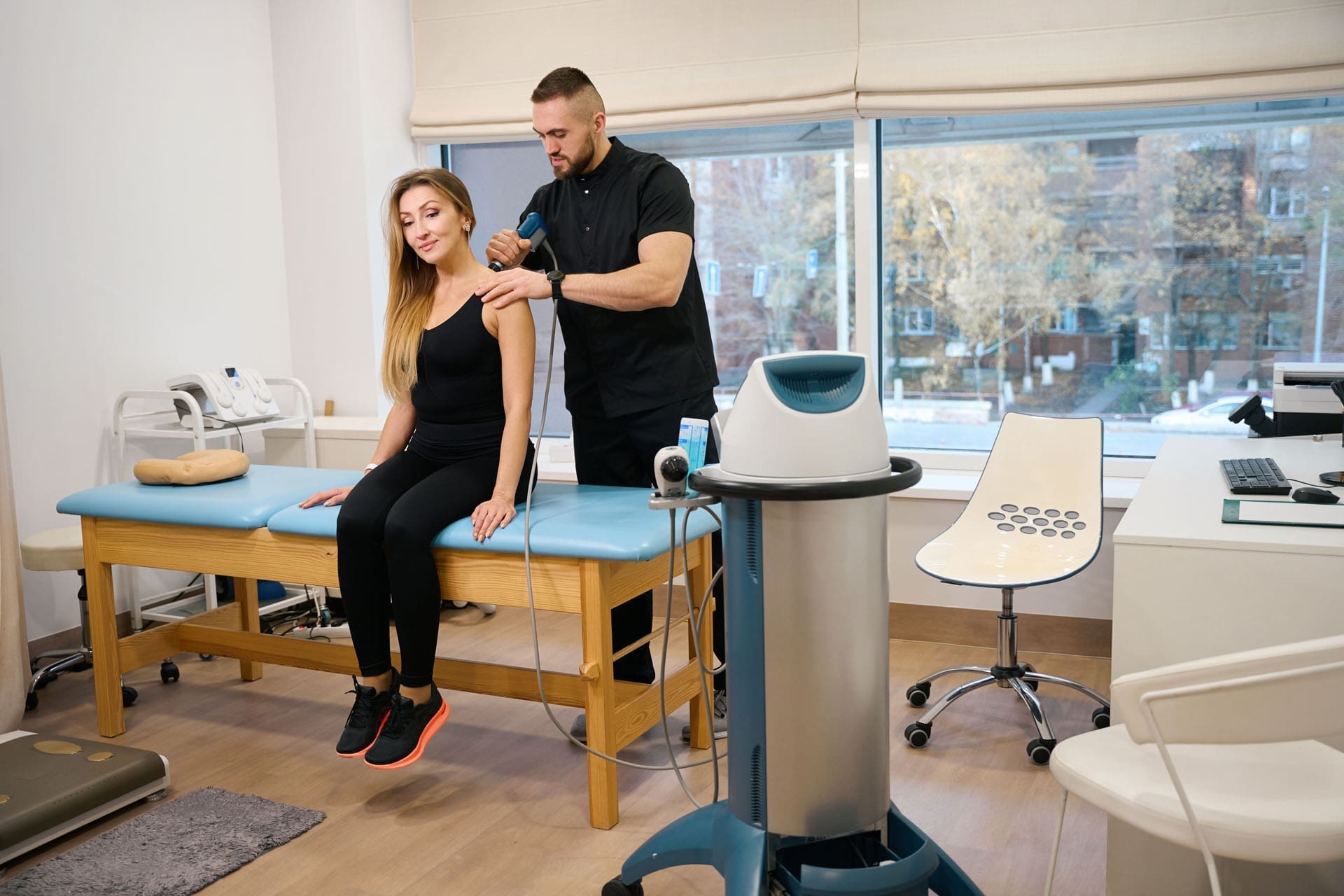
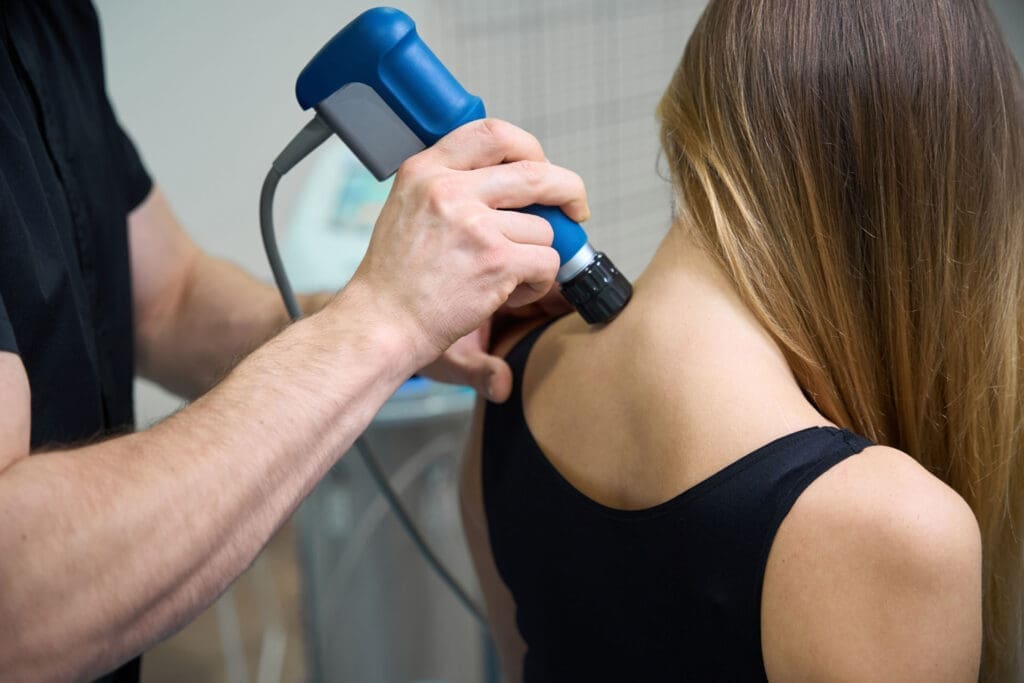
Chiropractic Shockwave Therapy for Pain and Healing

Chiropractic Shockwave Therapy for Pain and Healing

Chiropractic Shockwave Therapy for Pain and Healing
Shockwave Therapy Helps MVA Injuries Heal Faster

Radial vs. Focused Approaches, Physiological Mechanisms, Clinical Protocols, and Practical Considerations

Abstract

In this educational post, I share a clear, first-person overview of how shockwave therapy integrates into evidence-based chiropractic and advanced practice nursing care, explaining the differences between radial and focused shockwave systems, the underlying regenerative physiology, and how these modalities can be combined to optimize patient outcomes. I discuss FDA status, indications, dosing paradigms, and treatment sequencing for conditions such as tennis elbow, plantar fasciitis, whiplash-associated neck pain, and broader myofascial pain syndromes. I also outline practical details on device maintenance, session duration, patient experience, and cash-pay considerations, all framed within modern clinical research methods. Finally, I demonstrate how integrative chiropractic care, functional medicine, and rehabilitative protocols complement shockwave therapy to accelerate healing and restore function, supported by current literature and clinical observations from my practice.

Introduction: My Integrative Lens on Shockwave Care

As Dr. Alexander Jimenez, DC, APRN, FNP-BC, CFMP, IFMCP, ATN, CCST, I approach musculoskeletal care through an integrative model that blends chiropractic medicine, advanced practice nursing, functional medicine, and rehabilitative sciences. In recent years, I have incorporated acoustic shockwave technologies to complement manual therapy, neuromuscular re-education, and metabolic optimization. The clinical question patients and colleagues often ask is simple: how do these devices work, which type is appropriate, and how do we combine them within a patient-centered care plan?

In this post, I take you through a straightforward journey:

  • What shockwave therapy is and how it differs between radial and focused systems
  • The physiological basis of tissue regeneration triggered by acoustic waves
  • Why combining radial and focused treatments can produce synergistic results
  • FDA status, indications, session parameters, and maintenance
  • Evidence-based protocols and how we titrate energy levels using real-time patient feedback
  • How integrative chiropractic care and functional medicine enhance outcomes
  • Practical notes on reimbursement, patient materials, and clinical communication

Throughout, I reference contemporary literature and share clinical observations from my practice, highlighting the care pathways we use at ChiroMed and those we use in collaboration with broader interdisciplinary networks.

Shockwave Therapy Basics: What It Is and Why It Matters

Shockwave therapy delivers high-pressure acoustic waves into target tissues to stimulate the body’s innate regenerative and anti-inflammatory mechanisms. The field evolved from lithotripsy, originally used to break kidney stones. Clinicians then noticed surrounding soft tissues exhibited improved quality post-treatment, spurring research into orthopedic and sports applications.

Key distinctions:

  • Radial shockwave disperses energy from the skin surface and fans out through the tissue to a depth of roughly 6 cm, favoring superficial tendons and large muscle groups.
  • Focused shockwave converges energy at a precise focal point up to ~12.5 cm deep, ideal for tendons, bone, ligaments, and deep joint pain.

These mechanical stimuli produce controlled microtrauma, which is central to the therapeutic cascade. Rather than damaging tissues, the microtrauma acts as a signal—prompting targeted neovascularization, growth factor upregulation, and cellular recruitment necessary for remodeling and repair.

Radial vs. Focused Shockwave: Energy Distribution and Clinical Targeting

The difference between radial and focused shockwave lies in energy distribution:

  • Radial: Highest energy at the skin; wavefront dissipates as it travels inward; broad field engagement of fascia and muscle.
  • Focused: Energy converges at depth; highly pinpoint targeting of the primary pain generator or structural lesion.

In practice, I often layer these modalities in a single session:

  • Use radial shockwave across affected myofascial chains (e.g., forearm flexors/extensors and biceps in lateral epicondylopathy) to reduce global tone, address trigger points, and improve tissue pliability.
  • Follow with focused shockwave directly over the primary lesion (e.g., degenerative extensor tendon insertion at the lateral epicondyle) to catalyze tissue-specific healing responses.

This dual approach respects both the regional interdependence of musculoskeletal pain and the necessity of site-specific regenerative signaling.

Physiological Underpinnings: From Microtrauma to Regeneration

Why does controlled acoustic microtrauma work? The physiology unfolds across several interconnected domains:

  • Mechanotransduction: Acoustic waves deform cellular membranes and extracellular matrix (ECM). Integrins, stretch-activated ion channels, and cytoskeletal elements transduce mechanical inputs into biochemical signals that regulate gene expression and protein synthesis (Wang, 2012).
  • Neovascularization and angiogenesis: Shockwave stimulates vascular endothelial growth factor (VEGF), eNOS, and related pathways, increasing capillary density and improving perfusion to ischemic or chronically degenerated tissues (Hausdorf et al., 2011).
  • Inflammatory modulation: Microtrauma induces a controlled acute-phase response, converting a chronic, low-grade inflammatory milieu into a time-limited acute state with organized repair—resetting stalled healing cycles typical of tendinopathies (Rompe et al., 2009).
  • Fibroblast activation and collagen remodeling: Enhanced fibroblast activity and collagen turnover shift tissue architecture from disordered Type III collagen toward more aligned, load-bearing Type I collagen, improving tensile strength (Wang et al., 2003).
  • Nociceptive effects: Shockwave may modulate pain via hyperstimulation analgesia, substance P depletion at sensory nerve endings, and activation of descending inhibitory pathways. Clinically, patients often report immediate analgesia and improved range of motion after a session—effects that partially recede within ~72 hours before consolidating with serial treatments (Notarnicola & Moretti, 2012).
  • Stem/progenitor cell recruitment: Acoustic cues can enhance mesenchymal stromal cell migration and differentiation in preclinical models, supporting tendon-bone interface healing and cartilage support under specific dosing conditions (Chen et al., 2014). While human data are still evolving, these mechanisms inform dosing strategies.

In short, shockwave interrupts chronic pain physiology, converts it into an acute reparative state, and guides structural remodeling through repeat, appropriately titrated dosing.

Immediate Relief vs. Long-Term Remodeling: Setting Expectations

One hallmark of clinical shockwave is the rapid analgesic effect many patients feel upon standing after the session. Patients often say that the arm, heel, or neck “feels amazing” with improved range of motion. However, I emphasize that this is step one. Over the next ~72 hours, some symptoms transiently return. With each subsequent session, the recurrence is diminished, reflecting cumulative tissue regeneration and functional adaptation.

We schedule shockwave in series—common patterns include 4–6 sessions spaced 5–10 days apart, depending on indication, tissue response, and comorbidities. The objective isn’t merely pain reduction; it’s structural and functional restoration.

FDA Status and Clinical Indications

Understanding regulatory status helps us communicate clearly and ethically:

  • Focused shockwave has FDA approval for chronic plantar fasciitis (e.g., ESWT/Focused ESWT devices).
  • Radial shockwave systems have FDA clearance for the treatment of chronic and acute musculoskeletal pain.

In practice, I consider shockwave for:

  • Plantar fasciitis/heel pain (focused primary; radial adjunct for calf/plantar fascia chain)
  • Lateral epicondylopathy (focused at tendon insertion; radial over forearm muscle groups)
  • Patellar tendinopathy and Achilles tendinopathy
  • Gluteal and proximal hamstring tendinopathies
  • Myofascial pain syndromes and trigger points
  • Hip abductor complex, rotator cuff tendinopathy, and selected bony stress responses under proper guidance
  • Neck pain and whiplash-associated disorders below the skull base—radial for global muscular tone; focused cautiously for deep facet/tendon interfaces when indicated

Note: Cranial applications remain contraindicated in the US at present, though ongoing investigational work in Europe is underway.

Session Design, Dosing, and Patient Experience

We aim for treatment sessions around 10 minutes when combining modalities:

  • Radial shockwave: ~5 minutes, commonly 2,500–3,000 pulses per session
  • Focused shockwave: ~5 minutes, with pulse counts adapted to the device and indication

The handpiece interfaces allow real-time pulse tracking, energy adjustments, and preset stops. I titrate energy using patient feedback to maintain a therapeutic sensation of roughly 5–6 out of 10—intense enough to engage the physiology, but not so strong as to provoke guarding or undue distress. Because shockwave is diagnostic in practice, I use palpable landmarks, ultrasound when appropriate, and patient-reported tenderness to find and follow the pain generators.

  • Sound levels: Radial devices are louder (mini jackhammer sound), whereas focused devices are quieter. Modern systems have improved acoustic dampening relative to older platforms.

Safety and Contraindications

  • Avoid treatment over active infection, malignancy, or open growth plates (pediatric considerations).
  • Exercise caution over vascular or neural bundles, and in patients with coagulopathies or on anticoagulants.
  • Cranial applications are not cleared in the US; limit upper cervical work to below the skull base.
  • Dose conservatively in severe neuropathy or altered pain processing syndromes, titrating by feedback.

Device Maintenance and Practical Operations

For reliable performance, maintenance is straightforward:

  • Radial shockwave: Replace the guide tube and bullet approximately every 1,000 treatments (~2 million pulses for the pair). Revision kits include two bullets and two guide tubes. Handpiece notifications prompt replacement; providers can perform an easy swap via video guidance or live support.
  • Focused shockwave: Replace the coil after around 2 million pulses (~1,000 treatments). The handpiece is typically overnighted to service for same-day repair and return, with scheduling tips to minimize clinic downtime.

Applying Shockwave in Personal Injury and Neck Care

For whiplash-associated cases, I use an integrative protocol:

  • Radial shockwave across hypertonic upper trapezius, levator scapulae, scalenes, and paraspinals below the skull base to normalize tone and reduce myofascial trigger points.
  • Focused shockwave when indicated over facet capsule areas or tendinous insertions with precise dosing, guided by palpation and, when appropriate, ultrasound. This combination reduces guarding and prepares tissues for manual therapy and motor control retraining.

Integrative Chiropractic Care: Layering Modalities for Superior Outcomes

Shockwave is not a standalone cure—it is most powerful when integrated:

  • Chiropractic adjustments: Once radial shockwave reduces guarding and focused shockwave modulates deep nociception, spinal and extremity adjustments can be delivered with less resistance and greater carryover.
  • Neuromuscular re-education: I pair shockwave with targeted isometrics in early phases, then eccentric loading (e.g., Alfredson protocol variants) to align collagen fibers and reinforce tensile strength in tendons.
  • Fascia-focused care: Post-shockwave, instrument-assisted soft-tissue mobilization or myofascial release can remodel ECM cross-links while perfusion is elevated.
  • Functional medicine support: Optimize micronutrients (Vitamin C, collagen peptides, magnesium), sleep, glycemic control, and inflammation (addressing omega-3/6 balance) to support collagen synthesis and tissue repair. I monitor metabolic markers when needed for stubborn cases.

Clinical Observations from My Practice

In my clinics (see ChiroMed and my professional LinkedIn profile), I observe consistent patterns:

  • Plantar fasciitis: Focused shockwave over the medial calcaneal attachment, with radial shockwave across the posterior chain (gastrocnemius/soleus and plantar fascia). Patients often report first-step pain reduced after session two, with functional gains consolidated by week 4–6.
  • Lateral epicondylopathy: Radial shockwave to forearm compartments reduces tone; focused shockwave to the common extensor tendon origin accelerates pain resolution. I incorporate eccentric wrist-extensor exercises and ergonomic coaching to achieve sustained outcomes.
  • Cervical myofascial pain: Radial shockwave to the upper quarter reduces headaches and neck stiffness, especially when combined with scapular stabilization and cervical motor control drills.
  • Achilles tendinopathy: Dose-focused sessions at the midportion or insertion; radial shockwave reverberates across calf muscle fascia. Eccentrics and load management remain essential.

Patients report immediate relief, with a transient return of symptoms, followed by decreasing recurrence and improved tissue quality across a series. These patterns align with the known biology of shockwave-induced remodeling and the literature’s outcome curves.

Evidence-Based and Research Methods

Modern shockwave research spans randomized controlled trials, meta-analyses, and biomechanical studies. Core findings:

  • Plantar fasciitis: Multiple RCTs support the superiority of focused ESWT over sham or conservative care for chronic cases, improving pain and function (Gerdesmeyer et al., 2008).
  • Lateral epicondylopathy: ESWT demonstrates clinically meaningful pain reduction and improvements in grip strength, with particular benefit in chronic cases (Rompe et al., 2004).
  • Tendinopathy biology: Mechanotransduction and angiogenic responses underlie the observed improvements (Wang, 2012), while studies show reductions in substance P and CGRP in tendon nociceptors, which explain rapid analgesia (Maier et al., 2003).
  • Myofascial pain: Radial shockwave can reduce trigger point tenderness and improve functional measures compared to baseline (Cagnie et al., 2013).

Device technologies measure energy differently:

  • Electromagnetic focused systems commonly report energy in millijoules per square millimeter (mJ/mm²), reflecting the energy density at the tissue interface.
  • Electrohydraulic systems may report joules, which represent total burst energy, without the same normalized-area metric.

When interpreting literature, I align dosing models with energy density, frequency, and pulse counts, then correlate them with the clinical target and tolerance. This ensures translational fidelity from studies to practice.

Shockwave Protocol Design: Practical Steps

I standardize protocols while leaving room for individualized titration:

  • Intake: Assess pain generators, regional interdependence, activity demands, comorbidities, and prior response to care.
  • Planning:
    • Radial shockwave: 2,500–3,000 pulses across related muscle and fascial chains; start lower energy and titrate to a 5–6/10 therapeutic sensation.
    • Focused shockwave: Target lesion with energy density consistent with literature for the indication; adjust based on tenderness and tissue depth.
  • Sequencing: Radial first to reduce tone; focused second to pinpoint the lesion.
  • Integration: Post-session gentle ROM, hydration guidance, and, within 24–48 hours, begin isometric or eccentric loading routines.
  • Series: Typically 4–6 sessions, each spaced by 5–10 days, with reevaluation after session 3 to confirm trajectory.
  • Outcomes: Pain VAS, functional scales (e.g., VISA-A for Achilles), and objective ROM/strength assessments.

Reimbursement, Cash-Pay, and Patient Communication

Shockwave is often positioned as a cash-pay modality in the United States. While some providers explore coding pathways, my stance focuses on transparency and value:

  • Present a clear series package (e.g., 4–6 sessions), with per-session rates typically between $250–$300, depending on the modality combination.
  • Use patient education materials—brochures, website pages, and scripts—to explain mechanisms, timelines, and expected post-treatment sensations.
  • Emphasize the functional ROI: fewer flare-ups, improved performance, reduced reliance on adjunct analgesics, and potential avoidance of more invasive interventions.

Patient Materials and Training

Comprehensive patient-facing content includes:

  • What shockwave is
  • Why we combine radial and focused treatments
  • What they will feel during and after a session
  • The importance of completing the series and participating in home exercise
  • Safety points and post-care instructions

Team training ensures consistent dose titration, proper handpiece handling, maintenance, and confident communication with patients.

Clinical Pearl: The 72-Hour Window

I counsel patients that immediate relief is common, but some symptoms may re-emerge within ~72 hours as acute signaling fades and tissue repair continues. This is normal. Over subsequent sessions, they notice a stepwise reduction in recurrence. Setting this expectation enhances adherence and satisfaction.

Integrative Outcomes: Faster Rehabilitation, Better Function

Within my integrative framework, shockwave accelerates:

  • Tissue readiness for manual therapy
  • Engagement with therapeutic exercise
  • Re-alignment of movement patterns
  • Return to work and sport

Functional medicine supports the biologic terrain for collagen synthesis, capillary formation, and sleep-dependent repair. Over time, patients experience not just symptom relief, but durable biomechanical improvements.

Closing Thoughts

Shockwave therapy—when properly dosed, sequenced, and integrated—bridges the gap between immediate analgesia and long-term tissue regeneration. By combining radial and focused approaches, aligning with current research, and embedding care within chiropractic, rehabilitative, and functional frameworks, we achieve meaningful, measurable outcomes. In my practice, these technologies have become a reliable part of restoring movement and reducing chronic pain, provided we honor the physiology and respect the patient’s lived experience.


References

Wellbeing Guide For Hormone Optimization & Metabolic Health

Discover how a clinical approach to hormone optimization can enhance your metabolic health and overall wellness.

Abstract


In this educational post, I present a clinician-focused, first-person synthesis of modern, evidence-based hormone optimization and systems biology. I integrate the latest findings from leading researchers with my clinical observations to explain how estrogen, testosterone, and progesterone regulate brain, bone, cardiovascular, metabolic, immune, and sexual health. I clarify why bioidentical 17β-estradiol and micronized progesterone differ from synthetic formulations, detail the importance of route, dose, and timing, and review metabolite safety and the gut microbiome’s influence on hormone signaling. I also outline protocols for dosing, delivery modality selection, and monitoring, and provide a systems-based framework for managing risks, side effects, and complications. My goal is to help clinicians and patients understand the mechanisms, translate research into practice, and pursue preventive, physiologic care that improves quality of life and longevity.
Keywords: hormone optimization, estrogen therapy, testosterone therapy, progesterone benefits, bioidentical hormones, transdeestradioladiol, micronized progesterone, androgen receptor, estrogen receptor, estrogen metabolites, COMT, methylation, estrobolome, microbiome, β-glucuronidase, bile acids, insulin sensitivity, bone density, cardiovascular risk, neurosteroids, sleep, erythrocytosis, prostate monitoring, VTE risk, functional medicine, clinical protocols, dosing strategies, side effect management

My Purpose and Preventive Care Perspective

As a clinician trained in functional and integrative medicine, I learned early in my career in urgent care and through exposure to end-of-life care that many emergencies arise from chronic, modifiable diseases. That realization pushed me toward proactive medicine grounded in hormone optimization and systems biology. Today, I combine peer-reviewed research with day-to-day practice insights from El Paso and beyond to deliver precise, safe, and personalized care.
I prioritize evidence-based protocols that restore physiologic ranges, avoiding supraphysiologic exposures that raise risk.
I use mechanism-first reasoning, tracing receptor pharmacology, downstream signaling, metabolic clearance, and tissue-specific effects to guide decisions.
I integrate gut and nutrient strategies to improve receptor sensitivity, metabolite profiles, and clinical outcomes.
Explore my ongoing clinical updates and case-informed reflections:

Why Mechanisms and Literature Must Drive Hormone Care

Persistent misconceptions around cancer risk, cardiometabolic outcomes, and the idea that “all hormones are the same” still influence practice. To correct these, I synthesize high-impact literature and apply physiology.
Core principle: the preventive value of hormones is context-dependent. Risks increase when the dose, delivery route, or metabolism are mismatched with patient physiology, or when monitoring is inadequate (NAMS Position Statement, 2022).
Clinical behavior:
Stratify baseline risk (family history, genomics, comorbidities).
Optimize metabolic and inflammatory terrain.
Select the lowest effective dose that restores function and quality of life while meeting biomarker targets.
This systems-first approach allows genuine prevention rather than symptom suppression.

Estrogen Optimization and Disease Prevention: Molecule, Receptor, and Route

Estrogen is not estradiol (E2), estrone (E1), or estriol (E3); these interconvert and signal via ERα, ERβ, and non-genomic pathways. These distinctions drive outcomes across organ systems.
Cardiometabolic: Estradiol improves endothelial nitric oxide synthase, dampens vascular inflammation, and influences lipoprotein profiles. Loss of E2 after menopause increases arterial stiffness and atherogenesis (Rosano et al., Endothelial effects of estrogen, 2007; Manson et al., WHI outcomes, 2013).
Skeletal: Estrogen reduces osteoclastogenesis via RANKL/OPG and supports osteoblast survival, lowering bone turnover and fracture risk (NAMS Position Statement, 2022).
Neurocognitive: E2 enhances synaptic plasticity, glucose utilization, and mitochondrial biogenesis, with neurosteroid effects modulating GABAergic tone (Brinton, Estrogen-induced plasticity, 2008; Arevalo et al., Estradiol and progesterone modulate brain inflammation, 2015).
Immune and repair: ER signaling tempers NF-κB, influences Treg activity, and supports tissue repair (Arevalo et al., 2015).

Cancer Risk, Metabolites, and Delivery

The question is not “Do hormones cause cancer?” but Whichh hormone, at what dose, via what route, in which patient, with what metabolism?””
Metabolite pathways:
2-hydroxylated estrogens are generally less proliferative.
4-hydroxylated estrogens can form catechol quinones with genotoxic potential.
16α-hydroxylated estrogens carry proliferative signals.
Favoring 2-hydroxylation and enhancing COMT-mediated methylation reduces reactive metabolite burden (Estrogen metabolites and breast cancer risk, 2012; COMT polymorphisms and cancer risk, 2004).
Route matters: Transdermal estradiol avoids hepatic first-pass induction of clotting factors and triglycerides, reducing VTE and metabolic risks compared with oral estrogens (Transdermal vs oral estrogen and vascular risk, 2016; Scarabin, Oral vs transdermal estrogen and VTE, 2003).
Progestogen pairing:
Endometrial protection requires progesterone or a progestin for women with a uterus.
Bioidentical micronized progesterone has more favorable vascular and breast profiles than certain synthetic progestins (Stanczyk et al., Progestins vs progesterone, 2013).

Clinical Protocol Logic

Start low, titrate slowly, and aim for physiologic mid-reference ranges aligned with symptom relief and biomarkers.
Prefer transdeestradiol in higher-risk or migraine-with-aura patients.
Monestradioladiol, estrone, SHBG, TSH, lipids, CRP, and urinary estrogen metabolites when indicated.
Support metabolite safety:
Dietary indoles (crucifers), omega-3s, glycine, and methyl donors as appropriate.
Clinical observation: In active women with estradiol and recurrent stress fractures, transdermal E2 combined with micronized progesterone and targeted micronutrients (calcium, vitamin D3/K2, magnesium, omega-3s) improves bone turnover markers, recovery, and mood. Adding resistance training amplifies skeletal benefits and helps with weight management. See practice insights at https://chiromed.com/ and https://www.linkedin.com/in/dralexjimenez/.

Testosterone: Anabolism, Metabolism, and Modality Selection

Testosterone reaches beyond muscle to influence erythropoiesis, insulin sensitivity, libido, bone density, mood, and immune tone. Age-related decline intersects with rising SHBG, sleep disruption, adiposity, and inflammation.
Androgen receptor dynamics:
Testosterone signals through the AR, with the balance between coactivators and corepressors affecting tissue outcomes.
Adiposity increases aromatase activity, shifting testosterone toward estradiol and altering feedback loops.
Metabolites:
Conversion to DHT via 5α-reductase impacts prostate, skin, and hair.
Peripheral conversion to E2 is essential for the bone and the brain.
Cardiometabolic:
Physiologic testosterone improves visceral adiposity, HbA1c, and triglycerides; supraphysiologic dosing increases the risk of erythrocytosis and adverse lipid profiles (Endocrine Society Guideline, 2018).

Delivery Modalities

Transdermal gels/creams: steady exposure, titration flexibility; educate on contact transfer precautions.
Injectable (e.g., cypionate): weekly or twice-weekly dosing reduces peaks and troughs affecting mood and hematology.
Subcutaneous pellets: extended release with adherence advantages; less flexible titration.
Oral undecanoate: lymphatic absorption; variable exposures.

Monitoring and Mitigation

Track total/free testosterone, Sestradioladiol, hematocrit/hemoglobin, PSA, lipids, LFTs.
Manage aromatization:
Use body composition interventions first.
Avoid routine use of aromatase inhibitors (AIs) to prevent bone and mood-related adverse effects; use only when clearly indicated.
Address erythrocytosis:
Dose-adjust; increase dosing frequency; evaluate for sleep apnea; consider phlebotomy when necessary.
Clinical observation: Men with obesity and sleep apnea respond best when CPAP adherence and resistance/interval training precede or accompany testosterone. This reduces the need for doses, stabilizes hematocrit, and improves glycemia. For peak–trough irritability, twice-weekly subcutaneous injections improve tolerability. Professional reflections shared at https://chiromed.com/ and https://www.linkedin.com/in/dralexjimenez/.

Progesterone: Neurosteroid, Sleep Modulator, and Endometrial Protector

Progesterone is a critical neurosteroid that enhances GABA-A activity, stabilizes mood and sleep, and orchestrates endometrial differentiation to oppose estrogen-driven proliferation.
Why bioidentical micronized progesterone:
CNS benefits via allopregnanolone improve sleep initiation and anxiety more consistently than some progestins.
Favorable metabolic effects on lipids and blood pressure compared to certain synthetic analogs.
Essential endometrial protection in women receiving systemic estrogen (Micronized progesterone pharmacology, 2019).
Dosing strategy:
Night dosing aligns with sedative neurosteroid effects.
In perimenopause, cyclic or continuous regimens tailored to symptoms and bleeding.
Adjust dose/route for mastalgia or fluid retention and reassess estrogen dosing and metabolites.
Clinical observation: In perimenopausal patients with sleep maintenance insomnia, nighttime micronized progesterone often reduces awakenings within 1–2 weeks. Combined with sleep hygiene and light therapy, the benefits are durable and reduce reliance on sedative-hypnotics.

Gut Health and the Estrobolome: Amplifying Hormone Receptor Activity

Hormones are effective only within a healthy terrain. The gut microbiome—especially the estrobolome—shapes estrogen recirculation, clearance, and receptor engagement.
Mechanistic links:
β-Glucuronidase excess deconjugates estrogens, driving enterohepatic recirculation and elevating certain metabolites.
Bile acid signaling via FXR and TGR5 intersects with glucose and lipid metabolism, affecting hormone sensitivity.
Barrier integrity: Increased permeability raises LPS levels, provoking TNF-α/IL-6, which can blunt hormone receptor signaling (The estrobolome and women’s health, 2019; Microbiome, bile acids, and metabolic regulation, 2014).
Clinical tools:
Diet emphasizing fiber, polyphenols, and fermented foods to diversify microbiota and modulate β-glucuronidase.
Targeted probiotics with bile salt hydrolase activity when indicated.
Consider calcium D-glucarate for high β-glucuronidase levels while addressing the root causes of diet/dysbiosis.
Support phase II detoxification with glycine, sulfur amino acids, and methyl donors.
Clinical observation: In estrogen-dominant symptom patterns with persistent mastalgia, correcting constipation, optimizing fiber/water intake, and addressing dysbiosis normalizes transit and reduces symptoms within 4–6 weeks, enabling lower hormone doses with better tolerability.

Nutrient Cofactors: Steroidogenesis, Metabolism, and Receptor Sensitivity

Robust hormone therapy requires nutrient sufficiency to support synthesis and clearance.
Zinc: Cofactor for 3β-HSD and 5α-reductase modulation; supports AR function.
Magnesium: Required for ATP-dependent enzymes in steroidogenesis and for insulin sensitivity, which influences SHBG and bioavailable hormones.
Vitamin D: Through VDR, modulates aromatase and immune tone; sufficiency enhances musculoskeletal responses to hormones (Vitamin D and testosterone interplay, 2019).
B vitamins (B2, B6, B12, folate): Support methylation and COMT for catechol estrogen clearance.
Omega-3 fatty acids: Reduce inflammatory tone, improving endothelial and receptor signaling (Omega-3s and endothelial function, 2014).
Choline and glycine: Facilitate phase II conjugation and bile acid metabolism.
Clinical observation: Correcting magnesium deficiency attenuates PVCs and improves sleep in patients starting progesterone. Addressing vitamin D insufficiency improves muscle strength responses to testosterone in older adults.

Finding Hormonal Harmony- Video

Choosing and Managing Hormone Delivery Modalities

Selecting a modality balances pharmacokinetics, safety, lifestyle, and monitoring.
Estrogen modalities:
Transdermal patches/gels: predictable PK, lower VTE risk; patches improve adherence; gels allow fine titration.
estradiol: consider only when benefits outweigh hepatic effects; monitor triglycerides and clotting risk.
Vaginal estradiol/estriol: local therapy for genitourinary syndrome; minimal systemic absorption at low doses.
Progesterone modalities:
Oral micronized progesterone: best for sleep and endometrial protection; take with a small fat-containing snack.
Vaginal progesterone: useful for uterine-focused effects or GI sensitivity.
Levonorgestrel IUD: potent endometrial suppression; useful for bleeding control with systemic estrogen.
Testosterone modalities:
Topical: cautious initiation and fine-tuning; emphasize site precautions.
Injectable: weekly/twice-weekly subcutaneous improves stability; counsel on technique.
Pellets: consider for adherence barriers; anticipate minor surgical risks and less flexible adjustments.
Monitoring cadence: baseline labs; recheck at 6–8 weeks after initiation or change; then every 3–6 months once stable; tailored to risk and symptom trajectory.

Safety, Side Effects, and Complication Management

Every protocol needs a safety net.
VTE risk: Favor transdermal estradiol; address obesity, immobility, smoking; consider thrombophilia screening when history suggests (Transdermal vs oral estrogen and vascular risk, 2016).
Breast health: Use the lowest effective estrogen dose with micronized progesterone; personalize imaging cadence and assess family history; emphasize exercise and alcohol moderation (Chlebowski et al., WHI breast cancer follow-up, 2020).
Prostate: In men, baseline PSA and DRE per guidelines; avoid initiating in untreated high-risk contexts; recheck PSA after stabilization (Endocrine Society Guideline, 2018).
Erythrocytosis: Adjust testosterone, check sleep apnea, ensure hydration; use phlebotomy only when clinically necessary (Sleep apnea and erythrocytosis, 2012).
Mood changes: Avoid sharp injection peaks; consider the topical route or adjust the frequency; evaluate sleep and micronutrient status.
Abnormal uterine bleeding: Verify endometrial protection, evaluate dosing, consider ultrasound; rule out structural causes.
Acne/hirsutism: Dose-adjust and assess DHT; consider 5α-reductase modulation case-by-case and discuss fertility.
Clinical observation: The highest-risk side effects occur when therapy starts without adequate risk stratification or when dose escalation outruns monitoring. Most complications abate with dose correction, route change, and terrain optimization.

Integrating Lifestyle, Behavior, and Shared Decision-Making

Hormones amplify what lifestyle initiates. Without sleep consolidation, resistance training, cardiorespiratory fitness, and nutritional adequacy, hormone therapy underperforms.
Exercise:
Resistance training enhances bone mineral density and insulin sensitivity.
Aerobic work improves endothelial function.
Both attenuate aromatase via fat loss (Exercise and bone metabolism, 2020).
Nutrition:
Adequate protein, fiber, and phytonutrient diversity support the microbiome and detox pathways.
Alcohol moderation reduces estrogenic load and breast risk.
Stress regulation:
Elevated cortisol undermines sex steroid signaling; mind–body practices and sleep hygiene are essential.
I emphasize shared decision-making, present risks and benefits with data, and align plans with patient values. Education transforms adherence and safety.

Practical Algorithm: Putting It All Together

Evaluate baseline: history, goals, cancer/prostate/VTE risk, sleep, mood, cardiometabolic markers, body composition, GI function.
Correct terrain: sleep, nutrition, movement, microbiome support, micronutrient deficits.
Select modality: choose delivery route aligned with risk; start low and titrate based on symptoms and labs.
Support metabolism: use diet and targeted supplements; monitor estrogen metabolites when indicated.
Monitor and adjust: schedule labs and visits; use symptom scores; adjust dose/frequency/route to sustain physiologic targets.
Prevent and manage side effects: anticipate, educate, and intervene early; document shared decisions and outcomes.

EEstrogen’sCritical Window, WHI Misconceptions, and Modern Guidelines

The Women’s Health Initiative (WHI) used conjugated equine estrogens (CEE) and medroxyprogesterone acetate (MPA), not bioidentical molecules. Early risk signals were concentrated in the progestin arm, yet headlines generalized these findings to all hormones (Manson et al., WHI outcomes, 2013). Subsequent analyses demonstrated nuance:
Estrogen-alone in hysterectomized women showed neutral to beneficial patterns for some endpoints, including breast cancer incidence and mortality (Chlebowski et al., 2020).
The critical window hypothesis supports starting therapy near menopause to optimize vascular and neuroprotective effects (Maki & Henderson, Critical window, 2016).
Modern guidance emphasizes individualization, rejects routine discontinuation at age 65, and supports continuation when risk–benefit is favorable (NAMS 2017 Position Statement, 2017; NAMS 2022 Update, 2022; ACOG Practice Bulletin, 2023).
My practice aligns with these updates by prioritizing bioidentical 17β-estradiol and micronized progesterone, favoring transdermal routes, and personalizing plans.

Estradiol, Cardiovascular and Brain Protection, and Discontinuation Risks

A body of evidence indicates that appropriately destradioladiol improves vascular and metabolic health, reduces events, and supports neuroprotection:
Endothelial benefits via NO synthase activation, reduced NF-κB, improved lipids, and plaque stability (Mendelsohn & Karas, Cardiovascular effects of estrogen, 2005).
Neuroprotection through PI3K/Akt, ERK, BBB integrity preservation, and microglial modulation (Liu et al., Estradiol neuroprotection, 2007; Arevalo et al., 2015).
Abrupt estrogen withdrawal increases cardiac and stroke risks due to autonomic destabilization, vascular tone shifts, and coagulation changes; tapering is safer (Grodstein et al., HT discontinuation CV implications, 2003).
In practice, I counsel patients on continuity and, when needed, careful tapering, while maintaining protective lifestyle interventions.

Testosterone–Estradiol Synergy and Avoiding Aromatase Inhibitors in Men

Estradiol and testosterone synergize to improve lipids, insulin, and visceral fat. Routine AI use can blunt these benefits:
Bisphenol A raises pain sensitivity, worsens metabolic parameters, and undermines bone health (Henry et al., AI musculoskeletal symptoms, 2018; Handelsman, Estrogen in men’s bone health, 2013).
Allowing physiological aromatization supports the integrity of the brain, bone, vascular, and metabolic systems.
I avoid routine AIs, monestradioladiol rather than preemptively blocking it, and use body composition strategies to modulate aromatization.

Sexual Health, Genitourinary Support, and MMen’sEstrogen Balance

Estrogen influences libido, arousal, vaginal mucosa, pelvic floor, and urogenital health. In men, balaestradiol supports libido, endothelium, and bone. I pair estradiol with local therapies (e.g., vagestradiol or DHEA) and pelvic rehab when indicated, while ensuring mmen’sE2/T ratios remain physiological.

My Clinical Observations: Translating Research into Outcomes

From my practice at Chiromed and collaborative care settings:
Women initiating transdermal 17β-estradiol near menopause report rapid improvements in cognition, sleep, and vasomotor symptoms; over 6–12 months, we see improvements in lipids, lower CRP, and better glycemic metrics with nutrition and resistance training.
Adding micronized progesterone stabilizes mood and sleep; patients report deeper, more restorative rest.
Thoughtful androgen support in women can enhance energy, bone, and sexual desire; monitoring hair/skin/lipids guides dosing.
Chronic pain patients often exhibit hormonal insufficiency; corticosteroids and progesterone reduce central sensitization; when combined with myofascial care, strength training, and anti-inflammatory nutrition, outcomes improve.
Deprescribing occurs naturally: fewer sedatives as sleep normalizes, reduced antidepressants with neurosteroid support, lower antihypertensives as endothelial function and autonomic tone improve.
Explore my clinical insights:
https://chiromed.com/
https://www.linkedin.com/in/dralexjimenez/

Practical Protocol Considerations and Rationale

I design protocols to match physiology, goals, and safety:
Comprehensive assessment:
Menstrual history, vasomotor symptoms, cognition, mood, sexual health, fracture risk, cardiometabolic markers, and family history.
Estradiol:
Initiate transdermal 17β-estradiol for brain, vascular, and bone signaling due to receptor congruence and lower thrombotic risk.
Progesterone:
Add oral micronized progesterone for uterine protection and neurocalm; avoid progestins due to their receptor promiscuity and immune effects.
Androgens:
Consider low-dose testosterone in women for bone, muscle, and libido with careful monitoring; in men, maintain physiologic dosing and avoid routine AIs.
Lifestyle medicine:
Progressive resistance training, zone-2 cardio, sleep optimization, stress management, and a phytonutrient-rich diet.
Gut–hormone axis:
Address dysbiosis, increase fiber and polyphenol intake, support liver detoxification, and normalize enterohepatic cycling.
Monitoring:
Track symptoms, vitals, lipids, CRP, glucose/insulin, DEXA, endometrial status, and cognitive screening as needed.
Each element is chosen to advance patient goals and respect biological signaling.

Myths and Misconceptions Corrected


strogen causes breast cancer.””Evidence differentiates molecules: risks increased with progestin combinations started late in WHI; estrogen-alone data show neutral/beneficial patterns in specific groups. Bioidentestradiol with progesterone is distinct from CEE+MPA (Chlebowski et al., 2020; NAMS 2022 Update, 2022).
“”ll hormones are the same.””False. 17β-estradiol and micronized progesterone are physiologically coherent; synthetic analogs have different receptor promiscuity and effects (Stanczyk et al., 2013).
“top at 65.” Not evidence-based; discontinuation reverses gains. Continuation should be individualized (NAMS 2017 Position Statement, 2017; NAMS 2022 Update, 2022).
“Only treat hot flashes.””Estrogen is a longevity hormone that affects the brain, bones, heart, immune system, and sexual health.

Conclusion: Modern, Evidence-Based Hormone Optimization

Estrogen, specifically 17β-estradiol, paired with micronized progesterone, and testosterone where appropriate, supports neuroprotection, bone strength, cardiovascular resilience, immune modulation, and sexual vitality. Outcomes depend on molecule, route, dose, timing, and systemic context. By embracing modern evidence and systems biology, we can reduce polypharmacy, elevate quality of life, and practice true preventive medicine.

References

About Dr. Alexander Jimenez

Dr. Alexander Jimenez, DC, APRN, FNP-BC, CFMP, IFMCP, ATN, CCST, provides integrative, functional, and evidence-based musculoskeletal and metabolic care. Clinical insights and educational resources are available at:
https://chiromed.com/
https://www.linkedin.com/in/dralexjimenez/

Keywords


hormone optimization, estrogen therapy, testosterone therapy, progesterone benefits, bioidentical hormones, transdeestradioladiol, micronized progesterone, androgen receptor, estrogen receptor, estrogen metabolites, COMT, methylation, estrobolome, microbiome, β-glucuronidase, bile acids, insulin sensitivity, bone density, cardiovascular risk, neurosteroids, sleep, erythrocytosis, prostate monitoring, VTE risk, functional medicine, clinical protocols, dosing strategies, side effect management, longevity, preventive medicine

Disclaimer


This educational content is for informational purposes only and does not constitute medical advice. Do not start, stop, or change any medication or therapy without consulting your qualified healthcare provider.

SEO tags: hormone optimization, bioidentestradiol, micronized progesterone, transdermal estrogen safety, testosterone therapy men, aromatase inhibitors risks, menopause brain health, dementia prevention estrogen, cardiovascular endothelial function estrogen, bone density menopause therapy, estrobolome gut hormones, functional medicine hormone therapy, VTE risk transdermal estrogen, progesterone neurosteroid sleep, erythrocytosis testosterone management, Dr. Alexander Jimenez DC APRN FNP-BC, evidence-based endocrinology, WHI misconceptions and modern guidelines, NAMS hormone therapy position, androgen therapy women, deprescribing with hormone optimization