Give us a Call
+1 (915) 412-6680
Send us a Message
[email protected]
Opening Hours
Mon-Thu: 7 AM - 7 PM
Fri - Sun: Closed
Integrative Accident and Work Injury Care in El Paso

Integrative Accident and Work Injury Care in El Paso

Integrative Accident and Work Injury Care in El Paso

An auto accident or workplace injury can affect the body in several ways at the same time. A person may experience inflammation, muscle spasms, joint stiffness, ligament damage, nerve irritation, weakness, and poor movement.

Rest may help mild soreness. However, stubborn injuries often need a more complete recovery plan.

At ChiroMed – Integrated Medicine in El Paso, care focuses on the whole injury rather than just covering up pain. An integrative wellness plan may combine chiropractic care, medical assessment, functional medicine, rehabilitation, nutrition, and advanced therapies when appropriate.

The main goals are to:

  • Calm pain and inflammation
  • Identify the injured tissues
  • Restore spinal and joint movement
  • Support natural tissue repair
  • Rebuild strength and stability
  • Help the patient return to work and daily activities
  • Reduce the risk of long-term pain

This layered approach gives patients a clear path from the early stages of an injury to long-term functional recovery.

Why Accident and Work Injuries Need a Complete Plan

Accidents can place great force on the spine, joints, muscles, and connective tissues.

During a car crash, the body may move forward, backward, or sideways before a person has time to react. A seat belt can save a life, but it may also place pressure across the shoulder, chest, or hip. Drivers may grip the steering wheel or brace their arms before impact, which can contribute to shoulder, elbow, wrist, or hand injuries.

Work injuries can happen during:

  • Repeated lifting
  • Pushing or pulling
  • Slips and falls
  • Awkward twisting
  • Repetitive arm movements
  • Long periods of sitting
  • Heavy labor
  • Machinery accidents
  • Poor workstation setup

Common symptoms include neck pain, back pain, headaches, sciatica, joint stiffness, muscle spasms, numbness, tingling, weakness, and reduced range of motion.

Some symptoms begin right away. Others take several hours or days to become noticeable as swelling and muscle guarding increase. For this reason, early evaluation can be important even when the patient believes the injury is minor (El Paso Chiropractor Blog, 2026a, 2026b).

Phase One: Identify the Injury and Reduce Inflammation

The first stage of care begins with a complete evaluation.

The provider asks how the injury happened, which body parts were affected, when symptoms began, and which activities make the pain better or worse. The examination may include posture testing, range-of-motion measurements, orthopedic tests, neurological screening, muscle strength testing, and movement analysis.

Imaging or referral may be needed when the examination suggests:

  • A fracture
  • A major ligament tear
  • Severe joint instability
  • A traumatic brain injury
  • Spinal cord involvement
  • Progressive muscle weakness
  • Loss of bowel or bladder control
  • Infection
  • A medical emergency

The early treatment plan is usually gentle. The goal is not to force a painful area to move. Instead, care may focus on reducing irritation, protecting injured tissues, controlling muscle spasms, and maintaining safe movement.

Early treatment may include:

  • Gentle joint movement
  • Soft-tissue therapy
  • Cold or heat when appropriate
  • Light corrective exercises
  • Activity changes
  • Supportive taping or bracing
  • Nutrition and hydration guidance

A safe plan also considers the patient’s age, medical history, medications, previous injuries, job duties, and overall health.

Phase Two: Restore Spinal and Joint Mechanics

Once the patient can move more safely, treatment may begin addressing restricted joints, poor posture, and abnormal movement patterns.

Chiropractic Care

Chiropractic care focuses on how the spine, joints, muscles, and nervous system work together.

After an accident, muscle guarding may limit normal joint movement. When one area does not move properly, nearby muscles and joints often work harder to compensate for the restriction. This can create a cycle of pain, stiffness, and poor movement.

Carefully selected chiropractic adjustments and joint mobilization may help:

  • Restore joint movement
  • Reduce mechanical stress
  • Improve range of motion
  • Decrease muscle guarding
  • Support better posture
  • Make rehabilitation more comfortable

Chiropractic care does not replace emergency medicine, orthopedic care, or other medically necessary services. It is one part of a coordinated injury-recovery plan.

Research suggests that spinal manipulation may provide modest improvements in pain and function for some patients with neck or back pain. Treatment must be selected according to the patient’s examination, diagnosis, comfort, and risk factors (National Center for Complementary and Integrative Health [NCCIH], n.d.).

Spinal Decompression

Spinal decompression uses controlled traction to gently stretch the spine.

It may be considered for selected patients with:

  • Bulging or herniated discs
  • Sciatica
  • Disc-related neck pain
  • Nerve irritation
  • Spinal stiffness

The goal is to reduce mechanical pressure and make movement more comfortable. Decompression may also be combined with chiropractic care and corrective exercises.

It is not suitable for every patient. People with fractures, severe osteoporosis, tumors, major spinal instability, or certain medical conditions may need a different form of care.

Spinal decompression should not be presented as a stand-alone cure. Long-term improvement usually also requires stronger muscles, better movement patterns, and changes to activities that continue to place stress on the spine (Sciatica Clinic, 2026a).

Phase Three: Address Stubborn Soft-Tissue Injuries

Muscles, tendons, ligaments, cartilage, and spinal discs do not all heal at the same rate.

Some tissues have a limited blood supply. Others continue to face stress from poor posture, joint instability, repetitive work, or abnormal movement. When an injury does not improve with rest and basic conservative care, additional procedures may be discussed.

Platelet-Rich Plasma Therapy

Platelet-rich plasma, or PRP, is prepared from the patient’s own blood. A medical professional processes the blood to create a platelet-rich portion.

Platelets contain proteins and growth factors involved in the body’s normal healing response. PRP may be considered for selected tendon, ligament, muscle, or joint injuries.

PRP does not instantly rebuild damaged tissue. It is designed to support the natural repair process. Results may also depend on:

  • The type and severity of the injury
  • The patient’s health
  • The way the PRP is prepared
  • How accurately it is placed
  • Activity after the procedure
  • The rehabilitation plan
  • Continued mechanical stress on the area

Dr. Alexander Jimenez’s clinical observations emphasize that regenerative procedures should be combined with improved biomechanics. Treating injured tissue without correcting the movement problem that continues to stress it may limit recovery (Jimenez, 2026).

Microfragmented Adipose Tissue

Microfragmented adipose tissue, commonly called MFAT, is prepared from a small amount of the patient’s fat tissue.

The processed tissue contains structural and signaling components that may support selected orthopedic procedures. It may be considered for some joint, cartilage, or complex soft-tissue conditions.

MFAT requires a fat-harvesting procedure and is more involved than a standard blood draw. PRP and MFAT are not the same treatment.

The choice may depend on:

  • The injured structure
  • How long symptoms have been present
  • Imaging findings
  • Previous treatments
  • The patient’s overall health
  • The expected risks and benefits

No regenerative procedure is best for every patient. A qualified medical provider must first determine whether the person is a suitable candidate (Sports Medicine of the Rockies, 2026).

Patients should also be careful with clinics that promise guaranteed tissue regrowth or market unapproved products as cures. Regenerative procedures should be based on a clear diagnosis, realistic expectations, and proper medical screening.

Laser and Shockwave Therapy

Noninvasive technologies may be used to support pain relief and rehabilitation.

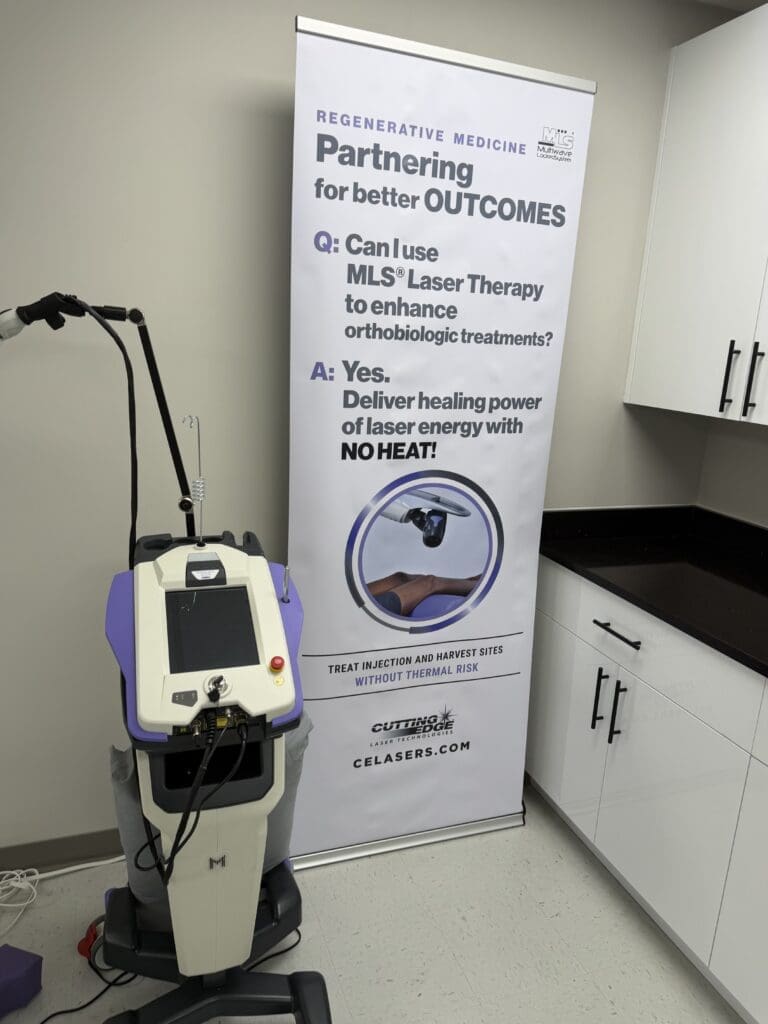
Therapeutic Laser

Therapeutic laser treatment uses selected wavelengths of light over the injured area. This process is often called photobiomodulation.

The therapy may influence cellular activity, local circulation, and inflammatory signals. It may be used as a supportive option for muscle pain, joint irritation, or soft-tissue injuries.

Laser treatment does not physically align the spine or replace exercise. Its role is to help reduce discomfort so the patient can participate more comfortably in movement and rehabilitation.

Shockwave Therapy

Extracorporeal shockwave therapy uses acoustic waves to stimulate targeted tissue.

It is often considered for chronic tendon and soft-tissue problems, including:

  • Plantar fasciitis
  • Tennis elbow
  • Achilles tendon pain
  • Calcific shoulder conditions
  • Chronic muscle or tendon pain
  • Areas with long-standing scar tissue

Shockwave therapy may support circulation, collagen activity, and tissue remodeling. Temporary soreness can occur after treatment.

Patients with certain bleeding risks, infections, tumors, or other medical concerns may not be suitable candidates. Screening should take place before treatment begins (Harrington, n.d.).

Phase Four: Support Healing Through Nutrition

The body needs adequate nutrients to repair injured tissues.

Protein supplies amino acids used to maintain and rebuild muscles, tendons, ligaments, and other tissues. Vitamins and minerals support energy production, nerve function, collagen formation, and immune activity.

A recovery-focused nutrition plan may include:

  • Adequate protein
  • Vegetables and fruits
  • Healthy fats
  • Whole-food carbohydrates
  • Enough water
  • Foods containing vitamin C
  • Foods containing magnesium and zinc
  • Stable meal timing
  • Reduced heavily processed food intake

Sleep also matters. The body performs many repair processes during sleep. Poor sleep can increase pain sensitivity, reduce energy, and make it harder to follow a rehabilitation program.

Functional medicine may help identify other issues that can slow recovery, such as poor blood sugar control, nutrient deficiencies, digestive concerns, chronic inflammation, or unhealthy lifestyle habits.

IV Nutrient Support

IV fluids or nutrients may be considered when there is a clear medical reason, such as dehydration, poor absorption, or a documented deficiency.

IV therapy sends fluids and selected nutrients directly into the bloodstream. It must be provided with proper screening, sterile technique, careful dosing, and medical oversight.

IV therapy should not replace:

  • Healthy food
  • Water
  • Sleep
  • Chiropractic care
  • Rehabilitation
  • Necessary medical treatment

It should also not be promoted as a guaranteed way to heal an injury. Evidence for routine high-dose vitamin infusions in otherwise healthy people remains limited. The treatment must match the patient’s individual medical needs (Alangari et al., 2025).

Phase Five: Rebuild Strength and Function

Pain relief is not the final step.

A patient must regain the ability to walk, bend, lift, reach, work, exercise, and safely complete daily activities. This requires functional rehabilitation.

A rehabilitation program may include:

  • Range-of-motion exercises
  • Core strengthening
  • Hip and leg strengthening
  • Shoulder stability exercises
  • Balance training
  • Posture correction
  • Walking or aerobic conditioning
  • Work-specific movements
  • Gradual lifting practice
  • Home exercises

Exercise should progress in stages. Too much activity too soon may irritate healing tissues. Too little movement for too long may lead to stiffness, weakness, and fear of movement.

Progress can be measured through:

  • Improved range of motion
  • Reduced pain
  • Better muscle strength
  • Greater walking tolerance
  • Improved lifting ability
  • Better balance
  • Safer work activity
  • Increased independence

Team-Based Injury Care at ChiroMed

ChiroMed – Integrated Medicine in El Paso uses a multidisciplinary approach to treating accident, work, and sports injuries, as well as chronic musculoskeletal conditions.

The clinic’s services may bring together:

  • Chiropractic care
  • Nurse practitioner services
  • Medical evaluation and oversight
  • Functional medicine
  • Rehabilitation
  • Nutrition counseling
  • Soft-tissue treatment
  • Spinal decompression
  • Therapeutic laser
  • Shockwave therapy
  • Regenerative medicine consultations
  • Personal injury documentation

Dr. Alexander Jimenez, DC, APRN, FNP-BC, CCST, CFMP, IFMCP, ATN, leads chiropractic and integrative clinical care. His combined background in chiropractic, advanced practice nursing, functional medicine, spinal trauma, and rehabilitation allows him to view an injury from several clinical angles.

His clinical observations focus on identifying the cause of ongoing pain rather than treating only the painful area. This includes examining joint mechanics, nerve function, muscle balance, nutrition, inflammation, lifestyle, and the patient’s ability to perform normal activities.

Dr. Maria Guadalupe Cardenas, MD, is board-certified in internal medicine and brings more than 40 years of clinical experience. She serves as Medical Director and Collaborative Physician at Injury Medical Clinic PA.

Her Texas medical license is J2933. Current public provider listings identify her NPI as 1164426748.

Dr. Cardenas provides medical direction alongside Dr. Jimenez’s chiropractic, functional medicine, personal injury, and rehabilitation services. This type of structure is common in multidisciplinary injury clinics.

The chiropractor and rehabilitation team focus on spinal mechanics, joint motion, soft-tissue function, and corrective exercises. The medical physician supports clinical oversight, complex case review, medical safety, and coordination when a patient needs services beyond conservative musculoskeletal care.

A Clearer Path From Injury to Recovery

A complete injury plan is not based on placing every patient into the same treatment program.

The right plan depends on:

  • How the injury happened
  • Which tissues were damaged
  • How severe the symptoms are
  • The patient’s overall health
  • Work and family responsibilities
  • Previous treatments
  • Response to care

At ChiroMed, the recovery process may move from inflammation control to structural care, tissue support, and functional rehabilitation.

Chiropractic care and decompression address mechanical stress. PRP, MFAT, laser, and shockwave therapy may support selected injuries. Nutrition and medically appropriate IV therapy support overall health. Rehabilitation helps the patient regain strength and function.

The purpose is not only to manage pain today. It is to help the patient understand the injury, correct contributing problems, support natural healing, and build a stronger foundation for the future.

To learn more about integrative accident or work injury care in El Paso, visit ChiroMed – Integrated Medicine or call 915-850-0900.


References

Alangari, A., et al. (2025). To IV or not to IV: The science behind intravenous vitamin therapy.

ChiroMed. (n.d.-a). About ChiroMed – Integrated Medicine.

ChiroMed. (n.d.-b). Integrated injury care in El Paso, Texas.

ChiroMed. (n.d.-c). Integrated medicine services in El Paso, Texas.

ChiroMed. (2026). Regenerative therapy for auto accident injury recovery.

El Paso Chiropractor Blog. (2026a). Arm and shoulder injuries after auto accidents.

El Paso Chiropractor Blog. (2026b). Speeding and aggressive driving accidents.

Harrington, P. (n.d.). Comparing Class 4 laser therapy, PEMF, and shockwave treatments in chiropractic care.

Jimenez, A. (2026). How PRP composition influences your healing journey.

National Center for Complementary and Integrative Health. (n.d.). Spinal manipulation: What you need to know.

New Regeneration Orthopedics. (2021). Chiropractors: How to integrate regenerative medicine into your practice the right way.

Sciatica Clinic. (2026). Integrated posture care combining multiple therapies.

Sports Medicine of the Rockies. (2026). Comparing PRP, BMAC, and MFAT: Choosing the right regenerative treatment.

The Neck and Back Clinics. (n.d.). What are your chiropractic treatment options after a car accident?.

Cardiometabolic Research Advances Using GLP-1 Receptor Therapy


Find out about GLP-1 receptor therapy on cardiometabolic health and its revolutionary role in modern medicine and patient care.

Abstract

Hello, I’m Dr. Alex Jimenez, and I am honored to share transformative insights into managing cardiovascular and metabolic conditions, such as type 2 diabetes. This educational post explores a significant shift in our medical understanding, moving from a purely glucose-centric model to a comprehensive, risk-reduction strategy. Here, we will journey through the latest findings from leading researchers, backed by robust, evidence-based studies, to understand this new paradigm. We’ll delve into the mechanisms of two groundbreaking classes of medications—SGLT2 inhibitors and GLP-1 receptor agonists—and their profound benefits for cardiovascular and renal health, often independent of their glucose-lowering effects. We will also discuss how our multidisciplinary team at Injury Medical Clinic PA, including the invaluable medical direction of Dr. Maria Guadalupe Cardenas, MD, integrates these advancements with integrative chiropractic care, functional medicine, and rehabilitation to provide a truly holistic treatment plan for our patients in El Paso, Texas. This post aims to illuminate the interconnectedness of cardiac, metabolic, and kidney health and present a collaborative path forward for optimal patient outcomes.

Our Collaborative and Integrative Practice at Injury Medical Clinic PA

Before we delve into the clinical science, I want to take a moment to explain our unique approach to patient care here in El Paso, Texas. At Injury Medical Clinic PA, also known as Mission Plaza Injury Medical Clinic, we have built a truly multidisciplinary practice. I am Dr. Alex Jimenez, and my credentials include DC, APRN, FNP-BC, CFMP, IFMCP, ATN, and CCST. My passion lies in functional medicine and chiropractic care, focusing on the body’s innate ability to heal and the musculoskeletal system’s foundational role in overall health.
A cornerstone of this model is my collaboration with Dr. Maria Guadalupe Cardenas, MD. With over 40 years of experience as a board-certified internist, Dr. Cardenas serves as our Medical Director and Collaborative Physician (NPI #1164426749, Texas MD License #J2933). Her extensive expertise in internal medicine provides essential medical oversight and direction, allowing us to seamlessly merge advanced medical protocols with chiropractic, functional medicine, rehabilitation, and personal injury care.
Our model is built on the synergy between different disciplines:

  • Medical Oversight (Dr. Cardenas): Provides diagnoses, prescribes medications like the advanced therapies we will discuss today, and oversees the overall medical treatment plan, ensuring patient safety and efficacy.
  • Chiropractic and Functional Medicine (Dr. Jimenez): I focus on identifying and addressing the root causes of dysfunction. Through chiropractic adjustments, we restore proper nerve function and biomechanics. With functional medicine, we analyze a patient’s genetics, lifestyle, and environment to correct underlying imbalances in metabolism, inflammation, and gut health.
  • Integrated Services: Together, we manage personal injury cases, rehabilitation, nutritional counseling, and chronic disease management. This team-based approach ensures that a patient with diabetes, for example, not only receives the latest medications but also benefits from dietary overhauls, targeted supplementation, and structural care to improve insulin sensitivity and reduce systemic inflammation. This is the essence of integrative medicine—uniting the best of multiple worlds for superior patient outcomes.

The Critical Link Between Diabetes and Cardiovascular Disease

For a long time, the primary focus in managing type 2 diabetes was on lowering blood glucose. While important, this approach was incomplete. We now have an overwhelming body of evidence showing that people with diabetes face a significantly elevated risk for Atherosclerotic Cardiovascular Disease (ASCVD), which includes coronary heart disease, stroke, and peripheral arterial disease. In fact, ASCVD is the leading cause of death for individuals with diabetes.

  • Consider this startling fact: over 70% of individuals with diabetes over the age of 65 will likely succumb to heart disease or a stroke.
  • Following a heart attack (myocardial infarction or MI), people with diabetes have a much higher mortality risk and a poorer long-term prognosis.
  • These grim outcomes persist even when blood sugar levels are well-controlled, and they affect individuals with both type 1 and type 2 diabetes.

This reality has forced a paradigm shift in how we manage these interconnected conditions. The focus has expanded from aggressive glucose reduction to a holistic strategy to reduce overall cardiovascular and renal risk. This involves managing not just blood sugar, but also blood pressure, cholesterol levels, weight, physical activity, and smoking cessation. For the first time in my career, all the major guideline-issuing bodies—including the American College of Cardiology (ACC), the American Heart Association (AHA), the American Diabetes Association (ADA), and the Kidney Disease: Improving Global Outcomes (KDIGO)—are in complete agreement on this new, integrated approach to care. This consensus marks a monumental step forward, allowing us to view and treat our patients through a unified, comprehensive lens.

Rethinking Treatment Algorithms: A Risk-Based Approach

This new paradigm is reflected in the latest treatment algorithms from the American Diabetes Association. The guidelines now emphasize a risk-stratified approach. For any patient with type 2 diabetes who has established ASCVD, heart failure, chronic kidney disease (CKD), or is at high risk for developing these conditions, the recommendation is to concurrently address all risk factors and prioritize specific classes of medications.
The algorithm directs us to move beyond traditional first-line agents like metformin alone and immediately consider two powerful classes of drugs:

  1. SGLT2 (Sodium-Glucose Cotransporter-2) Inhibitors
  2. GLP-1 (Glucagon-Like Peptide-1) Receptor Agonists

These medications are now recommended as foundational therapies for high-risk patients precisely because they have demonstrated proven cardiovascular (CV) benefits in large-scale clinical trials. The choice between them, or the decision to use them in combination, depends on patient-specific factors, comorbidities, and preferences. This marks a significant departure from simply trying to lower the A1C; it’s about proactively protecting the heart and kidneys.

The History and Evolution of Diabetes Medication Trials

How did we arrive at this pivotal moment? The story begins around 2008, when the U.S. Food and Drug Administration (FDA) issued mandatory guidance for all new antidiabetic medications. The FDA required pharmaceutical companies to conduct long-term Cardiovascular Outcomes Trials (CVOTs). The primary goal was to ensure that these new drugs did not increase the risk of Major Adverse Cardiovascular Events (MACE)—a composite of non-fatal heart attack, non-fatal stroke, and cardiovascular death.
This mandate was a direct response to past experiences where certain drugs, such as rosiglitazone (Avandia) and others like Vioxx, were later found to cause cardiovascular harm. Earlier studies were often too short, underpowered, or poorly designed to detect these risks. The FDA’s new requirement forced the industry to conduct large, well-designed, placebo-controlled trials that were robust enough to demonstrate safety or non-inferiority.
What happened next was truly surprising. As the results of these CVOTs began to be published, starting with the EMPA-REG OUTCOME trial for empagliflozin (Jardiance) in 2015, researchers discovered something extraordinary. These new drugs weren’t just safe—some of them were actively protective.

  • Empagliflozin (Jardiance), an SGLT2 inhibitor, was the first to show a significant reduction in MACE, CV death, and hospitalization for heart failure.
  • Liraglutide (Victoza), a GLP-1 receptor agonist, followed in 2016 with the LEADER trial, also demonstrating significant cardiovascular benefits.

These unexpected findings of superiority, not just safety, were game-changers. They provided the evidence needed to completely overhaul the clinical guidelines and place these drug classes at the forefront of managing patients with cardiovascular, metabolic, and renal disease.

A Deeper Dive into SGLT2 Inhibitors

Let’s explore the SGLT2 inhibitor class more closely. These medications work by blocking glucose reabsorption in the kidney, causing excess sugar to be excreted in the urine. While this helps lower blood glucose, their profound cardiovascular and renal benefits appear to stem from multiple other mechanisms.

Landmark Cardiovascular Outcomes Trials for SGLT2 Inhibitors

Several major CVOTs have established the benefits of this class:

  • EMPA-REG OUTCOME (empagliflozin/Jardiance): This trial was a watershed moment. It showed a highly statistically significant reduction in MACE, CV death, and hospitalization for heart failure.
  • CANVAS Program (canagliflozin/Invokana): Demonstrated significant reductions in MACE and hospitalization for heart failure.
  • DECLARE-TIMI 58 (dapagliflozin/Farxiga): While it didn’t show a significant reduction in MACE, it showed a substantial and statistically significant reduction in the risk of hospitalization for heart failure.
  • VERTIS-CV (ertugliflozin/Steglatro): Also showed a significant reduction in hospitalization for heart failure risk (a 30% relative risk reduction).

The consistent and powerful effect on reducing hospitalizations for heart failure across the class is particularly noteworthy and has led to their widespread adoption in cardiology.

The Multifaceted Mechanisms of SGLT2 Inhibitors

What makes these drugs so effective? The benefits go far beyond simple glucose lowering. Some of the proposed mechanisms that contribute to their cardioprotective and renoprotective effects:

  • Hemodynamic Effects: SGLT2 inhibitors have a mild diuretic effect, which helps reduce blood pressure by about 3-5 mmHg systolic. This is achieved through natriuresis, or the excretion of sodium and water, which reduces fluid volume and preload on the heart.
  • Reduced Glomerular Pressure: In the kidneys, these drugs reduce pressure within the glomerulus (the kidney’s filtering unit). This is a key theorized mechanism for their nephroprotective (kidney-protecting) effects, slowing the progression of diabetic kidney disease.
  • Metabolic Shifts: SGLT2 inhibitors promote a slight shift towards ketosis. The heart is a unique metabolic organ that can efficiently use ketones as a fuel source. This “super fuel” improves myocardial efficiency and function, especially in a stressed or failing heart.
  • Systemic Benefits: They also contribute to a modest weight loss (around 5-7 pounds), reduce inflammation, decrease oxidative stress, and may improve endothelial function and stabilize atherosclerotic plaques.
  • Improved Myocardial Energetics: By reducing the workload on the heart (via lower blood pressure and volume) and providing a more efficient fuel source (ketones), these drugs improve the overall energy balance and function of the heart muscle.

SGLT2 Inhibitors in Heart Failure and Kidney Disease

The benefits of SGLT2 inhibitors have been so profound that their use has expanded to patients without diabetes.

Heart Failure Trials

  • DAPA-HF and EMPEROR-Reduced: These trials studied dapagliflozin and empagliflozin, respectively, in patients with heart failure with reduced ejection fraction (HFrEF). Both showed a remarkable 25-26% relative risk reduction in the composite outcome of cardiovascular death or hospitalization for heart failure, regardless of whether the patients had diabetes.
  • EMPEROR-Preserved: This was the first trial to show a meaningful benefit in patients with heart failure with preserved ejection fraction (HFpEF), a very common and difficult-to-treat type of heart failure, particularly in older adults, women, and those with obesity. Empagliflozin reduced the primary composite endpoint by 21%.

Kidney Disease Trials

The evidence for kidney protection is just as compelling:

  • DAPA-CKD (dapagliflozin): This trial was stopped early due to overwhelming efficacy. It showed a 39% reduction in the risk of progression of kidney disease.
  • EMPA-KIDNEY (empagliflozin): Also demonstrated a significant 28% reduction in the risk of kidney disease progression or cardiovascular death.
  • CREDENCE (canagliflozin): Showcased a 30% reduction in the risk of kidney failure and cardiovascular events in patients with type 2 diabetes and kidney disease.

These trials have firmly established SGLT2 inhibitors as a cornerstone therapy for chronic kidney disease, even in patients without diabetes.

Understanding the Incretin Effect: TheBody’ss Natural Glucose Response System

For years, the management of type 2 diabetes centered on a few key strategies. However, a fascinating discovery completely shifted our understanding and opened the door to a new class of powerful therapies. Researchers observed a peculiar phenomenon: when people consumed glucose orally (by drinking it), their bodies produced a much more robust insulin response to lower blood sugar than when the same amount of glucose was administered intravenously (IV). This observation led them to a logical conclusion: there must be something happening in the gut when food is ingested that signals the pancreas to ramp up insulin production.
This phenomenon was termed the “incretin effect.” The “somethings” responsible were identified as gut hormones called incretins, primarily glucagon-like peptide-1 (GLP-1) and glucose-dependent insulinotropic polypeptide (GIP).

  • The Process: When you eat, food travels to your stomach and intestines. Specialized cells in your gut (L-cells) detect the presence of nutrients and release GLP-1 and GIP into your bloodstream.
  • The Signal: These hormones then travel to the pancreas, where they act as messengers. They bind to receptors on pancreatic beta cells, stimulating the cells to release insulin.
  • The Result: This insulin release helps your body’s cells take up glucose, effectively lowering your blood sugar levels after a meal.

Crucially, this entire process is glucose-dependent. This means the incretins only stimulate insulin release when blood sugar levels are high, as they are after a meal. This built-in safety mechanism significantly reduces the risk of hypoglycemia (dangerously low blood sugar) when these pathways are targeted with medication, especially compared to older diabetes drugs.

The Blunted Incretin Effect in Type 2 Diabetes

One of the key physiological defects we see in patients with type 2 diabetes is a blunted or even absent incretin effect. Their bodies produce insufficient amounts of native GLP-1 in response to food. This deficiency contributes significantly to the hallmarks of the disease:

  • Poor Post-Meal Glucose Control: Without a strong incretin signal, the pancreas doesn’t release sufficient insulin after eating, resulting in prolonged periods of high blood sugar.
  • Dysregulated Appetite: Native GLP-1 also plays a critical role in promoting satiety, or the feeling of fullness. Low levels of this hormone can lead to a state of poor satiety, contributing to overeating and the obesity that is so often a comorbid condition with type 2 diabetes.
  • Excess Glucagon Secretion: GLP-1 normally helps suppress the release of another hormone called glucagon. Glucagon tells the liver to produce and release more sugar into the bloodstream (gluconeogenesis). In type 2 diabetes, this suppression is impaired, so the liver continues to release glucose even when blood glucose is already high.

Understanding this hormonal defect was the key that unlocked the development of GLP-1 receptor agonists—medications designed to mimic the action of our natural GLP-1 and restore these vital functions.

The Silent Threat: Hyperhomocysteinemia and its Impact on Your Health- Video

How GLP-1 Receptor Agonists Revolutionize Treatment

GLP-1 receptor agonists are a class of medications that bind to and activate GLP-1 receptors throughout the body, just as our native GLP-1 would, but they are engineered to last much longer. Their multifaceted mechanism of action addresses several core issues in type 2 diabetes and obesity simultaneously.

  • Stimulates Insulin Secretion: By activating pancreatic receptors, they prompt a glucose-dependent release of insulin, directly lowering blood sugar.
  • Inhibits Glucagon Secretion: They effectively tell the liver to stop producing excess sugar, which is a major contributor to high fasting and post-meal glucose levels.
  • Slows Gastric Emptying: This is a key mechanism for both glucose control and weight loss. By slowing down the rate at which food leaves the stomach, they prevent rapid spikes in blood sugar after meals. This delay also contributes to a prolonged feeling of fullness, which naturally leads to a decrease in overall food intake. This effect is often responsible for the common initial side effects like nausea, but it is also a primary driver of the medication’s success.
  • Increases Satiety: GLP-1 receptor agonists act directly on appetite centers in the brain, enhancing the feeling of fullness and reducing food cravings. This neurobiological effect is fundamental to the significant weight loss seen with these therapies.

Collectively, these actions lead to profound improvements in A1c, blood glucose, and body weight, tackling the metabolic dysfunction of type 2 diabetes at its source.

The Challenge of Over-Basalization: A Case Study

To truly understand the paradigm shift in diabetes care,let’ss consider a typical patient I might see in our clinic, whom we’ll call Tony. He represents a common challenge where adding a GLP-1 agonist is the superior strategy.

  • Patient Profile: Tony
  • Age: 62 years
  • Diagnosis: Type 2 Diabetes (11 years), Hyperlipidemia, Hypertension
  • Recent A1c: 8.2% (well above the target of <7.0%)
  • Kidney Health: Proteinuria (protein in the urine), an early sign of kidney damage.
  • Current Medications:
    • Degludec (basal insulin): 65 units daily
    • Metformin: 1000 mg twice daily
    • An SGLT2 inhibitor daily
    • A statin for cholesterol
  • An ARB for blood pressure
  • Physical Stats: Weight 220 lbs, Height 5’9 ” “, BMI 32.5 (classifies as obese)
  • Blood Sugar Patterns:
    • Fasting Glucose (morning): 15050 mg/dL
    • Postprandial Glucose (after meals/bedtime): 160-200 mg/dL

Tony’s case highlights a critical issue we call over-basalization. We’ve pushed his basal (long-acting) insulin dose to a high level, yet his A1c and post-meal sugars remain dangerously elevated. Research in pharmacokinetics reveals that once you exceed a certain dose of basal insulin, typically around 0.5 units per kilogram of body weight per day, you get diminishing returns. For Tony, who weighs 100 kg (220 lbs), this threshold is about 50 units. He is already on 65 units, pushing him past the point of modest glycemic effect and into the territory of significant side effects, primarily weight gain and a higher risk of hypoglycemia.
For a patient like Tony, the conventional next step might have been to add prandial (mealtime) insulin. While this can control post-meal spikes, it comes with a heavy price: a near-certainty of further weight gain and a significantly increased risk of hypoglycemia. Given his BMI of 32.5, adding more weight would only worsen his insulin resistance, creating a vicious cycle.
This is where the 2024 guidelines from the American Diabetes Association (ADA) strongly recommend adding a GLP-1 receptor agonist. It addresses multiple problems at once, moving beyond simple glucose lowering, weight loss, and cardiovascular protection, which are crucial for a high-risk patient like Tony.

Beyond Blood Sugar: The Cardiovascular and Renal Benefits of GLP-1s

Perhaps the most exciting development in the story of GLP-1 agonists is the overwhelming evidence of their protective effects on the heart and kidneys. Several landmark trials have established these powerful benefits:

  • The LEADER Trial (Liraglutide): This trial studied patients with type 2 diabetes and high cardiovascular risk. It showed a significant reduction in the risk of major adverse cardiovascular events (MACE), including cardiovascular death, non-fatal heart attack, and non-fatal stroke.
  • The SUSTAIN-6 and PIONEER 6 Trials (Semaglutide): Both the injectable (SUSTAIN-6) and oral (PIONEER 6) forms of semaglutide were studied in patients with high cardiovascular risk. Both trials demonstrated a robust reduction in MACE, confirming the class effect.
  • The REWIND Trial (Dulaglutide): What made this trial unique was its focus on a broader population, including many patients who had risk factors for cardiovascular disease but had not yet had an event. It demonstrated that dulaglutide can be used for primary prevention, reducing the risk of a first cardiovascular event.
  • Tirzepatide (Mounjaro®, Zepbound™): This is a newer, highly potent dual GIP/GLP-1 receptor agonist. While its final CVOTs are still pending as of June 15, 2026, preliminary data suggest powerful cardiovascular benefits are likely.

More recently, the FLOW trial for semaglutide was stopped early because of overwhelmingly positive results showing a significant reduction in the risk of kidney disease progression (nephropathy). These findings are game-changers, solidifying the role of GLP-1 agonists as essential therapies for patients with or at high risk for heart and kidney disease.

Navigating Side Effects and Safety Considerations of GLP-1 Agonists

As with any potent medication, GLP-1 agonists are not without side effects. As clinicians, our job is to help patients navigate these challenges.

  • Gastrointestinal (GI) Issues: Nausea, vomiting, and diarrhea are common and caused by delayed gastric emptying. My clinical advice is always to “start low and go slow,” beginning with the lowest dose and titrating upwards gradually.
  • Dehydration and Acute Kidney Injury (AKI): Patients on these medications must drink plenty of water to prevent dehydration due to GI side effects.
  • Gallbladder Disease: Rapid weight loss, regardless of the method, is associated with an increased risk of gallstone formation.
  • Pancreatitis: Recent large-scale studies as of early 2025 have been reassuring, finding no statistically significant increase in the risk of pancreatitis and even suggesting a potential long-term risk reduction by improving metabolic health.
  • Thyroid C-Cell Tumors: These medications carry a black box warning due to an increased risk of thyroid C-cell tumors in rodents. They are contraindicated in patients with a personal or family history of medullary thyroid carcinoma (MTC) or Multiple Endocrine Neoplasia syndrome type 2 (MEN 2).
  • Muscle and Bone Loss: This is a feature of significant weight loss in general, not something specific to these drugs. This is where our integrative care becomes critical.

An Integrative Chiropractic Perspective on Metabolic Health

As a Doctor of Chiropractic with advanced training in functional medicine, I view the body as an integrated system. When I see a patient, I don’t just see a person with diabetes and heart disease. I see a complex interplay of systemic inflammation, metabolic dysfunction, and biomechanical stress. This is where our unique approach at Injury Medical Clinic PA provides immense value. The side effects and physiological changes associated with modern diabetes therapies are whole-body issues we can address.
Here’s how integrative chiropractic care fits into this new paradigm:

  1. Addressing Systemic Inflammation: Chronic inflammation is a root cause of both ASCVD and insulin resistance. Chiropractic adjustments have been shown to modulate the nervous system and can have a downstream effect on inflammatory pathways. By reducing spinal misalignments (subluxations), we can help normalize nerve function, which in turn influences the body’s inflammatory response.
  2. Promoting Physical Activity and Combating Muscle Loss: Exercise is a critical component of managing diabetes. However, many patients are limited by musculoskeletal pain. As chiropractors, our primary role is to improve biomechanical function, reduce pain, and restore mobility. Furthermore, with the rapid weight loss induced by GLP-1s, there is a risk of sarcopenia (muscle loss). We implement targeted strength training and rehabilitation protocols to preserve and build lean muscle mass. By treating underlying musculoskeletal issues, we empower patients to engage in the physical activity necessary for their metabolic health.
  3. Functional Medicine and Nutritional Counseling: My training as a Certified Functional Medicine Practitioner (CFMP) allows us to go deeper. We create personalized nutrition plans and recommend targeted supplementation to reduce inflammation, improve insulin sensitivity, and support cardiovascular health. To combat muscle loss, we ensure patients consume adequate protein to support muscle synthesis. This complements the work of medications by addressing the foundational lifestyle factors that drive disease.
  4. Stress Management and Autonomic Balance: The autonomic nervous system plays a huge role in regulating blood pressure, heart rate, and metabolic function. Chronic stress leads to a state of sympathetic (“fight-or-flight”) dominance, which can worsen hypertension and insulin resistance. Chiropractic care, along with techniques like breathwork and meditation, helps promote a parasympathetic (“rest-and-digest”) state, supporting better cardiovascular and metabolic regulation.

In our clinic, a patient would receive a comprehensive plan. Under the medical direction of Dr. Cardenas, they might be started on an SGLT2 inhibitor or a GLP-1 agonist. Simultaneously, my team would work with them on a personalized plan including chiropractic adjustments to improve mobility, an anti-inflammatory diet, and a progressive exercise program they can perform without pain. This integrated approach addresses the disease from multiple angles, leading to far better and more sustainable outcomes. This is the future of chronic disease management—a holistic, patient-centered, and team-based model of care.

References

SEO Tags: SGLT2 inhibitors, GLP-1 receptor agonists, cardiovascular disease, type 2 diabetes, chronic kidney disease, heart failure, integrative chiropractic care, functional medicine, Dr. Alex Jimenez, Dr. Maria Cardenas, El Paso, TX, ASCVD, risk reduction, metabolic health, incretin effect, over-basalization, tirzepatide, semaglutide, Mounjaro, Ozempic, diabetes management, A1c reduction, weight loss and diabetes, nephroprotection, cardioprotection, collaborative care, internal medicine, chiropractic, personal injury care, musculoskeletal health

Inpatient Management Strategies in Gastrointestinal & Liver Care

Master inpatient management to enhance treatment processes and improve patient recovery for gastrointestinal and liver issues.

Abstract

This educational post offers a comprehensive exploration of common gastrointestinal (GI) and liver conditions encountered in clinical practice, viewed through the lens of integrative and functional medicine. From understanding the complexities of GI bleeding and inflammatory bowel disease (IBD) to managing acute pancreatitis, liver failure, and their myriad complications, we will delve into the physiological underpinnings of these conditions. Drawing upon modern, evidence-based research and years of clinical observation, I will share insights on diagnostic strategies, the judicious use of medications, and the importance of a multidisciplinary approach. A central theme is the critical role of an integrated team in which chiropractic care, functional medicine, and internal medicine collaborate to provide comprehensive patient care. We will examine how this model, exemplified by my work with our medical director, Dr. Maria Cardenas, MD, addresses the patient as a whole, from acute medical stabilization to long-term functional recovery and wellness.

At Injury Medical Clinic PA (also known as Mission Plaza Injury Medical Clinic) in El Paso, Texas, our team is privileged to work under the medical direction of Dr. Maria Guadalupe Cardenas, MD, a Board Certified Internist (NPI #1164426749, Texas MD License #J2933) with over 40 years of clinical experience. Together, we integrate chiropractic care, functional medicine, personal injury rehabilitation, and internal medicine oversight to deliver truly comprehensive, patient-centered care.

This post covers the following major topic areas:

  • Differentials for upper and lower GI bleeding
  • Risk stratification and the role of endoscopy
  • Pharmacological management during GI bleeding, including anticoagulation considerations
  • Clinical pearls for peptic ulcer disease, pill esophagitis, and NSAID-related injury
  • First-line pharmacologic management in ulcerative colitis and Crohn’s disease
  • Differentiating cholangitis from choledocholithiasis
  • Navigating acute pancreatitis, mesenteric ischemia, and fecal impaction
  • Hepatology: transfusion strategy, acute liver failure, hepatic encephalopathy, and hepatorenal syndrome

Our Integrative Clinical Team: Bridging Internal Medicine and Chiropractic Care

Before diving into the clinical content, I want to briefly introduce the foundation upon which this educational material is grounded. At Injury Medical Clinic PA in El Paso, Texas, our practice is built on a multidisciplinary, integrative model that is increasingly recognized as the gold standard in both injury care and chronic disease management. This setup mirrors the best models used nationwide for complex care.

Dr. Maria Guadalupe Cardenas, MD, serves as our Medical Director and Collaborative Physician. With more than four decades of experience in Internal Medicine, Dr. Cardenas provides the medical oversight and clinical direction that ensures our patients receive evidence-based, physician-supervised care. Her deep expertise in systemic conditions—including gastrointestinal, hepatic, metabolic, and cardiovascular disease—forms the backbone of our clinical decision-making process, from medical risk assessment and diagnostics to pharmacologic management.

My role as Dr. Alex Jimenez, DC, APRN, FNP-BC, CFMP, IFMCP, ATN, CCST, brings together chiropractic medicine, advanced practice nursing, functional medicine, and integrative care under one roof. This collaborative model—an MD providing internal medicine expertise alongside a chiropractor-nurse practitioner—is becoming increasingly common in progressive injury and integrative clinics, and for good reason. Research consistently demonstrates that multidisciplinary care improves patient outcomes, reduces unnecessary procedures, and addresses the root causes of disease rather than simply managing symptoms (Chou et al., 2017).

Our services include:

  • Chiropractic care and spinal manipulation therapy
  • Functional medicine evaluation and management
  • Personal injury assessment and rehabilitation
  • Internal medicine oversight and co-management
  • Nutritional and lifestyle medicine counseling
  • Advanced diagnostics and lab interpretation

This integrative framework is especially relevant when managing patients with GI and hepatic conditions, as many of these disorders have musculoskeletal, nutritional, inflammatory, and lifestyle components that respond powerfully to integrative interventions in addition to standard medical care.

Understanding Upper GI Bleeding: Clinical Presentation and Common Differentials

One of the most frequently encountered emergencies on the inpatient side is upper gastrointestinal (GI) bleeding. As a clinician, the most important question you need to ask yourself immediately is: What needs to be addressed urgently, and what can be safely evaluated on an outpatient basis?

What Does Melena Actually Tell Us?

Melena—the passage of black, tarry stool—is classically taught as a hallmark of upper GI bleeding, meaning bleeding that originates proximal to the ligament of Treitz. This anatomical landmark divides the upper and lower GI tracts. However, this is an oversimplification that can lead to dangerous clinical errors.

Right-sided colonic bleeds and small bowel lesions can also produce melena, particularly in elderly patients with slow intestinal motility or chronic constipation. In these individuals, blood remains in the colon long enough to undergo bacterial degradation, producing the characteristic black, tarry appearance even when the source is distal. This is a critical clinical pearl that every inpatient provider must internalize.

Additionally, melena can persist for up to five days after active bleeding has stopped. This means that a patient who has already been scoped and treated may continue to pass black stool without any new active hemorrhage. The key differentiator here lies in the clinical assessment:

  • Patients experiencing new active bleeding often present with presyncope, dizziness, weakness, and hemodynamic instability.
  • Patients whose melena reflects old, resolving blood typically remain hemodynamically stable, with a stable or rising hemoglobin on serial lab draws.

This distinction directly drives clinical decision-making around repeat endoscopy, blood transfusion, and hospital disposition.

Hematochezia as a Sign of Brisk Upper GI Hemorrhage

It is equally important to recognize that hematochezia—the passage of bright red blood per rectum—does not exclusively indicate a lower GI source. In cases of massive upper GI hemorrhage, blood transits through the colon so rapidly that it exits bright red. These patients are severely ill, often hemodynamically unstable, and may require vasopressor support in the ICU. This presentation should never be mistaken for a minor lower GI bleed.

Common Etiologies of Upper GI Bleeding

The most frequently encountered causes of upper GI bleeding in the inpatient setting include:

  • Peptic ulcer disease (PUD)—the most common overall etiology
  • Esophageal and gastric varices—particularly in patients with portal hypertension and cirrhosis
  • Portal hypertensive gastropathy
  • Malignancy—gastric or esophageal cancer
  • Marginal ulcers—especially in patients with prior Roux-en-Y gastric bypass surgery
  • Mallory-Weiss tears—mucosal lacerations at the gastroesophageal junction, typically preceded by forceful retching or vomiting

The NSAID and Pill Esophagitis Problem

Nonsteroidal anti-inflammatory drugs (NSAIDs) remain one of the leading modifiable causes of peptic ulcer disease and upper GI bleeding. The mechanism is well established: NSAIDs inhibit cyclooxygenase (COX) enzymes, reducing the synthesis of prostaglandins that normally protect the gastric mucosa by stimulating mucus and bicarbonate secretion and maintaining mucosal blood flow (Lanas & Chan, 2017). Without this protective layer, the stomach becomes vulnerable to acid-induced injury.

The challenge in clinical practice is that patients often do not identify themselves as NSAID users. As a clinician, I make it a point to name every product specifically:

  • Ibuprofen, Advil, Motrin
  • Naproxen, Aleve
  • Meloxicam
  • BC Powder, Alka-Seltzer
  • Aspirin-containing compounds

In elderly patients or those with cognitive impairment, it is worthwhile to ask a caregiver or family member to check the medicine cabinet at home physically. Surreptitious NSAID use is far more common than most providers realize and can be the hidden cause of recurrent GI bleeding.

Another underrecognized cause of acute esophageal ulceration is pill esophagitis, most commonly caused by doxycycline. Unlike peptic ulcers, doxycycline-induced esophageal ulcers can form within one to two days. The mechanism involves direct mucosal injury from prolonged contact between the pill and the esophageal epithelium, particularly when the medication is taken without adequate water or in a supine position (Abid et al., 2019). It is essential to proactively ask about recent antibiotic use in any patient presenting with acute-onset dysphagia, odynophagia, or chest pain.

Risk Stratification and Endoscopy in GI Bleeding

Current evidence-based guidelines recommend endoscopy within 12 to 24 hours of presentation for patients with upper GI bleeding (Laine et al., 2021). However, not every patient requires urgent inpatient endoscopy. Validated risk stratification tools—such as the Glasgow-Blatchford Score (GBS) and the AIMS65 Score—allow clinicians to identify low-risk patients who may be safely discharged for outpatient endoscopic evaluation, reducing unnecessary hospitalizations and procedural risks.

A critical but often overlooked strategy is bidirectional endoscopy—performing both an esophagogastroduodenoscopy (EGD) and a colonoscopy during the same admission. In elderly patients or in any case where the history does not clearly point to an upper GI source, the bleeding may originate from the right colon, which can mimic melena. Combining both procedures reduces anesthesia exposure, shortens hospital length of stay, and improves diagnostic yield (Gralnek et al., 2021).

After an endoscopy report, every clinician must ask: Does the result actually explain the clinical picture? If a patient presents with a hemoglobin of 4 g/dL and the EGD reveals only mild gastritis, that finding does not explain the anemia. In such cases, a colonoscopy and potentially a CT angiogram or push enteroscopy are warranted.

Peptic Ulcer Disease and H. pylori: Addressing Root Causes

When a peptic ulcer is identified, the most important question is, “What caused the ulcer in the first place?”

If the ulcer is NSAID-related, simply prescribing a proton pump inhibitor (PPI) without addressing the underlying reason for NSAID use is inadequate care. The integrative approach I practice at Injury Medical Clinic PA, in collaboration with Dr. Cardenas, involves identifying the root cause of the pain driving NSAID use. By addressing the biomechanical and neuromusculoskeletal drivers of pain through chiropractic manipulation, we can meaningfully reduce a patient’s dependence on NSAIDs, thereby lowering their long-term risk of GI bleeding and other complications (Bronfort et al., 2010).

From years of clinical experience, I have observed a pendulum swing in PPI use. Concerns about long-term risks led many patients to be taken off them, only to suffer severe relapses. The modern evidence supports a balanced approach: a risk-benefit discussion is essential, but there are patients for whom indefinite PPI therapy is clinically appropriate, including:

  • Patients with significant ulcers or a large hiatal hernia who are not surgical candidates.
  • Patients requiring long-term anticoagulation or antiplatelet therapy with a history of major peptic ulcers.
  • Patients with Cameron lesions, which are linear erosions in a hiatal hernia sac caused by mechanical trauma and acid exposure.

Physiologically, PPIs suppress gastric acid by inhibiting the H+/K+ ATPase in parietal cells, reducing acid exposure that perpetuates mucosal injury (Scarpignato et al., 2016).

Another major driver of peptic ulcer disease is Helicobacter pylori (H. pylori), a Class I carcinogen linked to gastric cancer. The gold standard approach includes:

  • Eradication therapy, such as bismuth-based quadruple therapy (PPI + bismuth + tetracycline + metronidazole), depending on local resistance patterns.
  • Confirming eradication via a urea breath test or stool antigen testing after an appropriate washout period.
  • Ensuring an adequate medication supply post-discharge to prevent discontinuation of therapy.

Eradication allows for mucosal healing, reduces the risk of rebleeding, and decreases the risk of progression to malignancy (Malfertheiner et al., 2022).

Pharmacological Management and Anticoagulation in GI Bleeding

Empiric PPI therapy should be initiated promptly in any patient with suspected upper GI bleeding. For patients where variceal bleeding from portal hypertension is suspected, the strategy shifts significantly:

  • Octreotide reduces splanchnic blood flow and portal pressure, decreasing variceal bleeding.
  • Antibiotic prophylaxis (typically ceftriaxone) is indicated in cirrhotic patients, as bacterial infections dramatically worsen outcomes (de Franchis et al., 2022).

Managing anticoagulation during a GI bleed requires a careful balance between bleeding and clotting risk. Key questions include the severity of bleeding, timing of the last dose, and the indication for anticoagulation.

  • Pharmacology: Direct Oral Anticoagulants (DOACs), such as apixaban, have shorter half-lives than warfarin and more predictable anticoagulant profiles. In normal renal function, apixaban’s half-life is about 8–15 hours.
  • Reversal and Resumption: Reserve reversal agents for severe, life-threatening hemorrhage. For high thrombotic risk (e.g., atrial fibrillation), consider resuming anticoagulation within 48–96 hours post-endoscopic control if hemoglobin stabilizes. Inpatient heparin bridging can be useful because of heparin’s short half-life, allowing rapid cessation if rebleeding occurs.

A common clinical pitfall is the premature resumption of anticoagulants upon discharge. It is far safer to restart the blood thinner in the controlled hospital environment. Beyond acute management, we must also think long-term. I am a passionate advocate for the Watchman procedure, a left atrial appendage closure device that can eliminate the need for long-term anticoagulation in many patients with atrial fibrillation, dramatically reducing their bleeding risk while providing robust stroke protection.

A Modern Approach to Acute Pancreatitis Management

Acute pancreatitis is an acute inflammation of the pancreatic parenchyma. My clinical observations have revealed several areas where we can significantly improve outcomes.

The Critical Role of Fluid Resuscitation

Aggressive fluid resuscitation is paramount. Lactated Ringer’s solution is the fluid of choice, as it has been shown to reduce the incidence of systemic inflammatory response syndrome (SIRS) compared with normal saline (de-Madaria et al., 2022). We must ensure the fluid rate is adequate, typically a bolus followed by 250-500 mL/hr for the first 12-24 hours, tailored to the patient’s status.

A Multimodal Strategy for Pain Control

Pancreatitis is extraordinarily painful. A multimodal strategy is essential. My approach often includes:

  • Scheduled NSAIDs: Ketorolac for the first 48 hours, if no contraindications.
  • Scheduled Acetaminophen: A foundational analgesic.
  • Neuropathic Agents: Gabapentin or pregabalin for the sharp, stabbing pain.
  • Opioids as Needed: Reserved for breakthrough pain.

Early Nutrition: The Gut-First Principle

The old dogma of keeping the pancreas “at rest” (NPO) has been debunked. We now know that early oral feeding is beneficial, as it helps maintain gut integrity and reduces the risk of infection. Even if a patient cannot tolerate a full diet, I recommend clear, high-protein nutritional drinks like Ensure Clear.

Navigating Pancreatic Fluid Collections

A common question is when to intervene on pancreatic fluid collections.

  • Acute Peripancreatic Fluid Collections: Seen early, these are unencapsulated and should not be drained.
  • Pancreatic Pseudocysts: These are mature, encapsulated collections that develop four weeks or more after the initial event. They have a thick, well-defined wall.
  • When to Drain: Endoscopic drainage is considered only for mature pseudocysts that are large and clearly causing symptoms.

Differentiating Cholangitis and Choledocholithiasis

Distinguishing cholangitis (infection of the bile duct) from choledocholithiasis (stones in the bile duct) is critical. While both involve biliary obstruction, the presence of fever and sepsis is the key differentiator.

Patients with cholangitis almost always look much sicker, presenting with Charcot’s triad (fever, jaundice, right upper quadrant pain) or Reynolds’ pentad (Charcot’s triad plus altered mental status and hypotension). Cholangitis is an endoscopic emergency. These patients require an Endoscopic Retrograde Cholangiopancreatography (ERCP) within 24 hours to decompress the biliary tree.

Navigating Lower GI Bleeding and Colonoscopy Timing

Unlike for upper GI bleeding, randomized controlled trial data for lower GI bleeding indicate no significant difference in outcomes between colonoscopy performed within 24 hours and 24–96 hours (Laine et al., 2010). The takeaway: the quality of preparation often matters more than speed. A rushed colonoscopy under poor prep increases risk and yields suboptimal visualization.

Differential Diagnosis: Painful vs Painless Lower GI Bleeding

  • Painless Bleeding: Differentials include diverticulosis, angiodysplasia, and hemorrhoids.
  • Painful Bleeding: When cramping precedes bleeding, consider ischemic colitis, radiation-induced colitis, inflammatory bowel disease (IBD), malignancy, or infection.

Collaboration with general surgery (for hemorrhoid banding) and interventional radiology (for embolization) is often required.

Decoding Diarrhea, C. diff, and Fecal Impaction

“Diarrhea” can mean different things to different people. My first step is always to ask, “Tell me what you mean by diarrhea.” It’s crucial not to be dismissive, as I often find that patients with “diarrhea” are actually extraordinarily constipated (overflow diarrhea). Prescribing an antidiarrheal would only worsen the underlying impaction. The impulse to prescribe empiric antibiotics should also be resisted, as treating Shiga toxin-producing E. coli with antibiotics can trigger hemolytic uremic syndrome (HUS).

Clostridioides difficile (C. diff) can cause severe diarrhea. A significant trend I’ve observed is the rise of community-associated C. diff in patients without recent antibiotic use or hospitalization. Key principles for management include:

  • Do Not Repeat Testing during the same episode.
  • No “Test of Cure” is needed, as toxins can linger after infection.
  • Modern Treatment: Fidaxomicin is now preferred over vancomycin for standard infections. For recurrent infections, agents like Bezlotoxumab (Zinplava), a monoclonal antibody, have been revolutionary (Wilcox et al., 2017).

Fecal impaction is a common yet mismanaged problem. Before prescribing laxatives, I always check imaging.

  • Right-Sided Impaction: Requires an oral agent.
  • Rectal Impaction: Requires digital disimpaction. A million suppositories will fail if a hard stool ball is obstructing the path.

Root Causes of *GUT DYSFUNCTION*- Video

A Systematic Approach to Dysphagia and Mesenteric Ischemia

Dysphagia, or difficulty swallowing, requires differentiating between oropharyngeal (difficulty initiating a swallow) and esophageal (sensation of food getting stuck after swallowing) types. Difficulty with both solids and liquids suggests a motility disorder, while solids-only dysphagia points to a mechanical obstruction.

Mesenteric ischemia, or insufficient blood flow to the intestines, primarily affects older adults. It often results from systemic hypotension, especially in individuals with underlying arterial stenosis. The colon’s watershed regions (like the splenic flexure) are particularly vulnerable. A CT scan will show segmental bowel wall thickening in these specific areas. Management depends on severity and may involve anticoagulation, stenting, or surgical resection.

Navigating Inflammatory Bowel Disease (IBD)

Patients with IBD (Crohn’s disease, ulcerative colitis) require a coordinated, multidisciplinary team. Inpatient management involves:

  1. Rule Out Infection: First, rule out an infectious overlap, particularly C. diff.
  2. Monitor Inflammation: Track C-reactive protein (CRP) and/or fecal calprotectin.
  3. Judicious Use of Steroids: After ruling out infection, IV steroids (e.g., prednisone 40-60 mg daily) are used. There is no evidence that higher doses provide additional benefit.
  4. Thromboprophylaxis: IBD patients have an extraordinarily high risk of blood clots. Despite rectal bleeding, the risk of a life-threatening clot often outweighs the risk of increased bleeding from anticoagulants like heparin.
  5. Long-Term Strategy: A course of steroids is a bridge, not a destination. The crucial question is: what are we changing? This may involve initiating or escalating biologic therapy. For severe, steroid-refractory ulcerative colitis, the next step is often infliximab or cyclosporine (Lamb et al., 2019).

Tackling Iron Deficiency Anemia and Small Bowel Obstructions

Iron deficiency is an alarm sign prompting a search for an underlying cause. For oral supplementation, every-other-day dosing may be better tolerated and absorbed than daily dosing (Stoffel et al., 2017). However, I have a very low threshold to use parental (IV) iron for patients who do not tolerate oral iron or are in the hospital. Severe anaphylactic reactions are extraordinarily rare.

Small bowel obstructions (SBOs) are often caused by adhesive disease from prior surgeries. Initial management includes bowel rest, an NG tube for decompression, and IV oral contrast, which has both diagnostic and therapeutic (purgative) effects.

A Focused Look at Hepatology: Modern Management Strategies

An evidence-based, integrative approach is paramount in hepatology.

Acute Liver Failure and Alcohol-Related Hepatitis

Acute liver failure is a rapid, severe liver injury with hepatic encephalopathy. The most important action is constant reassessment for encephalopathy. We should almost always consider administering N-acetylcysteine (NAC), as current guidelines indicate its use for all-cause liver failure.

For alcohol-related hepatitis, the approach is systematic:

  1. Determine Severity: Use the MELD 3.0 score to predict mortality.
  2. Screen for Infection: The risk is incredibly high. I cannot stress enough the importance of ordering blood cultures, urine cultures, and a chest X-ray on every patient, even if asymptomatic.
  3. Reconsider Steroids: The evidence is mixed, and steroids increase infection risk. I am far more cautious now than a decade ago. In contrast, NAC has emerged as a key therapy with a much better safety profile.
  4. Treat the Root Cause: Counseling to “stop drinking” is not enough. The etiology is alcohol use disorder, and we must start medication-assisted therapy.

Complications of Decompensated Cirrhosis and Portal Hypertension

Ascites, variceal bleeding, or hepatic encephalopathy define decompensated cirrhosis. When a patient presents with decompensation, we must ask: 1) What is the cause of their cirrhosis? 2) What triggered this decompensation?

Portal hypertension drives many deadly complications:

  • Variceal Bleeding: A swift, coordinated response is critical, including antibiotic prophylaxis and prompt EGD. To prevent future bleeds, we start a non-selective beta-blocker, with modern evidence strongly supporting carvedilol for its mortality benefit (Turnes et al., 2006). For refractory cases, a Transjugular Intrahepatic Portosystemic Shunt (TIPS) should be considered early.
  • The Rebalanced Hemostatic System: An elevated INR in cirrhosis indicates synthetic dysfunction rather than bleeding risk. The liver synthesizes both pro- and anticoagulant factors, leading to a rebalanced but fragile system (Tripodi & Mannucci, 2011). Giving Fresh Frozen Plasma (FFP) before procedures is not recommended, as risks such as volume overload outweigh the benefits. Blood products should only be given for active bleeding.
  • Hepatorenal Syndrome (HRS-AKI): An abrupt decline in kidney function in patients with cirrhosis and ascites. We must investigate the trigger (e.g., infection, over-diuresis, large-volume paracentesis without albumin). Terlipressin is now first-line therapy.
  • Ascites and Edema: A 2-gram sodium-restricted diet is appropriate. Do not fluid restrict unless sodium is severely low. For diuretics, a simple, once-daily dose of furosemide (40 mg) and spironolactone (100 mg) is best.
  • Hepatic Encephalopathy (HE): A clinical diagnosis, not lab-based. Do not order serial ammonia levels. The goal of lactulose is two to three soft bowel movements daily; hold subsequent doses once the goal is met. If lactulose fails, escalate to rifaximin.

Decoding Elevated Liver Enzymes and the Role of Liver Biopsy

An elevated AST or ALT indicates liver injury, not necessarily poor function. True tests of liver function are INR, bilirubin, and albumin. The R-factor calculator helps determine the injury pattern (hepatocellular, cholestatic, or mixed). An AST/ALT ratio > 2:1 is highly suggestive of alcoholic liver disease. Always ask about herbal supplements and “cleanses,” as many contain hepatotoxic ingredients. A liver biopsy is now rarely needed but remains the gold standard for diagnostic uncertainty or suspected autoimmune hepatitis.

Managing Portal Vein Thrombosis (PVT)

A portal vein thrombus (PVT) is a serious complication. We do not routinely screen for it but must rule it out if a stable patient suddenly decompensates. Anticoagulation is considered for acute thrombi, but the decision requires a multidisciplinary team. Fear of bleeding due to cirrhosis should not prevent treating a life-threatening clot (Qi et al., 2015).

How Integrative Chiropractic Care Fits Into GI and Hepatic Patient Management

It may seem counterintuitive to discuss chiropractic care in this context, but the connection is both physiologically grounded and clinically relevant. Many patients hospitalized for GI and hepatic conditions also carry significant burdens of chronic musculoskeletal pain, spinal dysfunction, and systemic inflammation. As my clinical observations on Chiromed and LinkedIn highlight, addressing these factors is crucial for holistic recovery (Jimenez, n.d.-a; Jimenez, n.d.-b).

Our collaborative model under Dr. Cardenas’s medical direction means that once a patient is medically stable, we can integrate supportive therapies:

  • Musculoskeletal and Biomechanical Support: Patients with chronic illness suffer from muscle wasting (sarcopenia), joint pain, and deconditioning. Gentle chiropractic adjustments, soft-tissue mobilization, and guided rehabilitative exercises can restore musculoskeletal function, alleviate pain from immobility, and improve posture and balance, all of which are crucial for preventing falls in patients with encephalopathy.
  • Autonomic and Neurological Regulation: The vagus nerve, which provides parasympathetic innervation to the GI tract, is directly influenced by cervical and thoracic spinal health. Emerging research suggests that chiropractic spinal manipulation may positively modulate vagal tone, potentially improving gut motility, gastric acid regulation, and intestinal barrier function (Morin & Bussieres, 2021). This supports the gut-brain axis, which is vital for overall health.
  • Functional Medicine and Nutrition: My functional medicine training allows me to work alongside Dr. Cardenas to fine-tune a patient’s long-term nutritional plan. We focus on gut health, which is intimately linked to liver function (the “gut-liver axis”). By optimizing the gut microbiome, reducing intestinal permeability (“leaky gut”), and providing targeted nutrients (e.g., iron, B12, folate, magnesium), we can reduce the metabolic burden on the recovering organs.
  • Prudent Blood Transfusion Strategies: We adhere to a restrictive transfusion strategy (transfusing at a hemoglobin of 7 g/dL for most patients), as numerous studies have shown this improves mortality (Carson et al., 2016). For stable, non-bleeding patients, we give one unit of packed red blood cells at a time and then reevaluate. In patients with cirrhosis, over-transfusion is dangerous as it can increase portal pressures and worsen variceal bleeding.

This holistic, team-based model ensures that we are not just treating a diseased organ; we are treating a whole person, addressing their medical, structural, and functional needs to guide them on the path back to wellness.

References

SEO Tags: GI bleeding, upper GI bleeding, lower GI bleeding, peptic ulcer disease, H. pylori eradication, NSAID-induced ulcer, pill esophagitis, acute pancreatitis, cholangitis, dysphagia, mesenteric ischemia, C. diff, IBD, Crohn’s Disease, Ulcerative Colitis, Small Bowel Obstruction, Iron Deficiency Anemia, hepatology, liver disease, alcohol-related hepatitis, cirrhosis, portal hypertension, hepatic encephalopathy, variceal bleeding, ascites, hepatorenal syndrome, integrative chiropractic care, functional medicine, Dr. Alex Jimenez, Dr. Maria Cardenas, El Paso Injury Medical Clinic, multidisciplinary care, evidence-based gastroenterology

Non-Pharmaceutical Strategies to Consider in Chronic Care

Implement non-pharmaceutical chronic care strategies to better manage chronic conditions and improve health.

Abstract: A New Paradigm in Patient Care

This educational post explores the critical role of an integrative, non-pharmaceutical approach in modern healthcare for managing both acute and chronic health conditions. We will begin by defining key strategies, such as lifestyle modifications, mind-body practices, and nutritional therapies, drawing upon insights from leading experts. I will then share insights from my clinical practice, showcasing how these evidence-based strategies can significantly improve patient outcomes by treating the whole person, not just their symptoms. We will delve into the physiological mechanisms behind these strategies, explain why they work, and explore the latest research in areas such as hormone therapy, functional foods, microbiome health, and technology-enabled supplementation. Furthermore, I will detail how our unique multidisciplinary clinic in El Paso, Texas—Injury Medical Clinic PA—integrates the expertise of chiropractic care, functional medicine, and internal medicine under the medical direction of Dr. Maria Guadalupe Cardenas, MD, to provide a comprehensive, patient-centered path to wellness that goes beyond medication alone.

Our Collaborative Care Model: A Fusion of Medical and Chiropractic Expertise

Hello, I’m Dr. Alex Jimenez. My practice is built on a foundation of diverse and extensive training, holding credentials as a Doctor of Chiropractic (DC), Advanced Practice Registered Nurse (APRN), a Board-Certified Family Nurse Practitioner (FNP-BC), and certifications in Functional Medicine (CFMP, IFMCP), Advanced Technology Neurology (ATN), and Cranial Cervical Spinal Techniques (CCST). This unique combination of expertise allows me to view health and wellness through multiple lenses, integrating the best of conventional and complementary medicine.
At our practice, Injury Medical Clinic PA (also known as Mission Plaza Injury Medical Clinic), we have pioneered a clinical model that brings together diverse specialties under one roof to provide comprehensive care. I serve as the clinical lead for integrative chiropractic and functional medicine services, focusing on the structural, biomechanical, and metabolic root causes of disease. My work is complemented and medically directed by Dr. Maria Guadalupe Cardenas, MD, a highly respected internist with over 40 years of invaluable experience.
Dr. Cardenas is board-certified in Internal Medicine and holds Texas Medical License #J2933 (NPI #1164426749). As our Medical Director and Collaborative Physician, she provides essential medical oversight, ensuring our treatment plans are safe, effective, and grounded in the highest standards of evidence-based medicine. This multidisciplinary structure allows us to integrate seamlessly:

  • Medical Oversight (Dr. Cardenas): Diagnosis, management of complex medical conditions, prescription medication management, and ensuring all therapies are appropriate for the patient’s overall health profile.
  • Chiropractic and Functional Medicine (Dr. Jimenez): Spinal adjustments, soft tissue therapies, and rehabilitation to address musculoskeletal pain, alongside functional medicine protocols to investigate and treat the root causes of systemic inflammation and metabolic dysfunction.
  • Integrative Services: Together, our team offers personal injury care, rehabilitation, nutritional counseling, and lifestyle education, creating a truly holistic patient journey from diagnosis to recovery and long-term wellness.

This collaborative environment is particularly beneficial for patients with complex conditions where musculoskeletal pain and chronic disease intersect, allowing us to address the whole person, not just a set of isolated symptoms.

The Rise of Integrative and Functional Medicine

To fully appreciate the power of non-pharmaceutical strategies, it’s essential to understand the philosophical frameworks that guide their application: integrative medicine and functional medicine. While related, they offer distinct perspectives on health and healing.

  • Integrative Medicine: This approach blends the best of conventional medicine with evidence-based complementary therapies. The core focus is on treating the whole person—mind, body, and spirit—rather than just the disease. It champions patient-centered care and highlights the profound impact of lifestyle factors such as stress management, nutrition, and physical activity. The goal is to use all appropriate therapeutic approaches to achieve optimal health and healing.
  • Functional Medicine: This model takes a systems-biology approach, seeking to identify and address the root causes of disease. Instead of merely managing symptoms, functional medicine asks why a person is ill. It is highly personalized, often utilizing advanced diagnostic testing, genetic insights, and comprehensive health histories to understand the intricate web of interactions within the body’s physiological systems. Nutrition and lifestyle interventions are the cornerstones of functional medicine treatment plans.

Together, these frameworks remind us that health is a multidimensional state. Effective, sustainable healing often requires a broader strategy than a prescription pad can offer, one that empowers patients and promotes long-term wellness.

A Journey Toward Mainstream Acceptance

The shift toward embracing complementary and alternative medicine (CAM) has been decades in the making. Patient demand has been a powerful catalyst, compelling the medical establishment to take notice.

  • 1993: The National Institutes of Health (NIH) established the Office of Alternative Medicine, which later became the National Center for Complementary and Integrative Health (NCCIH). This was the government’s first formal acknowledgment that these therapies warranted serious scientific research and oversight.
  • 1997: A landmark study published in JAMA revealed a startling trend: visits to CAM providers had surpassed the total number of visits to all primary care physicians in the United States (Eisenberg et al., 1998). This highlighted the immense public interest in holistic, non-drug therapies.
  • 2004: The Institute of Medicine (now the National Academy of Medicine) formally addressed the role of integrative medicine, marking a significant shift toward viewing these therapies as part of a comprehensive healthcare model rather than “fringe” practices.
  • 2020: Fast forward to recent years, and Americans were spending approximately $30 billion out-of-pocket annually on CAM services and products. This staggering figure underscores both the persistent demand and the ongoing challenges with insurance coverage.

The “when” and “why” are clear: patients are actively seeking holistic, non-pharmaceutical therapies not just for symptom management, but for prevention, wellness, and a greater sense of control over their health journey.

Categorizing Non-Pharmaceutical Interventions

When we talk about non-pharmaceutical strategies, we are referring to a wide spectrum of practices that fall outside traditional drug-based treatments. As a practitioner, I find it helpful to group these into several key categories to better understand their application and guide my patients.

  • Mind-Body Practices: These interventions focus on the powerful connection between our mental and emotional state and our physical health. Examples include meditation, mindfulness, cognitive behavioral therapy (CBT), and stress-reduction techniques.
  • Physical and Manual Therapies: This category involves hands-on approaches to improve structure and function. It includes chiropractic care, physiotherapy, massage therapy, and structured rehabilitation programs.
  • Lifestyle Interventions: These are the foundational changes we can make in our daily lives. This encompasses exercise, sleep hygiene, and environmental modifications.
  • Nutritional Therapies: This is a cornerstone of functional medicine, involving dietary modifications, structured meal planning, elimination diets, and targeted supplementation to influence health outcomes.
  • Herbal and Botanical Medicine: This involves using plants and plant-derived substances for therapeutic purposes.


Our role as clinicians is to understand these categories, evaluate their safety and effectiveness, and thoughtfully consider when they can complement evidence-based medical care.

The “Why”: The Clinical Impact of Non-Drug Strategies

Incorporating these approaches is not just a philosophical preference; it delivers tangible, evidence-based benefits that can transform patient outcomes.

  • Improved Patient Outcomes: Lifestyle modifications can have a profound impact. For instance, meditation has been shown to reduce anxiety levels by as much as 25% (Goyal et al., 2014). In my practice, I frequently observe how targeted dietary changes dramatically improve symptoms in patients with chronic inflammatory conditions.
  • Reduced Medication Burden and Side Effects: This is especially critical for older adults or those with multiple chronic conditions. By integrating non-drug pain management strategies, such as chiropractic adjustments and targeted exercises, we can help reduce reliance on medications like opioids. Research has shown such integrative approaches can reduce opioid use by up to 60%.
  • Addressing Root Causes: Unlike medications that often provide only symptomatic relief, these strategies target the underlying drivers of disease—inflammation, nutritional deficiencies, gut dysbiosis, stress, and environmental exposures.
  • Patient Empowerment: When patients are actively involved in their care through diet, exercise, and mindfulness, they feel a greater sense of agency. This improves adherence, reduces hospital readmissions, and fosters a collaborative partnership between patient and provider.
  • Cost-Effectiveness and Prevention: Exercise, mindfulness, and dietary interventions not only slow disease progression but also lower long-term healthcare costs. An investment in lifestyle change today can prevent costly medical interventions tomorrow.

These strategies are not mere “add-ons”; they are essential tools for modern, patient-centered care. Today, over 60 academic medical centers, including renowned institutions like the Cleveland Clinic and Mayo Clinic, have established integrative medicine programs, signaling a clear shift toward the mainstream.

Applying Integrative Strategies for Acute Conditions

While often associated with chronic disease, these interventions are also incredibly valuable for managing acute illnesses. Let’s begin by examining a common scenario we often see in primary care.
A 29-year-old female patient presented to our clinic with a three-day history of sore throat, nasal congestion, dry cough, mild headache, and low-grade fever. She reported no shortness of breath, ear pain, or rash. Her medical history was unremarkable. Upon examination, her throat showed mild redness (erythema), but no pus-like discharge (exudate), and her lungs were clear. A rapid strep test came back negative.
This clinical picture is a classic presentation of an acute viral upper respiratory infection (URI), commonly known as the cold. This is a critical diagnostic moment. Recognizing this as a viral, not bacterial, infection immediately guides our treatment strategy away from unnecessary antibiotics and toward supportive, non-pharmaceutical interventions.
Based on this case, we can distinguish it from other possibilities:

  • Acute Bacterial Sinusitis: This diagnosis is less likely, as it typically involves symptoms lasting more than ten days or a “double-worsening” course (getting better, then worse again).
  • Streptococcal Pharyngitis (Strep Throat): This usually presents with more severe symptoms, such as tonsillar exudates, tender neck lymph nodes, higher fever, and the absence of a cough. Her negative strep test further rules this out.
  • Influenza (The Flu): While it shares some symptoms, influenza typically has an abrupt onset with a high fever and prominent systemic symptoms, such as severe body aches (myalgias) and fatigue.

This correct diagnosis allows us to have a crucial conversation with the patient about effective, evidence-based supportive care. It’s equally important to educate patients on what is not indicated. In this case, an antibiotic like azithromycin would be ineffective against a virus and could contribute to the growing problem of antibiotic resistance. This moment of patient education is a cornerstone of responsible integrative care.

Evidence-Based Non-Pharmaceutical Strategies for Acute URIs

When a patient has a viral infection, our goal is to support their body’s natural immune response and alleviate symptoms to improve comfort and speed up recovery. Instead of reaching for a prescription pad, we can recommend several strategies backed by solid research.

Acute Respiratory Infections (The Common Cold)

  • Evidence-Based Options: Zinc lozenges, elderberry, vitamin C, echinacea.
  • Evidence:
    • Zinc: If started within 24 hours of symptom onset, zinc lozenges may reduce the duration of a cold by about one day (Science et al., 2012). Zinc is believed to interfere with viral replication in the nasopharynx.
    • Elderberry Syrup (Sambucus nigra): Some clinical trials suggest that elderberry may shorten the duration of flu and cold symptoms. It is thought to work by inhibiting viral replication and stimulating the immune response through its rich concentration of flavonoids and anthocyanins (Hawkins et al., 2019).
    • Vitamin C: While regular use may have a mild preventative effect, there is little evidence that it is effective once an illness has begun.
    • Echinacea: Study results are inconsistent, with some showing a small benefit and others showing none.

Sore Throat (Pharyngitis)

  • Evidence-Based Options: Honey, marshmallow root, slippery elm, and licorice root tea.
  • Evidence:
    • Honey: There is strong evidence, particularly for children over one year of age, that honey can soothe the throat and reduce cough frequency (Oduwole et al., 2018; Ashkin & Mounsey, 2013). It acts as a demulcent, coating the irritated tissues, while its natural antimicrobial and anti-inflammatory components may offer additional benefits.
    • Herbal Teas: Teas like marshmallow root and slippery elm can provide temporary symptomatic relief by coating the throat, but they do not shorten the illness.

Acute Sinusitis

  • Evidence-Based Options: Saline irrigation, bromelain, and eucalyptus oil steam inhalation.
  • Evidence:
    • Saline Irrigation: There is robust evidence that nasal saline rinses improve mucus drainage, reduce congestion, and can shorten recovery time (Rabago & Zgierska, 2009). Using a neti pot or saline spray helps to flush out mucus, allergens, and viral particles from the nasal passages.
    • Bromelain: This enzyme, derived from pineapple, has anti-inflammatory properties. While some smaller studies show promise, the evidence is still emerging.
    • Eucalyptus Oil: Inhalation can provide temporary relief from congestion, but its effect on the overall course of the illness is modest.

Gastroenteritis (“Stomach Flu”)

  • Evidence-Based Options: Probiotics, ginger, and peppermint oil.
  • Evidence:
    • Probiotics: Specific strains, such as Lactobacillus rhamnosus GG, have strong evidence supporting reductions in the duration and severity of diarrhea, especially in children (Guarino et al., 2014).
    • Ginger: It is well-supported by research for reducing nausea and vomiting. It can be taken as a capsule, tea, or even chewed raw.
    • Peppermint Oil: May help with abdominal cramping and nausea, though the evidence is not as strong as it is for ginger.

The Role of Integrative Chiropractic and Physical Medicine in Acute Illness

Beyond herbal and supplement therapies, physical medicine plays a crucial role. This is where our integrative model at Injury Medical Clinic PA truly shines.

  • Chiropractic Care: For musculoskeletal issues that can accompany acute illnesses, such as the body aches from influenza or the neck stiffness from coughing, gentle chiropractic adjustments can be very beneficial. By restoring proper joint motion and reducing nerve irritation, we can alleviate pain and improve overall comfort. While chiropractic care does not treat the infection itself, it effectively manages the associated neuromusculoskeletal symptoms. For adults, it is a safe and effective adjunctive therapy.
  • Acupuncture: This ancient practice can be surprisingly effective for acute symptoms. Research has demonstrated its utility in relieving the pain associated with respiratory illnesses and sinusitis. For gastroenteritis, stimulation of the P6 (Neiguan) acupressure point on the inner forearm is a well-documented method for relieving nausea and vomiting. This point is so effective that it is also used to manage motion sickness, pregnancy-related, postoperative, and chemotherapy-induced nausea (Lee & Done, 2015). Learning to apply pressure to this point can be an empowering self-care tool for patients.
  • Lifestyle Support: We also emphasize foundational support, which is often overlooked during an acute illness: Hydration and Rest, Good Handwashing, Humidified Air, Avoiding Smoke Exposure, and Balanced Nutrition. These provide the body with the resources it needs to fight infection.

By integrating these strategies through the collaborative care of Dr. Cardenas and me, we provide a holistic treatment plan. A patient might receive medical advice from Dr. Cardenas, a chiropractic adjustment from me to relieve associated body aches, nutritional guidance to support their immune system, and instruction on using the P6 point for nausea. This is the essence of true integrative care.

Shifting Focus to Chronic Disease Management

While acute illnesses are common, the bulk of our work involves managing chronic diseases. These conditions—like hypertension, type 2 diabetes, and high cholesterol—are the leading drivers of healthcare costs. This is where non-pharmaceutical interventions truly shine, not as replacements for necessary medication, but as powerful adjuncts that can reduce medication dependency, improve quality of life, and address the root causes of the disease.

Hypertension (High Blood Pressure)

Hypertension is often called the “silent killer” because it has no symptoms but significantly increases the risk of heart attack and stroke. Lifestyle is the cornerstone of management.

  • Nutritional Strategies:
    • The DASH (Dietary Approaches to Stop Hypertension) and Mediterranean Diets are among the most powerful dietary interventions.
    • Garlic: Contains allicin, a compound that may promote vasodilation (widening of blood vessels).
    • Hibiscus Tea: Studies have shown it can lower blood pressure, possibly due to diuretic effects and inhibition of angiotensin-converting enzyme (ACE) (McKay et al., 2010).
    • Coenzyme Q10 (CoQ10): Functions as an antioxidant and improves endothelial function, helping blood vessels relax.
    • Omega-3 Fatty Acids: Help reduce inflammation and improve vessel elasticity.
  • Mind-Body Practices: Practices like deep breathing, meditation, and yoga activate the parasympathetic nervous system (“rest and digest”), which counteracts the “fight or flight” stress response that drives up blood pressure.

Type 2 Diabetes

This metabolic disorder is characterized by insulin resistance and elevated blood sugar levels.

  • Herbal and Nutritional Support:
    • Berberine: This plant alkaloid has shown remarkable effects, in some studies rivaling the efficacy of metformin in lowering hemoglobin A1c and fasting glucose. It works by activating an enzyme called AMPK, a master regulator of metabolism (Lan et al., 2015).
    • Cinnamon: May improve insulin sensitivity and has been shown to reduce fasting glucose levels modestly.
  • Lifestyle: Regular physical activity is crucial for improving insulin sensitivity, as it helps muscle cells take up glucose from the blood. A low-glycemic diet rich in fiber is also essential.

Hyperlipidemia (High Cholesterol)

Elevated LDL (“bad”) cholesterol is a major risk factor for atherosclerosis.

  • Nutritional Strategies:
    • Red Yeast Rice: Contains monacolin K, a compound chemically identical to the active ingredient in the statin drug lovastatin. It requires the same liver function monitoring as prescription statins.
    • Plant Sterols and Stanols: Found in nuts and seeds, these compounds block cholesterol absorption in the gut.

Depression

Lifestyle and nutrition can play a significant supportive role.

  • Herbal and Nutritional Support:
    • St. John’s Wort (Hypericum perforatum): Effective for mild to moderate depression but has significant drug interactions and must be used with extreme caution under professional guidance.
    • Omega-3 Fatty Acids (EPA/DHA): Critical components of brain cell membranes with anti-inflammatory effects.
    • Saffron: Emerging research shows promise in improving mood, with effects comparable to some antidepressants in certain studies (Lopresti & Drummond, 2014).

Osteoarthritis and Chronic Pain

Inflammation is a key driver of pain in conditions like osteoarthritis.

  • Anti-Inflammatory Botanicals:
    • Turmeric (Curcumin): A potent anti-inflammatory agent that works by inhibiting multiple inflammatory pathways, including NF-kB and COX-2.
    • Ginger: Contains gingerols, which also have powerful anti-inflammatory and analgesic properties.
  • Structural Support:
    • Glucosamine and Chondroitin: These are building blocks of cartilage. While evidence is mixed, some patients report long-term benefits in pain reduction.

Advanced Integrative Strategies: Hormones, Microbiome, and Functional Foods

This section spotlights leading research trends you may encounter. The key is understanding what is supported by evidence, what is emerging, and where caution is warranted.

Hormone Therapy in Integrative Medicine: Menopause and Testosterone

Menopause Hormone Therapy (MHT): Timing is Crucial

MHT remains the most effective therapy for vasomotor symptoms (hot flashes, night sweats) and genitourinary syndrome of menopause (GSM) (vaginal dryness, recurrent UTIs). Evidence consistently supports initiating MHT before age 60 or within 10 years of menopause to improve the risk-benefit profile, including lower all-cause mortality (Ravn-Haren & colleagues, 2022).

  • Physiological Rationale: Early MHT supports vascular health when atherosclerosis is low, maintains bone mineral density (BMD) by regulating osteoclast activity, and stabilizes neuroendocrine pathways.
  • Safety: For GSM symptoms, local, low-dose vaginal estrogen offers high efficacy with minimal systemic absorption, providing a favorable safety profile (NAMS, 2023). MHT is not an anti-aging therapy; it is for symptom relief and risk modulation when clinically appropriate.

Testosterone Replacement Therapy (TRT) in Men

TRT is considered for symptomatic men with biochemically confirmed hypogonadism.

  • Benefits: Restores sexual function, improves body composition by supporting myogenesis (muscle growth), enhances BMD, and can improve depressive symptoms in truly deficient individuals (Corona et al., 2014).
  • Cautions: It is crucial to distinguish persistent hypogonadism from reversible factors like obesity, stress, or sleep apnea. Monitoring of prostate health, hematocrit (polycythemia risk), and cardiometabolic status is essential.

Functional Foods: Evidence-Based Nutrition That Acts Like Medicine

Functional foods deliver bioactive compounds with health benefits beyond basic nutrition.

  • Key Examples:
  • Fortified foods: Calcium and vitamin D-enriched milks for bone health; plant sterols in spreads lower LDL by inhibiting cholesterol absorption (Gylling & Miettinen, 1999).
  • Probiotics and prebiotics: Yogurt and kefir improve gut composition and short-chain fatty acid (SCFA) production.
  • Polyphenol-rich foods: Berries and green tea possess antioxidant properties that support vascular function.
  • Advanced delivery systems: Liposomal curcumin and nano-curcumin increase bioavailability, enhancing anti-inflammatory effects for arthritis (Hewlings & Kalman, 2017).

Beyond Adjustments: Chiropractic and Integrative Healthcare- Video

The Gut Microbiome: Probiotics, Prebiotics, and Precision Nutrition

The microbiome influences systemic health through immune regulation and gut-brain communication.

  • Probiotics: Live microorganisms that confer health benefits. Specific strains have shown benefit for Irritable Bowel Syndrome (Ford et al., 2014), antibiotic-associated diarrhea (Saccharomyces boulardii) (McFarland, 2010), and even anxiety (Lactobacillus rhamnosus JB-1) (Bravo et al., 2011).
  • Prebiotics: Non-digestible fibers (inulin, FOS) that selectively feed beneficial bacteria.
  • Physiological Mechanisms: Probiotics can improve gut barrier function, reduce endotoxemia (leaky gut), and modulate immune responses and neurovisceral pathways affecting mood.

Technology-Enabled Supplementation and Precision Care

We leverage wearables, continuous glucose monitoring (CGM), and digital health apps to individualize supplementation.

  • Metabolic Syndrome: CGM helps identify glycemic excursions. Targeted supplements like berberine (for AMPK activation) and magnesium are aligned with real-time data.
  • Autoimmune Conditions: Symptom trackers guide adjustments to curcumin and vitamin D to modulate inflammatory markers such as CRP.
  • Regulatory Oversight: Supplements lack pharmaceutical-level rigor. We rely on reputable resources like the NIH Office of Dietary Supplements and the Natural Medicines Database for safety and efficacy data. Large trials such as AREDS2 for macular degeneration show that supplements can be effective but require well-defined formulations and dosing (NEI, 2013).

The Role of Integrative Chiropractic Care in Chronic Disease

At first glance, chiropractic care might seem limited to back pain. However, in our integrative model, its role is far more expansive. Pain is a profound physiological stressor, keeping the body in a constant state of “fight or flight” driven by the sympathetic nervous system. This chronic stress response:

  • Elevates stress hormones like cortisol, which can worsen insulin resistance and make blood sugar control more difficult.
  • Contributes to hypertension by constricting blood vessels.
  • Can lead to or worsen depression and anxiety.
  • Causes systemic inflammation, a root cause of nearly every chronic disease.

By using chiropractic adjustments, soft tissue mobilization, and rehabilitative exercises, we address musculoskeletal pain. Alleviating this pain helps to down-regulate the sympathetic stress response. The result is a cascade of positive physiological changes:

  • Spinal and Extremity Adjustments: Optimize joint kinematics and neuromuscular firing, decreasing pain signals and improving functional capacity.
  • Breathing and Postural Mechanics: Thoracic mobility work improves oxygenation and autonomic balance, supporting vasomotor stability.
  • Neurofunctional Rehabilitation: Sensorimotor exercises recalibrate balance and coordination, lowering fall risk—critical for individuals with changing bone density.

Reduced pain improves sleep, mood, and exercise adherence—which magnify the benefits of MHT, TRT, functional foods, and microbiome-targeted nutrition. This is the essence of our integrative approach: using chiropractic care to break the pain-stress-inflammation cycle, thereby supporting the entire body’s return to balance.

Applying Knowledge: A Case Study in Chronic Care

Let’s consider a 61-year-old male with hypertension and type 2 diabetes. His blood pressure is 146/92 mmHg, and his hemoglobin A1c is 7.4%. He is motivated to explore natural strategies.

  • Integrative Plan:
    • Diet: We would counsel him on a Mediterranean-style or DASH diet, which has been shown to lower blood pressure and improve A1c.
    • Supplements: For his diabetes, we could discuss adding cinnamon or berberine as an adjunct to his medication (Lan et al., 2015). For hypertension, garlic could be added for its modest benefit.
    • Mind-Body: Daily deep breathing or meditation can reduce chronic stress, which contributes to both conditions.
    • Chiropractic Care: If musculoskeletal pain limits his ability to exercise, chiropractic care would be crucial to get him moving again, which is vital for managing both conditions.

By layering these strategies, we empower the patient, address root causes, and work toward his health goals in a holistic, sustainable way.

Closing Reflections

The most powerful outcomes arise from combining conventional medicine, lifestyle strategies, evidence-based supplements, mind-body tools, and integrative chiropractic care. This model does not replace modern medicine; it expands and refines it for safer, smarter, more compassionate care.
My clinical observations, case insights, and ongoing commentary on integrative musculoskeletal and functional care are available at:

References

  • Ashkin, E., & Mounsey, A. (2013). A spoonful of honey helps a coughing child. The Journal of Family Practice, 62(3), 145–147.
  • Bravo, J. A., Forsythe, P., Chew, M. V., Escaravage, E., Savignac, H. M., Dinan, T. G., Bienenstock, J., & Cryan, J. F. (2011). Ingestion of Lactobacillus strain regulates emotional behavior and central GABA receptor expression in a mouse via the vagus nerve. Neuropharmacology, 61(5-6), 1097-1110.
  • Corona, G., Sforza, A., & Maggi, M. (2014). Testosterone and sleep: A tale of two hormones. Journal of Neuroendocrinology, 26(2), 65-71.
  • Eisenberg, D. M., Davis, R. B., Ettner, S. L., Appel, S., Wilkey, S., Van Rompay, M., & Kessler, R. C. (1998). Trends in alternative medicine use in the United States, 1990-1997: results of a follow-up national survey. JAMA, 280(18), 1569–1575.
  • Ford, A. C., Quigley, E. M. M., Lacy, B. E., et al. (2014). Efficacy of probiotics in irritable bowel syndrome: A systematic review and meta-analysis. American Journal of Gastroenterology, 109(6), 768–781.
  • Goyal, M., Singh, S., Sibinga, E. M., Gould, N. F., Rowland-Seymour, A., Sharma, R., Berger, Z., Sleicher, D., Maron, D. D., Shihab, H. M., Ranasinghe, P. D., Linn, S., Saha, S., Bass, E. B., & Haythornthwaite, J. A. (2014). Meditation programs for psychological stress and well-being: a systematic review and meta-analysis. JAMA Internal Medicine, 174(3), 357–368.
  • Guarino, A., Ashkenazi, S., Gendrel, D., Lo Vecchio, A., Shamir, R., & Szajewska, H. (2014). European Society for Pediatric Gastroenterology, Hepatology, and Nutrition/European Society for Pediatric Infectious Diseases evidence-based guidelines for the management of acute gastroenteritis in children in Europe: update 2014. Journal of Pediatric Gastroenterology and Nutrition, 59(1), 132–152.
  • Gylling, H., & Miettinen, T. A. (1999). Cholesterol reduction by plant stanol esters. Current Opinion in Lipidology, 10(2), 113-116.
  • Hawkins, J., Baker, C., Cherry, L., & Dunne, E. (2019). Black elderberry (Sambucus nigra) supplementation effectively treats upper respiratory symptoms: A meta-analysis of randomized, controlled clinical trials. Complementary Therapies in Medicine, 42, 361–365.
  • Hewlings, S. J., & Kalman, D. S. (2017). Curcumin: A review of its effects on human health. Foods, 6(10), 92.
  • Lan, J., Zhao, Y., Dong, F., Cen, Z., Salazar, M. R., Song, J., … & Li, Y. (2015). Meta-analysis of the effect and safety of berberine in the treatment of type 2 diabetes mellitus, hyperlipemia and hypertension. Journal of Ethnopharmacology, 161, 69–81.
  • Lee, A., & Done, M. L. (2015). The use of nonpharmacologic techniques for postoperative nausea and vomiting: a meta-analysis. Anesthesia and Analgesia, 84(4), 761- 770.
  • Lopresti, A. L., & Drummond, P. D. (2014). Saffron (Crocus sativus) for depression: a systematic review of clinical studies and examination of underlying antidepressant mechanisms of action. Human Psychopharmacology: Clinical and Experimental, 29(6), 517–527.
  • McFarland, L. V. (2010). Systematic review and meta-analysis of Saccharomyces boulardii in adult patients. World Journal of Gastroenterology, 16(18), 2202–2222.
  • McKay, D. L., Chen, C. Y. O., Saltzman, E., & Blumberg, J. B. (2010). Hibiscus sabdariffa L. tea (tisane) lowers blood pressure in prehypertensive and mildly hypertensive adults. The Journal of Nutrition, 140(2), 298–303.
  • National Eye Institute. (2013). Age-Related Eye Disease Study 2 (AREDS2) results. https://www.nei.nih.gov/research/clinical-trials/age-related-eye-disease-study-2-areds2
  • North American Menopause Society. (2023). The 2023 position statement on hormone therapy. https://www.menopause.org
  • Oduwole, O., Meremikwu, M. M., Oyo-Ita, A., & Udoh, E. E. (2018). Honey for acute cough in children. Cochrane Database of Systematic Reviews, 4, CD007094.
  • Rabago, D., & Zgierska, A. (2009). Saline nasal irrigation for upper respiratory conditions. American Family Physician, 80(10), 1117–1119.
  • Ravn-Haren, G., et al. (2022). Menopausal hormone therapy initiation timing and cardiovascular outcomes: A Danish cohort study. BMJ.
  • Science, M., Johnstone, J., Roth, D. E., Guyatt, G., & Loeb, M. (2012). Zinc for the treatment of the common cold: a systematic review and meta-analysis of randomized controlled trials. CMAJ: Canadian Medical Association Journal, 184(10), E551–E561.
  • Tursi, A., Brandimarte, G., Giorgetti, G. M., et al. (2010). Effect of VSL#3 on ulcerative colitis. Journal of Clinical Gastroenterology, 44(Suppl 1), S33-S35.

SEO Tags: integrative medicine, functional medicine, chiropractic care, non-pharmaceutical, Dr. Alex Jimenez, Dr. Maria Cardenas, El Paso Chiropractor, acute disease management, chronic disease, lifestyle medicine, nutritional therapy, herbal medicine, holistic health, P6 acupressure, sinusitis treatment, gastroenteritis relief, pain management, Hypertension, Type 2 Diabetes, Collaborative Care, Patient-Centered Care, menopause hormone therapy, MHT safety, testosterone replacement therapy, TRT monitoring, probiotics and prebiotics, gut microbiome, functional foods, liposomal curcumin, omega-3 fatty acids, DASH diet, continuous glucose monitoring, personalized supplementation, internal medicine oversight, El Paso integrative clinic, Injury Medical Clinic PA, Mission Plaza Injury Medical Clinic

The Thyroid: A Comprehensive Guide for Gut Hormone Integration

Understand the importance of the thyroid and gut-hormone integration in managing health and hormonal balance to the body.

Introductory Abstract

In this educational post, I will explore the intricate and often overlooked relationship between your thyroid function and your gut health. Many individuals suffer from symptoms of low thyroid, such as fatigue, weight gain, and brain fog, yet their standard lab tests come back “normal.” We will delve into why the common Thyroid-Stimulating Hormone (TSH) test is merely a screening tool and often fails to capture the full picture. I will explain the critical roles of Free T4 and Free T3 hormones, as well as the vital conversion process that converts the inactive form (T4) into the active form (T3). You will learn about the various factors in our modern world—from stress and insulin resistance to common medications—that impair this conversion. We will journey into the gut, the primary site of T4-to-T3 conversion, and uncover how an imbalanced microbiome (dysbiosis) can disrupt not just your thyroid but your entire hormonal system. Finally, I will discuss our integrative approach at Injury Medical Clinic, where we combine functional medicine diagnostics, medical oversight, and chiropractic care to address the root causes of these complex conditions and guide our patients toward optimal health.

As a clinician with decades of experience in functional medicine and chiropractic care, I have seen countless patients walk into my office feeling exhausted, frustrated, and misunderstood. They often carry a file of lab results, all pointing to “normal,” yet their bodies are screaming that something is profoundly wrong. One of the most common and significant misconceptions I encounter revolves around the thyroid. Many believe that a single blood test, the TSH test, is the definitive word on their thyroid health. However, this is a significant oversimplification that leaves millions of people suffering needlessly.
At our practice, Injury Medical Clinic PA, we operate on a multidisciplinary, integrative model. Our team is dedicated to looking beyond the surface-level symptoms to uncover the root cause of dysfunction. This collaborative approach is anchored by the extensive experience and medical oversight of our Medical Director, Dr. Maria Guadalupe Cardenas, MD. Dr. Cardenas is Board Certified in Internal Medicine and brings over 40 years of invaluable clinical wisdom to our team. Her role as my collaborative physician (NPI #1164426749, Texas MD License #J2933) ensures that our patients receive comprehensive care that bridges the gap between conventional medical diagnostics and holistic, functional treatments. Together, we integrate chiropractic adjustments, functional medicine, rehabilitation, and personalized wellness protocols to create a system of care that treats the entire person, not just a set of symptoms.

Beyond TSH: Understanding True Thyroid Function

The journey to understanding your thyroid begins with moving past the limitations of the standard Thyroid-Stimulating Hormone (TSH) test. TSH is a hormone produced by your pituitary gland in the brain. Its job is to signal your thyroid gland to produce thyroid hormone.
If your thyroid isn’t producing enough hormone, your pituitary gland will release more TSH to “shout” louder. A high TSH level suggests hypothyroidism (an underactive thyroid).

If your thyroid is producing too much hormone, your pituitary will whisper, releasing less TSH. A low TSH level suggests hyperthyroidism (an overactive thyroid).
While TSH is a useful screening test, it tells us very little about what is happening at the cellular level. The real story lies with the thyroid hormones themselves: T4 (thyroxine) and T3 (triiodothyronine). Your thyroid gland primarily produces T4, the inactive, or “storage,” form of the hormone. For your body to use it, T4 must be converted into T3, the active form that enters your cells and drives your metabolism.
The problem is, this crucial conversion process is incredibly fragile. The modern world is filled with factors that can disrupt it, leading to a state where you have plenty of T4 but not enough active T3 to feel well. This is why it’s possible to have a “normal” TSH and T4 level but still experience all the classic symptoms of hypothyroidism:
Persistent fatigue and low energy
Unexplained weight gain or difficulty losing weight
Brain fog and poor concentration
Hair loss
Feeling cold all the time
Constipation
Depression and mood swings
Leading endocrinology researchers have long pointed out the shortcomings of relying solely on TSH. Dr. Jeffrey Garber, who was instrumental in writing the Endocrine Society’s guidelines on thyroid hormone replacement back in 2012, has published papers highlighting that TSH levels fluctuate daily and are influenced by age, medications, and stress. Using it as the sole marker for managing thyroid health is like trying to understand a complex movie by only watching the opening scene.

The Roadblocks to T3 Conversion: Why Your Body Can’t Keep Up

The enzymes responsible for converting T4 into the active form, T3, are called deiodinases. Several common health issues and lifestyle factors can significantly impair the activity of these enzymes.

Key Inhibitors of T4-to-T3 Conversion:

Chronic Stress: When you’re under constant stress, your body produces high levels of the hormone cortisol. Elevated cortisol tells your body to conserve energy, and one way it does this is by blocking the conversion of T4 to T3. Instead, it shunts T4 down a different pathway to create an inactive hormone called Reverse T3 (rT3). Reverse T3 acts like a brake on your metabolism, further worsening hypothyroid symptoms.
Gut Dysbiosis and Leaky Gut: This is perhaps the most significant and overlooked factor. A substantial portion—around 20%—of T4-to-T3 conversion happens in your gastrointestinal tract, mediated by healthy gut bacteria. When your gut microbiome is imbalanced (dysbiosis), or the lining of your gut becomes permeable (leaky gut), this conversion process is severely compromised.
Insulin Resistance: It’s estimated that a staggering percentage of the American population has some degree of insulin resistance, a precursor to type 2 diabetes. This condition, characterized by elevated blood insulin levels, induces systemic inflammation that directly inhibits deiodinase enzymes.
Nutrient Deficiencies: The conversion process requires specific vitamins and minerals as cofactors, including selenium, zinc, and iron. Deficiencies in any of these can slow down the production of active T3.
Common Medications: Many widely prescribed medications interfere with thyroid function. These include:
Beta-blockers (for high blood pressure)
Birth control pills
Statins (for high cholesterol)
When a patient comes to me with these symptoms, I insist on a comprehensive thyroid panel. This includes not just TSH, but also Free T4, Free T3, and Reverse T3. Seeing these numbers gives us a window into the body’s entire thyroid pathway, from production to conversion and utilization.

The Gut: Your Body’s “Second Brain” and Hormone Headquarters

The more we learn about human physiology, the clearer it becomes that the gut is the epicenter of health. It’s not just a digestive tube; it is a complex ecosystem and a critical endocrine (hormone-producing) organ. As I often explain to my patients, when your gut is unhealthy, nothing else in your body can function optimally.
The gut’s influence extends to every major hormone system:
Thyroid Hormones: As mentioned, the gut is a primary site for T4-to-T3 conversion. A healthy microbiome is essential for this process.
Estrogen: The gut contains a collection of bacteria known as the estrobolome, which helps metabolize and regulate estrogen levels. Gut dysbiosis can lead to the improper recycling of estrogen, contributing to conditions like estrogen dominance, PCOS, and even hormone-driven cancers.
Cortisol: An inflamed gut sends stress signals to the brain, leading to chronically elevated cortisol levels, which, in turn, disrupt sleep, energy, and thyroid function.
Insulin: Gut inflammation is a known driver of insulin resistance.
Testosterone and Growth Hormone: Systemic inflammation and hormonal chaos originating from an unhealthy gut can suppress the production of anabolic hormones such as testosterone and growth hormone, leading to muscle loss, fatigue, and accelerated aging.
This is why a patient presenting with low T3 often has a constellation of other issues: high stress, poor sleep, low testosterone, and digestive complaints. It’s all interconnected, forming what some researchers call a “system of systems.” The issue often starts in the gut. Trying to fix the thyroid with medication without addressing the underlying gut dysfunction is like mopping up a flooded floor without turning off the overflowing sink.

The Benefits of a Healthy Diet and Chiropractic Care -Video

The Integrative Chiropractic Approach to Thyroid and Gut Health

At Injury Medical Clinic, our treatment philosophy is built on this “system of systems” understanding. Under the medical direction of Dr. Cardenas, we integrate multiple disciplines to provide a truly holistic solution.

1. Comprehensive Functional Testing

We start by gathering data. This goes far beyond standard labs. We utilize comprehensive stool analysis to assess microbiome health, screen for pathogens, and measure markers of inflammation and digestion. We run a full hormonal panel, including the complete thyroid profile, sex hormones, and adrenal hormones like cortisol. This detailed picture allows us to identify the specific root causes of a patient’s symptoms.

2. Restoring Gut Function

Once we identify gut dysbiosis or leaky gut, we implement a functional medicine protocol often referred to as the “5R Program”:
Remove: inflammatory foods, infections (such as bacteria, yeast, or parasites), and environmental toxins.
Replace: Support digestion with necessary enzymes, acids, and bile.
Reinoculate: Introduce beneficial bacteria with high-quality probiotics and prebiotics (foods that feed good bacteria).
Repair: Provide key nutrients like L-glutamine, zinc, and collagen to help heal the gut lining.
Rebalance: Address lifestyle factors like stress, sleep, and exercise that influence gut health.

3. Chiropractic Care and The Nervous System

This is where my expertise as a Doctor of Chiropractic becomes crucial to the healing journey. The nervous system is the master controller of the body, including the gut and the entire endocrine system. The vagus nerve, in particular, forms a direct communication highway between the brain and the gut (the gut-brain axis).
Spinal misalignments (subluxations), especially in the upper cervical (neck) and thoracic (mid-back) regions, can interfere with the nerve signals traveling to and from the digestive organs. This can disrupt gut motility, enzyme secretion, and the overall function of the gut-brain axis.
Chiropractic adjustments are designed to correct these misalignments, restoring proper nerve flow. By optimizing nervous system function, we can help regulate the stress response (reducing cortisol), improve vagal tone, and enhance the body’s innate ability to heal the gut. This creates a physiological environment where the thyroid can begin to function properly again.

4. Optimizing Thyroid Hormone Levels

While we work on the root cause, we also need to manage the debilitating symptoms of low T3. Groundbreaking clinical studies have shown a clear link between T3 levels and health outcomes. Research published in journals such as the Journal of Clinical Endocrinology & Metabolism has demonstrated that individuals with Free T3 levels at the lower end of the “normal” range have a significantly higher risk of cardiovascular events and all-cause mortality (Chaker et al., 2016). Conversely, optimizing Free T3 to the upper end of the normal range is associated with better clinical outcomes, less visceral fat, and improved overall survival.
Under the medical guidance of Dr. Cardenas, we may consider thyroid hormone replacement, often using preparations that include T3, to help restore a patient’s energy and metabolic function while the deeper healing takes place. The key is to manage the patient, not just the lab numbers. We listen to their symptoms and adjust treatment accordingly, a stark contrast to the common practice of titrating medication based solely on a fluctuating TSH level.

Putting It All Together: A Journey to Wellness

Imagine a patient who has been told for years that their fatigue is “just stress” or “in their head.” Through our integrative lens, we uncover a different story: chronic stress has led to gut dysbiosis, which has impaired their T4-to-T3 conversion, resulting in low active thyroid hormone. This, in turn, has slowed their metabolism, causing weight gain and further fatigue.
Our approach addresses every piece of this puzzle. We use functional medicine to heal the gut, chiropractic care to optimize the nervous system’s control over the gut and glands, and medical oversight from Dr. Cardenas to safely manage hormone levels. We educate the patient on nutrition, stress management, and lifestyle changes that empower them to take control of their health. This is the future of medicine—a collaborative, patient-centered model that recognizes the body as the incredible, interconnected machine that it is.

References

SEO Tags: thyroid health, gut health, hypothyroidism, TSH, Free T3, Free T4, gut-brain axis, chiropractic care, functional medicine, Dr. Alex Jimenez, integrative medicine, El Paso, TX, leaky gut, dysbiosis, insulin resistance, cortisol, hormone imbalance, Dr. Maria Cardenas, integrative chiropractic

Orthobiologic Insights for Patients and Musculoskeletal Health

Delve into the science of musculoskeletal health and orthobiologic methods to boost recovery and maintain joint well-being.

Abstract

Welcome. I’m Dr. Alex Jimenez, and I am excited to share my perspective on a transformative shift happening in musculoskeletal (MSK) medicine. This educational post, from my viewpoint as a Doctor of Chiropractic and a Family Nurse Practitioner, explores the move from volume-driven to precision-based care in orthobiologics and regenerative medicine. For too long, physicians have been constrained by outdated systems, and patients have been offered limited solutions. This post is for my colleagues in the medical field and for patients seeking a deeper understanding of their health. We will journey through the latest evidence-based findings in orthobiologics, exploring why this field, despite its compelling science, has faced challenges in execution. I will outline a comprehensive framework—the Joint Vitality System—that I have developed to ensure consistent, superior outcomes. This system emphasizes precision diagnosis, biologic matching, and a structured, guided recovery plan.

We will delve into the physiological underpinnings of orthobiologics such as Platelet-Rich Plasma (PRP), contrast them with traditional treatments, and highlight the importance of an integrative model that combines chiropractic care, functional medicine, and medical oversight. The discussion will also cover the critical role of data collection, the importance of understanding the physiological drivers of disease—whether inflammatory, degenerative, or structural—and how our integrative approach at Injury Medical Clinic PA serves as a model for this new paradigm of care. Finally, I will explain how our multidisciplinary team, under the medical direction of Dr. Maria Guadalupe Cardenas, MD, provides a comprehensive framework for restoring function and delivering the transformative, whole-person health outcomes our patients deserve. My goal is to empower you with the knowledge to build or seek a practice that is not only sustainable and independent but also delivers the highest standard of patient-centered, regenerative care.


Our Collaborative and Integrative Approach in El Paso, TX

At Injury Medical Clinic PA (also known as Mission Plaza Injury Medical Clinic) in El Paso, Texas, our model is built on a multidisciplinary, patient-centered foundation. I am Dr. Alex Jimenez, and I am honored to work alongside our Medical Director and Collaborative Physician, Dr. Maria Guadalupe Cardenas, MD. Dr. Cardenas is Board Certified in Internal Medicine (NPI #1164426749, Texas MD License #J2933) and brings over 40 years of invaluable experience as our Medical Director and Collaborative Physician. This collaboration between a DC/APRN and an MD is a powerful synergy and is common in modern integrative and injury clinics.

This setup allows us to merge the distinct strengths of different medical disciplines to provide truly holistic patient solutions.

  • Dr. Cardenas (MD, Internal Medicine): Dr. Cardenas provides essential medical oversight, manages complex internal medicine conditions that impact musculoskeletal health, and ensures our protocols meet the highest standards of medical safety and efficacy. Her deep knowledge of systemic disease is critical when evaluating a patient’s candidacy for regenerative procedures, managing lab results, and ensuring our treatments are medically sound.
  • Dr. Jimenez (DC, APRN, FNP-BC, CFMP, IFMCP, ATN, CCST): As a Doctor of Chiropractic and a Board-Certified Family Nurse Practitioner with extensive certifications in functional medicine, I focus on the biomechanical, musculoskeletal, and functional aspects of health. My role involves using integrative chiropractic care to address spinal alignment, nervous system function, and structural integrity. As a nurse practitioner and functional medicine expert, I investigate the underlying physiological imbalances—in nutrition, hormones, and inflammation—that contribute to injury and disease.

Together, our team seamlessly integrates chiropractic adjustments, functional medicine diagnostics, medical management, rehabilitation, personal injury care, and orthobiologic therapies into a single, cohesive care plan. This allows us to address the patient as a whole person, not just an injured joint. For instance, before a regenerative procedure, we might use chiropractic care to ensure proper joint mechanics, functional medicine to optimize nutrient levels and reduce systemic inflammation, and medical oversight from Dr. Cardenas to manage a patient’s previously undiagnosed pre-diabetes—all of which are crucial for a successful outcome.

Rethinking the Business of Medicine: From Fear to Freedom

Many of us in the medical field come from the “School of Hard Knocks” when it comes to business. We’re trained to believe that if we don’t know every single detail about a subject, we shouldn’t even start. This mindset is rooted in our primary directive: “first, do no harm.” We fear that an error in judgment could have devastating consequences for a patient. However, I want to offer a different perspective: business is not as hard as medicine. The risks are fundamentally different.

  • What’s the worst that can happen in a small business venture? You don’t charge as much as you could have. You lose a little money one month, which you can make up the next. You buy ten units of a product instead of twenty to save on upfront costs, even if the per-unit price is slightly higher.
  • Were these devastating choices? Did anyone get harmed? Perhaps your bank account was temporarily a few dollars lighter, but that’s just the price of doing business and learning.

Most entrepreneurs “build the airplane while they’re flying it.” They just get started and figure things out along the way. As clinicians, we are incredibly smart and adept at learning. My own journey into private practice started with a copy of Medical Practices for Dummies. It got me surprisingly far! I missed a step about getting a business license right away, but it was easily corrected. No harm, no foul. The point is, it can all be figured out.

The Orthomolecular Micro-Practice: Precision Over Volume

The model I champion is what I call the orthomolecular micro-practice. This is not a volume-driven enterprise; it is a precision practice. In the traditional insurance-based world, the only way to increase revenue is to see more patients because the price per visit is fixed and often low. This leads to burnout, rushed appointments, and mountains of paperwork.

Consider this brutal statistic we’ve observed: the ratio is approximately 15:1. To earn the same revenue from a single orthobiologic cash-based procedure, I would need to see 15 insurance-based patients. If I see 30 patients in a day under the insurance model, I make the same amount as seeing just two or three orthobiologic patients. Think of the administrative burden: would you rather write 30 clinical notes or just two? The answer is obvious.

This is where technology like an AI scribe becomes a game-changer. I personally use a system (DeepScribe) that requires no clicks from me. I record my patient interactions, and by the time I leave the room, the note is fully and directly imported into my EMR. It saves an incredible amount of non-compensated time and allows me to be fully present with my patients.

The Precision Practice is built on a few core principles:

  • Precision over Volume: Focusing on a smaller number of patients allows for deeper, more comprehensive care.
  • Systems-Driven Approach: Every patient touchpoint, from the initial phone call to the follow-up, is standardized. This ensures a predictable, high-quality experience and makes the practice scalable without sacrificing consistency.
  • The Right Patients: We focus on attracting patients who are actively seeking the transformative solutions we offer. We don’t convince or use high-pressure sales tactics. We educate, present the expected outcomes, and empower them to make an informed decision.

Seeing just five to ten of these ideal patients a month can build a thriving, sustainable practice. Ten patients a month at an average of 50,000 in cash revenue. That’s a legitimate business that can cover payroll, rent, and more—all while seeing only ten patients a month.

Patient-Centered Outcomes Over Procedures: Why Value Is About Transformation

As a clinician, I have learned that patients do not come to us for injections—they come for transformation. They want their lives back: to lift grandchildren, to play pickleball, to work without pain, to sleep through the night, and to feel strong and capable again. This distinction guides everything we do.

  • Patients are not purchasing a syringe; they are investing in a meaningful outcome.
  • When care results in real, measurable functional restoration, it justifies expert-level compensation because it delivers lasting value.
  • The ethical compass remains true when we provide evidence-based methods, conduct meticulous data collection, and set transparent expectations for recovery.

In our clinic’s integrative system, we package what matters: a pathway that blends orthopedic and nervous system restoration, lifestyle changes, and structured rehabilitation. The end goal is simple: unlock the patient’s innate capacity for repair, and then guide it with science-backed steps.

Unlocking Pain Relief: How We Assess Motion to Alleviate Pain- Video

The Challenge of Execution in Orthobiologics

On May 2, 2026, I reflected on the state of orthobiologics, and it became clearer than ever that the science is not the issue. The research supporting the use of biologics such as Platelet-Rich Plasma (PRP) and Bone Marrow Concentrate (BMC) is compelling and continues to grow daily. We have evidence showing we can modify the inflammatory environment of a joint and even stimulate the replication of tenocytes (tendon cells).

So why isn’t this the first-line treatment for every appropriate MSK condition? The answer lies in execution. We’ve seen significant problems that have eroded patient trust and caused physician hesitation:

  • Inconsistent Outcomes: Clinic A’s PRP protocol differs markedly from Clinic B’s. This lack of standardization leads to unpredictable results.
  • Poor Patient Selection: A common pitfall is offering a single therapy for every condition. PRP is fantastic for many tendon-based issues, but it won’t cure severe, bone-on-bone hip arthritis with significant bone marrow edema. Using the wrong tool for the job is a recipe for failure.
  • Overpromising in Marketing: We’ve all seen the “stem cell” clinics that make miraculous claims without proper diagnostics or patient evaluation. This “Wild West” atmosphere, particularly prevalent in places like Florida, erodes public trust. The key is to under-promise and over-deliver.
  • Lack of Standardization and Measurement: As a field, we must be rigorous. Leading researchers have shown that a platelet dose above 5.5 billion is associated with more beneficial outcomes (Everhart et al., 2019). Are we measuring the platelet concentration in every PRP sample we prepare? We should be. If you can’t measure, you should at least know your system’s validated output. For instance, in our clinical observations, using a specific 60 cc draw with the Apex kit consistently yields approximately 10.8 billion platelets. This knowledge allows us to ensure we are delivering a therapeutic dose every single time.

These execution failures drive patients away from a field with immense potential and cause good physicians to second-guess their approaches. To ensure consistency and scalability, I developed the Joint Vitality System. This is not just a procedure; it is a comprehensive framework that guides our entire process, from initial consultation to full recovery.

The Joint Vitality System Part 1: Precision Diagnosis Beyond the Obvious

A successful outcome starts with an accurate and precise diagnosis. We cannot afford to guess. This requires a multifaceted approach:

  • Thorough History and Physical Exam: We must listen to our patients and touch our patients. You can have two patients with identical MRI reports but completely different sources of pain. One might have true intra-articular knee pain from synovitis, while the other’s “knee pain” is actually referred pain from an L4 radiculopathy or hip arthritis.
  • Diagnostic Musculoskeletal Ultrasound: This is not optional. It is a vital point-of-care tool that allows us to visualize tissues in real time, assess for inflammation, and pinpoint the exact source of pain. I can move the joint and ask, “Does it hurt right here?” while visualizing the underlying anatomy.
  • Reviewing Your Own Imaging: While radiologists’ reports are important, MSK-trained clinicians often see subtleties that general radiologists may miss. They might not comment on a high-intensity zone in a disc, a low-grade partial tendon tear, or a meniscocapsular junction sprain—all of which are significant pain generators that we can treat with orthobiologics.
  • Diagnostic Injections: I am a firm believer in the “show me” principle. If I am not 100% certain of the pain generator, I use diagnostic injections (e.g., with a local anesthetic) to confirm the source. This is a powerful tool. If numbing a specific structure provides significant temporary relief, we have confirmed our target. It’s a “try it before you buy it” approach for orthobiologics that gives both the patient and me confidence in the treatment plan.

We must differentiate between an inflammatory driver, a degenerative driver, and a structural driver. For example, a hot, swollen knee might be driven by inflammation (synovitis). In contrast, a chronically achy, mechanically unstable knee might be driven by degeneration (arthritis) or a structural problem (e.g., a meniscus tear). Each requires a different approach.

The Joint Vitality System Part 2: Biologic Matching for the Right Job

Once we have a precision diagnosis, we must match it with the appropriate biologic therapy. It is not a one-size-fits-all solution. The key question is: What does this specific tissue need to achieve our therapeutic goal?

  • Inflammation Control: If the primary problem is inflammation, our goal is immunomodulation. We need to flip pro-inflammatory M1 macrophages to an anti-inflammatory M2 phenotype. When this occurs in the knee synovium, something remarkable happens: the synovium begins to produce its own endogenous hyaluronic acid (Morigi et al., 2020). We can stimulate the body to heal itself.
  • Cellular and Growth Factor Support: For degenerative conditions like tendinopathy or mild-to-moderate arthritis, PRP is an excellent choice. It delivers a high concentration of growth factors that signal tissue repair and reduce inflammation. We tailor the leukocyte profile, using leukocyte-rich PRP for ligament/tendon issues and leukocyte-poor PRP for intra-articular arthritis to better modulate local inflammation (Dohan Ehrenfest et al., 2009).
  • Structural Scaffolding and Cellular Regeneration: For more significant issues, like a partial tendon tear with a visible gap or more advanced arthritis, we need more. Adipose tissue provides a structural scaffold (the extracellular matrix) and a rich source of mesenchymal stem cells (MSCs) and other regenerative cells. If there is a gap in a tendon that needs bridging, adipose is a superb option.
  • Bone and Cartilage Healing: For severe arthritis with associated bone marrow edema (a sign of stress and inflammation within the bone itself), Bone Marrow Concentrate (BMC) is often the superior choice. BMC contains MSCs and other progenitor cells that are crucial for bone and cartilage health. It is also a flowable product that can be injected intraosseously (directly into the bone) to treat bone marrow lesions, a capability not available with thicker adipose grafts.

We must also consider the delivery method. Putting an adipose graft (which requires an 18-gauge needle) into an intervertebral disc is not a sound application. The biologic must be appropriate for the tissue, the pathology, and the delivery method.

The Joint Vitality System Part 3: Structured Care and Guided Recovery

The procedure is just one part of the journey. A structured care plan is essential for guiding the patient and managing their expectations from start to finish. This includes a comprehensive rehabilitation program that turns improved biology into durable function. We use staged, criterion-based protocols:

  • Early phase (days 1–14): Protect the site, restore pain-free range of motion, gentle isometrics, and controlled closed-chain loading to stimulate mechanotransduction without overstrain.
  • Mid phase (weeks 3–8): Progressive resistance, eccentric training for tendons, neuromuscular control (balance, perturbation training), and pattern correction (hip hinge, scapular setting).
  • Late phase (weeks 9–16): Power development, return-to-sport drills, and task-specific conditioning (e.g., pickleball pivot work, lifting technique for grandparents).

If we perform a procedure on a tendon, the patient must follow a progressive tendon-loading program. This is non-negotiable. The mechanical signals from proper physical therapy are essential for guiding the new tissue as it remodels and strengthens. This is known as mechanotransduction, where cells sense load and trigger gene expression for collagen synthesis and alignment (Wang et al., 2012). Eccentric loading, in particular, promotes tendon remodeling.

Why We Start 30 Days Before the Procedure: Health Optimization and Risk Reduction

True recovery begins before the day of the procedure. Our pre-procedure window—often 30 days—allows us to “stack the deck” for repair. This whole-person approach is critical because healing is metabolically expensive.

Key optimization targets:

  • Hematologic readiness: We review complete blood count and iron studies. Adequate oxygen-carrying capacity is vital for cellular respiration and ATP production during healing (Stoltzfus et al., 2019).
  • Endocrine balance: We test thyroid function and sex hormones, such as estrogen and testosterone. We now know there are estrogen receptors in the knee, and estrogen has a protective effect on cartilage. Its decline during menopause is linked to an earlier onset of arthritis in women—sometimes 20 years sooner than in men (Sniekers et al., 2008). Optimizing hormones when clinically indicated supports collagen synthesis, bone density, and muscle integrity (Khosla & Monroe, 2018).
  • Nutritional status: We test for Vitamin D and other key nutrients. Ensuring adequate intake of vitamin D, omega-3 fatty acids, magnesium, and protein supports immune modulation and connective tissue repair (Calder, 2017; DiNicolantonio et al., 2018).
  • Glycemic control: An elevated Hemoglobin A1C indicates poor blood sugar control, which severely impairs healing. Lowering HbA1c improves microvascular function, reduces glycation end products, and enhances wound-healing quality (Singh et al., 2020).
  • Sleep and circadian alignment: Consistent sleep boosts growth hormone pulses and tissue repair, while circadian regularity improves insulin sensitivity and inflammatory tone (Luyster et al., 2012).

The Role of Integrative Chiropractic Neuromechanics in Recovery

Integrative chiropractic care is foundational for translating biological repair into functional performance. It is a key component of our guided recovery, helping prevent the recurrence of underlying mechanical stresses that may have caused the problem in the first place.

The physiology behind this approach is powerful:

  • Joint alignment and segmental mobility restore optimal arthrokinematics, reducing shear stress on healing tissues.
  • Proprioceptive enhancement recalibrates spinal and peripheral reflex loops, improving muscle firing patterns and reducing compensatory overuse. Pain alters motor control via central sensitization. Chiropractic adjustments help normalize afferent input to the nervous system, reducing hypervigilant reflexes.
  • Fascial release and myofascial remodeling improve glide planes, reducing nociceptive input and allowing normalized movement arcs.
  • Improved joint centration and balanced muscle co-contraction decrease joint microinstability, protecting healing cartilage and tendons from irregular load vectors.

My clinical observations confirm that pairing PRP with chiropractic-guided kinetic chain correction leads to faster time-to-function milestones and fewer relapses, especially in shoulder, knee, and lumbar dysfunctions (Jimenez, n.d.-a; Jimenez, n.d.-b). It ensures the body is optimally aligned to heal.

The Power of Relationships and Your Existing Patient Base

So, how do you find these patients? The growth of a successful orthobiologics practice comes from relationships. The two most powerful and durable sources of growth are:

  1. Clinician Referrals: Building a referral-based practice is the most sustainable model. We position ourselves as problem-solvers for our colleagues. An orthopedic surgeon sees many patients with non-surgical conditions, such as greater trochanteric bursitis (lateral hip pain). These cases rarely proceed to surgery and can be frustrating for a surgeon to manage. For us, it’s a perfect opportunity to apply orthobiologics.
  2. Your Existing Patient List: Your most valuable asset is the group of patients who already know, like, and trust you. The cost to reach a patient who is already in your system is zero. They haven’t heard from you about these new treatments because you haven’t offered them yet!

Let me share an example. I used to perform a lot of hyaluronic acid (HA), or “gel,” injections for knee arthritis. When I decided to stop, I contacted all my HA patients and explained that based on the latest evidence, PRP offered a superior outcome. I gave them the choice: transition to PRP with me or receive a referral for HA. The result? Thirty percent of my HA patients transitioned to orthobiologic care. The research supports this move. Studies, such as the one by Meheux et al. (2016), consistently show that PRP outperforms HA at every time point in treating knee osteoarthritis. When we educate patients, many will opt for the better outcome.

Data Collection: The DNA of Continuous Improvement

We collect data because better measurement produces better outcomes. If you are not collecting data on your patients, you are flying blind. I strongly advocate for using a registry like DataBiologics, founded by physicians for physicians. It provides an IRB-approved platform to track outcomes, allowing us to publish our data and, most importantly, tell our patients with confidence what they can expect from our specific treatments in our clinic.

What we track:

  • Pain scores (NRS/VAS), function scales (e.g., DASH, LEFS, Oswestry Disability Index), and patient-reported improvements.
  • Baseline and follow-up metrics for strength, mobility, and balance.
  • Adherence markers for nutrition, sleep, and activity.

A nominal $25 data fee added to the care package can cover system costs and foster engagement. This is how we move from anecdote to evidence. This is how we build trust.

Conclusion: A Modern, Evidence-Based Pathway to Recovery

The train of regenerative medicine is leaving the station. Our integrative framework, guided by medical oversight from Dr. Maria Guadalupe Cardenas, MD, and chiropractic leadership from me, delivers a measured, ethical, and effective route to patient transformation. We start early, combine biologic precision with biomechanical intelligence, optimize metabolism, and move patients through staged rehabilitation. We measure relentlessly, learn constantly, and stay aligned as a team. By embracing a systematic, evidence-based, whole-person approach, we can provide our patients with the exceptional care they deserve while building practices that are professionally and financially rewarding. This is how we practice medicine on our own terms, driven by science and a genuine desire to help our patients heal.


References


SEO Tags: orthobiologics, regenerative medicine, chiropractic care, integrative medicine, integrative chiropractic, Dr. Alex Jimenez, Dr. Maria Cardenas, El Paso TX, Platelet-Rich Plasma, PRP, PRP knee osteoarthritis, Bone Marrow Concentrate, BMC, musculoskeletal health, functional medicine, precision diagnosis, Joint Vitality System, stem cell therapy, sustainable medical practice, patient-centered care, evidence-based medicine, ultrasound-guided injections, tendon loading, hormone therapy, menopause and joint pain, guided rehabilitation, El Paso chiropractor, internal medicine medical director, weight loss arthritis, data collection outcomes, mechanotransduction, collagen synthesis, bone marrow aspirate concentrate, multidisciplinary injury clinic, Mission Plaza Injury Medical Clinic, Injury Medical Clinic, Precision Medicine, Knee Pain, Arthritis Treatment, Business of Medicine, Systems-Driven Practice, Whole Person Health

Metabolic Health: A Comprehensive Guide to Understanding Obesity & Diabetes


Understand the effects of obesity and diabetes on overall wellness and take steps towards improvement in your metabolic health.

Abstract

Hello, I’m Dr. Alex Jimenez. In this educational post, we will embark on a comprehensive journey to understand the intricate and often overlapping physiological pathways of obesity, type 2 diabetes, and cardiovascular disease. I will present a patient-centered, first-person narrative describing how I approach these conditions through an integrative lens that blends chiropractic care, functional medicine, medical oversight, and rehabilitation. Drawing on the latest evidence-based research from leading experts, we will explore why treating obesity is not a matter of willpower but of addressing deep-seated biological dysregulation. We will delve into how inflammation, insulin resistance, and hormonal imbalances form a common pathological foundation for these chronic conditions. This discussion will highlight how modern pharmacotherapy targets these underlying mechanisms and why a chronic disease management model is essential for long-term success. Furthermore, I will explain how our unique multidisciplinary practice at Injury Medical Clinic PA integrates my chiropractic and functional medicine care with medical direction from our collaborative physician to provide a holistic and powerful treatment strategy for patients grappling with these complex cardiometabolic issues. We will break down the science, examine treatment guidelines, and illustrate how a synergistic approach, through real-world patient scenarios, can lead to profound improvements in health and quality of life.

Our Integrative Team: A Multidisciplinary Powerhouse

At Injury Medical Clinic PA, also known as Mission Plaza Injury Medical Clinic, in El Paso, Texas, our philosophy is rooted in collaboration and integration. We believe that the most effective patient care comes from combining the strengths of different medical disciplines. I am Dr. Alexander Jimenez, and my credentials as a Doctor of Chiropractic (DC), Advanced Practice Registered Nurse (APRN), board-certified Family Nurse Practitioner (FNP-BC), and advanced certifications in Functional Medicine (CFMP, IFMCP, ATN, CCST) allow me to view patient health through a multifaceted lens. My focus is on the structural, neurological, and functional aspects of wellness.

Functional Hormone, Thyroid, and Pellet Care Solutions

A cornerstone of our practice is our collaboration with Dr. Maria Guadalupe Cardenas, MD. Dr. Cardenas is Board Certified in Internal Medicine with an impressive 40 years of experience (NPI #1164426749, Texas MD License #J2933). She serves as our Medical Director and Collaborative Physician, providing invaluable medical oversight, ensuring our protocols are evidence-based, and offering a deep understanding of internal medicine. This partnership between a chiropractor and an internist allows us to create a truly comprehensive care model, which is a standard and effective setup in integrative and injury care clinics.

Our team works in synergy to address the full spectrum of a patient’s needs. Here’s how our services fit together:

  • Medical Oversight (Dr. Cardenas, MD): Dr. Cardenas guides our medical protocols, confirms diagnoses, manages complex internal medicine conditions, reviews contraindications, and provides the necessary supervision for prescription therapies and advanced medical interventions. Her extensive experience is crucial for diagnosing and treating systemic diseases that often accompany musculoskeletal issues, such as diabetes and cardiovascular disease.
  • Chiropractic & Functional Medicine (Dr. Jimenez, DC, APRN, FNP-BC): I focus on restoring the body’s natural function. Through chiropractic adjustments, we can improve nervous system function, reduce pain, and enhance mobility. This is particularly important for patients with obesity, as pain can be a major barrier to physical activity. Through functional medicine, we dive deep to identify the root causes of dysfunction—be it gut dysbiosis, hormonal imbalances, or nutrient deficiencies—and create personalized plans involving nutrition, supplementation, and lifestyle changes to restore health from the inside out.
  • Rehabilitation & Personal Injury Care: Our team also includes specialists in physical rehabilitation who help patients recover from injuries and improve their functional capacity. This is a critical component of managing obesity, as structured exercise programs are essential for building muscle, improving metabolism, and supporting weight loss.

By integrating these disciplines, we don’t just treat symptoms; we treat the whole person. We address the structural, biochemical, and medical aspects of health simultaneously, providing a level of care far more effective than any single approach could be.

Understanding the Roots of Cardiometabolic Disease

In my clinical practice, we frequently manage conditions like dyslipidemia (abnormal blood fats), hypertension (high blood pressure), and various metabolic disorders. For decades, we have had a wide array of medications to manage the symptoms of these diseases. However, a crucial understanding has emerged from modern research: in many cases, obesity is the underlying root cause of these interconnected health problems.

Imagine a tree. The branches and leaves—the visible parts—are the diseases we commonly treat, such as heart disease, diabetes, and high blood pressure. But the roots, hidden beneath the surface, represent the foundational issue of obesity. These are the obesity-related complications and comorbidities that drive the majority of chronic diseases we face today.

The Misconception of Willpower: Obesity Causes Overeating

The human body possesses remarkably resilient, tightly regulated systems. If you become dehydrated, your kidneys conserve water, and you feel thirsty, prompting you to drink. In the same way, body weight is meant to be tightly regulated. However, in obesity, this regulatory system becomes dysfunctional. A groundbreaking shift in our understanding is this: Overeating doesn’t cause obesity; obesity causes overeating. Before a noticeable increase in fat mass (adiposity) occurs, a dysregulation of the endocrine system is already underway.

  • The First Hit: Hormonal Dysregulation
  • The process begins when something—be it genetics, environmental factors, or obesogenic medications—triggers the “on” switch for obesity. Once activated, the body’s production of hunger hormones (like ghrelin) increases, while the production of satiety hormones (like leptin and GLP-1) decreases. This creates a powerful biological drive for increased hunger and food intake.
  • The Second Hit: The Brain Defends a Higher Weight
  • The second, and perhaps more insidious, part of this pathology is that the brain begins to defend this new, higher body weight as its “normal.” This is the biological reality behind the frustrating cycle of weight regain. We now know it’s a consequence of dysregulated biology. The leading hypothesis is that this defense mechanism arises from inflammation in the hypothalamus, the brain’s control center for appetite and energy expenditure.

Obesity is an incredibly multifactorial disease, influenced by over 200 genes, endocrine-disrupting chemicals, poor sleep, and chronic stress.

The Pathophysiological Overlap of Diabetes and Heart Disease

To truly appreciate the interconnected nature of these conditions, let’s look at the underlying biology of each.

The Progression of Type 2 Diabetes

The pathophysiology of type 2 diabetes unfolds over years, beginning with insulin resistance, where cells become less responsive to insulin. To compensate, the pancreatic beta cells work overtime, producing more insulin. Eventually, these cells become exhausted, leading to impaired insulin secretion and elevated blood sugar (hyperglycemia), a condition known as prediabetes. As function declines further, type 2 diabetes is diagnosed. Beyond the pancreas, diabetes involves chronic inflammation, gut dysbiosis, and mitochondrial dysfunction, which contribute to “metabolic memory,” perpetuating the disease.

The Inflammatory Core of Cardiovascular Disease

Cardiovascular disease shares a similar common denominator: atherosclerosis, the buildup of plaque in the arteries, which is fundamentally driven by inflammation. A key player is nitric oxide (NO), a critical molecule that promotes vasodilation (widening of blood vessels) and reduces inflammation. In cardiovascular disease, nitric oxide availability decreases, leading to increased blood clotting, rampant inflammation, and endothelial dysfunction (damage to blood vessel linings). Metabolically, this leads to decreased glucose tolerance, elevated triglycerides, and increased oxidative stress.

The Unifying Theory: Inflammation, Lipotoxicity, and Mitochondrial Dysfunction

A clear picture emerges when we put it all together. The journey often begins with obesity, which fosters chronic inflammation and lipotoxicity (cellular damage from excess fats). This environment leads to mitochondrial dysfunction, impairing cellular energy production. This trifecta—inflammation, lipotoxicity, and mitochondrial dysfunction—creates a vicious cycle, driving the progression of obesity, insulin resistance, type 2 diabetes, and ultimately, cardiovascular disease.

Patient Journey: Stephen’s Case and Early Intervention for Prediabetes

To illustrate these concepts, let’s look at a patient I’ll call Stephen. His journey highlights how we apply this integrative model in practice.

Case Introduction and Risk Profile

Stephen is a 24-year-old male who sees me for follow-up regarding prediabetes and weight management. His A1C is 5.8%. He has a history of progressive weight gain, reaching a current weight of 250 lb with a BMI of 32.1 (class I obesity). His family history is significant for obesity, cardiovascular disease, and type 2 diabetes. His exam reveals central adiposity with a waist circumference of 41 inches, acanthosis nigricans, and skin tags, all signs of chronic hyperinsulinemia and insulin resistance.

From a physiological standpoint, Stephen exhibits a classic metabolic phenotype driven by:

  • Visceral adiposity: Central fat secretes pro-inflammatory adipokines and reduces adiponectin, impairing insulin sensitivity.
  • Hepatic insulin resistance: Increased liver glucose production and dyslipidemia, increasing his risk of metabolic dysfunction-associated steatotic liver disease (MASLD).
  • Endocrine signals: Altered leptin signaling and dysregulated GLP-1/GIP pathways that reduce satiety.
  • Biomechanics: Excess abdominal load increases lumbar lordosis and knee strain, areas where chiropractic integrative care can provide structural relief.

Evidence-Based Weight Loss Targets: Why Percentages Matter

I explained to Stephen that targeted weight-loss thresholds can dramatically change his health trajectory:

  • 3% weight loss: Measurable improvements in prediabetes and insulin sensitivity.
  • 10% weight loss: Robust changes in glucose control, lipids, and blood pressure.
  • 15%+ weight loss: Meaningful impact on type 2 diabetes, dyslipidemia, hypertension, sleep apnea, and MASLD.

Reducing adipose tissue lowers inflammatory cytokines, restores hormonal balance, and improves insulin signaling. These targets guide our decision on whether to use lifestyle changes alone or incorporate anti-obesity pharmacotherapy.

Patient Journey: Victoria – The Intersection of Menopause, Weight Gain, and Diabetes

Now, let’s explore a case representative of what many women experience during menopause.

Initial Presentation and History

Victoria, a 52-year-old woman, came to my clinic for a follow-up on her prediabetes and recent weight gain. She had recently entered menopause and gained 15 pounds in the past year. Her job is largely sedentary, her activity level has decreased, and she suffers from poor sleep due to night sweats.

Key Clinical Details:

  • BMI: 31.8 (class 1 obesity)
  • Fat Distribution: Central adiposity, with a neck circumference of 16 inches, a risk factor for sleep apnea.
  • Symptoms: Hot flashes, snoring, and high stress.

The Menopausal Transition and Metabolic Disruption

Victoria’s case is a classic example of the metabolic storm that accompanies menopause. The decline in estradiol leads to a rise in LDL cholesterol, decreased insulin sensitivity, a shift toward increased body fat, and endothelial dysfunction. These changes amplify cardiovascular risk. Fortunately, menopause hormone therapy (MHT) can mitigate many of these risks.

Laboratory Findings and Diagnosis

Victoria’s lab work confirmed our concerns. Her HbA1c had risen to 7.3%, diagnosing her with type 2 diabetes. Her HOMA-IR score, a measure of insulin resistance, was 4.7, indicating significant dysfunction.

Crafting a Patient-Centered Treatment Plan

Using a shared decision-making model, I asked Victoria, “What area would you like to target first?” She chose to try a higher dose of metformin and was intrigued by the idea of using a Continuous Glucose Monitor (CGM). The CGM provides invaluable real-time feedback that drives positive behavior changes. We also referred her to a menopause specialist.

When Victoria returned, her CGM data was eye-opening. Her average glucose was 173 mg/dL, and she was spending 34% of her time in hyperglycemia. Armed with this new insight, she committed to increasing her metformin, boosting protein intake, and eliminating sugar-sweetened beverages. A month later, after starting MHT, her sleep and hot flashes improved, but her weight loss was slow. At this point, I introduced semaglutide, a GLP-1 receptor agonist. One year later, she had lost 25 pounds, her BMI dropped from 31.8 to 27.5, and her metabolic markers improved dramatically. By treating her obesity, we achieved remission of her diabetes.

Patient Journey: Banny – Addressing Long-Standing Diabetes and Cardiovascular Risk

Our next case involves Banny, a 64-year-old man with a long and complex medical history, including type 2 diabetes for 25 years, hypertension, and a previous heart attack. His weight was 230 lbs (BMI of 36), and he struggled with food cravings and uncontrolled blood pressure.

The “5 C’s” of Obesity Treatment

When evaluating Banny, I used my “5 C’s” framework: Criteria, Contraindications, Combine, Cues/Causes, and Cost/Coverage. His history of cardiovascular disease made him a prime candidate for a GLP-1 receptor agonist like semaglutide, which has been shown to reduce the risk of major adverse cardiovascular events. I framed it as a way to not only manage his diabetes and weight but also reduce his risk for a second heart attack. He was immediately on board.

Uncovering Hidden Liver Disease

Banny’s labs showed a slightly elevated liver enzyme (ALT), prompting me to calculate his FIB-4 score, a non-invasive screen for liver fibrosis. His score of 2.25 placed him at high risk. This is critical, as up to 65% of people with type 2 diabetes have Metabolic Dysfunction-Associated Steatotic Liver Disease (MASLD). I referred him to a gastroenterologist for further evaluation.

One year later, Banny had lost 23 pounds, and his HbA1c improved to 5.9%. He was diagnosed with liver fibrosis and started on a new medication. However, his weight loss had plateaued, and he struggled with intense food cravings. To address this, we added a low dose of topiramate at night to help control cravings, demonstrating a multi-pronged approach to modern obesity management.

Chiropractic Care & Metabolism *The Hidden Link*- Video

A Unified Approach to Treatment: Beyond “Eat Less, Move More”

The treatment guidelines for obesity, diabetes, and cardiovascular disease share a common foundation: a healthy eating plan, increased physical activity, and behavioral interventions. For diabetes and heart disease, we readily use medications, yet for obesity, there’s a misguided notion that patients must first “fail” lifestyle changes. This ignores the biological reality of the disease, where metabolic adaptation fiercely defends a higher body weight. Medications for obesity directly counteract the pathological hormonal and neurological changes driving the disease.

Nutrition Strategy: Creating Sustainable Metabolic Change

For patients like Stephen, we design a sustainable, enjoyable nutrition plan. This includes:

  • Caloric reduction: A deficit of 500- 750 kcal daily.
  • Carbohydrate management: Moderating refined carbs to improve insulin signaling.
  • Protein prioritization: To support satiety, thermogenesis, and muscle retention.
  • Fiber and non-starchy vegetables: To improve glycemic control and gut microbiome diversity.

Behavioral Health Strategy: Sleep, Stress, and Mood

Chronic stress and poor sleep worsen insulin resistance and weight gain by increasing cortisol and altering ghrelin and leptin levels. We screen for and address stress, mood, and sleep disorders, such as sleep apnea.

Physical Activity: Graded Movement and Functional Capacity

I provide evidence-based recommendations, such as 150-300 minutes/week of moderate-intensity activity and resistance training at least two days a week. For patients with pain, we incorporate referrals to physical and occupational therapy.

The Role of Modern Medications

The advent of GLP-1 receptor agonists (like liraglutide and semaglutide) and dual GIP/GLP-1 agonists (like tirzepatide) has been a game-changer. These medications mimic the body’s natural satiety hormones, helping patients achieve an average weight loss of 15-20% or more. Excitingly, many of these newer drugs, along with SGLT-2 inhibitors, have demonstrated significant cardiovascular benefits.

Recent multi-year research on tirzepatide has shown it can sustain a diabetes-free status in adults with prediabetes and deliver high-magnitude weight loss. For Stephen, after reviewing his options, we selected tirzepatide, starting at 2.5 mg weekly and titrating up. Two weeks later, he had lost 3 lbs. At one year, after reaching a 15 mg weekly dose, he had lost 50 lbs, his A1C was 5.4%, and his BMI dropped to 25.7.

An important part of my job is also avoiding obesogenic medications—drugs like certain sulfonylureas, insulins, and beta-blockers that can cause weight gain.

Chiropractic Integration: How Structural Care Supports Metabolic Therapy

While pharmacological and lifestyle interventions are central, integrative chiropractic care is a foundational element of our holistic approach.

  • Stress Reduction and Nervous System Regulation: Chronic stress is a major driver of metabolic dysfunction. My clinical observations show that patients with central obesity often develop thoracolumbar junction stiffness. Chiropractic adjustments can influence the autonomic nervous system, helping to shift the body from a “fight-or-flight” (sympathetic) state to a “rest-and-digest” (parasympathetic) state. This modulation can lower physiological stress, supporting better glycemic control (Jimenez, n.d.-a).
  • Improving Mobility and Reducing Pain: For patients like Stephen, Victoria, and Banny, joint pain and stiffness can be significant barriers to physical activity. By performing spinal and extremity adjustments, we can improve joint function, reduce pain, and make it easier for patients to engage in regular exercise. This facilitates adherence to activity prescriptions.
  • Optimizing Biomechanics: Correcting thoracolumbar junction dysfunction and sacroiliac joint mechanics can improve gait efficiency and reduce the energy cost of movement, making it easier for patients to increase their daily steps (Jimenez, n.d.-b).
  • Enhancing Sleep Quality: Alleviating neck and upper back tension can support airway mechanics and reduce nocturnal discomfort, which, in my clinical experience, can improve morning glucose stability.

The Chronic Disease Model: Why Treatment Must Be Long-Term

I want to end by reinforcing the most crucial concept: obesity is a chronic, relapsing disease that requires long-term management. The pathology of weight regain is a biological certainty, not a personal failing. When a person with obesity loses weight, the brain initiates a powerful counter-response: metabolism slows down, hunger hormones surge, and satiety hormones decrease. This creates an overwhelming drive to regain weight.

The STEP 1 trial extension starkly illustrates this: when participants stopped taking semaglutide, they began regaining weight, and their blood pressure and A1C levels started to creep back up (Wilding et al., 2022). We must apply the same chronic care model to obesity that we use for hypertension or diabetes. The goal is sustainable, long-term management to control the disease and prevent its devastating complications.

At Injury Medical Clinic, this philosophy guides us. By integrating chiropractic care to restore function, functional medicine to address root causes, and medical oversight from Dr. Cardenas to leverage the best of modern pharmacotherapy, we provide our patients with the comprehensive, long-term support they need to conquer these interconnected diseases and reclaim their health.


SEO Tags: Obesity Treatment, Type 2 Diabetes, Prediabetes Management, Cardiovascular Disease, Integrative Care, Chiropractic, Functional Medicine, Tirzepatide, GLP-1 GIP Agonists, Dr. Alex Jimenez, Dr. Maria Cardenas, El Paso Clinic, Injury Medical Clinic PA, Mission Plaza Injury Medical Clinic, Inflammation, Insulin Resistance, Metabolic Adaptation, Weight Regain, Cardiometabolic Health, Chronic Disease Management, Atherosclerosis, Nitric Oxide, Pharmacotherapy, Menopause and Weight Gain, Continuous Glucose Monitor, Semaglutide


References

Photobiomodulation for Pain Relief and Recovery

Photobiomodulation for Pain Relief and Recovery

Abstract

This educational article explores the profound cellular mechanisms behind Photobiomodulation Therapy (PBMT), often known as laser therapy, and its transformative potential in modern medicine. From a first-person perspective, I will guide you through the scientific journey of how light energy interacts with our cells to promote healing, reduce inflammation, and restore function. We will delve into the latest findings from leading researchers, explaining how PBMT activates mitochondria, modulates cytokine responses, and stimulates tissue regeneration across nerves and muscles. This post will also illuminate the synergistic relationship between PBMT and orthobiologics such as Platelet-Rich Plasma (PRP), demonstrating how combining these therapies can enhance clinical outcomes. Finally, I will explain how we integrate these advanced modalities at our clinic, where a multidisciplinary team approach, featuring integrative chiropractic care alongside medical oversight, provides a comprehensive and evidence-based path to recovery for our patients.


A Personal Journey into the Power of Light

After nearly a decade in this field, I feel like I’ve finally found my people. For years, mentioning the word “laser” in medical circles felt like an uphill battle. I faced skepticism and resistance—metaphorical rotten tomatoes and broken beer bottles for the first five years. Many of you in the regenerative medicine space can likely relate to that struggle. Pushing the boundaries of biologic-based therapies has been a similar journey. That’s why I am so thrilled to have the opportunity to share my experience and the powerful science that has not only vindicated this work but is now revolutionizing how we approach healing.

It all begins with a fundamental biological principle we often overlook: photosynthesis. The sun shines, plants grow, and they sustain life on our planet. We, as a species, have evolved over hundreds of thousands of years under that very sun. Our cells, down to their deepest genetic components, have developed a sensitivity to light.

Think about it this way: from our first days in medical school, we are taught that sunlight is essential for vitamin D synthesis. We accept this without question. Yet a significant gap exists in modern medical education regarding the broader therapeutic applications of light—a field known as Photobiomodulation Therapy (PBMT). This post is my effort to bridge that gap and explain how we can harness light to unlock the body’s innate ability to heal itself.

Our Integrative Approach at Injury Medical Clinic

At our practice, Injury Medical Clinic PA, we believe in a team-based, patient-centered model. My role as a Doctor of Chiropractic (DC) with advanced training as a Nurse Practitioner (APRN) and in Functional Medicine (CFMP, IFMCP) is to focus on the biomechanical, neurological, and metabolic aspects of health. I am privileged to work alongside Dr. Maria Guadalupe Cardenas, MD, a Board-Certified Internist with over 40 years of invaluable experience. Dr. Cardenas serves as our Medical Director and Collaborative Physician, providing essential medical oversight and ensuring our patients receive comprehensive, integrated care.

This multidisciplinary setup allows us to blend the best of different worlds:

  • Chiropractic Care: We address musculoskeletal alignment, nerve function, and biomechanics to restore the body’s structural integrity.
  • Medical Oversight: Dr. Cardenas provides the medical diagnosis, management, and direction necessary for complex cases, especially in personal injury and chronic disease.
  • Functional Medicine: We investigate the root causes of dysfunction, considering genetics, lifestyle, and environmental factors to develop personalized treatment plans.
  • Advanced Therapies: We incorporate cutting-edge modalities like Photobiomodulation (PBMT) and orthobiologics to accelerate healing at the cellular level.

This collaborative environment ensures that when we recommend a therapy like PBMT, it is part of a holistic strategy designed to treat the whole person, not just the symptom.

What is Photobiomodulation? Understanding the Language of Our Cells

Let’s break down the term:

  • Photo: Light
  • Bio: Life
  • Modulation: To affect or change

Photobiomodulation is the process of using light to create a biological change. We know that light is energy, and its fundamental units are photons. Think of photons as the currency of light energy. When these photons penetrate our tissues, they transfer their energy to our cells, initiating a cascade of biological responses.

For the first twenty years of my practice, I was a mechanic, using tools to “fix” conditions. For the last ten, I have become more of a biologist, focused on creating the right environment for the body’s own cells to orchestrate a healing response. Cellular recovery is the goal, and this is where PBMT truly shines.

The Cellular Mechanisms: From Mitochondria to Tissue Repair

Everyone is talking about mitochondrial health and ATP production, but the effects of PBMT go much deeper. Let’s explore the documented cellular reactions that translate into the clinical outcomes we see every day—less pain in the shoulder, knee, or elbow.

1. Mitochondrial Activation and Energy Production

The primary target of PBMT within our cells is an enzyme in the mitochondria called cytochrome C oxidase. This enzyme is a photoacceptor, meaning it is specifically designed to absorb light. When photons of the correct wavelength strike this enzyme, it becomes more active. This supercharges the Krebs cycle, leading to several critical downstream effects:

  • Increased ATP Production: The cell’s energy currency is produced in greater abundance, providing the fuel needed for repair and function.
  • Modulation of Reactive Oxygen Species (ROS): While high levels of ROS cause oxidative stress, a transient, controlled increase acts as a crucial signaling molecule.
  • Release of Nitric Oxide: Light can displace nitric oxide bound to cytochrome c oxidase, allowing oxygen to bind more efficiently and increasing cellular respiration. The released nitric oxide then acts as a vasodilator, improving local blood flow.

This initial spark in the mitochondria triggers a cascade that sends messages all the way to the cell’s nucleus, initiating gene transcription. This is how the cell starts producing the proteins and signaling molecules—cytokines—that direct the healing process.

2. Immune Modulation: Shifting from Inflammation to Repair

When you sustain an injury, your body floods the area with pro-inflammatory cytokines to kickstart the healing process. However, in chronic conditions, this inflammatory state can become “stalled,” preventing true recovery. PBMT helps modulate this immune response.

We can scientifically document that PBMT, using the right wavelength and dose, can:

  • Increase anti-inflammatory cytokines, such as interleukin-10 (IL-10).
  • Reduce pro-inflammatory cytokines, such as interleukin-6 (IL-6).

Essentially, PBMT helps guide the body out of the persistent inflammatory phase and into the reparative, healing phase.

3. Enhancing Blood Flow and Nerve Regeneration

The benefits continue to cascade through the body’s systems:

  • Angiogenesis: PBMT has been shown to stimulate angiogenesis by promoting the production of cytokines, including galectin-1. Improved microcirculation is fundamental for delivering oxygen and nutrients to damaged tissue and removing waste products.
  • Neurogenesis: We can even see improvements at the neuronal level. Studies have demonstrated that PBMT can upregulate proteins like hnRNP K, which are involved in axonal growth and neuronal repair. This is why it’s so effective for nerve-related pain and injury recovery.

4. Accelerating Muscle and Connective Tissue Recovery

  • Muscle Recovery: Using electron microscopy, researchers have confirmed that PBMT improves muscle cell development and increases myoglobin production, thereby enhancing oxygenation and speeding recovery after exertion or injury.
  • Fibroblast Activation: Fibroblasts are the body’s master builders, responsible for producing collagen and forming the structural framework for tissue repair. PBMT provides the energy these cells need to activate and get to work, which is why it pairs so well with orthobiologics that send the initial “go” signal.

By targeting these fundamental cellular processes, PBMT doesn’t just treat conditions like tendonitis or arthritis; it also treats the dysfunctional cells within the pathological tissue. It changes the cellular environment to one that fosters healing. That’s why it has such a broad range of applications for anything that ends in “-itis.”

The Science of Light: Wavelength, Penetration, and the Therapeutic Window

Not all light is created equal. The electromagnetic spectrum ranges from deadly gamma rays with very short wavelengths to harmless radio waves with very long wavelengths. There is a specific “therapeutic window” for PBMT, typically between 600 nanometers (red light) and 1200 nanometers (near-infrared light).

Why is this range so important? It’s all about penetration. To be effective, photons must reach the target tissue. Three primary obstacles stand in their way: skin, blood (hemoglobin), and water. The wavelengths within the therapeutic window are most adept at bypassing these absorbers and penetrating deep into the body, where musculoskeletal injuries reside.

  • Red light (around 600-700 nm) is excellent for superficial tissues. It penetrates only a few millimeters, making it great for skin conditions, but it won’t reach deep muscles or joints.
  • Near-infrared light (around 800-1100 nm) penetrates much deeper, making it the workhorse for orthopedic and musculoskeletal conditions.

At our clinic, we use advanced systems like MLS (Multiwave Locked System) Laser Technology. I am a huge fan of this technology because it synchronizes two different wavelengths—one continuous and one pulsed. The pulsed wavelength, which fires thousands of times per second, allows the tissue to absorb light energy without building up excessive heat. This makes the treatment incredibly safe and effective, allowing for unattended application without the risk of thermal damage.

The Clinical Applications: From Acute Injury to Chronic Pain

In my practice, which includes serving as a team physician for a Division I school, we use PBMT across a spectrum of conditions:

  • Acute Injuries: For our athletes, PBMT is a go-to for sprains, strains, and contusions. It significantly reduces recovery time and gets them back on the field faster.
  • Post-Operative Recovery: Surgery is, in essence, a controlled acute injury. We use PBMT postoperatively to reduce swelling, bruising, and pain, resulting in cleaner incisions and significantly improved patient-reported outcomes.
  • Chronic Inflammatory Conditions: For issues such as a thickened Achilles tendon or degenerative joint disease, where the inflammatory process is stalled, PBMT can reignite the healing cascade.

The evidence is overwhelming. With over 7,000 published studies, PBMT is gaining recognition from major health organizations. The Centers for Disease Control (CDC) mentions “laser photobiomodulation” dozens of times in its revised opioid guidelines as a non-pharmacological option for acute, subacute, and chronic pain. The science is no longer theoretical; it’s a clinical reality.

The Ultimate Synergy: Combining PBMT with Orthobiologics

This is where the magic truly happens. Orthobiologics like Platelet-Rich Plasma (PRP) are rich in growth factors and anti-inflammatory proteins. They are a powerful message sent to the site of injury, instructing the local cells to begin the repair process.

Now, imagine giving those cells the fuel they need to carry out those instructions. That is what PBMT does.

  • Orthobiologics provide the blueprint (the message).
  • PBMT provides the energy (the fuel).

By combining these two therapies, we are creating the optimal environment for cellular activity, healing, and regeneration. People are starting to talk about this synergy. A landmark study in the veterinary world—where patients don’t have secondary gain or placebo effects—provided powerful proof (Ferreira et al., 2021). In this canine study on knee osteoarthritis, dogs were treated with PBMT alone, then PRP alone, and finally a combination of both. The results were clear: the combination therapy produced significantly better outcomes.

The Future is Biology: A Glimpse into Our Research

We are committed to contributing to this growing body of evidence. I’m incredibly proud to share a “proud dad moment.” My son, Zachary, recently completed a study at the Mass General Brigham Enable BioSkills Lab. We took human tenocytes (tendon cells) and applied our laser over them.

The results were astounding: we demonstrated a 20% dose-dependent increase in tenocyte proliferation from PBMT alone.

We are literally proving that we can make tendon cells multiply with light. Our next steps involve qPCR to analyze gene expression and ELISA to measure protein levels. This research helps us move from anecdotal success to hard, reproducible science. The future of orthopedics isn’t just metal and screws; it’s biology. It’s about working with the body, not just on it.

From modulating inflammation to fueling cellular engines, Photobiomodulation Therapy has proven itself to be a cornerstone of modern, integrative care. I’ve witnessed its power firsthand, and I am honored to share this knowledge with you. It has been a pleasure to take you on this journey into the science of light and healing.


References

  • Ferreira, M. P., Tucholski, G. Z., Dória, R. G. S., de Oliveira, B. C., Pimpão, C. T., & De Nardi, A. B. (2021). Intra-articular injections of platelet-rich plasma and photobiomodulation therapy (904 nm) for the treatment of canine osteoarthritis: A double-blinded, randomized clinical trial. Research in Veterinary Science, 139, 270–279. https://doi.org/10.1016/j.rvsc.2021.07.027
  • Jimenez, A. (n.d.). Clinical Observations. Retrieved from https://chiromed.com/ and https://www.linkedin.com/in/dralexjimenez/

Integrative Care for Spine, Joint, and Muscle Pain

Integrative Care for Spine, Joint, and Muscle Pain

Abstract

Hello, I’m Dr. Alex Jimenez. Welcome to our educational post where we will explore the intricate world of musculoskeletal injuries and the advanced, evidence-based treatments we use to promote healing and restore function. In this discussion, I will guide you through the latest findings from leading researchers on conditions such as partial-thickness rotator cuff tears, tendinopathies, and osteoarthritis. We’ll delve into the physiological reasoning behind choosing specific orthobiologic treatments, such as Platelet-Rich Plasma (PRP) and Microfragmented Adipose Tissue (MFAT), based on the severity and nature of an injury. I will share my clinical experience and a systematic algorithm I’ve developed to treat knee osteoarthritis that integrates patient-specific factors to optimize outcomes. We will also examine a groundbreaking machine-learning study that is reshaping how we predict patient responses to PRP therapy by highlighting the importance of metabolic markers such as uric acid and lipoprotein(a). Finally, I will explain how our unique multidisciplinary practice integrates my expertise in chiropractic and functional medicine with the invaluable medical oversight of our Medical Director, Dr. Maria Guadalupe Cardenas, MD, to provide comprehensive, patient-centered care.


A New Era of Collaboration in Patient Care

I am thrilled to announce a significant and exciting development at our practice, Injury Medical Clinic PA. We have formalized a collaborative partnership with Dr. Maria Guadalupe Cardenas, MD, a highly respected, board-certified internist with over 40 years of invaluable experience. Dr. Cardenas (NPI #1164426749, Texas MD License #J2933) has joined our team as the Medical Director and Collaborative Physician.

This multidisciplinary model is a cornerstone of modern integrative healthcare. It allows us to merge the distinct and complementary strengths of different medical disciplines under one roof for the patient’s benefit.

  • Dr. Alex Jimenez, DC, APRN, FNP-BC, CFMP, IFMCP, ATN, CCST: My role involves providing advanced chiropractic care, functional medicine diagnostics, rehabilitation protocols, and administering orthobiologic treatments. I focus on the biomechanical and functional aspects of injury and health, aiming to restore proper movement, reduce inflammation, and stimulate the body’s innate healing processes.
  • Dr. Maria Guadalupe Cardenas, MD (Internal Medicine): As our Medical Director, Dr. Cardenas provides essential medical oversight, diagnostic expertise, and a deep understanding of systemic health. Her extensive experience in internal medicine is critical for managing complex patient cases, identifying underlying medical conditions that may affect healing, and ensuring our treatment plans are safe, effective, and holistically sound.

This partnership allows us to offer a truly integrated service. When a patient presents with a personal injury, chronic pain, or a complex musculoskeletal condition, our team collaborates to provide care. I might perform a biomechanical assessment and use diagnostic ultrasound to visualize a tendon tear, while Dr. Cardenas reviews the patient’s overall health, lab work, and medical history to identify any systemic issues, like metabolic syndrome or autoimmune conditions, that could impede recovery. Together, we formulate a comprehensive treatment plan that may include chiropractic adjustments to restore joint alignment, functional medicine interventions to optimize nutrition, and targeted regenerative therapies, all under the proper medical supervision. This ensures our patients receive the most thorough and effective care possible.

Navigating Orthobiologics with Evidence-Based Precision

When I began practicing in the Washington, D.C. area, surrounded by institutions like the National Institutes of Health (NIH), it became immediately clear that every clinical decision had to be supported by robust evidence. My patient base consisted of physicians and researchers who demanded a data-driven approach. This environment challenged me to develop clear, evidence-based protocols for the use of orthobiologics in my orthopedic practice. We meticulously reviewed the scientific literature to identify conditions where these therapies showed the most promise.

Based on this research, we established a cohort of conditions that respond well to regenerative treatments. Here are some of the primary indications we focus on:

  • Shoulder:
    • Low-grade, partial-thickness rotator cuff tears.
    • Mild-to-moderate glenohumeral arthritis. It is crucial here to consider the Walsh classification (e.g., A1, A2, B1) to ensure the glenoid (the “socket”) has not eroded to the point where the humeral head (the “ball”) is unstable.
  • Elbow:
    • Lateral epicondylitis (“Tennis Elbow”).
    • Medial epicondylitis (“Golfer’s Elbow”).
    • Proximal ulnar collateral ligament (UCL) partial tears.
  • Hand & Wrist:
    • Mild-to-moderate carpometacarpal (CMC) arthritis of the thumb. A well-known study from my professor at the Mayo Clinic provided strong evidence for this application.
  • Hip:
    • Femoroacetabular Impingement (FAI) with mild labral tearing (generally grade two or less). The labrum cannot be shredded, and there should not be large pincer or cam deformities.
    • Gluteus medius tendinopathy.
    • Proximal hamstring tendinopathy (mid-portion, focal tears have shown the best response in my experience).
  • Foot & Ankle:
    • Plantar fasciitis.
  • Knee:
    • Mild-to-moderate knee osteoarthritis.
    • Small, degenerative meniscal tears.
    • More recently, some orthopedic surgeons have referred patients for a PRP injection between 0 and 6 weeks after a rotator cuff repair, and emerging studies support this approach to enhance surgical outcomes.

Clinical Application: Visualizing and Treating Tendinopathy

To truly understand how these treatments work, let’s look at a common example: a partial-thickness tear of the common extensor tendon, also known as tennis elbow. Using musculoskeletal ultrasound, I can visualize the injury in real time. I look at the tendon in both long-axis (to see its length) and short-axis (to see its width) views. This allows me to precisely map the dimensions of the tear.

My clinical experience has shown that a key factor for success is ensuring the treatment is delivered throughout the entire tear. It’s not enough to inject into a single spot. I perform a tenotomy, where I use the needle to gently fenestrate, or break up, the unhealthy, degenerative tissue within the tear. This process stimulates a healing response. I then use the orthobiologic fluid (e.g., PRP) to hydrodissect, or separate, the tissue planes, confirming that the healing agents have fully infiltrated the damaged area along its length and width. This meticulous technique ensures the biologic scaffold can reach all the injured fibers. The study by Mishra and Pavelko (2006) on PRP for chronic elbow tendinosis is one of the foundational papers I often share with colleagues to explain the rationale behind this approach.

A Complex Case: Patellar Tendinopathy

Let’s consider a more complex case. A 31-year-old male weightlifter presented with severe knee pain. His ultrasound revealed multiple issues: a large, high-grade partial-thickness tear of the patellar tendon, significant tendinosis (indicated by heterogeneous changes in tissue texture), and a large calcific deposit near the tibial tubercle. Furthermore, his MRI showed a knee effusion (fluid in the joint) and underlying cartilage defects, pointing toward developing osteoarthritis.

This presents a clinical dilemma: what is the primary pain generator? Is it the torn tendon, the arthritic joint, or the calcification? After a thorough discussion with the patient about the risks and benefits of various options and correlating these findings with his physical exam, I determined his primary pain stemmed from the tendon.

Given the significant size of the tear, I chose to treat it with a tenotomy followed by a PRP injection. A study by Jason Dragoo demonstrated that PRP was superior to a dry needling control for patellar tendinopathy, making it my choice for a tear of this magnitude (Dragoo et al., 2014). This case highlights the importance of precise diagnostics and a targeted treatment strategy, even in the face of multiple pathologies.

Differentiating Treatments: PRP vs. Adipose Tissue

The choice of orthobiologic is not one-size-fits-all. It depends on the severity of the injury. For partial-thickness rotator cuff tears, I often see edema (fluid) on MRI and may also identify an interstitial tear (within the substance of the tendon). My approach is often to treat both the bursal-sided and the interstitial components of the tear. Using ultrasound guidance, I can navigate the needle precisely into the tear, which appears as a dark, hypoechoic area.

Here’s my general thought process on selecting the right biologic:

  • Platelet-Rich Plasma (PRP): I consider PRP for low-grade partial-thickness tears (less than 50% of the tendon’s thickness). PRP is rich in growth factors that signal the body’s cells to initiate a healing and anti-inflammatory cascade.
  • Microfragmented Adipose Tissue (MFAT): I consider MFAT for high-grade partial-thickness tears (greater than 50% of the tendon’s thickness). Adipose tissue provides not only signaling molecules but also a natural biological scaffold through its stromal vascular fraction. This scaffold provides a physical matrix for cells to migrate into and begin repairing the larger defect. I also find MFAT particularly helpful for moderate-to-severe arthritis, where its cushioning and structural support can be highly beneficial.

For example, in a patient with a high-grade rotator cuff tear, I would lean toward MFAT. The ultrasound image would show the needle entering the black, torn area, and I would ensure the adipose graft is deployed throughout the defect to provide that essential scaffold for repair. This distinction is critical for managing patient expectations and achieving the best possible clinical outcome.

An Algorithmic Approach to Knee Osteoarthritis

To standardize my approach and ensure consistent, high-quality care, I’ve developed a treatment algorithm for patients with knee osteoarthritis (OA). If you’re a clinician or a patient trying to understand the process, this framework can be very helpful.

  1. Initial Assessment: Systemic Health & Healing Potential
    • The first step is to look beyond the knee. Does the patient have a systemic inflammatory disease (like rheumatoid arthritis), metabolic syndrome, or other conditions known to impair healing?
    • I will often evaluate hormone levels (e.g., thyroid and testosterone) and even consider a microbiome analysis, as gut health is closely linked to systemic inflammation.
  2. Grading the Arthritis & Considering Advanced Biologics
    • Next, I determine the severity of OA using the Kellgren-Lawrence scale (based on MRI or X-ray).
    • For patients with Grade 3 or 4 (moderate-to-severe) arthritis, I am more likely to consider an advanced biologic like Bone Marrow Aspirate Concentrate (BMAC) or MFAT.
    • I also look for subchondral bone marrow edema on the MRI. This indicates stress and inflammation in the bone beneath the cartilage and often correlates with more severe pain. The presence of significant bone edema is another factor that pushes me toward a more robust treatment like MFAT.
  3. PRP for Mild-to-Moderate OA
    • If the patient has mild-to-moderate (Grade 1-2) OA and none of the complicating factors above, PRP is my first-line orthobiologic treatment.
  4. Timeline and Follow-Up
    • I educate patients on the expected timeline. There is often a temporary increase in pain and inflammation for about three days post-injection.
    • The regenerative process begins to take hold between three and six weeks.
    • By 12 weeks, we should have a clear indication of whether the treatment is working. At this point, I reassess their symptoms. If they have experienced a 60% or greater improvement, we continue with supportive care. If not, we adjust the plan, which might involve a second injection or exploring other modalities.

The Future of Prediction: Machine Learning in Regenerative Medicine

This structured approach is powerful, but the field is constantly evolving. A study published in May 2026 has captured my attention and is already changing my practice. Researchers in China used machine learning to predict clinical responses to PRP for knee osteoarthritis (Wang et al., 2026). They analyzed a vast dataset, including patient demographics (height, weight, BMI) and a wide array of lab markers, to identify the most significant predictors of success.

The results were fascinating and somewhat unexpected. While we often focus on the physical characteristics of the joint, the algorithm found that three key biomarkers were most predictive of a high response rate (improving outcomes from an average of 65% to 85%):

  1. Osmotic Pressure (Joint Swelling): This was intuitive. My clinical experience confirms that patients with recurrent, large effusions (swelling) in the joint do not respond as well. The inflammatory fluid likely dilutes the PRP and creates a hostile environment for healing.
  2. Lipoprotein(a) [Lp(a)]: This was a surprise. Lp(a) is a type of cholesterol associated with cardiovascular risk and inflammation. The finding suggests that a patient’s underlying metabolic and cardiovascular health is directly linked to their ability to heal from an orthopedic procedure.
  3. Uric Acid: Another metabolic marker, high uric acid is known to cause gout but is also a general marker of metabolic dysfunction and inflammation.

This study is a paradigm shift. It compels us to think about the patient as a whole system. It’s not just about the knee; it’s about their entire metabolic milieu. Are they systemically inflamed? Do they have underlying metabolic issues that need to be addressed? This research reinforces the principles of functional medicine that I have integrated into my practice for years. Now, I am more routinely checking uric acid and Lp(a) levels in my patients to better predict their response and to guide a more holistic treatment plan that may include dietary changes, supplementation, and lifestyle modifications alongside the injection.

Addressing Complexities: Subchondral Cysts and Mechanical Environment

During our discussions, a colleague raised an excellent question about treating subchondral bone cysts that can appear on MRI scans near rotator cuff tears. These are small, fluid-filled pockets in the bone. The question was whether I should inject directly into these cysts.

While I am very interested in treating the bone-tendon interface, or “enthesis,” directly injecting into a tiny subchondral cyst is technically very challenging and of questionable efficacy. The needle tip is often larger than the cyst itself, making precise targeting difficult.

In my opinion, the more effective approach is to address the root cause: the chronic mechanical stress on the tendon. These tears often occur where the tendon is constantly being pulled and strained. Treating the tendon itself with an orthobiologic helps to stabilize the area and reduce the chronic pulling force on the bone, which may, in turn, allow the subchondral reactive changes to quiet down.

I have also observed that the location of the tear matters. Tears adjacent to the rotator cable, a thick band of fibers near the biceps tendon, seem to have a poorer prognosis. The constant movement of the nearby biceps tendon can displace the PRP or MFAT, preventing it from remaining localized in the tear. In contrast, tears located more posteriorly, away from these highly mobile structures, tend to have a more stable mechanical environment, allowing the biologic to work more effectively. This underscores the importance of understanding not just the pathology but also the intricate biomechanics of the joint.


References