Give us a Call
+1 (915) 412-6680
Send us a Message
[email protected]
Opening Hours
Mon-Thu: 7 AM - 7 PM
Fri - Sun: Closed
Ultrasound-Guided PRP for Hip Impingement and Pain

Ultrasound-Guided PRP for Hip Impingement and Pain
Ultrasound-Guided PRP for Hip Impingement and Pain

Abstract

In this educational post, I present a comprehensive, first-person walkthrough of how I evaluate and treat a young, hypermobile dancer with hip impingement, end-range pain, and mechanical clicking. I explain the ultrasound-visualized anatomy, the decision-making that led to an intra-articular hip injection with high-concentration platelet-rich plasma (PRP) combined with plasma protein concentrate (PPC), and the procedural steps—needle selection, volume constraints, image guidance, and safety maneuvers. I also integrate chiropractic and functional medicine strategies that stabilize the hip through neuromuscular control, fascial continuity, and load management, grounded in modern, evidence-based methods. Throughout, I share clinical observations from my practice and highlight the latest findings from leading researchers on hip instability, labral physiology, nociception, PRP mechanisms, and integrative rehabilitation.

Introduction: My Patient, A Hypermobile Dancer with Hip Impingement

As Dr. Alexander Jimenez, DC, APRN, FNP-BC, CFMP, IFMCP, ATN, CCST, I often care for athletes whose mobility is both a gift and a challenge. One young dancer I treated exemplifies this: she has hip impingement, mild instability, a history of hypermobility, end-range pain, and clicking around the anterior hip. On dynamic ultrasound, I could clearly visualize the femoral head, the acetabulum, and the acetabular labrum; despite symptoms, there was no obvious large labral tear. The clinical picture pointed toward microinstability and capsulolabral irritation, commonly seen in dancers and gymnasts who load the hip through extreme ranges of motion.

The treatment plan was to employ a high-concentration platelet-rich plasma (PRP) combined with plasma protein concentrate (PPC), delivered intra-articularly under ultrasound guidance, and to reinforce biological healing with integrative chiropractic care, targeted neuromuscular rehabilitation, and load management. Here is how I approach the continuum of anatomy, physiology, procedures, and rehabilitation, and why it works.

Hip Anatomy and Ultrasound Landmarks: A Practical Map for Precision

When I prepare an intra-articular hip injection, I begin with detailed ultrasound mapping:

  • The femoral head appears as a centrally located, rounded, hyperechoic structure.
  • The acetabulum is superior-lateral to the femoral head, a curving bony rim.
  • The labrum presents as a triangular, fibrocartilaginous wedge adjacent to the acetabular rim.
  • Medially, I identify the femoral artery pulsation to avoid neurovascular structures.
  • Laterally, I refine the angle until the probe is perpendicular to the femoral head, thereby sharpening the interface and improving depth accuracy.

In this patient, the labrum showed no gross discontinuity; rather, it suggested irritation consistent with functional microinstability. In dancers with hypermobility, capsular laxity and repetitive end-range loading can cause synovial inflammation, subtle labral fraying, and nociceptive sensitization without a dramatic tear. Ultrasound helps me confirm joint-space access, visualize the needle trajectory, and assess fluid spread in real time, which is critical for both efficacy and safety.

Why PRP with Plasma Protein Concentrate for Hip Microinstability

I selected high-concentration PRP plus PPC for several reasons:

  • Biologic rationale: PRP delivers a concentrated pool of platelets that release growth factors and cytokines (e.g., PDGF, TGF-β, VEGF, EGF) upon activation. These mediators enhance fibroblast activity, extracellular matrix deposition, angiogenesis, and anti-inflammatory signaling, thereby reducing synovitis and supporting the quality of labral and capsular tissues.
  • Plasma protein concentrate (PPC) augments PRP by supplying fibrinogen, fibronectin, and plasma proteins that can form a provisional fibrin scaffold, improve retention in the joint, and modulate protease activity. The admixture creates a biologically active environment that favors repair and stabilization.
  • Hip-specific dosing: Unlike knees, hips tolerate less intra-articular volume. I typically limit total volume to avoid capsular distension, which can provoke pain and confound placement. Here I used approximately 4 cc of high-concentration PRP plus 2 cc PPC, balancing potency and tolerability.
  • Evidence base: Current studies support PRP’s role in diminishing pain and improving function in hip pathology, including femoroacetabular impingement (FAI) and labral-related pain, especially when integrated with structured rehabilitation. Intra-articular PRP has shown favorable outcomes compared with corticosteroids in certain cohorts, owing to pro-regenerative signaling and reduced degenerative risks.

Physiology of Pain and Instability in Hypermobility

Hypermobility syndromes shift the joint’s operating range beyond the ligamentous and capsular sweet spot. In the hip:

  • Capsular laxity reduces passive stability. The iliofemoral, pubofemoral, and ischiofemoral ligaments, plus the labrum, normally create a restraining envelope. With laxity, femoral head micro-translation increases, stressing the labral base and chondrolabral junction.
  • End-range loading repeatedly compresses the anterior-superior rim, aggravating mechanoreceptors in the labrum and synovium. This drives local release of neuropeptides and prostaglandins, leading to nociceptive sensitization and pain at the end range.
  • Muscle control becomes paramount. The deep rotators (quadratus femoris, gemelli, obturator internus/externus), gluteus medius/minimus, and iliopsoas coordinate fine stabilization. When strength or timing falters, shear increases.
  • Fascial continuity through the thoracolumbar fascia, iliotibial band, and pelvic floor influences load transfer. Dysfunction can propagate through kinetic chains, manifesting as clicking, catching, or pain during turnout, développés, and deep pliés.

PRP and PPC aim to quiet the inflammatory environment, support matrix resilience, and give the stabilizing neuromuscular system a better substrate on which to function.

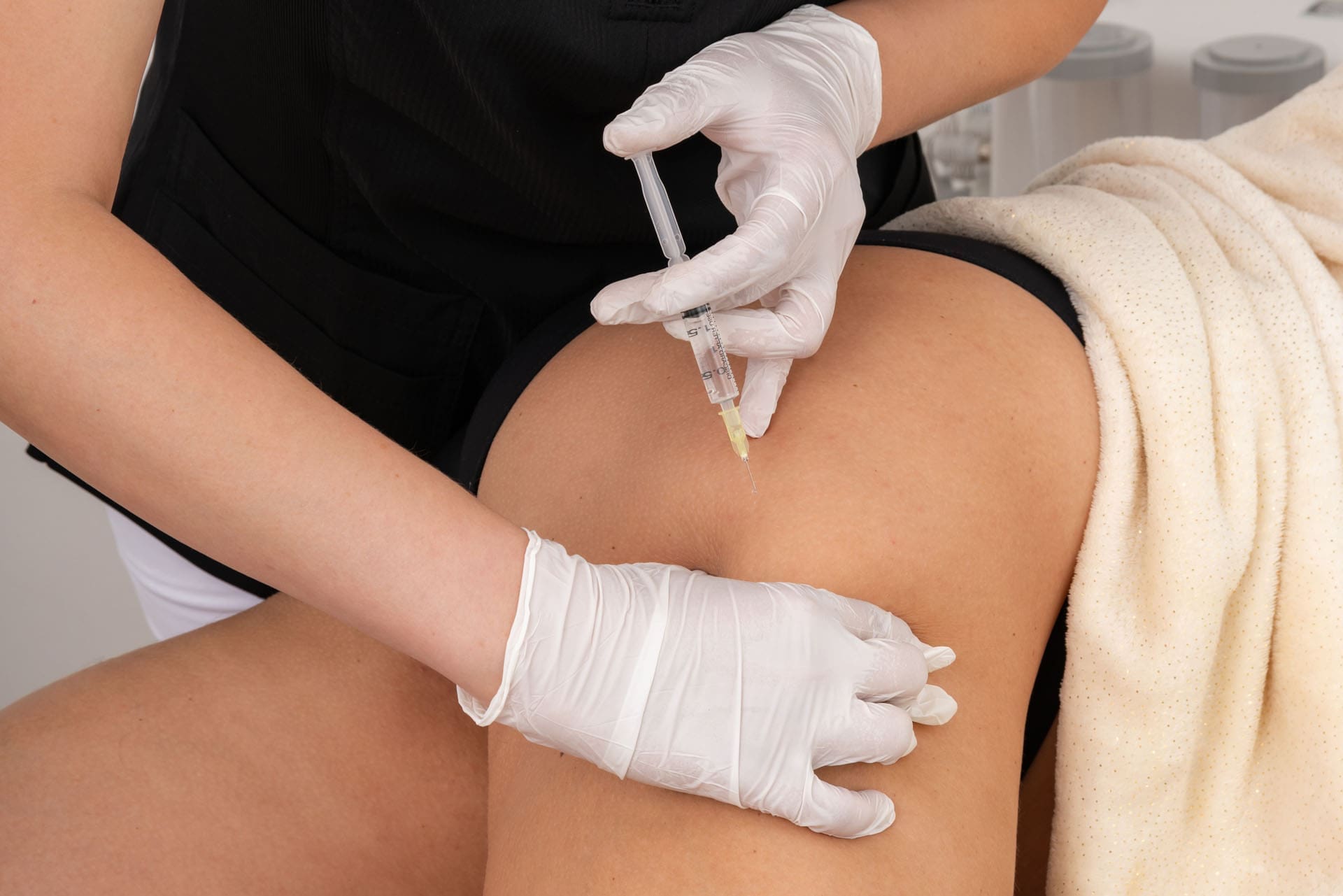
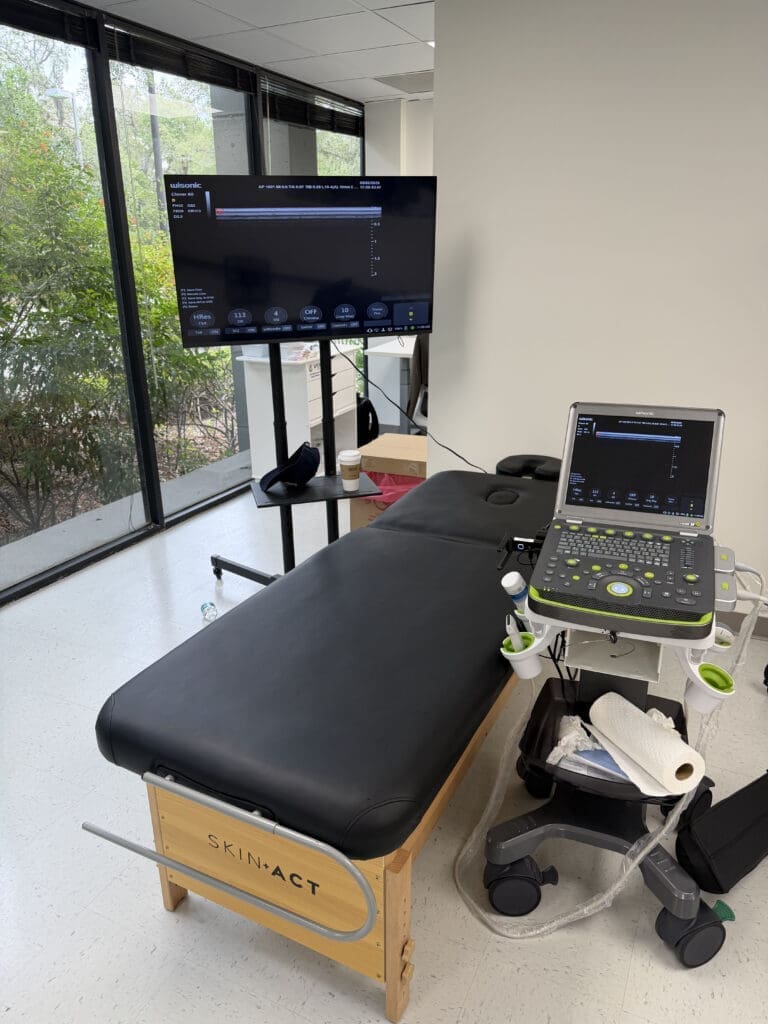
Ultrasound-Guided Intra-Articular Hip Injection: My Step-by-Step Approach
Ultrasound-Guided PRP for Hip Impingement and Pain

I prepare the field meticulously to optimize safety and accuracy. In this case, the site had been previously anesthetized. Here is my procedural flow:

  • Probe orientation and target confirmation
    • I align the probe to obtain a crisp perpendicular view of the femoral head and acetabular rim.
    • I scan medially to visualize the femoral artery pulsation and mark it mentally as a no-go zone.
    • I scan laterally to refine the entry trajectory.
  • Needle selection and admixture
    • For the PRP and PPC mixture, I used a 23-gauge needle, which balances control and flow.
    • If using PPC alone, I prefer a 21-gauge needle because of its higher viscosity.
    • I ensure that I purge all air from the system to prevent echogenic artifacts and reduce the risk of microembolism.
  • Skin entry and path
    • I mark the skin entry point relative to the probe’s focal dot and anesthetize the tract if necessary.
    • I advance the needle under real-time ultrasound, steepening the angle as needed to reach the intra-articular space.
    • I watch the needle tip continuously to avoid drifting into soft tissues or the capsule.
  • Confirmation and injection
    • I verify that the tip is within the joint by observing free flow and the characteristic spread of fluid within the intra-articular space.
    • If the patient reports sharp pain or resistance, I reassess. Pain with difficult flow usually indicates extra-articular placement or capsular distension.
    • In this case, I observed beautiful intra-articular fill with smooth flow and only momentary soreness—consistent with capsular sensation, not malplacement.
  • Post-injection observation
    • I confirm that there is no abnormal fluid pooling in the soft tissue planes.
    • I re-evaluate hip motion and advise immediate post-procedure precautions.

Why Ultrasound Guidance Improves Outcomes

I prefer ultrasound guidance for hip injections due to several advantages:

  • Real-time visualization of soft tissues, vasculature, and needle tip enhances accuracy.
  • It avoids ionizing radiation compared to fluoroscopy, while still allowing fluoroscopic confirmation if clinically indicated.
  • It provides immediate feedback on fluid dynamics, enabling correction if flow becomes resistant.
  • It helps differentiate capsular versus intra-articular spread by observing the compartmental fill pattern.

Clinical Observations from Practice: What I See in Dancers

In my clinical work at ChiroMed El Paso and through ongoing professional engagement, I consistently observe patterns in hypermobile dancers:

  • End-range pain correlates with capsular strain and labral edge irritation. The clicking often reflects transient hip micro-translation and synovial fold movement rather than a catastrophic tear.
  • PRP + PPC injections provide symptom relief when combined with stability training. Pain reduction permits neuromuscular retraining without guarding.
  • Neuromuscular control improves when we re-establish proximal stability—specifically, core-to-hip coupling and posterior chain integration.
  • Load management is crucial. We taper high-impact landings and deep turnout until proprioception and strength normalize.
  • Tissue tolerance builds over weeks, aligning with biologic timelines of fibrin scaffold maturation and collagen remodeling.

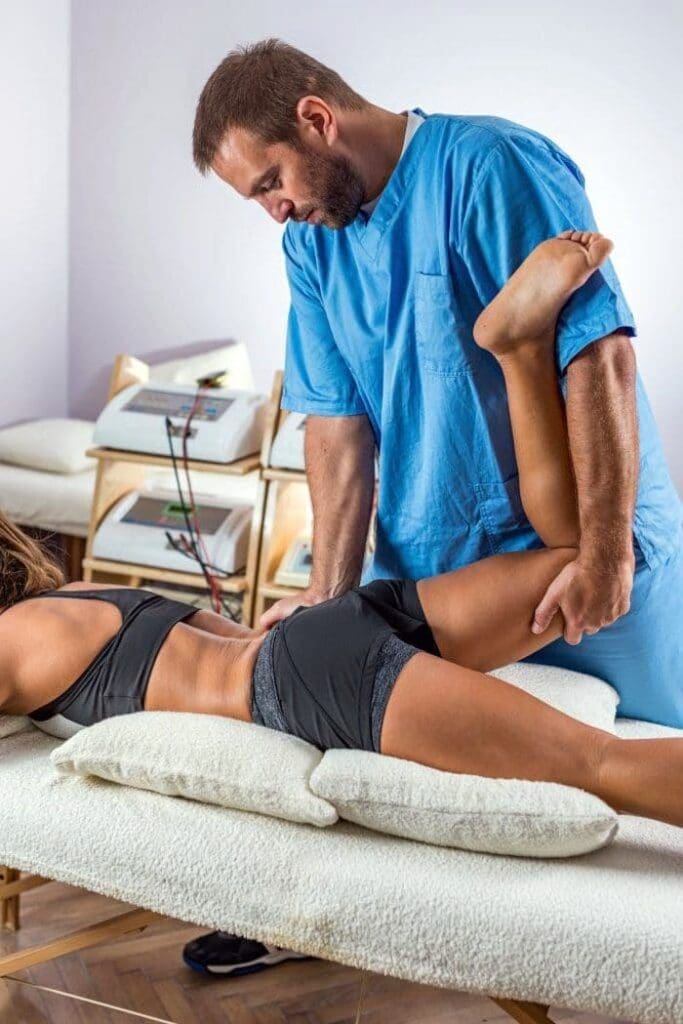
Integrative Chiropractic Care: Building Stability Around a Healing Joint

Biologics set the stage, but integrative chiropractic care consolidates gains by restoring mechanics and stability:

  • Spine-pelvis-hip alignment
    • I assess and, when indicated, perform gentle, targeted adjustments to optimize lumbopelvic alignment. Subtle sacroiliac asymmetries or lumbar facet restrictions can bias hip positions and increase anterior rim loading.
    • Adjustments aim to normalize arthrokinematics, reduce guarding, and improve motor patterning.
  • Neuromuscular re-education
    • We focus on gluteus medius/minimus activation, deep external rotators, and hip flexor control.
    • I use closed-chain drills that emphasize co-contraction and joint centration. Examples include short-range isometric abductions, hip airplane variations, and band-resisted pivots that teach the femoral head to stay centrally seated.
  • Fascial and soft-tissue work
    • We address thoracolumbar fascia, iliotibial band, tensor fasciae latae, and adductor complex with instrument-assisted techniques and myofascial release to normalize tension gradients.
    • Guided breathwork and pelvic floor engagement help stabilize intra-abdominal pressure, supporting hip mechanics.
  • Motor control across ranges
    • Hypermobility requires control at the edges. We train eccentric control into safe ranges, gradually expanding to performance ranges, so the dancer can achieve turnout and extension without shear.
  • Load progression
    • We reintroduce impact and complex choreography only after baseline stability and pain thresholds are achieved.

The Physiology of PRP Action Within the Hip Joint

When PRP is injected intra-articularly:

  • Platelet activation triggers the release of alpha granule contents: PDGF stimulates fibroblast proliferation and collagen synthesis; TGF-β modulates matrix production and immune response; VEGF enhances angiogenesis, supporting nutrient delivery to peri-labral tissues.
  • PPC-derived fibrin provides a temporary matrix that retains cytokines within the joint, enabling sustained paracrine effects and shielding tissues from excessive protease activity.
  • Macrophage polarization may shift toward an M2, pro-resolving phenotype, simplifying the inflammatory milieu and facilitating repair.
  • Over weeks, fibrochondrocytes within the labral tissue respond to improved signaling by stabilizing the chondrolabral junction, potentially reducing micro-translation-induced pain.

Device and Technique Considerations: Needle Gauge and Viscosity

I deliberately choose needle gauge based on fluid properties:

  • 23-gauge for the PRP + PPC admixture. The slight dilution from PRP allows smoother flow without excessive injection force, minimizing tissue trauma.
  • 21-gauge for PPC alone, accounting for higher viscosity.
  • Maintaining a slow, controlled injection reduces capsular stretch pain and ensures proper intra-articular distribution.

Volume Matters: Why the Hip Prefers Concentration Over Quantity

The hip joint capsule is less forgiving to volume than the knee:

  • Capsular mechanoreceptors respond to distension with pain and guarding.
  • Excess volume risks pushing fluid extra-articularly or creating pressure that biases the femoral head position.
  • Concentrated PRP maintains a high therapeutic payload while respecting capsular pressure limits.

Safety Pearls: Confirming Intra-Articular Placement

To ensure the injection is intra-articular:

  • I look for easy flow without undue resistance.
  • I observe characteristic spread within the joint space on ultrasound rather than diffusion into surrounding soft tissue.
  • If pain spikes and flow stalls, I halt and reassess needle position before proceeding.

Chiropractic Integration with Functional Medicine: Addressing the Whole Athlete

Beyond biomechanics, I integrate functional medicine to support recovery:

  • Inflammation modulation: A diet emphasizing omega-3 fatty acids, polyphenol-rich produce, and minimizing refined sugars can reduce systemic inflammatory tone that exacerbates joint pain.
  • Micronutrients for matrix health: Adequate vitamin C, collagen peptides, zinc, and magnesium support collagen crosslinking and neuromuscular function.
  • Sleep and stress: Optimizing sleep architecture and stress regulation aids growth factor signaling and tissue repair.
  • Hormonal considerations: In female athletes, cyclic variations in laxity can influence training loads; we adjust plans accordingly.

Rehab Timeline and Return-to-Dance Strategy

I counsel dancers on realistic timelines:

  • Week 0–1: Quiet the joint. Relative rest, protected range, gentle isometrics, and pain modulation.
  • Week 2–4: Progressive neuromuscular training and closed-chain stability. Begin with low-impact dance-specific drills that emphasize alignment and control.
  • Week 4–8: Expand ranges and introduce eccentric loading and dynamic balance. Light choreography with restrictions on deep turnout and extreme hip extension.
  • Week 8–12: Gradual return to full repertoire, monitoring for end-range pain or clicking. Maintain stability work as a foundation.

This pacing aligns with PRP’s biologic window—initial inflammatory modulation, proliferative signaling, and early remodeling—while respecting tissue recovery.

When to Consider Imaging or Alternative Interventions

If pain persists despite biologics and integrative rehab:

  • Advanced imaging (MRI arthrogram) may identify occult labral tears, cartilage defects, or capsular redundancy, which may require different strategies.
  • Peri-tendinous PRP or periacetabular injections may help if extra-articular pain generators (e.g., iliopsoas tendinopathy) are present.
  • Surgical consultation is reserved for cases with mechanical locking or structural impediments not responsive to conservative care.

Case Reflection: Why This Approach Works for Hypermobility

For hypermobile dancers, the combo of PRP + PPC and integrative chiropractic care is synergistic:

  • Biologic repair reduces irritability and strengthens the capsulolabral complex.
  • Neuromuscular control prevents recurrence by holding the femoral head in an optimally centered position during high-demand moves.
  • Load management respects the hip’s tolerance while capacity builds.

The result is not just pain relief, but a renewed ability to perform with confidence at end ranges—safely.

Key Takeaways

  • PRP + PPC is a potent, joint-friendly biologic option for hip microinstability and capsulolabral irritation.
  • Ultrasound guidance ensures accurate, safe intra-articular delivery.
  • The hip’s lower volume tolerance necessitates concentrated injections and careful technique.
  • Integrative chiropractic care, neuromuscular re-education, and functional medicine create a comprehensive framework for durable outcomes.
  • Dancers with hypermobility benefit from stability-first training to control end ranges without pain or clicking.

References

Evidence-Based Chiropractic and Hormone Care

Evidence-Based Chiropractic and Hormone Care

Evidence-Based Chiropractic and Hormone Care

Abstract

As Dr. Alexander Jimenez, DC, APRN, FNP-BC, CFMP, IFMCP, ATN, CCST, I share a first-person, evidence-based roadmap for building a high-performance integrative practice that merges modern clinical protocols with disciplined operations. I explain why business systems determine clinical success, how standardized protocols protect safety and outcomes, and how telehealth, lab monitoring, and integrative chiropractic care fit seamlessly into cardiometabolic, neuroendocrine, and musculoskeletal treatment plans. Drawing on leading research and my clinical observations, I guide you through the patient journey, from screening and labs to focused consultation, same-day initiation, and scheduled follow-ups at 4–5 weeks and every 3 months. I detail the underlying physiology—including inflammation, autonomic balance, mitochondrial health, and hormone signaling—and explain why each technique and protocol is used. This educational post is designed to be read, applied, and lived in your practice, harmonizing excellent medicine with reliable operations to create sustainable, patient-centered outcomes.


My Why: Purpose-Driven Care That Aligns Medicine and Operations

I love medicine, and I respect systems. Passion without process leads to frustration, inconsistent outcomes, and preventable drop-off. Over the past decade, I have helped practices stabilize growth by aligning clinical excellence with operational fidelity. When the system supports the clinician, the clinician can focus on care, and patients feel the difference.

  • Ethical fidelity: Standardized, evidence-based protocols create reproducible outcomes and regulatory defensibility.
  • Patient-centered design: Operational choices must reduce burden—less pain, fewer complications, clearer education, faster resolution.
  • Systematic measurement: We track pain scores, functional metrics, HRV, lab trends (e.g., ApoB, HbA1c), and sleep quality to confirm that protocols produce physiologic improvements.

Why this matters physiologically:

  • Consistent dosing and precise technique reduce variability in tissue trauma, receptor signaling, and pharmacokinetics—lowering adverse events and improving therapeutic windows.
  • Standardized education increases adherence, sustaining biochemical and neuromechanical adaptations over time (e.g., steady-state hormone delivery, neuromuscular reconditioning).

The Patient Journey: A Structured Flow That Protects Outcomes

A predictable, high-fidelity patient journey transforms ideas into durable outcomes. In my practice, we document the flow from discovery to long-term follow-up, and then we personalize within that structure.

  • Initial screening for symptoms and risk factors
  • Baseline labs guided by screening and phenotype
  • Focused consultation linking symptoms to labs
  • Same-day initiation when appropriate
  • Follow-up at 4–5 weeks with repeat labs and symptom review
  • Quarterly care rhythm every 3 months, adjusting therapy based on data

Why each step matters:

  • Screening identifies endocrine, autonomic, inflammatory, and metabolic signals that connect to patient complaints.
  • Labs quantify physiology and guide safe dosing and personalization.
  • Focused consultations reduce decision fatigue and accelerate engagement.
  • Early initiation builds momentum and stabilizes signaling loops.
  • 4–5 week check-ins catch outliers and prevent maladaptive patterns.
  • Quarterly rhythm respects tissue remodeling timelines and delivery-method lifespans.

Physiologic foundation:


Evidence-Guided Lab Monitoring: Turning Data Into Decisions

I build lab panels around the patient’s goals—cardiometabolic health, cognition, hormonal balance, and inflammation control—and tie lab cadence to telehealth to improve transparency and adherence.

Core labs:

  • CBC, CMP, fasting glucose, insulin (HOMA-IR), HbA1c
  • Lipid panel plus ApoB and Lp(a)
  • hs-CRP for inflammation
  • TSH, free T4/T3 (plus reverse T3 if indicated)
  • Vitamin D, B12/folate, ferritin/iron studies when indicated

Phenotype-specific labs:

  • Sex hormones (total/free testosterone, estradiol, progesterone, SHBG, LH/FSH, prolactin), DHEA-S
  • Timed cortisol for stress mapping

Why this matters:

Communication strategy:

  • Translate numbers into outcomes: “Your ApoB decreased from 110 to 80, reducing exposure of atherogenic particles to the arterial wall.”
  • Show trend lines, not snapshots, and link labs to functional changes (sleep, HRV, strength, pain scores).

Integrative Chiropractic Care: The Neuroendocrine and Autonomic Bridge

Integrative chiropractic care fits naturally within endocrine and metabolic protocols by optimizing neuromechanics, autonomic balance, and movement efficiency. I unify hands-on care, corrective exercise, and metabolic support to address structure and chemistry together.

Mechanisms:

Practical integration:

  • Pair hormone titration with spinal assessments, soft-tissue release, corrective exercises, and breathwork.
  • Use HRV, pain scales, ROM, and strength metrics to measure progress.

Clinical observations from my practice:

  • Patients undergoing endocrine optimization achieved steadier energy levels, fewer pain flares, and greater exercise adherence when paired with integrative chiropractic protocols. This synergy—stable movement plus stable biochemistry—produces sustainable function. Explore case insights at https://chiromed.com/ and https://www.linkedin.com/in/dralexjimenez/.

Focused Consultation: Clarity Over Complexity

Patients ask, “Can you help me today?” I design first visits to be clear, concise, and decision-oriented. A strong consult connects symptoms to labs, outlines options, and initiates care when safe.

Why we limit length:

Consult structure:

  • What is happening physiologically?
  • What are the options and safety considerations?
  • What can we initiate today?

Same-day initiation:

  • When clinically appropriate, early engagement stabilizes nociceptive, autonomic, and endocrine signals, accelerating symptom relief and retention.

The 4–5 Week Follow-Up: The Retention Keystone

I never skip the 4–5 week visit. It validates progress, tunes dosing, and reinforces the plan. Practices that cut this checkpoint see declines in retention and outcomes because outliers go undetected, and patient confidence erodes.

We review:

  • Repeat labs to confirm trajectories and identify rapid metabolizers or unexpected binding changes.
  • Symptom checklists to compare baseline to current.
  • Protocol adjustments: dose changes, route changes, supportive therapy refinement.
  • Education: targeted updates to avoid option overload.
  • Scheduling: the next visit plus interim telehealth channels.

Physiologic rationale:

  • The endocrine system adapts over weeks; early data allow precise titration before maladaptive patterns set in.
  • Autonomic and inflammatory systems respond to consistent touchpoints; this visit sustains momentum in neurobehavioral change.

Telehealth and Digital Check-Ins: Access, Adherence, and Revenue Stability

Modern patients expect quick answers and frictionless access. I embed telehealth into follow-ups, lab reviews, and coaching to maintain momentum between hands-on visits. One structured telehealth visit per day can stabilize revenue while expanding access.

Protocol:

  • Onboarding call within 72 hours of start
  • Short telehealth visits at weeks 2, 4, 8, and 12 to adjust care
  • Secure messaging for safety and efficacy questions
  • Automated reminders for labs and renewals

Evidence:

Communication anchors:

  • Always address “Is it safe?”, “Is it effective? and “How will we measure progress?” Link to mechanisms, published outcomes, and clear monitoring plans.

Standardized Protocols: Dosing, Technique, and Safety

Protocol integrity is our ethical and clinical anchor. Deviations—arbitrary dosing changes, skipped steps, improvisation—raise complication rates and scatter outcomes. I commit to standardized dosing and practiced technique.

Why standardized dosing matters:

  • Pharmacokinetics: Controlled, slow rise in serum levels reduces peak-related adverse effects while maintaining therapeutic steady state.
  • Tissue integrity: Precise placement minimizes trauma, reducing bruising, hematomas, and scar tissue—thereby improving local microcirculation and absorption.
  • Endocrine rhythm: Predictable delivery harmonizes with receptor regulation and feedback loops, reducing volatility.

Procedure comfort:

  • Pain-free, bruise-free experiences strengthen therapeutic alliance and adherence—particularly among men who may opt out after a painful first procedure.

Documentation and defensibility:

  • Procedural consistency builds an evidence trail—dosing decisions, technique notes, and patient education—that demonstrates a standard of care and protects patients and clinicians alike.

Business Systems: From Purpose to Measurement

High-fidelity care depends on reliable operations. I install a minimum viable operating system over 30 days to synchronize purpose, patient flow, roles, scripts, and telehealth.

Week 1: Purpose and pathway

  • Finalize your why
  • Map the patient journey from intake to 24-week review
  • Choose initial lab panels and structural assessments

Week 2: Roles, scripts, and telehealth

  • Assign responsibilities for labs, scheduling, messaging, and telehealth
  • Script top 10 patient FAQs about safety and efficacy
  • Set telehealth cadence and automate reminders

Week 3: Training and launch

  • Team role-play on handoffs and lab reviews
  • Launch with 10–15 pilot patients in a defined cohort (e.g., back pain with metabolic risk)

Week 4: Review and iterate

  • Review completion rates, labs returned, PROMs, and no-shows
  • Address bottlenecks and refine scripts and templates

Metrics and dashboards:

  • Weekly report of new starts, lab completion rate, no-shows, 30-day adherence, and PROMs (pain, sleep, function)
  • Outcome dashboards published internally to celebrate wins and iterate on misses

Retention over acquisition:

  • Retaining and re-engaging existing patients is more cost-effective than acquiring new ones (Reichheld & Sasser, 1990; Gupta & Lehmann, 2003; Kumar & Reinartz, 2016). Educate current patients with targeted, automated messages and micro-videos; conversion rises when trust and clinical context already exist.

Pricing, Insurance, and Patient Psychology: Clear Framing for Ethical Conversion

Patients often ask, “Do you take insurance?” or “How much is the procedure?” I anchor the conversation in health goals first, then offer transparent pricing and tiered coverage. Translating totals into daily equivalents (e.g., $2–$3/day) reduces cognitive load and aligns decisions with long-term outcomes.

Options patients appreciate:

  • Pay-as-you-go
  • Membership models for predictable monthly costs
  • Package bundles for goal-oriented care phases

Behavioral rationale:

  • Simple, goal-aligned choices reduce decision fatigue and increase follow-through (Tversky & Kahneman, 1991; Deci & Ryan, 2000).

Clinical alignment:

  • Pricing reflects clinical phases—acute relief, stabilization, functional restoration, maintenance—and the multidisciplinary touchpoints required to optimize outcomes (Bialosky et al., 2009; Fritz et al., 2015).

Physiologic Underpinnings: Why Integration Works

The success of integrative care lies in synchronized physiology:


Clinical Observations: What I See in Practice

Across clinics I’ve supported, and in my own work, patterns repeat:

  • When teams document and rehearse their process, conversion and adherence rise; patients feel cared for and informed.
  • Integrative chiropractic care combined with metabolic and neuroendocrine support reduces pain more quickly and sustains function longer; patients report improved sleep and energy, reflecting autonomic rebalancing and reduced inflammatory load.
  • Proactive lab monitoring changes the conversation from “I feel a little better” to “Your ApoB decreased, grip strength improved, sleep consolidated, and pain is down 40%”—an evidence-based culture that builds confidence and referrals.

Visit https://chiromed.com/ and https://www.linkedin.com/in/dralexjimenez/ for ongoing case reflections and outcome tracking.


Actionable Scripts: Speaking to Suffering Rather Than Selling

I teach teams to speak in terms of suffering and relief:

  • “We can help you today.”
  • “We will review labs in 4–5 weeks and adjust.”
  • “You did not become unwell overnight; we will pace the process to fit your life.”

This language is ethical, practical, and patient-centered. We diagnose and treat a physiologic pattern with a structured plan—never a product pitch.


Goals and Reputation: What You Want to Be Known For

Reputation is the lagging indicator of thousands of small, consistent actions:

  • Follow-up calls made
  • Labs explained clearly
  • Adjustments delivered with precision
  • Exercise progressions coached with empathy

Write down your 1–3 year goals:

  • Patient volume: 5–10 new proactive patients per week
  • Telehealth adoption: ≥80% of proactive follow-ups via telehealth
  • Outcome targets: Median ApoB <80 mg/dL where clinically appropriate; average pain score reduction ≥30% in 12 weeks; sleep efficiency improvement ≥10%
  • Training cadence: Quarterly workflow refreshers; monthly case reviews
  • Community engagement: Education posts, referral outreach, and outcome summaries

Putting It All Together: A Sample Integrative Care Plan

For a patient presenting with back pain, fatigue, and mood variability:

  • Screening
    • Symptom checklist: sleep, mood, pain severity, androgen/menstrual symptoms, recovery capacity, cognitive changes
    • Identify red flags requiring immediate medical workup
  • Labs
    • Thyroid panel (TSH, free T4/T3), sex hormones (estradiol/progesterone/testosterone by age and sex), SHBG, DHEA-S
    • Inflammation (hs-CRP), nutrient status (vitamin D, ferritin), metabolic markers (glucose, insulin, A1c, lipid profile plus ApoB, Lp(a))
  • First consultation (≈30 minutes)
    • Map symptoms to labs: e.g., low estradiol with increased pain sensitivity and sleep disruption; elevated cortisol with fatigue and mood swings
    • Present the plan: initiate endocrine therapy if indicated, launch autonomic downshift strategies, and begin integrative chiropractic care
    • Schedule 4–5 week follow-up with repeat labs
  • Same-day intervention
    • Begin therapy when safe; provide a written action plan to reduce cognitive load
  • 4–5 week follow-up
    • Re-run key labs; re-check symptom scores
    • Adjust dosing and refine the movement plan
    • Reinforce sleep and recovery protocols
  • Quarterly rhythm
    • Reassess labs and symptoms every 3 months
    • Progress exercise intensity and complexity as endocrine signals stabilize
    • Maintain telehealth and digital check-ins

Why this plan works:

  • Aligns objective data with subjective experience
  • Synchronizes systemic (endocrine) and local (biomechanical) care
  • Maintains accountability through scheduled checkpoints and clear communication

Closing Encouragement: High-Fidelity Care You Can Implement Now

You are on the home stretch if your clinic has invested in training. Join hands with your staff and practice development specialist to keep clinicians focused on medicine while operations keep the system humming. The work you do can reduce cardiovascular risk, mitigate pain, and protect cognitive health. Patients want to feel happy, healthy, and joyful—outcomes that emerge when structure, chemistry, and behavior align within a reliable system.

Let’s build clinics worthy of our patients’ trust—where excellent medicine meets disciplined operations, and where integrative chiropractic care plays its full, evidence-based role in restoring function and vitality.


References

Hormone Balance, Iron Health, and Contraceptive Care

Hormone Balance, Iron Health, and Contraceptive Care

Hormone Balance, Iron Health, and Contraceptive Care

Abstract

As a clinician blending chiropractic, functional medicine, and advanced nursing practice, I see how hormone physiology, micronutrients, and systems biology converge to shape health, recovery, and resilience. In this educational post, I walk you through practical, evidence-informed strategies for evaluating iron deficiency and ferritin; interpreting cortisol and thyroid dynamics; selecting and titrating progesterone, estrogen, and testosterone in complex scenarios (PCOS, IUD selection, male fertility and TRT rebound, TIA and stroke risk considerations, endometriosis, and menopause); and understanding the nuanced oncology context around DCIS and hormone receptors. I also explain how integrative chiropractic care fits into these plans by balancing the nervous and hormone systems, improving body functions, and supporting health through hands-on therapy, exercise, sleep, and diet. Throughout, I present current literature from leading researchers and add real-world observations from my practice (DC, APRN, FNP-BC, CFMP, IFMCP, ATN, CCST) to help you translate physiology into precise, patient-centered care.

Foundations Of Identity In Care Planning And Clinical Context

  • Why this matters: Many patients navigate multiple identities—athlete and parent, caregiver and executive, patient and advocate. Clinically, multiple identities often map onto competing physiological stresses: sleep compression, high allostatic load, and variable patterns of nutrition and movement. Recognizing these factors is the first step in aligning care with lived realities.
  • Integrative chiropractic fit: In my clinic, identity-informed care plans build adherence. When I address spine and fascial mechanics and autonomic balance with targeted manual therapy, patients experience immediate relief that reinforces engagement with longer-term hormonal and nutritional strategies. Clinically, I see better follow-through on lab timing, supplement dosing, and structured movement when the body feels aligned and capable.

Iron Physiology, Ferritin, And Root-Cause Mapping

Understanding iron requires separating storage, transport, and utilization:

  • Key biomarkers:
    • Serum ferritin: a proxy for iron stores but an acute-phase reactant—elevates with inflammation (hepcidin-mediated sequestration).
    • Serum iron and transferrin/TIBC: reflect circulating iron and binding capacity.
    • Transferrin saturation (%): often the most useful single index with ferritin.
    • Reticulocyte hemoglobin (CHr) and soluble transferrin receptor (sTfR): help distinguish true deficiency from anemia of inflammation.

Physiology in brief:

  • The liver peptide hepcidin governs iron absorption and release from macrophages. Inflammation increases hepcidin, lowering absorption and locking iron in stores—low iron availability with normal/high ferritin.
  • True iron deficiency presents with low ferritin, low iron, high TIBC, and low transferrin saturation. Anemia of chronic inflammation shows low iron, low/normal TIBC, and normal/high ferritin.

Why patients stay iron-deficient:

  • Decreased intake or high phytate/polyphenol diets limit absorption.
  • Malabsorption: hypochlorhydria, celiac spectrum, SIBO, gastric bypass.
  • Losses: heavy menses, GI blood loss, frequent phlebotomy, and endurance training.
  • Special populations: neonates can experience early postnatal physiologic shifts; in adults, postpartum, post-surgery, and endurance athletes require tailored screening.

Clinical approach I use:

  • Map the cause: hydration status, GI absorption, occult bleeding (including fecal immunochemical testing), menstrual history, PPI use, celiac panel if indicated, and inflammatory markers (CRP, ESR).
  • Replace iron physiologically: I favor alternate-day oral iron to align with hepcidin’s diurnal rhythm and reduce GI side effects, supported by recent randomized trials showing improved absorption with every-other-day dosing (Stoffel et al., 2017). Using ferrous bisglycinate or heme iron polypeptide can enhance tolerance.
  • Repletion targets: Bring ferritin to symptom-relief thresholds (often 50–100 ng/mL for fatigue and hair loss), then sustain. Monitor hemoglobin, ferritin, and transferrin saturation every 8–12 weeks during repletion.

Integrative chiropractic fit:

  • Manual therapies that improve thoracic mobility and diaphragmatic excursion enhance vagal tone and GI perfusion, supporting absorption. Coaching on timing iron away from calcium and with vitamin C-rich foods further increases uptake. I often see faster symptom improvement when we combine postural breathing retraining and gentle aerobic conditioning with iron repletion.

Hormonal IUDs, Progestin Families, And Thrombotic Risk

Not all progestins are the same. Families differ in androgenicity and thrombotic risk:

  • Levonorgestrel (Mirena and similar): primarily a local uterine effect with low systemic levels; robust evidence supports low VTE risk compared with systemic progestins (ACOG, 2022).
  • Norethindrone: different side-effect profile and hepatic metabolism from progesterone; systemic exposure carries VTE risk similar to combined oral contraceptives when used in combination with estrogen.
  • Biologic progesterone (micronized) differs from synthetic progestins in receptor activity and in metabolites (e.g., allopregnanolone), which influence mood and sedation.

Why are Levonorgestrel IUDs often well tolerated?

  • The local endometrial action results in reduced systemic exposure, decreased bleeding, and endometrial protection, with a favorable safety profile. This is one reason neurosurgical and periprocedural contexts prefer local or targeted effects when feasible—namely, to reduce systemic adverse events.

Integrative chiropractic fit:

  • Pelvic floor integration matters. I routinely coordinate pelvic floor assessment and diaphragmatic mechanics with IUD choice. Improved lumbopelvic control and reduced sympathetic arousal can decrease cramping and improve IUD tolerance.

Progesterone Strategy In Sensitive Patients And PCOS Contexts

Clinical problem: Some patients with PCOS or HPA dysregulation report mood lability with oral progesterone.

Physiology:

  • Oral micronized progesterone converts to allopregnanolone, a positive allosteric modulator of GABA-A receptors. In most, this is anxiolytic; in a sensitive minority, neurosteroid fluctuations can provoke dysphoria.
  • Sublingual and transdermal routes bypass some first-pass metabolism, altering metabolite profiles and CNS effects.

My approach:

  • Start with a low-dose oral micronized progesterone (e.g., 100 mg qHS) to promote sleep and provide endometrial protection. If not tolerated:
    • Switch to a sublingual troche at half the equivalent oral dose (sublingual tends to achieve higher bioavailability; clinically, 100 mg sublingual can approximate 200 mg oral).
    • Quartering a 200 mg troche yields ~50 mg sublingual aliquots for fine titration.
  • Why this works: By modulating route and dose, we can smooth neurosteroid peaks, reduce daytime sedation, and maintain endometrial safety when used with estrogen.
  • For PCOS on androgen therapy: Balance is critical. A small androgen signal can be synergistic for mood, energy, and libido, but carefully calibrate it with estrogen and progesterone to avoid endometrial hyperplasia, acne, or dyslipidemia. Track SHBG, lipids, and insulin resistance.

Integrative chiropractic fit:

  • Autonomic stabilization through cervical-thoracic manipulation and breathing retraining reduces adrenergic drive that often amplifies progesterone sensitivity. When we address sleep quality and nocturnal bruxism with TMJ and cervical work, I see smoother adaptation to progesterone in practice.

Cortisol Testing: Salivary Profiles Versus Serum

Why measure multiple points:

  • Cortisol follows a diurnal curve: a peak within 30–45 minutes after waking (CAR) and a gradual decline throughout the day. A single AM serum cortisol measurement may miss dysregulated patterns.
  • A 4–5-point salivary cortisol series captures CAR, midday, afternoon, and evening levels—useful for sleep disturbances, burnout, and suspected HPA axis alterations (O’Connor et al., 2021).

When I choose each:

  • For pattern analysis and sleep complaints: multi-point salivary cortisol.
  • For adrenal insufficiency screening or acute illness: AM serum cortisol ± ACTH stimulation.

Integrative chiropractic fit:

  • Chiropractic care and breath-led movement can normalize autonomic balance, often flattening hyper-adrenergic spikes that correlate with evening cortisol elevations. I pair care with light-in-the-morning, dim-in-the-evening routines to reinforce circadian rhythms.

Male Fertility, Clomiphene, And TRT Rebound

In men in their 20s–30s with low testosterone who want fertility:

  • I avoid long-term estrogen receptor blockade. Short courses of clomiphene citrate (3–6 months) can increase LH/FSH levels, thereby increasing endogenous testosterone and sperm counts (Helo et al., 2017). It is not for indefinite use due to visual and mood risks and potential lipid changes.
  • Off peptides/TRT: I use timed clomiphene or enclomiphene to accelerate spermatogenesis while lifestyle and nutrition restore HPG axis tone.
  • Foundational first: For younger men, I prioritize diet quality, sleep, resistance training, weight normalization, and correcting micronutrient levels (vitamin D, B-complex, zinc, magnesium). I frequently see total testosterone rise from low 300s into 700–800 ng/dL over 6–9 months with lifestyle adherence.

Integrative chiropractic fit:

  • Restoring thoracic mobility and rib mechanics improves breathing efficiency and training capacity; correcting lumbopelvic mechanics reduces systemic inflammation from overuse. The autonomic shift toward parasympathetic tone deepens sleep, which is crucial for nocturnal gonadal hormone secretion.

DCIS, Hormone Receptors, And Personalized Risk-Benefit

Terminology and nuance:

  • Ductal carcinoma in situ (DCIS) is a noninvasive neoplastic process confined to the ducts. While often called “stage 0 breast cancer,” it lacks stromal invasion; management varies widely.
  • Receptor positivity (ER, PR, AR) indicates ligand-responsive pathways. Receptors are normal cellular features; their presence does not inherently mandate systemic suppression in all contexts.

Standard-of-care realities:

  • Many oncology pathways default to anti-estrogen strategies (e.g., tamoxifen) in receptor-positive lesions. My stance: align with oncology for invasive disease or recent treatment, but individualize for remote history or post-mastectomy scenarios, considering symptom burden and quality-of-life outcomes (Early Breast Cancer Trialists’ Collaborative Group, 2011; Cuzick et al., 2011).

Clinical reasoning:

  • In a patient decades post-bilateral mastectomy with no residual breast tissue, the theoretical tissue-specific risk is different from that of a patient 6 months post-lumpectomy still on adjuvant therapy. I weigh the systemic benefits of estrogen (bone, vasomotor stability, cognition, urogenital health) against realistic tissue risks, use shared decision-making, and document this via informed consent.

Integrative chiropractic fit:

  • Many of these patients struggle with pain, sleep disruption, and deconditioning. Postural restoration, scar mobility work, and gentle strengthening reduce sympathetic load, allowing lower-dose hormone regimens to achieve symptom control.

TIA, Stroke Risk, And Sex Hormones

Historical concern has linked estrogen to stroke risk, particularly in oral forms and in older trials with higher doses started late after menopause. The modern view:

  • Route matters: Transdermal estradiol has a more favorable thrombotic profile than oral estradiol because it bypasses first-pass hepatic effects on clotting factors (Canonico et al., 2016).
  • Testosterone does not require routine discontinuation after TIA in carefully selected women and men; the focus is on global vascular risk management (blood pressure, glycemic load, sleep apnea, hematocrit monitoring in men on TRT).
  • In patients who received pellet therapy near a TIA event, I evaluate vascular risks comprehensively. Anecdotally and mechanistically, sustained androgen levels do not necessarily precipitate cerebrovascular events; confounding factors (dehydration, arrhythmia, migraine with aura, hypercoagulable states) must be assessed.

Why integrative care helps:

  • Cervical and upper thoracic biomechanical dysfunction can aggravate headaches and sympathetic tone. By improving cervical proprioception, rib mechanics, and breathing patterns, I observe reduced migraine frequency and better control of blood pressure variability, which complements hormone prudence.

Immediate-Release Versus Extended-Release In Symptom Relief

In my practice, I often choose immediate-release formulations when seeking neurosensory benefits (e.g., anxiolysis, sleep initiation) from agents with CNS effects because:

  • Faster onset can more directly target symptom windows (e.g., bedtime).
  • It allows finer titration and identification of dose-response relationships.

When I choose extended-release:

  • For hormones or agents where steady state is crucial to avoid peaks/valleys, or when side effects are dose-peak-related. Personalization is key.

Endometriosis And Menopause: Progesterone Essentials

Key principles:

  • In menopausal women with a history of endometriosis on estrogen therapy, I favor co-prescribing progesterone even without a uterus. Rationale: ectopic endometrial implants may persist extrauterine and remain hormonally responsive. Progesterone has anti-proliferative effects on endometrial tissue and may reduce the risk of malignant transformation (Vercellini et al., 2014).

Testosterone and endometriosis:

  • Testosterone generally has neutral direct effects on endometriotic lesions; symptom modulation is more indirect (energy, libido, mood). I monitor acne, hair growth, and lipids.

Integrative chiropractic fit:

  • Pelvic and lumbosacral mechanics impact pelvic congestion and pain. Coordinated pelvic floor therapy, sacroiliac mobilization, and graded movement often reduce pain and allow lower estrogen doses with better function.

Thyroid Physiology: T4, Reverse T3, And Desiccated Thyroid

Why do some patients struggle with isolated levothyroxine?

  • T4 to T3 conversion is context-dependent: inflammation (IL-6), chronic stress (cortisol), and caloric restriction increase deiodinase 3, generating reverse T3 as a protective brake.
  • Bolus T4 dosing can, in sensitive patients, drive higher reverse T3 and leave tissues relatively hypothyroid despite normal TSH and free T4.

When I consider combination therapy:

  • If free T3 is low-normal with symptoms and reverse T3 is elevated, a trial of T3 addition or desiccated thyroid can be considered, monitoring HR, BP, and symptoms.
  • Desiccated thyroid includes T1/T2 in addition to T4/T3; while evidence is mixed, some patients report improved well-being (Hoang et al., 2013). The physiologic appeal is a more native ratio of iodothyronines.

Dosing logic:

  • Keep total T3 exposure rational (avoid overtreatment). Many patients do well at conservative desiccated doses (e.g., 60–120 mg with split dosing) or modest liothyronine add-on.
  • If reverse T3 is persistently high, look upstream: inflammation, gut dysbiosis, iron deficiency, sleep apnea, and medications. Raising the dose alone rarely fixes a conversion problem.

Integrative chiropractic fit:

  • By improving sleep quality and decreasing pain, we reduce cortisol and catecholamine tone that can impair peripheral conversion. I frequently pair thyroid adjustments with gut-directed nutrition, iron repletion, and aerobic conditioning to normalize deiodinase activity.

Estriol, Estradiol, And Skin Or Urogenital Targets

  • Estriol (E3) is a weaker estrogen with higher affinity for ER-beta, associated with urothelial and skin benefits and a theoretical reduced proliferative risk profile (Labrie et al., 2017).
  • On its own, estriol is often too weak for vasomotor symptoms; patients may continue to have hot flashes with estriol pellets or low-dose creams.
  • Bi-est combinations (estriol + estradiol) can increase serum estradiol; monitor for bleeding. For vulvovaginal atrophy, low-dose local estradiol or estriol is typically effective with minimal systemic absorption.

Integrative chiropractic fit:

  • Postural improvement, hip mobility, and pelvic floor coordination augment local tissue perfusion and sexual function. Patients often need lower topical doses when musculoskeletal contributors are addressed.

TRT In Men: Hematocrit, Estradiol, And Practical Monitoring

For men on testosterone injections who feel great but develop high hematocrit:

  • Tactics include dose and interval adjustments, switching to transdermal forms, therapeutic phlebotomy if indicated, and addressing sleep apnea, hydration, and iron stores.
  • I monitor hematocrit, estradiol, SHBG, PSA, lipids, and blood pressure. Aromatization to estradiol can be beneficial for bone and mood; I avoid reflexive overuse of aromatase inhibitors and instead optimize dose and lifestyle.

Integrative chiropractic fit:

  • Correcting thoracic outlet and rib mechanics can support breathing and reduce sleep apnea severity alongside weight loss—a key driver of safer TRT hematology.

Gut-First When Thyroid Therapy “Should Work” But Doesn’t

When free T3 is approaching the target (e.g., 4.0+ pg/mL), yet patients still feel unwell:

  • I reassess gut health: dysbiosis, SIBO, post-viral inflammation, food sensitivities. The gut-liver axis modulates thyroid hormone metabolism and immune cross-talk, particularly in Hashimoto’s.
  • I commonly see symptom breakthroughs after:
    • Eliminating trigger foods (gluten in celiac spectrum; individualized otherwise),
    • Repleting selenium, zinc, iron, vitamin D, B12, and magnesium, and
    • Restoring sleep and movement rhythm.

Integrative chiropractic fit:

  • Vagal stimulation through breathing and thoracic mobilization, coupled with graded walking and core stability, improves motility and lowers systemic inflammatory tone.

Clinical Vignettes And Observations From Practice

  • Ferritin plateaus despite oral iron: With alternating-day dosing with vitamin C, stopping concurrent calcium, checking for H. pylori and celiac markers, and adding diaphragmatic breathing drills for reflux, patients often see ferritin rise to 60–100 ng/mL within 12–16 weeks. Combining manual therapy to reduce costal margin restriction improved tolerance of iron and reduced GERD complaints in my clinic.
  • Progesterone intolerance in perimenopause: Switching from 200 mg oral nightly to 50–100 mg sublingual in divided evening doses, plus cervical release and sleep hygiene, stabilized mood and sleep within two cycles for most sensitive patients.
  • Young male with low T and fatigue: A 9-month plan emphasizing whole-food nutrition, vitamin D repletion to 40–60 ng/mL, magnesium glycinate at night, and progressive resistance training raised total testosterone from 320 ng/dL to 760 ng/dL without medications. Thoracic mobility and hip hinge training improved recovery and adherence.
  • Post-DCIS symptom burden: In a patient more than a decade post-bilateral mastectomy with severe vasomotor symptoms, a carefully titrated transdermal estradiol patch with nightly progesterone, plus scapular mobility and postural rehabilitation, improved sleep and cognition. Shared decision-making and documented informed consent were essential.

Why Integrative Chiropractic Care Amplifies Endocrine Therapies

  • Autonomic regulation: Pain and joint dysfunction heighten sympathetic tone, disrupting sleep, glucose metabolism, and thyroid hormone conversion. Manual therapy, spinal mobilization, and breathing retraining shift HRV toward parasympathetic balance, creating a biological environment in which hormones function as intended.
  • Movement economy: Efficient biomechanics reduce inflammatory signaling from microtrauma and improve insulin sensitivity, crucial for PCOS, TRT safety, and thyroid action.
  • Adherence and feedback loops: Rapid musculoskeletal relief builds trust and momentum, making it easier to sustain nutrition, sleep, and medication regimens. Clinically, I consistently see greater lab improvements when patients are engaged in both structured movement and manual care.

Practical Protocol Checklists

Iron and ferritin

  • Assess ferritin, iron, TIBC, transferrin saturation, CRP, ESR, CBC, retic Hb.
  • Identify cause: menses, GI loss, malabsorption, diet, PPI use.
  • Replace with alternate-day dosing; recheck at 8–12 weeks.
  • Add diaphragmatic breathing and gentle conditioning.

Progesterone strategies

  • Start 100–200 mg oral micronized qHS; if intolerant, consider 50–100 mg sublingual divided.
  • For estrogen users, ensure endometrial protection.
  • In the history of endometriosis, there is a continued use of estrogen and progesterone even post-hysterectomy.

Cortisol evaluation

  • Use 4–5-point salivary cortisol to assess diurnal rhythm; AM serum for insufficiency screening.
  • Implement light therapy, sleep hygiene, and autonomic-balancing manual care.

Male fertility/TRT

  • For fertility: short-course clomiphene 3–6 months with lifestyle-based.
  • On TRT: monitor hematocrit, estradiol, SHBG, PSA, BP; address sleep apnea.
  • Optimize resistance training and recovery.

Thyroid optimization

  • If reverse T3 is high and symptoms persist, investigate inflammation and gut.
  • Consider T3 add-on or desiccated thyroid with careful monitoring.
  • Support with selenium, zinc, iron, and vitamin D; improve sleep and stress load.

Estriol/estradiol

  • Use local estradiol or estriol for urogenital symptoms; monitor if combining with estradiol systemically.
  • Expect estriol alone to be too weak for hot flashes.

Closing Perspective

Modern endocrine care thrives at the intersection of precise physiology and whole-person mechanics. When we calibrate hormones thoughtfully, correct nutrient deficits, and restore movement and autonomic balance, patients experience durable improvements in energy, cognition, metabolism, and quality of life. Integrative chiropractic care is not an add-on; it is a force multiplier—aligning the nervous system and musculoskeletal frame to receive and respond to biochemical therapies. My day-to-day observations mirror the literature: when we treat the individual and the system, outcomes follow.


References