MLS Laser Therapy & Photobiomodulation Benefits for the Body
Find out how MLS laser therapy for photobiomodulation can improve your quality of life and accelerate healing processes.
Abstract
In this educational post, I share a clear, first-person journey through modern laser therapy and photobiomodulation as I apply it in integrative practice. You will learn what laser therapy is, why the patented MLS multiwave locked system matters, how wavelength, power, and emission modes influence safety and clinical impact, and where these technologies fit within regenerative medicine, orthobiologics, and sports care. I explain the cellular physiology behind mitochondrial activation, photochemical and photothermal responses, and how true pulsed emission reduces thermal risk while enhancing photon density and depth of action. I also describe practical dosing, point-by-point vs. scanning techniques, and the benefits of robotic, hands-free delivery for consistent outcomes. Finally, I illustrate how integrative chiropractic care coordinates laser therapy with manual interventions, shockwave, neuromusculoskeletal assessment, and functional medicine principles to improve pain, function, and long-term recovery. References to leading researchers, randomized trials, and real-world registry data are included, along with my clinical observations from practice.
Introduction: My Perspective on Photobiomodulation in Modern Care
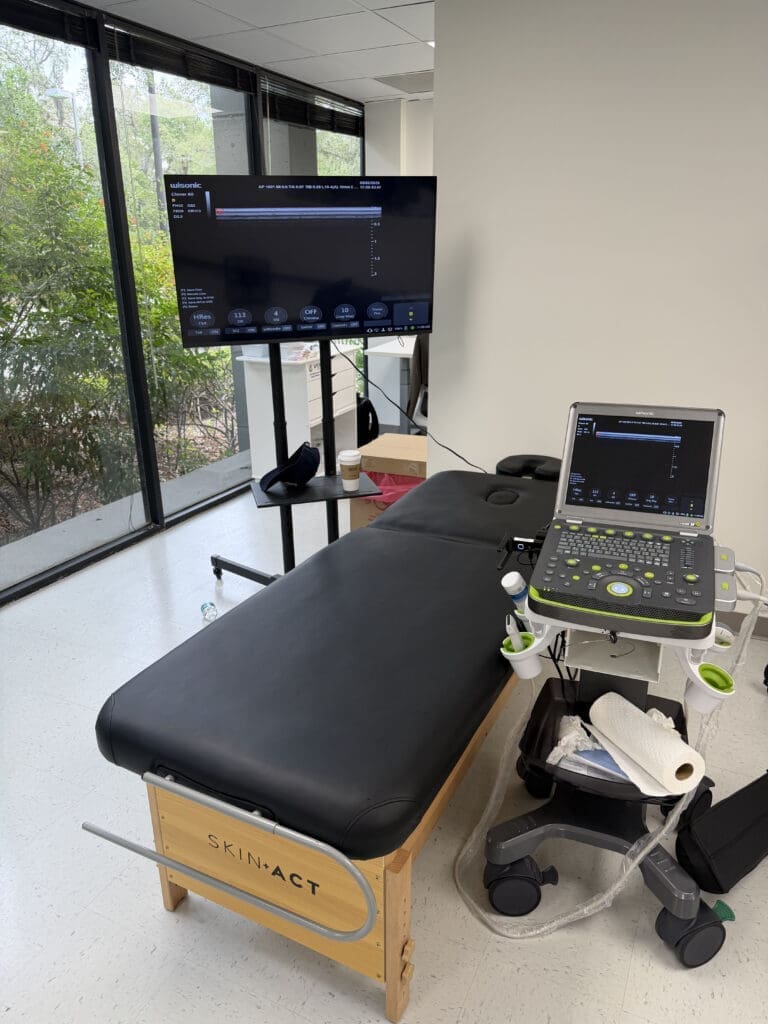
As Dr. Alexander Jimenez, DC, APRN, FNP-BC, CFMP, IFMCP, ATN, CCST, I have spent years helping patients navigate complex musculoskeletal pain, neuropathy, and recovery from orthopedic and sports injuries. When I first stepped into Apex’s new education and learning facility on 2026-05-02, I felt the resonance of a well-designed environment dedicated to cutting-edge modalities. The enthusiasm from colleagues, including leaders from OrthoLaser and technology innovators in MLS robotic therapy lasers, underscored the transformation underway in regenerative medicine: energy devices like lasers and shockwave are now merging seamlessly with orthobiologics to promote true tissue repair rather than merely manage symptoms.
In this post, I distill the science and clinical practicality behind photobiomodulation—laser therapy—so you can confidently understand how it works, why the MLS approach is unique, and how integrative chiropractic care amplifies patient outcomes. My goal is to guide you through the essential concepts and then show you how to integrate them in a real clinical workflow.
Modern Laser Therapy Basics: The Four Tissue Interactions
Laser-tissue interaction determines clinical results. Four fundamental phenomena occur when laser light meets biological tissue:
Reflection
Transmission
Scattering
Absorption
Among these, absorption is the therapeutic linchpin. Chromophores must absorb laser photons to initiate biologically meaningful change. Reflection and scattering represent energy loss; transmission is the passage of energy through tissue without interaction. Effective therapy maximizes absorption while controlling the other interactions—by choosing appropriate wavelengths, power, emission modalities, and delivery methods.
Key Laser Concepts: Source, Power Class, Emission Mode, Wavelength
To make laser therapy intuitive, I break it into four key concepts:
Source
Power class
Emission modality
Wavelength
Each element shapes clinical effect, depth of action, safety, and dosing.
Understanding Laser Sources
A laser source is defined by the active material that emits photons when excited. In surgical contexts, CO2 gas lasers interact with water to cut tissue via micro-explosions—excellent for incisions, not for healing. Therapeutic lasers most often use diodes. MLS laser systems are diode-based and sourced from high-precision Italian manufacturing, which matters for reliability, calibration integrity, and diode stability over time. Stable sources translate into reproducible clinical dosimetry and consistent patient outcomes.
Power Class: Class 3 vs. Class 4 and Why It Matters
Therapeutic lasers commonly fall into Class 3 (≤0.5 W) and Class 4 (>0.5 W). Marketing labels like low-level laser (LLLT), cold laser, high-intensity laser, and hot laser can be confusing; what matters is the interaction between power and emission mode. Class 4 systems can shorten treatment times and improve photon density in deeper tissues, but poorly controlled continuous delivery may lead to thermal accumulation.
MLS laser therapy is technically Class 4, yet its patented emission design delivers the efficacy profile of Class 4 while maintaining the safety characteristics of Class 3. That combination reduces liability concerns and broadens indications, enabling point-by-point dosing without burning tissue—crucial for precise joint-space work and peri-implant care.
Emission Modality: Continuous, Chopped, and True Pulsed
Emission modality is the heartbeat of laser safety and effectiveness:
Continuous emission delivers uninterrupted light. If held stationary too long with high power, tissue temperatures can exceed the thermal damage threshold (~45°C).
Continuous chopped (or interrupted) uses mechanical means to block a continuous beam in microseconds. This delays heating but does not fully prevent thermal accumulation because the source never truly turns off.
True pulsed emission turns the source off in nanosecond intervals, creating genuine rest periods. Tissue can absorb photons and then cool between pulses, preventing temperature from creeping above therapeutic ranges. Therapeutic photobiomodulation aims to avoid sustained temperatures above ~43°C, where biological reactions can be inhibited rather than stimulated.
Wavelength: The “Prescription” for Depth and Targeting
Therapeutic photobiomodulation generally uses wavelengths in the 600–1200 nm window because of the absorption spectra of melanin, hemoglobin, and water. MLS systems specifically employ synchronized 808 nm (continuous) and 905 nm (pulsed) wavelengths. The 808 nm band offers strong penetration for photochemical activation, while 905 nm provides deeper penetration with high-peak-power pulses, enhancing photon density in target tissues without thermal risk.
Why the MLS Multiwave Locked System Is Unique
The Multiwave Locked System (MLS) synchronizes multiple wavelengths so they arrive simultaneously, reinforcing each other’s effects. This synchronization creates homogeneous energy distribution across superficial and deeper targets—like switching from a scattershot meteor shower to a uniform wavefront that saturates the tissue volume. In practice:
808 nm (continuous) supports mitochondrial activation and local circulation.
905 nm (true pulsed) delivers high-peak-power bursts with cooling intervals, increasing photon density for deeper tissues while preventing thermal buildup.
The physiologic result is a balanced combination of photochemical activation (ATP synthesis), photothermal modulation (controlled vasodilation and lymphatic flow), and photomechanical signaling (ECM deformation and mechanotransduction) that collectively accelerates tissue repair without suppressing necessary early inflammation.
Safety Profile: Why Heat Sensation Is Not Performance
Patients often equate “feeling heat” with effective treatment; however, high thermal effects do not equal high performance in photobiomodulation. The goal is cellular signaling, not cooking tissue. MLS’s true pulsed pattern keeps tissue below inhibitory temperature ranges and far below damage thresholds, ensuring that biological cascades proceed unimpeded. This distinction is vital around implants, tattoos, and bone surfaces, which can reflect energy and concentrate heat with non-pulsed devices.
Depth of Action: Wavelength, Emission, Power Density, and Time
Reaching target tissues requires the right combination of:
Wavelength (primary determinant of penetration).
Emission mode (true pulsed allows higher peak power without heat accumulation).
Power density (mW/cm² at tissue).
Exposure time (J/cm² dose).
The relationship between peak power and photon density matters: more photons per unit time and area increase the likelihood that chromophores such as cytochrome c oxidase will be activated, thereby driving ATP production and redox signaling. With MLS, true pulsed 905 nm delivery increases peak power in bursts, raising photon density at depth while tissue cools between pulses.
Clinical Delivery: Point-by-Point vs. Scanning
There are two practical methods:
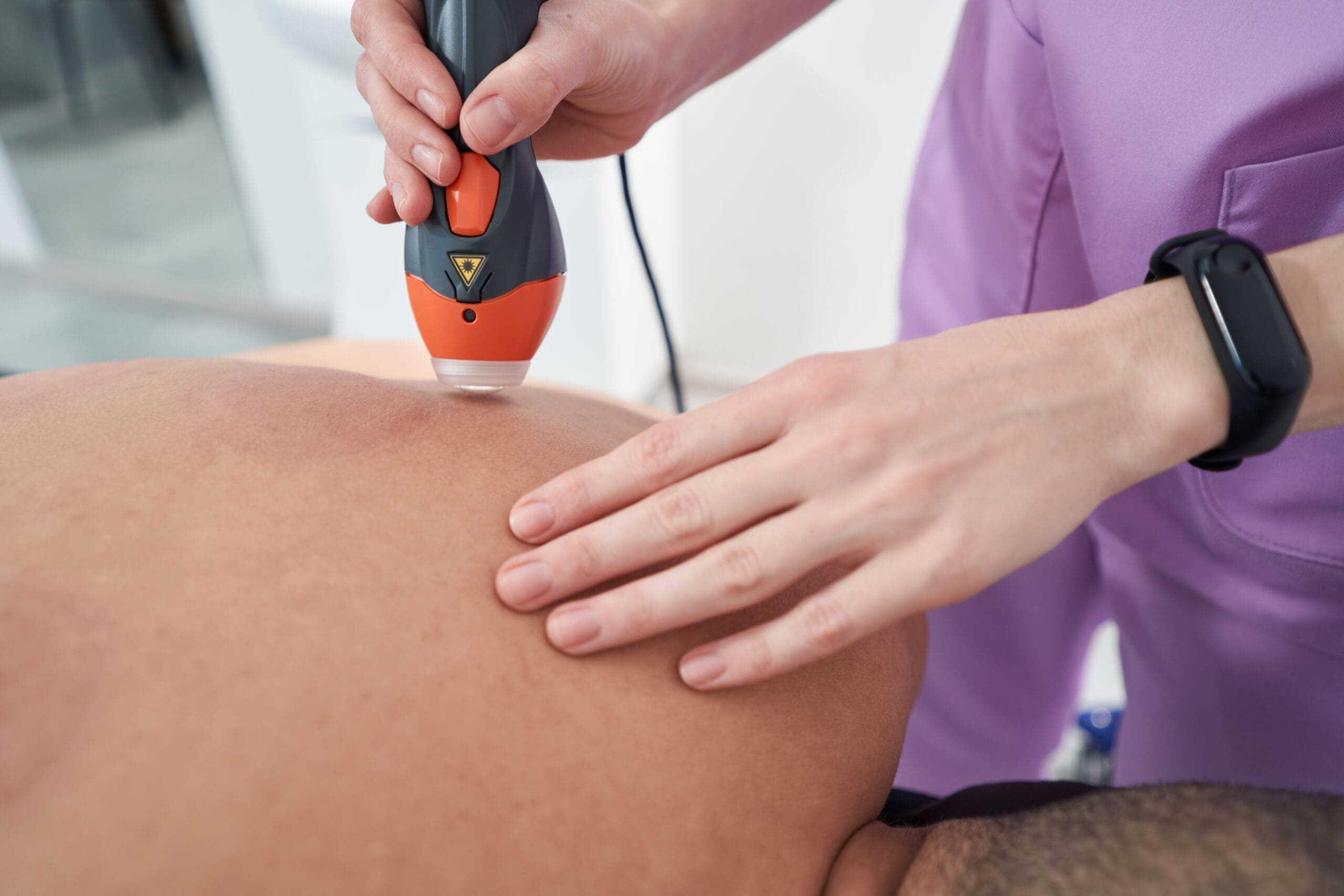
Point-by-point dosing: stationary application over the target for a prescribed duration and energy dose. This maximizes absorption, minimizes dispersion, and grants precise dosing—ideal for joint spaces, tendon origins, and small neuropathic focal points.
Scanning: moving the applicator across a region. This can be effective for broader fields but is operator-dependent. Variability in speed, overlap, and distance can lead to inconsistent dosing.
MLS robotic platforms overcome scanning variability by delivering hands-free, precisely programmed energy maps, ensuring consistent dosing across operators and visits. In my clinic, that consistency translates into more reliable outcomes, smoother workflows, and the ability to combine laser with manual therapies simultaneously.
Robotic and Hands-Free Advantages
The MLS robotic arm ensures:
Consistent energy delivery across sessions and staff.
Safety via locked synchronization and true pulsed control.
Workflow efficiency: hands-free operation allows clinicians to perform soft-tissue release, joint mobilization, neuromuscular re-education, or percussion therapy while the laser runs—maximizing appointment value without sacrificing precision.
For field settings and athletic trainers, portable MLS units with straps enable targeted dosing at the sideline or in the training room, extending therapy beyond the clinic walls.
Physiological Underpinnings: Photochemical, Photothermal, and Photomechanical Effects
Laser therapy’s mechanisms can be organized into three complementary pathways:
Photochemical Activation
Mitochondrial stimulation via cytochrome c oxidase increases ATP production, shifts cellular redox states, and promotes the activity of transcription factors associated with growth and repair.
This accelerates fibroblast activity, collagen synthesis, and angiogenesis, while modulating oxidative stress.
Photothermal Modulation
Controlled vasodilation improves perfusion, oxygenation, and nutrient delivery.
Lymphatic enhancement reduces edema, supports waste clearance, and decreases inflammatory exudate.
In MLS systems, photothermal effects are therapeutic without crossing inhibitory thresholds; tissue temperature remains within a range favorable to enzymatic reactions and signaling cascades.
Photomechanical Signaling
Rapid pulses create temporary deformation of the extracellular matrix (ECM) and cell membranes, activating mechanosensitive pathways.
This facilitates cytoskeletal reorganization, influences integrin-mediated signaling, and augments tissue repair sequences.
Inflammation Modulation vs. Suppression
It is critical to note that MLS therapy does not suppress inflammation as NSAIDs do. It modulates inflammatory processes—upregulating anti-inflammatory proteins and downregulating pro-inflammatory cytokines—while respecting the acute phase needed for proper healing. This is why MLS pairs well with orthobiologics; rather than blunting early inflammation (which supports cell recruitment and initial repair), MLS normalizes and supports the cascade, reducing excessive pain and swelling while protecting regenerative intent.
Clinical Indications and Dosing Framework
Common indications include:
Musculoskeletal pain: plantar fasciitis, knee osteoarthritis, neck pain, tendinopathies, myofascial pain.
Post-surgical healing: incisions, soft-tissue repair, peri-implant recovery.
Wound care: diabetic ulcers, traumatic and infected wounds, burns.
Sports medicine: delayed onset muscle soreness, acute muscle strain, ligament sprain.
Neuropathic pain: diabetic neuropathy, compressive neuropathies, small fiber pain.
Dosing principles in my practice:
Session length: typically 6–12 minutes, depending on area size and target depth; anterior-posterior or dual-field approaches may extend the time accordingly.
Packages: acute conditions often 4–6 sessions; chronic conditions 8–12 sessions. This cumulative dosing approach allows progressive improvements in pain and function.
Frequency: ideally 2–3 times per week. In acute flares, daily sessions can be considered for brief periods; practicality and access may guide scheduling.
Point-by-point dosing for focal structures; robotic scanning for consistent energy distribution over broader fields.
Clinical Images and Observations
Wound- and burn-healing examples demonstrate why safety matters. Treating burns with a laser may seem paradoxical until you understand MLS’s non-heating, pulsed profile. In my clinical observations, combining MLS laser therapy with compression, offloading, and nutritional cofactors (e.g., protein sufficiency, vitamin C, zinc) accelerates closure rates in diabetic ulcers. It reduces the risk of infection, particularly when paired with meticulous debridement and glycemic control.
Peri-implant treatment is another area where MLS stands out. Patients with knee replacements or hardware often fear laser near implants; MLS’s synchronized wavelengths and pulsed control minimize conductive heat accumulation, allowing safe application to surrounding soft tissues. In my experience, postoperative stiffness and peripatellar pain respond well to a protocol integrating MLS laser therapy, joint mobilization, instrument-assisted soft-tissue mobilization (IASTM), and graded activity.
Neuropathic Pain and the MLS MIS Platform
Emerging devices geared to neuropathic pain (e.g., MIS systems) target parameters tuned for nerve repair and dysesthesia reduction. European MDR clearance has recognized neuropathic indications, and similar approvals are progressing domestically. In my practice, patients with diabetic neuropathy or post-chemotherapy neuropathies benefit from MLS laser combined with glycemic optimization, B-vitamin sufficiency (especially methylated B12 and folate where appropriate), alpha-lipoic acid, and foot intrinsic strengthening. The laser’s modulation of neuroinflammation and microcirculation complements metabolic correction.
Evidence Base: Trials and Registry Data
Modern photobiomodulation has matured beyond anecdote. Randomized controlled trials and real-world registries corroborate benefits across pain and function domains. Combining orthobiologics with MLS laser therapy shows synergistic improvements:
Faster numeric pain rating reductions in the first month and sustained gains out to 24 months.
Greater improvements in worst pain scores and desired functionality markers.
Higher overall patient satisfaction in combined protocols.
These data support a shift from symptom management to cellular health optimization, marrying biologic inputs (PRP, BMAC, growth factor-rich preparations) with photonic signals that improve mitochondrial function, microvascular flow, and ECM remodeling.
Integrative Chiropractic Care: Where Laser Therapy Fits
From a chiropractic and functional medicine viewpoint, MLS laser therapy is most powerful when embedded in a coordinated plan:
Assessment and Diagnosis
Thorough neuromusculoskeletal examination: joint mobility, muscle tone, proprioception, gait, and regional interdependence.
Functional lab insights per case: inflammation markers, glycemic status, micronutrient sufficiency.
Manual and Movement Foundations
Spinal and extremity adjustments to restore joint mechanics and reduce nociceptive input.
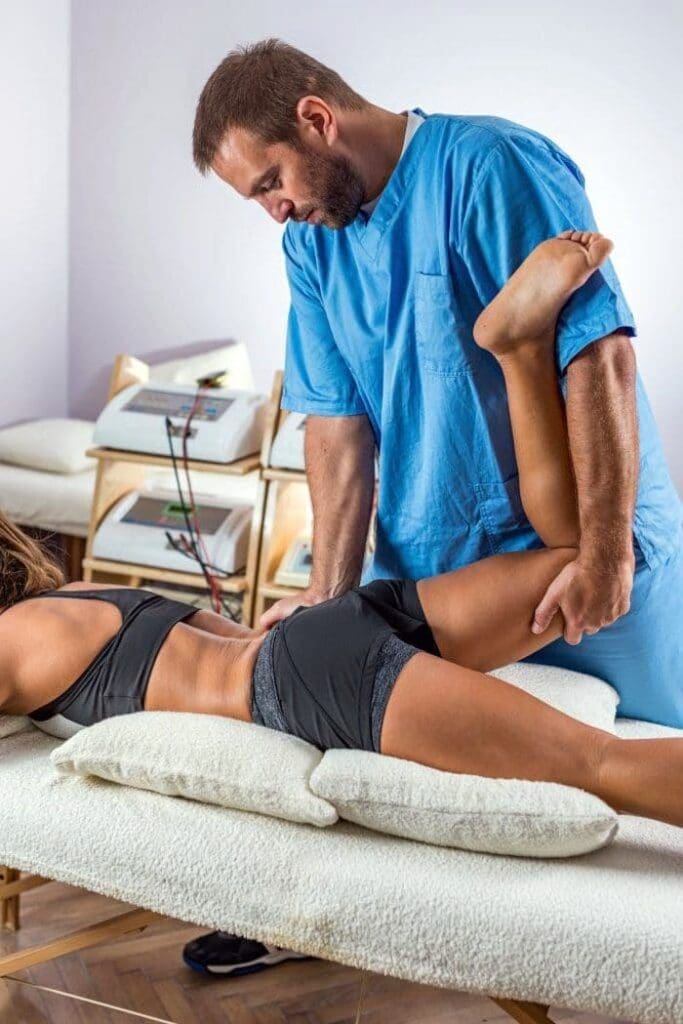
Soft-tissue release (IASTM, myofascial techniques) to normalize tone and improve tissue gliding.
Neuromuscular re-education and graded loading to reintegrate function and resilience.
Energy Devices and Orthobiologics
MLS laser therapy to modulate inflammation, energize mitochondria, and support microcirculation.
Shockwave therapy for mechanotransduction and neovascularization when indicated.
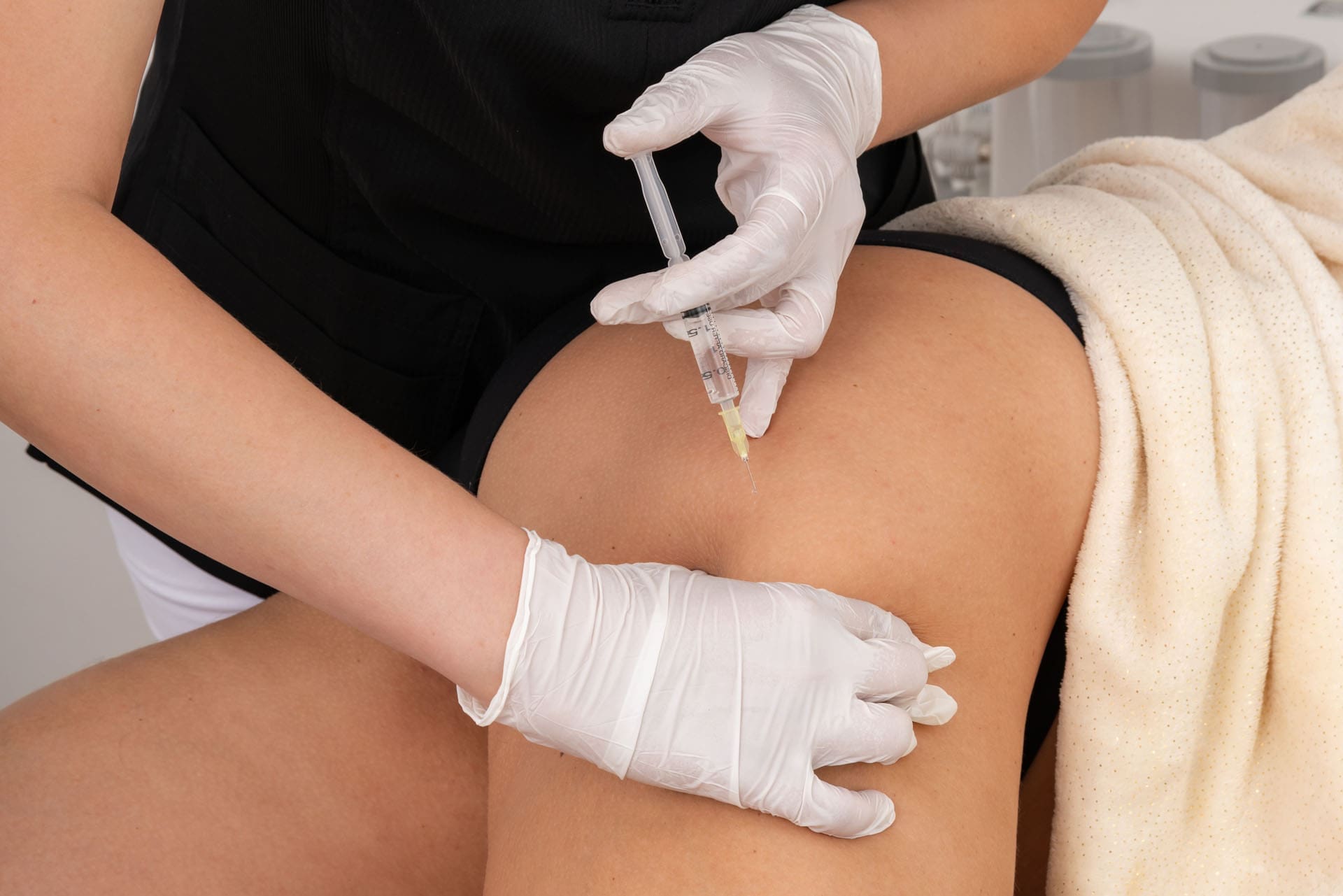
Orthobiologics (e.g., PRP) for biologic scaffolding and cellular inputs; MLS supports the early healing milieu without suppressing beneficial inflammation.
Metabolic and Lifestyle
Nutritional optimization for collagen synthesis and tissue repair.
Sleep and stress modulation to enhance autonomic balance and recovery capacity.
Progress Monitoring
Standardized pain and function scales (NPRS, ODI, KOOS, FAAM).
Imaging or ultrasound, where appropriate.
Consistent MLS dosing via robotic delivery and careful parameter documentation.
Why Each Technique Is Used
Adjustments reduce mechanical stress and abnormal joint signaling, making downstream laser effects more efficient by removing barriers to perfusion and nerve function.
Soft-tissue mobilization breaks adhesions and improves ECM pliability—laser photomechanical signaling benefits from tissues primed to respond.
Shockwave induces regenerative signals and vascular remodeling; laser complements by reducing inflammatory load and energizing mitochondrial repair.
Orthobiologics provide biological substrates and cellular signals; laser therapy supports their integration by improving the microenvironment (oxygenation, edema reduction).
MLS laser specifically balances deep photon delivery with safety—its synchronized wavelengths and true pulsed mode prevent heat accumulation while maximizing cellular activation.
Clinical Workflow Example: Knee Osteoarthritis
Visit 1–2: Assessment, set goals, baseline NPRS and function scales, initial MLS laser point-by-point dosing to medial and lateral joint lines, posterior capsule, peri-patellar soft tissue; gentle mobilizations; home exercises for quads, hips, and ankle mobility.
Visit 3–6: Robotic MLS scanning over the knee for consistent dosing; introduce shockwave localized to tendinous attachments if appropriate; progress strength and motor control drills.
Visit 7–12: Consider PRP for refractory cases; maintain MLS sessions around biologic injection timelines to modulate inflammation and improve circulation; recheck metrics and adjust as needed.
Outcome: Reduced pain scores, improved stair descent, better stance stability; long-term maintenance via periodic MLS sessions and continued exercise.
Clinical Workflow Example: Plantar Fasciitis
Acute phase: MLS point-by-point over proximal plantar fascia insertion; calf and posterior chain soft-tissue release; intrinsic foot activation; load management.
Subacute: Robotic MLS coverage of plantar arch and heel; introduce shockwave to stimulate local regeneration if needed; progressive loading.
Chronic: Consider orthobiologics for degenerative fascial changes; maintain MLS to reduce pain and enhance functional durability.
Addressing Safety: Implants, Tattoos, and Bone
Implants: MLS’s synchronized, pulsed pattern allows safe peri-implant dosing without heating risks associated with continuous high-power systems.
Tattoos: Pigment absorption can concentrate energy; MLS mitigates this via true pulsed delivery, enabling comfortable treatment over tattooed skin.
Bone Reflection: Bone can reflect >90% of incident Class 4 energy; MLS protocols emphasize proper patient positioning and joint-window targeting to maximize soft-tissue absorption.
Why Robot-Assisted Consistency Matters
Consistency is an outcome multiplier. Different operators inevitably vary in distance, speed, overlap, and timing when scanning by hand. The robotic MLS platform standardizes all of this, producing repeatable dosing that tightens the variance band around results. In my clinic, that translates to more predictable timelines, fewer setbacks, and better communication with patients about expected improvements.
My Clinical Observations in Practice
From my experience:
Combining MLS laser therapy with shockwave and targeted manual therapies reduces time-to-improvement in tendinopathies, especially in high-load athletes.
In diabetic neuropathy, adding MLS to metabolic care (glycemic control, micronutrient support) reduces burning pain and enhances light-touch discrimination sooner than metabolic care alone.
Postoperative patients benefit from MLS’s ability to modulate edema and restore movement tolerance, especially when coupled with gentle mobilization and progressive rehab.
In chronic myofascial pain, point-by-point MLS over trigger points followed by percussion therapy and motor control exercises often breaks stubborn cycles of pain and guarding.
A Practical Protocol Rationale
Early-phase: Photobiomodulation targets mitochondrial function and reduces pain enough to allow patients to move; movement restores joint mechanics, circulation, and neuromuscular coordination.
Mid-phase: Shockwave and loading recondition tissues; MLS continues to optimize the microenvironment.
Late-phase: Orthobiologics may be layered in for degenerative changes; MLS supports integration and reduces flare risk.
Maintenance: Periodic MLS and functional exercise maintain gains, reduce relapse, and support aging athletes or individuals with persistent risk factors.
Closing Thoughts: From Symptom Relief to Cellular Optimization
The integrative future of musculoskeletal medicine is already here. By aligning MLS laser therapy with chiropractic care, shockwave, and orthobiologics, we move beyond symptom suppression toward genuine cellular optimization. True pulsed, synchronized wavelengths create a therapeutic environment that respects physiology while accelerating recovery. In my practice, the most gratifying moments are when patients realize their improvement is not a temporary pain mask—it is a deeper shift in function, resilience, and quality of life.
References
- Photobiomodulation: Mechanisms and Clinical Uses (Hamblin, 2018). Photobiomodulation relies on light absorption by cytochrome c oxidase to increase ATP and modulate ROS and NO signaling (Hamblin, 2018).
- Low-Level Laser Therapy Effects on Pain and Inflammation (Chung et al., 2012). Highlights analgesic and anti-inflammatory outcomes, with dosing guidance, for musculoskeletal conditions (Chung et al., 2012).
- Class IV Laser Therapy for Musculoskeletal Pain (Leal Junior et al., 2014). Reviews sports medicine applications and safety of higher power systems (Leal Junior et al., 2014).
- Photobiomodulation and Mitochondrial Biogenesis (Barolet & Christiaens, 2018). Explains mitochondrial modulation and tissue repair signaling (Barolet & Christiaens, 2018).
- Photobiomodulation in Peripheral Neuropathy (Franco et al., 2019). Demonstrates symptom improvement in diabetic neuropathy with PBM (Franco et al., 2019).
- Shockwave Therapy and Regenerative Mechanotransduction (Schmitz et al., 2018). Describes mechanotransductive effects and synergy with other modalities (Schmitz et al., 2018).
- Orthobiologics Outcomes Registry Data (DataBiologics, 2026). Registry analyses show improved pain and function when orthobiologics are combined with MLS laser therapy (DataBiologics, 2026).
In-text citations: (Hamblin, 2018; Chung et al., 2012; Leal Junior et al., 2014; Barolet & Christiaens, 2018; Franco et al., 2019; Schmitz et al., 2018; DataBiologics, 2026)
Author and Clinical Resources
Dr. Alexander Jimenez, DC, APRN, FNP-BC, CFMP, IFMCP, ATN, CCST
Clinical observations and integrative practice insights: https://chiromed.com/
Professional profile: https://www.linkedin.com/in/dralexjimenez/
SEO tags: photobiomodulation, MLS laser therapy, integrative chiropractic care, regenerative medicine, orthobiologics, sports medicine laser, true pulsed emission, mitochondrial activation, pain modulation, robotic laser therapy, shockwave synergy, neuropathic pain laser, peri-implant laser safety, functional medicine musculoskeletal, evidence-based laser therapy