Give us a Call
+1 (915) 412-6680
Send us a Message
[email protected]
Opening Hours
Mon-Thu: 7 AM - 7 PM
Fri - Sun: Closed
Integrative Care for Plantar Fasciitis With SoftWave

Integrative Care for Plantar Fasciitis With SoftWave
Integrative Care for Plantar Fasciitis With SoftWave

Abstract

In this educational post, I share my personal journey with severe plantar fasciitis and how SoftWave shockwave therapy transformed my recovery without injections or surgery. From there, we look at modern, evidence-based research on shockwave physics and mechanisms, compare true shockwave and radial pressure-wave devices, and explore patient outcome data from independent registries. I then outline how integrative chiropractic care fits into this model, including spinal and regional joint mechanics, fascial and neuromuscular coordination, anti-inflammatory nutrition, and return-to-sport protocols. You will learn why electrohydraulic shockwave is considered a gold standard, how it triggers angiogenesis and modulates inflammation, and how to implement it alongside biologics such as PRP in a clinically rational way. Throughout, I incorporate clinical observations from my practice to demonstrate real-world application and patient-centered workflows.

Why This Matters

I am Dr. Alexander Jimenez, DC, APRN, FNP-BC, CFMP, IFMCP, ATN, CCST. My clinical focus integrates chiropractic medicine, advanced practice nursing, functional medicine, sports science, and tissue rehabilitation. My mission is simple: deliver safe, effective, and science-driven care that helps patients return to life and sport with better long-term outcomes.

For many of my patients, chronic musculoskeletal pain feels like a maze of temporary relief and recurrent setbacks. New technologies can promise a lot but deliver unevenly. My goal in this post is to clarify the science, present real data, and show how integrative chiropractic care and SoftWave shockwave therapy can be combined to create a precise, reproducible plan of action.

From Pain To Practical Solutions: A Patient’s Plantar Fasciitis Story

Seven years ago, while working long hours on their feet as a wedding planner, a patient developed bilateral plantar fasciitis—a stubborn, burning heel pain worsened by standing, walking, and push-off mechanics. The standard recommendation the patient received was cortisone injections, which can blunt pain but may impair soft tissue healing and carry a risk of plantar fascia rupture with repeated use. The patient declined and assumed they would have to live with the pain.

A colleague introduced the patient to SoftWave shockwave therapy. Their first session was intense—older protocols often sought to “treat into pain”—but they felt relief the same day. The pain recurred within a few days, and the patient moved on. Then, two months later, the patient woke up and realized they hadn’t felt heel pain for days. They hadn’t stretched, changed footwear, or altered workload. The pain was just… gone. They stayed pain-free for nearly four years before needing another series. That experience ignited a commitment to evidence-based regenerative technologies that work with the body’s repair systems rather than against them.

What Is A Shockwave? The Physics That Matter

When you hear “shockwave,” think of a high-speed acoustic energy wave traveling faster than the speed of sound through tissue. In medicine, the waveform and speed are crucial:

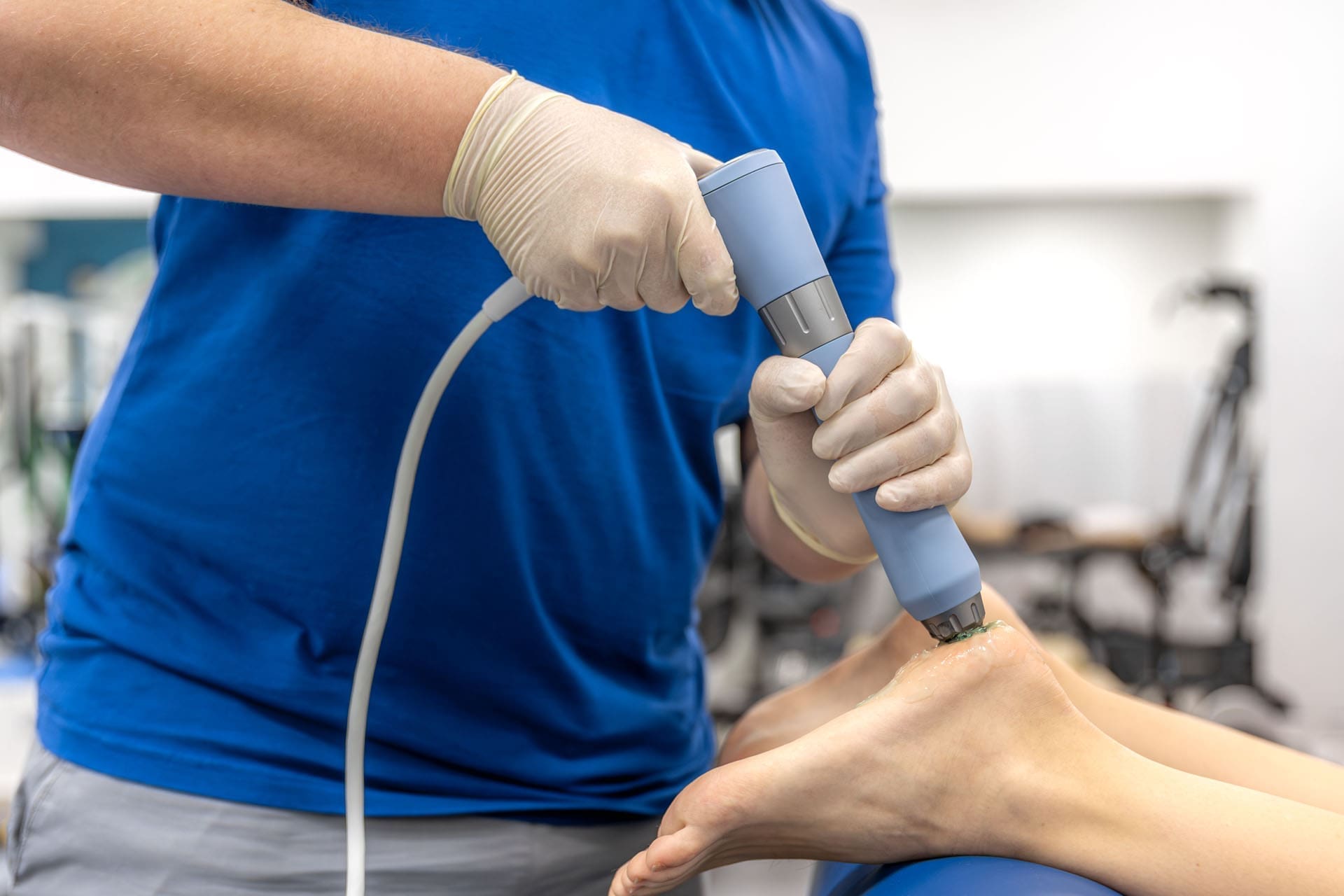
  • True shockwave: A high-velocity acoustic wave that reaches supersonic speeds and produces a sharp pressure gradient at the leading edge. Electrohydraulic systems generate this wave inside the applicator and deliver it as a coherent, high-energy impulse.
  • Radial pressure wave: A lower-velocity pressure wave that disperses energy superficially and primarily creates mechanical perturbations near the skin surface.

Key physiological effects of true shockwave:

  • Cell membrane mechanotransduction: The rapid pressure shift causes a transient change in cell membrane permeability, initiating signaling cascades.
  • Angiogenesis: Upregulation of pro-angiogenic factors (e.g., VEGF) stimulates the formation of both small and large vessels, improving perfusion to hypoxic or degenerated tissues.
  • Inflammation modulation: Downregulation of NF-κB pathways and altered cytokine profiles can help shift chronic inflammatory states toward resolution.
  • Tissue remodeling: Stimulation of tenocytes, fibroblasts, and osteoblasts enhances matrix turnover, collagen alignment, and bone healing.
  • Analgesic neuromodulation: Changes in peripheral nociceptor sensitivity and local neuropeptide signaling can reduce pain over time without neurodestructive effects.

Why speed and waveform matter:

  • The steep pressure gradient of a true shockwave produces a shearing force at the cell membrane, which initiates the biological cascade (mechanotransduction).
  • Devices that produce sound waves that converge into a shockwave only outside the applicator may have a shorter effective burst and require precise targeting to avoid under- or overdosing tissue.
  • Electrohydraulic devices generate a shockwave within the applicator, providing a consistent, therapeutic energy profile that can reach deeper targets (often cited as up to approximately 12 cm, depending on tissue, coupling, and parameters).

Electrohydraulic Versus Electromagnetic/Piezoelectric: Practical Differences

There are several ways to generate shockwaves:

  • Electrohydraulic: Two electrodes create a spark in water, producing a cavitation bubble; the leading edge of the bubble is the shockwave. This is often considered a gold standard by clinical shockwave societies due to stable energy delivery and deeper penetration.
  • Electromagnetic: A magnetic coil accelerates a membrane or projectile; a shockwave forms as sound waves converge.
  • Piezoelectric: Arrays of crystals emit waves that focus and converge to create a shockwave in a focal zone.

Clinical implications:

  • Electrohydraulic systems typically deliver a full-energy shockwave at the applicator exit, reducing the “gap” between the device and the therapeutic zone.
  • Convergent systems (electromagnetic, piezoelectric) can be effective but may have narrow focal zones, shorter burst durations, and require meticulous targeting and tip selection.
  • The patient experience can differ: a broader energy distribution tends to be more comfortable, enabling higher-dose delivery without anesthesia.

True Shockwave Versus Radial Pressure Waves: Mechanisms And Outcomes

It is common to see radial devices marketed under “shockwave” branding. Mechanistically, radial devices:

  • Produce pressure waves at sub-shock speeds.
  • Disperse energy superficially, relying on microtrauma to induce reactive hyperemia and local neurogenic effects.
  • Can be uncomfortable, and their therapeutic depth is generally limited.

Where radial can be useful:

  • Short-term pain relief in superficial soft tissue conditions.
  • Adjunct to manual therapy for myofascial trigger points.
  • Situations requiring cost-effective, quick, superficial treatment.

Limitations:

  • The durability of results may degrade over months in chronic degenerative conditions, as suggested by independent patient-reported outcome data comparing radial and true shockwave approaches.

The Two-Wave Advantage: Focused And Broad Focus Delivery

With electrohydraulic systems, particularly those using parabolic reflectors, two effects can be achieved:

  • Primary focused wave: Laser-pointer-like focal energy reaching deeper tissue targets.
  • Broad focus column: Recovered energy from the expanding cavitation bubble is redistributed, creating a larger therapeutic zone.

Why this matters:

  • A larger treatment volume can address complex pain generators that are regionally interdependent (e.g., plantar fascia, intrinsic foot muscles, tibialis posterior, and soleus).
  • Faster treatment times due to broader coverage.
  • Reduced technician dependency because biofeedback cues and broader zones make precision less brittle.
  • Improved comfort, allowing higher energy without anesthesia.

Biofeedback: The Patient Guides The Map

One practical advantage of shockwave therapy is patient biofeedback during treatment:

  • Healthy tissue feels like gentle tapping.
  • Inflamed or damaged tissue feels sharply distinct, allowing clinicians to map hotspots and functional pain generators.
  • This reduces guesswork and allows real-time tailoring of energy density, pulse number, and coverage.

Sports Medicine Use Case: Rapid Return-To-Play

Consider an athlete with an adductor strain. Typical recovery for moderate strains is often 6–10 weeks, depending on grade and reinjury risk. Athletes treated with true shockwave combined with integrative rehab can sometimes return in 3–4 weeks when:

  • Deep perfusion is improved via angiogenesis and vasodilation.
  • Pain is modulated without masking protective reflexes.
  • Tissue remodeling is supported with eccentric loading, neuromuscular re-education, and fascia mobility during the subacute window.

Orthopedic Insights From Elite Sports

Orthopedic specialists serving NBA and NFL athletes frequently use shockwave for:

  • Bone edema
  • Slow-healing fractures
  • Post-operative nonunion risk
  • Soft tissue tendinopathies

These clinicians report greater patient tolerance with true shockwave devices that deliver comfortably, thereby allowing higher-energy dosing without anesthesia and consistent day-to-day clinic throughput. This aligns with the published literature demonstrating the utility of shockwaves in bone and tendon biology through angiogenesis and mechanotransductive signaling.

How Integrative Chiropractic Care Fits The Model

Shockwave therapy works best in an integrative framework that addresses mechanical, neurophysiological, metabolic, and behavioral dimensions. In my clinic, we approach musculoskeletal problems through the following pillars:

  • Biomechanics and joint mechanics:
    • Correct regional alignment: In plantar fasciitis, foot pronation, tibial internal rotation, and hip mechanics create downstream overload on the plantar fascia. Chiropractic adjustments to the subtalar joint, midfoot, and pelvis can redistribute load and normalize gait.
    • Improve segmental mobility: Thoracolumbar stiffness can degrade shock absorption; lumbar-pelvic adjustments support kinetic chain efficiency.
  • Fascial continuity and neuromuscular coordination:
    • Fascia connects the foot to the calf, hamstrings, and the lower back via myofascial chains. SoftWave improves perfusion and tissue pliability, while chiropractic soft-tissue work promotes gliding and hydration of the fascial planes.
    • Focused motor control drills retrain the intrinsic foot muscles, the tibialis posterior, and the hip abductors to prevent recurrence.
  • Load management and graded exposure:
    • Implement eccentric loading and isometric pain-modulating holds to enhance collagen remodeling in tendons under safe strain.
    • Use return-to-sport progressions based on pain response, strength benchmarks, and functional testing (e.g., single-leg hop, Y-balance).
  • Anti-inflammatory nutrition and recovery biology:
    • Encourage omega-3 fatty acids, polyphenols (curcumin, quercetin), vitamin D, magnesium, and targeted collagen peptides to support connective tissue health.
    • Address sleep architecture and stress modulation, which influence cytokine profiles and healing velocity.
  • Footwear, orthotics, and surface management:
    • Consider temporary orthotic support to unload the plantar fascia during high-volume training weeks.
    • Optimize shoe geometry (heel-to-toe drop, midfoot stiffness) to improve force distribution.

Clinical Observations From My Practice

Across multiple musculoskeletal conditions, I observe:

  • Immediate reductions in pain scores following shockwave, especially when combined with regional adjustments and fascial mobilization.
  • Durability improves when patients receive structured motor retraining and metabolic support.
  • In tendinopathies (patellar, Achilles, gluteal), pairing shockwave therapy with progressive eccentric loading and coaching on stride or jump mechanics yields superior outcomes compared with passive care alone.
  • For bone edema and stress reactions, true shockwave paired with relative rest, calcium/vitamin D, and careful return-to-impact criteria often accelerates readiness while reducing reinjury risk.

True Shockwave And Biologics: Rational Combinations

Shockwave interacts with biologic therapies thoughtfully:

  • Same-day approach:
    • Use shockwave to reduce pain and increase perfusion; perform PRP or cellular biologic injection afterward. Patients often tolerate injections better due to the immediate analgesic effects.
  • Pre-injection priming:
    • Deliver shockwave 2–3 days prior to biologic injection to enhance vascularity and cellular signaling, potentially improving biologic distribution and response.
  • Diagnostic reinforcement:
    • Use shockwave biofeedback to identify pain generators with a witness present; document patient responses to localize pathology and justify targeted biologic therapy.

Why each protocol makes sense:

  • Shockwave-induced vasodilation and angiogenic signaling can facilitate biologic dispersion and nutrient delivery.
  • Modulation of inflammation reduces hostile cytokine environments that can degrade biologic efficacy.
  • Analgesia without anesthesia preserves protective neuromuscular control, reducing the risk of overloading post-injection immediately.

Device Selection And Practical Considerations

If you are evaluating devices:

  • Prioritize true shockwave generation with consistent energy delivery and sufficient depth.
  • Evaluate energy distribution patterns: A broad focus column plus focus offers versatility for both diffuse and focal pathologies.
  • Consider patient comfort: Devices that deliver higher energy comfortably improve compliance and throughput.
  • Assess training and workflow: Systems that are biofeedback-guided and easy to delegate to trained staff can streamline care without compromising safety.

Clinic Workflow And Patient Experience

Shockwave sessions in my clinic typically last 10–15 minutes. We:

  • Conduct a focused functional exam and pain provocation tests.
  • Use biofeedback mapping to guide energy dosing.
  • Immediately follow with manual therapy, chiropractic adjustments, and targeted exercises to lock in gains.
  • Provide home care protocols: gentle mobility, isometric holds, footwear guidance, and nutrition.
  • Track outcomes using PROMs (pain scales, LEFS, VISA-A for Achilles, etc.) to quantify progress and justify care plans.

Cost And Access

Shockwave therapy is often a cash-based service, though some regions and payers may offer limited reimbursement for specific indications. In my experience, patients value:

  • Rapid relief
  • Non-invasive approach
  • Fewer injections
  • Evidence-backed tools

Transparent pricing, clear expectations, and outcome tracking build trust and encourage adherence.

Use Cases: Plantar Fasciitis, Tendinopathy, And Bone Edema

  • Plantar fasciitis:
    • Address degenerative microtears and fibrosis with shockwave-induced angiogenesis and matrix remodeling.
    • Integrate foot mechanics correction, calf flexibility, and eccentric loading.
    • Typical plan: 3–6 sessions over 4–8 weeks, tailored by pain and function.
  • Achilles and patellar tendinopathy:
    • Target mid-substance degeneration and enthesis changes using focused energy.
    • Pair with tempo-controlled eccentrics and isometric protocols (45–60 second holds for pain modulation).
  • Bone edema and slow-healing fractures:
    • Use shockwave to stimulate osteogenesis and microcirculation, while managing load and nutrition.
    • Coordinate with imaging and orthopedic oversight for safe progression.

Physiological Underpinnings: Why These Techniques Work

  • Mechanotransduction: Shockwave applies mechanical stress that cells convert into biochemical signals—a core regenerative cue in tendon and bone.
  • Angiogenesis and perfusion: Chronic pain is often a story of oxygen debt. Improving microvascular flow restores the redox balance, supports ATP production, and accelerates matrix repair.
  • Inflammation resolution: Many chronic conditions are stuck in an immune loop of low-grade inflammation. Shockwave can shift cytokine profiles toward resolution, enabling fibroblasts and tenocytes to remodel effectively.
  • Neuromodulation: Pain reduction without nerve ablation allows normal motor learning and movement quality to return during rehab—a safer, smarter approach.

Implementation Roadmap For Clinicians

  • Assess:
    • Identify pain generators via functional testing and biofeedback mapping.
    • Consider imaging for bone edema or complex tendinopathy.
  • Plan:
    • Select energy levels and pulse counts based on tissue depth and patient tolerance.
    • Integrate chiropractic adjustments, manual therapy, and exercise on the day of.
  • Deliver:
    • Keep sessions short, progressive, and guided by patient feedback.
    • Use a broad focus for regional complaints and focused energy for pinpoint lesions.
  • Reinforce:
    • Provide home protocols, nutrition plans, and sleep hygiene.
    • Schedule follow-ups and measure outcomes with standardized scales.
  • Combine when indicated:
    • Coordinate with PRP or other biologics using same-day or pre-injection priming.
    • Document responses to build a data-informed case, improving patient consent and expectations.

What Patients Feel And How We Adjust

  • Early sessions may include transient soreness at hot spots; this is expected and short-lived.
  • Most patients feel immediate lightness or reduced pain, making subsequent rehab easier.
  • If discomfort increases, we adjust energy or coverage while maintaining therapeutic intent.

Safety And Contraindications

  • Avoid direct application over malignancy, active infection, or open wounds.
  • Caution with pregnancy over the abdomen/low back.
  • Coordinate with cardiology for anticoagulated patients near deep vascular structures.
  • For acute complete tendon ruptures, shockwave is not a substitute for surgical repair; we use it post-operatively when cleared.

A Real-World Example: Return-To-Sport Strategy

For a competitive court-sport athlete with adductor strain:

  • Week 0–1:
    • Shockwave to the adductor complex and pelvic attachments.
    • Chiropractic adjustments for pubic symphysis and sacroiliac joints.
    • Isometric adductor holds, gentle mobility, and anti-inflammatory nutrition.
  • Week 2–3:
    • Progressive eccentric adductor loading and lateral movement drills.
    • Continue shockwave as symptoms guide; expand coverage to hip flexors and gluteal stabilizers.
    • Gait and stride mechanics corrections.
  • Week 3–4:
    • Introduce change-of-direction, acceleration/deceleration, and reactive drills.
    • Clearance based on pain-free function, strength symmetry, and field tests.

In practice, this integrative plan frequently compresses recovery timelines while preserving tissue integrity.

Where To Learn More

For clinicians and patients interested in exploring shockwave research, professional societies and independent registries offer robust resources. You will find clinical guidelines, mechanisms, and outcome data across tendon, bone, and soft tissue conditions.

Training, Support, And Workflow Integration

Clinics that implement shockwave successfully typically:

  • Receive hands-on training from experienced providers.
  • Adopt biofeedback mapping in daily workflow.
  • Leverage marketing assets to educate their community and referrers.
  • Track PROMs and share outcomes in peer forums to refine protocols.

Closing Thoughts: Bringing Science, Skill, And Compassion Together

Patients with chronic pain taught me a simple truth: the body is eager to heal when given the right signals. SoftWave shockwave therapy delivers those signals powerfully and safely. When combined with integrative chiropractic care, targeted exercise, and smart biologics, the results are often transformative. Patients do not need to rely solely on injections or tolerate long downtimes. They need a coherent, evidence-informed plan that respects physiology, mechanics, and lived experience.

If you are struggling with chronic pain or you are a clinician looking for a better way, consider a thoughtful shockwave-based approach integrated with chiropractic biomechanics, fascia care, and functional medicine. It is not just about feeling better today—it is about building durable health for tomorrow.


References

ChiroMed’s Integrative Path to Diet and Injury Healing


Chiropractic and Integrative Functional Care: A Holistic Path to Nutrition, Healing, and Recovery at

Good health means more than just feeling okay—it’s about caring for your whole body. At ChiroMed, we employ a holistic approach that combines chiropractic care, personalized nutrition, and supplementation to support the body’s natural healing process. Unlike treatments that only relieve symptoms, our goal is to identify and address the underlying causes of health issues. This helps enhance recovery, boost energy, and promote long-lasting wellness.

Why ChiroMed? We provide care for a wide range of needs—from everyday aches to complex injuries from work, sports, or car accidents. Dr. Alexander Jimenez, DC, APRN, FNP-BC, leads our approach with both chiropractic and nurse practitioner expertise. He combines spinal adjustments, tailored nutrition, movement therapies, and advanced diagnostics to help patients recover better and stronger. He also supports them through legal and insurance processes when needed.

This full-length guide covers:

  • Functional medicine and personalized diet
  • Chiropractic nutrition and supplements
  • How gut health supports recovery
  • ChiroMed’s integration of therapies
  • Dr. Jimenez’s unique dual‑scope care
  • Examples, deeper insights, and research support

1. Functional Medicine and Personalized Nutrition

Functional medicine is all about treating the unique person, not a general disease. Instead of a one-size-fits-all diet, functional nutritionists assess each person’s unique health, habits, genetics, and lab results to create personalized plans. Their goal is to fix what’s really causing your health issue—whether that’s gut problems, inflammation, or hormone imbalance—and help your body heal naturally.

Personalized plans often include:

  • Focusing on whole, nutrient-rich foods
  • Supporting gut health, which affects digestion, immunity, and metabolism
  • Preventing future problems by addressing root causes

By helping your body heal on a deeper level, this approach supports long-term health rather than just reducing symptoms.(chiromed.com, chiromed.com)


2. Chiropractic Care, Nutrition, and Supplements

A. Nutrition’s Role in Chiropractic Healing

Chiropractic adjustments realign the spine, helping the nervous system function more effectively. However, food also plays a significant role—especially in reducing inflammation and aiding the healing of muscles, joints, and connective tissue.

Key nutrients:

  • Lean proteins and collagen help rebuild muscles, tendons, and ligaments—essential after injuries. (chiromed.com)
  • Omega‑3 fatty acids, found in fish, nuts, and seeds, reduce inflammation and support joint comfort and healing. (chiromed.com)
  • Calcium, vitamin D, magnesium, and vitamin C support bone strength, muscle repair, and collagen formation. (chiromed.com)

Nutrition, paired with chiropractic care, improves mobility, lowers pain, and accelerates healing. (chiromed.com)

B. When Supplements Help

Food should come first—but sometimes supplements fill in nutrient gaps, especially after injury or when dietary restrictions exist. Chiropractors may recommend:

  • Vitamin D for bone health
  • Omega‑3s for inflammation control
  • Magnesium for muscle and nerve support
  • Probiotics for gut balance

Based on lab results and individual needs, supplements help patients recover faster and feel better overall. (chiromed.com, chiromed.com)


3. Gut Health, Hormones, and Injury Recovery

A. The Gut–Musculoskeletal Connection

A healthy gut does more than aid digestion—it sends nutrients and hormones that help muscles and bones stay strong. When gut bacteria are out of balance, it can lead to weaker tissues and slower recovery. (chiromed.com)

How gut health helps:

  • Improved nutrient absorption, especially calcium and vitamin D, which bind to stronger bones. (chiromed.com)
  • Reduced inflammation, speeding muscle and soft tissue healing
  • Support for hormones that build muscle and bone (like growth hormone and estrogen) (chiromed.com)

At ChiroMed, nutrition plans are designed around gut healing—featuring fiber-rich foods, probiotics, and anti-inflammatory ingredients—to help injuries heal faster and resilience remain strong. (chiromed.com)


4. ChiroMed’s Integrated Therapies for Recovery

At ChiroMed, our recovery plans make healing stronger by combining multiple therapies.

A. What Our Rehab Includes

  • Chiropractic adjustments to correct alignment and relieve nerve stress (chiromed.com)
  • Targeted exercises and physical therapy to restore strength, coordination, and flexibility (chiromed.com)
  • Massage therapy to reduce muscle tension, improve circulation, and support detox pathways (chiromed.com)
  • Acupuncture to ease pain and support natural healing through energy pathways (chiromed.com)
  • Nutrition counseling to guide dietary changes that aid healing and reduce inflammation (chiromed.com)
  • Hydration and detox support to flush out waste and support organ function (chiromed.com)

B. Why Integration Works

These therapies address multiple parts of healing—structural, metabolic, and systemic. Alignment promotes better nerve communication, exercise strengthens tissues, massage improves blood flow, acupuncture supports pain relief, and a balanced diet fuels the repair process. Together, they help patients recover faster and reduce the risk of chronic issues. (chiromed.com)


5. Dr. Alexander Jimenez’s Dual-Scope, Patient-Focused Care

A. Dual Training & Advanced Diagnostics

Dr. Alex Jimenez is both a chiropractor and a nurse practitioner. This allows him to:

  • Use advanced imaging—like X-rays and MRIs—to precisely identify injury patterns
  • Order and interpret lab tests that inform nutrition, supplements, and inflammation management
  • Combine manual spinal adjustments with medical diagnostics for holistic treatment

This dual-scope approach enables him to treat both body structure and internal health simultaneously, resulting in more accurate and effective recovery plans. (chiromed.com, chiromed.com)

B. Legal and Personal Injury Support

Dr. Jimenez’s practice often involves patients recovering from:

  • Work injuries
  • Sports trauma
  • Personal injury cases
  • Motor vehicle accidents

He helps not only with medical and chiropractic care but also with legal and insurance paperwork, easing patient stress and ensuring they receive full treatment and compensation. (chiromed.com)

C. Recovery Examples

  • A driver injured in a collision (MVA): spinal adjustments address whiplash, nutrition supports gut health for better healing, acupuncture and massage reduce pain, and specific exercises rebuild strength and mobility. Dr. Jimenez coordinates diagnostics and handles insurance documentation. (chiromed.com)
  • An athlete with chronic inflammation: chiropractic realigns the spine, a diet rich in omega‑3s and collagen supports connective tissues, massage and acupuncture relieve tension, and exercises restore performance—all designed with lab data and patient lifestyle in mind.

6. Research Support for These Methods

A. Scientific Basis of Chiropractic, Nutrition, and Gut Health

  • Nutrition and mobility: Collagen and omega‑3s support joint health and recovery. Protein enables muscle and tendon repair. (chiromed.com)
  • Gut–muscle–bone connection: Studies show that gut health impacts hormone levels, nutrient absorption, inflammation, and tissue repair—key factors in injury recovery. (chiromed.com)
  • Multimodal rehabilitation success: Combining chiropractic care, exercise, massage, acupuncture, and nutrition yields better outcomes than single therapies. (chiromed.com)

B. ChiroMed’s Approach Is Evidence-Informed

At ChiroMed, Dr. Jimenez uses imaging, lab results, and personalized plans—backed by research—to support each patient’s journey. This thoughtful layering of evidence-based care reflects the best in modern holistic rehabilitation. (chiromed.com)


7. Patient Stories

A. Real-Life Example: Auto Accident Recovery

Maria, a 32-year-old mom, was rear-ended and had whiplash, back pain, and fatigue. At ChiroMed:

  1. Dr. Jimenez ordered imaging to understand her spine and soft tissue damage.
  2. Adjustments relieved neck stress.
  3. A personalized plan added an anti-inflammatory diet rich in omega‑3s, collagen, and water.
  4. Massage and acupuncture eased pain.
  5. Rehabilitation exercises improved strength.
  6. Lagging gut health was addressed with probiotics for better nutrient uptake.

Within weeks, Maria’s pain decreased, her energy returned, and she regained her ability to care for her family.

B. Example: Ending Cravings and Helping Digestion

John, a 45-year-old office worker, struggled with junk-food cravings, digestive issues, and neck tension from poor posture. At ChiroMed:

  1. Spinal alignment improves nerve flow, affecting the gut and stress systems.
  2. Nutrition counseling introduced balanced meals and healthy snacking habits.
  3. Stress-reducing therapies like acupuncture and targeted exercise helped curb cravings.
  4. Over months, John ate healthier, digested better, and felt less neck tension.

8. Conclusion

ChiroMed’s integrated care model, led by Dr. Alexander Jimenez, demonstrates that healing is most effective when nutrition, chiropractic adjustments, gut health, movement therapies, and personalized supplementation work in tandem. This approach not only heals injuries but also builds a foundation for long-term wellness—helping people feel strong, active, and resilient.

By understanding how food and supplements aid healing, using gut-focused strategies, and integrating multiple therapies under one roof, ChiroMed supports patients in recovering fully—and staying well.


References by Section

Functional Medicine & Personalized Nutrition
ChiroMed. (2025). ChiroMed: Combining Care for Better Health. (chiromed.com)

Nutrition & Supplements
ChiroMed. (2025). Nutrition and Supplements for Flexibility and Mobility. (chiromed.com)
ChiroMed. (2025). ChiroMed: Combining Care for Better Health. (chiromed.com)

Gut Health & Recovery
ChiroMed. (2025). The Gut Microbiome: Key to Musculoskeletal Injury Healing. (chiromed.com)

Integrated Rehab Therapies
ChiroMed. (2025). ChiroMed: Combining Care for Better Health. (chiromed.com)
ChiroMed. (2025). Chiropractic and Integrative Care for Retraining Muscles after a Motor Vehicle Accident. (chiromed.com)
ChiroMed. (2025). Comprehensive Rehabilitation at ChiroMed. (chiromed.com)

Dr. Jimenez’s Dual-Scope Care
ChiroMed. (2025). ChiroMed: Combining Care for Better Health. (chiromed.com)
ChiroMed. (2025). The Gut Microbiome…. (chiromed.com)
ChiroMed. (2025). How Spine Care & Diet Fight Food Cravings. (chiromed.com)

Research Basis
ChiroMed. (2025). Nutrition and Supplements…. (chiromed.com)
ChiroMed. (2025). The Gut Microbiome…. (chiromed.com)
ChiroMed. (2025). Chiropractic and Integrative Care…. (chiromed.com)


How Motor Vehicle Accident Injuries Affect Work and How ChiroMed – Integrated Medicine Can Help

Introduction

Car accidents, or motor vehicle accidents (MVAs), can cause injuries that disrupt daily life, especially at work. These injuries often affect muscles, bones, and nerves, leading to pain and difficulty moving. When combined with workplace demands like lifting or sitting for long periods, these injuries can worsen existing problems or create new ones. At ChiroMed – Integrated Medicine in El Paso, TX, our holistic approach combines chiropractic care, rehabilitation, and lifestyle changes to address these issues. Led by Dr. Alex Jimenez, DC, APRN, FNP-BC, our team helps patients recover from MVA and work-related injuries using personalized, natural treatments. This article explores how MVA injuries impact work and how ChiroMed’s integrative care promotes healing.

Understanding MVA Injuries

Motor vehicle accidents can cause a range of injuries, such as whiplash, back pain, and nerve issues. Whiplash, a common MVA injury, occurs when the neck jerks suddenly, straining muscles and ligaments, which can lead to headaches, dizziness, and limited neck movement (Dr. Malone, n.d.). Back injuries, like herniated discs or sprains, may cause sciatica—sharp pain radiating down the legs (CHG Health, n.d.). Arm and leg pain often stem from pinched nerves or muscle damage, making tasks like walking or lifting difficult (Rozenhart Chiro, n.d.). Concussions from MVAs can affect balance and thinking. If untreated, these injuries can become chronic, leading to conditions like arthritis or persistent pain (Brooks Spinal Care, n.d.). The body may compensate by tightening muscles, creating imbalances that worsen over time. Hidden damage, such as tissue tears, may not show immediately but can cause long-term issues (Dr. Malone, n.d.). Early treatment is critical to prevent complications and restore function.

These injuries limit daily activities, like bending or turning, and can reduce strength or coordination, increasing the risk of further harm, especially at work.

References

Brooks Spinal Care. (n.d.). FAQs. Retrieved August 11, 2025.
CHG Health. (n.d.). How a car accident chiropractor can help. Retrieved August 11, 2025.
Dr. Malone. (n.d.). The essential role of chiropractic care after an auto accident. Retrieved August 11, 2025.
Rozenhart Chiro. (n.d.). Effective treatments for auto accident injuries. Retrieved August 11, 2025.

How MVA Injuries Worsen Work-Related Problems

MVA injuries can make workplace tasks harder by creating physical weaknesses that interact with job demands. For example, whiplash can cause neck stiffness and pain, which worsens with prolonged sitting at a desk job, leading to chronic headaches or back pain (Scona Sports Physio, n.d.). A construction worker with a prior MVA-related back injury may struggle with lifting due to weakened muscles or a misaligned spine, increasing the risk of new injuries (Premier Chiro, n.d.). Repetitive tasks, like typing, can aggravate nerve damage from an accident, worsening conditions like carpal tunnel syndrome (Physical Therapy Queens NY, n.d.). Workplace injuries often involve back pain, neck strain, or joint issues from poor ergonomics or heavy labor (Accident & Injury Chiropractic, n.d.). When MVA injuries add underlying imbalances, such as reduced mobility or inflammation, they amplify these problems, slowing recovery and increasing absences. The body’s compensatory habits, like favoring one side, can create further imbalances, impacting job performance and safety.

Functional limitations from MVAs, such as difficulty bending or reaching, directly affect physically demanding jobs. Even office work can worsen pain due to poor posture, contributing to musculoskeletal disorders.

References

Accident & Injury Chiropractic. (n.d.). Preventing workplace injuries: The role of chiropractic care. Retrieved August 11, 2025.
Physical Therapy Queens NY. (n.d.). Workplace injuries: How a work injury chiropractor can help. Retrieved August 11, 2025.
Premier Chiro. (n.d.). Auto accidents and work injuries. Retrieved August 11, 2025.
Scona Sports Physio. (n.d.). Essential guide to MVA physiotherapy. Retrieved August 11, 2025.

ChiroMed’s Chiropractic Solutions for MVA Injuries

At ChiroMed, chiropractic care targets the root causes of MVA injuries, like spinal misalignments that irritate nerves. Our spinal adjustments use precise, gentle techniques to realign the spine, reducing pain and inflammation without relying on medications (Denver Chiropractic, LLC, n.d.). For whiplash, adjustments restore neck mobility and ease muscle tension, while rehabilitation exercises strengthen weak areas to prevent re-injury (Elysian Wellness Centre, n.d.). We design personalized exercise plans, including stretches and strength training, to improve flexibility and support natural healing (Dallas Accident and Injury Rehab, n.d.). Lifestyle changes, such as ergonomic adjustments or posture training, help prevent recurrence. These methods increase blood flow, reduce scar tissue, and promote tissue repair, speeding recovery (Silverman Care, n.d.). Our non-invasive approach avoids the risks of surgery or drug dependency, focusing on long-term wellness.

Additional therapies, like ultrasound or electrical stimulation, reduce swelling and enhance healing, ensuring patients regain full function.

References

Dallas Accident and Injury Rehab. (n.d.). Benefits of ongoing chiropractic care post-accident. Retrieved August 11, 2025.
Denver Chiropractic, LLC. (n.d.). 9 ways chiropractic care can speed up healing for car accident back injuries. Retrieved August 11, 2025.
Elysian Wellness Centre. (n.d.). Reasons to see a chiropractor after a car accident. Retrieved August 11, 2025.
Silverman Care. (n.d.). Holistic healing for car accident injuries with chiropractic care. Retrieved August 11, 2025.

ChiroMed’s Integrative Approach to Recovery

ChiroMed’s integrative care combines chiropractic with therapies like massage, acupuncture, and physical therapy for comprehensive healing. Massage therapy, provided by experts like Helen Wilmore, relaxes tight muscles, improves circulation, and reduces spasms, aiding recovery from whiplash and soft tissue injuries (Sante PDX, n.d.). Acupuncture reduces inflammation and pain, complementing chiropractic adjustments (Denver Chiropractic, LLC, n.d.). Physical therapy, led by professionals like Kristina Castle, uses targeted exercises to restore strength and correct posture (Physio-On, n.d.). These therapies address a wide range of injuries, from nerve irritation to muscle strains, promoting natural healing without invasive procedures (Dominguez Injury Centers, n.d.). Lifestyle modifications, including nutrition counseling, reduce inflammation and support recovery. This holistic approach prevents long-term complications like chronic pain and enhances overall health.

By addressing both physical and emotional aspects, ChiroMed ensures patients achieve optimal recovery and wellness.

References

Denver Chiropractic, LLC. (n.d.). Holistic approaches to car accident injury treatment. Retrieved August 11, 2025.
Dominguez Injury Centers. (n.d.). Enhancing car accident recovery through chiropractic adjustments. Retrieved August 11, 2025.
Physio-On. (n.d.). How can physiotherapy help with motor vehicle accident (MVA) injuries?. Retrieved August 11, 2025.
Sante PDX. (n.d.). MVA – Motor vehicle accidents. Retrieved August 11, 2025.

Dr. Alex Jimenez’s Expertise at ChiroMed

Dr. Alex Jimenez, a chiropractor and nurse practitioner at ChiroMed, brings over 30 years of experience to treat injuries from MVAs, work, sports, and personal incidents. His dual credentials (DC, APRN, FNP-BC) allow him to provide medical care and handle legal documentation for personal injury cases, such as insurance claims or court reports (Dr. Alex Jimenez, n.d.). Recognized by Three Best Rated, Dr. Jimenez leads a team that uses functional medicine to address root causes like inflammation or musculoskeletal imbalances (ThreeBestRated®, 2025). His treatments include chiropractic adjustments, nutrition counseling, and rehabilitation for conditions like sciatica, back pain, and neuropathy, focusing on restoring mobility and wellness.

Dr. Jimenez’s ability to combine medical and legal expertise ensures patients receive comprehensive care and support for recovery and claims.

References

Dr. Alex Jimenez. (n.d.). El Paso, TX doctor of chiropractic. Retrieved August 11, 2025.
ThreeBestRated®. (2025, July 21). Discover award-winning chiropractic care in El Paso with @dralexjimenez!. Retrieved August 11, 2025.

Clinical Diagnosis and Treatment at ChiroMed

Dr. Jimenez uses clinical observations to connect MVA injuries with work-related issues, such as whiplash exacerbating poor posture in desk jobs. His dual-scope diagnosis integrates chiropractic and medical assessments, using tools like MRIs to detect hidden damage like disc herniations (Function First Indy, n.d.). Treatment plans include spinal adjustments, targeted exercises, and nutrition to address inflammation and promote healing. Diagnostic assessments ensure precise care, targeting root causes for long-term recovery (Scott Schwartz Massage Therapy, n.d.). ChiroMed’s integrative approach, combining therapies and lifestyle advice, prevents complications and restores optimal function.

This method ensures patients recover fully by addressing both symptoms and underlying issues.

References

Function First Indy. (n.d.). Finding relief and recovery: How chiropractic care can help personal injury. Retrieved August 11, 2025.
Scott Schwartz Massage Therapy. (n.d.). Massage for motor vehicle accidents. Retrieved August 11, 2025.

Real-Life Recovery Stories at ChiroMed

Consider a patient with whiplash from an MVA who works at a desk. Poor posture worsens their neck pain, causing headaches. ChiroMed’s adjustments and posture exercises relieve pain and restore mobility (Dallas Accident and Injury Rehab, n.d.). Another example is a construction worker with a work-related fall and a past MVA back injury. Dr. Jimenez’s team uses rehab and adjustments to address both issues, enabling a safe return to work (Premier Chiro, n.d.). These cases show how ChiroMed’s care heals combined injuries effectively.

References

Dallas Accident and Injury Rehab. (n.d.). How chiropractic care supports work injury recovery. Retrieved August 11, 2025.
Premier Chiro. (n.d.). Auto accidents and work injuries. Retrieved August 11, 2025.

Ongoing Care and Prevention at ChiroMed

ChiroMed’s ongoing care prevents chronic issues by maintaining spinal alignment and strength. Regular adjustments, massage, and acupuncture reduce pain and improve motion (Sante PDX, n.d.). Nutrition counseling and ergonomic advice prevent re-injury, supporting long-term health. This integrative approach ensures patients recover fully and maintain wellness, reducing the risk of complications from MVA and work injuries.

References

Sante PDX. (n.d.). MVA – Motor vehicle accidents. Retrieved August 11, 2025.

Conclusion

MVA injuries can complicate work-related issues, but ChiroMed – Integrated Medicine offers effective solutions. Dr. Alex Jimenez and our team provide holistic care, combining chiropractic, massage, acupuncture, and more to promote healing and prevent long-term problems. Contact us at +1 (915) 412-6680 or [email protected] to start your recovery journey.

References

Accident & Injury Chiropractic. (n.d.). Preventing workplace injuries: The role of chiropractic care. Retrieved August 11, 2025.

Brooks Spinal Care. (n.d.). FAQs. Retrieved August 11, 2025.

CHG Health. (n.d.). How a car accident chiropractor can help. Retrieved August 11, 2025.

Dallas Accident and Injury Rehab. (n.d.). Benefits of ongoing chiropractic care post-accident. Retrieved August 11, 2025.

Dallas Accident and Injury Rehab. (n.d.). [How chiropractic care supports work injury recovery](https://dallasaccidentand injuryrehab.com/how-chiropractic-care-supports-work-injury-recovery/). Retrieved August 11, 2025.

Denver Chiropractic, LLC. (n.d.). 9 ways chiropractic care can speed up healing for car accident back injuries. Retrieved August 11, 2025.

Denver Chiropractic, LLC. (n.d.). Holistic approaches to car accident injury treatment. Retrieved August 11, 2025.

Dominguez Injury Centers. (n.d.). Enhancing car accident recovery through chiropractic adjustments. Retrieved August 11, 2025.

Dr. Alex Jimenez. (n.d.). El Paso, TX doctor of chiropractic. Retrieved August 11, 2025.

Dr. Malone. (n.d.). The essential role of chiropractic care after an auto accident. Retrieved August 11, 2025.

Elysian Wellness Centre. (n.d.). Reasons to see a chiropractor after a car accident. Retrieved August 11, 2025.

Function First Indy. (n.d.). Finding relief and recovery: How chiropractic care can help personal injury. Retrieved August 11, 2025.

Physical Therapy Queens NY. (n.d.). Workplace injuries: How a work injury chiropractor can help. Retrieved August 11, 2025.

Physio-On. (n.d.). How can physiotherapy help with motor vehicle accident (MVA) injuries?. Retrieved August 11, 2025.

Premier Chiro. (n.d.). Auto accidents and work injuries. Retrieved August 11, 2025.

Rozenhart Chiro. (n.d.). Effective treatments for auto accident injuries. Retrieved August 11, 2025.

Sante PDX. (n.d.). MVA – Motor vehicle accidents. Retrieved August 11, 2025.

Scott Schwartz Massage Therapy. (n.d.). Massage for motor vehicle accidents. Retrieved August 11, 2025.

Silverman Care. (n.d.). Holistic healing for car accident injuries with chiropractic care. Retrieved August 11, 2025.

ThreeBestRated®. (2025, July 21). Discover award-winning chiropractic care in El Paso with @dralexjimenez!. Retrieved August 11, 2025.

Rebuilding Strength After a Crash: How Sports Training and Physical Therapy Help Recover from Motor Vehicle Accidents


Introduction

Motor vehicle accidents (MVAs) can be life-changing. Even when injuries seem minor at first, their effects can linger for months or even years. From whiplash and nerve damage to gastrointestinal issues and chronic joint pain, the trauma goes far beyond broken bones. Fortunately, sports training and physical therapy offer a proven path to healing. These targeted methods restore mobility and improve long-term health. Integrative approaches—such as chiropractic care and functional medicine—further strengthen this recovery by treating the whole person, rather than just isolated injuries.


Understanding the Impact of Motor Vehicle Accidents

Hidden Damage: More Than Just Broken Bones

Motor vehicle accidents can cause injuries that aren’t immediately obvious. Even low-speed collisions can lead to:

  • Nerve compression or inflammation
  • Musculoskeletal joint pain
  • Back and neck misalignments
  • Gastrointestinal trauma
  • Balance and coordination issues

These injuries often develop over time, especially if left untreated. Whiplash, for example, might only seem like a sore neck at first—but it can lead to nerve irritation and chronic pain if not properly addressed. (IS Rehab, n.d.).


Chiropractic and Integrative Medicine: The Foundation of Holistic Recovery

Dr. Alexander Jimenez’s Dual-Scope Approach

As both a Doctor of Chiropractic and Family Nurse Practitioner, Dr. Alexander Jimenez specializes in diagnosing and treating complex MVA injuries in El Paso. His dual-scope expertise enables him to utilize advanced imaging and diagnostics—such as MRIs and musculoskeletal ultrasound—to identify underlying problems that general practitioners might overlook.

He also incorporates functional medicine, a method that views the body’s systems as interconnected. According to Dr. Jimenez, this approach helps pinpoint the root causes of chronic pain, nerve inflammation, or gut imbalances that can occur following a crash. (Jimenez, n.d.).


The Role of Physical Therapy in MVA Recovery

Why Movement Is Medicine

Physical therapy (PT) is one of the most effective tools for MVA recovery. PT doesn’t just treat symptoms; it corrects postural imbalances, reduces inflammation, and restores strength and flexibility. According to Advanced Orthopedic & Physical Therapy, physical therapy (PT) helps reduce nerve compression and improve joint mobility through targeted exercises, such as nerve glides and resistance training. (Advance Orthopt, n.d.).

Common PT treatments after MVAs include:

  • Manual therapy to realign joints
  • Stretching to reduce stiffness
  • Strength-building exercises
  • Balance and coordination training
  • Gait retraining

Sports Training: Strengthening the Body Post-Injury

The Shift from Passive to Active Recovery

Sports training brings patients from passive recovery to active participation in their health. It includes:

  • Bodyweight exercises like push-ups or squats
  • Stretching and dynamic warm-ups
  • Balance and agility drills
  • Resistance band workouts

As the body heals, structured physical activity becomes essential. It helps stabilize joints, build muscular endurance, and boost cardiovascular function—all while decreasing the likelihood of re-injury (Sports PT Centers, n.d.).


Managing Nerve Damage After an MVA

Understanding Neurological Trauma

Injuries to the neck and spine can pinch or inflame nerves, leading to symptoms like:

  • Tingling or numbness
  • Shooting pain in limbs
  • Muscle weakness

Chiropractic adjustments, nerve mobilization, and neuromuscular reeducation are all effective methods for managing these issues. Dr. Jimenez often uses digital motion X-rays and electromyography (EMG) to evaluate the extent of nerve damage before recommending treatments (Jimenez, n.d.).


Addressing Back and Neck Pain through Integrated Care

How Chiropractic and PT Work Together

Back and neck pain are among the most common complaints related to motor vehicle accidents (MVAs). Dr. Jimenez uses chiropractic care to realign the spine, reduce pressure on nerves, and support faster healing. He complements this with PT exercises aimed at restoring cervical and lumbar mobility.

Integrative care strategies may include:

  • Soft tissue massage
  • Spinal decompression
  • Heat/cold therapy
  • Core stabilization workouts

Together, these methods promote faster healing and improve long-term outcomes (Solutions Physical Therapy, n.d.).


The Gut-Brain Connection: Intestinal Injury After MVAs

A Lesser-Known but Serious Consequence

Not all injuries are external. Abdominal trauma from seatbelts or impact can cause intestinal bruising, bloating, or even motility issues. Stress hormones released after a crash may also disrupt the gut-brain axis, leading to chronic indigestion or constipation.

Dr. Jimenez uses functional lab testing and stool analysis to detect internal imbalances, often addressing them with:

  • Anti-inflammatory diets
  • Digestive enzymes
  • Probiotics
  • Manual visceral therapy

These approaches can help heal the gut from both physical and stress-related damage (PDF Source).


Rehabilitation Timeline: When Can You Start Moving?

From Rest to Regeneration

Patients often wonder when they can resume exercising. According to Maxwell Therapy, patients can begin gentle range-of-motion exercises within days of an accident, depending on the nature of the injury. Most rehab specialists recommend a progressive routine:

  1. Phase 1: Rest and Stabilization – Reduce swelling and protect injured areas.
  2. Phase 2: Light Movement – Gentle stretching and isometric exercises.
  3. Phase 3: Functional Exercises – Squats, lunges, light weights.
  4. Phase 4: Return to Sport or Activity – Full-body conditioning.

Delaying exercise can cause stiffness, muscle wasting, and postural dysfunction (Maxwell Therapy, n.d.).


How Dr. Jimenez Combines Legal and Medical Support

Injury Recovery Meets Documentation

One unique strength of Dr. Jimenez’s care in El Paso is his ability to merge medical treatment with legal documentation. Many personal injury cases require detailed reports, imaging, and prognosis notes for attorneys and insurance companies. Dr. Jimenez provides:

  • Functional range-of-motion assessments
  • Impairment ratings
  • SOAP notes for legal use
  • Narrative reports based on objective findings

His dual-scope licensure grants him the authority to order and interpret diagnostic tests, such as MRIs and CT scans, thereby strengthening both clinical care and legal claims. (Jimenez, n.d.).


Mental and Emotional Recovery: The Often-Forgotten Component

Addressing Psychological Trauma

After an MVA, it’s not just the body that suffers. Anxiety, PTSD, and depression are common. Exercise and chiropractic care naturally help regulate the nervous system by releasing endorphins and improving circulation. Functional medicine adds adaptogenic herbs and stress-reducing therapies like:

  • Acupuncture
  • Mind-body therapies (yoga, breathwork)
  • Lifestyle coaching

This full-spectrum approach makes long-term recovery more attainable and sustainable (PDF Source).


Conclusion: Movement Is the Best Medicine

Recovering from a motor vehicle accident takes more than rest. It requires a structured plan—one that includes physical therapy, sports training, chiropractic adjustments, and integrative medicine. Dr. Alexander Jimenez in El Paso serves as a model for this type of care. His ability to combine clinical diagnostics with rehabilitative therapies and legal documentation ensures that patients recover physically and secure the support they need to return to their lives with confidence.


References