Give us a Call
+1 (915) 412-6680
Send us a Message
[email protected]
Opening Hours
Mon-Thu: 7 AM - 7 PM
Fri - Sun: Closed
Chiropractic Shockwave Therapy for Pain and Healing

Chiropractic Shockwave Therapy for Pain and Healing
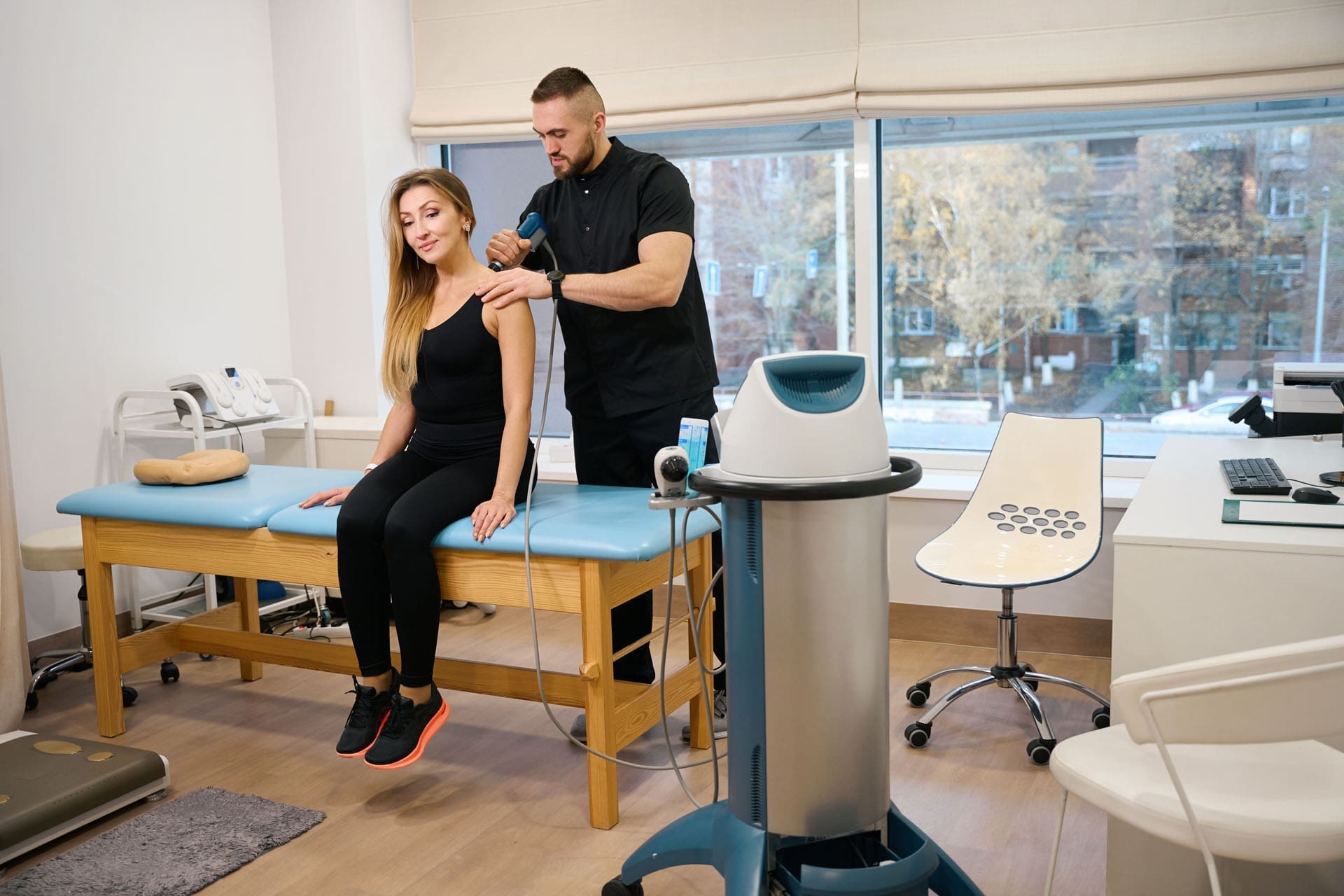
Chiropractic Shockwave Therapy for Pain and Healing
Shockwave Therapy Helps MVA Injuries Heal Faster

Radial vs. Focused Approaches, Physiological Mechanisms, Clinical Protocols, and Practical Considerations

Abstract

In this educational post, I share a clear, first-person overview of how shockwave therapy integrates into evidence-based chiropractic and advanced practice nursing care, explaining the differences between radial and focused shockwave systems, the underlying regenerative physiology, and how these modalities can be combined to optimize patient outcomes. I discuss FDA status, indications, dosing paradigms, and treatment sequencing for conditions such as tennis elbow, plantar fasciitis, whiplash-associated neck pain, and broader myofascial pain syndromes. I also outline practical details on device maintenance, session duration, patient experience, and cash-pay considerations, all framed within modern clinical research methods. Finally, I demonstrate how integrative chiropractic care, functional medicine, and rehabilitative protocols complement shockwave therapy to accelerate healing and restore function, supported by current literature and clinical observations from my practice.

Introduction: My Integrative Lens on Shockwave Care

As Dr. Alexander Jimenez, DC, APRN, FNP-BC, CFMP, IFMCP, ATN, CCST, I approach musculoskeletal care through an integrative model that blends chiropractic medicine, advanced practice nursing, functional medicine, and rehabilitative sciences. In recent years, I have incorporated acoustic shockwave technologies to complement manual therapy, neuromuscular re-education, and metabolic optimization. The clinical question patients and colleagues often ask is simple: how do these devices work, which type is appropriate, and how do we combine them within a patient-centered care plan?

In this post, I take you through a straightforward journey:

  • What shockwave therapy is and how it differs between radial and focused systems
  • The physiological basis of tissue regeneration triggered by acoustic waves
  • Why combining radial and focused treatments can produce synergistic results
  • FDA status, indications, session parameters, and maintenance
  • Evidence-based protocols and how we titrate energy levels using real-time patient feedback
  • How integrative chiropractic care and functional medicine enhance outcomes
  • Practical notes on reimbursement, patient materials, and clinical communication

Throughout, I reference contemporary literature and share clinical observations from my practice, highlighting the care pathways we use at ChiroMed and those we use in collaboration with broader interdisciplinary networks.

Shockwave Therapy Basics: What It Is and Why It Matters

Shockwave therapy delivers high-pressure acoustic waves into target tissues to stimulate the body’s innate regenerative and anti-inflammatory mechanisms. The field evolved from lithotripsy, originally used to break kidney stones. Clinicians then noticed surrounding soft tissues exhibited improved quality post-treatment, spurring research into orthopedic and sports applications.

Key distinctions:

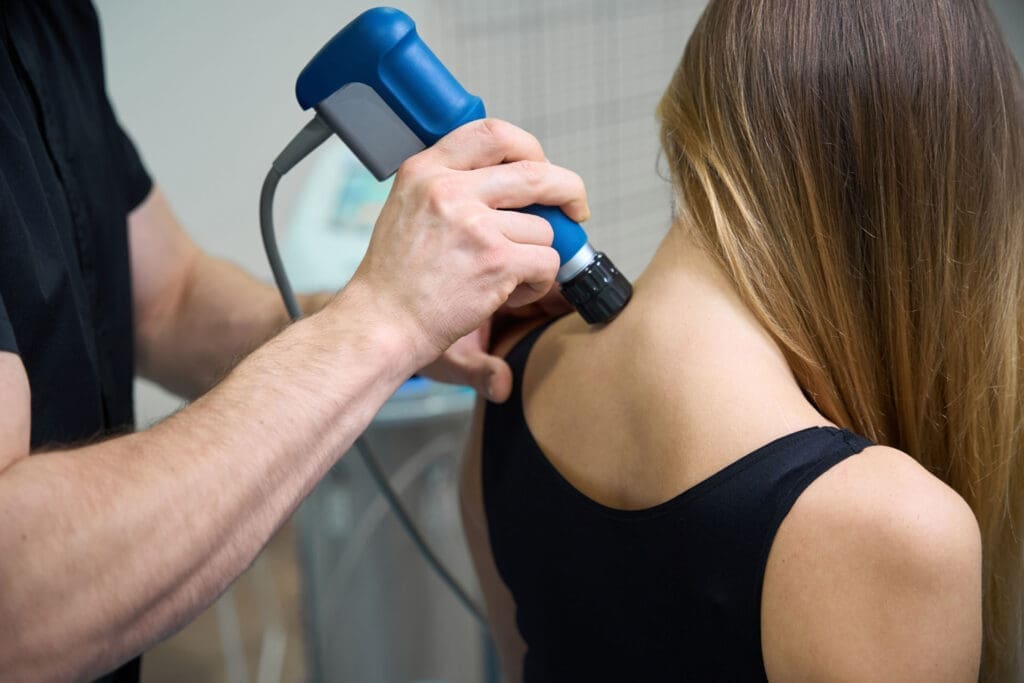
  • Radial shockwave disperses energy from the skin surface and fans out through the tissue to a depth of roughly 6 cm, favoring superficial tendons and large muscle groups.
  • Focused shockwave converges energy at a precise focal point up to ~12.5 cm deep, ideal for tendons, bone, ligaments, and deep joint pain.

These mechanical stimuli produce controlled microtrauma, which is central to the therapeutic cascade. Rather than damaging tissues, the microtrauma acts as a signal—prompting targeted neovascularization, growth factor upregulation, and cellular recruitment necessary for remodeling and repair.

Radial vs. Focused Shockwave: Energy Distribution and Clinical Targeting

The difference between radial and focused shockwave lies in energy distribution:

  • Radial: Highest energy at the skin; wavefront dissipates as it travels inward; broad field engagement of fascia and muscle.
  • Focused: Energy converges at depth; highly pinpoint targeting of the primary pain generator or structural lesion.

In practice, I often layer these modalities in a single session:

  • Use radial shockwave across affected myofascial chains (e.g., forearm flexors/extensors and biceps in lateral epicondylopathy) to reduce global tone, address trigger points, and improve tissue pliability.
  • Follow with focused shockwave directly over the primary lesion (e.g., degenerative extensor tendon insertion at the lateral epicondyle) to catalyze tissue-specific healing responses.

This dual approach respects both the regional interdependence of musculoskeletal pain and the necessity of site-specific regenerative signaling.

Physiological Underpinnings: From Microtrauma to Regeneration

Why does controlled acoustic microtrauma work? The physiology unfolds across several interconnected domains:

  • Mechanotransduction: Acoustic waves deform cellular membranes and extracellular matrix (ECM). Integrins, stretch-activated ion channels, and cytoskeletal elements transduce mechanical inputs into biochemical signals that regulate gene expression and protein synthesis (Wang, 2012).
  • Neovascularization and angiogenesis: Shockwave stimulates vascular endothelial growth factor (VEGF), eNOS, and related pathways, increasing capillary density and improving perfusion to ischemic or chronically degenerated tissues (Hausdorf et al., 2011).
  • Inflammatory modulation: Microtrauma induces a controlled acute-phase response, converting a chronic, low-grade inflammatory milieu into a time-limited acute state with organized repair—resetting stalled healing cycles typical of tendinopathies (Rompe et al., 2009).
  • Fibroblast activation and collagen remodeling: Enhanced fibroblast activity and collagen turnover shift tissue architecture from disordered Type III collagen toward more aligned, load-bearing Type I collagen, improving tensile strength (Wang et al., 2003).
  • Nociceptive effects: Shockwave may modulate pain via hyperstimulation analgesia, substance P depletion at sensory nerve endings, and activation of descending inhibitory pathways. Clinically, patients often report immediate analgesia and improved range of motion after a session—effects that partially recede within ~72 hours before consolidating with serial treatments (Notarnicola & Moretti, 2012).
  • Stem/progenitor cell recruitment: Acoustic cues can enhance mesenchymal stromal cell migration and differentiation in preclinical models, supporting tendon-bone interface healing and cartilage support under specific dosing conditions (Chen et al., 2014). While human data are still evolving, these mechanisms inform dosing strategies.

In short, shockwave interrupts chronic pain physiology, converts it into an acute reparative state, and guides structural remodeling through repeat, appropriately titrated dosing.

Immediate Relief vs. Long-Term Remodeling: Setting Expectations

One hallmark of clinical shockwave is the rapid analgesic effect many patients feel upon standing after the session. Patients often say that the arm, heel, or neck “feels amazing” with improved range of motion. However, I emphasize that this is step one. Over the next ~72 hours, some symptoms transiently return. With each subsequent session, the recurrence is diminished, reflecting cumulative tissue regeneration and functional adaptation.

We schedule shockwave in series—common patterns include 4–6 sessions spaced 5–10 days apart, depending on indication, tissue response, and comorbidities. The objective isn’t merely pain reduction; it’s structural and functional restoration.

FDA Status and Clinical Indications

Understanding regulatory status helps us communicate clearly and ethically:

  • Focused shockwave has FDA approval for chronic plantar fasciitis (e.g., ESWT/Focused ESWT devices).
  • Radial shockwave systems have FDA clearance for the treatment of chronic and acute musculoskeletal pain.

In practice, I consider shockwave for:

  • Plantar fasciitis/heel pain (focused primary; radial adjunct for calf/plantar fascia chain)
  • Lateral epicondylopathy (focused at tendon insertion; radial over forearm muscle groups)
  • Patellar tendinopathy and Achilles tendinopathy
  • Gluteal and proximal hamstring tendinopathies
  • Myofascial pain syndromes and trigger points
  • Hip abductor complex, rotator cuff tendinopathy, and selected bony stress responses under proper guidance
  • Neck pain and whiplash-associated disorders below the skull base—radial for global muscular tone; focused cautiously for deep facet/tendon interfaces when indicated

Note: Cranial applications remain contraindicated in the US at present, though ongoing investigational work in Europe is underway.

Session Design, Dosing, and Patient Experience

We aim for treatment sessions around 10 minutes when combining modalities:

  • Radial shockwave: ~5 minutes, commonly 2,500–3,000 pulses per session
  • Focused shockwave: ~5 minutes, with pulse counts adapted to the device and indication

The handpiece interfaces allow real-time pulse tracking, energy adjustments, and preset stops. I titrate energy using patient feedback to maintain a therapeutic sensation of roughly 5–6 out of 10—intense enough to engage the physiology, but not so strong as to provoke guarding or undue distress. Because shockwave is diagnostic in practice, I use palpable landmarks, ultrasound when appropriate, and patient-reported tenderness to find and follow the pain generators.

  • Sound levels: Radial devices are louder (mini jackhammer sound), whereas focused devices are quieter. Modern systems have improved acoustic dampening relative to older platforms.

Safety and Contraindications

  • Avoid treatment over active infection, malignancy, or open growth plates (pediatric considerations).
  • Exercise caution over vascular or neural bundles, and in patients with coagulopathies or on anticoagulants.
  • Cranial applications are not cleared in the US; limit upper cervical work to below the skull base.
  • Dose conservatively in severe neuropathy or altered pain processing syndromes, titrating by feedback.

Device Maintenance and Practical Operations

For reliable performance, maintenance is straightforward:

  • Radial shockwave: Replace the guide tube and bullet approximately every 1,000 treatments (~2 million pulses for the pair). Revision kits include two bullets and two guide tubes. Handpiece notifications prompt replacement; providers can perform an easy swap via video guidance or live support.
  • Focused shockwave: Replace the coil after around 2 million pulses (~1,000 treatments). The handpiece is typically overnighted to service for same-day repair and return, with scheduling tips to minimize clinic downtime.

Applying Shockwave in Personal Injury and Neck Care

For whiplash-associated cases, I use an integrative protocol:

  • Radial shockwave across hypertonic upper trapezius, levator scapulae, scalenes, and paraspinals below the skull base to normalize tone and reduce myofascial trigger points.
  • Focused shockwave when indicated over facet capsule areas or tendinous insertions with precise dosing, guided by palpation and, when appropriate, ultrasound. This combination reduces guarding and prepares tissues for manual therapy and motor control retraining.

Integrative Chiropractic Care: Layering Modalities for Superior Outcomes

Shockwave is not a standalone cure—it is most powerful when integrated:

  • Chiropractic adjustments: Once radial shockwave reduces guarding and focused shockwave modulates deep nociception, spinal and extremity adjustments can be delivered with less resistance and greater carryover.
  • Neuromuscular re-education: I pair shockwave with targeted isometrics in early phases, then eccentric loading (e.g., Alfredson protocol variants) to align collagen fibers and reinforce tensile strength in tendons.
  • Fascia-focused care: Post-shockwave, instrument-assisted soft-tissue mobilization or myofascial release can remodel ECM cross-links while perfusion is elevated.
  • Functional medicine support: Optimize micronutrients (Vitamin C, collagen peptides, magnesium), sleep, glycemic control, and inflammation (addressing omega-3/6 balance) to support collagen synthesis and tissue repair. I monitor metabolic markers when needed for stubborn cases.

Clinical Observations from My Practice

In my clinics (see ChiroMed and my professional LinkedIn profile), I observe consistent patterns:

  • Plantar fasciitis: Focused shockwave over the medial calcaneal attachment, with radial shockwave across the posterior chain (gastrocnemius/soleus and plantar fascia). Patients often report first-step pain reduced after session two, with functional gains consolidated by week 4–6.
  • Lateral epicondylopathy: Radial shockwave to forearm compartments reduces tone; focused shockwave to the common extensor tendon origin accelerates pain resolution. I incorporate eccentric wrist-extensor exercises and ergonomic coaching to achieve sustained outcomes.
  • Cervical myofascial pain: Radial shockwave to the upper quarter reduces headaches and neck stiffness, especially when combined with scapular stabilization and cervical motor control drills.
  • Achilles tendinopathy: Dose-focused sessions at the midportion or insertion; radial shockwave reverberates across calf muscle fascia. Eccentrics and load management remain essential.

Patients report immediate relief, with a transient return of symptoms, followed by decreasing recurrence and improved tissue quality across a series. These patterns align with the known biology of shockwave-induced remodeling and the literature’s outcome curves.

Evidence-Based and Research Methods

Modern shockwave research spans randomized controlled trials, meta-analyses, and biomechanical studies. Core findings:

  • Plantar fasciitis: Multiple RCTs support the superiority of focused ESWT over sham or conservative care for chronic cases, improving pain and function (Gerdesmeyer et al., 2008).
  • Lateral epicondylopathy: ESWT demonstrates clinically meaningful pain reduction and improvements in grip strength, with particular benefit in chronic cases (Rompe et al., 2004).
  • Tendinopathy biology: Mechanotransduction and angiogenic responses underlie the observed improvements (Wang, 2012), while studies show reductions in substance P and CGRP in tendon nociceptors, which explain rapid analgesia (Maier et al., 2003).
  • Myofascial pain: Radial shockwave can reduce trigger point tenderness and improve functional measures compared to baseline (Cagnie et al., 2013).

Device technologies measure energy differently:

  • Electromagnetic focused systems commonly report energy in millijoules per square millimeter (mJ/mm²), reflecting the energy density at the tissue interface.
  • Electrohydraulic systems may report joules, which represent total burst energy, without the same normalized-area metric.

When interpreting literature, I align dosing models with energy density, frequency, and pulse counts, then correlate them with the clinical target and tolerance. This ensures translational fidelity from studies to practice.

Shockwave Protocol Design: Practical Steps

I standardize protocols while leaving room for individualized titration:

  • Intake: Assess pain generators, regional interdependence, activity demands, comorbidities, and prior response to care.
  • Planning:
    • Radial shockwave: 2,500–3,000 pulses across related muscle and fascial chains; start lower energy and titrate to a 5–6/10 therapeutic sensation.
    • Focused shockwave: Target lesion with energy density consistent with literature for the indication; adjust based on tenderness and tissue depth.
  • Sequencing: Radial first to reduce tone; focused second to pinpoint the lesion.
  • Integration: Post-session gentle ROM, hydration guidance, and, within 24–48 hours, begin isometric or eccentric loading routines.
  • Series: Typically 4–6 sessions, each spaced by 5–10 days, with reevaluation after session 3 to confirm trajectory.
  • Outcomes: Pain VAS, functional scales (e.g., VISA-A for Achilles), and objective ROM/strength assessments.

Reimbursement, Cash-Pay, and Patient Communication

Shockwave is often positioned as a cash-pay modality in the United States. While some providers explore coding pathways, my stance focuses on transparency and value:

  • Present a clear series package (e.g., 4–6 sessions), with per-session rates typically between $250–$300, depending on the modality combination.
  • Use patient education materials—brochures, website pages, and scripts—to explain mechanisms, timelines, and expected post-treatment sensations.
  • Emphasize the functional ROI: fewer flare-ups, improved performance, reduced reliance on adjunct analgesics, and potential avoidance of more invasive interventions.

Patient Materials and Training

Comprehensive patient-facing content includes:

  • What shockwave is
  • Why we combine radial and focused treatments
  • What they will feel during and after a session
  • The importance of completing the series and participating in home exercise
  • Safety points and post-care instructions

Team training ensures consistent dose titration, proper handpiece handling, maintenance, and confident communication with patients.

Clinical Pearl: The 72-Hour Window

I counsel patients that immediate relief is common, but some symptoms may re-emerge within ~72 hours as acute signaling fades and tissue repair continues. This is normal. Over subsequent sessions, they notice a stepwise reduction in recurrence. Setting this expectation enhances adherence and satisfaction.

Integrative Outcomes: Faster Rehabilitation, Better Function

Within my integrative framework, shockwave accelerates:

  • Tissue readiness for manual therapy
  • Engagement with therapeutic exercise
  • Re-alignment of movement patterns
  • Return to work and sport

Functional medicine supports the biologic terrain for collagen synthesis, capillary formation, and sleep-dependent repair. Over time, patients experience not just symptom relief, but durable biomechanical improvements.

Closing Thoughts

Shockwave therapy—when properly dosed, sequenced, and integrated—bridges the gap between immediate analgesia and long-term tissue regeneration. By combining radial and focused approaches, aligning with current research, and embedding care within chiropractic, rehabilitative, and functional frameworks, we achieve meaningful, measurable outcomes. In my practice, these technologies have become a reliable part of restoring movement and reducing chronic pain, provided we honor the physiology and respect the patient’s lived experience.


References

The "Reset" Pain After Holding an Awkward Position

The “Reset” Pain After Holding an Awkward Position

The "Reset" Pain After Holding an Awkward Position
The “Reset” Pain After Holding an Awkward Position

What It’s Called, Why It Happens, and How ChiroMed Integrative Care Can Help

Have you ever sat, stood, or twisted in a position that felt “fine” at first, but when you moved back to normal, you felt a sharp discomfort, stiffness, or a strange “reset” sensation in a muscle or joint? Sometimes it feels like something releases, and then you need a minute for the area to calm down.

This is a very common body experience. Most of the time, it is not mysterious. It is your nervous system and soft tissues reacting to being held in a stressful position and then quickly returning to neutral.

Clinically, this experience is usually explained by a combination of:

  • Postural strain (overload from posture)
  • Muscle tightness and muscle guarding (protective tension)
  • Trigger points (sensitive, tight spots in muscle)
  • Myofascial restriction (stiffer, less mobile fascia)
  • Temporary joint restriction (a joint not gliding normally)

At ChiroMed, this is often approached as a “whole system” issue: joints, muscles, fascia, and the nervous system all influence how you move and how you feel, especially after long periods of sitting, working, driving, or sleeping in a poor position (ChiroMed, n.d.-a; Mayo Clinic, 2024). https://chiromed.com/ ; https://www.mayoclinic.org/tests-procedures/chiropractic-adjustment/about/pac-20393513


What is this feeling called?

People describe it in different ways:

  • “My back locked up”
  • “My neck was stuck and then it popped”
  • “I moved and it had to reset”
  • “It felt like a cramp, then it let go”
  • “It hurts when I come back to normal”

From a clinical point of view, the most accurate labels usually include:

  • Postural strain
  • Muscle guarding (protective stiffness)
  • Trigger point flare (myofascial pain)
  • Joint restriction or joint dysfunction (reduced joint motion)
  • Myofascial restriction (fascia not gliding well)

You may also hear chiropractic terms like “restricted segmental motion” or “functional joint restriction.” Some people use the word “subluxation” to describe a motion problem, but in most everyday posture cases, the key issue is not a dislocation. It is a temporary movement limitation and soft-tissue tightness that causes pain when you return to neutral (Mayo Clinic, 2024). https://www.mayoclinic.org/tests-procedures/chiropractic-adjustment/about/pac-20393513


Why it happens: the simple explanation

Your body is built for variety in movement. When you stay in one awkward position too long, your body adapts to protect you. That protection can feel like tightness, stiffness, and pain when you move back.

A practical way to think about it:

  1. You hold a stressful posture.
  2. Some tissues get compressed and irritated.
  3. Muscles tighten to stabilize you (guarding).
  4. Fascia becomes less “slippery” and more stiff.
  5. A joint may stop gliding normally.
  6. When you return to neutral, everything has to “reorganize” fast.
  7. You feel a “reset” sensation, along with short-term discomfort.

Fascia matters here because it is a connective tissue network that surrounds muscles and helps them glide. When fascia gets irritated or less mobile, it can feel like tightness, pulling, or stiffness (Johns Hopkins Medicine, n.d.). https://www.hopkinsmedicine.org/health/wellness-and-prevention/muscle-pain-it-may-actually-be-your-fascia


The key parts of the “reset” experience

Tight muscles or protective guarding

Muscle guarding is your nervous system trying to prevent movement it perceives as unsafe. It can happen after:

  • Long sitting
  • Repetitive work
  • Stress and poor sleep
  • Minor strains
  • Old injuries that make you move differently

Muscle stiffness and soreness after inactivity are common symptoms and can improve as tissues warm up and circulation increases (Cleveland Clinic, 2023). https://my.clevelandclinic.org/health/symptoms/25147-muscle-stiffness

Trigger points

Trigger points are sensitive, tight spots inside a muscle. When you change position, the muscle length changes, and the trigger point can “complain.”

Common clues you are dealing with trigger points:

  • A tender spot that hurts when pressed
  • A tight band feeling in the muscle
  • Pain that can refer to nearby areas

Myofascial pain patterns like this are widely described in patient education and often respond best to a mix of movement, soft-tissue care, and addressing the underlying cause (WebMD, 2024a). https://www.webmd.com/pain-management/myofascial-pain-syndrome

Fascia restriction and “sticky” glide

Fascia is not just wrapping. It has nerves, it responds to stress and movement, and it can contribute to pain when irritated (Johns Hopkins Medicine, n.d.). https://www.hopkinsmedicine.org/health/wellness-and-prevention/muscle-pain-it-may-actually-be-your-fascia

When fascia is restricted, you may notice:

  • You feel stiff even when you stretch
  • The area feels “stuck” more than “tight”
  • You feel pulling or discomfort with certain angles

Stretching alone does not always resolve stiffness, according to some rehab sources. Often, you need mobility, strength, and better movement patterns (NYDN Rehab, 2019). https://nydnrehab.com/blog/feeling-stiff-why-stretching-may-not-be-the-best-solution/

Joint restriction and the “pop”

If a joint has not been moving normally, it can feel like it “catches” or pinches at the end range. When it finally moves again (whether naturally or through an adjustment), some people feel a release or hear a pop.

Patient education materials commonly explain that a pop can involve a pressure change and gas release in the joint (often called cavitation) (Spine Stop, 2025; Peak Performance, n.d.).
https://www.spinestop.com/blog/what-happens-during-a-chiropractic-adjustment
https://peakperformancefranklin.com/faq/


What is happening inside your body when you move back to neutral?

Joint fixation or motion loss

A joint that does not glide well can create:

  • Pain when you “push it” back to neutral
  • A sudden release sensation when it finally moves
  • Short-term soreness after movement returns

Proprioceptive “reset”

Proprioception is your body’s sense of position. When you stay in a posture too long, your nervous system may temporarily treat it as the new normal. When you return to neutral, the brain and muscles recalibrate. That recalibration can feel weird, stiff, or briefly painful, then it settles.

Short-term soreness afterward

After a release, you may feel:

  • A warm ache
  • Mild soreness
  • Less restriction, but tenderness for a few hours

This can be normal, especially if the tissues were irritated and are now moving again (Health.com, 2023; Mayo Clinic, 2024).
https://www.health.com/chiropractor-7554177
https://www.mayoclinic.org/tests-procedures/chiropractic-adjustment/about/pac-20393513


Why posture is often the root driver

Poor posture is not about looking a certain way. It is about how the load is distributed over time.

When posture is off for long periods, it can lead to:

  • Muscle strain and overuse in some areas
  • Weakness or underuse in other areas
  • Joint stress and reduced motion
  • Higher chance of recurring tightness

Several clinics and rehab resources discuss poor posture as a common contributor to tension and discomfort (Calhoun Spine Care, n.d.; Blackburn Chiropractic Clinic, n.d.; Physis Rehab, n.d.).
https://calhounspinecare.com/postures-impact-on-back-pain-treatment-success-3/
https://blackburnchiropractor.ca/conditions/postural-alterations/
https://www.physisrehab.com/poor-posture-the-main-culprit-behind-muscle-tension/


What about “somatic soreness” and stress-based tension?

Sometimes the “locked” feeling is not only mechanical. Stress can raise baseline muscle tension and make your nervous system more protective.

Some writers use the term “somatic soreness” to describe body tension that can be influenced by emotional stress and nervous system activation (On The Go Wellness, n.d.). https://onthegowellness.com/somatic-soreness-the-overlooked-difference-between-muscle-pain-and-emotional-tension-stored-in-the-body/

This does not mean the pain is imaginary. It means your system may be:

  • More sensitive to pressure and movement
  • More likely to guard and brace
  • Slower to relax after strain

An integrative plan can still help because it targets both motion and nervous system calm.


How ChiroMed’s integrative approach can help

ChiroMed presents itself as an integrative clinic that combines chiropractic care with services such as nurse practitioner care, rehabilitation, nutrition, and acupuncture, aiming for a coordinated plan rather than a one-tool approach (ChiroMed, n.d.-a; ChiroMed, n.d.-b).
https://chiromed.com/
https://chiromed.com/about-us/

When you keep getting the “reset pain,” a useful plan typically includes four pillars:

Restore joint motion (adjustment or mobilization)

Chiropractic adjustment is commonly described as a controlled force applied to improve spinal or joint motion and reduce pain in certain conditions, such as neck or back pain (Mayo Clinic, 2024). https://www.mayoclinic.org/tests-procedures/chiropractic-adjustment/about/pac-20393513

Why it can help with the “reset” pattern:

  • It helps a restricted joint move more normally
  • It reduces the need for your body to “force” a painful release on its own
  • It may decrease protective muscle guarding once motion feels safer

Address soft tissue and fascia (myofascial work)

If your pain is driven by trigger points or fascial restriction, soft tissue methods may be important:

  • Myofascial release
  • Trigger point techniques
  • Gentle stretching paired with movement retraining

Myofascial pain education commonly includes these approaches, alongside exercise, posture, and repetitive strain management (WebMD, 2024a; WebMD, 2024b).
https://www.webmd.com/pain-management/myofascial-pain-syndrome
https://www.webmd.com/pain-management/what-to-know-myofascial-release-therapy

Rehab and exercise, so it does not keep coming back

If a joint keeps getting “stuck,” there is usually a reason:

  • Weak stabilizers
  • Poor motor control
  • Limited mobility in a nearby area
  • Repetitive posture habits

Rehab that combines mobility and strength often creates longer-lasting change than stretching alone (NYDN Rehab, 2019). https://nydnrehab.com/blog/feeling-stiff-why-stretching-may-not-be-the-best-solution/

Calm the nervous system (reduce guarding)

When pain decreases and movement feels safer, guarding can ease.

Supportive factors include:

  • Better sleep
  • Breath work
  • Gentle daily movement
  • A plan that progresses gradually (not too aggressive)

ChiroMed’s integrative model emphasizes multidisciplinary support and collaboration when needed (ChiroMed, n.d.-c). https://chiromed.com/elpaso-texas/


Clinical observations: Dr. Alexander Jimenez, DC, APRN, FNP-BC

ChiroMed’s website states it is led by Dr. Alex Jimenez and highlights a multidisciplinary approach that blends chiropractic care with nurse practitioner-level evaluation and integrative wellness strategies (ChiroMed, n.d.-d). https://chiromed.com/contact-us/

From an integrative clinical perspective, the “reset pain” pattern is often treated more effectively when the plan includes:

  • A movement and posture assessment
  • Joint mechanics plus soft tissue evaluation
  • Progressive rehab to build stability
  • Attention to nervous system load (stress, sleep, recovery)

This “full picture” approach is also consistent with how Dr. Jimenez presents integrative care across his professional platforms (ChiroMed, n.d.-d). https://chiromed.com/contact-us/


What you can do today: quick steps that reduce the “reset” problem

You do not have to wait until it is severe.

Movement habits that help

  • Change positions every 30 to 60 minutes
  • Take “movement snacks” during the day:
    • 30 seconds of standing and walking
    • gentle shoulder rolls
    • easy neck turns (pain-free range)
    • hip shifts or mini-squats

A simple 2-minute reset routine

  • 5 slow breaths (longer exhale)
  • 10 shoulder blade squeezes
  • 10 gentle hip hinges or sit-to-stands
  • 30 to 60 seconds of walking

Posture upgrades that matter

  • Screen at eye level
  • Feet supported
  • Hips and knees comfortable (not tucked under)
  • Avoid one-sided leaning for long periods

When you should get evaluated

Get checked sooner if you have:

  • Numbness or tingling that is new or worsening
  • Weakness in an arm or leg
  • Severe pain after an accident or fall
  • Fever, unexplained weight loss, or night pain
  • Bowel or bladder changes

For severe, persistent, or unimproving back pain, patient guidance commonly recommends seeking evaluation from a qualified professional (Healthgrades, 2020). https://resources.healthgrades.com/right-care/back-pain/when-to-see-a-doctor-for-back-pain


Bottom line

The “reset” pain after holding an awkward position is usually a mix of:

  • Postural strain
  • Muscle guarding
  • Trigger points
  • Fascial restriction
  • Temporary joint restriction
  • A nervous system recalibrating proprioception

An integrative plan can help by restoring motion, treating soft-tissue restrictions, strengthening weak links, and reducing the nervous system’s need to guard. ChiroMed describes a multidisciplinary model that combines these strategies into a single coordinated plan (ChiroMed, n.d.-a; ChiroMed, n.d.-b).
https://chiromed.com/
https://chiromed.com/about-us/


References

Chiropractic Care Overview on Myofascial Pain Syndrome

Learn how chiropractic care can target myofascial pain syndrome and support your healing journey today.

Chiropractic Care for Myofascial Pain Syndrome: Natural Relief, Root Causes, and Your Path to Wellness

Hey there, pain warriors! Ever feel like your muscles are throwing a secret party—knotty, achy, and refusing to let you join the fun? That’s myofascial pain syndrome (MPS) gatecrashing your day, turning simple moves into a comedy of errors. But fear not; chiropractic care is like the wise party pooper who gently clears the room with hands-on magic, easing those trigger points without the drama of drugs or surgery. In this epic guide (over 5,000 words of straightforward, science-backed goodness), we’ll unpack what MPS is, its sneaky causes and symptoms, how it messes with your musculoskeletal system, and why environmental factors like stress or pollution can turn up the volume on your pain. We’ll spotlight how chiropractic care, teamed with nonsurgical treatments, slashes inflammation, releases those muscle knots, and gives you a head start on a vibrant wellness journey. Plus, we’ll weave in clinical insights from Dr. Alexander Jimenez, DC, APRN, FNP-BC, a top El Paso expert who’s all about linking your injuries to cutting-edge diagnostics for real, lasting relief. Think of this as your playbook to evicting MPS—no eviction notice required, just smart, natural strategies!

We’ll keep it easy-breezy, like chatting over smoothies (or ice packs). If MPS has you feeling tied in knots, chiropractic care might just untangle things. Let’s roll!

What Is Myofascial Pain Syndrome? The Basics

Let’s kick off with the fundamentals. Myofascial pain syndrome, or MPS, is like a stubborn cramp that sets up camp in your muscles and the fascia—the tough, spiderweb-like connective tissue that wraps around them like cling wrap (Mayo Clinic, 2024a). It’s a chronic pain condition where hypersensitive spots called trigger points form in tight muscle bands, causing local aches or even zapping pain to far-off body parts, known as referred pain (Cleveland Clinic, 2023a). Unlike a one-off muscle pull from a weekend hike, MPS lingers, making everyday tasks like stretching for a high shelf or walking the dog feel like an uphill battle.

At its heart, MPS is a musculoskeletal disorder, zeroing in on those knotty trigger points rather than widespread tenderness like in fibromyalgia (Shah et al., 2015). It’s super common—up to 85% of people might tangle with it sometime—and it plays no favorites; desk jockeys, athletes, and couch potatoes alike can get snagged (Gerwin, 2010). The silver lining? It’s highly treatable, especially with chiropractic techniques that target those trigger points head-on, no meds or incisions needed.

Humor alert: MPS is like your muscles deciding to host a flash mob—knots dancing everywhere—but chiropractic care is the DJ who changes the tune to “relax”!

References

Causes of Myofascial Pain Syndrome: The Hidden Triggers

MPS doesn’t just pop up—it’s often sparked by a mix of physical, emotional, and environmental factors that overload your muscles and fascia (StatPearls, 2023a). Physical trauma is a prime suspect: a slip on icy stairs, a fender-bender whiplash, or repetitive strain from assembly line work or marathon typing sessions can create tiny muscle tears, forming those pesky trigger points (Jimenez, 2016). Overuse is another culprit—think a painter’s shoulder from constant overhead reaches or a runner’s calves from pounding pavement without rest (Healthline, 2024).

Poor posture sneaks in too: slouching at your desk or hunching over your phone tightens neck and shoulder muscles, setting the stage for knots (WebMD, 2024). Emotional stress amps it up—clenching your jaw during a tense meeting or tensing up in traffic can make muscles rigid, inviting trigger points (Medical News Today, 2022). Now, environmental factors? They’re the silent accomplices: cold, damp weather can stiffen muscles (like shoveling snow in winter chills), while vitamin D deficiency from indoor lifestyles weakens tissues (StatPearls, 2023b). Air pollution or toxins irritate the system, ramping up inflammation, and even ergonomic nightmares like a bad office chair contribute by promoting poor alignment (PMC, 2024).

Dr. Alexander Jimenez highlights that in his practice, MPS often stems from these everyday stressors, like prolonged sitting leading to postural imbalances that strain the upper back (Jimenez, 2016). Systemic factors like sleep deprivation, chronic infections, or hormonal imbalances (e.g., thyroid issues) can also play a role, making MPS a perfect storm of modern life (AAPM&R, 2024).

Humor: Causes of MPS? It’s like your muscles collecting bad habits like stamps—posture slumps, stress stamps, and cold weather postmarks—time to cancel that subscription!

References

Symptoms of Myofascial Pain Syndrome: The Red Flags

MPS symptoms can be sneaky, starting as a dull ache and building to a full-blown nuisance. The main event is deep, throbbing muscle pain that feels like a persistent bruise, often worsening with activity or pressure (Mayo Clinic, 2024b). Trigger points steal the show: these tender knots, when poked, cause sharp local pain or shoot discomfort elsewhere—like a back knot zinging down your leg (Cleveland Clinic, 2023b).

You’ll spot taut, stringy muscle bands, restricted movement (turning your head feels like twisting a rusty knob), and weakness that makes lifting groceries a workout (Physiopedia, n.d.). Sleep gets hijacked—pain amps up at night, leaving you tossing like a salad (WebMD, 2024). Headaches from neck triggers are frequent, and some experience fatigue or mood slumps from the endless ache (Healthline, 2024). In athletes, it might manifest as reduced speed or strength, like a swimmer with shoulder pain losing stroke power.

Dr. Jimenez notes symptoms often mimic other issues, but reproducing pain by pressing a trigger point is a telltale sign—unpleasant but revealing (Jimenez, 2016). If it’s MPS, you’ll feel that “jump sign” twinge.

Humor: Symptoms of MPS? It’s like your muscles texting “SOS”—knots that yelp when touched, aches that crash your sleep party, and range of motion that’s on strike!

References

How Myofascial Pain Syndrome Affects the Musculoskeletal System

MPS is a real wrecker for your musculoskeletal system—the network of muscles, bones, tendons, ligaments, and fascia that keeps you upright and active. Trigger points mess with muscle function, creating stiff bands that hinder smooth contraction and relaxation, leading to weakness and imbalance (StatPearls, 2023a). This domino effect strains joints, accelerating wear on your spine or hips, like a misaligned wheel wobbling your car (PMC, 2019).

Fascia gets glued and restricted, limiting flexibility and causing referred pain that confuses your nerves (Shah et al., 2015). Long-term, it sparks compensatory habits—limping on one leg overuses the other—upping injury risk, like shoulder pain turning into elbow trouble (Gerwin, 2010). For athletes, it tanks performance: a calf knot alters a runner’s stride, stressing knees; a back trigger limits a golfer’s swing (AAPM&R, 2024).

Chronic MPS feeds into bigger problems, like poor sleep ramping up inflammation, creating a loop (Medical News Today, 2022). Dr. Jimenez explains untreated MPS can snowball into fibromyalgia-like symptoms or nerve compression, but catching it early stops the cascade (Jimenez, 2016).

Humor: MPS on the musculoskeletal system? It’s like a bad orchestra—knots playing off-key, referred pain joining the wrong section, and your joints begging for a conductor!

References

Chiropractic Care: Your Natural Ally Against Myofascial Pain Syndrome

Chiropractic care is like a skilled negotiator for MPS, stepping in to ease trigger points and restore muscle harmony without the need for meds or surgery (PubMed, 2009). Adjustments realign the spine and joints, reducing nerve pressure and improving blood flow to knotted areas, which helps flush out inflammation and relax taut bands (Integrative Physical Health, 2022). It’s non-invasive, focusing on the whole body to address imbalances that fuel MPS.

How does it work? Chiropractors use manual manipulations to release fascia restrictions, stretch muscles, and break up trigger points, often combining it with soft-tissue techniques like myofascial release (Gonstead Chiropractic Center, 2023). This boosts mobility, cuts pain, and prevents knots from returning. For environmental triggers like poor posture from desk work or stress from a hectic lifestyle, chiro restores alignment, easing the load on muscles (Radix Chiro, 2023).

Dr. Jimenez, with his dual expertise in chiropractic and nursing, uses hands-on assessments to spot trigger points, then tailors plans that include adjustments to reduce inflammation tied to factors like cold weather or repetitive strain (Jimenez, 2016). His approach not only targets pain but promotes overall wellness, helping patients dodge future flare-ups.

Humor: Chiropractic for MPS? It’s like sending a peacekeeper to your muscle’s knotty rebellion—adjust, release, and suddenly everyone’s chilling!

References

Environmental Factors and Myofascial Pain Syndrome: The Connection

Environmental factors are sneaky amplifiers for MPS, turning minor muscle stress into major pain (Best Practice & Research Clinical Rheumatology, 2024). Cold, damp weather stiffens muscles, making trigger points more likely—think shivering through a winter run without warming up (Pain Free Nottingham, 2024). Pollution and toxins irritate the system, ramping up inflammation that tightens fascia and creates knots (ScienceDirect, 2024).

Poor ergonomics, like a wonky desk setup or repetitive factory work, promote posture slumps that strain neck and back muscles (LWW, 2021). Stress from urban hustle or job pressure clenches muscles, fostering trigger points (JOSPT, 2025). Nutritional gaps, like low vitamin D from indoor lifestyles, weaken tissues, while sleep deprivation from noisy environments fuels the fire (AAPM&R, 2024).

Chiropractic care shines here: adjustments correct posture imbalances from desk life, release tension from stress, and improve circulation to counter cold-weather stiffness (PubMed, 2009). Dr. Jimenez often sees MPS linked to these factors, using tailored plans to break the cycle (Jimenez, 2016).

Humor: Environmental factors and MPS? It’s like Mother Nature pranking your muscles with cold snaps and stress bombs—chiro’s the hero who calls her bluff!

References

Chiropractic Care Combined with Nonsurgical Treatments: A Winning Team

Chiropractic care shines solo for MPS, but teaming it with nonsurgical treatments? That’s a wellness super squad, slashing pain faster and kickstarting your health journey (ScienceDirect, 2009). Adjustments pair perfectly with myofascial release or massage to break up trigger points, while physical therapy adds stretches and exercises to build strength and flexibility (Integrative Physical Health, 2022).

Add acupuncture or dry needling to zap knots with precision, or laser therapy to boost healing without touch (LWW, 2021). TENS (transcutaneous electrical nerve stimulation) zings nerves to block pain signals, and ultrasound waves heat deep tissues for relief (PubMed, 2009). These combos tackle MPS’s multifactorial nature—chiro fixes alignment, PT builds resilience, and acupuncture eases tension—for quicker recovery and prevention (SE Pain and Spine Care, 2024).

Dr. Jimenez integrates these in his plans, using chiro as the anchor for nonsurgical synergy, helping patients ditch pain and embrace wellness (Jimenez, 2016).

Humor: Chiro and nonsurgical treatments? It’s like a band jamming—chiro on lead guitar, PT on drums, acupuncture on bass—hitting all the high notes of relief!

References

Getting a Head Start on Health and Wellness with Chiropractic and Nonsurgical Treatments

Chiropractic care with nonsurgical treatments isn’t just pain relief—it’s your fast pass to a healthier, more vibrant life (JMPT, 2009). By easing MPS, it boosts mobility, letting you hike, dance, or chase kids without wincing. Reduced inflammation means better sleep, more energy, and fewer mood dips—hello, happier you (Dynamic Care, n.d.)!

Nonsurgical add-ons like PT or acupuncture build on chiro’s foundation, strengthening muscles and preventing relapses, while nutrition tweaks (e.g., anti-inflammatory diets) fuel your body right (All Star Chiropractic, 2023). This holistic mix jumpstarts wellness: lower stress, stronger immunity, and balanced hormones for overall glow-up (Urban Chiros, n.d.).

Dr. Jimenez’s patients often report this head start—less pain opens doors to exercise, better eating, and stress-busting habits (Jimenez, 2016). It’s like upgrading from economy to first-class on your health flight!

Humor: Chiro and nonsurgical treatments for wellness? It’s like giving your body a VIP pass—skip the pain line and head straight to “feeling awesome”!

References

Dr. Alexander Jimenez’s Clinical Approach: Linking Injuries with Advanced Tools

Dr. Alexander Jimenez, DC, APRN, FNP-BC, is a standout in El Paso for associating patient injuries with precise diagnostics (LinkedIn, n.d.). He uses advanced imaging like MRI and CT scans to visualize soft-tissue damage, such as fascia restrictions in MPS or spinal misalignments from trauma (DrAlexJimenez.com, n.d.). These tools reveal hidden issues, like trigger points causing referred pain.

Diagnostic evaluations, including functional assessments and lab tests, pinpoint inflammation or nutritional deficiencies contributing to MPS (DrAlexJimenez.com, n.d.). Dual-scope procedures—combining endoscopy with arthroscopy—allow real-time views of joint and tissue damage, guiding minimally invasive fixes (NYS DOH, 2013; FACS, 2018).

This multifaceted method ensures accurate diagnosis, linking symptoms to causes for effective, tailored plans (Jimenez, 2016). Patients get comprehensive reports for insurance or legal needs, blending chiro with medical precision.

Humor: Dr. Jimenez’s diagnostics? It’s like giving your injury a full body scan—trigger points can’t hide from this super sleuth!

References

Practical Tips to Manage Myofascial Pain Syndrome at Home

While professional care is key, these at-home tweaks can help manage MPS and support your chiropractic journey (Mayo Clinic, 2024b):

  • Self-Massage: Use a foam roller or tennis ball to gently roll over trigger points—think of it as giving your muscles a DIY spa day.
  • Stretching: Daily gentle stretches for neck, shoulders, and back to loosen taut bands; hold for 30 seconds without bouncing.
  • Heat Therapy: Warm baths or heating pads to relax muscles; alternate with ice for swelling.
  • Posture Check: Use ergonomic pillows or stand tall—your spine will thank you.
  • Stress Busting: Meditation or deep breathing to lower cortisol; apps make it easy.
  • Nutrition Boost: Anti-inflammatory foods like salmon or berries; stay hydrated.

Pair these with chiro visits for best results (Jimenez, 2016).

Humor: Managing MPS at home? It’s like being your own muscle therapist—foam roll like you’re ironing out wrinkles in your favorite shirt!

References

Real-Life Stories: Overcoming MPS with Chiropractic Care

Meet Sarah, a 35-year-old office worker whose desk job sparked MPS in her neck, causing headaches that felt like a daily hammer. After chiropractic adjustments and myofascial release, she ditched the pain and now stretches like a pro (inspired by patient testimonials from Dr. Jimenez’s practice) (Jimenez, 2016).

Or take Mike, a weekend warrior with shoulder knots from golf swings. Combining chiro with PT, he swung back into action pain-free, crediting the combo for his “head start” on fitness (similar to cases in PubMed, 2009).

These stories show chiro’s real-world wins—reducing pain, boosting mobility, and sparking wellness.

Humor: Sarah’s story? From “desk zombie” to “stretch queen”—chiro turned her headaches into history!

References

The Science Behind Chiropractic’s Success for MPS

Chiropractic isn’t magic—it’s science. Adjustments restore joint function, reducing muscle tension and trigger point activity (PubMed, 2009). This lowers inflammation by improving blood flow, flushing toxins, and releasing endorphins for natural pain relief (ScienceDirect, 2009).

Studies show chiro outperforms meds for chronic pain, with lasting effects (JMPT, 2009). Combined with nonsurgical options like ultrasound or TENS, it accelerates healing by addressing fascia and nerve issues (LWW, 2021).

Dr. Jimenez’s method, using diagnostics to link injuries, ensures science-backed plans (LinkedIn, n.d.).

Humor: The science of chiro? It’s like your spine’s TED Talk—adjust, align, and applaud the relief!

References

Preventing MPS: Lifestyle Hacks for Long-Term Relief

Prevention is MPS’s kryptonite. Maintain good posture with ergonomic setups—your desk shouldn’t be a pain factory (WebMD, 2024). Stay active with regular stretches; even desk-side yoga counts. Eat anti-inflammatory foods like turmeric or omega-3s to keep muscles happy (Healthline, 2024).

Manage stress with meditation—don’t let tension turn muscles into rocks. Get enough sleep; it’s your body’s repair shop (Medical News Today, 2022). For environmental foes, bundle up in cold weather and stay hydrated to flush toxins (Pain Free Nottingham, 2024).

Chiro check-ups catch early knots, keeping you ahead (Jimenez, 2016).

Humor: Preventing MPS? It’s like muscle maintenance—stretch like a cat, eat like a rainbow, and stress less, or your knots will tie you up!

References

When to See a Chiropractor for MPS

If pain persists despite rest or home remedies, it’s chiro time. Signs like constant aches, knots that don’t budge, or referred pain zapping your limbs scream “professional help!” (Mayo Clinic, 2024b). Early intervention prevents escalation (Cleveland Clinic, 2023b).

Dr. Jimenez recommends seeking care if symptoms disrupt daily life or sleep—he’ll use diagnostics to rule out mimics like arthritis (Jimenez, 2016).

Humor: When to see a chiro for MPS? When your muscles are more knotted than your earbuds after a run—time to untangle!

References

The Role of Nutrition in MPS Management

Nutrition is your secret weapon against MPS. Anti-inflammatory diets rich in omega-3s (fish, flaxseeds) and antioxidants (berries, spinach) reduce trigger point flare-ups (LWW, 2021). Vitamin D and magnesium supplements ease muscle tension—low levels from indoor lifestyles worsen knots (AAPM&R, 2024).

Avoid sugar and processed foods that spike inflammation (Healthline, 2024). Dr. Jimenez incorporates nutritional assessments in his plans, linking deficiencies to MPS triggers (Jimenez, 2016).

Humor: Nutrition for MPS? Eat like a rainbow warrior—berries battling knots, fish fighting inflammation—your plate’s the new battlefield!

References

Exercise and MPS: Gentle Moves for Relief

Exercise is MPS’s frenemy—right ones soothe, wrong ones irritate. Low-impact activities like swimming or yoga stretch fascia without stress (Mayo Clinic, 2024b). Strength training with light weights builds muscle balance, preventing knots (Physiopedia, n.d.).

Start slow: trigger point self-massage before workouts, then gentle stretches. Dr. Jimenez recommends tailored routines to complement chiro, like core exercises for back MPS (Jimenez, 2016).

Humor: Exercise for MPS? It’s like whispering to your muscles—”Let’s stretch, not stress”—they’ll thank you with less complaining!

References

MPS in Athletes: A Common Hurdle

Athletes are MPS magnets—repetitive motions like pitching or running create trigger points, tanking performance (Gerwin, 2010). A swimmer’s shoulder knots might slow strokes, or a runner’s calf triggers cause limps (Shah et al., 2015).

Chiro helps by releasing points and restoring balance, while nonsurgical add-ons like laser therapy speed healing (All Star Chiropractic, 2023). Dr. Jimenez’s athlete-focused plans use diagnostics to link overuse to MPS, getting them back in the game (Jimenez, 2016).

Humor: MPS in athletes? It’s like your muscles saying, “We trained hard, now we’re on strike”—chiro’s the mediator calling a truce!

References

MPS and Mental Health: The Mind-Body Link

MPS isn’t just physical—it’s a mind-body tango. Pain disrupts sleep, spiking stress hormones that tighten muscles further (Medical News Today, 2022). Anxiety or depression can amplify symptoms, creating a loop where pain fuels mood dips, and vice versa (AAPM&R, 2024).

Chiro breaks this by reducing pain, improving sleep, and lowering stress—adjustments release endorphins for natural mood boosts (PubMed, 2009). Combined with counseling or mindfulness, it’s a holistic win (LWW, 2021).

Dr. Jimenez includes stress management in plans, recognizing the emotional side of MPS (Jimenez, 2016).

Humor: MPS and mental health? It’s like your muscles and mind in a bad rom-com—lots of tension, no happy ending—until chiro directs a rewrite!

References

The Future of MPS Treatment: Emerging Trends

MPS treatment is evolving with tech like ultrasound-guided dry needling for precise trigger point hits (SE Pain and Spine Care, 2024). Regenerative therapies, like platelet-rich plasma, show promise in healing fascia (PMC, 2024).

Chiro remains central, integrating these for personalized care (JOSPT, 2025). Dr. Jimenez stays ahead, using advanced diagnostics to blend old and new (LinkedIn, n.d.).

Humor: Future of MPS treatment? It’s like upgrading from flip phones to smartphones—chiro’s the app that ties it all together!

References

Conclusion

This deep dive into myofascial pain syndrome, its causes, symptoms, and impact on the musculoskeletal system underscores the value of chiropractic care in addressing this chronic condition. By targeting trigger points, reducing inflammation linked to environmental factors, and combining with nonsurgical treatments, chiropractic offers a natural, effective path to relief and a head start on your health journey. Dr. Jimenez’s expertise, using advanced imaging, diagnostics, and dual-scope procedures to link injuries precisely, exemplifies how personalized care can transform lives.

Serious Note: While this post provides educational insights, it’s crucial to approach MPS seriously as untreated symptoms can lead to long-term complications. Always prioritize professional medical advice.

Disclaimer: This article is for informational purposes only and is not a substitute for professional medical advice, diagnosis, or treatment. Consult a qualified healthcare provider before starting any new treatment or lifestyle change, especially with existing conditions. The content is based on research and should be taken seriously for informed health decisions. Individual results may vary, and no guarantees are made regarding outcomes.

Explore Integrative Medicine-Video