Give us a Call
+1 (915) 412-6680
Send us a Message
[email protected]
Opening Hours
Mon-Thu: 7 AM - 7 PM
Fri - Sun: Closed
Chiropractic Wedges and How They Support Spinal Health

Chiropractic Wedges and How They Support Spinal Health
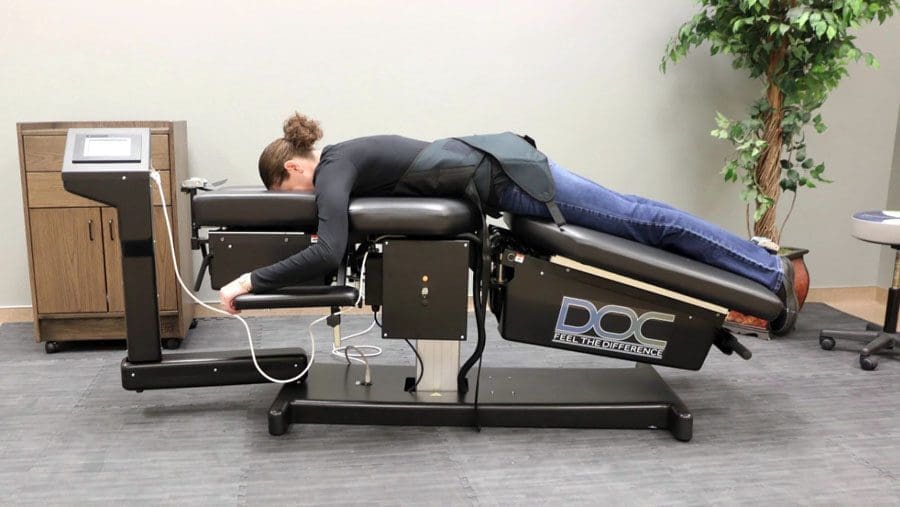
Chiropractic Wedges and How They Support Spinal Health

Benefits and Uses

Chiropractic care offers many ways to help the body heal without surgery or strong medicines. One simple tool in this field is the chiropractic wedge. These are triangle-shaped blocks made from foam or other firm materials. Chiropractors place them on parts of the body, such as the neck, hips, or feet, to use gravity for gentle adjustments. This helps align the spine, stretch tight areas, and correct body imbalances. Wedges work by letting your own body weight do the job over time, which can ease pain and improve how you move (Diamond State Chiropractic, n.d.).

People often use wedges to bring back the spine’s natural curves. A healthy spine has gentle bends that help absorb shocks from daily life. When these curves get flat or twisted, it can cause discomfort in the back, neck, or even headaches. Wedges help decompress the spine by creating space between the vertebrae, reducing pressure on nerves and discs. This can lessen stress on your posture and make standing or sitting feel better. They are especially useful for issues such as uneven hips, tailbone pain, or spinal curves like scoliosis (Jimenez, n.d.a).

In chiropractic sessions, wedges provide a passive means of correcting problems. You don’t need forceful pushes; instead, you relax on the wedge for a few minutes. This makes them ideal for people who want gentle care, such as older adults, pregnant women, or those recovering from injuries. Over time, regular use can lead to better balance and less pain in everyday activities (Walkley Chiropractic Group, n.d.).

Types of Chiropractic Wedges and How to Use Them

There are different kinds of wedges, each designed for specific body areas. Let’s look at the main types and how they help.

  • Neck (Cervical) Wedges: These restore the natural curve in your neck, called cervical lordosis. To use one, lie on your back with the wedge under your neck. The flat side goes against your shoulders, and your head rests on the sloped part. Stay there for 5-10 minutes, letting gravity gently pull your head back. This traction opens up the neck joints, improves blood flow to the discs, and reduces pressure on the shoulders and upper back. It’s helpful for poor posture from looking at screens all day, which can lead to headaches or stiff necks (Core Chiropractic, n.d.; Pure Health, n.d.; Cordova & Siegmund, 2018).
  • Pelvic or SOT Blocks: Used in the Sacro Occipital Technique (SOT), these come in pairs and go under the hips while you lie face down. They act like a pivot point, using your body weight to fix tilts in the pelvis or spine. For example, if one hip is higher, place a wedge under the higher side and another on the opposite sacroiliac joint. This corrects imbalances in the lower back, sacrum, or tailbone. It’s good for sciatica, scoliosis, or coccydynia (tailbone pain), and doesn’t require any thrusting from the doctor (Tigerlily Chiropractic, n.d.; Diamond State Chiropractic, n.d.; El Paso Chiropractor Blog, 2019).
  • Foot Wedges: These small devices adjust how your feet move, fixing issues like over-pronation (feet rolling in) or supination (rolling out). Place them in shoes or under the feet during exercises to guide joint motion. They influence the entire body chain, from the ankles to the knees and up to the back. This can ease pain in the feet, legs, or even lower back from bad walking habits. They’re useful for recurrent injuries or nagging aches that don’t go away with rest (PhysioFlexx Ayrshire, n.d.).

Using wedges at home can support in-office treatments. Always start slow to avoid strain. For neck wedges, begin with 1-2 minutes and build up. Roll off to the side when done, don’t sit straight up. Combine them with chiropractic adjustments for best results—they’re not a standalone fix (Chiropractic First, n.d.; Pure Health, n.d.).

Benefits of Wedges for Common Health Issues

Wedges offer many advantages in chiropractic care. They promote gentle, effective changes without discomfort.

  • Spinal Alignment and Decompression: By restoring curves such as the neck’s lordosis or the lower back’s sway, wedges reduce nerve pressure. This can help with chronic back pain, herniated discs, or pinched nerves (Core Chiropractic, n.d.).
  • Pain Relief: They ease discomfort from conditions like sciatica (pain down the leg), headaches, or tailbone issues. For hips out of alignment, wedges help reset them, stopping pain from spreading to the back or knees (Jimenez, n.d.b; Diamond State Chiropractic, n.d.).
  • Improved Posture and Mobility: Poor posture from sitting too much strains the body. Wedges counteract this by encouraging better biomechanics, making movement easier for elderly or pregnant people (Walkley Chiropractic Group, n.d.).
  • Support for Specific Conditions: In scoliosis, they help straighten the spine’s curve. For coccydynia, wedge cushions reduce pressure on the coccyx. They also help with foot-related pains that affect the whole body (El Paso Chiropractor Blog, 2019; PhysioFlexx Ayrshire, n.d.).

Clinical observations from Dr. Alexander Jimenez, a chiropractor with over 30 years of experience, indicate that misaligned hips—often corrected with tools such as wedges—cause widespread problems. He notes symptoms like limping, reduced motion, and radiating pain, which improve with non-invasive methods like decompression and orthotics. Jimenez emphasizes checking for leg length differences, where a foot wedge can balance things out and prevent chronic problems (Jimenez, n.d.a; Jimenez, n.d.c; Jimenez, LinkedIn, n.d.).

Integrating Wedges in a Holistic Chiropractic Approach

Chiropractic care often goes beyond just adjustments. In integrated clinics, skilled practitioners combine wedges with other methods for full-body health. This holistic view looks at lifestyle, diet, and emotions, not just symptoms (Poets Corner Medical Centre, n.d.).

Holistic chiropractors use wedges alongside manual tweaks and advice on daily habits. For example, they might suggest posture exercises while on a neck wedge to strengthen muscles. This optimizes healing and prevents recurring issues (Core Chiropractic, n.d.).

Like approaches from the National Center for Complementary and Integrative Health (NCCIH), this includes team-based care. About 11% of U.S. adults used chiropractic care in 2022, often for pain, and often combined it with other therapies (NCCIH, 2024).

Multidisciplinary Therapies Enhancing Chiropractic Care

A multidisciplinary setup brings together experts like chiropractors, physical therapists, and acupuncturists. This team effort improves results beyond solo treatments.

  • With Physical Therapy: Adjustments with wedges align the spine, while PT adds exercises for strength and flexibility. This combo speeds recovery from injuries (Dallas Accident and Injury Rehab, n.d.).
  • Acupuncture Integration: Needles calm nerves, paired with wedges for alignment, helping chronic pain or headaches (All Cure Spine and Sports, n.d.).
  • Nutritional Counseling: Diet advice reduces inflammation, supporting wedge-based corrections for better mobility and quality of life (Poets Corner Medical Centre, n.d.; Involve Health, n.d.).

Benefits include less need for pain meds, faster healing, and lasting relief. Dr. Jimenez observes that functional medicine, combining nutrition with chiropractic tools, addresses root causes such as inflammation and imbalances, treating conditions ranging from sciatica to neuropathy (Jimenez, LinkedIn, n.d.; All Cure Spine and Sports, n.d.).

Dos and Don’ts for Safe Wedge Use

To get the most from wedges, follow these tips based on expert advice.

  • Dos: Use on a firm surface, relax fully, start short sessions, and pair with professional care. For pelvic wedges, ensure proper placement for your imbalance (Pure Health, n.d.; Unknown, n.d.).
  • Don’ts: Avoid overdoing time, using without adjustments, or craning your neck for screens. Stop if pain increases (Chiropractic First, n.d.).

Dr. Jimenez stresses personalized plans, using tests like X-rays to guide wedge use for safe, effective alignment (Jimenez, n.d.c).

Conclusion: Why Consider Chiropractic Wedges?

Wedges are a key part of gentle chiropractic care, helping align the body and naturally ease pain. From neck curves to foot biomechanics, they support health in simple ways. In holistic clinics, they’re part of broader plans with therapies like PT and nutrition. As Dr. Jimenez’s work shows, addressing imbalances early prevents bigger issues. If you have back or neck troubles, talk to a chiropractor about wedges—they could improve your daily life.


References

All Cure Spine and Sports. (n.d.). The benefits of a multidisciplinary therapeutic approach.

Chiropractic First. (n.d.). Wedge videos.

Core Chiropractic. (n.d.). Posture exercises and neck wedges: Do you need them?

Cordova, N., & Siegmund, B. (2018, August 3). Cervical wedge demonstration [Video].

Dallas Accident and Injury Rehab. (n.d.). Integrating chiropractic care with other treatments.

Diamond State Chiropractic. (n.d.). 5 common chiropractic techniques for back and neck pain.

El Paso Chiropractor Blog. (2019, October). Tailbone pain, also known as coccydynia.

Involve Health. (n.d.). Chiro FAQs.

Jimenez, A. (n.d.a). Out of alignment hips.

Jimenez, A. (n.d.b). Dr. Alex Jimenez.

Jimenez, A. (n.d.c). Dr. Alexander Jimenez [LinkedIn profile].

NCCIH. (2024). Chiropractic: In depth.

PhysioFlexx Ayrshire. (n.d.). Foot wedges.

Poets Corner Medical Centre. (n.d.). Why should you visit a holistic chiropractor?

Pure Health. (n.d.). Neck traction wedge dos and don’ts.

Tigerlily Chiropractic. (n.d.). Our techniques.

Unknown. (n.d.). Pelvic wedge home care [Video].

Walkley Chiropractic Group. (n.d.). Biomechanical wedges.

Prevent Back Pain with These Spinal Hygiene Habits

Prevent Back Pain with These Spinal Hygiene Habits

What Is Spinal Hygiene?

Spinal hygiene refers to the everyday habits that protect your spine so it stays strong, flexible, and comfortable. Think of it like dental hygiene: you don’t brush your teeth once and expect them to stay healthy forever. You do small, consistent actions—most days—so problems are less likely to build up.

Spinal hygiene focuses on:

  • Posture (how you sit, stand, and sleep)
  • Movement (daily activity and mobility)
  • Body mechanics (how you lift, bend, and carry)
  • Core strength (your “natural back brace”)
  • Recovery habits (sleep, stress control, hydration)
  • Nutrition (fuel for bones, discs, muscles, and healing)

This approach is often paired with integrative chiropractic care and support from a nurse practitioner (NP). Chiropractors help with spinal alignment, joint motion, and movement strategies. NPs help look at the “bigger picture,” like inflammation, sleep, nutrition, stress load, medications, and chronic health risks that can affect pain and healing (Illinois Spinal Care, n.d.; Mayo Clinic, 2024).

Spinal hygiene isn’t about being perfect. It’s about building a “spine-friendly” lifestyle that makes back and neck flare-ups less frequent—and less intense when they happen (Spine N Pain, n.d.).


Why Spinal Hygiene Matters More Than People Think

Your spine is not just a stack of bones. It protects your spinal cord and supports the nerve pathways that help your body move and function. It also handles a significant amount of daily stress from sitting, screen time, driving, lifting, workouts, and repetitive tasks (Malone, 2021; Serving Life Chiropractic, n.d.).

When spinal hygiene is ignored, common results include:

  • Ongoing neck or low back pain
  • Stiffness and reduced mobility
  • Headaches linked to posture strain
  • Muscle imbalances (tight in one area, weak in another)
  • Higher risk of flare-ups with lifting, twisting, or long sitting
  • Disc irritation (bulges/herniations can worsen with poor mechanics and weak support)

Many of these problems build slowly. You might feel “fine” for months, then one day a simple lift or long drive triggers a major flare. Daily spinal hygiene lowers that risk by keeping your joints moving, muscles conditioned, and posture habits cleaner (Spine N Pain, n.d.; National Spine Health Foundation, 2024).


The Core Idea: “Daily Maintenance” Beats “Emergency Repair”

A helpful way to understand spinal hygiene is this:

  • Emergency repair = only doing something when pain hits (reactive)
  • Daily maintenance = small habits that reduce pain triggers (proactive)

Spinal hygiene is proactive care. It includes quick posture resets, simple mobility work, smart lifting, hydration, and strength that supports your spine during real life.

Some clinics describe spinal hygiene as “preventative maintenance,” similar to routine dental checkups—because prevention is usually easier than recovery (New Life Family Chiropractic, n.d.; East Portland Chiropractic, 2019).


The Building Blocks of Spinal Hygiene

Posture: The Goal Is “Natural Curves,” Not “Perfectly Straight”

Healthy posture usually means keeping the spine’s natural curves supported (neck, mid-back, and low-back curves). When posture collapses—especially with long sitting—strain can shift into the neck, shoulders, low back, and hips (Posture Works, 2023).

Helpful posture habits:

  • Sit with your feet flat and your hips all the way back in the chair
  • Keep your screen at eye level when possible
  • Avoid craning your neck forward (“tech neck”)
  • Change positions often—your spine likes variety

A key point: Even “good posture” becomes bad posture if you never move. Desk jobs are a common cause of stiffness and soreness (Salinas Physical Therapy, 2024).

Quick posture reset (30 seconds):

  • Shoulder blades gently back and down
  • Chin slightly tucked (not forced)
  • Ribs stacked over hips
  • Slow breath in and out

This is simple, but it adds up—especially if you do it several times a day.


Movement Snacks: Small Movement Done Often

One of the biggest spinal hygiene wins is short movement breaks during the day. It doesn’t have to be a full workout. It can be “movement snacks”:

  • 1–2 minutes of walking every hour
  • Gentle back bends or hip hinges
  • Shoulder rolls and neck mobility
  • Standing for phone calls

For desk workers, improving spinal hygiene often means restoring blood flow, reducing stiffness, and re-training posture muscles so they don’t fatigue as fast (Salinas Physical Therapy, 2024).


Core Strength: Your Spine’s “Natural Brace”

Core strength is not just crunches. True core support helps control movement and reduce strain on spinal joints and discs. Some resources warn that endless crunches can even irritate the lower back for certain people (Life Moves, n.d.).

Core training that tends to support spinal hygiene well includes:

  • Planks (or modified planks)
  • Dead bug
  • Bird-dog
  • Side plank
  • Glute bridges

Dr. Alexander Jimenez often emphasizes that core strength supports posture and daily spinal stability—like a “natural brace”—especially when paired with movement coaching and posture strategy (Jimenez, 2026).


Body Mechanics: Lift, Hinge, Carry Like You Mean It

Many flare-ups happen during “normal life” lifting—laundry baskets, kids, groceries, moving furniture, and yardwork. Spinal hygiene includes learning safer mechanics:

Basic lifting rules:

  • Get close to the object
  • Hinge at the hips (push your hips back) instead of rounding your lower back
  • Keep your ribs stacked over your hips
  • Use legs and glutes to rise
  • Avoid twisting while holding weight—pivot your feet instead

These habits are commonly listed as key spinal hygiene practices because they reduce stress on discs and overworked muscles (Spine N Pain, n.d.; Malone, 2021).


Hydration and Nutrition: Discs and Bones Need Fuel

Spine health is partly “mechanics” and partly “materials.” Your discs, joints, muscles, and bones need hydration and nutrients to stay resilient.

A spine-focused nutrition pattern often includes:

  • Calcium and vitamin D for bone strength
  • Enough protein for muscle support and tissue repair
  • Plenty of fiber-rich foods (inflammation control and metabolic support)
  • Balanced intake that supports a healthy body weight (less load on the spine)

The National Spine Health Foundation highlights nutrition’s role in bone density, muscle function, and in reducing risks associated with degenerative spine changes and chronic pain (National Spine Health Foundation, 2024).

Hydration also matters. Some spinal hygiene guides include hydration as a basic daily habit because dehydrated tissues can feel stiffer and recovery can be slower (Life Moves, n.d.).


Sleep Hygiene for Your Spine

Sleep is when your body does major repair work. Poor sleep and poor sleep posture can worsen pain sensitivity and slow recovery (National Spine Health Foundation, 2024).

Spine-friendly sleep basics:

  • Side sleeping with a pillow between knees (often helpful for hips/low back)
  • Back sleeping with support under knees (for some people)
  • Avoid stomach sleeping if it cranks your neck or low back

Stress Management: Because Stress Shows Up in the Body

Stress can tighten muscles, change breathing, and make pain feel louder. Some chiropractic-focused resources connect stress management to spinal hygiene because tension often concentrates in the neck, shoulders, and low back (Spine N Pain, n.d.; Mesquite Chiropractic, n.d.).

Simple, realistic stress tools:

  • 2 minutes of slow breathing (longer exhale)
  • Short walks outside
  • Stretching while listening to calming music
  • Reducing unnecessary commitments when possible

A Simple Daily Spinal Hygiene Routine You Can Actually Follow

Here’s a practical routine that fits real life. The goal is consistency, not intensity.

Morning (3–6 minutes)

  • 30–60 seconds of gentle cat-cow or spinal mobility
  • 1 set of glute bridges (8–12 reps)
  • 1 set of bird-dog (6–10 reps each side)
  • Quick posture reset + 2 slow breaths

Workday (micro-breaks)

  • Stand and walk 1–2 minutes every hour
  • 10 shoulder rolls
  • 5–10 gentle hip hinges

Evening (5–10 minutes)

  • Light stretching for the hips and upper back
  • Short core hold (plank variation) if tolerated
  • Screen-down time before bed when possible

Dr. Jimenez’s posture-focused content often reinforces the “daily practice” mindset—similar to brushing and flossing—using simple exercises and posture habits to support long-term alignment and function (Jimenez, 2017; Jimenez, n.d.-a).


When Chiropractic Care and a Nurse Practitioner Add Value

Spinal hygiene is powerful on its own, but many people do better with guidance—especially if pain keeps coming back.

Chiropractic care can help by:

  • Improving joint motion and spinal mechanics
  • Reducing irritation from restricted segments
  • Teaching posture and movement strategies
  • Supporting rehab plans after injury

The Mayo Clinic describes chiropractic adjustment (spinal manipulation) as a controlled force applied to joints to improve motion and function (Mayo Clinic, 2024).

Nurse practitioner support can help by:

  • Checking bigger drivers of inflammation and pain sensitivity
  • Reviewing sleep, stress load, nutrition, and metabolic risks
  • Coordinating care when symptoms are complex
  • Screening for red flags and helping with referrals when needed

Dr. Alexander Jimenez’s clinical model often highlights this “two-lens” approach—hands-on spine and movement care plus whole-person medical and lifestyle strategy—especially for people recovering from injuries or managing chronic pain patterns (Jimenez, n.d.-b; Jimenez, n.d.-c; Jimenez, n.d.-d).


Red Flags: When Spinal Hygiene Is Not Enough

Spinal hygiene is not a substitute for medical evaluation. Get urgent care or evaluation if you have:

  • New weakness, foot drop, or major numbness
  • Loss of bladder or bowel control
  • Fever with severe back pain
  • History of cancer with unexplained back pain
  • Significant trauma (fall, car crash) with severe pain

These situations require prompt medical assessment.


The Takeaway

Spinal hygiene is the daily care your spine needs to stay mobile, strong, and resilient. It’s built from posture habits, movement breaks, core strength, smart lifting, hydration, nutrition, sleep, and stress control. When paired with integrative chiropractic care and NP support, spinal hygiene becomes a complete strategy—helping many people reduce flare-ups, improve mobility, and protect long-term spine health (Spine N Pain, n.d.; Illinois Spinal Care, n.d.; Mayo Clinic, 2024).


References