Give us a Call
+1 (915) 412-6680
Send us a Message
[email protected]
Opening Hours
Mon-Thu: 7 AM - 7 PM
Fri - Sun: Closed

Understanding Therapeutic Approaches for Tissue Regeneration with Photobiomodulation

Discover the impact of photobiomodulation in tissue regeneration and its therapeutic approaches for better health.

Abstract

In this educational post, I walk you through how I evaluate and apply modern, multiwavelength laser therapy using MLS technology for low back pain, facet-mediated joint pain, knee osteoarthritis, soft-tissue injuries, and orthobiologic integrations such as PRP. From patient positioning and dosing to understanding the physiological cascade of photobiomodulation, I present the latest research and clinical protocols, explain why we calibrate to energy density in joules per square centimeter, and outline how integrative chiropractic care improves outcomes through precise mechanical assessment, neuromuscular re-education, and connective-tissue engagement. You will learn how dosing windows, pulse structure, and wavelength selection support analgesia, resolution of inflammation, mitochondrial function, and microcirculatory improvements—plus how to safely combine laser therapy with rehabilitation, shockwave, and PRP in a stepwise, patient-centered plan.

Introduction: My Clinical Framework for MLS Laser Therapy

As Dr. Alexander Jimenez, DC, APRN, FNP-BC, CFMP, IFMCP, ATN, CCST, I blend integrative chiropractic care with advanced rehabilitative technologies to optimize musculoskeletal outcomes. Over decades in clinics and interdisciplinary settings, I’ve seen that the most important variable in laser success is not just the device—it’s the workflow, patient comfort, anatomical precision, and dosing discipline. Modern MLS laser systems deliver synchronized dual wavelengths—typically an 808-nm continuous component and a 905-nm pulsed component—engineered to maximize therapeutic photobiomodulation while minimizing thermal load at the surface. The result is consistent dosing to the targeted tissue with reduced risk of superficial overheating.
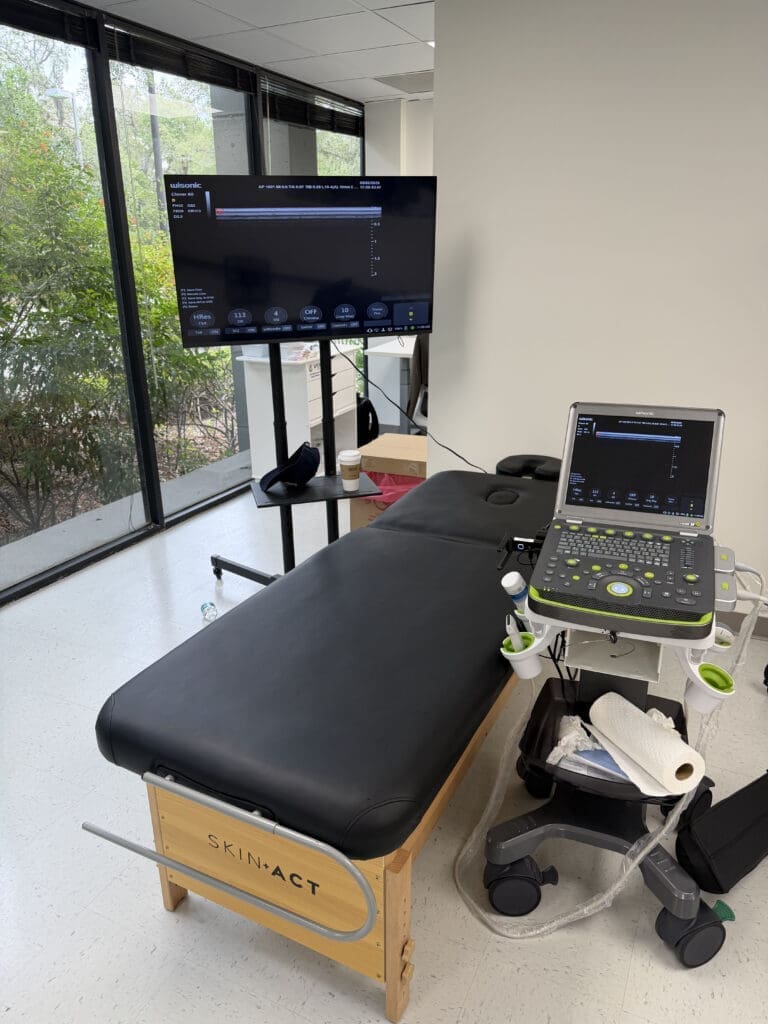
Below, I reframe a hands-on demonstration into a patient-centered journey, explain the science, and share how I incorporate these methods with chiropractic assessment, trigger point discovery, fascial continuity, and orthobiologic protocols. I aim to ensure you not only know what to do but also why to do it—and how to apply it safely and effectively using the latest evidence.

Patient Comfort and Positioning: The Starting Point for Precision

Key clinical lesson: Patient comfort is critical. When a robotic laser array is programmed to a precise region, movement ruins alignment and compromises dose delivery. For lumbar facet and paraspinal treatments:

  • Positioning:
    • Low back cases are set up face down (prone) for spine-neutral exposure.
    • The laser head must be at the correct focal distance—often around 6 inches for a robotic MLS head—with a manufacturer-provided ruler to ensure the sweet spot for beam collimation.
    • Handheld diodes are applied directly to the skin for punctual targets, such as trigger points or joint spaces, where tactile feedback guides accuracy.
  • Why positioning matters physiologically:
    • Collimated beams preserve fluence across depth; misalignment reduces energy density at target tissues.
    • Stable respiratory movement and muscle tone affect microtargeting of facets, interspinous ligaments, and paraspinal myofascia. Comfortable patients move less, ensuring reliable dosing.
    • Direct skin contact improves photon coupling for the handheld diode, reducing interface losses and aiding precise delivery to nociceptive and myofascial triggers.

Integrative Chiropractic Care: Mapping Pain Generators and Connective Tissue

Laser therapy is powerful, but it works best when guided by a skilled structural evaluation, which I refine within integrative chiropractic care:

  • I begin with:
    • Facet loading tests and segmental palpation to identify painful motion segments (e.g., L4–L5 facets producing unilateral right-sided pain).
    • Trigger point mapping using the tactile distinction between supple muscle and firm nodules—the so-called “cooked meat vs. raw meat” analogy, which helps describe hypertonic bands amidst pliable tissue.
    • Regional fascial continuity assessment, because pain seldom lives in isolation. Engaging paraspinal fascia, thoracolumbar fascia, and gluteal connective tissue can reduce compensatory strain.
  • Why this matters:
    • Trigger points harbor sensitized nociceptors and metabolically stressed fibers; laser’s photobiomodulation supports local ATP recovery and neurochemical modulation.
    • Facet irritation is inflammatory and mechanical; improving microcirculation and reducing inflammatory mediators supports the tissue, while chiropractic care restores segmental mechanics.
    • Global connective-tissue engagement changes load distribution; laser helps soften densified fascia, and adjustments re-coordinate how forces travel through the spine and pelvis.

Robotic and Handheld: A Clinical Multimodal Approach

  • Modern MLS platforms often include:
    • A robotic head delivering synchronized dual wavelengths over a defined X–Y treatment field.
    • A handheld diode for highly focused points.
  • Workflow:
    • I zero the X–Y axes on the robotic interface to center the primary pain site. Then I expand the field to include adjacent connective tissue, adopting a global, multisite approach.
    • The robot treats the broader region for 6–12 minutes, while I concurrently apply the handheld to discrete trigger points for 20–30 seconds each.
  • Why this dual approach:
    • Robotic fields ensure uniform density over larger areas, improving consistency in paraspinal tissues.
    • Handheld punctual dosing adds specificity for trigger points, tender facets, or periarticular zones—ideal when patient movement (guided breathing or gentle mobilization) enhances the therapeutic effect.
    • Treating both the source and the surrounding network supports load-sharing and reduces recurrences.

Dosimetry: Energy Density vs. Total Joules

Laser dosing must be clinical and quantitative. The most robust standard in the literature is energy density, measured in joules per square centimeter (J/cm²), rather than total joules. A typical effective window for musculoskeletal tissues is 4–10 J/cm², depending on the condition, acuity, and depth (World Association for Laser Therapy guidance and subsequent studies emphasize dose per area as the key benchmark).

  • Practical dosing:
    • For low back pain with facet irritation, I often target 6 J/cm² to start, adjusting based on response and tissue characteristics.
    • Total joules will scale with the treatment field size, but the software should auto-recalculate time when you enlarge or shrink the X–Y field to deliver the desired J/cm² without manual math.
  • Why density matters:
    • Cellular photobiomodulation follows a biostimulatory window; too little energy fails to trigger meaningful cascades, too much can provoke bioinhibition (Arndt-Schulz law).
    • Dose per area ensures consistent tissue response independent of field size, improving reproducibility.

Pulse Structure, Power, and Heat Management

Modern MLS devices often use high peak power (e.g., up to 50 W) but short pulse durations, synchronized with continuous 808-nm light. This design delivers high photon flux to deeper tissues without excessive surface heating.

  • Physiology of pulsing:
    • Short pulses drive photons deeper before heat builds at the surface; inter-pulse rest periods allow thermal relaxation and energy absorption without temperature creep.
    • 808-nm continuous-wave light supports steady photobiomodulation at the muscle and connective tissue levels.
    • 905-nm pulsed complements penetration and neuromodulatory effects at nociceptive fibers and microvasculature.
  • Clinical takeaway:
    • If a patient reports heat at the surface, reassess wavelengths, pulse parameters, and dose. Correctly calibrated systems should maintain tissue temperature over time, indicating safe energy delivery.

Treatment Timing and Response Expectations

A single session may produce a delayed-onset analgesia window—often noticeable 4–6 hours post-treatment. In my clinic, I ask patients to check functional tests later that day (for example, bending or walking at 17:00 if the session was at 11:00). Early improvements after one session are common. Still, cumulative effects emerge over a short course.

  • Typical course:
    • Acute conditions: ~6 sessions over 2 weeks.
    • Chronic conditions: ~12 sessions over 3–4 weeks.
    • Spacing: Minimum 24 hours between sessions; realistic schedules often have a Monday–Wednesday–Friday cadence.
  • Why cumulative dosing matters:
    • Photobiomodulation signals alter gene expression, cytokine profiles, and mitochondrial function over time. Repetition consolidates tissue-level changes and neural recalibration.

Knee Osteoarthritis: Targeting Compartments and Patellar Reflection

For knee OA, positioning is crucial:

  • With the knee flexed, avoid direct anterior-only beams that reflect off the patella. Include posterior and medial/lateral compartments.
  • Dose by compartmental area, maintaining the target J/cm² per treated field. If multiple compartments are indicated, treat each field to the appropriate density rather than arbitrarily summing total joules.
  • Physiological reasoning:
    • OA involves synovial inflammation, cartilage stress, capsular fibrosis, and periarticular trigger points. Laser supports microcirculation, inflammatory modulation, and analgesia while integrative chiropractic care addresses hip-knee-ankle mechanics and gait re-education.
    • You will not reverse bone-on-bone structurally with laser alone; however, you can delay symptom progression, reduce flares, and restore daily function.

Bone Healing and Fractures: Off-Label Considerations

While laser therapy for bone healing may be considered off-label in certain jurisdictions, clinicians have reported benefits when it is initiated within 7–10 days post-fracture, during the inflammatory phase. The rationale:

  • Early photobiomodulation may support angiogenesis, osteoblastic signaling, and the orchestration of inflammation that favors callus formation.
  • Nonunion fractures are far more complex, often requiring surgical or biologic intervention; lasers may not reliably correct nonunion but can be adjunctive in multimodal plans.

Always align with local regulations and informed consent, and document the intended therapeutic goals. My personal practice emphasizes the inflammatory-window strategy in conjunction with orthopedic guidance and imaging follow-up.

Combining MLS Laser with Orthobiologics: PRP Protocols

Laser therapy can complement PRP via tissue priming, peri-injection modulation, and post-injection support:

  • A progressive protocol I employ:
    • Pre-injection: 2–3 laser sessions to prime local microcirculation, reduce baseline inflammatory noise, and enhance cellular redox readiness.
    • Day of injection: Adjust parameters to limit immediate pain and support controlled inflammatory signaling essential for PRP efficacy (do not blunt the pro-inflammatory phase; aim to augment coordinated inflammation, not suppress it).
    • Post-injection: ~6 sessions over 2–3 weeks to optimize ATP availability, fibroblast activity, and matrix remodeling while managing pain.
  • Evidence trends:
    • Emerging clinical observations suggest additive efficacy when a laser is layered over PRP compared with PRP alone, with improved pain and functional scores in musculoskeletal cohorts (see references).
  • Why integrative chiropractic care helps here:
    • I use segmental stabilization, mobility drills, and neuromuscular retraining to direct the newly remodeled tissue toward efficient movement patterns. This reduces aberrant load and helps preserve PRP gains.

Acute vs. Chronic Effects: Mapping the Physiological Cascade

Laser therapy acts on multiple levels, often concurrently. For clarity, think in phases:

  • Immediate to short-term (minutes to hours):
    • Analgesia via modulation of small myelinated fibers and C-fiber signaling.
    • Changes in ion channel activity and neurogenic inflammation.
    • Early microcirculatory shifts with vasomotor influences.
  • Subacute (days):
    • Inflammatory modulation: Downregulation of pro-inflammatory cytokines (e.g., TNF-α, IL-1β), upregulation of anti-inflammatory mediators (e.g., IL-10) in line with photobiomodulation literature.
    • Edema reduction through improved lymphatic flow and endothelial function.
    • Mitochondrial activation: Cytochrome c oxidase absorbs photons, increasing ATP production, ROS signaling at hormetic levels, and transcriptional responses that promote recovery.
  • Remodeling (weeks):
    • Enhanced fibroblast proliferation, collagen deposition, and matrix organization in ligaments and fascia.
    • Neural plasticity shifts that reduce central sensitization, reinforced by targeted rehab and chiropractic neuromechanical inputs.

Optimizing Mitochondrial Support: Clinical Considerations

Many patients take medications (e.g., certain statins) that can influence mitochondrial function. In my practice, I support mitochondrial resilience ethically and collaboratively:

  • Nutritional and lifestyle adjuncts:
    • Consider coenzyme Q10, creatine (phosphate donor), nicotinamide riboside/NMN for NAD+ support, and dietary polyphenols that moderate oxidative stress.
    • Encourage sleep optimization, glycemic control, and anti-inflammatory nutrition to support mitochondrial biogenesis and redox balance.
  • What laser adds:
    • Photobiomodulation directly enhances electron transport chain efficiency, increasing ATP while moderating ROS within a hormetic range that drives adaptive signaling.
    • These effects dovetail with targeted supplementation and therapeutic exercise, potentially offsetting medication-related mitochondrial stress.
  • Practical caution:
    • Always individualize adjuncts based on medical history and coordinate with the patient’s primary physician or pharmacist. Laser is nonpharmacologic, but co-therapies require medical oversight.

Integrative Chiropractic Care During Laser Courses

Laser therapy is not a standalone panacea. A mechanically intelligent plan reduces recurrence:

  • Segmental and regional adjustments:
    • Gentle high-velocity, low-amplitude or low-force mobilizations restore facet glide, disc-friendly mechanics, and neural mobility.
    • Pelvic and hip alignment improve load transfer to the knee and spine.
  • Soft-tissue integration:
    • Myofascial release aligns collagen fibers, enabling laser-softened tissues to remodel along the correct lines of tension.
    • Neuromuscular re-education—gluteal activation, core endurance, posterior chain drills—transforms pain relief into durable movement patterns.
  • Reasoning:
    • Laser modulates biology; chiropractic care organizes biomechanics. Together, they create a bio-mech synergy that outperforms isolated treatments.

Safety, Durability, and Service

Modern MLS systems are designed for on-site reliability with field-service support, avoiding shipping risks. Typical issues are rare after installation, and comprehensive training sets teams up for success.

  • Patient sensations:
    • Most patients feel no pain during treatment; some report mild warmth or tingling. If sensitive, reassure and re-check parameters; small sensations are within normal expectations when dosing within the therapeutic window.
  • Maintenance:
    • Keep optics clean, verify focal distance with the ruler, and routinely check software calibration. Follow manufacturer service intervals.

Explaining Energy Dosing to Patients: Clear Communication

Patients often ask about total joules. I explain that we focus on energy density (J/cm²) because tissues respond to dose per area, not raw totals. The software automatically adjusts the time when we change the treatment area, so they receive a consistent, science-based dose tailored to their condition.

Trigger Point Strategy: Why Punctual Application Works

When I palpate a trigger point, I often apply the handheld diode for 20–30 seconds per spot, moving across a map of nodules discovered on exam:

  • Mechanisms:
    • Local ATP restoration aids sarcomere relaxation in taut bands.
    • Substance P and calcitonin gene-related peptide (CGRP) signaling can be moderated, reducing local neurogenic inflammation.
    • Microvascular perfusion improves in the endplate zone of dysfunctional motor units.
  • Practice tip:
    • Combine with breathing cues, gentle contract-relax techniques, or post-irradiation eccentrics to lock in improved tone.

Shockwave, Laser, and PRP: Coordinating Modalities

In clinics that rely on shockwave therapy, we coordinate timing to leverage mechanotransduction and photobiomodulation:

  • Typical sequence:
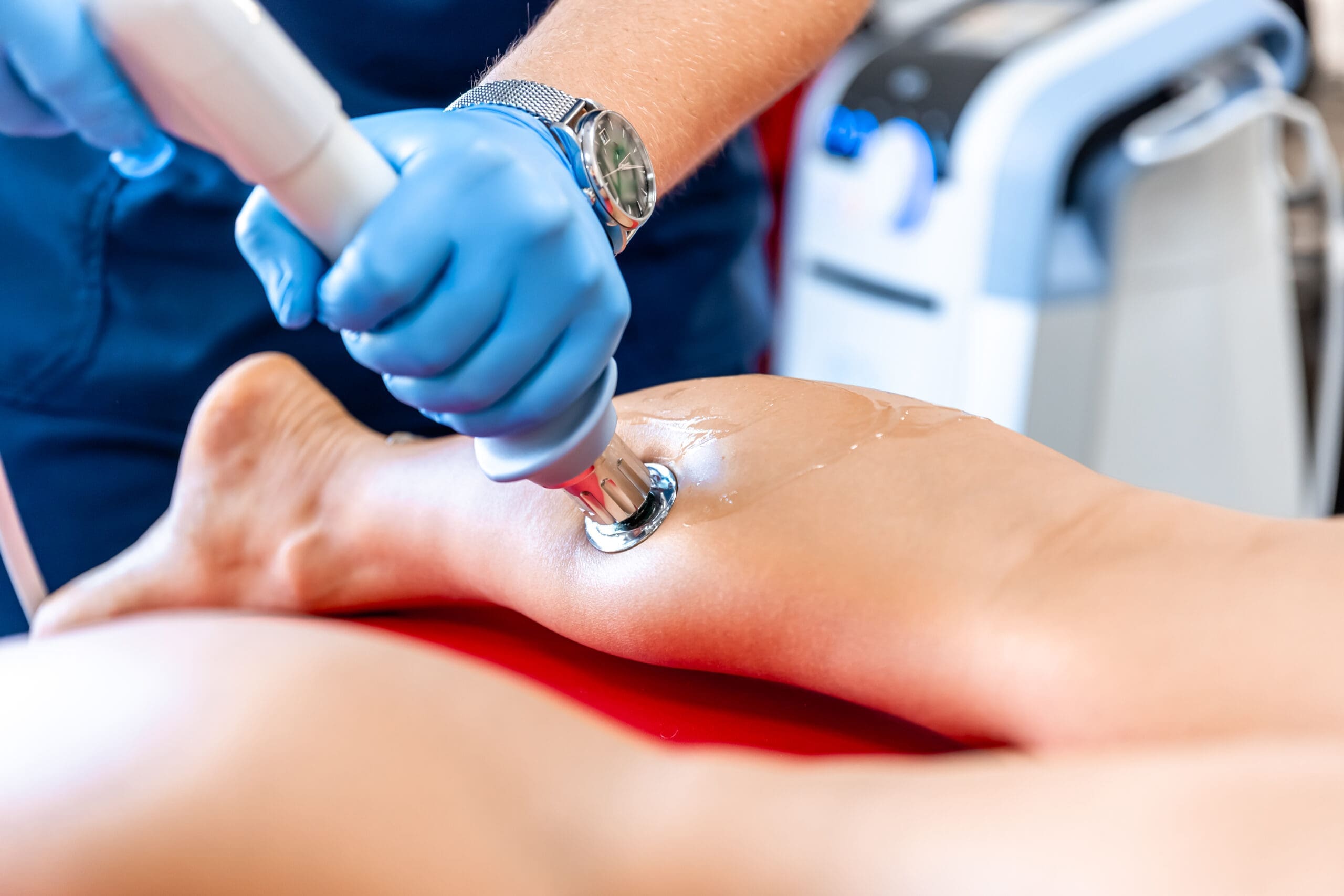
    • Use shockwave to provoke controlled micro-disruption and stimulate regenerative signaling.
    • Apply laser to augment mitochondrial activity, reduce excessive inflammatory noise, and improve perfusion.
    • Integrate PRP with pre- and post-laser treatments, as described, to layer biologic potential atop mechanically and metabolically optimized tissue.
  • Rationale:
    • Mechanotransduction + photobiomodulation + biologics equals a triad of healing: mechanical cueing, bioenergetic support, and cellular supply.

Exploring Integrative Medicine- Video


Clinical Observations from My Practice

In my clinics and collaborations, I consistently see:

  • Low back facet pain responds within the first week, with functional gains evidenced by improved tolerances to extension and rotation.
  • Knee OA patients reporting better stair negotiation and reduced morning stiffness after 6–12 sessions, especially when hip stability and foot mechanics are concurrently addressed.
  • Post-PRP recovery with faster pain control and an earlier return to graded activity when the laser is layered per protocol.
  • Patient adherence improves when the plan is explained as a stepwise journey with cumulative benefits, rather than a single miracle session.

For further details on my approach and outcomes, you can explore my clinical observations and frameworks on my professional pages:

Putting It All Together: A Practical Treatment Blueprint

  • Intake and exam:
    • Identify pain generators (facet, ligamentous strain, trigger points), movement faults, and red flags.
  • Dosing plan:
    • Choose 4–10 J/cm², start around 6 J/cm² for common spine and joint cases, adjust per response and acuity.
  • Position and align:
    • Prone setup for low back; flexed knee for OA with posterior and compartmental coverage; verify 6-inch focal distance for robotic heads.
  • Deliver multimodal therapy:
    • Robotic field for broad tissue coverage; handheld diode for punctual trigger points and joint spaces.
  • Chiropractic integration:
    • Segmental adjustments, myofascial release, and neuromuscular drills during the laser course for lasting change.
  • Orthobiologic layering:
    • PRP with 2–3 pre-injection sessions, day-of session modulated for supportive effects, and ~6 post-injection sessions.
  • Scheduling:
    • Acute: ~6 sessions; Chronic: ~12 sessions, spaced by ≥24 hours, often three per week.
  • Reassessment:
    • Functional tests at 4–6 hours post-treatment on the first day; weekly progress checks; adjust parameters or fields as needed.

Final Thoughts: Precision, Patience, and Integration

The best outcomes come from precision dosing, patient comfort, and integrated care. MLS laser therapy is a potent tool when used with a systems mindset—connective tissue mapping, segmental mechanics, mitochondrial support, and thoughtful protocols. Patients appreciate that the plan is clear, the science is sound, and the results are cumulative. With a compassionate, evidence-based approach, you can reliably reduce pain, restore movement, and improve quality of life.

References

In-text citation examples:

  • WALT dosing windows emphasize targeting 4–10 J/cm² for musculoskeletal tissues (WALT, n.d.).
  • Photobiomodulation acts via cytochrome c oxidase, improving ATP and signaling cascades (Karu, 2008; Hamblin, 2017).
  • Systematic reviews support analgesic and anti-inflammatory effects across musculoskeletal pain conditions (Chow, 2020).
  • Adjunctive strategies with PRP may enhance outcomes compared to PRP alone in select cohorts (Filardo, 2018).
  • Dose discipline avoids bioinhibition, consistent with Arndt-Schulz principles (Huang, 2016).

SEO tags

MLS laser therapy, photobiomodulation, integrative chiropractic care, low back pain, facet joint pain, knee osteoarthritis, PRP integration, orthobiologics, trigger points, energy density J/cm2, 808 nm, 905 nm pulsed laser, mitochondrial function, microcirculation, chiropractic adjustments, shockwave therapy, pain management, rehabilitation, Arndt-Schulz law, WALT guidelines

A Smarter Path to Hormonal Health and Vitality

A Smarter Path to Hormonal Health and Vitality

A Smarter Path to Hormonal Health and Vitality
Health: doctor visit with patient, medical exam, hospital visit, and conversation about bioidentical hormone replacement therapy.

Abstract

Welcome. As a clinician with a diverse background in chiropractic, advanced practice nursing, and functional medicine, I am deeply committed to an integrative, evidence-based approach to health. This educational post will guide you through the intricate and often misunderstood world of hormones, debunking long-held myths and presenting a modern, holistic paradigm for wellness. We will critically re-examine the flawed Women’s Health Initiative (WHI) study, exposing how the use of synthetic hormones and improper delivery systems created a legacy of fear. We will explore the profound differences between bioidentical progesterone and synthetic progestins and present compelling data that vindicates estrogen, revealing its protective role against breast cancer. This journey will also dismantle myths surrounding testosterone, clarifying its crucial role in both men and women for cognitive function, mental health, cardiovascular wellness, and pain management. We will explore the physiological underpinnings of bone health, contrasting outdated bisphosphonate therapies with a superior, hormone-centric approach. Throughout this discussion, I will integrate the principles of integrative chiropractic care, demonstrating how restoring structural and neurological integrity is foundational to achieving optimal hormonal balance and preventing the chronic diseases of aging. My goal is to empower you with knowledge, moving from fear and misinformation to clarity and confidence in your health decisions.


Unraveling the Women’s Health Initiative: A Critical Re-Examination

Let’s begin by asking a fundamental question: Why are you here, reading this today? Perhaps it’s because the conventional health approaches you’ve encountered haven’t provided the answers or the well-being you’re seeking. This is a common story in my practice. People feel unwell, unheard, and confused by conflicting information, especially when it comes to hormones.

My journey and yours often start with a desire to understand the “why.” This is particularly true when we look at the history of hormone replacement therapy (HRT). Let’s travel back to the pivotal Women’s Health Initiative (WHI) study, a trial whose initial results, reported in 2002, radically altered our perception of hormones and left a legacy of fear that persists to this day.

But what if the study’s foundation was flawed from the start? Let’s consider a hypothetical. What if the WHI had used 17-beta estradiol delivered via a non-oral route, like a patch, instead of oral conjugated equine estrogens (Premarin)? And what if they had used bioidentical progesterone instead of a synthetic progestin like medroxyprogesterone acetate (Provera)?

The Critical Importance of Delivery Systems and Molecular Structure

To understand why this distinction is so crucial, we must look at our physiology. When you take a hormone in an oral pill form, it undergoes first-pass metabolism in the liver.

  • Portal Circulation: Blood from your intestines goes directly to the liver through the portal vein.
  • Liver Metabolism: The liver works hard to process this concentrated dose of the oral hormone. In response, it produces other substances, including an increased amount of clotting factors.
  • Increased Clotting Risk: This is precisely why oral estrogen, found in medications like birth control pills and Premarin, is associated with an elevated risk of blood clots.

One of the most important benefits of estrogen is its cardioprotective effect. However, administering it orally simultaneously increases clotting factors, effectively canceling that benefit, since most heart attacks and strokes involve clot formation. The WHI concluded that estrogen didn’t help, but the reality is that they were using the wrong molecule (conjugated equine estrogens) and the wrong delivery system (oral). Had the study used 17-beta estradiol—the exact molecule our bodies are designed to use—and administered it transdermally, bypassing intensive liver metabolism, the outcomes would have been dramatically different.

Now, let’s look at progesterone. Has natural, bioidentical progesterone ever been shown to increase the risk of breast cancer in any credible study? The answer is a resounding no. The WHI used a synthetic progestin, Provera. We wouldn’t be having this conversation today if we had used the correct hormone molecules and delivery systems. The standard of care would be clear: as soon as a woman enters menopause, she should begin estrogen and progesterone therapy for the long-term health of her heart, bones, and brain.

The Lasting Impact and Ultimate Vindication of Estrogen

I was in private practice when the 2002 WHI results were published in the Journal of the American Medical Association (JAMA) and splashed across the cover of TIME magazine. Fear sells. The report, titled “The Truth About Hormones,” scared millions of women. I had to hire an additional staff member just to field panicked calls from patients wanting to stop their hormones.

In my clinical practice at our Chiropractic & Functional Medicine Clinic, I see the downstream effects every day. How many women today are suffering from cognitive decline, osteoporosis, and heart disease that could have been mitigated? Depriving an entire generation of women of protective estrogen has had devastating consequences.

The story gets even more compelling over time. Follow-up reports on the same WHI cohort have been nothing short of vindicating for estrogen.

  • An 18-year follow-up published in JAMA stated, “Estrogen plus progestin was not associated with increased all-cause, cardiovascular, or cancer mortality…” (Manson et al., 2017). Essentially, the researchers were saying, “Never mind.”
  • A 2020 study, also in JAMA, delivered a bombshell. Women in the estrogen-only arm for about seven years had a lower incidence of breast cancer and were less likely to die from breast cancer over their lifetimes (Chlebowski et al., 2020).

Let that sink in. Estrogen is the only medicine in history shown in a prospective, randomized, placebo-controlled, long-term trial to reduce the chance of both getting breast cancer and dying from it. And this result was with Premarin, a “dirty” estrogen. Imagine the protective power of bioidentical 17-beta estradiol.

Understanding Progesterone vs. Progestins: A Critical Distinction

It is critically important to distinguish between progesterone and progestins. They are not the same, and this confusion is at the heart of much of the misinformation surrounding HRT.

  • Progesterone (P4): This is the natural, bioidentical hormone our bodies produce. It has a specific, beneficial molecular structure.
  • Progestins: These are synthetic compounds designed to mimic some of the effects of progesterone. Examples include medroxyprogesterone acetate and norethindrone acetate. They have different molecular structures and vastly different metabolic effects.

When I see a new study claiming “hormone replacement therapy” causes a health issue, the first thing I do is look at the abstract to identify the molecules used. Invariably, the culprit is a synthetic progestin.

Progesterone’s role is often tragically minimized, especially in women who have had a hysterectomy. The conventional thinking, “No uterus, no need for progesterone,” is a fundamentally flawed and harmful perspective. It ignores the progesterone receptors in the brain, bones, and cardiovascular system. In my clinical practice, every menopausal patient is on progesterone at some point. If a woman presents with insomnia, I frequently initiate treatment with progesterone, as it is unequivocally the most effective remedy for insomnia in menopausal women.

A crucial point of caution: progesterone cream is not sufficient for uterine protection. Progesterone is a large molecule that does not absorb well through the skin to achieve adequate systemic blood levels. If a uterus is present, progesterone must be delivered systemically—orally, sublingually, or as a vaginal suppository—to ensure the uterine lining is protected from the proliferative effects of unopposed estrogen (Hargrove et al., 1989).

The Menstrual Cycle: A Symphony of Hormones

To appreciate the role of hormones, we must understand their natural rhythm. The menstrual cycle is a beautiful, synergistic dance, not a battle for dominance.

  1. Follicular Phase (First Half): As a dominant follicle grows, it produces estrogen, which causes the uterine lining (endometrium) to thicken.
  2. Luteal Phase (Second Half): After ovulation, the corpus luteum produces progesterone. Progesterone’s role is to stabilize the endometrium, halting estrogen-driven proliferation and preparing the tissue for implantation.
  3. Menstruation: If implantation does not occur, the drop in progesterone triggers the shedding of the uterine lining.

It’s a mistake to say that progesterone “opposes” estrogen. They work synergistically as a team. Studying a hormone in isolation will never provide a complete understanding of its effects.

Testosterone: A Human Hormone Essential for All

One of the most persistent myths is that testosterone is exclusively a male hormone. Let’s set the record straight: testosterone is a human hormone.

  • A woman produces more testosterone over her lifetime than she does estrogen.
  • The androgen receptor is located on the X chromosome, which every individual possesses.
  • Ignoring testosterone deficiency in women, especially after a hysterectomy with ovary removal, is a grave oversight. We are taking out three essential hormones (estrogen, progesterone, and testosterone) and often replacing only one poorly.

In my practice, optimizing testosterone is crucial. It’s a key factor in managing the number one symptom of menopause: pain. Joint, bone, and muscle pain are the body’s first signals of a critical hormonal deficit.

Debunking the Myth: Testosterone and Prostate Cancer

For decades, physicians have feared that testosterone therapy is like “adding fuel to the fire” of prostate cancer. Dr. Abraham Morgentaler of Harvard traced this myth to a single, 100-year-old study of only two men. His career has been dedicated to dismantling this myth with rigorous science.

His research showed that low testosterone, not replacement therapy, is an independent risk factor for developing prostate cancer. This led to the Prostate Saturation Model. Dr. Morgentaler found that prostate androgen receptors become fully saturated at a testosterone level of around 200 ng/dL. This means that for a man with a baseline level of 350 ng/dL, optimizing his level to 950 ng/dL adds zero additional testosterone to his prostate. The receptors are already full.

The current consensus is that if a man has been successfully treated for prostate cancer and shows no evidence of recurrence, testosterone therapy can and should be initiated immediately to restore his quality of life.

Beyond “Normal”: The Power of Hormone Optimization

One of the most profound shifts in modern functional medicine is the move from the “normal range” to the “optimal range.” A lab’s reference range is just a statistical average; it says nothing about what is healthy.

A study on dementia found that men with testosterone levels in the lowest quintile had an 80% higher risk of developing dementia than men in the highest quintile (Yeap et al., 2021). A man with a “low normal” level of 325 ng/dL has a significantly higher risk than a man at an optimal 850 ng/dL. There is only suboptimal and optimal.

My goal is to restore a patient’s hormone levels to the upper quartile of the range for a young, healthy adult—a level that is protective against disease and promotes vitality.

The Receptor Model of Cancer and the Protective Role of Hormones

To understand why old fears were misplaced, we must look at the cellular level. The Receptor Model for Cancer explains that hormones exert their effects by binding to specific receptors. The problem arises with synthetic molecules like progestins, which can block protective receptor pathways, effectively removing the brakes on cell growth.

This is what happened in the WHI. The synthetic progestin blocked protective pathways, leading to an observed increase in breast cancer. It wasn’t the estrogen; it was the progestin.

In stark contrast, compelling evidence shows that testosterone has anti-inflammatory and anti-proliferative (anti-cancer) effects in breast tissue. Dr. Rebecca Glaser, a breast cancer surgeon, has published extensively on this.

  • A massive Nurses’ Health Study followed nearly 30,000 nurses for 24 years. It found that women who had their ovaries removed (inducing surgical menopause) had a significantly higher risk of all-cause mortality, heart disease, and lung cancer compared to those who conserved their ovaries (Parker et al., 2013). Our natural hormones provide powerful, lifelong protection.

Rethinking Osteoporosis: Hormones for Bone Health

The conventional approach to osteoporosis, using drugs like bisphosphonates, is deeply flawed. These drugs work by blocking osteoclasts, the cells that break down old bone. This is like paving over a road full of potholes without clearing out the crumbling asphalt. You accumulate old, weak, brittle bone that may look denser on a scan but is not structurally sound.

The true key is promoting healthy bone remodeling, and hormones are the master regulators. A landmark study showed that patients on hormone pellet therapy experienced an average 8.3% increase in bone density per year. This vastly outperforms bisphosphonates (1-2% annual increase). By restoring hormonal levels of estrogen and testosterone, we effectively turn back the clock on skeletal health.

Testosterone and the Heart: A Cardiologist’s Best Friend

One of the most dangerous myths is that testosterone is bad for the heart. This scare originated from a thoroughly debunked 2016 VA study that used a flawed high-risk population and manipulated data to reverse its own raw findings.

The scientific reality is that low testosterone is an independent risk factor for cardiovascular disease. Optimal testosterone is a cardiologist’s best friend because it:

  • Improves endothelial function, keeping arteries smooth.
  • Increases arterial elasticity, helping regulate blood pressure.
  • Enhances insulin sensitivity, a primary driver of heart disease.
  • Exerts anti-inflammatory effects, quelling the inflammation that underlies heart attacks.

Integrative Chiropractic Care: Restoring Foundational Health

This is where the principles of integrative chiropractic care and functional medicine become so vital. The body is an interconnected system where structure governs function. Hormonal balance cannot be fully achieved if the underlying neurological and structural systems are compromised.

  • Nervous System Regulation: The endocrine system is under the direct control of the nervous system. Chiropractic adjustments correct spinal misalignments (subluxations), restoring proper nerve flow between the brain and the endocrine glands. This optimizes the function of the hypothalamic-pituitary-adrenal-ovarian (HPAO) axis, the master communication network governing hormone production.
  • Stress Reduction: Adjustments can shift the autonomic nervous system from a dominant “fight-or-flight” (sympathetic) state to a more relaxed “rest-and-digest” (parasympathetic) state. This is crucial because chronic stress elevates cortisol, which can disrupt the entire endocrine system and steal the building blocks for sex hormone production.
  • Holistic Assessment: As a Doctor of Chiropractic, I have a comprehensive understanding of the situation. Low back pain may be connected to fatigue, low mood, systemic inflammation, and hormonal imbalance. This integrative perspective allows me to educate patients on the connections between their spine, nervous system, and hormonal health.

By combining evidence-based hormone optimization with the foundational principles of chiropractic care, we address the root cause of dysfunction. We don’t just replace a missing hormone; we restore the body’s innate intelligence and create a synergistic effect for true, resilient health. This is the future of healthcare—a proactive, personalized, and integrative approach that empowers you to live a longer, healthier, and more vibrant life.


References

Chlebowski, R. T., Anderson, G. L., Aragaki, A. K., et al. (2020). Association of Menopausal Hormone Therapy With Breast Cancer Incidence and Mortality During Long-term Follow-up of the Women’s Health Initiative Randomized Clinical Trials. JAMA, 324(4), 369–380.

Hargrove, J. T., Maxson, W. S., Wentz, A. C., & Burnett, L. S. (1989). Menopausal hormone replacement therapy with continuous daily oral micronized estradiol and progesterone. Obstetrics and Gynecology, 73(4), 606–612.

Manson, J. E., Aragaki, A. K., Rossouw, J. E., et al. (2017). Menopausal Hormone Therapy and Long-term All-Cause and Cause-Specific Mortality: The Women’s Health Initiative Randomized Trials. JAMA, 318(10), 927–938.

Parker, W. H., Feskanich, D., Broder, M. S., Chang, E., Shoupe, D., Farquhar, C. M., Berek, J. S., & Manson, J. E. (2013). Long-term mortality associated with oophorectomy compared with ovarian conservation in the nurses’ health study. Obstetrics and Gynecology, 121(4), 709–716.

Yeap, B. B., Flicker, L., Xiao, J., Norman, P. E., Hankey, G. J., Almeida, O. P., & Almeida, O. (2021). Associations of sex hormones with incident dementia and cognitive decline in older men: The Health in Men Study. The Journal of Clinical Endocrinology & Metabolism, 106(4), 1042-1054.

Regenerative Medicine & IV Therapy for Better Recovery for Musculoskeletal Injuries and Immune Dysfunction

Learn how regenerative medicine combined with IV therapy can support your health and improve recovery times effectively.

Regenerative medicine offers hope for people dealing with pain from injuries or ongoing health issues. This approach uses the body’s own healing powers to fix damaged tissues. One key method is intravenous, or IV, therapy. It delivers beneficial substances directly into the bloodstream. This non-surgical approach can reduce inflammation, ease pain, and accelerate natural repair in areas with poor blood flow. Many times, it helps patients avoid or delay surgery. Success often depends on factors such as the location of a tear, the severity of the damage, and the person’s age. When paired with integrative chiropractic care, these treatments work even better to improve joint mobility, reduce pain, and enhance daily function.

What Is Regenerative Medicine?

Regenerative medicine focuses on replacing or repairing damaged cells, tissues, and organs. It works by stimulating the body’s natural repair systems instead of just covering up symptoms with pills or surgery. For musculoskeletal injuries, which affect muscles, bones, joints, ligaments, and tendons, this field uses techniques such as platelet-rich plasma or growth factors to promote new tissue growth. These methods are especially useful in spots with limited blood supply, where healing happens slowly on its own.

The goal is to lower swelling and pain while promoting true recovery. Unlike traditional options that might involve cutting into the body, regenerative approaches allow tissues to mend from within. This makes them a popular choice for long-term issues like joint wear or soft-tissue damage.

Understanding Intravenous (IV) Therapy

Intravenous therapy, often called IV therapy, is a process where fluids, nutrients, vitamins, or other helpful compounds go directly into a vein through a thin tube. The Cleveland Clinic explains that IV fluids treat dehydration and correct electrolyte imbalances, which occur when the body loses too much water due to illness, injury, or strenuous activity (Cleveland Clinic, n.d.). In a regenerative setting, IV therapy goes beyond basic fluids. It can carry high doses of vitamins, antioxidants, or supportive agents right into the bloodstream for fast results.

Pills must pass through the stomach and liver first, so much of their strength gets lost. IV delivery skips that step and puts nearly 100 percent of the substance to work right away. This quick action helps the whole body respond faster to injury or immune stress. According to nursing guidelines on IV management, the main purposes include replacing fluids, giving medications, and restoring balance to support overall recovery (Ernstmeyer & Christman, 2021).

  • Quick absorption of nutrients without waiting for digestion
  • Targeted delivery for faster relief from inflammation
  • Reduced side effects on the stomach compared to oral pills

How IV Therapy Helps the Musculoskeletal System

Musculoskeletal injuries often involve tears in tendons, ligaments, or muscles that receive little blood. These poorly vascularized areas heal slowly because nutrients and repair signals take time to arrive. IV therapy changes that by flooding the system with anti-inflammatory compounds and growth-supporting elements. Over time, this reduces pain and swelling while encouraging the body to rebuild damaged tissue.

For example, regenerative IV blends can include antioxidants that calm overactive inflammation around a joint or spine. This non-surgical boost often delays the need for operations. A systematic review of non-invasive pain options shows that similar approaches, such as targeted stimulation methods, provide strong evidence for alleviating chronic low back or limb pain without cutting (Xu et al., 2021). IV support fits right in by working system-wide to aid local repair.

Patients notice less stiffness and improved mobility as tissues heal. The process stimulates repair in areas with weak blood flow, making it ideal for sports injuries, wear-and-tear damage, or repetitive strain.

IV Therapy’s Role in Supporting the Immune System

The immune system protects the body from harm, but when it becomes out of balance, it can cause chronic inflammation or attack healthy tissues. IV therapy helps by delivering immune-modulating nutrients straight into circulation. High-dose vitamin mixes or antioxidant formulas can dial down excessive responses and restore calm.

This is useful for immune dysfunction tied to chronic swelling or autoimmune flare-ups. Direct IV delivery ensures the body receives what it needs quickly, supporting white blood cells and reducing oxidative stress, which can worsen problems. One study on natural compounds that regulate inflammatory pathways reports that certain agents reduce key markers, such as cytokines, that drive swelling (Tian et al., 2023). IV versions of similar supportive therapies can achieve comparable effects across the body.


  • Calms overactive immune signals to ease chronic inflammation
  • Boosts nutrient levels that help fight fatigue and support recovery
  • Helps balance the system so the body heals rather than stays in defense mode

Transform Your Body- Video


Integrative Chiropractic Care Enhances Recovery

Integrative chiropractic care adds another layer by focusing on joint and spine alignment. Gentle adjustments improve mechanics, take pressure off nerves, and reduce pain signals. This not only eases discomfort but also helps blood and nutrients flow more effectively to injured areas, making other therapies work more effectively.

When joints move properly, muscles relax, and inflammation drops naturally. Chiropractic care supports overall function, making daily activities easier. Dr. Alexander Jimenez, DC, APRN, FNP-BC, often combines this with regenerative steps. His approach improves mobility and cuts the need for drugs or surgery by restoring balance in the body’s structure and systems (Jimenez, n.d.-a).

Why Combine Regenerative Medicine, IV Therapy, and Chiropractic Care

These treatments shine when used together. Regenerative medicine stimulates tissue growth, IV therapy delivers the raw materials through the bloodstream, and chiropractic care ensures the framework functions smoothly. The result is a full non-surgical plan that tackles pain, swelling, repair, and immune balance all at once.

Patients get faster relief and longer-lasting results. For instance, after an injury, IV nutrients fuel the repair process while chiropractic adjustments keep joints from locking up. This teamwork often replaces surgery for many musculoskeletal cases and lowers immune-related flare-ups. General reviews of IV practices confirm careful use helps avoid complications and supports safe healing (Waitt et al., 2004).

Factors That Influence Treatment Success

Not every case responds the same. Several key elements play a role:

  • Tear location – Injuries near a good blood supply heal quicker than those in tight, low-flow zones
  • Severity of damage – Mild strains improve faster than complete tears
  • Patient age – Younger bodies often regenerate more actively, while older patients may need extra support

Overall health, lifestyle, and the timing of treatment also matter. Doctors check these details to set realistic goals and adjust plans. This personalized view raises the chances of good outcomes without invasive steps.

Clinical Observations from Dr. Alexander Jimenez

Dr. Alexander Jimenez brings over 30 years of hands-on experience to regenerative and integrative care. As a Doctor of Chiropractic and board-certified family nurse practitioner with functional medicine training, he treats patients at his El Paso clinic using a whole-person lens (Jimenez, n.d.-b). His clinical observations indicate that combining IV nutritional therapy with PRP regenerative injections and chiropractic adjustments leads to significant improvements in musculoskeletal pain and immune function.

Many individuals with joint stiffness, back issues, or lingering inflammation report improved mobility and reduced daily discomfort after following these protocols. Dr. Jimenez notes that addressing root causes like poor alignment and nutrient gaps helps the body heal naturally. His patients, from active adults to those with chronic conditions, often avoid surgery and regain function through customized plans that include IV support for inflammation control and tissue repair. He emphasizes teamwork between therapies to boost long-term wellness.

Conclusion

Regenerative medicine, especially through IV therapy, gives people a powerful non-surgical option for musculoskeletal injuries and immune challenges. It reduces inflammation, eases pain, and activates the body’s repair systems, even in hard-to-reach areas. Adding integrative chiropractic care enhances outcomes by improving movement and function. Together, these methods create a well-rounded path to healing that many find effective and gentle. Anyone considering these treatments should talk with a trained provider to determine what best fits their situation. With the right plan, lasting relief and better health are within reach.

References

Keywords

regenerative medicine, IV therapy, musculoskeletal injuries, non-surgical healing, immune dysfunction, inflammation reduction, chiropractic care, tissue repair, PRP therapy, natural healing, Dr. Alexander Jimenez, integrative medicine, pain management, joint mechanics, immune support

Disclaimer

Clinical Approach Solutions to Manage Opioid Use Disorder


Unveil the clinical approach to opioid use disorder and learn about evidence-based methods for effective treatment.

Overcoming Barriers in Managing Opioid Use Disorder: Strategies for Effective Care

A lot of people today have opioid use disorder (OUD), which is a serious health problem. It falls under the larger group of substance use disorders (SUD). Treating OUD can be difficult because everyone has their own set of problems, like pain or other health issues. Doctors and other healthcare professionals must make plans that are specific to each patient. They also need to stay up to date on laws, ethics, and ways to protect patient information. The Health Insurance Portability and Accountability Act (HIPAA) of 1996 covers all patients, but those getting treatment for drug or alcohol abuse have to follow more rules.

In this tutorial, we talk about how to get around problems with OUD administration. We look at stigma, team-based approaches, ways to talk to patients, treatment that puts the patient first, and legal issues. Health care workers can help patients get better by using these methods. Keywords like “opioid use disorder management,” “overcoming stigma in OUD,” and “patient-centered care for SUD” highlight important ideas to help people understand better and find what they’re looking for.

Learning Objectives

  • Explain treatment planning methods that use patient-focused choices and proven ways to talk.
  • Name the three kinds of stigma and how they affect people with mental health issues, SUD, and especially OUD.
  • Talk about legal, ethical, and privacy concerns in caring for people with OUD.

Effective Treatment Planning with Patient-Centered Decisions

People with complex issues, like mental health problems, SUD, and pain, need special care. Each person shows up differently, so health systems are now focusing on care that puts the patient first.

Patient-centered care means building teams with doctors, patients, and families. They work together to plan, give, and check health care. This way ensures the patient’s needs are met, and their wishes, likes, and family situations are respected. It focuses on shared choices about treatments while seeing the patient as a whole person in their daily life (Dwamena et al., 2012; Bokhour et al., 2018).

Studies show key steps for a good patient-centered plan:

  • Take a full patient history and a check-up, reviewing old and new treatments.
  • Find all available drug and non-drug options.
  • Check the patient’s current health, recent changes, and patterns.
  • Look at risks for misusing or abusing opioids.

If starting opioids or if the patient is already on them, think about opioid stewardship. This means checking harms, benefits, risks, side effects, pain control, daily function, drug tests, stop plans, and ways to spot OUD. These programs, sometimes called analgesia stewardship, help manage opioids safely (Harle et al., 2019; Coffin et al., 2022). Guides exist to set them up (American Hospital Association, n.d.; Shrestha et al., 2023).

Integrative chiropractic care can play a big role here. It uses spinal adjustments and targeted exercises to get proper spinal alignment. This helps reduce pain without relying only on drugs, making it a good fit for OUD patients with pain. For example, adjustments fix spine issues that cause pain, and exercises strengthen muscles to keep alignment right.

A Nurse Practitioner (NP) adds full management and ergonomic advice. They look at work setups to prevent pain, such as how to sit or lift. NPs coordinate care by reviewing options such as therapy, meds, and lifestyle changes, ensuring everything works together.

Dr. Alexander Jimenez, DC, APRN, FNP-BC, with over 30 years in chiropractic and as a family nurse practitioner, observes that blending these methods cuts opioid use. At his El Paso clinic, he uses functional medicine to address root causes through nutrition and non-invasive treatments. He notes that poor posture from modern life worsens pain, leading to OUD risks. His teams help patients with self-massage and VR for recovery, reducing drug needs (Jimenez, n.d.a; Jimenez, n.d.b).

Evidence-Based Ways to Communicate

Good talking skills are key to building a patient-centered plan (Schaefer & Block, 2009). There are proven methods for starting conversations and getting patients involved.

One method is BATHE:

  • Background: Ask, “How have things been since your last visit?”
  • Affect: Ask, “How does this make you feel?”
  • Trouble: Ask, “What bothers you most?”
  • Handling: Ask, “How are you coping?”
  • Empathy: Say, “That sounds hard.”

This uses open questions to let patients lead and feel supported (Stuart & Lieberman, 2018; Thomas et al., 2019).

Another is GREAT:

  • Greetings/Goals: Start with hello and set aims.
  • Rapport: Build trust.
  • Evaluation/Expectation/Examination/Explanation: Check and explain.
  • Ask/Answer/Acknowledge: Listen and respond.
  • Tacit agreement/Thanks: Agree and thank.

This guide talks well (Brindley et al., 2014).

Motivational interviewing is also useful. It’s a team-style talk to boost a patient’s desire to change. Build a bond, focus on the issue, spark a desire for change, and plan steps (Frost et al., 2018).

These methods emphasize listening, clear communication, and a structured approach to planning. For OUD patients with pain or mental issues, mix techniques for the best results.

Dr. Jimenez shares that in his practice, these talks help patients see non-drug options, such as chiropractic adjustments. He finds that empathy reduces stigma and fear, encouraging openness about OUD (Jimenez, n.d.a).

Understanding Stigma in Mental Health and Substance Use Disorders

Stigma blocks good talk for many with mental health or SUD. It’s attitudes, beliefs, actions, and systems that lead to unfair views and bad treatment (Cheetham et al., 2022).

Studies show stigmas like linking mental illness to violence (Perry, 2011). Media on shootings with mentally ill people strengthens this (McGinty et al., 2014; McGinty et al., 2016; Schomerus et al., 2022). For SUD, people think they’re more dangerous than those with schizophrenia or depression (Schomerus et al., 2011). Society blames people with SUDs more and avoids them (McGinty et al., 2015; Corrigan et al., 2012).

Views come from knowledge, contact with affected people, and the media. Public ideas are tied to norms on causes, blame, and danger. Race, ethnicity, and culture shape attitudes too (Giacco et al., 2014).

Health workers have biases. A survey of VA mental health providers showed awareness of race issues but avoidance of talks, using codes like “urban,” and thinking training stops racism (McMaster et al., 2021).

There are three stigma types:

  • Structural Stigma: The ways Society and institutions keep prejudice. In health, it’s worse care, less access to behavioral health. Less funding for mental vs. physical issues (National Academies of Sciences, Engineering, and Medicine, 2016).
  • Public Stigma: General or group attitudes, like police or church norms. Laws reinforce it, like broad mental illness rules implying all are unfit (Corrigan & Shapiro, 2010).
  • Self-Stigma: When people internalize stigmas, it leads to low self-worth and shame. “Why try” affects independent living (Corrigan et al., 2009; Clement et al., 2015).

Dr. Jimenez observes that stigma makes OUD patients hide symptoms, delaying care. In his integrative work, he addresses this through education on holistic options, showing that recovery is possible without judgment (Jimenez, n.d.b).

Overcoming Stigma and Addressing Social Factors

To fight stigma, use education, behavior changes, and better care. Laws like the ADA and MHPAEA help ensure equal coverage and prevent discrimination (U.S. Congress, 2009; U.S. Congress, 2008; U.S. Department of Health and Human Services, n.d.; Busch & Barry, 2008; Haffajee et al., 2019).

These address social determinants of health (SDOH), such as coverage, access, quality, education, and stability (Centers for Disease Control and Prevention, n.d.).

Community programs help too:

  • West Virginia’s Jobs and Hope: Training, jobs, education, transport, skills, record clearing for SUD people (Jobs and Hope, n.d.).
  • Belden’s Pathway: Rehab for failed drug tests, leading to jobs (Belden, n.d.).

Education boosts provider confidence in OUD meds, reducing barriers (Adzrago et al., 2022; Hooker et al., 2023; Campbell et al., 2021).

Overcoming stigma is key to success in mental health and SUD.

Interprofessional Team Work

Teams improve outcomes for patients with chronic pain and mental health or SUD (Joypaul et al., 2019; Gauthier et al., 2019).

Teams include doctors, nurses, NPs, pharmacists, PAs, social workers, PTs, therapists, SUD experts, and case managers.

Each helps uniquely:

  • Pharmacists watch meds, spot interactions.
  • Case managers link specialists, find resources, and support families (Sortedahl et al., 2018).
  • Teams set goals, max non-opioid treatments (Liossi et al., 2019).

Integrative chiropractic care includes adjustments and exercises for alignment, easing pain naturally.

NPs give full care, ergonomic tips to avoid pain triggers, and coordinate options.

Dr. Jimenez’s clinic shows this. As a DC and FNP-BC, he leads teams with therapists, nutritionists, and coaches. He observes interprofessional work cuts opioid use by addressing the roots with functional medicine, VR, and nutrition. For OUD, he blends chiropractic care for pain, NP coordination for plans, and stigma-fighting through team support (Jimenez, n.d.a; Jimenez, n.d.b).

The Power of Chiropractic Care in Injury Rehabilitation-Video

Legal and Ethical Issues in SUD Care

Providers must know laws and ethics for mental/SUD patients, like discrimination, aid, and privacy (Center for Substance Abuse Treatment, 2000).

Key Federal laws:

  • Americans with Disabilities Act (ADA) of 1990.
  • Rehabilitation Act of 1973.
  • Workforce Investment Act of 1998.
  • Drug-Free Workplace Act of 1988.

ADA and Rehabilitation ban discrimination in government and in business services like hotels, shops, and hospitals. Protect those with impairments limiting life activities (U.S. Department of Health and Human Services, n.d.).

Provisions:

  • Protect “qualified” people who meet the requirements.
  • Reasonable accommodations for jobs.
  • No hire/retain if there is a direct threat.
  • No denial of benefits, access, or jobs in funded places.

For SUD: Alcohol users are protected if qualified, no threat. Ex-drug users in rehab are the same. Current illegal drug users are protected for health/rehab, not others. Programs can deny if used during.

Workforce Act centralizes job programs; no refusal to SUD people (U.S. Congress, 1998).

Drug-Free Act requires drug-free policies for federal funds/contracts: statements, awareness, actions on violations (U.S. Code, n.d.).

States have their own laws; check the local laws.

Public Aid laws:

  • Contract with America Act (1996): No SSI/DI if SUD key factor (U.S. Congress, 1996).
  • Adoption Act (1997): 15-month foster reunification limit (U.S. Congress, 1997).
  • Personal Responsibility Act (1996): Work after 2 years of aid, drug screens (U.S. Department of Health and Human Services, 1996).

These push work, sobriety.

Dr. Jimenez notes that legal awareness helps his practice by ensuring holistic plans comply and by reducing OUD risks through a non-drug focus (Jimenez, n.d.a).

Keeping Patient Info Private

Privacy is vital. Laws include:

  • HIPAA (1996): Protects PHI, sets use/disclosure rules (U.S. Department of Health and Human Services, n.d.).
  • 42 CFR Part 2: Extra for SUD records. No disclosure of name or status without consent. Fines for breaks. Applies to federal-aided programs (Substance Abuse and Mental Health Services Administration, n.d.).

Consent needs: program name, receiver, patient name, purpose, info type, revoke note, expire date, signature, and date.

This fights discrimination fears, encouraging treatment (Center for Substance Abuse Treatment, 2000).

Wrapping Up

As we deal with the ongoing problems of opioid use disorder (OUD), it’s clear that the best way to handle them is through a multi-faceted approach that puts the health of the patient first instead of quick fixes. Healthcare providers are essential to changing lives. They do this by supporting patient-centered decision-making and evidence-based communication, and by breaking down the three types of stigma—structural, public, and self—that make it harder for people to get better. Legal and ethical frameworks, such as HIPAA and 42 CFR Part 2 privacy protections, make sure that people who need help can get it without worrying about being treated unfairly. Interprofessional teams also help make sure that everyone receives the care they need.

Chiropractic care, which focuses on spinal adjustments and specific exercises to help with proper alignment, is a non-invasive way to ease pain and cut down on the need for opioids. Nurse Practitioners (NPs) improve this by offering comprehensive care, ergonomic advice to avoid injury, and the coordination of various treatment options, including therapy and lifestyle changes. Dr. Alexander Jimenez, DC, APRN, FNP-BC, stresses in his clinical practice that these integrative methods not only help with physical symptoms but also give patients the tools they need to make educated decisions and follow personalized plans. This leads to long-term recovery and less use of opioids (Jimenez, n.d.a; Jimenez, n.d.b).

Recent developments in OUD treatment as of 2025 indicate a transition towards more individualized and accessible alternatives. For example:

  • FDA-approved drugs like methadone, buprenorphine, and naltrexone are still the mainstays of treatment for OUD. They help reduce cravings and withdrawal symptoms while also assisting people to stay stable over the long term.
  • Precision medicine goes beyond one-size-fits-all approaches by tailoring treatments to each person’s genetic, psychological, and social factors. This should lead to better results.
  • New Guideline: The World Health Organization’s 2025 updates emphasize the importance of psychosocial support alongside drug treatments. They also focus on preventing overdoses in the community and making care more widely available.
  • Declining Trends: The number of deaths involving opioids dropped for the first time in 2023 since 2018, which is a good sign that ongoing efforts in policy, education, and treatment are having an effect.

We can create a future where OUD is not a life sentence but a condition that can be managed by combining these new ideas with reducing stigma and working together to care for people. Healthcare professionals, communities, and policymakers must continue to push for fair access to care so that everyone gets the compassionate, evidence-based help they need. In the end, overcoming the obstacles to managing OUD isn’t just about treatment; it’s also about restoring hope, respect, and a better quality of life.

References

Pain Management Explained for Opioid Therapy in a Clinical Approach


Understand the role of opioid therapy in a clinical approach to pain management and its impact on treatment strategies.

Key Points on Safe Pain Management with Opioids

  • Pain Affects Many People: Research suggests that about 100 million adults in the U.S. deal with pain, and this number might grow due to aging, more health issues like diabetes, and better survival from injuries. It’s important to address pain early to prevent it from becoming long-term (Institute of Medicine, 2011).
  • Non-Opioid Options First: Evidence leans toward starting with treatments like exercise, therapy, or over-the-counter meds before opioids, as they can be just as effective for common pains like backaches or headaches, with fewer risks (National Academies of Sciences, Engineering, and Medicine, 2019).
  • Team-Based Care Works Best: Studies show teams of doctors, nurses, and therapists can improve pain relief and daily life, though results vary. This approach seems likely to help more than solo care, especially for ongoing pain (Gauthier et al., 2019).
  • Opioids When Needed, But Carefully: Guidelines recommend low doses, short times, and regular check-ins to balance relief with risks like addiction. It’s complex, so talk openly with your doctor (Centers for Disease Control and Prevention, 2022).
  • Alternatives Like Chiropractic and NP Support: Integrative methods, such as chiropractic adjustments for spine alignment and ergonomic tips from nurse practitioners, can reduce reliance on meds. Clinical observations from experts like Dr. Alexander Jimenez highlight non-invasive approaches to managing pain effectively.

Understanding Pain Types

Pain can be short-term (acute), medium-term (subacute), or long-lasting (chronic). Acute pain often lasts less than three months and comes from injuries. If not treated well, it might turn chronic, affecting daily activities. Always respect someone’s pain experience—it’s personal and influenced by life factors (Raja et al., 2020).

Assessing Pain Simply

Doctors use tools like questions about when pain started, what makes it worse, and how it feels. Scales help rate it, from numbers (0-10) to faces showing discomfort. For kids or elders, special tools watch for signs like faster heartbeats (Wong-Baker FACES Foundation, 2022).

Treatment Basics

Start with non-drug options like rest, ice, or physical therapy. For chronic pain, meds like acetaminophen or therapies like yoga help. Opioids are for severe cases but come with risks—use them wisely (Agency for Healthcare Research and Quality, n.d.).

Role of Experts

According to clinical observations by Dr. Alexander Jimenez, DC, APRN, FNP-BC, who runs a multidisciplinary practice in El Paso, Texas (https://dralexjimenez.com/), combining chiropractic care with exercises targets root causes, such as misaligned spines, reducing opioid needs. As a nurse practitioner, he coordinates care and offers ergonomic advice to prevent pain from daily habits (LinkedIn Profile).


Comprehensive Guide to Safe and Effective Pain Management Using Opioid Therapy

Pain is a common problem that affects millions of people and can affect everything from work to hobbies. It’s important to find safe ways to deal with pain, whether it’s coming from an injury that happened suddenly or one that keeps coming back. This detailed guide goes over how to assess pain, the different treatment options available, and how to use opioids safely. We’ll talk about alternatives to opioids, team-based care, and advice from experts like Dr. Alexander Jimenez, who stresses the importance of a whole-person approach. There are words like “pain management strategies,” “opioid therapy guidelines,” and “non-opioid pain relief” that are mixed in to help you find good information online.

Introduction to Pain in America

The Institute of Medicine estimates that around 100 million American adults face acute or chronic pain daily. This number is expected to climb due to an aging population, rising rates of conditions like diabetes, heart disease, arthritis, and cancer, plus better survival from serious injuries and more surgeries that can lead to post-op pain (Institute of Medicine, 2011).

As people learn more about pain relief options and gain better access through laws like the Affordable Care Act (ACA), more folks—especially older ones—seek help. Passed in 2010, the ACA requires insurers to cover essential pain management benefits, including prescription drugs, chronic disease care, mental health support, and emergency services (111th Congress, 2009-2010). To use these effectively, healthcare providers need a solid grasp of pain assessment, classification, and treatment.

What Is Pain?

The International Association for the Study of Pain defines it as an unpleasant feeling associated with real or potential tissue damage. It’s subjective, shaped by biology, emotions, and social life. People learn about pain through experiences—some seek help right away, others try home remedies first. Respect their stories (Raja et al., 2020).

Pain falls into three main types, though definitions overlap:

  • Acute Pain: Lasts less than 3 months, or 1 day to 12 weeks; often limits daily activities for a month or less.
  • Subacute Pain: Sometimes seen as part of acute, or separate; lasts 1-3 months, or 6-12 weeks.
  • Chronic Pain: Persists over 3 months, or limits activities for more than 12 weeks (Banerjee & Argáez, 2019).

Poorly managed short-term pain can become chronic, so early action is important (Marin et al., 2017).

Assessing Pain Thoroughly

Pain is complex, influenced by body, mind, and environment. A full check includes history, physical exam, pain details, other health issues, and mental states like anxiety.

Basic pain evaluation covers:

  • When it started (date/time).
  • What caused it (injury?).
  • How does it feel (sharp, dull?)?
  • How bad it is.
  • Where is it?
  • How long does it last?
  • What worsens it (moving?).
  • What helps it?
  • Related signs (swelling?).
  • Impact on daily life.

Mnemonics help remember these. Here’s a table comparing common ones:

MnemonicBreakdown
COLDERRACharacteristics, Onset, Location, Duration, Exacerbation, Radiation, Relief, Associated signs
OLDCARTOnset, Location, Duration, Characterization, Aggravating factors, Radiation, Treatment
PQRSTProvoked, Quality, Region/Radiation, Severity, Timing

Pain scales provide information but aren’t diagnoses because they’re subjective. Single-dimensional ones focus on intensity:

  • Verbal: Mild, moderate, severe.
  • Numeric: 0 (none) to 10 (worst).
  • Visual: Like Wong-Baker FACES®, using faces for kids, adults, or those with barriers (Wong-Baker FACES Foundation, 2022). An emoji version works for surgery patients (Li et al., 2023).

Multi-dimensional scales check intensity plus life impact. The McGill Pain Questionnaire uses words like “dull” to rate sensory, emotional, and overall effects; shorter versions exist (Melzack, 1975; Main, 2016). For nerve pain, PainDETECT helps (König et al., 2021). Brief Pain Inventory scores severity and interference with mood/life (Poquet & Lin, 2016).

For babies, watch heart rate, oxygen, and breathing. Tools like CRIES rate crying, oxygen need, vitals, expression, sleep (Castagno et al., 2022). FLACC for ages 2 months-7 years checks face, legs, activity, cry, consolability (Crellin et al., 2015). Older kids use Varni-Thompson or draw pain maps (Sawyer et al., 2004; Jacob et al., 2014).

Elders face barriers like hearing loss or dementia. PAINAD assesses breathing, sounds, face, body, and consolability on a 0-10 scale (Malara et al., 2016).

The Joint Commission sets standards across various settings, which affect tool choice (The Joint Commission, n.d.).

Building Treatment Plans

Plans depend on pain type, cause, severity, and patient traits. For acute: meds, distraction, psych therapies, rest, heat/ice, massage, activity, meditation, stimulation, blocks, injections (National Academies of Sciences, Engineering, and Medicine, 2019).

Re-check ongoing acute pain to avoid chronic shift. Goals: control pain, prevent long-term opioids. Barriers: access to docs/pharmacies, costs, follow-ups.

For chronic: meds, anesthesia, surgery, psych, rehab, CAM. Non-opioids include:

  • Oral Meds:
    • Acetaminophen.
    • NSAIDs (celecoxib, etc.).
    • Antidepressants (SNRIs like duloxetine; TCAs like amitriptyline).
    • Anticonvulsants (gabapentin, etc.).
    • Muscle relaxers (cyclobenzaprine).
    • Memantine.
  • Topical: Diclofenac, capsaicin, lidocaine.
  • Cannabis: Medical (inhaled/oral/topical); phytocannabinoids (THC/CBD); synthetics (dronabinol) (Agency for Healthcare Research and Quality, n.d.).

Opioid use has risen, raising concerns (National Academies of Sciences, Engineering, and Medicine, 2019).

Key plan elements:

  • Quick recognition/treatment.
  • Address barriers.
  • Involve patients/families.
  • Reassess/adjust.
  • Coordinate transitions.
  • Monitor processes/outcomes.
  • Assess outpatient failure risk.
  • Check opioid misuse (Wells et al., 2008; Society of Hospital Medicine, n.d.).

Team Approach to Pain

Studies support the use of interprofessional teams for better results (Gauthier et al., 2019). Teams include docs, nurses, NPs, pharmacists, PAs, social workers, PTs, behavioral therapists, and abuse experts.

A 2017 report showed that teams improved pain/function from baseline, though not always compared with controls (Banerjee & Argáez, 2017). A meta-analysis found that teams were better at reducing pain after 1 month and sustained benefits at 12 months (Liossi et al., 2019).

Integrative chiropractic care fits here. It involves spinal adjustments—gentle manipulations to correct misalignments—and targeted exercises, such as core strengthening, to maintain alignment and reduce pressure on nerves/muscles. Dr. Alexander Jimenez observes that this helps sciatica/back pain without opioids, using tools like decompression (dralexjimenez.com).

Nurse Practitioners (NPs) provide comprehensive management, including ergonomic advice (e.g., better sitting postures) to prevent strain. They coordinate by reviewing options, referring to specialists, and overseeing plans, as seen in Dr. Jimenez’s practice, where his FNP-BC role includes telemedicine for holistic care (LinkedIn, n.d.).


Beyond Adjustments: Chiropractic and Integrative Healthcare- Video


Managing Opioids Safely

CDC’s 2022 guidelines cover starting opioids, dosing, duration, and risks (Centers for Disease Control and Prevention, 2022).

1. Starting Opioids:

Maximize non-opioids first—they match opioids for many acute pains (back, neck, etc.). Discuss benefits/risks (Recommendation 1, Category B, Type 3).

Evaluate/confirm diagnosis. Non-drug examples:

  • Back: Exercise, PT.
  • Low back: Psych, manipulation, laser, massage, yoga, acupuncture.
  • Knee OA: Exercise, weight loss.
  • Hip OA: Exercise, manuals.
  • Neck: Yoga, massage, acupuncture.
  • Fibromyalgia: Exercise, CBT, massage, tai chi.
  • Tension headache: Manipulation.

Review labels, use the lowest dose/shortest time. Set goals, exit strategy. For ongoing, optimize non-opioids (Recommendation 2, A, 2).

2. Choosing/Dosing Opioids:

Immediate-release (hydromorphone, etc.) over ER/LA (methadone, etc.). Studies show no edge for ER/LA; avoid for acute/intermittent (Recommendation 3, A, 4).

No rigid thresholds—guideposts. Risks rise with dose; avoid high if benefits dim (Recommendation 4, A, 3).

Taper slowly to avoid withdrawal (anxiety, etc.). Collaborate on plans; use Teams. If there is disagreement, empathize and avoid abandonment (Recommendation 5, B, 4).

3. Duration/Follow-Up:

For acute, prescribe just enough—often 3 days or less. Evaluate every 2 weeks. Taper if used for days. Avoid unintended long-term (Recommendation 6, A, 4).

Follow-up 1-4 weeks after start/escalation; closer for high-risk (Recommendation 7, A, 4).

4. Risks/Harms:

Screen for SUD/OUD. Offer naloxone for overdose risk (Recommendation 8, A, 4).

Check PDMPs for scripts/combos (Recommendation 9, B, 4).

Toxicology tests are performed annually to assess interactions (Recommendation 10, B, 4).

Caution with benzodiazepines (Recommendation 11, B, 3).

For OUD, use DSM-5 (2+ criteria/year); offer meds like buprenorphine (Recommendation 12, A, 1) (Hasin et al., 2013; American Psychiatric Association, 2013).

OUD signs: Larger amounts, failed cuts, time spent, cravings, role failures, social issues, activity loss, hazardous use, continued despite problems, tolerance, withdrawal.

Treatment: Meds, counseling, groups. Coordinate with specialists.

Conclusion

In conclusion, you don’t have to rely only on opioids to manage pain well. We can help millions of people live better lives by putting non-opioid options first, like acetaminophen, physical therapy, or mindfulness, and only using opioids when necessary and with close monitoring. Doctors, nurses, pharmacists, and specialists like chiropractors work together in teams to make plans that are right for each person. This lowers the risk of things like addiction. Integrative chiropractic care, which focuses on spinal adjustments and specific exercises, is a big part of getting your body back in line and relieving pain naturally, which often means you don’t need to take medicine. Nurse practitioners are valuable because they provide comprehensive management, ergonomic advice to prevent problems, and coordination of treatments for better overall results.

Experts like Dr. Alexander Jimenez explain how these methods promote long-term health by treating the root causes with functional medicine and non-invasive procedures. The future looks better for safer pain relief as new technologies and drugs that don’t contain opioids are approved by the FDA. In the end, getting patients involved in decisions and keeping them up to date gives everyone the tools they need to manage pain directly, which improves daily tasks and overall health. Talk to your doctor to find out what works best for you. Early assessment and balanced care are important.


References

ChiroMed’s Adaptive Exercises for Senior Health

ChiroMed's Adaptive Exercises for Senior Health

Best Exercises for Seniors at ChiroMed – Integrated Medicine

At ChiroMed – Integrated Medicine in El Paso, TX, we believe that staying active is key to a healthy, independent life, especially for seniors or those with limited mobility. Our integrative approach combines chiropractic care, nurse practitioner services, and complementary therapies like acupuncture and massage to create personalized, low-impact exercise plans. These exercises are designed to improve flexibility, balance, and strength while supporting spinal health, managing pain, and reducing fall risks. Led by Dr. Alexander Jimenez, DC, APRN, FNP-BC, our team uses advanced diagnostic tools and holistic methods to help patients recover from injuries and enhance their well-being. This article examines the most effective exercises for seniors, specifically designed to complement ChiroMed’s integrative care model.

Why Choose ChiroMed for Integrative Care?

Located in the heart of El Paso, ChiroMed – Integrated Medicine offers a unique blend of chiropractic adjustments, naturopathy, rehabilitation, nutrition counseling, and acupuncture. Our mission is to address the root causes of health issues, not just the symptoms, through patient-centered care (ChiroMed, 2025). For seniors or those with limited mobility, our team creates customized treatment plans that integrate gentle exercises with spinal adjustments to promote natural healing and long-term wellness.

Dr. Alexander Jimenez, a board-certified chiropractor and family nurse practitioner, brings a dual-scope approach to care. With expertise in treating injuries from work, sports, personal incidents, and motor vehicle accidents (MVAs), he uses advanced neuromusculoskeletal imaging, such as X-rays and MRIs, to diagnose conditions accurately (Jimenez, 2025). This allows ChiroMed to design exercise programs that align with chiropractic adjustments, ensuring safe and effective outcomes for seniors.

The Importance of Low-Impact, Adaptive Exercises

Low-impact exercises are ideal for seniors because they minimize stress on joints and muscles while improving strength, flexibility, and balance. These movements are especially helpful for those with arthritis, osteoporosis, or post-injury limitations, as they reduce the risk of further injury (Atlas Senior Living, 2024). At ChiroMed, our adaptive exercises are modified to suit individual abilities, making them accessible to patients who use walkers, wheelchairs, or other mobility aids (Live2BHealthy, 2024). These exercises support our chiropractic adjustments by enhancing spinal alignment, reducing pain, and improving mobility.

Dr. Jimenez’s clinical approach emphasizes personalized care. For example, patients recovering from MVAs may have soft tissue damage or spinal misalignments, which are assessed using diagnostic tools and treated with tailored exercises, adjustments, and therapies like massage or acupuncture (Jimenez, 2025). This holistic method ensures that seniors can stay active while addressing their specific health challenges.

Top Exercises at ChiroMed for Seniors

ChiroMed’s exercise programs are designed to complement our integrative care model. Below are some of the best low-impact, adaptive exercises we recommend for seniors or those with limited mobility, all tailored to support chiropractic treatment and overall health.

1. Chair-Based Exercises

Chair exercises are safe and effective for seniors with balance issues or mobility limitations. Performed seated, these movements improve strength, flexibility, and circulation while reducing fall risks (BLHC, 2023).

  • Seated Marches: Sit in a sturdy chair with feet flat on the floor. Lift one knee toward your chest, then lower it, alternating legs like marching. Do 10–15 repetitions per leg. This strengthens leg muscles and supports hip alignment, complementing pelvic adjustments at ChiroMed (Comfort Keepers, 2024).
  • Seated Leg Extensions: Extend one leg straight out, hold for 3–5 seconds, then lower slowly. Repeat 10 times per leg. This builds quadriceps strength, aiding knee stability and mobility (Lakehouse Three Rivers, 2024).
  • Arm Raises: Hold light weights or water bottles, raise arms to shoulder level, and lower slowly. Perform 10–12 repetitions. This improves shoulder mobility and supports upper spine health, aligning with ChiroMed’s thoracic adjustments (Olive Elder Care, 2025).

2. Stretching Exercises

Stretching keeps muscles and joints flexible, reduces tension, and enhances circulation, supporting ChiroMed’s chiropractic adjustments (Eaton Chiropractic, 2024).

  • Neck Tilts: Gently tilt your head to one side, bringing your ear toward your shoulder, and hold for 10–15 seconds. Repeat on the other side. This relieves cervical spine tension, a focus of ChiroMed’s adjustments (Care Indeed, 2024).
  • Shoulder Shrugs: Lift your shoulders toward your ears, hold for 3 seconds, then release. Repeat 10 times. This loosens the upper back, reducing strain on the thoracic spine (Village Green Retirement, 2024).
  • Ankle Circles: Lift one foot slightly and rotate your ankle in circles, 10 times each direction. This improves ankle mobility, supporting lower body stability (McCarthy & Stone, 2024).

3. Core Strengthening Exercises

A strong core supports the spine, reduces misalignment risks, and enhances posture, all key goals of ChiroMed’s chiropractic care (Erie Chiropractic, 2024).

  • Seated Cat-Cow Stretch: Sit upright, arch your back slightly while lifting your chest (cow), then round your back while tucking your chin (cat). Repeat 8–10 times. This enhances spinal flexibility, supporting lumbar adjustments (Elevate to Life, 2024).
  • Pelvic Tilts: Sit or lie down, tighten your abdominal muscles, and tilt your pelvis upward. Hold for 5 seconds, repeat 10 times. This strengthens the lower back, aligning with ChiroMed’s spinal health focus (Best Grand Rapids Chiropractor, 2024).
  • Seated Crunches: Cross your arms over your chest, engage your core, and lean forward slightly, then return upright. Do 10–15 repetitions. This builds core strength safely (Olive Elder Care, 2025).

4. Balance Exercises

Balance exercises are vital for preventing falls, a major concern for seniors. At ChiroMed, these movements are integrated with chiropractic care to improve coordination and stability (Rush Chiropractic, 2024).

  • Heel-to-Toe Walking: Hold onto a wall or chair for support and walk by placing one foot directly in front of the other, heel touching toe. Take 10–15 steps. This strengthens leg muscles and improves balance (Village Green Retirement, 2024).
  • Single-Leg Stand: Hold a chair, lift one foot slightly, and maintain the position for 10–20 seconds. Switch sides. This enhances ankle stability, supporting ChiroMed’s lower body adjustments (McCarthy & Stone, 2024).
  • Chair Squats: Stand in front of a chair, lower your body as if sitting, then stand up without fully sitting. Repeat 8–10 times. This strengthens legs and core, aiding posture (Peregrine Crossgate, 2024).

5. Water-Based Exercises

Aquatic exercises, recommended by ChiroMed, use water’s buoyancy to reduce joint stress while building strength and mobility (Live2BHealthy, 2024).

  • Water Walking: Walk in waist-deep water for 10–15 minutes, swinging arms naturally. This boosts cardiovascular health and leg strength, supporting overall mobility (Atlas Senior Living, 2024).
  • Aquatic Arm Lifts: In chest-deep water, raise arms to shoulder level, then lower slowly. Repeat 10–12 times. This strengthens the upper body, complementing shoulder adjustments (Lakehouse Three Rivers, 2024).
  • Leg Swings: Hold the pool edge and swing one leg forward and backward gently, 10 times per leg. This improves hip mobility, aligning with pelvic adjustments (Cordia Westmont, 2024).

6. Tai Chi and Yoga

ChiroMed incorporates mind-body exercises like Tai Chi and yoga to promote balance, flexibility, and relaxation, enhancing chiropractic outcomes (Baxter Senior Living, 2023).

  • Chair Yoga: Sit in a chair, inhale while raising arms overhead, exhale while twisting gently to one side. Hold for 10 seconds, switch sides. This improves spinal flexibility (Health with Nargis, 2025).
  • Tai Chi Flow: Perform slow movements like “wave hands like clouds” for 10 minutes. This enhances balance and coordination, supporting neuromusculoskeletal health (Be On The Move, 2025).
  • Seated Sun Salutations: Modify sun salutations with seated arm and torso movements. Repeat 5–8 cycles. This boosts flexibility and circulation (Life in Lines, 2024).

Dr. Alexander Jimenez’s Expertise at ChiroMed

Dr. Alexander Jimenez leads ChiroMed with a dual-scope approach, combining chiropractic and nurse practitioner expertise. His clinic specializes in treating injuries from work, sports, personal incidents, and MVAs, using advanced imaging like MRIs and CT scans to diagnose conditions accurately (Jimenez, 2025). For seniors, this means tailored exercise plans that address specific limitations, such as arthritis or post-injury mobility issues, while promoting natural healing.

In MVA cases, Dr. Jimenez’s team provides comprehensive medical care and legal documentation, ensuring accurate records for insurance or legal needs. For example, they assess soft tissue injuries, spinal misalignments, and neurological impacts, then create plans with exercises, adjustments, and therapies like massage or acupuncture (Dallas Accident and Injury Rehab, 2024). At ChiroMed, massage therapy relaxes muscles before adjustments, while acupuncture reduces inflammation, enhancing exercise effectiveness (Integra Health, 2024).

Benefits of ChiroMed’s Exercise Programs

ChiroMed’s integrative exercise programs offer numerous benefits for seniors:

  • Enhanced Spinal Health: Exercises like cat-cow stretches support spinal flexibility and alignment, reinforcing adjustments (Elevate to Life, 2024).
  • Pain Relief: Low-impact movements reduce joint and muscle pain, especially for arthritis, by improving circulation (Chiro Health KC, 2024).
  • Fall Prevention: Balance exercises like single-leg stands strengthen stabilizing muscles, reducing fall risks (Fall Prevention Foundation, 2024).
  • Improved Strength and Flexibility: Stretching and strength exercises maintain muscle mass and joint mobility, supporting daily activities (Comfort Keepers, 2024).
  • Better Mental Health: Mind-body exercises like Tai Chi release endorphins, reducing stress and boosting mood (Baxter Senior Living, 2023).

Safety Tips at ChiroMed

Before starting exercises, ChiroMed conducts thorough assessments to ensure safety, especially for seniors with chronic conditions or recent injuries. Dr. Jimenez’s diagnostic approach customizes plans to avoid overexertion (Jimenez, 2025). Safety tips include:

  • Use supportive equipment like chairs or pool railings.
  • Start with short sessions (5–10 minutes) and increase gradually.
  • Stop if pain occurs and consult ChiroMed’s team.
  • Exercise in a well-lit, stable environment with non-slip shoes (Baxter Senior Living, 2023).

Conclusion

ChiroMed – Integrated Medicine in El Paso, TX, offers seniors and those with limited mobility a holistic path to better health through low-impact, adaptive exercises. Under Dr. Alexander Jimenez’s leadership, our integrative approach combines chiropractic adjustments, personalized exercises, and therapies like massage and acupuncture to support spinal health, manage pain, and prevent falls. By addressing injury causes with advanced diagnostics and tailored care, ChiroMed helps patients stay active and independent. Visit us at ChiroMed to experience personalized, holistic care that prioritizes your well-being.

References

Atlas Senior Living. (2024, February 21). What safe and accessible exercises benefit seniors with restricted mobility?

Baxter Senior Living. (2023, September 17). Exercise routines for senior adults with limited mobility.

Best Grand Rapids Chiropractor. (2024). Corrective exercises for chiropractic patients.

BLHC. (2023). Home care: The best exercises for seniors who have limited mobility.

Chiro Health KC. (2024). Age 55 or over? See your chiropractor for exercise options.

Chirocare Fairlawn. (2024). Therapeutic exercises.

ChiroMed. (2025). Integrated Medicine Holistic Healthcare in El Paso, TX.

Comfort Keepers. (2024). Exercise for seniors with limited abilities.

Cordia Westmont. (2024). Beginner-friendly low-impact exercises for seniors.

Dallas Accident and Injury Rehab. (2024). The role of chiropractic care in older adults.

Eaton Chiropractic. (2024). 8 stretching & balancing exercises for older adults.

Elevate to Life. (2024). Top 7 exercises to support your chiropractic treatment.

Erie Chiropractic. (2024). The role of exercise in maintaining chiropractic adjustments.

Fall Prevention Foundation. (2024). Chair exercises for seniors with limited mobility: A comprehensive guide.

Health with Nargis. (2025, February 2). 10 best low-impact exercises for seniors over 60.

Integra Health. (2024). Chiropractic for ankle pain.

Jimenez, A. (2025). Clinical observations and treatment approaches.

Lakehouse Three Rivers. (2024). Effective low-impact exercises for seniors to boost mobility.

Live2BHealthy. (2024). Adaptive fitness: Exercise modifications for seniors with mobility issues.

McCarthy & Stone. (2024). Balance exercises for seniors at home.

Peregrine Crossgate. (2024). The best exercises for seniors to stay fit & active.

Rush Chiropractic. (2024). Safe and effective exercise for seniors under chiropractic care.

Team Chiro. (2024). Chiropractic care for seniors.

The Joint Chiropractic. (2024, March 20). Chiropractic care for those with limited mobility.

UNC Health Talk. (2024). How to exercise with limited mobility.

Village Green Retirement. (2024). Low-impact exercises for seniors.

The Essential Role of Sleep in Motor Vehicle Accident Recovery

Recovering from a motor vehicle accident (MVA) is a complex process that involves physical healing, emotional recovery, and lifestyle adjustments. One of the most critical yet often overlooked components of this journey is adequate sleep. Sleep is vital for the body’s natural healing processes, as it helps repair tissues, manage pain, and reduce stress. Without proper rest, recovery can be delayed, and the risk of long-term health complications increases. This article examines the role of sleep in supporting recovery, the effects of sleep deprivation, and how integrative care, led by experts such as Dr. Alexander Jimenez, can improve healing outcomes for MVA patients.

Sleep: The Foundation of Healing

Sleep is more than just a time to rest—it’s when the body does some of its most important repair work. During deep sleep stages, the body releases growth hormones that help rebuild damaged tissues, such as muscles and ligaments injured in an MVA (OrthoCarolina, 2023). The immune system also gets a boost, fighting off inflammation and potential infections that can slow recovery (Tyson Mutrux, 2023). For individuals recovering from whiplash or a back injury, this process is crucial for reducing swelling and regaining strength.

Beyond physical repair, sleep plays a big role in managing pain and stress. Accidents often cause both physical discomfort and emotional strain, which can disrupt sleep patterns. Quality sleep helps lower the body’s sensitivity to pain by reducing stress hormones, such as cortisol (Daniel Stark, 2023). It also promotes mental clarity, assisting patients to cope with the anxiety or trauma that may follow a crash. By prioritizing sleep, individuals can break the cycle of pain and sleeplessness, creating a smoother path to recovery.

Sleep deprivation, however, can derail these processes. Without sufficient rest, tissue repair slows, inflammation persists, and the immune system becomes weakened, thereby increasing the risk of chronic pain or illness (Complete Care, 2023). Lack of sleep can also impair decision-making and focus, making it harder to follow treatment plans or manage daily tasks (Tennessee Injury Attorney, 2023). For MVA survivors, getting consistent, quality sleep is a key step toward healing.

References

Dr. Alexander Jimenez: Expertise in MVA Care

In El Paso, Texas, Dr. Alexander Jimenez, a licensed chiropractor and family nurse practitioner, brings a unique approach to treating MVA injuries. With over 25 years of experience, he combines chiropractic techniques with medical expertise to address the full scope of a patient’s condition (Jimenez, 2023a). His dual training allows him to diagnose and treat injuries with precision, using both hands-on care and advanced medical assessments.

Dr. Jimenez emphasizes the connection between sleep and recovery in his practice. He observes that patients who prioritize rest often experience faster healing and less pain compared to those with disrupted sleep (Jimenez, 2023b). His treatment plans integrate sleep hygiene advice, recognizing its role in supporting tissue repair and stress management. For example, a patient with a spinal injury might receive guidance on creating a restful environment alongside chiropractic adjustments to maximize recovery.

His approach includes advanced diagnostic tools, such as X-rays, MRIs, and functional lab testing, to identify the exact nature of injuries, including herniated discs or soft tissue damage (Jimenez, 2023c). These tools help him create tailored treatment plans that address the root causes of pain and dysfunction. Additionally, his nurse practitioner training enables him to handle legal documentation, providing detailed reports for insurance claims or personal injury cases, which reduces stress for patients navigating the aftermath of an accident (Jimenez, 2023d).

References

Integrative Medicine for Holistic Recovery

Integrative medicine combines conventional and alternative therapies to treat the whole person, not just the injury. In the context of MVA recovery, this approach is highly effective. Chiropractic care, a cornerstone of Dr. Jimenez’s practice, utilizes spinal adjustments to correct misalignments caused by accidents, thereby relieving pain and enhancing mobility (Jimenez, 2023e). For example, a patient with whiplash might benefit from adjustments that restore neck alignment, reducing stiffness and discomfort.

Beyond chiropractic care, integrative medicine includes nutrition counseling, exercise plans, and stress management techniques. An anti-inflammatory diet can help reduce swelling in injured tissues, while targeted exercises strengthen supporting muscles (Jimenez, 2023f). These therapies work together to address the root causes of pain, such as inflammation or poor posture, rather than just masking symptoms with medication. This holistic approach also supports better sleep, which is critical for healing.

Dr. Jimenez’s use of advanced imaging ensures accurate diagnoses, allowing for precise treatment plans (Jimenez, 2023g). His ability to collaborate with other healthcare providers creates a seamless care experience, addressing both physical and emotional aspects of recovery. Patients often report improved energy, reduced pain, and better overall health, highlighting the effectiveness of this approach (Jimenez, 2023h).

References

The Consequences of Sleep Deprivation

Lack of sleep after an MVA can have serious consequences. Sleep deprivation slows tissue repair, prolongs inflammation, and weakens the immune system, increasing the risk of chronic pain or infections (Walker Center, 2023). It can also worsen mental health, leading to anxiety, depression, or difficulty concentrating, which complicates recovery (JSW Law Offices, 2023). For example, a patient struggling with insomnia after a crash might experience heightened pain sensitivity, making physical therapy less effective.

Sleep problems can also affect daily life, impairing decision-making and increasing the risk of mistakes or accidents (Tennessee Injury Attorney, 2023). Dr. Jimenez often incorporates sleep strategies into his treatment plans, such as recommending consistent sleep schedules or relaxation techniques, to help patients avoid these setbacks (Jimenez, 2023a). By addressing sleep issues early, patients can stay on track for a full recovery.

References

Conclusion: Sleep as a Healing Powerhouse

Adequate sleep is a cornerstone of recovery from a motor vehicle accident. It supports tissue repair, boosts the immune system, and helps manage pain and stress, all of which are essential for healing (Walker Center, 2023). Without enough rest, recovery can stall, and the risk of chronic health issues grows (JSW Law Offices, 2023). By prioritizing sleep, patients can enhance their body’s natural ability to heal and improve their overall well-being.

Dr. Alexander Jimenez’s integrative approach, combining chiropractic care, advanced diagnostics, and holistic therapies, maximizes recovery outcomes. His expertise in both medical and legal aspects of MVA care ensures patients receive comprehensive support, from personalized treatment plans to accurate documentation for claims (Jimenez, 2023f). By addressing the root causes of injuries and promoting healthy sleep habits, this approach enables patients to recover more quickly and lead more nutritious lives.

References

Complete Care. (2023). Fatigue after accident. Retrieved from https://www.complete-care.com/blog/fatigue-after-accident/

Daniel Stark. (2023). The vital role of sleep in injury recovery. Retrieved from https://www.danielstark.com/blog/the-vital-role-of-sleep-in-injury-recovery/

Jimenez, A. (2023a). Clinical observations on MVA recovery. Retrieved from https://dralexjimenez.com/

Jimenez, A. (2023b). Professional profile. Retrieved from https://www.linkedin.com/in/dralexjimenez/

Jimenez, A. (2023c). WhatsApp channel updates. Retrieved from https://www.whatsapp.com/channel/0029VaLL6qY3rZZiMGQ0S32u/364

Jimenez, A. (2023d). Facebook reel on recovery. Retrieved from https://www.facebook.com/reel/24240689962228572

Jimenez, A. (2023e). Instagram reel on chiropractic care. Retrieved from https://www.instagram.com/reel/DMXxvgsiwAt/

Jimenez, A. (2023f). Twitter recognition. Retrieved from https://x.com/threebestrated/status/1947288030055678043

Jimenez, A. (2023g). Threads post on expertise. Retrieved from https://www.threads.com/@threebestratedofficial/post/DMXxwzOieix

Jimenez, A. (2023h). Pinterest pin on health. Retrieved from https://www.pinterest.com/pin/1132936850022111288/

JSW Law Offices. (2023). Sleep problems after car accident. Retrieved from https://jswlawoffices.com/legal-articles/sleep-problems-after-car-accident/

OrthoCarolina. (2023). Sleep: The secret ingredient of injury recovery. Retrieved from https://www.orthocarolina.com/blog/sleep-the-secret-ingredient-of-injury-recovery

Tennessee Injury Attorney. (2023). Sleep problems after car accident. Retrieved from https://www.tennesseeinjuryattorney.com/articles/sleep-problems-after-car-accident

Tyson Mutrux. (2023). How quality sleep can speed up injury recovery. Retrieved from https://tysonmutrux.com/blog/how-quality-sleep-can-speed-up-injury-recovery/

Walker Center. (2023). The link between sleep and recovery. Retrieved from https://www.thewalkercenter.org/blog-posts/the-link-between-sleep-and-recovery-navigating-addictions-impact

Recovering from Motor Vehicle Accidents: A Holistic Approach to Healing Musculoskeletal Injuries, Back Pain, Neck Pain, Nerve Injuries, and Sciatica

Post MVA Complex examination and treatment of back pain with examination and MRI of spine in the neurological spine disorders clinic

Motor vehicle accidents (MVAs) can be life-altering events, often resulting in a range of injuries that affect physical and emotional well-being. From musculoskeletal damage to nerve injuries like sciatica, the impact of a car crash can linger long after the incident. Fortunately, combining the expertise of nurse practitioners, chiropractic care, and integrative medicine offers a comprehensive path to recovery. This blog post examines how MVAs lead to injuries such as back pain, neck pain, and sciatica, and how professionals like Dr. Alexander Jimenez in El Paso, Texas, employ evidence-based, holistic strategies to aid patients in their recovery. Written for a high school reading level, this article aims to educate and empower those affected by auto accidents to take charge of their recovery.

Understanding Motor Vehicle Accident Injuries

How MVAs Cause Musculoskeletal and Nerve Injuries

Car accidents often involve sudden, forceful movements that put immense stress on the body. When a vehicle collides, the spine, muscles, ligaments, and nerves can be jolted out of alignment or damaged. Common injuries include:

  • Whiplash: A rapid back-and-forth motion of the neck, often causing muscle strain, ligament sprains, and spinal misalignments.
  • Herniated Discs: The impact can cause spinal discs to rupture, pressing on nearby nerves and triggering pain.
  • Spinal Misalignments: Also known as subluxations, these occur when vertebrae shift out of their normal position, potentially compressing the nerves.
  • Sciatica: Compression of the sciatic nerve, often due to a herniated disc or misaligned spine, leads to radiating pain, numbness, or tingling down the leg.

According to research, MVAs are a significant cause of musculoskeletal injuries, with spinal misalignments and nerve compression being common outcomes (Team Allied Physical Therapy & Wellness, n.d.). These injuries may not always show immediate symptoms, making early evaluation critical to prevent chronic pain (Team Allied Physical Therapy & Wellness, n.d.).

The Connection Between MVAs and Sciatica

Sciatica occurs when the sciatic nerve, which runs from the lower back through the hips and down each leg, becomes irritated or compressed. A car accident can trigger this condition in several ways:

  • Disc Injuries: A herniated or bulging disc can press on the sciatic nerve, causing sharp, shooting pain.
  • Pelvic Misalignment: The force of a crash can cause the pelvis to shift, potentially aggravating nerve compression.
  • Inflammation: Trauma from an accident can lead to inflammation around the spine, further irritating the sciatic nerve (Portland Urgent Care, n.d.).

Studies show that car accidents can directly contribute to sciatica by damaging spinal structures or connective tissues (Hodes & Menard, n.d.). Left untreated, these issues can lead to chronic pain and reduced mobility.

Why Early Intervention Matters

After an MVA, some people feel fine initially, only to experience pain days or weeks later. Hidden injuries, like soft tissue damage or minor spinal misalignments, can worsen over time if not addressed. Seeking care from professionals like chiropractors and nurse practitioners early on can prevent long-term complications and promote faster healing (Illumin8 Chiropractic, 2024).

References
Hodes, M., & Menard, J. (n.d.). Can a car accident cause sciatica? What to look for. HM Attorneys. https://www.hm-attorneys.com/can-a-car-accident-cause-sciatica-what-to-look-for/
Illumin8 Chiropractic. (2024, October 24). Car accident injuries & whiplash. https://illumin8chiro.com
Portland Urgent Care. (n.d.). Can a car accident cause sciatica pain? https://www.portlandurgentcare.com/blog/can-a-car-accident-cause-sciatica-pain
Team Allied Physical Therapy & Wellness. (n.d.). Why spinal misalignments after an auto accident shouldn’t be ignored. https://teamalliedpw.com/why-spinal-misalignments-after-an-auto-accident-shouldnt-be-ignored/

The Role of Chiropractic Care in MVA Recovery

What Is Chiropractic Care?

Chiropractic care focuses on diagnosing and treating musculoskeletal disorders, particularly those involving the spine. Chiropractors use hands-on techniques, such as spinal adjustments, to correct misalignments, reduce nerve pressure, and restore proper function. This approach is non-invasive and drug-free, making it a safe option for many MVA patients (The Neck and Back Clinics, n.d.).

How Chiropractic Care Helps MVA Injuries

Chiropractic techniques are highly effective for addressing common MVA injuries:

  • Spinal Adjustments: By realigning the spine, chiropractors relieve pressure on nerves, reducing pain and improving mobility. A 2020 study found that spinal manipulative therapy significantly reduces pain and disability in patients with chronic low back pain (Rubinstein et al., 2020, as cited in El Paso Back Clinic, 2025).
  • Spinal Decompression: This non-surgical therapy relieves pressure on spinal discs, helping to treat conditions such as herniated discs and sciatica (El Paso Back Clinic, 2025).
  • Soft Tissue Therapy: Techniques such as massage or myofascial release reduce muscle tension and promote the healing of strained ligaments.

For sciatica specifically, chiropractic adjustments can correct pelvic or spinal misalignments that compress the sciatic nerve, alleviating pain and restoring function (OC Spinal Care, n.d.). Patients often report immediate relief after adjustments, with continued improvement over time (Mission Village Chiropractic, n.d.).

Benefits of Chiropractic Care

  • Pain Relief Without Medication: Chiropractic care reduces reliance on painkillers, which can have addictive side effects.
  • Improved Mobility: Adjustments and therapies restore range of motion, enabling patients to return to their daily activities.
  • Holistic Approach: Chiropractors often provide guidance on exercise, posture, and nutrition to support overall recovery (Mission Village Chiropractic, n.d.).

References
El Paso Back Clinic. (2025, May 23). Why choose Dr. Alex Jimenez for your care. https://elpasobackclinic.com
Mission Village Chiropractic. (n.d.). How chiropractors work with auto injury patients. https://missionvillagechiropractic.com/blog/how-chiropractors-work-with-auto-injury-patients.html
OC Spinal Care. (n.d.). Combining spinal decompression with chiropractic adjustments: A comprehensive approach to pain relief. https://www.ocspinalcare.com/blog/combining-spinal-decompression-with-chiropractic-adjustments-a-comprehensive-approach-to-pain-relief.html
The Neck and Back Clinics. (n.d.). How chiropractic care may alleviate neck and back pain from auto and work-related accidents. https://theneckandbackclinics.com/how-chiropractic-care-may-alleviate-neck-and-back-pain-from-auto-and-work-related-accidents/

Nurse Practitioners: Comprehensive Care for MVA Patients

The Role of Nurse Practitioners

Nurse practitioners (NPs) are advanced practice registered nurses with extensive training in diagnosing and managing health conditions. In the context of MVAs, NPs play a vital role in:

  • Assessing Injuries: NPs conduct thorough physical exams and order diagnostic tests, such as X-rays or MRIs, to identify injuries.
  • Managing Pain: They prescribe medications, recommend therapies, and coordinate care with other specialists.
  • Holistic Care: NPs address the patient’s overall health, including mental and emotional well-being, which can be affected by the trauma of an accident (Physicians Group, LLC, n.d.).

How NPs Collaborate with Chiropractors

The combination of NP and chiropractic care is particularly powerful for MVA recovery. While chiropractors focus on spinal alignment and nerve function, NPs provide medical oversight, ensuring all aspects of the patient’s health are addressed. For example:

  • Pain Management: NPs may prescribe anti-inflammatory medications to complement chiropractic adjustments, reducing inflammation more effectively.
  • Diagnostic Support: NPs interpret imaging results, helping chiropractors tailor their adjustments to the patient’s specific injuries.
  • Long-Term Care Plans: NPs develop comprehensive treatment plans that integrate chiropractic care, physical therapy, and lifestyle changes (Jimenez, 2024).

This collaborative approach ensures that both the immediate symptoms and underlying causes of MVA injuries are treated, leading to better outcomes (Physicians Group, LLC, n.d.).

Benefits of NP Involvement

  • Personalized Care: NPs tailor treatment plans to each patient’s unique needs, considering factors such as age, health history, and injury severity.
  • Coordination with Specialists: NPs refer patients to orthopedists, neurologists, or pain management specialists when needed.
  • Patient Education: NPs empower patients with knowledge about their injuries and recovery process, improving adherence to treatment plans.

References
Jimenez, A. (2024, October 24). Strategies for pain management following motor vehicle accidents. LinkedIn. https://www.linkedin.com/pulse/strategies-pain-management-following-motor-vehicle-dr-alexander-vouuc
Physicians Group, LLC. (n.d.). The role of nurse practitioners in managing auto injuries. https://physiciansgroupllc.com/the-role-of-nurse-practitioners-in-managing-auto-injuries/

Integrative Medicine: A Holistic Approach to Healing

What Is Integrative Medicine?

Integrative medicine combines conventional medical treatments with complementary therapies, such as chiropractic care, nutrition, and health coaching. This approach focuses on treating the whole person—body, mind, and spirit—rather than just the symptoms of an injury (Charleston Chiropractic Studio, n.d.).

Key Components of Integrative Medicine for MVA Recovery

Integrative medicine offers several strategies to support recovery from MVA injuries:

  • Nutritional Therapy: Anti-inflammatory diets rich in omega-3 fatty acids and antioxidants can reduce inflammation and support spinal health. A 2020 study found that dietary interventions help reduce chronic pain (Kaushik et al., 2020, as cited in El Paso Back Clinic, 2025).
  • Health Coaching: Coaches guide patients in making lifestyle changes, such as improving posture, managing stress, and staying active, to prevent the recurrence of injuries.
  • Mind-Body Techniques: Practices like meditation and yoga can reduce stress and improve mental health, which is crucial for recovery from traumatic events like MVAs.

Dr. Alexander Jimenez, a chiropractor and nurse practitioner in El Paso, emphasizes the importance of integrative medicine in addressing the root causes of motor vehicle accident (MVA) injuries, such as spinal misalignments and nerve compression (Jimenez, n.d.).

Benefits of Integrative Medicine

  • Addresses Underlying Causes: By targeting inflammation, hormonal imbalances, and lifestyle factors, integrative medicine promotes long-term healing.
  • Enhances Overall Well-Being: Patients often report improved energy, mood, and quality of life.
  • Prevents Chronic Conditions: Early intervention with integrative therapies can help prevent acute injuries from developing into chronic conditions.

References
Charleston Chiropractic Studio. (n.d.). Diagnosis & chiropractic pain. https://charlestonchirostudio.com/blog/diagnosis-chiropractic-pain/
El Paso Back Clinic. (2025, May 23). Why choose Dr. Alex Jimenez for your care. https://elpasobackclinic.com
Jimenez, A. (n.d.). Clinical observations. https://dralexjimenez.com/

Dr. Alexander Jimenez: A Leader in MVA Recovery

Who Is Dr. Alexander Jimenez?

Dr. Alexander Jimenez, DC, APRN, FNP-BC, is a board-certified chiropractor and family nurse practitioner based in El Paso, Texas. With over 25 years of experience, he is recognized for his expertise in treating injuries related to motor vehicle accidents (MVAs), including sciatica, back pain, and neck pain. Dr. Jimenez holds dual licensure as a chiropractor and nurse practitioner, allowing him to bridge the gap between biomechanical and medical care (El Paso Back Clinic, 2025).

Dr. Jimenez’s Approach to MVA Injuries

Dr. Jimenez’s practice, Injury Medical & Chiropractic Clinic, integrates chiropractic care, functional medicine, and advanced diagnostics to create personalized treatment plans. His clinical observations highlight the following:

  • Enhanced Imaging: Dr. Jimenez uses X-rays, MRIs, and other imaging techniques to accurately diagnose spinal misalignments, disc injuries, and nerve compression. This ensures treatments target the precise source of pain (Jimenez, n.d.).
  • Dual-Scope Procedures: As both a chiropractor and a nurse practitioner (NP), Dr. Jimenez combines spinal adjustments with medical interventions, such as anti-inflammatory medications or nutritional therapy, for comprehensive care.
  • Diagnostic Evaluations: He conducts thorough assessments, including neurological and musculoskeletal exams, to identify all injury-related issues, from soft tissue damage to hormonal imbalances caused by chronic stress (Jimenez, n.d.).

Unique Qualities of Dr. Jimenez

Dr. Jimenez’s dual expertise sets him apart in the field of MVA recovery:

  • Medical and Legal Documentation: His background as an NP allows him to provide detailed medical records that support legal claims in personal injury cases, ensuring patients receive fair compensation.
  • Holistic Philosophy: Dr. Jimenez incorporates integrative medicine principles, such as nutrition and lifestyle coaching, to address the root causes of injuries and promote long-term wellness.
  • Patient-Centered Care: His practice emphasizes education, empowering patients to understand their injuries and actively participate in their recovery (El Paso Back Clinic, 2025).

Case Studies from El Paso

Dr. Jimenez has successfully treated numerous MVA victims in El Paso. For example, a patient named Manuel Lozano, who suffered from sciatica and back pain after a car accident, experienced significant improvement through Dr. Jimenez’s chiropractic adjustments and integrative therapies. Such cases demonstrate the effectiveness of his approach in restoring mobility and reducing pain (El Paso Back Clinic, 2019).

References
El Paso Back Clinic. (2019, May 16). Chiropractic sciatica care El Paso, TX. https://personalinjurydoctorgroup.com
El Paso Back Clinic. (2025, May 23). Why choose Dr. Alex Jimenez for your care. https://elpasobackclinic.com
Jimenez, A. (n.d.). Clinical observations. https://dralexjimenez.com/

Combining Chiropractic Care, NP Expertise, and Integrative Medicine

A Synergistic Approach

The collaboration between chiropractors, nurse practitioners, and integrative medicine practitioners creates a powerful framework for MVA recovery. Each professional brings unique skills to the table:

  • Chiropractors: Correct spinal misalignments and relieve nerve compression, addressing the biomechanical aspects of injuries.
  • Nurse Practitioners: Provide medical oversight, pain management, and coordination with other specialists.
  • Integrative Medicine Practitioners: Offer nutritional therapy, health coaching, and mind-body techniques to support overall healing.

This multidisciplinary approach ensures that all facets of a patient’s health are addressed, from physical injuries to emotional trauma (Thrive VB, n.d.).

Practical Steps for MVA Recovery

If you’ve been in a car accident, follow these steps to maximize your recovery:

  1. Seek Immediate Care: Visit a chiropractor or NP for a thorough evaluation, even if you feel fine initially.
  2. Follow a Treatment Plan: Adhere to recommended therapies, including spinal adjustments, physical therapy, and nutritional changes.
  3. Stay Active: Engage in gentle exercises as advised by your healthcare provider to maintain mobility.
  4. Monitor Symptoms: Report any new or worsening symptoms, such as numbness or radiating pain, to your care team.
  5. Prioritize Self-Care: Practice stress management techniques and follow a healthy diet to support healing.

Long-Term Benefits

Patients who combine chiropractic care, NP expertise, and integrative medicine often experience:

  • Faster Recovery: Addressing both symptoms and underlying causes accelerates the healing process.
  • Reduced Risk of Chronic Pain: Early intervention helps prevent acute injuries from developing into long-term issues.
  • Improved Quality of Life: Holistic care enhances physical, mental, and emotional well-being.

References
Thrive VB. (n.d.). How chiropractors and physical therapists work together for the good of your health. https://thrivevb.com/how-chiropractors-and-physical-therapists-work-together-for-the-good-of-your-health/

Conclusion

Motor vehicle accidents can cause a range of injuries, from musculoskeletal damage to sciatica, but recovery is possible with the right care. By combining chiropractic adjustments, nurse practitioner expertise, and integrative medicine, patients can address both the symptoms and root causes of their injuries. Professionals like Dr. Alexander Jimenez in El Paso exemplify this approach, utilizing advanced diagnostics, dual-scope procedures, and holistic therapies to aid patients in their recovery. If you’ve been in an MVA, don’t wait to seek care—early intervention can make all the difference in achieving a full recovery.

References

Charleston Chiropractic Studio. (n.d.). Diagnosis & chiropractic pain. https://charlestonchirostudio.com/blog/diagnosis-chiropractic-pain/

El Paso Back Clinic. (2019, May 16). Chiropractic sciatica care El Paso, TX. https://personalinjurydoctorgroup.com

El Paso Back Clinic. (2025, May 23). Why choose Dr. Alex Jimenez for your care. https://elpasobackclinic.com

Hodes, M., & Menard, J. (n.d.). Can a car accident cause sciatica? What to look for. HM Attorneys. https://www.hm-attorneys.com/can-a-car-accident-cause-sciatica-what-to-look-for/

Illumin8 Chiropractic. (2024, October 24). Car accident injuries & whiplash. https://illumin8chiro.com

Jimenez, A. (n.d.). Clinical observations. https://dralexjimenez.com/

Jimenez, A. (2024, October 24). Strategies for pain management following motor vehicle accidents. LinkedIn. https://www.linkedin.com/pulse/strategies-pain-management-following-motor-vehicle-dr-alexander-vouuc

Mission Village Chiropractic. (n.d.). How chiropractors work with auto injury patients. https://missionvillagechiropractic.com/blog/how-chiropractors-work-with-auto-injury-patients.html

OC Spinal Care. (n.d.). Combining spinal decompression with chiropractic adjustments: A comprehensive approach to pain relief. https://www.ocspinalcare.com/blog/combining-spinal-decompression-with-chiropractic-adjustments-a-comprehensive-approach-to-pain-relief.html

Physicians Group, LLC. (n.d.). The role of nurse practitioners in managing auto injuries. https://physiciansgroupllc.com/the-role-of-nurse-practitioners-in-managing-auto-injuries/

Portland Urgent Care. (n.d.). Can a car accident cause sciatica pain? https://www.portlandurgentcare.com/blog/can-a-car-accident-cause-sciatica-pain

Team Allied Physical Therapy & Wellness. (n.d.). Why spinal misalignments after an auto accident shouldn’t be ignored. https://teamalliedpw.com/why-spinal-misalignments-after-an-auto-accident-shouldnt-be-ignored/

The Neck and Back Clinics. (n.d.). How chiropractic care may alleviate neck and back pain from auto and work-related accidents. https://theneckandbackclinics.com/how-chiropractic-care-may-alleviate-neck-and-back-pain-from-auto-and-work-related-accidents/

Thrive VB. (n.d.). How chiropractors and physical therapists work together for the good of your health. https://thrivevb.com/how-chiropractors-and-physical-therapists-work-together-for-the-good-of-your-health/