Give us a Call
+1 (915) 412-6680
Send us a Message
[email protected]
Opening Hours
Mon-Thu: 7 AM - 7 PM
Fri - Sun: Closed

Regenerative Medicine & IV Therapy for Better Recovery for Musculoskeletal Injuries and Immune Dysfunction

Learn how regenerative medicine combined with IV therapy can support your health and improve recovery times effectively.

Regenerative medicine offers hope for people dealing with pain from injuries or ongoing health issues. This approach uses the body’s own healing powers to fix damaged tissues. One key method is intravenous, or IV, therapy. It delivers beneficial substances directly into the bloodstream. This non-surgical approach can reduce inflammation, ease pain, and accelerate natural repair in areas with poor blood flow. Many times, it helps patients avoid or delay surgery. Success often depends on factors such as the location of a tear, the severity of the damage, and the person’s age. When paired with integrative chiropractic care, these treatments work even better to improve joint mobility, reduce pain, and enhance daily function.

What Is Regenerative Medicine?

Regenerative medicine focuses on replacing or repairing damaged cells, tissues, and organs. It works by stimulating the body’s natural repair systems instead of just covering up symptoms with pills or surgery. For musculoskeletal injuries, which affect muscles, bones, joints, ligaments, and tendons, this field uses techniques such as platelet-rich plasma or growth factors to promote new tissue growth. These methods are especially useful in spots with limited blood supply, where healing happens slowly on its own.

The goal is to lower swelling and pain while promoting true recovery. Unlike traditional options that might involve cutting into the body, regenerative approaches allow tissues to mend from within. This makes them a popular choice for long-term issues like joint wear or soft-tissue damage.

Understanding Intravenous (IV) Therapy

Intravenous therapy, often called IV therapy, is a process where fluids, nutrients, vitamins, or other helpful compounds go directly into a vein through a thin tube. The Cleveland Clinic explains that IV fluids treat dehydration and correct electrolyte imbalances, which occur when the body loses too much water due to illness, injury, or strenuous activity (Cleveland Clinic, n.d.). In a regenerative setting, IV therapy goes beyond basic fluids. It can carry high doses of vitamins, antioxidants, or supportive agents right into the bloodstream for fast results.

Pills must pass through the stomach and liver first, so much of their strength gets lost. IV delivery skips that step and puts nearly 100 percent of the substance to work right away. This quick action helps the whole body respond faster to injury or immune stress. According to nursing guidelines on IV management, the main purposes include replacing fluids, giving medications, and restoring balance to support overall recovery (Ernstmeyer & Christman, 2021).

  • Quick absorption of nutrients without waiting for digestion
  • Targeted delivery for faster relief from inflammation
  • Reduced side effects on the stomach compared to oral pills

How IV Therapy Helps the Musculoskeletal System

Musculoskeletal injuries often involve tears in tendons, ligaments, or muscles that receive little blood. These poorly vascularized areas heal slowly because nutrients and repair signals take time to arrive. IV therapy changes that by flooding the system with anti-inflammatory compounds and growth-supporting elements. Over time, this reduces pain and swelling while encouraging the body to rebuild damaged tissue.
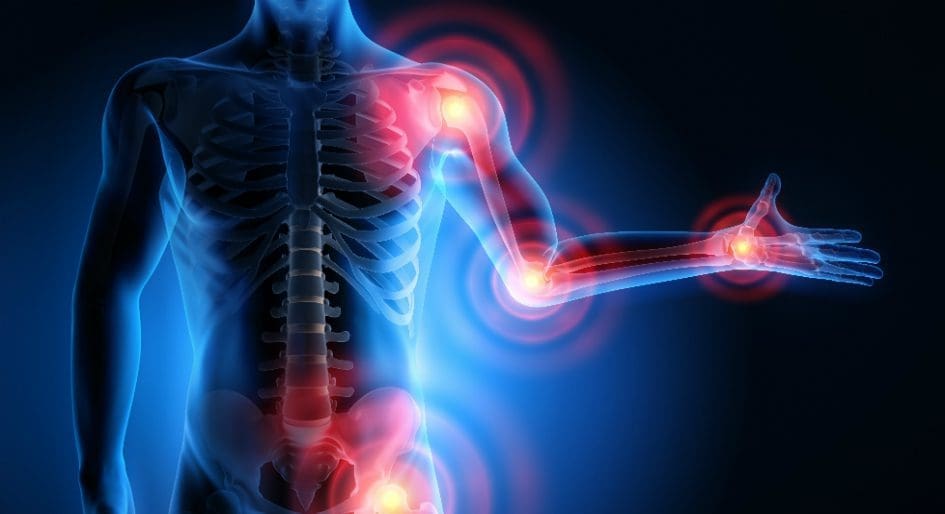
For example, regenerative IV blends can include antioxidants that calm overactive inflammation around a joint or spine. This non-surgical boost often delays the need for operations. A systematic review of non-invasive pain options shows that similar approaches, such as targeted stimulation methods, provide strong evidence for alleviating chronic low back or limb pain without cutting (Xu et al., 2021). IV support fits right in by working system-wide to aid local repair.

Patients notice less stiffness and improved mobility as tissues heal. The process stimulates repair in areas with weak blood flow, making it ideal for sports injuries, wear-and-tear damage, or repetitive strain.

IV Therapy’s Role in Supporting the Immune System

The immune system protects the body from harm, but when it becomes out of balance, it can cause chronic inflammation or attack healthy tissues. IV therapy helps by delivering immune-modulating nutrients straight into circulation. High-dose vitamin mixes or antioxidant formulas can dial down excessive responses and restore calm.

This is useful for immune dysfunction tied to chronic swelling or autoimmune flare-ups. Direct IV delivery ensures the body receives what it needs quickly, supporting white blood cells and reducing oxidative stress, which can worsen problems. One study on natural compounds that regulate inflammatory pathways reports that certain agents reduce key markers, such as cytokines, that drive swelling (Tian et al., 2023). IV versions of similar supportive therapies can achieve comparable effects across the body.


  • Calms overactive immune signals to ease chronic inflammation
  • Boosts nutrient levels that help fight fatigue and support recovery
  • Helps balance the system so the body heals rather than stays in defense mode

Transform Your Body- Video


Integrative Chiropractic Care Enhances Recovery

Integrative chiropractic care adds another layer by focusing on joint and spine alignment. Gentle adjustments improve mechanics, take pressure off nerves, and reduce pain signals. This not only eases discomfort but also helps blood and nutrients flow more effectively to injured areas, making other therapies work more effectively.

When joints move properly, muscles relax, and inflammation drops naturally. Chiropractic care supports overall function, making daily activities easier. Dr. Alexander Jimenez, DC, APRN, FNP-BC, often combines this with regenerative steps. His approach improves mobility and cuts the need for drugs or surgery by restoring balance in the body’s structure and systems (Jimenez, n.d.-a).

Why Combine Regenerative Medicine, IV Therapy, and Chiropractic Care

These treatments shine when used together. Regenerative medicine stimulates tissue growth, IV therapy delivers the raw materials through the bloodstream, and chiropractic care ensures the framework functions smoothly. The result is a full non-surgical plan that tackles pain, swelling, repair, and immune balance all at once.

Patients get faster relief and longer-lasting results. For instance, after an injury, IV nutrients fuel the repair process while chiropractic adjustments keep joints from locking up. This teamwork often replaces surgery for many musculoskeletal cases and lowers immune-related flare-ups. General reviews of IV practices confirm careful use helps avoid complications and supports safe healing (Waitt et al., 2004).

Factors That Influence Treatment Success

Not every case responds the same. Several key elements play a role:

  • Tear location – Injuries near a good blood supply heal quicker than those in tight, low-flow zones
  • Severity of damage – Mild strains improve faster than complete tears
  • Patient age – Younger bodies often regenerate more actively, while older patients may need extra support

Overall health, lifestyle, and the timing of treatment also matter. Doctors check these details to set realistic goals and adjust plans. This personalized view raises the chances of good outcomes without invasive steps.

Clinical Observations from Dr. Alexander Jimenez

Dr. Alexander Jimenez brings over 30 years of hands-on experience to regenerative and integrative care. As a Doctor of Chiropractic and board-certified family nurse practitioner with functional medicine training, he treats patients at his El Paso clinic using a whole-person lens (Jimenez, n.d.-b). His clinical observations indicate that combining IV nutritional therapy with PRP regenerative injections and chiropractic adjustments leads to significant improvements in musculoskeletal pain and immune function.

Many individuals with joint stiffness, back issues, or lingering inflammation report improved mobility and reduced daily discomfort after following these protocols. Dr. Jimenez notes that addressing root causes like poor alignment and nutrient gaps helps the body heal naturally. His patients, from active adults to those with chronic conditions, often avoid surgery and regain function through customized plans that include IV support for inflammation control and tissue repair. He emphasizes teamwork between therapies to boost long-term wellness.

Conclusion

Regenerative medicine, especially through IV therapy, gives people a powerful non-surgical option for musculoskeletal injuries and immune challenges. It reduces inflammation, eases pain, and activates the body’s repair systems, even in hard-to-reach areas. Adding integrative chiropractic care enhances outcomes by improving movement and function. Together, these methods create a well-rounded path to healing that many find effective and gentle. Anyone considering these treatments should talk with a trained provider to determine what best fits their situation. With the right plan, lasting relief and better health are within reach.

References

Keywords

regenerative medicine, IV therapy, musculoskeletal injuries, non-surgical healing, immune dysfunction, inflammation reduction, chiropractic care, tissue repair, PRP therapy, natural healing, Dr. Alexander Jimenez, integrative medicine, pain management, joint mechanics, immune support

Disclaimer

Platelet-Rich Plasma Therapy Supports Detoxification

Platelet-Rich Plasma Therapy Supports Detoxification

(PRP) Therapy Healing at ChiroMed Integrated Medicine

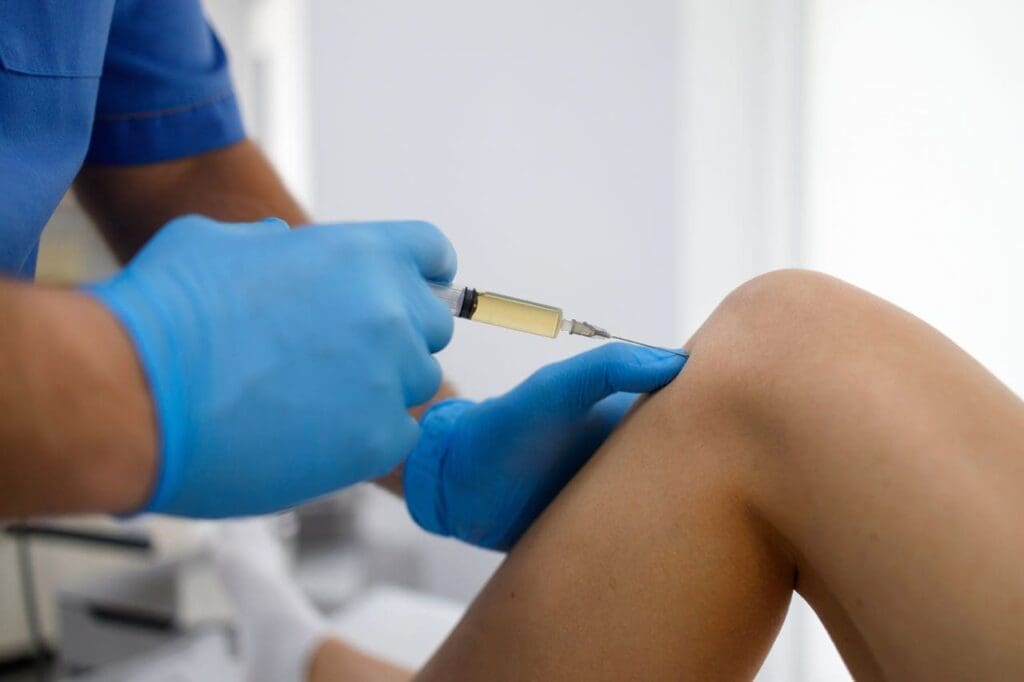
Platelet-Rich Plasma, or PRP, is a treatment that uses your blood to help your body heal. At ChiroMed Integrated Medicine in El Paso, Texas, doctors draw a small amount of blood, spin it to concentrate the platelets, and inject the plasma into the hurt area. Platelets are small blood cells that help with clotting and carry growth factors. These factors start the body’s repair process. PRP is great for joint pain, tendon issues, and skin problems because it speeds healing without drugs or surgery.

PRP helps with detoxification and cleanup in the body. Detoxification removes waste and damaged parts from tissues. Cleanup removes dead cells and debris to promote new tissue growth. PRP releases growth factors that start healing. It forms new blood vessels, a process known as angiogenesis, to deliver oxygen and nutrients and remove waste. It draws in macrophages to eat up harmful debris and boosts fibroblasts to rebuild cellular support. It also helps control inflammation, preventing long-term swelling. This makes PRP a natural way to balance the body, fitting ChiroMed’s holistic approach.

Studies show PRP’s growth factors promote cell growth and cut swelling, aiding waste removal (Foster et al., 2010). PRP activates paths for new tissue and debris cleanup (Desert Spine and Sports, n.d.).

Key Ways PRP Works for Detox and Repair

PRP boosts the body’s repair system. When injected, platelets release growth factors like Platelet-Derived Growth Factor (PDGF), Transforming Growth Factor-Beta (TGF-β), Vascular Endothelial Growth Factor (VEGF), and Insulin-Like Growth Factor-1 (IGF-1). Each helps clean and rebuild.

Here are the main ways PRP aids detoxification and cleanup:

  • Initiating Angiogenesis: VEGF stimulates the formation of new blood vessels. This boosts blood flow, delivering nutrients and oxygen while flushing metabolic debris, which is junk from hurt cells (Caring Medical, n.d.).
  • Drawing in Macrophages: PDGF attracts macrophages, the cleanup cells. They eat dead cells, bacteria, and damaged tissue via phagocytosis. This clears space for new cells and stops harmful buildup (Hospital for Special Surgery, n.d.).
  • Boosting Fibroblast Work: Fibroblasts produce collagen and help maintain the extracellular matrix, the tissue scaffold. TGF-β and IGF-1 push these cells to repair, removing old scars and adding healthy structure (Sampson et al., 2010).
  • Balancing Inflammation: PRP causes a brief inflammatory response to signal healing, then calms it. This removes debris without extra damage. TGF-β helps prevent chronic swelling, creating a clean regeneration space (Action Medical Center, n.d.).
  • Encouraging Cell Growth: Factors such as Epidermal Growth Factor (EGF) promote cell division and the replacement of old cells. This accelerates waste removal and tissue repair, especially in slow-healing areas such as tendons and cartilage (Desert Spine and Sports, n.d.).

These steps form a healing cascade. PRP is safe, biological, and from your body. It restores homeostasis, aligning with ChiroMed’s focus on natural, integrated care.

PRP Benefits for Tissue Renewal at ChiroMed

At ChiroMed, PRP offers benefits for injuries and chronic conditions. It speeds recovery using your body’s tools, cutting the need for pain pills or big treatments. For knees, PRP eases pain and improves mobility by regenerating cartilage and clearing waste (Integrative Medicine Care, n.d.). It’s also used on the skin to increase collagen for better texture and remove damaged cells (Willow Medical, n.d.).

Benefits include:

  • Quicker Healing: PRP shortens recovery by fast debris removal and growth. It helps wounds, tendons, and arthritis (Mishra et al., 2018).
  • Less Pain: It regulates inflammation and strengthens tissues, easing chronic pain without steroids that just hide symptoms (Washington University Orthopedics, n.d.).
  • Better Movement: New vessels and matrix fixes improve mobility and strength in muscles, ligaments, and joints (Cedars-Sinai, n.d.).
  • Safe and Natural: From your blood, low rejection risk. It boosts resilience through healthy habits, aligning with ChiroMed’s naturopathy and nutrition (Integrative Medicine Care, n.d.).
  • Wide Uses: From sports injuries to degeneration, PRP aids hair growth or scar reduction (Advanced Chiropractic Clinic, n.d.).

PRP enhances ChiroMed’s holistic services for overall health.

Using PRP in ChiroMed’s Integrated Care

ChiroMed Integrated Medicine uses PRP with expert guidance for the best results. Their team, including APRNs and FNPs with CFMP training, provides targeted, image-guided injections and holistic support, such as nutrition for metabolic cleanup (Ultrasound Guided Injections, n.d.). This multidisciplinary method supports PRP’s cleanup and repair, leading to better rejuvenation.

Dr. Alexander Jimenez, DC, APRN, FNP-BC, IFMCP, CFMP, ATN, leads at ChiroMed. With 30+ years of experience, he uses PRP for knee osteoarthritis and injuries, noting reduced inflammation and improved repair with chiropractic and functional medicine (Jimenez, n.d.a; Jimenez, n.d.b). His work shows quicker recovery for sports or auto injuries, focusing on root causes for natural detox. Dr. Jimenez blends PRP with rehab, metabolic support, nutrition, acupuncture, and naturopathy for full healing without surgery.

ChiroMed’s approach combines conventional and alternative medicine for chronic pain, back issues, sciatica, and more. PRP fits their patient-centered plans, using evidence-based methods in a welcoming space.

PRP Limits and Tips

PRP helps, but it isn’t for all. Results depend on health, injury level, and prep. It may not be suitable for severe cases such as advanced cancer or blood disorders (Perfect Drs, n.d.). Rare side effects include swelling or infection. Sessions may be multiple and not always insured (Advanced Chiropractic Clinic, n.d.).

Studies vary due to methods (Sampson et al., 2010). Talk to ChiroMed doctors to check if it fits.

Wrapping Up

PRP therapy uses your body’s power for detox and cleanup at ChiroMed. Concentrated growth factors speed healing, clear debris, and rebuild tissues. From angiogenesis to macrophages, it sets the stage for clean regeneration. ChiroMed, led by Dr. Jimenez, combines PRP with holistic care for optimal outcomes. For pain or injury, PRP at ChiroMed could aid natural recovery.


References

Mobility Nutrition and Chiropractic Integrative Care

Mobility Nutrition and Chiropractic Integrative Care

Healthy Mobility Nutrition and Chiropractic Care: The ChiroMed Guide

Mobility depends on four pillars: well-aligned joints, flexible soft tissues, strong muscles, and a responsive nervous system. Healthy foods provide the raw materials for repair (protein, vitamins, and minerals) and help tame inflammation. Chiropractic integrative care restores joint motion and posture, improves nerve signaling, and supports rehab so your body uses those nutrients where they matter most (Rangeline Chiropractic, n.d.; Grove Chiropractic, n.d.; New Edge Family Chiropractic, n.d.). Think of it this way: nutrition brings the building blocks; chiropractic helps set them in place.


The ChiroMed food formula for mobility (simple and repeatable)

  1. Omega-3s reduce inflammation
    Aim for fatty fish (salmon, sardines, and trout) twice per week, and add plant sources like chia, ground flax, and walnuts to snacks or yogurt. Omega-3s are widely noted for their anti-inflammatory support, which helps stiff, sore joints move more freely (Best Grand Rapids Chiropractor, n.d.; HumanCare NY, n.d.; Orthopedic Institute of Sioux Falls, n.d.).
  2. Leafy greens + berries protect tissues
    Spinach, kale, arugula, and Swiss chard deliver vitamin K, folate, and magnesium. Berries (blueberries, strawberries, and blackberries) supply polyphenols that combat oxidative stress and support collagen integrity (Orthopedic Institute of Sioux Falls, n.d.; 417 Spine, n.d.; Ease Wellness, 2024).
  3. Lean protein repairs muscle, tendon, and ligament
    Center each meal on 20–30 g of protein from fish, poultry, eggs, Greek yogurt, cottage cheese, tofu/tempeh, or beans/lentils; add a 10–20 g protein snack around therapy or training (Better Day Chiropractic, n.d.; Dallas Accident & Injury Rehab, n.d.-b).

Micronutrients that keep you moving

  • Magnesium (greens, nuts, seeds, legumes, and whole grains) supports muscle relaxation, enzymatic recovery, and cartilage health (Foot & Ankle Experts, n.d.; Ease Wellness, 2024).
  • Potassium + magnesium together support nerve signaling and contraction/relaxation cycles during activity, reducing cramps and tightness (Pellegrino et al., 2024).
  • Calcium + vitamin D (dairy or fortified plant milks, canned salmon with bones, eggs, safe sun) strengthen bone and aid neuromuscular control—key for posture and load tolerance (Peak Performance Portland, n.d.; Ease Wellness, 2024).
  • Vitamin C (citrus, berries, kiwi, peppers, and crucifers) supports collagen synthesis for tendons and ligaments; pair vitamin C foods with your post-session protein (Orthopedic Institute of Sioux Falls, n.d.; Ease Wellness, 2024).

Hydration and fiber (the quiet mobility boosters)

Water lubricates joints and transports nutrients; fiber from whole grains, beans, veggies, and fruit supports steady energy and gut health, which also relates to systemic inflammation. Start with around half your body weight (in pounds) in ounces of water per day, and adjust for climate and sweat. During heavy activity or hot days, include electrolyte-rich foods (potatoes, fruit, beans, yogurt) or a light electrolyte drink (Pellegrino et al., 2024; Ease Wellness, 2024).


Build your “ChiroMed Mobility Plate”

  • ¼ plate protein: salmon, eggs, chicken, Greek yogurt, tofu/tempeh, beans (Dallas Accident & Injury Rehab, n.d.-b).
  • ½ plate produce: leafy greens + colorful vegetables or berries (Orthopedic Institute of Sioux Falls, n.d.; 417 Spine, n.d.).
  • ¼ plate of whole carbs: oats, quinoa, brown rice, and potatoes (Ease Wellness, 2024).
  • Add healthy fats: olive oil, avocado, nuts, and seeds—especially walnuts (Best Grand Rapids Chiropractor, n.d.; HumanCare NY, n.d.).
  • Drink: water or fortified plant milk for calcium and vitamin D (Peak Performance Portland, n.d.).

Snack ideas: Greek yogurt + berries; apple + almonds; cottage cheese + pineapple; whole-grain toast with peanut butter + chia; walnuts + orange (HumanCare NY, n.d.; Ease Wellness, 2024).


Why chiropractic care multiplies your nutrition gains

Adjustments improve nerve supply and joint mechanics

Restricted joints irritate nearby nerves and trigger protective muscle guarding. Specific, gentle adjustments restore motion, calm irritation, and improve coordination, making movement feel smoother (New Edge Family Chiropractic, n.d.). With better joint glide and nerve signaling, nutrients get used more effectively by the tissues you’re trying to heal (Rangeline Chiropractic, n.d.; Grove Chiropractic, n.d.).

Posture and movement patterns

Alignment shapes how forces travel through the spine, hips, knees, and ankles. Chiropractic care addresses segmental restrictions; rehab retrains patterns. Nutrition reduces background inflammation, letting you tolerate mobility/stability work and daily demands (Dallas Accident & Injury Rehab, n.d.-a; Dallas Accident & Injury Rehab, n.d.-b).

Soft-tissue care and progressive loading

Manual therapy opens restricted areas, while graded strength (core, glutes, and scapular stabilizers) “locks in” gains. Protein timing and vitamin C support collagen remodeling in tendons and ligaments (Better Day Chiropractic, n.d.; 417 Spine, n.d.; Orthopedic Institute of Sioux Falls, n.d.).


7-day clinic-friendly menu (easy swaps)

Day 1
Yogurt with blueberries and ground flax; salmon-kale salad with chickpeas; grilled chicken, quinoa, and roasted broccoli; and a walnut-berry snack (Best Grand Rapids Chiropractor, n.d.; 417 Spine, n.d.).

Day 2
Oatmeal + chia + banana; turkey-avocado spinach wrap; tofu stir-fry with brown rice; cottage cheese + pineapple (Better Day Chiropractic, n.d.; Ease Wellness, 2024).

Day 3
Spinach-berry protein smoothie; lentil soup + arugula-pepper-pumpkin seed salad; baked trout + sweet potato + green beans; apple + almonds (HumanCare NY, n.d.; Peak Performance Portland, n.d.).

Day 4
Eggs and sautéed greens and whole-grain toast; quinoa-black bean bowl; turkey meatballs with zucchini noodles; yogurt and chia (Dallas Accident & Injury Rehab, n.d.-b; Pellegrino et al., 2024).

Day 5
Protein pancakes + strawberries; tuna salad on greens with olive oil; baked tofu, wild rice, and roasted carrots; and walnuts and oranges (Orthopedic Institute of Sioux Falls, n.d.; Best Grand Rapids Chiropractor, n.d.).

Day 6
Cottage cheese + kiwi + pumpkin seeds; chicken burrito bowl; sardines on whole-grain crackers + tomato salad; blueberries + a square of dark chocolate (HumanCare NY, n.d.; 417 Spine, n.d.).

Day 7
Overnight oats with flax and raspberries, a veggie omelet with side spinach, grilled shrimp with quinoa tabbouleh and cucumber-mint salad, and Greek yogurt with honey (Ease Wellness, 2024; Orthopedic Institute of Sioux Falls, n.d.).


A quick, daily movement routine (5–7 minutes)

  • Cat-cow x10
  • Hip-flexor stretch 30–45 s/side
  • Thoracic rotation x10/side
  • Ankle rocks x15
    (Sport & Spinal Physio, n.d.)

Strength basics (3×/week): glute bridge 3×12; split squat 3×8/side; row or band pull-aparts 3×12; dead bug 3×8/side (417 Spine, n.d.; Ease Wellness, 2024).
Fuel the work: pre-session yogurt + berries or banana + nuts; post-session 20–30 g protein + vitamin-C fruit (Better Day Chiropractic, n.d.; Orthopedic Institute of Sioux Falls, n.d.).


Common mobility cases and how this plan adapts

  • Tendon pain (elbow, patellar, Achilles): heavy-slow resistance under guidance; daily protein; vitamin-C fruit; steady omega-3s for 6–12 weeks (Better Day Chiropractic, n.d.; 417 Spine, n.d.).
  • Desk-related low back/neck: thoracic extension mobility, hip-flexor stretching, core endurance, magnesium and potassium foods, hydration, and posture breaks (Dallas Accident & Injury Rehab, n.d.-a; Pellegrino et al., 2024).
  • Post-sprain or post-collision stiffness: staged ROM, sleep support, anti-inflammatory foods; document function and progress to guide care (Dallas Accident & Injury Rehab, n.d.-b; Ease Wellness, 2024).

Fast checklist

  • Eat: omega-3 fish/walnuts, leafy greens, berries, and lean proteins.
  • Fortify: magnesium, potassium, calcium, vitamin D, and vitamin C.
  • Hydrate: water + electrolytes with heat/sweat.
  • Align + retrain: adjustments, mobility, and progressive strength.
  • Time protein: 20–30 g per meal; add post-session protein + vitamin-C fruit.

References

417 Spine. (n.d.). Power superfoods to enhance chiropractic treatments.

Alter Chiropractic. (n.d.). Improve joint flexibility and movement naturally.

Better Day Chiropractic. (n.d.). The role of nutrition in supporting chiropractic care.

Best Grand Rapids Chiropractor. (n.d.). Empowering nutritional advice to support chiropractic treatment for optimal health.

Dallas Accident & Injury Rehab. (n.d.-a). The role of nutrition in posture improvement and chiropractic care.

Dallas Accident & Injury Rehab. (n.d.-b). Combining nutritional counseling and chiropractic care.

Ease Wellness. (2024, April 23). Nutrition for joint health: Nourishing your joints for optimal mobility.

Foot & Ankle Experts. (n.d.). Good food for happy feet.

Grove Chiropractic. (n.d.). Integrating chiropractic care with nutrition for optimal wellness.

HumanCare NY. (n.d.). Foods that aid senior mobility.

New Edge Family Chiropractic. (n.d.). Chiropractic adjustments for optimal nerve supply.

Orthopedic Institute of Sioux Falls. (n.d.). 8 joint-friendly foods to strengthen your mobility.

Peak Performance Portland. (n.d.). Improve joint flexibility and movement naturally.

Pellegrino, D., Pomara, C., Villanacci, R., Izzo, V., Speranza, L., Arrizza, C., & Di Maio, A. (2024). Micronutrients and muscle function: The role of potassium and magnesium during physical activity. Nutrients, 16(12), 2005.

Rangeline Chiropractic. (n.d.). Integrating chiropractic care with nutrition for optimal wellness.

Sport & Spinal Physio. (n.d.). 3 surprisingly easy steps to improve your flexibility.


Why Chiropractors Emphasize Nutrition for Wellness

Why Chiropractors Emphasize Nutrition for Wellness

The Vital Role of Nutrition in Chiropractic Care: A Holistic Approach to Health

When you think of chiropractic care, you might picture spinal adjustments and relief from back pain. But there’s more to it than that. Chiropractors are increasingly focusing on nutrition because they view it as a crucial component of overall health and wellness. This approach goes beyond just fixing physical issues—it’s about supporting the body’s natural ability to heal and thrive. Proper nutrition plays a critical role in reducing inflammation, boosting energy, strengthening bones and muscles, and improving nervous system function. By combining a nutrient-rich diet with chiropractic adjustments, people can experience better treatment outcomes and long-term well-being. Let’s dive into why this holistic connection matters and how it works.

Nutrition is like fuel for the body. Just as a car needs the right gas to run smoothly, your body needs the right nutrients to support chiropractic care. Chiropractors recognize that what you eat can either help or hinder the healing process. A diet rich in vitamins, minerals, and other essential nutrients provides the building blocks for tissue repair and helps keep your body in top shape. This article will examine how nutrition supports chiropractic care, drawing on expert insights and practical examples to demonstrate why this combination is so effective.

Why Chiropractors Focus on Nutrition

Chiropractors focus on nutrition because they understand its critical role in holistic health. Holistic health means looking at the whole person—not just the symptoms. This approach aligns with the chiropractic philosophy of promoting the body’s natural healing process. Proper nutrition aids in healing by providing the body with the necessary tools to repair tissues damaged by injury or wear. It also reduces inflammation, which is a common cause of pain and stiffness that many patients seek chiropractic care for (Family Chiropractic Plus, 2019).

Inflammation can make joints and muscles feel sore, but a diet rich in anti-inflammatory foods like fruits, vegetables, and omega-3 fatty acids can help calm it down. This supports the effectiveness of chiropractic adjustments by creating a better environment for recovery. Nutrition also boosts energy levels, which is crucial for staying active and maintaining the benefits of chiropractic care. For example, eating foods like lean proteins and whole grains can keep you energized throughout the day (Ribley Chiropractic, 2022).

Strong bones and muscles are another big focus. Calcium and magnesium, found in foods such as dairy products and leafy greens, help build bone strength, which is essential for spinal health (Tradition Health, 2025). Weak bones can lead to issues like osteoporosis, making chiropractic adjustments less effective. Additionally, a healthy nervous system relies on proper nutrition. The nervous system controls everything from movement to pain signals, and chiropractors know that nutrients like B vitamins support its function (Chiropractic San Antonio, 2023). When the nervous system works well, the body can respond better to treatments.

A nutrient-rich diet provides the raw materials for tissue repair and overall function. Proteins help rebuild muscles and ligaments, while antioxidants protect against damage. This complements chiropractic adjustments by enhancing their impact and contributing to better outcomes. Long-term well-being comes from this balanced approach, as it addresses both the structural and nutritional needs of the body (Atlas Injury to Health, 2023).

References Atlas Injury to Health. (2023). The relationship between chiropractic care and nutrition enhancing overall health and wellness. https://atlasinjurytohealth.com/the-relationship-between-chiropractic-care-and-nutrition-enhancing-overall-health-and-wellness/ Chiropractic San Antonio. (2023). Does your chiropractor talk like a nutritionist? Here’s why. https://www.chiropractic-sanantonio.com/does-your-chiropractor-talk-like-a-nutritionist-heres-why/ Family Chiropractic Plus. (2019). Nutrition: A necessary component of chiropractic. https://www.familychiroplus.com/nutrition-a-necessary-component-of-chiropractic Ribley Chiropractic. (2022). Chiropractic nutrition: Diet’s role in chiropractic care. https://ribleychiro.com/chiropractic-nutrition/ Tradition Health. (2025). Nutrition and chiropractic care. https://traditionhealth.com/2025/01/07/nutrition-and-chiropractic-care/

The Science Behind Nutrition and Chiropractic Care

The connection between nutrition and chiropractic care is backed by science. When chiropractors adjust your spine, they aim to improve alignment and reduce nerve interference. However, if your body lacks the necessary nutrients, those adjustments may not be as effective. For instance, a diet low in vitamin D can weaken bones, making it harder to maintain proper alignment (Grove Chiropractic, 2023). On the flip side, a nutrient-rich diet supports the body’s healing process, making adjustments more effective.

Inflammation is a key factor that nutrition can address. Chronic inflammation can worsen conditions like arthritis or back pain, but eating anti-inflammatory foods can help. Studies show that omega-3 fatty acids, found in fish and nuts, reduce inflammation and support joint health (Heuser Chiropractic, 2024). This means less pain and better mobility after chiropractic sessions. Energy levels also improve with proper nutrition, as carbohydrates and proteins provide the fuel needed for daily activities and recovery (Crossroads Chiropractic Clinic, 2020).

Bones and muscles benefit from nutrients like calcium and magnesium. These minerals strengthen the skeletal system, which is crucial for supporting the spine during adjustments. A strong musculoskeletal system can handle the physical demands of chiropractic care and prevent future injuries (Tradition Health, 2025). The nervous system, which chiropractors focus on, also relies on nutrients like B vitamins to function smoothly. When nerves are healthy, they communicate better, enhancing the body’s response to treatment (Chiropractic San Antonio, 2023).

Tissue repair is another area where nutrition shines. After an injury or adjustment, the body needs proteins to rebuild muscles and connective tissues. A diet with lean meats, eggs, and beans provides these building blocks, speeding up recovery (Dallas Accident & Injury Rehab, 2023). This synergy between nutrition and chiropractic care leads to better treatment outcomes and a stronger, healthier body over time.

References Chiropractic San Antonio. (2023). Does your chiropractor talk like a nutritionist? Here’s why. https://www.chiropractic-sanantonio.com/does-your-chiropractor-talk-like-a-nutritionist-heres-why/ Crossroads Chiropractic Clinic. (2020). What is the role of nutrition in chiropractic care?. https://crossroadschiropracticclinicpa.com/what-is-the-role-of-nutrition-in-chiropractic-care/ Dallas Accident & Injury Rehab. (2023). Combining nutritional counseling and chiropractic care. https://dallasaccidentandinjuryrehab.com/combining-nutritional-counseling-and-chiropractic-care/ Grove Chiropractic. (2023). Integrating chiropractic care with nutrition for optimal wellness. https://grovechiropractic.com/blog/integrating-chiropractic-care-with-nutrition-for-optimal-wellness Heuser Chiropractic. (2024). The alignment of chiropractic and nutrition. https://www.heuserchiro.com/blog/posts/the-alignment-of-chiropractic-and-nutrition Tradition Health. (2025). Nutrition and chiropractic care. https://traditionhealth.com/2025/01/07/nutrition-and-chiropractic-care/

Dr. Alexander Jimenez: A Leader in Chiropractic and Integrative Medicine

Dr. Alexander Jimenez, a chiropractor and nurse practitioner in El Paso, is a standout in the field for his comprehensive approach to treating injuries. He handles a wide range of cases, including work injuries, sports injuries, personal injuries, and motor vehicle accidents. His method combines chiropractic care with integrative medicine to address the root causes of pain and promote healing. Dr. Jimenez’s clinical observations, shared through his website and social media, highlight his success in helping patients recover (Jimenez, 2025).

For work injuries, Dr. Jimenez focuses on repetitive strain or acute trauma, using spinal adjustments to relieve pain and improve mobility. He incorporates nutrition plans to reduce inflammation and speed healing. Sports injuries, like sprains or strains, are treated with targeted exercises and chiropractic techniques, supported by a diet rich in proteins and antioxidants. Personal injuries, such as falls, benefit from his dual-scope diagnosis, combining chiropractic and medical assessments to create personalized treatment plans. Motor vehicle accident victims receive care for whiplash or back injuries, with nutrition playing a key role in tissue repair (Jimenez, 2025).

Dr. Jimenez also excels in medical care and legal documentation for personal injury lawsuits. He provides detailed reports and expert testimony, linking injuries to specific incidents and documenting the progress of treatment. His use of chiropractic care and integrative medicine helps patients recover while strengthening their legal cases by addressing injury causes and enhancing overall health (Jimenez, 2025).

His clinical approach involves correlating patient injuries with dual-scope diagnosis and treatment. He uses diagnostic assessments, such as X-rays and sophisticated imaging, to pinpoint issues, followed by tailored procedures. This might include chiropractic adjustments, massage therapy, acupuncture, and exercise plans, all supported by nutrition to promote natural healing and prevent long-term consequences (Jimenez, 2025).

References Jimenez, A. (2025). Clinical observations and treatments. https://dralexjimenez.com/

How Dr. Jimenez Treats Different Injuries

Dr. Jimenez’s approach to treating injuries is thorough and tailored. For work-related injuries, such as those caused by lifting or repetitive motions, he uses spinal adjustments to correct alignment and reduce nerve pressure. He incorporates nutritional counseling to combat inflammation through foods like turmeric and omega-3s, enabling workers to recover more quickly (Jimenez, 2025).

Sports injuries, common among athletes, are another focus. Whether it’s a twisted ankle or a pulled muscle, Dr. Jimenez applies chiropractic techniques to restore movement. He recommends a protein-rich diet with chicken and fish to rebuild tissues, paired with exercises to strengthen the injured area. This combo speeds recovery and prevents future issues (Jimenez, 2025).

Personal injuries, like those from slips or falls, require a detailed plan. Dr. Jimenez uses his dual training as a chiropractor and nurse practitioner to assess and treat these cases. He might use massage therapy to relax muscles and acupuncture to reduce pain, while a nutrient-dense diet with fruits and vegetables supports healing (Jimenez, 2025).

Motor vehicle accidents often cause whiplash or back pain. Dr. Jimenez employs integrative medicine, combining chiropractic adjustments with physical therapy. He advises patients to eat calcium-rich foods like broccoli to strengthen bones, enhancing the effectiveness of his treatments and reducing long-term damage (Jimenez, 2025).

References Jimenez, A. (2025). Clinical observations and treatments. https://dralexjimenez.com/

Medical and Legal Support from Dr. Jimenez

Dr. Jimenez goes beyond treatment by offering comprehensive medical care and legal documentation to support personal injury lawsuits. He conducts thorough evaluations, using diagnostic tools to document injuries like herniated discs or nerve damage. His reports detail how chiropractic care and nutrition enhance recovery, providing solid evidence to support legal claims (Jimenez, 2025).

His integrative approach addresses the causes of injuries, such as poor posture or inflammation, while enhancing overall health with targeted treatments. This dual focus not only helps patients heal but also strengthens their cases by showing a clear path to recovery. Dr. Jimenez’s expertise makes him a trusted ally in legal proceedings (Jimenez, 2025).

References Jimenez, A. (2025). Clinical observations and treatments. https://dralexjimenez.com/

Clinical Correlation and Treatment Methods

Dr. Jimenez’s clinical correlation links patient injuries to specific causes using dual-scope diagnosis. He combines chiropractic assessments with medical evaluations, using X-rays and MRI scans to identify issues like spinal misalignment or soft tissue damage. This precise diagnosis guides his treatment plans (Jimenez, 2025).

His procedures include chiropractic adjustments to realign the spine, massage therapy to ease muscle tension, and acupuncture to relieve pain. Targeted exercises build strength, while integrative medicine, like nutritional counseling, supports healing. This multi-faceted approach promotes natural recovery and prevents chronic problems (Jimenez, 2025).

References Jimenez, A. (2025). Clinical observations and treatments. https://dralexjimenez.com/

Promoting Natural Healing and Preventing Long-Term Issues

Chiropractic care, exercise, massage therapy, acupuncture, and integrative medicine work together to promote natural healing and overall well-being. Adjustments correct alignment, while exercises strengthen muscles. Massage and acupuncture reduce pain and inflammation, and a nutrient-rich diet, as recommended by Dr. Jimenez, supports tissue repair (Get Adjusted, 2023).

This combination prevents long-term consequences like chronic pain or reduced mobility. By addressing injuries early with proper nutrition and care, patients can avoid surgery and maintain a high quality of life (Isis Chiropractic, 2023).

References Get Adjusted. (2023). Balancing the body. https://www.get-adjusted.net/balancing-the-body/ Isis Chiropractic. (2023). Nutrition and chiropractic care. https://www.isischiropractic.co.uk/treatments/nutrition-and-chiropractic-care/

Conclusion

Nutrition and chiropractic care go hand in hand to support holistic health. Chiropractors like Dr. Alexander Jimenez recognize that a nutrient-rich diet enhances healing, reduces inflammation, boosts energy, strengthens bones and muscles, and improves nervous system function. This approach complements adjustments, leading to better treatment outcomes and long-term well-being. By focusing on the whole body, chiropractic care with nutrition offers a powerful path to a healthier life.

References

Atlas Injury to Health. (2023). The relationship between chiropractic care and nutrition enhancing overall health and wellness

Chiropractic San Antonio. (2023). Does your chiropractor talk like a nutritionist? Here’s why

Crossroads Chiropractic Clinic. (2020). What is the role of nutrition in chiropractic care?

Dallas Accident & Injury Rehab. (2023). Combining nutritional counseling and chiropractic care

Family Chiropractic Plus. (2019). Nutrition: A necessary component of chiropractic

Get Adjusted. (2023). Balancing the body

Grove Chiropractic. (2023). Integrating chiropractic care with nutrition for optimal wellness

Heuser Chiropractic. (2024). The alignment of chiropractic and nutrition

Isis Chiropractic. (2023). Nutrition and chiropractic care

Jimenez, A. (2025). Clinical observations and treatments

Ribley Chiropractic. (2022). Chiropractic nutrition: Diet’s role in chiropractic care

Tradition Health. (2025). Nutrition and chiropractic care