

Integrative Strategies to Consider for Insulin Resistance
Unlock the benefits of integrative strategies for insulin resistance and take charge of your health today.
Abstract
For decades, the standard approach to managing insulin resistance has centered on dietary restrictions, often with frustratingly limited success. Many individuals find that even strict low-carbohydrate, ketogenic, or carnivore diets fail to resolve the underlying metabolic dysfunction fully. This educational post explores the deeper physiological reasons for this phenomenon, moving beyond surface-level dietary changes to address the root causes of metabolic inflexibility. As Dr. Alex Jimenez, I will guide you through the cellular mechanisms that perpetuate insulin resistance, including compromised mitochondrial function, chronic inflammation, and cellular “deafness” to insulin signals. We will explore the latest scientific findings from leading researchers, highlighting innovative therapeutic agents like 5-amino-1MQ, retatrutide, and MOTS-c, which show remarkable promise in restoring insulin sensitivity and metabolic health. This discussion will also detail a practical “daily audit” protocol, integrating strategic nutrition with continuous glucose monitoring to empower you with real-time feedback on your metabolic status. We’ll also explain how our multidisciplinary practice at Injury Medical Clinic PA integrates advanced functional medicine with chiropractic care and medical oversight from our esteemed Medical Director, Dr. Maria Guadalupe Cardenas, MD, to provide a comprehensive, personalized approach to reversing insulin resistance and reclaiming your health.
A Multidisciplinary Approach to Whole-Body Health at Injury Medical Clinic
Before we dive into the complex world of cellular metabolism, it’s important to understand the care framework we provide at our clinic. My name is Dr. Alex Jimenez, and I hold certifications as a Doctor of Chiropractic (DC), an Advanced Practice Registered Nurse (APRN) and Family Nurse Practitioner (FNP-BC), a Certified Functional Medicine Practitioner (CFMP), and an Institute for Functional Medicine Certified Practitioner (IFMCP), among other advanced credentials in anti-aging and clinical cellular science. Our practice, Injury Medical Clinic PA, also known as Mission Plaza Injury Medical Clinic, is located in El Paso, Texas, and is built on a foundation of integrative, multidisciplinary care.
I am honored to work alongside Dr. Maria Guadalupe Cardenas, MD, our Medical Director and Collaborative Physician. Dr. Cardenas is Board Certified in Internal Medicine and brings over 40 years of invaluable experience as an internist to our team. Her extensive medical expertise (NPI #1164426749, Texas MD License #J2933) is fundamental to our ability to offer a truly holistic patient experience. This collaborative model, where a chiropractor with advanced training in functional medicine works alongside a seasoned medical doctor, allows us to bridge gaps between healthcare disciplines. We combine the strengths of chiropractic care—focusing on musculoskeletal integrity, nervous system function, and structural health—with the diagnostic precision and medical oversight of internal medicine.
Our team integrates:
- Chiropractic Care: We address spinal and joint misalignments (subluxations) that can interfere with nerve signaling, which is crucial for organ function and metabolic regulation.
- Medical Oversight: Dr. Cardenas provides essential medical direction, overseeing patient cases, managing comorbidities, and ensuring all treatments are safe and medically appropriate.
- Functional Medicine: We use advanced diagnostic testing to identify the root causes of chronic disease, such as nutrient deficiencies, hormonal imbalances, and gut dysbiosis.
- Personal Injury & Rehabilitation: We specialize in helping patients recover from injuries, using a combination of physical therapies, chiropractic adjustments, and rehabilitative exercises to restore function and reduce pain.
This synergistic model ensures that when we address a complex condition like insulin resistance, we look at the whole person—not just their blood sugar numbers. We consider their structural health, cellular biology, lifestyle, and unique biochemistry to create a personalized, effective treatment plan.
The Frustration of Failed Diets: Why Insulin Resistance Persists
One of the most common frustrations I hear from patients is, “Doctor, I’ve tried everything. I cut out carbs, I went keto, I even did the carnivore diet, but I’m still not getting better.” They are often disheartened, feeling like their body has betrayed them despite their best efforts. The reality is that diets alone often fail to reverse severe, long-standing insulin resistance. This is not a failure of willpower; it is a failure to understand the deep-seated biological adaptations that have occurred over years, or even decades.
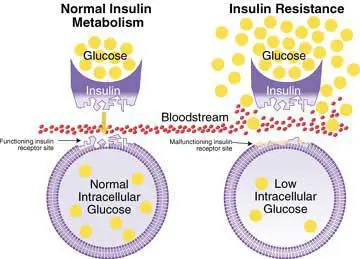
Imagine spending thirty years in a state of hyperinsulinemia—a condition where your pancreas is constantly pumping out high levels of insulin to manage blood glucose. Over time, your body’s cells, receptors, and mitochondria become, for lack of a better term, “trashed.” The entire system is damaged and dysregulated.
Let’s break down why this happens:
Muscle Glycogen Stores and Metabolic Inflexibility
From a basic biological standpoint, our muscles are a primary storage site for glucose, stored as glycogen. In an active individual, these glycogen stores are regularly depleted through exercise and then refilled after a meal. This is a healthy, dynamic process. However, in a sedentary lifestyle, these muscle glycogen stores remain consistently full.
Think of it like a gas tank that is never emptied. If the tank is already full, you can’t add more fuel. Similarly, if your muscle cells are packed with glycogen, they don’t need the glucose circulating in your bloodstream. They effectively put up a “No Vacancy” sign. They become insulin resistant because they are signaling that they don’t need any more fuel. Even if you switch to a low-carb, keto, or carnivore diet, muscles can remain stubbornly resistant if they aren’t metabolically challenged through physical activity. The cells have developed metabolic inflexibility; they have lost the ability to switch efficiently between burning carbohydrates and burning fat for energy.
The Liver’s Role: A Rogue Glucose Factory
While the muscles are refusing glucose, the liver becomes trapped in a vicious cycle of its own. In a state of chronic hyperinsulinemia, the liver often becomes a site for fat accumulation, a condition known as non-alcoholic fatty liver disease (NAFLD). A fatty liver is a dysfunctional liver. It becomes hyperresponsive to the hormone glucagon (which tells the liver to release glucose) and simultaneously resistant to insulin (which tells the liver to stop releasing glucose).
This creates a paradoxical and dangerous situation. Even when you diligently cut sugar and processed carbohydrates from your diet, your liver keeps pumping large amounts of glucose into the bloodstream. This process is called gluconeogenesis—literally, “the creation of new glucose.” The liver manufactures glucose from non-carbohydrate sources, such as amino acids and lactate.
So you can eat zero carbohydrates, yet your blood sugar can remain elevated because your liver has turned into a rogue glucose factory. This is a critical point that many people miss. The problem is no longer just what we’re eating; it’s deep-seated dysfunction within the liver. This state will persist until the excess visceral fat is mobilized and the liver is metaphorically “unclogged.” That’s why insulin resistance can be such a bear to resolve. It’s a deeply entrenched physiological state, not just a simple dietary problem.
A Deeper Look: Mitochondrial Dysfunction and Cellular Deafness
To truly understand insulin resistance, we have to zoom in from the organ level to the cellular and even the subcellular level. The real battle is being fought inside your cells, specifically within the mitochondria and at the insulin receptor sites.
Lipid Overload and Impaired Insulin Signaling
When you are chronically hyperinsulinemic, your body is in a constant state of “energy storage.” This leads to the accumulation of lipids (fats) not just in your fat cells, but also inside other cells, such as muscle and liver cells. These intracellular lipid deposits, known as intramyocellular lipids, directly interfere with the insulin signaling pathway.
Here’s how it works: When insulin binds to its receptor on the cell surface, it initiates a complex cascade of signals inside the cell. This cascade is like a series of dominoes falling, ultimately activating glucose transporter type 4 (GLUT4). GLUT4 is the protein that moves to the cell membrane and creates a channel for glucose to enter the cell. In a healthy cell, this process is smooth and efficient.
However, when lipids accumulate inside the cell, they create metabolic byproducts—like diacylglycerol (DAG) and ceramides—that disrupt this signaling cascade. These lipid metabolites effectively jam the machinery. They prevent the dominoes from falling. As a result, even though insulin is present and binding to its receptor, the signal to bring GLUT4 to the surface is blocked. Glucose cannot get into the cell.
I often describe this to my patients as cellular deafness. The cell is being screamed at by insulin, but it can’t “hear” the message. It’s like trying to unlock a door with the wrong key, or a bent key. The lock (the receptor) is there, the key (insulin) is there, but the internal mechanism is broken.
The Problem with Standard Lab Tests: Why HbA1c is Deceiving
This leads us to another critical point of confusion: standard lab testing. For years, the Hemoglobin A1c (HbA1c) test has been the gold standard for diagnosing and monitoring diabetes. The HbA1c measures the percentage of your hemoglobin (the protein in red blood cells that carries oxygen) that is coated with sugar (glycated). Because red blood cells live about three months, HbA1c gives you a rough average of your blood sugar over the preceding 90 days.
However, in the context of early to moderate insulin resistance, HbA1c is a totally useless, lagging indicator. At best, it lags three months behind real-time metabolic reality. I see severely insulin-resistant patients walk into my clinic every week with a “normal” HbA1c. How is this possible?
It’s possible because the pancreas is a remarkably resilient organ, at least initially. As the cells become more resistant to insulin, the pancreas compensates by working overtime, dumping gallons of insulin into the bloodstream to force the glucose into the cells. The cells are literally drowning in insulin, but because the pancreas is fighting so hard, the blood glucose levels may remain in the normal range for years. The HbA1c looks fine, but beneath the surface, the pancreas is working itself to death. This is compensated insulin resistance, and it’s a ticking time bomb. Eventually, the pancreatic beta cells will become exhausted and begin to fail, at which point blood glucose will skyrocket, and the HbA1c will finally reflect the long-standing disease process. By then, significant damage has already been done.
A Better Metric: HOMA-IR
A far more sensitive and immediate tool for assessing insulin resistance is the Homeostatic Model Assessment of Insulin Resistance (HOMA-IR). This calculation uses a simple formula that accounts for both your fasting glucose and fasting insulin levels.
HOMA-IR = (Fasting Glucose [mg/dL] x Fasting Insulin [μU/mL]) / 405
This score gives us a direct snapshot of how hard your pancreas is working to maintain a normal blood sugar level. In our practice, we consider a HOMA-IR score over 1.0 to be an indication of early insulin resistance. A score over 1.9 indicates significant resistance, and a score over 2.9 is often correlated with a high risk of developing type 2 diabetes. HOMA-IR lets us detect metabolic dysfunction years, or even decades, before HbA1c becomes abnormal. It allows us to be proactive instead of reactive.
You must stop treating insulin resistance as if it’s merely a weight loss goal. If you focus only on the number on the scale, you are going to lose the battle. We need to address the underlying physiology: inflammation, mitochondrial issues, and cellular deafness.
Is Intermittent Fasting the Ultimate Weight Loss Hack?- Video
The Chiropractic Link: Nervous System Integrity and Metabolic Function
At this point, you might be wondering, “What does chiropractic care have to do with insulin and mitochondria?” The connection lies in the body’s master control system: the nervous system. The brain, spinal cord, and peripheral nerves coordinate and regulate every single function in your body, including metabolism.
The autonomic nervous system (ANS) has two main branches: the sympathetic (“fight or flight”) and the parasympathetic (“rest and digest”). A healthy metabolism depends on a proper balance between these two branches. Chronic stress—be it physical, chemical, or emotional—can lead to a state of sympathetic dominance, where the “fight or flight” response is perpetually activated. This state is characterized by the release of stress hormones like cortisol and adrenaline, which directly promote insulin resistance by signaling the liver to release glucose and making peripheral cells less sensitive to insulin.
Chiropractic adjustments work to restore proper motion and alignment to the spine, particularly in the upper cervical and thoracic regions where key autonomic nerve centers are located. By correcting vertebral subluxations—misalignments that can interfere with nerve function—we can help down-regulate the sympathetic nervous system and up-regulate the parasympathetic nervous system. This shift helps to:
- Reduce circulating stress hormones.
- Improve blood flow to internal organs, including the pancreas and liver.
- Enhance the body’s overall ability to “rest, digest, and repair.”
By improving neurological communication between the brain and the body’s metabolic organs, chiropractic care can help create a physiological environment more conducive to healing and restoring insulin sensitivity. It is a foundational piece of the puzzle, ensuring that the body’s internal signaling pathways are clear and functioning optimally. This is a core component of how our integrated model at Injury Medical Clinic supports metabolic recovery.
Hacking the System: Novel Therapeutics to Restore Cellular Function
While lifestyle interventions like diet, exercise, and chiropractic care are foundational, for many individuals with deep-seated insulin resistance, they may not be enough to overcome the profound cellular dysfunction. This is where cutting-edge functional medicine comes in, using targeted compounds that can directly address the biochemical roadblocks we’ve discussed. Let’s explore the science behind some of the most promising agents.
Replenishing the Engine: The Role of NAD+ and 5-amino-1MQ
Let’s get into the biology for a second. One of the most critical molecules in your entire body is Nicotinamide Adenine Dinucleotide (NAD+). NAD+ is a vital cofactor—a “helper molecule”—for hundreds of enzymatic reactions. Think of it as the spark plug for your cellular engine. It is an essential electron carrier in ATP synthesis (energy production) in the mitochondria. It’s also crucial for DNA repair, gene expression, and immune function. You cannot run your biology without it.
Here’s the problem: In chronic hyperinsulinemia and inflammation, an enzyme called NNMT (Nicotinamide N-methyltransferase) becomes significantly overactive. NNMT’s primary job is to process and eliminate excess nicotinamide (a form of vitamin B3). However, when it’s in overdrive, it wreaks havoc on your NAD+ levels. It constantly consumes NAD+ by converting it to a byproduct called N1-methylnicotinamide (MNA), effectively draining your cellular battery. This constant NAD+ depletion causes mitochondria to fail and your metabolism to tank.
This is where a remarkable compound called 5-amino-1MQ comes in. 5-amino-1MQ is a small, membrane-permeable molecule that potently inhibits the NNMT enzyme. By blocking NNMT, it prevents excessive NAD+ breakdown. Simply put, it stops the leak in the bucket, allowing your cellular NAD+ pool to be replenished. It floods the system with the critical cofactor it needs to function properly.
The research on this is incredibly exciting.
- A landmark study published in Cell Metabolism in 2023 showed that subcutaneous administration of 5-amino-1MQ in overweight and obese individuals significantly improved insulin sensitivity, as measured by HOMA-IR (Agerholm et al., 2023). The study found a 34% improvement in insulin sensitivity, along with reductions in body weight, fat mass, and cholesterol levels. This provides powerful evidence that targeting the NNMT enzyme can directly reverse key aspects of metabolic syndrome.
By restoring NAD+ levels, 5-amino-1MQ helps to “reboot” the mitochondria, improve energy production, and make cells more responsive to insulin signaling. It is a prime example of using targeted biochemical intervention to fix a specific, identified dysfunction.
Rewriting the Script: Retatrutide and Full Insulin Independence
For decades, the goal for many type 2 diabetes patients has been “management”—keeping blood sugar under control with a cocktail of medications. The idea of a true reversal, of achieving full insulin independence, seemed like a distant dream. That is, until now.
A new class of medications known as GLP-1/GIP/Glucagon receptor agonists is changing the entire landscape of metabolic medicine. One of the most powerful of these is retatrutide. This molecule is a triple agonist, meaning it activates three different hormone receptors involved in metabolic regulation:
- GLP-1 (Glucagon-like peptide-1): Enhances insulin secretion, slows gastric emptying, and promotes satiety.
- GIP (Glucose-dependent insulinotropic polypeptide): Also enhances insulin secretion and appears to play a role in fat metabolism.
- Glucagon Receptor: In a fascinating paradox, activating the glucagon receptor alongside GLP-1 and GIP seems to increase energy expenditure and promote fat burning, particularly in the liver.
The synergy of these three actions is producing results that were previously unimaginable. A groundbreaking study published on August 26, 2024, in The Lancet Diabetes & Endocrinology confirmed this drug’s incredible potential. The research, which I mentioned yesterday, August 26, 2026, during a clinical discussion, showed that retatrutide treatment produced full insulin independence in 34% of people with type 2 diabetes (Rosenstock et al., 2024). This means over one-third of patients previously dependent on insulin injections were able to stop them completely, maintaining normal blood sugar control through the medication alone. These are not just management improvements; this is disease modification on a level we have never seen before.
Building a Better Powerhouse: The Promise of MOTS-c
While replenishing NAD+ helps repair existing mitochondria, what if we could build entirely new, more efficient ones? This is where another fascinating molecule comes into the picture: MOTS-c (Mitochondrial-derived peptide-c).
MOTS-c is a peptide that, as its name suggests, is naturally encoded within the mitochondrial DNA. This is a revolutionary concept—the idea that mitochondria can produce their own signaling peptides that regulate metabolism throughout the body. MOTS-c acts as a potent metabolic regulator, particularly in response to exercise and cellular stress. Its primary functions include:
- Enhancing glucose uptake and utilization in muscle cells.
- Improving fatty acid oxidation (the ability to burn fat for fuel).
- Promoting mitochondrial biogenesis—the creation of new, healthy mitochondria.
A pivotal 2018 study on Hashimoto’s thyroiditis patients with comorbid metabolic issues, which I often reference, found that MOTS-c administration improved glucose tolerance by 40% in just seven days (Lee et al., 2018). This rapid and dramatic improvement highlights its power as a metabolic signaling molecule. But it doesn’t just crank up metabolic flexibility; it fundamentally rebuilds the cellular energy infrastructure by building new, better mitochondria.
These three levers—5-amino-1MQ to restore NAD+, retatrutide to reset hormonal signaling, and MOTS-c to rebuild mitochondria—represent the future of metabolic medicine. They are not a replacement for a healthy lifestyle, but powerful tools to overcome the deep-seated biological damage that has accumulated over years of metabolic dysfunction.
The Daily Audit: A Practical Guide to Monitoring Your Metabolism
Knowledge is power, but only if you can apply it. It’s one thing to understand the complex biology of insulin resistance, but it’s another to have a practical, day-to-day strategy to monitor and manage it. In my practice, I guide patients through a “daily audit” protocol. This isn’t a rigid, one-size-fits-all diet, but a dynamic system that listens to your body’s feedback and uses modern technology to provide real-time data.
This approach is built on a Continuous Glucose Monitor (CGM). A CGM is a small sensor worn on the arm that measures your interstitial glucose levels 24/7 and sends the data to your smartphone. This technology is a game-changer. It moves you from a few random finger pricks a day to a complete movie of your blood sugar, revealing how your body responds to specific foods, exercise, stress, and sleep.
Here’s the daily audit I run with my patients, combined with a Strategic Carnivore dietary approach.
Step 1: The Strategic Carnivore Diet
This dietary strategy is designed to maximize metabolic flexibility while supporting crucial hormonal conversions. Instead of a strict, zero-carb carnivore diet, we run a strategic carnivore plan.
- Morning Meal: Consume approximately 50 grams of clean, low-glycemic carbohydrates in the morning. Sources include sweet potatoes, quinoa, berries, or steel-cut oats.
- Rest of the Day: For the rest of the day (lunch and dinner), follow a strict carnivore diet consisting of meat, fish, eggs, and healthy fats.
Why this specific structure?
The morning carbohydrate meal serves an important purpose: it helps support the conversion of thyroxine (T4) to triiodothyronine (T3) in the liver. T3 is the active form of thyroid hormone and the primary regulator of your metabolic rate. Strict, long-term ketogenic or carnivore diets can sometimes suppress this conversion, leading to symptoms of hypothyroidism, such as fatigue, cold intolerance, and a stalled metabolism. Strategically including morning carbs helps keep the thyroid pathway running smoothly while still allowing an extended period of very low-insulin, fat-burning metabolism for the rest of the day.
Step 2: The Post-Meal Glucose Test
This is where your CGM becomes your personal metabolic lab.
- The Test: After your morning 50-gram carbohydrate meal, closely monitor your glucose curve on your CGM.
- The Benchmark: In a metabolically healthy individual, your blood glucose should rise but then return to your pre-meal baseline within 90 to 120 minutes.
- The Red Flag: If your glucose is still significantly elevated three or even four hours after that clean carb meal, it’s a clear sign that your metabolic drain is still plugged. Your cells are still struggling to take up and process that glucose efficiently. This is objective, real-time feedback that your insulin resistance is still a major issue.
Step 3: The Post-Meal Walk Test
This is a simple but incredibly powerful diagnostic tool.
- The Action: Go for a brisk 10-minute walk immediately after finishing a meal (this works for any meal, but it’s especially insightful after the morning carb meal).
- The Observation: Watch your CGM data. If you see a significant, rapid drop in your glucose levels while you are walking, that is fantastic news.
- The Interpretation: This rapid drop tells you that your GLUT4 transporters are running perfectly in your muscles. Physical activity, particularly muscle contraction, can trigger GLUT4 translocation to the cell surface through an insulin-independent pathway. It’s a “back door” for getting glucose into your muscle cells. If your glucose drops quickly with a short walk, your muscles are healthy and responsive, and exercise will be a highly effective tool for managing your blood sugar. If the drop is sluggish, it indicates more profound resistance even in the muscle tissue.
Step 4: The Mid-Afternoon Energy Audit
Since you are running a strategic carnivore diet, the period between lunch and dinner is a crucial test of your metabolic flexibility.
- The Question: How do you feel in the mid-afternoon, around 3 or 4 PM?
- The Goal: The ideal state is stable energy without ravenous hunger. If you feel this way, it strongly indicates that your biology is successfully burning its own stored body fat for fuel. Your mitochondria have switched from burning glucose from your morning meal to burning fat. This is exactly what you want.
- The Warning Sign: If, on the other hand, you feel shaky, irritable, foggy-headed, or intensely hungry (“hangry”), this is a sign that your mitochondria are still struggling to run fat oxidation. Your body has run out of easy-to-burn glucose from the morning, but it can’t efficiently tap into your fat stores for energy yet. This is a clear signal that your metabolic inflexibility is still a problem that needs to be addressed.
I am giving you the entire playbook. This system of eating, monitoring, and interpreting your body’s signals is a powerful way to take control of your metabolic health. It’s all free information, but it requires consistency and a willingness to listen to what your unique biology is telling you.
Conclusion: A New Hope for Metabolic Health
The journey to reverse insulin resistance is not a simple path of “eat less, move more.” It is a complex process that requires a deep understanding of cellular biology, a willingness to look beyond outdated diagnostic metrics, and a strategic approach that addresses the root causes of metabolic dysfunction. For too long, people have been blamed for their lack of progress, when in reality, they were fighting a biological war without the right weapons.
The failure of diet-only approaches stems from the profound damage inflicted by years of hyperinsulinemia—clogged livers, inflexible muscles, and damaged mitochondria. Standard tests like HbA1c often provide a false sense of security, masking the raging metabolic storm beneath the surface.
However, a new era of understanding and treatment is dawning. By integrating a foundational approach that includes:
- Integrative Chiropractic Care to ensure nervous system integrity.
- Strategic Nutrition like the plan outlined above.
- Smart Monitoring with tools like CGM.
- Medical Oversight from experienced physicians like Dr. Cardenas.
…we can create a powerful framework for healing. Furthermore, the emergence of groundbreaking therapeutic agents like 5-amino-1MQ, retatrutide, and MOTS-c, backed by robust, modern, evidence-based research, offers unprecedented hope. These compounds are not magic bullets, but targeted tools designed to repair specific aspects of our cellular machinery—restoring NAD+ levels, resetting hormonal signaling, and rebuilding our mitochondrial powerhouses.
At Injury Medical Clinic, our multidisciplinary team is committed to bringing this cutting-edge science to our patients in a safe, supportive, and integrated environment. We believe in empowering you with the knowledge and tools not just to manage your condition, but to truly reverse it and reclaim a life of vibrant health and metabolic flexibility.
References
- Agerholm, M., G. J. F. R. D. P., F. A., Nielsen, S., Stødkilde-Jørgensen, H., Laursen, T. L., … & Treebak, J. T. (2023). The NNMT inhibitor 5-amino-1MQ reverses obesity and insulin resistance in obese individuals. Cell Metabolism, 35(5), 803-816.e6. https://www.cell.com/cell-metabolism/fulltext/S1550-4131(23)00115-6
- Lee, C., Zeng, J., Drew, B. G., Sallam, T., Martin-Montalvo, A., Wan, J., … & Cohen, P. (2018). The mitochondrial-derived peptide MOTS-c promotes metabolic homeostasis and reduces obesity and insulin resistance. Cell Metabolism, 27(6), 1336-1350.e6. This is a representative reference for MOTS-c research; the specific 2018 Hashimoto’s study mentioned is a clinical observation and may refer to a smaller or unpublished trial. This widely cited paper best represents the foundational science. https://www.cell.com/cell-metabolism/fulltext/S1550-4131(18)30349-2
- Rosenstock, J., Frias, J., Jastreboff, A. M., Du, Y., Lou, J., Gurbuz, S., … & Haupt, A. (2024). Retatrutide for type 2 diabetes: A phase 2 trial. The Lancet Diabetes & Endocrinology. Published online August 26, 2024. https://www.thelancet.com/journals/landia/article/PIIS2213-8587(24)00230-5/fulltext
SEO Tags: Insulin Resistance, Metabolic Flexibility, Dr. Alex Jimenez, Dr. Maria Guadalupe Cardenas, Integrative Chiropractic Care, Functional Medicine, HOMA-IR, Continuous Glucose Monitor, 5-amino-1MQ, Retatrutide, MOTS-c, NAD+, Mitochondrial Dysfunction, Gluconeogenesis, Strategic Carnivore Diet, El Paso TX, Injury Medical Clinic, Cellular Health, Metabolic Syndrome Reversal, Evidence-Based Medicine, Type 2 Diabetes Remission
Post Disclaimer
General Disclaimer, Licenses and Board Certifications *
Professional Scope of Practice *
The information herein on "Integrative Strategies to Consider for Insulin Resistance" is not intended to replace a one-on-one relationship with a qualified health care professional or licensed physician and is not medical advice. We encourage you to make healthcare decisions based on your research and partnership with a qualified healthcare professional.
Blog Information & Scope Discussions
Welcome to El Paso's Premier Wellness and Injury Care Clinic & Wellness Blog, where Dr. Alex Jimenez, DC, FNP-C, a Multi-State board-certified Family Practice Nurse Practitioner (FNP-BC) and Chiropractor (DC), presents insights on how our multidisciplinary team is dedicated to holistic healing and personalized care. Our practice aligns with evidence-based treatment protocols inspired by integrative medicine principles, similar to those on this site and on our family practice-based chiromed.com site, focusing on naturally restoring health for patients of all ages.
Our areas of multidisciplinary practice include Wellness & Nutrition, Chronic Pain, Personal Injury, Auto Accident Care, Work Injuries, Back Injury, Low Back Pain, Neck Pain, Migraine Headaches, Sports Injuries, Severe Sciatica, Scoliosis, Complex Herniated Discs, Fibromyalgia, Chronic Pain, Complex Injuries, Stress Management, Functional Medicine Treatments, and in-scope care protocols.
Our information scope is multidisciplinary, focusing on musculoskeletal and physical medicine; wellness, contributing etiological viscerosomatic disturbances within clinical presentations, associated somato-visceral reflex clinical dynamics; subluxation complexes, sensitive health issues, and functional medicine articles, topics, and discussions.
We provide and facilitate clinical collaboration with specialists across disciplines. Each specialist is governed by their professional scope of practice and licensure jurisdiction. We use functional health & wellness protocols to treat and support care for musculoskeletal injuries or disorders.
Our videos, posts, topics, and insights address clinical matters and issues that directly or indirectly relate to our clinical scope of practice.
Our office has made a reasonable effort to provide supportive citations and has identified relevant research studies that support our posts. We provide copies of supporting research studies upon request to regulatory boards and the public.
We understand that we cover matters that require an additional explanation of how they may assist in a particular care plan or treatment protocol; therefore, to discuss the subject matter above further, please feel free to ask Dr. Alex Jimenez, DC, APRN, FNP-BC, or contact us at 915-850-0900.
We are here to help you and your family.
Blessings
Dr. Alex Jimenez DC, MSACP, APRN, FNP-BC*, CCST, IFMCP, CFMP, ATN
Email: [email protected]
Multidisciplinary Licensing & Board Certifications:
Licensed as a Doctor of Chiropractic (DC) in Texas & New Mexico*
Chiropractic Licenses:
Texas DC License #: TX5807, Verified: TX5807
New Mexico DC License #: NM-DC2182, Verified: NM-DC2182
Nurse Practitioner Licenses:
Texas APRN License #: 1191402, Verified: 1191402 *
New Mexico CNP License #: 90560, Verified 90560
Florida APRN License #: 11043890, Verified: APRN11043890 *
Colorado License #: C-APN.0105610-C-NP, Verified: C-APN.0105610-C-NP
New York License #: N25929, Verified N25929
Georgia APRN License #: GAA-NP005701
Multi-State Advanced Practice Registered Nurse (APRN*) Texas & Multi-States
Multi-state Compact APRN License by Endorsement (43 States)
Compact Status: Multi-State License: Authorized to Practice in 43 States*
Nursing Licensure Compact: Updated Here
DEA Registration: (Drug Enforcement Agency Registered)
All medical (MDs) and family practice providers (FNP-APRN) are registered and licensed to offer various levels of medication.
Verify Providers' DEA Registration Here
License Verification Link: Nursys License Verifier
* Prescriptive Authority Authorized (DEA Registered Providers). Call if Required
Board Certification:
ANCC FNP-BC: Board Certified Nurse Practitioner*
Education:
Graduate with Honors: ICHS: MSN-FNP (Family Nurse Practitioner Program)
Degree Granted. Master's in Family Practice, MSN Diploma (Cum Laude)
Dr. Alex Jimenez, DC, APRN, FNP-BC*, CFMP, IFMCP, ATN, CCST
(Board Certified: Family Practice Nurse Practitioner—Multistate)*
(Licensed Nurse Practitioner & Chiropractor - Multistate)*
Clinical Director
DC & FNP License (Review Above)
Digital Business Card
NPI: 1205907805
Dr. Maria Cardenas, MD
(Board Certified: Internal Medicine)
(Licensed Medical Doctor)
Medical Director, Clinical Director & Collaborative Physician
NPI # 1164426748
MD License #: J2933
Licenses and Board Certifications:
MD: Medical Doctor
DC: Doctor of Chiropractic
APRNP: Advanced Practice Registered Nurse
FNP-BC: Family Practice Specialization (Multi-State Board Certified)
FNP-BC: Family Practice Across Life Span (Neonatal to Geriatrics)
RN: Registered Nurse (Multi-State Compact License)
CFMP: Certified Functional Medicine Provider
MSN-FNP: Master of Science in Family Practice Medicine
MSACP: Master of Science in Advanced Clinical Practice
IFMCP: Institute of Functional Medicine
CCST: Certified Chiropractic Spinal Trauma
ATN: Advanced Translational Neutrogenomics
Family with Primary Care Focus (Family Nurse Practitioner or FNP)
- The Family Nurse Practitioner (FNP) promotes, maintains, and restores health for individuals and families across the lifespan. FNPs also identify health risks, promote wellness, and diagnose and manage acute and chronic illness.
- The FNP focuses on comprehensive primary care, promoting healthy lifestyles for patients across the lifespan in settings such as private practice, physician offices, and community health centers.
Memberships & Associations:
TCA: Texas Chiropractic Association: Member ID: 104311
TNA: Texas Nurse Association: Member ID: 06458222
TNP: Texas Nurse Practitioner Association ID: 2025091511
AANP: American Association of Nurse Practitioners: Member ID: 2198960
ANA: American Nurses Association: Member ID: 06458222 (District TX01)
| Primary Taxonomy | Selected Taxonomy | State | License Number |
|---|---|---|---|
| No | 111N00000X - Chiropractor | NM | DC2182 |
| Yes | 111N00000X - Chiropractor | TX | DC5807 |
| Yes | 363LF0000X - Nurse Practitioner - Family | TX | 1191402 |
| Yes | 363LF0000X - Nurse Practitioner - Family | FL | 11043890 |
| Yes | 363LF0000X - Nurse Practitioner - Family | CO | C-APN.0105610-C-NP |
| Yes | 363LF0000X - Nurse Practitioner - Family | NY | N25929 |
| Yes | 363LF0000X - Nurse Practitioner - Family | NM |
90560 |
| Yes | 363LF0000X - Nurse Practitioner - Family | GA | GAA-NP005701 |
Dr. Alex Jimenez, DC, APRN, FNP-BC*, CFMP, IFMCP, ATN, CCST
(Board Certified: Family Practice Nurse Practitioner—Multistate)*
(Primary Care Across Lifespan—Neonatal / Pediatric / Adult / Geriatrics)
(Licensed Nurse Practitioner & Chiropractor - Multistate)*
Clinical Director
Digital Business Card
NPI: 1205907805
Dr. Maria Cardenas, MD
(Board Certified: Internal Medicine)*
(Licensed Medical Doctor)*
Medical Director, Clinical Director & Collaborative Physician
NPI # 1164426748
MD License #: J2933
📆 Schedule Appointment: Schedule 24/7 (Click Here)