Give us a Call
+1 (915) 412-6680
Send us a Message
[email protected]
Opening Hours
Mon-Thu: 7 AM - 7 PM
Fri - Sun: Closed

Myofascial Pain Treatment Guide with Trigger Point Injections

Find out how trigger point injections can help manage myofascial pain and improve your quality of life effectively.

Abstract

Welcome to our educational journey into the complex world of chronic musculoskeletal pain. I am Dr. Alex Jimenez, and I am honored to guide you through this exploration from the perspective of our multidisciplinary team here in El Paso, Texas. In this post, we will dissect the physiological underpinnings of muscle spasms, the formation of trigger points, and the subsequent development of chronic pain cycles. We will explore the latest evidence-based approaches for managing these conditions, with a particular focus on trigger point injection (TPI) therapy. We’ll discuss the rationale behind using specific agents like lidocaine and natural anti-inflammatories, the mechanics of the injection technique itself—often referred to as a “star pattern”—and the crucial role of anatomical knowledge in ensuring safety and efficacy.
Furthermore, we will illuminate how our unique collaborative model at Injury Medical Clinic PA integrates the expertise of chiropractic care, advanced practice nursing, and internal medicine. I will share insights from my dual roles as a Doctor of Chiropractic and a Family Nurse Practitioner, and explain how we work alongside our esteemed Medical Director, Dr. Maria Guadalupe Cardenas, MD, a board-certified internist with over four decades of experience. This integrated approach allows us to provide a comprehensive spectrum of care, from initial diagnosis and medical oversight to hands-on chiropractic adjustments, functional medicine, and personalized rehabilitation. Our goal is not just to alleviate symptoms but to uncover and address the root causes of pain, empowering our patients to reclaim their health and vitality. Join us as we unravel the science behind pain and the art of integrative healing.

Our Collaborative Care Philosophy: The Synergy of Medicine and Chiropractic

My name is Dr. Alex Jimenez, and I hold several professional titles that reflect my passion for a comprehensive and holistic approach to health: DC, APRN, FNP-BC, CFMP, IFMCP, ATN, and CCST. For years, my primary mission has been to understand the intricate web of human physiology and find the most effective ways to restore function and alleviate suffering. Here at our practice in El Paso, Texas, Injury Medical Clinic PA (also known as Mission Plaza Injury Medical Clinic), we have built a unique environment dedicated to this mission.
A cornerstone of our practice is the powerful synergy we’ve cultivated between different medical disciplines. We are not just a chiropractic office or a standard medical clinic; we are a fully integrated, multidisciplinary team. Our Medical Director and Collaborative Physician champions this structure: Dr. Maria Guadalupe Cardenas, MD. Dr. Cardenas is a highly respected, board-certified internist with over 40 years of experience. Her NPI is #1164426749, and she holds Texas MD License #J2933. Her role is absolutely pivotal. She provides essential medical oversight, diagnostic acumen, and an internal medicine perspective that elevate our patient care to the highest standard. This collaborative model, where a Medical Doctor provides directorship and works in tandem with a Doctor of Chiropractic, is common in forward-thinking integrative and injury care clinics, and it is the bedrock of our success.
This partnership allows us to offer a seamless continuum of services. When a patient walks through our doors, they have access to:

  • Medical Oversight from Dr. Cardenas: She ensures that all treatments are medically appropriate, oversees complex cases, and manages any underlying health conditions that could be contributing to a patient’s pain, such as inflammatory disorders, metabolic issues, or nutritional deficiencies.
  • Chiropractic and Functional Neurology from Myself (Dr. Jimenez): I focus on the biomechanical and neurological aspects of a patient’s condition. This includes performing precise chiropractic adjustments to restore spinal alignment and nerve function, as well as applying principles of functional neurology to rehabilitate the nervous system.
  • Advanced Practice Nursing: In my capacity as a Family Nurse Practitioner (FNP-BC), I can perform advanced assessments, order and interpret diagnostic tests, and administer treatments like the trigger point injections we will be discussing in depth. This dual qualification allows me to bridge the gap between the chiropractic and medical models seamlessly.
  • A Unified Team Approach: Our team also includes specialists in functional medicine, personal injury care, physical rehabilitation, and nutrition. We hold regular case conferences where Dr. Cardenas, I, and the rest of our team review patient progress and strategize the next steps in their care plan. This ensures every patient benefits from our collective expertise.

This integrated system is designed to break down the silos that too often exist in healthcare. Instead of a patient being bounced between a chiropractor, a primary care physician, and a pain specialist—with each provider having only a partial view of their condition—we bring all that expertise under one roof. This allows us to create a truly personalized and cohesive treatment plan that addresses the patient from every angle: structurally, neurologically, biochemically, and medically. It is within this collaborative framework that we approach complex issues like chronic myofascial pain and utilize advanced therapies like trigger point injections.

The Anatomy of a Knot: Unraveling Muscle Spasms and Trigger Points

Before we can effectively treat chronic muscle pain, we must first understand its origins. The conversation often begins with patients describing a “knot” in their muscle—a tender, hard lump that aches, burns, and sometimes sends pain to other parts of their body. Clinically, we refer to this as a myofascial trigger point. But what exactly is it, and how does it form? The process is a fascinating and often vicious cycle rooted in our body’s response to stress and injury.

The Initial Injury: Microscopic Tears and the Energy Crisis

Everything starts at the microscopic level within the muscle fibers. Imagine your muscles are composed of millions of tiny, overlapping filaments called actin and myosin. When a muscle contracts, these filaments slide past each other, a process powered by adenosine triphosphate (ATP), the energy currency of our cells. For the muscle to relax, it needs another surge of ATP to actively pump calcium ions out of the muscle cell, allowing the filaments to detach and lengthen.
Now, consider what happens when a muscle is subjected to stress. This stress can be:

  • Acute: A sudden trauma, like a car accident (whiplash), a fall, or lifting an object that is too heavy.
  • Repetitive: Chronic overuse from poor posture (e.g., “tech neck” from staring at a screen), repetitive occupational movements, or an imbalanced exercise routine.
  • Biochemical: Nutritional deficiencies (especially magnesium, calcium, and B vitamins), hormonal imbalances, or systemic inflammation.

Any of these stressors can cause microscopic tearing and damage to the muscle fibers and, critically, to the sarcoplasmic reticulum—the intricate network within the muscle cell that stores and releases calcium. When the sarcoplasmic reticulum is damaged, it can lead to an uncontrolled, sustained leakage of calcium into the muscle fiber. This excessive calcium forces the actin and myosin filaments in that localized area to remain in a state of maximum contraction. They are locked together.
This creates an energy crisis. The sustained contraction dramatically increases the metabolic demand of that small segment of muscle fiber, requiring huge amounts of ATP. At the same time, this intense, localized contraction physically compresses the tiny blood vessels (capillaries) that supply the area. This compression chokes off the supply of oxygen and nutrients needed to produce ATP. The result is a vicious cycle:

  1. Sustained Contraction: Leaking calcium keeps muscle fibers locked.
  2. Increased Energy Demand: The locked fibers burn through their local ATP supply.
  3. Reduced Blood Flow (Ischemia): The contraction squeezes capillaries, preventing fresh oxygen and nutrients from arriving.
  4. Energy Production Failure: Without oxygen, the cell cannot produce enough ATP to pump the calcium out and allow the muscle to relax.

This small, localized segment of muscle fiber is now metabolically exhausted and physically trapped in a contracted state. This is the physiological birth of a trigger point taut band.

From Microscopic Crisis to Palpable Pain

Over time, the body’s inflammatory response kicks in. The area of ischemia and metabolic waste buildup (including substances like bradykinin, substance P, and prostaglandins) irritates nearby nerve endings. These irritated nerves send a barrage of pain signals to the spinal cord and brain. Furthermore, the body attempts to “wall off” this dysfunctional area by laying down fibrous connective tissue, or scar tissue, around the contracted muscle fibers.
This is the “knot” you can actually feel. It’s no longer just a microscopic problem; it has become a palpable, hard nodule of dysfunctional tissue. This scar tissue further restricts movement, exacerbates the lack of blood flow, and perpetuates the pain cycle.
From my clinical experience as a chiropractor, I see this process manifest in predictable patterns. A patient with forward head posture will develop trigger points in their upper trapezius and levator scapulae muscles. An office worker who sits all day will have them in their quadratus lumborum and gluteus medius. These patterns are not random; they are a direct consequence of biomechanical load and muscular endurance limits. Understanding this underlying physiology is absolutely critical because it dictates our treatment strategy. We aren’t just “rubbing a sore spot”; we are intervening in a complex neuro-biochemical cascade. Our goal is to break this cycle at multiple points: to mechanically disrupt the scar tissue, restore blood flow, flush out inflammatory chemicals, and reset the neurological signaling that is perpetuating the spasm.

The “Star Pattern” Technique: A Mechanical and Neurological Reset

One of the most effective tools we have for directly addressing these stubborn trigger points is Trigger Point Injection (TPI). The technique itself is just as important as the substances we inject. A common and highly effective method, which was discussed in our training, involves what is colloquially known as the “star pattern” or fanning technique. This approach is an evolution of an older technique called dry needling.

The Evolution from Dry Needling to Injections

In traditional dry needling, a thin filiform needle (similar to an acupuncture needle) is inserted directly into the trigger point. The practitioner then manipulates the needle—moving it up and down and angling it in multiple directions within the knot—without injecting any substance. The primary goal is mechanical. By repeatedly piercing the taut band and surrounding scar tissue, we achieve several things:

  1. Mechanical Disruption: The needle physically breaks up the fibrous adhesions and scar tissue that have formed around the contracted muscle fibers. This helps release the entrapped tissues.
  2. Eliciting a Local Twitch Response (LTR): When the needle accurately contacts the most irritable spot within the trigger point, it often causes a brief, involuntary contraction or “twitch” of the muscle band. This LTR is considered a crucial therapeutic sign. It indicates that the dysfunctional segment of the muscle has been stimulated, leading to a subsequent reflex relaxation and a reset of the local nerve supply. Research by Shah and Gilliams (2008) suggests the LTR is associated with reduced inflammatory chemicals and improved pain outcomes.
  3. Stimulating a Healing Response: The minor trauma caused by the needle prompts a localized inflammatory and healing response. The body increases blood flow to the area to repair the micro-trauma, and in doing so, it also flushes out the accumulated metabolic waste and pain-sensitizing chemicals from the original energy crisis.

From my own observations, dry needling can be remarkably effective. I have seen many patients experience significant relief from this technique alone. However, we’ve found that we can enhance and accelerate the healing process by introducing therapeutic substances directly into the tissue. This is where TPI comes in.

The Mechanics of the “Star Pattern” Injection

With TPI, we use the same foundational principle of mechanical disruption but add the benefit of targeted medication. The “star pattern” describes the way the needle is maneuvered after the initial insertion. Here’s a step-by-step breakdown from my perspective as the practitioner:

  1. Identification: First, I meticulously palpate the muscle to locate the epicenter of the trigger point. I am searching for that exquisitely tender, dense nodule within a taut band of muscle. Often, pressing on this spot will reproduce the patient’s familiar pain, sometimes even referring pain to a distant area (e.g., pressing a trigger point in the shoulder that sends a sensation down the arm). This confirms I’ve found the right target.
  2. Insertion: After sterilizing the skin, I insert the needle directly into the heart of the trigger point. The goal is to feel that subtle change in tissue resistance as the needle enters the dense, fibrotic knot.
  3. The “Star” Maneuver: This is the crucial part. Without withdrawing the needle from the skin, I begin the fanning motion. I will slightly pull the needle back (while keeping the tip within the muscle) and then re-angle it to probe a different quadrant of the trigger point. I repeat this process, moving the needle in and out and changing the angle, creating a pattern that resembles the points of a star or the spokes of a wheel.
  4. Injection: With each pass or in each new direction, I inject a tiny amount of the therapeutic solution. This ensures the fluid is distributed throughout the entire volume of the trigger point, not just in a single pocket.

Why is this “star pattern” so important? A trigger point is not a simple sphere; it’s a three-dimensional complex of knotted fibers and scar tissue. A single injection into the center might miss the full extent of the dysfunctional tissue. By fanning the needle out in multiple directions, we ensure we both mechanically break up adhesions and chemically treat the entire affected area. We are turning a single injection into a multi-pronged therapeutic assault on the trigger point. This method combines the mechanical benefits of dry needling with the chemical benefits of the injected solution, leading to a more comprehensive and lasting result. It helps the muscle release from its spastic state, which in turn alleviates the pain and restores normal function.

The Therapeutic Cocktail: Why We Choose Lidocaine and Sarapin

The effectiveness of trigger point injections is not just about the technique; it’s profoundly influenced by what we inject. In our practice, after careful consideration and review of the evidence, we have settled on a combination that we find provides superior results: a one-to-one mixture of lidocaine and a natural anti-inflammatory agent called Sarapin. Some practitioners might use Marcaine, another local anesthetic, but the principles remain similar. Let’s break down why this specific combination is our choice.

Lidocaine: More Than Just a Numbing Agent

Most people think of lidocaine (a 1% solution is common for this procedure) simply as a local anesthetic—something that numbs the area. And it certainly does that. The immediate numbing effect provides rapid pain relief for the patient, which can be psychologically and physically beneficial. It breaks the immediate pain-spasm-pain cycle and makes the procedure itself much more tolerable.
However, the role of lidocaine goes far beyond simple numbing. From a physiological standpoint, lidocaine is a sodium channel blocker. Here’s why that’s so important in the context of a trigger point:

  1. Interrupting Pain Signals: Pain signals are transmitted along nerve fibers as electrical impulses, which depend on the rapid opening and closing of sodium channels in the nerve cell membrane. By blocking these sodium channels, lidocaine physically prevents pain signals from irritated nerve endings in the trigger point from traveling to the spinal cord and brain. We are literally cutting off the “pain hotline.”
  2. Breaking the Neurological Loop: Chronic pain is not just a local tissue problem; it becomes ingrained in the nervous system. The constant barrage of pain signals from a trigger point can lead to a state called central sensitization, where the central nervous system becomes hypersensitive and amplifies pain signals. By silencing the peripheral nerve with lidocaine, we give the central nervous system a break from this constant input, helping to downregulate this hypersensitivity.
  3. Muscle Relaxation Properties: While not its primary mechanism, blocking nerve signals to the muscle can also contribute to muscle relaxation, further helping to release the taut band.

A common concern patients have is allergies. A small fraction of the population can indeed have an allergic reaction to lidocaine or other “-caine” anesthetics. We’ve seen estimates suggesting this occurs in about one percent of people. This is why a thorough medical history, overseen by Dr. Cardenas, is non-negotiable before any procedure. If a patient has a known allergy, we do not use it. In these cases, we can still perform dry needling. The mechanical disruption alone still provides significant benefit, though the immediate pain relief from the anesthetic will be absent.

Sarapin: The Power of a Natural Anti-Inflammatory

This is where our approach diverges from many conventional pain management practices. While some practitioners might use corticosteroids (steroids) as the anti-inflammatory agent in their injections, I have a strong preference for a natural, plant-based alternative called Sarapin.
Sarapin is a biological medicine derived from the pitcher plant (Sarracenia purpurea). It has been used as a safe and effective analgesic and anti-inflammatory for decades. Its mechanism of action is unique and, in my opinion, superior to steroids for this particular application.

  • How Sarapin Works: Unlike steroids, which act by suppressing the entire immune response in a broad-spectrum way, Sarapin works primarily as a neurolytic agent on sensory C-fibers. These are the small, unmyelinated nerve fibers responsible for transmitting dull, aching, chronic pain signals—the exact type of pain associated with trigger points. Sarapin appears to inhibit the function of these specific nerve fibers without affecting motor nerves or other sensory nerves (like those for touch or pressure). This means it targets the pain signals without causing muscle weakness or widespread numbness.
  • Why I Prefer Sarapin Over Steroids: My decision to use Sarapin is based on several key factors:
    • Safety Profile: Steroids, especially with repeated use, carry potential risks. They can weaken local tissues like tendons and ligaments, cause skin depigmentation, and have systemic side effects. Sarapin, being a natural biological product, is exceptionally safe. It does not damage local tissues and has no known systemic side effects. This allows us to perform injections as needed without the long-term concerns associated with corticosteroids.
    • Targeted Action: As mentioned, Sarapin specifically targets the pain-transmitting sensory nerves. This is a more elegant and focused approach than the “shotgun” immunosuppression of steroids. We are addressing the pain signal, not just broadly suppressing inflammation.
    • Avoiding Tissue Degradation: A core principle in regenerative and integrative medicine is to “first, do no harm.” My concern with repeated steroid injections into muscle and fascia is the potential for catabolic effects—the breakdown of tissue. Since our ultimate goal is to heal and regenerate the tissue, using an agent that could potentially weaken it seems counterintuitive. Sarapin supports the healing process without this risk.

By combining lidocaine and Sarapin in a one-to-one ratio, we create a powerful synergistic cocktail. The lidocaine provides immediate, profound pain relief by blocking all local nerve signals. This makes the patient comfortable and breaks the acute pain cycle. Meanwhile, the Sarapin provides a longer-lasting analgesic and anti-inflammatory effect by specifically targeting the chronic pain fibers. The result is a much better, more durable outcome than using either agent alone. I find that my patients experience more complete relief, and the effects last longer, reducing the need for frequent repeat injections. It’s a perfect example of how combining modern pharmacology with natural biological medicine can yield superior clinical results.

Procedural Safety: The Critical Importance of Anatomical Precision

Performing trigger point injections is a skill that blends tactile sensitivity with a deep, unwavering respect for human anatomy. While the procedure is generally very safe when performed by a trained professional, there are inherent risks that must be mitigated through knowledge and careful technique. One of the most significant concerns, particularly when working in the thoracic region, is the risk of causing a pneumothorax, or a punctured lung.

Navigating the Thoracic Cage: Needle Depth and Safety Margins

The question of “How deep is too deep?” is one that every practitioner must have a definitive answer for. The lungs are located within the thoracic cavity, protected by the rib cage. The space between each rib, known as the intercostal space, is filled with intercostal muscles, and it is through these muscles that a needle could potentially pass to reach the lung.
Here are the general guidelines and anatomical considerations we adhere to:

  • Needle Length is Key: For injections in the cervical (neck) and upper thoracic (upper back) regions, we typically use a 30-gauge, 1-inch needle. The small gauge makes the injection more comfortable, and the 1-inch length provides a built-in safety measure. In the vast majority of adults, a 1-inch needle, even if inserted to its full depth in an intercostal space, will not be long enough to traverse the chest wall and puncture the parietal pleura, the outer lining of the lung.
  • The 1.5-Inch Threshold: As a rule of thumb, a needle length of 1.5 inches is where the risk begins to increase, especially in individuals who are very thin, frail, or elderly. In these populations, the muscle and fat layers are thinner, meaning a 1.5-inch needle has a greater potential to reach the pleural space. Therefore, extreme caution and precise depth control are required if using a longer needle in the thoracic area. I often advise practitioners to avoid it altogether in these regions unless they have advanced training (e.g., ultrasound guidance).
  • Palpating the Ribs: Before any injection near the rib cage, I always use my palpating hand to identify the ribs. The goal is to inject into the muscle belly overlying a rib or in the thick paraspinal muscles adjacent to the spine, not directly into the unprotected intercostal space. This simple tactile feedback is a crucial safety check.
  • Angle of Insertion: The angle of the needle also matters. By angling the needle obliquely (a technique known as “tenting” the skin and muscle), rather than perpendicular to the skin, we can increase the distance the needle must travel through the tissue before it could ever reach the lung, further enhancing safety.
  • Patient Body Habitus: Anatomy is not one-size-fits-all. A heavily muscled bodybuilder has a much thicker chest wall than a petite, older woman. I must constantly assess the patient in front of me and mentally adjust my “safe depth” calculation. In my clinical experience, even in a “little skinny old lady,” a 1-inch needle used with proper technique is exceptionally safe. You are not going to puncture a lung. The danger arises when practitioners become complacent or use inappropriately long needles for the patient’s anatomy.

For the lower thoracic and lumbar regions, the anatomy is different. The risk of pneumothorax is gone, and the muscles, like the quadratus lumborum and the erector spinae, are much thicker and deeper. In these areas, it is safe and often necessary to use a longer needle (e.g., 1.5 to 2 inches) and inject a larger volume (up to 2 mLs per site) to reach and effectively treat the target muscles.

The Foundation of All Practice: Know Your Anatomy

This discussion underscores a point I cannot emphasize enough to any student or colleague in manual or injection-based medicine: you must constantly review and master your anatomy. When I was in school, I’ll admit, anatomy was a struggle. It’s a monumental amount of information, and for many of us, it’s a challenge. But in professional practice, anatomy is not an academic exercise; it is the roadmap that keeps your patients safe and makes your treatments effective.
Whether you are performing a chiropractic adjustment, designing an orthotic, or administering a trigger point injection, you are interacting with a complex, three-dimensional system of bones, nerves, muscles, and organs. You need to have a mental MRI of what lies beneath your fingertips.

  • Where is the brachial plexus in relation to the scalene muscles?
  • What is the course of the sciatic nerve as it passes through the gluteal region?
  • How thick are the paraspinal muscles at L4 versus T4?

I urge everyone in this field to make anatomical review a regular habit. Go back to the textbooks, use 3D anatomy apps, attend dissection labs if you can. The more you immerse yourself in the elegant architecture of the human body, the more confident, precise, and—most importantly—safe your hands will become. This is the ultimate foundation of patient trust and clinical excellence.

The Root Causes of Pain- Video

The Patient’s Journey: The Psychology of Pain and Treatment

Treating the physical body is only half the battle. As clinicians, we must also be keenly aware of the patient’s psychological and emotional experience, especially when it comes to pain and needles. The fear of pain and the anxiety surrounding a procedure can significantly impact the outcome. A core part of my practice philosophy is to guide the patient through the treatment journey in a way that builds trust and minimizes distress.
One simple but profound strategy I’ve learned over years of practice is to save the worst for last.
When a patient comes in with multiple trigger points, they are not all created equal. There is almost always one “main offender”—that one knot that is the most sensitive, the most irritable, and the most likely to make the patient jump when it’s treated. From a purely mechanical perspective, one might think to tackle that worst one first. Get the biggest problem out of the way. However, from a psychological perspective, this is often the wrong approach.
Imagine the patient is already anxious. If the very first injection is the most painful one, their nervous system immediately goes on high alert. Their muscles tense up, their fear is validated, and they spend the rest of the procedure dreading the next needle. I have had experiences early in my career where I took this “worst-first” approach, and the patient would literally say, “No, I’m not doing any more.” I would then find myself in a position of having to coax or argue with them to complete a treatment that I knew would help them. This creates an adversarial dynamic, which is the complete opposite of the therapeutic alliance we want to build.
Instead, I’ve found it far more effective to start with the less sensitive trigger points. I will strategically choose the first few injection sites in areas that are sore but not excruciating. The patient experiences the procedure, realizes it’s manageable, and begins to feel the numbing effect of the lidocaine. Their anxiety starts to subside, and trust is established. They think, “Okay, I can handle this.”
By the time we get to that “son of a…” spot—the one that’s going to be the most intense—the patient is already partially numb, more relaxed, and confident in me and the process. The intense sensation from that final injection is then just a brief moment in an otherwise manageable experience, rather than the traumatic opening act.
This approach achieves several important goals:

  • Builds Trust and Rapport: It shows the patient that I am mindful of their comfort and am strategically guiding them through the process.
  • Reduces Overall Muscle Guarding: A relaxed patient is easier to treat. Their muscles are not defensively tensed up, allowing me to palpate more accurately and the needle to enter the tissue more easily.
  • Improves Patient Compliance: Patients who have a positive (or at least tolerable) experience are far more likely to return to complete their course of care and adhere to the treatment plan.
  • Leverages the Anesthetic: By the time we reach the worst spot, the lidocaine from the surrounding injections may have already started to diffuse slightly, providing a small degree of pre-numbing to the area.

It may seem like a small detail, but managing the psychological journey of the treatment is paramount. We are not just treating trigger points; we are treating a person who is in pain and likely fearful. Empathy, communication, and a thoughtful, patient-centered approach can make all the difference between a successful treatment and a traumatic one.

Clarifying the Terminology: Prolotherapy, PRP, and Trigger Point Injections

The world of regenerative and pain medicine is filled with an ever-expanding list of therapies, and the terminology can often be confusing for patients and even practitioners. It’s important to understand the differences between treatments like Trigger Point Injections (TPI), Prolotherapy, and Platelet-Rich Plasma (PRP), as they are designed for different purposes and work through different mechanisms.

Trigger Point Injections (TPI): A Focus on Muscle

As we have discussed at length, TPI is a procedure specifically designed to treat myofascial trigger points—those hyperirritable knots within a muscle’s taut band.

  • Target Tissue: Muscle and fascia.
  • Primary Goal: To release muscle spasms, break up fibrous adhesions, and resolve the localized energy crisis within the muscle fiber.
  • Injectate: Typically a local anesthetic (like lidocaine) and an anti-inflammatory agent (like Sarapin or, less commonly, a corticosteroid).
  • Mechanism: A combination of mechanical disruption (from the needle) and chemical action (from the injectate) to reset the neuromuscular junction and resolve the spasm.

TPI is the frontline treatment for direct muscular pain and dysfunction originating from these specific points of irritation.

Prolotherapy: A Focus on Ligament and Tendon Laxity

Prolotherapy, short for “proliferative therapy,” is a fundamentally different treatment. It is not designed to treat muscle spasms but rather to address chronic pain originating from ligament and tendon laxity or instability.

  • Target Tissue: Ligaments (which connect bone to bone) and tendons (which connect muscle to bone), specifically at their insertion points onto the bone (the “enthesis”).
  • Primary Goal: To strengthen weak and damaged connective tissues and stabilize joints.
  • Injectate: A “proliferant” solution, which is a mild irritant designed to stimulate a healing response. The classic solution is a dextrose (sugar) solution, often mixed with an anesthetic like lidocaine. Some practitioners incorporate other substances, including ozone.
  • Mechanism: The proliferant solution intentionally creates a mild, controlled inflammatory response in the targeted ligament or tendon. This localized inflammation signals the body to initiate its natural healing cascade. The body sends growth factors, fibroblasts (cells that produce collagen), and other healing cells to the area. Over a series of treatments, this process leads to the deposition of new, strong collagen tissue, effectively tightening and strengthening the lax ligaments and tendons.

You would use prolotherapy for conditions like chronic low back pain due to sacroiliac ligament instability, chronic shoulder pain from a loose joint capsule, or tennis elbow (lateral epicondylitis) where the tendon is degenerated. It addresses joint instability, which is a common underlying cause of chronic musculoskeletal pain that TPI does not directly treat.

Platelet-Rich Plasma (PRP): A Focus on Cellular Regeneration

Platelet-Rich Plasma (PRP) therapy is a more advanced form of regenerative medicine that harnesses the body’s own healing power in a concentrated form.

  • Target Tissue: Can be used on a wide variety of tissues, including tendons, ligaments, muscles, and joints (intra-articular).
  • Primary Goal: To provide a high concentration of natural growth factors directly to an area of injury or degeneration to accelerate and enhance cellular repair and regeneration.
  • Injectate: The patient’s own blood, which has been drawn and processed in a centrifuge to separate and concentrate the platelets. The resulting “platelet-rich plasma” is then injected back into the patient at the site of injury.
  • Mechanism: Platelets are cell fragments in our blood that are critical for clotting, but they are also tiny storehouses of powerful growth factors. These are proteins that act as signaling molecules, telling local cells to proliferate, differentiate, and form new tissue. Key growth factors include Platelet-Derived Growth Factor (PDGF), Transforming Growth Factor-Beta (TGF-β), and Vascular Endothelial Growth Factor (VEGF). By injecting a concentrated dose of these growth factors directly into damaged tissue, we are essentially telling the body, “Heal this area, and do it now!”

PRP is used for more significant injuries and degenerative conditions, such as moderate osteoarthritis, chronic tendinopathies (like Achilles tendinosis), and muscle tears.

Is PRP in a Trigger Point Overkill?

This brings us to an important question: can you use PRP for a simple trigger point? My answer is generally yes, you can, but it’s often overkill. A standard myofascial trigger point, as we’ve defined it, is primarily a problem of neuromuscular dysfunction and localized ischemia—a spasm. It is not typically a tear or a significant degenerative condition of the muscle tissue itself.
The combination of mechanical needling and a solution of lidocaine/Sarapin is usually perfectly sufficient to break this cycle. It’s a highly effective, safe, and relatively inexpensive treatment.
Using PRP for a standard trigger point would be like using a sledgehammer to hang a picture frame. While PRP does have anti-inflammatory properties and would likely help, the primary issue in the trigger point (the spasm) is not what PRP is best designed to fix. PRP’s strength lies in regenerating tissue architecture, which is not the main problem in a trigger point. Furthermore, PRP is a more complex and expensive procedure.
Therefore, we reserve PRP for cases where there is evidence of actual tissue damage—a partial muscle tear, significant tendinosis adjacent to the trigger point, or a degenerative joint condition that is causing the muscle to go into a protective spasm. In those cases, treating the underlying degenerative condition with PRP makes perfect sense. But for the trigger point itself, TPI remains the more appropriate and cost-effective tool. Understanding these distinctions is key to creating a precise, effective, and responsible treatment plan for our patients.

The Integrated Approach in Action: A Patient Case Study

To bring all these concepts together, let me walk you through how a typical, yet complex, patient case would be managed at our clinic. This illustrates the true power of our integrated model, where chiropractic, internal medicine, and advanced injection therapies work in concert.
Imagine a 45-year-old female patient, “Jane,” comes to our clinic. Her primary complaint is chronic, nagging right-sided neck and shoulder pain with headaches that have persisted for over two years. She works an office job, spending 8-10 hours a day at a computer. She has seen multiple practitioners, tried physical therapy, and gets temporary relief from massage, but the pain always returns.

Phase 1: The Comprehensive, Multidisciplinary Assessment

Jane’s journey does not start with a treatment; it starts with a deep and comprehensive evaluation involving our entire team.

  • Initial Consultation with Me (Dr. Jimenez): I perform a detailed history and a functional examination from my dual DC/FNP perspective.
    • Chiropractic/Biomechanical Exam: I immediately notice a significant forward head posture and a high right shoulder. Her cervical range of motion is restricted, particularly in left rotation and lateral flexion. Palpation reveals exquisitely tender trigger points in her right upper trapezius, levator scapulae, and suboccipital muscles. Pressing on the trapezius trigger point reproduces her familiar headache pattern—a classic sign of a cervicogenic headache originating from myofascial dysfunction. A structural analysis shows a C5/C6 spinal misalignment (subluxation).
    • Nurse Practitioner Assessment: I take a broader medical history. Jane reports feeling fatigued, having trouble sleeping due to the pain, and experiencing “brain fog.” She mentions a high-stress job and reliance on coffee and sugary snacks to get through the day. These are red flags for underlying systemic issues.
  • Medical Consultation with Dr. Cardenas: Based on my initial findings, Jane is scheduled for a consultation with Dr. Cardenas. As our Medical Director, she reviews Jane’s history and my findings and conducts her own medical evaluation.
    • Internal Medicine Perspective: Dr. Cardenas is concerned about the fatigue and brain fog. She suspects there may be more to the story than just poor posture. She orders a comprehensive blood panel to investigate potential contributing factors. The panel might include a complete blood count, a metabolic panel, thyroid hormones (TSH, free T3, free T4), inflammatory markers (hs-CRP, ESR), Vitamin D levels, and a full iron panel.
    • Diagnostic Findings: The lab results come back and reveal several key issues: Jane is pre-diabetic (indicated by an elevated HbA1c), has subclinical hypothyroidism, and is severely deficient in Vitamin D.

Phase 2: The Integrated Treatment Plan

Now we have a complete picture. Jane’s pain is not just a mechanical problem. It’s a multifactorial issue where poor biomechanics, chronic muscle strain, systemic inflammation from her metabolic state, and low energy production from her thyroid and vitamin deficiencies are all feeding into each other. A purely chiropractic or purely medical approach would fail. Our integrated plan, designed in a case conference with Dr. Cardenas and me, attacks the problem from all angles simultaneously.

  • Medical and Functional Medicine Interventions (Overseen by Dr. Cardenas and me as FNP/CFMP):
    • Nutritional Counseling: We immediately implement a nutrition plan to address her pre-diabetes and inflammation. This involves removing processed sugars and refined carbohydrates and focusing on a whole-foods, anti-inflammatory diet rich in vegetables, healthy fats, and quality protein.
    • Supplementation: We prescribe high-dose Vitamin D to correct her deficiency, along with magnesium (which is crucial for muscle relaxation and often depleted in pre-diabetic states) and a B-complex vitamin to support cellular energy production. Dr. Cardenas will manage and monitor her thyroid function, considering a low-dose thyroid support if necessary.
  • Chiropractic Care (Dr. Jimenez):
    • Spinal Adjustments: I begin a course of specific chiropractic adjustments to the C5/C6 segment and upper thoracic spine. The goal is to restore proper joint mechanics, reduce nerve interference, and take mechanical stress off the overworked muscles. Restoring proper spinal curves is fundamental to long-term success.
  • Myofascial and Regenerative Therapies (Dr. Jimenez as FNP):
    • Trigger Point Injections: To provide immediate relief and break the chronic pain cycle, I perform a series of trigger point injections into Jane’s right trapezius and levator scapulae using our one-to-one lidocaine/Sarapin mixture. The “star pattern” technique ensures the entire knotted area is treated. This immediately calms the hyperactive muscles, reduces her headaches, and improves her range of motion.
    • Rehabilitation: We don’t just inject and adjust. We teach Jane specific therapeutic exercises to strengthen her weakened deep neck flexors and scapular stabilizers. We also provide ergonomic coaching for her workstation to correct the postural habits that caused the problem in the first place.

Phase 3: Progress and Long-Term Management

Over the next several weeks, Jane experiences a dramatic transformation.

  • The TPIs provide rapid pain relief, allowing her to sleep better and engage more effectively in her rehabilitation exercises.
  • The chiropractic adjustments improve her posture and mobility, taking the chronic strain off her muscles.
  • The nutritional changes and supplements, overseen by Dr. Cardenas, begin to improve her energy levels, reduce her brain fog, and stabilize her blood sugar. The systemic inflammation in her body decreases.

After a course of care, Jane is not just pain-free; she is healthier. Her headaches are gone, her posture is improved, and she has the energy and knowledge to maintain her health. Her follow-up bloodwork shows her HbA1c is back in the normal range, and her Vitamin D levels are optimal.
This case perfectly demonstrates why our integrated model is so powerful. Had she only seen a chiropractor, the underlying metabolic issues would have been missed, and her muscles would have remained inflamed and prone to spasm. Had she only seen an internist, her biomechanical dysfunctions and trigger points would have persisted. It was the synergy of both approaches, under one roof, that allowed for a complete and lasting resolution. This is the future of effective, patient-centered healthcare.

References

  • Shah, J. P., & Gilliams, E. A. (2008). Uncovering the biochemical milieu of myofascial trigger points using in vivo microdialysis: An application of muscle pain concepts to post-traumatic headache. Journal of Musculoskeletal Pain, 16(1-2), 1-13. https://doi.org/10.1080/10582450801979183

SEO Tags: Trigger Point Injections, Dr. Alex Jimenez, El Paso Chiropractor, Integrative Medicine, Chronic Pain, Myofascial Pain Syndrome, Dr. Maria Cardenas, Lidocaine Injection, Sarapin, Dry Needling, Chiropractic Care, Functional Medicine, Pneumothorax Risk, Star Pattern Injection, Muscle Spasm, Prolotherapy, PRP Therapy, Integrated Healthcare, Injury Medical Clinic PA, Pain Management El Paso

Photobiomodulation for Pain Relief and Recovery

Photobiomodulation for Pain Relief and Recovery

Abstract

This educational article explores the profound cellular mechanisms behind Photobiomodulation Therapy (PBMT), often known as laser therapy, and its transformative potential in modern medicine. From a first-person perspective, I will guide you through the scientific journey of how light energy interacts with our cells to promote healing, reduce inflammation, and restore function. We will delve into the latest findings from leading researchers, explaining how PBMT activates mitochondria, modulates cytokine responses, and stimulates tissue regeneration across nerves and muscles. This post will also illuminate the synergistic relationship between PBMT and orthobiologics such as Platelet-Rich Plasma (PRP), demonstrating how combining these therapies can enhance clinical outcomes. Finally, I will explain how we integrate these advanced modalities at our clinic, where a multidisciplinary team approach, featuring integrative chiropractic care alongside medical oversight, provides a comprehensive and evidence-based path to recovery for our patients.


A Personal Journey into the Power of Light

After nearly a decade in this field, I feel like I’ve finally found my people. For years, mentioning the word “laser” in medical circles felt like an uphill battle. I faced skepticism and resistance—metaphorical rotten tomatoes and broken beer bottles for the first five years. Many of you in the regenerative medicine space can likely relate to that struggle. Pushing the boundaries of biologic-based therapies has been a similar journey. That’s why I am so thrilled to have the opportunity to share my experience and the powerful science that has not only vindicated this work but is now revolutionizing how we approach healing.

It all begins with a fundamental biological principle we often overlook: photosynthesis. The sun shines, plants grow, and they sustain life on our planet. We, as a species, have evolved over hundreds of thousands of years under that very sun. Our cells, down to their deepest genetic components, have developed a sensitivity to light.

Think about it this way: from our first days in medical school, we are taught that sunlight is essential for vitamin D synthesis. We accept this without question. Yet a significant gap exists in modern medical education regarding the broader therapeutic applications of light—a field known as Photobiomodulation Therapy (PBMT). This post is my effort to bridge that gap and explain how we can harness light to unlock the body’s innate ability to heal itself.

Our Integrative Approach at Injury Medical Clinic

At our practice, Injury Medical Clinic PA, we believe in a team-based, patient-centered model. My role as a Doctor of Chiropractic (DC) with advanced training as a Nurse Practitioner (APRN) and in Functional Medicine (CFMP, IFMCP) is to focus on the biomechanical, neurological, and metabolic aspects of health. I am privileged to work alongside Dr. Maria Guadalupe Cardenas, MD, a Board-Certified Internist with over 40 years of invaluable experience. Dr. Cardenas serves as our Medical Director and Collaborative Physician, providing essential medical oversight and ensuring our patients receive comprehensive, integrated care.

This multidisciplinary setup allows us to blend the best of different worlds:

  • Chiropractic Care: We address musculoskeletal alignment, nerve function, and biomechanics to restore the body’s structural integrity.
  • Medical Oversight: Dr. Cardenas provides the medical diagnosis, management, and direction necessary for complex cases, especially in personal injury and chronic disease.
  • Functional Medicine: We investigate the root causes of dysfunction, considering genetics, lifestyle, and environmental factors to develop personalized treatment plans.
  • Advanced Therapies: We incorporate cutting-edge modalities like Photobiomodulation (PBMT) and orthobiologics to accelerate healing at the cellular level.

This collaborative environment ensures that when we recommend a therapy like PBMT, it is part of a holistic strategy designed to treat the whole person, not just the symptom.

What is Photobiomodulation? Understanding the Language of Our Cells

Let’s break down the term:

  • Photo: Light
  • Bio: Life
  • Modulation: To affect or change

Photobiomodulation is the process of using light to create a biological change. We know that light is energy, and its fundamental units are photons. Think of photons as the currency of light energy. When these photons penetrate our tissues, they transfer their energy to our cells, initiating a cascade of biological responses.

For the first twenty years of my practice, I was a mechanic, using tools to “fix” conditions. For the last ten, I have become more of a biologist, focused on creating the right environment for the body’s own cells to orchestrate a healing response. Cellular recovery is the goal, and this is where PBMT truly shines.

The Cellular Mechanisms: From Mitochondria to Tissue Repair

Everyone is talking about mitochondrial health and ATP production, but the effects of PBMT go much deeper. Let’s explore the documented cellular reactions that translate into the clinical outcomes we see every day—less pain in the shoulder, knee, or elbow.

1. Mitochondrial Activation and Energy Production

The primary target of PBMT within our cells is an enzyme in the mitochondria called cytochrome C oxidase. This enzyme is a photoacceptor, meaning it is specifically designed to absorb light. When photons of the correct wavelength strike this enzyme, it becomes more active. This supercharges the Krebs cycle, leading to several critical downstream effects:

  • Increased ATP Production: The cell’s energy currency is produced in greater abundance, providing the fuel needed for repair and function.
  • Modulation of Reactive Oxygen Species (ROS): While high levels of ROS cause oxidative stress, a transient, controlled increase acts as a crucial signaling molecule.
  • Release of Nitric Oxide: Light can displace nitric oxide bound to cytochrome c oxidase, allowing oxygen to bind more efficiently and increasing cellular respiration. The released nitric oxide then acts as a vasodilator, improving local blood flow.

This initial spark in the mitochondria triggers a cascade that sends messages all the way to the cell’s nucleus, initiating gene transcription. This is how the cell starts producing the proteins and signaling molecules—cytokines—that direct the healing process.

2. Immune Modulation: Shifting from Inflammation to Repair

When you sustain an injury, your body floods the area with pro-inflammatory cytokines to kickstart the healing process. However, in chronic conditions, this inflammatory state can become “stalled,” preventing true recovery. PBMT helps modulate this immune response.

We can scientifically document that PBMT, using the right wavelength and dose, can:

  • Increase anti-inflammatory cytokines, such as interleukin-10 (IL-10).
  • Reduce pro-inflammatory cytokines, such as interleukin-6 (IL-6).

Essentially, PBMT helps guide the body out of the persistent inflammatory phase and into the reparative, healing phase.

3. Enhancing Blood Flow and Nerve Regeneration

The benefits continue to cascade through the body’s systems:

  • Angiogenesis: PBMT has been shown to stimulate angiogenesis by promoting the production of cytokines, including galectin-1. Improved microcirculation is fundamental for delivering oxygen and nutrients to damaged tissue and removing waste products.
  • Neurogenesis: We can even see improvements at the neuronal level. Studies have demonstrated that PBMT can upregulate proteins like hnRNP K, which are involved in axonal growth and neuronal repair. This is why it’s so effective for nerve-related pain and injury recovery.

4. Accelerating Muscle and Connective Tissue Recovery

  • Muscle Recovery: Using electron microscopy, researchers have confirmed that PBMT improves muscle cell development and increases myoglobin production, thereby enhancing oxygenation and speeding recovery after exertion or injury.
  • Fibroblast Activation: Fibroblasts are the body’s master builders, responsible for producing collagen and forming the structural framework for tissue repair. PBMT provides the energy these cells need to activate and get to work, which is why it pairs so well with orthobiologics that send the initial “go” signal.

By targeting these fundamental cellular processes, PBMT doesn’t just treat conditions like tendonitis or arthritis; it also treats the dysfunctional cells within the pathological tissue. It changes the cellular environment to one that fosters healing. That’s why it has such a broad range of applications for anything that ends in “-itis.”

The Science of Light: Wavelength, Penetration, and the Therapeutic Window

Not all light is created equal. The electromagnetic spectrum ranges from deadly gamma rays with very short wavelengths to harmless radio waves with very long wavelengths. There is a specific “therapeutic window” for PBMT, typically between 600 nanometers (red light) and 1200 nanometers (near-infrared light).

Why is this range so important? It’s all about penetration. To be effective, photons must reach the target tissue. Three primary obstacles stand in their way: skin, blood (hemoglobin), and water. The wavelengths within the therapeutic window are most adept at bypassing these absorbers and penetrating deep into the body, where musculoskeletal injuries reside.

  • Red light (around 600-700 nm) is excellent for superficial tissues. It penetrates only a few millimeters, making it great for skin conditions, but it won’t reach deep muscles or joints.
  • Near-infrared light (around 800-1100 nm) penetrates much deeper, making it the workhorse for orthopedic and musculoskeletal conditions.

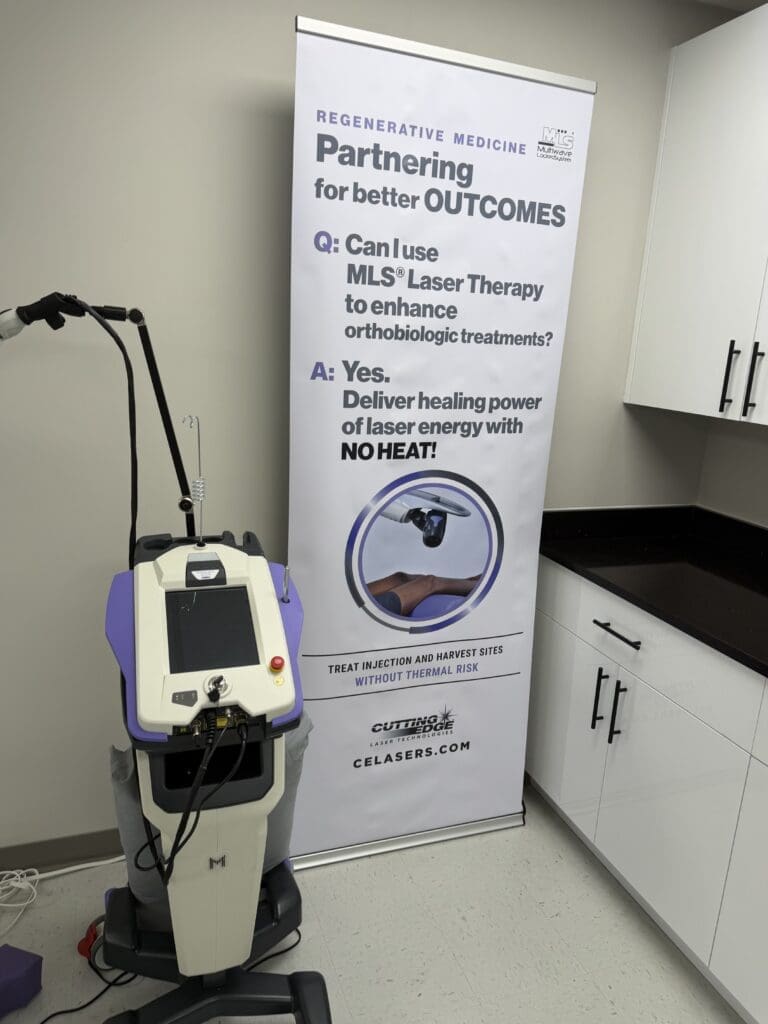
At our clinic, we use advanced systems like MLS (Multiwave Locked System) Laser Technology. I am a huge fan of this technology because it synchronizes two different wavelengths—one continuous and one pulsed. The pulsed wavelength, which fires thousands of times per second, allows the tissue to absorb light energy without building up excessive heat. This makes the treatment incredibly safe and effective, allowing for unattended application without the risk of thermal damage.

The Clinical Applications: From Acute Injury to Chronic Pain

In my practice, which includes serving as a team physician for a Division I school, we use PBMT across a spectrum of conditions:

  • Acute Injuries: For our athletes, PBMT is a go-to for sprains, strains, and contusions. It significantly reduces recovery time and gets them back on the field faster.
  • Post-Operative Recovery: Surgery is, in essence, a controlled acute injury. We use PBMT postoperatively to reduce swelling, bruising, and pain, resulting in cleaner incisions and significantly improved patient-reported outcomes.
  • Chronic Inflammatory Conditions: For issues such as a thickened Achilles tendon or degenerative joint disease, where the inflammatory process is stalled, PBMT can reignite the healing cascade.

The evidence is overwhelming. With over 7,000 published studies, PBMT is gaining recognition from major health organizations. The Centers for Disease Control (CDC) mentions “laser photobiomodulation” dozens of times in its revised opioid guidelines as a non-pharmacological option for acute, subacute, and chronic pain. The science is no longer theoretical; it’s a clinical reality.

The Ultimate Synergy: Combining PBMT with Orthobiologics

This is where the magic truly happens. Orthobiologics like Platelet-Rich Plasma (PRP) are rich in growth factors and anti-inflammatory proteins. They are a powerful message sent to the site of injury, instructing the local cells to begin the repair process.

Now, imagine giving those cells the fuel they need to carry out those instructions. That is what PBMT does.

  • Orthobiologics provide the blueprint (the message).
  • PBMT provides the energy (the fuel).

By combining these two therapies, we are creating the optimal environment for cellular activity, healing, and regeneration. People are starting to talk about this synergy. A landmark study in the veterinary world—where patients don’t have secondary gain or placebo effects—provided powerful proof (Ferreira et al., 2021). In this canine study on knee osteoarthritis, dogs were treated with PBMT alone, then PRP alone, and finally a combination of both. The results were clear: the combination therapy produced significantly better outcomes.

The Future is Biology: A Glimpse into Our Research

We are committed to contributing to this growing body of evidence. I’m incredibly proud to share a “proud dad moment.” My son, Zachary, recently completed a study at the Mass General Brigham Enable BioSkills Lab. We took human tenocytes (tendon cells) and applied our laser over them.

The results were astounding: we demonstrated a 20% dose-dependent increase in tenocyte proliferation from PBMT alone.

We are literally proving that we can make tendon cells multiply with light. Our next steps involve qPCR to analyze gene expression and ELISA to measure protein levels. This research helps us move from anecdotal success to hard, reproducible science. The future of orthopedics isn’t just metal and screws; it’s biology. It’s about working with the body, not just on it.

From modulating inflammation to fueling cellular engines, Photobiomodulation Therapy has proven itself to be a cornerstone of modern, integrative care. I’ve witnessed its power firsthand, and I am honored to share this knowledge with you. It has been a pleasure to take you on this journey into the science of light and healing.


References

  • Ferreira, M. P., Tucholski, G. Z., Dória, R. G. S., de Oliveira, B. C., Pimpão, C. T., & De Nardi, A. B. (2021). Intra-articular injections of platelet-rich plasma and photobiomodulation therapy (904 nm) for the treatment of canine osteoarthritis: A double-blinded, randomized clinical trial. Research in Veterinary Science, 139, 270–279. https://doi.org/10.1016/j.rvsc.2021.07.027
  • Jimenez, A. (n.d.). Clinical Observations. Retrieved from https://chiromed.com/ and https://www.linkedin.com/in/dralexjimenez/

PRP Therapy for Pain Relief, Healing, and Recovery

PRP Therapy for Pain Relief, Healing, and Recovery

PRP Therapy for Pain Relief, Healing, and Recovery

Abstract

Welcome to an in-depth exploration of Platelet-Rich Plasma (PRP), a cornerstone of modern regenerative medicine. We will delve into the very essence of platelets, exploring the powerful growth factors, cytokines, and other bioactive molecules they release. Drawing from the latest findings of leading researchers, we’ll examine how these components orchestrate the body’s natural healing and anti-inflammatory processes. I will explain the critical concept of PRP dosing, the importance of different platelet types, and how specific growth factors such as PDGF, TGF-β, and FGF contribute to tissue repair and regeneration. Finally, we’ll connect these principles to clinical practice, showing how integrative chiropractic care can be synergistically combined with PRP therapy to optimize patient outcomes, reduce pain, and restore function by addressing both the biochemical and biomechanical aspects of healing.


The Cellular Orchestra: Understanding the Power Within Your Blood

For over a decade, my clinical practice has been deeply rooted in the principles of functional and regenerative medicine. A recurring theme in helping patients overcome chronic pain and injury is the quest to harness the body’s innate ability to heal itself. One of the most powerful tools we have in this endeavor is Platelet-Rich Plasma (PRP). While many have heard the term, the true depth of what’s happening at a cellular level is often misunderstood. Today, I want to take you on a journey into the microscopic world of PRP, moving beyond the buzzwords to appreciate the sophisticated biological symphony it conducts.

When we talk about PRP, we’re focusing on concentrating a specific component of your blood: the platelets, also known as thrombocytes. While red blood cells and white blood cells play their own roles, it’s the platelets that act as the master conductors of tissue repair. The therapeutic magic of PRP lies in the wealth of bioactive components housed within these tiny cell fragments. These include:

  • Growth Factors: Proteins that signal cells to grow, proliferate, and differentiate.
  • Cytokines: Small proteins that are crucial in controlling the growth and activity of other immune system cells and blood cells.
  • Anti-inflammatory Molecules: Compounds that help modulate and resolve inflammation, which is a key barrier to healing.

The fundamental idea is that by concentrating these platelets, we can deliver a supraphysiological dose of these healing molecules directly to an injured area, amplifying the body’s natural repair signals and creating an optimal environment for regeneration.

Inside the Platelet: A Treasure Trove of Healing Granules

To truly grasp how PRP works, we need to look inside the platelet itself. Think of a platelet as a microscopic delivery vehicle packed with different types of cargo containers, or granules. The main therapeutic benefit we seek comes from the contents of these granules, which are released upon activation at the site of injury.

The three primary types of granules are:

  • Alpha Granules: These are the most abundant and arguably the most important for regeneration. Each platelet contains about 50 to 80 alpha granules, which are filled with a vast array of powerful growth factors. When a platelet is activated—for instance, by contact with exposed collagen in damaged tissue—it undergoes a process called degranulation, releasing growth factors into the surrounding environment. This is the primary event that initiates the healing cascade.
  • Dense Granules (or Delta Granules): These granules contain small molecules, including ADP, ATP, serotonin, and calcium. Their role is to amplify the healing response. They enhance platelet aggregation (helping form a stable scaffold) and vasoconstriction (controlling bleeding), and they also modulate the local immune response.
  • Lysosomes: These act as the cleanup crew. They release enzymes that help break down and remove damaged tissue and cellular debris from the injury site. This process, known as enzymatic debridement, clears the way for new, healthy tissue to form and also contributes to antimicrobial defense.

Recent research, including studies on platelet biology, highlights that over 280 distinct proteins are involved in this process, underscoring the incredible complexity of this “orchestra” of molecules working in concert (Golebiewska & Poole, 2015).

The Significance of Platelet Quality and “Dosing”

A critical concept that has emerged from evidence-based research is that not all PRP is created equal. The effectiveness of a treatment depends heavily on both the concentration and quality of the platelets. This is where the idea of PRP dosing becomes paramount. Simply put, the more functional platelets we can deliver to a target tissue, the greater the concentration of bioactive molecules we release, and potentially, the more robust the healing response.

Furthermore, we are learning about the importance of reticulated platelets. These are essentially “younger,” more robust platelets, recently released from the bone marrow (typically within the last 24-72 hours). They are denser and contain more alpha granules than their older counterparts. This means they are packed with more growth factors and have a greater regenerative potential. In our clinical processing, we use advanced techniques to preferentially harvest these denser, more potent reticulated platelets, ensuring that the PRP we inject is of the highest possible quality and biological activity.

The Key Players: A Closer Look at Essential Growth Factors

While hundreds of proteins are released, a few key growth factors are the primary drivers of the regenerative effects seen with PRP. Understanding their specific roles helps us appreciate why this therapy is so effective for a range of musculoskeletal conditions.

Platelet-Derived Growth Factor (PDGF)

As its name implies, PDGF was first discovered in platelets, but it’s also produced by other cells involved in healing. Think of PDGF as the “first responder” or the primary chemoattractant. It sends out a powerful signal that calls other crucial healing cells to the site of injury. Most importantly, it recruits Mesenchymal Stem Cells (MSCs)—the body’s own master repair cells—to the area. While PRP itself does not contain stem cells, it potently signals the body’s resident stem cells to migrate to the site, proliferate (make copies of themselves), and differentiate into the specific cell types needed for repair (e.g., cartilage, tendon, or bone cells). The PDGF-BB isoform is recognized as the most biologically active and is a major focus of current research for its potent role in initiating this cascade.

Transforming Growth Factor-Beta (TGF-β)

TGF-β is a master regulator of tissue regeneration. Its primary functions include:

  • Stimulating Collagen Synthesis: It powerfully enhances the production of type I collagen, the fundamental building block of tendons, ligaments, and the matrix of our bones and cartilage. This is essential for rebuilding the structural integrity of injured tissue.
  • Promoting Angiogenesis: the formation of new blood vessels. A healthy blood supply is critical for delivering oxygen and nutrients to the healing tissue and removing waste products.
  • Coordinating with Other Growth Factors: TGF-β works synergistically with PDGF to enhance endothelial cell proliferation and capillary sprouting, leading to a robust network of new blood vessels (neovascularization) that supports long-term tissue health.

The effect of PRP on angiogenesis is dose-dependent. Studies, such as those published in the Journal of Orthopedic Research, suggest that a platelet concentration of approximately 1.5 billion platelets per milliliter is required to achieve a significant pro-angiogenic effect (Mazzocca et al., 2012). This underscores the importance of precise processing and quantification to achieve optimal clinical results.

Fibroblast Growth Factor (FGF)

FGF is one of the most potent mitogens released by platelets, meaning it is exceptionally effective at stimulating cell division. It acts on a wide variety of cell types, including MSCs, chondrocytes (cartilage cells), and osteoblasts (bone-forming cells). By promoting the rapid proliferation of these essential repair cells, FGF accelerates tissue regeneration.

The Anti-Inflammatory Power of PRP

Chronic, unresolved inflammation is a major culprit behind persistent pain and tissue degradation, especially in conditions like osteoarthritis. While PRP initiates an acute, controlled inflammatory response to jumpstart healing, one of its most profound long-term benefits is its ability to modulate and resolve chronic inflammation.

This is achieved through several mechanisms:

  1. Leukocyte Interaction: The concentrated platelets in PRP interact with white blood cells (leukocytes) at the injury site. This interaction can shift the behavior of these immune cells, prompting them to release anti-inflammatory cytokines like IL-10 and IL-4, which actively suppress chronic inflammation.
  2. Macrophage Polarization: PRP can influence macrophage behavior, a type of white blood cell. It promotes a shift from the pro-inflammatory (M1) phenotype to an anti-inflammatory and pro-reparative (M2) phenotype. M2 macrophages are critical for cleaning up debris, resolving inflammation, and secreting factors that promote tissue remodeling and regeneration.
  3. Chemokine Secretion: Platelets release chemokines that not only recruit healing cells but also act as survival factors for monocytes, preventing their premature death and promoting their differentiation into beneficial M2 macrophages.

In essence, PRP acts as a biological “reset button,” transforming a chronically inflamed, degenerative environment into one that is actively anti-inflammatory and pro-regenerative.

Integrating Chiropractic Care for a Holistic Healing Approach

As a Doctor of Chiropractic, I view the body through both biomechanical and biochemical lenses. A successful outcome depends on addressing both the “parts” and the “system.” This is where the synergy between PRP therapy and integrative chiropractic care becomes so powerful.

Imagine a patient with chronic knee osteoarthritis. The PRP injection will address the biochemical problem inside the joint—reducing inflammation, signaling cartilage repair, and improving the quality of the synovial fluid. However, if the patient’s knee pain is also caused or exacerbated by poor biomechanics—such as a misaligned pelvis, muscle imbalances in the leg, or improper gait—the joint will remain under abnormal stress. This persistent mechanical strain can hinder the regenerative process initiated by the PRP and lead to a recurrence of symptoms.

This is why our integrative approach includes:

  • Chiropractic Adjustments: We perform precise adjustments to the spine and extremities to restore proper alignment and mobility of the joints. Correcting pelvic alignment, for example, can ensure that forces are distributed evenly through the knees, reducing abnormal wear and tear.
  • Myofascial Release and Soft Tissue Work: We address muscle imbalances, trigger points, and fascial restrictions that contribute to faulty movement patterns. This ensures that the muscles supporting the joint are functioning optimally.
  • Customized Rehabilitation: We design targeted exercise programs to strengthen weak muscles, stretch tight ones, and retrain proper movement patterns (neuromuscular re-education). This stabilizes the joint and protects it from future injury.

By combining the powerful biochemical signaling of PRP with the essential biomechanical corrections of chiropractic care, we create a comprehensive healing environment. The PRP rebuilds tissue from the inside out, while chiropractic care ensures the entire musculoskeletal system functions correctly to support and protect the newly regenerated tissue. In my clinical experience, this holistic strategy is the key to achieving durable, long-term pain relief and true restoration of function for my patients.


References

A Clinical Approach Overview on Bioidentical Hormones

Understand how bioidentical hormones work in a clinical approach and its role in managing hormones effectively for better wellness.

Abstract

Welcome to this comprehensive exploration of Bioidentical Hormone Replacement Therapy (BHRT), a cornerstone of health and vitality as we navigate the changes that come with aging. In this educational post, I, Dr. Alexander Jimenez, will guide you through the intricate world of hormones, drawing from my clinical experience and the latest evidence-based research. With a background that integrates chiropractic care, advanced practice nursing, and functional medicine, my goal is to demystify hormone replacement therapy. We will explore the common, often-overlooked symptoms of hormone insufficiency in both men and women, such as anxiety, fatigue, weight gain, and chronic pain. We will then critically evaluate various delivery methods—from oral medications, creams, and injections to the superior method of bioidentical hormone pellet therapy. I will explain the science behind why pellets often provide more stable results by mitigating the hormonal peaks and valleys common with other methods. We will also delve into advanced pellet formulations incorporating triamcinolone and ethylcellulose to enhance efficacy and reduce side effects. Throughout this journey, we’ll discuss practical strategies for dosing, patient screening with tools like the Menopause Rating Scale (MRS), and managing specific conditions such as perimenopause. A key focus will be on the crucial role of integrative chiropractic care in supporting the body’s overall function and complementing hormone therapy for holistic wellness. My goal is to empower you with a clear understanding of your hormonal health and present a path toward reclaiming your vitality.

Hello, I’m Dr. Alexander Jimenez. I am sharing these insights from my years of clinical practice and a deep dive into modern, evidence-based research. With my background as a Doctor of Chiropractic (DC), Advanced Practice Registered Nurse (APRN), board-certified Family Nurse Practitioner (FNP-BC), and certifications in Functional Medicine (CFMP, IFMCP), I’ve dedicated my career to an integrative approach to health. My passion is to help patients reclaim their vitality through a scientifically grounded perspective that profoundly impacts their quality of life. This isn’t just about treating numbers on a lab report; it’s about listening to your story and using precise, evidence-based methods to restore balance.
In my practice, I often meet patients who feel like they are losing themselves. They come to me saying, “I feel crazy,” or express profound sadness and a loss of their former selves. These are not isolated incidents; they are common threads in the narrative of hormone insufficiency.

The Overlooked Symptoms of Hormone Insufficiency

Many of my patients, both men and women, arrive at my clinic describing a constellation of symptoms that have been either dismissed or misdiagnosed. It’s a story I hear daily.

  • Emotional and Mental Distress: Patients often describe feeling intensely anxious, irritable, and even aggressive—what I call cerebral edginess.” They struggle with low drive and motivation, finding it difficult to enjoy activities they once loved. Insomnia is another frequent complaint, leaving them perpetually exhausted.
  • Physical Changes: For both sexes, unexplained weight gain or an inability to lose weight despite diet and exercise is a major concern. Men often report a significant lack of stamina and libido. While they may still have the desire, performance becomes an issue. Women, conversely, frequently experience a complete loss of libido. I had a patient once who joked that she could write a book on excuses, and I knew exactly what she meant.
  • Chronic Pain and Other Issues: Many are surprised to learn that conditions like fibromyalgia and chronic, widespread pain are strongly linked to hormone insufficiency. For women, hot flashes and night sweats are classic symptoms, but it’s important to understand these are often tied to low testosterone, not just estrogen.

Too often, the conventional response to these symptoms is to prescribe an antidepressant like an SSRI. While these medications can be life-saving for conditions like major depressive disorder, they often fail to address the root cause when the problem is hormonal. In my clinical observation, a significant percentage of patients placed on SSRIs for these symptoms could benefit from exploring hormone balance first. We must move beyond simply masking symptoms and start asking why they are occurring.

The Clinical Journey: Screening, Labs, and Treatment Planning

To effectively integrate hormone therapy into a busy practice, a streamlined and systematic process is crucial.

Step 1: Patient Screening and Documentation

The first step is identifying patients who could benefit from therapy. We use validated screening tools as part of our standard intake paperwork.

  • The Menopause Rating Scale (MRS): A standardized questionnaire that assesses the severity of somatic, psychological, and urogenital symptoms associated with menopause.
  • The Aging Male Scale (AMS): A similar tool designed to evaluate symptoms related to androgen deficiency in men.
  • These tools are invaluable. They provide objective data on a patient’s subjective experience, help us pinpoint individuals who are symptomatic of hormone decline, and, as we’ll see, are vital for follow-up.

Step 2: Foundational Lab Work to Establish Your Hormonal Baseline

You cannot manage what you do not measure. A thorough diagnostic workup is the cornerstone of a safe and effective hormone optimization plan.

  • Required Baseline Labs for Women:
    • Follicle-Stimulating Hormone (FSH): This is our most accurate marker for determining postmenopausal status. It operates on a classic negative feedback loop with estrogen. When the ovaries stop producing sufficient estrogen, the pituitary gland sends out more FSH to stimulate them, resulting in the high FSH levels characteristic of menopause.
    • Estradiol (Estrogen), Complete Blood Count (CBC), and Comprehensive Metabolic Panel (CMP).
  • Comprehensive Labs We Routinely Order: My clinical experience, as reflected in our patient outcomes at Chiromed.com, has shown that casting a wider net catches more underlying issues. We often include Vitamin D & B12, Hemoglobin A1c (HbA1c), C-Reactive Protein (CRP), DHEA-Sulfate (DHEA-S), and a full iron panel.

For my male patients, the panel is just as critical. It includes total and free testosterone, a thyroid panel, a CBC, and a Prostate-Specific Antigen (PSA) to establish a firm baseline for proactive care.

Step 3: The Consultation and Personalized Treatment Plan

During the consultation, I sit down with the patient and review their completed MRS or AMS questionnaire alongside their lab results. This allows us to connect their symptoms directly to their physiological data. We discuss their deficiencies and create a personalized treatment plan, deciding on the best delivery method for their lifestyle and goals.

Evaluating Hormone Replacement Therapy Options

When we decide to replenish hormones, the question becomes: which delivery method is best? Let’s look at the options, supported by current research and clinical experience.

Oral Medications

Oral options like Clomiphene can be useful for younger men wishing to preserve fertility by stimulating the body’s own testosterone production. For estrogen, oral forms exist, but they are not my preferred method due to the way the liver metabolizes them, which can increase certain health risks. Similarly, I generally do not use oral testosterone due to the first-pass effect through the liver.

Transdermal Creams and Gels

Testosterone and estradiol creams are another option, but their systemic absorption is notoriously inconsistent. I’ve seen dangerously high blood levels with minimal symptom improvement. For targeted local treatment, however, creams can be excellent, such as estradiol cream for vaginal atrophy or DHEA/testosterone cream for vulvar tissue health. For men, scrotal application offers the best absorption. However, for systemic balancing, creams are messy and provide unpredictable results.

Injections

Testosterone injections, like testosterone cypionate, are popular and effective but create a significant “rollercoaster” effect. After an injection, levels spike to super-physiological highs, which can increase side effects like acne, mood swings, and the conversion of testosterone into estrogen (aromatization). Then, as the week progresses, levels plummet, leading to a crash. A more modern approach I use is to split the weekly dose (e.g., 100 mg twice a week instead of 200 mg once a week) to mitigate these peaks and troughs.
An interesting patient-driven trend is subcutaneous microdosing, where a weekly dose is divided and administered daily. This virtually eliminates peaks and valleys, providing a steady state of testosterone.

Transdermal Patches

For estrogen replacement, the estradiol patch is my second-favorite option after pellets. Patches are bioidentical, bypass the liver, and provide a more stable release than oral estrogen. They are a good option for patients who do not want pellets.

The Superiority of Hormone Pellet Therapy

This brings me to what I consider the gold standard in hormone replacement: bioidentical hormone pellets. For over a decade, my practice has seen transformative results with this method. Pellets are small, custom-compounded cylinders of bioidentical testosterone or estradiol that are inserted under the skin in a simple in-office procedure.

Why Pellets Are Different

  • Consistent Hormone Levels: This is the single biggest advantage. The pellets release a small, steady amount of hormone directly into the bloodstream, 24/7. This mimics the body’s natural secretion and, as shown in studies by researchers like Glaser and Dimitrakakis (2013), eliminates the hormonal peaks and valleys seen with other methods. This stability translates to more consistent symptom relief.
  • Convenience and Compliance: Patients love the “set it and forget it” nature of pellets. Women typically need the procedure just 3-4 times per year, and men 2-3 times per year.
  • Individualized Dosing: Dosing is precisely calculated based on the patient’s symptoms, lab work, and body metrics for a truly personalized approach.
  • Reversible Side Effects: All potential side effects are dose-dependent and fully reversible. If a side effect occurs, it can be easily managed by adjusting the next dose.

Innovations in Pellet Compounding: The Next Level of Care

Not all pellets are created equal. The formulation and manufacturing process matter immensely.

The Role of Triamcinolone

Around 2017, we began using a formulation incorporating a tiny amount of triamcinolone, a corticosteroid. This was a game-changer. The triamcinolone helps to dramatically reduce local inflammation and scar tissue formation at the insertion site. Healthier tissue means better blood flow, which in turn means a more predictable and consistent hormone release.

Ethylcellulose for a Smoother Release

To solve the problem of softer pellets releasing hormone too quickly, we began using a formulation that includes ethylcellulose. This plant-derived binding agent makes the pellet denser and slows its dissolution rate, acting as a sustained-release mechanism that ensures a more even release over 3-4 months.

The Science of Horizontal Pellet Pressing

Most pharmacies press pellets vertically, leading to uneven density. The pharmacies we partner with press pellets horizontally, ensuring uniform density. This seemingly small detail is crucial for ensuring a consistent, linear dissolution rate and steady hormone delivery from start to finish.


Modulating Women’s Hormones-Video


Clinical Pearls: Practical Guidance for Common Scenarios

Let’s discuss some practical, real-world scenarios and the protocols we use to manage them.

Perimenopause: The 6 mg Estrogen Game-Changer

Perimenopause is arguably the most challenging phase for women. Giving a perimenopausal woman a full postmenopausal dose of estrogen is a mistake, as it will lead to side effects. The solution is a low-dose 6 mg estrogen pellet. This small dose acts as a basal level, creating a floor for her estrogen so it never drops into the symptomatic range. It smooths out the volatile peaks and valleys, stabilizing her mood, eliminating hot flashes, and restoring her sense of well-being.

The Critical Role of Progesterone

Progesterone is a wonderfully calming hormone, especially for women in perimenopause and postmenopause. Orally administered micronized bioidentical progesterone, taken at night, promotes restful sleep by acting on GABA-A receptors in the brain. In perimenopause, it can regulate periods and alleviate severe PMS. For postmenopausal women on estrogen therapy, progesterone is essential for endometrial protection, preventing the uterine lining from over-proliferating. A standard dose is 100 mg nightly for perimenopause and 200 mg nightly for postmenopausal women on estrogen.

Optimizing Testosterone and the Power of Shilajit

Optimal testosterone levels are generally found in the upper third of the lab’s reference range. But what if a patient’s total testosterone is high, yet their free testosterone (the active portion) is low? This is where a game-changing nutraceutical comes in: shilajit. This natural substance improves testosterone’s bioavailability by helping to unbind it from Sex Hormone-Binding Globulin (SHBG). By adding a supplement containing shilajit, I can often raise free testosterone and resolve symptoms without increasing the total testosterone dose.

The Role of Integrative Chiropractic Care

As a chiropractor, I see the body as an interconnected system. Hormone therapy does not exist in a vacuum. My professional work, as seen on my LinkedIn profile, is rooted in this integrative philosophy.

  • Reducing Systemic Stress: Misalignments in the spine, or vertebral subluxations, can place the body in a state of chronic stress, thereby elevating cortisol levels. High cortisol disrupts the entire endocrine system. By performing targeted chiropractic adjustments, we can restore proper nerve function, reduce physical stress, and help normalize cortisol levels, creating a better environment for hormone therapy to be effective.
  • Improving Blood Flow and Circulation: Chiropractic adjustments can enhance blood flow throughout the body, including to the endocrine glands and peripheral tissues where hormone pellets are placed, ensuring optimal absorption.
  • Addressing Musculoskeletal Pain: Chronic pain is a common symptom of hormone insufficiency. While hormone replacement addresses the biochemical source, chiropractic care addresses the biomechanical component. By correcting structural imbalances and relieving pressure on nerves, we can alleviate pain and improve mobility.

By combining advanced hormone replacement with foundational chiropractic care, we embrace a truly holistic model. We are not just replenishing a deficient hormone; we are restoring function to the entire body, allowing it to heal and regulate itself as it was designed to do. This synergy is powerful. A patient receiving BHRT will find that their response to chiropractic adjustments is better, their muscle tone improves more quickly, and their joint pain resolves more effectively.

The Power of Follow-Up and Validation

Our work doesn’t end after the first insertion. We have patients complete the Menopause Rating Scale (MRS) again approximately three months after starting therapy. Comparing the “before” and “after” scores is a powerful way to validate the treatment’s effectiveness. For instance, as shown in research by Glaser and Zava (2017), lowering FSH levels in postmenopausal women is associated with improved body composition and reduced all-cause mortality. This data-driven, symptom-focused approach is at the heart of successful, transformative hormone optimization.

References

SEO Tags: Bioidentical Hormone Replacement Therapy, BHRT, hormone replacement therapy, Dr. Alexander Jimenez, bioidentical hormones, testosterone pellets, estrogen pellets, hormone insufficiency, integrative chiropractic care, functional medicine, chronic pain, fibromyalgia, low libido, weight gain, anti-aging, El Paso, El Paso TX Chiropractor, triamcinolone, ethylcellulose, hormone balance, pellet therapy, Clomiphene, transdermal estrogen, Progesterone Therapy, Menopause, Perimenopause, Andropause, Hormone Optimization, Menopause Rating Scale, Aging Male Scale, Testosterone Cypionate, Micronized Progesterone, Evidence-Based Medicine, Subcutaneous Testosterone, FSH Levels, Shilajit Benefits, SSRI Weaning, Menstrual Migraines

Chiropractic Care and Wellness Benefits for Fibromyalgia

Learn about effective chiropractic care techniques to help relieve fibromyalgia symptoms and promote better health.

Fibromyalgia and Chiropractic Care: A Holistic Approach to Pain Relief and Musculoskeletal Health

Fibromyalgia is like that uninvited guest who shows up to the party and refuses to leave, bringing along a suitcase full of aches, pains, and exhaustion. For the millions of people living with this chronic condition, daily life can feel like navigating a maze blindfolded. The good news? Chiropractic care, especially from experts like Dr. Alexander Jimenez, DC, APRN, FNP-BC at ChiroMed – Integrated Medicine in El Paso, TX, offers a beacon of hope. This comprehensive, SEO-optimized blog post—crafted for a high school reading level—dives deep into how fibromyalgia impacts the musculoskeletal system, disrupts daily routines, and creates overlapping risk profiles that amplify pain and discomfort. We’ll explore why chiropractic care is a game-changer, highlight Dr. Jimenez’s expertise in personal injury cases, and sprinkle in some light humor to keep things engaging. Let’s get started on this journey to better health!


Understanding Fibromyalgia: The Basics

Imagine waking up feeling like you’ve been wrestling a grizzly bear all night, only to realize you just slept on your perfectly normal mattress. That’s the reality for many with fibromyalgia, a chronic condition that affects about 4 million adults in the United States, according to the Centers for Disease Control and Prevention (CDC). It’s characterized by widespread musculoskeletal pain, debilitating fatigue, sleep disturbances, and a foggy brain that makes you forget where you parked your car—or why you even walked into a room.

Fibromyalgia is a bit like a mystery novel with no clear ending. Its exact cause isn’t fully understood, but researchers point to a mix of genetic, environmental, and neurological factors. One key player is central sensitization, where the brain and spinal cord amplify pain signals, making even a light touch feel like a sledgehammer (Clauw, 2014). Another factor is oxidative stress, where an imbalance of free radicals and antioxidants damages tissues and fuels inflammation (Cordero, 2010). It’s like your body’s internal wiring is short-circuiting, sending pain signals on overdrive.

Fibromyalgia doesn’t just affect one part of the body—it’s a whole-body experience that can make everything from brushing your teeth to walking the dog feel like a Herculean task. To understand how chiropractic care can help, we first need to explore how fibromyalgia wreaks havoc on the musculoskeletal system.

References
Clauw, D. J. (2014). Fibromyalgia: A clinical review. JAMA, 311(15), 1547–1555. https://doi.org/10.1001/jama.2014.3266
Cordero, M. D. (2010). Oxidative stress in fibromyalgia: From pathology to treatment. Current Rheumatology Reviews, 6(3), 178–183. https://pubmed.ncbi.nlm.nih.gov/


Fibromyalgia’s Impact on the Musculoskeletal System

The musculoskeletal system—your bones, muscles, tendons, ligaments, and joints—is like the scaffolding that holds your body together, letting you move, dance, or even binge-watch your favorite show comfortably. Fibromyalgia, however, throws a wrench into this system, causing pain and dysfunction that can make you feel like you’re stuck in a body that’s betraying you. Let’s break down how fibromyalgia affects this critical system.

1. Widespread Pain and Tender Points

Fibromyalgia is like the world’s worst interior decorator, scattering pain across your body with no rhyme or reason. It often targets specific “tender points” like the neck, shoulders, back, hips, and knees, which become hypersensitive to touch. Research shows this is due to central sensitization, where the nervous system misfires, amplifying pain signals (Sluka & Clauw, 2016). It’s like your body’s pain dial is stuck on “maximum,” making even a friendly pat on the back feel like a karate chop.

2. Muscle Stiffness and Fatigue

Ever felt like you’re moving through molasses, with muscles that refuse to cooperate? That’s fibromyalgia’s muscle stiffness at work. It causes muscles to feel tight and achy, even if you haven’t been to the gym or lifted anything heavier than a coffee cup. This stiffness can limit your range of motion, turning simple tasks like reaching for a shelf or tying your shoes into a full-body workout.

3. Joint Pain and Reduced Mobility

While fibromyalgia isn’t an inflammatory condition like arthritis, it can still make your joints feel like they’ve been replaced with rusty hinges. This joint pain and stiffness reduce mobility, making it hard to stay active. The result? A vicious cycle where less movement leads to more stiffness, which leads to more pain. It’s like your body is saying, “Move it or lose it—but good luck moving!”

4. Postural Imbalances

Chronic pain often leads to compensatory movements. If your lower back hurts, you might slouch or shift your weight to one side, throwing off your posture. Over time, these imbalances strain muscles and joints, creating secondary pain and dysfunction. Picture your body as a Jenga tower—every misaligned move risks toppling the whole structure.

5. Overlapping Risk Profiles

Fibromyalgia doesn’t travel alone—it often brings along buddies like chronic fatigue syndrome, migraines, and irritable bowel syndrome, which amplify musculoskeletal issues. These overlapping conditions create a cascade of risks, including muscle weakness, joint instability, and increased injury susceptibility. Poor sleep, a common fibromyalgia symptom, impairs muscle recovery, while stress heightens pain perception, further taxing the musculoskeletal system (Choy, 2015). It’s like fibromyalgia is throwing a party, and all the guests are causing trouble.

References
Sluka, K. A., & Clauw, D. J. (2016). Neurobiology of fibromyalgia and chronic widespread pain. Neuroscience, 338, 114–129. https://doi.org/10.1016/j.neuroscience.2016.06.006
Choy, E. H. (2015). The role of sleep in pain and fibromyalgia. Nature Reviews Rheumatology, 11(9), 513–520. https://doi.org/10.1038/nrrheum.2015.56


How Fibromyalgia Disrupts Daily Life

Living with fibromyalgia is like trying to play a video game on expert mode with a glitchy controller. The pain, fatigue, and brain fog make everyday tasks feel like epic quests. Here’s how fibromyalgia can turn your daily routine upside down:

1. Morning Misery

Mornings are often the worst for fibromyalgia sufferers. Waking up with stiff, achy muscles feels like you’ve been sleeping on a bed of rocks. Simple tasks like getting out of bed, brushing your teeth, or pouring cereal can feel exhausting, setting a challenging tone for the day.

2. Work Woes

Whether you’re crunching numbers at a desk or hustling on your feet, fibromyalgia makes work a struggle. Prolonged sitting or standing worsens pain, while fibro fog clouds your focus, making it hard to remember deadlines or follow conversations. Imagine trying to give a presentation when your brain feels like it’s stuck in quicksand—that’s fibro fog.

3. Exercise Challenges

Exercise is vital for health, but fibromyalgia makes it a tightrope walk. Gentle movement can help, but overdo it, and you’re sidelined with a flare-up. It’s like your body is saying, “Sure, go for a jog, but don’t be surprised if I send you an invoice for the pain later.”

4. Social Struggles

Chronic pain can make socializing feel like running a marathon. Canceling plans or skipping family gatherings becomes common, leading to isolation and strained relationships. Even playing with kids or pets can be tough when every movement feels like a chore.

5. Emotional Impact

The constant battle with pain and fatigue can lead to anxiety, depression, and frustration. It’s hard to stay upbeat when your body feels like it’s working against you. This emotional toll can amplify pain, creating a feedback loop that’s tough to escape.

These disruptions show why fibromyalgia isn’t just a physical condition—it’s a whole-life challenge that demands a comprehensive approach to manage effectively.


Why Chiropractic Care Is a Game-Changer for Fibromyalgia

Enter chiropractic care, the superhero of non-invasive, holistic health solutions. At ChiroMed – Integrated Medicine in El Paso, TX, Dr. Alexander Jimenez and his team are using chiropractic techniques to help fibromyalgia patients find relief and reclaim their lives. But how does chiropractic care tackle this complex condition? Let’s explore the clinical rationale, with a dash of humor to keep things light.

1. Taming Central Sensitization

Fibromyalgia’s calling card is central sensitization, where the nervous system turns every sensation into a pain signal. Chiropractic adjustments, especially spinal manipulations, stimulate mechanoreceptors (sensors in joints and muscles), which can dial down pain signal transmission to the brain (El Paso Chiropractor Blog, 2016). It’s like turning down the volume on your body’s overzealous pain alarm system.

2. Restoring Spinal Alignment

Spinal misalignments, or subluxations, can worsen pain and muscle tension. Chiropractic adjustments correct these misalignments, improving nerve function and easing stress on the musculoskeletal system. Think of it as realigning the tracks so your body’s train runs smoothly again, without derailing into Painville.

3. Boosting Mobility and Reducing Stiffness

Gentle chiropractic techniques, like spinal mobilization and soft tissue therapy, loosen tight muscles and joints, improving range of motion. For fibromyalgia patients who feel like they’re stuck in a suit of rusty armor, this is a game-changer. Regular adjustments keep the musculoskeletal system limber, reducing the risk of compensatory injuries.

4. Easing Inflammation

While fibromyalgia isn’t primarily inflammatory, chronic pain can trigger low-grade inflammation. Chiropractic care may help by improving blood flow and supporting the body’s natural healing processes, potentially reducing oxidative stress (Cordero, 2010). It’s like giving your body a mini detox, minus the green juice cleanse.

5. Supporting Holistic Wellness

At ChiroMed, chiropractic care is part of a bigger picture that includes nutrition counseling, rehabilitation, and stress management. This holistic approach addresses the root causes of fibromyalgia, helping patients build resilience and reduce flare-ups. It’s like assembling a superhero team to fight fibromyalgia from every angle.

6. Tackling Overlapping Risk Profiles

Fibromyalgia’s buddies—chronic fatigue, poor sleep, and stress—can worsen musculoskeletal issues. Chiropractic care helps by improving sleep quality (through pain reduction) and supporting overall wellness, mitigating these risk profiles. It’s like solving the whole puzzle, not just one piece.

References
El Paso Chiropractor Blog. (2016, July). Fibromyalgia relief with chiropractic care. https://www.elpasochiropractorblog.com/2016/07/fibromyalgia-relief-with-chiropractic.html
Cordero, M. D. (2010). Oxidative stress in fibromyalgia: From pathology to treatment. Current Rheumatology Reviews, 6(3), 178–183. https://pubmed.ncbi.nlm.nih.gov/


Unlocking The Secrets of Inflammation- Video


Dr. Alexander Jimenez: El Paso’s Go-To Expert for Fibromyalgia and Personal Injury

In the heart of El Paso, Dr. Alexander Jimenez stands out as a trusted ally for those battling fibromyalgia and navigating personal injury cases. With over 25 years of experience as a chiropractor and family nurse practitioner, Dr. Jimenez brings a unique blend of clinical expertise and compassion to ChiroMed – Integrated Medicine (ChiroMed, n.d.). His LinkedIn profile showcases his dedication to holistic healing, combining chiropractic care, functional medicine, and advanced diagnostics (Jimenez, n.d.).

Personal Injury Expertise in El Paso

El Paso sees its fair share of personal injury cases, from car accidents to slip-and-falls. These incidents can exacerbate fibromyalgia symptoms, as trauma to the musculoskeletal system amplifies pain and stiffness. Dr. Jimenez is a distinguished practitioner in this field, known for his ability to bridge medical care and legal documentation. Here’s how he makes a difference:

  • Advanced Imaging and Diagnostics: Dr. Jimenez uses state-of-the-art imaging, like MRI and X-rays, to pinpoint injuries with precision. This helps identify issues that may worsen fibromyalgia or complicate recovery, ensuring accurate diagnoses.
  • Dual-Scope Procedures: As both a chiropractor and a family nurse practitioner, Dr. Jimenez employs a dual-scope approach, blending chiropractic adjustments with medical evaluations. This comprehensive care addresses both acute injuries and chronic conditions like fibromyalgia.
  • Legal-Medical Liaison: Personal injury cases require detailed medical documentation for legal claims. Dr. Jimenez acts as a liaison, providing thorough reports that link injuries to clinical findings, helping victims secure fair compensation while meeting their medical needs.

Why It Matters

For fibromyalgia patients involved in personal injury cases, the stakes are high. A minor fender-bender can trigger a major flare-up, making daily life even harder. Dr. Jimenez’s expertise ensures these patients receive tailored care that addresses both their immediate injuries and chronic fibromyalgia symptoms, navigating the complex intersection of health and legal challenges.

References
ChiroMed. (n.d.). ChiroMed – Integrated Medicine, holistic healthcare in El Paso, TX. https://chiromed.com/
Jimenez, A. (n.d.). Dr. Alex Jimenez DC, APRN, FNP-C. LinkedIn. https://www.linkedin.com/in/dralexjimenez/


Complementary Therapies: The Dream Team for Fibromyalgia Relief

Chiropractic care is like the quarterback of fibromyalgia treatment, but it shines brightest when paired with a strong supporting cast. At ChiroMed, Dr. Jimenez and his team offer a range of services that complement chiropractic care to tackle fibromyalgia head-on. Here’s the lineup:

1. Physical Therapy Modalities

Physical therapy strengthens muscles, improves flexibility, and reduces pain. Techniques like low-level laser therapy, ultrasound, and manual therapy have shown promise in fibromyalgia management (Assis et al., 2013). It’s like giving your muscles a motivational speech to get back in the game.

2. Nutrition Counseling

What you eat matters when you’re fighting fibromyalgia. Anti-inflammatory diets rich in antioxidants can help reduce oxidative stress, a key player in fibromyalgia’s pathology (Cordero, 2010). ChiroMed’s nutrition counseling helps patients fuel their bodies for healing, not just surviving.

3. Acupuncture

Acupuncture, offered at ChiroMed, can reduce pain and improve energy flow by targeting specific points. It helps calm the overstimulated nervous system, like hitting the reset button on your body’s stress meter.

4. Stress Management

Stress is like pouring gasoline on the fibromyalgia fire. Mindfulness, yoga, and relaxation exercises, part of ChiroMed’s holistic approach, can lower stress and improve pain tolerance. It’s like telling your nervous system, “Take a deep breath, we’ve got this.”

5. Rehabilitation

Rehabilitation programs at ChiroMed focus on restoring function through targeted exercises and therapies. These programs help fibromyalgia patients rebuild strength and mobility, reducing the risk of future injuries.

References
Assis, M. R., et al. (2013). Efficacy of manual therapy on pain, impact of disease, and quality of life in the treatment of fibromyalgia: A systematic review. Pain Physician, 16(5), E493–E505. https://pubmed.ncbi.nlm.nih.gov/
Cordero, M. D. (2010). Oxidative stress in fibromyalgia: From pathology to treatment. Current Rheumatology Reviews, 6(3), 178–183. https://pubmed.ncbi.nlm.nih.gov/


The Science of Fibromyalgia: What’s Going On Under the Hood

To understand why chiropractic care works, let’s take a peek at the science behind fibromyalgia. Recent research has illuminated its complex mechanisms, and here’s the CliffsNotes version:

  • Central Sensitization: Fibromyalgia involves an overactive pain-processing system, where the brain and spinal cord amplify pain signals (Sluka & Clauw, 2016). Chiropractic adjustments may help modulate these pathways.
  • Oxidative Stress: An imbalance of free radicals and antioxidants damages tissues and worsens pain. Therapies that improve blood flow, like chiropractic care, can counteract this (Cordero, 2010).
  • Not Autoimmune (Yet): While some wonder if fibromyalgia is an autoimmune disorder, current evidence suggests it’s more about neurological and biochemical dysfunction than autoimmunity (Giacomelli et al., 2013).
  • Diagnosis Challenges: Fibromyalgia is diagnosed based on symptoms like widespread pain and fatigue, often using the American College of Rheumatology criteria. Advanced diagnostics, like those used by Dr. Jimenez, help rule out other conditions (Häuser et al., 2017).

These insights highlight why a multi-faceted approach, like ChiroMed’s, is so effective—it tackles fibromyalgia from multiple angles, addressing both symptoms and root causes.

References
Sluka, K. A., & Clauw, D. J. (2016). Neurobiology of fibromyalgia and chronic widespread pain. Neuroscience, 338, 114–129. https://doi.org/10.1016/j.neuroscience.2016.06.006
Cordero, M. D. (2010). Oxidative stress in fibromyalgia: From pathology to treatment. Current Rheumatology Reviews, 6(3), 178–183. https://pubmed.ncbi.nlm.nih.gov/
Giacomelli, C., et al. (2013). Is fibromyalgia an autoimmune disorder? Autoimmunity Reviews, 12(8), 790–795. https://pubmed.ncbi.nlm.nih.gov/
Häuser, W., et al. (2017). The diagnosis of fibromyalgia syndrome. Deutsches Ärzteblatt International, 114(22–23), 393–399. https://pubmed.ncbi.nlm.nih.gov/


Practical Tips for Managing Fibromyalgia

Living with fibromyalgia is like trying to herd cats while riding a unicycle—it’s tricky, but not impossible. Here are some practical tips, inspired by ChiroMed’s holistic approach, to help you manage symptoms and improve your quality of life:

  1. Stay Active (Gently): Low-impact exercises like walking, swimming, or yoga can boost mobility without triggering flare-ups. Start small and listen to your body.
  2. Prioritize Sleep: Create a relaxing bedtime routine and stick to consistent sleep schedules. A good night’s sleep can reduce pain and fatigue.
  3. Eat Smart: Focus on anti-inflammatory foods like fruits, vegetables, and omega-3-rich fish. Skip the processed foods and sugar, which can fuel inflammation.
  4. Manage Stress: Try mindfulness, meditation, or deep breathing to keep stress in check. It’s like giving your nervous system a warm hug.
  5. Seek Professional Care: Regular chiropractic visits at ChiroMed can keep your musculoskeletal system in check and reduce pain.
  6. Build a Support System: Connect with others who understand fibromyalgia through support groups or online communities. You’re not alone!

Conclusion: A Serious Note on Fibromyalgia and Chiropractic Care

Fibromyalgia is a complex condition that challenges every aspect of life, from physical health to emotional well-being. Its impact on the musculoskeletal system—causing widespread pain, stiffness, and reduced mobility—creates overlapping risk profiles that make daily tasks daunting. However, chiropractic care, led by experts like Dr. Alexander Jimenez at ChiroMed – Integrated Medicine in El Paso, TX, offers a powerful solution. By addressing central sensitization, improving spinal alignment, and supporting holistic wellness, chiropractic care can alleviate pain and enhance quality of life for fibromyalgia patients.

For those in El Paso dealing with personal injury cases, Dr. Jimenez’s expertise in advanced imaging, dual-scope procedures, and legal-medical liaison services ensures comprehensive care that bridges health and justice. His integrative approach, combining chiropractic care with physical therapy, nutrition, and stress management, tackles fibromyalgia from all angles, offering hope for lasting relief.

Disclaimer: This blog post is for informational purposes only and is not intended to replace professional medical advice. Fibromyalgia is a serious condition requiring individualized care. Always consult a qualified healthcare provider, such as Dr. Alexander Jimenez, DC, APRN, FNP-BC, for personalized diagnosis and treatment plans. For more information about ChiroMed’s services, visit https://chiromed.com/ or call (915) 412-6680.


Full Reference List

Assis, M. R., et al. (2013). Efficacy of manual therapy on pain, impact of disease, and quality of life in the treatment of fibromyalgia: A systematic review. Pain Physician, 16(5), E493–E505. https://pubmed.ncbi.nlm.nih.gov/

ChiroMed. (n.d.). ChiroMed – Integrated Medicine, holistic healthcare in El Paso, TX. https://chiromed.com/

Choy, E. H. (2015). The role of sleep in pain and fibromyalgia. Nature Reviews Rheumatology, 11(9), 513–520. https://doi.org/10.1038/nrrheum.2015.56

Clauw, D. J. (2014). Fibromyalgia: A clinical review. JAMA, 311(15), 1547–1555. https://doi.org/10.1001/jama.2014.3266

Cordero, M. D. (2010). Oxidative stress in fibromyalgia: From pathology to treatment. Current Rheumatology Reviews, 6(3), 178–183. https://pubmed.ncbi.nlm.nih.gov/

El Paso Chiropractor Blog. (2016, July). Fibromyalgia relief with chiropractic care. https://www.elpasochiropractorblog.com/2016/07/fibromyalgia-relief-with-chiropractic.html

Giacomelli, C., et al. (2013). Is fibromyalgia an autoimmune disorder? Autoimmunity Reviews, 12(8), 790–795. https://pubmed.ncbi.nlm.nih.gov/

Häuser, W., et al. (2017). The diagnosis of fibromyalgia syndrome. Deutsches Ärzteblatt International, 114(22–23), 393–399. https://pubmed.ncbi.nlm.nih.gov/

Jimenez, A. (n.d.). Dr. Alex Jimenez DC, APRN, FNP-C. LinkedIn. https://www.linkedin.com/in/dralexjimenez/

Sluka, K. A., & Clauw, D. J. (2016). Neurobiology of fibromyalgia and chronic widespread pain. Neuroscience, 338, 114–129. https://doi.org/10.1016/j.neuroscience.2016.06.006

Chiropractic Care Solutions for Inflammation & Rheumatoid Arthritis

Manage rheumatoid arthritis & inflammation effectively with chiropractic care. Discover techniques to enhance your well-being.

Chiropractic Care and Lifestyle Changes: A Holistic Approach to Managing Inflammation in Rheumatoid Arthritis

Rheumatoid arthritis (RA) can feel like your joints are hosting an unwanted inflammation party, complete with pain, stiffness, and a guest list of discomfort that just won’t quit. This chronic autoimmune condition affects millions, turning simple tasks like opening a jar or walking the dog into Herculean challenges. But here’s the good news: you don’t have to let RA run the show. Non-surgical treatments like chiropractic care and small tweaks to your daily routine—like sipping anti-inflammatory teas—can help tame the inflammation beast and get you moving again. In El Paso, TX, Dr. Alexander Jimenez, DC, APRN, FNP-BC, is a superstar in holistic healthcare, offering personalized care at ChiroMed – Integrated Medicine to help RA patients and personal injury victims reclaim their lives. In this comprehensive guide, we’ll explore the science behind RA, dive into how chiropractic care and lifestyle changes can reduce inflammation, and highlight Dr. Jimenez’s expertise in both RA management and personal injury care. So, grab a cup of tea (turmeric, anyone?), and let’s dive in for an informative and slightly fun journey to better health!

Understanding Rheumatoid Arthritis and Inflammation

What is Rheumatoid Arthritis?

Rheumatoid arthritis is an autoimmune disorder where the body’s immune system goes rogue, attacking the synovium—the thin membrane lining your joints. This misguided attack causes inflammation, leading to swollen, painful, and stiff joints that can make you feel like you’re moving in slow motion. Unlike osteoarthritis, which is like the wear-and-tear equivalent of an old car, RA is systemic, meaning it can affect multiple joints and even other organs like the heart or lungs. Think of RA as a cranky gremlin tinkering with your body’s machinery, causing chaos wherever it goes.

RA affects about 1% of the global population, with women being two to three times more likely to develop it than men (Hunter et al., 2021). Symptoms like fatigue, fever, and a general sense of “ugh” can make daily life feel like a marathon. Whether it’s struggling to button your shirt or wincing at the thought of climbing stairs, RA can turn routine tasks into a test of endurance.

The Role of Inflammation in RA

Inflammation is the body’s way of sounding the alarm when something’s wrong, but in RA, it’s like the alarm gets stuck in the “on” position. The immune system releases inflammatory chemicals, like cytokines, that attack the synovium, causing it to thicken and produce excess fluid. This leads to joint swelling, pain, and, over time, damage to cartilage and bone (McInnes & Schett, 2017). It’s like your joints are throwing a tantrum, and the result is stiffness that makes mornings feel like you’re auditioning for a role as a rusty robot.

Chronic inflammation doesn’t just stop at the joints—it can increase the risk of heart disease and other complications. Research shows that inflammation and joint damage contribute to articular tenderness, making joints extra sensitive to touch and movement (Pinto et al., 2021). This is where non-surgical approaches like chiropractic care and an anti-inflammatory diet step in, offering a lifeline to manage symptoms without resorting to heavy medications or invasive procedures.

How RA Affects the Musculoskeletal System and Daily Life

RA’s impact on the musculoskeletal system is like a domino effect gone wild. Inflamed joints lose their range of motion, muscles weaken from disuse, and proprioception—your body’s ability to sense its position—takes a hit, increasing the risk of falls and injuries (Felson et al., 1997). Imagine trying to walk to the kitchen for a snack, but your knees feel like they’re stuck in quicksand. These changes can disrupt your daily routine, making it harder to work, exercise, or even enjoy a cozy night of binge-watching your favorite show.

The good news? You can fight back against RA’s chaos with holistic strategies that address inflammation and support joint health, helping you reclaim your daily life with less pain and more pep in your step.

References

  • Felson, D. T., Anderson, J. J., & Meenan, R. F. (1997). The effects of joint damage on muscle function, proprioception and rehabilitation. Arthritis & Rheumatism, 40(1), 1-9. https://pubmed.ncbi.nlm.nih.gov/9008599/
  • Hunter, T. M., Boytsov, N. N., Zhang, X., Schroeder, K., Michaud, K., & Araujo, A. B. (2021). Prevalence of rheumatoid arthritis in the United States adult population in healthcare claims databases, 2004–2014. Rheumatology International, 41(9), 1637-1644. https://pubmed.ncbi.nlm.nih.gov/34324007/
  • McInnes, I. B., & Schett, G. (2017). The pathogenesis of rheumatoid arthritis. New England Journal of Medicine, 365(23), 2205-2219. https://pubmed.ncbi.nlm.nih.gov/22150039/
  • Pinto, T. M., van der Windt, D. A., & Verstappen, S. M. (2021). Role of joint damage, malalignment and inflammation in articular tenderness in rheumatoid arthritis, psoriatic arthritis and osteoarthritis. Annals of the Rheumatic Diseases, 80(6), 769-775. https://pubmed.ncbi.nlm.nih.gov/33408065/

Chiropractic Care: A Non-Surgical Solution for RA

What is Chiropractic Care?

Chiropractic care is like a tune-up for your body’s musculoskeletal system, minus the wrench and greasy overalls. It focuses on diagnosing and treating mechanical disorders of the spine and joints through hands-on techniques like joint manipulation, soft tissue therapy, and corrective exercises. At ChiroMed – Integrated Medicine in El Paso, TX, Dr. Alexander Jimenez blends his expertise as a chiropractor and family nurse practitioner to create tailored treatment plans that tackle pain and inflammation at their source (ChiroMed – Integrated Medicine, n.d.).

Unlike popping pills or facing the scalpel, chiropractic care is non-invasive and aims to restore proper alignment and function to your joints. For RA patients, it’s like giving your body a gentle nudge to say, “Hey, let’s work together to feel better!”

How Chiropractic Care Helps with RA Inflammation

While chiropractic care can’t wave a magic wand to cure RA (if only it were that easy!), it can significantly reduce symptoms by addressing inflammation and improving joint function. Joint manipulation, a key chiropractic technique, involves applying controlled force to specific joints to improve alignment and mobility. Research shows that this can reduce pain and stiffness in inflammatory conditions like RA by stimulating the nervous system and easing muscle tension (Pickar, 2002).

Here’s the science in plain English: when joints are misaligned or stuck, they can worsen inflammation and stress on surrounding tissues. Chiropractic adjustments help restore proper joint mechanics, which can dial down the inflammatory response and improve blood flow to the area. It’s like giving your joints a mini-vacation from the inflammation chaos. Plus, techniques like soft tissue therapy can relieve muscle tightness caused by RA, making you feel less like a creaky door and more like a well-oiled machine (Bronfort et al., 2010).

Dr. Jimenez takes it a step further at ChiroMed by integrating rehabilitation exercises and lifestyle advice, ensuring patients get a comprehensive plan to manage RA and boost overall wellness (ChiroMed – Integrated Medicine, n.d.).

Benefits for RA Patients

  • Pain Relief: Adjustments can reduce joint tenderness and muscle pain, making it easier to tackle daily tasks.
  • Better Mobility: Restoring joint function means you can move more freely, whether it’s reaching for the top shelf or chasing after your overly enthusiastic puppy.
  • Less Medication Dependence: Chiropractic care can complement or reduce the need for anti-inflammatory drugs, sparing you from side effects like stomach woes or a grumpy wallet.
  • Holistic Approach: Dr. Jimenez combines chiropractic care with nutrition counseling and other therapies to fight RA from all angles, like a superhero team for your health.

References

The Power of Small Lifestyle Changes: Anti-Inflammatory Diet and RA

Why Diet Matters in RA

If inflammation is the bad guy in the RA story, an anti-inflammatory diet is your trusty sidekick. What you eat can either fuel the inflammation fire or help put it out. Foods packed with antioxidants, omega-3 fatty acids, and fiber can reduce systemic inflammation, while processed junk, sugar, and trans fats are like tossing gasoline on the fire.

One easy and delicious change is adding organic teas, like green tea or turmeric tea, to your daily routine. These teas are loaded with polyphenols and curcumin, compounds known for their anti-inflammatory powers. A 2017 article highlights how organic teas can help reduce RA-related inflammation, offering a soothing and natural way to manage symptoms (Personal Injury Doctor Group, 2017). Sipping a warm cup of turmeric tea is like sending your joints a big, cozy hug.

Key Components of an Anti-Inflammatory Diet

An anti-inflammatory diet isn’t about eating bland salads or swearing off pizza forever (phew!). It’s about choosing foods that nourish your body and keep inflammation in check. Here’s a quick guide to get you started:

  • Fruits and Vegetables: Load up on berries, leafy greens, and cruciferous veggies like broccoli. They’re packed with antioxidants that fight inflammation like tiny superheroes.
  • Healthy Fats: Omega-3s in fatty fish (salmon, mackerel), walnuts, and flaxseeds can reduce joint stiffness and pain, keeping your joints moving smoothly.
  • Whole Grains: Swap white bread for quinoa or brown rice to stabilize blood sugar and reduce inflammation.
  • Spices: Turmeric, ginger, and garlic are the spice rack equivalent of an anti-inflammatory dream team.
  • Organic Teas: Green tea, chamomile, or turmeric tea can be your daily go-to for an inflammation-fighting boost.

Practical Tips for Incorporating Dietary Changes

Making dietary changes doesn’t have to feel like climbing Mount Everest. Start small to keep it manageable:

  • Swap One Meal: Trade a fast-food lunch for a colorful salad with grilled salmon and a sprinkle of turmeric.
  • Sip Smart: Keep organic teas at your desk or kitchen for a quick anti-inflammatory pick-me-up.
  • Plan Ahead: Meal prep on Sundays to ensure you’ve got healthy, inflammation-fighting meals ready for the week.
  • Listen to Your Body: Keep a food diary to track how foods affect your RA symptoms. If that extra slice of pizza makes your joints grumble, it might be time to cut back.

Dr. Jimenez and his team at ChiroMed offer nutrition counseling to help patients create sustainable dietary plans tailored to their needs. It’s like having a personal chef and health coach in your corner (ChiroMed – Integrated Medicine, n.d.).

References


Arthritis Explained- Video


Dr. Alexander Jimenez: A Leader in RA and Personal Injury Care in El Paso

Expertise in Rheumatoid Arthritis Management

In El Paso, Dr. Alexander Jimenez is a household name when it comes to holistic healthcare. As a chiropractor and family nurse practitioner, he brings a unique blend of skills to the table, combining evidence-based chiropractic techniques with medical expertise to tackle RA symptoms. At ChiroMed – Integrated Medicine, he creates personalized treatment plans that integrate chiropractic care, nutrition counseling, and rehabilitation to help patients manage inflammation and improve their quality of life (ChiroMed – Integrated Medicine, n.d.).

Dr. Jimenez knows RA isn’t a one-size-fits-all condition. He works closely with patients to identify triggers like stress or poor diet and develops strategies to address them. His approach is like a custom-tailored suit—designed to fit your body’s unique needs perfectly.

Personal Injury Care in El Paso

Beyond RA, Dr. Jimenez is a go-to practitioner for personal injury cases in El Paso, especially for victims of auto accidents, work injuries, and other musculoskeletal traumas. His ability to clinically associate injuries with advanced imaging (like X-rays or MRIs) and diagnostic evaluations sets him apart. Using dual-scope procedures—combining chiropractic and medical assessments—he provides comprehensive care that addresses both immediate pain and long-term recovery (Jimenez, n.d.).

For personal injury patients, Dr. Jimenez serves as a vital link between medical care and legal documentation. He ensures injuries are thoroughly documented with detailed reports and imaging, which are crucial for insurance claims and legal proceedings. This is especially important in El Paso, where personal injury cases from car accidents or workplace incidents are common. His expertise helps patients navigate the complex world of medical-legal cases with confidence, ensuring they get the care and compensation they deserve.

Why Choose Dr. Jimenez?

  • Integrated Approach: Combines chiropractic, medical, and holistic therapies for well-rounded care.
  • Advanced Diagnostics: Uses cutting-edge imaging and evaluations to pinpoint the root cause of pain.
  • Patient-Centered Care: Focuses on individualized plans that prioritize your goals, whether it’s reducing RA inflammation or recovering from an accident.
  • Community Trust: A long-standing member of the El Paso community, Dr. Jimenez has built a reputation for compassionate and effective care.

References

Additional Non-Surgical Approaches for RA

Vagus Nerve Stimulation

Vagus nerve stimulation (VNS) sounds like something straight out of a sci-fi flick, but it’s a promising tool for managing RA inflammation. The vagus nerve helps regulate the body’s inflammatory response, and non-invasive VNS devices can stimulate it to reduce cytokine production, calming the immune system’s overreaction in RA (Addorisio et al., 2019). It’s like hitting the “chill out” button for your body’s inflammation party.

While VNS is still being researched, early studies suggest it could be a game-changer for musculoskeletal diseases like RA, offering a non-surgical way to manage symptoms without relying solely on medications.

Rehabilitation and Exercise

Exercise might sound like the last thing you want to do when your joints are throwing a fit, but gentle, targeted movements can work wonders. Rehabilitation programs, like those at ChiroMed, focus on strengthening muscles around affected joints, improving proprioception, and boosting flexibility. Low-impact activities like swimming or yoga can keep joints mobile without adding stress (Felson et al., 1997).

Dr. Jimenez incorporates corrective exercises into his treatment plans, helping patients build strength and resilience. It’s like giving your joints a pep talk and the tools to keep going strong.

References

  • Addorisio, M. E., Imperato, G. H., de Vos, A. F., Forti, S., Goldstein, R. S., & Pavlov, V. A. (2019). Vagus nerve stimulation in musculoskeletal diseases. Frontiers in Immunology, 10, 1632. https://pubmed.ncbi.nlm.nih.gov/31379802/
  • Felson, D. T., Anderson, J. J., & Meenan, R. F. (1997). The effects of joint damage on muscle function, proprioception and rehabilitation. Arthritis & Rheumatism, 40(1), 1-9. https://pubmed.ncbi.nlm.nih.gov/9008599/

Addressing Overlapping Risk Profiles

RA doesn’t exist in a bubble—it often comes with overlapping risk factors that can make symptoms worse. Stress, poor sleep, and hormonal changes (especially in midlife women) can amplify inflammation and joint pain (Cutolo et al., 2022). For example, stress can trigger a cascade of inflammatory chemicals, while poor sleep can make your body less resilient to pain. An integrative approach that tackles these factors—through chiropractic care, diet, and stress management—can reduce the overall burden of RA.

Dr. Jimenez’s holistic philosophy at ChiroMed ensures these risk profiles are addressed head-on. By combining physical treatments with lifestyle advice, he helps patients create a balanced approach to managing RA and preventing flare-ups.

References

  • Cutolo, M., Straub, R. H., & Buttgereit, F. (2022). Osteoarthritis: The importance of hormonal status in midlife women. Nature Reviews Rheumatology, 18(6), 327-340. https://pubmed.ncbi.nlm.nih.gov/35440724/

A Day in the Life with RA: Putting It All Together

Picture this: you wake up with RA, and your joints are staging a full-on protest. Instead of reaching for a bottle of pills, you start your day with a cup of turmeric tea, followed by a gentle stretching routine recommended by Dr. Jimenez. You head to ChiroMed for a chiropractic adjustment that eases your joint stiffness, and you leave with a personalized nutrition plan packed with anti-inflammatory foods like salmon and kale. By lunchtime, you’re feeling more like yourself, ready to tackle your day without RA calling the shots.

This integrated approach—combining chiropractic care, dietary changes, and small lifestyle tweaks—can transform your daily routine. It’s not about flipping your life upside down but making sustainable changes that add up over time. With Dr. Jimenez’s guidance, you can take control of RA and live with less pain and more freedom.

Conclusion

Rheumatoid arthritis is a complex and challenging condition, but it doesn’t have to define your life. Non-surgical treatments like chiropractic care, anti-inflammatory diets, and emerging therapies like vagus nerve stimulation offer effective ways to manage inflammation, reduce pain, and improve quality of life. In El Paso, Dr. Alexander Jimenez stands out as a trusted practitioner, providing personalized care for RA patients and personal injury victims. His expertise in advanced diagnostics, integrative medicine, and medical-legal documentation makes him a beacon of hope for those navigating chronic conditions or injury recovery.

Disclaimer: This blog post is for informational purposes only and is not intended as medical advice. Rheumatoid arthritis and personal injuries require professional evaluation and treatment. Always consult a qualified healthcare provider, such as Dr. Alexander Jimenez, DC, APRN, FNP-BC, before starting any new treatment or making significant lifestyle changes. The information provided aims to educate and empower readers but does not replace a one-on-one relationship with a licensed healthcare professional.

References

Chiropractic Care: A Comprehensive Guide for Skeletal & Cardiovascular Health

Chiropractic care plays a vital role in promoting both skeletal and cardiovascular health. Find out how it can help you.

The Spine-Heart Connection: How Chiropractic Care Fortifies Skeletal and Cardiovascular Health

Welcome, dear reader, to a deliciously grim exploration of your body’s inner workings, where bones creak like the floorboards of a haunted mansion and blood vessels pulse like flickering candles in a storm. Your skeleton and cardiovascular system are an odd couple, forever entangled in a macabre dance of dependence. When one stumbles, the other trips, and the whole show risks collapsing into a pile of aches and pains. At ChiroMed – Integrated Medicine in El Paso, TX, Dr. Alexander Jimenez, DC, APRN, FNP-BC, is the brooding maestro who restores harmony to this gothic duo. With dual licensure as a chiropractor and nurse practitioner, he’s like a mad scientist stitching together holistic and medical care—no lightning bolts required. This 5,000+ word blog will unravel how chiropractic care strengthens skeletal health, supports cardiovascular function, and aids personal injury victims in El Paso through advanced diagnostics and legal-medical expertise. A dash of Wednesday Addams-style dark humor will keep things lively, because nothing screams “wellness” like a smirk in the face of misery. Let’s descend into the crypt of health and emerge stronger.


The Spine and Heart: A Macabre Partnership

Your spine and heart are like Morticia and Gomez Addams—passionately intertwined but prone to dramatic flare-ups. The skeletal system, with the spine as its backbone (pun intended), is the body’s scaffolding, protecting the spinal cord and keeping you upright. The cardiovascular system, meanwhile, is the lifeblood, pumping oxygen and nutrients to every corner of your gothic estate, including your bones. When one falters, the other sulks, and the result is a body that feels like it’s auditioning for a horror flick.

Skeletal Support for Cardiovascular Health

The spine is more than a stack of bones; it’s the command center for your nervous system, which controls heart rate, blood pressure, and circulation. Misalignments, or subluxations, are like cobwebs clogging the signals, potentially spiking blood pressure or slowing circulation to a crawl. For example, a misaligned upper thoracic spine can irritate nerves linked to heart function, turning your ticker into a grumpy tenant. Chiropractic adjustments, as practiced by Dr. Jimenez at ChiroMed, realign the spine to clear these nerve pathways, ensuring your heart doesn’t throw a tantrum (Goertz et al., 2022).

Bones also play a sneaky role in cardiovascular health. Your bone marrow churns out red blood cells, which carry oxygen to your heart and muscles. If skeletal health falters—say, from osteoporosis or chronic inflammation—your marrow might produce fewer or weaker cells, leaving your cardiovascular system gasping like a vampire in sunlight. Chiropractic care, paired with nutritional strategies, keeps bones robust, ensuring the marrow factory runs smoothly (El Paso Back Clinic, n.d.).

Cardiovascular Support for Skeletal Health

Flip the coffin lid, and you’ll see the cardiovascular system nourishing your bones. Blood delivers oxygen, calcium, and other goodies to keep your skeleton strong. Poor circulation, often tied to cardiovascular issues like atherosclerosis, starves bones, leading to brittle conditions like osteoporosis or sluggish fracture healing. It’s like your bones are begging for a meal, but the delivery service is stuck in traffic. Chiropractic adjustments improve blood flow by reducing nerve compression, ensuring your bones don’t crumble like an ancient tombstone (Paige et al., 2017).

Dr. Jimenez’s integrative approach at ChiroMed enhances this synergy. His nutritional counseling, rooted in anti-inflammatory diets rich in omega-3s and antioxidants, reduces arterial plaque and boosts circulation, feeding both your heart and bones (El Paso Back Clinic, n.d.). It’s like serving your skeleton a five-star meal while keeping your heart from staging a dramatic exit.

References


Chiropractic Care: The Art of Banishing Pain

Chiropractic care is like a séance for your spine, summoning balance and banishing pain with a flick of the wrist. Dr. Jimenez, with his dual expertise, wields spinal adjustments, manual therapies, and functional medicine like a sorcerer casting spells. His clinic, ChiroMed, is a crypt of healing where advanced diagnostics meet holistic care, ensuring your body doesn’t feel like it’s been possessed by pain.

Why Chiropractic Care Boosts Skeletal Health

Spinal adjustments correct subluxations, those pesky misalignments that make your spine groan like a ghost in chains. Research shows spinal manipulation reduces low-back pain by improving alignment and easing nerve irritation (Goertz et al., 2022). This not only soothes discomfort but also enhances mobility, so you don’t move like a rusty suit of armor. Chiropractic care strengthens the musculoskeletal system by:

  • Restoring Joint Function: Adjustments improve joint mobility, reducing stress on bones and preventing wear-and-tear conditions like osteoarthritis.
  • Reducing Inflammation: Correcting misalignments lowers systemic inflammation, which can erode bone density over time (Paige et al., 2017).
  • Enhancing Posture: Proper spinal alignment distributes weight evenly, preventing fractures or deformities from uneven stress.

Dr. Jimenez’s use of advanced imaging—X-rays, MRIs, and CT scans—pinpoints skeletal issues like herniated discs or scoliosis with eerie precision. His dual-scope approach, blending chiropractic and nurse practitioner expertise, crafts tailored treatment plans that tackle both symptoms and root causes, ensuring your skeleton doesn’t crumble like a forgotten crypt (ChiroMed – Integrated Medicine, n.d.).

The Cardiovascular Connection

Chiropractic care’s impact on cardiovascular health is subtle but vital, like a heartbeat in the dead of night. Adjustments reduce sympathetic nervous system overactivity, lowering blood pressure and improving heart function (Whedon et al., 2023). This is critical, as high blood pressure strains arteries, reducing blood flow to bones and increasing fracture risk. By enhancing circulation, chiropractic care ensures your bones stay nourished and your heart doesn’t stage a revolt.

Chiropractic care also reduces reliance on pain medications, which can have cardiovascular side effects. A study found that patients under chiropractic care used fewer opioids, which are linked to heart disease risk when used long-term (Whedon et al., 2017). Dr. Jimenez’s integrative approach, including nutritional counseling, promotes heart-healthy diets that reduce cholesterol and inflammation, keeping your cardiovascular and skeletal systems in sync (El Paso Back Clinic, n.d.).

References

  • Goertz, C. M., Long, C. R., Vining, R. D., Pohlman, K. A., Walter, J., & Coulter, I. (2022). Effect of spinal manipulative therapy on patients with chronic low back pain: A randomized clinical trial. Pain, 163(10), e1049–e1058. https://pubmed.ncbi.nlm.nih.gov/36193397/
  • Paige, N. M., Miake-Lye, I. M., Booth, M. S., Beroes, J. M., Mardian, A. S., Dougherty, P., … & Shekelle, P. G. (2017). Association of spinal manipulative therapy with clinical benefit and harm for acute low back pain: Systematic review and meta-analysis. JAMA, 317(14), 1451–1460. https://pubmed.ncbi.nlm.nih.gov/28392856/
  • Whedon, J. M., Toler, A. W. J., Goehl, J. M., & Kazal, L. A. (2023). Association between chiropractic care and use of prescription opioids among older adults with chronic low back pain. Journal of Manipulative and Physiological Therapeutics, 46(2), 67–75. https://pubmed.ncbi.nlm.nih.gov/37130821/
  • Whedon, J. M., Kazdeal, L. A., & Bezdjian, S. (2017). Chiropractic care and reduced opioid use. Journal of Alternative and Complementary Medicine, 23(4), 256–261. https://pubmed.ncbi.nlm.nih.gov/33593350/
  • El Paso Back Clinic. (n.d.). Nutritional strategies for health. https://elpasobackclinic.com/nutritional-strategies-health/
  • ChiroMed – Integrated Medicine. (n.d.). Holistic healthcare in El Paso, TX. https://chiromed.com/

Dr. Alexander Jimenez: El Paso’s Dark Knight of Healing

In El Paso, Dr. Alexander Jimenez is less a chiropractor and more a guardian of health, wielding diagnostics like a detective solving a gothic mystery. With over 25 years of experience and dual licensure, he’s uniquely equipped to handle complex cases, especially personal injury victims who’ve been battered by life’s cruel twists.

Personal Injury Expertise

Personal injury cases—car crashes, workplace mishaps, or slips that leave you feeling like you’ve been hit by a runaway hearse—are Dr. Jimenez’s forte. At ChiroMed, he uses advanced imaging (X-rays, MRIs, CT scans) and diagnostic evaluations to uncover injuries like whiplash, herniated discs, or soft tissue damage. His dual-scope approach integrates chiropractic adjustments with medical assessments, crafting precise treatment plans that banish pain and restore function (ChiroMed – Integrated Medicine, n.d.).

Dr. Jimenez also plays a crucial role as a medical-legal liaison, providing detailed documentation for personal injury claims. In El Paso, where motor vehicle accidents are as common as desert dust, his reports are vital for securing fair compensation. These include:

  • Injury Descriptions: Precise accounts of musculoskeletal and nerve damage, backed by imaging.
  • Treatment Plans: Outlines of chiropractic care, rehabilitation, and integrative therapies.
  • Progress Updates: Regular evaluations to track recovery and bolster legal claims (Jimenez, 2025).

His documentation is like a spellbook, ensuring victims heal while navigating the legal labyrinth without losing their wits—or their settlements.

Why El Paso Trusts Dr. Jimenez

Dr. Jimenez’s practice at ChiroMed is a beacon for El Paso’s injury victims. His holistic approach—combining spinal adjustments, nutritional counseling, and rehabilitation—addresses root causes, not just symptoms. Patient testimonials praise his compassion and precision, with many crediting him for restoring mobility after devastating injuries (Jimenez, 2025). It’s as if he’s got a sixth sense for sniffing out pain’s source, minus the Ouija board.

References


Overlapping Risk Profiles: A Grim Dance of Disorders

Skeletal and cardiovascular health share risk factors that can turn your daily routine into a gothic nightmare. Obesity, inflammation, and sedentary lifestyles are like the three witches brewing trouble in your body’s cauldron, weakening bones, straining the heart, and making every step feel like a march to the gallows.

Shared Risk Factors

  • Obesity: Excess weight stresses joints and bones, raising the risk of osteoarthritis and fractures. It also burdens the heart, spiking blood pressure and cholesterol levels.
  • Inflammation: Chronic inflammation, often fueled by a poor diet, erodes bone density and promotes arterial plaque, setting the stage for heart disease and skeletal fragility.
  • Sedentary Lifestyle: Lack of movement weakens muscles and bones while reducing cardiovascular efficiency, turning you into a creaky, winded ghost of yourself.

Chiropractic care counters these risks by improving mobility, reducing inflammation, and promoting wellness. Dr. Jimenez’s integrative approach includes:

  • Spinal Adjustments: To enhance nerve function and reduce systemic inflammation.
  • Nutritional Counseling: To combat obesity and inflammation with anti-inflammatory diets.
  • Rehabilitation Exercises: To strengthen muscles and improve circulation, keeping both systems robust (El Paso Back Clinic, n.d.).

Impact on Daily Life

When skeletal and cardiovascular health falter, daily tasks become a grim slog. Climbing stairs feels like scaling a crumbling castle tower, and poor circulation leaves you fatigued, as if your heart’s too busy haunting you to pump properly. Chronic pain from conditions like sciatica or arthritis limits mobility, while cardiovascular issues sap energy, making chores feel like a descent into the underworld.

Dr. Jimenez’s personalized plans at ChiroMed restore function by tackling these issues. Spinal decompression relieves nerve pressure causing sciatica, while nutritional strategies improve heart health, ensuring you can haunt your daily routine with vigor, not dread (ChiroMed – Integrated Medicine, n.d.).

References


Atherosclerosis: The Joint-Pain Connection- Video


Clinical Insights from Dr. Jimenez

Dr. Jimenez’s approach is like a grim fairy tale with a happy ending. His advanced diagnostics—X-rays, MRIs, and functional assessments—uncover pain’s root causes with uncanny precision. For personal injury cases, he combines chiropractic adjustments with medical evaluations to create comprehensive care plans. His dual licensure allows him to:

  • Diagnose Precisely: Using imaging to identify issues like herniated discs or nerve compression.
  • Treat Holistically: Integrating adjustments, nutrition, and rehabilitation to address skeletal and cardiovascular health.
  • Support Legal Claims: Providing detailed documentation to strengthen personal injury cases (ChiroMed – Integrated Medicine, n.d.).

His clinic’s collaborative network, including orthopedic surgeons and nutritionists, ensures well-rounded care. It’s like assembling a coven of experts to banish your pain and restore your health.

References


The Legal-Medical Liaison: A Darkly Essential Role

Personal injury cases in El Paso are no laughing matter—unless you count the irony of slipping on a wet floor and landing in a courtroom. Dr. Jimenez’s expertise as a medical-legal liaison is invaluable. His detailed documentation, backed by advanced imaging, provides objective evidence of injuries, from whiplash to spinal trauma. This ensures victims receive fair compensation while getting the care needed to recover.

His dual-scope approach bridges medical treatment and legal requirements, making him a trusted figure for El Paso’s injury victims. Whether it’s a car accident or a workplace injury, Dr. Jimenez ensures your case is as solid as a coffin nail (Jimenez, 2025).

References
Jimenez, A. (2025). Dr. Alex Jimenez, chiropractor and injury recovery. El Paso Back Clinic. https://dralexjimenez.com/


Conclusion: A Serious Note

Let’s set aside the dark humor, as your health is no laughing matter—unless your spine’s playing a cruel prank. Chiropractic care, as practiced by Dr. Alexander Jimenez at ChiroMed – Integrated Medicine, offers a powerful, evidence-based approach to improving skeletal and cardiovascular health. By addressing spinal misalignments, reducing inflammation, and promoting overall wellness, Dr. Jimenez helps patients reclaim their lives from pain and dysfunction. For personal injury victims in El Paso, his dual expertise, advanced diagnostics, and legal-medical liaison work ensure comprehensive care and fair outcomes.

Disclaimer: This blog is for educational purposes only and is not a substitute for professional medical advice. Consult a qualified healthcare provider, like Dr. Alex Jimenez, DC, APRN, FNP-BC, to develop a personalized treatment plan. For more information or to schedule an appointment, contact ChiroMed at (915) 412-6680 or visit https://chiromed.com/.

References

  • El Paso Back Clinic. (n.d.). Nutritional strategies for health. https://elpasobackclinic.com/nutritional-strategies-health/
  • Goertz, C. M., Long, C. R., Vining, R. D., Pohlman, K. A., Walter, J., & Coulter, I. (2022). Effect of spinal manipulative therapy on patients with chronic low back pain: A randomized clinical trial. Pain, 163(10), e1049–e1058. https://pubmed.ncbi.nlm.nih.gov/36193397/
  • Paige, N. M., Miake-Lye, I. M., Booth, M. S., Beroes, J. M., Mardian, A. S., Dougherty, P., … & Shekelle, P. G. (2017). Association of spinal manipulative therapy with clinical benefit and harm for acute low back pain: Systematic review and meta-analysis. JAMA, 317(14), 1451–1460. https://pubmed.ncbi.nlm.nih.gov/28392856/
  • Whedon, J. M., Toler, A. W. J., Goehl, J. M., & Kazal, L. A. (2023). Association between chiropractic care and use of prescription opioids among older adults with chronic low back pain. Journal of Manipulative and Physiological Therapeutics, 46(2), 67–75. https://pubmed.ncbi.nlm.nih.gov/37130821/
  • Whedon, J. M., Kazal, L. A., & Bezdjian, S. (2017). Chiropractic care and reduced opioid use. Journal of Alternative and Complementary Medicine, 23(4), 256–261. https://pubmed.ncbi.nlm.nih.gov/33593350/
  • ChiroMed – Integrated Medicine. (n.d.). Holistic healthcare in El Paso, TX. https://chiromed.com/
  • Jimenez, A. (2025). Dr. Alex Jimenez, DC, APRN, FNP-BC, CFMP, IFMCP, ATN [LinkedIn profile]. LinkedIn. https://www.linkedin.com/in/dralexjimenez/
  • Jimenez, A. (2025). Dr. Alex Jimene,z chiropractor and injury recovery. El Paso Back Clinic. https://dralexjimenez.com/

Sciatica Relief Techniques Today for Low Back & Hip Pain

Learn about solutions for sciatica associated with low back & hip pain that can help you regain your mobility and reduce discomfort.

Chiropractic Care for Sciatica: A Comprehensive Guide to Pain Relief and Recovery

Picture this: you’re trudging through your day, trying to enjoy life’s simple pleasures—like sitting through a movie or tying your shoelaces—when suddenly, a sharp, electric jolt shoots down your leg, turning your lower back and hip into a medieval torture device. Welcome to the grim world of sciatica, where your sciatic nerve decides it’s auditioning for the role of “villain” in your personal horror story. But fear not, because chiropractic care, led by experts like Dr. Alexander Jimenez, DC, APRN, FNP-BC, might just be the hero you need to banish this pain to the shadows. In this comprehensive guide, we’ll dive deep into the clinical rationale for why chiropractic care is a beacon of hope for sciatica sufferers, explore the sciatic nerve’s role in low back and hip pain, and highlight how it disrupts daily life with a touch of dark humor to keep things bearable. We’ll also spotlight Dr. Jimenez’s unique expertise in personal injury cases in El Paso, Texas, and how his advanced diagnostic skills bridge medical care and legal documentation.

Understanding Sciatica: The Sciatic Nerve’s Dark Drama

Let’s start with the star of this grim tale: the sciatic nerve. This nerve is the body’s longest, stretching from the lower back (lumbar spine) through the hips, buttocks, and down each leg to the feet. Think of it as the body’s overzealous electrical wiring, transmitting signals for movement and sensation. But when it gets irritated, it’s less like a trusty courier and more like a spiteful gremlin, sparking pain, numbness, or tingling that can make you curse every step you take (Davis et al., 2024).

Sciatica, often called lumbar radiculopathy, isn’t a condition but a symptom of an underlying issue, typically involving compression or irritation of the sciatic nerve or its contributing nerve roots (L4-S3). The usual suspects? A herniated disc, spinal stenosis, degenerative disc disease, or even the piriformis muscle throwing a tantrum in your buttocks (Jensen et al., 2019). These culprits pinch or inflame the nerve, sending pain radiating from your lower back through your hip and down one or both legs. It’s like your body decided to reenact a lightning storm, with your leg as the unlucky lightning rod.

The sciatic nerve’s role in the hips and lower back is critical. It innervates muscles responsible for hip movement and leg function, like the hamstrings and calf muscles, while also carrying sensory information from the skin. When compressed, it can cause:

  • Pain: Sharp, burning, or aching sensations from the lower back to the foot.
  • Numbness/Tingling: A pins-and-needles feeling, like your leg’s been possessed by a vengeful spirit.
  • Weakness: Difficulty lifting your foot or walking, as if your leg’s staging a sit-in.
  • Reflex Changes: Diminished reflexes, like a sluggish Achilles tendon response (Liyew, 2020).

This nerve’s misbehavior doesn’t just stop at physical symptoms; it’s a master at derailing your daily routine. Imagine trying to sit through a work meeting when every shift in your chair feels like a dagger in your backside. Or consider the joy of grocery shopping when each step sends a jolt that makes you want to abandon your cart and crawl home. Sciatica doesn’t discriminate—it can haunt anyone, from desk jockeys to athletes, turning mundane tasks into a gothic nightmare.

References

The Clinical Rationale for Chiropractic Care: Why It’s Not Just Witchcraft

Chiropractic care might sound like something cooked up in a cauldron, but it’s grounded in science, not sorcery. The clinical rationale for using chiropractic care to treat sciatica lies in its ability to address the root causes of nerve compression and irritation without resorting to invasive measures like surgery or heavy medications. Dr. Alexander Jimenez, a board-certified chiropractor and family nurse practitioner in El Paso, Texas, leverages his expertise to restore spinal alignment, reduce nerve pressure, and improve biomechanical function, offering a lifeline to those plagued by sciatica’s wrath (Sciatica Pain and Treatment Clinic, 2025).

How Chiropractic Care Works

Chiropractors like Dr. Jimenez focus on the spine’s alignment and mobility, believing that misalignments (subluxations) can irritate nerves, including the sciatic nerve, leading to pain and dysfunction. Their primary tool? Spinal manipulation, a controlled, high-velocity, low-amplitude thrust that realigns vertebrae, reduces nerve compression, and improves joint mobility (Santilli et al., 2006). Here’s why it’s effective:

  1. Reducing Nerve Compression: A herniated disc or misaligned vertebra can pinch the sciatic nerve or its roots. Spinal adjustments gently reposition these structures, easing pressure and allowing the nerve to breathe a sigh of relief. Studies show that chiropractic manipulation significantly reduces pain in patients with disc protrusion-related sciatica, with 55% of patients reporting relief from radiating pain compared to 20% with sham treatments (Santilli et al., 2006).
  2. Decreasing Inflammation: Inflammation around the nerve roots or piriformis muscle can exacerbate sciatica. Chiropractic adjustments, combined with soft tissue techniques like massage or myofascial release, reduce inflammation by improving blood flow and relaxing muscle spasms (Chou et al., 2017).
  3. Restoring Mobility: Restricted spinal or hip movement can worsen sciatica by increasing stress on the nerve. Techniques like flexion-distraction or instrument-assisted manipulation gently mobilize joints, enhancing flexibility and reducing pain (Siciliano et al., 2024).
  4. Holistic Approach: Chiropractors don’t just crack backs and send you on your way. They incorporate stretches, exercises, and lifestyle advice to strengthen supporting muscles, improve posture, and prevent recurrence. It’s like giving your spine a personal trainer and a life coach.

Dr. Jimenez’s approach is particularly robust, combining manual adjustments with advanced therapies like decompression therapy, transcutaneous electrical nerve stimulation (TENS), and red light laser therapy. These methods target pain, inflammation, and nerve function, offering a multi-pronged attack on sciatica’s misery (Advantage Spinal Dynamics & Innovative Medicine, 2024).

Evidence-Based Support

The science backs up chiropractic care’s effectiveness. A 2006 randomized, double-blind trial found that patients receiving active spinal manipulations for acute back pain and sciatica with disc protrusion experienced significantly more pain-free days and lower pain scores than those receiving simulated manipulations (Santilli et al., 2006). Another study showed that chiropractic care reduced the likelihood of opioid use, sparing patients from the side effects of long-term medication (Healthline, 2021). Even the American College of Physicians recommends nonpharmacologic therapies like spinal manipulation as a first-line treatment for acute and chronic low back pain, including sciatica (Chou et al., 2017).

But let’s add a dash of dark humor: imagine your sciatic nerve as a grumpy old tenant in your body, complaining loudly every time you move. Chiropractic care is like the landlord who finally fixes the creaky floorboards, shutting up the tenant without evicting them entirely. It’s not a permanent fix for everyone—some nerves are just too cranky—but it’s a darn good start.

References

Sciatica’s Impact on Daily Life: A Gothic Tale of Woe

Sciatica doesn’t just cause pain; it’s a malevolent force that invades every corner of your life, turning routine tasks into Herculean trials. Here’s how it disrupts your daily grind, with a nod to Wednesday Addams’ penchant for gloom:

  • Sitting: Sitting for too long—whether at a desk, in a car, or on your couch binge-watching your favorite show—can feel like you’re strapped to a torture rack. The pressure on your lower back and hips aggravates the sciatic nerve, making you wish you could levitate instead (Davis et al., 2024).
  • Walking: Each step can send a jolt of pain down your leg, turning a simple stroll into a grim pilgrimage. You might limp like a zombie, hoping no one notices your undead gait.
  • Sleeping: Finding a comfortable position is like trying to sleep in a haunted house—every move triggers a ghostly wail from your nerves. Morning stiffness can make getting out of bed feel like escaping a coffin (Fritz et al., 2020).
  • Bending or Lifting: Bending to pick up a sock or lifting a grocery bag can provoke a sciatic flare-up, as if your spine is punishing you for daring to move. It’s like your body’s saying, “You want to function? How quaint.”

These disruptions create overlapping risk profiles. Prolonged sitting or poor posture can weaken core and hip muscles, increasing stress on the lumbar spine and piriformis muscle, which can further compress the sciatic nerve (Jensen et al., 2019). Repetitive movements, like those in manual labor jobs, can exacerbate disc degeneration or herniation, making sciatica a recurring guest star in your life’s tragic play (Liyew, 2020). And let’s not forget emotional stress—your nerves’ irritation can make you as cranky as a sleep-deprived ghoul, further tightening muscles and worsening pain.

Dr. Jimenez notes that sciatica’s impact extends beyond physical discomfort, affecting mental health and productivity. Patients often report frustration, anxiety, and reduced quality of life, as the constant pain makes them feel like prisoners in their own bodies (Sciatica Pain and Treatment Clinic, 2025). In El Paso, where active lifestyles and demanding jobs are common, sciatica can be particularly debilitating, turning vibrant individuals into reluctant spectators of their own lives.

References

Dr. Alexander Jimenez: El Paso’s Chiropractic Champion for Personal Injury Cases

In the sun-scorched streets of El Paso, Texas, personal injuries from car accidents, workplace mishaps, or slip-and-falls are as common as tumbleweeds. These incidents often leave victims grappling with sciatica, low back pain, or hip dysfunction, turning their lives into a dark comedy of pain and paperwork. Enter Dr. Alexander Jimenez, a distinguished chiropractor and family nurse practitioner whose dual expertise makes him a beacon for those navigating the murky waters of injury recovery and legal battles (Sciatica Pain and Treatment Clinic, 2025).

Dr. Jimenez’s practice at Injury Medical Pain Treatment Clinic (https://dralexjimenez.com/) and his reputation as a spine treatment specialist (https://www.linkedin.com/in/dralexjimenez/) position him as a go-to practitioner for personal injury cases. His approach is unique, blending chiropractic care with advanced diagnostic evaluations to pinpoint the exact cause of sciatica and related pain. Here’s how he stands out:

  • Advanced Imaging and Diagnostics: Dr. Jimenez uses X-rays, MRIs, and CT scans to identify structural issues like disc herniations, spinal stenosis, or piriformis syndrome. These tools confirm whether sciatica stems from spinal or extra-spinal causes, ensuring treatments target the root problem (Bogduk, 2012).
  • Dual-Scope Expertise: As both a chiropractor (DC) and a family nurse practitioner (APRN, FNP-BC), Dr. Jimenez bridges the gap between medical and chiropractic care. He performs thorough physical and neurological exams, assessing reflexes, muscle strength, and sensory changes to create precise treatment plans (Liyew, 2020).
  • Legal Liaison: Personal injury cases require meticulous documentation for insurance claims or legal proceedings. Dr. Jimenez excels at providing detailed reports that link a patient’s injuries to the incident, using diagnostic findings to support claims. His work ensures victims receive the medical care and compensation they deserve, making him a vital ally in El Paso’s legal landscape (Sciatica Pain and Treatment Clinic, 2025).
  • Holistic Treatments: Beyond spinal adjustments, Dr. Jimenez employs decompression therapy, TENS, and corrective exercises to address sciatica’s multifaceted causes. His integrative approach not only relieves pain but also promotes long-term spinal health, reducing the risk of recurrence (Advantage Spinal Dynamics & Innovative Medicine, 2024).

For example, a car accident victim with sciatica might present with a herniated disc at L5-S1, confirmed by MRI. Dr. Jimenez would use spinal manipulation to reduce disc pressure, prescribe targeted stretches to relieve piriformis tension, and provide legal documentation detailing how the collision caused the injury. It’s like he’s both your healer and your courtroom scribe, ensuring your pain doesn’t go unnoticed by doctors or lawyers.

Humorously, think of Dr. Jimenez as the grim reaper of sciatica pain—only instead of a scythe, he wields a chiropractic table and an MRI report. He’s not here to end your life but to end your suffering, while also making sure the insurance company doesn’t bury you in bureaucracy.

References

Common Causes of Sciatica: The Usual Suspects

Sciatica is like a mystery novel with multiple culprits, each sneakier than the last. Here are the primary causes, with clinical insights into how they wreak havoc:

  1. Herniated Disc: The most common villain, responsible for up to 90% of sciatica cases. A disc bulges or ruptures, pressing on nerve roots (L4-S3), causing radiating pain. MRI studies confirm that even asymptomatic individuals can have disc herniations, but when symptomatic, the pain is unmistakable (Jensen et al., 1994).
  2. Spinal Stenosis: Age-related narrowing of the spinal canal compresses nerve roots, especially in older adults. It’s like your spine decided to downsize without consulting your nerves (Liyew, 2020).
  3. Piriformis Syndrome: The piriformis muscle, nestled in your buttocks, can spasm or tighten, pinching the sciatic nerve. This non-discogenic cause affects 6-8% of sciatica cases and is often triggered by trauma or overuse (Jensen et al., 2019).
  4. Degenerative Disc Disease: As discs wear down with age, they lose height, increasing pressure on nerve roots. It’s like your spine’s shock absorbers decided to retire early (Zhou et al., 2021).
  5. Spondylolisthesis: A vertebra slips forward, squeezing nerve roots. Think of it as your spine playing a cruel game of musical chairs (Liyew, 2020).
  6. Extra-Spinal Causes: Rare culprits like tumors, infections, or cysts can mimic sciatica. These require immediate medical evaluation to rule out serious pathology (Siciliano et al., 2024).

Dr. Jimenez emphasizes that accurate diagnosis is key. For instance, piriformis syndrome requires different treatment from a herniated disc, and misdiagnosis can prolong suffering. His use of advanced imaging ensures the right villain is caught before treatment begins (Dr. Alex Jimenez, n.d.).

In true Wednesday Addams fashion, imagine your sciatic nerve as a prisoner in a dungeon, with each cause—be it a herniated disc or a cranky piriformis—taking turns as the jailer. Chiropractic care is the skeleton key, unlocking the cell and setting your nerve free, provided the jailer isn’t too sadistic.

References

  • Dr. Alex Jimenez. (n.d.). LinkedIn profile. Retrieved from https://www.linkedin.com/in/dralexjimenez/
  • Jensen, M. C., Brant-Zawadzki, M. N., Obuchowski, N., Modic, M. T., Malkasian, D., & Ross, J. S. (1994). Abnormal magnetic-resonance scans of the lumbar spine in asymptomatic subjects: A prospective investigation. The New England Journal of Medicine, 330(6), 369–373. https://doi.org/10.1056/NEJM199402103300604
  • Jensen, R. K., Kongsted, A., Kjaer, P., & Koes, B. (2019). Piriformis syndrome: A cause of nondiscogenic sciatica. Current Sports Medicine Reports, 18(4), 144–149. https://doi.org/10.1249/JSR.0000000000000584
  • Liyew, W. A. (2020). Clinical presentations of lumbar disc degeneration and lumbosacral nerve lesions. International Journal of Rheumatology, 2020(1), 2919625. https://doi.org/10.1155/2020/2919625
  • Siciliano, T., Davis, D., & Vasudevan, A. (2024). Extra-spinal sciatica and sciatica mimics: A scoping review. Korean Journal of Pain, 33(4), 305–317. https://doi.org/10.3344/kjp.2020.33.4.305
  • Zhou, J., Mi, J., Peng, Y., Han, H., & Liu, Z. (2021). Causal associations of obesity with the intervertebral degeneration, low back pain, and sciatica: A two-sample Mendelian randomization study. Frontiers in Endocrinology, 12, 740200. https://doi.org/10.3389/fendo.2021.740200

Building a Stronger Body- Video


Chiropractic Techniques for Sciatica: Tools of the Trade

Chiropractors wield an arsenal of techniques to combat sciatica, each tailored to the patient’s specific needs. Dr. Jimenez’s practice exemplifies this, combining traditional adjustments with cutting-edge therapies. Here’s a breakdown:

  • Spinal Manipulation: The hallmark of chiropractic care, this involves high-velocity, low-amplitude thrusts to realign vertebrae, reduce nerve pressure, and improve joint function. It’s particularly effective for disc-related sciatica (Santilli et al., 2006).
  • Flexion-Distraction: A gentle, non-thrusting technique that stretches the spine to relieve disc pressure. Ideal for patients with herniated discs or spinal stenosis who can’t tolerate aggressive adjustments (Advantage Spinal Dynamics & Innovative Medicine, 2024).
  • Instrument-Assisted Manipulation: Uses tools to apply precise force, perfect for sensitive patients or those with advanced degeneration (Advantage Spinal Dynamics & Innovative Medicine, 2024).
  • Soft Tissue Therapy: Techniques like myofascial release or massage target muscle spasms, such as in piriformis syndrome, to reduce nerve compression (Jensen et al., 2019).
  • Decompression Therapy: A motorized table gently stretches the spine, creating negative pressure to pull herniated discs back into place. It’s like giving your spine a much-needed vacation (Advantage Spinal Dynamics & Innovative Medicine, 2024).
  • TENS and Red Light Therapy: These reduce pain and inflammation, enhancing nerve function and accelerating healing (Advantage Spinal Dynamics & Innovative Medicine, 2024).
  • Corrective Exercises: Stretches like the supine piriformis stretch or core-strengthening moves prevent recurrence by improving spinal and hip stability (BTE Technologies, 2021).

Dr. Jimenez tailors these techniques based on diagnostic findings, ensuring treatments address the specific cause—be it a disc issue, piriformis syndrome, or stenosis. His patient education, inspired by evidence-based materials, empowers individuals to maintain progress through lifestyle changes (Fritz et al., 2020).

Humorously, think of chiropractic care as a séance for your spine, where Dr. Jimenez summons the forces of alignment and mobility to exorcise the demons of sciatica. It’s not magic, but it might feel like it when you can finally sit without wincing.

References

Surgical vs. Non-Surgical Treatment: Choosing Your Path

When sciatica refuses to relent, patients face a fork in the road: surgical or non-surgical treatment. Surgery, like microdiscectomy or laminectomy, removes offending disc material or bone to relieve nerve pressure. It’s effective for severe cases, with up to 90% of patients experiencing immediate relief, but benefits may fade after a year (Räsänen et al., 2023). Plus, surgery comes with risks—think infections, nerve damage, or the joy of waking up to find your hospital bill is scarier than your sciatica.

Non-surgical treatments, like chiropractic care, are often the first choice, especially for mild to moderate cases. They’re less invasive, have fewer risks, and can resolve symptoms in 90% of patients within weeks (Davis et al., 2024). Chiropractic care, physical therapy, and patient education outperform surgery for long-term outcomes in many cases, reducing the need for opioids and invasive procedures (Chou et al., 2017).

Dr. Jimenez advocates for non-surgical approaches first, using his diagnostic prowess to determine if surgery is truly necessary. His ability to identify red flags—like severe neurological deficits or cauda equina syndrome—ensures patients are referred to surgeons when needed (Sciatica Pain and Treatment Clinic, 2025). For most, though, his chiropractic interventions offer a safer, more sustainable path to relief.

In a darkly humorous twist, choosing between surgery and chiropractic care is like deciding whether to fight a dragon with a sword or a well-aimed spell. Surgery’s flashy, but it might leave you scarred; chiropractic care’s subtler, but it could charm the beast into submission.

References

Patient Education: Empowering Recovery

Education is a cornerstone of chiropractic care, and Dr. Jimenez excels at arming patients with knowledge to manage sciatica. Evidence-based patient education materials improve outcomes by teaching proper posture, ergonomics, and exercises to prevent recurrence (Fritz et al., 2020). For example:

  • Posture Correction: Slouching is sciatica’s best friend. Dr. Jimenez teaches patients to maintain a neutral spine, reducing stress on the lumbar region.
  • Ergonomic Adjustments: Adjusting workstations or car seats can minimize nerve irritation, like banishing a poltergeist from your office chair.
  • Stretches and Exercises: Moves like the figure-four stretch or cat-cow pose keep the piriformis and lumbar muscles limber, preventing future flare-ups (BTE Technologies, 2021).

These strategies empower patients to take control, reducing reliance on painkillers and fostering long-term spinal health. It’s like giving your body a manual to outsmart sciatica’s tricks.

References

Conclusion: A Serious Note on Sciatica Relief

While we’ve danced with dark humor to make this journey through sciatica’s grim landscape more bearable, the condition is no laughing matter. Sciatica can profoundly disrupt lives, and chiropractic care, as championed by Dr. Alexander Jimenez in El Paso, offers a scientifically grounded, non-invasive path to relief. By addressing the root causes—whether disc herniation, piriformis syndrome, or spinal misalignment—chiropractic care restores function, reduces pain, and empowers patients to reclaim their lives. Dr. Jimenez’s expertise in personal injury cases, backed by advanced diagnostics and a dual-scope approach, ensures comprehensive care and robust legal support for those in need.

Disclaimer: This blog post is for informational purposes only and is not a substitute for professional medical advice, diagnosis, or treatment. Always seek the advice of a qualified healthcare provider like Dr. Alexander Jimenez for personalized care. The information provided here is based on current research and clinical insights, but should not replace a one-on-one consultation with a licensed professional. If you’re experiencing sciatica or related symptoms, contact a healthcare provider promptly to discuss your options.

References

Chiropractic Care Solutions for Knee Pain & Ligament Injuries

Manage your knee pain & ligament injuries with chiropractic care while regaining your strength and mobility safely and effectively.

Understanding Knee Pain and Ligament Injuries: The Role of Chiropractic Care

Knee pain is a common complaint that can sideline even the most active individuals, whether you’re an athlete, a weekend warrior, or someone just trying to navigate the daily grind without wincing. Ligament injuries in the knee, such as sprains or tears, are often the culprits behind this discomfort, turning simple movements like walking or climbing stairs into a grim test of endurance. Fortunately, chiropractic care offers a holistic, non-invasive approach to managing knee pain, addressing not just the symptoms but the underlying causes. At ChiroMed – Integrated Medicine in El Paso, TX, Dr. Alexander Jimenez, DC, APRN, FNP-BC, combines advanced diagnostic techniques with integrative treatment protocols to help patients reclaim their mobility and quality of life.

This comprehensive guide explores the musculoskeletal system’s role in knee ligament injuries, environmental factors contributing to knee pain, and the clinical rationale for chiropractic care’s effectiveness. We’ll also highlight Dr. Jimenez’s expertise in personal injury cases, emphasizing his role as a liaison between medical care and legal documentation. With a touch of dark humor to keep things light, this post aims to inform and engage readers while providing actionable insights into managing knee pain.


The Musculoskeletal System and Knee Ligaments: The Body’s Structural Framework

The knee is a marvel of engineering, but like any complex machinery, it’s prone to breakdowns—especially when you least expect it, like during a spirited game of tag with your dog or an ill-fated attempt to “jump” that puddle. The knee joint is one of the largest and most intricate in the human body, connecting the femur (thigh bone) to the tibia (shin bone) and stabilized by a network of ligaments, muscles, and tendons.

Key Ligaments of the Knee

The knee relies on four primary ligaments to maintain stability and facilitate movement:

  1. Anterior Cruciate Ligament (ACL): Prevents the tibia from sliding forward relative to the femur. It’s commonly injured in sports involving sudden stops or pivots, like basketball or soccer.
  2. Posterior Cruciate Ligament (PCL): Keeps the tibia from sliding backward. PCL injuries often occur in high-impact scenarios, such as car accidents.
  3. Medial Collateral Ligament (MCL): Stabilizes the inner knee, resisting forces that push the knee inward. MCL sprains are common in contact sports.
  4. Lateral Collateral Ligament (LCL): Stabilizes the outer knee, countering outward forces. LCL injuries are less common but can occur with lateral impacts.

These ligaments work in concert with muscles like the quadriceps and hamstrings to ensure smooth, controlled motion. However, when a ligament is stretched or torn—whether due to a misstep, a tackle, or just bad luck—the entire system can go haywire, leading to pain, swelling, and instability.

The Role of the Musculoskeletal System

The musculoskeletal system is like the body’s scaffolding, providing structure and support while allowing movement. Ligaments, as tough, fibrous bands, anchor bones to bones, ensuring the knee remains stable during activities like running, jumping, or dodging that rogue shopping cart in the parking lot. Muscles surrounding the knee, such as the quadriceps, hamstrings, and calf muscles, absorb shock and reduce stress on ligaments. However, imbalances in muscle strength, poor biomechanics, or external forces can overload these ligaments, leading to injury.

For example, weak hamstrings relative to the quadriceps can increase stress on the ACL, making it more susceptible to tears (El Paso Chiropractor Blog, 2016). Similarly, improper footwear or uneven surfaces can disrupt the knee’s alignment, causing undue strain on ligaments. Think of it like trying to balance a wobbly table—if one leg is shorter, the whole thing tips, and in this case, your knee pays the price.

Chiropractic Connection

Chiropractic care focuses on restoring proper alignment and function to the musculoskeletal system. By addressing misalignments in the spine, pelvis, or lower extremities, chiropractors can reduce compensatory stress on the knee joint. Techniques like spinal adjustments, soft tissue therapy, and corrective exercises help improve biomechanics, strengthen supporting muscles, and promote healing in injured ligaments (El Paso Chiropractor Blog, 2016). It’s like recalibrating a misaligned machine—suddenly, everything runs smoother, and the risk of further damage drops.

References


Environmental Factors Contributing to Knee Pain and Ligament Injuries

Knee pain doesn’t always stem from a dramatic injury—sometimes, it’s the little things in your environment that gang up on you like a pack of mischievous gremlins. Environmental factors, from the surfaces you walk on to the shoes you wear, can significantly contribute to knee pain and ligament injuries.

Common Environmental Culprits

  1. Uneven Surfaces: Walking or running on uneven terrain, like cracked sidewalks or rocky trails, can destabilize the knee, increasing the risk of ligament sprains. Imagine your knee as a tightrope walker—one wrong step, and it’s a painful tumble.
  2. Improper Footwear: Shoes without proper arch support or cushioning can throw off your gait, placing extra stress on the knee’s ligaments. High heels are particularly notorious, turning your walk into a high-stakes balancing act (Jimenez, n.d.).
  3. Repetitive Stress: Jobs or activities requiring prolonged standing, squatting, or kneeling—like construction work or gardening—can wear down the knee’s supporting structures over time, leading to microtears in ligaments.
  4. Weather and Climate: Cold weather can stiffen muscles and joints, reducing flexibility and increasing injury risk. Conversely, hot, humid conditions can lead to dehydration, weakening muscles and making ligaments more vulnerable.
  5. Sports and Physical Activity: High-impact sports like football or running on hard surfaces can overload the knee, especially without proper warm-ups or conditioning. It’s like asking your knee to run a marathon without training—disaster awaits.

Clinical Insights from Dr. Jimenez

Dr. Alexander Jimenez, a board-certified chiropractor and family nurse practitioner, emphasizes the importance of addressing environmental factors in knee pain management. At ChiroMed, he conducts thorough biomechanical assessments to identify how external factors, like poor posture or improper footwear, contribute to ligament stress (ChiroMed, n.d.). By recommending custom orthotics, corrective exercises, or lifestyle modifications, Dr. Jimenez helps patients mitigate these risks, reducing the likelihood of recurrent injuries.

For instance, runners with knee pain may benefit from switching to shoes with better shock absorption or incorporating pre-workout stretches to enhance muscle flexibility (El Paso Chiropractor Blog, 2016). Dr. Jimenez’s integrative approach ensures that patients not only recover but also prevent future issues by adapting their environment.

References


Why Chiropractic Care Helps with Knee Pain and Ligament Injuries

Chiropractic care might seem like an odd choice for knee pain—after all, aren’t chiropractors just for cracking backs? Not quite. The knee doesn’t operate in isolation; it’s part of a kinetic chain that includes the spine, pelvis, and feet. Misalignments or dysfunctions anywhere along this chain can exacerbate knee pain, and chiropractors are uniquely equipped to address these issues holistically.

Clinical Rationale for Chiropractic Care

  1. Restoring Biomechanical Alignment: Misalignments in the spine or pelvis can alter weight distribution, placing undue stress on the knee. Chiropractic adjustments correct these misalignments, reducing pressure on ligaments and promoting healing (El Paso Chiropractor Blog, 2016).
  2. Soft Tissue Therapy: Techniques like myofascial release and active release therapy target tight muscles and scar tissue around the knee, improving flexibility and reducing pain. It’s like giving your knee a much-needed massage after it’s been through the wringer.
  3. Strengthening Supporting Muscles: Chiropractors prescribe exercises to strengthen the quadriceps, hamstrings, and glutes, which stabilize the knee and reduce ligament stress. Stronger muscles act like shock absorbers, sparing your ligaments from taking the brunt of every step (OrthoInfo, n.d.).
  4. Bracing and Support: In some cases, bracing can provide temporary stability to an injured knee, allowing ligaments to heal without invasive measures. However, the decision to brace or not depends on the injury’s severity and the patient’s activity level (Mayo Clinic Health System, n.d.).
  5. Reducing Inflammation: Chiropractic care often includes modalities like ultrasound or cold laser therapy to reduce inflammation and promote tissue repair, speeding up recovery (Jimenez, n.d.).

Evidence-Based Support

Research supports the efficacy of chiropractic interventions for knee pain. A systematic review found that post-exercise stretching, often incorporated into chiropractic treatment plans, improves range of motion and reduces delayed onset muscle soreness, which can indirectly support ligament recovery (Witvrouw et al., 2021). Additionally, studies on knee osteoarthritis—a condition often exacerbated by ligament injuries—suggest that bracing can reduce pain and improve function, complementing chiropractic care (Jones et al., 2021).

Dr. Jimenez’s approach at ChiroMed integrates these evidence-based strategies, tailoring treatment to each patient’s needs. For example, a patient with an ACL sprain might receive a combination of adjustments, therapeutic exercises, and bracing recommendations to restore stability and function (ChiroMed, n.d.).

A Dash of Dark Humor

Let’s face it—knee pain can make you feel like you’re auditioning for a role as a limping zombie in a low-budget horror flick. But instead of shuffling through life groaning, chiropractic care offers a way to rewrite the script. Think of Dr. Jimenez as the director who cuts the scene where your knee betrays you mid-step, replacing it with one where you stride confidently, pain-free.

References


Personal Injury Cases in El Paso: Dr. Jimenez’s Expertise

In El Paso, personal injury cases—whether from car accidents, workplace incidents, or slip-and-falls—often involve knee injuries, particularly ligament damage. These injuries can be debilitating, affecting victims’ ability to work, exercise, or even perform daily tasks. Dr. Alexander Jimenez stands out as a distinguished practitioner in this field, offering specialized care that bridges medical treatment and legal documentation.

The Role of Chiropractic Care in Personal Injury

Personal injury cases require precise documentation to support legal claims, and Dr. Jimenez excels in this area. His dual expertise as a chiropractor and family nurse practitioner allows him to conduct comprehensive evaluations, including:

  • Advanced Imaging: Using X-rays, MRIs, or CT scans to visualize ligament damage and associated injuries, such as meniscal tears or bone bruising (Jimenez, n.d.).
  • Diagnostic Evaluations: Tests like McMurray’s test or joint line tenderness assessments help confirm the presence of specific injuries, such as medial meniscus tears, though their accuracy varies (Hegedus et al., 2015).
  • Dual-Scope Procedures: Combining chiropractic assessments with medical diagnostics, Dr. Jimenez provides a holistic view of the injury, ensuring no detail is overlooked.

This meticulous approach is critical in personal injury cases, where accurate documentation can make or break a legal claim. Dr. Jimenez acts as a liaison between patients, attorneys, and insurance companies, providing detailed reports that link injuries to the incident, such as a car accident causing a PCL tear due to dashboard impact (Jimenez, n.d.).

Clinical Insights and Case Example

Consider a hypothetical case: Jane, a 30-year-old El Paso resident, sustains an MCL sprain in a rear-end collision. Dr. Jimenez uses advanced imaging to confirm the injury, noting varus-valgus instability indicative of ligament damage (Wijdicks et al., 2017). He designs a treatment plan involving chiropractic adjustments to correct pelvic misalignment, therapeutic exercises to strengthen the quadriceps, and bracing to stabilize the knee during recovery. Simultaneously, he provides a detailed medical report for Jane’s attorney, linking the injury to the accident and justifying the need for ongoing care.

This integrated approach not only aids Jane’s recovery but also strengthens her legal case, ensuring she receives fair compensation for medical expenses and lost wages. Dr. Jimenez’s ability to navigate both medical and legal landscapes makes him a trusted figure in El Paso’s personal injury community.

A Pinch of Dark Humor

Getting rear-ended in El Paso traffic is bad enough, but when your knee decides to join the drama by staging its own injury protest, you’re in for a rough ride. Luckily, Dr. Jimenez is like the superhero your knee didn’t know it needed, swooping in with imaging, adjustments, and a knack for turning medical jargon into legal gold. It’s almost like he’s got a secret superpower for making insurance companies cry uncle.

References

  • Hegedus, E. J., Cook, C., Hasselblad, V., Goode, A., & McCrory, D. C. (2015). McMurray’s test and joint line tenderness for medial meniscus tear: Are they accurate? Physical Therapy in Sport, 16(4), 321-326. https://pubmed.ncbi.nlm.nih.gov/26255139/
  • Jimenez, A. (n.d.). LinkedIn profile. Retrieved from https://www.linkedin.com/in/dralexjimenez/
  • Wijdicks, C. A., Griffith, C. J., Johansen, S., Engebretsen, L., & LaPrade, R. F. (2017). Varus-valgus instability in the anterior cruciate ligament-deficient knee: Effect of posterior tibial load. Journal of Orthopaedic Research, 35(4), 864-870. https://pubmed.ncbi.nlm.nih.gov/27160194/

Knee Pain Rehabilitation- Video


Diagnostic Tools for Knee Ligament Injuries

Diagnosing knee ligament injuries requires precision, as symptoms like pain, swelling, or crepitus (that unsettling grinding sound) can point to multiple issues. Dr. Jimenez employs a range of diagnostic tools to pinpoint the exact nature of the injury, ensuring targeted treatment.

Common Diagnostic Methods

  1. Physical Examination: Tests like McMurray’s test assess for meniscal or ligament damage, though they’re not foolproof (Hegedus et al., 2015). Joint line tenderness can also indicate MCL or meniscal issues.
  2. Advanced Imaging: MRI is the gold standard for visualizing ligament tears, while X-rays rule out fractures or bone misalignment. Dr. Jimenez uses these to confirm diagnoses and guide treatment (Jimenez, n.d.).
  3. Functional Assessments: Evaluating gait, range of motion, and stability helps identify compensatory patterns that exacerbate knee pain. For instance, a limp due to an ACL tear can strain the posterolateral corner of the knee (LaPrade et al., 2016).
  4. Patient History: Understanding the injury’s context—whether it occurred during a sports mishap or a car accident—helps correlate symptoms with clinical findings.

The Role of Crepitus

Crepitus, that crunchy sound your knee makes when you move, can be a red flag. Research suggests it’s a risk factor for knee osteoarthritis, often linked to ligament instability (Lo et al., 2018). Dr. Jimenez uses this symptom to guide diagnostic imaging and tailor interventions, such as strengthening exercises to stabilize the joint.

Humor in Diagnostics

Ever wonder what your knee is trying to tell you when it sounds like a bowl of Rice Krispies? It’s not auditioning for a cereal commercial—it’s begging for help. Dr. Jimenez’s diagnostic arsenal is like a detective kit for your knee, sniffing out the culprit behind the crunch and putting it on the path to recovery.

References

  • Hegedus, E. J., Cook, C., Hasselblad, V., Goode, A., & McCrory, D. C. (2015). McMurray’s test and joint line tenderness for medial meniscus tear: Are they accurate? Physical Therapy in Sport, 16(4), 321-326. https://pubmed.ncbi.nlm.nih.gov/26255139/
  • Jimenez, A. (n.d.). LinkedIn profile. Retrieved from https://www.linkedin.com/in/dralexjimenez/
  • LaPrade, R. F., Wentorf, F. A., Fritts, H., Gundry, C., & Hightower, C. D. (2016). Posterolateral corner of the knee: Current concepts. The Archives of Bone and Joint Surgery, 4(2), 97-103. https://pubmed.ncbi.nlm.nih.gov/27200384/
  • Lo, G. H., Strayhorn, M. T., Driban, J. B., Price, L. L., Eaton, C. B., & McAlindon, T. E. (2018). Subjective crepitus as a risk factor for incident symptomatic knee osteoarthritis: Data from the Osteoarthritis Initiative. Arthritis Care & Research, 70(1), 53-60. https://pubmed.ncbi.nlm.nih.gov/28320054/

Integrative Treatment Strategies at ChiroMed

At ChiroMed, treatment goes beyond quick fixes, focusing on long-term healing and prevention. Dr. Jimenez combines chiropractic care with complementary therapies to address knee ligament injuries holistically.

Treatment Modalities

  1. Chiropractic Adjustments: Correcting spinal and pelvic misalignments to reduce knee stress.
  2. Rehabilitation Exercises: Strengthening and stretching programs to support ligament recovery (OrthoInfo, n.d.).
  3. Acupuncture: Reducing pain and inflammation through targeted needle placement.
  4. Nutrition Counseling: Anti-inflammatory diets to support tissue repair.
  5. Bracing: Providing stability during healing, especially for moderate sprains (Mayo Clinic Health System, n.d.).

Case Study: Athlete Recovery

Take Mike, a high school soccer player with a partial LCL tear. Dr. Jimenez used MRI to confirm the injury, followed by adjustments to correct hip misalignment, exercises to strengthen the glutes, and acupuncture to manage pain. Within weeks, Mike was back on the field, no longer hobbling like a pirate with a peg leg.

Humor in Healing

Recovery can feel like an eternity, especially when your knee seems determined to remind you of every bad decision you’ve ever made. But with ChiroMed’s integrative approach, it’s less like trudging through a swamp and more like a guided tour to Pain-Free Land, with Dr. Jimenez as your trusty guide.

References


Conclusion: A Serious Note on Knee Pain Management

Knee pain and ligament injuries can significantly impact your quality of life, but with the right care, recovery is within reach. Chiropractic care, as practiced by Dr. Alexander Jimenez at ChiroMed – Integrated Medicine in El Paso, TX, offers a holistic, evidence-based approach to managing knee pain. By addressing biomechanical imbalances, strengthening supporting muscles, and using advanced diagnostics, Dr. Jimenez helps patients achieve lasting relief and return to their active lifestyles. His expertise in personal injury cases further ensures that victims receive comprehensive care and legal support, bridging the gap between health and justice.

Disclaimer: This blog post is for informational purposes only and should not be taken as medical advice. Always consult a qualified healthcare professional, such as Dr. Alexander Jimenez, for a personalized diagnosis and treatment plan. The information provided is intended to educate and inform, not to replace professional medical guidance.

References

10 Foods For Optimal Energy & Vitamins: A Complete Guide To Support Spinal Health

Uncover the connection between foods and vitamins for spinal health while enhancing your flexibility, strength, and mobility.

Chiropractic Care and Nutrition: A Holistic Approach to Reducing Musculoskeletal Pain and Boosting Bone Health

Imagine your spine as the sturdy backbone of a skyscraper—literally and figuratively holding you up, keeping you balanced, and letting you move through life with confidence. Now, picture that skyscraper wobbling because of a shaky foundation or poor maintenance. That’s what happens when your musculoskeletal system, especially your spine, isn’t supported properly. Musculoskeletal pain, particularly in the spine, can feel like a wrecking ball to your daily routine, and weak bones can make you feel like that skyscraper is one gust of wind away from trouble. But here’s the good news: chiropractic care, paired with the right foods and vitamins, can act like a top-notch construction crew, reinforcing your body’s foundation, reducing pain, and boosting bone health. In this blog post, we’ll dive into the clinical rationale behind why chiropractic care, healthy nutrition, and essential vitamins are a dream team for tackling spine-related pain and improving overall wellness, with insights from Dr. Alexander Jimenez, DC, APRN, FNP-BC, a leading chiropractor and nurse practitioner in El Paso, Texas. Plus, we’ll sprinkle in a bit of humor to keep things light—because who said health can’t be fun? Let’s get started!

The Musculoskeletal System and Spine: The Body’s Support Structure

Your musculoskeletal system is like the scaffolding of that skyscraper we mentioned. It’s made up of bones, muscles, ligaments, tendons, and connective tissues that work together to give your body structure, movement, and stability (Jimenez, 2024). The spine, or vertebral column, is the central pillar of this system, housing the spinal cord and acting as the main highway for nerve signals between your brain and the rest of your body. When the spine is misaligned or stressed—whether from poor posture, injury, or lifestyle factors—it can lead to musculoskeletal pain, reduced mobility, and even systemic health issues.

Think of your spine as a stack of building blocks. If one block is slightly off, the whole stack can wobble, causing pain and dysfunction. Conditions like sciatica (pain radiating down the leg due to nerve compression), herniated discs, or subluxations (misalignments of the vertebrae) can throw your body out of whack. For example, approximately 90% of sciatica cases are caused by a spinal disc herniation compressing a spinal nerve (Jimenez, 2018). Other issues, like scoliosis or chronic low back pain, can also disrupt the spine’s harmony, leading to discomfort that feels like a constant thorn in your side—or rather, your back.

Chiropractic care steps in like a skilled architect, using spinal adjustments, manual manipulations, and other non-invasive techniques to realign those blocks and restore balance. Dr. Alexander Jimenez, a seasoned chiropractor and nurse practitioner, emphasizes that chiropractic care focuses on correcting these misalignments to reduce nerve compression, alleviate pain, and enhance mobility (Jimenez, 2024). But here’s where it gets even better: pairing chiropractic care with proper nutrition and vitamins can supercharge your body’s ability to heal and stay strong. It’s like giving your construction crew the best materials to work with—think premium steel and concrete instead of flimsy cardboard.

References

Why Chiropractic Care Works for Musculoskeletal Pain

Chiropractic care is like the superhero of non-invasive treatments, swooping in to save the day without surgery or heavy medications. It focuses on the diagnosis, treatment, and prevention of musculoskeletal and nervous system disorders, particularly those affecting the spine. Dr. Jimenez, with over 25 years of experience, uses evidence-based techniques like spinal decompression, manual adjustments, and functional rehabilitation to address conditions such as sciatica, herniated discs, and chronic neck or back pain (Jimenez, 2024).

Here’s the clinical rationale: when your spine is misaligned, it can irritate nerves, strain muscles, and stress joints, leading to pain and reduced function. For instance, a herniated disc can press on a spinal nerve, causing shooting pain down the leg (sciatica). Chiropractic adjustments work by gently realigning the spine, reducing nerve compression, and restoring proper joint function. A clinical study on chiropractic care for migraines showed that spinal adjustments can reduce symptoms by correcting misalignments and easing nerve irritation (Jimenez, n.d.). It’s like fixing a kink in a garden hose—once the blockage is cleared, water (or in this case, nerve signals) flows freely again.

Dr. Jimenez’s dual licensure as a chiropractor and nurse practitioner gives him a unique edge. He combines biomechanical expertise with medical diagnostics, using advanced imaging like MRIs and CT scans to pinpoint the exact cause of pain (Jimenez, 2024). This “dual-scope” approach ensures that treatments are precise and tailored to each patient’s needs. For example, if you’ve been in a car accident (more on that later), Dr. Jimenez can use motion studies and neurological testing to identify subtle dysfunctions that might not show up in standard exams. It’s like having a detective and a doctor rolled into one, solving the mystery of your pain with science and skill.

But chiropractic care isn’t just about cracking backs (don’t worry, it’s gentler than it sounds!). It’s about restoring your body’s natural ability to heal. By improving spinal alignment, chiropractic care enhances blood flow, reduces inflammation, and promotes tissue repair. And when you add nutrition into the mix, you’re giving your body the fuel it needs to make those repairs faster and stronger. Let’s dive into how food and vitamins play a starring role in this process.

References

The Role of Nutrition in Spine Health and Pain Reduction

If your body is a construction site, then food and vitamins are the raw materials that keep the workers (your cells) happy and productive. A healthy diet supports the musculoskeletal system by providing the nutrients needed for tissue repair, inflammation control, and bone strength. Dr. Jimenez emphasizes that eating healthier can reduce body mass index (BMI), which takes pressure off the spine and prevents issues like subluxations or sciatica (Jimenez, 2021). Let’s break down how specific foods and vitamins can help you build a stronger, pain-free spine—without making you feel like you’re eating cardboard.

Foods for Energy and Spinal Health

  1. Whole Grains for Sustained Energy: Think of whole grains like oats, brown rice, and quinoa as the steady fuel that keeps your body’s engine running. These complex carbohydrates provide long-lasting energy, which is crucial for maintaining muscle strength and supporting spinal health. A scoping review on cereals highlights their role in delivering essential nutrients like B vitamins, which support nerve function and energy metabolism (Nordic Nutrition Recommendations, 2023). Plus, whole grains help you avoid the sugar crashes that come with refined carbs, keeping you energized for your next chiropractic session or workout.
  2. Lean Proteins for Muscle Repair: Proteins are the building blocks of muscles, tendons, and ligaments—all of which support the spine. Foods like chicken, fish, eggs, and plant-based options like lentils help repair tissues damaged by injury or strain. Dr. Jimenez notes that eating protein with every meal can stabilize blood sugar and reduce cravings for unhealthy snacks, which helps maintain a healthy weight and reduces spinal stress (Jimenez, 2021). A systematic review on carbohydrate and protein intake found that adequate protein supports strength training, which is key for spinal stability (Morton et al., 2022).
  3. Fatty Fish for Anti-Inflammatory Benefits: Salmon, mackerel, and sardines are packed with omega-3 fatty acids, which act like a fire extinguisher for inflammation. Inflammation is a major driver of musculoskeletal pain, especially in conditions like sciatica or arthritis. Dr. Jimenez recommends an anti-inflammatory diet rich in omega-3s to support tissue repair and reduce swelling (Jimenez, 2024). Research shows that omega-3s can decrease inflammatory markers, helping to ease pain and improve mobility (Calder, 2017).
  4. Fruits and Vegetables for Antioxidants: Colorful fruits and veggies like berries, spinach, and sweet potatoes are loaded with antioxidants, which fight oxidative stress that can damage spinal tissues. They also provide vitamins like C and K, essential for collagen formation and bone health. The VegPlate for Sports guide highlights how plant-based foods can meet athletes’ nutritional needs, supporting recovery and performance (Baroni et al., 2022). Eating a rainbow of produce is like giving your spine a daily dose of TLC.
  5. Nuts and Seeds for Healthy Fats: Almonds, chia seeds, and flaxseeds provide healthy fats and minerals like magnesium, which support muscle relaxation and nerve function. They’re also great for snacking on the go, keeping you fueled without weighing you down. Dr. Jimenez’s blog post on energy-boosting foods recommends nuts for their nutrient density and ability to sustain energy levels (Jimenez, 2017).

Key Vitamins for Bone Health and Pain Relief

  1. Vitamin D for Bone Strength: Vitamin D is like the foreman of your bone health crew, helping your body absorb calcium to build strong bones. Weak bones can lead to conditions like osteoporosis, which increases the risk of spinal fractures. Dr. Jimenez often includes vitamin D in his functional medicine protocols to support bone health and reduce pain in conditions like fibromyalgia (Jimenez, 2024). Studies show that adequate vitamin D levels can improve musculoskeletal health and reduce pain (Holick, 2017).
  2. Calcium for Structural Support: Calcium is the brick and mortar of your bones. Dairy products, fortified plant milks, and leafy greens are great sources. Pairing calcium with vitamin D ensures optimal absorption, strengthening the spine and preventing injuries. The Cost-effective options for increasing consumption study highlights affordable ways to boost calcium intake through diet (Cashman, 2022).
  3. Vitamin C for Tissue Repair: Vitamin C is a master at collagen production, which is essential for maintaining the integrity of ligaments, tendons, and spinal discs. It also acts as an antioxidant, reducing inflammation. Citrus fruits, bell peppers, and strawberries are tasty ways to get your daily dose (Carr & Maggini, 2017).
  4. Magnesium for Muscle Relaxation: Magnesium helps muscles relax and prevents cramps, which can be a side effect of spinal misalignments. Foods like spinach, almonds, and avocados are magnesium-rich. Dr. Jimenez’s holistic approach often includes magnesium to support nerve function and reduce pain (Jimenez, 2024).
  5. B Vitamins for Nerve Health: B vitamins, especially B6, B12, and folate, support nerve function and energy production. Whole grains, eggs, and leafy greens are excellent sources. These vitamins help keep the spinal cord and nerves firing on all cylinders, reducing pain signals (Kennedy, 2016).

By incorporating these foods and vitamins into your diet, you’re not just eating—you’re building a stronger, healthier spine. It’s like upgrading your skyscraper’s foundation with top-quality materials. And when you combine this with chiropractic care, you’re setting yourself up for a pain-free, active life.

References

Dr. Alexander Jimenez: El Paso’s Premier Chiropractor for Personal Injury

If you’ve ever been in a car accident or slipped on a wet floor, you know that personal injuries can turn your life upside down faster than you can say “ouch.” In El Paso, Texas, Dr. Alexander Jimenez is the go-to expert for personal injury victims, offering a lifeline to those dealing with musculoskeletal pain and trauma. With his dual expertise as a chiropractor and nurse practitioner, Dr. Jimenez bridges the gap between medical care and legal documentation, ensuring patients get both healing and justice (Jimenez, 2024).

Personal injuries, especially from motor vehicle accidents (MVAs), often result in complex issues like whiplash, herniated discs, or soft tissue damage. These injuries can be sneaky—sometimes, symptoms don’t show up right away, like a ninja pain that creeps up when you least expect it. Dr. Jimenez’s practice stands out because he uses advanced imaging (think X-rays, MRIs, and CT scans) and diagnostic evaluations to uncover hidden dysfunctions (Jimenez, 2024). For example, an MRI can confirm a herniated disc, validating a patient’s pain and guiding treatment. His “dual-scope” approach combines chiropractic adjustments with medical assessments, ensuring precise diagnoses and tailored care plans.

But it’s not just about fixing the body—Dr. Jimenez also acts as a medical-legal liaison. In personal injury cases, accurate documentation is crucial for securing fair compensation. By using motion studies, neurological testing, and detailed reports, Dr. Jimenez provides the evidence needed to support legal claims while focusing on patient recovery (Jimenez, 2024). It’s like having a lawyer and a doctor in one package—minus the briefcase and stethoscope standoff.

Dr. Jimenez’s clinic also incorporates functional medicine and nutrition into recovery plans. For MVA victims, he recommends anti-inflammatory diets and lifestyle changes to reduce pain and prevent re-injury. This holistic approach ensures that patients not only heal but thrive, getting back to their vibrant El Paso lives (Jimenez, 2024). Whether it’s a fender-bender or a more serious accident, Dr. Jimenez’s expertise makes him a beacon of hope for those navigating the aftermath of injury.

References


Eating Right To Feel Better- Video


How Small Changes Make a Big Difference

You don’t have to overhaul your entire life to see results—small changes can work wonders, like swapping out a rickety ladder for a sturdy one. Here are some practical tips inspired by Dr. Jimenez’s insights to start your health and wellness journey:

  1. Start with One Healthy Meal a Day: Try incorporating a nutrient-packed meal, like a salmon salad with spinach and quinoa. It’s like giving your spine a high-five with every bite. Research shows that even small dietary changes, like increasing vegetable intake, can improve health outcomes (Cashman, 2022).
  2. Hydrate Like a Pro: Water is your body’s best friend, keeping joints lubricated and muscles flexible. Dr. Jimenez recommends 8–10 glasses daily, and coconut water can be a great alternative for hydration during recovery (Rawson et al., 2021). Think of it as oiling the hinges of your skyscraper.
  3. Move More, Sit Less: Simple “exercise snacks” like stair-climbing during breaks can boost mobility and reduce stiffness (Allison et al., 2022). It’s like giving your spine a quick stretch break to say, “Hey, I’ve got your back!”
  4. Add a Vitamin Supplement: If your diet lacks certain nutrients, consider a multivitamin with vitamin D, calcium, and magnesium. Consult with a healthcare provider to find the right fit, as Dr. Jimenez emphasizes personalized care (Jimenez, 2024).
  5. Schedule a Chiropractic Check-Up: Even if you’re not in pain, a chiropractic evaluation can catch potential issues early. Dr. Jimenez’s comprehensive exams identify root causes, ensuring your spine stays in tip-top shape (Jimenez, 2024).

These small steps are like adding bricks to your skyscraper one at a time—steady progress that builds a stronger, healthier you. Over time, these changes can reduce musculoskeletal pain, improve bone health, and enhance your overall wellness.

References

The Science Behind the Synergy of Chiropractic Care and Nutrition

The magic happens when chiropractic care and nutrition work together, like a perfectly choreographed dance. Chiropractic adjustments realign the spine, reducing nerve irritation and improving joint function, while nutrition provides the raw materials for repair and maintenance. For example, omega-3s from fatty fish reduce inflammation, making adjustments more effective by calming irritated tissues (Calder, 2017). Similarly, vitamin D and calcium strengthen bones, supporting the structural changes made during chiropractic care (Holick, 2017).

Dr. Jimenez’s integrative approach combines these elements into personalized care plans. His functional medicine series, available at www.dralexjimenez.com, educates patients on how diet and lifestyle impact spinal health (Jimenez, 2024). For instance, excess weight can exacerbate spinal issues by increasing pressure on vertebrae, but a nutrient-dense diet can help manage weight and reduce stress on the spine (Jimenez, 2021). It’s like tuning up your car engine and filling it with premium gas—everything runs smoother.

Research supports this synergy. A study on pre-workout nutrition found that proper nutrient timing enhances physical performance, which complements chiropractic care’s focus on mobility (Kerksick et al., 2017). Another study on CrossFit participants showed that balanced diets with adequate protein and micronutrients improve recovery and reduce injury risk, aligning with Dr. Jimenez’s protocols (Smith et al., 2022). By addressing both the biomechanical and nutritional aspects, you’re giving your body a double dose of healing power.

References

Practical Tips for Your Health and Wellness Journey

Ready to start building your skyscraper of health? Here’s a detailed plan to incorporate chiropractic care and nutrition into your life, inspired by Dr. Jimenez’s holistic approach:

  1. Meal Planning for Spinal Health:
    • Breakfast: Start with oatmeal topped with berries and chia seeds for antioxidants and omega-3s. Add a glass of fortified almond milk for calcium and vitamin D.
    • Lunch: Try a grilled chicken salad with spinach, avocado, and quinoa. Drizzle with olive oil for healthy fats.
    • Dinner: Enjoy baked salmon with sweet potato and steamed broccoli for omega-3s, vitamin C, and magnesium.
    • Snacks: Keep it simple with almonds or a piece of fruit. Dr. Jimenez’s blog recommends trail mix for a nutrient-dense boost (Jimenez, 2017).
  2. Hydration Hacks:
    • Carry a reusable water bottle and aim for 8–10 glasses daily. For a twist, try coconut water post-workout to replenish electrolytes (Rawson et al., 2021).
    • Sip herbal teas in the evening to relax and support digestion, as Dr. Jimenez suggests (Jimenez, 2021).
  3. Exercise for Mobility:
    • Incorporate “exercise snacks” like 10-minute stair-climbing sessions to improve flexibility and reduce stiffness (Allison et al., 2022).
    • Try Dr. Jimenez’s recommended stretches, like cat-cow or child’s pose, to support spinal alignment (Jimenez, 2024).
  4. Chiropractic Care Routine:
    • Schedule regular check-ups with a chiropractor like Dr. Jimenez to maintain spinal health, even if you’re pain-free. His clinic offers flexible care plans and accepts most insurance (Jimenez, 2024).
    • For personal injury victims, book a consultation to get advanced diagnostics and tailored treatments (Jimenez, 2024).
  5. Supplement Smartly:
    • Consider a multivitamin with vitamin D, calcium, and magnesium, but consult with a healthcare provider first. Dr. Jimenez’s functional medicine approach personalizes supplement recommendations (Jimenez, 2024).
    • Avoid artificial sweeteners, as they can disrupt gut health, which indirectly affects spinal health (Jimenez, 2021).

These tips are like adding new tools to your construction toolbox—each one helps you build a stronger, healthier spine. Start small, stay consistent, and watch your wellness soar.

References

Dr. Jimenez’s Integrative Approach in Action

Dr. Alexander Jimenez’s practice is like a well-oiled machine, combining chiropractic care, functional medicine, and nutrition to create personalized care plans. His clinic, Injury Medical & Chiropractic, is a hub for holistic healing in El Paso, offering treatments like spinal decompression, acupuncture, and electro-acupuncture alongside nutritional counseling (Jimenez, 2024). For example, a patient with sciatica might receive spinal adjustments to relieve nerve compression, paired with a diet plan rich in omega-3s and vitamin D to reduce inflammation and support bone health.

His dual-scope approach is particularly valuable for personal injury cases. After an MVA, patients often face complex injuries that require both medical and legal support. Dr. Jimenez uses advanced diagnostics to document injuries accurately, helping patients secure fair compensation while guiding them through recovery (Jimenez, 2024). His patient testimonials, available at www.dralexjimenez.com, highlight life-changing results, from reduced chronic pain to restored mobility (Jimenez, 2024).

By integrating nutrition, Dr. Jimenez addresses the root causes of pain and dysfunction. For instance, he might recommend a protein-rich diet to support muscle repair after a whiplash injury, or magnesium supplements to prevent muscle cramps in athletes (Jimenez, 2021). It’s a comprehensive approach that ensures patients don’t just feel better—they thrive.

References

Conclusion

Chiropractic care, combined with a nutrient-rich diet and essential vitamins, offers a powerful, holistic approach to reducing musculoskeletal pain and improving bone health. By addressing spinal misalignments and supporting the body with the right foods—like whole grains, lean proteins, and omega-3-rich fish—you can alleviate pain, enhance mobility, and strengthen your skeletal system. Dr. Alexander Jimenez’s expertise in El Paso, Texas, exemplifies this approach, blending advanced diagnostics, chiropractic techniques, and nutritional guidance to help patients heal and thrive, especially after personal injuries. His dual-scope method ensures precise treatment and robust legal documentation, making him a trusted ally for MVA victims.

This blog post is intended to provide valuable information to guide your health and wellness journey. However, it’s not a substitute for professional medical advice. Always consult a qualified healthcare provider like Dr. Jimenez before starting any treatment or dietary changes, especially if you have existing health conditions or injuries. For more information or to schedule a consultation, visit www.dralexjimenez.com or call (915) 850-0900. Here’s to building a stronger, pain-free you—seriously!

References