
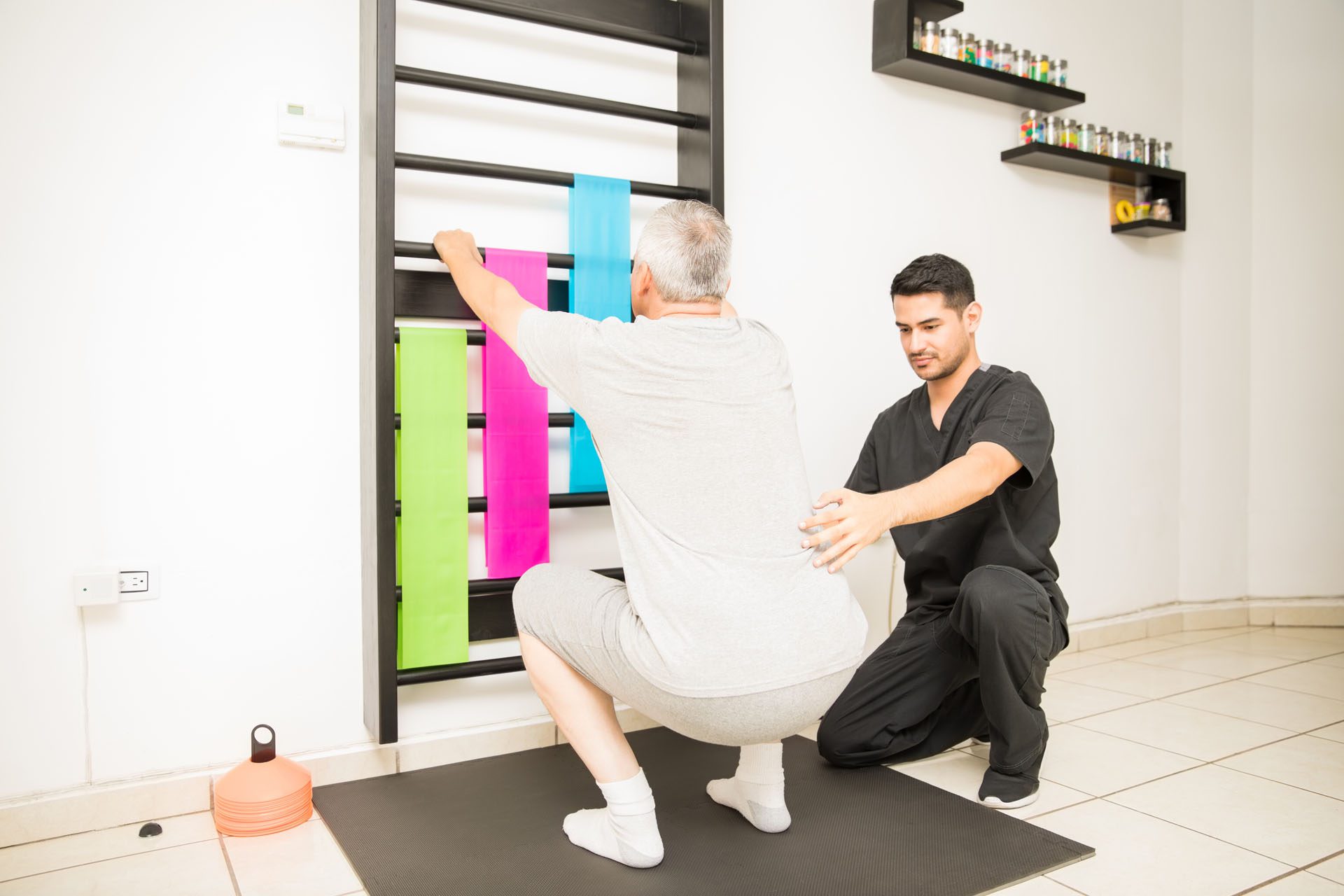
Integrated Chiropractic Care for Back & Hip Pain
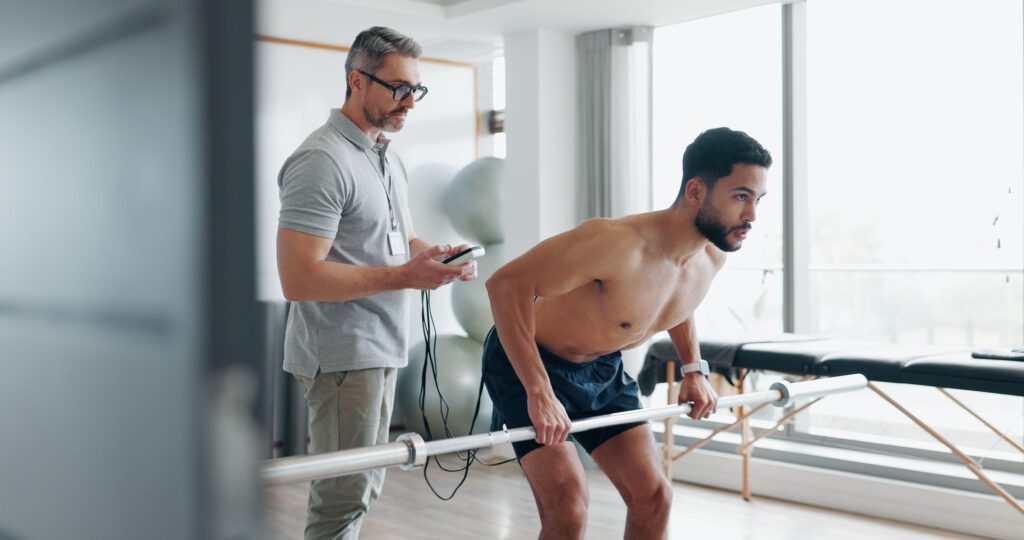
Relieve Lower Back and Hip Pain with Squats, Core Exercises, and Integrated Care at ChiroMed in El Paso, TX
Many people in El Paso experience lower back pain and hip discomfort from daily activities, work, or injuries. These problems often come from muscle strains, poor posture, tight hips or glutes, and weak muscles that support the body. At ChiroMed – Integrated Medicine Holistic Healthcare in El Paso, TX, we help patients find real relief through a mix of safe exercises and professional care.
Squats and core exercises, when done correctly, can strengthen the muscles that support the spine. They improve how the body aligns and help the hips move better. This stops the back from taking too much stress. These moves help with chronic low back pain, mild sciatica, and everyday aches from weak muscles. But the correct form is crucial. If you have sharp pain, numbness, or weakness, get checked by a professional first.
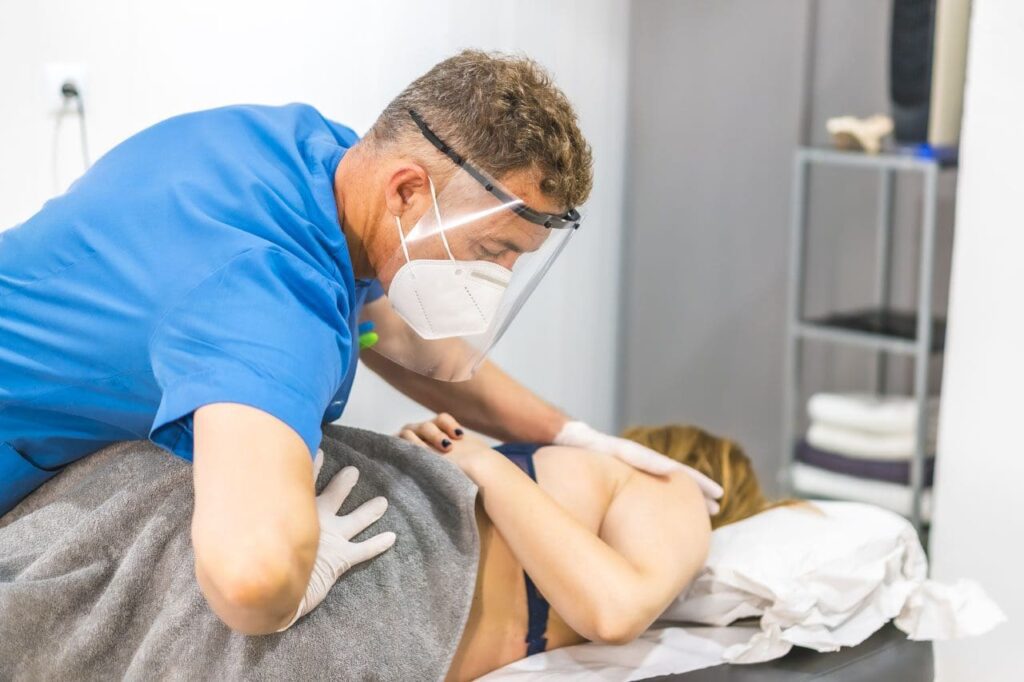
Why Lower Back and Hip Pain Often Happen Together
The lower back and hips share muscles, joints, and nerves. Tight hips or glutes can pull on the back, causing strain. Weak core muscles can cause an unstable spine and poor posture, leading to pain over time.
- Muscle imbalances make the back work harder in daily moves.
- Poor hip mobility causes excessive forward lean, adding stress to the lower back.
- Issues with ankle or upper back movement make things worse.
These can cause spine instability or pain that spreads from the hips to the back.
How Squats Help Lower Back and Hip Problems
Squats build strength in legs, glutes, and core. With proper form, they reduce pressure on the lower back.
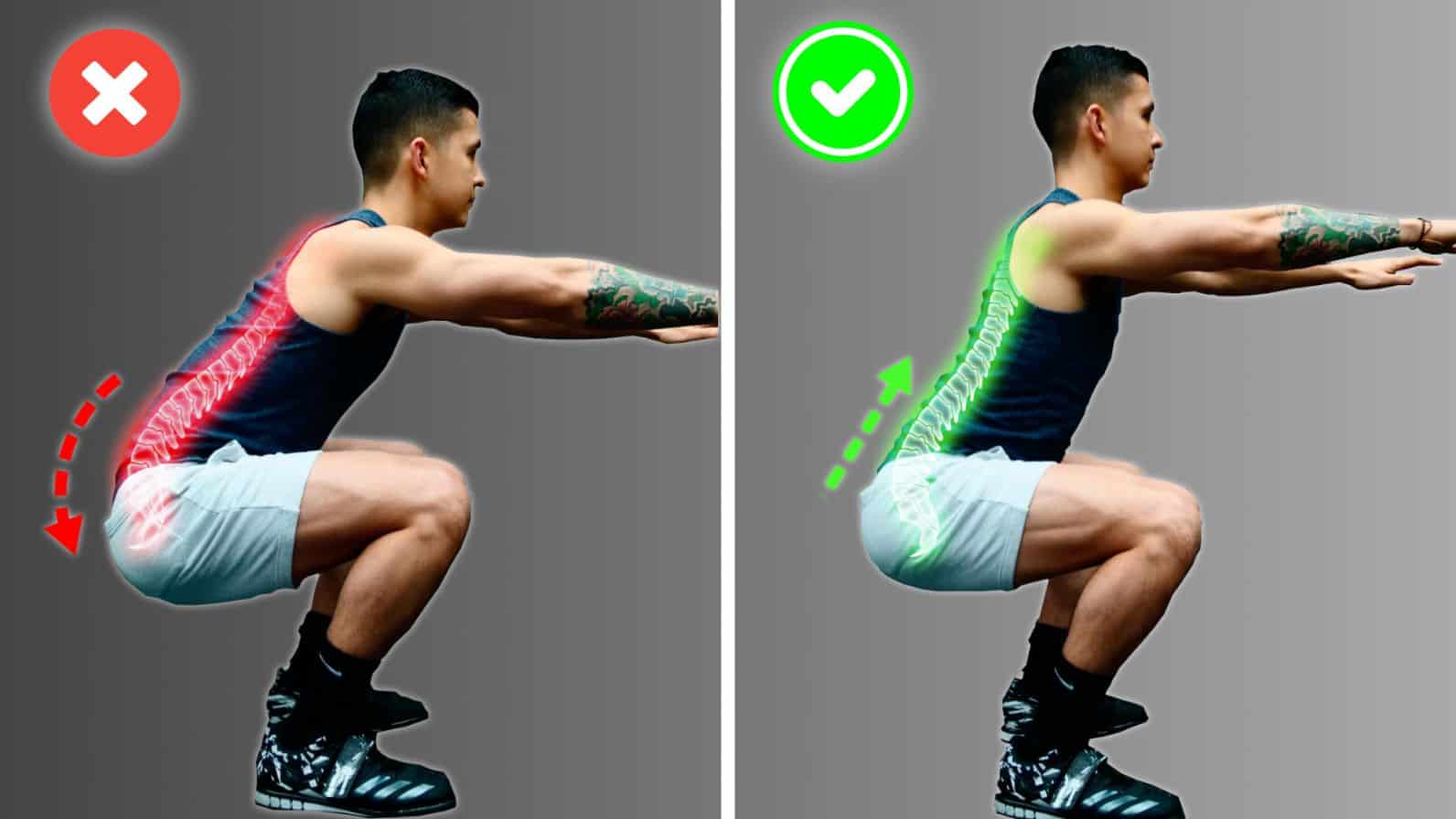
Good squats keep the spine neutral and core tight. This provides stability and reduces lower back strain. Using the core and hip muscles during squats supports the spine and prevents excessive arching or rounding.
Squats also boost hip mobility. Tight hip flexors often cause back pain in deep squats. Better movement lets the hips work freely, so the back does not overdo it.

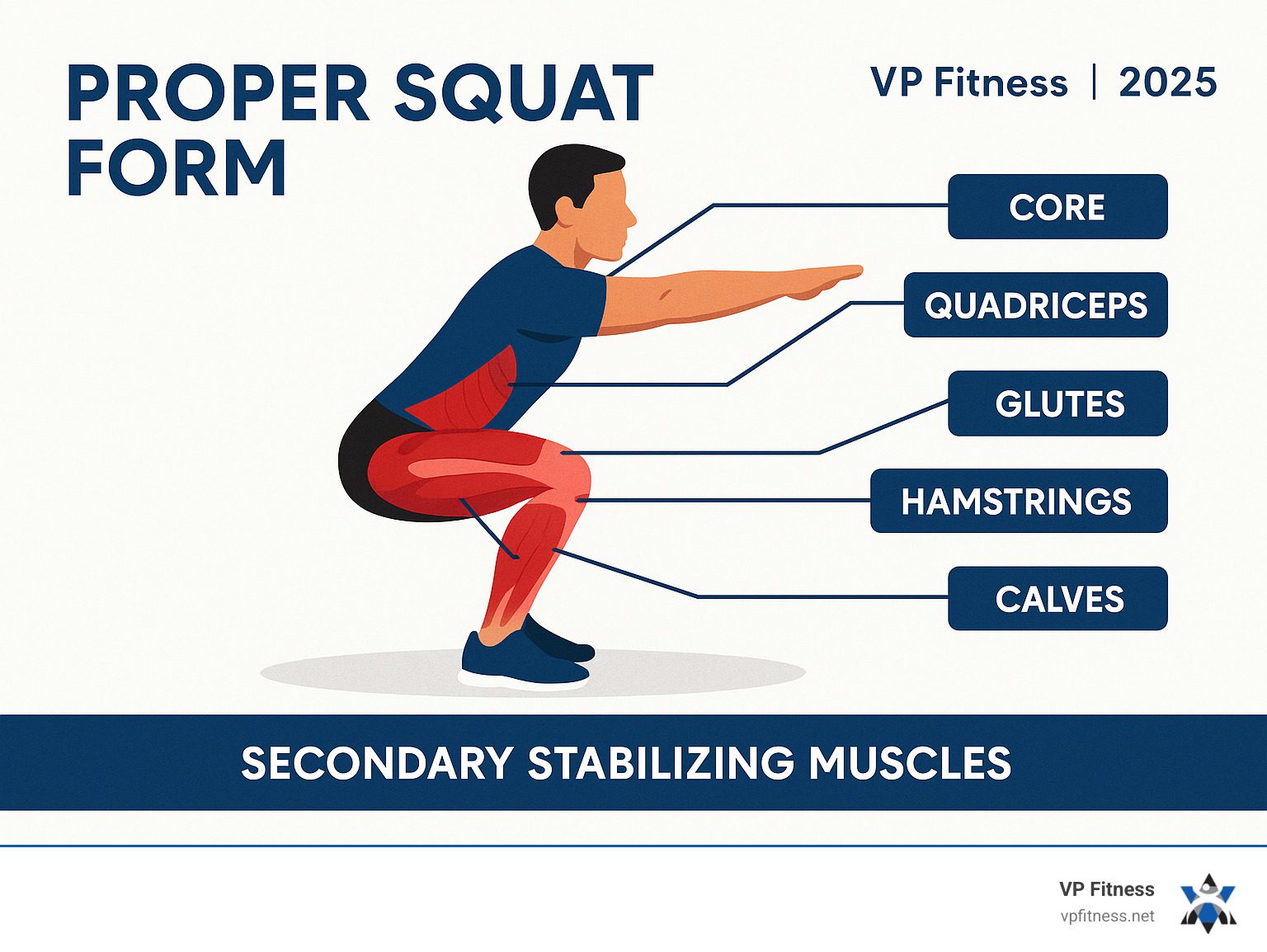
- Strengthens glutes and legs for better spine support.
- Improves blood flow and lowers swelling in the area.
- Helps mild pain that eases with gentle movement.
Studies show proper technique lowers risk during squats.
Benefits of Core Exercises for Back and Hip Pain
Core exercises target deep muscles in the belly, back, and pelvis. These act like a natural brace for the spine.
A strong core improves posture and balance. It takes the load off spinal discs and helps prevent ongoing pain from weak support. Research finds that core stability exercises reduce non-specific low back pain and improve daily function.
Core work also aids hip pain by stabilizing the pelvis. This helps conditions like arthritis or tight glutes.
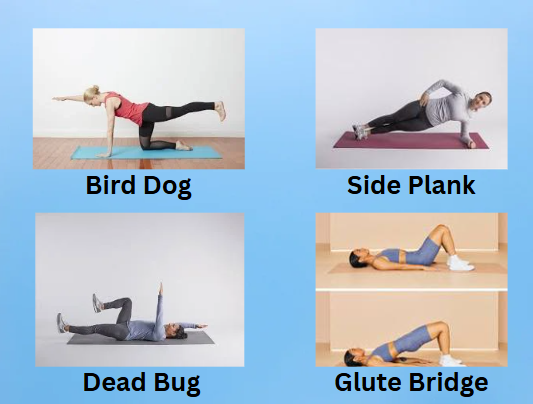
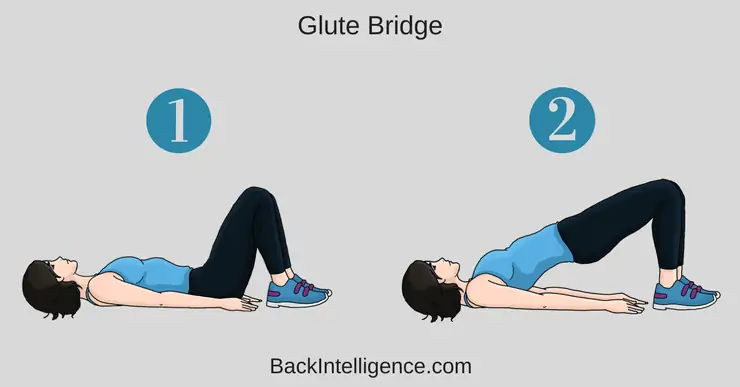
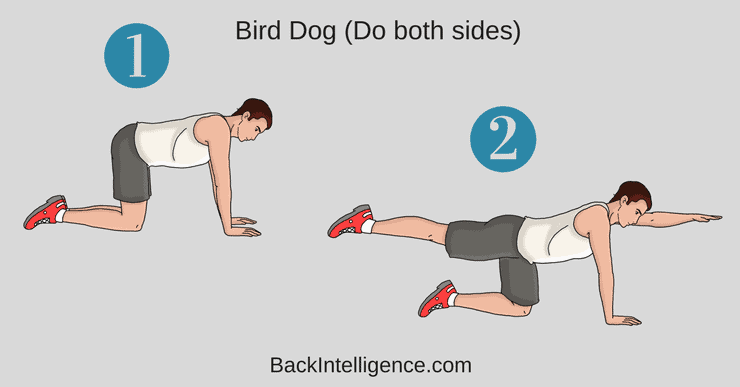
- Planks and bird dogs build lasting strength in the stabilizers.
- Pelvic tilts and bridges turn on deep muscles without stress.
- Standing core moves help relieve pain from long sitting.
Reviews show that core training often reduces pain more effectively than general workouts.
Proper Form: Key to Safe Squats and Core Exercises
The wrong form in squats is a main reason for lower back pain. Common errors are rounding the back, knees caving in, or too much weight.
Safe squat tips:
- Keep your feet shoulder-width apart and point your toes slightly outward.
- Tighten your core like you’re bracing for a hit.
- Push hips back, chest up, and lower until thighs are parallel to the floor.
- Push through heels to stand, spine straight.
For core work, focus on control. On planks, stay straight with your abs tight. Do not sag or arch.
Start with bodyweight and warm up to increase flow and cut risk.
Pain during squats often signals a weak core, tight hips, or low mobility. Fix it with stretches and lighter work.
When These Exercises Help and When to Seek Help
Squats and core moves benefit:
- Low back pain that persists due to weak muscles can be alleviated.
- Squats and core exercises alleviate mild sciatica by reducing nerve pressure.
- Hip tightness is sending pain to the back.
- Posture issues causing daily aches.
These exercises build strength over time and help prevent overworking the back. Stop if the pain is severe or if you have numbness, weakness, or balance problems. These may indicate a serious issue, such as a disc problem.
Always talk to a provider before starting, especially if you have an injury.
Integrated Approach at ChiroMed in El Paso
At ChiroMed – Integrated Medicine in El Paso, TX, we use a full-team approach for lower back and hip pain. This combines squats and core exercises with chiropractic adjustments, nurse practitioner care, rehabilitation, and therapies like acupuncture or nutrition counseling.
Chiropractic fixes spine misalignments and joint problems. A strong core makes adjustments hold longer by stabilizing the spine.


Led by Dr. Alexander Jimenez, DC, APRN, FNP-BC, our team creates personal plans for muscle imbalances, disc issues, sciatica, and chronic pain. Dr. Jimenez brings years of experience in chiropractic and advanced nursing to guide you in developing safe exercise programs that fit your needs.
This combined method often yields better, longer-lasting results than a single treatment. We focus on natural healing and root causes for patients in El Paso.
Visit us at 11860 Vista Del Sol Dr, Suite 128, El Paso, TX 79936, or call (915) 412-6680 to start your path to less pain.
Simple Exercises to Start at Home
Begin with these easy moves, guided by our team:
- Bodyweight Squats: 3 sets of 10-15, focus on form.
- Glute Bridges: Lie on your back, lift your hips, and squeeze your glutes.
- Bird-Dog: On hands and knees, extend opposite arm and leg, core tight.
- Planks: Hold for 20-30 seconds, increase over time.
- Pelvic Tilts: On your back, flatten the lower back by tilting the pelvis.
Do these 2-3 times a week. Add hip stretches and build slowly.
Take Control of Your Pain Today
At ChiroMed in El Paso, squats and core exercises are key parts of our holistic plans to ease lower back and hip pain. They strengthen support muscles, fix alignment, and improve mobility for strains, poor posture, instability, and tightness.
With proper form and our expert guidance, they create lasting strength. Pair them with chiropractic and integrated care for the best outcomes.
Contact ChiroMed today. Dr. Alexander Jimenez and our team can assess your condition and develop a safe, personalized plan.
References
Burstein, I. (n.d.). The power of core strength: How a strong core enhances chiropractic adjustments. https://www.ilanbursteindc.com/the-power-of-core-strength-how-a-strong-core-enhances-chiropractic-adjustments
Cary Orthopaedics. (n.d.). Reduce low back pain with strong core. https://caryortho.com/reduce-low-back-pain/
ChiroMed – Integrated Medicine. (n.d.). Home. https://chiromed.com/
Harvard Health Publishing. (2011). Strengthening your core: Right and wrong ways to do lunges, squats, and planks. https://www.health.harvard.edu/blog/strengthening-your-core-right-and-wrong-ways-to-do-lunges-squats-and-planks-201106292810
Healthline. (n.d.). Lower back pain when squatting: Causes and treatments. https://www.healthline.com/health/back-pain/lower-back-pain-when-squatting
Jimenez, A. (n.d.). Injury specialists. https://dralexjimenez.com/
Mauger Medical. (n.d.). A combined approach to back pain treatment. https://www.drmauger.com/blog/posts/a-combined-approach-to-back-pain-treatment
Redefine Your Pain. (n.d.). Does squatting help or hurt lower back pain?. https://redefineyourpain.com/does-squatting-help-or-hurt-lower-back-pain/
Shamsi, M., et al. (2022). A systematic review of the effectiveness of core stability exercises in patients with non-specific low back pain. PMC. https://pmc.ncbi.nlm.nih.gov/articles/PMC9340836/
Squat University. (2018). Core training: Bridging rehab to performance. https://squatuniversity.com/2018/11/01/core-training-bridging-rehab-to-performance/