Give us a Call
+1 (915) 412-6680
Send us a Message
[email protected]
Opening Hours
Mon-Thu: 7 AM - 7 PM
Fri - Sun: Closed

PRP Therapy: A Revolutionary Approach For Joint Care

Discover the advantages of PRP therapy for joint care in promoting healing and alleviating joint pain effectively.

Abstract

In this educational post, I share a first-person reflection on the evolving landscape of orthobiologics and integrative musculoskeletal care—where precision medicine, functional rehabilitation, and chiropractic methods come together under robust medical oversight. I summarize key take-home insights from recent collaborative discussions with leading researchers and clinicians, including the roles of platelet-rich plasma (PRP), cellular therapies, photobiomodulation, and outcome-driven standardization. I also describe how our multidisciplinary team at Injury Medical Clinic PA (Mission Plaza Injury Medical Clinic) in El Paso, Texas, integrates chiropractic care with internal medicine, functional medicine, and personal injury services. Under the medical direction of Dr. Maria Guadalupe Cardenas, MD (Board Certified in Internal Medicine; NPI #1164426749; Texas MD License #J2933), we align evidence-based protocols with individualized patient selection, whole-joint strategies, and rigorous data collection. The following sections outline the physiological foundations, practical techniques, and real-world clinical workflows that move patients from pain toward restored function in a structured, collaborative, and patient-centered way.

My Journey in Orthobiologics and Integrative Care

As Dr. Alex Jimenez, DC, APRN, FNP-BC, CFMP, IFMCP, ATN, CCST, I have spent decades treating musculoskeletal injuries, complex pain, and movement disorders through a combination of chiropractic science, functional medicine, and rehabilitation. What has become increasingly clear in recent years is that orthobiologics—therapies that harness the body’s biological resources to heal—are transforming how we approach musculoskeletal injury and degeneration. This is a journey; it requires curiosity, collaboration, and a commitment to both nuance and rigor.

I value small-group, high-clarity, detail-rich conversations where clinicians dissect the “how” and “why” of treatments—PRP preparation variables, cellular therapy indications, dose-response nuances in photobiomodulation, and the biomechanics of joint integration. These exchanges help us push the field forward responsibly. In the last five years, the pace of progress has been remarkable—yet tempered by adherence to data, safety, and ethical boundaries. Our work is a living synthesis of evidence and clinical experience, constantly refined by patient outcomes.

Multidisciplinary Integration: Chiropractic Care With Internal Medicine Oversight

Our practice is a multidisciplinary setup typical of integrative injury clinics. At Injury Medical Clinic PA (Mission Plaza Injury Medical Clinic) in El Paso, Texas, I collaborate closely with Dr. Maria Guadalupe Cardenas, MD, Board Certified in Internal Medicine (NPI #1164426749; Texas MD License #J2933), who serves as Medical Director and Collaborative Physician. With over 40 years of experience as an internist, Dr. Cardenas provides critical medical oversight to ensure safety, precision, and continuity of care in complex cases.

  • Dr. Cardenas’ role:
    • Provides medical direction for patient evaluation, risk stratification, and comorbidity management.
    • Oversees the appropriateness and safety of orthobiologic procedures and adjunctive therapies.
    • Coordinates diagnostics, pharmacotherapy when indicated, and inter-specialty referrals.
  • My role (Chiropractic and Functional Integrator):
    • Performs detailed musculoskeletal examinations and biomechanical analyses.
    • Delivers integrative chiropractic care: spinal and extremity joint adjustments, soft tissue work, neuromuscular re-education, and kinetic chain balancing.
    • Implements functional medicine strategies: inflammation modulation, mitochondrial support, nutrition, sleep optimization, stress tools.
    • Coordinates rehabilitation: graded activity, sensorimotor retraining, strength sequencing, fascial mobility, and return-to-function planning.

This alignment bridges the gap between biologic therapies and functional restoration. By combining medical oversight, chiropractic biomechanics, and functional medicine, we ensure that each patient’s plan is safe, personalized, and outcome-focused.

Evidence-Based Take-Home Insights: The Seven Core Themes

From our latest collaborative dialogues with colleagues in orthobiologics and rehabilitation science, seven take-home insights emerged. Each has strong physiological rationale and clinical utility.

1. PRP and Cellular Therapies: Start Strong and Get It Right

  • Why PRP matters:
    • Platelet-Rich Plasma (PRP) concentrates growth factors (PDGF, TGF-β, VEGF, IGF-1) and bioactive cytokines that modulate inflammation, angiogenesis, cellular migration, and extracellular matrix (ECM) synthesis. When properly prepared, PRP can enhance tenocyte and chondrocyte activity, potentially improving tendon integrity and cartilage homeostasis.
  • Physiology:
    • Platelets release alpha-granule contents upon activation, initiating a controlled cascade that recruits reparative cells, modulates NF-κB signaling, and promotes collagen maturation.
    • Leukocyte concentration influences the inflammatory profile: Leukocyte-poor PRP can be beneficial for intra-articular environments where excessive inflammation risks chondrotoxicity; Leukocyte-rich PRP may be more suitable for tendinopathies where a stronger inflammatory kick-start is appropriate.
  • Clinical tactics:
    • Standardize spin protocols, anticoagulants, and activation steps to reduce variability in growth factor profiles.
    • Tailor PRP composition to tissue target: joint vs tendon vs ligament.
    • Combine PRP with integrative chiropractic joint optimization to create mechanical environments conducive to biologic healing—aligned joint surfaces, normalized load distribution, and restored neuromuscular control.

2. The Future Is Collaborative, Evidence-Based, and Hopeful

  • Research momentum:
    • Modern orthobiologic research uses controlled clinical trials, registry data, cell counting, proteomics, and imaging to clarify mechanisms and outcomes.
    • Collaboration drives innovation—clinicians share protocols, troubleshoot failures, and co-develop standards.
  • Why hope is justified:
    • Incremental evidence is accumulating: improved pain and function for tendinopathy, early osteoarthritis, and select ligament injuries when biologics are integrated with biomechanics and rehabilitation.
  • Integrative chiropractic role:
    • By restoring joint mechanics, we reduce aberrant shear and compressive forces, allowing biologically stimulated tissues to heal under optimal loading conditions.

3. Patient Selection and Precision Medicine: Matching the Right Patient to the Right Therapy

  • Core principle:
    • Patient selection determines success. We assess biological age, metabolic health, systemic inflammation, nutritional status, sleep quality, and psychosocial resilience—all of which influence healing capacity.
  • Precision components:
    • Biologic staging of joint disease (cartilage thickness, synovitis, bone marrow edema).
    • Comorbidity screening (diabetes, obesity, autoimmune disease, smoking) and risk mitigation.
    • Movement profiling: gait, kinetic chain imbalances, scapulothoracic rhythm in shoulder cases, pelvic tilt and lumbar mechanics for spine and hip.
  • Why it matters:
    • Biologics require a responsive milieu. If systemic inflammation, biomechanical overload, or nutrient deficits persist, biologic effects can be muted.
  • Team function:
    • Dr. Cardenas aligns medical management—glucose control, lipid optimization, antihypertensive strategy, and evaluation of medication interactions—with our chiropractic and rehab team, who remodel movement and load.

4. Treat the Whole Joint: The Joint as an Organ

  • Concept:
    • A joint is an integrated organ system of cartilage, subchondral bone, synovium, ligaments, menisci/labrum, capsule, neurosensory feedback, and surrounding musculature and fascia. Isolated treatment misses the interdependence.
  • Physiological rationale:
    • Synovial inflammation alters cartilage metabolism and subchondral perfusion; malalignment drives focal overload and microdamage; motor control deficits create repetitive strain and poor proprioceptive input.
  • Clinical approach:
    • Alignment: Chiropractic adjustments and mobilizations to restore joint kinematics and stacking.
    • Soft tissue: Myofascial release, instrument-assisted techniques, and eccentric loading programs to normalize tension and ECM remodeling.
    • Neuromuscular retraining: Sensorimotor drills for joint position sense and dynamic stabilization.
    • Biologic therapy integration: Intra-articular PRP timed with rehabilitation phases to leverage anabolic windows.

5. Biology Is King: Root-Cause Meets Tissue Microenvironment

  • Meaning:
    • Biological milieu controls outcomes. Micronutrient sufficiency, mitochondrial function, glycation status, redox balance, and endocrine health set the tone for healing capacity.
  • Mechanisms:
    • Mitochondria govern energy supply for ECM synthesis. Excess reactive oxygen species (ROS) impairs collagen cross-linking and chondrocyte function. Insulin resistance increases AGEs (advanced glycation end-products), stiffening collagen and impairing tendon elasticity.
  • Functional medicine integration:
    • Nutritional protocols: omega-3 fatty acids, vitamin D sufficiency, magnesium, collagen peptides, and targeted phytonutrients for inflammation resolution.
    • Sleep and circadian alignment improve hormone balance (GH, cortisol rhythms) and tissue repair.
    • Stress modulation: autonomic balance impacts microvascular perfusion and inflammatory cytokine expression.
  • Chiropractic synergy:
    • Restoring autonomic balance via spinal care, breath mechanics, and mobility reduces sympathetic overdrive and facilitates tissue-level repair.

6. Standardization and Outcomes Data: Protocols That Scale and Improve

  • Why standards:
    • Standardization reduces variability, enhances reproducibility, and speeds learning across clinics.
  • Practical steps:
    • Document PRP preparation details: hematocrit, platelet count, leukocyte fraction, activation method, volume, injection site, and ultrasound guidance.
    • Maintain registries—collect PROMs (pain scales, KOOS/HOOS, DASH), functional metrics (range of motion, strength benchmarks), and imaging outcomes where appropriate.
    • Perform cell counts and, when possible, protein profiling to understand dose-biologic relationships.
  • Data-driven iteration:
    • Aggregated outcomes allow protocol refinement—adjusting PRP concentrations, pairing with specific rehab phases, and identifying subgroups that respond best.
  • Our practice:
    • We contribute to registry efforts and encourage peer clinics to share de-identified data to accelerate the field’s maturity.

7. Photobiomodulation and Optimization: Fine-Tuning the Repair Environment

  • Role of photobiomodulation (PBM):
    • Low-level light therapy can modulate cytochrome c oxidase, enhancing mitochondrial respiration, promoting ATP production, and influencing NO release and microcirculation. This supports the energy demands of tissue repair.
  • Optimization concept:
    • “Sell emac photo optimizations” refers to optimizing cellular photo-responsiveness—adjusting wavelength, dose, and timing to match tissue type and healing stage.
  • Integration:
    • Post-PRP phases may benefit from PBM to reduce pain, modulate inflammation, and support fibroblast and chondrocyte activity.
  • Chiropractic interface:
    • PBM complements neuromuscular re-education—reduced pain facilitates higher-quality motor retraining and better load adherence.

Beyond Medicine: The Power of Chiropractic Care- Video

How Our Team Coordinates Care: From Intake to Restoration

Comprehensive Patient Intake and Stratification

  • Medical screening by Dr. Cardenas:
    • Reviews cardiovascular, endocrine, metabolic, and autoimmune status.
    • Orders labs: CBC, metabolic panel, HbA1c, CRP/ESR, vitamin D, ferritin, lipid profile.
    • Evaluates medication interactions (e.g., NSAIDs around biologic procedures).
  • Musculoskeletal and functional assessment by my team:
    • Posture, gait, joint ROM, segmental motion analysis, palpation, dynamic tests.
    • Imaging when indicated: ultrasound for tendon integrity and guidance; X-ray/MRI for joint structure.

Personalized Plan: Biologics, Chiropractic, and Rehabilitation

  • Biologic layer:
    • PRP or cellular options are selected based on pathology and patient biology.
    • Ultrasound-guided injections to enhance accuracy and safety.
  • Chiropractic layer:
    • Targeted adjustments to restore segmental motion, improve joint mechanics, and relieve compensatory strain.
    • Soft tissue techniques to normalize myofascial dynamics.
  • Functional medicine layer:
    • Nutrition, sleep hygiene, stress resilience, supplementation, and metabolic optimization.
  • Rehabilitation:
    • Phase-based programming:
      • Phase 1: Pain modulation, gentle mobility, PBM.
      • Phase 2: Tissue loading initiation—eccentric and isometric work.
      • Phase 3: Strength integration—closed-chain stability, proprioception.
      • Phase 4: Return-to-sport/work—task-specific drills and load progression.

Outcome Tracking and Iteration

  • Data collection:
    • Patient-reported outcomes, functional measures, and re-imaging when clinically indicated.
  • Iteration:
    • Modify PRP concentration, adjust rehab intensity, refine chiropractic techniques based on biofeedback and progress.
  • Education:
    • We educate patients on the “why” behind each step to increase adherence and empower self-care.

Physiological Underpinnings: Why Each Technique Works

  • PRP and cellular therapies:
    • Growth factor-mediated chemotaxis and ECM synthesis, modulation of inflammatory pathways (e.g., NF-κB), stimulation of resident progenitor cells.
  • Chiropractic adjustments:
    • Normalize joint play and reduce nociceptive input; improve mechanotransduction; restore load distribution to limit microdamage accumulation.
  • Soft tissue work:
    • Break down aberrant cross-linking, encourage realignment of collagen fibers, and improve local perfusion and lymphatic flow.
  • Neuromuscular re-education:
    • Enhance proprioceptive acuity, integrate cortical motor patterns, reduce co-contraction inefficiencies.
  • Functional medicine:
    • Support mitochondrial ATP production, moderate inflammatory tone, correct nutrient deficits essential for collagen synthesis (proline, glycine, vitamin C), and upregulate antioxidant defenses (glutathione system).
  • Photobiomodulation:
    • Upregulates cytochrome c oxidase activity, increases ATP levels, modulates NO-mediated vasodilation, and reduces pain signaling through downstream neuroimmune effects.

Collaboration, Standardization, and the Road Ahead

Our collective message is simple: this is a shared journey. Advancements flourish when clinicians collaborate and standardize, when we respect biology and align mechanics, and when we measure outcomes rigorously. As registry data grows and protocols are refined, we anticipate clearer guidance on dosage, timing, and patient subgroups—transforming hopeful beginnings into reliable, scalable care models.
Our clinic remains committed to:

  • Standardized PRP preparation and documentation.
  • Integration of chiropractic biomechanics with biologic therapies.
  • Functional medicine strategies to sustain healing capacity.
  • Registry participation to contribute to the broader evidence base.
  • Patient-centered education that turns complex science into actionable steps.

Clinical Observations and Practice Philosophy

My clinical observations over years of practice emphasize that sustained recovery emerges when we harmonize biology with biomechanics. Adjustments without biological support may underdeliver in degenerative contexts; biologics without mechanical correction often falter under continued overload. It is the pairing—precise biologic stimulation with optimized joint function and neuromuscular control—that creates a durable healing platform.
You can explore more about my clinical approach and ongoing integrative work:

Summary: A Unified, Patient-Centered Path

I reflected on key themes shaping modern orthobiologic and integrative care:

  • Start strong with well-prepared PRP or cellular therapies, tailored to tissue needs.
  • Embrace collaboration as the engine of progress—share protocols and data.
  • Apply precision medicine—choose the right therapy for the right patient.
  • Treat the joint as an organ—align anatomy, mechanics, and biology.
  • Honor the principle that biology is king—optimize the microenvironment.
  • Standardize protocols and capture outcomes—let data guide growth.
  • Utilize photobiomodulation and related optimizations to support tissue repair.

Together—with medical leadership from Dr. Maria Guadalupe Cardenas and integrative chiropractic strategies—we provide a structured, evidence-informed path for patients recovering from injury and navigating musculoskeletal disease. The future is bright because we are building it on the solid ground of biology, biomechanics, and shared knowledge.

References

SEO tags: orthobiologics, PRP, platelet-rich plasma, integrative chiropractic care, functional medicine, personal injury clinic, musculoskeletal rehabilitation, photobiomodulation, internal medicine oversight, multidisciplinary clinic, El Paso Texas, Injury Medical Clinic PA, Mission Plaza Injury Medical Clinic, patient selection, precision medicine, joint as organ, standardized protocols, outcomes registry, Dr. Alex Jimenez, Dr. Maria Guadalupe Cardenas

Photobiomodulation for Pain Relief and Recovery

Photobiomodulation for Pain Relief and Recovery

Abstract

This educational article explores the profound cellular mechanisms behind Photobiomodulation Therapy (PBMT), often known as laser therapy, and its transformative potential in modern medicine. From a first-person perspective, I will guide you through the scientific journey of how light energy interacts with our cells to promote healing, reduce inflammation, and restore function. We will delve into the latest findings from leading researchers, explaining how PBMT activates mitochondria, modulates cytokine responses, and stimulates tissue regeneration across nerves and muscles. This post will also illuminate the synergistic relationship between PBMT and orthobiologics such as Platelet-Rich Plasma (PRP), demonstrating how combining these therapies can enhance clinical outcomes. Finally, I will explain how we integrate these advanced modalities at our clinic, where a multidisciplinary team approach, featuring integrative chiropractic care alongside medical oversight, provides a comprehensive and evidence-based path to recovery for our patients.


A Personal Journey into the Power of Light

After nearly a decade in this field, I feel like I’ve finally found my people. For years, mentioning the word “laser” in medical circles felt like an uphill battle. I faced skepticism and resistance—metaphorical rotten tomatoes and broken beer bottles for the first five years. Many of you in the regenerative medicine space can likely relate to that struggle. Pushing the boundaries of biologic-based therapies has been a similar journey. That’s why I am so thrilled to have the opportunity to share my experience and the powerful science that has not only vindicated this work but is now revolutionizing how we approach healing.

It all begins with a fundamental biological principle we often overlook: photosynthesis. The sun shines, plants grow, and they sustain life on our planet. We, as a species, have evolved over hundreds of thousands of years under that very sun. Our cells, down to their deepest genetic components, have developed a sensitivity to light.

Think about it this way: from our first days in medical school, we are taught that sunlight is essential for vitamin D synthesis. We accept this without question. Yet a significant gap exists in modern medical education regarding the broader therapeutic applications of light—a field known as Photobiomodulation Therapy (PBMT). This post is my effort to bridge that gap and explain how we can harness light to unlock the body’s innate ability to heal itself.

Our Integrative Approach at Injury Medical Clinic

At our practice, Injury Medical Clinic PA, we believe in a team-based, patient-centered model. My role as a Doctor of Chiropractic (DC) with advanced training as a Nurse Practitioner (APRN) and in Functional Medicine (CFMP, IFMCP) is to focus on the biomechanical, neurological, and metabolic aspects of health. I am privileged to work alongside Dr. Maria Guadalupe Cardenas, MD, a Board-Certified Internist with over 40 years of invaluable experience. Dr. Cardenas serves as our Medical Director and Collaborative Physician, providing essential medical oversight and ensuring our patients receive comprehensive, integrated care.

This multidisciplinary setup allows us to blend the best of different worlds:

  • Chiropractic Care: We address musculoskeletal alignment, nerve function, and biomechanics to restore the body’s structural integrity.
  • Medical Oversight: Dr. Cardenas provides the medical diagnosis, management, and direction necessary for complex cases, especially in personal injury and chronic disease.
  • Functional Medicine: We investigate the root causes of dysfunction, considering genetics, lifestyle, and environmental factors to develop personalized treatment plans.
  • Advanced Therapies: We incorporate cutting-edge modalities like Photobiomodulation (PBMT) and orthobiologics to accelerate healing at the cellular level.

This collaborative environment ensures that when we recommend a therapy like PBMT, it is part of a holistic strategy designed to treat the whole person, not just the symptom.

What is Photobiomodulation? Understanding the Language of Our Cells

Let’s break down the term:

  • Photo: Light
  • Bio: Life
  • Modulation: To affect or change

Photobiomodulation is the process of using light to create a biological change. We know that light is energy, and its fundamental units are photons. Think of photons as the currency of light energy. When these photons penetrate our tissues, they transfer their energy to our cells, initiating a cascade of biological responses.

For the first twenty years of my practice, I was a mechanic, using tools to “fix” conditions. For the last ten, I have become more of a biologist, focused on creating the right environment for the body’s own cells to orchestrate a healing response. Cellular recovery is the goal, and this is where PBMT truly shines.

The Cellular Mechanisms: From Mitochondria to Tissue Repair

Everyone is talking about mitochondrial health and ATP production, but the effects of PBMT go much deeper. Let’s explore the documented cellular reactions that translate into the clinical outcomes we see every day—less pain in the shoulder, knee, or elbow.

1. Mitochondrial Activation and Energy Production

The primary target of PBMT within our cells is an enzyme in the mitochondria called cytochrome C oxidase. This enzyme is a photoacceptor, meaning it is specifically designed to absorb light. When photons of the correct wavelength strike this enzyme, it becomes more active. This supercharges the Krebs cycle, leading to several critical downstream effects:

  • Increased ATP Production: The cell’s energy currency is produced in greater abundance, providing the fuel needed for repair and function.
  • Modulation of Reactive Oxygen Species (ROS): While high levels of ROS cause oxidative stress, a transient, controlled increase acts as a crucial signaling molecule.
  • Release of Nitric Oxide: Light can displace nitric oxide bound to cytochrome c oxidase, allowing oxygen to bind more efficiently and increasing cellular respiration. The released nitric oxide then acts as a vasodilator, improving local blood flow.

This initial spark in the mitochondria triggers a cascade that sends messages all the way to the cell’s nucleus, initiating gene transcription. This is how the cell starts producing the proteins and signaling molecules—cytokines—that direct the healing process.

2. Immune Modulation: Shifting from Inflammation to Repair

When you sustain an injury, your body floods the area with pro-inflammatory cytokines to kickstart the healing process. However, in chronic conditions, this inflammatory state can become “stalled,” preventing true recovery. PBMT helps modulate this immune response.

We can scientifically document that PBMT, using the right wavelength and dose, can:

  • Increase anti-inflammatory cytokines, such as interleukin-10 (IL-10).
  • Reduce pro-inflammatory cytokines, such as interleukin-6 (IL-6).

Essentially, PBMT helps guide the body out of the persistent inflammatory phase and into the reparative, healing phase.

3. Enhancing Blood Flow and Nerve Regeneration

The benefits continue to cascade through the body’s systems:

  • Angiogenesis: PBMT has been shown to stimulate angiogenesis by promoting the production of cytokines, including galectin-1. Improved microcirculation is fundamental for delivering oxygen and nutrients to damaged tissue and removing waste products.
  • Neurogenesis: We can even see improvements at the neuronal level. Studies have demonstrated that PBMT can upregulate proteins like hnRNP K, which are involved in axonal growth and neuronal repair. This is why it’s so effective for nerve-related pain and injury recovery.

4. Accelerating Muscle and Connective Tissue Recovery

  • Muscle Recovery: Using electron microscopy, researchers have confirmed that PBMT improves muscle cell development and increases myoglobin production, thereby enhancing oxygenation and speeding recovery after exertion or injury.
  • Fibroblast Activation: Fibroblasts are the body’s master builders, responsible for producing collagen and forming the structural framework for tissue repair. PBMT provides the energy these cells need to activate and get to work, which is why it pairs so well with orthobiologics that send the initial “go” signal.

By targeting these fundamental cellular processes, PBMT doesn’t just treat conditions like tendonitis or arthritis; it also treats the dysfunctional cells within the pathological tissue. It changes the cellular environment to one that fosters healing. That’s why it has such a broad range of applications for anything that ends in “-itis.”

The Science of Light: Wavelength, Penetration, and the Therapeutic Window

Not all light is created equal. The electromagnetic spectrum ranges from deadly gamma rays with very short wavelengths to harmless radio waves with very long wavelengths. There is a specific “therapeutic window” for PBMT, typically between 600 nanometers (red light) and 1200 nanometers (near-infrared light).

Why is this range so important? It’s all about penetration. To be effective, photons must reach the target tissue. Three primary obstacles stand in their way: skin, blood (hemoglobin), and water. The wavelengths within the therapeutic window are most adept at bypassing these absorbers and penetrating deep into the body, where musculoskeletal injuries reside.

  • Red light (around 600-700 nm) is excellent for superficial tissues. It penetrates only a few millimeters, making it great for skin conditions, but it won’t reach deep muscles or joints.
  • Near-infrared light (around 800-1100 nm) penetrates much deeper, making it the workhorse for orthopedic and musculoskeletal conditions.

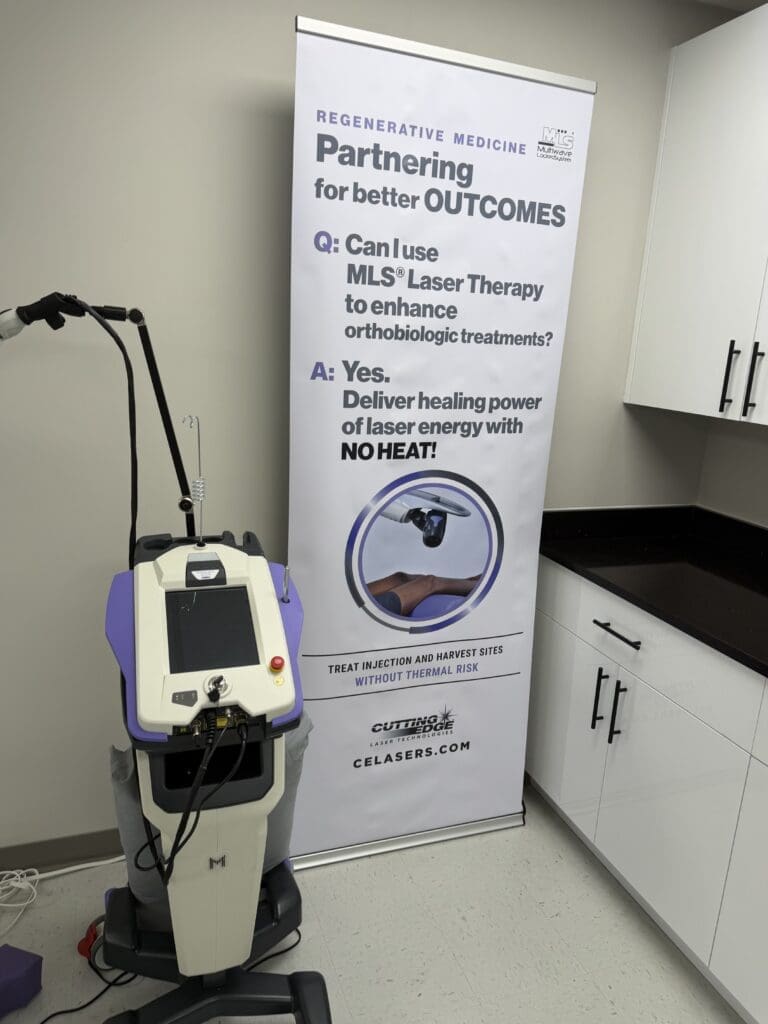
At our clinic, we use advanced systems like MLS (Multiwave Locked System) Laser Technology. I am a huge fan of this technology because it synchronizes two different wavelengths—one continuous and one pulsed. The pulsed wavelength, which fires thousands of times per second, allows the tissue to absorb light energy without building up excessive heat. This makes the treatment incredibly safe and effective, allowing for unattended application without the risk of thermal damage.

The Clinical Applications: From Acute Injury to Chronic Pain

In my practice, which includes serving as a team physician for a Division I school, we use PBMT across a spectrum of conditions:

  • Acute Injuries: For our athletes, PBMT is a go-to for sprains, strains, and contusions. It significantly reduces recovery time and gets them back on the field faster.
  • Post-Operative Recovery: Surgery is, in essence, a controlled acute injury. We use PBMT postoperatively to reduce swelling, bruising, and pain, resulting in cleaner incisions and significantly improved patient-reported outcomes.
  • Chronic Inflammatory Conditions: For issues such as a thickened Achilles tendon or degenerative joint disease, where the inflammatory process is stalled, PBMT can reignite the healing cascade.

The evidence is overwhelming. With over 7,000 published studies, PBMT is gaining recognition from major health organizations. The Centers for Disease Control (CDC) mentions “laser photobiomodulation” dozens of times in its revised opioid guidelines as a non-pharmacological option for acute, subacute, and chronic pain. The science is no longer theoretical; it’s a clinical reality.

The Ultimate Synergy: Combining PBMT with Orthobiologics

This is where the magic truly happens. Orthobiologics like Platelet-Rich Plasma (PRP) are rich in growth factors and anti-inflammatory proteins. They are a powerful message sent to the site of injury, instructing the local cells to begin the repair process.

Now, imagine giving those cells the fuel they need to carry out those instructions. That is what PBMT does.

  • Orthobiologics provide the blueprint (the message).
  • PBMT provides the energy (the fuel).

By combining these two therapies, we are creating the optimal environment for cellular activity, healing, and regeneration. People are starting to talk about this synergy. A landmark study in the veterinary world—where patients don’t have secondary gain or placebo effects—provided powerful proof (Ferreira et al., 2021). In this canine study on knee osteoarthritis, dogs were treated with PBMT alone, then PRP alone, and finally a combination of both. The results were clear: the combination therapy produced significantly better outcomes.

The Future is Biology: A Glimpse into Our Research

We are committed to contributing to this growing body of evidence. I’m incredibly proud to share a “proud dad moment.” My son, Zachary, recently completed a study at the Mass General Brigham Enable BioSkills Lab. We took human tenocytes (tendon cells) and applied our laser over them.

The results were astounding: we demonstrated a 20% dose-dependent increase in tenocyte proliferation from PBMT alone.

We are literally proving that we can make tendon cells multiply with light. Our next steps involve qPCR to analyze gene expression and ELISA to measure protein levels. This research helps us move from anecdotal success to hard, reproducible science. The future of orthopedics isn’t just metal and screws; it’s biology. It’s about working with the body, not just on it.

From modulating inflammation to fueling cellular engines, Photobiomodulation Therapy has proven itself to be a cornerstone of modern, integrative care. I’ve witnessed its power firsthand, and I am honored to share this knowledge with you. It has been a pleasure to take you on this journey into the science of light and healing.


References

  • Ferreira, M. P., Tucholski, G. Z., Dória, R. G. S., de Oliveira, B. C., Pimpão, C. T., & De Nardi, A. B. (2021). Intra-articular injections of platelet-rich plasma and photobiomodulation therapy (904 nm) for the treatment of canine osteoarthritis: A double-blinded, randomized clinical trial. Research in Veterinary Science, 139, 270–279. https://doi.org/10.1016/j.rvsc.2021.07.027
  • Jimenez, A. (n.d.). Clinical Observations. Retrieved from https://chiromed.com/ and https://www.linkedin.com/in/dralexjimenez/

Hormone Therapy Facts for Vasomotor Symptoms & Cardiometabolic Risk


Find out how hormone therapy can help manage vasomotor symptoms, cardiometabolic risk, and improve quality of life.

Abstract

I am Dr. Alex Jimenez, DC, APRN, FNP-BC, CFMP, IFMCP, ATN, CCST. In this educational post, I guide you through an easy-to-follow journey through menopause, with a special focus on vasomotor symptoms (VMS), such as hot flashes and night sweats. I explain the physiological underpinnings of the menopausal transition, outline the STRAW +10 staging framework, and discuss the latest research on the hypothalamic KNDy neuron network, which underlies many vasomotor disturbances. I present modern, evidence-based strategies including lifestyle, mind-body therapies, non-hormonal medications, and hormone therapy — with clear reasoning for why we choose transdermal estrogen when possible and how progesterone safeguards the endometrium.
I also introduce our multidisciplinary care model at Injury Medical Clinic PA (also known as Mission Plaza Injury Medical Clinic) in El Paso, Texas, where I work in close collaboration with Dr. Maria Guadalupe Cardenas, MD (Board Certified in Internal Medicine; NPI #1164426749; Texas MD License #J2933). Dr. Cardenas serves as our Medical Director and Collaborative Physician, providing medical oversight that complements my integrative chiropractic and functional medicine approach. Together, we integrate chiropractic care, internal medicine, rehabilitation, personal injury care, and functional medicine to deliver a comprehensive plan for women navigating menopause. Throughout, I include clinical observations drawn from my published insights and professional profile.

Understanding Menopause: Definitions, Timelines, and Systemic Impact

Menopause is a natural, systemic transition characterized by declining ovarian follicular function, culminating in the final menstrual period (FMP) and confirmed after 12 consecutive months without menstruation. This transition is governed by age-related changes in the hypothalamic-pituitary-ovarian (HPO) axis and affects multiple organ systems.
Key points:

  • The median age of menopause in the United States is about 52.5 years.
  • Early menopause occurs before 45, and premature menopause occurs before 40, prompting further medical evaluation.
  • Menopause exerts systemic effects on the skeletal, cardiovascular, genitourinary, and nervous systems, among others.

Why this matters: When estrogen and progesterone decline, it is not just reproductive tissues that change; vascular tone, bone remodeling, thermoregulation, neurotransmission, and metabolic pathways are all influenced by this hormonal shift. Recognizing menopause as a multi-system process keeps our care holistic and coordinated.

The STRAW +10 Staging System: A Clinical Roadmap

The STRAW +10 criteria standardize the stages of reproductive aging and help clinicians and patients contextualize symptoms and lab findings:

  • Stage -5 to -3 (Reproductive years): Regular cycles; FSH in normal range.
  • Stage -2 (Menopausal transition/perimenopause):
    • Menstrual cycles become variable; length can change by 7 days or more.
    • Later in transition, amenorrhea may occur for 60+ days.
    • FSH begins to rise (late transition often shows FSH > 25 IU/L).
    • VMS frequently starts here.
  • Stage +1 to +2 (Postmenopause):
    • Menstruation ceases, and FSH remains elevated.
    • VMS often peaks in early postmenopause (+1) and may persist into late postmenopause (+2).

Why staging helps: Symptom patterns — especially hot flashes — often intensify around the FMP and early postmenopause. Understanding where you are in the STRAW +10 framework helps tailor testing, treatment timing, and expectations.

The Hormonal Symphony: Inhibin, FSH, Estrogens, Progesterone, and Androgens

The menopausal transition reflects a coordinated shift among several hormonal actors:

  • Inhibin B: Declines early. Reduced inhibitory feedback to the pituitary leads to rising FSH.
  • FSH (Follicle-Stimulating Hormone): Rises and fluctuates as the pituitary attempts to stimulate waning ovarian function.
  • Progesterone: Falls with decreasing ovulation frequency, contributing to cycle irregularity and sleep/mood changes.
  • Estrogens:
    • Estradiol (E2): The most potent premenopausal estrogen; declines markedly after menopause.
    • Estrone (E1): Becomes predominant postmenopause, produced in adipose tissue and adrenal pathways; decline is less pronounced than estradiol.
  • Testosterone: Gradually declines with age; typically remains within lower-normal ranges in post-menopausal women.
  • DHEAS: Declines with age but is relatively independent of menopause per se.

Why routine testing is limited: For women over 45, hormone levels fluctuate daily, reducing the clinical utility of single-point testing. Diagnosis remains primarily clinical (history and cycles), though testing can be pursued through shared decision-making when desired, with results interpreted cautiously.

The Broad Symptom Spectrum: VMS, GSM, Cognitive, Metabolic, and Musculoskeletal Changes

Menopause can present across multiple domains:

  • Vasomotor Symptoms (VMS): Hot flashes and night sweats.
  • Genitourinary Syndrome of Menopause (GSM): Vaginal dryness, dyspareunia, urinary urgency, and stress incontinence.
  • Psychological and Cognitive: Mood swings, anxiety, depression, sleep disturbance, brain fog, and memory changes.
  • Metabolic/Cardiovascular: Central weight gain, dyslipidemia, and elevated CVD risk.
  • Musculoskeletal/Dermatological: Arthralgia, decreased bone density, dry skin, brittle nails, thinning hair, and changes in breast fullness.

Clinical observation: Many patients, like “Miss Jenny” — a composite representation of common clinical scenarios — initially present with severe night sweats and only later recognize associated joint pain, mood changes, and urinary symptoms. Bringing these into one coherent picture is often the first empowering step in care.

Why Hot Flashes Occur: Thermoneutral Zone and KNDy Neuron Physiology

A hot flash is a sudden, intense sensation of heat accompanied by flushing and sweating, often followed by chills. Over 80% of women experience VMS before or after the FMP, sometimes lasting an average of 7 years, with notable variability across populations.
Physiology of VMS:

  • The hypothalamus maintains a thermoneutral zone — a range where the body does not need active cooling or warming.
  • Estrogen helps keep this zone wide and stable.
  • With estrogen decline, the thermoneutral zone narrows. Minor increases in core temperature can trigger peripheral vasodilation and diaphoresis — the hallmark hot flash.
  • KNDy neurons (kisspeptin/neurokinin B/dynorphin) in the hypothalamus are central players. Neurokinin B stimulates these neurons; estrogen normally inhibits them. When estrogen falls, unopposed NKB leads to overactive KNDy signaling and hot flashes (Rance, 2017).

Clinical implications:

  • Targeting NK3 receptors offers a non-hormonal path to VMS relief, especially for patients who cannot use estrogen.
  • Severe, prolonged VMS correlates with increased cardiovascular risk, warranting proactive assessment and management (Thurston et al., 2021).

References:

  • Rance, K. N. (2017)
  • Thurston, R. C. et al. (2021)

Aligned & Empowered: Chiropractic Conversations on Women’s Health- Video


Our Multidisciplinary Care Model: Internal Medicine Oversight and Integrative Chiropractic

I practice at Injury Medical Clinic PA — also known as Mission Plaza Injury Medical Clinic — in El Paso, Texas, within a multidisciplinary, integrative model that is common to advanced integrative and injury care clinics.

  • I am Dr. Alex Jimenez, DC, APRN, FNP-BC, CFMP, IFMCP, ATN, CCST, a dual-licensed Doctor of Chiropractic and Family Nurse Practitioner with extensive training in functional medicine. My clinical observations and practice insights are available at my professional sites:
  • Our Medical Director and Collaborative Physician, Dr. Maria Guadalupe Cardenas, MD (NPI #1164426749; Texas MD License #J2933), is Board Certified in Internal Medicine and brings over 40 years of clinical experience. Her medical oversight ensures diagnostic precision, safe medication management, and robust integration with internal medicine best practices.

How this integration works:

  • Medical oversight (Dr. Cardenas): Guides diagnostics, manages comorbidities, supervises hormone therapy (HT) and non-hormonal prescriptions, and ensures evidence-based protocols.
  • Integrative chiropractic and functional medicine (Dr. Jimenez): Addresses neurological regulation, musculoskeletal integrity, stress physiology, nutrition, and biochemical imbalances that influence symptom burden.
  • Rehabilitation and personal injury care: Provides targeted therapy for pain, mobility, and functional restoration — particularly valuable when arthralgia, postural changes, or fall risk emerge during menopause.

This blended care model creates a seamless, patient-centered pathway in which a coordinated team manages complex menopausal presentations under one roof.

Treatment Spectrum: Lifestyle, Mind-Body, Non-Hormonal, and Hormonal Therapies

Menopause is deeply personal; decisions are guided by shared decision-making, clinical history, and patient preference. We build a plan from the least invasive to the most advanced, ensuring safety, efficacy, and alignment with patient goals.
Lifestyle and home management:

  • Dress in layers; maintain a cool sleep environment.
  • Identify triggers: caffeine, alcohol, spicy foods.
  • Hydration and regular exercise (aerobic plus resistance) to support vascular health and mood regulation.

Mind-body therapies:

  • Cognitive Behavioral Therapy (CBT) can reduce the severity (though not always the frequency) of hot flashes and improve sleep and coping skills.
  • Clinical hypnosis may offer non-pharmacologic symptom relief; scalability can be limited by access and cost.

Non-hormonal medications:

  • SSRIs/SNRIs (e.g., paroxetine) can reduce VMS frequency/intensity for patients avoiding hormones.
  • NK3 receptor antagonists directly target KNDy neuron pathways, offering modern, mechanism-based VMS relief.

Why these work:

  • CBT/hypnosis recalibrate cognitive appraisals and autonomic arousal, blunting thermoregulatory triggers.
  • SSRIs/SNRIs modulate serotonergic pathways that influence hypothalamic thermoregulation.
  • NK3RAs precisely address the NKB-KNDy axis, treating VMS at its neuronal source.

Hormone Therapy: Indications, Formulations, and the Case for Transdermal Estrogen

When symptoms are moderate to severe, hormone therapy (HT) is often the most effective strategy. The FDA-approved indications include:

  • Moderate to severe VMS
  • Prevention of bone loss
  • GSM symptoms (prefer local vaginal estrogen when GSM is the sole complaint)
  • Premature or early estrogen deficiency (before age 40)

Why transdermal is often preferred:

  • First-pass hepatic metabolism is avoided. Oral estrogen increases hepatic production of clotting factors, elevating DVT/PE risk; transdermal routes minimize this risk.
  • Stable serum levels reduce peaks/troughs, improving tolerability and symptom control.
  • Lower effective doses achieve clinical benefit without unnecessary hepatic load.

Common transdermal options:

  • Estradiol patches (weekly or biweekly; e.g., generics, Vivelle-Dot, Climara)
  • Estradiol gels/mists (e.g., Divigel, Evamist) — remind patients to let applications dry completely before dressing

Oral therapies:

  • Estrogen-only for women with hysterectomy (e.g., conjugated equine estrogens, plant-derived estradiol). Shared decision-making respects ethical or preference concerns about animal-derived products.
  • Combination estrogen + progestin for women with a uterus:
    • Prevents endometrial hyperplasia/cancer by opposing estrogen-induced endometrial proliferation.
    • Micronized progesterone (Prometrium) is often preferred for tolerability and possibly lower breast cancer risk compared to certain synthetic progestins.

Special formulations:

  • CEE + SERM (bazedoxifene): A combination that protects the uterus (SERM acts as an antagonist there), supports bone health, and addresses VMS without a traditional progestin.
  • Parenteral estradiol (IM estradiol valerate/cypionate): In select, severe cases, provides sustained levels; pharmacokinetics differ (valerate peaks faster; cypionate is smoother).

Clinical guardrails:

  • Initiate HT ideally within 10 years of menopause onset and before age 60 to align with the timing hypothesis favoring cardiovascular safety.
  • For migraines with aura, prefer low-dose transdermal to reduce serum fluctuations that can trigger events.
  • In VTE history or hyperlipidemia, transdermal is safer. Coordinate care with internal medicine or specialist oversight.

References:

  • ACOG Practice Bulletin No. 141 (2014)
  • The NAMS 2022 Position Statement Advisory Panel (2022)
  • Rossouw et al., WHI (2002)
  • Vinogradova et al. (2019)
  • Manson et al. (2013)
  • Collaborative Group on Hormonal Factors in Breast Cancer (2019)
  • Fournier et al. (2008)

Expected Side Effects, Adverse Risks, and Monitoring Protocols

First 3–6 months: set expectations

  • Irregular bleeding/spotting (common early; ensure progesterone compliance)
  • Breast soreness, bloating, headaches
  • Stomach cramps, transient hair changes

Long-term risks to discuss transparently:

  • Stroke: Risk increases with both estrogen-only and combination therapy; lower risk with transdermal versus oral.
  • DVT/PE: Elevated with oral conjugated estrogens; reduced with transdermal.
  • Endometrial cancer: Prevented by daily micronized progesterone in women with a uterus; local vaginal estrogen has minimal systemic exposure.
  • Breast cancer: Risk increases with duration — typically after 3–5 years for combined therapy and ~7 years for estrogen-only; risk profile may be more favorable with micronized progesterone than with synthetic progestins.
  • Gallbladder disease: Slightly increased risk.

Annual monitoring (medical oversight is essential):

  • Review tolerability, efficacy, and side effects; consider dose reduction if stable and symptom-free.
  • Pelvic exam and clinical breast exam.
  • Cervical cancer screening per guidelines; ensure mammograms are up to date.
  • Screen for osteopenia/osteoporosis (DEXA as appropriate).
  • Assess cardiometabolic health: BP, lipids, A1c/glucose, cardiovascular symptoms.
  • Address new comorbidities; coordinate specialist care when indicated.

Internal medicine supervision:

  • Dr. Cardenas ensures HT decisions are made within a comprehensive medical context and that surveillance aligns with best practices in women’s health.

Genitourinary Syndrome of Menopause: Local Estrogen Strategies that Work

GSM symptoms often persist despite systemic therapy. In these cases:

  • Use local vaginal estrogen (cream, ring, tablet) to restore epithelial thickness, lubrication, and pH balance.
  • Apply a small, pea-sized amount internally and carefully over the urethral meatus to target the periurethral estrogen receptors. Clinically, this reduces overactive bladder symptoms and recurrent UTIs, improving quality of life.

Why local therapy excels:

  • Direct tissue exposure with minimal systemic absorption.
  • Supports urogenital mucosa and local immune defense, reducing dysbiosis and infection propensity.

Cardiometabolic and Cognitive Considerations: The Timing Hypothesis and Beyond

Evidence supports the timing hypothesis:

  • Initiating HT before age 60 or within 10 years of menopause improves endothelial function, lipid profiles, and inflammatory markers, reducing CVD risk.
  • Type 2 diabetes risk appears lower with HT, likely via improved insulin sensitivity and glucose metabolism (NAMS, 2022; Boardman et al., 2015).

Neurocognitive benefits:

  • Estrogen’s neuroprotective effects may improve mood stability, sleep architecture, and cognitive clarity, especially during the transition when fluctuations are most disruptive.

References:

  • The NAMS 2022 Position Statement Advisory Panel (2022)
  • Boardman et al. (2015)
  • Mishra et al. (2021)

Integrative Chiropractic Care: Nervous System Regulation, Musculoskeletal Health, and Functional Medicine

My integrative chiropractic approach complements medical management by targeting the neurological, structural, and metabolic dimensions of menopause:
Nervous system regulation:

  • Chiropractic adjustments and neuromuscular re-education reduce nociceptive input, improve autonomic balance, and support hypothalamic regulation. When stress-related signals abate, VMS triggers often lessen, and sleep improves.
  • By optimizing spinal biomechanics, we reduce physical stressors that amplify HPA-axis dysregulation and cortisol volatility.

Musculoskeletal health:

  • Menopause-related arthralgia and stiffness reflect changes in cartilage lubrication, connective tissue elasticity, and inflammatory tone under low-estrogen states.
  • We implement joint-specific adjustments, soft tissue therapies, and corrective exercise programs.
  • Weight-bearing and strength training support bone density and fracture prevention; balance training mitigates the risk of falls.

Functional medicine and nutrition:

  • Personalized plans assess micronutrient status (e.g., Vitamin D, calcium, magnesium, Vitamin K2) and inflammation markers to support bone and vascular health.
  • Anti-inflammatory nutrition and phytoestrogen-rich foods may modestly ease symptoms and reduce cardiometabolic risk.
  • Stress modulation (mindfulness, breath training) lowers sympathetic overdrive, a VMS trigger.
  • Targeted supplementation (e.g., magnesium for sleep/mood, B vitamins for energy/nerve function, and adaptogens) is selected on a case-by-case basis, grounded in evidence and monitored for efficacy (Geller & Studee, 2005).

How we integrate:

  • Under Dr. Cardenas’s medical direction, we align HT or non-hormonal medications with chiropractic and functional strategies, monitoring outcomes and making collaborative adjustments for safety and maximal relief.


References:

  • Geller & Studee (2005)
  • Jimenez (2025a, 2025b)

Shared Decision-Making and Follow-Up: Ethical, Personalized Care

Every treatment plan rests on an honest, individualized conversation:

  • We present a balanced, evidence-based picture of benefits and risks.
  • We respect patient preferences, cultural perspectives, and prior experiences.
  • We clarify the importance of progesterone in women with a uterus.
  • We outline expected early side effects versus warning signs to call the clinic.
  • We revisit the plan as symptoms or comorbidities evolve, avoiding automatic discontinuation at age 60 and opting for reassessment instead.

Clinical example:

  • “Miss Jenny,” exhausted by nightly sweats and daytime fatigue, began transdermal estradiol with micronized progesterone after shared decision-making. At six weeks, she reported sleeping through the night with VMS resolution and improved mood. This kind of transformation is common when therapy is timed well and paired with integrative support.

Practical Takeaways: Building Your Personalized Plan

  • Start with lifestyle: cool room, trigger management, exercise.
  • Consider CBT/hypnosis for severity reduction and coping.
  • Explore non-hormonal pharmacology if estrogen is contraindicated or undesired.
  • If using HT, prefer transdermal estrogen where appropriate; ensure progesterone protection with a uterus.
  • Address GSM with local estrogen; include periurethral application to reduce OAB/UTI.
  • Integrate chiropractic, rehabilitation, and functional medicine for nervous system regulation, pain reduction, bone health, and metabolic support.
  • Monitor annually under internal medicine oversight; adjust dosing and strategies based on outcomes and evolving health.

References

SEO tags: menopause, vasomotor symptoms, hot flashes, night sweats, KNDy neurons, transdermal estrogen, micronized progesterone, genitourinary syndrome of menopause, cognitive behavioral therapy, NK3 receptor antagonists, North American Menopause Society, ACOG guidelines, cardiovascular timing hypothesis, osteoporosis prevention, chiropractic care, functional medicine, integrative women’s health, El Paso Texas, Injury Medical Clinic PA, Mission Plaza Injury Medical Clinic, Dr. Alex Jimenez DC APRN, Dr. Maria Guadalupe Cardenas MD

Post-Accident Pain: Why Symptoms Are Delayed

Post-Accident Pain: Why Symptoms Are Delayed

Post-Accident Pain: Why Symptoms Are Delayed

A minor car accident can feel confusing. You may step out of the vehicle, check for damage, and think, “I feel okay.” But later that night, the next morning, or even a few days later, pain may begin. This is very common after motor vehicle accidents.

Delayed symptoms often appear 24 to 72 hours after a crash. Some symptoms may even show up weeks later. This happens because the body releases adrenaline and endorphins during stressful events. These chemicals can hide pain at first. Once the body calms down, inflammation, muscle tightness, nerve irritation, and joint stiffness can become easier to feel (Centers for Neurosurgery, Spine & Orthopedics, n.d.).

At ChiroMed, the goal is to help patients understand what their body may be telling them after a crash. Even a low-speed accident can affect the neck, back, muscles, joints, discs, and nerves. Early evaluation can help identify injuries before they become long-term problems.

Why You May Feel Fine Right After the Crash

During a motor vehicle accident, the body reacts fast. Your muscles tighten. Your heart rate goes up. Your brain focuses on safety. This stress response can make pain feel smaller than it really is.

Later, when the stress response slows down, symptoms may begin. Inflammation can increase. Muscles may spasm. Joints may stiffen. Nerves may become irritated. This is why someone may feel okay at the scene but wake up the next day with neck pain, headaches, low back pain, or stiffness.

Common delayed symptoms after a minor car accident include:

  • Neck stiffness or pain
  • Back pain or tightness
  • Headaches
  • Shoulder pain
  • Numbness or tingling in the arms or legs
  • Dizziness
  • Fatigue
  • Brain fog
  • Irritability
  • Trouble sleeping
  • Pain that gets worse with movement

Whiplash is one of the most common delayed injuries after a crash. Mayo Clinic explains that whiplash can cause neck pain, stiffness, headaches, dizziness, fatigue, and pain that radiates to the shoulder, arm, or upper back (Mayo Clinic, 2024).

Why Delayed Symptoms Should Not Be Ignored

Pain after a crash is not always just soreness. It can be a sign that the body has been injured. Soft tissues such as muscles, ligaments, tendons, and fascia can be stretched or strained. Spinal joints may lose normal motion. Discs may become irritated. Nerves may become compressed or inflamed.

Some symptoms may also point to a more serious issue. For example, a worsening headache, sudden weakness, confusion, recurrent dizziness, or new numbness should be taken seriously. The CDC notes that worsening headaches, weakness, numbness, poor coordination, repeated vomiting, confusion, or unusual behavior after a head injury can be danger signs that need urgent medical attention (Centers for Disease Control and Prevention, 2025).

Seek immediate medical care if you have:

  • Sudden weakness
  • Severe dizziness
  • Worsening headache
  • Confusion or slurred speech
  • New numbness or loss of coordination
  • Severe abdominal pain
  • Chest pain
  • Pain that becomes sharp, severe, or rapidly worse

These symptoms do not always mean something life-threatening is happening, but they should be checked quickly.

How ChiroMed Looks at Car Accident Recovery

ChiroMed’s approach to accident recovery focuses on the whole injury pattern, not just one painful area. After a crash, the body may create compensation patterns. This means one area becomes tight or overworked because another area is injured or not moving well.

For example, a neck injury may lead to shoulder tension. A low back injury may change the way a person walks. Muscle guarding may cause joint stiffness. Nerve irritation may create tingling or pain that travels into the arms or legs.

An integrative chiropractic care plan may look at:

  • Spinal alignment
  • Joint motion
  • Muscle tension
  • Posture
  • Nerve irritation
  • Range of motion
  • Strength and balance
  • Functional movement
  • Pain patterns after the crash

This type of care can help connect symptoms to the mechanics of the injury.

Chiropractic Care After a Minor Motor Vehicle Accident

Chiropractic care may help restore healthy movement after a crash. The goal is not only to reduce pain. The goal is also to improve how the spine, joints, muscles, and nerves work together.

After a motor vehicle accident, chiropractic care may include:

  • Gentle spinal adjustments
  • Soft tissue therapy
  • Myofascial release
  • Stretching and mobility work
  • Posture correction
  • Decompression when appropriate
  • Corrective exercise
  • Rehabilitation planning

Chiropractic adjustments and soft-tissue care may help reduce joint restrictions, improve mobility, and decrease stress on irritated tissues. This can be especially helpful when the body is guarding after a crash.

The Role of Medical Oversight in an Integrative Injury Clinic

An integrative injury clinic often includes more than one type of provider. This model can be helpful because car accident injuries may involve the spine, muscles, joints, nerves, inflammation, and overall health.

Dr. Maria Guadalupe Cardenas, MD, is described as a board-certified internal medicine physician, Medical Director, and Collaborative Physician for Injury Medical Clinic PA, also known as Mission Plaza Injury Medical Clinic, in El Paso, Texas. Her listed credentials include NPI #1164426749 and Texas MD License #J2933. This type of medical direction supports a multidisciplinary setup where internal medicine oversight works alongside chiropractic and injury care.

Dr. Alexander Jimenez, DC, APRN, FNP-BC, brings a combined focus in chiropractic care, nurse practitioner evaluation, functional medicine, rehabilitation, and personal injury care. His clinical observations often focus on identifying the root cause of pain, documenting injury patterns, and helping patients recover function after car accidents.

Together, this model helps support a more complete recovery plan. Chiropractic care can focus on biomechanics and movement. Medical oversight can help with broader clinical screening, internal medicine concerns, and coordination when referral or advanced evaluation is needed.

Functional Medicine and Recovery After a Crash

Functional medicine looks at how the whole body supports healing. After a car accident, inflammation, sleep problems, stress, nutrition, and metabolic health can all affect recovery.

A functional medicine approach may support:

  • Inflammation control
  • Better sleep
  • Tissue repair
  • Healthy weight support
  • Blood sugar balance
  • Nutrition for healing
  • Energy and recovery

This matters because the body needs the right healing environment. If a person is not sleeping, eating poorly, or dealing with high stress, recovery may take longer.

Regenerative Therapies and Soft Tissue Healing

Some patients may continue to have pain after the early injury phase. In certain cases, regenerative therapies may be discussed. These therapies are designed to support the body’s natural healing response.

Platelet-rich plasma, or PRP, is one example. PRP uses a patient’s own blood, which is processed to concentrate platelets. Platelets contain growth factors that may support tissue repair. The American Academy of Orthopedic Surgeons explains that PRP has been studied for musculoskeletal injuries, although results can vary depending on the condition, preparation, and patient factors (American Academy of Orthopedic Surgeons, n.d.).

A review of PRP in musculoskeletal medicine notes that PRP is used to support healing in certain bone and soft-tissue conditions, but it should be applied carefully and only when clinically indicated (O’Dowd et al., 2022).

Regenerative injections should not be presented as a guaranteed cure. They are one possible tool in a larger care plan. For many patients, the best results come from combining biological support with improved movement, posture, and spinal mechanics.

Why Regenerative Care and Chiropractic Care Can Work Together

Regenerative therapies may help support the healing environment at the cellular level. Chiropractic care and rehabilitation help improve the movement environment around the injured tissue.

This combination matters because injured tissue may stay irritated if the body keeps moving poorly. For example, if a joint is under too much stress, or if a muscle keeps guarding, healing may be slower. Chiropractic adjustments, myofascial release, posture correction, and rehab exercises may reduce abnormal stress on recovering tissues.

A combined plan may include:

  • Regenerative consultation when appropriate
  • Chiropractic adjustments
  • Myofascial therapy
  • Corrective exercise
  • Mobility training
  • Nutrition support
  • Functional medicine guidance
  • Progress tracking

This gives patients a more complete path to recovery.

Why Early Documentation Matters After an Accident

After a crash, documentation is important. A clear medical record can show when symptoms began, what areas were injured, what exam findings were present, and what care was recommended.

This matters for both health and personal injury cases. Delayed symptoms can be confusing if they are not recorded early. A patient may not feel much pain on day one, but symptoms may be stronger by day two or three. A proper evaluation helps connect the injury pattern to the accident timeline.

Good documentation may include:

  • Patient history
  • Accident details
  • Pain location
  • Range of motion findings
  • Neurological findings
  • Functional limitations
  • Imaging recommendations when needed
  • Treatment plan
  • Progress notes

This helps the care team track recovery and adjust treatment when needed.

What Patients Can Do in the First Few Days

The first few days after a crash are important. Do not ignore symptoms. Do not assume pain will always go away on its own. Listen to your body.

Helpful steps include:

  • Get evaluated by a healthcare provider
  • Write down symptoms each day
  • Avoid heavy lifting until cleared
  • Watch for worsening pain or nerve symptoms
  • Stay hydrated
  • Rest, but avoid staying completely inactive too long
  • Follow professional instructions
  • Seek urgent care for red-flag symptoms

A symptom journal can help. Write down when pain started, where it is located, what makes it worse, and whether it spreads into the arms or legs.

Conclusion: Minor Accidents Can Still Cause Real Injuries

Delayed symptoms after a minor motor vehicle accident are common. Pain may appear 24 to 72 hours later because adrenaline and endorphins can hide symptoms at first. Inflammation, muscle guarding, joint stiffness, and nerve irritation may become more noticeable after the body calms down.

ChiroMed’s integrative injury care approach focuses on understanding the full injury pattern. Chiropractic care, medical oversight, functional medicine, rehabilitation, personal injury care, and regenerative options may all play a role when clinically appropriate.

The goal is simple: reduce pain, restore movement, support healing, and help patients return to daily life with better function.


References

American Academy of Orthopaedic Surgeons. (n.d.). Platelet-rich plasma (PRP).

Centers for Disease Control and Prevention. (2025). Symptoms of mild TBI and concussion.

Centers for Neurosurgery, Spine & Orthopedics. (n.d.). Delayed symptoms after a car accident are common.

Dr. Alex Jimenez. (n.d.). El Paso, TX chiropractor Dr. Alex Jimenez DC | Personal injury specialist.

Dr. Alex Jimenez. (n.d.). How PRP composition influences your healing journey.

Dr. Alex Jimenez. (n.d.). Non-surgical process with musculoskeletal care for PRP therapy.

Healthgrades. (n.d.). Dr. Maria Cardenas, MD – Internist in El Paso, TX.

Mayo Clinic. (2024). Whiplash – Symptoms and causes.

Mayo Clinic. (2024). Whiplash – Diagnosis and treatment.

O’Dowd, A., et al. (2022). Update on the use of platelet-rich plasma injections in musculoskeletal medicine.

Solutions Sports & Spine. (n.d.). Delayed-onset pain after a car accident in Portland.

Osteoarthritis Management Approaches for Adipose-Derived Tissues

Delve into the clinical strategy involving adipose-derived tissues and its impact on managing osteoarthritis effectively.

Abstract

In this educational post, I walk you through modern, evidence-based orthobiologic strategies using adipose-derived tissues for osteoarthritis, including pain reduction and the emerging frontier of cartilage restoration. I explain why adipose tissue yields a high yield of regenerative cells, how safe harvesting techniques work, which processing methods are legal and biologically meaningful in the United States, and how micronized adipose tissue modulates inflammation through cytokine balance. I compare adipose-derived preparations with platelet-rich plasma and hyaluronic acid, discuss dose-response concepts for cultured cells under evolving regulations, and highlight clinical insights from my integrative chiropractic practice that blend orthobiologics with precise biomechanical care, neuromuscular re-education, nutrition, and functional medicine. The aim is to help clinicians and patients understand the physiology, the techniques, the outcomes, and how to integrate these therapies safely and effectively.

Why Adipose-Derived Orthobiologics Matter for Osteoarthritis

I have long asked a simple question in musculoskeletal care: why should we consider using adipose tissue—our body fat—as an orthobiologic resource for joint and soft tissue disease? The answer rests on three powerful facts that shape both clinical practice and patient outcomes:
Adipose tissue contains a high proportion of regenerative cells, including mesenchymal stromal/stem cells (MSCs) and components of the supportive stromal vascular fraction. The cell density in adipose tissue is often higher than in bone marrow aspirates, particularly for MSC-like populations (Bianchi et al., 2013; Zuk et al., 2002).
Adipose tissue is non-essential and relatively abundant for most adults, making it a practical autologous source. This improves patient acceptance and procedural logistics.


The regenerative cell profile of adipose tissue is less affected by aging compared with bone marrow. Multiple studies show bone marrow MSCs decline in number and potency with age, whereas adipose-derived stromal cell populations maintain functional characteristics longer (Beane et al., 2014; Minteer et al., 2013).
When we treat osteoarthritis across a broad adult age spectrum, these factors make adipose-derived tissue a compelling option. The rationale is fundamentally physiological: osteoarthritis involves synovial inflammation, catabolic cytokines, failed repair signaling, and biomechanical overload. Adipose-derived preparations can counter inflammatory cascades and provide trophic cues that nudge tissues toward a more pro-anabolic and homeostatic milieu.

The Physiology: How Adipose-Derived Preparations Modulate Inflammation

A core strength of micronized adipose tissue is its ability to alter inflammatory signaling. In vitro models show that when cells are challenged with lipopolysaccharide (LPS)—a bacterial component that drives NF-κB activation and cytokine release—adding micronized adipose tissue fragments can dampen or block the pro-inflammatory cascade. Mechanistically, this involves changes in the interleukin-1 (IL-1) axis:
Adipose-derived fragments are enriched in IL-1 receptor antagonist (IL-1Ra), a naturally occurring protein that binds IL-1 receptors without activating them, thereby preventing IL-1β from driving catabolism, chondrocyte apoptosis, and matrix metalloproteinase activity (Chevalier et al., 2009; Filardo et al., 2022).
By elevating the IL-1Ra: IL-1β ratio, we skew the joint microenvironment toward an anti-inflammatory, pro-anabolic state. This supports matrix maintenance, reduces synovitis, and protects cartilage from degradative enzymes.
Adipose fragments also carry growth factors and extracellular vesicles that influence chondrocyte behavior and synovial macrophage polarization toward M2 phenotypes, further promoting resolution of inflammation (Bianchi et al., 2013; Freitag et al., 2019).
Clinically, the downstream effects often include reduced pain, improved function, and better tolerance to rehabilitative loading. In my practice, this means patients can engage more effectively in integrative chiropractic interventions—precise joint mechanics, soft tissue mobilization, neuromuscular activation, and gait retraining—because the pain and swelling that previously derailed consistency begin to loosen their grip.

Safety and Technique: Harvesting Adipose Tissue with Confidence

Many clinicians—surgeons and non-surgeons alike—initially feel cautious about adipose harvesting. Fortunately, the standard subcutaneous abdominal harvest is highly safe when performed with proper technique and anatomical respect.
Key procedural principles I emphasize:
Tumescence: we infuse tumescent fluid under the skin to create space, provide analgesia, and limit bleeding. After allowing adequate time for tissue equilibration, we use a blunt cannula with tactile feedback. The non-traumatic tip glides within the subcutaneous plane, and because our non-dominant hand rests on the skin, we always know the cannula position and depth.
Anatomy and danger zones:
Avoid the umbilical ring; the tissue can be fibrous and sensitive. Pressing the cannula against the umbilicus risks bruising and patient discomfort.
Be cautious around C-section scars above the pubis; scar tissue can harbor neovessels and increase bleeding risk. Work around—not through—dense scar planes.
Absolute avoidance of the gluteal and buttock regions for basic adipose harvest. The superficial location of the gluteal/pudendal vasculature presents life-threatening risks. This is not a beginner field; multiple severe complications have been reported. Stay anterior and superficial in safer zones.
Love handles (flanks) are generally acceptable, provided you remain in the anterior coronal plane; the more posterior you venture, the more vascular and less predictable the anatomy becomes.
Fascial layers well protect the omentum and peritoneal cavity; driving a blunt cannula into abdominal viscera with standard technique is extremely unlikely. In cadaver and lab training, clinicians learn depth control and tissue feel, substantially reducing risk.
These details are not mere checklists—they are the lived reality of safe orthobiologic practice. We can perform harvests efficiently and comfortably, setting the stage for quality processing and effective clinical outcomes.

Processing Adipose Tissue: What Makes It Orthobiologic

A critical point in modern orthobiologics: raw fat has to be processed before it becomes biologically useful. We need to break down adipose into micronized fragments that retain stromal cells, extracellular matrix, and anti-inflammatory proteins, in a form suitable for deployment into joints or soft tissues.
Legal and biological lines in the United States:
Systems that mechanically mill, filter, or micro-fragment adipose into small clusters are allowed. These methods reduce clump size, remove red blood cells, and yield a heterogeneous but biologically active mix—this is not “cell therapy,” but it contains stem/stromal cells within the fragments (US FDA guidance; Bianchi et al., 2013).
Use of enzymes to digest adipose into stromal vascular fraction (SVF), followed by culture/expansion, is not allowed for routine clinical use. Enzymatic digestion can also injure cells, dampen their responsiveness, and shift them into a more quiescent phenotype in some contexts.
Why mechanical micro-fragmentation works:
Micro-fragmentation preserves essential ECM cues and perivascular niches that keep stromal cells active, responsive, and trophic. Enzymatic methods strip away these native scaffolds.
Filters and bead-based systems lower RBC contamination, which otherwise promotes oxidative stress and cartilage irritation.
Centrifugation-based aperture processing similarly creates small clusters and separates non-productive fractions.
The biological lesson is straightforward: the way we process adipose dictates its regenerative biology. When we honor cellular microenvironments and maintain anti-inflammatory proteins, we get a potent orthobiologic that aligns with both physiology and regulatory frameworks.

Clinical Evidence: Pain Reduction and Functional Gains

Systematic reviews and pooled clinical analyses consistently report significant reductions in pain and functional improvements with micronized adipose interventions for knee osteoarthritis (Everts et al., 2022; Filardo et al., 2022). When we plot results across studies, we see uniform shifts toward pain relief—patients walk farther, sleep better, and tolerate loading with less synovitis.
In direct comparisons:
PRP + hyaluronic acid (HA) is a strong combination in orthobiologics. Yet, several head-to-head evaluations demonstrate that a single dose of micronized adipose tissue can outperform repeated PRP+HA courses at 6 months and sustain gains in activity for up to 12 months (Freitag et al., 2019; Everts et al., 2022).
The reasons are biochemical and cellular. Micronized adipose delivers sustained IL-1Ra, trophic mediators, and stromal cell signals that maintain modulation longer than the relatively transient effects of PRP and HA alone.
This is why my enthusiasm for adipose-derived options has grown. It is not a trendy technology; it is a methodologically grounded therapy with reproducible clinical effects.

Emerging Frontier: Cartilage Restoration with Cultured Cells

Beyond symptom control, the next horizon is disease modification—restoring cartilage thickness and joint integrity. Outside the United States, and now in selected US contexts through regulated trials, there is Level I evidence that cultured adipose-derived cells at defined doses can increase cartilage thickness on MRI and improve functional scores (Jo et al., 2014; Vega et al., 2015; Freitag et al., 2019).
Important clarifications:
This is distinct from micronized adipose used for anti-inflammatory purposes. Cartilage restoration programs typically involve cell culture and dosing regimens (e.g., around 15 million to 50 million cells) that are not part of standard US practice outside of trials or specific state-supported pathways.
Within the US, evolving avenues include FDA-approved clinical trials and specific programs exploring autologous chondrocyte or MSC approaches. For instance, leading centers have piloted methods combining minced autologous cartilage with allogeneic adipose-derived cells under rigorous oversight, reporting promising early outcomes.
Evidence trends suggest autologous cells may perform better than allogeneic sources for long-term tissue integration and immune compatibility, though research continues (Vega et al., 2015; Freitag et al., 2019).
While most American clinics today should focus on micronized adipose for pain and inflammation, we must educate patients about the trajectory of regenerative care: cultured cellular therapies are likely to mature into mainstream options as regulatory clarity and manufacturing standards progress.

Integrative Chiropractic Care: Where Orthobiologics and Biomechanics Meet

As an integrative clinician, my philosophy is simple: biology unlocks capacity, and biomechanics guide recovery. Adipose-derived orthobiologics reduce inflammation and pain, but that is only half the journey. To achieve durable outcomes, we must address mechanical load, alignment, neuromuscular control, and metabolic resilience.
How I integrate adipose-derived therapies in my practice (chiromed.com; LinkedIn/in/dralexjimenez):
Precision Chiropractic Biomechanics:
I employ segmental adjustments and regional mobilizations to re-establish joints’ neutral zone and optimal motion. Reduced nociception after adipose therapy allows patients to tolerate corrective care without flares.
Soft tissue and fascial mobilization targeting periarticular fibrosis improves gliding and load distribution across the joint surface.
Neuromuscular Re-education:
Focused quadriceps-hamstrings co-contraction training stabilizes the knee during stance; hip abductors and external rotators help control valgus/varus moments that accelerate cartilage wear.
Proprioceptive drills—closed-chain and perturbation-based—teach stable gait under variable surfaces, reducing medial compartment stress.
Kinetic Chain and Foot Mechanics:
Foot pronation and tibial internal rotation substantially affect knee alignment. Custom orthotics or foot-core strengthening recalibrate distal mechanics and protect articular cartilage.
Anti-Inflammatory and Functional Medicine:
Dietary protocols that reduce advanced glycation end-products, improve omega-3:omega-6 balance, and support glycemic control lower systemic inflammatory tone that feeds into synovitis and nociception.
Targeted nutrients—such as curcumin, boswellia, vitamin D, and collagen peptides—may support matrix turnover when combined with biologic interventions (Chevalier et al., 2009).
Load Management and Graded Exposure:
Adipose-derived therapy shifts the joint’s biochemistry in our favor, but tissue adaptation still obeys dose-response rules. I structure graded loading with clear progression criteria: swelling thresholds, pain scales, and gait symmetry measures.
From firsthand observation, patients who pair micronized adipose injections with integrative chiropractic programs show faster pain reduction, smoother motion arcs, and greater adherence to rehab—because they can move more and fear less.

Practical Protocols: Reasoning Behind Each Step

When I design a knee osteoarthritis program using adipose-derived tissue, here is how the reasoning unfolds:
Patient Selection:
Indications: persistent pain and synovitis, mechanical symptoms without advanced malalignment, failure of conservative therapies, or desire to delay surgery.
Contraindications: uncontrolled diabetes, significant bleeding disorders, active infection, or poor wound healing risk.
Harvest and Processing:
Choose abdominal or flank sites per safety rules. Employ tumescence and blunt cannulas. Process using FDA-compliant micro-fragmentation and filtration. Aim to reduce RBC contamination and yield small, active clusters.
Injection Targeting:
Intra-articular knee injections under ultrasound or fluoroscopic guidance ensure accurate delivery to the synovial cavity. In selected cases, peri-ligamentous or meniscal capsular areas can be addressed to modulate local inflammation.
Integrative Follow-Through:
Immediate phase: emphasis on swelling control, pain modulation, and gentle range-of-motion. Start low-grade closed-chain work within 3–7 days if pain allows.
Subacute phase: progressive strength, neuromuscular control, and foot-knee-hip chain alignment. Address lifestyle and nutrition to solidify anti-inflammatory gains.
Maintenance: micro-progression with periodic reassessment. Track outcomes using WOMAC, KOOS, or gait metrics; adjust loads and manual care as needed.
Why these steps? Because the biology of adipose fragments buys us a window of neurochemical calm. This window is precious. We use it to re-establish joint stability, correct movement faults, and teach tissues to withstand load without reigniting catabolic signaling.

Building a Stronger Body = Better Life-Video

Comparing Orthobiologic Choices: PRP, HA, and Adipose

Each orthobiologic has its best use-case:
PRP (platelet-rich plasma) excels in treating tendinopathy and early osteoarthritis by boosting growth factor levels and modulating inflammation. Combined with HA, it enhances lubrication and viscoelastic damping in the joint. Yet its effects may be shorter-lived than those of adipose-derived preparations in moderate OA.
Micronized adipose tissue provides more durable anti-inflammatory activity through IL-1Ra and stromal signaling. It performs well in symptomatic OA where synovitis and pain dominate the clinical picture.
Cultured cells (in trials) aim to restore cartilage, which demands precise dosing and strict manufacturing. This is the frontier for structural regeneration.
In practice, I often begin with micronized adipose tissue for patients who need rapid pain reduction and functional gains, while setting expectations about ongoing mechanical corrections and future possibilities for structural therapies under regulated programs.

Outcomes and Expectations: Realistic Timelines

Based on my clinical observations and published data:
Patients typically report improved pain and function within 2–6 weeks post-injection, with peak benefits often around 3–6 months. Activity gains can be sustained for up to 12 months when combined with integrated care (Freitag et al., 2019; Everts et al., 2022).
Weight management, gait correction, and consistent neuromuscular training magnify and maintain the benefit. Those who skip biomechanical work frequently lose gains because load faults reactivate inflammation.
A subset of patients with advanced joint space loss may need staged approaches or surgical referral. Adipose-derived therapy can still provide pain relief and improve prehabilitation, making surgical outcomes better.

Regulatory Notes and Responsible Innovation

In the United States, clinicians must respect clear regulatory guardrails:
Mechanical micro-fragmentation systems and filtration methods that produce small adipose clusters are permitted for autologous use when compliant with minimal manipulation definitions and homologous use criteria.
Enzymatic digestion, expansion, and culture fall outside routine practice and should be pursued only in FDA-sanctioned trials or strictly structured programs.
Always disclose risks and alternatives. Use informed consent with plain language and realistic expectations.
The science is compelling, but patient safety and ethical practice remain paramount.

Clinical Pearls from Dr. Jimenez

From years of integrative practice:
The combination of micronized adipose tissue + integrative chiropractic accelerates recovery by aligning biochemistry and biomechanics. When pain drops, patients can finally correct movement patterns they’ve avoided for months or years.
Protect the harvest: gentle technique and anatomical respect make adipose procurement straightforward and safe. Avoid the buttocks, honor scars, and remain anterior.
Leverage the window: schedule high-value neuromuscular sessions after injection when pain reduction peaks. The motor cortex learns best when nociception is low.
Think systems: osteoarthritis is joint-local, but it is also systemic. Metabolic health, sleep, and stress all influence inflammatory tone. Treat the person, not just the joint.
For more on my clinical approach, see my resources at chiromed.com and my professional notes at linkedin.com/in/dralexjimenez.

Key Takeaways

Adipose tissue provides a high-yield, age-resilient source of regenerative elements for osteoarthritis care.
Micronized adipose reduces inflammation via IL-1Ra enrichment and stabilizes joint biochemistry.
Safe harvest is achievable with tumescent technique and careful anatomical planning—avoid high-risk zones.
US-legal mechanical processing preserves biologically active fragments; enzymatic digestion and culture are not standard care.
Clinical evidence shows consistent pain reduction, often outperforming PRP+HA at mid-term follow-up.
The future includes cultured cellular therapies for cartilage restoration under regulatory oversight.
Integrative chiropractic care multiplies benefits by correcting the kinetic chain, improving neuromuscular control, and supporting metabolic health.

References

SEO tags: adipose-derived tissue, orthobiologics, osteoarthritis, IL-1Ra, micronized adipose, PRP vs HA, mesenchymal stem cells, cartilage restoration, integrative chiropractic, functional medicine, knee pain, joint inflammation, regenerative medicine, Dr. Alexander Jimenez

Integrative Care for Spine, Joint, and Muscle Pain

Integrative Care for Spine, Joint, and Muscle Pain

Abstract

Hello, I’m Dr. Alex Jimenez. Welcome to our educational post where we will explore the intricate world of musculoskeletal injuries and the advanced, evidence-based treatments we use to promote healing and restore function. In this discussion, I will guide you through the latest findings from leading researchers on conditions such as partial-thickness rotator cuff tears, tendinopathies, and osteoarthritis. We’ll delve into the physiological reasoning behind choosing specific orthobiologic treatments, such as Platelet-Rich Plasma (PRP) and Microfragmented Adipose Tissue (MFAT), based on the severity and nature of an injury. I will share my clinical experience and a systematic algorithm I’ve developed to treat knee osteoarthritis that integrates patient-specific factors to optimize outcomes. We will also examine a groundbreaking machine-learning study that is reshaping how we predict patient responses to PRP therapy by highlighting the importance of metabolic markers such as uric acid and lipoprotein(a). Finally, I will explain how our unique multidisciplinary practice integrates my expertise in chiropractic and functional medicine with the invaluable medical oversight of our Medical Director, Dr. Maria Guadalupe Cardenas, MD, to provide comprehensive, patient-centered care.


A New Era of Collaboration in Patient Care

I am thrilled to announce a significant and exciting development at our practice, Injury Medical Clinic PA. We have formalized a collaborative partnership with Dr. Maria Guadalupe Cardenas, MD, a highly respected, board-certified internist with over 40 years of invaluable experience. Dr. Cardenas (NPI #1164426749, Texas MD License #J2933) has joined our team as the Medical Director and Collaborative Physician.

This multidisciplinary model is a cornerstone of modern integrative healthcare. It allows us to merge the distinct and complementary strengths of different medical disciplines under one roof for the patient’s benefit.

  • Dr. Alex Jimenez, DC, APRN, FNP-BC, CFMP, IFMCP, ATN, CCST: My role involves providing advanced chiropractic care, functional medicine diagnostics, rehabilitation protocols, and administering orthobiologic treatments. I focus on the biomechanical and functional aspects of injury and health, aiming to restore proper movement, reduce inflammation, and stimulate the body’s innate healing processes.
  • Dr. Maria Guadalupe Cardenas, MD (Internal Medicine): As our Medical Director, Dr. Cardenas provides essential medical oversight, diagnostic expertise, and a deep understanding of systemic health. Her extensive experience in internal medicine is critical for managing complex patient cases, identifying underlying medical conditions that may affect healing, and ensuring our treatment plans are safe, effective, and holistically sound.

This partnership allows us to offer a truly integrated service. When a patient presents with a personal injury, chronic pain, or a complex musculoskeletal condition, our team collaborates to provide care. I might perform a biomechanical assessment and use diagnostic ultrasound to visualize a tendon tear, while Dr. Cardenas reviews the patient’s overall health, lab work, and medical history to identify any systemic issues, like metabolic syndrome or autoimmune conditions, that could impede recovery. Together, we formulate a comprehensive treatment plan that may include chiropractic adjustments to restore joint alignment, functional medicine interventions to optimize nutrition, and targeted regenerative therapies, all under the proper medical supervision. This ensures our patients receive the most thorough and effective care possible.

Navigating Orthobiologics with Evidence-Based Precision

When I began practicing in the Washington, D.C. area, surrounded by institutions like the National Institutes of Health (NIH), it became immediately clear that every clinical decision had to be supported by robust evidence. My patient base consisted of physicians and researchers who demanded a data-driven approach. This environment challenged me to develop clear, evidence-based protocols for the use of orthobiologics in my orthopedic practice. We meticulously reviewed the scientific literature to identify conditions where these therapies showed the most promise.

Based on this research, we established a cohort of conditions that respond well to regenerative treatments. Here are some of the primary indications we focus on:

  • Shoulder:
    • Low-grade, partial-thickness rotator cuff tears.
    • Mild-to-moderate glenohumeral arthritis. It is crucial here to consider the Walsh classification (e.g., A1, A2, B1) to ensure the glenoid (the “socket”) has not eroded to the point where the humeral head (the “ball”) is unstable.
  • Elbow:
    • Lateral epicondylitis (“Tennis Elbow”).
    • Medial epicondylitis (“Golfer’s Elbow”).
    • Proximal ulnar collateral ligament (UCL) partial tears.
  • Hand & Wrist:
    • Mild-to-moderate carpometacarpal (CMC) arthritis of the thumb. A well-known study from my professor at the Mayo Clinic provided strong evidence for this application.
  • Hip:
    • Femoroacetabular Impingement (FAI) with mild labral tearing (generally grade two or less). The labrum cannot be shredded, and there should not be large pincer or cam deformities.
    • Gluteus medius tendinopathy.
    • Proximal hamstring tendinopathy (mid-portion, focal tears have shown the best response in my experience).
  • Foot & Ankle:
    • Plantar fasciitis.
  • Knee:
    • Mild-to-moderate knee osteoarthritis.
    • Small, degenerative meniscal tears.
    • More recently, some orthopedic surgeons have referred patients for a PRP injection between 0 and 6 weeks after a rotator cuff repair, and emerging studies support this approach to enhance surgical outcomes.

Clinical Application: Visualizing and Treating Tendinopathy

To truly understand how these treatments work, let’s look at a common example: a partial-thickness tear of the common extensor tendon, also known as tennis elbow. Using musculoskeletal ultrasound, I can visualize the injury in real time. I look at the tendon in both long-axis (to see its length) and short-axis (to see its width) views. This allows me to precisely map the dimensions of the tear.

My clinical experience has shown that a key factor for success is ensuring the treatment is delivered throughout the entire tear. It’s not enough to inject into a single spot. I perform a tenotomy, where I use the needle to gently fenestrate, or break up, the unhealthy, degenerative tissue within the tear. This process stimulates a healing response. I then use the orthobiologic fluid (e.g., PRP) to hydrodissect, or separate, the tissue planes, confirming that the healing agents have fully infiltrated the damaged area along its length and width. This meticulous technique ensures the biologic scaffold can reach all the injured fibers. The study by Mishra and Pavelko (2006) on PRP for chronic elbow tendinosis is one of the foundational papers I often share with colleagues to explain the rationale behind this approach.

A Complex Case: Patellar Tendinopathy

Let’s consider a more complex case. A 31-year-old male weightlifter presented with severe knee pain. His ultrasound revealed multiple issues: a large, high-grade partial-thickness tear of the patellar tendon, significant tendinosis (indicated by heterogeneous changes in tissue texture), and a large calcific deposit near the tibial tubercle. Furthermore, his MRI showed a knee effusion (fluid in the joint) and underlying cartilage defects, pointing toward developing osteoarthritis.

This presents a clinical dilemma: what is the primary pain generator? Is it the torn tendon, the arthritic joint, or the calcification? After a thorough discussion with the patient about the risks and benefits of various options and correlating these findings with his physical exam, I determined his primary pain stemmed from the tendon.

Given the significant size of the tear, I chose to treat it with a tenotomy followed by a PRP injection. A study by Jason Dragoo demonstrated that PRP was superior to a dry needling control for patellar tendinopathy, making it my choice for a tear of this magnitude (Dragoo et al., 2014). This case highlights the importance of precise diagnostics and a targeted treatment strategy, even in the face of multiple pathologies.

Differentiating Treatments: PRP vs. Adipose Tissue

The choice of orthobiologic is not one-size-fits-all. It depends on the severity of the injury. For partial-thickness rotator cuff tears, I often see edema (fluid) on MRI and may also identify an interstitial tear (within the substance of the tendon). My approach is often to treat both the bursal-sided and the interstitial components of the tear. Using ultrasound guidance, I can navigate the needle precisely into the tear, which appears as a dark, hypoechoic area.

Here’s my general thought process on selecting the right biologic:

  • Platelet-Rich Plasma (PRP): I consider PRP for low-grade partial-thickness tears (less than 50% of the tendon’s thickness). PRP is rich in growth factors that signal the body’s cells to initiate a healing and anti-inflammatory cascade.
  • Microfragmented Adipose Tissue (MFAT): I consider MFAT for high-grade partial-thickness tears (greater than 50% of the tendon’s thickness). Adipose tissue provides not only signaling molecules but also a natural biological scaffold through its stromal vascular fraction. This scaffold provides a physical matrix for cells to migrate into and begin repairing the larger defect. I also find MFAT particularly helpful for moderate-to-severe arthritis, where its cushioning and structural support can be highly beneficial.

For example, in a patient with a high-grade rotator cuff tear, I would lean toward MFAT. The ultrasound image would show the needle entering the black, torn area, and I would ensure the adipose graft is deployed throughout the defect to provide that essential scaffold for repair. This distinction is critical for managing patient expectations and achieving the best possible clinical outcome.

An Algorithmic Approach to Knee Osteoarthritis

To standardize my approach and ensure consistent, high-quality care, I’ve developed a treatment algorithm for patients with knee osteoarthritis (OA). If you’re a clinician or a patient trying to understand the process, this framework can be very helpful.

  1. Initial Assessment: Systemic Health & Healing Potential
    • The first step is to look beyond the knee. Does the patient have a systemic inflammatory disease (like rheumatoid arthritis), metabolic syndrome, or other conditions known to impair healing?
    • I will often evaluate hormone levels (e.g., thyroid and testosterone) and even consider a microbiome analysis, as gut health is closely linked to systemic inflammation.
  2. Grading the Arthritis & Considering Advanced Biologics
    • Next, I determine the severity of OA using the Kellgren-Lawrence scale (based on MRI or X-ray).
    • For patients with Grade 3 or 4 (moderate-to-severe) arthritis, I am more likely to consider an advanced biologic like Bone Marrow Aspirate Concentrate (BMAC) or MFAT.
    • I also look for subchondral bone marrow edema on the MRI. This indicates stress and inflammation in the bone beneath the cartilage and often correlates with more severe pain. The presence of significant bone edema is another factor that pushes me toward a more robust treatment like MFAT.
  3. PRP for Mild-to-Moderate OA
    • If the patient has mild-to-moderate (Grade 1-2) OA and none of the complicating factors above, PRP is my first-line orthobiologic treatment.
  4. Timeline and Follow-Up
    • I educate patients on the expected timeline. There is often a temporary increase in pain and inflammation for about three days post-injection.
    • The regenerative process begins to take hold between three and six weeks.
    • By 12 weeks, we should have a clear indication of whether the treatment is working. At this point, I reassess their symptoms. If they have experienced a 60% or greater improvement, we continue with supportive care. If not, we adjust the plan, which might involve a second injection or exploring other modalities.

The Future of Prediction: Machine Learning in Regenerative Medicine

This structured approach is powerful, but the field is constantly evolving. A study published in May 2026 has captured my attention and is already changing my practice. Researchers in China used machine learning to predict clinical responses to PRP for knee osteoarthritis (Wang et al., 2026). They analyzed a vast dataset, including patient demographics (height, weight, BMI) and a wide array of lab markers, to identify the most significant predictors of success.

The results were fascinating and somewhat unexpected. While we often focus on the physical characteristics of the joint, the algorithm found that three key biomarkers were most predictive of a high response rate (improving outcomes from an average of 65% to 85%):

  1. Osmotic Pressure (Joint Swelling): This was intuitive. My clinical experience confirms that patients with recurrent, large effusions (swelling) in the joint do not respond as well. The inflammatory fluid likely dilutes the PRP and creates a hostile environment for healing.
  2. Lipoprotein(a) [Lp(a)]: This was a surprise. Lp(a) is a type of cholesterol associated with cardiovascular risk and inflammation. The finding suggests that a patient’s underlying metabolic and cardiovascular health is directly linked to their ability to heal from an orthopedic procedure.
  3. Uric Acid: Another metabolic marker, high uric acid is known to cause gout but is also a general marker of metabolic dysfunction and inflammation.

This study is a paradigm shift. It compels us to think about the patient as a whole system. It’s not just about the knee; it’s about their entire metabolic milieu. Are they systemically inflamed? Do they have underlying metabolic issues that need to be addressed? This research reinforces the principles of functional medicine that I have integrated into my practice for years. Now, I am more routinely checking uric acid and Lp(a) levels in my patients to better predict their response and to guide a more holistic treatment plan that may include dietary changes, supplementation, and lifestyle modifications alongside the injection.

Addressing Complexities: Subchondral Cysts and Mechanical Environment

During our discussions, a colleague raised an excellent question about treating subchondral bone cysts that can appear on MRI scans near rotator cuff tears. These are small, fluid-filled pockets in the bone. The question was whether I should inject directly into these cysts.

While I am very interested in treating the bone-tendon interface, or “enthesis,” directly injecting into a tiny subchondral cyst is technically very challenging and of questionable efficacy. The needle tip is often larger than the cyst itself, making precise targeting difficult.

In my opinion, the more effective approach is to address the root cause: the chronic mechanical stress on the tendon. These tears often occur where the tendon is constantly being pulled and strained. Treating the tendon itself with an orthobiologic helps to stabilize the area and reduce the chronic pulling force on the bone, which may, in turn, allow the subchondral reactive changes to quiet down.

I have also observed that the location of the tear matters. Tears adjacent to the rotator cable, a thick band of fibers near the biceps tendon, seem to have a poorer prognosis. The constant movement of the nearby biceps tendon can displace the PRP or MFAT, preventing it from remaining localized in the tear. In contrast, tears located more posteriorly, away from these highly mobile structures, tend to have a more stable mechanical environment, allowing the biologic to work more effectively. This underscores the importance of understanding not just the pathology but also the intricate biomechanics of the joint.


References

Hypothyroidism: Key Approaches for Management and Diagnosis


Gain insight into effective hypothyroidism diagnosis and management strategies for a healthier, more balanced life.

The Intricacies of Hypothyroidism: An Integrative Approach to Diagnosis and Management

Hello, I’m Dr. Alexander Jimenez. As a healthcare professional with a comprehensive background spanning chiropractic (DC), advanced practice nursing (APRN, FNP-BC), and functional medicine (CFMP, IFMCP), along with certifications in Advanced Toxinology (ATN) and Chiropractic Cranial Spinal Techniques (CCST), I am dedicated to exploring the intricate connections within the human body. My practice is rooted in integrating multiple disciplines to provide a holistic, patient-centered approach to wellness. Today, I want to guide you through a critical topic that affects millions: hypothyroidism. This condition, often characterized by a sluggish thyroid, can manifest in numerous ways, impacting everything from energy levels and mood to metabolic health. My goal is to guide you through the complexities of hypothyroidism, from its core physiology and subtle subclinical cases to more overt presentations, and demonstrate how a holistic, evidence-based approach can lead to optimal patient outcomes.

As we prepared this educational material, I am reminded of the importance of taking a steady, thoughtful pace in both our lives and our approach to health—a concept echoed by World Sauntering Day, which was celebrated a few years back on June 19th. This idea of “sauntering”—moving with mindful intention—perfectly encapsulates the careful, personalized journey we must take when addressing chronic conditions like hypothyroidism.

Abstract: Navigating Hypothyroidism with an Integrative Framework

This educational post provides a comprehensive, integrative perspective on hypothyroidism, one of the most common endocrine disorders seen in clinical practice. We will journey through the fundamental aspects of this complex condition, starting with its core definition, prevalence, and the crucial role of the hypothalamic-pituitary-thyroid (HPT) axis. We will differentiate between primary, secondary, and tertiary hypothyroidism, with a special focus on Hashimoto’s thyroiditis, the leading cause in the United States, while also touching upon the global impact of iodine deficiency. The discussion will cover the full spectrum of diagnosis, from patient history and physical examination to the interpretation of a comprehensive lab panel, including TSH, TPO antibodies, and thyroid hormone levels. We will delve into the nuances of overt versus subclinical hypothyroidism and outline a patient-centered treatment philosophy. A key focus will be on therapeutic options, from standard-of-care levothyroxine (T4) to liothyronine (T3) and desiccated thyroid extract, emphasizing the “low and slow” dosing strategy and proper medication administration. Finally, we will illuminate how integrative chiropractic care, combined with functional medicine principles, complements medical management by addressing the body’s structural and neurological integrity, thereby supporting overall physiological function and well-being.


Understanding Hypothyroidism: The Core Concepts

At its most fundamental level, hypothyroidism is a condition defined by the reduced production of thyroid hormone. Your thyroid gland, a small, butterfly-shaped organ located at the base of your neck, acts as the body’s master metabolic regulator. Its hormones, primarily thyroxine (T4) and triiodothyronine (T3), influence nearly every cell, controlling the speed of your metabolism, body temperature, heart rate, and much more. When hormone production falters, the entire system slows down.

Statistically, while overt (or clinical) hypothyroidism affects a relatively small portion of the population—about 0.1% to 2%—it is significantly more prevalent in women than in men. This gender disparity is a common theme in autoimmune diseases, and as we will see, autoimmunity is the primary driver of hypothyroidism in developed nations. From a functional medicine perspective, this statistic prompts us to ask why women are more susceptible, leading us to investigate the interplay of genetics, hormonal fluctuations (like those in pregnancy and menopause), and environmental triggers.

The HPT Axis: Your Body’s Thyroid Command Center

To truly grasp hypothyroidism, we must first understand the elegant feedback loop that governs thyroid function: the Hypothalamic-Pituitary-Thyroid (HPT) axis. Think of it as a three-part chain of command, or more simply, like a thermostat and a furnace.

  1. The Hypothalamus: Located in the brain, the hypothalamus is the supreme commander. It constantly monitors the levels of thyroid hormone in your bloodstream. When it detects low levels, it releases Thyrotropin-Releasing Hormone (TRH).
  2. The Pituitary Gland: TRH travels a short distance to the pituitary gland, the “master gland” also in the brain. The pituitary acts as the thermostat. In response to TRH, it secretes Thyroid-Stimulating Hormone (TSH) into the bloodstream.
  3. The Thyroid Gland: TSH travels to the thyroid gland—the furnace—and signals it to produce and release T4 and T3. As these hormone levels rise in the blood, the hypothalamus and pituitary detect the increase and reduce their output of TRH and TSH, respectively. This negative feedback loop ensures that hormone levels remain in a stable, healthy range.

When we classify hypothyroidism, we do so based on where this chain of command breaks down.

  • Primary Hypothyroidism: This is by far the most common type. The problem lies directly within the thyroid gland itself. The gland has failed to produce enough hormone despite receiving clear signals (high TSH) from the pituitary. It’s like pressing the accelerator in a car, but the engine is broken.
  • Secondary Hypothyroidism: The issue originates in the pituitary gland. The thyroid gland is healthy and capable of producing hormones, but it isn’t receiving the TSH signal to do so. This can be caused by pituitary surgery, tumors, radiation, or even traumatic brain injury. Both TSH and thyroid hormone levels will be low.
  • Tertiary Hypothyroidism: This is the rarest form, where the problem starts at the very top—the hypothalamus. The hypothalamus is not producing enough TRH, so the pituitary never receives the signal to release TSH, and consequently the thyroid never receives the signal to produce its hormones.

Understanding this axis is crucial because it dictates our diagnostic approach. A simple TSH test tells us a lot, but a comprehensive panel including Free T4, Free T3, and thyroid antibodies gives us a much clearer picture of where the dysfunction is occurring.

Unpacking the Causes of Primary Hypothyroidism

In my clinical experience at El Paso’s injury and chiropractic clinic, I consistently emphasize the importance of obtaining a thorough, comprehensive history from every patient—because the underlying etiology directly informs how we manage and treat the condition.

Hashimoto’s Thyroiditis: The Autoimmune Culprit

In the United States and other countries with sufficient iodine intake, the overwhelming majority of primary hypothyroidism cases are caused by chronic lymphocytic autoimmune thyroiditis, better known as Hashimoto’s disease. This is an autoimmune condition in which the body’s immune system mounts a cell-mediated attack against thyroid tissue, progressively impairing the gland’s ability to produce T3 and T4. Research from leading immunologists like Fasano (2012) has illuminated the “leaky gut” or intestinal permeability model, which provides a framework for understanding how autoimmunity develops. In my practice, I find that addressing gut health, identifying food sensitivities, and managing chronic inflammation are foundational steps in managing Hashimoto’s.

Key clinical features include:

  • More common in women, with prevalence increasing with age.
  • Presence of anti-TPO antibodies (elevated in the majority of cases).
  • Association with other autoimmune diseases, including Addison’s disease, lupus, Sjogren’s syndrome, and rheumatoid arthritis.
  • Strong familial clustering with Hashimoto’s and Graves’ disease.

Iodine Deficiency: A Global Perspective

While Hashimoto’s is dominant in the U.S., on a global scale, iodine deficiency remains the most common cause of hypothyroidism. Iodine is an essential building block for thyroid hormones—T4 has four iodine atoms, and T3 has three. Without adequate iodine, the thyroid cannot synthesize these hormones, leading to hypothyroidism and often a goiter (an enlargement of the thyroid gland).

Other Acquired Causes of Hypothyroidism

  • Excessive Iodine Intake: While deficiency is a problem, so is excess. Consuming very high levels of iodine, sometimes from supplements like kelp or from exposure to medical contrast dyes, can paradoxically shut down thyroid hormone production in a phenomenon known as the Wolff-Chaikoff effect (Leung & Braverman, 2014).
  • Medication-Induced: Certain medications are well-documented disruptors. Lithium, used for bipolar disorder, inhibits hormone release (Bauer et al., 2020), and tyrosine kinase inhibitors used in oncology can also trigger dysfunction (Illouz et al., 2014). A thorough medication reconciliation is essential.
  • Post-Surgical or Post-Ablation: Patients who have undergone radioactive iodine ablation for Graves’ disease or have had a partial or total thyroidectomy will develop hypothyroidism. It is also important to think beyond direct thyroid procedures. Surgery or radiation therapy to the neck or chest region for other cancers can damage the gland.
  • Post-ICU Illness: Patients recovering from a severe medical illness, sometimes called “sick euthyroid syndrome”, may show temporary thyroid abnormalities. This typically resolves without intervention and requires careful monitoring rather than immediate treatment.
  • Congenital Hypothyroidism: A range of genetic and developmental disorders can impair thyroid function from birth. These are typically identified through newborn screening programs.

“Cracking the Low Thyroid Code: A Comprehensive Assessment Guide”-Video

The Pituitary and Hypothalamic Connection: Beyond the Thyroid

Sometimes, the problem isn’t in the thyroid itself. One of the most clinically underrecognized causes I have encountered in my practice involves post-concussive pituitary injury. The pituitary gland sits on a delicate stalk. During a significant head impact, the mechanical force can disrupt its function. I evaluated a law enforcement officer who, two years after a closed head injury from a high-speed pursuit, developed pituitary dysfunction directly attributable to the trauma. This case underscores the importance of longitudinal follow-up for patients with a history of head trauma or repeated concussions, as delayed-onset hypopituitarism is well-documented (Kokshoorn et al., 2011).

Diagnosing Hypothyroidism: History, Labs, and Clinical Judgment

A thorough history remains the cornerstone of evaluation. Key areas to explore include radiation exposure, neck surgery, new medications, family history of thyroid disease, and dietary changes, particularly iodine-rich supplements.

Key Physical Examination Findings

A systematic thyroid exam involves inspection, palpation (from both the anterior and posterior aspects, with the patient swallowing), and auscultation. In my practice at chiromed.com, this comprehensive approach is standard. Physical signs of hypothyroidism can include:

  • Bradycardia (slowed heart rate)
  • Delayed deep tendon reflex relaxation (a hallmark sign)
  • Periorbital puffiness and myxedematous facial features
  • Thickened, dry skin, coarse hair, and alopecia (hair loss)
  • Diastolic hypertension
  • Enlarged tongue and hoarseness in more advanced cases

Interpreting the Thyroid Panel and Imaging

The core laboratory tests provide a window into the HPT axis.

TestClinical Significance
TSHPrimary screening test; reference range 0.4–4.5 mIU/L
Free T4Evaluates circulating unbound thyroxine
Free T3Active hormone; assesses peripheral conversion
Anti-TPO antibodiesElevated in 85–90% of Hashimoto’s cases
Antithyroglobulin antibodiesMay be elevated in autoimmune thyroid disease
Hypothyroidism can also cause systemic lab changes, including anemia, hyperlipidemia (elevated cholesterol), hyponatremia (low sodium), and elevated creatine kinase (CK). 

Thyroid ultrasound is the imaging modality of choice. In Hashimoto’s, the gland is often diffusely enlarged (goiter) with a heterogeneous echotexture and may show hypoechoic micronodules.

The Challenge of Subclinical Hypothyroidism

One of the more perplexing areas is subclinical hypothyroidism. This is the most common thyroid function abnormality, characterized by an elevated TSH (typically 5-10 mIU/L) with a normal free T4. The decision to treat is not based on labs alone. We must consider the patient’s symptom burden, cardiovascular risk factors (as subclinical hypothyroidism is associated with elevated LDL cholesterol), and the presence of TPO antibodies, which suggest likely progression to overt disease (Rodondi et al., 2010).

It is also critical to distinguish between “Wilson’s temperature syndrome,” a diagnosis not recognized by the American Thyroid Association, and Wilson’s disease, a serious inherited disorder of copper metabolism. These are entirely distinct clinical entities.

The Goals and Strategies of Hypothyroidism Treatment

When a patient is diagnosed with hypothyroidism, our treatment goals are multifaceted:

  • Symptom Resolution: Alleviating fatigue, weight gain, brain fog, and depression.
  • Normalization of Biomarkers: Normalizing serum TSH and improving T4 and T3 concentrations.
  • Avoiding Overtreatment: Preventing iatrogenic thyrotoxicosis (overactive thyroid function from medication), which is especially dangerous for older patients.

The Thyroid-Cholesterol Connection: Treat the Thyroid First

A crucial and often overlooked consequence of hypothyroidism is its impact on lipid metabolism. Hypothyroidism is a common cause of secondary dyslipidemia, leading to elevated triglycerides and Lipoprotein(a) or Lp(a), a potent cardiovascular risk factor. A key principle I’ve learned from my collaborative work in cardiometabolic health is: treat the thyroid first. Before aggressively treating cholesterol, we must optimize thyroid function. Correcting hypothyroidism often leads to a spontaneous improvement in cholesterol levels, creating a stable metabolic foundation.

First-Line Treatment: The Role of Levothyroxine (T4)

The cornerstone of treatment, as recommended by the American Thyroid Association (ATA), is synthetic levothyroxine (T4) (Jonklaas et al., 2014). T4 has a long half-life of five to seven days, providing stable blood levels. The body then naturally converts this storage hormone into the active T3 hormone as needed. For consistency, the ATA has expressed a preference for patients to remain on a specific brand-name product (e.g., Synthroid®, Levoxyl®) due to the narrow therapeutic index of thyroid hormone.

Exploring Other Therapeutic Options: T3 and Desiccated Thyroid

While T4 monotherapy is the standard, it’s not a one-size-fits-all solution.

  • Liothyronine (T3) Therapy: Synthetic T3 is the active hormone. It has a short half-life and is more potent, making dosing challenging. It is sometimes added to a T4 regimen (combination therapy) for patients who may have issues converting T4 to T3.
  • Desiccated Thyroid Extract (DTE): Derived from pig or cow thyroid glands (e.g., Armour® Thyroid), DTE contains a combination of T4, T3, and other compounds. While not a first-line therapy, it is a viable option for patients who do not respond well to T4 alone.

The Art of Dosing: “Go Low and Slow”

The most important principle in initiating and adjusting medication is to “go low and slow.” The body needs time to acclimatize to the increased metabolic rate. We typically use a weight-based calculation of 1.6-1.8 mcg per kilogram of body weight to estimate the final dose, but we never start at this level. We begin with a low dose (e.g., 25-50 mcg), wait six to eight weeks for levels to stabilize, and then recheck the TSH. It is paramount to treat the patient, not the paper. If a patient’sTSH is “normal” but they feel unwell, we must investigate further.

Proper Medication Administration: The Key to Success

The effectiveness of thyroid medication depends heavily on how it’s taken. The golden rules are:

  1. Take it on an empty stomach first thing in the morning.
  2. Take it with a full glass of water only.
  3. Wait 45-60 minutes before eating or drinking anything else (including coffee).
  4. Take it separately from other medications and supplements, especially iron and calcium, by at least four hours.

Special Considerations: Amiodarone and Adrenal Insufficiency

  • Amiodarone, an antiarrhythmic drug, is notorious for causing thyroid problems due to its high iodine content and direct toxicity. Patients on this drug require very close monitoring.
  • It is critical to be aware of potential adrenal insufficiency (Addison’s disease). Starting thyroid hormone in a patient with undiagnosed Addison’s can precipitate a life-threatening adrenal crisis.

Clinical Case Studies: An Integrative Approach in Action

Case Study 1: Sally, The Young Graduate Student with Hashimoto’s

Sally, a 24-year-old graduate student, presented with fatigue, weight gain, and depression. Her mother had Hashimoto’s. Her labs showed a TSH of 6.0, normal T4, and TPO antibodies of 1,100. Her thyroid ultrasound was consistent with autoimmune thyroiditis. She was diagnosed with subclinical hypothyroidism secondary to Hashimoto’s disease.

Instead of starting a high dose, we adhered to the “go low and slow” principle and began with just 25 micrograms of levothyroxine daily. At her six-week follow-up, she felt remarkably better, and her TSH had normalized to 2.5. Her integrative plan also included an anti-inflammatory, gluten-free diet and chiropractic care to manage stress and support neurological function.

Case Study 2: Jane, Unraveling Treatment Complexity

Jane, a 52-year-old postmenopausal woman, presented with fatigue and weight gain despite being on 112 mcg of levothyroxine. Her TSH was elevated at 12. Her history was significant for breast cancer treated with chest radiation, and her thyroid ultrasound showed an atrophic (shrunken) gland. While a dose increase to 125 mcg was indicated, the more important question was why her TSH suddenly increased. After a thorough investigation into medication adherence, formulation changes, and potential GI absorption issues, we increased her dose. Her TSH normalized, and her symptoms improved, underscoring the importance of active, investigative management.

The Role of Integrative Chiropractic Care in Thyroid Health

You might wonder, “How does chiropractic care fit into managing a hormonal condition?” The connection lies in the intricate relationship among the nervous, endocrine, and musculoskeletal systems.

An integrative chiropractic approach goes beyond simple spinal adjustments. We focus on restoring optimal function to the entire body.

  • Neuro-Endocrine Connection: The HPT axis is regulated by the central nervous system. Chronic stress—processed by the nervous system—can disrupt hypothalamic and pituitary function. Misalignments in the spine, particularly in the cervical (neck) region (vertebral subluxations), can create neurological interference. Gentle, specific chiropractic adjustments can help reduce this interference and promote better balance in the autonomic nervous system.
  • Reducing Systemic Inflammation: Inflammation is a key driver of Hashimoto’s. Structural imbalances contribute to chronic physical stress and low-grade systemic inflammation. By correcting spinal alignment and improving biomechanics, chiropractic care can help modulate the inflammatory response (Alcantara & Alcantara, 2012).
  • Holistic Patient Management: As a practitioner with dual certifications, I integrate chiropractic adjustments with nutritional counseling, stress management, and targeted supplementation. For instance, we may identify a need for selenium and zinc, which are crucial for T4-to-T3 conversion, or recommend an anti-inflammatory diet. This comprehensive strategy, which we employ at our El Paso clinic, addresses root causes rather than just managing symptoms. In my clinical experience, patients who incorporate integrative chiropractic care often report improved energy, reduced pain, and a greater sense of well-being.

Conclusion: A Holistic Framework for Thyroid Health

Hypothyroidism is a complex, multifactorial condition that demands clinical precision, comprehensive evaluation, and an integrative treatment perspective. From the foundational physiology of the HPT axis to the nuanced presentations of Hashimoto’s thyroiditis, subclinical hypothyroidism, and post-concussive pituitary dysfunction, every patient requires an individualized approach. By combining thorough history-taking, targeted laboratory evaluation, and integrative chiropractic care, clinicians can deliver outcomes that go far beyond simply normalizing a TSH value—restoring genuine physiological balance and patient well-being.


References


SEO Tags: Hypothyroidism, Dr. Alexander Jimenez, Integrative Chiropractic Care, Functional Medicine, Hashimoto’s Thyroiditis, Thyroid Health, HPT Axis, Primary Hypothyroidism, TSH, Thyroid Hormones, Autoimmune Disease, Chiropractic Adjustment, Systemic Inflammation, Holistic Health, El Paso TX, Functional Medicine Practitioner, hypothyroidism causes, subclinical hypothyroidism, thyroid stimulating hormone, TPO antibodies, secondary hypothyroidism, pituitary dysfunction concussion, thyroid examination technique, thyroid ultrasound findings, hypothyroidism diagnosis, anti-TPO antibodies Hashimoto’s, congenital hypothyroidism, Hypothyroidism Treatment, Levothyroxine, T4 Therapy, Liothyronine, T3 Therapy, Desiccated Thyroid Extract, Thyroid and Cholesterol, Amiodarone Thyroid Dysfunction, Adrenal Insufficiency, Low and Slow Dosing, Cardiometabolic Disease

Restoring Musculoskeletal Function: Integrative Care

Restoring Musculoskeletal Function: Integrative Care

Restoring Musculoskeletal Function: Integrative Care

Abstract

In this educational post, I will take you on a journey into the future of musculoskeletal treatment, moving beyond isolated symptom management to a comprehensive, whole-body paradigm. We will explore interventional orthopedics, which uses precise, image-guided techniques to target the root causes of pain. Building on this, I will introduce a concept I call functional orthopedics and the functional unit approach—a philosophy that integrates the principles of osteopathic medicine, physical medicine, and regenerative science. This approach emphasizes understanding the intricate connections between structure and function, the body’s innate healing capacities, and the importance of treating the entire biomechanical chain rather than just the site of pain. We will delve into the latest evidence-based research by leading experts, examining the critical roles of subchondral bone, intraosseous injections, and comprehensive treatment strategies for conditions such as osteoarthritis. By combining these advanced concepts with the foundational principles of integrative chiropractic care, we can create truly personalized and effective treatment plans that offer lasting relief and restore optimal function.


Understanding the “How” and “Why” of Modern Musculoskeletal Treatment

Thank you for joining me on this exploration of a truly transformative approach to musculoskeletal health. What we are about to discuss is an integral part of a new way of thinking in medicine, and I believe it can fundamentally change how we help our patients heal. Today, we’re not just talking about another treatment method; we’re diving into the “how, why, and what” of a more profound, evidence-based strategy.

  • The How: The “how” is our interventional orthopedic approach.
  • The Why: The “why” is rooted in functional orthopedics and the functional unit approach.
  • The What: The “what” is the application of these principles to deliver comprehensive, patient-centered care.

Let’s unpack what this all means for you and your health journey.

What is Interventional Orthopedics?

Interventional orthopedics represents a significant evolution from traditional pain management. It’s a specialized field that focuses on using the body’s own healing potential to repair and regenerate damaged tissue. The core principle is precision. Instead of just managing symptoms, we aim to treat the underlying source of the problem.

This isn’t about simply injecting a painful joint and hoping for the best. It’s about a meticulous process in which we use advanced imaging, such as ultrasound and fluoroscopy, to visualize and precisely target specific structures. Whether it’s a torn ligament, a damaged tendon, or degenerative changes within a joint, we can deliver orthobiologic treatments—such as Platelet-Rich Plasma (PRP) or Bone Marrow Aspirate Concentrate (BMAC)—directly to the site of injury with pinpoint accuracy.

The goal is to move beyond treating “the thing that is causing the pain” and instead look at the entire picture. But how do we decide what to target? That’s where the “why” comes into play.

Introducing Functional Orthopedics: A Philosophy of Whole-Body Healing

This brings me to a concept that is the cornerstone of my clinical philosophy: functional orthopedics. While you might not find this term in a standard medical textbook (I coined it to describe my integrated approach), its principles are not new. They are deeply rooted in my training as an osteopathic physician, a chiropractor, and a functional medicine practitioner.

Functional orthopedics is guided by several core tenets:

  • The body is a unit: No part of the body exists in isolation. A problem in your foot can affect your knee, which can in turn impact your hip and spine. Everything is connected.
  • Structure and function are interrelated: The way your body is built (structure) directly influences how it moves and operates (function), and vice versa. An imbalance in one will inevitably affect the other.
  • The body has self-healing mechanisms: it possesses an incredible, innate ability to heal and regenerate. The role of a physician is to facilitate and optimize these natural processes.
  • Rational treatment is based on these principles: The most effective and lasting treatments are those that honor and work with the body’s integrated design.

This philosophy is a synthesis of my background in Physical Medicine & Rehabilitation (PM&R), which focuses heavily on structure and function, and regenerative medicine, which harnesses the body’s self-healing capabilities. By applying the functional medicine model, we look for the root causes of a condition, considering all the factors—biomechanical, nutritional, and environmental—that contribute to a patient’s health state.

The Functional Unit Approach: Treating the System, Not Just the Symptom

The practical application of functional orthopedics is what I call the functional unit approach. This concept was first described in an old surgical textbook by Dudley and White, who defined the “functional spinal unit” (Dudley & White, n.d.). They recognized that treating a single vertebra or disc was often insufficient because the spine functions as an interconnected system.

We now see this comprehensive approach being validated by modern research in orthobiologics. Several recent studies have demonstrated the superior, long-term benefits of treating the entire functional unit of the spine. For example, researchers have published compelling papers on the use of PRP and BMAC not only in the epidural space but also in the facet joints, ligaments, and paraspinal muscles to treat lumbar and cervical spine issues (Centeno et al., 2017). By addressing all the components that contribute to spinal stability and function, patients experience more profound and lasting results.

This isn’t limited to the spine. A landmark study on knee osteoarthritis compared outcomes between patients who received only an intra-articular (in-joint) injection and those who received both intra-articular and extra-articular (outside the joint) treatments. The results were clear: while both groups improved, the group treated more comprehensively experienced significantly better and more durable outcomes (Centeno et al., 2020).

Think about it from a clinical perspective. How many times have I seen a patient with mild knee osteoarthritis who also has pes anserine bursitis, hamstring tendinopathy, or tenderness along the ligaments? Pain isn’t just coming from the joint space. It’s coming from the entire functional unit that supports and moves that joint. The paradigm shift is from a narrow, intra-articular focus to a comprehensive view encompassing all intra-articular and extra-articular structures.

Beyond the Joint: The Critical Role of Subchondral Bone

But does it stop there? The answer is no. A growing body of research is revealing another crucial layer to this puzzle, especially in osteoarthritis: the subchondral bone. This is the layer of bone directly beneath the cartilage.

For decades, the conventional wisdom propagated to patients was that osteoarthritis is primarily a disease of cartilage loss. We’ve all heard patients say, “My doctor told me I’m bone on bone” or “My cartilage is gone.” However, we also know that the degree of cartilage loss on an X-ray does not always correlate with the level of pain a person experiences.

So what’s the missing link? It’s often the health of the subchondral bone. When cartilage wears away, the underlying bone is exposed to increased stress and inflammation. This bone is not inert; it’s a living, dynamic tissue rich with blood vessels, nerves, and even a population of stem cells (pericytes) that are vital for healing.

Dr. Philippe Hernigou, a pioneering orthopedic surgeon from France, conducted groundbreaking research on this topic. He compared the number of reparative cells in the iliac crest bone marrow (a common site for harvesting bone marrow) with the number of cells in the subchondral bone of an osteoarthritic knee. His findings were astonishing. As osteoarthritis progressed and patients aged, the concentration of these crucial healing cells in the subchondral bone declined dramatically, whereas levels in the iliac crest remained relatively stable (Hernigou et al., 2013). This suggests that the local healing environment within the knee itself becomes depleted.

This discovery has paved the way for a new and powerful treatment strategy: intraosseous injections. By injecting orthobiologics such as PRP or BMAC directly into the subchondral bone, we can replenish the depleted cellular environment and address the “bone” component of osteoarthritis.

  • A recent meta-analysis and a consensus statement we published for the American Academy of PM&R have recognized that intraosseous PRP injection has significant merit, particularly for more advanced stages of knee osteoarthritis.
  • Perhaps the most compelling evidence comes from a pair of sister studies looking at intraosseous BMAC. In one study, patients had one knee replaced and the other treated with an intraosseous bone marrow injection. With an average follow-up of 15 years, over 80% of patients avoided a knee replacement in their treated knee. Remarkably, they overwhelmingly preferred their “bone marrow knee” to their artificial one (Hernigou et al., 2021).
  • The sister study involved patients who wanted to avoid surgery altogether. They received an intra-articular injection in one knee and an intraosseous injection in the other. Both knees improved, but the knee that received the intraosseous injection had a significantly lower rate of conversion to a total knee replacement (Hernigou et al., 2020).

The takeaway is clear: for severe osteoarthritis, we must look beyond the joint space and the surrounding soft tissues. We must also treat the bone. This is the essence of treating the whole functional unit.

The Art of Diagnosis: How We Decide What to Treat

So, how do we put all this together in a clinical setting? How do we decide which structures to treat? It’s not a matter of just guessing; it’s a combination of deep anatomical knowledge, a thorough physical exam, and the art of clinical reasoning.

This is where we put on our thinking caps. Let’s consider a patient with medial (inner) knee osteoarthritis.

  • The Exam: A physical exam might reveal a varus deformity (bow-legged stance), which places excessive stress on the medial compartment of the knee.
  • The Analysis: This varus stress not only compresses the medial meniscus and cartilage but also stretches and weakens structures on the lateral (outer) side of the knee, such as the lateral collateral ligament (LCL).
  • The Treatment Plan: A comprehensive treatment plan wouldn’t just address the medial joint space. It would also involve treating the LCL to restore stability and correct the biomechanical imbalance that is driving the degeneration.

Conversely, if a patient has a valgus moment (knock-kneed) and lateral compartment arthritis, we would assess the lateral structures as well as the medial ligaments that are being overstretched.

Or consider a case of patellofemoral pain or maltracking, where the kneecap is being pulled laterally. The solution isn’t just to treat the cartilage behind the kneecap. We must ask why it’s being pulled. Often, the medial patellofemoral ligament (MPFL), which acts as a checkrein, is weak or damaged. Treating and strengthening this ligament is key to restoring proper tracking.

Chiropractic Integration: The Bigger Biomechanical Picture

This is where integrative chiropractic care becomes indispensable. The buck doesn’t stop at the knee. We must ask: why did this atraumatic knee issue develop in the first place?

As a chiropractor, I am trained to look at the entire kinetic chain.

  • Look Distally: We must examine the ankle and foot mechanics. Is there excessive foot pronation causing the tibia to internally rotate, creating a valgus stress at the knee?
  • Look Proximally: We must evaluate the hip and gluteal muscles. One of the most critical muscles for knee (and hip) stability is the gluteus medius. Weakness in this muscle is a common driver of lower-extremity dysfunction.
  • Look to the Spine: Could there be a subclinical radiculopathy? A slight nerve impingement in the lumbar spine can cause weakness in key muscles, such as the EHL (the muscle that lifts the big toe), disrupting the entire gait cycle and placing abnormal stress on the knee.

In my practice, I perform detailed muscle strength testing along the kinetic chain, assess for nerve tension, and use chiropractic adjustments to restore proper alignment and nervous system function. By treating only the knee, will we achieve long-term success if the underlying hip weakness or foot dysfunction remains unaddressed? The answer is a resounding no.

By integrating precise orthobiologic injections with comprehensive chiropractic care, physical therapy, and functional medicine principles, we can address the problem from every angle. This is what I mean when I say we must treat the whole person, not just the pain generator. In doing so, we turn the problem into a “treatment generator”—an opportunity to restore health to the entire system.

This is the future of musculoskeletal medicine. It requires us to go back to our roots in anatomy, physiology, and biomechanics, but to apply that knowledge with the most advanced tools and a holistic, integrated mindset. It’s a truly fulfilling way to practice, and it offers our patients the best possible chance for a long-term, functional recovery.


References

Centeno, C. J., Markle, J., Dodson, E., Stemper, I., Williams, C. J., Kisiday, J. D., … & Steinmetz, N. J. (2017). The use of lumbar epidural injection of platelet lysate for treatment of radicular pain. Journal of Experimental Orthopaedics, 4(1), 38. https://dx.doi.org/10.1186%2Fs40634-017-0113-5

Centeno, C., M.D., Pitts, J., M.D., Al-Sayegh, H., M.D., & Freeman, M., D.C., PhD. (2020). Efficacy of autologous, micro-fragmented adipose tissue with leukocyte poor-platelet rich plasma for the treatment of knee osteoarthritis: a randomized controlled crossover study. Journal of Translational Medicine, 18(131). https://doi.org/10.1186/s12967-020-02285-3

Dudley, H. A. F., & White, J. C. (n.d.). Operative Surgery: Fundamental International Techniques.

Hernigou, P., Poignard, A., Beaujean, F., & Rouard, H. (2013). Percutaneous autologous bone-marrow grafting for nonunions. The Journal of Bone and Joint Surgery. American Volume, 87 Suppl 1(Pt 2), 896-903. https://doi.org/10.1302/0301-620X.87B1.15783

Hernigou, P., Bouthors, C., Bastard, C., Flouzat-Lachaniette, C. H., Rouard, H., & Dubory, A. (2021). Subchondral bone marrow concentrate injection is more effective than intraarticular injection in severe osteoarthritis of the knee: a 15-year-follow-up of a randomized controlled trial. International Orthopaedics, 45(2), 341-349. https://doi.org/10.1007/s00264-020-04871-3

Hernigou, P., Delattre, L., Dubory, A., & Flouzat-Lachaniette, C. H. (2020). Intra-articular injection of bone marrow concentrate is a better choice than intra-osseous injection in less advanced osteoarthritis of the knee. International Orthopaedics, 44(7), 1293-1302. https://doi.org/10.1007/s00264-020-04535-2

Regenerative Medicine Best Practices for Patient Optimization

Understand the importance of patient optimization in regenerative medicine and its role in modern healthcare advancements.

Abstract

Hello, I’m Dr. Alex Jimenez. With my extensive background in integrative and functional medicine, holding titles including DC, APRN, FNP-BC, CFMP, IFMCP, ATN, and CCST, I’ve dedicated my career to optimizing patient health from every angle. In this educational post, we will journey through the critical yet often overlooked phase of preparing the body for orthobiologic and regenerative therapies. I believe that optimizing the patient’s internal environment—their personal “pharmacy”—is just as crucial as the biologic treatment itself. We will explore the six pillars of lifestyle medicine: diet, exercise, sleep, stress mitigation, social connectedness, and the avoidance of risky substances. Drawing on the latest evidence-based research, we’ll discuss how conditions such as obesity, chronic low-grade inflammation, sarcopenia, and gut dysbiosis can significantly affect the success of regenerative procedures. I will provide a comprehensive framework for assessing and enhancing a patient’s metabolic health, including specific dietary recommendations, exercise protocols, and screening tools. We will also delve into how integrative chiropractic care complements this process by addressing the biomechanical and neurological factors that influence healing, ensuring a truly holistic approach to recovery and long-term wellness.

The Foundation of Healing: Why Patient Optimization is Non-Negotiable

As a practitioner deeply invested in both chiropractic and functional medicine, my perspective is uniquely shaped by a diverse background that includes public health and a passion for holistic wellness. When a patient comes to me for an orthobiologic procedure, my focus isn’t just on the treatment itself. It extends to a fundamental question: Is this patient’s body prepared to heal? I am passionate about making sure every patient is as metabolically optimized as possible before we proceed.

Think of it this way: the biologics we use, whether platelet-rich plasma (PRP) or cellular therapies, are catalysts. But the real work of healing happens within the patient’s own body. We are, in essence, optimizing their internal pharmacy. By improving their metabolic health, we are ensuring that the “raw materials” for regeneration are abundant and that the environment is conducive to repair rather than breakdown. This concept is the cornerstone of my practice and is supported by a growing body of research highlighting the profound connection between lifestyle and regenerative potential.

The Six Pillars of Lifestyle Medicine in Regenerative Care

To structure this optimization process, I use the framework of lifestyle medicine. This evidence-based approach focuses on six key areas that collectively determine our overall health. When we improve these pillars, we achieve maximum metabolic optimization, creating the ideal conditions for regenerative treatments to succeed. While we have few, if any, large-scale randomized controlled trials (RCTs) directly linking these pillars to biologic outcomes, a wealth of data from other fields allows us to extrapolate and apply these principles with confidence. We know, for instance, that dietary interventions can improve platelet function and that exercise can enhance cellular activity (Paolucci et al., 2023).

Here are the six pillars we focus on:

  • Diet and Nutrition: Fueling the body for repair.
  • Physical Activity: Moving to enhance cellular function.
  • Restorative Sleep: The non-negotiable recovery phase.
  • Stress Management: Taming the silent saboteur of healing.
  • Social Connection: The powerful influence of community on health.
  • Avoidance of Risky Substances: Eliminating toxins that hinder regeneration.

Identifying and Addressing Key Barriers to Healing

A pivotal review article has identified six specific aspects of health that can significantly influence the outcomes of our procedures (Centeno et al., 2023). Our goal is to ensure that patients walk away from our care not just with temporary relief but with a profound, lasting improvement in their quality of life. By addressing these factors, we build a reputation for excellence.

These six critical aspects are:

  1. Obesity: Excess weight doesn’t just add mechanical stress to joints. For every pound of weight lost around the midsection, there’s a roughly four-fold decrease in the load on the knee joint. But beyond the mechanics, obesity is a state of metabolic dysregulation, characterized by adipokines—inflammatory molecules secreted by fat cells—that create a hostile environment for healing.
  2. Chronic Low-Grade Inflammation: This isn’t the acute, beneficial inflammation that initiates healing after an injury. This is a persistent, systemic inflammation that slowly degrades tissues and impairs regenerative processes.
  3. Sarcopenia: the age-related loss of muscle mass and function. Muscle is a metabolic powerhouse, and its decline compromises the body’s ability to heal and maintain stability.
  4. Gut Dysbiosis: This term describes an imbalance in your gut microbiota—the trillions of microorganisms living in your digestive tract. When these communities are out of balance, they can produce toxic byproducts that leak into the bloodstream, driving systemic inflammation and disrupting immune function.
  5. Sleep Deprivation: Anyone with a child understands how crucial sleep is. Lack of sleep dysregulates key hormones like cortisol, impairs immune function, and heightens pain sensitivity.
  6. Unhealthy Lifestyle Behaviors: A patient might be a marathon runner, but if they are also smoking heavily, the toxic exposure will negate many of the benefits. We must look at the patient’s life in its entirety.

Fueling Regeneration: The Power of an Anti-Inflammatory Diet

Your diet is one of the most powerful tools for influencing your body’s internal environment. We know that conditions like obesity and insulin resistance are detrimental, leading to impaired cellular function and a reduced capacity for healing. This is because high blood sugar and insulin levels create a pro-inflammatory state hostile to the very regeneration we aim to stimulate.

The gut-body connection is another critical piece of the puzzle. An imbalanced gut microbiome, or gut dysbiosis, can directly contribute to systemic inflammation, sabotaging our efforts. I believe we are only scratching the surface of how the gut impacts musculoskeletal health, and future research will undoubtedly reinforce this link.

Proposed Dietary Approach

My recommendation for patients is to adopt an anti-inflammatory diet. This isn’t a fad; it’s a dietary pattern that has been used successfully for years in rheumatology to manage inflammatory arthritis. The principles are simple and effective:

  • Increase Fiber and Leafy Greens: These feed beneficial gut bacteria and are rich in phytonutrients that help combat inflammation.
  • Boost Omega-3 Fatty Acids: Found in fatty fish, flaxseeds, and walnuts, these fats are precursors to powerful anti-inflammatory molecules.
  • Focus on Low-Glycemic-Index Foods: Choose whole grains, legumes, and non-starchy vegetables to help stabilize blood sugar and insulin levels.
  • Ensure Adequate Protein Intake: Protein provides the essential amino acids needed for tissue repair and collagen synthesis.
  • Avoid Processed Foods and Refined Sugars: These are primary drivers of inflammation and metabolic dysfunction.

Do We Need Supplements?

For a patient eating a varied, whole-foods diet, supplementation is often unnecessary. However, if there are concerns about nutritional gaps, certain nutrients can be particularly helpful:

  • Vitamin C: Essential for collagen synthesis, the primary protein in our connective tissues.
  • Vitamin D & Magnesium: Crucial for muscle function, bone health, and immune regulation.
  • Zinc & Copper: These minerals are cofactors in numerous enzymatic reactions vital for tissue repair.
  • Probiotics: Can help restore balance to the gut microbiome, potentially reducing systemic inflammation.

It’s important to note that the evidence regarding supplementation in relation to orthobiologic procedures is mixed. Some studies may suggest discontinuing certain supplements before a procedure, so it is always best to work with a knowledgeable provider to create a personalized plan.

Movement as Medicine: Exercise Protocols for Enhanced Healing

Exercise is a potent medicine that positively impacts every barrier to healing we’ve discussed. It combats obesity and insulin resistance, lowers chronic inflammation, improves sleep quality, and reverses sarcopenia.

From an orthobiologic perspective, the benefits are even more direct:

  • Optimize Cellular Quality: Exercise can increase platelet counts and even enhance growth factor concentrations within platelets.
  • Improve Tissue Responsiveness: Regular physical activity makes your tissues more receptive to the growth signals initiated by regenerative treatments.
  • Limit Cellular Senescence: Exercise helps clear out old, dysfunctional “zombie” cells and improves the function, replication, and differentiation capacity of your own mesenchymal stem cells (MSCs).

Exercise Recommendations

As part of my intake, I use what’s called an “exercise vital sign,” a quick two-question screen to gauge a patient’s activity level. The goal is to meet or exceed the following recommendations:

  • Aerobic Exercise: At least 150 minutes per week of moderate-intensity activity (e.g., brisk walking, cycling). I often tell my patients that while this is the ideal, any movement toward this goal is a step in the right direction.
  • High-Intensity Interval Training (HIIT): Incorporating short bursts of intense effort followed by recovery periods is particularly effective at improving endothelial function—the health of your blood vessel lining—which is critical for delivering nutrients and healing factors to tissues.
  • Resistance Training: Aim for at least two sessions per week. Building and maintaining muscle is metabolically protective and provides crucial support for our joints.
  • Pre-Procedure Exercise: Intriguing research suggests that an acute bout of high-intensity exercise immediately before a PRP blood draw can temporarily increase circulating platelet levels (Liao et al., 2021). This is a simple strategy I often incorporate, having patients perform a short workout at a nearby gym just before their appointment.

The Healing Diet: Combat Inflammation, Embrace Wellness- Video

The Critical Role of Restorative Sleep

Sleep is when the body’s most important repair processes occur. The standard recommendation of seven to nine hours per night is not arbitrary; it’s a biological necessity. Inadequate sleep disrupts the delicate balance of our endocrine system, particularly affecting cortisol regulation. While often vilified, cortisol plays a vital role in managing inflammation, but chronically elevated levels due to poor sleep suppress the very pro-inflammatory signals needed to kickstart healing.

Furthermore, poor sleep significantly impacts central pain modulation. A sleep-deprived patient will perceive more pain from the procedure and during recovery. In my clinical observations at our clinics, patients who prioritize sleep hygiene consistently report better pain control and smoother recoveries. Special attention should be paid to conditions like obstructive sleep apnea (OSA), which can cause endothelial dysfunction due to intermittent hypoxia (low oxygen levels). I routinely screen for OSA, and it’s not uncommon for this screening to lead to a new diagnosis and life-changing treatment for a patient.

Eliminating Toxic Burdens: Tobacco and Alcohol

I am very direct with my patients about this: tobacco and alcohol are Group 1 carcinogens, meaning they are definitively known to cause cancer. Their negative impact on healing is just as definitive.

  • Tobacco: Nicotine is directly cytotoxic to MSCs (your stem cells) and causes abnormal platelet aggregation. It constricts blood vessels, starving tissues of the oxygen and nutrients they desperately need to heal.
  • Alcohol: Extensive surgical data shows that alcohol consumption increases the risk of post-procedure infection and impairs wound healing. It also directly damages MSCs and depletes key nutrients.

My approach is to counsel patients frankly about these risks and connect them with resources such as quit lines, pharmacotherapy, or a referral back to their primary care provider to develop a cessation strategy. A regenerative procedure is a significant investment of time, money, and hope—it makes no sense to undermine it with toxic exposures.

The Biopsychosocial Model: Stress, Social Connection, and Pain

The mind-body connection is not a new-age concept; it is a biological reality. Chronic stress leads to elevated cortisol levels, which, as we’ve discussed, impair tissue healing, suppress beneficial inflammation, and restrict the proliferation and differentiation of MSCs.

Conversely, strong social connections and effective stress management techniques are powerful buffers. Much of the data in this area revolves around pain mitigation. Patients who feel supported, understood, and emotionally resilient experience less pain and have better functional outcomes. This is why I advocate for a biopsychosocial evaluation, where we assess for stress, anxiety, and depression. It is crucial, however, that if you screen for these conditions, you must have the resources in place to provide or refer for appropriate support, such as behavioral health counseling. You can’t just ask the question and leave the patient hanging.

The Role of Integrative Chiropractic Care

This is where the principles of integrative chiropractic care fit seamlessly into the patient optimization plan. While functional medicine addresses the body’s biochemistry, chiropractic care focuses on its biomechanics and neurology. The two are inextricably linked.

  • Restoring Biomechanical Function: A misaligned joint or dysfunctional movement pattern places abnormal stress on tissues. This chronic mechanical strain can perpetuate inflammation and create a “stuck” point that resists healing, even with biologics. Through precise spinal and extremity adjustments, we restore proper joint mechanics, unload compromised tissues, and create a better environment for regenerative cells to work.
  • Improving Neurological Input: Chiropractic adjustments have a profound effect on the nervous system. By stimulating mechanoreceptors in the joints and soft tissues, we can downregulate pain signals (nociception) and improve proprioception (the body’s sense of its position in space). This helps break the chronic pain cycles that often accompany degenerative conditions and can improve a patient’s tolerance for rehabilitative exercise.
  • Enhancing Blood Flow and Fluid Dynamics: Proper movement is essential for pumping blood and lymphatic fluid, which deliver nutrients and remove waste products. Chiropractic care, combined with soft-tissue modalities, helps release restrictions and improve circulation in the target area, ensuring that regenerative therapies are delivered where they are needed most.

By integrating chiropractic adjustments, we are not just treating the site of injury; we are optimizing the entire kinetic chain and the neurological signaling that governs it. This ensures the patient’s body is mechanically and neurologically receptive to healing.

A Practical Approach to Pre-Procedure Assessment

So, how do we put all this into practice? It starts with a thorough assessment. If a patient’s recent medical records (within the last six months) are available and appear to be in good condition, extensive new testing may not be needed. However, I typically start with some simple point-of-care measurements.

Initial Screening:

  • Vitals: Height, weight, blood pressure, and waist circumference (a key indicator for metabolic syndrome).
  • Point-of-Care Labs: A fasting glucose and a lipid panel can quickly identify or rule out metabolic syndrome. Key markers are triglycerides and HDL cholesterol.
  • Further Labs (if indicated): Based on the initial screen and patient history, I might order a Hemoglobin A1c (to assess long-term blood sugar control), C-Reactive Protein (CRP, a marker of inflammation), or a renal function panel.

Screening Questionnaires:

Validated questionnaires are an efficient way to gather crucial information:

  • Lifestyle: Simple screens for tobacco/alcohol use, exercise, and diet.
  • Sleep: Questionnaires like the STOP-BANG can screen for sleep apnea risk.
  • Mental Health: Tools to assess for stress, anxiety, and depression (e.g., PHQ-9, GAD-7).

Creating an Optimization Plan

Based on this comprehensive assessment, I classify a patient’s metabolic risk as low, moderate, or high.

  • Low Risk: A patient with no signs of metabolic syndrome.
  • High Risk: A patient presenting with, for example, a Hemoglobin A1c of 11% and uncontrolled hypertension.

For a patient with moderate-to-high metabolic risk who is otherwise a good candidate for a biologic procedure (e.g., rotator cuff tendinopathy), this is the perfect opportunity to intervene. I present them with the information, we establish baseline markers, and we collaboratively set a timeline—often 8 to 12 weeks—to focus on optimization. We then repeat the key markers to track progress. This process of shared decision-making empowers the patient and dramatically increases their chances of a successful outcome.

The optimization “prescription” might include:

  • Specific Exercise Goals: “You need to achieve 150 minutes of brisk walking per week.”
  • Dietary Counseling: Providing clear guidelines or referring to a registered dietitian.
  • Sleep Hygiene Strategies.
  • Stress Mitigation Techniques: Recommending mindfulness apps, deep breathing exercises, or a referral for counseling.
  • Cessation Support: For tobacco and alcohol use.

This pre-habilitation period is an investment that pays dividends long after the procedure, fostering lifestyle changes that promote lifelong health. Thank you for joining me on this exploration of patient optimization.


References


SEO Tags: regenerative medicine, orthobiologics, patient optimization, lifestyle medicine, integrative chiropractic, platelet-rich plasma, PRP, stem cell therapy, metabolic health, anti-inflammatory diet, gut dysbiosis, sarcopenia, chronic inflammation, exercise physiology, sleep hygiene, stress management, functional medicine, Dr. Alex Jimenez, chiropractic care, holistic healing

Bioidentical HRT Overview With Integrative Endocrinology

Uncover the role of bioidentical HRT and integrative endocrinology in achieving optimal hormonal balance and vitality.

Abstract

In this post, I walk you through a clear, evidence-based path to understanding hormone optimization and why it is foundational to whole-body health, longevity, and disease prevention. We will explore the physiological roles of key hormones — including estrogen, testosterone, progesterone, thyroid hormones, and vitamin D — and how they influence the brain, heart, bones, metabolism, mood, and pain processing. I will define the difference between treating symptoms and healing root causes, explain the lock-and-key receptor model that distinguishes bioidentical hormones from their synthetic counterparts, and debunk common myths regarding cardiovascular risk and breast cancer. You will see how gut health and the gut-brain axis modulate hormone signaling, why “normal” lab values are not always “optimal,” and how integrative chiropractic care supports the nervous system and the hypothalamic-pituitary-adrenal axis to amplify therapeutic outcomes. Drawing from modern, peer-reviewed findings and my clinical experience, including outcomes documented across my care and education platforms, I present individualized treatment strategies — from transdermal therapy to pellet implantation — and explain exactly when, how, and why each approach is used.

Root-Cause Medicine vs Band-Aid Care: Why Healing Requires Asking “Why”

For decades, I have practiced with a simple guiding principle: “The greatest medicine of all is teaching people how not to need it.” That mindset demands distinguishing treating from healing.

  • Treating means quieting a symptom while the underlying cause persists. Pain medication for a recurrent headache may silence the alarm without correcting dehydration, nutrient deficiencies, sleep debt, or stress physiology.
  • Healing requires removing the cause so the body can restore balance — like finding the pebble in the shoe rather than numbing the toe. In hormone care, that pebble is often a deficiency, receptor insensitivity, or axis dysregulation that drives seemingly unrelated symptoms.

When patients arrive on antidepressants, anxiolytics, sleep aids, and stimulants, my position is straightforward: you are not deficient in Prozac or Xanax. Those symptoms are signals of deeper dysregulation. When we correct hormone signaling and support the body’s neuroendocrine and metabolic systems, patients don’t just feel less symptomatic — they recover function, resilience, and clarity. That is healing.

Bioidentical vs Synthetic Hormones: The Lock-and-Key Physiology

Cells communicate through precision. Hormones are keys; receptors are locks. The tighter the molecular fit, the richer the downstream signaling.

  • Bioidentical hormones have the exact molecular structure your body produces. They fit receptors precisely, triggering entire cascades of gene transcription, enzyme activation, cellular energy production, and repair that extend far beyond stopping a hot flash or improving libido.
  • Synthetic hormones are structurally altered analogs. They can wedge into the lock and quiet certain symptoms, but they do not reliably initiate the full spectrum of protective responses. Worse, they can “jam” the lock, producing off-target effects and risks seen in large trials of synthetic progestins and oral conjugated estrogens, including clotting and breast cancer risk signals that differ markedly from those associated with transdermal bioidentical estradiol and natural progesterone.

From a healing perspective, injured tissue resolves with nutrients, proper signaling, and innate intelligence — not force. Restoring the body’s native hormonal environment with bioidenticals aligns with physiology and reduces unintended consequences.

The Essential Hormone Suite: What Matters and Why

Hormones are a symphony, not soloists. The following players conduct everything from mitochondrial firing to synaptic plasticity:

  • Testosterone: In both sexes, testosterone maintains muscle protein synthesis, mitochondrial density, dopamine tone, motivation, and vascular integrity. Clinically, optimizing testosterone often restores energy, drive, and emotional steadiness.
  • Estrogen: Far beyond reproduction, estrogen modulates lipid profiles, vascular dilation, glucose handling, bone turnover, and neurotransmitter production. It interacts richly with serotonin, GABA, and acetylcholine circuits that govern clarity, memory, and mood stability.
  • Progesterone: A natural neurosteroid and anxiolytic, progesterone supports sleep architecture via GABAergic pathways, balances the endometrium, reduces mast cell activation, and supports bone formation and neural repair.
  • Vitamin D (as a secosteroid hormone): Through VDR signaling, vitamin D influences immune tolerance, autoimmunity risk, bone mineralization, muscle performance, and mood regulation. Receptor sensitivity and cellular uptake impact how other hormones exert their effects.
  • Thyroid hormones (T4/T3): The master metronome of metabolism, thyroid hormones regulate mitochondrial biogenesis, thermogenesis, cholesterol clearance, GI motility, and brain speed. Many patients suffer “normal lab” hypothyroid symptoms due to conversion issues (T4 to T3), inflammation, or stress-axis suppression.

Every intervention we choose respects how these systems interlock.

Finding Hormonal Harmony- Video

When Hormones Drift: The Symptom Constellations I See Every Week

Hormone insufficiency can mimic anxiety disorders, hypothyroidism, chronic fatigue, and fibromyalgia. The pattern recognition is essential:

  • In women:
    • Emotional volatility with swings into irritability or sadness
    • Central weight gain, fluid retention, unwanted hair changes
    • Brain fog, slowed processing, decreased multitasking capacity
    • Sleep fragmentation and poor restorative sleep
  • In men:
    • Loss of drive and diminished initiative
    • Sarcopenia: shrinking limbs, growing midsection
    • Irritability, anxiety, and flat mood
    • Delayed recovery after exercise and joint aches

These are not signs of “aging we must accept.” They are flags of declining signal quality across neuroendocrine axes that can be corrected with targeted care.

Estrogen’s Systemic Power: Brain, Heart, Bone, and Beyond

Declining estradiol produces widespread changes:

  • Brain and mood: Estrogen modulates serotonin synthesis and receptor sensitivity, supports synaptic density, and reduces neuroinflammation. Because ~80% of serotonin is produced in the gut, estradiol’s influence on mucosal integrity, motility, and microbiome ecology threads directly into mood.
  • Cardiovascular protection: Estrogen raises HDL, improves endothelial function, and decreases atherogenic inflammatory signaling. Early postmenopausal initiation of estrogen therapy has been associated with profound reductions in cardiovascular events when personalized and appropriately delivered (see references).
  • Bone remodeling: Estrogen reins in osteoclast activity and preserves trabecular architecture. After menopause, unopposed resorption accelerates — prompting bone loss and joint discomfort that often improves with physiologic replacement.
  • Urogenital and GI systems: Estrogen maintains urogenital mucosal thickness, reduces susceptibility to UTIs, and supports oral health and the integrity of the colonic epithelium.

In men, a portion of testosterone’s benefits derive from conversion to estradiol via aromatase. Blocking that conversion can backfire — harming bones, vessels, and cognition.

Testosterone: Vital for Both Women and Men

A compelling endocrine fact: across a lifetime, women produce more testosterone than estrogen, yet female testosterone remains underappreciated. In my clinical work and in extensive training settings for medical providers, I find this knowledge gap consistent.

  • Common deficiency signs in both sexes:
    • Afternoon energy collapse (“2 to 4 PM crash”)
    • Brain fog and distractibility
    • Sarcopenia, increased fat mass
    • Low mood, irritability, and anxiety
    • Sleep maintenance challenges
    • Decreased libido and diminished sense of well-being

The therapeutic aim is not masculinization for women. As Dr. Rebecca Glaser’s research shows, women thrive at levels in the low hundreds (e.g., 100–200 ng/dL), far below male optimization ranges, and nuisance effects (like faster hair growth) are manageable without inducing male traits (Glaser & Dimitrakakis, 2013).

Progesterone: The Great Balancer in Midlife

Progesterone is typically the first hormone to decline in perimenopause, creating estrogen dominance. Natural progesterone:

  • Balances estrogen by protecting the endometrium and normalizing bleeding patterns
  • Stabilizes sleep through GABA-A receptor modulation
  • Calms anxiety by dampening excitatory stress signals
  • Supports metabolism, helping counter central adiposity
  • Builds bone by stimulating osteoblast activity
  • Prevents migraines in hormonally sensitive cycles via neurovascular stability

I use oral bioidentical progesterone strategically at night to align with sleep physiology and reduce cortisol-driven restlessness.

The Gut-Brain Axis: Why Digestion Shapes Hormone Signaling

The gut-brain axis provides a bidirectional highway between microbiome metabolism, mucosal immunity, and central nervous system function. When dysbiosis and leaky gut increase endotoxin exposure, the immune system escalates TNF-alpha and IL-6, which can:

  • Suppress thyroid conversion (T4 to T3), slowing metabolism
  • Interfere with steroid receptor sensitivity, blunting hormonal “volume.”
  • Destabilize serotonin and GABA tone, worsening anxiety and insomnia
  • Elevate cortisol, skewing glucose handling and fat distribution

Because hormones ride on the integrity of these networks, I routinely assess and address gut ecology — supporting barrier function, microbial balance, and nutrient repletion — to improve hormone outcomes.

Debunking Myths: Sex Hormones, Heart Disease, and Breast Cancer

Fear-mongering around hormones has caused avoidable suffering. Evidence clarifies:

  • Heart disease reality: Cardiovascular disease causes far more deaths in women than breast cancer, especially after estradiol declines. Early, individualized estrogen therapy is associated with significantly reduced cardiac events when delivered as transdermal bioidentical estradiol and combined with natural progesterone if the uterus is intact (Manson et al., 2013; NAMS, 2017).
  • WHI interpretation: The increased breast signal in the WHI was tied to synthetic progestin (medroxyprogesterone acetate), not natural progesterone. The Premarin-only arm showed reduced breast cancer incidence in some analyses; clotting risks were linked to oral administration, not transdermal routes. Modern, bioidentical protocols differ materially from those older findings.
  • Testosterone’s cardiometabolic protection: Hundreds of studies support testosterone’s role in vascular health, insulin sensitivity, lipid balance, and mood. Some benefits reflect physiologic aromatization to estradiol. Routine estrogen blockade with testosterone therapy risks heart, bone, and brain health.

The narrative that “hormones cause breast cancer” is reductive. The real drivers include chronic inflammation, hyperinsulinemia, and toxic exposures. Optimizing hormones within a comprehensive anti-inflammatory and metabolic framework reduces the risk terrain.

Bone and Brain: Hormones as Structural and Cognitive Protectors

  • Bone health: Estrogen and testosterone have synergistic effects — estrogen restrains resorption; testosterone promotes muscle strength and mechanotransduction, stimulating bone formation. Unlike some antiresorptives that create dense but brittle bone, physiologic hormone restoration improves bone quality, reducing fracture risk when combined with vitamin D, calcium, and resistance training.
  • Brain health:
    • Estrogen exhibits anti-inflammatory and immunomodulatory properties; the brain’s local synthesis of estradiol after injury reflects an innate neuroprotective strategy. Timed delivery of natural estradiol has shown dramatic post-ischemic benefits in experimental contexts.
    • Testosterone supports memory, motivation, and synaptic stability; low levels correlate with depression, increased beta-amyloid deposition, cardiometabolic risk, and higher all-cause mortality.
    • Pain processing: Both hormones modulate central and peripheral nociceptive pathways. In chronic pain, especially in the context of opioid use, testosterone drops precipitously, compounding pain sensitivity and slowing tissue repair. Optimizing sex hormones often reduces pain perception and accelerates recovery.

Treatment Modalities: How We Choose What to Use and Why

Personalized therapy means aligning the route, dose, and timing to your physiology and preferences.

  • Oral bioidenticals:
    • Progesterone at night synergizes with sleep architecture and GABAergic calming.
    • Estradiol can be oral for some, but I prefer transdermal for clot risk mitigation.
    • Sublingual testosterone is an option in select cases; we avoid oral synthetic testosterone due to liver and lipid concerns.
  • Transdermal creams and patches:
    • Estradiol patches deliver steady levels and circumvent first-pass hepatic metabolism, reducing clot risk and improving cardiovascular safety profiles.
    • Creams can work well; absorption is increased in the genital dermis due to vascularity and a thin epithelium, thereby improving pharmacokinetics.
  • Injections:
    • Effective for testosterone but can cause peaks and troughs, increasing side effects.
    • I avoid routine aromatase inhibitors because blocking estradiol harms joint, bone, heart, and brain health.
  • Pellet therapy (bioidentical):
    • Tiny implants placed in subcutaneous gluteal fat deliver steady, cardiac-output-modulated release for months.
    • Advantages include consistency, convenience, and individualized dosing without weekly fluctuations.
    • In my clinics, we have safely performed tens of thousands of pellet procedures, achieving robust outcomes in energy, mood, body composition, and relationships.

We select a route based on your clot risk, liver status, absorption patterns, lifestyle, and therapeutic goals, and we adjust iteratively with labs and symptom tracking to reach optimal — not merely normal — levels.

Integrative Chiropractic Care: Optimizing the Neuroendocrine Highway

As a DC and FNP, I integrate chiropractic care because the nervous system is the master regulator of the endocrine system. The spine houses the neural pathways that connect the hypothalamus, pituitary, adrenals, thyroid, gonads, and peripheral tissues.

  • Neurological optimization: Spinal misalignments (subluxations) can impede afferent and efferent signaling, disrupting the feedback loops that maintain hormonal balance. Targeted adjustments restore neural conduction and autonomic tone, improving endocrine responsiveness.
  • Stress physiology: Adjustments help downregulate sympathetic overdrive and normalize HPA-axis function, lowering chronic cortisol elevations that suppress thyroid conversion, disrupt sex hormone balance, and promote visceral adiposity.
  • Whole-system synergy: I assess posture, biomechanics, and neural patterns alongside labs and symptoms. When the “power is on,” hormonal signals transmit efficiently — enhancing the impact of bioidentical therapy, gut repair, and nutrient protocols.

This integrative model accelerates outcomes and deepens durability.

Clinical Observations: Real-World Outcomes and Why They Matter

  • “Gas in the tank” but no ignition: An 18-year-old with high-normal testosterone (~1,000 ng/dL) presented with depression, anxiety, and poor focus. The issue was not production; it was receptor sensitivity. By supporting vitamin D (for VDR and steroid receptor modulation), iodine (for thyroid support), and methylated B vitamins (for methylation and neurotransmitter pathways), his symptoms resolved rapidly. He discontinued psychiatric medications and regained function. This underscores that hormones require cofactors and competent receptors to work.
  • “Getting her life back at 65”: After synthetic hormones were stopped at age 60 per outdated rules, a patient developed severe depression and withdrawal. Bioidentical pellet therapy restored estradiol, progesterone, and testosterone, and she experienced profound mood and relationship recovery. Her story is emblematic of the shift away from “lowest dose for shortest time” toward individualized, evidence-based longevity care (NAMS, 2017).

My clinical platforms consistently document these transformations across energy, cognition, mood, pain, and relationships, validating the integrated approach.

Why “Normal” Is Not Always “Optimal”

Population-based reference ranges reflect averages — not targets for vitality. Example: a vitamin D level of 35 ng/mL may be “normal,” yet evidence aligns disease prevention and immune optimization with levels typically above 60 ng/mL when individualized and monitored. Similarly, thyroid and testosterone “normalcies” might leave patients foggy, unmotivated, and fatigued.

  • We test, treat, and retest — using symptom resolution, functional metrics, and lab optimization to find your personalized sweet spot.
  • The goal is not “not sick.” The goal is vibrant.

Putting It All Together: A Practical, Personalized Pathway

Every plan is individualized, but the strategy follows clear physiology:

  • Assess and align:
    • Detailed history of symptoms, stress, sleep, nutrition, and gut health
    • Comprehensive labs: sex hormones, thyroid panel (with free T3), vitamin D, metabolic markers, inflammatory cytokines as indicated
    • Chiropractic examination: posture, segmental dysfunction, autonomic balance
  • Intervene with precision:
    • Bioidentical hormones via optimal route (transdermal, pellets, oral progesterone)
    • Gut repair: barrier support, microbiome rebalance, anti-inflammatory nutrition
    • Nutrient repletion: vitamin D, omega-3s, magnesium, iodine, B-complex (methylated)
    • Chiropractic adjustments to normalize neural signaling and HPA-axis tone
    • Lifestyle programming: resistance training for bone and insulin sensitivity, sleep optimization for hormone rhythm, stress practices for cortisol control
  • Monitor and refine:
    • Follow-up labs and symptom maps
    • Dose adjustments to maintain physiologic ranges and minimize side effects
    • Ongoing education so you understand the “why” behind each change

This is how we move from treating to healing.

Key Takeaways For Your Health Journey

  • Hormone imbalances can occur at any age, affecting mood, energy, muscle function, cognition, and relationships.
  • Bioidentical hormones fit receptor locks precisely, unlocking protective cascades in brain, heart, bone, and metabolism.
  • Transdermal estradiol and natural progesterone differ materially from older synthetic regimens, shifting risk profiles and outcomes.
  • Testosterone is vital for women and men; blocking estrogen in men is typically harmful.
  • Gut health and the nervous system set the stage for hormone signaling; repair and alignment amplify results.
  • Normal is not optimal; personalization is essential for long-term vitality.
  • Integrative chiropractic care enhances neuroendocrine transmission and stress-axis regulation, increasing the efficacy of hormone therapy.

You do not have to live in a fog of fatigue, irritability, and disconnection. With modern, evidence-based, integrative care, you can reclaim clarity, purpose, and a vibrant life.

References

SEO Tags: hormone optimization, bioidentical hormones, testosterone therapy for women, estrogen benefits, progesterone sleep support, thyroid optimization, vitamin D hormone, gut-brain axis, integrative chiropractic care, menopause therapy, andropause treatment, pellet hormone therapy, cardiovascular protection, osteoporosis prevention, brain health and hormones, functional medicine, Dr. Alexander Jimenez DC APRN FNP-BC IFMCP, El Paso hormone clinic