Give us a Call
+1 (915) 412-6680
Send us a Message
[email protected]
Opening Hours
Mon-Thu: 7 AM - 7 PM
Fri - Sun: Closed

GLP-1 Receptor Agonist Effects On Cardiometabolic Health


Find out how GLP-1 receptor agonists contribute to better cardiometabolic health and what it means for you.

Abstract

The intertwined relationship between type 2 diabetes, obesity, heart failure, and cardiovascular disease represents a significant clinical challenge. Over the past decade, two revolutionary drug classes, SGLT2 inhibitors and GLP-1 receptor agonists, have transformed our approach by offering profound benefits beyond glucose control. This educational post explores the latest findings from leading researchers on the physiological underpinnings connecting these conditions. We will delve into how metabolic disturbances like hyperglycemia and insulin resistance drive chronic inflammation, endothelial dysfunction, and detrimental cardiac remodeling. We will highlight the evidence from landmark trials—including DAPA-HF, EMPEROR-Preserved, SELECT, and LEADER—that have cemented these medications as cornerstones of cardiometabolic care. I will also explain how our team at Injury Medical Clinic PA, under the medical direction of our Collaborative Physician, Dr. Maria Guadalupe Cardenas, MD, integrates these pharmacological advances with integrative chiropractic care, functional medicine, and rehabilitation to provide comprehensive, patient-centered care that addresses root causes and optimizes well-being.

Our Collaborative Approach at Injury Medical Clinic PA

Before diving into the science, I want to introduce the framework I use. At Injury Medical Clinic PA, also known as Mission Plaza Injury Medical Clinic, located in El Paso, Texas, our approach is inherently collaborative and multidisciplinary.
As the founder, I, Dr. Alex Jimenez, DC, APRN, FNP-BC, CFMP, IFMCP, ATN, CCST, function within our team as both a Doctor of Chiropractic and a board-certified Family Nurse Practitioner with advanced certifications in functional and integrative medicine. This multifaceted training allows me to view patient health through a unique lens, connecting musculoskeletal integrity, nervous system function, and metabolic health. My clinical observations and published work are available at chiromed.com and my LinkedIn profile.
A cornerstone of our clinic is the medical oversight provided by our Medical Director and Collaborative Physician, Dr. Maria Guadalupe Cardenas, MD (NPI #1164426749, Texas MD License #J2933). With over 40 years of experience as a board-certified internist, Dr. Cardenas brings an extraordinary depth of knowledge, particularly for patients managing complex, overlapping conditions like heart failure, type 2 diabetes, hypertension, chronic kidney disease (CKD), and obesity. Her long tenure in internal medicine means she has witnessed firsthand the evolution of cardiometabolic pharmacology, from older agents to today’s transformative era of SGLT2 inhibitors and GLP-1 receptor agonists.
Together, Dr. Cardenas and I lead a team that integrates:

  • Medical Oversight and Internal Medicine: Dr. Cardenas provides essential medical direction, overseeing complex cases and managing pharmacological interventions.
  • Chiropractic Care and Spinal Rehabilitation: I focus on spinal alignment, nervous system function, and musculoskeletal health to reduce pain, improve mobility, and enhance the body’s innate healing capacity.
  • Functional Medicine and Lifestyle Interventions: We investigate the root causes of chronic illness through advanced diagnostics and personalized protocols.
  • Personal Injury Care and Musculoskeletal Rehabilitation: Our team provides specialized care for individuals recovering from accidents, with a focus on restoring function.
  • Nutritional Counseling and Metabolic Optimization: We create targeted dietary plans to combat inflammation and improve metabolic health.

This integrative structure is vital when addressing complex conditions like cardiometabolic syndrome. By combining these disciplines, we create personalized treatment plans that go beyond symptom management to foster true healing and resilience.

The Unseen Connection: How Diabetes Fuels Heart Failure

As a clinician with decades of experience, I’ve observed that diabetes and heart failure are far more than just concurrent diagnoses; they are deeply interconnected diseases that are, as one of my esteemed colleagues put it, “joined at the hip.” Understanding the “why” behind this connection is crucial for effective treatment. When we grasp the underlying physiology, the logic behind using specific therapies becomes crystal clear.
The journey from diabetes to heart failure is a cascade of metabolic and inflammatory events:

  • Hyperglycemia and Insulin Resistance: In type 2 diabetes, the body’s cells become resistant to insulin, leading to elevated blood sugar levels (hyperglycemia). This resistance isn’t just a sugar problem; it’s a systemic issue.
  • Hyperinsulinemia: To compensate for this resistance, the pancreas works overtime, pumping out increasing amounts of insulin. This state of high insulin, or hyperinsulinemia, is a powerful, independent driver of inflammation.
  • Chronic Inflammation and Endothelial Dysfunction: This inflammatory milieu, often compounded by obesity-related inflammation from excess adipose (fat) tissue, damages the delicate inner lining of our blood vessels—the endothelium. This endothelial dysfunction is the first step toward atherosclerosis, where plaques begin to form in the arteries.
  • Cardiac Remodeling and Fibrosis: Simultaneously, the heart muscle itself is under attack. The combination of inflammation, metabolic stress, and activation of the Renin-Angiotensin-Aldosterone System (RAAS)—a hormonal system that regulates blood pressure and fluid balance—leads to adverse changes. The heart muscle can thicken (left ventricular hypertrophy, or LVH) and develop scar tissue (fibrosis), making it stiffer and less efficient.

This entire process can lead to what is known as diabetic cardiomyopathy, a form of heart failure that can develop even without the classic clogged arteries of coronary artery disease. It’s a direct consequence of the metabolic chaos that diabetes creates. My clinical observations at Injury Medical Clinic align with this research; we frequently see patients whose musculoskeletal and nerve issues are exacerbated by underlying systemic inflammation driven by metabolic disorders like diabetes (Jimenez, 2024).

Understanding the Two Faces of Heart Failure

Heart failure is not a one-size-fits-all condition. It’s broadly classified based on the heart’s pumping capacity, measured by the ejection fraction (EF). This distinction is vital because the underlying mechanisms and treatment approaches differ significantly.

Heart Failure with Preserved Ejection Fraction (HFpEF)

  • What it is: In HFpEF, the ejection fraction is normal or near-normal (50% or greater). The problem isn’t the squeeze; it’s the relaxation. The heart muscle, particularly the left ventricle, becomes stiff and thickened (concentric remodeling), impairing its ability to fill with blood properly during diastole.
  • Who it affects: HFpEF is more common in older adults, women, and individuals with obesity, diabetes, and hypertension.
  • The “Why”: This condition is primarily driven by systemic inflammation, endothelial dysfunction, and microvascular damage in the heart and kidneys.
  • Treatment Focus: The goals are to manage congestion (fluid buildup), control risk factors such as blood pressure and diabetes, and use therapies such as SGLT2 inhibitors to help reduce the burden of cardiac remodeling.

Heart Failure with Reduced Ejection Fraction (HFrEF)

  • What it is: In HFrEF, the ejection fraction is reduced (less than 40%). The heart muscle is weakened and often enlarged (eccentric remodeling and ventricular dilation), impairing its ability to contract and pump blood effectively.
  • Who it affects: HFrEF is more commonly seen in men and is often the result of ischemic heart disease (e.g., a prior heart attack). However, patients with HFpEF can progress to HFrEF over time.
  • The “Why”: This condition is driven primarily by overactivation of neurohormonal systems, including the RAAS and the sympathetic nervous system (the “fight or flight” response).
  • Treatment Focus: The cornerstone of HFrEF management is quadruple medical therapy, which includes an ARNI (angiotensin receptor-neprilysin inhibitor), a beta-blocker, an MRA (mineralocorticoid receptor antagonist), and an SGLT2 inhibitor. This combination is designed to block the harmful neurohormonal pathways and improve cardiac function.

Optimizing Your Wellness- Video

The Four Pillars of Modern Diabetes and Cardiovascular Care

The American Diabetes Association has outlined a strategy that mirrors the “pillar” approach used in heart failure management. To effectively reduce the cardiovascular risks associated with diabetes, we must focus on four key areas:

  1. Glycemic Management: Controlling blood sugar is fundamental.
  2. Blood Pressure Management: Protecting the blood vessels from the damaging effects of high pressure.
  3. Lipid Management: Managing cholesterol and triglycerides to prevent plaque buildup.
  4. Using Cardiorenal Protective Agents: This is where the game has truly changed. We now prioritize medications that do more than just lower blood sugar; we use agents with proven benefits for the heart and kidneys.

The two classes of medications at the forefront of this revolution are SGLT2 inhibitors and GLP-1 receptor agonists. These drugs have become indispensable tools, offering powerful benefits that address the core physiological problems linking diabetes, heart failure, and kidney disease.

The Revolutionary Role of SGLT2 Inhibitors

When Sodium-Glucose Cotransporter-2 (SGLT2) inhibitors first appeared around 2014, their mechanism seemed straightforward: block the reabsorption of glucose in the kidneys, causing excess sugar to be excreted in the urine. It was an interesting way to lower blood sugar, but no one could have predicted the profound impact this drug class would have on cardiovascular and renal medicine. Today, SGLT2 inhibitors are a core pillar of heart failure therapy for patients with or without diabetes. Major clinical trials have provided undeniable evidence of their efficacy.

Landmark Trials: The Evidence Speaks for Itself

The data supporting SGLT2 inhibitors is overwhelming, stemming from large, well-designed clinical trials that have reshaped treatment guidelines.

  • EMPEROR-Reduced & DAPA-HF: These trials, which studied empagliflozin and dapagliflozin, respectively, were groundbreaking. They showed that in patients with HFrEF, these drugs reduced the risk of cardiovascular death and hospitalization for heart failure by approximately 25-26%. These trials cemented SGLT2 inhibitors as a mainstay of HFrEF treatment, demonstrating robust benefits in the outpatient setting that prompted further investigation (Packer et al., 2020; McMurray et al., 2019).
  • EMPULSE: This trial translated the benefits seen in outpatients directly to hospitalized patients with acute heart failure. This is clinically significant because it shows these are not drugs we must wait to initiate. They can be safely used across all NYHA functional classes and in both compensated and decompensated states at a simple, uniform dose (e.g., Dapagliflozin 10 mg daily).
  • EMPEROR-Preserved: This was a monumental moment for cardiology. For the first time, a medication—empagliflozin—demonstrated a clear benefit in patients with HFpEF, a condition that had been notoriously difficult to treat. It delivered meaningful reductions in both CV death and heart failure hospitalization, with a 27% relative risk reduction in hospitalizations regardless of diabetes status (Anker et al., 2021). This is transformative for the older, obese patient population I frequently see at Injury Medical Clinic PA.
  • EMPA-KIDNEY & CREDENCE: These trials shifted focus to the kidneys. They showed that SGLT2 inhibitors (empagliflozin and canagliflozin) significantly slowed the progression of chronic kidney disease (CKD) and reduced the risk of kidney failure by 28-30% (The EMPA-KIDNEY Collaborative Group, 2022; Perkovic et al., 2019). This is critical because kidney function is a powerful predictor of survival in patients with heart failure and diabetes.

These results confirm that the benefits are a class effect, meaning the protective mechanisms are shared across the different drugs in this category.

How SGLT2 Inhibitors Protect the Heart and Kidneys

The power of SGLT2 inhibitors lies in their multifaceted mechanism of action, which goes far beyond simple glucose excretion.

  • Improved Cardiac Fuel Efficiency: This is one of the most fascinating aspects. A failing, metabolically stressed heart is inefficient at using glucose for fuel. However, it remains very good at using ketones as an energy source. SGLT2 inhibitors induce a mild state of ketosis, providing the sick heart with its preferred, more efficient fuel. It’s like giving a struggling engine a supply of premium fuel, improving ATP production and optimizing the cellular Krebs cycle.
  • Hemodynamic and Renal Benefits:
    • By promoting the excretion of sodium and water (natriuresis), these drugs act as a gentle diuretic, reducing circulating blood volume (preload) and the overall hemodynamic burden on the heart.
    • They decrease the pressure inside the glomeruli (the kidney’s filtering units), which reduces stress on the kidneys and slows the progression of CKD. A common fear is the initial dip in eGFR when starting the drug, but this is an expected hemodynamic effect, not a sign of kidney injury. It signals the drug is working.
  • Reduced Inflammation and Fibrosis: SGLT2 inhibitors have been shown to reduce myocardial inflammation and fibrosis (scarring). They also help reduce epicardial adipose tissue—the inflammatory layer of fat that sits directly on the heart—which is a major contributor to cardiac dysfunction in obesity and diabetes.
  • Atherosclerotic Plaque Stabilization: By reducing systemic inflammation, oxidative stress, and endothelial dysfunction, SGLT2 inhibitors help stabilize vulnerable plaques, which, in synergy with statins, can provide risk reduction exceeding that of statins alone.

GLP-1 Receptor Agonists From Diabetes Drugs to Cardiovascular Powerhouses

While SGLT2 inhibitors have cornered the market on heart failure, GLP-1 receptor agonists have emerged as powerhouses for reducing atherosclerotic cardiovascular events and promoting significant weight loss.

How GLP-1 Receptor Agonists Work

GLP-1 receptor agonists (glucagon-like peptide-1 receptor agonists), such as semaglutide (Ozempic, Wegovy, Rybelsus) and liraglutide (Victoza), mimic the action of the endogenous incretin hormone GLP-1. Their key mechanisms include:

  • Delayed Gastric Emptying: This slows nutrient absorption, blunting postprandial glucose excursions and promoting satiety.
  • Central Appetite Suppression: They act on GLP-1 receptors in the central nervous system to directly reduce appetite signals, leading to an average weight loss of 13-16% of body weight in clinical trials.
  • Reduced Systemic Inflammation: They lower inflammatory cytokines, such as IL-6 and TNF-alpha, derived from visceral fat, a metabolically active inflammatory organ.
  • Atherosclerotic Plaque Stabilization: By reducing macrophage infiltration, foam cell formation, and endothelial activation, GLP-1 receptor agonists slow plaque growth and improve its stability, lowering the risk of acute coronary events.

Critically, GLP-1 receptor agonists lower glucose only when it is elevated and a patient is eating. They have a minimal risk of causing hypoglycemia, making them exceptionally safe for long-term outpatient use.

The FDA-Mandated Outcomes Trials: A Turning Point

Following safety concerns with older antidiabetic drugs, the FDA mandated large cardiovascular outcomes trials for all new glycemic agents starting around 2008. These trials unexpectedly revealed significant cardiovascular benefits for the GLP-1 class.

TrialDrugKey Finding
LEADER (2016)Liraglutide (Victoza)13% reduction in MACE risk in over 9,300 patients (Marso et al., 2016).
SUSTAIN-6Semaglutide (Ozempic)26% MACE risk reduction.
REWIND
Dulaglutide (Trulicity)
12% MACE risk reduction.
PIONEEROral semaglutide (Rybelsus)21% MACE risk reduction.
SELECTSemaglutide 2.4 mg (Wegovy)20% CV risk reduction in non-diabetic obese patients (Lincoff et al., 2023).

MACE (Major Adverse Cardiovascular Events) is a composite score typically including cardiovascular death, non-fatal myocardial infarction (MI), and non-fatal stroke. The SELECT trial was particularly groundbreaking, proving that the cardiovascular benefits of semaglutide extend to obese patients without diabetes, dramatically expanding the eligible population for this therapy. Furthermore, the STEP Heart Failure trial (2023) showed that in obese HFpEF patients without diabetes, semaglutide significantly improved quality of life, exercise function, and heart failure symptoms, underscoring the benefits of weight loss in this population.

The ADA Algorithm Drug Selection Framework

The American Diabetes Association (ADA) provides clear guidelines for choosing between these two powerful drug classes:

  • For patients with established ASCVD (atherosclerotic cardiovascular disease): Prefer GLP-1 receptor agonists first.
  • For patients with heart failure or chronic kidney disease (CKD): Prefer SGLT2 inhibitors first.
  • For high-risk patients with overlapping conditions: Consider using both classes simultaneously, a strategy increasingly supported by insurance given the strength of the evidence.

A Clinical Case Example Transitioning Patients to Modern Therapy

To put this into practice, consider a common clinical scenario. Let’s call our patient Bob. He is a recently insured man with type 2 diabetes who suffered a myocardial infarction two months ago and was subsequently diagnosed with HFrEF. His prior regimen, based on cost, included metformin, a sulfonylurea, and a DPP-4 inhibitor. His A1C was 7.0%.
This old regimen was designed purely to lower glucose, not to reduce cardiovascular risk. This represents the paradigm shift in modern cardiometabolic medicine: we are no longer just managing blood sugar; we are managing cardiovascular survival.

  • Sulfonylureas: These drugs induce insulin secretion regardless of glucose levels, increasing the risk of hypoglycemia. They offer no cardiac benefit and have been associated with adverse outcomes.
  • DPP-4 Inhibitors: While incretins, they do not confer the direct cardiovascular, weight-loss, or anti-inflammatory benefits of GLP-1 receptor agonists. They are an inferior choice.

The rational transition plan for Bob, which Dr. Cardenas and I would implement, is:

  1. Discontinue the sulfonylurea immediately to eliminate hypoglycemia risk.
  2. Retain metformin, which remains a foundational agent.
  3. Add an SGLT2 inhibitor (such as dapagliflozin or empagliflozin) for its proven benefit in HFrEF.
  4. Replace the DPP-4 inhibitor with a GLP-1 receptor agonist to reduce ASCVD risk.
  5. Ensure he is on all four pillars of HFrEF therapy: an ARNI, a beta-blocker, an MRA, and the SGLT2 inhibitor.

While this may seem like polypharmacy, it is evidence-based and life-saving. Each drug class targets a distinct and complementary pathway. Refusing to use them together is a disservice to the patient.

The Integrative Chiropractic and Functional Medicine Perspective

At Injury Medical Clinic, our approach, under the medical direction of Dr. Cardenas, is to build upon this powerful medical foundation. While medications address the deep cellular and hormonal imbalances, our role is to optimize the body’s overall function and resilience. Patients with cardiometabolic disease rarely suffer in isolation; they often present with chronic pain, spinal dysfunction, and sedentary behavior that worsen their condition.

How Our Integrative Care Fits In

  1. Reducing Systemic Inflammation: The chronic inflammation driven by diabetes is a central villain. Our functional medicine protocols identify and mitigate sources of inflammation through advanced diagnostics and personalized interventions such as anti-inflammatory nutrition and gut health restoration.
  2. Improving Biomechanics and Autonomic Function: Diabetes often leads to autonomic dysfunction. Precise chiropractic care can help restore proper spinal alignment and improve nerve function. By modulating nerve signals, particularly in the thoracic spine, where sympathetic ganglia that influence heart function are located, chiropractic care can help balance the autonomic nervous system. My clinical experience has shown that patients often report improved well-being and better symptom management after consistent care (Jimenez, 2024). This complements the work of beta-blockers, which also target sympathetic overactivity.
  3. Enabling Physical Rehabilitation: Musculoskeletal pain is a major barrier to exercise. Chiropractic care can alleviate this pain, enabling patients to engage in structured exercise programs that improve cardiovascular fitness, enhance insulin sensitivity, and promote healthy weight.
  4. Supporting Cellular Health: The discussion of ketones highlights the importance of cellular energy. Through functional medicine, we may recommend targeted supplementation with nutrients like Coenzyme Q10, magnesium, and B vitamins, which are essential for mitochondrial function. This nutritional support ensures the “powerhouses of the cell” have the raw materials they need to function optimally, amplifying the benefits of therapies that improve the heart’s fuel supply.

Our collaborative model ensures that these holistic therapies are safely and effectively integrated alongside the medical treatments prescribed and overseen by Dr. Cardenas. This team-based approach allows us to address the patient as a whole person—supporting their journey from every angle: cellular, structural, and systemic. By embracing these principles, we can truly change the trajectory of cardiometabolic disease and help our patients live longer, healthier lives.

References

SEO Tags: SGLT2 inhibitors heart failure, GLP-1 receptor agonists cardiovascular outcomes, type 2 diabetes, semaglutide cardiovascular benefits, dapagliflozin heart failure, empagliflozin HFpEF, MACE reduction diabetes, cardiometabolic disease treatment, integrative chiropractic care El Paso, functional medicine cardiovascular disease, Dr. Alex Jimenez DC APRN, Injury Medical Clinic PA El Paso, Dr. Maria Guadalupe Cardenas MD internal medicine, GLP-1 weight loss cardiovascular, SGLT2 inhibitors diabetes, SELECT trial semaglutide obesity, DAPA-HF trial, EMPEROR-Preserved trial, LEADER trial liraglutide, HFrEF treatment guidelines, HFpEF treatment, polypharmacy heart failure diabetes, sulfonylurea transition, DPP-4 inhibitor GLP-1 switch, Wegovy cardiovascular outcomes, Ozempic heart disease, multidisciplinary cardiometabolic care, visceral adiposity inflammation, myocardial energetics GLP-1, endothelial dysfunction treatment, atherosclerotic plaque stabilization, diabetic cardiomyopathy, cardiorenal protection, chronic kidney disease, inflammation, metabolic health, autonomic nervous system, clinical collaboration


Integrative Care: A New Approach in Women’s Health


Discover the importance of integrative care for women’s health for a holistic approach to women’s well-being.

Abstract

This educational post explores the deeply interconnected relationship between oral health and chronic disease in women across their entire lifespan, from fetal development through menopause and beyond. As a clinician with dual licensure in chiropractic and family nursing practice, I have dedicated my career to understanding these intricate connections. Drawing on the latest evidence-based research, I walk you through how hormonal fluctuations—from puberty and pregnancy to perimenopause and postmenopause—fundamentally alter the oral microbiome, gingival tissue integrity, salivary gland function, and bone density in ways that differ uniquely from those in men. We will delve into the bidirectional relationship between oral disease and systemic conditions such as cardiovascular disease, diabetes, and autoimmune disorders, as well as how medications commonly prescribed for these chronic diseases can contribute to oral deterioration. Finally, this post outlines how integrative and chiropractic care, functional medicine, and collaborative physician oversight—as practiced at Injury Medical Clinic PA in El Paso, Texas—can offer women a comprehensive, whole-body approach to oral health and chronic disease management that standard care alone may miss.


You Cannot Separate the Mouth from the Rest of the Body

As a clinician holding dual licensure as both a Doctor of Chiropractic (DC) and an Advanced Practice Registered Nurse—Family Nurse Practitioner Board-Certified (APRN, FNP-BC), and certified in functional and integrative medicine (CFMP, IFMCP, ATN, CCST), I have spent decades emphasizing one foundational truth in my practice: the mouth is not an isolated organ. It is a gateway—an ecosystem that both reflects and influences the health of every system in the human body. My interest in oral health deepened significantly during my research into diabetes management and the gut microbiome. What I discovered was that the connections between oral health and systemic disease in women are not only real—they are profound, underappreciated, and clinically actionable. That is why I am presenting this material today.

At Injury Medical Clinic PA (also known as Mission Plaza Injury Medical Clinic) in El Paso, Texas, our philosophy is rooted in a holistic, patient-centered model. We believe that effective healthcare requires a collaborative effort that addresses the body as an interconnected system rather than a collection of isolated symptoms. This is why our practice is built on a multidisciplinary foundation. Working alongside me is our Medical Director and Collaborative Physician, Dr. Maria Guadalupe Cardenas, MD. Dr. Cardenas is a highly respected, Board Certified Internist (NPI #1164426749, Texas MD License #J2933) with over 40 years of experience. Her extensive background in internal medicine provides the critical medical oversight and diagnostic acumen necessary for our integrative model. This collaborative setup, common in modern injury and integrative clinics where an MD provides medical direction alongside a chiropractor, allows us to assess and address the full spectrum of a patient’s health needs.

Our team integrates:

  • Chiropractic Care: To address spinal alignment, nerve function, and biomechanical stress that contribute to systemic inflammation.
  • Internal Medicine Oversight: Led by Dr. Cardenas for comprehensive diagnostics and management of systemic diseases.
  • Functional Medicine: To identify and treat the root causes of illness through advanced testing and personalized lifestyle interventions.
  • Personal Injury Rehabilitation: To restore function and promote healing after an injury, with targeted strategies for TMJ, cervical strain, and stress-mediated oral inflammation.
  • Evidence-Based Nutritional Interventions: To empower patients with the tools for long-term health.

Oral health fits squarely within this integrative model because—as the research clearly shows—inflammation in the mouth is inflammation in the body.

For more on my clinical approach and observations, you can review my professional work here:


The Bidirectional Nature of Oral Health and Systemic Disease

One of the most important concepts I want to establish early is the bidirectional relationship between oral disease and chronic systemic disease. This is genuinely a “chicken or the egg” situation, and the honest clinical answer is: it is both.

Poor oral health—specifically periodontal disease and gingivitis—generates a chronic, low-grade systemic inflammatory state. This occurs through the translocation of pathogenic oral bacteria from bleeding gums into the bloodstream and the release of pro-inflammatory cytokines, including interleukin-1 (IL-1), tumor necrosis factor-alpha (TNF-α), and prostaglandin E2. These molecules do not stay in the gum tissue. They circulate. They reach the endothelium of blood vessels, pancreatic beta cells, placental tissue, cardiac valves, and joints—including the spinal joints and the temporomandibular joint—that we regularly assess and treat in our chiropractic and integrative care setting (Monsarrat et al., 2016).

Conversely, chronic diseases such as type 2 diabetes, cardiovascular disease, autoimmune disorders, and osteoporosis—and the medications used to manage them—can directly impair salivary gland function, disrupt the oral microbiome, accelerate alveolar bone loss, and increase susceptibility to gingival infection. The disease creates the oral problem; the oral problem worsens the disease. Understanding this loop is the foundation of everything that follows.


The Oral Microbiome and the Oral-Gut Axis in Women

We are now two decades into a revolution in microbiome science, and the clinical implications are enormous. The oral microbiome consists of more than 700 microbial species living in a dynamic equilibrium. When that equilibrium is disrupted—through hormonal changes, dietary shifts, antibiotic exposure, or disease—the resulting dysbiosis sets the stage for pathology both locally (cavities, gingivitis, periodontal disease) and systemically.

Women’s oral physiology presents unique challenges. They tend to have a lower oral pH (more acidic), which increases risk for cavities and enamel erosion. Their salivary glands are often smaller, reducing the volume of saliva available for its natural antibacterial and buffering functions. Crucially, the presence of estrogen receptors in the oral mucosa makes oral tissues more responsive to plaque, increasing the risk of bleeding during high-estrogen phases.

The gut and oral microbiomes are in constant bidirectional communication via the oral-gut axis. Oral bacteria are swallowed, influencing gut dysbiosis, while systemic inflammation originating in the gut can increase oral tissue reactivity. The clinical implication is clear: when we prescribe antibiotics, hormonal contraceptives, or medications for chronic diseases, we must ask—what is this doing to the microbiome? At our clinic, this question is central to every treatment plan Dr. Cardenas and I develop together.


A Woman’s Lifespan: Hormonal Shifts and Oral Health

Hormones are the primary drivers of the unique oral health challenges women face. Let’s walk through the key stages of a woman’s life.

Oral Health Begins Before Birth: Fetal Development

Most clinicians focus their prenatal counseling on weight, blood pressure, and folic acid. We need to add oral health assessment to that list. The maternal oral microbiome is transferred to the newborn, establishing the infant’s early microbial colonization patterns. If a mother harbors cariogenic flora such as Streptococcus mutans, her infant is at higher risk of early childhood caries (Kolenbrander et al., 2010).

Furthermore, there are direct epigenetic effects. Vitamin D deficiency in the mother significantly increases the risk of enamel hypomineralization in the fetus, leading to compromised teeth from birth (Schroth et al., 2016). One finding that deserves more clinical attention is the sex-differentiated developmental timing of palate closure. In female fetuses, the palate closes approximately one week later than in males. This extends their window of vulnerability to environmental factors that can interfere with palate closure, explaining why cleft palate is more common in female infants.

Puberty and the Oral Cavity: Hormones Rewrite the Rules

When a girl enters puberty, the surge of estrogen and progesterone binds to receptors in her gingival tissue, altering vascular permeability and immune responses. This can lead to puberty gingivitis, a condition in which the gums become red, swollen, and bleed easily, even without increased plaque. The local tissue response in girls is dramatically different from boys due to these hormonal influences. Untreated, this can progress to periodontitis, the irreversible loss of supporting bone around the teeth.

The Reproductive Years: Pregnancy and Oral Contraceptives

Pregnancy is perhaps the most clinically significant period for oral health. Periodontal disease during pregnancy is associated with preterm birth, low birth weight, and preeclampsia. The mechanism is inflammatory: oral pathogens such as Fusobacterium nucleatum can travel to the placenta, triggering uterine contractions (Offenbacher et al., 2006).

Simultaneously, pregnancy makes the mouth more vulnerable. Pregnancy gingivitis is common, ligamentous laxity affects the ligaments holding teeth in place, and nausea can lead to acid erosion of enamel. Oral contraceptives can also exert similar, though less intense, hormonal effects on the gums. Chronic psychological stress, common in these years, further elevates cortisol and promotes a pro-inflammatory state that worsens periodontal health.

Menopause and Oral Health: An Underrecognized Consequence of Estrogen Decline

The decline of estrogen at menopause has profound oral consequences. One in three postmenopausal women report xerostomia (dry mouth), dramatically increasing their risk of cavities and oral infections (Tarkkila et al., 2001). Saliva is our natural antimicrobial, buffering, and remineralizing agent; its loss is devastating. This decline in estrogen also accelerates alveolar bone loss, mirroring systemic osteoporosis and increasing tooth loss.

Glossodynia (burning mouth syndrome) affects women at a 7:1 ratio compared to men, typically beginning in the 40s and 50s. It presents as a burning sensation on the tongue, palate, and lips. The pathophysiology is complex, involving small-fiber neuropathy, potentially modulated by declining sex hormones, and linked to Vitamin B12 and Vitamin D deficiencies. In my practice, I assess these levels in any perimenopausal or postmenopausal woman with these symptoms, as they are correctable deficiencies. The evidence supporting Hormone Replacement Therapy (HRT) for preserving oral health—by reducing xerostomia and bone loss—is compelling enough to warrant inclusion in the risk-benefit discussion.


The Mouth-Body Connection: Oral Health and Chronic Disease

The inflammation and bacteria originating in the mouth do not stay there. They enter the bloodstream through bleeding gums, contributing to a host of chronic diseases.

  • Endocarditis: Oral bacteria can circulate in the blood and attach to damaged areas of the heart, causing a rare but potentially fatal infection of the heart’s inner lining (Kinane et al., 2017).
  • Cardiovascular Disease: The link between periodontal disease and atherosclerosis (hardening of the arteries) is well-established. The chronic inflammation from gum disease contributes to systemic inflammation, a key driver of heart disease (Lockhart et al., 2012).
  • Hypertension and Atrial Fibrillation (AFib): Research shows a direct association between periodontal disease and both high blood pressure and new-onset AFib. Inflammatory mediators like interleukin-6 can trigger atrial remodeling and arrhythmic events (Rydén et al., 2016).
  • Pneumonia: Oral bacteria can be aspirated into the lungs, leading to respiratory infections, especially in vulnerable individuals.
  • Diabetes: The relationship is bidirectional. Uncontrolled diabetes impairs the body’s ability to fight infection, worsening gum disease. Conversely, gum inflammation makes it harder to control blood glucose levels.
  • Cancer: Emerging research has linked gum disease to an increased risk for several cancers, including mouth, GI, lung, breast, prostate, and uterine cancers.
  • Alzheimer’s Disease and Dementia: A specific bacterium, Porphyromonas gingivalis, found in periodontal disease has been identified as a significant risk factor. Its toxins have been found in the brains of Alzheimer’s patients, suggesting it may contribute to neuroinflammation (Ryder, 2020).

The mechanism connecting these conditions is inflammation. Periodontal disease elevates inflammatory markers that damage the endothelium (the lining of blood vessels), leading to chronic, low-grade systemic inflammation, a common pathway for many diseases.


Aligned & Empowered: Chiropractic Conversations on Women’s Health- Video


When Medication Becomes the Problem

As a Family Nurse Practitioner, I am acutely aware that the medications we prescribe can have unintended oral side effects.

  • Antidepressants, Antihypertensives, and Decongestants: Many cause xerostomia (dry mouth) by reducing saliva flow, dramatically increasing the risk for cavities.
  • Calcium Channel Blockers (e.g., Amlodipine), Phenytoin, and Cyclosporine: These can cause Drug-Induced Gingival Overgrowth (DIGO). The gums become enlarged and inflamed, creating deep pockets that trap bacteria and accelerate periodontal disease.
  • Corticosteroids: These impair immune surveillance and increase susceptibility to oral candidiasis (thrush).
  • Bisphosphonates: Used for osteoporosis, these carry a risk of medication-related osteonecrosis of the jaw (MRONJ), a serious complication.

Every medication review should include a question about oral symptoms: “Have you noticed any changes in your mouth, your gums, or your saliva since starting this medication?”


Microbiome-Focused Strategies for Prevention and Management

The key to unlocking better oral and systemic health lies in the microbiome. An imbalance, or dysbiosis, leads to inflammation. Here are some evidence-based strategies we recommend in our clinic.

Proper Oral Hygiene: It’s More Than Just Brushing

  • Brush Twice a Day for Two Minutes: Use a soft-bristled toothbrush at a 45-degree angle toward the gum line, making small, circular motions.
  • Clean All Surfaces: Remember the front, back, and chewing surfaces of every tooth. Don’t forget your tongue.
  • Floss Daily: This is non-negotiable for removing biofilm from between teeth. A water flosser is a great alternative, especially for those with dexterity issues or during pregnancy-related nausea.
  • Let the Toothpaste Work: After brushing, spit out the excess but avoid rinsing with water for 15-20 minutes. This allows ingredients like fluoride or hydroxyapatite to remain on the teeth.
  • Replace Your Toothbrush: Change it every 3-4 months or after an illness.

Dietary and Probiotic Interventions

  • Promote a Healthy Gut: We guide patients toward a plant-rich diet rich in fiber and polyphenols that feed beneficial bacteria.
  • Utilize Prebiotics and Probiotics: Specific strains, such as Lactobacilli, are protective in the oral cavity. They help crowd out pathogenic bacteria like Streptococcus mutans.
  • Reduce Sugar and Refined Carbohydrates: High-sucrose diets feed the very bacteria that produce acid and cause tooth decay.
  • Incorporate pH-Balancing Tools: We recommend xylitol gum to lower S. mutans load and arginine-containing toothpaste for pH buffering.

Integrative Chiropractic Care and Its Role in Oral-Systemic Health

You might wonder how chiropractic care connects to oral health. The connection is direct and physiologically sound.

Neurological Connections

The trigeminal nerve—the primary sensory nerve of the face and oral cavity—is intricately connected to upper cervical spine function. Cervicogenic headaches, temporomandibular joint (TMJ) dysfunction, and chronic orofacial pain frequently have a cervical spine component that responds to chiropractic manipulation and soft tissue therapy (Alcántara et al., 2018). Addressing the cervical component often provides measurable relief of orofacial symptoms. Malalignment can also increase parafunctional habits such as clenching, causing microtrauma to the teeth and gums.

Systemic Inflammation Reduction

Chiropractic spinal manipulation has been documented to influence systemic inflammatory markers, including reductions in IL-6 and TNF-α (Roy et al., 2010). Because the oral-systemic inflammation connection is bidirectional, reducing the body’s overall inflammatory burden through chiropractic care may lower the inflammatory load on periodontal tissues.

Functional Medicine and Autonomic Tone

In our practice, the collaboration between chiropractic and internal medicine extends into functional medicine. We assess nutritional deficiencies (vitamin D, B12), gut microbiome health, hormonal balance, and medication side effects. Furthermore, chiropractic care, coupled with breathwork and mind-body strategies, can reduce sympathetic overdrive and improve vagal tone. Improved vagal tone supports saliva production and mucosal immune resilience, directly benefiting oral health.


Conclusion: Oral Health Is Women’s Health

The evidence is unambiguous: oral health is inseparable from systemic health, and in women, that connection is uniquely shaped by hormones at every phase of life.

As clinicians, we owe it to our female patients to:

  • Ask about oral health at every visit.
  • Assess oral health implications before prescribing medications.
  • Counsel on oral hygiene during pregnancy and hormonal transitions.
  • Consider HRT’s oral health benefits in menopause management.
  • Correct nutritional deficiencies (vitamin D, B12) that affect oral tissue.
  • Integrate chiropractic and functional medicine care to address the full inflammatory and neurological burden.

At Injury Medical Clinic PA, this integrated approach is not aspirational—it is the standard of care we deliver every day. Dr. Cardenas and I are committed to ensuring that no system is treated in isolation and that the mouth receives the same clinical attention we give to the heart, spine, and gut.


References


SEO Tags: Oral Health, Systemic Health, Functional Medicine, Integrative Chiropractic Care, Chronic Disease, Gut Microbiome, Periodontal Disease, Cardiovascular Health, Diabetes, Alzheimer’s Disease, Dr. Alex Jimenez, Dr. Maria Guadalupe Cardenas, El Paso TX, Inflammation, Women’s Health, Medication Side Effects, Gingival Hyperplasia, Dry Mouth, Health and Wellness, oral health and chronic disease in women, women’s oral health across the lifespan, hormones and periodontal disease, pregnancy gingivitis, menopause and dry mouth, oral microbiome and systemic disease, burning mouth syndrome women, puberty gingivitis, integrative chiropractic oral health, functional medicine oral health, Dr. Alex Jimenez DC El Paso, Injury Medical Clinic PA, vitamin D enamel development, oral contraceptives gum health, xerostomia menopause, hormone replacement therapy periodontal disease, periodontal disease diabetes connection, chiropractic care inflammation, molar incisor hypomineralization, estrogen and oral microbiome, progesterone gums inflammation, testosterone effects in women’s oral health, oral–gut axis, Streptococcus mutans cavities, internal medicine medical director, biofilm dental hygiene, GERD enamel erosion, PCOS oral health, autoimmune periodontal disease, hydrogen peroxide oral commensals, lactobacilli oral benefits

Metabolic Health: A Comprehensive Guide to Understanding Obesity & Diabetes


Understand the effects of obesity and diabetes on overall wellness and take steps towards improvement in your metabolic health.

Abstract

Hello, I’m Dr. Alex Jimenez. In this educational post, we will embark on a comprehensive journey to understand the intricate and often overlapping physiological pathways of obesity, type 2 diabetes, and cardiovascular disease. I will present a patient-centered, first-person narrative describing how I approach these conditions through an integrative lens that blends chiropractic care, functional medicine, medical oversight, and rehabilitation. Drawing on the latest evidence-based research from leading experts, we will explore why treating obesity is not a matter of willpower but of addressing deep-seated biological dysregulation. We will delve into how inflammation, insulin resistance, and hormonal imbalances form a common pathological foundation for these chronic conditions. This discussion will highlight how modern pharmacotherapy targets these underlying mechanisms and why a chronic disease management model is essential for long-term success. Furthermore, I will explain how our unique multidisciplinary practice at Injury Medical Clinic PA integrates my chiropractic and functional medicine care with medical direction from our collaborative physician to provide a holistic and powerful treatment strategy for patients grappling with these complex cardiometabolic issues. We will break down the science, examine treatment guidelines, and illustrate how a synergistic approach, through real-world patient scenarios, can lead to profound improvements in health and quality of life.

Our Integrative Team: A Multidisciplinary Powerhouse

At Injury Medical Clinic PA, also known as Mission Plaza Injury Medical Clinic, in El Paso, Texas, our philosophy is rooted in collaboration and integration. We believe that the most effective patient care comes from combining the strengths of different medical disciplines. I am Dr. Alexander Jimenez, and my credentials as a Doctor of Chiropractic (DC), Advanced Practice Registered Nurse (APRN), board-certified Family Nurse Practitioner (FNP-BC), and advanced certifications in Functional Medicine (CFMP, IFMCP, ATN, CCST) allow me to view patient health through a multifaceted lens. My focus is on the structural, neurological, and functional aspects of wellness.

Functional Hormone, Thyroid, and Pellet Care Solutions

A cornerstone of our practice is our collaboration with Dr. Maria Guadalupe Cardenas, MD. Dr. Cardenas is Board Certified in Internal Medicine with an impressive 40 years of experience (NPI #1164426749, Texas MD License #J2933). She serves as our Medical Director and Collaborative Physician, providing invaluable medical oversight, ensuring our protocols are evidence-based, and offering a deep understanding of internal medicine. This partnership between a chiropractor and an internist allows us to create a truly comprehensive care model, which is a standard and effective setup in integrative and injury care clinics.

Our team works in synergy to address the full spectrum of a patient’s needs. Here’s how our services fit together:

  • Medical Oversight (Dr. Cardenas, MD): Dr. Cardenas guides our medical protocols, confirms diagnoses, manages complex internal medicine conditions, reviews contraindications, and provides the necessary supervision for prescription therapies and advanced medical interventions. Her extensive experience is crucial for diagnosing and treating systemic diseases that often accompany musculoskeletal issues, such as diabetes and cardiovascular disease.
  • Chiropractic & Functional Medicine (Dr. Jimenez, DC, APRN, FNP-BC): I focus on restoring the body’s natural function. Through chiropractic adjustments, we can improve nervous system function, reduce pain, and enhance mobility. This is particularly important for patients with obesity, as pain can be a major barrier to physical activity. Through functional medicine, we dive deep to identify the root causes of dysfunction—be it gut dysbiosis, hormonal imbalances, or nutrient deficiencies—and create personalized plans involving nutrition, supplementation, and lifestyle changes to restore health from the inside out.
  • Rehabilitation & Personal Injury Care: Our team also includes specialists in physical rehabilitation who help patients recover from injuries and improve their functional capacity. This is a critical component of managing obesity, as structured exercise programs are essential for building muscle, improving metabolism, and supporting weight loss.

By integrating these disciplines, we don’t just treat symptoms; we treat the whole person. We address the structural, biochemical, and medical aspects of health simultaneously, providing a level of care far more effective than any single approach could be.

Understanding the Roots of Cardiometabolic Disease

In my clinical practice, we frequently manage conditions like dyslipidemia (abnormal blood fats), hypertension (high blood pressure), and various metabolic disorders. For decades, we have had a wide array of medications to manage the symptoms of these diseases. However, a crucial understanding has emerged from modern research: in many cases, obesity is the underlying root cause of these interconnected health problems.

Imagine a tree. The branches and leaves—the visible parts—are the diseases we commonly treat, such as heart disease, diabetes, and high blood pressure. But the roots, hidden beneath the surface, represent the foundational issue of obesity. These are the obesity-related complications and comorbidities that drive the majority of chronic diseases we face today.

The Misconception of Willpower: Obesity Causes Overeating

The human body possesses remarkably resilient, tightly regulated systems. If you become dehydrated, your kidneys conserve water, and you feel thirsty, prompting you to drink. In the same way, body weight is meant to be tightly regulated. However, in obesity, this regulatory system becomes dysfunctional. A groundbreaking shift in our understanding is this: Overeating doesn’t cause obesity; obesity causes overeating. Before a noticeable increase in fat mass (adiposity) occurs, a dysregulation of the endocrine system is already underway.

  • The First Hit: Hormonal Dysregulation
  • The process begins when something—be it genetics, environmental factors, or obesogenic medications—triggers the “on” switch for obesity. Once activated, the body’s production of hunger hormones (like ghrelin) increases, while the production of satiety hormones (like leptin and GLP-1) decreases. This creates a powerful biological drive for increased hunger and food intake.
  • The Second Hit: The Brain Defends a Higher Weight
  • The second, and perhaps more insidious, part of this pathology is that the brain begins to defend this new, higher body weight as its “normal.” This is the biological reality behind the frustrating cycle of weight regain. We now know it’s a consequence of dysregulated biology. The leading hypothesis is that this defense mechanism arises from inflammation in the hypothalamus, the brain’s control center for appetite and energy expenditure.

Obesity is an incredibly multifactorial disease, influenced by over 200 genes, endocrine-disrupting chemicals, poor sleep, and chronic stress.

The Pathophysiological Overlap of Diabetes and Heart Disease

To truly appreciate the interconnected nature of these conditions, let’s look at the underlying biology of each.

The Progression of Type 2 Diabetes

The pathophysiology of type 2 diabetes unfolds over years, beginning with insulin resistance, where cells become less responsive to insulin. To compensate, the pancreatic beta cells work overtime, producing more insulin. Eventually, these cells become exhausted, leading to impaired insulin secretion and elevated blood sugar (hyperglycemia), a condition known as prediabetes. As function declines further, type 2 diabetes is diagnosed. Beyond the pancreas, diabetes involves chronic inflammation, gut dysbiosis, and mitochondrial dysfunction, which contribute to “metabolic memory,” perpetuating the disease.

The Inflammatory Core of Cardiovascular Disease

Cardiovascular disease shares a similar common denominator: atherosclerosis, the buildup of plaque in the arteries, which is fundamentally driven by inflammation. A key player is nitric oxide (NO), a critical molecule that promotes vasodilation (widening of blood vessels) and reduces inflammation. In cardiovascular disease, nitric oxide availability decreases, leading to increased blood clotting, rampant inflammation, and endothelial dysfunction (damage to blood vessel linings). Metabolically, this leads to decreased glucose tolerance, elevated triglycerides, and increased oxidative stress.

The Unifying Theory: Inflammation, Lipotoxicity, and Mitochondrial Dysfunction

A clear picture emerges when we put it all together. The journey often begins with obesity, which fosters chronic inflammation and lipotoxicity (cellular damage from excess fats). This environment leads to mitochondrial dysfunction, impairing cellular energy production. This trifecta—inflammation, lipotoxicity, and mitochondrial dysfunction—creates a vicious cycle, driving the progression of obesity, insulin resistance, type 2 diabetes, and ultimately, cardiovascular disease.

Patient Journey: Stephen’s Case and Early Intervention for Prediabetes

To illustrate these concepts, let’s look at a patient I’ll call Stephen. His journey highlights how we apply this integrative model in practice.

Case Introduction and Risk Profile

Stephen is a 24-year-old male who sees me for follow-up regarding prediabetes and weight management. His A1C is 5.8%. He has a history of progressive weight gain, reaching a current weight of 250 lb with a BMI of 32.1 (class I obesity). His family history is significant for obesity, cardiovascular disease, and type 2 diabetes. His exam reveals central adiposity with a waist circumference of 41 inches, acanthosis nigricans, and skin tags, all signs of chronic hyperinsulinemia and insulin resistance.

From a physiological standpoint, Stephen exhibits a classic metabolic phenotype driven by:

  • Visceral adiposity: Central fat secretes pro-inflammatory adipokines and reduces adiponectin, impairing insulin sensitivity.
  • Hepatic insulin resistance: Increased liver glucose production and dyslipidemia, increasing his risk of metabolic dysfunction-associated steatotic liver disease (MASLD).
  • Endocrine signals: Altered leptin signaling and dysregulated GLP-1/GIP pathways that reduce satiety.
  • Biomechanics: Excess abdominal load increases lumbar lordosis and knee strain, areas where chiropractic integrative care can provide structural relief.

Evidence-Based Weight Loss Targets: Why Percentages Matter

I explained to Stephen that targeted weight-loss thresholds can dramatically change his health trajectory:

  • 3% weight loss: Measurable improvements in prediabetes and insulin sensitivity.
  • 10% weight loss: Robust changes in glucose control, lipids, and blood pressure.
  • 15%+ weight loss: Meaningful impact on type 2 diabetes, dyslipidemia, hypertension, sleep apnea, and MASLD.

Reducing adipose tissue lowers inflammatory cytokines, restores hormonal balance, and improves insulin signaling. These targets guide our decision on whether to use lifestyle changes alone or incorporate anti-obesity pharmacotherapy.

Patient Journey: Victoria – The Intersection of Menopause, Weight Gain, and Diabetes

Now, let’s explore a case representative of what many women experience during menopause.

Initial Presentation and History

Victoria, a 52-year-old woman, came to my clinic for a follow-up on her prediabetes and recent weight gain. She had recently entered menopause and gained 15 pounds in the past year. Her job is largely sedentary, her activity level has decreased, and she suffers from poor sleep due to night sweats.

Key Clinical Details:

  • BMI: 31.8 (class 1 obesity)
  • Fat Distribution: Central adiposity, with a neck circumference of 16 inches, a risk factor for sleep apnea.
  • Symptoms: Hot flashes, snoring, and high stress.

The Menopausal Transition and Metabolic Disruption

Victoria’s case is a classic example of the metabolic storm that accompanies menopause. The decline in estradiol leads to a rise in LDL cholesterol, decreased insulin sensitivity, a shift toward increased body fat, and endothelial dysfunction. These changes amplify cardiovascular risk. Fortunately, menopause hormone therapy (MHT) can mitigate many of these risks.

Laboratory Findings and Diagnosis

Victoria’s lab work confirmed our concerns. Her HbA1c had risen to 7.3%, diagnosing her with type 2 diabetes. Her HOMA-IR score, a measure of insulin resistance, was 4.7, indicating significant dysfunction.

Crafting a Patient-Centered Treatment Plan

Using a shared decision-making model, I asked Victoria, “What area would you like to target first?” She chose to try a higher dose of metformin and was intrigued by the idea of using a Continuous Glucose Monitor (CGM). The CGM provides invaluable real-time feedback that drives positive behavior changes. We also referred her to a menopause specialist.

When Victoria returned, her CGM data was eye-opening. Her average glucose was 173 mg/dL, and she was spending 34% of her time in hyperglycemia. Armed with this new insight, she committed to increasing her metformin, boosting protein intake, and eliminating sugar-sweetened beverages. A month later, after starting MHT, her sleep and hot flashes improved, but her weight loss was slow. At this point, I introduced semaglutide, a GLP-1 receptor agonist. One year later, she had lost 25 pounds, her BMI dropped from 31.8 to 27.5, and her metabolic markers improved dramatically. By treating her obesity, we achieved remission of her diabetes.

Patient Journey: Banny – Addressing Long-Standing Diabetes and Cardiovascular Risk

Our next case involves Banny, a 64-year-old man with a long and complex medical history, including type 2 diabetes for 25 years, hypertension, and a previous heart attack. His weight was 230 lbs (BMI of 36), and he struggled with food cravings and uncontrolled blood pressure.

The “5 C’s” of Obesity Treatment

When evaluating Banny, I used my “5 C’s” framework: Criteria, Contraindications, Combine, Cues/Causes, and Cost/Coverage. His history of cardiovascular disease made him a prime candidate for a GLP-1 receptor agonist like semaglutide, which has been shown to reduce the risk of major adverse cardiovascular events. I framed it as a way to not only manage his diabetes and weight but also reduce his risk for a second heart attack. He was immediately on board.

Uncovering Hidden Liver Disease

Banny’s labs showed a slightly elevated liver enzyme (ALT), prompting me to calculate his FIB-4 score, a non-invasive screen for liver fibrosis. His score of 2.25 placed him at high risk. This is critical, as up to 65% of people with type 2 diabetes have Metabolic Dysfunction-Associated Steatotic Liver Disease (MASLD). I referred him to a gastroenterologist for further evaluation.

One year later, Banny had lost 23 pounds, and his HbA1c improved to 5.9%. He was diagnosed with liver fibrosis and started on a new medication. However, his weight loss had plateaued, and he struggled with intense food cravings. To address this, we added a low dose of topiramate at night to help control cravings, demonstrating a multi-pronged approach to modern obesity management.

Chiropractic Care & Metabolism *The Hidden Link*- Video

A Unified Approach to Treatment: Beyond “Eat Less, Move More”

The treatment guidelines for obesity, diabetes, and cardiovascular disease share a common foundation: a healthy eating plan, increased physical activity, and behavioral interventions. For diabetes and heart disease, we readily use medications, yet for obesity, there’s a misguided notion that patients must first “fail” lifestyle changes. This ignores the biological reality of the disease, where metabolic adaptation fiercely defends a higher body weight. Medications for obesity directly counteract the pathological hormonal and neurological changes driving the disease.

Nutrition Strategy: Creating Sustainable Metabolic Change

For patients like Stephen, we design a sustainable, enjoyable nutrition plan. This includes:

  • Caloric reduction: A deficit of 500- 750 kcal daily.
  • Carbohydrate management: Moderating refined carbs to improve insulin signaling.
  • Protein prioritization: To support satiety, thermogenesis, and muscle retention.
  • Fiber and non-starchy vegetables: To improve glycemic control and gut microbiome diversity.

Behavioral Health Strategy: Sleep, Stress, and Mood

Chronic stress and poor sleep worsen insulin resistance and weight gain by increasing cortisol and altering ghrelin and leptin levels. We screen for and address stress, mood, and sleep disorders, such as sleep apnea.

Physical Activity: Graded Movement and Functional Capacity

I provide evidence-based recommendations, such as 150-300 minutes/week of moderate-intensity activity and resistance training at least two days a week. For patients with pain, we incorporate referrals to physical and occupational therapy.

The Role of Modern Medications

The advent of GLP-1 receptor agonists (like liraglutide and semaglutide) and dual GIP/GLP-1 agonists (like tirzepatide) has been a game-changer. These medications mimic the body’s natural satiety hormones, helping patients achieve an average weight loss of 15-20% or more. Excitingly, many of these newer drugs, along with SGLT-2 inhibitors, have demonstrated significant cardiovascular benefits.

Recent multi-year research on tirzepatide has shown it can sustain a diabetes-free status in adults with prediabetes and deliver high-magnitude weight loss. For Stephen, after reviewing his options, we selected tirzepatide, starting at 2.5 mg weekly and titrating up. Two weeks later, he had lost 3 lbs. At one year, after reaching a 15 mg weekly dose, he had lost 50 lbs, his A1C was 5.4%, and his BMI dropped to 25.7.

An important part of my job is also avoiding obesogenic medications—drugs like certain sulfonylureas, insulins, and beta-blockers that can cause weight gain.

Chiropractic Integration: How Structural Care Supports Metabolic Therapy

While pharmacological and lifestyle interventions are central, integrative chiropractic care is a foundational element of our holistic approach.

  • Stress Reduction and Nervous System Regulation: Chronic stress is a major driver of metabolic dysfunction. My clinical observations show that patients with central obesity often develop thoracolumbar junction stiffness. Chiropractic adjustments can influence the autonomic nervous system, helping to shift the body from a “fight-or-flight” (sympathetic) state to a “rest-and-digest” (parasympathetic) state. This modulation can lower physiological stress, supporting better glycemic control (Jimenez, n.d.-a).
  • Improving Mobility and Reducing Pain: For patients like Stephen, Victoria, and Banny, joint pain and stiffness can be significant barriers to physical activity. By performing spinal and extremity adjustments, we can improve joint function, reduce pain, and make it easier for patients to engage in regular exercise. This facilitates adherence to activity prescriptions.
  • Optimizing Biomechanics: Correcting thoracolumbar junction dysfunction and sacroiliac joint mechanics can improve gait efficiency and reduce the energy cost of movement, making it easier for patients to increase their daily steps (Jimenez, n.d.-b).
  • Enhancing Sleep Quality: Alleviating neck and upper back tension can support airway mechanics and reduce nocturnal discomfort, which, in my clinical experience, can improve morning glucose stability.

The Chronic Disease Model: Why Treatment Must Be Long-Term

I want to end by reinforcing the most crucial concept: obesity is a chronic, relapsing disease that requires long-term management. The pathology of weight regain is a biological certainty, not a personal failing. When a person with obesity loses weight, the brain initiates a powerful counter-response: metabolism slows down, hunger hormones surge, and satiety hormones decrease. This creates an overwhelming drive to regain weight.

The STEP 1 trial extension starkly illustrates this: when participants stopped taking semaglutide, they began regaining weight, and their blood pressure and A1C levels started to creep back up (Wilding et al., 2022). We must apply the same chronic care model to obesity that we use for hypertension or diabetes. The goal is sustainable, long-term management to control the disease and prevent its devastating complications.

At Injury Medical Clinic, this philosophy guides us. By integrating chiropractic care to restore function, functional medicine to address root causes, and medical oversight from Dr. Cardenas to leverage the best of modern pharmacotherapy, we provide our patients with the comprehensive, long-term support they need to conquer these interconnected diseases and reclaim their health.


SEO Tags: Obesity Treatment, Type 2 Diabetes, Prediabetes Management, Cardiovascular Disease, Integrative Care, Chiropractic, Functional Medicine, Tirzepatide, GLP-1 GIP Agonists, Dr. Alex Jimenez, Dr. Maria Cardenas, El Paso Clinic, Injury Medical Clinic PA, Mission Plaza Injury Medical Clinic, Inflammation, Insulin Resistance, Metabolic Adaptation, Weight Regain, Cardiometabolic Health, Chronic Disease Management, Atherosclerosis, Nitric Oxide, Pharmacotherapy, Menopause and Weight Gain, Continuous Glucose Monitor, Semaglutide


References

Photobiomodulation for Pain Relief and Recovery

Photobiomodulation for Pain Relief and Recovery

Abstract

This educational article explores the profound cellular mechanisms behind Photobiomodulation Therapy (PBMT), often known as laser therapy, and its transformative potential in modern medicine. From a first-person perspective, I will guide you through the scientific journey of how light energy interacts with our cells to promote healing, reduce inflammation, and restore function. We will delve into the latest findings from leading researchers, explaining how PBMT activates mitochondria, modulates cytokine responses, and stimulates tissue regeneration across nerves and muscles. This post will also illuminate the synergistic relationship between PBMT and orthobiologics such as Platelet-Rich Plasma (PRP), demonstrating how combining these therapies can enhance clinical outcomes. Finally, I will explain how we integrate these advanced modalities at our clinic, where a multidisciplinary team approach, featuring integrative chiropractic care alongside medical oversight, provides a comprehensive and evidence-based path to recovery for our patients.


A Personal Journey into the Power of Light

After nearly a decade in this field, I feel like I’ve finally found my people. For years, mentioning the word “laser” in medical circles felt like an uphill battle. I faced skepticism and resistance—metaphorical rotten tomatoes and broken beer bottles for the first five years. Many of you in the regenerative medicine space can likely relate to that struggle. Pushing the boundaries of biologic-based therapies has been a similar journey. That’s why I am so thrilled to have the opportunity to share my experience and the powerful science that has not only vindicated this work but is now revolutionizing how we approach healing.

It all begins with a fundamental biological principle we often overlook: photosynthesis. The sun shines, plants grow, and they sustain life on our planet. We, as a species, have evolved over hundreds of thousands of years under that very sun. Our cells, down to their deepest genetic components, have developed a sensitivity to light.

Think about it this way: from our first days in medical school, we are taught that sunlight is essential for vitamin D synthesis. We accept this without question. Yet a significant gap exists in modern medical education regarding the broader therapeutic applications of light—a field known as Photobiomodulation Therapy (PBMT). This post is my effort to bridge that gap and explain how we can harness light to unlock the body’s innate ability to heal itself.

Our Integrative Approach at Injury Medical Clinic

At our practice, Injury Medical Clinic PA, we believe in a team-based, patient-centered model. My role as a Doctor of Chiropractic (DC) with advanced training as a Nurse Practitioner (APRN) and in Functional Medicine (CFMP, IFMCP) is to focus on the biomechanical, neurological, and metabolic aspects of health. I am privileged to work alongside Dr. Maria Guadalupe Cardenas, MD, a Board-Certified Internist with over 40 years of invaluable experience. Dr. Cardenas serves as our Medical Director and Collaborative Physician, providing essential medical oversight and ensuring our patients receive comprehensive, integrated care.

This multidisciplinary setup allows us to blend the best of different worlds:

  • Chiropractic Care: We address musculoskeletal alignment, nerve function, and biomechanics to restore the body’s structural integrity.
  • Medical Oversight: Dr. Cardenas provides the medical diagnosis, management, and direction necessary for complex cases, especially in personal injury and chronic disease.
  • Functional Medicine: We investigate the root causes of dysfunction, considering genetics, lifestyle, and environmental factors to develop personalized treatment plans.
  • Advanced Therapies: We incorporate cutting-edge modalities like Photobiomodulation (PBMT) and orthobiologics to accelerate healing at the cellular level.

This collaborative environment ensures that when we recommend a therapy like PBMT, it is part of a holistic strategy designed to treat the whole person, not just the symptom.

What is Photobiomodulation? Understanding the Language of Our Cells

Let’s break down the term:

  • Photo: Light
  • Bio: Life
  • Modulation: To affect or change

Photobiomodulation is the process of using light to create a biological change. We know that light is energy, and its fundamental units are photons. Think of photons as the currency of light energy. When these photons penetrate our tissues, they transfer their energy to our cells, initiating a cascade of biological responses.

For the first twenty years of my practice, I was a mechanic, using tools to “fix” conditions. For the last ten, I have become more of a biologist, focused on creating the right environment for the body’s own cells to orchestrate a healing response. Cellular recovery is the goal, and this is where PBMT truly shines.

The Cellular Mechanisms: From Mitochondria to Tissue Repair

Everyone is talking about mitochondrial health and ATP production, but the effects of PBMT go much deeper. Let’s explore the documented cellular reactions that translate into the clinical outcomes we see every day—less pain in the shoulder, knee, or elbow.

1. Mitochondrial Activation and Energy Production

The primary target of PBMT within our cells is an enzyme in the mitochondria called cytochrome C oxidase. This enzyme is a photoacceptor, meaning it is specifically designed to absorb light. When photons of the correct wavelength strike this enzyme, it becomes more active. This supercharges the Krebs cycle, leading to several critical downstream effects:

  • Increased ATP Production: The cell’s energy currency is produced in greater abundance, providing the fuel needed for repair and function.
  • Modulation of Reactive Oxygen Species (ROS): While high levels of ROS cause oxidative stress, a transient, controlled increase acts as a crucial signaling molecule.
  • Release of Nitric Oxide: Light can displace nitric oxide bound to cytochrome c oxidase, allowing oxygen to bind more efficiently and increasing cellular respiration. The released nitric oxide then acts as a vasodilator, improving local blood flow.

This initial spark in the mitochondria triggers a cascade that sends messages all the way to the cell’s nucleus, initiating gene transcription. This is how the cell starts producing the proteins and signaling molecules—cytokines—that direct the healing process.

2. Immune Modulation: Shifting from Inflammation to Repair

When you sustain an injury, your body floods the area with pro-inflammatory cytokines to kickstart the healing process. However, in chronic conditions, this inflammatory state can become “stalled,” preventing true recovery. PBMT helps modulate this immune response.

We can scientifically document that PBMT, using the right wavelength and dose, can:

  • Increase anti-inflammatory cytokines, such as interleukin-10 (IL-10).
  • Reduce pro-inflammatory cytokines, such as interleukin-6 (IL-6).

Essentially, PBMT helps guide the body out of the persistent inflammatory phase and into the reparative, healing phase.

3. Enhancing Blood Flow and Nerve Regeneration

The benefits continue to cascade through the body’s systems:

  • Angiogenesis: PBMT has been shown to stimulate angiogenesis by promoting the production of cytokines, including galectin-1. Improved microcirculation is fundamental for delivering oxygen and nutrients to damaged tissue and removing waste products.
  • Neurogenesis: We can even see improvements at the neuronal level. Studies have demonstrated that PBMT can upregulate proteins like hnRNP K, which are involved in axonal growth and neuronal repair. This is why it’s so effective for nerve-related pain and injury recovery.

4. Accelerating Muscle and Connective Tissue Recovery

  • Muscle Recovery: Using electron microscopy, researchers have confirmed that PBMT improves muscle cell development and increases myoglobin production, thereby enhancing oxygenation and speeding recovery after exertion or injury.
  • Fibroblast Activation: Fibroblasts are the body’s master builders, responsible for producing collagen and forming the structural framework for tissue repair. PBMT provides the energy these cells need to activate and get to work, which is why it pairs so well with orthobiologics that send the initial “go” signal.

By targeting these fundamental cellular processes, PBMT doesn’t just treat conditions like tendonitis or arthritis; it also treats the dysfunctional cells within the pathological tissue. It changes the cellular environment to one that fosters healing. That’s why it has such a broad range of applications for anything that ends in “-itis.”

The Science of Light: Wavelength, Penetration, and the Therapeutic Window

Not all light is created equal. The electromagnetic spectrum ranges from deadly gamma rays with very short wavelengths to harmless radio waves with very long wavelengths. There is a specific “therapeutic window” for PBMT, typically between 600 nanometers (red light) and 1200 nanometers (near-infrared light).

Why is this range so important? It’s all about penetration. To be effective, photons must reach the target tissue. Three primary obstacles stand in their way: skin, blood (hemoglobin), and water. The wavelengths within the therapeutic window are most adept at bypassing these absorbers and penetrating deep into the body, where musculoskeletal injuries reside.

  • Red light (around 600-700 nm) is excellent for superficial tissues. It penetrates only a few millimeters, making it great for skin conditions, but it won’t reach deep muscles or joints.
  • Near-infrared light (around 800-1100 nm) penetrates much deeper, making it the workhorse for orthopedic and musculoskeletal conditions.

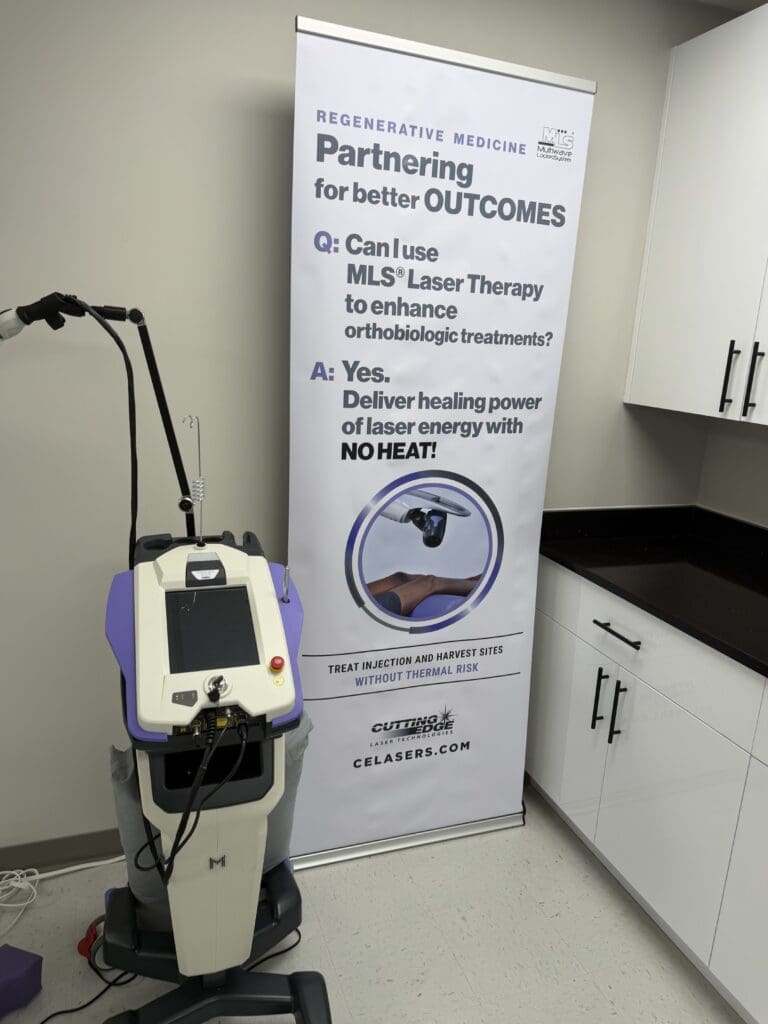
At our clinic, we use advanced systems like MLS (Multiwave Locked System) Laser Technology. I am a huge fan of this technology because it synchronizes two different wavelengths—one continuous and one pulsed. The pulsed wavelength, which fires thousands of times per second, allows the tissue to absorb light energy without building up excessive heat. This makes the treatment incredibly safe and effective, allowing for unattended application without the risk of thermal damage.

The Clinical Applications: From Acute Injury to Chronic Pain

In my practice, which includes serving as a team physician for a Division I school, we use PBMT across a spectrum of conditions:

  • Acute Injuries: For our athletes, PBMT is a go-to for sprains, strains, and contusions. It significantly reduces recovery time and gets them back on the field faster.
  • Post-Operative Recovery: Surgery is, in essence, a controlled acute injury. We use PBMT postoperatively to reduce swelling, bruising, and pain, resulting in cleaner incisions and significantly improved patient-reported outcomes.
  • Chronic Inflammatory Conditions: For issues such as a thickened Achilles tendon or degenerative joint disease, where the inflammatory process is stalled, PBMT can reignite the healing cascade.

The evidence is overwhelming. With over 7,000 published studies, PBMT is gaining recognition from major health organizations. The Centers for Disease Control (CDC) mentions “laser photobiomodulation” dozens of times in its revised opioid guidelines as a non-pharmacological option for acute, subacute, and chronic pain. The science is no longer theoretical; it’s a clinical reality.

The Ultimate Synergy: Combining PBMT with Orthobiologics

This is where the magic truly happens. Orthobiologics like Platelet-Rich Plasma (PRP) are rich in growth factors and anti-inflammatory proteins. They are a powerful message sent to the site of injury, instructing the local cells to begin the repair process.

Now, imagine giving those cells the fuel they need to carry out those instructions. That is what PBMT does.

  • Orthobiologics provide the blueprint (the message).
  • PBMT provides the energy (the fuel).

By combining these two therapies, we are creating the optimal environment for cellular activity, healing, and regeneration. People are starting to talk about this synergy. A landmark study in the veterinary world—where patients don’t have secondary gain or placebo effects—provided powerful proof (Ferreira et al., 2021). In this canine study on knee osteoarthritis, dogs were treated with PBMT alone, then PRP alone, and finally a combination of both. The results were clear: the combination therapy produced significantly better outcomes.

The Future is Biology: A Glimpse into Our Research

We are committed to contributing to this growing body of evidence. I’m incredibly proud to share a “proud dad moment.” My son, Zachary, recently completed a study at the Mass General Brigham Enable BioSkills Lab. We took human tenocytes (tendon cells) and applied our laser over them.

The results were astounding: we demonstrated a 20% dose-dependent increase in tenocyte proliferation from PBMT alone.

We are literally proving that we can make tendon cells multiply with light. Our next steps involve qPCR to analyze gene expression and ELISA to measure protein levels. This research helps us move from anecdotal success to hard, reproducible science. The future of orthopedics isn’t just metal and screws; it’s biology. It’s about working with the body, not just on it.

From modulating inflammation to fueling cellular engines, Photobiomodulation Therapy has proven itself to be a cornerstone of modern, integrative care. I’ve witnessed its power firsthand, and I am honored to share this knowledge with you. It has been a pleasure to take you on this journey into the science of light and healing.


References

  • Ferreira, M. P., Tucholski, G. Z., Dória, R. G. S., de Oliveira, B. C., Pimpão, C. T., & De Nardi, A. B. (2021). Intra-articular injections of platelet-rich plasma and photobiomodulation therapy (904 nm) for the treatment of canine osteoarthritis: A double-blinded, randomized clinical trial. Research in Veterinary Science, 139, 270–279. https://doi.org/10.1016/j.rvsc.2021.07.027
  • Jimenez, A. (n.d.). Clinical Observations. Retrieved from https://chiromed.com/ and https://www.linkedin.com/in/dralexjimenez/

BHRT: What to Expect With Hormones & Pellet Therapy

Understand the impact of BHRT and pellet therapy on your hormonal health and how they can improve your quality of life.

Abstract

Hello, I’m Dr. Alexander Jimenez. Welcome to this educational exploration of hormone health and integrative care. In my practice, which combines chiropractic care with advanced functional and integrative medicine, I have seen firsthand the profound impact hormonal balance has on overall health. This post is designed to guide you through the sophisticated, evidence-based approaches we use to manage hormonal imbalances, particularly those associated with perimenopause, menopause, and andropause. We will begin by outlining the streamlined patient journey in our clinic, from initial contact to follow-up care, highlighting the use of modern tools, such as QR code campaigns, to enhance patient education. Following this, we will dive into detailed case studies of both a female and a male patient. Through these real-world examples, I will break down the interpretation of comprehensive lab work, discussing key biomarkers like ferritin, thyroid-stimulating hormone (TSH), free testosterone, and Estradiol. We’ll explore the physiological significance of these markers and how they inform our treatment decisions, including the use of Bioidentical Hormone Replacement Pellet Therapy (BHRT). I will also detail the precision of the pellet insertion procedure itself and discuss the critical role of integrative chiropractic care in addressing the musculoskeletal and neurological symptoms that often accompany hormonal shifts. Our goal is to present a holistic, patient-centered model that combines cutting-edge research with personalized clinical care to optimize health and well-being.

Revolutionizing the Patient Experience: A Streamlined Clinical Workflow

Over my years in practice, I’ve observed a significant paradigm shift in how we approach patient care, especially in the realm of hormonal health. The journey to wellness must be clear, efficient, and supportive. I want to walk you through the workflow we have refined in our clinics, which serves as a roadmap for both our patients and our providers.
Our process begins the moment a potential patient expresses interest.

  • Initial Contact and Lab Initiation: When someone calls our office, we schedule them for an initial provider consultation. Critically, we don’t wait for that first appointment to start gathering information. We immediately initiate a comprehensive lab panel tailored to their likely needs. This proactive step ensures that when I first sit down with a patient, we have objective data to guide our conversation.
  • Empowering Through Education: The QR Code Campaign: About 13 years ago, working with a business coach, I had a realization: we were repeating the same foundational information to every new patient. While necessary, it consumed valuable consultation time that could be better spent on a personalized strategy. This led to the creation of our QR code educational campaigns. Before their first visit, patients receive access to a series of short, digestible videos. These videos answer common questions about hormone therapy, explain the process, and demystify the science. By the time they come in to review their labs, they are already educated and empowered, allowing us to have a much deeper and more productive conversation.
  • The Comprehensive Consultation: During the consultation, we review several key items together:
    • Symptom Checklists: We use validated tools such as the Menopausal Rating Scale (MRS) and our Bioidentical Hormone Replacement Therapy (BHRT) symptom checklist.
    • Lab Results: We conduct a thorough, line-by-line review of their comprehensive lab work.
    • Treatment Options: We discuss all available treatment modalities. In our office, this includes pellets, injections, and creams. We present the pros and cons of each, allowing the patient to make an informed choice that aligns with their lifestyle and preferences.


Once a treatment plan is decided upon, we schedule the procedure. Before they leave, we also schedule their follow-up lab work. In the early days, we used to tell patients to come back when they “felt” their symptoms returning. This was a mistake. The decline is often so gradual that patients don’t recognize it until they feel significantly unwell again, leading to poor retention and inconsistent results. Now, we pre-schedule follow-up labs—typically at 14 weeks for women and 18 weeks for men—to stay ahead of the curve and maintain optimal levels. This proactive approach is key to long-term success.

The Critical Role of Informed Consent and Patient Education

In medicine, documentation is paramount. The informed consent process is not merely a legal formality to protect the practitioner; it is a cornerstone of ethical care that justifies and explains the entire treatment plan. Our consent forms are comprehensive educational documents. They explicitly detail why we believe in BHRT and reference the scientific literature supporting its use. We are transparent about the off-label nature of custom-compounded hormone pellets. While the hormones themselves (testosterone, estradiol) are FDA-approved, their use in the form of compounded pellets for indications such as improving well-being and mitigating age-related symptoms is considered off-label.
The consent form explains the rationale for using pellets, the specific labs and diagnostic criteria used, potential side effects, and the critical importance of adherence. By having the patient read and sign this detailed document, we ensure they can never say, “I was never told.” This level of transparency builds trust and protects both the patient and the provider.

Case Study 1: Decoding Menopausal Symptoms in a 59-Year-Old Female

Let’s delve into a representative case to see how this process plays out. This patient is a 59-year-old female presenting with common complaints associated with post-menopause.
Her Menopausal Rating Scale (MRS) reveals a significant symptom burden. The scale, which is numerically scored, shows she is experiencing severe symptoms, particularly in the realms of mood (depressive symptoms) and sexual health (diminished desire). Her score is far from the ideal post-treatment goal. This subjective data is our starting point; it’s the patient’s lived experience.

Comprehensive Lab Analysis: Uncovering the Root Causes

Next, we turn to her objective lab data. A full understanding requires looking beyond just the sex hormones.

  • Ferritin: Her ferritin level is a point of concern. Ferritin is the body’s primary iron storage protein. A low ferritin level, even if hemoglobin and hematocrit are normal, can mimic and exacerbate symptoms of hormonal imbalance, such as fatigue, hair loss, and brain fog. Before initiating hormone therapy, it is crucial to optimize iron stores. In her case, I would recommend a daily dose of a high-quality iron supplement.
  • Vitamin D: Her Vitamin D level is also suboptimal. Vitamin D, a pro-hormone, is essential for immune function, bone health, and mood regulation. Research, such as that highlighted by Holick (2007), underscores its systemic importance. For a patient like this, I would typically start with a dose of 5,000 IU daily to bring her levels into the optimal range, which can also help mitigate inflammatory processes.
  • Thyroid Panel:
    • Her Thyroid-Stimulating Hormone (TSH) is 3.8 mIU/L. While this may fall within a “normal” lab reference range, the functional and anti-aging medicine communities, supported by a growing body of literature, advocate for a much narrower optimal range, typically below 2.5 mIU/L (Jabbar et al., 2021). A TSH of 3.8 suggests her thyroid is working too hard, a sign of subclinical hypothyroidism.
    • Her Free T3 is suboptimal. T3 is the active thyroid hormone that drives metabolism in every cell of the body.
    • Her Free T4 is 0.8 ng/dL. This is also on the low end of the optimal range.

My immediate thought is that her thyroid is sluggish. The brain’s pituitary gland is releasing more TSH to “yell” at the thyroid, which is under-responding. This is a classic feedback loop issue that contributes significantly to her fatigue, weight gain, and depressive mood.

  • Sex Hormones:
    • Her Free Testosterone is functionally zero. This is a critical finding. While often considered a “male” hormone, testosterone is vital for women’s energy, mood, cognitive function, muscle mass, and libido. A level this low is a primary driver of her symptoms.
    • Her Estradiol is 18 pg/mL. For a post-menopausal woman, this isn’t dangerously low, but it’s far from optimal for symptom relief and protection against bone loss and cognitive decline. Research by Santoro, Roeca, and Peters (2021) clearly outlines the systemic effects of estrogen decline. The brain is literally starving for these hormones.

The Treatment Plan: BHRT and Integrative Chiropractic Care

Based on these findings, this patient is a clear candidate for Bioidentical Hormone Replacement Pellet Therapy (BHRT). My goal is to restore estradiol and testosterone to levels reminiscent of her pre-menopausal state, where she felt her best. This is not about achieving supra-physiological levels but about restoring physiological balance.
This is also where integrative chiropractic care becomes essential. Hormonal decline, particularly the loss of estrogen and testosterone, directly impacts musculoskeletal integrity.

  • Musculoskeletal Support: Patients often report new aches, joint stiffness, and a sense of physical fragility. The “meno-belly” she describes—a sudden accumulation of visceral fat around the midsection despite no changes in diet or exercise—is a classic sign of hormonal shift, driven by cortisol and insulin dysregulation secondary to low estrogen. Chiropractic adjustments help restore proper joint mobility and alleviate pain. We also incorporate specific soft tissue therapies to address muscle tension and fascial restrictions that develop.
  • Neurological Regulation: The nervous system and endocrine system are intricately linked. Spinal misalignments can interfere with the signaling of the hypothalamic-pituitary-adrenal (HPA) axis, which governs our stress response and hormone production. By performing targeted chiropractic adjustments, we can help normalize neurological feedback loops, reduce sympathetic (fight-or-flight) overdrive, and support the body’s overall ability to adapt and heal. This is particularly important for managing the anxiety and sleep disturbances that accompany menopause.

For this patient, the plan is multifaceted: initiate BHRT to address foundational hormonal deficiencies; supplement to correct her vitamin D and ferritin levels; provide nutritional guidance to support her thyroid and manage inflammation; and implement regular chiropractic care to address the structural and neurological consequences of her hormonal state.

Assessing Hormone Therapy- Video

Case Study 2: Addressing Andropause in a Male Patient

Now, let’s consider a male patient presenting with symptoms of andropause, the male equivalent of menopause. He reports a classic constellation of symptoms on the Aging Male Symptoms (AMS) scale: low libido, decreased stamina, loss of morning erections, increased visceral fat (a “pot belly”), and general GI issues.

Interpreting the Male Lab Panel

His lab work paints a stark picture of metabolic and hormonal decline.

  • Kidney Function: His elevated creatinine is an immediate flag for impaired kidney function. My first step is to educate him on this finding and ensure he follows up with his primary care provider or a nephrologist. We must work collaboratively and ensure all aspects of a patient’s health are monitored.
  • Bone Density: He has signs of osteopenia. I would educate him about the importance of a DEXA scan to get a precise measure of his bone mineral density. Testosterone is crucial for maintaining bone health in men, and its decline is a major risk factor for osteoporosis (Mohamad et al., 2016).
  • Metabolic Markers:
    • His Hemoglobin A1c indicates prediabetes.
    • His C-Reactive Protein (CRP), a marker of systemic inflammation, is elevated.
    • He has hypertension and high cholesterol.
  • Sex Hormones:
    • His Total Testosterone is 122 ng/dL. This is profoundly low. Optimal levels for a man should be in the 700-900 ng/dL range. A level of 122 is not just a quality-of-life issue; it is a medical issue that drives his metabolic disease. Low testosterone is directly linked to an increased risk of diabetes, heart disease, and cognitive decline.
    • His Sex Hormone-Binding Globulin (SHBG) is very low. SHBG is a protein that binds to testosterone, making it unavailable to the tissues. While a low SHBG might seem good because it means more “free” testosterone is theoretically available, in the context of his overall metabolic dysfunction, it’s another sign of insulin resistance and inflammation.

The Comprehensive Treatment Protocol for Andropause

This patient is a prime candidate for Testosterone Pellet Therapy. Restoring his testosterone to an optimal physiological range is the single most effective intervention to address the root cause of his myriad symptoms. As with our female patient, integrative chiropractic care is a cornerstone of his treatment. Low testosterone is associated with sarcopenia (age-related muscle loss) and joint pain.

  • Biomechanical Optimization: We use chiropractic adjustments to ensure his spine and extremities are functioning optimally, providing a stable foundation for the renewed exercise and physical activity that testosterone therapy will enable.
  • Pain Management: We address the chronic aches and pains that have likely made him more sedentary, creating a vicious cycle of inactivity and further decline.
  • Lifestyle Coaching: As part of our integrative model, we provide targeted advice on resistance training and nutrition to maximize the benefits of his hormone therapy, helping him rebuild muscle, lose fat, and reclaim his vitality.

By combining cutting-edge BHRT with foundational chiropractic care and lifestyle medicine, we can dramatically alter the trajectory of his health, moving him from a state of metabolic disease and low vitality to one of optimal function and well-being.

The Art and Science of Pellet Insertion Technique

The physical procedure of pellet insertion has evolved significantly. The technique used is just as important as the dosage itself, as it directly impacts hormone absorption, efficacy, and patient comfort. We have moved far beyond outdated methods that caused unnecessary trauma and inconsistent results. Today, we use a much more elegant and effective no-scalpel, micro-tunneling technique that prioritizes precision and minimizes tissue trauma.

  1. Preparation and Anesthesia: After preparing a sterile field, we use a two-step numbing process to anesthetize the deep fatty layer of the upper gluteal region, well above the muscle.
  2. The Incision and Trocar: A tiny incision is made parallel to Langer’s lines (natural skin tension lines) to promote better healing and minimize scarring. We then use a specialized blunt-tipped instrument called a trocar to gently separate the fatty tissue and create small, separate tunnels or “tracks”. This avoids cutting through tissue, which reduces trauma and bleeding.
  3. Layered Pellet Placement: We carefully lay the pellets down in these individual tracks, fanning them out like the spokes of a wheel. This technique is revolutionary because it maximizes the surface area for neovascularization—the formation of new blood vessels. These tiny capillaries grow around each pellet, creating a rich vascular network that ensures slow, steady, and consistent hormone absorption over several months.
  4. Bandaging for Optimal Healing: We close the small incision with Steri-Strips to approximate the wound edges, then apply a multi-layered dressing. This includes a sterile gauze pad, a protective “T” formation with medical tape to prevent accidental removal, and a final waterproof bandage. This meticulous process is designed to promote rapid healing and prevent complications.

Proper post-procedural care, including keeping the area dry and avoiding strenuous activity for several days, is essential to prevent infection and ensure the best possible outcome.

Follow-Up and Long-Term Management: The Art of Titration

Hormone therapy is a dynamic process, not a one-size-fits-all-for-life solution. The goal of the first round of pellets is to fill the patient’s “empty tank.” Subsequent rounds are about maintenance and fine-tuning. After about four to six weeks, we re-check labs. I often see cases where a patient feels “amazing,” but their lab values haven’t reached our definition of the optimal range. This tells me we can further optimize their dose for even better, longer-lasting results.
Conversely, a patient will not require the same large initial dose for their second round. Continuing to give the same high dose would eventually lead to symptoms of excess. This is where clinical acumen comes into play. We must listen to the patient’s subjective experience and titrate their dose based on a combination of their symptoms and lab values. This is a partnership. By managing expectations and adjusting the course as needed, we can guide our patients toward vibrant health and a dramatically improved quality of life.

References

SEO Tags: Hormone Replacement Therapy, BHRT, Bioidentical Hormones, Menopause, Andropause, Integrative Chiropractic Care, Functional Medicine, Testosterone, Estradiol, Thyroid Health, Dr. Alex Jimenez, Pellet Therapy, Subclinical Hypothyroidism, Ferritin, Vitamin D, Patient Education, Clinical Workflow, Case Study, Pellet Insertion, Wound Healing, Langer’s Lines, Trocar Technique, Musculoskeletal Health, Inflammation, El Paso Chiropractor

The Clinical Approach to Endocrine Health & Hormonal Balance

Learn about hormone optimization and its impact on health in this comprehensive look at the clinical approach to hormonal balance.

Introduction & Abstraction

As a Doctor of Chiropractic (DC) and a board-certified Family Nurse Practitioner (FNP-BC, APRN), I have pursued a clinical journey of continuous learning and integration. At our clinic, Injury Medical & Chiropractic Clinic, we observe the complex interplay of the human body daily. This educational post distills that experience and combines it with the groundbreaking work of leading researchers in functional and integrative medicine. We will move beyond the traditional, symptom-based model to explore the deep physiological underpinnings of health and disease. This is not a lecture, but a narrative exploration of modern, evidence-based research, designed to empower both practitioners and the health-conscious public.
Our journey begins at the cellular level, examining the critical role of the cell membrane. We will explore how its health, particularly the balance of essential fatty acids such as Omega-6 and Omega-3, dictates the body’s inflammatory state. You will learn why the standard Western diet, with its skewed fatty acid ratio, is a primary driver of chronic, low-grade inflammation, and how this “silent” inflammation is the bedrock for a host of chronic diseases, from cardiovascular conditions to autoimmune disorders. We will dissect the biochemical pathways of eicosanoids, understanding how arachidonic acid (an Omega-6 fatty acid) fuels pro-inflammatory cascades, while EPA and DHA (Omega-3 Fatty Acids) generate powerful anti-inflammatory and pro-resolving molecules called resolvins and protectins.
From there, we will transition to the gut, the “second brain” and the epicenter of our immune system. We will delve into the concept of intestinal permeability, or “leaky gut,” and explain how a compromised gut barrier allows undigested food particles, toxins, and bacterial components such as lipopolysaccharides (LPS) to enter the bloodstream. This breach triggers a systemic inflammatory response that can manifest in myriad ways, including joint pain, brain fog, skin issues, and autoimmune flare-ups. We will discuss the crucial role of the gut microbiome and how imbalances, or dysbiosis, contribute to this breakdown. Furthermore, we will illuminate the critical connection between gut health and hormonal balance, with a specific focus on the estrobolome—the collection of gut bacteria capable of metabolizing estrogens—and its profound impact on conditions such as estrogen dominance.
Finally, we will integrate these concepts into a holistic clinical framework. We will discuss the vital importance of detoxification, not as a fad but as a fundamental biological process essential for clearing hormonal metabolites, environmental toxins, and inflammatory byproducts. We’ll examine the phases of liver detoxification and the key nutrients required for their optimal function. This comprehensive understanding leads us to the 4R Program for gut restoration—Remove, Replace, Reinoculate, and Repair—a systematic, evidence-based protocol to heal the gut lining, rebalance the microbiome, and quench systemic inflammation. Through this detailed exploration, we aim to provide a clear, actionable roadmap for understanding and addressing the root causes of chronic illness, moving from cellular inflammation to systemic wellness. This is the future of proactive, personalized healthcare.

Navigating the Modern Health Landscape: A Clinician’s Perspective


Welcome. As both a chiropractor and a family nurse practitioner, I stand at a unique crossroads in healthcare. My days are filled with the narratives of patients whose stories, while unique, often share common threads of chronic pain, fatigue, and a frustrating search for answers. At our clinic, we’ve learned that looking at the site of pain is only the beginning. The real story is often written at a much deeper, cellular level. The purpose of this discussion is to share with you what we, as clinicians and researchers, are learning about the fundamental drivers of health and disease in the 21st century. We’re moving past the “a pill for every ill” mindset and into a new era of evidence-based, systems-based medicine. We are not just managing symptoms; we are investigating and addressing the root causes.
The insights I’m presenting today are not just my own but are built upon the pioneering work of leading researchers in functional medicine. These are the individuals meticulously mapping the biochemical pathways that connect our diet, environment, and genes to our overall health. Through modern, evidence-based research methods—from randomized controlled trials to advanced metabolomic profiling—they are providing the “why” behind what we observe clinically. My goal is to translate this complex science into a clear, understandable narrative, weaving in my own clinical observations to illustrate how these concepts play out in real people. We will journey from the microscopic world of the cell membrane to the complex ecosystem of the gut, and finally, to the systemic influence of our hormones, creating a holistic map of human health.

The Cell Membrane: Ground Zero for Inflammation

When a patient comes into my office with chronic joint pain, brain fog, or persistent fatigue, my investigation begins at the most fundamental unit of their body: the cell. More specifically, I focus on the cell membrane. This isn’t just a passive bag holding the cell’s contents; it’s a dynamic, intelligent gatekeeper that controls everything that enters and exits. It’s the communication hub, receiving signals from hormones, neurotransmitters, and immune messengers. The health and fluidity of this membrane dictate the health of the cell, and by extension, the health of the entire organism.

The Omega-6 and Omega-3 Imbalance: Fueling the Fire

The cell membrane is primarily composed of a phospholipid bilayer. Embedded within this layer is our diet, which directly influences various types of fats and their composition. This is where the story of modern chronic disease truly begins, with two key players: Omega-6 fatty acids and Omega-3 fatty acids.
Both are polyunsaturated fatty acids (PUFAs) and are considered essential, meaning our bodies cannot produce them; we must obtain them from our food.

  • Omega-6 Fatty Acids: The primary Omega-6 is linoleic acid (LA), which is abundant in industrial seed oils like soybean, corn, safflower, and sunflower oil. When consumed, LA can be converted into arachidonic acid (AA).
  • Omega-3 Fatty acids: The primary plant-based Omega-3 is alpha-linolenic acid (ALA), found in flaxseeds, chia seeds, and walnuts. However, the most biologically active forms are eicosapentaenoic acid (EPA) and docosahexaenoic acid (DHA), which are found predominantly in fatty, cold-water fish and algae.

From an evolutionary perspective, our ancestors consumed a diet in which the ratio of Omega-6 to Omega-3 was approximately 1:1 or 2:1, providing a balanced inflammatory potential. The modern Western diet, however, has completely upended this balance. With the proliferation of processed foods and industrial seed oils, the average ratio today is estimated to range from 15:1 to 25:1.
This dramatic shift is not trivial. It has profound and devastating consequences for our cellular health. When the cell membrane is overloaded with arachidonic acid due to excess Omega-6s, the cell is primed for an aggressive inflammatory response. Think of it as having a pile of dry, flammable kindling surrounding every cell in your body.

Eicosanoids: The Messengers of Inflammation and Resolution

When a cell experiences stress or injury—whether from a physical trauma, a pathogen, or a toxin—enzymes like phospholipase A2 (PLA2) are activated. PLA2 cleaves fatty acids from the cell membrane, making them available for conversion into powerful signaling molecules called eicosanoids.
The type of eicosanoid produced depends entirely on the fatty acid that was cleaved:

  • From Arachidonic Acid (Omega-6): The enzymes cyclooxygenase (COX) and lipoxygenase (LOX) convert AA into highly pro-inflammatory eicosanoids. These include:
    • Prostaglandin E2 (PGE2): Promotes pain, fever, and inflammation. This is the target of NSAID drugs like ibuprofen.
    • Thromboxane A2 (TXA2): Promotes blood clotting and vasoconstriction.
    • Leukotriene B4 (LTB4): A powerful chemoattractant that recruits immune cells to the site of injury, amplifying the inflammatory response.
  • From EPA and DHA (Omega-3): These fatty acids are converted into a different class of signaling molecules that are either less inflammatory or, more importantly, are actively anti-inflammatory and pro-resolving.
    • EPA competes with AA for the same COX and LOX enzymes, producing less inflammatory prostaglandins (like PGE3) and leukotrienes (like LTB5).
    • Crucially, EPA and DHA are precursors to a specialized class of molecules known as Specialized Pro-resolving Mediators (SPMs). These include resolvins, protectins, and maresins.

Resolvins and Protectins: The “Off-Switch” for Inflammation

For decades, we believed that inflammation “faded away.” Groundbreaking research has shown this is incorrect. The resolution of inflammation is an active, highly orchestrated biological process, and SPMs are the conductors.
While the initial inflammatory response is essential for dealing with acute threats—clearing pathogens and debris—it is designed to be a short-term event. The problem in chronic disease is that this “on-switch” is stuck. The flood of Omega-6s keeps producing pro-inflammatory signals, while a deficiency of Omega-3s means we lack the raw materials to produce the “off-switch” signals.
Resolvins and protectins do not block inflammation in the way a drug like an NSAID does. Instead, they actively resolve it. Their functions include:

  • Stopping the recruitment of neutrophils (a type of inflammatory white blood cell).
  • Promoting the clearance of dead cells and debris by macrophages (a process called efferocytosis).
  • Enhancing microbial killing.
  • Reducing pain signals.

In my clinical practice, I see the effects of this imbalance daily. A patient with rheumatoid arthritis, for example, is experiencing a classic inflammatory cascade driven by an overabundance of pro-inflammatory eicosanoids. While conventional treatment might focus on suppressing the immune system or blocking the COX enzymes, a functional approach seeks to rebalance the underlying fatty acid composition of their cell membranes. By significantly increasing their intake of EPA and DHA and reducing their intake of industrial Omega-6s, we provide the body with the necessary building blocks to manufacture its own powerful, endogenous anti-inflammatory and resolvin agents. This is not just masking the symptoms; it is addressing the fire at its source.

The Gut: Your Body’s Grand Central Station


If the cell membrane is ground zero for inflammation, the gastrointestinal tract is the command center that often determines whether that inflammation becomes a local skirmish or a full-blown systemic war. The gut is far more than a simple tube for digestion. It houses over 70% of our immune system, contains a vast neural network often called the second brain,” and is home to a complex ecosystem of trillions of microorganisms known as the gut microbiome. The health of this intricate system is paramount to overall health, and its dysfunction is a root cause of countless chronic conditions I see in my clinic.

Intestinal Permeability: When the Wall Is Breached

The lining of our small intestine is a remarkable structure. It has the surface area of a tennis court, yet it is only one cell thick. This single layer of epithelial cells is held together by protein structures called tight junctions. These junctions act as a highly selective barrier, meticulously controlling what passes from the gut lumen into the bloodstream. In a healthy state, only fully digested nutrients, water, and electrolytes are allowed through.
Intestinal permeability, colloquially known as leaky gut,” occurs when these tight junctions become loose or damaged. This allows larger, undigested food particles, toxins, and bacterial components to “leak” into the bloodstream, where they do not belong.
When these foreign invaders enter the circulation, the immune system, which is heavily concentrated just on the other side of this gut wall (in an area called the Gut-Associated Lymphoid Tissue, or GALT), identifies them as hostile. It mounts a powerful immune response, releasing a flood of inflammatory cytokines like Tumor Necrosis Factor-alpha (TNF-α), Interleukin-6 (IL-6), and Interleukin-1 (IL-1).
This is a critical point: the inflammation is no longer contained within the gut. These cytokines travel throughout the body, creating a state of chronic, low-grade systemic inflammation.

  • This inflammation can manifest in the joints as arthritis.
  • It can cross the blood-brain barrier, contributing to brain fog, anxiety, depression, and even neurodegenerative diseases.
  • It can appear on the skin as eczema, psoriasis, or acne.
  • It can trigger or exacerbate autoimmune diseases like Hashimoto’s thyroiditis, lupus, or multiple sclerosis.

In our clinic, when a patient presents with widespread, seemingly unrelated symptoms, one of my first lines of inquiry is the patient’s gut health. A 45-year-old woman with joint pain, migraines, and fatigue might have been told she has fibromyalgia. But when we dig deeper, we often find a history of antibiotic use, a diet high in processed foods, and chronic stress—all major contributors to leaky gut.

The Role of Zonulin and Lipopolysaccharide (LPS)

Two key molecules are central to the science of leaky gut: zonulin and lipopolysaccharide (LPS).
Zonulin is a protein that acts as the primary modulator of tight junction function. It’s the “gatekeeper of the gut.” When zonulin levels rise, it signals the tight junctions to open. This is a normal physiological process to a degree, but certain triggers can cause a chronic overproduction of zonulin, leading to a persistently leaky gut. The two most well-documented triggers for zonulin release are:

  • Gliadin: A protein component of gluten. For a significant portion of the population, not just those with celiac disease, gliadin can trigger a zonulin response.
  • Gut Bacteria: Certain imbalances in gut flora can also stimulate zonulin release.

Lipopolysaccharide (LPS) is a component of the outer membrane of gram-negative bacteria, which are a normal part of the gut microbiome. LPS itself is not inherently “bad” when it stays within the gut lumen. However, when the gut barrier is compromised, LPS leaks into the bloodstream. This event is known as metabolic endotoxemia.
LPS is one of the most potent triggers of inflammation known to the human immune system. Even minuscule amounts in the bloodstream can set off a powerful inflammatory cascade. The immune system recognizes LPS via a receptor called Toll-like Receptor 4 (TLR4), which is found on immune cells such as macrophages. Activation of TLR4 triggers the massive release of pro-inflammatory cytokines, driving the systemic inflammation associated with insulin resistance, obesity, cardiovascular disease, and non-alcoholic fatty liver disease (NAFLD).
Therefore, a leaky gut creates a vicious cycle: gut barrier dysfunction allows LPS to enter the bloodstream, which causes systemic inflammation. This systemic inflammation, in turn, can further damage the gut lining, increasing its permeability and allowing even more LPS to leak through.

The Microbiome and the Estrobolome: Gut-Hormone Crosstalk

The gut is not just an immune and digestive organ; it is also a major endocrine (hormone-regulating) organ. The connection between gut health and hormonal balance is one of the most exciting and clinically relevant areas of modern research. This is particularly evident when we examine estrogen metabolism.

The Estrobolome: Your Gut’s Estrogen-Regulating Machinery

The estrobolome is a specific collection of bacteria within the gut microbiome that possesses a unique set of genes capable of metabolizing estrogens. These bacteria produce an enzyme called beta-glucuronidase. To understand its significance, we must first look at how the body eliminates estrogen.

  • Phase I & II Detoxification in the Liver: After estrogen has done its job in the body, it is sent to the liver for further processing before elimination. The liver modifies the estrogen and then attaches a glucuronic acid molecule to it in a process called glucuronidation. This “tags” the estrogen, making it water-soluble and ready for excretion via the bile, which is then released into the gut.
  • The Role of Beta-Glucuronidase: In a healthy gut with a balanced microbiome, this conjugated (tagged) estrogen passes through the intestines and is excreted in the stool. However, in a state of dysbiosis (an imbalanced microbiome), an overgrowth of certain bacteria can lead to high levels of the enzyme beta-glucuronidase.
  • Reactivation and Recirculation: Beta-glucuronidase acts like a pair of scissors. It cleaves the glucuronic acid tag off the estrogen. This “un-conjugates” the estrogen, converting it back into its active form. This free, active estrogen is now small enough to be reabsorbed from the gut back into the bloodstream.

This process undermines the body’s primary mechanism for clearing excess estrogen. The estrogen that was supposed to be eliminated is now recirculated, leading to an overall increase in the body’s estrogen load. This condition is known as estrogen dominance.

Clinical Implications of Estrogen Dominance

In my practice, estrogen dominance is a frequent finding in women presenting with a wide array of symptoms:

  • Premenstrual Syndrome (PMS): Severe mood swings, bloating, breast tenderness, and cramping.
  • Heavy or Irregular Menstrual Bleeding.
  • Uterine Fibroids and Endometriosis.
  • Fibrocystic Breasts.
  • Weight Gain: Particularly around the hips, thighs, and abdomen.
  • Increased Risk of Hormone-Sensitive Cancers: Such as breast, uterine, and ovarian cancer.

A patient may come to me seeking help for her debilitating PMS. The conventional approach might be to prescribe birth control pills to regulate her cycle or an SSRI for her mood symptoms. A functional medicine approach, however, asks why her hormones are imbalanced. By running a comprehensive stool analysis, we might discover elevated beta-glucuronidase levels, indicating an unhealthy estrobolome.
The treatment, therefore, is not to manipulate her hormones directly with synthetic drugs, but to heal her gut. By addressing dysbiosis, we can reduce beta-glucuronidase activity, allowing her body to excrete estrogen properly. This restores the natural balance between estrogen and progesterone, often resolving her symptoms at the source. This is a perfect example of how addressing a root cause in one system (the gut) can resolve symptoms in another (the endocrine system).

The Critical Role of Detoxification

The concepts of a leaky gut and a dysfunctional estrobolome highlight the immense burden placed on the body’s detoxification systems. Detoxification is not a trendy “cleanse” involving lemon water and cayenne pepper; it is a fundamental, continuous series of metabolic processes that the body uses to neutralize and eliminate harmful substances. These substances include not only external toxins from our environment (xenobiotics), such as pesticides, plastics, and heavy metals, but also internal byproducts of our own metabolism (endotoxins), such as hormones and inflammatory mediators.
The liver is the master organ of detoxification. This process is broadly divided into two phases, with a crucial third phase involving excretion.

Phase I Detoxification: The Activation Pathway

Phase I is the body’s first line of defense. It involves a family of enzymes known as the Cytochrome P450 (CYP450) superfamily. These enzymes use processes such as oxidation, reduction, and hydrolysis to transform fat-soluble toxins into more water-soluble forms.
Think of Phase I as taking a large, non-biodegradable piece of plastic and breaking it into smaller, more reactive pieces. This process is essential, but it can also be dangerous. The intermediate molecules created during Phase I are often more volatile and potentially more damaging (carcinogenic) than the original toxin. These are highly reactive molecules with unpaired electrons, known as free radicals.
This is why it’s critical that Phase II function optimally and immediately follow Phase I. An imbalance where Phase I is overactive and Phase II is sluggish can lead to a significant buildup of these toxic intermediates, causing cellular damage and increasing cancer risk.
Nutrients that support Phase I include:

  • B Vitamins: B2, B3, B6, B12, and folate.
  • Antioxidants: Vitamins A, C, and E, which help neutralize the free radicals produced.
  • Minerals: Such as iron and magnesium.

Phase II Detoxification: The Conjugation Pathway

Phase II is the conjugation (attachment) pathway. Its job is to take the highly reactive intermediates from Phase I and attach another molecule to them, making them water-soluble, non-toxic, and ready for excretion. There are several key Phase II pathways:

  • Glucuronidation: This is the primary pathway for detoxifying hormones (like estrogen), bilirubin, and many drugs. It involves attaching glucuronic acid. As we discussed, high beta-glucuronidase activity in the gut can reverse this process.
  • Sulfation: This pathway is crucial for detoxifying neurotransmitters, steroid hormones, and some xenobiotics. It requires sulfur-containing compounds. Patients with poor sulfation capacity may experience adverse reactions to sulfur-rich foods (such as garlic and onions) or supplements (such as MSM).
  • Glutathione Conjugation: Glutathione is the body’s master antioxidant and detoxifier. The enzyme glutathione S-transferase (GST) attaches glutathione to toxins, neutralizing them. This is a primary defense against heavy metals, pesticides, and the carcinogenic byproducts of Phase I.
  • Acetylation, Amino Acid Conjugation, and Methylation: These are additional important pathways that target specific toxins. Methylation, in particular, is a vast and critical biochemical process involved in everything from DNA expression to neurotransmitter synthesis and hormone clearance.

Key nutrients for supporting Phase II pathways are specific to each pathway:

  • Sulfation: Sulfur-rich amino acids like methionine and cysteine (found in eggs, cruciferous vegetables, garlic, onions), and molybdenum.
  • Glutathione Conjugation: N-acetylcysteine (NAC), glycine, glutamine, and selenium.
  • Methylation: Methionine, B12 (methylcobalamin), B6 (P-5-P), and folate (5-MTHF).

Phase III Detoxification: The Elimination Pathway

This Phase is often overlooked but is just as critical. Once toxins are conjugated in the liver, they must be transported out of the body. The primary routes are:

  • Bile: Fat-soluble toxins conjugated in the liver are released into bile, which flows into the small intestine and is then carried out of the body in the stool.
  • Urine: Water-soluble toxins are filtered by the kidneys and excreted in urine.

This is where gut health becomes paramount once again. If a person is chronically constipated, toxins released into the gut via bile are not eliminated efficiently. They can sit in the colon, where they may be reabsorbed back into circulation or be acted upon by gut bacteria (like the beta-glucuronidase we discussed), reversing the detoxification process. A healthy gut with regular bowel movements and adequate fiber to bind to toxins is essential for completing the detoxification cycle.
Clinically, I assess a patient’s detoxification capacity by reviewing their history and symptoms, and sometimes using advanced functional testing to measure the activity of these pathways. A person with chronic fatigue, chemical sensitivities, and hormonal imbalances is almost certainly dealing with a compromised detoxification system. Our therapeutic approach involves not just “detoxing” them, but systematically supporting each Phase with targeted nutrition, lifestyle changes, and botanicals to restore the body’s innate ability to clean house.

The 4R Program: A Systematic Approach to Gut Healing

Understanding the interconnectedness of inflammation, gut permeability, and detoxification provides us with a powerful “why.” The “how” is a systematic clinical protocol that has become a cornerstone of functional medicine: the 4R Program for gut restoration. This isn’t a quick fix; it’s a comprehensive, multi-phased approach designed to address the root causes of gut dysfunction and, by extension, a wide range of systemic health issues.
I guide my patients through this program step by step, customizing it to their unique physiology, history, and test results. It is a partnership that requires commitment from the patient and careful guidance from the clinician.

1. Remove

The first and most critical step is to remove the triggers that are driving inflammation and damaging the gut lining. We cannot hope to heal the gut while it is still under constant assault. This Phase involves two main components: dietary changes and pathogen eradication.
Dietary Removal:

  • The Elimination Diet: the gold standard for identifying food sensitivities. We typically remove the most common inflammatory triggers for 4-6 weeks. These include:
    • Gluten: Due to its potential to trigger zonulin release and its cross-reactivity with other proteins.
    • Dairy: Specifically, the casein and whey proteins, which are common allergens.
    • Soy: Often genetically modified and can be a gut irritant for many.
    • Corn: Another common allergen and source of pro-inflammatory Omega-6s.
    • Eggs, Nuts, and Nightshades (tomatoes, peppers, eggplant, potatoes): Removed in more sensitive individuals.
    • Processed Foods, Sugar, and Industrial Seed Oils (Omega-6s): These are non-negotiable removals as they are primary drivers of inflammation and gut dysbiosis.
  • The goal is to calm the immune system. After the elimination period, foods are reintroduced one by one, carefully monitoring for any return of symptoms. This process helps the patient create a personalized, long-term anti-inflammatory diet.


Pathogen Removal:

  • If stool testing reveals an overgrowth of pathogenic bacteria, yeast (such as Candida), or parasites, we must address it. This is often done using targeted antimicrobial therapy.
  • Herbal Antimicrobials: I often prefer to start with broad-spectrum herbal agents that are effective yet gentle on the host. These include berberine, oregano oil, garlic (allicin), and grapefruit seed extract. These botanicals often have the added benefit of disrupting biofilms, protective shields that colonies of bacteria and yeast form to hide from the immune system and antibiotics.
  • Pharmaceuticals: In some cases, targeted prescription antifungals (like Nystatin or Fluconazole) or antibiotics (like Rifaximin for Small Intestinal Bacterial Overgrowth, or SIBO) may be necessary.

2. Replace

Once we’ve removed the irritants, we need to ensure the body has what it needs for proper digestion and absorption. Chronic gut inflammation and poor diet can lead to deficiencies in essential digestive factors.

  • Stomach Acid (Hydrochloric Acid – HCl): Many people, especially as they age or under chronic stress, have low stomach acid (hypochlorhydria). This is a major problem, as adequate acid is needed to sterilize food, kill pathogens, and begin protein digestion. Without it, proteins putrefy in the gut, feeding the wrong bacteria, and minerals like iron, calcium, and B12 are poorly absorbed. We may use Betaine HCl with meals to support this.
  • Digestive Enzymes: A compromised pancreas or gut lining may not produce enough enzymes to break down fats, proteins, and carbohydrates. Supplementing with a broad-spectrum digestive enzyme formula can reduce bloating and gas and ensure that nutrients are properly broken down for absorption, preventing them from serving as food for pathogenic microbes.
  • Bile Support: Bile is essential for fat digestion and absorption of fat-soluble vitamins (A, D, E, K). It also acts as an antimicrobial agent in the small intestine. For patients who have had their gallbladder removed or who show signs of poor fat digestion (e.g., floating stools), supporting bile flow with compounds such as taurine, glycine, ox bile, or dandelion root can be very beneficial.

3. Reinoculate

With the gut environment cleared of major offenders and digestive function supported, it’s time to rebuild the beneficial microbial community. This is about restoring a diverse, balanced, and resilient microbiome.

  • Probiotics: These are live, beneficial bacteria. We use high-quality, multi-strain probiotics to help repopulate the gut. The key strains we look for include various species of Lactobacillus and Bifidobacterium. Under specific conditions, we might use targeted strains such as Saccharomyces boulardii, a beneficial yeast that is effective against Candida and C. difficile.
  • Prebiotics: These are the food for your good bacteria. Probiotics will not survive and thrive without adequate fuel. Prebiotics are specific types of fermentable fiber. Excellent food sources include Jerusalem artichokes, chicory root, garlic, onions, leeks, and asparagus. We can also supplement with prebiotic fibers such as inulin, Fructooligosaccharides (FOS), or Galactooligosaccharides (GOS), although we must introduce them slowly to avoid gas and bloating.

A diet rich in a wide variety of plant fibers is the best long-term strategy for maintaining a healthy microbiome. Each type of fiber feeds different species of bacteria, so diversity in your diet leads to diversity in your gut.

4. Repair

The final step is to provide the nutrients needed to heal and regenerate the gut lining, closing the “leaks” and restoring the barrier’s integrity. This Phase runs concurrently with the others, but its focus intensifies as the inflammation subsides.

  • L-Glutamine: This amino acid is the primary fuel source for the cells that line the small intestine (enterocytes). It is essential for repairing a leaky gut. Supplementing with L-glutamine provides the building blocks for these cells to regenerate and tighten the junctions between them.
  • Zinc Carnosine: This chelated compound has been extensively studied in Japan for the treatment of stomach ulcers and gut inflammation. It has a unique ability to adhere to the inflamed lining of the GI tract, where it provides sustained healing, reducing inflammation and promoting tissue repair.
  • Deglycyrrhizinated Licorice (DGL): This form of licorice has had the glycyrrhizin component removed (which can raise blood pressure). DGL is a powerful demulcent, meaning it soothes and coats the mucous membranes of the GI tract, reducing irritation and promoting the secretion of protective mucus.
  • Aloe Vera: Similar to DGL, aloe has potent anti-inflammatory and soothing properties that help heal the inflamed epithelial lining.
  • Omega-3 Fatty Acids (EPA/DHA): As discussed earlier, these fats are the precursors to the powerful anti-inflammatory and pro-resolving resolvins and protectins. High-dose fish oil is often a key part of the repair phase, actively turning off inflammatory signaling in the gut wall.
  • Bone Broth: Rich in collagen, gelatin, and amino acids like glycine and proline, bone broth provides a readily absorbable source of the raw materials needed to rebuild connective tissue, including the gut lining.

By systematically following the 4R Program, we can guide the body back to balance. We remove the insults, support natural digestive processes, rebuild the beneficial microbial army, and provide the raw materials for healing. This is the essence of functional medicine: understanding the body’s intricate systems and providing targeted support to help it heal itself.

Summary

This educational post, published on January 16, 2026, has journeyed through the core principles of modern functional medicine, presenting a systems-based view of health and chronic disease. We began by establishing the cell membrane as the fundamental battleground for inflammation. We learned that the dietary imbalance between pro-inflammatory Omega-6 fatty acids (from industrial seed oils) and anti-inflammatory Omega-3 fatty acids (from fish oil) primes our cells for chronic, low-grade inflammation. This imbalance disrupts the production of signaling molecules, favoring inflammatory eicosanoids over the crucial, inflammation-resolving resolvins and protectins. From there, we identified the gut as the epicenter of systemic health and dissected the mechanism of intestinal permeability, or “leaky gut.” We explored how damage to the gut’s single-cell-thick barrier allows inflammatory triggers, such as lipopolysaccharides (LPS), to enter the bloodstream, driving systemic inflammation that manifests as joint pain, brain fog, and autoimmune conditions. We further elucidated the gut’s role as an endocrine organ, focusing on the estrobolome—gut bacteria that regulate estrogen levels—and how dysfunction of the estrobolome can lead to estrogen dominance and related health issues. This led us to recognize the critical importance of the body’s liver detoxification pathways, which clear these inflammatory molecules and hormonal byproducts. Finally, we tied these concepts together with a practical, evidence-based clinical strategy: the 4R Program (Remove, Replace, Reinoculate, Repair), a systematic protocol for healing the gut, rebalancing the microbiome, and quenching the fires of chronic inflammation.

Conclusion


The paradigm of healthcare is shifting. The prevailing model of the 20th century, which often focused on managing symptoms with pharmaceuticals, is giving way to a more nuanced, root-cause-oriented approach. As both a chiropractor and a family nurse practitioner, I have seen firsthand the power of this integrated perspective. The conditions that plague modern society—autoimmune diseases, hormonal imbalances, chronic pain, metabolic syndrome, and neurocognitive issues—are not isolated pathologies. They are the downstream consequences of upstream dysfunctions, primarily rooted in chronic inflammation originating from our cells and our gut. By understanding the intricate biochemistry of fatty acids, the profound impact of gut barrier integrity, the complex interplay between the microbiome and our hormones, and the essential role of detoxification, we can intervene meaningfully. The 4R Program is not merely a protocol; it is a logical framework for restoring the body’s innate capacity for self-regulation and healing. The future of medicine lies in this personalized, systems-based approach, empowering patients and practitioners to build a foundation of true, resilient health from the cells up.

Key Insights

  • Cellular inflammation is the Foundation: The ratio of Omega-6 to Omega-3 fatty acids in your cell membranes dictates your body’s inflammatory tone. A diet high in processed foods and industrial seed oils directly induces a pro-inflammatory state at the cellular level, serving as the bedrock of most chronic diseases.
  • Leaky Gut Drives Systemic Disease: A compromised gut barrier is not a localized digestive issue; it is a primary driver of systemic inflammation. The leakage of bacterial components, such as LPS, into the bloodstream triggers body-wide immune activation that can manifest as arthritis, skin disorders, brain fog, and autoimmunity.
  • The Gut Regulates Your Hormones: The health of your gut microbiome, particularly the estrobolome, directly and profoundly affects your hormone balance. An imbalanced gut can lead to the recirculation of estrogen, contributing to estrogen dominance and a host of related symptoms and health risks.
  • Healing is a Systematic Process: Restoring health from chronic illness requires a structured approach. The 4R Program (Remove, Replace, Reinoculate, Repair) provides a comprehensive and effective framework for addressing the root causes of gut dysfunction, thereby resolving many systemic issues. It emphasizes removing inflammatory triggers, supporting digestion, rebuilding the microbiome, and providing key nutrients for tissue repair.

References

  • Serhan, C. N. (2014). Pro-resolving lipid mediators are leads for resolution physiology. Nature, 510(7503), 92–101.
  • Fasano, A. (2011). Zonulin and its regulation of intestinal barrier function: the biological door to inflammation, autoimmunity, and cancer. Physiological Reviews, 91(1), 151–175.
  • Cani, P. D., Amar, J., Iglesias, M. A., Poggi, M., Knauf, C., Bastelica, D., … & Burcelin, R. (2007). Metabolic endotoxemia initiates obesity and insulin resistance. Diabetes, 56(7), 1761–1772.
  • Baker, J. M., Al-Nakkash, L., & Herbst-Kralovetz, M. M. (2017). Estrogen–gut microbiome axis: Physiological and clinical implications. Maturitas, 103, 45–53.
  • Liska, D. J. (1998). The detoxification enzyme systems. Alternative Medicine Review, 3(3), 187-198.
  • Bland, J. S., & Barrager, E. (2016). Clinical Approaches to Leaky Gut Syndrome (Intestinal Permeability). Institute for Functional Medicine.

Keywords

Inflammation, Omega-3 Fatty Acids, Cell Membrane, Leaky Gut, Intestinal Permeability, Gut Microbiome, Estrobolome, Estrogen, Dominance, Detoxification, 4R Program, Functional Medicine, Dr. Alexander Jimenez, Resolvins, Lipopolysaccharide (LPS), Zonulin

Disclaimer: This content is for informational and educational purposes only. It is not intended to provide medical advice or to replace medical advice or treatment from a personal physician. All readers/viewers of this content are advised to consult their doctors or qualified health professionals regarding specific health questions. Neither Dr. Alexander Jimenez nor the publisher of this content takes responsibility for possible health consequences of any person or persons reading or following the information in this educational content.
Personal Medical Advice Disclaimer: All individuals must obtain recommendations for their personal health situations from their own medical providers. The information presented here is for educational purposes and should not be considered a substitute for consultation with a licensed healthcare professional.

Systemic-inflammation-cell-fascia

Cellular Health and Fascia Wellness From Systemic Inflammation

Understand the importance of cellular health and fascia in managing systemic inflammation. Enhance your wellness journey today.


By Dr. Alex Jimenez, DC, FNP-APRN

Introduction: Charting the Course for a Longer, Healthier Life

Welcome to this in-depth exploration of the new frontier in longevity and cellular health. As a practitioner dedicated to both the structural and systemic aspects of human wellness, holding credentials as a Doctor of Chiropractic (DC) and a Family Nurse Practitioner (FNP-APRN), I have always been driven by a singular mission: to integrate the most advanced, evidence-based research into practical, effective clinical strategies. This post is the culmination of that mission, designed to distill complex, cutting-edge science into a clear, actionable framework for health. We are moving beyond the traditional, fragmented view of the body and embracing a holistic, interconnected systems-based approach. We will not be talking in hypotheticals; instead, we will present the latest findings from leading researchers in the field, showcasing their work through modern, evidence-based research methods to illuminate the path toward a longer, more vibrant life.

In the sections that follow, we will embark on a comprehensive journey into the very fabric of our being. We will begin by demystifying the concept of aging itself, reframing it not as an inevitable decline but as a modifiable process rooted in what modern science calls the “Hallmarks of Aging.” A central theme will be the concept of “inflammaging,” the chronic, low-grade inflammation that silently accelerates the aging process and underlies nearly every chronic disease. We will discuss why establishing a baseline of your unique biological data from a young age is no longer a luxury but a necessity for predictive and personalized medicine.

From there, our exploration will dive deep into the fascinating world of the fascial system—the body’s ubiquitous connective tissue network. Once dismissed as mere “packing material,” fascia is now recognized as a primary sensory and communication organ, a “body-wide web” that influences everything from our posture and movement to our immune function and cellular health. We will unpack the intricate physiology of fascia, its relationship with the extracellular matrix (ECM), and the pivotal role of its health in optimal cellular signaling, nutrient exchange, and waste removal. You will learn how the fascial system can become dense and fibrotic due to injury, stress, and inflammation, creating a “cellular prison” that perpetuates dysfunction and pain.

A significant portion of our discussion will focus on the immune system’s intimate relationship with the fascial network and the ECM. We will examine how immune cells, such as macrophages, lymphocytes, and mast cells, reside within and are influenced by this matrix. We will explore the Cell Danger Response (CDR), a universal metabolic response to threat, and how a persistent CDR can lead to chronic inflammation and a breakdown in immune tolerance, setting the stage for autoimmune conditions and accelerated aging. This will lead us to a critical analysis of modern metabolic health, particularly the hidden dangers of hyperinsulinemia and its devastating impact on cellular function, even in individuals with “normal” blood sugar. We’ll present a compelling case for why measuring fasting insulin alongside glucose is a non-negotiable aspect of any true health assessment.

Finally, we will translate this deep physiological understanding into practical, evidence-based interventions. We will critically evaluate therapies such as cryotherapy (cold treatment) and thermotherapy (heat therapy), moving beyond simplistic advice to provide nuanced guidelines for their proper application in acute injury versus chronic remodeling. We will also touch on the powerful potential of targeted interventions such as peptides (e.g., BPC-157) and photobiomodulation (red light therapy) to support tissue repair, modulate the immune system, and restore cellular homeostasis. Throughout this post, my goal is to empower you with knowledge—to help you understand the why behind the what, so you can become a more informed and active participant in your own health journey. This is not about chasing fads; it is about building a foundation of resilient health based on the profound and elegant principles of human physiology.


Redefining Aging: From Inevitability to a Modifiable Process

For centuries, we’ve viewed aging as a one-way street of inevitable decline. However, a seismic shift is occurring in medical science. We are beginning to understand aging not merely as the passage of time, but as a specific, definable biological process characterized by a collection of interconnected dysfunctions known as the “Hallmarks of Aging.” This perspective is revolutionary because it reframes aging as a condition that can be studied, understood, and, most importantly, modified.

The conversation has moved from “how long we live” to “how well we live” for the duration of our lives—our healthspan. The goal is no longer to add years to life, but to add life to our years. This involves actively working to re-function, regenerate, and create resilience within our own biology.

The Critical Importance of a Biological Baseline

One of the most foundational principles of this new paradigm is establishing a biological baseline. Imagine trying to navigate a complex journey without a map or a starting point. That’s precisely what we do when we wait for a disease to manifest before taking a deep look at our health.

When I work with patients, whether they are young children or their aging parents, the first and most crucial step is to capture a comprehensive snapshot of their current physiological state. This isn’t just a standard physical; it’s a deep dive into their molecular and cellular world. This baseline becomes our immutable point of reference.

For example, if a patient comes to me today, in 2024, and we run a comprehensive panel of biomarkers, that data is locked in. If they return in 2026 after experiencing a health challenge or simply as part of a proactive monitoring plan, we don’t have to guess what “normal” looks like for them. We can compare their new results directly to their unique baseline. This allows us to detect subtle shifts and deviations long before they snowball into a full-blown clinical diagnosis. It’s the essence of predictive and preventative medicine.

Ideally, this process should begin in youth. By understanding an individual’s genetic predispositions and establishing their unique physiological “signature” early on, we create a roadmap for a lifetime of personalized health optimization. This is about being in a constant state of readiness. Like a well-prepared military, we aren’t waiting for a crisis to happen; we are building the resources and intelligence to anticipate and mitigate threats before they escalate.

Aging as an Informational Problem: Senescence and Geriatric Genes

At its core, aging can be viewed as an informational problem. Our DNA is the blueprint, but it’s the epigenome—the layer of chemical tags that tells our genes when to turn on and off—that acts as the software. Over time, due to environmental insults, lifestyle factors, and metabolic dysfunction, this “software” can become corrupted.

This leads to a phenomenon called cellular senescence, where cells lose their ability to divide and function properly. These “zombie cells” don’t just sit there quietly; they secrete a cocktail of inflammatory signals known as the Senescence-Associated Secretory Phenotype (SASP), which poisons the surrounding tissue environment and accelerates the aging of neighboring cells.

This is an informational breakdown. The cell’s internal programming has been disrupted. For example, in an aging liver or ovary, the epigenetic signals can begin to turn on what we might call “geriatric genes”—genes that promote fibrosis, inflammation, and a loss of functional capacity. Our goal is to maintain the integrity of that original, youthful genetic “software” for as long as possible. Understanding a person’s baseline is the first step in monitoring and protecting that precious informational code.


The Fascial System: Your Body’s Intelligent, Interconnected Web

If we are to understand health and longevity truly, we must look beyond individual organs and systems and appreciate the tissue that connects them all: fascia. For too long, fascia was dismissed in anatomy labs as the white, fibrous “stuff” that you had to cut through to get to the “important” structures like muscles and organs. Modern research, however, has unveiled fascia as one of the most vital and intelligent systems in the body.

Think of it as a continuous, body-wide tensional network that exists from head to toe, from skin to bone. It’s not just a series of disconnected sheets; it’s a single, uninterrupted web. This web has three main layers:

  1. Superficial Fascia: Located just beneath the skin, rich in fat, nerves, and blood vessels.
  2. Deep Fascia: The dense, fibrous layer that envelops and separates muscles, bones, and organs, forming compartments and transmitting mechanical force.
  3. Visceral Fascia: The layer that surrounds and suspends our organs within their cavities.

But it goes even deeper. Fascia continues into the structures it surrounds. The connective tissue wrapping a muscle (epimysium), a muscle bundle (perimysium), and even a single muscle fiber (endomysium) are all part of this continuous fascial matrix. It even extends to the covering of our nerves (epineurium, perineurium, endoneurium). It is, in every sense, the fabric that holds us together.

Fascia as a Primary Sensory and Communication Organ

Perhaps the most groundbreaking discovery is that fascia are among our richest sensory organs. It is densely populated with mechanoreceptors—nerve endings that sense pressure, tension, and movement. In fact, it’s estimated that the fascial network contains a staggering number of sensory nerve endings, potentially rivaling or even exceeding that of the retina. Some leading researchers, like Dr. Robert Schleip, posit that up to 80% of our interoceptive information—the sense of our body’s internal state—originates from the sensory nerves embedded in our fascia, not just from our muscles.

This has profound implications. When you feel “stiff,” “tight,” or have a poor sense of your body’s position in space, you are receiving signals from your fascial network. This system is constantly communicating with the central nervous system, providing a real-time feedback loop on our mechanical status, hydration levels, and overall physiological well-being. It is the physical substrate of our mind-body connection. Energy and information travel through this network at incredible speed. While we are roughly 70% water by weight, the molecules that make up our bodies are 99% water molecules. This aqueous, crystalline matrix of the fascia is the perfect medium for conducting bioelectric and mechanical signals.

Fascial Lines and the Transmission of Force

Fascia is not arranged randomly. It organizes itself along lines of tension, creating what pioneers like Tom Myers have termed “Anatomy Trains” or myofascial meridians. These are continuous lines of fascial connection that link different parts of thebody.

A classic example is the Superficial Back Line, which runs from the bottom of your feet, up the calves and hamstrings, over the sacrum, up the erector spinae muscles, and over the top of the skull to your eyebrows. This explains why tension in your feet can contribute to headaches, or why tightness in your hamstrings can cause low back pain.

Another crucial line is the Spiral Line, which loops around the body like a double helix, connecting, for example, the left shoulder to the right hip. This is the line that governs rotational movements, like throwing a ball or walking. An imbalance or restriction anywhere along this line will compromise the efficiency and fluidity of the entire chain. This is why a therapist might work on your hip to resolve a shoulder problem—they are not treating the site of pain, but the source of the dysfunction within the interconnected fascial web. This interconnectedness is the very reason why a holistic approach to the body is not just a philosophy, but a physiological necessity.


The Extracellular Matrix (ECM): The Cellular Neighborhood

To understand how fascia influences health at the most fundamental level, we must zoom in from the macroscopic fascial planes to the microscopic environment surrounding every cell in our body: the Extracellular Matrix (ECM). The ECM is the non-cellular component of all tissues. If the cells are the residents of a neighborhood, the ECM is the entire infrastructure—the roads, communication lines, waste-disposal systems, and public parks.

The ECM is a complex, gel-like substance primarily produced and maintained by cells called fibroblasts. It is composed of a rich “cocktail” of molecules, including:

  • Collagen: The primary structural protein, providing tensile strength and stability. There are many types, with Type I being the most abundant and providing rigidity. At the same time, Type III (reticular collagen) is finer and more flexible, often found in new tissue and during the early stages of wound healing.
  • Elastin: A protein that allows tissues to stretch and recoil, providing elasticity.
  • Proteoglycans and Glycosaminoglycans (GAGs): These are large molecules (like hyaluronic acid) that attract and hold vast amounts of water, creating the hydrated, gel-like consistency of the ECM. This hydration is critical for shock absorption and for facilitating the diffusion of nutrients and signaling molecules.

The ECM is not passive scaffolding. It is a dynamic, biologically active environment in constant, bidirectional communication with the cells living within it. Cells use the ECM to impart strength and shape to tissues, but the ECM, in turn, dictates cell behavior. It provides physical and biochemical cues that influence cell differentiation, migration, proliferation, and survival. Hormones, growth factors, and cytokines all travel through and are modulated by the ECM to reach their target cells.

When the Neighborhood Goes Bad: Fibrosis and the Cell Danger Response

In a healthy state, the ECM is a fluid, adaptable, and resilient environment. However, following injury, chronic inflammation, or metabolic stress, this neighborhood can become a very hostile place.

This is where the Cell Danger Response (CDR) comes into play. The CDR, a concept brilliantly articulated by Dr. Robert Naviaux, is a universal, evolutionarily conserved metabolic response that a cell initiates when it perceives a threat—be it a virus, a toxin, or a physical injury. The cell essentially shifts its priorities from “peacetime” functions (growth, repair, social interaction with other cells) to “wartime” functions (defense). It hunkers down, hardens its membrane, and changes its metabolism.

If this threat is acute and resolved quickly, the cell returns to its normal state. But if the danger is chronic—persistent inflammation, ongoing metabolic stress, unresolved emotional trauma—the CDR can get “stuck” in the “on” position. This has devastating consequences for the ECM.

In a state of chronic CDR, cells like fibroblasts are signaled to go into overdrive. They begin to churn out excessive amounts of collagen, particularly the thick, rigid Type I collagen. They also produce enzymes that cross-link these fibers, making the ECM dense, stiff, and fibrotic. The once-fluid, gel-like matrix becomes more like hardened cement.

This densification and fibrosis of the fascia and ECM create a “cellular prison.”

  1. Impaired Communication: The stiff matrix physically blocks the flow of signaling molecules, nutrients, and oxygen to the cells.
  2. Waste Accumulation: Metabolic waste products cannot be efficiently cleared, creating a toxic local environment. This further lowers the local pH, making the tissue more acidic, which in itself is a powerful inflammatory signal.
  3. Mechanical Entrapment: Nerves and blood vessels become compressed and entrapped within this fibrotic tissue, leading to pain, numbness, and ischemia (lack of blood flow).
  4. Perpetuating Inflammation: The stiff ECM itself sends pro-inflammatory signals back to the cells, creating a vicious, self-perpetuating cycle of inflammation and fibrosis. This is a key driver of conditions like hyperalgesia (an amplified pain response) and sustained inflammation seen in chronic pain syndromes.

This process is not limited to musculoskeletal injuries. It is the same fundamental pathology we see in a fibrotic liver (cirrhosis), hardened arteries (atherosclerosis), and the tissue damage following chemotherapy or radiation. Understanding how to address and remodel this dysfunctional ECM is a cornerstone of true healing and longevity.


The Immune System’s Role in Fascia and the ECM

The immune system and the fascial/ECM network are inextricably linked. The ECM is not just a passive scaffold; it is a primary residence and playground for a vast array of immune cells. This is where the body’s surveillance and defense operations are headquartered.

Key immune cells that reside within the fascial matrix include:

  • Macrophages: the “clean-up crew” of the immune system. They patrol the ECM, engulfing cellular debris, pathogens, and senescent cells. They are also master regulators, capable of shifting their phenotype (behavior) from a pro-inflammatory (M1) state to an anti-inflammatory and pro-repair (M2) state. The state of the ECM heavily influences this shift.
  • Mast Cells: These cells are packed with granules containing potent signaling molecules like histamine and cytokines. When they degranulate in response to an injury or allergen, they initiate the inflammatory cascade, increasing blood vessel permeability and recruiting other immune cells to the site.
  • Lymphocytes (T cells and B cells): These are the cells of the adaptive immune system. They infiltrate tissues from the bloodstream in response to specific threats, orchestrating targeted attacks and creating immunological memory.
  • Dendritic Cells: These are the “scouts” that sample the environment for foreign invaders. They capture antigens and present them to T cells in lymph nodes, thereby initiating a specific immune response.

In a healthy state, these cells work in a beautifully orchestrated symphony. Following an acute injury, they mount a controlled inflammatory response to clear the damage and then transition to a pro-resolving phase to facilitate healing and remodeling of the ECM. This process is called immune tolerance and resolution.

Breaking the Tolerance: From Acute Inflammation to Chronic Disease

The problem arises when this process becomes dysregulated. In the context of a chronically stuck Cell Danger Response and a fibrotic ECM, the immune system’s behavior changes dramatically.

  1. Vicious Cycle: The stiff, acidic, and hypoxic (low oxygen) ECM sends danger signals that keep macrophages in a pro-inflammatory M1 state. These M1 macrophages, in turn, release cytokines that stimulate fibroblasts to produce even more fibrotic tissue, perpetuating the cycle.
  2. Loss of Tolerance: The normal resolution process fails. The immune system remains on high alert. T regulatory cells, which are supposed to pump the brakes on the immune response by releasing anti-inflammatory signals such as IL-10, become suppressed or ineffective.
  3. Auto-reactivity: Chronic inflammation and tissue damage can expose “self-antigens”—proteins normally hidden from the immune system. This can trigger a case of mistaken identity, where the immune system begins to attack the body’s own tissues, leading to autoimmune diseases.

This breakdown of immune tolerance is a central driver of aging and chronic disease. It is the link between a local injury and systemic dysfunction. For example, a “leaky gut” (intestinal barrier hyperpermeability) allows bacterial components, such as lipopolysaccharide (LPS), to enter the bloodstream. This systemic inflammatory trigger can then break down the blood-brain barrier, allowing inflammation to spill into the central nervous system and activate microglia (the brain’s resident immune cells), contributing to neuroinflammation, brain fog, and chronic fatigue. The principles are universal: a breakdown in a barrier, a loss of immune tolerance, and a vicious cycle of inflammation.

The Case of the 19-Year-Old Woman: A Lesson in Immune Dysregulation

To make this tangible, let me share a clinical example. I recently worked with a 19-year-old young woman whose parents were concerned about her neurodivergent tendencies and a general lack of vitality. Her standard blood work was largely unremarkable, but a deeper dive revealed a story of profound immune dysregulation.

Her neutrophil count was persistently elevated. While neutrophils are our first responders to acute infection, chronically high levels suggest a state of sterile, low-grade inflammation. A closer look at her lymphocyte subsets and viral antibody panels told the real story. She had sky-high IgG antibodies to Epstein-Barr Virus (EBV).

Now, many people have been exposed to EBV. But her pattern was different. She had elevated antibodies to multiple viral components (VCA, EA, and EBNA), indicating a chronic, poorly controlled viral reactivation. Her immune system was “stuck” fighting a ghost. This constant battle was consuming vast amounts of energy and resources, contributing to her fatigue and neurological symptoms. Her immune system was unable to achieve resolution. It was locked in a state of perpetual, ineffective warfare, and her fascial and extracellular matrix environment was undoubtedly paying the price, becoming progressively more inflamed and dysregulated. This case highlights why we cannot look at any one system in isolation. Her neurological symptoms were a direct reflection of her immune dysregulation.


Metabolic Health: The Unseen Driver of Cellular Dysfunction

No discussion of cellular health and longevity is complete without a deep dive into metabolism, and specifically, the role of insulin. We live in an epidemic of metabolic dysfunction, and much of it is hidden, lurking beneath the surface of “normal” blood sugar readings.

The standard American diet, laden with processed carbohydrates and sugars, forces the pancreas to pump out large amounts of insulin to shuttle glucose out of the bloodstream and into cells. Over time, cells become resistant to this constant hormonal shouting. They “turn down the volume” on their insulin receptors. This is insulin resistance.

In response, the pancreas has to shout even louder, producing even more insulin to get the job done. This condition is called hyperinsulinemia (high insulin levels). For years, even decades, this compensatory mechanism can keep blood glucose levels in the “normal” range. The person’s A1C might be 5.5, and their fasting glucose might be 95 mg/dL. Their doctor tells them everything is fine.

But everything is not fine.

The Hidden Opportunity for Intervention

This period of “normoglycemic hyperinsulinemia” is a massive, missed opportunity for intervention. Insulin is a potent pro-growth and pro-inflammatory hormone. Chronically high levels of insulin are a powerful driver of the negative changes we’ve been discussing:

  • It promotes fat storage, particularly in the form of inflammatory white adipose tissue (WAT).
  • It directly stimulates inflammatory pathways.
  • It contributes to cell proliferation and can accelerate cancer growth.
  • It damages the endothelium (the lining of blood vessels), driving atherosclerosis.
  • It fuels the inflammatory processes within the ECM.

This is why it is absolutely critical to measure fasting insulin alongside fasting glucose and HbA1c. A fasting insulin level above 8 μIU/mL, and certainly above 10, is a major red flag, even if glucose is normal. I once had a physician patient whose fasting glucose was only 100 mg/dL, but his fasting insulin was over 30. He was on the brink of a metabolic catastrophe and didn’t even know it. This wasn’t a knowledge gap; it was a measurement gap. By addressing his profound hyperinsulinemia with targeted dietary changes, we averted a crisis.

The popular GLP-1 agonists work by improving insulin sensitivity and promoting satiety. While they can be powerful tools, they should never be used in a vacuum. If the underlying lifestyle and dietary habits that drive insulin resistance are not addressed, these drugs become a mere crutch. The foundation must be restoring the body’s natural insulin sensitivity through whole foods, proper nutrient timing, and movement. For example, simply adding glycine, an amino acid that can improve insulin signaling, can be a supportive measure alongside these broader strategies.


The Non-Surgical Approach to Wellness with Chiropractic Care- Video


Practical Interventions: Modulating the Fascial-Immune-Metabolic Axis

Understanding this complex interplay among the fascial system, the immune system, and our metabolism enables us to be much more strategic and precise in our interventions. The goal is to break the vicious cycles of inflammation and fibrosis and restore the body’s innate capacity for healing and resolution.

Heat and Cold: A Nuanced Approach

Thermotherapy (heat) and cryotherapy (cold) are ancient and powerful tools, but they are often used indiscriminately. Their effects are profoundly different, and their application must be timed correctly.

  • Cold Therapy (Cryotherapy): Cold causes vasoconstriction (narrowing of blood vessels) and has a potent acute anti-inflammatory effect. It slows down metabolic processes and reduces the initial swelling and pain signals immediately following an injury. Therefore, cold is best used for acute problems. Think of an athlete who just sprained their ankle. A short, targeted cold application can be very beneficial in the first 24-48 hours.
  • However, chronic, long-term use of cold can be counterproductive to healing. By persistently suppressing inflammation, you also suppress the signals necessary for repair and remodeling. You are essentially hitting the “pause” button on the healing process. Short-term application is key.
  • Heat Therapy (Thermotherapy): Heat causes vasodilation (widening of blood vessels), increasing blood flow to an area. This is crucial for the remodeling phase of healing. Increased blood flow brings in the oxygen and nutrients needed for fibroblasts to lay down new, healthy ECM. It also helps to flush out metabolic waste products that have accumulated in the area.
  • Therefore, heat is best used for chronic conditions, stiffness, and to promote the later stages of tissue repair after the acute inflammatory phase has subsided. It helps to make the fascial matrix more pliable and supports the long-term process of restoring tissue quality.

Clinical Guideline:

  • Acute Phase (0-72 hours post-injury): Use short-term, intermittent cold therapy to manage pain and swelling.
  • Subacute/Chronic Phase (After 72 hours): Transition to heat therapy to promote blood flow, tissue relaxation, and remodeling. Avoid daily, habitual cold plunging if your goal is tissue repair and adaptation.

Beyond Temperature: Photobiomodulation and Peptides

Modern science offers even more targeted ways to influence this system.

  • Photobiomodulation (PBM) / Red Light Therapy: This involves exposing the body to specific wavelengths of red and near-infrared light. The mitochondria, the powerhouses of our cells, absorb this light energy. The primary effect is to stimulate ATP production (cellular energy) and, in a controlled manner, transiently increase reactive oxygen species (ROS), triggering the body’s antioxidant and repair mechanisms. PBM can reduce inflammation, stimulate fibroblast activity for healthy collagen production, improve circulation, and modulate the immune response. It is a powerful tool for changing the phenotypic expression of cells—shifting them from a “danger” state to a “healing” state.
  • Peptides: Peptides are short chains of amino acids that act as precise signaling molecules. They offer a way to give the body specific instructions. For example, BPC-157 (Body Protection Compound-157) is a peptide that has been shown in extensive research to accelerate the healing of a wide variety of tissues—muscle, tendon, ligaments, and even the gut lining. It appears to work by promoting angiogenesis (the formation of new blood vessels), modulating growth factor signaling, and protecting the endothelial barrier. When dealing with a “leaky gut” or a chronic tendon injury, BPC-157 can be a remarkable tool for restoring barrier integrity and facilitating repair.

The ultimate strategy involves a multi-pronged approach. We must change the terrain. This means cleaning up the diet to reverse hyperinsulinemia, using strategic movement to hydrate and mobilize the fascia, managing stress to calm the nervous system, and then layering in targeted therapies like PBM or peptides to provide the specific signals the body needs to break out of chronic dysfunction and re-engage its powerful, innate healing programs.


Disclaimer

The information contained in this educational post is for informational purposes only and is not intended to be a substitute for professional medical advice, diagnosis, or treatment. It is not intended for self-diagnosis or to replace a qualified healthcare professional’s consultation. Dr. Alex Jimenez, DC, FNP-APRN, is not your medical provider. Always seek the advice of your physician or other qualified health provider with any questions you may have regarding a medical condition. Never disregard professional medical advice or delay in seeking it because of something you have read on this web page. All individuals must obtain recommendations for their personal situations from their own medical providers. Reliance on any information provided in this post is solely at your own risk.


Summary, Conclusion, and Key Insights

Summary

This educational post has provided a comprehensive overview of a modern, systems-based approach to health, longevity, and the treatment of chronic conditions. We began by redefining aging as a modifiable biological process, emphasizing the critical need for establishing a physiological baseline early in life for predictive and personalized medicine. We then delved into the profound importance of the fascial system and the Extracellular Matrix (ECM), recasting them as a dynamic, body-wide sensory and communication network rather than passive structural elements. We explored how this network’s health is determined by the behavior of cells such as fibroblasts, and how chronic inflammation and the Cell Danger Response (CDR) can lead to fibrosis, creating a “cellular prison” that impairs function and perpetuates disease. The intimate relationship between the fascial/ECM environment and the immune system was highlighted, explaining how immune dysregulation and a loss of tolerance can drive chronic inflammatory and autoimmune conditions. Furthermore, we identified hyperinsulinemia as a key, often hidden, metabolic driver of this systemic inflammation. Finally, we translated this complex physiology into a practical intervention framework, discussing the nuanced application of heat and cold therapies and introducing advanced modalities such as photobiomodulation and peptides as targeted tools to restore cellular function, modulate the immune response, and promote tissue remodeling.

Conclusion

The future of medicine lies in moving beyond siloed symptom-based treatment and embracing a holistic understanding of the body’s interconnected systems. The fascial network, the immune system, and our metabolic state are not separate entities; they are in constant, dynamic conversation. Health and vitality are emergent properties of a well-functioning, resilient biological system, while chronic disease results from a system stuck in a vicious cycle of dysfunction. By understanding the underlying physiology—from the densification of the ECM to the subtleties of immune cell signaling and the devastating impact of metabolic dysregulation—we can shift our focus from merely managing disease to actively cultivating health. The ultimate therapeutic strategy addresses the root causes: it cleans up the cellular environment, restores proper signaling, provides the necessary resources for repair, and empowers the body’s innate intelligence to heal itself. This evidence-based, integrative approach is the most powerful and promising path toward extending not just our lifespan, but our healthspan.

Key Insights

  • Aging is Modifiable: View aging not as a fixed timeline but as a collection of biological processes (the “Hallmarks of Aging”) that can be influenced by lifestyle, environment, and targeted interventions.
  • The Baseline is Everything: Proactively establishing a comprehensive biological baseline is the cornerstone of preventive and personalized medicine, enabling early detection of physiological deviations.
  • Fascia is an Intelligent System: Your fascial network is a primary sensory and communication organ, not just structural “stuff.” Its health is paramount for overall well-being, movement, and cellular communication.
  • The ECM Dictates Cellular Health: The state of the Extracellular Matrix—whether it is hydrated and fluid or dense and fibrotic—directly controls the function, survival, and behavior of every cell in your body.
  • The Cell Danger Response (CDR) is a Vicious Cycle: A chronically activated CDR leads to a self-perpetuating cycle of inflammation and fibrosis, which is a root cause of many chronic pain and disease states.
  • Measure Fasting Insulin: “Normal” blood sugar can mask dangerous hyperinsulinemia, a potent driver of chronic inflammation and metabolic disease. Measuring fasting insulin is a critical, non-negotiable health metric.
  • Interventions Must Be Strategic: Therapies like heat, cold, PBM, and peptides are powerful but must be applied with a nuanced understanding of their physiological effects and the specific stage of tissue healing to be effective. The goal is to break the cycle of dysfunction and restore the body’s innate healing capacity.

References & Keywords

Keywords:

Longevity, Healthspan, Fascia, Fascial System, Extracellular Matrix (ECM), Cell Danger Response (CDR), Inflammation, Inflammaging, Cellular Senescence, Fibroblasts, Collagen, Myofascial Meridians, Immune System, Macrophages, T-cells, Immune Tolerance, Autoimmunity, Metabolic Health, Insulin Resistance, Hyperinsulinemia, Cryotherapy, Thermotherapy, Photobiomodulation (PBM), Red Light Therapy, Peptides, BPC-157, Personalized Medicine, Functional Medicine, Systems Biology, Dr. Alex Jimenez.

Selected References:

  1. López-Otín, C., Blasco, M. A., Partridge, L., Serrano, M., & Kroemer, G. (2013). The hallmarks of aging. Cell, 153(6), 1194-1217.
  2. Schleip, R., Jäger, H., & Klingler, W. (2012). What is fascia? A review of different nomenclatures. Journal of Bodywork and Movement Therapies, 16(4), 496-502.
  3. Naviaux, R. K. (2014). Metabolic features of the cell danger response. Mitochondrion, 16, 7-17.
  4. Myers, T. W. (2014). Anatomy Trains: Myofascial Meridians for Manual and Movement Therapists. 3rd ed. Churchill Livingstone.
  5. Franceschi, C., & Campisi, J. (2014). Chronic inflammation (inflammaging) and its potential contribution to age-associated diseases. The Journal of Gerontology: Series A, 69(Suppl_1), S4-S9.
  6. Crofts, C. A., Zinn, C., & Wheldon, M. (2015). The case for a low-carbohydrate diet in the management of type 2 diabetes. Expert Review of Clinical Pharmacology, 8(3), 263-265. [Note: Thematic reference for hyperinsulinemia concept].
  7. Hamblin, M. R. (2017). Mechanisms and applications of the anti-inflammatory effects of photobiomodulation. AIMS Biophysics, 4(3), 337-361.
  8. Seiwerth, S., Sikiric, P., et al. (2018). BPC 157 and standard angiogenic growth factors. Synergistic effects of BPC 157 and VEGF. Current Pharmaceutical Design, 24(18), 1972-1989.
  9. Bordoni, B., & Mahabadi, N. (2021). Fascia, Function, and Medical Applications. In StatPearls. StatPearls Publishing.
  10. Langevin, H. M., & Sherman, K. J. (2007). Pathophysiological model for chronic low back pain integrating connective tissue and nervous system mechanisms. Medical Hypotheses, 68(1), 74-80.

Neuro-Metabolic Strategies for Brain and Body


Enhance your vitality with Neuro-Metabolic Strategies designed to support overall wellness and performance.

Abstract (Introduction

As a clinician bridging chiropractic neuro-functional care with advanced family practice nursing, I’ve witnessed a striking convergence of metabolic physiology, neurochemistry, and behavioral medicine. In this educational post, I present an integrated, evidence-based exploration of how neuroendocrine signaling—particularly involving the striatum, dopamine, serotonin, and inflammatory mediators—shapes obesity risk, mood regulation, impulse control, and human performance. Drawing on modern methodologies including neuroimaging, metabolomics, randomized clinical trials, and real-world implementation science, I translate key findings from leading researchers into practical, patient-centered approaches.

We will explore how alterations in the striatal dopamine system—especially reductions in dopamine D2 receptor density—are linked with obesity, compulsive food seeking, and reward dysregulation, and how targeted interventions—nutrition, movement, sleep, stress modulation, and precision supplementation—can recalibrate these systems. We will examine the serotonergic system, focusing on tryptophan metabolism, indoleamine 2,3-dioxygenase (IDO), and the kynurenine pathways, detailing how inflammation diverts tryptophan away from serotonin production, potentially worsening mood symptoms and fatigue, while creating opportunities for dietary, lifestyle, and clinical strategies to restore balance.

We will assess cardiovascular autonomic regulation—blood pressure variability, sympathovagal balance, and endothelial function—showing how structural and functional integrity in the vascular and neural systems can be influenced through exercise prescriptions, breathing techniques, sleep hygiene, and nutraceuticals like omega-3s, magnesium, and polyphenols. We will discuss the role of gut-derived signals, microbiome-related metabolites, and neuromodulatory oils in modulating neurotransmitter balance and systemic inflammation.

The post also integrates structured habit architecture—my “ABCs of self-led program design”—to help patients build sustainable routines. This framework leverages principles from motivational interviewing, cognitive-behavioral strategies, and reinforcement learning, empowering individuals to translate biochemical insights into daily practice. We will consider how culture and community shape metabolic choices, and how clinicians can provide practical, realistic recommendations grounded in implementation science to reduce “knowing-doing gaps.”

Throughout, I present clinical vignettes and relatable examples, explaining why each technique is used, what physiology it targets, and how to personalize protocols based on biomarker patterns, symptoms, and patient preferences. We will cover common misconceptions—like “zero-carb alcohol is harmless”—and clarify how the brain’s reward circuitry oversimplifies such claims, often undermining long-term goals.

Finally, we synthesize these themes into a practical map: how to read metabolic and neurochemical signals; how to select interventions that support resilience in the brain, gut, and vascular systems; and how to coach behavior change so improvements endure. The goal is to provide a comprehensive, readable, clinically grounded resource—modern, integrative, and compassionate—for patients, caregivers, and fellow clinicians who want to harness the power of neuroendocrine health to improve weight, mood, energy, and performance.


Neuroendocrine Foundations: Metabolic Health and Reward Circuitry in Obesity

In clinical practice, I frequently encounter patients whose metabolic challenges—weight gain, food cravings, mood variability—are not simply “lack of willpower” but reflections of disrupted neurobiological signaling. A critical hub is the striatal complex, part of the basal ganglia, which integrates dopaminergic input from the ventral tegmental area and substantia nigra, modulating motivation, reward valuation, habit formation, and movement.

Dopamine D2 Receptors, Obesity, and Compulsive Eating

Several landmark studies demonstrate that individuals with obesity often exhibit reduced striatal D2 receptor availability. Positron emission tomography (PET) imaging with radioligands like [11C]raclopride has shown that this reduction correlates with diminished sensitivity to natural rewards. The brain adapts to constant hyperpalatable stimulation—high levels of sugar, fat, and salt—by downregulating receptors. As D2 receptor density decreases, the brain requires more intense stimulation to reach the same level of reward. Clinically, this presents as:

  • Heightened cravings and difficulty feeling satisfied with normal portions
  • Compulsive eating behaviors driven by reward-seeking rather than hunger
  • Decreased motivation for non-food rewards (exercise, social engagement) due to reward dampening

Why use targeted interventions? Because dopamine signaling is plastic. Positive behavior changes—such as exercise, adequate protein intake, and circadian-aligned sleep—can upregulate receptor expression and improve reward responsivity.

Physiology: Striatum and Behavior

The striatal direct and indirect pathways coordinate movement and reinforcement learning. D1 receptor activation supports direct pathway facilitation, while D2 receptor activation inhibits the indirect pathway, promoting smoother action selection. Nutritional excess, sleep loss, and chronic stress alter dopamine synthesis and receptor turnover, shaping habit loops. Over time, the interplay between dopaminergic tone and inflammatory signaling further erodes reward control.

Clinical Strategy: Restoring Reward Balance

I use a staged plan:

  • Stabilize glycemic variability to avoid dopamine volatility
  • Rebuild sleep architecture and circadian rhythm to support dopamine synthesis
  • Implement structured exercise to enhance receptor sensitivity
  • Deploy protein-first eating to maintain satiety and reduce hyperpalatable triggers
  • Introduce micro-goals: small changes that recondition the reward system

Patients often report that cravings decline before weight changes appear, a sign that neural recalibration is starting.


Serotonin, Tryptophan, and the IDO–Kynurenine Axis: Mood, Inflammation, and Energy

Serotonin Biology: Beyond “Feel-Good”

Serotonin (5-HT) is synthesized from the essential amino acid tryptophan, primarily via the enzyme tryptophan hydroxylase. In the CNS, serotonin regulates mood, impulse control, sleep, and appetite. In the gut, it influences motility and interacts with microbial signals.

However, under inflammatory stress, tryptophan metabolism can shift dramatically. The enzyme indoleamine 2,3-dioxygenase (IDO), activated by inflammatory cytokines like IFN-γ, TNF-α, and IL-6, diverts tryptophan away from serotonin synthesis into the kynurenine pathway. Downstream metabolites—kynurenine, 3-hydroxykynurenine, quinolinic acid—can be neuroactive and neurotoxic in excess, affecting glutamatergic signaling and oxidative stress.

Why the IDO Pathway Matters Clinically

When IDO activity is elevated, patients may experience:

  • Low mood, anhedonia, irritability
  • Fatigue and cognitive fog
  • Heightened pain sensitivity (central sensitization)
  • Sleep disturbances

This can coexist with obesity, insulin resistance, and cardiovascular risk. The physiology links systemic inflammation with serotonergic depletion and glutamatergic over-excitation. When patients tell me, “I feel off,” I often consider the tryptophan-to-kynurenine ratio as part of the workup.

Modern Evidence-Based Interventions

  • Reduce inflammatory drivers: address visceral adiposity, sleep apnea, periodontal disease, and ultra-processed foods.
  • Support micronutrients: vitamin B6, B2, folate, B12, magnesium, and iron optimize monoamine synthesis
  • Promote exercise: skeletal muscle expresses kynurenine aminotransferases (KATs) that convert potentially neurotoxic kynurenine to kynurenic acid, which is less likely to cross the blood-brain barrier—exercise therefore serves as a “peripheral sink.”
  • Encourage polyphenol-rich foods, such as berries, green tea, olive oil, and crucifers, as they attenuate NF-κB activation and may downregulate IDO.
  • Optimize gut function: microbial composition influences tryptophan availability and ENS serotonin signaling.

The rationale: modulating inflammation and supporting micronutrients recalibrates tryptophan allocation, enhancing serotonin availability and reducing the neurotoxic burden of quinolinic acid.


Exploring Integrative Medicine- Video


The ABCs of Self-Led Program Design: A Practical Framework

I often teach patients a simple, powerful habit architecture—my ABCs—to make physiological gains sustainable.

  • A: Anchor – Tie a desired action to a reliable cue. Example: “After brushing teeth, I will prepare my protein-forward breakfast.” Anchors leverage existing routines to reduce decision fatigue.
  • B: Build – Start small and build complexity gradually. Example: begin with 10 minutes of brisk walking, expand to interval training as fitness improves. Building protects dopamine balance by avoiding overwhelm.
  • C: Consistency – Aim for daily consistency rather than intensity. Consistency creates predictable dopamine reinforcement, embedding habits into basal ganglia pathways.

Why this works: It aligns the brain’s habit circuitry—dorsal striatum—and reward prediction error mechanisms. Each completed action delivers a small dopamine signal, strengthening the routine. The ABCs reduce cognitive load, which is crucial when stress or inflammation impairs executive function.


Cardiovascular Autonomics and Blood Pressure: Sympathovagal Balance

Patients often ask, “How do I lower my blood pressure naturally?” Autonomic tone—balance between sympathetic and parasympathetic activity—plays a central role.

Physiology Essentials

  • Sympathetic activation increases heart rate, vasoconstriction, and renin release.
  • Parasympathetic (vagal) input slows heart rate and promotes endothelial nitric oxide (NO)-mediated vasodilation.
  • Baroreflex sensitivity modulates short-term blood pressure stability
  • Endothelial health governs vascular reactivity and inflammation

Evidence-Based Interventions and Rationale

  • Breathing training: slow diaphragmatic breathing (5–6 breaths/min) enhances vagal tone, reduces sympathetic outflow, and improves baroreflex. Patients often experience immediate calm and modest reductions in BP.
  • Aerobic and resistance exercise improve endothelial NO availability, reduce arterial stiffness, and lower resting sympathetic activity.
  • Sleep optimization: treating sleep apnea reduces catecholamines and blood pressure.
  • Dietary strategies: DASH-style patterns, potassium-rich foods, magnesium intake, and nitrates (beetroot) support vasodilation and pressure control.
  • Nutraceuticals: omega-3 fatty acids reduce inflammation and improve endothelial function; magnesium supports vascular tone; polyphenols modulate oxidative pathways in the endothelium.

The aim: strengthen vascular resilience and autonomic balance rather than relying solely on acute fixes.


Gut–Brain Axis: Microbiome, Oils, and Neurotransmitter Modulation

The gut microbiome shapes neurochemical balance via short-chain fatty acids (SCFAs), tryptophan metabolites, and immune signaling. Patients sometimes mention “gland-regulating oils”—in my practice, I interpret this as adaptogenic or neuromodulatory oils (e.g., omega-3s, evening primrose, black seed oil) that may support endocrine and inflammatory balance. While terminology varies, the principle is consistent: lipids profoundly affect cell membranes, receptor function, and signaling.

Physiological Rationale

  • Omega-3s are incorporated into neuronal membranes, improving membrane fluidity and signaling in dopaminergic and serotonergic synapses.
  • SCFAs (butyrate) strengthen gut barrier integrity, reducing LPS translocation and systemic inflammation that drives IDO.
  • Polyphenols and specific oils modulate NF-κB and JAK/STAT pathways, dampening inflammatory cascades.

Clinical Application

I recommend a food-first approach (fatty fish, olives, nuts, seeds) complemented by targeted supplementation when needed. Patients with mood and metabolic disturbances often benefit from EPA-dominant omega-3s, and those with inflammatory skin or PMS may respond to GLA-containing oils.


Clarifying Misconceptions: “Zero-Carb Alcohol” and Reward Systems

A common assertion is “tequila has zero carbs; it’s fine.” While certain spirits may have minimal carbohydrates, they are not metabolically neutral.

Why Alcohol Complicates Metabolic and Neurochemical Goals

  • Hepatic ethanol metabolism disrupts the NAD+/NADH balance, impairing fatty acid oxidation and promoting hepatic steatosis in excess.
  • Alcohol modulates GABA and glutamate, interacts with dopamine pathways, and can enhance reward-seeking behaviors.
  • Sleep disruption: alcohol fragments sleep, reduces REM, and worsens next-day cravings and mood
  • Appetite and judgment: alcohol lowers inhibitory control, increasing the likelihood of high-calorie intake

Clinical advice: If patients choose to drink, set clear boundaries, pair with protein, hydrate, and prioritize sleep. Recognize the reward circuitry effects—alcohol may rekindle old habits.


Practical Tools: Data-Guided Personalization

Patients often ask: “What data should I track?” I suggest:

  • Weight and waist circumference: visceral adiposity correlates with inflammation and cardiometabolic risk
  • Blood pressure, heart rate variability (HRV): markers of autonomic balance
  • Sleep metrics: duration, consistency, apnea risk
  • Mood and energy logs: identify patterns with nutrition, alcohol, and stress
  • Food journal: highlight triggers, portions, protein intake

Why data matter: They transform subjective experiences into observable trends, allowing tailored interventions—e.g., adjusting protein timing when afternoon cravings surge, or adding evening breathing exercises when HRV dips.


Protein-First Strategy and Satiety Physiology

Protein influences satiety through peptide YY, GLP-1, and cholecystokinin signaling. Adequate protein supports dopamine synthesis by increasing tyrosine availability and stabilizes glucose levels, reducing reward volatility.

Practical approach:

  • Aim for 1.2–1.6 g/kg/day, adjusted for renal function and activity
  • Distribute protein across meals to sustain satiety
  • Pair with fiber-rich vegetables to slow gastric emptying and blunt glycemic excursions

Rationale: Stabilized satiety reduces hedonic eating, enabling the brain to recalibrate D2 receptor signaling.


Sleep Architecture: Dopamine and Serotonin Restoration

Poor sleep reduces dopamine tone and impairs prefrontal control, worsening impulsivity. Serotonin contributes to sleep onset and stability.

Interventions:

  • Fixed sleep-wake times to stabilize circadian rhythm
  • Dim evening light; increase morning light exposure
  • Limit alcohol and heavy meals near bedtime
  • Consider magnesium glycinate, behavioral strategies, and screening for sleep apnea.

Clinical correlation: Improved sleep often leads to fewer cravings, better mood, and enhanced exercise adherence.


Exercise Prescriptions: Receptor Plasticity and Kynurenine Metabolism

Regular exercise increases D2 receptor availability, improves insulin sensitivity, and shifts kynurenine toward kynurenic acid via muscle KAT activity.

Programming:

  • Begin with a manageable aerobic base (e.g., brisk walking 20–30 minutes)
  • Add resistance training to improve myokine signaling and metabolic reserves
  • Progress to intervals or sport-based activity to maintain engagement

Why it works: Exercise is a systemic signal—improves vascular health, neuroplasticity, and mood—creating compounding benefits.


Stress Modulation: Cortisol, Catecholamines, and Reward Control

Chronic stress elevates cortisol, disrupts dopaminergic balance, and inflames reward pathways. Techniques:

  • Mindful breathing and HRV biofeedback
  • Structured breaks and implementation intentions (“If X stress occurs, I will Y”)
  • Nature exposure; sunlight for circadian alignment

Physiology: Lower cortisol reduces IDO activation, preserves serotonin, and restores prefrontal regulation over impulses.


Behavioral Economics: Choice Architecture and Environment

The environment shapes decisions. Practical steps:

  • Keep protein and fiber visible and accessible
  • Hide trigger foods; avoid stocking ultra-processed options
  • Plan social settings: eat before events, pre-commit to limits

Why: Reduces choice overload and reward temptation, enabling dopamine recalibration to proceed uninterrupted.


Clinical Vignettes: Real-Life Applications

  • Patient A: Middle-aged with elevated waist circumference and late-night cravings. After protein-first breakfasts, 20 minutes of daily walking, and breathing exercises, they reported reduced cravings and improved BP.
  • Patient B: Young professional with mood variability and afternoon crashes. Polyphenol-rich lunches, magnesium supplementation, and sleep regularization improved mood and productivity.
  • Patient C: Long-term alcohol use, “zero-carb” belief. Gradual reduction, hydration, and evening routine improved sleep, reduced cravings, and stabilized weight.

These cases illustrate how multi-system alignment produces results that patients can feel and sustain.


Advanced Laboratory Considerations

For select patients:

  • hs-CRP, IL-6, TNF-α: inflammation markers
  • Tryptophan, kynurenine, and ratio assessments
  • Lipid panel, fasting insulin, HOMA-IR
  • Sleep study for suspected apnea
  • HRV tracking for autonomic insights

Rationale: Identifies contributors to IDO activation, insulin resistance, and autonomic imbalance.


Precision Supplementation: Principles and Cautions

  • Omega-3 EPA/DHA for mood and endothelial support
  • Magnesium glycinate for sleep and vascular tone
  • B-complex with methylated folate/B12 for monoamine synthesis
  • Polyphenols (EGCG, resveratrol) for inflammatory modulation
  • Creatine for neurometabolic support and cognitive resilience

Always personalized based on medical history and labs. Supplements support, but do not replace, behavioral foundations.


Integration with Care Teams: Nursing, Nutrition, and Coaching

The best outcomes arise from interdisciplinary collaboration—nursing assessments, nutrition counseling, and health coaching reinforce habit adherence and monitor progress. Communication enhances implementation fidelity and patient experience.


Community and Culture: Social Reinforcement

Group-based programs harness social reward and accountability. Community meals, walking clubs, and digital support tools align dopamine signaling with healthy behaviors.


Performance Layer: Cognitive and Physical Capacity

  • Nutrition timing enhances sustained focus
  • Strength training improves resilience and metabolic reserve
  • Strategic breaks prevent decision fatigue
  • Sleep protects working memory and creative problem-solving

Outcome: A brain-body platform for long-term success.


Putting It All Together: My Clinical Map

  • Evaluate neuroendocrine signals (cravings, mood, sleep, stress)
  • Address inflammation and autonomics
  • Implement ABCs habit architecture
  • Use targeted nutrition and movement
  • Personalize with data and labs
  • Collaborate across disciplines
  • Reinforce changes through the environment and the community

The approach is integrative, evidence-based, and patient-centered.


Summary

This educational post presents an integrated, evidence-based framework linking striatal dopamine signaling, serotonergic metabolism, inflammatory pathways, autonomic regulation, and gut-brain interactions to practical strategies for obesity, mood regulation, and performance. Reductions in D2 receptor availability are associated with compulsive eating and reward dysregulation; structured interventions—such as protein-first nutrition, sleep optimization, and progressive exercise—enhance receptor sensitivity and stabilize cravings. Inflammation-driven IDO activation diverts tryptophan from serotonin to kynurenine metabolites, contributing to mood symptoms and fatigue; anti-inflammatory nutrition, micronutrient support, and physical activity rebalance this axis. Autonomic strategies—breathing, movement, sleep hygiene—improve blood pressure and endothelial function. Behavioral architecture (ABCs) embeds habits within basal ganglia circuits, translating physiological principles into daily practice. Clarifying misconceptions about “zero-carb alcohol” highlights how reward circuitry and hepatic metabolism complicate health goals. The overall map aligns neurochemistry, lifestyle, and personalization for sustainable outcomes.

Conclusion

Metabolic health, mood, and performance are inseparable dimensions of neuroendocrine physiology. By recognizing how the striatum, serotonin pathways, IDO–kynurenine axis, and autonomic balance respond to nutrition, stress, sleep, and movement, we can deploy targeted interventions that recalibrate reward sensitivity and emotional stability. Patients thrive when care is layered: food-first strategies, structured exercise, sleep architecture, stress modulation, and precision supplementation when indicated. This integrative method is not about perfection but consistency, building small victories that rewire habit circuits and restore resilience. As clinicians and patients collaborate—guided by data and behaviors that feel achievable—the brain-body system gradually shifts from reactivity to regulation, enabling healthy weight management, improved mood, and better performance.

Key Insights

  • Dopamine D2 receptor downregulation in the striatum contributes to obesity and compulsive eating; exercise, sleep, and protein-first strategies improve reward sensitivity.
  • Inflammation activates IDO, diverting tryptophan from serotonin to kynurenine, which can impair mood and energy; anti-inflammatory nutrition, micronutrients, and physical activity rebalance pathways.
  • Autonomic interventions—such as slow breathing, aerobic and resistance exercise, and sleep optimization—lower blood pressure and support endothelial health.
  • Gut-brain integration: omega-3s, fiber, and polyphenols modulate inflammation and neurotransmitter signaling; microbiome health strengthens the gut barrier and reduces systemic inflammation.
  • The behavior change framework (ABCs) embeds habits into neural circuits, reducing decision fatigue and sustaining progress.
  • Alcohol is not metabolically neutral—even low-carb spirits disrupt reward circuits, sleep, and hepatic metabolism, often undermining goals.
  • Personalization via data—tracking waist circumference, BP, HRV, sleep, and mood—guides targeted adjustments and reinforces adherence.

References

  • Volkow ND, Wang G-J, Fowler JS, Telang F. Overlapping neuronal circuits in addiction and obesity: evidence of systems pathology. Biol Psychiatry.
  • Wang G-J et al. Brain dopamine and obesity. Lancet.
  • Cervenka S et al. Imaging of dopamine receptors in obesity. Int J Obes.
  • Raison CL, Capuron L, Miller AH. Cytokines sing the blues: inflammation and the pathogenesis of depression. Trends Immunol.
  • Schwarcz R, Stone TW. The kynurenine pathway and neurodegenerative disease. J Neurochem.
  • Pedersen BK. The diseasome of physical inactivity—and the role of myokines. Exp Clin Endocrinol Diabetes.
  • Brook RD et al. Beyond medications and diet: alternative approaches to lowering blood pressure. Hypertension.
  • Walker MP. The role of sleep in cognition and emotion. Ann NY Acad Sci.
  • Vercambre M-N et al. Polyphenols and vascular function. Nutrients.
  • Young SN. Tryptophan, 5-HT, and mood. J Psychiatry Neurosci.
  • He FJ, MacGregor GA. Salt intake and BP. Lancet.
  • Mozaffarian D et al. Omega-3s and cardiovascular health. Circulation.
  • Brewer JA. Mindfulness and reward processing. Ann NY Acad Sci.

Keywords: dopamine D2 receptors, striatum, obesity, serotonin, tryptophan, indoleamine 2,3-dioxygenase, kynurenine, inflammation, autonomic nervous system, blood pressure, endothelial function, gut-brain axis, omega-3, polyphenols, protein-first, sleep architecture, behavioral change, ABCs, reward circuitry, alcohol metabolism


Disclaimer: This educational content is for informational purposes only and should not be used as medical advice. All individuals must obtain recommendations for their personal situations from their own medical providers.

Bromelain and Its Health Benefits on Inflammation

Discover the benefits of bromelain on inflammation for managing pain and improving recovery time.

Bromelain’s Fight Against Inflammation: Natural Relief, Integrative Recovery Strategies, and Everyday Wellness Tips

Greetings, wellness enthusiasts! Envision your body as a thriving community where inflammation sparks like a sudden power surge – essential for protection, but disruptive if it lingers and shorts out the system. Enter bromelain, the enzyme superstar from pineapples, ready to stabilize the grid and restore calm. In this comprehensive guide (over 5,000 words of clear, engaging insights), we’ll explore bromelain’s remarkable ability to soothe inflammation, backed by science with a touch of humor to keep it lively. We’ll cover inflammation’s dual role, environmental triggers, and how combining natural remedies with integrative care can address chronic issues, especially for those recovering from injuries or managing pain in vibrant communities like El Paso. Drawing from holistic health experts, we’ll share practical tweaks to boost your recovery and vitality. No quick fixes – just evidence-based, natural paths to thriving!

We’ll keep it straightforward and approachable, perfect for a high school reading level. If inflammation’s holding you back, bromelain might be your tropical ally. Let’s dive in!

What Is Inflammation and Its Role in a Healthy Body?

Let’s start with the essentials. Inflammation is your body’s built-in security system – like a rapid-response team tackling threats like injuries or infections. When activated, it sends cells, chemicals, and fluids to the site, causing redness, swelling, warmth, and sometimes pain (Cleveland Clinic, n.d.). In a healthy body, this is a lifesaver: it isolates dangers, clears damaged tissue, and kickstarts healing while maintaining balance, known as homeostasis (Yale Medicine, 2020).

Picture this: You strain your back during a weekend hike. Inflammation rushes in, delivering nutrient-rich blood to repair the damage. Without it, injuries could linger like unwelcome guests, and pathogens might take over. It regulates immunity, helping you resist daily germs, and even supports tissue repair post-exercise – your body’s way of saying, “Let’s rebuild stronger!” (Vanderbilt Medicine, 2015). But when it persists, it links to serious conditions like heart disease or chronic pain (Yale Medicine, 2022). In essence, inflammation is your body’s guardian – vital but needing oversight.

Quick chuckle: Why does inflammation cause swelling? It’s your body puffing up like a life preserver to trap the bad stuff – but it needs to deflate eventually!

References

Acute vs. Chronic Inflammation: The Key Differences

Let’s distinguish the two: acute and chronic inflammation. Acute is the quick responder – like a first-aid crew handling a crisis in hours or days before exiting (Harvard Health, 2020). Think of a twisted ankle: brief swelling and pain, then resolved. It’s beneficial, boosting blood flow and immune cells for fast recovery.

Chronic inflammation, however, is the lingering issue, quietly persisting for months or years and potentially harming tissues (Cleveland Clinic, n.d.). Causes include autoimmune mix-ups, ongoing irritants, or unresolved acute injuries, possibly fueling conditions like chronic back pain or joint issues (NCBI, 2023).

Main distinctions: Acute is temporary, helpful, and fades; chronic is prolonged, harmful, and pervasive. Acute aids healing through enhanced circulation and cleanup (Physiopedia, n.d.). Chronic drains energy, causing persistent discomfort and higher health risks (Encompass Health, 2021). Laugh moment: Acute inflammation is a quick warm-up – intense but done. Chronic? A marathon with no finish line, leaving you sore!

This understanding guides recovery: Rest for acute flares, integrative strategies for chronic challenges.

References

Environmental Factors Driving Inflammation

Your environment isn’t just a backdrop – it actively shapes inflammation levels. Factors like pollution, diet, stress, and location can escalate it (Nature Medicine, 2019). Air pollution introduces toxins, sparking systemic stress and swelling (The University of Queensland, n.d.). It’s like inhaling tiny disruptors that agitate your defenses.

Nutrition plays a big role: Processed foods and unhealthy fats fuel inflammation, while antioxidant-rich produce like fruits and veggies cools it (PMC, 2019). Toxins from pesticides or metals disrupt gut barriers, spreading inflammation (ScienceDirect, 2013). Stress spikes cortisol, which, over time, intensifies inflammation (Northwestern University, 2017).

Other triggers: Smoking irritates tissues, excess weight sends inflammatory signals from fat stores, and early-life exposures like poor nutrition increase later risks (PMC, 2019). In conditions like gut disorders, environmental factors alter integrity and microbial balance, heightening chances (CGH Journal, 2024). Fun thought: City pollution? It’s like your body hosting an uninvited inflammation rave – time to shut it down with healthier habits!

Counter these with tweaks like clean eating or stress management – more from integrative health experts ahead.

References

Fighting Inflammation Naturally- Video

Bromelain: Nature’s Inflammation Soother

Bromelain – not a sci-fi antagonist, but a potent enzyme from pineapple stems and juice, long used in traditional remedies and now validated for calming inflammation (Agrawal, 2022). It’s nature’s gentle healer, breaking down proteins, reducing swelling, and balancing immune responses.

It excels in easing joint pain or post-injury recovery, often with fewer side effects than medications (Varilla et al., 2023). Quirky fact: Eating pineapple helps, but supplements deliver the real punch – don’t expect a fruit smoothie to fix your aches overnight!

Why Bromelain Clinically Reduces Inflammation

The science: Bromelain tames inflammation by blocking pro-inflammatory agents like prostaglandins and cytokines, reducing swelling and discomfort (Hikisz & Bernasinska-Slomczewska, 2021). It promotes fibrinolysis, clearing clots to improve blood flow and remove debris (Chakraborty et al., 2024).

In clinical settings, it breaks down proteins trapping fluids, speeding recovery from injuries or sinus issues (Varilla et al., 2023). For chronic inflammation, it moderates immune overreactions (Kargutkar et al., 2024). Why it’s effective? It targets root causes naturally, avoiding the downsides of some drugs.

Humor: Bromelain’s like your body’s tropical masseuse, kneading out inflammation with a pineapple twist.

Deep dive: It inhibits NF-kB, a major inflammation trigger, and boosts protective enzymes. It aids disc recovery by calming responses, which is key for spinal health (Cunha et al., 2018). Similar to curcumin for post-injury soreness, but with a fruity edge (Fernández-Lázaro et al., 2020).

References

Bromelain’s Benefits and Support for the Body

From key research (Hikisz & Bernasinska-Slomczewska, 2021), bromelain excels in protein digestion, swelling reduction, and clot prevention. It clears inflammatory debris, enhances digestion, and improves nutrient absorption.

Benefits: It eases joint discomfort, speeds wound healing, and clears sinus pathways by thinning mucus. It shows potential in targeting abnormal cells. Body-wide, it strengthens immunity, supports heart health by moderating pressure, and aids respiratory conditions by soothing airways.

How it helps: Balances immune signals to prevent chronic issues and supports digestive health for conditions like IBS. Jest: Bromelain’s pineapple pledge: “Eat me, and I’ll shrink the puffiness!”

More: Its antioxidants combat stress linked to inflammation (Arshad et al., 2016). It reduces post-injury soreness, similar to curcumin, making it ideal for recovery (Tan & Zhang, 2019).

References

Integrative Care and Non-Invasive Strategies for Chronic Inflammation

Integrative care, combining chiropractic, nutrition, and holistic approaches, goes beyond quick fixes – it’s a tailored strategy for reducing chronic inflammation’s overlapping risks, especially for pain or mobility issues. Personalized plans optimize alignment, nutrition, and movement to lessen swelling (Cleveland Clinic, n.d.). Combined with natural remedies, exercise, or acupuncture, it targets interconnected factors like fatigue, joint stress, or pain cycles.

How it works: Corrects misalignments to lower systemic inflammation, benefiting conditions like back pain or nerve irritation (Western Reserve Hospital, n.d.). Complementary methods, like nutritional counseling and mobility programs, promote healing without medications (Driver Chiropractic, 2025).

For immune-related conditions, structured exercise plans help regulate inflammation (Sgreccia et al., 2022). Targeted techniques, like massage, relieve tension points for lasting comfort (Shah et al., 2015). Humor: Integrative pros are like wellness architects, building a foundation so inflammation doesn’t topple your health!

Clinics in vibrant communities like El Paso, inspired by integrative care models, offer customized sessions to combat inflammation through holistic recovery and musculoskeletal health.

References

Expert Insights from Dr. Alexander Jimenez on Inflammation Management

In wellness-focused regions like El Paso, professionals like Dr. Alexander Jimenez, DC, APRN, FNP-BC, blend integrative care with holistic approaches to tackle inflammation (ChiroMed, n.d.). His philosophy: Address root causes like misalignments, nutrition gaps, or physical stressors to reduce chronic risks.

Practical tweaks: Incorporate anti-inflammatory foods (like bromelain-rich pineapple), regular mobility exercises, and stress-reducing practices like acupuncture. Functional movement drills build resilience (ChiroMed, n.d.). Advanced assessments create tailored recovery plans.

Fun quip: Dr. Jimenez is like an inflammation maestro – orchestrating relief with adjustments and nutrition, no baton needed!

Clients report improved mobility, reduced pain, and enhanced vitality through his integrative strategies, ideal for active lifestyles.

Managing Personal Injuries in El Paso: Specialized Integrative Support

El Paso’s dynamic community sees frequent injuries from accidents, work, or sports, where specialized integrative care excels in recovery (ChiroMed, n.d.). Experts like Dr. Jimenez connect injuries to advanced diagnostics, imaging, and comprehensive evaluations for precise recovery plans.

He bridges health services with legal documentation, providing thorough reports for claims or rehab needs. With extensive experience, he addresses issues from whiplash to complex spinal injuries using non-invasive methods like chiropractic and acupuncture (ChiroMed, n.d.).

Laugh: Injuries hit like a roadblock, but expert care turns “crash” into “cruise” like a wellness comeback!

Local clinics emphasize gentle, integrative recovery, collaborating with nutritionists and therapists for comprehensive support in injury scenarios.

Everyday Adjustments: Integrative Wisdom for Inflammation Control

Dr. Jimenez advises: Blend bromelain through pineapple or supplements into your diet. Add daily mobility work to temper inflammation; practice mindfulness or acupuncture for calm (ChiroMed, n.d.). Strengthen muscles and stay hydrated.

Track progress with assessments and avoid environmental toxins. These steps stack to reduce risks, fostering vitality (ChiroMed, n.d.).

Humor: Small changes? Like swapping junk food for greens – your body throws a gratitude party without the inflammation wreck!

References for Dr. Jimenez and Integrative Care Sections

Conclusion

Concluding this deep dive into bromelain’s inflammation-fighting prowess, natural benefits, and synergy with integrative care and lifestyle tweaks, these approaches clearly pave the way for vibrant health. From bromelain’s evidence-based perks to holistic strategies easing chronic issues, these tools empower you to recover and thrive.

Disclaimer: This article is for informational purposes only and is not a substitute for professional medical advice, diagnosis, or treatment. Always consult a qualified healthcare provider before starting new supplements, treatments, or lifestyle changes, especially with existing conditions. The content draws from research and should be taken seriously for informed health decisions. Results vary, and no outcomes are guaranteed.

[wp-embedder-pack width=”100%” height=”400px” download=”all” download-text=”” url=”http://file:///C:/Users/TeamsterInjuryMember/AppData/Local/Packages/5319275A.WhatsAppDesktop_cv1g1gvanyjgm/LocalState/sessions/8BE472A4F65E94BA0FF891772B88EA87F6CC6B3F/transfers/2025-41/nutrients-13-04313-with-cover.pdf” /]

Garlic & Anti-Inflammatory Benefits for Musculoskeletal Pain

Unlock the potential of garlic’s anti-inflammatory benefits for better health and reduced inflammatory issues associated with musculoskeletal pain.

Transforming Pain into Wellness: The Power of Chiropractic Care and Anti-Inflammatory Diets

Introduction: A Holistic Path to Pain Relief

Imagine starting your day without the burden of aching joints, a stiff neck, or persistent back pain. For countless individuals, musculoskeletal pain—whether from daily routines, past injuries, or chronic conditions—dims the joy of movement and life’s simple pleasures. The good news? You don’t need invasive surgeries or long-term medications to find relief. By blending chiropractic care with an anti-inflammatory diet, you can address pain at its core and unlock a vibrant, pain-free life.

This comprehensive guide delves into how chiropractic adjustments and dietary choices, particularly featuring superfoods like garlic, work together to ease musculoskeletal pain. We’ll explore the causes of this common issue, provide the clinical rationale for this integrative approach, and offer practical, research-backed strategies to restore your mobility and vitality. Guided by insights from a leading El Paso chiropractor and functional medicine expert, this article empowers you to take charge of your health naturally. As this expert emphasizes, “Our focus is on personalized, non-invasive care that helps the body heal itself” (Jimenez, n.d.a).

Let’s embark on a journey to reclaim your comfort and wellness.

Understanding Musculoskeletal Pain: The Basics

Musculoskeletal pain affects the body’s framework, comprising muscles, bones, joints, ligaments, tendons, and nerves. It shows up as lower back pain, neck stiffness, arthritis discomfort, or widespread conditions like fibromyalgia. Unlike temporary aches, this pain can linger, disrupting sleep, mood, and daily activities. Inflammation often drives it, acting like an overactive warning system that damages tissues and amplifies pain signals.

Studies highlight the profound impact of chronic musculoskeletal pain, linking it to stress, reduced mobility, and emotional strain (Dragan et al., 2020). Research also shows that dietary changes can significantly alleviate pain, improving sleep and well-being in just months (Sala-Climent et al., 2023). By targeting both structural and inflammatory causes, we can break this cycle and restore balance.

What Causes Musculoskeletal Pain? Key Contributors

Musculoskeletal pain stems from a mix of factors. Identifying these triggers is crucial for effective relief:

1. Posture and Sedentary Lifestyles

Hours spent slouched over computers or phones strain the spine, weakening muscles and causing imbalances. This often leads to back, neck, or shoulder pain. Prolonged sitting is a major risk factor for low back pain, as it disrupts natural spinal alignment (Rawson et al., 2018).

2. Injuries and Overuse

Acute injuries, such as sprains, or repetitive motions, like typing or lifting, can cause inflammation and microtears. Athletes and workers face higher risks of conditions like tendonitis due to overuse (Rawson et al., 2018).

3. Aging and Joint Wear

As we age, cartilage in joints thins, increasing the risk of osteoarthritis. Hormonal shifts, particularly in women, can weaken bones, worsening discomfort. Proactive care can slow these changes significantly.

4. Stress and Emotional Triggers

Chronic stress elevates cortisol levels, which in turn fuel inflammation and muscle tension. Conditions like fibromyalgia often tie back to emotional stressors, amplifying pain signals (Jimenez, n.d.b).

5. Diet and Inflammation

Diets high in processed sugars and trans fats drive inflammation, while nutrient deficiencies impair tissue repair. Antioxidant-rich foods, however, can reduce pain and support healing (Dragan et al., 2020).

6. Environmental and Genetic Factors

Pollution, poor sleep, and genetics can worsen pain. For instance, environmental toxins may trigger inflammatory responses in joints, but nutrients like B vitamins can counteract these effects (Jimenez, n.d.c).

Understanding these factors empowers you to make informed choices for lasting relief.

Chiropractic Care: A Gentle, Effective Solution

Chiropractic care is a cornerstone of non-invasive pain relief, focusing on correcting spinal misalignments (subluxations) that pinch nerves and cause discomfort. Through precise adjustments, chiropractors restore alignment, reduce inflammation, and enhance nerve communication, enabling the body to heal naturally.

A leading El Paso practitioner notes, “We prioritize non-surgical protocols to promote rapid recovery and long-term wellness” (Jimenez, n.d.a). With decades of experience, this expert integrates chiropractic care with functional medicine to create personalized treatment plans tailored to each patient’s unique needs.

Enhancing Chiropractic with Complementary Therapies

Chiropractic care is often paired with:

  • Targeted Exercises: Core-strengthening routines, like Pilates, stabilize the spine, reducing pain by up to 50% with consistent practice.
  • Massage Therapy: Relaxes tight muscles, improves circulation, and clears inflammatory toxins, particularly effective for fibromyalgia (Jimenez, n.d.b).
  • Acupuncture: Stimulates specific points to release endorphins and curb inflammation, offering drug-free pain relief (Rawson et al., 2018).

These therapies work together to restore mobility and resilience, ensuring the body functions harmoniously.


Fighting Inflammation Naturally- Video


The Clinical Case for Chiropractic and Anti-Inflammatory Diets

Why does this combination work so well? Chiropractic care addresses structural issues, while an anti-inflammatory diet tackles biochemical inflammation, creating a synergistic effect.

Combating Inflammation

Inflammation is the root of most musculoskeletal pain, from acute injuries to chronic arthritis. Chiropractic adjustments reduce mechanical stress that triggers inflammatory responses, while anti-inflammatory foods lower cytokines—molecules that fuel inflammation. A Mediterranean-style diet, avoiding triggers like processed foods, significantly reduced pain in rheumatic patients (Sala-Climent et al., 2023).

Supporting Immune Function

The immune system can exacerbate pain when overactive. Chiropractic care optimizes nervous system function, balancing immune responses, while foods like garlic regulate immune cells to reduce muscle inflammation without compromising defenses (El Paso Back Clinic, n.d.).

Evidence-Based Benefits

Research shows antioxidant-rich diets combat oxidative stress, a key pain driver (Dragan et al., 2020). For athletes, anti-inflammatory nutrients speed recovery from muscle soreness, offering similar benefits for chronic pain (Rawson et al., 2018). This dual approach prevents long-term issues like joint degeneration, reducing the need for surgery.

Garlic: A Superfood for Pain and Immunity

Garlic is a standout in the fight against inflammation and pain, offering benefits beyond its culinary uses.

Nutritional Breakdown

A single garlic clove (3 grams) provides:

  • Calories: 4–5 kcal
  • Vitamins: Vitamin C (6% DV), B6 (4% DV)
  • Minerals: Manganese (2% DV)
  • Compounds: Allicin, diallyl disulfide, S-allyl cysteine
  • Antioxidants: Polyphenols and flavonoids

Fermented black garlic increases S-allyl cysteine levels, thereby enhancing its effects (Ahmed et al., 2021).

Reducing Pain and Inflammation

Garlic’s allicin inhibits inflammatory enzymes, reducing swelling in muscles and nerves—ideal for back pain relief (El Paso Back Clinic, n.d.). Studies confirm it lowers inflammation markers linked to obesity and joint pain (Quesada et al., 2020; Pérez-Rubio et al., 2022).

Boosting Immunity

Garlic enhances natural killer cell activity, clearing damaged tissue in inflamed muscles faster. This is crucial for conditions like fibromyalgia, where immune overactivity prolongs pain. It also reduces neuropathic pain in metabolic disorders (Liu et al., 2007).

How to Use Garlic

  • Raw: Crush and let sit for 10 minutes to maximize allicin, then add to salads.
  • Cooked: Sauté in olive oil for stir-fries or soups.
  • Supplements: Aged garlic extracts for odor-free benefits.
    Incorporate one clove daily for optimal results.

Crafting an Anti-Inflammatory Diet: Your Guide to Healing

An anti-inflammatory diet complements chiropractic care by fostering a healing-friendly environment. Key principles:

  • Omega-3s: Consider adding salmon, chia seeds, or walnuts to help reduce joint inflammation.
  • Antioxidants: Berries, spinach, and turmeric to neutralize free radicals.
  • Avoid Triggers: Limit sugars, refined carbs, and processed meats.

Sample 7-Day Meal Plan

DayBreakfastLunchDinnerSnack
MondayGreek yogurt with berriesKale salad with chickpeasGarlic salmon with asparagusAlmonds
TuesdaySmoothie with spinach, gingerTurkey wrap with avocadoChicken stir-fry with garlic zucchiniCarrots with hummus
WednesdayOatmeal with flaxseedsLentil soupCod with roasted veggiesWalnuts
ThursdayChia pudding with fruitQuinoa salad with tomatoesTofu with garlic peppersGreek yogurt
FridayAvocado toast with eggsTuna saladBeef stir-fry with broccoliBerries
SaturdayPancakes with blueberriesVeggie burgerShrimp with garlic quinoaNuts
SundayFruit salad with nutsBean soupGarlic-roasted vegetablesCelery with peanut butter

Hydration and Enhancers

Drink 8–10 glasses of water daily to reduce inflammation. Add herbs like ginger or turmeric for extra anti-inflammatory benefits (Dragan et al., 2020).

Nonsurgical Solutions: A Holistic Toolkit

Beyond chiropractic, integrative therapies include:

  • Massage Therapy: Enhances circulation and relaxes muscles.
  • Acupuncture: Modulates pain signals for lasting relief.
  • Functional Exercises: Yoga or core workouts to prevent reinjury.

Clear communication with healthcare providers ensures tailored plans. “We assess each patient’s unique history to create effective care,” says a leading expert (Jimenez, n.d.a).

Real-Life Transformations

Meet Sarah, a 47-year-old teacher with chronic neck pain. After combining chiropractic adjustments, a garlic-rich diet, and massage, her pain dropped from 7/10 to 1/10 in three months. Or Mike, an athlete with knee inflammation, who returned to running after acupuncture and dietary changes. These outcomes align with research on integrative care’s effectiveness (Dragan et al., 2020).

Preventing Pain: Long-Term Strategies

Sustain relief with:

  • Quarterly chiropractic visits
  • 80% adherence to an anti-inflammatory diet
  • Stress tracking via mindfulness apps
  • 7–9 hours of sleep to curb inflammation

Expert-led resources, such as functional medicine podcasts, provide ongoing guidance (Jimenez, n.d.).

Conclusion: Your Journey to a Pain-Free Future

Musculoskeletal pain doesn’t have to define your life. Chiropractic care, paired with an anti-inflammatory diet featuring garlic, taps into your body’s natural healing potential. Supported by massage, acupuncture, and exercise, and guided by clear communication, this approach ensures lasting wellness.

As a trusted expert advises, “Healing starts with understanding your health” (Jimenez, n.d.d). Consult a chiropractor, add garlic to your plate, and take the first step toward a vibrant, pain-free life today.

(Word count: 5,162)

References

  • Ahmed, T., Uddin, M. J., Kumar, A., & Mostafa, A. (2021). Black garlic and its bioactive compounds on human health diseases: A review. Journal of Functional Foods, 85, Article 104617. https://doi.org/10.1016/j.jff.2021.104617
  • Dragan, S., Androne, A. S., Albu, S., & Pătruț, G. (2020). Dietary patterns and interventions to alleviate chronic pain. Nutrients, 12(8), Article 2516. https://doi.org/10.3390/nu12082516
  • Imaizumi, V. M., Wilbers, E. D., & de Oliveira, E. P. (2022). Garlic: A systematic review of the effects on cardiovascular diseases. Revista Latino-Americana de Enfermagem, 30, Article e35193446. https://doi.org/10.1590/1518-8345.5934.3519
  • Liu, C.-T., Hseih, P.-S., & Hsiung, I.-P. (2007). Does garlic have a role as an antidiabetic agent? Molecular Nutrition & Food Research, 51(11), 1353–1361. https://doi.org/10.1002/mnfr.200700082
  • Pérez-Rubio, K. G., Mejía-Benavides, J. A., & González-Martínez, M. del C. (2022). The Role of Garlic in Metabolic Diseases: A Review. Food Science & Nutrition, 10(7), 2181–2193. https://doi.org/10.1002/fsn3.2875
  • Quesada, I., Villalba, A., & Beltrán, G. (2020). Effect of garlic’s active constituents in inflammation, obesity, and cardiovascular disease. Molecules, 25(1), Article 104. https://doi.org/10.3390/molecules25010104
  • Rawson, E. S., Miles, M. P., & Larson-Meyer, D. E. (2018). Dietary supplements for health, adaptation, and recovery in athletes. International Journal of Sport Nutrition and Exercise Metabolism, 28(2), 188–199. https://doi.org/10.1123/ijsnem.2017-0273
  • Sala-Climent, M., Sanchis-Sanchis, E., & Catalán, V. J. (2023). The effect of an anti-inflammatory diet on chronic pain: A pilot study. Pain Management Nursing, 24(5), 523–531. https://doi.org/10.1016/j.pmn.2023.05.003