Give us a Call
+1 (915) 412-6680
Send us a Message
[email protected]
Opening Hours
Mon-Thu: 7 AM - 7 PM
Fri - Sun: Closed
Integrative MLS Laser for Back Pain and PRP Support

Integrative MLS Laser for Back Pain and PRP Support
Integrative MLS Laser for Back Pain and PRP Support

Abstract

This educational post explores how modern, evidence-based laser therapy protocols—specifically multi-wave locked system (MLS) laser therapy—are applied to common musculoskeletal problems like low back pain, facet joint-related stiffness, knee osteoarthritis, trigger points, and post-injection recovery. Presented in a first-person narrative by Dr. Alexander Jimenez, DC, APRN, FNP-BC, CFMP, IFMCP, ATN, CCST, it explains why prioritizing patient comfort, precise dosing via energy density, and multimodal targeting of connective tissues produce superior outcomes.

I detail how to set up robotic and handheld MLS laser delivery, calibrate dose using the X–Y field, and integrate laser therapy with integrative chiropractic care, orthobiologics (e.g., PRP), and metabolic optimization for mitochondrial health. I also clarify the distinction between acute and chronic protocols, the concept of energy density (4–10 J/cm²), pulse technology that protects tissues from thermal overload, and the clinical logic behind timing and sequence with PRP. Finally, I share clinical observations from my practice and insights from leading researchers using contemporary study designs, including randomized and controlled trials and consensus guidance, to ground recommendations in the current science.

Patient Comfort, Precision, and Workflow: Why Setup Matters

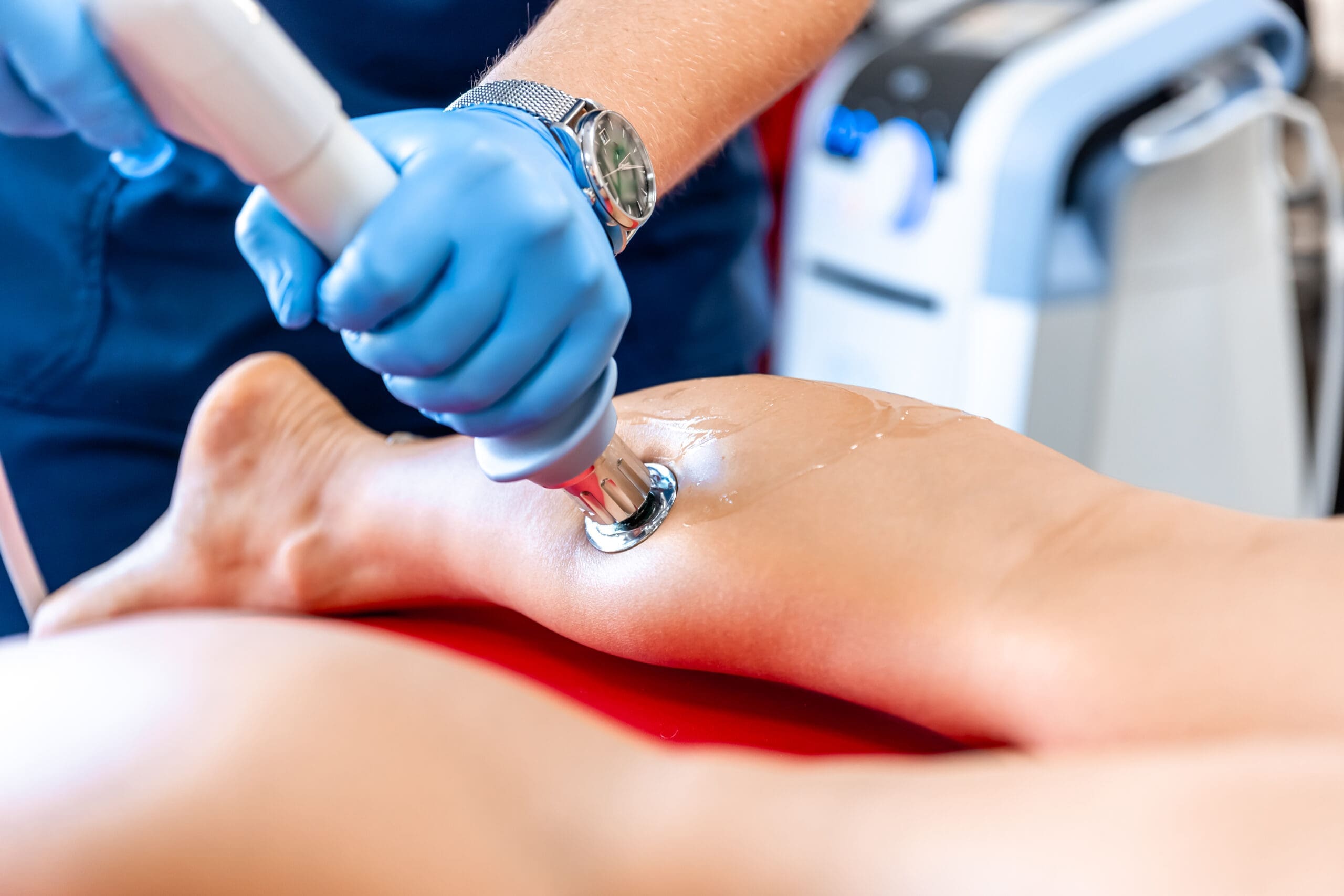
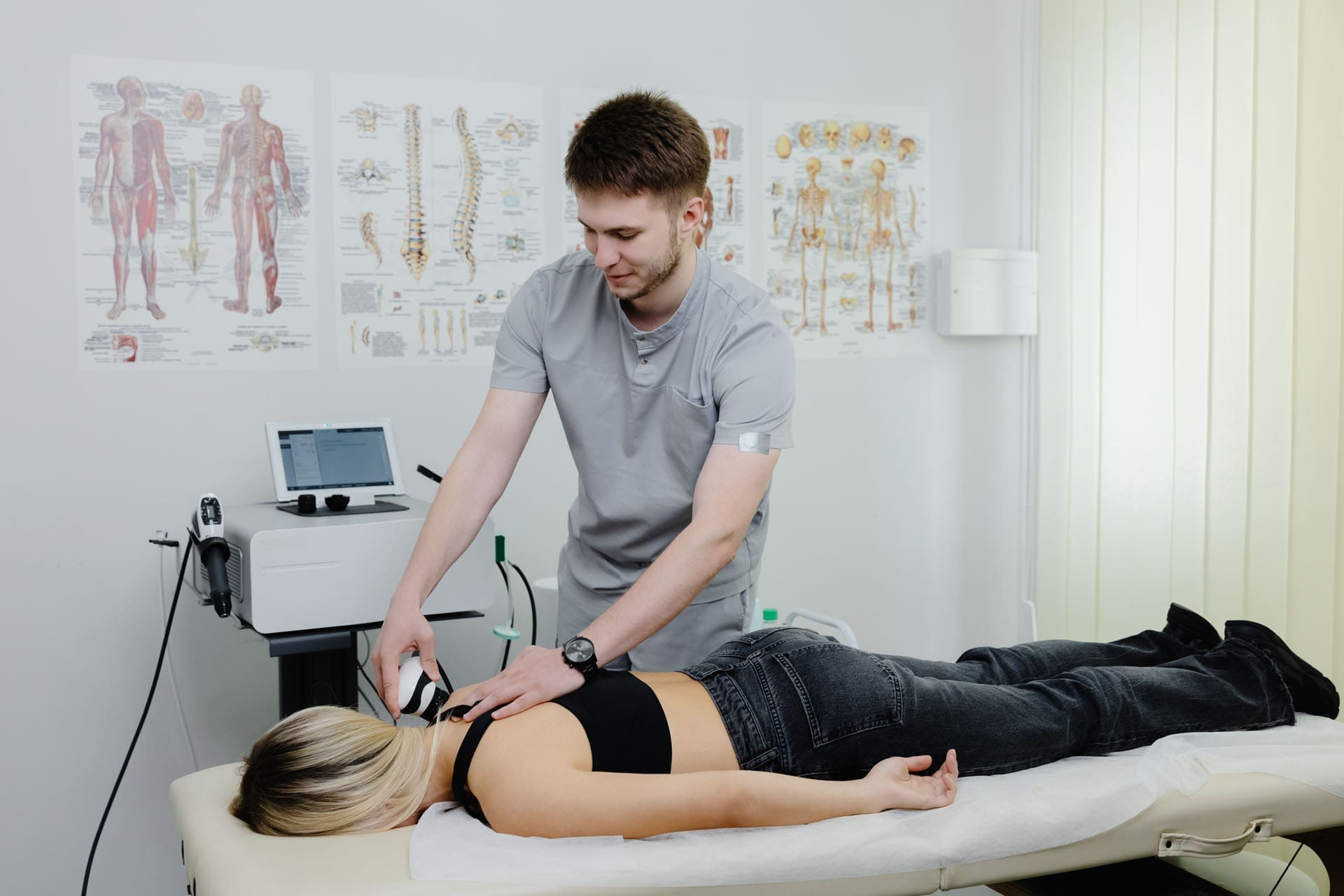
As a clinician, I have learned that successful laser therapy begins with one simple principle: patient comfort first. When I set up a robotic MLS laser for low back pain—especially in suspected facet joint dysfunction at L4–L5—I position the patient face down. The treatment window must be stable; if the patient shifts, I risk misalignment and uneven dosing. Maintaining a direct line of skin contact ensures accurate energy delivery and reproducible results.

  • Key setup principles:
    • Prioritize patient comfort to prevent movement and preserve targeting accuracy.
    • Ensure direct-to-skin application for the handheld diode; the robotic headcan remains 5–7 inches off the skin due to its collimated beam and focal geometry.
    • Calibrate the robot’s X and Y axes to center on the symptomatic site, then expand coverage to include both the primary lesion and surrounding connective tissues. This is what I call a clinical multimodal approach.

Why do I expand beyond the pain site? Because musculoskeletal pain rarely lives in isolation. Fascia, ligaments, and periarticular tissues function as a tensegrity network. When inflammation, nociceptive signaling, and muscular guarding spread through that network, addressing only the painful focal point misses upstream and downstream contributors. A global field—centered on the primary complaint and widened to nearby connective tissue—helps restore biomechanical harmony and promotes fluid exchange, mitochondrial efficiency, and neuromuscular balance. This approach aligns with modern integrative chiropractic care, in which spinal and soft-tissue adjustments, neuromuscular re-education, and laser therapy combine to reduce nociceptive signaling and optimize function.

Robotic vs. Handheld MLS Laser: Complementary Channels, Distinct Goals

In practice, I often employ both the robotic MLS laser and a handpiece simultaneously. Both are MLS devices, but they differ:

  • Robotic head:
    • Three diodes, a collimated beam with a focal distance of ~6 inches.
    • Non-contact application is ideal for larger fields or when skin contact is contraindicated (post-surgical regions, fragile skin, or neuropathic sensitivity).
    • Software-driven auto-recalibration: if I enlarge or shrink the X–Y treatment area, the device automatically adjusts treatment time to maintain the prescribed energy density.
  • Handpiece:
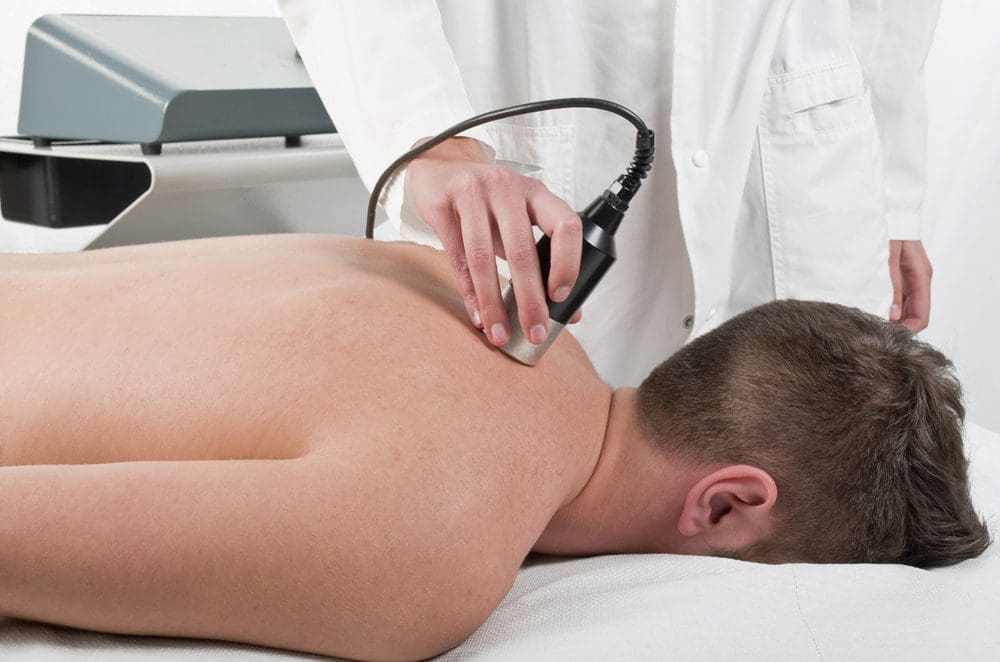
    • A single diode requires direct skin contact.
    • Ideal for trigger points, narrow joint spaces, and dynamic application during guided movement.
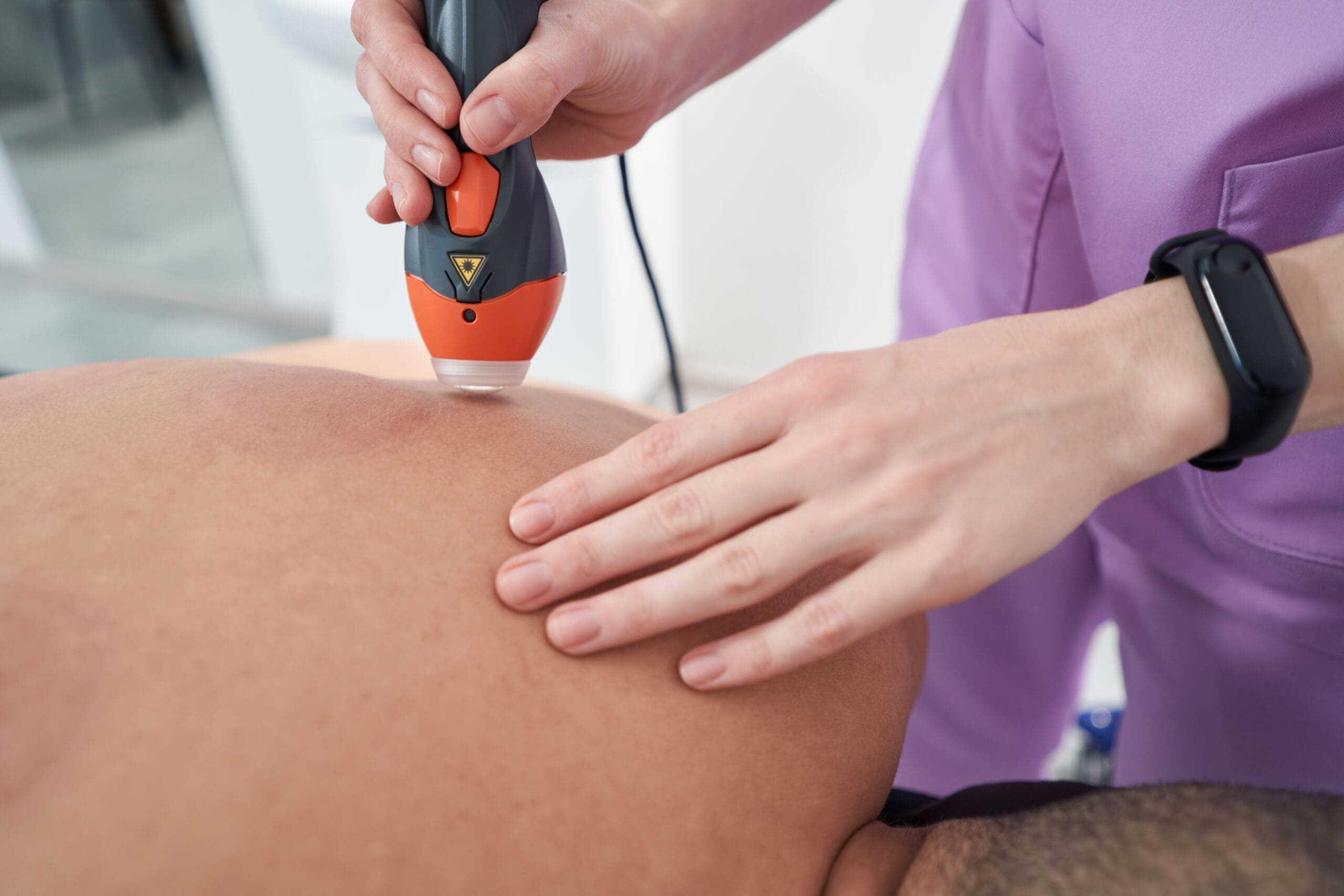
    • Short, focused exposures (e.g., 25 seconds per point) deliver precision dosing to the densest nociceptive clusters.

Using two separate channels allows me to run broader regional coverage with the robot while simultaneously desensitizing specific trigger points with the handpiece. This dual strategy is powerful in acute low back pain with facet involvement and for myofascial knots—what one analogy calls the “cooked meat” zones—firm, hypertonic bands within otherwise pliable “raw meat” muscle tissue. While the analogy is imperfect, patients recognize the feel instantly, and the focused pulse helps soften the local hypercontractile segment by modulating calcium handling, ATP availability, and nociceptive signaling in the immediate region.

Energy Density: The Dose That Drives Outcomes

Laser therapy is often misunderstood as a race to increase total energy (joules). In reality, the most clinically relevant parameter is energy density (J/cm²)—how much energy we deliver per unit area. For most musculoskeletal indications, the literature supports a target window of 4–10 J/cm². In my low back protocol, I typically choose ~6 J/cm² for facet-mediated stiffness.

  • Why energy density matters:
    • Achieves sufficient photobiomodulation to stimulate mitochondrial cytochrome c oxidase and downstream ATP production.
    • Avoids the bioinhibition paradox (excess dose that suppresses cellular signaling) consistent with the Arndt–Schulz law, where too little dose yields no biological response, and too much can inhibit repair.
    • Maintains consistent thermal equilibrium, so tissue temperature remains constant over time, which is a hallmark of properly dosed pulsed wavelengths.

Modern MLS systems use a combination of 808 nm (near-infrared, continuous or modulated) and 905 nm (super-pulsed) light. The 905 nm super-pulsed bursts allow very high peak power (e.g., 50 W) in extremely short pulses, minimizing surface heating while driving photons deeper. This “punch and rest” cycle provides tissues with time to absorb and distribute energy, preventing superficial thermal saturation and enabling deep-tissue photobiomodulation. If a patient feels excessive surface warmth, I re-evaluate the wavelength, dose, or settings to preserve the tissue’s thermal kinetics.

Visualizing the Treatment Field: Triangles, Wavelengths, and Practical Insight

Patients often enjoy seeing what’s happening in real time. Using a smartphone camera, the 808 nm wavelength is often visible as a triangle-shaped field on the skin. The 905 nm super-pulsed emission is generally invisible to smartphone cameras due to its pulse characteristics. Showing this helps the patient understand where energy is being delivered and why field geometry matters.

I calibrate the robot’s focal distance with a 6-inch ruler and adjust the X–Y coordinates until the triangle covers the target region and peripheral connective tissues. This geometry is more than aesthetics; it influences photon flux density and therefore the uniformity of cellular stimulation across the field. Small changes in field size cause the device to automatically recalculate the time required to maintain constant energy density, eliminating manual errors and ensuring dosing accuracy.

Acute and Chronic Protocols: Sequencing and Cumulative Effects

One of the most frequent clinical questions I receive is how many treatments are needed and how quickly results appear. Based on clinical experience and published guidance:

  • Acute conditions:
    • Aim for six treatments.
    • Allow ~24 hours between sessions to allow tissue kinetics and cumulative photobiomodulation pathways to take effect.
    • Common schedule: Monday/Wednesday/Friday for two consecutive weeks.
  • Chronic conditions:
    • Aim for 12 treatments, again with 24 hours between sessions.
    • Patients often feel significant improvement after 3–5 sessions, but it is important to complete the series to realize the cumulative benefits of mitochondrial and inflammatory modulation. I recommend packaged care plans to encourage adherence and completion.
  • Post-treatment time course:
    • I counsel patients that 4–6 hours after an MLS session is often when the first significant changes are felt. If we treat at 11:00 AM, I ask them to reassess the function at around 5:00 PM that same day, performing their usual movement test to gauge the difference.

Knee Osteoarthritis: Field Geometry and Patellofemoral Considerations

For knee osteoarthritis (KOA), field geometry matters. Treating the anterior knee directly with the leg extended can reflect significant energy off the patella and anterior bony surfaces. I flex the knee to open the joint spaces and ensure that energy reaches the intra-articular and periarticular tissues. I also include posterior coverage to target the popliteal fossa, posterior capsule, and surrounding fascia.

  • Clinical pearls:
    • Use flexed positioning to reduce reflection and enhance penetration.
    • Treat multiple compartments—medial, lateral, anterior (in flexion), and posterior—to ensure whole-joint coverage.
    • Dose by energy density per compartment (e.g., ~6 J/cm²), rather than summing arbitrary total joules. The device will automatically calculate the total joules based on area and density.

Integrative chiropractic care is invaluable here—mobilizing the tibiofemoral and patellofemoral joints, freeing the IT band and lateral retinaculum, and reinforcing hip–knee kinetic chain alignment. Laser-induced reductions in synovial inflammation and nociception, combined with adjustments and neuromuscular re-education, reduce loading asymmetry and improve gait.

Bone Healing: Off-Label Insights and Early-Phase Targeting

While most of our discussion focuses on soft-tissue pathology, clinicians frequently ask about fractures. In my experience, there can be a meaningful benefit to bone healing when MLS therapy is applied early—within 7–10 days of injury—though such use is often considered off-label. Mechanistically, early-phase laser input supports angiogenesis, osteoblastic activity, and hematoma organization by stimulating mitochondrial signaling within the periosteal and soft-tissue envelopes surrounding the fracture. It is less effective for established nonunion, where the biological environment has already become chronically dysregulated.

  • Practical considerations:
    • Focus energy on the peri-fracture envelope where vascular and cellular activity is highest.
    • Consider daily sessions in the acute inflammatory phase for the best impact.
    • Integrate with orthopedic guidance and imaging to confirm progress.

Orthobiologics and PRP: Priming, Day-of, and Post-Injection Sequencing

Pairing MLS laser therapy with platelet-rich plasma (PRP) has become a promising strategy. The sequence matters.

  • Pre-injection priming:
    • 2–3 treatments in the two weeks preceding PRP prepare the microenvironment by enhancing local perfusion, lymphatic clearance, and mitochondrial readiness.
    • This reduces local oxidative stress burden and improves cellular responsiveness to growth factors.
  • Day of injection:
    • A tailored MLS protocol is used to minimize trauma-induced nociception and to stabilize vascular responses without suppressing the beneficial pro-inflammatory phase of PRP. MLS is not an anti-inflammatory hammer; properly dosed pulsed emissions tend to modulate rather than abolish the necessary early signals.
  • Post-injection build:
    • Six treatments post-PRP help synchronize mitochondrial ATP supply, growth factor signaling, and matrix remodeling, thereby boosting clinical outcomes compared with PRP alone.

This sequencing mirrors the “prep the soil” concept—optimizing tissue to respond to biological seed inputs. Early data and clinical observations suggest that MLS + PRP can yield greater pain relief and functional improvements than PRP alone, by 15–20% in some series, though results vary based on tissue type, dosing fidelity, and patient-specific metabolic status (see References).

Mitochondrial Modulation: From Small Fiber Relief to Chronic Recovery

Patients and clinicians often ask: what changes first—pain relief, inflammatory control, or mitochondrial efficiency? In practice, these pathways overlap, but the temporal arc often looks like this:

  • Immediate to early:
    • Modulation of small myelinated fibers can quickly reduce pain and temperature sensitivity, aided by central pattern changes and gate-control influences.
    • Rapid shifts in vasomotor tone improve local perfusion and wash out inflammatory mediators.
  • Intermediate:
    • Inflammatory and immune modulation refines cytokine balance (e.g., downregulation of TNF-α and IL-1β, upregulation of IL-10) and microglial reactivity at neuropathic interfaces.
    • Redox balance improves as reactive oxygen species are buffered and mitochondrial enzymes are upregulated.
  • Later/chronic:
    • Mitochondrial biogenesis and enhanced ATP production elevate tissue repair capacity.
    • Improvements in ECM remodeling, collagen crosslinking quality, and tendon/ligament fiber organization become clinically evident as strength and function return.

This is why finishing the treatment series matters. Early symptom relief can tempt patients to stop early. However, the deeper mitochondrial and matrix changes typically require completion of the protocol to lock in long-term functional gains.

Metabolic Optimization: CoQ10, Creatine, NAD, and Medication Considerations

MLS laser therapy does not occur in a metabolic vacuum. Many patients are on statins, metformin, and other medications that can influence mitochondrial function. In integrative practice, I frequently layer nutraceutical support when clinically appropriate and evidence-supported:

  • CoQ10: replenishes electron transport chain cofactor depleted by statins, supports ATP production.
  • Creatine: provides phosphate donation to regenerate ATP during high-demand phases.
  • NAD+ precursors (e.g., NR, NMN): support sirtuin signaling, mitochondrial maintenance, and DNA repair processes.
  • Methylene blue (low dose, select cases): can act as an electron cycler to support mitochondrial throughput.
  • Anti-inflammatory diet and glycemic control: reduce oxidative burden and improve tissue recovery dynamics.

I emphasize shared decision-making and medical oversight for supplements—especially when interacting with existing medications. The goal is to align lifestyle, metabolic support, and MLS protocol so the patient’s tissues are primed for repair. This integrative framework reflects how I practice and teach at my clinics and platforms, where chiropractic adjustments, soft-tissue work, neuromuscular re-education, laser therapy, and metabolic optimization are woven into cohesive care pathways (see Chiromed and LinkedIn links in References).

Trigger Points and Fascial Networks: Precision Meets Systems Thinking

When addressing trigger points, I use the handpiece in short pulses with direct skin contact to deliver localized energy density that downregulates nociceptive fiber firing, relieves actin–myosin contracture, and improves local microcirculation. Simultaneously, the robotic head treats the broader fascial network, because trigger points rarely resolve in isolation. This combined strategy eases the “cooked meat” knot while restoring gliding in adjacent muscle and fascial planes. Integrative chiropractic care—active release techniques, instrument-assisted soft-tissue mobilization, and spinal mechanics correction—complements laser-induced biochemical changes, facilitating durable outcomes.

Safety, Durability, and Practical Use

MLS devices are built with durability; issues are rare once installed. Service networks can perform on-site maintenance as needed, thereby avoiding the risks associated with shipping heavy equipment. Patient sensations during MLS therapy are typically minimal:

  • Most patients feel no pain, perhaps mild warmth or tingling.
  • The pulsed nature of MLS minimizes surface heating, allowing higher peak power without thermal injury.
  • If sensitivity occurs, I reassure patients that they may be “overachievers” in responsiveness—a lighthearted way to normalize their sensation—and I adjust parameters as needed.

Evidence Base and Methods: Modern, Multi-Wave, Dose-Controlled Research

The rationale for energy density targeting (4–10 J/cm²) stems from a combination of controlled trials, consensus guidelines, and mechanistic research in photobiomodulation. The World Association for Laser Therapy (WALT) and subsequent photobiomodulation consensus literature emphasize dosing by J/cm² to standardize clinical outcomes across devices and tissues. MLS’s dual-wavelength, pulsed-peak approach addresses known limitations of continuous-wave systems by minimizing superficial heat while increasing depth of effect. Studies in tendinopathies, osteoarthritis, neuropathic pain, and post-surgical recovery increasingly support structured protocols, with outcome measures including pain scales, functional scores, range of motion, and return-to-activity metrics. While device specifics differ, the consistent theme is that dose discipline, pulsed emission, and field geometry drive reproducibility.

Clinical Observations from Dr. Jimenez: Integrative Pathways That Work

At my clinics, I have seen:

  • Low back facet pain responds rapidly when I combine robotic field coverage (centered on L4–L5, with slight medial/lateral expansion) with handheld trigger-point relief in the paraspinal bands. Chiropractic adjustments immediately after laser often hold better because the muscle tone and pain signaling are reduced.
  • Knee osteoarthritis improvements in stair negotiation and walking distances when I treat the posterior knee, the medial and lateral compartments, and the anterior knee in flexion, paired with hip–core stabilization and gait retraining.
  • Enhanced results with PRP when I follow the pre-injection priming, day-of modulation, and post-injection series approach described above.
  • Faster return to activity in athletes when laser therapy is integrated with shockwave, chiropractic mobilization, and neuromuscular drills—each tool serving distinct biological and mechanical roles.

These observations align with the literature and underscore the importance of multimodal, sequence-aware care.

Practical Protocol Summary

  • Low back facet pain:
    • Robotic MLS: center X–Y over L4–L5 symptoms, expand to connect fascia; ~6 J/cm².
    • Handpiece: 25-second bursts to paraspinal trigger points; direct skin contact.
    • Schedule: 6 sessions acute; 12 for chronic; 24-hour spacing.
  • Knee osteoarthritis:
    • Treat the posterior and anterior compartments in flexion; add the medial/lateral compartments.
    • Dose per compartment: around 6 J/cm²; let the device recalculate the time based on the area.
    • Integrate chiropractic joint mobilization and soft-tissue work.
  • PRP integration:
    • 2–3 pre-injection MLS sessions.
    • Day-of-injection MLS with tailored parameters.
    • 6 post-injection MLS sessions.
    • Reinforce with metabolic support as clinically appropriate (CoQ10, creatine, NAD+ precursors), while respecting medications.
  • Trigger points:
    • Handpiece, direct contact, short focused exposures; pair with robotic field treatment.
    • Follow with manual therapy and corrective exercises.

Why Integrative Chiropractic Care Fits Perfectly

Laser therapy initiates biochemical cascades that reduce pain, inflammation, and tissue stiffness. Integrative chiropractic care then capitalizes on that improved tissue state. Adjustments and mobilizations realign joints; soft-tissue techniques free fascial restrictions; neuromuscular training restores movement efficiency. Together, they transform photobiomodulation’s cellular gains into functional victories—better posture, smoother gait, stronger lifts, and less recurrence. This integrated model is central to modern precision musculoskeletal care and is the foundation of how I approach complex cases in my practice.

Closing Thoughts

Laser therapy—especially MLS with dose-centered energy density and pulsed dual-wavelength design—has matured into a robust tool for musculoskeletal and integrative care. When layered thoughtfully with chiropractic methods, orthobiologics, and metabolic optimization, it helps patients move from short-term relief to durable function. The secret is not just the light; it is the protocol, the sequence, and the system we build around the patient’s biology and biomechanics. That is the essence of integrative care, and it is how we transform evidence into outcomes.


References

Understanding Therapeutic Approaches for Tissue Regeneration with Photobiomodulation

Discover the impact of photobiomodulation in tissue regeneration and its therapeutic approaches for better health.

Abstract

In this educational post, I walk you through how I evaluate and apply modern, multiwavelength laser therapy using MLS technology for low back pain, facet-mediated joint pain, knee osteoarthritis, soft-tissue injuries, and orthobiologic integrations such as PRP. From patient positioning and dosing to understanding the physiological cascade of photobiomodulation, I present the latest research and clinical protocols, explain why we calibrate to energy density in joules per square centimeter, and outline how integrative chiropractic care improves outcomes through precise mechanical assessment, neuromuscular re-education, and connective-tissue engagement. You will learn how dosing windows, pulse structure, and wavelength selection support analgesia, resolution of inflammation, mitochondrial function, and microcirculatory improvements—plus how to safely combine laser therapy with rehabilitation, shockwave, and PRP in a stepwise, patient-centered plan.

Introduction: My Clinical Framework for MLS Laser Therapy

As Dr. Alexander Jimenez, DC, APRN, FNP-BC, CFMP, IFMCP, ATN, CCST, I blend integrative chiropractic care with advanced rehabilitative technologies to optimize musculoskeletal outcomes. Over decades in clinics and interdisciplinary settings, I’ve seen that the most important variable in laser success is not just the device—it’s the workflow, patient comfort, anatomical precision, and dosing discipline. Modern MLS laser systems deliver synchronized dual wavelengths—typically an 808-nm continuous component and a 905-nm pulsed component—engineered to maximize therapeutic photobiomodulation while minimizing thermal load at the surface. The result is consistent dosing to the targeted tissue with reduced risk of superficial overheating.

Below, I reframe a hands-on demonstration into a patient-centered journey, explain the science, and share how I incorporate these methods with chiropractic assessment, trigger point discovery, fascial continuity, and orthobiologic protocols. I aim to ensure you not only know what to do but also why to do it—and how to apply it safely and effectively using the latest evidence.

Patient Comfort and Positioning: The Starting Point for Precision

Key clinical lesson: Patient comfort is critical. When a robotic laser array is programmed to a precise region, movement ruins alignment and compromises dose delivery. For lumbar facet and paraspinal treatments:

  • Positioning:
    • Low back cases are set up face down (prone) for spine-neutral exposure.
    • The laser head must be at the correct focal distance—often around 6 inches for a robotic MLS head—with a manufacturer-provided ruler to ensure the sweet spot for beam collimation.
    • Handheld diodes are applied directly to the skin for punctual targets, such as trigger points or joint spaces, where tactile feedback guides accuracy.
  • Why positioning matters physiologically:
    • Collimated beams preserve fluence across depth; misalignment reduces energy density at target tissues.
    • Stable respiratory movement and muscle tone affect microtargeting of facets, interspinous ligaments, and paraspinal myofascia. Comfortable patients move less, ensuring reliable dosing.
    • Direct skin contact improves photon coupling for the handheld diode, reducing interface losses and aiding precise delivery to nociceptive and myofascial triggers.

Integrative Chiropractic Care: Mapping Pain Generators and Connective Tissue

Laser therapy is powerful, but it works best when guided by a skilled structural evaluation, which I refine within integrative chiropractic care:

  • I begin with:
    • Facet loading tests and segmental palpation to identify painful motion segments (e.g., L4–L5 facets producing unilateral right-sided pain).
    • Trigger point mapping using the tactile distinction between supple muscle and firm nodules—the so-called “cooked meat vs. raw meat” analogy, which helps describe hypertonic bands amidst pliable tissue.
    • Regional fascial continuity assessment, because pain seldom lives in isolation. Engaging paraspinal fascia, thoracolumbar fascia, and gluteal connective tissue can reduce compensatory strain.
  • Why this matters:
    • Trigger points harbor sensitized nociceptors and metabolically stressed fibers; laser’s photobiomodulation supports local ATP recovery and neurochemical modulation.
    • Facet irritation is inflammatory and mechanical; improving microcirculation and reducing inflammatory mediators supports the tissue, while chiropractic care restores segmental mechanics.
    • Global connective-tissue engagement changes load distribution; laser helps soften densified fascia, and adjustments re-coordinate how forces travel through the spine and pelvis.

Robotic and Handheld: A Clinical Multimodal Approach

  • Modern MLS platforms often include:
    • A robotic head delivering synchronized dual wavelengths over a defined X–Y treatment field.
    • A handheld diode for highly focused points.
  • Workflow:
    • I zero the X–Y axes on the robotic interface to center the primary pain site. Then I expand the field to include adjacent connective tissue, adopting a global, multisite approach.
    • The robot treats the broader region for 6–12 minutes, while I concurrently apply the handheld to discrete trigger points for 20–30 seconds each.
  • Why this dual approach:
    • Robotic fields ensure uniform density over larger areas, improving consistency in paraspinal tissues.
    • Handheld punctual dosing adds specificity for trigger points, tender facets, or periarticular zones—ideal when patient movement (guided breathing or gentle mobilization) enhances the therapeutic effect.
    • Treating both the source and the surrounding network supports load-sharing and reduces recurrences.

Dosimetry: Energy Density vs. Total Joules

Laser dosing must be clinical and quantitative. The most robust standard in the literature is energy density, measured in joules per square centimeter (J/cm²), rather than total joules. A typical effective window for musculoskeletal tissues is 4–10 J/cm², depending on the condition, acuity, and depth (World Association for Laser Therapy guidance and subsequent studies emphasize dose per area as the key benchmark).

  • Practical dosing:
    • For low back pain with facet irritation, I often target 6 J/cm² to start, adjusting based on response and tissue characteristics.
    • Total joules will scale with the treatment field size, but the software should auto-recalculate time when you enlarge or shrink the X–Y field to deliver the desired J/cm² without manual math.
  • Why density matters:
    • Cellular photobiomodulation follows a biostimulatory window; too little energy fails to trigger meaningful cascades, too much can provoke bioinhibition (Arndt-Schulz law).
    • Dose per area ensures consistent tissue response independent of field size, improving reproducibility.

Pulse Structure, Power, and Heat Management

Modern MLS devices often use high peak power (e.g., up to 50 W) but short pulse durations, synchronized with continuous 808-nm light. This design delivers high photon flux to deeper tissues without excessive surface heating.

  • Physiology of pulsing:
    • Short pulses drive photons deeper before heat builds at the surface; inter-pulse rest periods allow thermal relaxation and energy absorption without temperature creep.
    • 808-nm continuous-wave light supports steady photobiomodulation at the muscle and connective tissue levels.
    • 905-nm pulsed complements penetration and neuromodulatory effects at nociceptive fibers and microvasculature.
  • Clinical takeaway:
    • If a patient reports heat at the surface, reassess wavelengths, pulse parameters, and dose. Correctly calibrated systems should maintain tissue temperature over time, indicating safe energy delivery.

Treatment Timing and Response Expectations

A single session may produce a delayed-onset analgesia window—often noticeable 4–6 hours post-treatment. In my clinic, I ask patients to check functional tests later that day (for example, bending or walking at 17:00 if the session was at 11:00). Early improvements after one session are common. Still, cumulative effects emerge over a short course.

  • Typical course:
    • Acute conditions: ~6 sessions over 2 weeks.
    • Chronic conditions: ~12 sessions over 3–4 weeks.
    • Spacing: Minimum 24 hours between sessions; realistic schedules often have a Monday–Wednesday–Friday cadence.
  • Why cumulative dosing matters:
    • Photobiomodulation signals alter gene expression, cytokine profiles, and mitochondrial function over time. Repetition consolidates tissue-level changes and neural recalibration.

Knee Osteoarthritis: Targeting Compartments and Patellar Reflection

For knee OA, positioning is crucial:

  • With the knee flexed, avoid direct anterior-only beams that reflect off the patella. Include posterior and medial/lateral compartments.
  • Dose by compartmental area, maintaining the target J/cm² per treated field. If multiple compartments are indicated, treat each field to the appropriate density rather than arbitrarily summing total joules.
  • Physiological reasoning:
    • OA involves synovial inflammation, cartilage stress, capsular fibrosis, and periarticular trigger points. Laser supports microcirculation, inflammatory modulation, and analgesia while integrative chiropractic care addresses hip-knee-ankle mechanics and gait re-education.
    • You will not reverse bone-on-bone structurally with laser alone; however, you can delay symptom progression, reduce flares, and restore daily function.

Bone Healing and Fractures: Off-Label Considerations

While laser therapy for bone healing may be considered off-label in certain jurisdictions, clinicians have reported benefits when it is initiated within 7–10 days post-fracture, during the inflammatory phase. The rationale:

  • Early photobiomodulation may support angiogenesis, osteoblastic signaling, and the orchestration of inflammation that favors callus formation.
  • Nonunion fractures are far more complex, often requiring surgical or biologic intervention; lasers may not reliably correct nonunion but can be adjunctive in multimodal plans.

Always align with local regulations and informed consent, and document the intended therapeutic goals. My personal practice emphasizes the inflammatory-window strategy in conjunction with orthopedic guidance and imaging follow-up.

Combining MLS Laser with Orthobiologics: PRP Protocols

Laser therapy can complement PRP via tissue priming, peri-injection modulation, and post-injection support:

  • A progressive protocol I employ:
    • Pre-injection: 2–3 laser sessions to prime local microcirculation, reduce baseline inflammatory noise, and enhance cellular redox readiness.
    • Day of injection: Adjust parameters to limit immediate pain and support controlled inflammatory signaling essential for PRP efficacy (do not blunt the pro-inflammatory phase; aim to augment coordinated inflammation, not suppress it).
    • Post-injection: ~6 sessions over 2–3 weeks to optimize ATP availability, fibroblast activity, and matrix remodeling while managing pain.
  • Evidence trends:
    • Emerging clinical observations suggest additive efficacy when a laser is layered over PRP compared with PRP alone, with improved pain and functional scores in musculoskeletal cohorts (see references).
  • Why integrative chiropractic care helps here:
    • I use segmental stabilization, mobility drills, and neuromuscular retraining to direct the newly remodeled tissue toward efficient movement patterns. This reduces aberrant load and helps preserve PRP gains.

Acute vs. Chronic Effects: Mapping the Physiological Cascade

Laser therapy acts on multiple levels, often concurrently. For clarity, think in phases:

  • Immediate to short-term (minutes to hours):
    • Analgesia via modulation of small myelinated fibers and C-fiber signaling.
    • Changes in ion channel activity and neurogenic inflammation.
    • Early microcirculatory shifts with vasomotor influences.
  • Subacute (days):
    • Inflammatory modulation: Downregulation of pro-inflammatory cytokines (e.g., TNF-α, IL-1β), upregulation of anti-inflammatory mediators (e.g., IL-10) in line with photobiomodulation literature.
    • Edema reduction through improved lymphatic flow and endothelial function.
    • Mitochondrial activation: Cytochrome c oxidase absorbs photons, increasing ATP production, ROS signaling at hormetic levels, and transcriptional responses that promote recovery.
  • Remodeling (weeks):
    • Enhanced fibroblast proliferation, collagen deposition, and matrix organization in ligaments and fascia.
    • Neural plasticity shifts that reduce central sensitization, reinforced by targeted rehab and chiropractic neuromechanical inputs.

Optimizing Mitochondrial Support: Clinical Considerations

Many patients take medications (e.g., certain statins) that can influence mitochondrial function. In my practice, I support mitochondrial resilience ethically and collaboratively:

  • Nutritional and lifestyle adjuncts:
    • Consider coenzyme Q10, creatine (phosphate donor), nicotinamide riboside/NMN for NAD+ support, and dietary polyphenols that moderate oxidative stress.
    • Encourage sleep optimization, glycemic control, and anti-inflammatory nutrition to support mitochondrial biogenesis and redox balance.
  • What laser adds:
    • Photobiomodulation directly enhances electron transport chain efficiency, increasing ATP while moderating ROS within a hormetic range that drives adaptive signaling.
    • These effects dovetail with targeted supplementation and therapeutic exercise, potentially offsetting medication-related mitochondrial stress.
  • Practical caution:
    • Always individualize adjuncts based on medical history and coordinate with the patient’s primary physician or pharmacist. Laser is nonpharmacologic, but co-therapies require medical oversight.

Integrative Chiropractic Care During Laser Courses

Laser therapy is not a standalone panacea. A mechanically intelligent plan reduces recurrence:

  • Segmental and regional adjustments:
    • Gentle high-velocity, low-amplitude or low-force mobilizations restore facet glide, disc-friendly mechanics, and neural mobility.
    • Pelvic and hip alignment improve load transfer to the knee and spine.
  • Soft-tissue integration:
    • Myofascial release aligns collagen fibers, enabling laser-softened tissues to remodel along the correct lines of tension.
    • Neuromuscular re-education—gluteal activation, core endurance, posterior chain drills—transforms pain relief into durable movement patterns.
  • Reasoning:
    • Laser modulates biology; chiropractic care organizes biomechanics. Together, they create a bio-mech synergy that outperforms isolated treatments.

Safety, Durability, and Service

Modern MLS systems are designed for on-site reliability with field-service support, avoiding shipping risks. Typical issues are rare after installation, and comprehensive training sets teams up for success.

  • Patient sensations:
    • Most patients feel no pain during treatment; some report mild warmth or tingling. If sensitive, reassure and re-check parameters; small sensations are within normal expectations when dosing within the therapeutic window.
  • Maintenance:
    • Keep optics clean, verify focal distance with the ruler, and routinely check software calibration. Follow manufacturer service intervals.

Explaining Energy Dosing to Patients: Clear Communication

Patients often ask about total joules. I explain that we focus on energy density (J/cm²) because tissues respond to dose per area, not raw totals. The software automatically adjusts the time when we change the treatment area, so they receive a consistent, science-based dose tailored to their condition.

Trigger Point Strategy: Why Punctual Application Works

When I palpate a trigger point, I often apply the handheld diode for 20–30 seconds per spot, moving across a map of nodules discovered on exam:

  • Mechanisms:
    • Local ATP restoration aids sarcomere relaxation in taut bands.
    • Substance P and calcitonin gene-related peptide (CGRP) signaling can be moderated, reducing local neurogenic inflammation.
    • Microvascular perfusion improves in the endplate zone of dysfunctional motor units.
  • Practice tip:
    • Combine with breathing cues, gentle contract-relax techniques, or post-irradiation eccentrics to lock in improved tone.

Shockwave, Laser, and PRP: Coordinating Modalities

In clinics that rely on shockwave therapy, we coordinate timing to leverage mechanotransduction and photobiomodulation:

  • Typical sequence:
    • Use shockwave to provoke controlled micro-disruption and stimulate regenerative signaling.
    • Apply laser to augment mitochondrial activity, reduce excessive inflammatory noise, and improve perfusion.
    • Integrate PRP with pre- and post-laser treatments, as described, to layer biologic potential atop mechanically and metabolically optimized tissue.
  • Rationale:
    • Mechanotransduction + photobiomodulation + biologics equals a triad of healing: mechanical cueing, bioenergetic support, and cellular supply.

Exploring Integrative Medicine- Video


Clinical Observations from My Practice

In my clinics and collaborations, I consistently see:

  • Low back facet pain responds within the first week, with functional gains evidenced by improved tolerances to extension and rotation.
  • Knee OA patients reporting better stair negotiation and reduced morning stiffness after 6–12 sessions, especially when hip stability and foot mechanics are concurrently addressed.
  • Post-PRP recovery with faster pain control and an earlier return to graded activity when the laser is layered per protocol.
  • Patient adherence improves when the plan is explained as a stepwise journey with cumulative benefits, rather than a single miracle session.

For further details on my approach and outcomes, you can explore my clinical observations and frameworks on my professional pages:

Putting It All Together: A Practical Treatment Blueprint

  • Intake and exam:
    • Identify pain generators (facet, ligamentous strain, trigger points), movement faults, and red flags.
  • Dosing plan:
    • Choose 4–10 J/cm², start around 6 J/cm² for common spine and joint cases, adjust per response and acuity.
  • Position and align:
    • Prone setup for low back; flexed knee for OA with posterior and compartmental coverage; verify 6-inch focal distance for robotic heads.
  • Deliver multimodal therapy:
    • Robotic field for broad tissue coverage; handheld diode for punctual trigger points and joint spaces.
  • Chiropractic integration:
    • Segmental adjustments, myofascial release, and neuromuscular drills during the laser course for lasting change.
  • Orthobiologic layering:
    • PRP with 2–3 pre-injection sessions, day-of session modulated for supportive effects, and ~6 post-injection sessions.
  • Scheduling:
    • Acute: ~6 sessions; Chronic: ~12 sessions, spaced by ≥24 hours, often three per week.
  • Reassessment:
    • Functional tests at 4–6 hours post-treatment on the first day; weekly progress checks; adjust parameters or fields as needed.

Final Thoughts: Precision, Patience, and Integration

The best outcomes come from precision dosing, patient comfort, and integrated care. MLS laser therapy is a potent tool when used with a systems mindset—connective tissue mapping, segmental mechanics, mitochondrial support, and thoughtful protocols. Patients appreciate that the plan is clear, the science is sound, and the results are cumulative. With a compassionate, evidence-based approach, you can reliably reduce pain, restore movement, and improve quality of life.

References

In-text citation examples:

  • WALT dosing windows emphasize targeting 4–10 J/cm² for musculoskeletal tissues (WALT, n.d.).
  • Photobiomodulation acts via cytochrome c oxidase, improving ATP and signaling cascades (Karu, 2008; Hamblin, 2017).
  • Systematic reviews support analgesic and anti-inflammatory effects across musculoskeletal pain conditions (Chow, 2020).
  • Adjunctive strategies with PRP may enhance outcomes compared to PRP alone in select cohorts (Filardo, 2018).
  • Dose discipline avoids bioinhibition, consistent with Arndt-Schulz principles (Huang, 2016).

SEO tags

MLS laser therapy, photobiomodulation, integrative chiropractic care, low back pain, facet joint pain, knee osteoarthritis, PRP integration, orthobiologics, trigger points, energy density J/cm2, 808 nm, 905 nm pulsed laser, mitochondrial function, microcirculation, chiropractic adjustments, shockwave therapy, pain management, rehabilitation, Arndt-Schulz law, WALT guidelines

MLS Laser Therapy & Photobiomodulation Benefits for the Body

Find out how MLS laser therapy for photobiomodulation can improve your quality of life and accelerate healing processes.

Abstract

In this educational post, I share a clear, first-person journey through modern laser therapy and photobiomodulation as I apply it in integrative practice. You will learn what laser therapy is, why the patented MLS multiwave locked system matters, how wavelength, power, and emission modes influence safety and clinical impact, and where these technologies fit within regenerative medicine, orthobiologics, and sports care. I explain the cellular physiology behind mitochondrial activation, photochemical and photothermal responses, and how true pulsed emission reduces thermal risk while enhancing photon density and depth of action. I also describe practical dosing, point-by-point vs. scanning techniques, and the benefits of robotic, hands-free delivery for consistent outcomes. Finally, I illustrate how integrative chiropractic care coordinates laser therapy with manual interventions, shockwave, neuromusculoskeletal assessment, and functional medicine principles to improve pain, function, and long-term recovery. References to leading researchers, randomized trials, and real-world registry data are included, along with my clinical observations from practice.

Introduction: My Perspective on Photobiomodulation in Modern Care

As Dr. Alexander Jimenez, DC, APRN, FNP-BC, CFMP, IFMCP, ATN, CCST, I have spent years helping patients navigate complex musculoskeletal pain, neuropathy, and recovery from orthopedic and sports injuries. When I first stepped into Apex’s new education and learning facility on 2026-05-02, I felt the resonance of a well-designed environment dedicated to cutting-edge modalities. The enthusiasm from colleagues, including leaders from OrthoLaser and technology innovators in MLS robotic therapy lasers, underscored the transformation underway in regenerative medicine: energy devices like lasers and shockwave are now merging seamlessly with orthobiologics to promote true tissue repair rather than merely manage symptoms.
In this post, I distill the science and clinical practicality behind photobiomodulation—laser therapy—so you can confidently understand how it works, why the MLS approach is unique, and how integrative chiropractic care amplifies patient outcomes. My goal is to guide you through the essential concepts and then show you how to integrate them in a real clinical workflow.

Modern Laser Therapy Basics: The Four Tissue Interactions

Laser-tissue interaction determines clinical results. Four fundamental phenomena occur when laser light meets biological tissue:
Reflection
Transmission
Scattering
Absorption
Among these, absorption is the therapeutic linchpin. Chromophores must absorb laser photons to initiate biologically meaningful change. Reflection and scattering represent energy loss; transmission is the passage of energy through tissue without interaction. Effective therapy maximizes absorption while controlling the other interactions—by choosing appropriate wavelengths, power, emission modalities, and delivery methods.

Key Laser Concepts: Source, Power Class, Emission Mode, Wavelength

To make laser therapy intuitive, I break it into four key concepts:
Source
Power class
Emission modality
Wavelength
Each element shapes clinical effect, depth of action, safety, and dosing.

Understanding Laser Sources

A laser source is defined by the active material that emits photons when excited. In surgical contexts, CO2 gas lasers interact with water to cut tissue via micro-explosions—excellent for incisions, not for healing. Therapeutic lasers most often use diodes. MLS laser systems are diode-based and sourced from high-precision Italian manufacturing, which matters for reliability, calibration integrity, and diode stability over time. Stable sources translate into reproducible clinical dosimetry and consistent patient outcomes.

Power Class: Class 3 vs. Class 4 and Why It Matters

Therapeutic lasers commonly fall into Class 3 (≤0.5 W) and Class 4 (>0.5 W). Marketing labels like low-level laser (LLLT), cold laser, high-intensity laser, and hot laser can be confusing; what matters is the interaction between power and emission mode. Class 4 systems can shorten treatment times and improve photon density in deeper tissues, but poorly controlled continuous delivery may lead to thermal accumulation.
MLS laser therapy is technically Class 4, yet its patented emission design delivers the efficacy profile of Class 4 while maintaining the safety characteristics of Class 3. That combination reduces liability concerns and broadens indications, enabling point-by-point dosing without burning tissue—crucial for precise joint-space work and peri-implant care.

Emission Modality: Continuous, Chopped, and True Pulsed

Emission modality is the heartbeat of laser safety and effectiveness:
Continuous emission delivers uninterrupted light. If held stationary too long with high power, tissue temperatures can exceed the thermal damage threshold (~45°C).
Continuous chopped (or interrupted) uses mechanical means to block a continuous beam in microseconds. This delays heating but does not fully prevent thermal accumulation because the source never truly turns off.
True pulsed emission turns the source off in nanosecond intervals, creating genuine rest periods. Tissue can absorb photons and then cool between pulses, preventing temperature from creeping above therapeutic ranges. Therapeutic photobiomodulation aims to avoid sustained temperatures above ~43°C, where biological reactions can be inhibited rather than stimulated.

Wavelength: The “Prescription” for Depth and Targeting

Therapeutic photobiomodulation generally uses wavelengths in the 600–1200 nm window because of the absorption spectra of melanin, hemoglobin, and water. MLS systems specifically employ synchronized 808 nm (continuous) and 905 nm (pulsed) wavelengths. The 808 nm band offers strong penetration for photochemical activation, while 905 nm provides deeper penetration with high-peak-power pulses, enhancing photon density in target tissues without thermal risk.

Why the MLS Multiwave Locked System Is Unique

The Multiwave Locked System (MLS) synchronizes multiple wavelengths so they arrive simultaneously, reinforcing each other’s effects. This synchronization creates homogeneous energy distribution across superficial and deeper targets—like switching from a scattershot meteor shower to a uniform wavefront that saturates the tissue volume. In practice:
808 nm (continuous) supports mitochondrial activation and local circulation.
905 nm (true pulsed) delivers high-peak-power bursts with cooling intervals, increasing photon density for deeper tissues while preventing thermal buildup.
The physiologic result is a balanced combination of photochemical activation (ATP synthesis), photothermal modulation (controlled vasodilation and lymphatic flow), and photomechanical signaling (ECM deformation and mechanotransduction) that collectively accelerates tissue repair without suppressing necessary early inflammation.

Safety Profile: Why Heat Sensation Is Not Performance

Patients often equate “feeling heat” with effective treatment; however, high thermal effects do not equal high performance in photobiomodulation. The goal is cellular signaling, not cooking tissue. MLS’s true pulsed pattern keeps tissue below inhibitory temperature ranges and far below damage thresholds, ensuring that biological cascades proceed unimpeded. This distinction is vital around implants, tattoos, and bone surfaces, which can reflect energy and concentrate heat with non-pulsed devices.

Depth of Action: Wavelength, Emission, Power Density, and Time

Reaching target tissues requires the right combination of:
Wavelength (primary determinant of penetration).
Emission mode (true pulsed allows higher peak power without heat accumulation).
Power density (mW/cm² at tissue).
Exposure time (J/cm² dose).
The relationship between peak power and photon density matters: more photons per unit time and area increase the likelihood that chromophores such as cytochrome c oxidase will be activated, thereby driving ATP production and redox signaling. With MLS, true pulsed 905 nm delivery increases peak power in bursts, raising photon density at depth while tissue cools between pulses.

Clinical Delivery: Point-by-Point vs. Scanning

There are two practical methods:
Point-by-point dosing: stationary application over the target for a prescribed duration and energy dose. This maximizes absorption, minimizes dispersion, and grants precise dosing—ideal for joint spaces, tendon origins, and small neuropathic focal points.
Scanning: moving the applicator across a region. This can be effective for broader fields but is operator-dependent. Variability in speed, overlap, and distance can lead to inconsistent dosing.
MLS robotic platforms overcome scanning variability by delivering hands-free, precisely programmed energy maps, ensuring consistent dosing across operators and visits. In my clinic, that consistency translates into more reliable outcomes, smoother workflows, and the ability to combine laser with manual therapies simultaneously.

Robotic and Hands-Free Advantages

The MLS robotic arm ensures:
Consistent energy delivery across sessions and staff.
Safety via locked synchronization and true pulsed control.
Workflow efficiency: hands-free operation allows clinicians to perform soft-tissue release, joint mobilization, neuromuscular re-education, or percussion therapy while the laser runs—maximizing appointment value without sacrificing precision.
For field settings and athletic trainers, portable MLS units with straps enable targeted dosing at the sideline or in the training room, extending therapy beyond the clinic walls.

Physiological Underpinnings: Photochemical, Photothermal, and Photomechanical Effects

Laser therapy’s mechanisms can be organized into three complementary pathways:
Photochemical Activation
Mitochondrial stimulation via cytochrome c oxidase increases ATP production, shifts cellular redox states, and promotes the activity of transcription factors associated with growth and repair.
This accelerates fibroblast activity, collagen synthesis, and angiogenesis, while modulating oxidative stress.
Photothermal Modulation
Controlled vasodilation improves perfusion, oxygenation, and nutrient delivery.
Lymphatic enhancement reduces edema, supports waste clearance, and decreases inflammatory exudate.
In MLS systems, photothermal effects are therapeutic without crossing inhibitory thresholds; tissue temperature remains within a range favorable to enzymatic reactions and signaling cascades.
Photomechanical Signaling
Rapid pulses create temporary deformation of the extracellular matrix (ECM) and cell membranes, activating mechanosensitive pathways.
This facilitates cytoskeletal reorganization, influences integrin-mediated signaling, and augments tissue repair sequences.

Inflammation Modulation vs. Suppression

It is critical to note that MLS therapy does not suppress inflammation as NSAIDs do. It modulates inflammatory processes—upregulating anti-inflammatory proteins and downregulating pro-inflammatory cytokines—while respecting the acute phase needed for proper healing. This is why MLS pairs well with orthobiologics; rather than blunting early inflammation (which supports cell recruitment and initial repair), MLS normalizes and supports the cascade, reducing excessive pain and swelling while protecting regenerative intent.

Clinical Indications and Dosing Framework

Common indications include:
Musculoskeletal pain: plantar fasciitis, knee osteoarthritis, neck pain, tendinopathies, myofascial pain.
Post-surgical healing: incisions, soft-tissue repair, peri-implant recovery.
Wound care: diabetic ulcers, traumatic and infected wounds, burns.
Sports medicine: delayed onset muscle soreness, acute muscle strain, ligament sprain.
Neuropathic pain: diabetic neuropathy, compressive neuropathies, small fiber pain.
Dosing principles in my practice:
Session length: typically 6–12 minutes, depending on area size and target depth; anterior-posterior or dual-field approaches may extend the time accordingly.
Packages: acute conditions often 4–6 sessions; chronic conditions 8–12 sessions. This cumulative dosing approach allows progressive improvements in pain and function.
Frequency: ideally 2–3 times per week. In acute flares, daily sessions can be considered for brief periods; practicality and access may guide scheduling.
Point-by-point dosing for focal structures; robotic scanning for consistent energy distribution over broader fields.

Clinical Images and Observations

Wound- and burn-healing examples demonstrate why safety matters. Treating burns with a laser may seem paradoxical until you understand MLS’s non-heating, pulsed profile. In my clinical observations, combining MLS laser therapy with compression, offloading, and nutritional cofactors (e.g., protein sufficiency, vitamin C, zinc) accelerates closure rates in diabetic ulcers. It reduces the risk of infection, particularly when paired with meticulous debridement and glycemic control.
Peri-implant treatment is another area where MLS stands out. Patients with knee replacements or hardware often fear laser near implants; MLS’s synchronized wavelengths and pulsed control minimize conductive heat accumulation, allowing safe application to surrounding soft tissues. In my experience, postoperative stiffness and peripatellar pain respond well to a protocol integrating MLS laser therapy, joint mobilization, instrument-assisted soft-tissue mobilization (IASTM), and graded activity.

Neuropathic Pain and the MLS MIS Platform

Emerging devices geared to neuropathic pain (e.g., MIS systems) target parameters tuned for nerve repair and dysesthesia reduction. European MDR clearance has recognized neuropathic indications, and similar approvals are progressing domestically. In my practice, patients with diabetic neuropathy or post-chemotherapy neuropathies benefit from MLS laser combined with glycemic optimization, B-vitamin sufficiency (especially methylated B12 and folate where appropriate), alpha-lipoic acid, and foot intrinsic strengthening. The laser’s modulation of neuroinflammation and microcirculation complements metabolic correction.

Evidence Base: Trials and Registry Data

Modern photobiomodulation has matured beyond anecdote. Randomized controlled trials and real-world registries corroborate benefits across pain and function domains. Combining orthobiologics with MLS laser therapy shows synergistic improvements:
Faster numeric pain rating reductions in the first month and sustained gains out to 24 months.
Greater improvements in worst pain scores and desired functionality markers.
Higher overall patient satisfaction in combined protocols.
These data support a shift from symptom management to cellular health optimization, marrying biologic inputs (PRP, BMAC, growth factor-rich preparations) with photonic signals that improve mitochondrial function, microvascular flow, and ECM remodeling.

Integrative Chiropractic Care: Where Laser Therapy Fits

From a chiropractic and functional medicine viewpoint, MLS laser therapy is most powerful when embedded in a coordinated plan:
Assessment and Diagnosis
Thorough neuromusculoskeletal examination: joint mobility, muscle tone, proprioception, gait, and regional interdependence.
Functional lab insights per case: inflammation markers, glycemic status, micronutrient sufficiency.
Manual and Movement Foundations
Spinal and extremity adjustments to restore joint mechanics and reduce nociceptive input.
Soft-tissue release (IASTM, myofascial techniques) to normalize tone and improve tissue gliding.
Neuromuscular re-education and graded loading to reintegrate function and resilience.
Energy Devices and Orthobiologics
MLS laser therapy to modulate inflammation, energize mitochondria, and support microcirculation.
Shockwave therapy for mechanotransduction and neovascularization when indicated.
Orthobiologics (e.g., PRP) for biologic scaffolding and cellular inputs; MLS supports the early healing milieu without suppressing beneficial inflammation.
Metabolic and Lifestyle
Nutritional optimization for collagen synthesis and tissue repair.
Sleep and stress modulation to enhance autonomic balance and recovery capacity.
Progress Monitoring
Standardized pain and function scales (NPRS, ODI, KOOS, FAAM).
Imaging or ultrasound, where appropriate.
Consistent MLS dosing via robotic delivery and careful parameter documentation.

Why Each Technique Is Used

Adjustments reduce mechanical stress and abnormal joint signaling, making downstream laser effects more efficient by removing barriers to perfusion and nerve function.
Soft-tissue mobilization breaks adhesions and improves ECM pliability—laser photomechanical signaling benefits from tissues primed to respond.
Shockwave induces regenerative signals and vascular remodeling; laser complements by reducing inflammatory load and energizing mitochondrial repair.
Orthobiologics provide biological substrates and cellular signals; laser therapy supports their integration by improving the microenvironment (oxygenation, edema reduction).
MLS laser specifically balances deep photon delivery with safety—its synchronized wavelengths and true pulsed mode prevent heat accumulation while maximizing cellular activation.

Clinical Workflow Example: Knee Osteoarthritis

Visit 1–2: Assessment, set goals, baseline NPRS and function scales, initial MLS laser point-by-point dosing to medial and lateral joint lines, posterior capsule, peri-patellar soft tissue; gentle mobilizations; home exercises for quads, hips, and ankle mobility.
Visit 3–6: Robotic MLS scanning over the knee for consistent dosing; introduce shockwave localized to tendinous attachments if appropriate; progress strength and motor control drills.
Visit 7–12: Consider PRP for refractory cases; maintain MLS sessions around biologic injection timelines to modulate inflammation and improve circulation; recheck metrics and adjust as needed.
Outcome: Reduced pain scores, improved stair descent, better stance stability; long-term maintenance via periodic MLS sessions and continued exercise.

Clinical Workflow Example: Plantar Fasciitis

Acute phase: MLS point-by-point over proximal plantar fascia insertion; calf and posterior chain soft-tissue release; intrinsic foot activation; load management.
Subacute: Robotic MLS coverage of plantar arch and heel; introduce shockwave to stimulate local regeneration if needed; progressive loading.
Chronic: Consider orthobiologics for degenerative fascial changes; maintain MLS to reduce pain and enhance functional durability.

Addressing Safety: Implants, Tattoos, and Bone

Implants: MLS’s synchronized, pulsed pattern allows safe peri-implant dosing without heating risks associated with continuous high-power systems.
Tattoos: Pigment absorption can concentrate energy; MLS mitigates this via true pulsed delivery, enabling comfortable treatment over tattooed skin.
Bone Reflection: Bone can reflect >90% of incident Class 4 energy; MLS protocols emphasize proper patient positioning and joint-window targeting to maximize soft-tissue absorption.

Why Robot-Assisted Consistency Matters

Consistency is an outcome multiplier. Different operators inevitably vary in distance, speed, overlap, and timing when scanning by hand. The robotic MLS platform standardizes all of this, producing repeatable dosing that tightens the variance band around results. In my clinic, that translates to more predictable timelines, fewer setbacks, and better communication with patients about expected improvements.

My Clinical Observations in Practice

From my experience:
Combining MLS laser therapy with shockwave and targeted manual therapies reduces time-to-improvement in tendinopathies, especially in high-load athletes.
In diabetic neuropathy, adding MLS to metabolic care (glycemic control, micronutrient support) reduces burning pain and enhances light-touch discrimination sooner than metabolic care alone.
Postoperative patients benefit from MLS’s ability to modulate edema and restore movement tolerance, especially when coupled with gentle mobilization and progressive rehab.
In chronic myofascial pain, point-by-point MLS over trigger points followed by percussion therapy and motor control exercises often breaks stubborn cycles of pain and guarding.

A Practical Protocol Rationale

Early-phase: Photobiomodulation targets mitochondrial function and reduces pain enough to allow patients to move; movement restores joint mechanics, circulation, and neuromuscular coordination.
Mid-phase: Shockwave and loading recondition tissues; MLS continues to optimize the microenvironment.
Late-phase: Orthobiologics may be layered in for degenerative changes; MLS supports integration and reduces flare risk.
Maintenance: Periodic MLS and functional exercise maintain gains, reduce relapse, and support aging athletes or individuals with persistent risk factors.

Closing Thoughts: From Symptom Relief to Cellular Optimization

The integrative future of musculoskeletal medicine is already here. By aligning MLS laser therapy with chiropractic care, shockwave, and orthobiologics, we move beyond symptom suppression toward genuine cellular optimization. True pulsed, synchronized wavelengths create a therapeutic environment that respects physiology while accelerating recovery. In my practice, the most gratifying moments are when patients realize their improvement is not a temporary pain mask—it is a deeper shift in function, resilience, and quality of life.

References

In-text citations: (Hamblin, 2018; Chung et al., 2012; Leal Junior et al., 2014; Barolet & Christiaens, 2018; Franco et al., 2019; Schmitz et al., 2018; DataBiologics, 2026)

Author and Clinical Resources

Dr. Alexander Jimenez, DC, APRN, FNP-BC, CFMP, IFMCP, ATN, CCST
Clinical observations and integrative practice insights: https://chiromed.com/
Professional profile: https://www.linkedin.com/in/dralexjimenez/

SEO tags: photobiomodulation, MLS laser therapy, integrative chiropractic care, regenerative medicine, orthobiologics, sports medicine laser, true pulsed emission, mitochondrial activation, pain modulation, robotic laser therapy, shockwave synergy, neuropathic pain laser, peri-implant laser safety, functional medicine musculoskeletal, evidence-based laser therapy

Autologous Platelet Therapy Benefits for Musculoskeletal Care

Learn about the innovative approaches in musculoskeletal care with autologous platelet therapy and how it benefits patient recovery.

Abstract

In this educational post, I, Dr. Alexander Jimenez, DC, APRN, FNP-BC, CFMP, IFMCP, ATN, CCST, share a practical, step-by-step roadmap for preparing and using modern autologous biologics—specifically platelet-rich plasma (PRP) and protein concentrate (PC)—to treat musculoskeletal pain, tendinopathies, and knee osteoarthritis. I explain, in plain language, how anticoagulants like ACD-A, centrifugation parameters (RCF and time), and careful buffy coat handling determine platelet integrity, leukocyte content, and clinical performance. I also show how integrative chiropractic care—spinal and extremity adjustments, myofascial work, shockwave therapy, laser photobiomodulation, and graded loading—creates the mechanical and neurophysiological context that enables PRP and PC to deliver durable results. Drawing on rigorous, peer-reviewed research and my own clinical observations from practice in El Paso and collaborative networks, I present safety protocols, dosing logic, workflow checklists, and return-to-function pathways that patients and clinicians can use immediately.

Why PRP And PC Belong In Modern Musculoskeletal Care

As a clinician at the intersection of chiropractic medicine, advanced practice nursing, and functional medicine, my goal is to accelerate tissue repair while safeguarding joint integrity and long-term function. Over the past decade, PRP has matured from a promising concept to a therapy with growing support for specific indications, notably chronic tendinopathy and early-to-moderate knee osteoarthritis when protocols are standardized and paired with rehabilitation (Fitzpatrick et al., 2017; Murray et al., 2020). In our El Paso clinic, I increasingly integrate PRP with protein concentrate (PC)—a concentrated fraction derived from platelet-poor plasma—to enhance anti-inflammatory protein density and complement PRP’s growth factor payload.
What PRP does: Platelets deliver a coordinated set of bioactive signals—PDGF, TGF-β, VEGF, IGF-1, and others—that recruit reparative cells, modulate inflammation, stimulate angiogenesis, and upregulate extracellular matrix synthesis in tendons, ligaments, and cartilage (Murray et al., 2020).
What PC adds: By removing water from PPP through a controlled filtration step (typically with ~15 kDa cut-off membranes), we enrich proteins like albumin, fibronectin, and alpha-2-macroglobulin (A2M). This can increase injectate viscosity, potentially inhibit catabolic proteases, and support symptom modulation in degenerative joints—complementing PRP’s anabolic signaling.
Most importantly, biologics work best when the body’s mechanics and neuroimmune balance support healing. This is where integrative chiropractic care amplifies outcomes: restoring joint motion, optimizing load distribution, calming nociceptive drive, and guiding collagen remodeling through progressive, tissue-specific loading.

The Physiology Of PRP: Why Anticoagulants And Spin Settings Matter

Platelets are not just clotting cells; they are mobile drug-delivery systems. Their alpha-granules house the growth factors and cytokines that direct early inflammation, angiogenesis, and matrix deposition. To preserve this potential:
We use ACD-A (acid-citrate-dextrose solution A) to chelate calcium and prevent premature clotting. The acidic environment keeps platelets quiescent, preserving membrane integrity and the kinetics of growth factor release upon tissue exposure (Textor & Taber, 2020).
We standardize centrifugation using RCF (g) rather than rpm because rotor radius affects the rpm-to-g translation. Targeting validated RCF bands yields consistent separation of RBCs, the buffy coat, and PPP. It allows us to choose leukocyte-rich (LR-PRP) or leukocyte-poor (LP-PRP) profiles based on the indication (Chahla et al., 2020).
Why precision is non-negotiable:
Too much g-force or time can pre-activate platelets, spilling growth factors in the tube rather than the tissue.
Too little separation results in an under-concentrated product that may not meet dose thresholds associated with better outcomes (Fitzpatrick et al., 2017).
Leukocyte content shapes the inflammatory milieu. LR-PRP can be helpful for chronic tendinopathy; LP-PRP is often favored for intra-articular administration to reduce synovial flares (Mathesul et al., 2022; Chahla et al., 2020).

Step-By-Step PRP Workflow: From Venous Draw To Final Injectate

I design our workflow to be reproducible in a busy clinic and gentle on the biologic product.
Preparation
Confirm kit integrity, lot numbers, and expiration dates.
Preload ACD-A into the collection system (for example, 5–6 cc in a 60-cc draw, when feasible).
Set up a sterile field and label everything before the draw.
Phlebotomy and Handling
Prefer an 18-gauge or appropriately sized needle to ensure a steady flow without excessive shear.
Mix blood with ACD-A via gentle inversion (5–10 times). Avoid shaking or rapid aspiration that can activate platelets or hemolyze cells.
If venous access is challenging, hydrate the patient in advance and consider a butterfly set with ultrasound guidance.
Centrifugation
Balance paired tubes within 1 gram to limit vibration and shear. Imbalance increases oscillatory forces that can damage platelets.
Use a validated protocol. For many musculoskeletal uses, a single spin at a defined RCF for 10 minutes yields a clean separation into RBCs, a visible buffy coat, and PPP. Systems differ; always standardize by RCF.
If the clinical goal requires a higher concentration or specific leukocyte tailoring, a double-spin protocol can be used judiciously, with activation risk in mind.
Harvesting The Buffy Coat
After spin, the buffy coat is the platelet-rich layer at the RBC-plasma interface. Using a 10 cc syringe, harvest with minimal RBC contamination. A faint salmon hue is acceptable; frank red is not.
For LR-PRP (tendons), dip slightly deeper toward the interface; for LP-PRP (joints), harvest more superficially from the plasma side.
Protein Concentrate From PPP
Process PPP through a pre-moistened filter with a ~15-kDa cut-off. Pre-moistening minimizes nonspecific protein adsorption.
Gently remove ~70–75% of the water content using controlled push-pull through the filter, thereby increasing the relative concentration of beneficial proteins, including A2M and fibronectin.
The resulting PC provides additional injectate volume and a protein-rich milieu that can modulate inflammation and lubricate articular surfaces.
Final Assembly
Decide whether to inject PRP and PC separately or gently homogenize measured volumes using a sterile connector. Mix slowly to avoid shear.
Use ultrasound guidance for precise placement—tendon hypoechoic zones, paratenon planes, or intra-articular spaces.
Clinical reasoning behind each step:
Anticoagulation preserves growth factor payload until the tissue triggers platelet activation.
Centrifuge balance and appropriate RCF protect platelet morphology and reduce unwanted leukocyte shifts.
Leukocyte tailoring aligns the biologic with the tissue’s inflammatory tolerance and remodeling needs.
PC complements PRP by inhibiting proteases and improving the rheology of the injectate, which is especially useful in early OA phenotypes.

Matching PRP Formulation To Pathology: LR-PRP Versus LP-PRP

Deciding between leukocyte-rich and leukocyte-poor PRP is a clinical fulcrum point.
LR-PRP for chronic tendinopathy
Rationale: A brief, targeted inflammatory spark can restart stalled healing, recruit macrophages, and stimulate tenocytes to produce new matrix (Fitzpatrick et al., 2017).
Application: Lateral epicondylalgia, patellar tendinopathy, proximal hamstring tendinopathy, and Achilles tendinopathy in non-irritable phases.
Caveats: Expect more post-injection soreness during days 1–3; plan analgesia and loading accordingly.
LP-PRP for intra-articular applications
Rationale: Minimizes synovial irritation while delivering anabolic signals that support chondrocyte activity and symptom relief (Mathesul et al., 2022).
Application: Knee osteoarthritis and other joints prone to inflammatory flares.
Synergy: LP-PRP + PC can offer additional symptom control via protease inhibition and improved viscoelastic properties.

Protein Concentrate: Extending The Therapeutic Window

After PRP separation, we convert PPP into a protein concentrate to increase the per-injection protein density of albumin, fibronectin, and alpha-2-macroglobulin. Why this matters:
Protease modulation: In osteoarthritic joints, catabolic enzymes degrade the matrix. A2M acts as a broad-spectrum protease inhibitor, potentially shifting the balance toward repair.
Matrix support: Fibronectin aids cell adhesion and matrix assembly, supporting collagen alignment under load.
Symptom modulation: Concentrated proteins can improve injectate lubrication and reduce irritative symptoms between PRP rounds.
In my practice, PC serves as a versatile adjunct—expanding injectable volume for multi-site care without diluting the platelet dose and providing a biologically supportive environment for tissue remodeling.

Patient Preparation, Safety, And Vasovagal Readiness


Real clinics treat real people—some are needle-averse, and a subset are prone to vasovagal syncope. We normalize and prepare:
Screening: Ask explicitly about a history of fainting. If a patient says, “I am a fainter,” we believe them and plan.
Positioning: Supine or semi-recumbent for draws and injections when indicated, with leg elevation available.
Hydration and nutrition: Encourage hydration 24 hours before, unless contraindicated. This improves venous access and stabilizes layers during spin.
Medication review: Avoid NSAIDs and aspirin pre- and post-procedure when clinically appropriate to preserve platelet function (Patrono & Rocca, 2008). Acetaminophen and topical measures are preferred for pain in the early window.
Calm environment: Dim lights, paced breathing, and gentle narration reduce sympathetic spikes and post-episode fatigue.
A smooth experience supports adherence throughout the 6–12-week remodeling arc, which is essential for functional gains.

Integrative Chiropractic Care: The Biomechanical Force Multiplier

Biologics supply the biochemical instructions; movement and alignment tell tissues how to read them. I integrate chiropractic care before and after injections to align cellular and mechanical healing.
Spinal and extremity adjustments
Goal: Restore joint play, reduce aberrant loading, and normalize afferent input. Better arthrokinematics reduce paratenon friction and focal tendon stress.
Physiology: Optimized mechanics improve mechanotransduction, allowing tenocytes and chondrocytes to interpret growth factor signals under appropriate strain (Khan & Scott, 2009).
Myofascial and neurodynamic work
Goal: Restore fascial glide and reduce neural mechanosensitivity that perpetuates guarding and pain.
Payoff: Reduces nociceptive noise and central sensitization, smoothing the early inflammatory-to-proliferative transition post-PRP.
Shockwave therapy
Evidence: Shockwave improves tenocyte activity, neovascularization, and nociceptive modulation in chronic tendinopathy (Laudy et al., 2015).
Timing: Often introduced after the initial inflammatory window, it can reinforce matrix turnover initiated by PRP.
Photobiomodulation (high-intensity laser)
Mechanism: Red/NIR light can enhance mitochondrial respiration via cytochrome c oxidase, improve perfusion, and modulate oxidative stress.
Role: Supports energy demands and pain control during weeks 1–2 when tissues are transitioning into proliferation.
Graded loading and neuromuscular re-education
Sequence: Isometrics for early analgesia, then eccentrics to organize collagen, followed by concentric and plyometric phases as tolerated (Khan & Scott, 2009).
Principle: Tissues remodel along lines of stress. We give them the right stress at the right time.
From my clinic observations at ChiroMed and collaborations documented on my professional channels, patients who receive PRP plus a coherent chiropractic-guided loading plan routinely achieve faster, more durable gains than those who receive injection alone. See clinical updates and case patterns at my practice website and professional profile (Jimenez, n.d.-a; Jimenez, n.d.-b).

Dosing, Volumes, And Timing: Making Every Platelet Count

Does precision matter more than any single concentration number? From a 60 mL whole blood draw, many systems yield roughly 6–7 mL of PRP and an additional 2–4 mL of PC after filtration—enough for a focused tendon program or a knee joint plus peritendinous adjuncts.
Platelet dose: The literature supports aiming for a platelet count threshold associated with improved outcomes in tendinopathy and knee OA, acknowledging system variability (Fitzpatrick et al., 2017; Rabago & Nourani, 2017).
Intervals: Joints commonly respond to 1–3 PRP sessions spaced 4–8 weeks apart, especially when integrated with mechanical correction and strengthening. Symptom relief in knee OA can extend 6–12 months in responders (Saltzman et al., 2016).
PC timing: PC can help maintain symptom control between PRP rounds, particularly in active patients, targeting return-to-play milestones in 4–6 weeks, when mechanics and loading are well controlled.
When a smaller draw (35–40 mL) is all a patient can tolerate, I prioritize the most symptomatic target, amplify the mechanical program, and carefully allocate injectate volume to where it will be most impactful.

Chiropractic Solutions for Osteoarthritis-Video

Post-Procedure Roadmap: From Inflammation To Remodeling

Healing unfolds in phases that we respect and leverage.
Days 0–3: Inflammatory
Expected: Fullness, ache, mild swelling as platelets degranulate.
Plan: Protect the site; avoid NSAIDs unless medically necessary; consider acetaminophen and topical care. Use light mobility and breathing to downshift sympathetic tone.
Days 3–10: Early proliferative
Introduce: Isometrics for tendon analgesia, gentle joint mobilizations as indicated, and low-load tissue exposure.
Weeks 2–6: Proliferative
Progress: Eccentrics and tempo-controlled loading. Add shockwave and manual therapy to restore fascial gliding and reinforce collagen organization.
Weeks 6–12: Remodeling
Integrate: Concentric and energy-storage drills for tendons. Restore kinetic-chain control—hip abductors for knee, scapular control for shoulder, foot intrinsics for Achilles.
Beyond 12 weeks
Return to sport or high-demand tasks with periodic reassessment. Consider a PC boost to modulate symptoms in select OA phenotypes.
This framework capitalizes on PRP’s early signaling and aligns tissue loading with collagen maturation and alignment.

Safety, Ultrasound Guidance, And Documentation

Safety is the floor, not the ceiling.
Aseptic technique: Single-use kits, sterile fields, and ultrasound-guided placement are standard in our clinic.
Ultrasound guidance: Increases accuracy, reduces off-target irritation, and ensures injectate reaches hypoechoic degenerative zones or joint spaces precisely.
Compliance and traceability: We document consent, kit lots, spin parameters (RCF/time), volumes at each stage, and injection details in the EHR. This supports quality assurance and continuous improvement.

Clinical Observations From My Practice

Across my patient panels and collaborative work:
Knee OA with valgus collapse: LP-PRP plus PC fares far better when we also correct foot-ankle mechanics, mobilize the hip, and retrain frontal-plane control. Durable symptom relief tracks with durable biomechanical correction.
Chronic Achilles tendinopathy: Respect tissue irritability. Avoid aggressive stretching immediately post-PRP. Use isometrics for analgesia, progress to heavy-slow resistance, and add plyometrics after week 6, guided by reactivity. Outcomes improve when we follow this cadence.
Desk-bound lateral epicondylalgia: Ergonomics, cervicothoracic mobility, and local tendon loading paired with LR-PRP produce stronger, more durable pain relief than injection alone.
For ongoing case narratives and data-informed reflections, see my clinic resources and professional updates (Jimenez, n.d.-a; Jimenez, n.d.-b).

Troubleshooting And Practical Pearls

Difficult venipuncture: Warm compress, dependent positioning, and ultrasound assistance. Reschedule rather than force a hemolyzing draw.
Clotting in tube: Ensure prompt, gentle mixing with ACD-A; minimize dwell time before spin.
Low platelet yield: Reassess RCF calibration, balance, and harvest technique. Consider double-spin if indicated by protocol.
Patient anxiety: Supine positioning, vibration distraction near the site, and paced breathing reduce sympathetic surges and improve tolerance.
Each solution maps to a physiologic principle: protecting platelet integrity, maintaining layer purity, and stabilizing autonomic balance.

Evidence Snapshot: What Leading Researchers Show

PRP improves pain and function in chronic tendinopathy and offers advantages over comparators in selected knee OA cohorts when properly formulated and delivered with rehab (Fitzpatrick et al., 2017; Saltzman et al., 2016; Rabago & Nourani, 2017).
Leukocyte tailoring matters: LP-PRP generally outperforms or is better tolerated when administered intra-articularly, whereas LR-PRP can benefit recalcitrant tendon pathology (Chahla et al., 2020; Mathesul et al., 2022; Filardo et al., 2018).
Multimodal care—shockwave, photobiomodulation, and structured loading—enhances outcomes beyond injection alone (Laudy et al., 2015; Tumilty et al., 2010; Khan & Scott, 2009).
Standardization is key. Reporting RCF, leukocyte, and platelet counts, and activation status makes methods reproducible and results translatable from clinic to clinic (Chahla et al., 2019).

Putting It All Together: A Patient-Centered, Systems Approach

Our integrative pathway is simple in concept and precise in execution:
Use PRP to catalyze anabolic signaling.
Add PC to concentrate protective proteins and support joint microenvironments.
Deploy ultrasound-guided injections for precision.
Align biomechanics with spinal and extremity adjustments, fascial work, and neurodynamics.
Guide collagen remodeling with staged isometric-to-eccentric-to-plyometric loading.
Support cellular energy and recovery with photobiomodulation, sleep optimization, hydration, and protein-forward nutrition.
When these elements synchronize, I consistently see faster pain relief, stronger functional gains, and longer-lasting results.

References

SEO tags

platelet-rich plasma, PRP, protein concentrate, PPP, ACD-A, leukocyte-poor PRP, leukocyte-rich PRP, centrifugation RCF, buffy coat, ultrasound-guided injection, chiropractic integration, mechanotransduction, shockwave therapy, photobiomodulation, tendon healing, knee osteoarthritis, regenerative medicine, functional rehabilitation, El Paso chiropractor, Dr. Alexander Jimenez