Give us a Call
+1 (915) 412-6680
Send us a Message
[email protected]
Opening Hours
Mon-Thu: 7 AM - 7 PM
Fri - Sun: Closed
Integrative Platelet-Rich Plasma Care for Scalp, Joint, and Skin

Integrative Platelet-Rich Plasma Care for Scalp, Joint, and Skin

Integrative Platelet-Rich Plasma Care for Scalp, Joint, and Skin

A Practical, Evidence-Based Guide from the Procedure Room

Abstract

In this educational post, I share a first-person, inside-the-room perspective on how our team prepares and delivers platelet-rich plasma (PRP) and peptide-enhanced therapies for scalp health, joints, and skin rejuvenation—integrated with chiropractic, rehabilitation, and functional medicine principles. I explain the science behind PRP fractionation, gel separators, and sterility; why contact with the separator matters; and how we combine precise technique with patient-centered comfort strategies. I also describe how Dr. Maria Guadalupe Cardenas, MD (Board Certified in Internal Medicine; NPI #1164426749; Texas License #J2933) serves as Medical Director and Collaborative Physician at Injury Medical Clinic PA (Mission Plaza Injury Medical Clinic) in El Paso, Texas, working alongside me, Dr. Alexander (Alex) Jimenez, DC, APRN, FNP-BC, CFMP, IFMCP, ATN, CCST, to provide a multidisciplinary care model that integrates chiropractic care, internal medicine oversight, functional medicine, rehabilitation, and personal injury services.

You will learn:

  • What PRP is and why separator gel contact matters
  • How we handle tubes, air pockets, and plasma layers to maintain quality
  • How peptides and topical carriers can complement PRP
  • What patients typically feel during scalp treatments (and why)
  • How integrative chiropractic care coordinates with medical oversight, functional medicine, and rehabilitation to optimize outcomes
  • The physiologic mechanisms behind PRP for musculoskeletal and skin/scalp applications
  • Clinical observations from my practice regarding outcomes and best practices

Throughout, I highlight key terms, summarize recent research using modern evidence-based methods, and explain clinical reasoning so the “why” is as clear as the “how.”


Integrative PRP and Peptide Therapy: A First-Person Walkthrough

When I step into the procedure room to prepare platelet-rich plasma (PRP), I’m focused on two things: preserving the biologic integrity of the sample and ensuring the patient’s experience is calm, informed, and comfortable. Our team’s back-and-forth—confirming tube labeling, separator position, and plasma depth—reflects the real-world vigilance that high-quality PRP requires.

Key steps I emphasize during PRP prep

  • Clear labeling and allocation: Each tube is designated for a specific target (e.g., ankle, knee, hip, scalp, microneedling). This ensures dosing consistency and avoids cross-use.
  • Attention to the separator gel: We verify that the separator gel is properly positioned after centrifugation, and we keep the collection needle tip from touching it. Even “just a teeny, tiny” contact can mix layers and reduce PRP quality.
  • Air pocket awareness: When aspirating the plasma, I maintain a minor air interface in the syringe to prevent fluid turbulence and keep the tip away from the gel.
  • Fraction control: We access the platelet-rich layer just above the buffy coat while minimizing contamination from red cells or separator gel.
  • Patient-centered handling: We narrate each step in plain language, respond to sensations (pressure, tension), and integrate gentle scalp massage when appropriate to reduce sympathetically-mediated discomfort.

These details may sound small, but together they protect the bioactive payload—the growth factors and cytokines that make PRP a potent, autologous tool.


Why Separator Gel Contact Matters: The Physiology and Physics

The separator gel is designed to create discrete layers after centrifugation: red cells below, a gel barrier, and plasma above. The platelet-rich fraction sits near the buffy coat. If the collection tip contacts the gel, two things can happen:

  • Back-mixing: As my colleague said in the room, plasma components can “leak back” across the boundary. This dilutes the platelet concentration and risks contaminating the PRP with red cells or gel residues.
  • Re-spin necessity: We may need to re-centrifuge to re-establish separation, which risks platelet activation at the wrong time, reducing the efficacy of the injection.

Physiologically, the effectiveness of PRP hinges on platelet alpha granules releasing growth factors such as PDGF, TGF-β, VEGF, IGF-1, and EGF at the target tissue. Maintaining an optimal platelet concentration (often 3–5x baseline, depending on protocol) and minimizing pre-activation during handling enhances the burst and sustained release of these factors at the desired site, promoting:

  • Angiogenesis and microvascular support (VEGF)
  • Chemotaxis and fibroblast proliferation (PDGF)
  • Collagen deposition and matrix remodeling (TGF-β)
  • Tenocyte and chondrocyte support in musculoskeletal tissue (IGF-1)
  • Keratinocyte and dermal regeneration in skin/scalp (EGF)

Modern evidence-based methods—ranging from absorbance-based platelet counts to flow cytometry and standardized classification systems for PRP composition—consistently show that handling variability can affect outcomes (Dohan Ehrenfest et al., 2014; Mautner et al., 2015).


Patient Sensations During Scalp PRP: What They Feel and Why

When I inject PRP into the scalp, patients often describe transient sensations:

  • “Head in a vice” or local tension: This is due to the galeal aponeurotica and scalp fascia briefly distending with injected volume. Local nociceptors respond to pressure.
  • “Tension headache” quality: Short-lived, typically minutes, as tissue pressure equilibrates and autonomic tone settles.
  • Rapid resolution: Gentle scalp massage and parasympathetic engagement reduce sympathetic arousal and help disperse fluid micro-gradients.

We frequently add a topical peptide layer post-PRP. Massaging in the peptides over recently treated tissue taps into mechanotransduction—light pressure can improve microcirculatory spread and may help with nociceptive modulation through gate control mechanisms. Patients often say, “That’s the best part,” because the soothing element reframes the experience and supports adherence to care.


Adding Peptides and Topical Carriers: Synergy with PRP

In the room, we discussed mixing a portion of autologous PRP into a carrier cream formulated to maintain bioactivity—colleagues referenced a “Pro-Cell” moisturizing carrier designed to hold PRP for cosmetic application. The rationale:

  • Barrier-compatible vehicle: A well-formulated cream can maintain moisture and protect growth factors at the skin surface long enough to interact with microchannels left by microneedling.
  • Microneedling synergy: PRP plus microneedling creates a microenvironment where growth factors enhance keratinocyte proliferation, dermal fibroblast activation, and collagen/elastin remodeling.
  • Peptide augmentation: Topical peptides (e.g., copper peptides, signaling peptides) may complement PRP by supporting matrix integrity, angiogenesis, and cell signaling pathways.

We use only carriers known to be compatible with autologous biologics and discuss expectations: topical PRP is an adjunct, not a substitute for injected PRP, where deeper regenerative goals are targeted.


PRP for Joints and Soft Tissue: Mechanisms that Matter

On the musculoskeletal side, we commonly allocate full tubes for joints—ankle, knee, hip—and occasionally for small joints that need targeted attention. The goal is to deliver a platelet concentration appropriate to the tissue type and pathology (e.g., tendinopathy vs. mild osteoarthritis).

Physiologic mechanisms

  • Modulated inflammation: PRP can shift the local milieu from catabolic to anabolic by down-regulating NF-κB pathways and promoting anti-inflammatory cytokines (e.g., IL-10) in some formulations.
  • Cellular recruitment: PDGF attracts progenitor cells and stimulates fibroblasts and tenocytes; TGF-β drives matrix deposition.
  • Cartilage support: While not recreating hyaline cartilage, PRP may improve symptoms and function in early osteoarthritis by encouraging chondrocyte anabolism and modulating synovial inflammation (Laudy et al., 2015; Filardo et al., 2017).
  • Tendon and ligament repair: Enhanced collagen synthesis and crosslinking support improved tensile properties over time (Mishra et al., 2014).

Outcome optimization depends on leukocyte content (LP-PRP vs. LR-PRP), activation timing, and injection technique. For intra-articular applications, we typically prefer leukocyte-poor PRP to minimize post-injection flare, while leukocyte-rich PRP may be considered for some tendinopathies where a stronger inflammatory “reset” is useful.


Integrative Chiropractic Care in a Multidisciplinary PRP Framework

I practice as a chiropractor and family nurse practitioner within a comprehensive, medically supervised environment. Dr. Maria Guadalupe Cardenas, MD (NPI #1164426749; Texas License #J2933), serves as Medical Director and Collaborative Physician at Injury Medical Clinic PA (Mission Plaza Injury Medical Clinic) in El Paso, Texas. Our model is multidisciplinary—common in integrative and injury care—blending medical oversight with chiropractic, functional medicine, rehabilitation, and personal injury care.

How we integrate care

  • Medical direction and safety: Dr. Cardenas provides oversight on indications, contraindications, and medication management. She ensures adherence to standards for biologics, sterile technique, and emergency preparedness.
  • Chiropractic precision and biomechanics: I evaluate regional interdependence, joint mechanics, and motor control. By restoring segmental mobility and optimizing kinematic chains, we reduce aberrant loading that can undermine PRP’s regenerative intent.
  • Functional medicine: We assess metabolic drivers of impaired healing—glycemic control, micronutrient status (e.g., vitamin D, zinc), inflammatory load, sleep, and stress. Good nutrition and lifestyle modulation support collagen synthesis, mitochondrial function, and tissue remodeling.
  • Rehabilitation: We implement graded loading protocols, isometrics to eccentrics, and neuromuscular re-education to align mechanical signals with biologic repair timelines.
  • Personal injury care: For post-collision or workplace injuries, we coordinate imaging, documentation, and return-to-function plans that align medical necessity with ethical, evidence-based practice.

This collaboration means patients receive comprehensive reasoning behind each step—from lab draw to last rep.


Clinical Workflow: Reasoning Behind Each Protocol

  1. Assessment and stratification
    • We differentiate indication (e.g., tendinopathy vs. mild OA vs. hair thinning vs. skin rejuvenation), set goals, and plan volume and frequency.
    • We evaluate systemic factors (A1c, lipid profile, inflammatory markers) to optimize the terrain for healing.
  2. PRP preparation
    • Use sterile tubes with separator gel appropriate to the protocol.
    • Centrifuge to achieve the desired platelet concentration. Avoid over-activation.
    • No gel contact: Maintain a clean interface. If contact occurs and layers mix, consider re-spin or discard to maintain quality.
  3. Injection technique
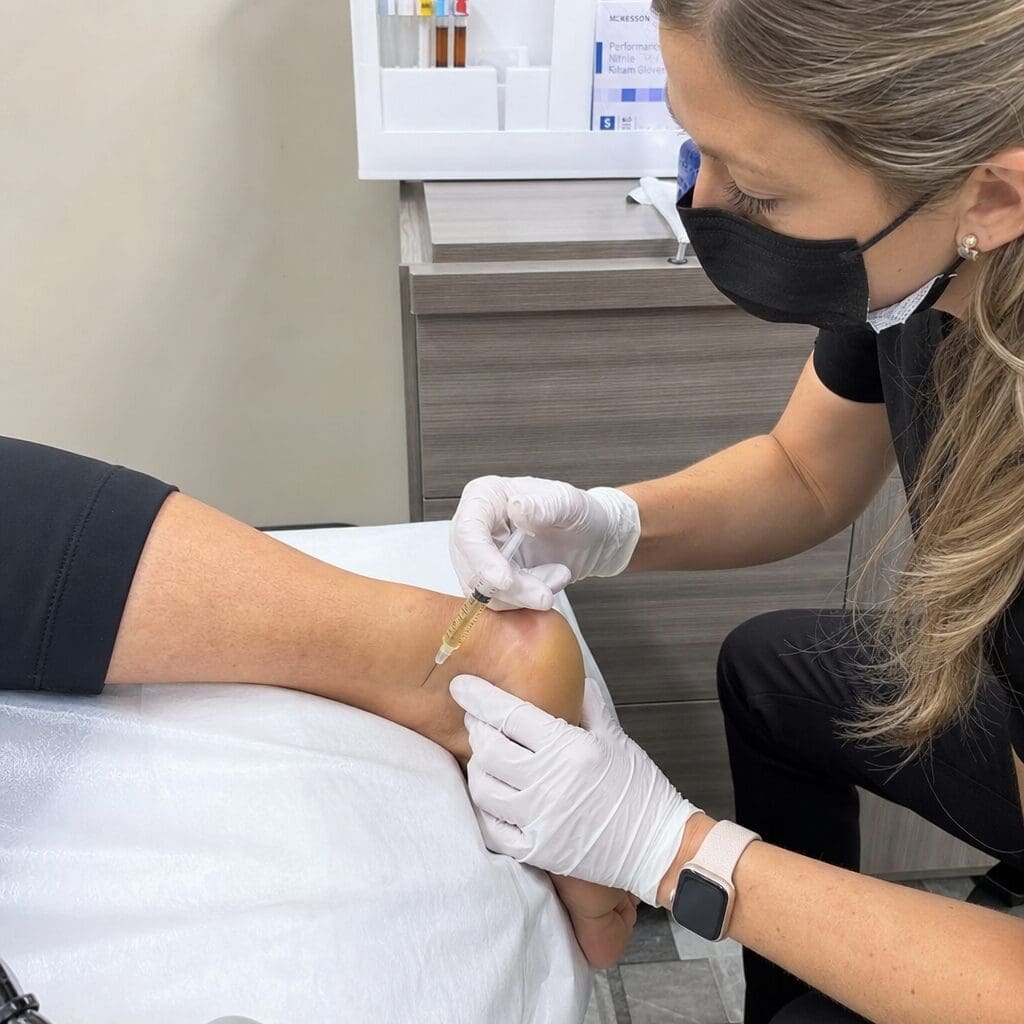
    • Ultrasound guidance for joints/tendons minimizes off-target placement and reduces post-procedural flare.
    • For scalp, distribute small aliquots across regions of thinning; consider nerve block when appropriate for comfort, though many patients manage well with topical and massage support.
  4. Adjuncts
    • Topical peptide cream with PRP for microneedling sessions, when indicated, to enhance epidermal and dermal regeneration.
    • Chiropractic adjustments/mobilization to normalize joint and soft-tissue mechanics, reducing nociceptive drive and improving movement quality.
  5. Rehabilitation and loading
    • Protect the site in the acute inflammatory phase (24–72 hours), then transition to subacute loading targeting collagen alignment and capacity building.
    • Incorporate isometrics early for tendinopathy, progressing to eccentric/concentric as pain allows.
  6. Follow-up and metrics
    • Track patient-reported outcomes (pain scales, function indices), objective measures (ROM, strength), and where appropriate, trichoscopy for scalp density and microneedling outcomes.

Patient Experience: Comfort Measures that Matter

During scalp injections, we coach patients through breathing and normalize expected sensations. A patient recently told me she felt “more scalp than hair up here” and initially experienced a fleeting “vice-like” tension. We explained that this is temporary pressure within superficial fascial planes and not a true headache. Within minutes, the discomfort subsided—consistent with our typical experience.

  • Why it resolves quickly: The scalp’s rich vascularization redistributes fluid while the autonomic nervous system resets. Gentle massage augments fluid kinetics and reduces peripheral nociception.
  • Nerve blocks when needed: For patients with heightened sensitivity, small peripheral nerve blocks can blunt afferent signaling, making the session smoother without affecting PRP efficacy.

In joint cases, patients may feel pressure or mild post-injection soreness. We recommend relative rest for 24–48 hours, ice as needed, and resume graded activity according to the tissue and plan.


Evidence Base: What Modern Research Shows

  • PRP for knee OA: Meta-analyses suggest PRP can improve pain and function versus hyaluronic acid or saline in mild to moderate osteoarthritis, especially in patients with lower BMI and earlier-stage disease (Belk et al., 2021).
  • Tendinopathy: Evidence supports PRP in selected chronic tendinopathies (e.g., lateral epicondylitis, some Achilles and patellar cases), with protocols tailored to tissue and leukocyte content (Mishra et al., 2014).
  • Scalp/hair: PRP has demonstrated increases in hair density and thickness in androgenetic alopecia adjunctive to standard care, with repeated sessions optimizing outcomes (Gupta & Carviel, 2022).
  • Skin/microneedling: PRP applied with microneedling enhances collagen remodeling and accelerates recovery, improving texture and scar appearance (Alam et al., 2018).

Across studies, technique fidelity—including proper centrifugation, concentration targeting, and avoidance of contamination—correlates with outcomes. This underscores why we obsess over details like no tip-to-gel contact and air pocket management.


Why Integrative Chiropractic Fits: Biomechanics Meet Biology

As a chiropractor, I see PRP not as a standalone solution but as a biologic accelerator that thrives in the right mechanical environment. Consider:

  • Joint centration: If a knee remains mal-tracking due to proximal hip weakness or foot mechanics, repeated microtrauma persists. Chiropractic assessments uncover these drivers; targeted manual therapy and corrective exercise reduce aberrant load.
  • Fascial continuity: Pain and strain travel through myofascial lines. Addressing thoracolumbar junction stiffness or pelvic torsion can unload distal tendons, allowing PRP-mediated remodeling to consolidate.
  • Neuromuscular control: Adjustments and motor control drills refine proprioception and muscle recruitment, reducing shear forces that would otherwise disrupt early collagen matrix.

The result: PRP’s biologic work gains a stable foundation, improving durability of results.


Safety, Oversight, and Ethical Practice

Dr. Cardenas’ medical leadership ensures that:

  • Patients are screened for contraindications (e.g., platelet disorders, active infections, anticoagulation concerns).
  • Informed consent covers expected benefits, alternatives, and risks.
  • Sterile technique is standardized, and contingency protocols are in place.
  • Documentation meets medical and legal standards, especially in personal injury contexts.

This framework protects patients and supports reproducible, evidence-informed care.


Practical Tips We Use Every Day

  • Keep the syringe tip superficial within the plasma; never let it touch the gel.
  • Maintain a small air gap in the syringe to reduce turbulence and preserve layer integrity.
  • If the layers mix, don’t force it. Re-spin or consider re-draw depending on the scenario.
  • Match PRP composition to target tissue: LP-PRP for joints; consider LR-PRP for certain tendons.
  • Use ultrasound guidance for accuracy and safety.
  • After scalp PRP, apply peptide-enriched carrier when indicated and massage lightly.
  • Align rehab progressions with tissue healing timelines; avoid premature high-load activities.

Clinical Observations from My Practice

Based on patterns I’ve discussed publicly and in professional forums, as well as what we routinely document in the clinic:

  • Patients with optimized metabolic health (e.g., A1c < 5.7–6.0, adequate vitamin D, omega-3 index) demonstrate more consistent PRP responses.
  • In knee OA, two to three LP-PRP sessions spaced 4–6 weeks apart often yield clinically meaningful improvements in pain and function for 6–12 months, especially when paired with gait retraining and weight management.
  • For lateral epicondylitis, a single LR-PRP or staged injections with structured eccentric loading can reduce pain within weeks, with maturation over 3–6 months.
  • Scalp PRP combined with home microneedling and peptide topicals shows visible improvements in hair density in 3–4 months for many, with best outcomes when DHT and inflammatory factors are co-managed medically as needed.

These observations align with published literature while acknowledging individual variability—a core reason we tailor care.


The Team Behind the Care

  • Medical Director & Collaborative Physician: Dr. Maria Guadalupe Cardenas, MD (Board Certified in Internal Medicine; NPI #1164426749; Texas MD License #J2933), directing medical safety, oversight, and clinical protocols.
  • Chiropractic and Functional Care: Dr. Alexander (Alex) Jimenez, DC, APRN, FNP-BC, CFMP, IFMCP, ATN, CCST, integrating biomechanics, manual therapy, functional medicine, and rehabilitation.
  • Clinic: Injury Medical Clinic PA (Mission Plaza Injury Medical Clinic), El Paso, Texas—delivering multidisciplinary, integrative solutions for musculoskeletal health, skin/scalp regeneration, and personal injury recovery.

Takeaways for Patients and Clinicians

  • Quality handling equals quality outcomes: Protect the platelet payload by respecting the physics of separation.
  • Integrate for impact: Combine PRP with chiropractic, rehab, and metabolic optimization for durable results.
  • Individualize care: Choose PRP composition and protocols based on tissue type and patient factors.
  • Comfort is part of care: Anticipate sensations; smooth the experience with communication, massage, and selective nerve blocks.
  • Measure and iterate: Track outcomes and refine protocols with evidence and clinical feedback.

If you are considering PRP for joints, tendons, scalp, or skin, a multidisciplinary approach with medical oversight and integrative chiropractic care can help you reach the best version of your health—safely, methodically, and compassionately.


References

Musculoskeletal Health Innovations for Regenerative Medicine

Explore the future of regenerative medicine for musculoskeletal health and its potential to transform recovery and healing.

Abstract

Welcome to an evidence-based exploration of integrative regenerative musculoskeletal care grounded in modern physiology, clinical science, and practical, patient-centered protocols. I am Dr. Alexander Jimenez, DC, APRN, FNP-BC, CFMP, IFMCP, ATN, CCST. In this educational post, I present a unified, first-person narrative synthesizing leading-edge research on orthobiologics, human cellular and tissue products (HCT/Ps), perinatal secretomes, mesenchymal signaling cells, and needleless regenerative modalities, with a clear emphasis on why and how integrative chiropractic care enhances outcomes. I explain the molecular underpinnings of tissue breakdown and repair, immunomodulation, neural sensitization, angiogenesis, collagen remodeling, and tensegrity. I detail practical imaging decision-making, procedural safety, dosing logic, patient psychology, rehabilitation progressions, and functional medicine integration for sustained recovery.
This post introduces our multidisciplinary clinical model at Injury Medical Clinic PA (Mission Plaza Injury Medical Clinic) in El Paso, Texas, where our Medical Director and Collaborative Physician, Dr. Maria Guadalupe Cardenas, MD (Board Certified in Internal Medicine; NPI #1164426749; Texas MD License #J2933), provides medical oversight that aligns internal medicine with chiropractic, functional medicine, personal injury care, rehabilitation, allergy testing and immunotherapy, pelvic floor therapies, and systems-based protocols. Together, we organize care to treat the root causes of pain and dysfunction while restoring movement, reducing inflammation, and building resilient function.
You will learn:

  • Why traditional symptom-focused care often fails in chronic musculoskeletal conditions and how regenerative science reframes healing by shifting the microenvironment from breakdown to repair
  • How mesenchymal signaling cells, exosomes, growth factors, cytokines, hyaluronic acid, and mRNA blueprints orchestrate antifibrotic, immunomodulatory, angiogenic, and neuro-calming cascades
  • Why umbilical cord-derived orthobiologics and perinatal secretomes (including menstrual stem cell secretomes) offer unique, epigenetically youthful signals that complement precise, integrative chiropractic rehabilitation
  • How to build “fertile soil” for regenerative success by correcting biomechanical tensegrity, optimizing neurological function, and sequencing targeted rehabilitation
  • How needleless modalities (shockwave, PEMF, red light therapy, peptides) and lifestyle programs empower healing where injections are not feasible or preferred
  • When and why imaging is essential, how to interpret findings in context, and how to choose ethical, patient-centered plans that prioritize safety and outcomes
  • How pelvic floor HIFEM technology, allergy testing and immunotherapy, and gut-brain axis functional medicine strategies integrate with musculoskeletal care
  • How communication, patient education, and collaborative protocols create certainty, reduce delays, and improve acceptance and adherence for complete solutions.

Introducing Our Multidisciplinary Model: Internal Medicine Oversight Meets Integrative Chiropractic Care

I practice at Injury Medical Clinic PA (Mission Plaza Injury Medical Clinic) in El Paso, Texas, where our multidisciplinary model aligns chiropractic care, internal medicine oversight, functional medicine, personal injury care, rehabilitation, and regenerative adjuncts into coherent clinical pathways. Our Medical Director and Collaborative Physician, Dr. Maria Guadalupe Cardenas, MD, is Board Certified in Internal Medicine (NPI #1164426749; Texas MD License #J2933) with over four decades of experience. She ensures medical direction, safety, diagnostic clarity, and pharmacologic coherence for complex cases, anticoagulation management, oncology histories, systemic inflammatory diseases, infections, and comorbidities.
How we integrate:

  • Chiropractic care (Dr. Jimenez)
  • Biomechanical assessment, spinal and extremity adjustments, proprioceptive retraining, motor control restoration, and movement economy optimization
  • Internal medicine oversight (Dr. Cardenas)
  • Medical evaluation, lab ordering/interpretation, risk stratification, medication reconciliation, imaging pathways, and specialist referral coordination
  • Functional medicine
  • Systems biology for inflammation, insulin resistance, gut dysbiosis, micronutrient deficiencies, sleep disruption, and neuroimmune signaling
  • Personal injury care
  • Documentation, mechanism analysis, rehabilitation staging, return-to-function metrics, and legal/insurance communications
  • Rehabilitation
  • Progressive loading, sensorimotor training, endurance building, balance and proprioception, and functional integration
  • Regenerative modalities
  • Orthobiologics/HCT/Ps where appropriate under medical oversight, plus needleless regenerative tools (shockwave, PEMF, red light therapy) and peptides
  • Allergy testing and immunotherapy
  • Scratch testing workflows, safety protocols, subcutaneous (SCIT) and sublingual (SLIT) immunotherapy, and annual retesting under medical guidance
  • Pelvic floor therapies
  • HIFEM supramaximal contraction protocols, neuromuscular re-education, and integration with chiropractic pelvic-lumbar mechanics
  • Patient education and clinical communication
  • Clear reports of findings, structured options, expectation setting, home programs, lifestyle coaching, and outcome measurements

This multidisciplinary setup is common in integrative or injury care clinics, with an MD providing medical direction alongside a chiropractor to ensure comprehensive, safe, and effective care.

Navigating the Broken Healing Cycle: Why Chronic Pain Persists

Chronic musculoskeletal pain is rarely the result of a single insult. It’s the culmination of intertwined failures across structural, biochemical, neurological, and behavioral domains. To design effective care, I disentangle the drivers and match treatments to physiology.
Key drivers:

  • Tissue damage
  • Microtears, fraying, articular cartilage degeneration, compromised ligament/tendon integrity
  • Chemical irritation
  • Pro-inflammatory cytokines (e.g., TNF-α, IL-1β), acidotic microenvironments, enzymatic degradation of extracellular matrix
  • Mechanical stress
  • Joint instability, aberrant gait or movement patterns, maldistributed forces, shearing and compressive overload
  • Neural sensitization
  • Peripheral nociceptor upregulation, “angry” free nerve endings firing continuously, dorsal horn wind-up, central sensitization increasing pain output
  • Lifestyle and systemic factors
  • Poor sleep, nutrition imbalances, metabolic stress, psychosocial load, smoking, inactivity
  • Age-related decline
  • Reduced native stem cell pool and vigor, decreased reparative signaling, diminished angiogenic responses, slower collagen remodeling
  • Why traditional symptom management often falls short:
  • NSAIDs and steroids
  • Useful for acute severe pain but can impair cartilage health (chondrotoxicity), weaken tendons/ligaments, disrupt gut barrier, and fail to resolve root mechanical and immune drivers
  • One-off procedures
  • Arthroscopic “clean-outs” for degenerative arthritis show limited long-term benefit compared to sham in many cases; they don’t fix ligamentous instability or neuromuscular timing.
  • Over-reliance on per-visit care
  • Transactional care undercuts structured, staged restoration needed to convert short-term relief into durable function

Our approach builds capacity for healing by leveraging orthobiologic mechanisms, optimizing the tissue microenvironment, and restoring biomechanical tensegrity, neuromuscular control, and functional movement.

Orthobiologics and Human Cellular Tissue Products: Re-engineering Repair

I prefer precise terms—orthobiologics, HCT/Ps, mesenchymal signaling cells (MSCs)—to avoid misconceptions about “stem cells” popularized by hype. The core goal is tissue engineering: replace, remodel, or regenerate cells and extracellular matrix to recover function.
What these biologics do:

  • Anti-inflammatory cytokine modulation
  • Lower TNF-α, IL-1β; raise IL-10, IL-1Ra; temper M1 macrophage dominance and promote M2 macrophage healing phenotypes
  • Immunomodulatory effects
  • Reset dysregulated immune loops, recruit and orchestrate reparative cells, reduce chronic demolition signals, and favor reconstruction signals.
  • Neurotrophic benefits
  • Calm hyperexcitable nerve endings, reduce aberrant firing, improve local pain signaling, and enable stable motor recruitment patterns
  • Tissue regeneration and remodeling
  • Five stages:
  • Homing signal (paracrine signaling)
  • Homeostatic signals summon endogenous progenitors from marrow, adipose, and other reservoirs.
  • Proliferation
  • Expand reparative cell pools to handle local demand
  • Differentiation
  • Guide cells via mRNA and paracrine direction into chondrocytes, tenocytes, osteoblasts, or fibroblasts as needed
  • Angiogenesis
  • Establish oxygen/nutrient delivery via new vasculature to support metabolically demanding repair phases.
  • Remodeling
  • Align collagen fibers under graded mechanical load, crosslink for tensile strength, and transition from immature, disorganized matrix to resilient tissue
  • Critical caveat:
  • Time matters
  • Anti-inflammatory pain relief may arrive in weeks, but structural remodeling requires months to a year. Patient education—”feeling good is not equal to being healed”—is vital to prevent premature load surges that disrupt delicate remodeling.

The Power of Youthful Signals: Umbilical Cord Tissue and Perinatal Secretomes

Source matters. Autologous bone marrow or adipose harvesting is viable but constrained by invasiveness and age-related decline in cellular vigor.
Age-related decline (Caplan’s findings):

  • At birth: ~1 in 10,000 marrow cells are MSCs
  • Teen years: ~1 in 100,000
  • Age 50: ~1 in 400,000
  • Age 80: ~1 in 2,000,000
  • Why perinatal sources:
  • Epigenetic youth
  • Day-one signaling vigor supports robust paracrine orchestration
  • Safety and ethics
  • Not fetal tissue; post-full-term birth umbilical cord and placenta otherwise discarded; donors rigorously screened beyond blood standards
  • Rich biologic cocktail
  • MSCs (medicinal signaling cells), growth factors (FGF, PDGF, TGF-β family), anti-inflammatory cytokines (IL-10, IL-1Ra), hyaluronic acid (HA), mRNA blueprints, exosomes, amino acids, peptides, carbohydrates
  • Perinatal secretomes and menstrual stem cell-based secretomes (MenSCs):
  • The endometrium’s antifibrotic program
  • Monthly sterile inflammation, hypoxia, ECM breakdown, and re-epithelialization without scar formation—an intrinsic antifibrotic blueprint
  • Mechanistic insights (Cuenca et al., 2018; Evans et al., 2019)
  • MenSCs show elevated baseline mRNA for elastin (~13x), MMP-3 (~22x), and PDGF (~800x vs. umbilical cord MSCs), converging with superior collagen organization and rapid epithelial closure in wound models
  • Clinical signals in severe intrauterine adhesions (Asherman’s syndrome)
  • Tan et al. (2016) and Ma et al. (2021) found endometrial thickness gains to ~7–7.5 mm and natural pregnancies (~43%) in otherwise refractory populations after intrauterine MenSC infusions (autologous protocols)
  • ARDS trials with cell-free secretomes
  • Double-blind RCT in severe COVID-19 ARDS: intravenous menstrual stem cell secretome improved survival (~57% vs. ~28%) and reduced CRP (~77%)—powerful systemic anti-inflammatory signals consistent with immunomodulatory and macrophage polarization mechanisms
  • Additional domains
  • Ovarian function restoration in premature ovarian failure cohorts; MS intrathecal safety signals without immunologic reactions; preclinical liver antifibrotic benefits; corneal and dermal wound closure acceleration
  • Why integrative chiropractic care matters here:
  • Biomechanics + biology
  • Regenerative signals thrive when biomechanical tensegrity and neurological control reduce pathologic shear, compression, and inflammatory microtrauma. Adjustments, decompression, and targeted rehabilitation prepare “fertile soil” for the “seed” of biologics.
  • References:
  • Adult mesenchymal stem cells for tissue engineering versus regenerative medicine (Caplan, 2007)
  • The MSC: An injury drugstore (Caplan & Correa, 2011)
  • The reparative activities of menstrual-versus-bone marrow-mesenchymal stem cells in experimental cutaneous wounds (Cuenca et al., 2018)
  • The potential of menstrual blood-derived mesenchymal stromal cells in regenerative medicine (Evans et al., 2019)
  • Autologous menstrual blood-derived stromal cells transplantation for severe Asherman’s syndrome (Tan et al., 2016)
  • Efficacy of menstrual blood-derived stromal cell transplantation for restoring endometrial receptivity (Ma et al., 2021)
  • Mechanisms of mesenchymal stem/stromal cell function (Spees et al., 2016)

Building Fertile Soil: Integrative Chiropractic Care, Biomechanics, and Tensegrity

Orthobiologics can lower pain early through immunomodulation, but durable results hinge on restoring structural integrity and neuromuscular control. Chiropractic care sets the biomechanical and neurological stage.
Three pillars:

  • Restoring structural and biomechanical integrity
  • Chiropractic adjustments to normalize joint mechanics across kinetic chains (SI joints, lumbar/thoracic spine, hips, ankles), spinal decompression for discogenic and radicular relief, redistribution of forces to reduce abnormal stress on healing tissues
  • Optimizing neurological function
  • Correcting subluxations to improve afferent signaling and efferent motor control, enhancing proprioception, reflexive stabilization, and sensorimotor integration
  • Targeted rehabilitation and functional movement
  • Strengthen weak links, lengthen tight tissues, re-educate movement patterns, transition from relief to resilience via progressive load and motor learning
  • Why this matters:
  • Cabinet door analogy (joint instability)
  • Loose ligament “hinges” create wobble and destructive shear—chiropractic realigns the door; regenerative injections tighten the hinges; rehab retrains smoother motion to prevent recurrence.
  • Ligamentous instability and soft tissue competence
  • Iliolumbar and SI ligament tenderness often drive “old man noise” stiffness—diagnostic lidocaine challenge can confirm pain generators; prolotherapy/PRP/cellular signals target ligamentous integrity; adjustments “hold” better with stronger connective tissues
  • Knee as a responsive joint
  • Hinged arthrokinematics, superficial accessibility, multi-target injection plans (meniscal tears, MCL laxity, intra-articular inflammation), plus rehab for pes anserine bursa/tendons; adjustments coordinate tibiofemoral kinetics

Needleless Regenerative Strategies: When Injections Are Not Feasible

Not all patients can or wish to undergo injections. Needleless modalities can induce meaningful regenerative signaling through mechanotransduction, bioenergetics, neuromodulation, and tissue remodeling.
Key modalities:

  • Shockwave therapy (radial/focused)
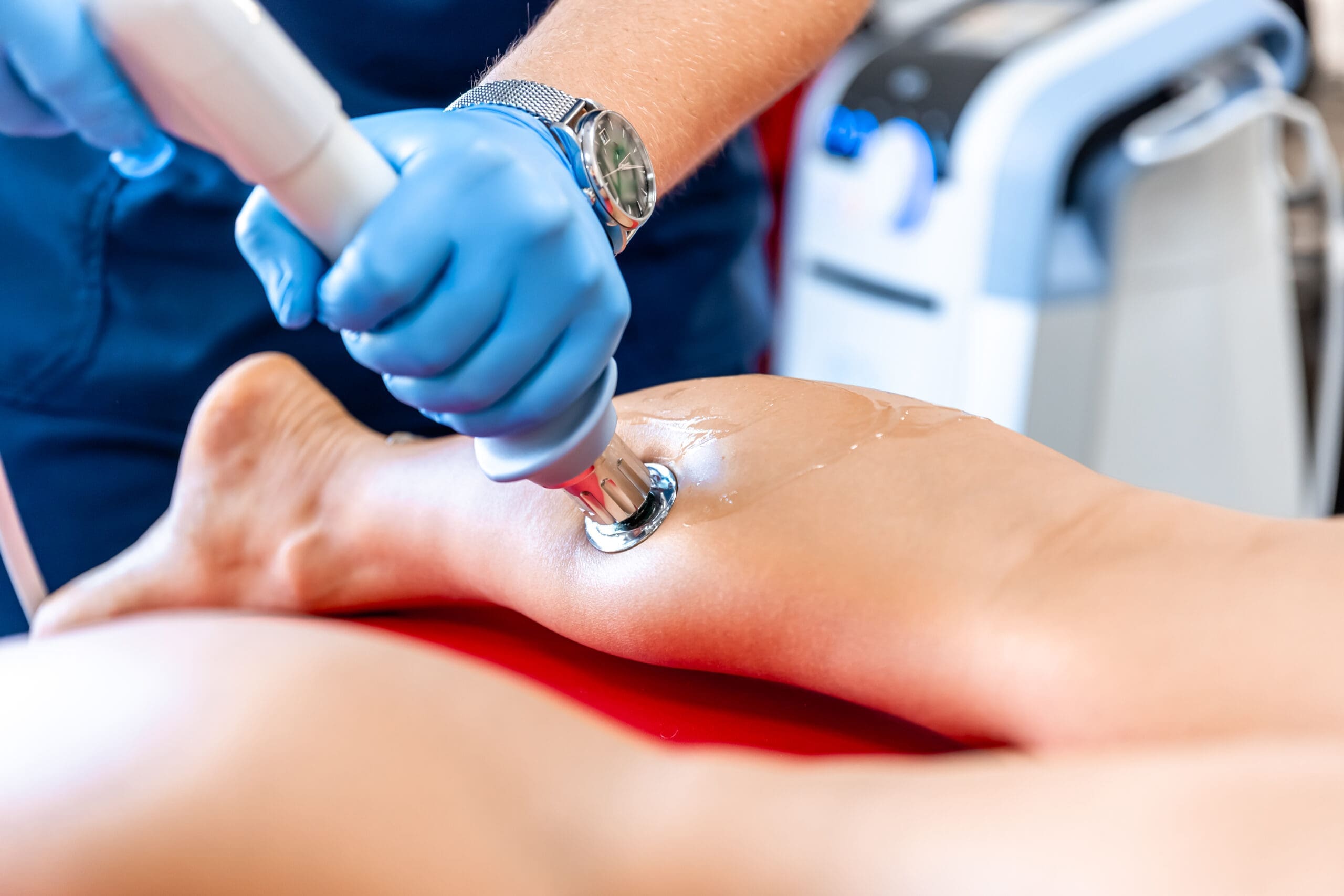
  • Mechanotransduction triggers collagen synthesis, neovascularization, nociceptor modulation; grid mapping and energy titration to tendon footprints; synergistic with eccentrics and progressive loading.
  • Pulsed Electromagnetic Field (PEMF)
  • Influences ion channels, mitochondrial ATP generation, calcium signaling, and inflammatory cascades (NF-κB); supports ligament laxity and post-exertional recovery
  • Red light therapy (photobiomodulation)
  • Cytochrome c oxidase modulation, ATP upregulation, reduced ROS, enhanced microcirculation; complements pain modulation and repair
  • Peptides (e.g., BPC-157, TB-500)
  • Angiogenesis, fibroblast migration, collagen synthesis; actin modulation, cell migration; applied under medical oversight for safety and appropriateness
  • Functional nutrition and anti-inflammatory support
  • Eicosanoid balance, oxidative stress reduction, glycemic control, collagen precursors; integrate micro/macro-nutrient sufficiency for tissue repair
  • Chiropractic care and proprioceptive retraining
  • Adjustments and sensorimotor drills reestablish movement economy, reduce guarding, enhance CNS confidence in motion
  • Reference snapshot:
  • Extracorporeal shockwave therapy review (Cacchio et al., 2021)

Imaging Rationale: Trust the Exam, Use Imaging Wisely

Imaging must answer clinical questions born from history and physical exam. Over-imaging can mislead due to high rates of “abnormal” findings in asymptomatic people.
Guidance:

  • Red flags requiring MRI with and without contrast
  • Rapid unexplained weight loss, drenching night sweats, persistent fevers, known cancer histories with bone metastasis risk; contrast highlights vascularity characteristic of tumors/infections
  • When X-rays and ultrasound suffice
  • Weight-bearing X-rays for degenerative joint space, osteophytes, sclerosis, alignment; musculoskeletal ultrasound for dynamic soft tissue evaluation, ligament laxity, tendinopathy, guided injections
  • Evidence snapshots
  • CT/MRI abnormalities in asymptomatic individuals (Johnson et al., 1994); Classic imaging asymptomatic prevalence (Wiesel et al., 1984)

Practical Guidelines: Concentration, Joint-Specific Strategies, and Post-Surgical Care

  • Treatment strategy:
  • Concentration principle
  • Avoid diluting products below critical therapeutic thresholds; treat one or two areas thoroughly over many areas poorly; better outcomes and trust through quality-focused decisions.
  • Joint insights
  • Knee: responsive hinge dynamics, multi-target plans, careful pes anserine and ligament testing; hip: capsular distention caution, load complexity demands conservative volumes; shoulder: timing and neuromuscular control are key, treat tendon pathology and scapulothoracic rhythms
  • Post-surgical knees
  • Soft tissues generate pain around prostheses; treat ligaments (MCL/LCL), tendon insertions; avoid hardware injection with ultrasound guidance; document images for safety and medicolegal clarity.

Safety, Sedation, and Patient Responsibility

Procedural anxiolytics reduce muscle guarding and pain perception but come with safety obligations.
Points:

  • Anxiolytics
  • Lorazepam 1–2 mg for procedural calm; diazepam 5 mg for significant anxiety/muscle tension; maintain patient feedback capacity.
  • Driving prohibition
  • Cognitive/motor impairment akin to alcohol intoxication; insist on driver escort; pharmacist labeling “Do not operate heavy machinery or motor vehicle” improves safety layers.
  • Communication
  • Explain collaboration during procedures: “We need to manage your pain and anxiety, but you need to feel enough to guide me.”

Personal Narrative: Hope, Limits, and Timing

I share openly with patients: regenerative medicine is powerful but not magic. My own hip degeneration progressed to end-stage osteoarthritis (“bone-on-bone” with large osteophytes). Despite hundreds of millions of cellular inputs over years, structural remodeling limits were reached, and total hip replacement became the correct solution. Today, I am pain-free and active—including Brazilian Jiu-Jitsu.
Lessons:

  • Intervene early
  • Don’t wait for catastrophic structural deformity; earlier regenerative engagement improves odds.
  • Honesty builds trust
  • A surgical referral when appropriate honors patient safety and best outcomes

The Psychology of Delay: Costs of “Waiting to See”

Patients address car “check engine” lights within days but ignore their body’s warning signs for months or years.
Consequences:

  • Mechanical “gremlin” progression
    • Mild ligament laxity cascades into multihinge instability, subluxation, articular damage, and end-stage failure.
  • Financial burden
    • NIH and health economics estimate lifetime cost for degenerative joint management often exceeds ~$110,000 when factoring visits, drugs, imaging, physical therapy, steroid cycles, minor surgeries, DME, lost wages, and eventual joint replacement
  • Invest in solutions, not symptom chasing—regenerative and integrative plans act as prevention against long-term cascade costs.

Tensegrity Explanations: The Cabinet Door and Clinical Mapping

Educational analogies resonate:

  • Loose cabinet door sequence
    • Initial hinge looseness → bottom hinge overload → subluxation → door strikes frame → paint chips/wood splinters (cartilage wear) → osteophyte stabilization → door falls (end-stage failure)
  • Regenerative/Chiropractic approach
    • Inject “inside” joint for cushioning/anti-inflammatory support (e.g., HA, secretome products), inject ligaments around joint (prolotherapy, PRP, cellular signals) to tighten infrastructure; chiropractic realignment sets proper geometry.

Case Studies: Read Images, Know Limits, Target Function

  • Rotator cuff tendinopathy
    • Ultrasound: hypoechoic interstitial tears within an intact scaffold—excellent candidates for targeted regenerative injections; treat subacromial bursa if inflamed; integrate scapular mechanics and thoracic mobility; prognosis strong
  • Complete rotator cuff tear with retraction
    • MRI shows 3 cm medial retraction; not repairable by injections; surgical reattachment required; supportive care can still lower pain and improve function by strengthening other cuff muscles and optimizing glenohumeral mechanics
  • Medial knee pain: meniscus + MCL
    • Ultrasound shows vertical meniscal tear; dynamic stress reveals MCL laxity; injectable plan: meniscus (peripheral vascular zone), MCL along length, intra-articular anti-inflammatory support; integrate rehab to avoid meniscectomy when possible.
  • End-stage hip OA
    • Standing AP pelvis shows complete joint space loss and osteophytes; regeneration unlikely to rebuild surfaces; total hip arthroplasty often definitive; integrative prep improves pre-op function and post-op recovery.

Shoulder Mechanics: Sensorimotor Precision and Rehabilitation

The shoulder’s shallow glenoid and mobile humeral head demand neuromuscular timing to prevent impingement and labral overload.
Exam:

  • Palpation sequence: SC joint → AC joint → long head of biceps → supraspinatus footprint → infraspinatus insertion
  • Provocatives: Hawkins-Kennedy, Empty Can, resisted IR/ER, O’Brien’s test

Care:

  • Shockwave on tendon footprints
  • Scapular control drills (serratus anterior, lower trapezius)
  • Thoracic spine mobilizations
  • Red light therapy/PEMF for pain/inflammation
  • Anticipatory motor timing of humeral head centering
  • Functional nutrition to improve collagen turnover
  • Medical oversight for systemic considerations

Elbow Pain: Annular Ligament + Common Extensor Tendon

Tennis elbow worsens when stabilizers are ignored.
Points:

  • Annular ligament stabilizes radial head; laxity increases load on common extensor tendon; palpate both.
  • Positioning safety
    • Triceps targeting: avoid “tomahawk” angle; forearm pronation keeps radial nerve safer; mark ulnar nerve subluxation risk.
  • Non-needle plan
    • Shockwave (extensor origin + annular ligament), PEMF, eccentrics, forearm mechanics corrections; chiropractic wrist/forearm/cervical-thoracic alignment

Ankle Complexity and Morton’s Neuroma

Ankle articulates with extraordinary proprioceptive burden; energy storage in ligaments acts like a springboard.

  • Morton’s neuroma insights:
    • Steroid reduces perineural inflammation temporarily; transverse metatarsal ligament laxity must be corrected to prevent recurrent compression
  • Non-needle plan
    • Shockwave for ligament remodeling, PEMF for pain modulation, intrinsic foot training, toe splay drills, short-foot exercises, orthotic evaluation, footwear modifications; red light therapy for neuropathic excitability

Hip Joint Realities and AVN Caution

Hip is high-load and polyarticular, making late-stage structural repairs difficult.
Care:

  • Early labral signs: groin pain, clicking; lateral hip pain often gluteal tendon microtears (greater trochanteric pain syndrome) rather than classic bursitis
  • Ultrasound guidance: anterior approach landmarks (ASIS/AIIS, greater trochanter); assessment of quadriceps, iliopsoas, lateral stabilizers
  • Non-needle plan
    • Shockwave to gluteus medius/minimus footprints, IT band; hip stabilization drills, pelvic control; thoracolumbar mobility; PEMF/red light; chiropractic pelvic mechanics and SI balance

SI Joint and Lumbar Spine: High-Yield Non-Needle Targets

SI joint:

  • Positive squeeze tests, PSIS tenderness, flexion asymmetry; treat with stabilization, pelvic mechanics correction

Lumbar facets:

  • Perifacet pain modulation with careful energy dosing; emphasize lateral approaches and depth control; motor retraining for multifidus, diaphragmatic integration, hip hinge mechanics

Posterior spinous ligaments:

  • Supraspinous/interspinous contributions to axial pain; soft-tissue decompression and graded activation reduce guarding

Cervical Spine Safety: Facets, Headaches, Occipital Ridge

Cervical strategy:

  • Avoid injections above C2 due to vertebral artery risk
  • Perifacet targeting: angling plates constrain intra-facet access; perifacet diffusion can suffice
  • Occipital ridge peppering (non-needle modality approach): semispinalis/trapezius/levator attachments; bone as a safe barrier; soft energy settings for osteoporotic patients
  • Identify C7/T1 via palpation; avoid midline deep trajectories; lateral approaches reduce risk

Thoracic Care and Pneumothorax Avoidance

Safety pearls:

  • Under-skin entry, shallow safe angles, slow advancement; emphysematous patients have larger lung volumes—respect margins; conservative vectors prevent events

Anticoagulants, Supplements, and Cancer Histories: Medical Oversight Essentials

Under Dr. Cardenas’s oversight:

  • Anticoagulants
    • Timing windows (e.g., Eliquis) inform scheduling; deep structures carry higher bleeding risk; superficial shoulder targets lower concern.
  • Supplements and medications
    • NSAIDs elevate bleeding risk; prefer acetaminophen as needed; turmeric/curcumin/ashwagandha/omega-3s may interact—review case-by-case
  • Cancer history
    • Consider waiting five years post-recovery for certain biologics; PRP may be viable; MRI to screen for local metastasis before regional biologics; chemo timing preference: ideally two weeks before/after regenerative interventions

Functional Medicine Integration: Systems Biology Meets Mechanics

Functional drivers:

  • Insulin resistance
    • Aggravated collagen crosslinking and stiffened ECM; glycemic control improves repair dynamics.
  • Micronutrients
    • Vitamin D, magnesium, omega-3s influence neuromuscular function and inflammatory signaling.
  • Gut-immune axis
    • Dysbiosis and endotoxemia amplify systemic inflammation and pain sensitivity (gut-brain axis)
  • Sleep/circadian rhythm
    • Deprivation elevates pain perception and reduces GH pulsatility, which is essential for tissue repair.
  • Stress/autonomic balance
    • Chronic sympathetic dominance increases guarding and pain; downregulation improves central modulation

Outcome:

  • Local tissue care accelerates when systemic inflammation and metabolic stress are addressed; movement plus molecular health converts relief to resilience

Pelvic Floor Health: HIFEM Therapy and Integrative Care

Pelvic floor dysfunction affects continence, core stability, and sexual function. Kegels are often misapplied—hypertonic cases deteriorate with more tightening.
HIFEM (High-Intensity Focused Electromagnetic) therapy:

  • Supramaximal contractions
    • Electromagnetic fields depolarize motor neurons directly; recruit deep fibers beyond voluntary capacity; ~28-minute sessions deliver thousands of contractions (quality/depth matters)
  • Remodeling cascade
    • Hypertrophy/hyperplasia, mitochondrial stress adaptation, microtrauma signaling for rebuild, improved neuromuscular control via repeated precise contractions
  • Protocol
    • Six sessions, twice weekly for three weeks; adjust relaxation emphasis for hypertonic patterns; optimize pelvic-lumbar alignment with chiropractic care for balanced load
  • Applications
    • Stress urinary incontinence, postpartum recovery (OB/GYN clearance), post-prostatectomy incontinence and erectile function, chronic low back pain linked to pelvic floor dysfunction

Integrative synergy:

  • Chiropractic pelvic alignment
    • Sacral nutation/counternutation, SI mechanics; neurological optimization via sacral plexus
  • Functional medicine
    • Hormone balance (estrogen), magnesium for relaxation, anti-inflammatory diet; address constipation/straining and cough-related pressure surges
  • Patient experience
    • Non-invasive, fully clothed sessions; adjustable intensity; no downtime; sustainable maintenance via periodic tune-ups

References:

Allergy Testing and Immunotherapy in Integrative Practice

Allergies compound inflammation, sleep disruption, fatigue, and autonomic imbalance—impacting musculoskeletal recovery.
Program components:

  • Scratch testing
    • 15–20 minutes; monitored wheal/flare reactions; documented reporting; medically supervised safety protocols; emergency readiness
  • Immunotherapy options
    • SCIT (in-office injections) with decades of data; SLIT (sublingual at-home) reduces anaphylaxis profile and offers convenience; personalization via annual/every-other-year retesting
  • Clinical rationale
    • Reducing allergen load lowers systemic inflammation; improves sleep (critical for repair), reduces sedating antihistamine burden, and supports rehabilitation adherence.
  • Economics and access
    • Turnkey kits, modest hands-on time; insurance coverage common for scratch testing; patient education onboarding improves uptake

Gut-Brain Axis, Neuroinflammation, and Metabolic Health

Neuroimmune interface:

  • Vagus nerve afferents (gut-to-brain), enteric neurotransmitter production (serotonin), immune cytokines crossing BBB, microbiota metabolites (SCFAs) modulating CNS function
  • Neuroinflammation
    • Microglial activation (TNF-α, IL-1β, IL-6, ROS, glutamate excitotoxicity) drives bystander damage and underpins neurodegenerative disease progression.n
  • Leaky gut/leaky brain
    • Zonulin-regulated tight junction breakdown; LPS endotoxemia activates TLR4, and NF-κB cascades; systemic inflammation disrupts BBB and perpetuates microglial activation
  • Alzheimer’s” “pe 3 Diabetes”
    • Brain insulin resistance impairs synaptic plasticity and amyloid clearance via IDE competition; ketones (BHB) bypass insulin demands, inhibit NLRP3 inflammasome, and enhance mitochondrial efficiency and BDNF

Functional interventions:

  • 5R gut protocol: Remove triggers (gluten, dairy, sugar), Replace digestive support (enzymes, HCL), Reinoculate (probiotics/prebiotics), Repair (L-glutamine, zinc, vitamins A/D, quercetin, curcumin, aloe), Rebalance (stress, sleep)
  • Ketogenic approach and metabolic flexibility where appropriate for cognitive and inflammatory control

References:

Clinical Communication: Certainty, Options, and Ethical Care Plans

Communication is clinical—when I am certain, patients become certain. I avoid pressure and emphasize clarity, education, and choices.
Core elements:

  • Reports of findings that answer:
    • What is the diagnosis? Why does it matter? How serious is it? What are the options? What is my recommendation? How long will it take? What are we measuring? What if care is delayed?
  • Two-option frameworks
    • Acute repair vs. long-term correction; “Do you want a Band-Aid or a real fix?” Choice reframes from “if” to “which path”
  • Ethical care plans
    • Clinically justified, transparent costs and expectations, measurable goals, documented progress, individualized adjustments, informed consent
  • Include family/caregivers when appropriate.
    • Improves support, adherence, home exercise compliance, and lifestyle change adoption

Observations from practice (Chiromed, LinkedIn):

  • Patients improve when they understand the”“wh” behind care
  • Rehabilitation adheres when connected to meaningful life goals
  • Adjustments paired with active motor correction yield fewer flare-ups
  • Sleep and protein sufficiency correlate with faster tendon recovery
  • Imaging guides safety, but the exam drives care decisions
  • Clear education reduces fear-avoidance and delays

References:

Rehabilitation Milestones and Outcome Measurement

Stages:

  • Relief and protection
    • Isometrics reduce tendon pain; gentle mobility; breathing strategies tame sympathetic overdrive.
  • Motor control and stability
    • Multifidus and deep neck flexor activation; proximal control (glute med/min, lower trap, serratus anterior); tempo work and feedback
  • Strength and endurance
    • Progressive resistance; slow eccentrics for tendon remodeling; endurance capacity building
  • Return to function
    • Work/sport-specific drills; rate-of-force development with joint-friendly programming

Measurements:

  • Pain scales (NPRS/VAS)
  • Function indexes (ODI, NDI, KOOS/HOOS, DASH)
  • Range of motion, strength
  • Patient-specific functional scales
  • Sleep metrics, quality-of-life measures

Personal Injury Care: Documentation and Recovery Pathways

For motor vehicle collisions and occupational injuries:

  • Early phase
    • Rule out serious injury, imaging/referrals, vestibular-ocular rehab for CAD injuries where indicated, early activation to prevent deconditioning
  • Subacute phase
    • Joint mobilization/manipulation, soft tissue work, progressive isometrics, motor control stabilization
  • Recovery and return
    • Functional capacity evaluation elements, work hardening principles, ergonomic recommendations
  • Documentation
    • Mechanism of injury, exam findings, imaging rationale, staged care, outcomes, and maximum medical improvement considerations

Safety Protocols: Angles, Nerve Landmarks, and Tool Selection

Trim risk:

  • Lateral approaches for spine/deep targets; avoid midline deep structures; slow seesaw depth testing; withdraw/reorient upon tingling
  • Nerve landmarks
    • Radial nerve (lateral elbow), ulnar nerve (medial elbow), vertebral artery risks (upper cervical)
  • Instrument selection
    • Blunt-tip styles when appropriate; cautious thoracic angles; ultrasound guidance to visualize metallic hardware and avoid contact

Practical Lifestyle and Ergonomic Changes

Small changes accumulate:

  • Desk setup
    • Shoulder-friendly ergonomics, forearm neutral positioning, lumbar support
  • Footwear/orthotics
    • Toe box width, midfoot stability, appropriate insoles
  • Movement snacks
    • Short mobility breaks, posture resets, breath work during day

Clinical Observations: My Integrative Philosophy

From my clinical experience and collaborations:

  • Patients heal faster when their musculoskeletal mechanics, nervous system regulation, and systemic inflammatory status align
  • Chiropractic care emboldens proprioception, enabling more accurate muscle recruitment and better motor learning consolidation
  • Functional medicine reduces systemic”“noi e,” allowing local signals to repair rather than fight persistent inflammation
  • Medical oversight ensures timing safety (anticoagulants, oncology histories), proper referrals, and medication coherence
  • Needleless regenerative modalities expand access and layered support where injections aren’t viable
  • Explore practice insights:

Essential Reading to Support Integrated Perspectives

  • Life Force (Robbins, Diamandis, Hariri, 2022) — patient-accessible exploration of regenerative potential and personal narratives
  • The Pegan Diet (Hyman, 2021) — food-as-medicine frameworks relevant to anti-inflammatory milieus
  • Red Light Therapy: Miracle Medicine (Sloan, 2019) — photobiomodulation fundamentals for home and clinical application
  • The Ozone Miracle (Shallenberger, 2011) — adjunct oxygen utilization and immune modulation perspectives

Conclusion: A Patient-Centered, Evidence-Based Pathway to Healing

This comprehensive post connects modern regenerative science with integrative chiropractic care under internal medicine oversight to create a clear, ethical, and effective path from pain to durable function. At Injury Medical Clinic PA (Mission Plaza Injury Medical Clinic), our multidisciplinary structure with Dr. Maria Guadalupe Cardenas, MD, ensures safety and coherence. We prepare the “soil” of biomechanics, nervous system regulation, and systemic health so that regenerative signals—biologic or needleless—can thrive. We measure outcomes, educate patients, and build certainty through communication.
If your goal is to recover movement, reduce pain, and restore resilience, the journey is multifaceted but navigable. We invite you to engage with this integrative model—one that respects physiology, honors evidence, and focuses relentlessly on your function and quality of life.

References

SEO tags: regenerative medicine, orthobiologics, HCT/Ps, mesenchymal signaling cells, MSC, secretome, exosomes, umbilical cord tissue, menstrual stem cells, antifibrosis, angiogenesis, immunomodulation, chiropractic care, integrative chiropractic, internal medicine medical director, Dr Alexander Jimenez, Dr Maria Guadalupe Cardenas, Injury Medical Clinic PA, Mission Plaza Injury Medical Clinic, El Paso chiropractor, functional medicine, personal injury care, rehabilitation, shockwave therapy, PEMF, photobiomodulation red light, peptides BPC-157 TB-500, knee pain treatment, shoulder tendinopathy, lumbar spine pain, SI joint stabilization, hip labral pain, Morton’s neuroma, pelvic floor HIFEM therapy, allergy testing immunotherapy, gut-brain axis, neuroinflammation, leaky gut, ketogenic therapy, patient communication, ethical care plans, evidence-based chiropractic

Clinical Application: Weight Management for Success


Find out how weight management techniques in a clinical application can support your journey towards a healthier weight.

Abstract: A Modern, Integrative Approach to Obesity Management

Obesity is a chronic, relapsing, and multifactorial disease that affects a staggering number of individuals worldwide. This educational post delves into the complexities of obesity, moving beyond outdated notions of willpower to explore its deep-seated neurobehavioral, metabolic, and genetic roots. We will examine the latest findings on the pharmacology of weight management, exploring how modern, evidence-based medications such as GLP-1 receptor agonists, GIP/GLP-1 therapies, naltrexone-bupropion, and others can serve as powerful tools in a comprehensive treatment plan. This discussion will highlight the critical need to combat weight bias in healthcare, which significantly hinders patient outcomes. Furthermore, we will explore how an integrative care model that combines advanced chiropractic techniques with internal medicine, functional medicine, and personalized rehabilitation provides a holistic and effective pathway for patients on their journey toward sustainable health. At our clinic, this collaborative approach is championed by Mr. Maria Guadalupe Cardenas, MD, and me, ensuring our patients receive comprehensive, multidisciplinary care.

Our Collaborative and Integrative Care Model in El Paso

At Injury Medical Clinic PA, also known as Mission Plaza Injury Medical Clinic, in El Paso, Texas, we have cultivated a unique and powerful multidisciplinary environment designed to address complex health issues, such as obesity, from multiple angles. I am Dr. Alex Jimenez, and my expertise in chiropractic care, functional medicine, and Family Nurse Practitioner practice is complemented by the invaluable medical oversight of Dr. Maria Guadalupe Cardenas, MD. Dr. Cardenas is Board Certified in Internal Medicine and serves as our Medical Director and Collaborative Physician. With over 40 years of experience as an internist (NPI #1164426749, Texas MD License #J2933), she provides the essential medical framework for our integrative protocols.

This collaborative setup allows us to blend different disciplines for a truly holistic patient experience seamlessly:

  • Medical Oversight (Dr. Cardenas): Dr. Cardenas provides crucial medical direction, overseeing diagnoses and medication management, and ensuring that all treatments align with established medical safety and efficacy standards. Her role is vital, especially when considering pharmacotherapy for obesity and its related comorbidities such as hypertension, type 2 diabetes, and cardiovascular risk.
  • Chiropractic and Functional Medicine (Dr. Jimenez): My role involves focusing on the biomechanical and functional aspects of health. Through advanced chiropractic adjustments, we address musculoskeletal issues such as osteoarthritis, which is often exacerbated by excess weight. Using a functional medicine lens, we investigate the root causes of metabolic dysfunction, from gut health to hormonal imbalances, creating personalized nutritional and lifestyle strategies.
  • Integrated Services: Our team works cohesively to offer a spectrum of care that includes personal injury rehabilitation, physical therapy, and nutritional counseling. This allows us to create a unified treatment plan in which a patient can receive a chiropractic adjustment to alleviate back pain, consult with a provider on evidence-based weight-management medications under medical supervision, and receive a personalized nutrition plan, all within one coordinated system.

This team-based approach ensures that we treat the whole person, not just the symptoms, embodying the principles of modern, patient-centered integrative care. Patients are not isolated body parts; a patient with obesity, diabetes, back pain, and depression needs a coordinated strategy that respects the whole person.

Deconstructing Obesity: A Chronic and Complex Disease

We must begin by framing obesity correctly. It is not a simple matter of choice or a lack of discipline. Obesity is a chronic, progressive, relapsing, and treatable disease. This perspective is fundamental to how we approach patient care. When patients stop their anti-obesity medications, the weight often returns. This is no different than when a patient stops their antihypertensive medication, and their blood pressure rises, or when they stop chemotherapy and a malignancy returns. The condition relapses because it is chronic and deeply embedded in our physiology.

Obesity is profoundly multifactorial. It involves intricate neurobehavioral, neuroendocrine, and metabolic components. The accumulation of excess body fat promotes adipose tissue dysfunction, which is a key driver of the chronic inflammation and metabolic chaos associated with the disease. Obesity affects the body through several overlapping mechanisms:

  • Insulin resistance
  • Chronic low-grade inflammation
  • Leptin resistance
  • Altered appetite regulation
  • Reward pathway dysregulation
  • Mitochondrial dysfunction
  • Reduced skeletal muscle metabolic flexibility
  • Gut-brain signaling changes
  • Sleep disruption and cortisol imbalance
  • Mechanical overload on the spine, hips, knees, and feet

The consequences are far-reaching, impacting every system of the body:

  • Metabolic: Type 2 diabetes, dyslipidemia, hypertension.
  • Biomechanical: Osteoarthritis, back pain, incontinence.
  • Psychosocial: Depression, anxiety, social stigma, and discrimination.

In the United States, the statistics are sobering. 41.9% of the adult population meets the criteria for obesity (BMI ≥ 30), and a startling 9.2% have severe obesity (BMI ≥ 40). These numbers underscore the urgency of developing effective, accessible, and compassionate treatment strategies.

The Social and Environmental Drivers of Obesity

When we consider the roots of this epidemic, we must look beyond the individual to the broader environment. I often refer to the “social determinants of obesity” because factors like socioeconomic status, education, and environment play such a powerful role.

  • Economic Instability: For centuries, poverty was associated with being underweight. Today, the opposite is often true. In many impoverished areas, access to fresh, nutrient-dense food is limited, while calorie-dense, processed foods are cheap and abundant. This creates an environment where metabolic disease can thrive.
  • Neighborhood and Built Environment: If a person lives in a neighborhood where it is unsafe to walk outside, opportunities for regular physical activity are severely limited. The lack of green spaces, sidewalks, and recreational facilities contributes directly to a sedentary lifestyle.
  • Genetic and Hormonal Factors: We are identifying an ever-growing list of genetic and hormonal players that regulate appetite and metabolism, including ghrelin (the “hunger hormone”), GLP-1 (a satiety hormone), and leptin (which signals fullness). Research into the gut microbiota is also revealing how the balance of our intestinal flora can profoundly influence weight.
  • The Modern Environment: The rise of technology has engineered physical activity out of our daily lives. From desk jobs to digital entertainment, we are more sedentary than any previous generation.

Over the last decade, virtually every major medical organization, including the American Medical Association, has officially recognized obesity as a disease. This recognition is a critical step, as it validates the patient’s struggle and opens the door for proper diagnosis, treatment, and insurance coverage.

The Overwhelming Complexity of Appetite Regulation

The regulation of our appetite is an incredibly complex symphony conducted by the brain and a host of hormones. When you look at the intricate network of signals involved, it’s easy to see how a disruption in even one pathway can lead to dysfunction. Hormones like leptin, cortisol, ghrelin, and GLP-1 are in constant communication with the brain’s appetite centers, like the hypothalamus.

For many individuals with obesity, these signaling pathways are dysregulated. They may have leptin resistance, in which the brain doesn’t receive the “I’m full” signal, or ghrelin imbalances that drive persistent hunger. It becomes incredibly difficult for someone to “overpower” these potent neuroendocrine signals through willpower alone. This physiological reality is often overlooked, leading to significant clinical inertia.

Consider this shocking statistic: of the 100 million people with obesity in the United States, less than 1% receive a prescription for an anti-obesity medication. Less than 300,000 undergo bariatric surgery, despite 9.2% of the population having severe obesity. Why is there such a massive gap between the need for treatment and the care being provided? A large part of the answer lies in bias.

Binge Eating Disorder and the Physiology of Loss of Control Eating

A key concept in obesity care is recognizing binge eating disorder (BED). Binge eating disorder is not simply eating too much. It involves eating, within a discrete period of time, an amount of food larger than most people would eat under similar circumstances, combined with a sense of loss of control during the episode.

Clinically, binge eating episodes are often associated with several features:

  • Eating much more rapidly than normal
  • Eating until uncomfortably full
  • Eating large amounts when not physically hungry
  • Eating alone because of embarrassment
  • Feeling disgusted, depressed, guilty, or ashamed afterward
  • Marked distress about binge eating
  • Episodes occurring at least once weekly for at least three months
  • Absence of compensatory behaviors, such as purging, that would suggest bulimia nervosa

In practice, patients may describe getting up at night to eat while family members are asleep, hiding food, eating in the car, or waking up the next morning feeling shame and physical discomfort. I approach these disclosures with compassion because shame worsens the cycle. Patients need an evidence-based treatment plan, not judgment.

The physiology behind binge eating disorder involves dysregulation of:

  • Dopamine reward pathways
  • Impulse control circuits
  • Stress-related cortisol signaling
  • Serotonin and norepinephrine pathways
  • Prefrontal cortex regulation
  • Gut-brain satiety signaling
  • Emotional regulation networks

From a clinical standpoint, binge eating disorder can drive weight gain, worsen insulin resistance, aggravate depression and anxiety, and contribute to musculoskeletal pain because additional body mass increases mechanical load across the spine and joints.

Confronting Weight Bias: The Last Socially Acceptable Discrimination

Weight bias and stigma are perhaps the greatest barriers to effective obesity care. There is a pervasive, often unconscious, belief in our society—and even within the medical community—that obesity is a character flaw, a result of laziness or a lack of willpower. This prejudice is not only hurtful but also dangerous.

Research has shown that patients who experience weight bias have increased complications and mortality, independent of their BMI. The bias itself, through the stress it causes and the lack of care it fosters, becomes a risk factor. What drives this?

  • Lack of Reimbursement: Historically, treatments for obesity, especially medications, have not been well-covered by insurance, discouraging providers from offering them.
  • Time Constraints: Meaningful lifestyle counseling takes time, a luxury many providers in a fee-for-service model do not have.
  • Cultural Stigma: The belief that “people should just try harder” prevents us from treating obesity with the same seriousness as other chronic diseases.

This bias manifests in shocking ways. Imagine if we told patients with schizophrenia to “just stop listening to the voices.” It sounds absurd, yet we often tell patients with obesity to “just eat less and move more,” ignoring the powerful physiological drivers of their condition. We require extensive psychological screening for bariatric surgery patients—a practice not required for equally life-altering procedures like coronary artery bypass grafts—based on the biased assumption that overeating is purely a behavioral problem.

In a landmark Harvard study on implicit bias, weight bias was the only form found to increase over time. As providers, we must be the ones to break this cycle.

Shifting the Conversation: How to Engage Patients Effectively

The first step in combating bias is to change the way we talk to our patients. We need to approach the conversation with empathy, respect, and a genuine desire to help. The 5 A’s model provides a great framework:

  • Ask: “Is it okay if we talk about your weight and its potential effects on your health?” This simple question asks for permission and shows respect for the patient’s autonomy.
  • Assess: Take a detailed history. Understand their weight journey, family history, what they’ve tried in the past, and their understanding of how weight impacts health.
  • Advise: Provide clear, non-judgmental advice. Explain that even a modest weight loss of 3-5% can lead to significant improvements in blood pressure, blood sugar, and cholesterol.
  • Agree: Work with the patient to set realistic, achievable goals. What is a goal weight they feel is sustainable?
  • Arrange/Assist: Connect them with the resources they need. This could be a referral to a dietitian, an exercise program, or a discussion about pharmacotherapy or surgical options.

This approach transforms the conversation from one of judgment to one of partnership. Shared decision-making improves adherence because the patient becomes an active participant rather than a passive recipient.

A Framework for Treatment: Lifestyle, Medication, and Surgery

Our treatment approach is tiered and personalized, based on BMI and the presence of comorbidities (obesity-related health conditions). Current research strongly supports the idea that obesity should be treated as a chronic disease requiring ongoing monitoring, not as a temporary problem solved by short-term dieting. The Endocrine Society, American Gastroenterological Association, and American Diabetes Association emphasize that structured lifestyle therapy, medication when appropriate, and long-term follow-up are essential for improving outcomes (Apovian et al., 2015; American Diabetes Association Professional Practice Committee, 2026; Grunvald et al., 2022).

  • Lifestyle Interventions (BMI ≥ 25 with comorbidities, or ≥ 30): This is the foundation for everyone. It includes healthy eating, regular physical activity, and behavioral therapy. As a chiropractor and functional medicine practitioner, I often begin here, helping patients build a sustainable foundation. We focus on anti-inflammatory food plans, stress management techniques, and personalized exercise regimens that account for any musculoskeletal limitations.
  • Pharmacotherapy (BMI ≥ 27 with comorbidities, or ≥ 30): Medications should be considered for patients who have not reached their goals with lifestyle changes alone. These are not “magic pills” but powerful tools to aid the biological processes of appetite and metabolism.
  • Bariatric Surgery (BMI ≥ 35 with comorbidities, or ≥ 40): For individuals with severe obesity, surgery remains the most effective long-term treatment for significant weight loss and remission of comorbidities. It is a vital option that is tragically underutilized. A shocking 71% of providers never discuss surgical options with eligible patients.

Our goal is typically a 5-10% reduction in total body weight over six months. This level of weight loss is clinically significant and can dramatically reduce health risks.

Why “First, Do No Harm” Matters in Obesity Treatment

One of the most important principles I use in integrative obesity care is “first, do no harm.” Before adding a new medication or supplement, I want to understand whether the patient is already taking medications that may be contributing to weight gain. Common obesogenic medications may include:

  • Antidepressants and Antipsychotics: (e.g., some SSRIs, mirtazapine, olanzapine)
  • Anticonvulsants/Mood Stabilizers: (e.g., valproate, gabapentin)
  • Antidiabetic Agents: (e.g., sulfonylureas, insulin)
  • Corticosteroids: (e.g., prednisone)
  • Certain beta-blockers
  • Certain antihistamines
  • Some hormonal therapies

Shockingly, patients with obesity are often prescribed these medications more frequently. If a patient is on one of these drugs and struggling with their weight, we collaborate with their prescribing physician to see if a weight-neutral or weight-loss-promoting alternative exists. For instance, a patient with diabetes on a sulfonylurea like glyburide might be a candidate for a GLP-1 receptor agonist or an SGLT2 inhibitor, which can aid in weight loss. This is a perfect example of how the collaboration between Dr. Cardenas and me benefits the patient, ensuring patient safety and optimized outcomes.

Modern Pharmacotherapy for Weight Management

The good news is that we now have a growing arsenal of safe and effective long-term medications for obesity. All approved medications are more effective than placebo. A 12-week trial is often sufficient to determine whether a medication is working for a patient. If a patient does not achieve at least a 5% reduction in body weight after approximately 3 months at a therapeutic dose, we reassess the plan.

Here is an overview of some key long-term options:

  • Phentermine/Topiramate (Qsymia): This combination drug pairs a well-known appetite suppressant (phentermine) with an anticonvulsant (topiramate) that also reduces appetite and may lower leptin levels. Because phentermine can stimulate the sympathetic nervous system, increasing heart rate and blood pressure, it requires careful dose titration and monitoring, especially in patients with cardiovascular concerns.
  • Naltrexone/Bupropion (Contrave): This combination works on the brain’s reward and appetite-control centers. Bupropion stimulates the POMC system to reduce appetite, while naltrexone blocks an inhibitory feedback loop, allowing the appetite-suppressing effect to persist. This may be particularly useful for patients with co-occurring depression or reward-driven eating patterns.
  • Orlistat: This medication works by inhibiting gastrointestinal lipases, thereby reducing the absorption of dietary fat. It is a non-stimulant option but can cause gastrointestinal side effects and may interfere with the absorption of fat-soluble vitamins (A, D, E, K), requiring monitoring.
  • Liraglutide (Saxenda): A daily injectable GLP-1 receptor agonist. GLP-1 is a natural gut hormone that slows stomach emptying, promotes feelings of fullness (satiety), and acts on the brain’s appetite centers. It is started at a low dose and titrated up to 3.0 mg daily to manage potential GI side effects like nausea.
  • Semaglutide (Wegovy): A weekly injectable GLP-1 receptor agonist. It works similarly to liraglutide but has a longer half-life, allowing for once-weekly dosing. It has demonstrated even greater weight loss in clinical trials, with an average loss of approximately 15% of body weight (Blundell et al., 2017; Wilding et al., 2021). It is important to note that semaglutide is sold as Ozempic for type 2 diabetes and Wegovy for chronic weight management; they are the same molecule but have different indications and dosing.
  • Tirzepatide (Zepbound): A novel weekly injectable that is a dual GIP/GLP-1 receptor agonist. By targeting two different incretin hormone pathways, it produces a powerful synergistic effect on appetite suppression and glucose control. Clinical trials have shown unprecedented levels of weight loss, with some participants achieving more than a 20% reduction in body weight (Jastreboff et al., 2022). This potent therapy may be particularly appropriate for patients with severe obesity.
  • Lisdexamfetamine (Vyvanse): While not approved for general obesity, this medication is FDA-approved for moderate to severe binge eating disorder (BED). Since BED is a common co-occurring condition in patients with obesity, identifying and treating it can be a critical part of the overall weight management strategy. It works on dopamine and norepinephrine pathways to improve impulse control (McElroy et al., 2015).

Emerging Obesity Medications and Future Directions

The obesity medicine pipeline is advancing quickly. Researchers are studying therapies that may produce even more substantial weight loss while improving metabolic markers. Emerging therapies include:

  • Retatrutide: A triple agonist targeting GLP-1, GIP, and glucagon receptors, which has shown very large weight reduction percentages in trials (Jastreboff et al., 2023).
  • Oral GLP-1 agonists: Medications like orforglipron and danuglipron are being developed to provide an oral alternative to injections.
  • Combination therapies: CagriSema, a combination of cagrilintide and semaglutide, is being studied for its synergistic effects on appetite and metabolism.

Discovering the Benefits of Chiropractic Care- Video


The Role of Integrative Chiropractic Care in Weight Management

So, where does integrative chiropractic care fit into this modern, medical approach? It is a crucial component of our holistic model, addressing the biomechanical consequences of excess weight and enhancing the body’s ability to heal and adapt.

  1. Addressing Biomechanical Pain: Excess weight places tremendous stress on the musculoskeletal system, leading to conditions like osteoarthritis, degenerative disc disease, and chronic back and joint pain. In my clinical observations, I frequently see patients whose weight-related concerns overlap with low back pain, sciatica, and knee pain. This pain creates a vicious cycle: it hurts to move, so the person becomes more sedentary, which can lead to further weight gain. Through precise chiropractic adjustments, spinal decompression, and soft tissue therapies, we can alleviate pain, improve joint function, and restore mobility. This enables patients to engage in the physical activity essential for weight loss.
  2. Improving Neurological Function: The spine houses the central nervous system, which is the master controller of all bodily functions, including metabolism and hormonal regulation. By correcting spinal misalignments (subluxations), we can reduce interference in the nervous system, potentially improving the body’s ability to self-regulate and heal.
  3. Functional Medicine and Lifestyle Coaching: As a practitioner certified in functional medicine, I look beyond the symptoms to find the underlying root causes of dysfunction. We may use advanced testing to assess gut health, hormonal imbalances, or nutrient deficiencies that contribute to weight gain. Based on these findings, we develop highly personalized nutrition plans, stress-reduction protocols, and targeted supplement recommendations to optimize metabolic function from the inside out.
  4. Rehabilitation and Muscle Preservation: A major concern with weight loss, particularly rapid loss, is the loss of lean muscle mass. Muscle is critical for resting metabolic rate, glucose disposal, and long-term weight maintenance. My clinical approach, as reflected on my professional platforms like ChiroMed and my LinkedIn profile, emphasizes a rehabilitation-focused plan that includes progressive resistance training, core stabilization, and balance work to preserve this metabolically active tissue. Movement is metabolic medicine.

By integrating these approaches under the medical direction of Dr. Cardenas, we ensure that the patient is supported on every level—structurally, neurologically, metabolically, and medically.

Final Clinical Takeaway

If there is one concept I want patients and clinicians to remember from this post, it is this: obesity care must be individualized, medically safe, and integrated. Before adding a medication, we must ask whether current medications are worsening weight gain. Before recommending exercise, we must ask whether pain, injury, or joint dysfunction is limiting movement. Before assuming noncompliance, we must ask whether binge eating disorder, depression, anxiety, or sleep apnea are present.

With the collaborative oversight of Dr. Maria Guadalupe Cardenas, MD, and the integrative chiropractic, functional medicine, and rehabilitation services I provide, our El Paso practice model is designed to evaluate the whole patient. Modern obesity medicine is no longer about simply telling people to eat less and move more. It is about understanding physiology, reducing harm, improving function, supporting the nervous and musculoskeletal systems, and applying evidence-based tools with compassion and precision. This is the future of effective and compassionate obesity care.


References


SEO Tags: Obesity Management, Integrative Care, Chiropractic, Functional Medicine, Weight Loss Medication, Semaglutide, Tirzepatide, Weight Bias, Dr. Alex Jimenez, Dr. Maria Guadalupe Cardenas MD, El Paso, TX, Chronic Disease, Pharmacotherapy, Lifestyle Intervention, Adipose Tissue Dysfunction, Appetite Regulation, GLP-1 Agonists, Binge Eating Disorder, Lisdexamfetamine, Collaborative Healthcare, Injury Medical Clinic PA, Mission Plaza Injury Medical Clinic, metabolic health, personal injury rehabilitation, chiropractic weight loss support, prediabetes, type 2 diabetes, obesity treatment, musculoskeletal pain, rehabilitation, internal medicine collaborative care, El Paso Texas healthcare

SGLT2 Inhibitors in Diabetes & Cardio-Renal Benefits


Understand the role of SGLT2 inhibitors in providing cardio-renal benefits for better health management for the body.

Abstract

In this educational post, I share a clear, first-person journey through modern, evidence-based strategies that leverage SGLT2 inhibitors for cardio-renal protection in patients with diabetes and metabolic syndrome. We will explore the intricate connections between Type 2 Diabetes, Chronic Kidney Disease (CKD), and Cardiovascular Disease, and I will guide you through a detailed case study that showcases a modern, holistic approach to treatment. Drawing from my clinical observations and our multidisciplinary practice in El Paso, Texas, I explain how we integrate chiropractic care, internal medicine oversight, functional medicine, rehabilitation, and personal injury care to optimize outcomes. I also introduce our team structure, in which Dr. Maria Guadalupe Cardenas, MD, Board Certified in Internal Medicine (NPI #1164426749, Texas MD License #J2933), serves as Medical Director and Collaborative Physician at Injury Medical Clinic PA, alongside my role as a Doctor of Chiropractic and an advanced practice registered nurse. This post offers an accessible, step-by-step narrative with clinically relevant physiology, treatment rationales, and actionable protocols to support whole-person cardio-renal health.

My Path Toward Cardio-Renal Integration in Diabetes Care

I am Dr. Alex Jimenez, DC, APRN, FNP-BC, CFMP, IFMCP, ATN, CCST. Over the years, my clinical practice has focused on the intersection of metabolic health, musculoskeletal function, and neurophysiology—an integrative space where biochemical and biomechanical pathways meet. Early in my journey, a personal encounter with a loved one’s complications from diabetes impressed upon me how seemingly small choices—nutrition, movement, adherence, and foot care—can transform outcomes. Later, my formal training and work in functional medicine and advanced chiropractic biomechanics refined my approach to combine precise manual therapies, exercise rehabilitation, and medically supervised pharmacologic strategies.

Today, I use modern research on SGLT2 inhibitors to enhance cardio-renal outcomes. At the same time, our clinic’s multidisciplinary model ensures that each intervention is medically appropriate, safely combined, and tailored to the patient’s unique physiology. Our work is about reducing risk, restoring function, and improving quality of life.

Our Integrative Practice Model: A Symphony of Care

At Injury Medical Clinic PA (also known as Mission Plaza Injury Medical Clinic) in El Paso, Texas, we have cultivated a unique environment where different disciplines work in concert for the patient’s total well-being. This multidisciplinary setup is typical of progressive integrative and injury-care clinics.

  • Medical Management: Our practice is guided by the extensive medical expertise of Dr. Maria Guadalupe Cardenas, MD. Dr. Cardenas is a board-certified internist with an impressive 40-year career. As our Medical Director and Collaborative Physician, she provides essential medical oversight of our patients’ complex conditions, including prescribing and managing medications.
  • Chiropractic and Functional Medicine: I, Dr. Alex Jimenez, lead our team with a focus on chiropractic and functional medicine, addressing the body’s structural integrity, biomechanics, and underlying physiological imbalances. This approach is powerful for managing musculoskeletal complications, improving mobility, and reducing pain.
  • Comprehensive Services: This collaborative model allows us to offer a full spectrum of services under one roof, including functional medicine, personal injury care, rehabilitation, neuromuscular re-education, and lifestyle medicine.

This synergy ensures that a patient with diabetes receives not only state-of-the-art medical treatment for their blood sugar and organ protection, but also chiropractic adjustments to improve nervous system function, nutritional counseling to overhaul their diet, and physical rehabilitation to help them move again. It’s a 360-degree approach to health that treats the person, not just the disease.

A Patient’s Journey: From Uncontrolled Diabetes to Renewed Health

Let me introduce you to a patient we’ll call R.B., a case that perfectly illustrates the challenges and opportunities in modern diabetes care. When R.B. first came to our clinic, he was a 73-year-old Hispanic male with a 12-year history of type 2 diabetes, hypertension, and hyperlipidemia, and he was struggling despite being on several medications.

Patient Profile & Medications:

  • Metformin 1000 mg BID
  • Glipizide 10 mg BID with meals
  • Linagliptin (Tradjenta) 5 mg daily: A new DPP-4 inhibitor started shortly before his visit.
  • Losartan 100 mg daily: For hypertension.
  • Hydrochlorothiazide 25 mg daily: A diuretic for blood pressure.
  • Simvastatin 40 mg daily: For high cholesterol.
  • Glargine (Lantus) Insulin: Recently reduced from 60 units to 42 units.

His lab work painted a concerning picture. His hemoglobin A1C was a staggering 10.2%. His kidney function was declining, with an estimated Glomerular Filtration Rate (eGFR) of 43 and a creatinine level of 1.5. Clinically, he was experiencing dangerously high blood sugars during the day (200-300 mg/dL) yet was waking up with nocturnal hypoglycemia.

This patient was referred to our endocrinology service after a recent hospitalization for hyperglycemia and acute kidney injury. For five years, he had been considered “stable”, but his A1C had never dropped below 8%. This is a critical point: stability at a poor baseline is not true control. He had the trifecta of risk factors that recent clinical trials have focused on:

  1. Type 2 Diabetes: With a high A1C of 10.2%.
  2. Increased Cardiovascular Risk: Due to co-existing hypertension and hyperlipidemia.
  3. Chronic Kidney Disease (CKD): Evidenced by his low eGFR of 43.

Treatment Plan Part 1: Building a Foundation Through Education and Trust

The first step was not to add more medications but to address foundational issues. The patient was glucotoxic—a state where high blood sugar impairs insulin secretion and increases insulin resistance.

Comprehensive Diabetes Self-Management Education (DSME)

We started with intensive education. I discovered R.B. didn’t understand what his medications did. His most significant barrier was a profound fear of low blood sugar. To avoid it, he would preemptively eat carbohydrates throughout the day, driving his blood sugars sky-high. His long-acting insulin would then cause his sugar to plummet at night.

To break this cycle, we made two immediate changes:

  • We stopped the glipizide, a sulfonylurea drug notorious for causing hypoglycemia.
  • We further decreased his Lantus (glargine) dose to prevent nighttime lows.

Overcoming Barriers to Technology

A major point of resistance was his refusal to use a Continuous Glucose Monitor (CGM). He was terrified of a “big needle” staying under his skin. I showed him a demo CGM device and the tiny, flexible filament—not a needle—that actually sits under the skin. His fear vanished. We applied a sample sensor and ordered his supplies.

Finally, I ordered a C-peptide level. I explained this test to patients using an analogy: “The C-peptide is the candy wrapper, and insulin is the candy. If I see a lot of wrappers in your blood, I know your body is still making its own candy.”

Cardio-Renal Pathophysiology Made Simple

To treat effectively, we must understand the intertwined physiology. I explain these concepts to patients using clear analogies:

  • When blood glucose is high, think of syrup or honey. It is sticky and viscous. Your heart has to pump harder to move that thickened fluid, increasing cardiac workload.
  • Prolonged exposure to high sugar is inflammatory. If you hold a candy against your cheek for an hour, the tissue feels irritated. Similarly, hyperglycemia stiffens vessel walls and damages the vascular endothelium, including in the kidneys and heart.

The physiology behind these analogies is complex:

  • Kidney-glucose dynamics: In hyperglycemia, the kidney’s proximal tubules upregulate SGLT2 transporters, reabsorbing more glucose and sodium. This maladaptive conservation sustains hyperglycemia and reduces sodium delivery to the macula densa, blunting tubuloglomerular feedback and driving glomerular hyperfiltration. Over time, this causes podocyte injury, mesangial expansion, and glomerulosclerosis.
  • Heart-kidney axis: Volume overload and neurohormonal activation (RAAS, SNS) perpetuate cardiac remodeling. Increased venous congestion impairs renal perfusion, further activating RAAS—a vicious cycle worsened by insulin resistance and endothelial dysfunction.
  • Inflammation and fibrosis: Chronic hyperglycemia and oxidative stress increase TGF-β, NF-κB, and AGE-RAGE signaling, promoting fibrosis in renal and cardiac tissue.
  • Autonomic balance: Sympathetic overdrive elevates heart rate and vascular tone, harming diastolic filling and renal microcirculation.

Cardiometabolic Risk *Causes & Effects*- Video


SGLT2 Inhibitors: How They Work and Why We Use Them

SGLT2 inhibitors (such as empagliflozin, dapagliflozin, canagliflozin, and ertugliflozin) reduce blood glucose by promoting glucose excretion in the urine. Their benefits extend far beyond glucose lowering.

Key mechanisms:

  • Renal tubular transport modulation: By blocking sodium-glucose co-transport in the proximal tubule, they increase natriuresis (sodium excretion) and osmotic diuresis (water excretion).
  • Restoration of tubuloglomerular feedback: More sodium delivery to the macula densa improves afferent arteriolar tone, reducing intraglomerular pressure and mitigating hyperfiltration.
  • Hemodynamic effects: Reduced preload and afterload benefit cardiac function, leading to fewer heart failure events.
  • Metabolic shifts: Mild ketogenesis, lower insulin levels, improved insulin sensitivity, and weight reduction collectively support metabolic health.

Why we integrate them:

  • Robust evidence demonstrates cardio-renal benefits independent of A1c.
  • They complement lifestyle and biomechanical interventions by reducing congestion, improving energy utilization, and lowering systemic inflammation.
  • They fit the functional medicine goal of addressing root contributors—hemodynamics, energy metabolism, and renal microvascular stress.

Treatment Plan Part 2: Two Weeks Later – Progress and Precision

Two weeks later, the results were encouraging: blood sugar levels averaged in the 180s, and nocturnal hypoglycemia was gone. The C-peptide test came back within the normal range, confirming his pancreas was still producing insulin.

With his glucotoxicity resolving, it was now safe to introduce a more advanced therapy. Based on his CKD and cardiovascular risk profile, the clear choice was an SGLT2 inhibitor. We started him on Dapagliflozin (Farxiga) 5 mg daily and reduced his glargine dose again.

Clinical Indications and Patient Selection

Our internal medicine oversight by Dr. Cardenas ensures evidence-based selection for SGLT2 inhibitors:

  • Type 2 diabetes with high cardiovascular risk or existing heart failure.
  • Chronic kidney disease, with or without diabetes, particularly albuminuric CKD.
  • Heart failure across ejection fraction phenotypes (HFrEF and HFpEF), per modern trials.

We assess baseline eGFR, albumin-to-creatinine ratio, blood pressure, volume status, and existing medications, such as diuretics and RAAS inhibitors, to anticipate risks.

Safety and Monitoring Protocols

Under Dr.Cardenas’ss medical direction, we implement strict monitoring:

  • Renal function: Expect a modest, temporary dip in eGFR initially; monitor for stabilization.
  • Volume status: Monitor for dizziness or hypotension; adjust diuretics as needed.
  • Genitourinary infections: Counsel on hygiene; monitor for mycotic infections.
  • Euglycemic ketoacidosis: Rare; educate on sick-day rules, hydration, and carb intake.
  • Foot care: Double down on peripheral vascular assessments and neuropathy screening.

Treatment Plan Part 3: Three Months – Remarkable Improvement

Three months after his initial visit, the transformation was undeniable.

  • A1C: Dropped from 10.2% to 8.2%.
  • Creatinine: Improved from 1.54 to 1.3.
  • eGFR: Increased from 43 to 53.

His kidney function was actively improving! I explained it to him like this: “Remember when I told you high blood sugar makes your blood thick and sticky, like syrup? It forces your kidneys to work overtime. Now that your sugars are better, your blood flows more easily, and your kidneys can filter more efficiently.”

We also switched him from linagliptin to semaglutide (Ozempic) 0.5 mg weekly. Semaglutide is a GLP-1 receptor agonist that not only improves blood sugar control but also promotes weight loss and provides robust cardiovascular protection.

Integrative Chiropractic Care and Rehabilitation

Chiropractic care is not an add-on—it is integral to our approach.

  • Autonomic modulation: Dysautonomia in diabetes and heart failure fuels sympathetic dominance. Targeted spinal adjustments and vagal-stimulating breathwork can enhance HRV, reduce resting sympathetic tone, and improve baroreflex sensitivity. This aids renal perfusion and cardiac efficiency.
  • Thoracic mobility and respiration: Restricted rib and thoracic spine motion compromises ventilation and venous return. Mobilization improves diaphragmatic excursion, reduces intrathoracic pressures, and supports cardiac filling, synergizing with the preload reduction from SGLT2 inhibitors.
  • Gait mechanics and peripheral circulation: Foot and ankle alignment influence plantar pressure and ulcer risk. We correct biomechanical imbalances and prescribe footwear or orthotics.
  • Rehabilitation for Capacity Building: Our graded rehabilitation protocols restore functional capacity. Improved skeletal muscle mass enhances glucose uptake (GLUT4-mediated), reduces insulin resistance, and supports cardiac output by improving peripheral oxygen utilization.

From my clinical observations, integrating musculoskeletal optimization with metabolic therapies improves adherence and functional outcomes. Patients who receive targeted manual therapy and movement training are more likely to sustain walking programs, which lower A1C, reduce blood pressure, and enhance heart rate variability.

Treatment Plan Part 4: Seven Months – Approaching Full Remission

Seven months from his first visit, R.B. was a new person.

  • Blood Sugar Average: Now 150 mg/dL, with no lows.
  • A1C: Further improved to 7.2%, a 3-point drop!
  • Creatinine: Now 1.25, within the normal range.
  • eGFR: Stabilized at an improved 55.

Most remarkably, he was achieving this without needing mealtime insulin. The combination of Dapagliflozin and Semaglutide was working so effectively that his body’s own insulin, paired with better lifestyle choices, was enough. We officially stopped his prandial lispro.

Why This Matters: From Risk Reduction to Life Quality

This case highlights a new paradigm for diabetes care. We must stop fixating on A1C alone and consider the non-glycemic benefits of medications. By combining SGLT2 inhibitors with integrative chiropractic care, functional medicine, and rehabilitation, we address the mechanisms that drive heart and kidney decline while restoring movement, autonomy, and resilience. The evidence is strong, the physiology compelling, and the patient stories motivating. With cohesive medical oversight from Dr. Maria Guadalupe Cardenas, MD, and a unified clinical team, our approach is safe, rigorous, and deeply human.

Key Takeaways

  • SGLT2 inhibitors provide robust cardio-renal benefits through hemodynamic, metabolic, and microvascular mechanisms.
  • Integrative chiropractic care enhances autonomic balance, respiration mechanics, and peripheral circulation, synergizing with pharmacotherapy.
  • Medical oversight by Dr. Maria Guadalupe Cardenas, MD ensures safety, appropriate selection, and precise monitoring.
  • Functional medicine and rehabilitation embed behavior change and strengthen physiology for lasting outcomes.
  • Multidisciplinary coordination delivers comprehensive, patient-centered cardio-renal care.

References

Additional Clinical Observations


SEO tags: SGLT2 inhibitors, cardio-renal benefits, chronic kidney disease, heart failure, type 2 diabetes, integrative chiropractic care, functional medicine, internal medicine oversight, Dr. Alex Jimenez, Dr. Maria Guadalupe Cardenas, El Paso clinic, diabetes management, rehabilitation, autonomic balance, thoracic mobility, microvascular health, GLP-1 agonists, A1C, eGFR, hypoglycemia, Ozempic, Farxiga, patient education, holistic healthcare, cardio-renal protection, empagliflozin, dapagliflozin, canagliflozin, ertugliflozin, ADA guidelines, AACE guidelines, albuminuria, RAAS system, euglycemic DKA, personal injury care, Mission Plaza Injury Medical Clinic

Understanding Therapeutic Approaches for Tissue Regeneration with Photobiomodulation

Discover the impact of photobiomodulation in tissue regeneration and its therapeutic approaches for better health.

Abstract

In this educational post, I walk you through how I evaluate and apply modern, multiwavelength laser therapy using MLS technology for low back pain, facet-mediated joint pain, knee osteoarthritis, soft-tissue injuries, and orthobiologic integrations such as PRP. From patient positioning and dosing to understanding the physiological cascade of photobiomodulation, I present the latest research and clinical protocols, explain why we calibrate to energy density in joules per square centimeter, and outline how integrative chiropractic care improves outcomes through precise mechanical assessment, neuromuscular re-education, and connective-tissue engagement. You will learn how dosing windows, pulse structure, and wavelength selection support analgesia, resolution of inflammation, mitochondrial function, and microcirculatory improvements—plus how to safely combine laser therapy with rehabilitation, shockwave, and PRP in a stepwise, patient-centered plan.

Introduction: My Clinical Framework for MLS Laser Therapy

As Dr. Alexander Jimenez, DC, APRN, FNP-BC, CFMP, IFMCP, ATN, CCST, I blend integrative chiropractic care with advanced rehabilitative technologies to optimize musculoskeletal outcomes. Over decades in clinics and interdisciplinary settings, I’ve seen that the most important variable in laser success is not just the device—it’s the workflow, patient comfort, anatomical precision, and dosing discipline. Modern MLS laser systems deliver synchronized dual wavelengths—typically an 808-nm continuous component and a 905-nm pulsed component—engineered to maximize therapeutic photobiomodulation while minimizing thermal load at the surface. The result is consistent dosing to the targeted tissue with reduced risk of superficial overheating.

Below, I reframe a hands-on demonstration into a patient-centered journey, explain the science, and share how I incorporate these methods with chiropractic assessment, trigger point discovery, fascial continuity, and orthobiologic protocols. I aim to ensure you not only know what to do but also why to do it—and how to apply it safely and effectively using the latest evidence.

Patient Comfort and Positioning: The Starting Point for Precision

Key clinical lesson: Patient comfort is critical. When a robotic laser array is programmed to a precise region, movement ruins alignment and compromises dose delivery. For lumbar facet and paraspinal treatments:

  • Positioning:
    • Low back cases are set up face down (prone) for spine-neutral exposure.
    • The laser head must be at the correct focal distance—often around 6 inches for a robotic MLS head—with a manufacturer-provided ruler to ensure the sweet spot for beam collimation.
    • Handheld diodes are applied directly to the skin for punctual targets, such as trigger points or joint spaces, where tactile feedback guides accuracy.
  • Why positioning matters physiologically:
    • Collimated beams preserve fluence across depth; misalignment reduces energy density at target tissues.
    • Stable respiratory movement and muscle tone affect microtargeting of facets, interspinous ligaments, and paraspinal myofascia. Comfortable patients move less, ensuring reliable dosing.
    • Direct skin contact improves photon coupling for the handheld diode, reducing interface losses and aiding precise delivery to nociceptive and myofascial triggers.

Integrative Chiropractic Care: Mapping Pain Generators and Connective Tissue

Laser therapy is powerful, but it works best when guided by a skilled structural evaluation, which I refine within integrative chiropractic care:

  • I begin with:
    • Facet loading tests and segmental palpation to identify painful motion segments (e.g., L4–L5 facets producing unilateral right-sided pain).
    • Trigger point mapping using the tactile distinction between supple muscle and firm nodules—the so-called “cooked meat vs. raw meat” analogy, which helps describe hypertonic bands amidst pliable tissue.
    • Regional fascial continuity assessment, because pain seldom lives in isolation. Engaging paraspinal fascia, thoracolumbar fascia, and gluteal connective tissue can reduce compensatory strain.
  • Why this matters:
    • Trigger points harbor sensitized nociceptors and metabolically stressed fibers; laser’s photobiomodulation supports local ATP recovery and neurochemical modulation.
    • Facet irritation is inflammatory and mechanical; improving microcirculation and reducing inflammatory mediators supports the tissue, while chiropractic care restores segmental mechanics.
    • Global connective-tissue engagement changes load distribution; laser helps soften densified fascia, and adjustments re-coordinate how forces travel through the spine and pelvis.

Robotic and Handheld: A Clinical Multimodal Approach

  • Modern MLS platforms often include:
    • A robotic head delivering synchronized dual wavelengths over a defined X–Y treatment field.
    • A handheld diode for highly focused points.
  • Workflow:
    • I zero the X–Y axes on the robotic interface to center the primary pain site. Then I expand the field to include adjacent connective tissue, adopting a global, multisite approach.
    • The robot treats the broader region for 6–12 minutes, while I concurrently apply the handheld to discrete trigger points for 20–30 seconds each.
  • Why this dual approach:
    • Robotic fields ensure uniform density over larger areas, improving consistency in paraspinal tissues.
    • Handheld punctual dosing adds specificity for trigger points, tender facets, or periarticular zones—ideal when patient movement (guided breathing or gentle mobilization) enhances the therapeutic effect.
    • Treating both the source and the surrounding network supports load-sharing and reduces recurrences.

Dosimetry: Energy Density vs. Total Joules

Laser dosing must be clinical and quantitative. The most robust standard in the literature is energy density, measured in joules per square centimeter (J/cm²), rather than total joules. A typical effective window for musculoskeletal tissues is 4–10 J/cm², depending on the condition, acuity, and depth (World Association for Laser Therapy guidance and subsequent studies emphasize dose per area as the key benchmark).

  • Practical dosing:
    • For low back pain with facet irritation, I often target 6 J/cm² to start, adjusting based on response and tissue characteristics.
    • Total joules will scale with the treatment field size, but the software should auto-recalculate time when you enlarge or shrink the X–Y field to deliver the desired J/cm² without manual math.
  • Why density matters:
    • Cellular photobiomodulation follows a biostimulatory window; too little energy fails to trigger meaningful cascades, too much can provoke bioinhibition (Arndt-Schulz law).
    • Dose per area ensures consistent tissue response independent of field size, improving reproducibility.

Pulse Structure, Power, and Heat Management

Modern MLS devices often use high peak power (e.g., up to 50 W) but short pulse durations, synchronized with continuous 808-nm light. This design delivers high photon flux to deeper tissues without excessive surface heating.

  • Physiology of pulsing:
    • Short pulses drive photons deeper before heat builds at the surface; inter-pulse rest periods allow thermal relaxation and energy absorption without temperature creep.
    • 808-nm continuous-wave light supports steady photobiomodulation at the muscle and connective tissue levels.
    • 905-nm pulsed complements penetration and neuromodulatory effects at nociceptive fibers and microvasculature.
  • Clinical takeaway:
    • If a patient reports heat at the surface, reassess wavelengths, pulse parameters, and dose. Correctly calibrated systems should maintain tissue temperature over time, indicating safe energy delivery.

Treatment Timing and Response Expectations

A single session may produce a delayed-onset analgesia window—often noticeable 4–6 hours post-treatment. In my clinic, I ask patients to check functional tests later that day (for example, bending or walking at 17:00 if the session was at 11:00). Early improvements after one session are common. Still, cumulative effects emerge over a short course.

  • Typical course:
    • Acute conditions: ~6 sessions over 2 weeks.
    • Chronic conditions: ~12 sessions over 3–4 weeks.
    • Spacing: Minimum 24 hours between sessions; realistic schedules often have a Monday–Wednesday–Friday cadence.
  • Why cumulative dosing matters:
    • Photobiomodulation signals alter gene expression, cytokine profiles, and mitochondrial function over time. Repetition consolidates tissue-level changes and neural recalibration.

Knee Osteoarthritis: Targeting Compartments and Patellar Reflection

For knee OA, positioning is crucial:

  • With the knee flexed, avoid direct anterior-only beams that reflect off the patella. Include posterior and medial/lateral compartments.
  • Dose by compartmental area, maintaining the target J/cm² per treated field. If multiple compartments are indicated, treat each field to the appropriate density rather than arbitrarily summing total joules.
  • Physiological reasoning:
    • OA involves synovial inflammation, cartilage stress, capsular fibrosis, and periarticular trigger points. Laser supports microcirculation, inflammatory modulation, and analgesia while integrative chiropractic care addresses hip-knee-ankle mechanics and gait re-education.
    • You will not reverse bone-on-bone structurally with laser alone; however, you can delay symptom progression, reduce flares, and restore daily function.

Bone Healing and Fractures: Off-Label Considerations

While laser therapy for bone healing may be considered off-label in certain jurisdictions, clinicians have reported benefits when it is initiated within 7–10 days post-fracture, during the inflammatory phase. The rationale:

  • Early photobiomodulation may support angiogenesis, osteoblastic signaling, and the orchestration of inflammation that favors callus formation.
  • Nonunion fractures are far more complex, often requiring surgical or biologic intervention; lasers may not reliably correct nonunion but can be adjunctive in multimodal plans.

Always align with local regulations and informed consent, and document the intended therapeutic goals. My personal practice emphasizes the inflammatory-window strategy in conjunction with orthopedic guidance and imaging follow-up.

Combining MLS Laser with Orthobiologics: PRP Protocols

Laser therapy can complement PRP via tissue priming, peri-injection modulation, and post-injection support:

  • A progressive protocol I employ:
    • Pre-injection: 2–3 laser sessions to prime local microcirculation, reduce baseline inflammatory noise, and enhance cellular redox readiness.
    • Day of injection: Adjust parameters to limit immediate pain and support controlled inflammatory signaling essential for PRP efficacy (do not blunt the pro-inflammatory phase; aim to augment coordinated inflammation, not suppress it).
    • Post-injection: ~6 sessions over 2–3 weeks to optimize ATP availability, fibroblast activity, and matrix remodeling while managing pain.
  • Evidence trends:
    • Emerging clinical observations suggest additive efficacy when a laser is layered over PRP compared with PRP alone, with improved pain and functional scores in musculoskeletal cohorts (see references).
  • Why integrative chiropractic care helps here:
    • I use segmental stabilization, mobility drills, and neuromuscular retraining to direct the newly remodeled tissue toward efficient movement patterns. This reduces aberrant load and helps preserve PRP gains.

Acute vs. Chronic Effects: Mapping the Physiological Cascade

Laser therapy acts on multiple levels, often concurrently. For clarity, think in phases:

  • Immediate to short-term (minutes to hours):
    • Analgesia via modulation of small myelinated fibers and C-fiber signaling.
    • Changes in ion channel activity and neurogenic inflammation.
    • Early microcirculatory shifts with vasomotor influences.
  • Subacute (days):
    • Inflammatory modulation: Downregulation of pro-inflammatory cytokines (e.g., TNF-α, IL-1β), upregulation of anti-inflammatory mediators (e.g., IL-10) in line with photobiomodulation literature.
    • Edema reduction through improved lymphatic flow and endothelial function.
    • Mitochondrial activation: Cytochrome c oxidase absorbs photons, increasing ATP production, ROS signaling at hormetic levels, and transcriptional responses that promote recovery.
  • Remodeling (weeks):
    • Enhanced fibroblast proliferation, collagen deposition, and matrix organization in ligaments and fascia.
    • Neural plasticity shifts that reduce central sensitization, reinforced by targeted rehab and chiropractic neuromechanical inputs.

Optimizing Mitochondrial Support: Clinical Considerations

Many patients take medications (e.g., certain statins) that can influence mitochondrial function. In my practice, I support mitochondrial resilience ethically and collaboratively:

  • Nutritional and lifestyle adjuncts:
    • Consider coenzyme Q10, creatine (phosphate donor), nicotinamide riboside/NMN for NAD+ support, and dietary polyphenols that moderate oxidative stress.
    • Encourage sleep optimization, glycemic control, and anti-inflammatory nutrition to support mitochondrial biogenesis and redox balance.
  • What laser adds:
    • Photobiomodulation directly enhances electron transport chain efficiency, increasing ATP while moderating ROS within a hormetic range that drives adaptive signaling.
    • These effects dovetail with targeted supplementation and therapeutic exercise, potentially offsetting medication-related mitochondrial stress.
  • Practical caution:
    • Always individualize adjuncts based on medical history and coordinate with the patient’s primary physician or pharmacist. Laser is nonpharmacologic, but co-therapies require medical oversight.

Integrative Chiropractic Care During Laser Courses

Laser therapy is not a standalone panacea. A mechanically intelligent plan reduces recurrence:

  • Segmental and regional adjustments:
    • Gentle high-velocity, low-amplitude or low-force mobilizations restore facet glide, disc-friendly mechanics, and neural mobility.
    • Pelvic and hip alignment improve load transfer to the knee and spine.
  • Soft-tissue integration:
    • Myofascial release aligns collagen fibers, enabling laser-softened tissues to remodel along the correct lines of tension.
    • Neuromuscular re-education—gluteal activation, core endurance, posterior chain drills—transforms pain relief into durable movement patterns.
  • Reasoning:
    • Laser modulates biology; chiropractic care organizes biomechanics. Together, they create a bio-mech synergy that outperforms isolated treatments.

Safety, Durability, and Service

Modern MLS systems are designed for on-site reliability with field-service support, avoiding shipping risks. Typical issues are rare after installation, and comprehensive training sets teams up for success.

  • Patient sensations:
    • Most patients feel no pain during treatment; some report mild warmth or tingling. If sensitive, reassure and re-check parameters; small sensations are within normal expectations when dosing within the therapeutic window.
  • Maintenance:
    • Keep optics clean, verify focal distance with the ruler, and routinely check software calibration. Follow manufacturer service intervals.

Explaining Energy Dosing to Patients: Clear Communication

Patients often ask about total joules. I explain that we focus on energy density (J/cm²) because tissues respond to dose per area, not raw totals. The software automatically adjusts the time when we change the treatment area, so they receive a consistent, science-based dose tailored to their condition.

Trigger Point Strategy: Why Punctual Application Works

When I palpate a trigger point, I often apply the handheld diode for 20–30 seconds per spot, moving across a map of nodules discovered on exam:

  • Mechanisms:
    • Local ATP restoration aids sarcomere relaxation in taut bands.
    • Substance P and calcitonin gene-related peptide (CGRP) signaling can be moderated, reducing local neurogenic inflammation.
    • Microvascular perfusion improves in the endplate zone of dysfunctional motor units.
  • Practice tip:
    • Combine with breathing cues, gentle contract-relax techniques, or post-irradiation eccentrics to lock in improved tone.

Shockwave, Laser, and PRP: Coordinating Modalities

In clinics that rely on shockwave therapy, we coordinate timing to leverage mechanotransduction and photobiomodulation:

  • Typical sequence:
    • Use shockwave to provoke controlled micro-disruption and stimulate regenerative signaling.
    • Apply laser to augment mitochondrial activity, reduce excessive inflammatory noise, and improve perfusion.
    • Integrate PRP with pre- and post-laser treatments, as described, to layer biologic potential atop mechanically and metabolically optimized tissue.
  • Rationale:
    • Mechanotransduction + photobiomodulation + biologics equals a triad of healing: mechanical cueing, bioenergetic support, and cellular supply.

Exploring Integrative Medicine- Video


Clinical Observations from My Practice

In my clinics and collaborations, I consistently see:

  • Low back facet pain responds within the first week, with functional gains evidenced by improved tolerances to extension and rotation.
  • Knee OA patients reporting better stair negotiation and reduced morning stiffness after 6–12 sessions, especially when hip stability and foot mechanics are concurrently addressed.
  • Post-PRP recovery with faster pain control and an earlier return to graded activity when the laser is layered per protocol.
  • Patient adherence improves when the plan is explained as a stepwise journey with cumulative benefits, rather than a single miracle session.

For further details on my approach and outcomes, you can explore my clinical observations and frameworks on my professional pages:

Putting It All Together: A Practical Treatment Blueprint

  • Intake and exam:
    • Identify pain generators (facet, ligamentous strain, trigger points), movement faults, and red flags.
  • Dosing plan:
    • Choose 4–10 J/cm², start around 6 J/cm² for common spine and joint cases, adjust per response and acuity.
  • Position and align:
    • Prone setup for low back; flexed knee for OA with posterior and compartmental coverage; verify 6-inch focal distance for robotic heads.
  • Deliver multimodal therapy:
    • Robotic field for broad tissue coverage; handheld diode for punctual trigger points and joint spaces.
  • Chiropractic integration:
    • Segmental adjustments, myofascial release, and neuromuscular drills during the laser course for lasting change.
  • Orthobiologic layering:
    • PRP with 2–3 pre-injection sessions, day-of session modulated for supportive effects, and ~6 post-injection sessions.
  • Scheduling:
    • Acute: ~6 sessions; Chronic: ~12 sessions, spaced by ≥24 hours, often three per week.
  • Reassessment:
    • Functional tests at 4–6 hours post-treatment on the first day; weekly progress checks; adjust parameters or fields as needed.

Final Thoughts: Precision, Patience, and Integration

The best outcomes come from precision dosing, patient comfort, and integrated care. MLS laser therapy is a potent tool when used with a systems mindset—connective tissue mapping, segmental mechanics, mitochondrial support, and thoughtful protocols. Patients appreciate that the plan is clear, the science is sound, and the results are cumulative. With a compassionate, evidence-based approach, you can reliably reduce pain, restore movement, and improve quality of life.

References

In-text citation examples:

  • WALT dosing windows emphasize targeting 4–10 J/cm² for musculoskeletal tissues (WALT, n.d.).
  • Photobiomodulation acts via cytochrome c oxidase, improving ATP and signaling cascades (Karu, 2008; Hamblin, 2017).
  • Systematic reviews support analgesic and anti-inflammatory effects across musculoskeletal pain conditions (Chow, 2020).
  • Adjunctive strategies with PRP may enhance outcomes compared to PRP alone in select cohorts (Filardo, 2018).
  • Dose discipline avoids bioinhibition, consistent with Arndt-Schulz principles (Huang, 2016).

SEO tags

MLS laser therapy, photobiomodulation, integrative chiropractic care, low back pain, facet joint pain, knee osteoarthritis, PRP integration, orthobiologics, trigger points, energy density J/cm2, 808 nm, 905 nm pulsed laser, mitochondrial function, microcirculation, chiropractic adjustments, shockwave therapy, pain management, rehabilitation, Arndt-Schulz law, WALT guidelines

Chiropractic Shockwave Therapy for Pain and Healing

Chiropractic Shockwave Therapy for Pain and Healing

Chiropractic Shockwave Therapy for Pain and Healing
Shockwave Therapy Helps MVA Injuries Heal Faster

Radial vs. Focused Approaches, Physiological Mechanisms, Clinical Protocols, and Practical Considerations

Abstract

In this educational post, I share a clear, first-person overview of how shockwave therapy integrates into evidence-based chiropractic and advanced practice nursing care, explaining the differences between radial and focused shockwave systems, the underlying regenerative physiology, and how these modalities can be combined to optimize patient outcomes. I discuss FDA status, indications, dosing paradigms, and treatment sequencing for conditions such as tennis elbow, plantar fasciitis, whiplash-associated neck pain, and broader myofascial pain syndromes. I also outline practical details on device maintenance, session duration, patient experience, and cash-pay considerations, all framed within modern clinical research methods. Finally, I demonstrate how integrative chiropractic care, functional medicine, and rehabilitative protocols complement shockwave therapy to accelerate healing and restore function, supported by current literature and clinical observations from my practice.

Introduction: My Integrative Lens on Shockwave Care

As Dr. Alexander Jimenez, DC, APRN, FNP-BC, CFMP, IFMCP, ATN, CCST, I approach musculoskeletal care through an integrative model that blends chiropractic medicine, advanced practice nursing, functional medicine, and rehabilitative sciences. In recent years, I have incorporated acoustic shockwave technologies to complement manual therapy, neuromuscular re-education, and metabolic optimization. The clinical question patients and colleagues often ask is simple: how do these devices work, which type is appropriate, and how do we combine them within a patient-centered care plan?

In this post, I take you through a straightforward journey:

  • What shockwave therapy is and how it differs between radial and focused systems
  • The physiological basis of tissue regeneration triggered by acoustic waves
  • Why combining radial and focused treatments can produce synergistic results
  • FDA status, indications, session parameters, and maintenance
  • Evidence-based protocols and how we titrate energy levels using real-time patient feedback
  • How integrative chiropractic care and functional medicine enhance outcomes
  • Practical notes on reimbursement, patient materials, and clinical communication

Throughout, I reference contemporary literature and share clinical observations from my practice, highlighting the care pathways we use at ChiroMed and those we use in collaboration with broader interdisciplinary networks.

Shockwave Therapy Basics: What It Is and Why It Matters

Shockwave therapy delivers high-pressure acoustic waves into target tissues to stimulate the body’s innate regenerative and anti-inflammatory mechanisms. The field evolved from lithotripsy, originally used to break kidney stones. Clinicians then noticed surrounding soft tissues exhibited improved quality post-treatment, spurring research into orthopedic and sports applications.

Key distinctions:

  • Radial shockwave disperses energy from the skin surface and fans out through the tissue to a depth of roughly 6 cm, favoring superficial tendons and large muscle groups.
  • Focused shockwave converges energy at a precise focal point up to ~12.5 cm deep, ideal for tendons, bone, ligaments, and deep joint pain.

These mechanical stimuli produce controlled microtrauma, which is central to the therapeutic cascade. Rather than damaging tissues, the microtrauma acts as a signal—prompting targeted neovascularization, growth factor upregulation, and cellular recruitment necessary for remodeling and repair.

Radial vs. Focused Shockwave: Energy Distribution and Clinical Targeting

The difference between radial and focused shockwave lies in energy distribution:

  • Radial: Highest energy at the skin; wavefront dissipates as it travels inward; broad field engagement of fascia and muscle.
  • Focused: Energy converges at depth; highly pinpoint targeting of the primary pain generator or structural lesion.

In practice, I often layer these modalities in a single session:

  • Use radial shockwave across affected myofascial chains (e.g., forearm flexors/extensors and biceps in lateral epicondylopathy) to reduce global tone, address trigger points, and improve tissue pliability.
  • Follow with focused shockwave directly over the primary lesion (e.g., degenerative extensor tendon insertion at the lateral epicondyle) to catalyze tissue-specific healing responses.

This dual approach respects both the regional interdependence of musculoskeletal pain and the necessity of site-specific regenerative signaling.

Physiological Underpinnings: From Microtrauma to Regeneration

Why does controlled acoustic microtrauma work? The physiology unfolds across several interconnected domains:

  • Mechanotransduction: Acoustic waves deform cellular membranes and extracellular matrix (ECM). Integrins, stretch-activated ion channels, and cytoskeletal elements transduce mechanical inputs into biochemical signals that regulate gene expression and protein synthesis (Wang, 2012).
  • Neovascularization and angiogenesis: Shockwave stimulates vascular endothelial growth factor (VEGF), eNOS, and related pathways, increasing capillary density and improving perfusion to ischemic or chronically degenerated tissues (Hausdorf et al., 2011).
  • Inflammatory modulation: Microtrauma induces a controlled acute-phase response, converting a chronic, low-grade inflammatory milieu into a time-limited acute state with organized repair—resetting stalled healing cycles typical of tendinopathies (Rompe et al., 2009).
  • Fibroblast activation and collagen remodeling: Enhanced fibroblast activity and collagen turnover shift tissue architecture from disordered Type III collagen toward more aligned, load-bearing Type I collagen, improving tensile strength (Wang et al., 2003).
  • Nociceptive effects: Shockwave may modulate pain via hyperstimulation analgesia, substance P depletion at sensory nerve endings, and activation of descending inhibitory pathways. Clinically, patients often report immediate analgesia and improved range of motion after a session—effects that partially recede within ~72 hours before consolidating with serial treatments (Notarnicola & Moretti, 2012).
  • Stem/progenitor cell recruitment: Acoustic cues can enhance mesenchymal stromal cell migration and differentiation in preclinical models, supporting tendon-bone interface healing and cartilage support under specific dosing conditions (Chen et al., 2014). While human data are still evolving, these mechanisms inform dosing strategies.

In short, shockwave interrupts chronic pain physiology, converts it into an acute reparative state, and guides structural remodeling through repeat, appropriately titrated dosing.

Immediate Relief vs. Long-Term Remodeling: Setting Expectations

One hallmark of clinical shockwave is the rapid analgesic effect many patients feel upon standing after the session. Patients often say that the arm, heel, or neck “feels amazing” with improved range of motion. However, I emphasize that this is step one. Over the next ~72 hours, some symptoms transiently return. With each subsequent session, the recurrence is diminished, reflecting cumulative tissue regeneration and functional adaptation.

We schedule shockwave in series—common patterns include 4–6 sessions spaced 5–10 days apart, depending on indication, tissue response, and comorbidities. The objective isn’t merely pain reduction; it’s structural and functional restoration.

FDA Status and Clinical Indications

Understanding regulatory status helps us communicate clearly and ethically:

  • Focused shockwave has FDA approval for chronic plantar fasciitis (e.g., ESWT/Focused ESWT devices).
  • Radial shockwave systems have FDA clearance for the treatment of chronic and acute musculoskeletal pain.

In practice, I consider shockwave for:

  • Plantar fasciitis/heel pain (focused primary; radial adjunct for calf/plantar fascia chain)
  • Lateral epicondylopathy (focused at tendon insertion; radial over forearm muscle groups)
  • Patellar tendinopathy and Achilles tendinopathy
  • Gluteal and proximal hamstring tendinopathies
  • Myofascial pain syndromes and trigger points
  • Hip abductor complex, rotator cuff tendinopathy, and selected bony stress responses under proper guidance
  • Neck pain and whiplash-associated disorders below the skull base—radial for global muscular tone; focused cautiously for deep facet/tendon interfaces when indicated

Note: Cranial applications remain contraindicated in the US at present, though ongoing investigational work in Europe is underway.

Session Design, Dosing, and Patient Experience

We aim for treatment sessions around 10 minutes when combining modalities:

  • Radial shockwave: ~5 minutes, commonly 2,500–3,000 pulses per session
  • Focused shockwave: ~5 minutes, with pulse counts adapted to the device and indication

The handpiece interfaces allow real-time pulse tracking, energy adjustments, and preset stops. I titrate energy using patient feedback to maintain a therapeutic sensation of roughly 5–6 out of 10—intense enough to engage the physiology, but not so strong as to provoke guarding or undue distress. Because shockwave is diagnostic in practice, I use palpable landmarks, ultrasound when appropriate, and patient-reported tenderness to find and follow the pain generators.

  • Sound levels: Radial devices are louder (mini jackhammer sound), whereas focused devices are quieter. Modern systems have improved acoustic dampening relative to older platforms.

Safety and Contraindications

  • Avoid treatment over active infection, malignancy, or open growth plates (pediatric considerations).
  • Exercise caution over vascular or neural bundles, and in patients with coagulopathies or on anticoagulants.
  • Cranial applications are not cleared in the US; limit upper cervical work to below the skull base.
  • Dose conservatively in severe neuropathy or altered pain processing syndromes, titrating by feedback.

Device Maintenance and Practical Operations

For reliable performance, maintenance is straightforward:

  • Radial shockwave: Replace the guide tube and bullet approximately every 1,000 treatments (~2 million pulses for the pair). Revision kits include two bullets and two guide tubes. Handpiece notifications prompt replacement; providers can perform an easy swap via video guidance or live support.
  • Focused shockwave: Replace the coil after around 2 million pulses (~1,000 treatments). The handpiece is typically overnighted to service for same-day repair and return, with scheduling tips to minimize clinic downtime.

Applying Shockwave in Personal Injury and Neck Care

For whiplash-associated cases, I use an integrative protocol:

  • Radial shockwave across hypertonic upper trapezius, levator scapulae, scalenes, and paraspinals below the skull base to normalize tone and reduce myofascial trigger points.
  • Focused shockwave when indicated over facet capsule areas or tendinous insertions with precise dosing, guided by palpation and, when appropriate, ultrasound. This combination reduces guarding and prepares tissues for manual therapy and motor control retraining.

Integrative Chiropractic Care: Layering Modalities for Superior Outcomes

Shockwave is not a standalone cure—it is most powerful when integrated:

  • Chiropractic adjustments: Once radial shockwave reduces guarding and focused shockwave modulates deep nociception, spinal and extremity adjustments can be delivered with less resistance and greater carryover.
  • Neuromuscular re-education: I pair shockwave with targeted isometrics in early phases, then eccentric loading (e.g., Alfredson protocol variants) to align collagen fibers and reinforce tensile strength in tendons.
  • Fascia-focused care: Post-shockwave, instrument-assisted soft-tissue mobilization or myofascial release can remodel ECM cross-links while perfusion is elevated.
  • Functional medicine support: Optimize micronutrients (Vitamin C, collagen peptides, magnesium), sleep, glycemic control, and inflammation (addressing omega-3/6 balance) to support collagen synthesis and tissue repair. I monitor metabolic markers when needed for stubborn cases.

Clinical Observations from My Practice

In my clinics (see ChiroMed and my professional LinkedIn profile), I observe consistent patterns:

  • Plantar fasciitis: Focused shockwave over the medial calcaneal attachment, with radial shockwave across the posterior chain (gastrocnemius/soleus and plantar fascia). Patients often report first-step pain reduced after session two, with functional gains consolidated by week 4–6.
  • Lateral epicondylopathy: Radial shockwave to forearm compartments reduces tone; focused shockwave to the common extensor tendon origin accelerates pain resolution. I incorporate eccentric wrist-extensor exercises and ergonomic coaching to achieve sustained outcomes.
  • Cervical myofascial pain: Radial shockwave to the upper quarter reduces headaches and neck stiffness, especially when combined with scapular stabilization and cervical motor control drills.
  • Achilles tendinopathy: Dose-focused sessions at the midportion or insertion; radial shockwave reverberates across calf muscle fascia. Eccentrics and load management remain essential.

Patients report immediate relief, with a transient return of symptoms, followed by decreasing recurrence and improved tissue quality across a series. These patterns align with the known biology of shockwave-induced remodeling and the literature’s outcome curves.

Evidence-Based and Research Methods

Modern shockwave research spans randomized controlled trials, meta-analyses, and biomechanical studies. Core findings:

  • Plantar fasciitis: Multiple RCTs support the superiority of focused ESWT over sham or conservative care for chronic cases, improving pain and function (Gerdesmeyer et al., 2008).
  • Lateral epicondylopathy: ESWT demonstrates clinically meaningful pain reduction and improvements in grip strength, with particular benefit in chronic cases (Rompe et al., 2004).
  • Tendinopathy biology: Mechanotransduction and angiogenic responses underlie the observed improvements (Wang, 2012), while studies show reductions in substance P and CGRP in tendon nociceptors, which explain rapid analgesia (Maier et al., 2003).
  • Myofascial pain: Radial shockwave can reduce trigger point tenderness and improve functional measures compared to baseline (Cagnie et al., 2013).

Device technologies measure energy differently:

  • Electromagnetic focused systems commonly report energy in millijoules per square millimeter (mJ/mm²), reflecting the energy density at the tissue interface.
  • Electrohydraulic systems may report joules, which represent total burst energy, without the same normalized-area metric.

When interpreting literature, I align dosing models with energy density, frequency, and pulse counts, then correlate them with the clinical target and tolerance. This ensures translational fidelity from studies to practice.

Shockwave Protocol Design: Practical Steps

I standardize protocols while leaving room for individualized titration:

  • Intake: Assess pain generators, regional interdependence, activity demands, comorbidities, and prior response to care.
  • Planning:
    • Radial shockwave: 2,500–3,000 pulses across related muscle and fascial chains; start lower energy and titrate to a 5–6/10 therapeutic sensation.
    • Focused shockwave: Target lesion with energy density consistent with literature for the indication; adjust based on tenderness and tissue depth.
  • Sequencing: Radial first to reduce tone; focused second to pinpoint the lesion.
  • Integration: Post-session gentle ROM, hydration guidance, and, within 24–48 hours, begin isometric or eccentric loading routines.
  • Series: Typically 4–6 sessions, each spaced by 5–10 days, with reevaluation after session 3 to confirm trajectory.
  • Outcomes: Pain VAS, functional scales (e.g., VISA-A for Achilles), and objective ROM/strength assessments.

Reimbursement, Cash-Pay, and Patient Communication

Shockwave is often positioned as a cash-pay modality in the United States. While some providers explore coding pathways, my stance focuses on transparency and value:

  • Present a clear series package (e.g., 4–6 sessions), with per-session rates typically between $250–$300, depending on the modality combination.
  • Use patient education materials—brochures, website pages, and scripts—to explain mechanisms, timelines, and expected post-treatment sensations.
  • Emphasize the functional ROI: fewer flare-ups, improved performance, reduced reliance on adjunct analgesics, and potential avoidance of more invasive interventions.

Patient Materials and Training

Comprehensive patient-facing content includes:

  • What shockwave is
  • Why we combine radial and focused treatments
  • What they will feel during and after a session
  • The importance of completing the series and participating in home exercise
  • Safety points and post-care instructions

Team training ensures consistent dose titration, proper handpiece handling, maintenance, and confident communication with patients.

Clinical Pearl: The 72-Hour Window

I counsel patients that immediate relief is common, but some symptoms may re-emerge within ~72 hours as acute signaling fades and tissue repair continues. This is normal. Over subsequent sessions, they notice a stepwise reduction in recurrence. Setting this expectation enhances adherence and satisfaction.

Integrative Outcomes: Faster Rehabilitation, Better Function

Within my integrative framework, shockwave accelerates:

  • Tissue readiness for manual therapy
  • Engagement with therapeutic exercise
  • Re-alignment of movement patterns
  • Return to work and sport

Functional medicine supports the biologic terrain for collagen synthesis, capillary formation, and sleep-dependent repair. Over time, patients experience not just symptom relief, but durable biomechanical improvements.

Closing Thoughts

Shockwave therapy—when properly dosed, sequenced, and integrated—bridges the gap between immediate analgesia and long-term tissue regeneration. By combining radial and focused approaches, aligning with current research, and embedding care within chiropractic, rehabilitative, and functional frameworks, we achieve meaningful, measurable outcomes. In my practice, these technologies have become a reliable part of restoring movement and reducing chronic pain, provided we honor the physiology and respect the patient’s lived experience.


References

ChiroMed’s Guide to Iliac Crest Pain Relief

ChiroMed's Guide to Iliac Crest Pain Relief

Comprehensive Care at ChiroMed for Iliac Crest Pain Syndrome

At ChiroMed – Integrated Medicine Holistic Healthcare in El Paso, TX, we specialize in treating iliac crest pain syndrome, a condition causing chronic low back pain that often stems from the iliac crest—the top ridge of the pelvis. Injuries of the iliolumbar ligament, which connects the lumbar spine to the pelvis and provides stability, frequently cause this pain (Verywell Health, 2023). Our team, led by Dr. Alexander Jimenez, DC, APRN, FNP-BC, combines chiropractic care with integrative therapies to address the root causes of this condition, offering personalized solutions for lasting relief.

Iliac crest pain can happen due to overuse, injuries, or weak core and back muscles, which puts stress on ligaments and joints like the sacroiliac (SI) joint. Muscle spasms in the lower back, such as in the quadratus lumborum, can worsen the pain by creating instability or imbalances, pulling on the iliac crest (Physio-Pedia, 2023a). At ChiroMed, we use a holistic approach, blending chiropractic adjustments, massage therapy, acupuncture, and targeted exercises to relieve pain, restore function, and prevent future issues.

Our clinic’s mission is to create individualized treatment plans that go beyond symptom relief. By combining conventional and alternative medicine, we help patients—whether recovering from sports injuries, work accidents, or motor vehicle collisions—achieve optimal health (ChiroMed, 2023). With advanced diagnostics and a team of licensed professionals, including Dr. Jimenez and therapists like Helen Wilmore and Kristina Castle, we ensure comprehensive care tailored to your needs.

References ChiroMed – Integrated Medicine Holistic Healthcare. (2023). About us. https://www.chiromed.com/ Medical News Today. (2023). What to know about iliac crest pain. https://www.medicalnewstoday.com/articles/319695 Physio-Pedia. (2023a). Quadratus lumborum syndrome. https://www.physio-pedia.com/Quadratus_Lumborum_Syndrome Verywell Health. (2023). Iliac crest definition. https://www.verywellhealth.com/iliac-crest-definition-3120351


Dr. Alexander Jimenez’s Expertise in Injury Recovery

Dr. Alexander Jimenez, a board-certified chiropractor and family nurse practitioner, brings a unique dual-scope approach to treating iliac crest pain syndrome at ChiroMed. With over 25 years of experience since graduating from the University of Vermont in 1999, Dr. Jimenez specializes in helping patients recover from work, sports, personal, and motor vehicle injuries (Jimenez, 2023a). His ability to combine chiropractic expertise with medical diagnostics makes him a trusted provider in El Paso for complex cases.

Dr. Jimenez uses advanced imaging, like X-rays or MRIs, to identify the exact cause of pain, whether it’s a strained iliolumbar ligament, SI joint dysfunction, or a herniated disc contributing to muscle spasms (Jimenez, 2023b; Precision Pain Care, 2023). His diagnostic process involves a thorough physical exam to detect misalignments or muscle imbalances, followed by a tailored treatment plan. For example, a patient with pain from a car accident might receive spinal adjustments to realign the pelvis, paired with exercises to strengthen supporting muscles.

Beyond treatment, Dr. Jimenez excels in handling the legal side of personal injury cases. He provides detailed clinical reports that connect a patient’s injury to their symptoms, aiding in insurance claims or legal proceedings (Jimenez, 2023c). This is especially valuable for motor vehicle or workplace injuries, where accurate documentation is critical. By addressing both the medical and legal aspects, Dr. Jimenez ensures patients can focus on recovery while navigating complex processes.

References Jimenez, A. (2023a). Dr. Alex Jimenez. https://dralexjimenez.com/ Jimenez, A. (2023b). Dr. Alex Jimenez. https://www.linkedin.com/in/dralexjimenez/ Jimenez, A. (2023c). Dr. Alex Jimenez. https://www.whatsapp.com/channel/0029VaLL6qY3rZZiMGQ0S32u/364 Precision Pain Care. (2023). How a herniated disc in your upper back causes pain, numbness, and weakness. https://www.precisionpaincarerehab.com/blog/how-a-herniated-disc-in-your-upper-back-causes-pain-numbness-and-weakness-27693.html


Integrative Therapies for Iliac Crest Pain Relief

ChiroMed – Integrated Medicine Holistic Healthcare in El Paso, TX, takes a comprehensive approach to treating iliac crest pain syndrome by combining chiropractic care with integrative therapies like massage, acupuncture, and targeted exercises. This condition, which is usually caused by an injury to the iliolumbar ligament or problems with the sacroiliac (SI) joint, leads to ongoing low back pain that can spread to the hips or groin. Our integrative methods focus on addressing these root causes to provide lasting relief and improve overall wellness.

Chiropractic adjustments are central to our treatment plans. These gentle, hands-on techniques realign the spine and pelvis, reducing pressure on the SI joint and iliac crest. By correcting misalignments, we restore proper joint function, which can immediately ease pain and improve mobility (Miami Chiropractors, 2023a). For example, if a misaligned SI joint is straining the iliolumbar ligament, adjustments help redistribute weight and reduce stress on the affected area.

Massage therapy, provided by our licensed therapist Helen Wilmore, complements chiropractic care by relieving muscle spasms in the lower back, such as in the quadratus lumborum. These spasms often worsen iliac crest pain by creating instability or pulling on ligaments (Physio-Pedia, 2023a). Massage improves blood flow, relaxes tight muscles, and reduces inflammation, helping break the cycle of pain and tension (Binns Family Chiropractic, 2023).

Acupuncture, another key service at ChiroMed, targets specific points to reduce inflammation and stimulate the body’s natural pain-relief mechanisms. Studies indicate that acupuncture can effectively treat SI joint pain, often associated with iliac crest issues (Healthline, 2023). Our team also incorporates targeted exercises, like hip stretches and core strengthening, to stabilize the pelvis and prevent further strain on ligaments (WebMD, 2023). These exercises are tailored to each patient’s needs, ensuring they rebuild strength without aggravating the injury.

Integrative medicine at ChiroMed also includes nutrition counseling and naturopathy to support overall health. For instance, a diet rich in anti-inflammatory foods can reduce swelling around the iliac crest, while stress management techniques help prevent muscle tension (NCCIH, 2023). This combination of therapies—chiropractic, massage, acupuncture, exercise, and nutrition—addresses structural, muscular, and inflammatory aspects of iliac crest pain syndrome, promoting natural healing and long-term recovery.

References Binns Family Chiropractic. (2023). 7 benefits of chiropractic care for sacroiliac joint problems. https://binnsfamilychiropractic.com/7-benefits-of-chiropractic-care-for-sacroiliac-joint-problems/ Healthline. (2023). Acupuncture for SI joint pain. https://www.healthline.com/health/acupuncture-for-si-joint-pain Miami Chiropractors. (2023a). How chiropractic care can help relieve chronic hip pain. https://www.miami-chiropractors.com/how-chiropractic-care-can-help-relieve-chronic-hip-pain/ NCCIH. (2023). Chronic pain and complementary health approaches: Usefulness and safety. https://www.nccih.nih.gov/health/chronic-pain-and-complementary-health-approaches-usefulness-and-safety Physio-Pedia. (2023a). Quadratus lumborum syndrome. https://www.physio-pedia.com/Quadratus_Lumborum_Syndrome Verywell Health. (2023). Iliac crest definition. https://www.verywellhealth.com/iliac-crest-definition-3120351 WebMD. (2023). Causes of iliac crest pain and exercises to reduce pain and ache. https://www.webmd.com/pain-management/causes-of-iliac-crest-pain-and-exercises-to-reduce-pain-and-ache


Comprehensive Rehabilitation at ChiroMed

ChiroMed – Integrated Medicine Holistic Healthcare offers a well-rounded rehabilitation program for iliac crest pain syndrome, designed to address a wide range of injuries while promoting natural healing and preventing long-term complications. Located in El Paso, TX, our clinic integrates chiropractic care, physical therapy, and complementary therapies to create personalized treatment plans that restore optimal function (ChiroMed, 2023).

The rehabilitation process begins with a thorough assessment by our team, including Dr. Alexander Jimenez and physical therapists like Kristina Castle. We use diagnostic tools such as X-rays or MRIs to identify issues like iliolumbar ligament injuries, SI joint dysfunction, or herniated discs that may contribute to pain (Physio-Pedia, 2023b; Precision Pain Care, 2023). This detailed evaluation allows us to design a treatment plan that targets the specific cause of each patient’s discomfort.

Chiropractic adjustments are a cornerstone of our approach, correcting misalignments in the spine and pelvis to reduce strain on the iliac crest and surrounding ligaments (Gonstead Chiropractic Center, 2023). These adjustments improve joint mobility and alleviate pressure, often providing immediate relief. To support this, our physical therapists guide patients through targeted exercises to strengthen core and back muscles, which helps stabilize the pelvis and prevent future injuries (WebMD, 2023). For example, a patient recovering from a work-related injury might perform hip stretches to improve flexibility while building core strength to support the lower back.

Massage therapy and acupuncture further enhance recovery by addressing muscle tension and inflammation. Massage, performed by our experienced staff, relaxes tight muscles and improves circulation, while acupuncture reduces pain and swelling, particularly in the SI joint (Healthline, 2023). Our integrative approach also incorporates naturopathy and nutrition counseling to support overall health, addressing factors like poor diet or stress that can worsen pain (NCCIH, 2023).

This comprehensive strategy is especially effective for patients with injuries from sports, work, or motor vehicle accidents. By using different treatments together, we address the physical, muscle, and inflammation issues related to iliac crest pain syndrome, which helps lower the chances of long-term problems like arthritis or ongoing pain. Our team works closely with other healthcare providers to ensure our treatments complement conventional medical care, creating a seamless plan tailored to each patient.

At ChiroMed, we believe in empowering patients to achieve long-term wellness. Our comfortable clinic environment and experienced staff, including licensed therapists and chiropractors like Anthony Wills, make recovery a positive experience (ChiroMed, 2023). Whether you’re dealing with chronic pain or recovering from an injury, our goal is to help you return to your daily activities with improved strength, mobility, and overall health.

References ChiroMed – Integrated Medicine Holistic Healthcare. (2023). About us. https://www.chiromed.com/ Dr. Justin Dean. (2023). Iliac crest pain. https://drjustindean.com/iliac-crest-pain/ Gonstead Chiropractic Center. (2023). Overcoming sacroiliitis with chiropractic care. https://gonsteadchiropracticcenter.com/blog/b/overcoming-sacroiliitis-with-chiropractic-care Healthline. (2023). Acupuncture for SI joint pain. https://www.healthline.com/health/acupuncture-for-si-joint-pain NCCIH. (2023). Chronic pain and complementary health approaches: Usefulness and safety. https://www.nccih.nih.gov/health/chronic-pain-and-complementary-health-approaches-usefulness-and-safety Physio-Pedia. (2023b). Iliolumbar ligament. https://www.physio-pedia.com/Iliolumbar_ligament Precision Pain Care. (2023). How a herniated disc in your upper back causes pain, numbness, and weakness. https://www.precisionpaincarerehab.com/blog/how-a-herniated-disc-in-your-upper-back-causes-pain-numbness-and-weakness-27693.html WebMD. (2023). Causes of iliac crest pain and exercises to reduce pain and ache. https://www.webmd.com/pain-management/causes-of-iliac-crest-pain-and-exercises-to-reduce-pain-and-ache


Understanding Iliac Crest Pain Syndrome

Iliac crest pain syndrome is a condition that causes persistent lower back pain, often originating from the iliac crest, the curved top edge of the pelvis. This pain is commonly triggered by an injury to the iliolumbar ligament, which links the lumbar spine to the pelvis, helping stabilize the lower back (Physio-Pedia, 2023b). Causes include overuse from activities like running or heavy lifting, direct trauma from falls or accidents, and weak core or back muscles that fail to support the pelvis properly (Medical News Today, 2023).

Muscle spasms, particularly in the quadratus lumborum, can intensify the pain by creating instability or imbalances that strain the ligaments around the iliac crest (Physio-Pedia, 2023a). For instance, a sudden injury might cause muscles to tighten, pulling on the iliac crest and worsening discomfort. Symptoms include a dull ache or sharp pain along the iliac crest, tenderness when pressed, and pain that may spread to the hips, lower back, or abdomen (Aesthetics and Medical Lasers, 2023). Left untreated, this can lead to a cycle of pain and spasms that disrupts daily life.

At ChiroMed, we understand how debilitating this condition can be. Our team uses advanced diagnostics to pinpoint the cause, whether it’s a ligament injury, SI joint dysfunction, or related muscle issues. By addressing these underlying factors, we create targeted treatment plans to relieve pain and restore function, helping patients return to their normal activities (ChiroMed, 2023).

References Aesthetics and Medical Lasers. (2023). Iliac crest pain syndrome. https://aestheticsandmedicallasers.com/iliac-crest-pain-syndrome/ ChiroMed – Integrated Medicine Holistic Healthcare. (2023). About us. https://www.chiromed.com/ Medical News Today. (2023). What to know about iliac crest pain. https://www.medicalnewstoday.com/articles/319695 Physio-Pedia. (2023a). Quadratus lumborum syndrome. https://www.physio-pedia.com/Quadratus_Lumborum_Syndrome Physio-Pedia. (2023b). Iliolumbar ligament. https://www.physio-pedia.com/Iliolumbar_ligament


Conclusion: Your Path to Recovery with ChiroMed

Iliac crest pain syndrome can make everyday activities challenging, but at ChiroMed – Integrated Medicine Holistic Healthcare in El Paso, TX, we’re dedicated to helping you find relief and reclaim your life. By using chiropractic care along with other treatments like massage, acupuncture, and specific exercises, we tackle the main reasons for your pain, such as a strained iliolumbar ligament, SI joint issues, or muscle imbalances (ChiroMed, 2023 Our team, led by Dr. Alexander Jimenez, uses advanced diagnostics and personalized plans to ensure effective, natural healing.

Whether you’re recovering from a sports injury, work accident, or motor vehicle collision, our comprehensive approach promotes long-term wellness and prevents complications. We work closely with other healthcare providers to complement conventional treatments, ensuring a plan that fits your unique needs (ChiroMed, 2023). Visit us at our comfortable clinic, or contact us at [email protected] or +1 (915) 412-6680 to start your journey to better health.

References

Aesthetics and Medical Lasers. (2023). Iliac crest pain syndrome. https://aestheticsandmedicallasers.com/iliac-crest-pain-syndrome/

Binns Family Chiropractic. (2023). 7 benefits of chiropractic care for sacroiliac joint problems. https://binnsfamilychiropractic.com/7-benefits-of-chiropractic-care-for-sacroiliac-joint-problems/

ChiroMed – Integrated Medicine Holistic Healthcare. (2023). About us. https://www.chiromed.com/

Dr. Justin Dean. (2023). Iliac crest pain. https://drjustindean.com/iliac-crest-pain/

Gonstead Chiropractic Center. (2023). Overcoming sacroiliitis with chiropractic care. https://gonsteadchiropracticcenter.com/blog/b/overcoming-sacroiliitis-with-chiropractic-care

Healthline. (2023). Acupuncture for SI joint pain. https://www.healthline.com/health/acupuncture-for-si-joint-pain

Jimenez, A. (2023a). Dr. Alex Jimenez. https://dralexjimenez.com/

Jimenez, A. (2023b). Dr. Alex Jimenez. https://www.linkedin.com/in/dralexjimenez/

Jimenez, A. (2023c). Dr. Alex Jimenez. https://www.whatsapp.com/channel/0029VaLL6qY3rZZiMGQ0S32u/364

Medical News Today. (2023). What to know about iliac crest pain. https://www.medicalnewstoday.com/articles/319695

Miami Chiropractors. (2023a). How chiropractic care can help relieve chronic hip pain. https://www.miami-chiropractors.com/how-chiropractic-care-can-help-relieve-chronic-hip-pain/

Miami Chiropractors. (2023b). The role of chiropractic adjustments in relieving hip pain. https://www.miami-chiropractors.com/the-role-of-chiropractic-adjustments-in-relieving-hip-pain/

National Center for Complementary and Integrative Health. (2023). Chronic pain and complementary health approaches: Usefulness and safety. https://www.nccih.nih.gov/health/chronic-pain-and-complementary-health-approaches-usefulness-and-safety

Physio-Pedia. (2023a). Quadratus lumborum syndrome. https://www.physio-pedia.com/Quadratus_Lumborum_Syndrome

Physio-Pedia. (2023b). Iliolumbar ligament. https://www.physio-pedia.com/Iliolumbar_ligament

Precision Pain Care. (2023). How a herniated disc in your upper back causes pain, numbness, and weakness. https://www.precisionpaincarerehab.com/blog/how-a-herniated-disc-in-your-upper-back-causes-pain-numbness-and-weakness-27693.html

Spinal Backrack. (2023). Iliac crest pain syndrome: Causes and treatment. https://www.spinalbackrack.com/iliac-crest-pain-syndrome-causes-and-treatment/

Verywell Health. (2023). Iliac crest definition. https://www.verywellhealth.com/iliac-crest-definition-3120351

WebMD. (2023). Causes of iliac crest pain and exercises to reduce pain and ache. https://www.webmd.com/pain-management/causes-of-iliac-crest-pain-and-exercises-to-reduce-pain-and-ache

Posture Improves Athletic Performance: Key to Success

Posture Improves Athletic Performance: Key to Success

The Link Between Posture, Sports Training, and Chiropractic Care

Good posture is more than just standing up straight—it’s a key factor in how well you perform in sports and how likely you are to avoid injuries. When your body is aligned properly, your muscles and joints work together smoothly, giving you the strength and balance needed for athletic success. Poor posture, on the other hand, can throw everything off, leading to strain and a higher risk of getting hurt. This is where sports training and chiropractic care come together to make a big difference.

Chiropractic care helps by fixing postural imbalances and keeping your spine in line. A well-aligned spine improves how your body moves, which is crucial for athletes. Integrative care, which combines chiropractic adjustments with other therapies, takes it a step further by boosting overall muscle and joint health. Together, these approaches help athletes perform better and stay safe while doing what they love.

Why Posture Matters in Sports

Posture affects how efficiently your body uses energy during sports. When you slouch or lean too far forward, your muscles have to work harder to keep you stable, which can tire you out faster. Good posture, though, lets you move with more power and control. For example, a runner with a strong, upright stance can maintain speed longer than someone with a hunched back. Plus, proper alignment reduces the stress on your joints, lowering the chance of injuries like sprains or strains (Square One Health, 2023).

Chiropractors can spot these issues early. By adjusting the spine, they help restore balance, which is especially helpful for sports that require quick movements, like basketball or soccer. This not only boosts performance but also prevents injuries that might happen from uneven wear on your body (Alter Chiropractic, 2023).

Chiropractic Care and Injury Prevention

Injuries are a big concern for anyone active in sports, but chiropractic care can play a huge role in keeping them at bay. Misaligned spines or tight muscles can set the stage for problems like pulled muscles or joint pain. Regular chiropractic visits can correct these issues before they turn into something worse. For instance, adjustments can relieve pressure on nerves, improving how your body handles the demands of training (Advanced Spine and Posture, 2023).

Integrative care adds to this by including stretching and mobility work, which keeps muscles flexible and strong. This combo helps athletes recover faster and train without constant pain, making it a smart addition to any routine (Trident Health Chiropractic, 2023).

References

The Role of Dr. Alex Jimenez in Sports and Injury Recovery

Dr. Alex Jimenez, a chiropractor and nurse practitioner based in El Paso, brings a unique skill set to help people recover from injuries caused by work, sports, personal incidents, or car accidents. His dual training allows him to look at injuries from both a medical and chiropractic angle, giving patients a thorough diagnosis and treatment plan. He uses advanced imaging and diagnostic tests to determine the exact cause, ensuring every step of the recovery process is based on solid evidence.

Dual-Scope Diagnosis and Treatment

Dr. Jimenez stands out because he combines his chiropractic expertise with his nurse practitioner background. This lets him assess injuries with a wide lens, considering both the physical structure and overall health of his patients. For example, he might use X-rays or MRIs to pinpoint a spinal issue and then create a plan that includes adjustments, exercises, and sometimes medication if needed. This approach helps address the root cause of the injury rather than just the symptoms (Jimenez, 2025).

His work with diagnostic assessments is key. These tools help him see inside the body, identifying problems like misaligned vertebrae or muscle damage that might not be obvious otherwise. This detailed process ensures treatments are tailored to each person’s needs, speeding up recovery and preventing future issues.

Handling Medical and Legal Needs

What makes Dr. Jimenez even more valuable is his ability to manage both medical care and legal paperwork, especially in personal injury cases. After an accident, patients often need to deal with insurance claims or lawsuits, and he helps by providing detailed reports and documentation. His experience ensures that the medical side of the case is clear and strong, supporting patients as they seek compensation or justice (Jimenez, 2025).

Recovery Through Chiropractic and Integrative Medicine

Dr. Jimenez’s approach goes beyond quick fixes. He uses chiropractic care to realign the spine, targeted exercises to rebuild strength, and therapies like massage and acupuncture to promote healing. This integrative method tackles a range of injuries— from back pain to joint stiffness—by addressing the underlying causes. By improving posture and overall health, his patients can return to their active lives with less risk of long-term problems (Jimenez, 2025).

References

A Comprehensive Approach to Rehabilitation

Rehabilitation after an injury doesn’t have to be a one-size-fits-all process. Combining chiropractic care with targeted exercise, massage therapy, acupuncture, and integrative medicine creates a powerful plan that covers all aspects of healing. This approach works because it targets different parts of the neuromusculoskeletal system, from nerves to muscles to joints, ensuring a full recovery.

How It Works Together

Chiropractic adjustments fix spinal misalignments, which can relieve pain and improve movement. Adding exercises strengthens the muscles around those areas, preventing future strain. Massage therapy eases tension, while acupuncture boosts blood flow and reduces inflammation—both key for natural healing. Integrative medicine ties it all together by looking at the whole person, not just the injury (Tigard Chiropractic Auto Injury, 2023).

This mix is especially useful for sports enthusiasts. By weaving these therapies into training, athletes can keep their posture in check, move more efficiently, and lower their injury risk. For example, a football player might use chiropractic care to stay aligned and acupuncture to recover from a tough game, leading to better performance over time (Dallas Accident and Injury Rehab, 2023).

Benefits for Long-Term Health

The strength of this integrative approach lies in its ability to prevent long-term complications. Poorly healed injuries can lead to chronic pain or reduced mobility, but a comprehensive plan addresses these risks early. By focusing on natural healing and overall wellness, athletes can enjoy their sports longer and with more confidence (Mountain Movement Center, 2023).

References

Optimizing Athletic Performance with Integrative Care

Adding chiropractic and integrative therapies to sports training can take your game to the next level. Good posture, supported by regular adjustments, gives you a strong foundation to build on. When your spine is aligned, your body can generate more power and move with greater agility, which is a win for any athlete (MyEvolve Chiropractor, 2023).

Enhancing Performance

Chiropractic care improves how your nervous system works, which is critical for quick reactions and coordination in sports. Pair that with stretching and mobility work, and you’ve got a recipe for peak performance. Integrative care also helps manage stress, keeping muscles and ligaments ready for action without the risk of injury (Dallas Accident and Injury Rehab, 2023).

Preventing Injuries

The real magic happens in injury prevention. By fixing posture issues and boosting circulation, these therapies reduce the strain on your body during intense training. This means fewer setbacks and more time enjoying your sport. Athletes who use this approach often find they can train harder and recover faster, leading to a more successful and fun experience (Essential Chiropractic, 2023).

References

Conclusion

The connection between posture, sports training, and chiropractic care is clear: proper alignment leads to better performance and fewer injuries. With experts like Dr. Alex Jimenez leading the way, integrative care offers a complete solution. By combining chiropractic adjustments, exercises, massage, acupuncture, and a holistic approach, athletes can heal naturally, improve their skills, and enjoy a healthier, more active life. This all-around strategy not only fixes current issues but also builds a strong future for anyone passionate about sports.


References

Alter Chiropractic. (2023). Chiropractic care enhances athletic performance effectively. https://alterchiropractic.com/chiropractic-care-enhances-athletic-performance-effectively/

Advanced Spine and Posture. (2023). Sports injuries treated with chiropractic care. https://advancedspineandposture.com/blog/sports-injuries-treated-with-chiropractic-care/

Current Physical Therapy. (2025). How chiropractic treatment for sports injuries helps athletes recover faster. https://www.currentphysicaltherapy.com/2025/08/11/how-chiropractic-treatment-for-sports-injuries-helps-athletes-recover-faster/

Dallas Accident and Injury Rehab. (2023a). Integrating chiropractic care with sports medicine. https://dallasaccidentandinjuryrehab.com/integrating-chiropractic-care-with-sports-medicine/

Dallas Accident and Injury Rehab. (2023b). Integrating chiropractic expertise and holistic sports medicine for enhanced athletic well-being. https://dallasaccidentandinjuryrehab.com/integrating-chiropractic-expertise-and-holistic-sports-medicine-for-enhanced-athletic-well-being/

Essential Chiropractic. (2023). Cross-training and chiropractic: Maximizing athletic performance safely. https://essentialchiropractic.co.uk/cross-training-and-chiropractic-maximizing-athletic-performance-safely/

Jimenez, A. (2025a). Clinical observations. https://dralexjimenez.com/

Jimenez, A. (2025b). Professional profile. https://www.linkedin.com/in/dralexjimenez/

Mountain Movement Center. (2023). Integrating chiropractic into your fitness routine. https://www.mountainmovementcenter.com/post/integrating-chiropractic-into-your-fitness-routine

MyEvolve Chiropractor. (2023). How chiropractic care can enhance athletic performance and recovery. https://myevolvechiropractor.com/how-chiropractic-care-can-enhance-athletic-performance-and-recovery/

Optimal Spine Chiro. (2023). The power of posture: How chiropractic care can transform your daily life. https://optimalspinechiro.com/the-power-of-posture-how-chiropractic-care-can-transform-your-daily-life/

Square One Health. (2023). Get back in the game: Sports injuries and chiropractic care. https://squareonehealth.com/get-back-in-the-game-sports-injuries-and-chiropractic-care/

Tigard Chiropractic Auto Injury. (2023). Integrating exercise with chiropractic: A synergistic approach to sports medicine. https://www.tigardchiropracticautoinjury.com/integrating-exercise-with-chiropractic-a-synergistic-approach-to-sports-medicine

Trident Health Chiropractic. (2023). How chiropractic care enhances athletic performance. https://www.tridenthealthchiropractic.com/how-chiropractic-care-enhances-athletic-performance

Zaker Chiropractic. (2023). How chiropractic care can help improve your posture. https://zakerchiropractic.com/how-chiropractic-care-can-help-improve-your-posture/

Glute Dysfunction: Chiropractic and Integrative Healing


The gluteal muscles—gluteus maximus, medius, and minimus—are powerhouse muscles that drive hip movement, stabilize the pelvis, and support daily activities like walking, running, or even standing. However, when these muscles are constantly contracting due to imbalances, poor posture, or overuse, they can become a significant source of pain and dysfunction. This chronic tightness disrupts normal movement, causes discomfort, and may even lead to issues in other parts of the body, like the lower back or knees. Below, we explore the causes, symptoms, and solutions for gluteal muscle dysfunction, with insights from chiropractic and integrative care approaches, including the expertise of Dr. Alexander Jimenez, DC, APRN, FNP-BC, a leading chiropractor and nurse practitioner in El Paso, Texas.

Understanding Gluteal Muscle Dysfunction

Causes of Constant Contraction

Constantly contracting gluteal muscles often results from a combination of lifestyle factors, physical habits, and injuries. Here’s a deeper look at the main culprits:

  • Poor Posture: Sitting for extended periods, especially with slouched shoulders or an uneven pelvis, forces the glutes to compensate, leading to tightness. For example, office workers who sit for eight hours a day may develop tight glutes due to prolonged hip flexion.
  • Muscle Imbalances: When opposing muscles, like the hip flexors, are too tight or weak, the glutes overwork to maintain balance. This is common in runners who neglect stretching or strength training for their core and hips.
  • Overuse Injuries: Repetitive activities, such as running, cycling, or heavy lifting, can strain the glutes, causing microtears or inflammation. Athletes like soccer players or weightlifters often experience this due to intense, repetitive movements.
  • Nerve Irritation: Misalignments in the spine or pelvis can irritate nerves that control the glutes, leading to overactivity or spasms. This is often seen in conditions like sciatica, where nerve pressure causes muscle tension (Cruz Chiropractic Wellness, n.d.).

Symptoms of Gluteal Dysfunction

When the gluteal muscles are constantly contracting, they can trigger a range of symptoms, including:

  • Pain and Discomfort: A dull ache or sharp pain in the buttocks, often radiating to the hips or lower back.
  • Stiffness: Difficulty moving the hips freely, making actions like climbing stairs or bending painful.
  • Referred Pain: Tight glutes can cause discomfort in the lower back, thighs, or even knees due to compensatory movement patterns.
  • Reduced Mobility: Limited range of motion, making it hard to perform daily tasks or exercise without discomfort.

Patient Story: Maria’s Desk Job Dilemma

Maria, a 35-year-old office manager, visited Dr. Alexander Jimenez after months of nagging buttock pain. She spent most of her day seated, often slouching, which caused her glutes to tighten and her lower back to ache. Dr. Jimenez observed that her pelvic misalignment was contributing to nerve irritation, keeping her glutes in a constant state of contraction. This case highlights how sedentary lifestyles can lead to gluteal dysfunction, a common issue for many professionals (Dr. Alex Jimenez, n.d.).

Practical Tips to Prevent Gluteal Dysfunction

  • Take Breaks from Sitting: Stand and stretch every 30 minutes to relieve pressure on the glutes. Try a quick hip flexor stretch by lunging forward gently.
  • Practice Good Posture: Sit with your feet flat, back straight, and shoulders relaxed to reduce strain on the glutes.
  • Incorporate Stretching: Perform daily glute stretches, like the pigeon pose, to release tension and improve flexibility.
  • Balance Your Workouts: Include strength exercises for both glutes and opposing muscles (like hip flexors) to prevent imbalances.

Call to Action: Are you experiencing buttock pain or stiffness? Consult a chiropractor like Dr. Jimenez to identify the root cause and start your journey to relief. Visit dralexjimenez.com for more information.

References


Chiropractic and Integrative Care Approaches to Relieve Gluteal Pain

Chiropractic and integrative care offer a powerful combination to address gluteal muscle pain by tackling its root causes—misalignments, nerve dysfunction, and muscle imbalances. These approaches focus on restoring proper function, reducing pain, and preventing future issues through a holistic lens.

The Role of Chiropractic Adjustments

Chiropractic care centers on spinal and pelvic adjustments to correct misalignments, also known as subluxations, that contribute to gluteal dysfunction. When the spine or pelvis is misaligned, it can compress nerves that innervate the glutes, causing them to contract excessively. Adjustments involve gentle, targeted movements to realign these structures, improving nerve communication and allowing muscles to relax (My Evolve Chiropractor, n.d.).

  • How It Works: A chiropractor applies controlled force to specific joints, restoring proper alignment. This reduces nerve irritation and improves joint mobility, which directly affects gluteal function.
  • Benefits: Adjustments can alleviate pain, improve range of motion, and prevent compensatory injuries in other areas, like the lower back or knees (Grant Chiropractic Care, n.d.).

Integrative Care Techniques

Integrative care complements chiropractic adjustments by incorporating therapies that address muscle tension, inflammation, and overall health. These include:

  • Massage Therapy: Deep tissue or myofascial release massage targets tight gluteal muscles, breaking up adhesions (scar tissue) and improving blood flow. This helps reduce pain and restore flexibility (Prime Sports Medicine, n.d.).
  • Targeted Exercise: Specific exercises, like glute bridges or clamshells, strengthen weak muscles and stretch tight ones, promoting balance. A chiropractor may design a plan to address individual weaknesses (Trident Health Chiropractic, n.d.).
  • Acupuncture: By inserting thin needles into specific points, acupuncture reduces inflammation, calms overactive nerves, and promotes relaxation in the glutes (Chiropractic Health, n.d.).
  • Lifestyle Modifications: Integrative care often includes advice on nutrition, hydration, and stress management, as these factors can exacerbate muscle tension.

Patient Story: Jake’s Running Recovery

Jake, a 28-year-old marathon runner, sought Dr. Jimenez’s help after persistent glute pain limited his training. Dr. Jimenez identified a pelvic misalignment that was causing his gluteus medius to overcompensate during runs. Through a combination of chiropractic adjustments, targeted stretches, and massage therapy, Jake’s pain decreased, and he regained his full range of motion. Dr. Jimenez also taught him exercises to strengthen his core, preventing future imbalances (Dr. Alex Jimenez, n.d.).

Practical Tips for Incorporating Chiropractic and Integrative Care

  • Schedule Regular Adjustments: Visit a chiropractor monthly to maintain spinal and pelvic alignment, especially if you’re active or sit for long periods.
  • Try At-Home Exercises: Perform glute-strengthening moves like squats or lunges three times a week to support recovery.
  • Explore Massage Options: Book a professional massage or use a foam roller at home to release glute tension.
  • Consider Acupuncture: If pain persists, try acupuncture sessions to reduce inflammation and promote relaxation.

Call to Action: Ready to relieve gluteal pain and improve your mobility? Contact a chiropractor or integrative care provider today to create a personalized plan. Learn more at dralexjimenez.com.

References


Dr. Alexander Jimenez’s Expertise in Treating Gluteal Injuries

Dr. Alexander Jimenez, a chiropractor and nurse practitioner in El Paso, Texas, is renowned for his expertise in treating injuries from work, sports, personal accidents, and motor vehicle collisions. His unique dual training allows him to address gluteal muscle issues with a comprehensive, patient-centered approach, combining chiropractic techniques with medical expertise.

Dual-Scope Diagnosis

Dr. Jimenez’s diagnostic process is thorough, leveraging both chiropractic and medical perspectives:

  • Chiropractic Assessment: He examines the spine, pelvis, and muscles to identify misalignments or nerve dysfunctions that contribute to gluteal pain. For example, a tilted pelvis might cause one glute to overwork, leading to constant contraction.
  • Medical Evaluation: As a nurse practitioner, Dr. Jimenez conducts detailed health assessments to rule out underlying conditions, such as infections or systemic inflammation, that could worsen muscle issues.
  • Advanced Imaging: Tools like X-rays, MRIs, or ultrasounds help pinpoint the exact cause of pain, such as a muscle tear, tendonitis, or nerve compression (Dr. Alex Jimenez, n.d.).

Tailored Treatment Protocols

Based on his findings, Dr. Jimenez designs personalized treatment plans. For example:

  • Work Injury: A warehouse worker with glute pain from repetitive lifting might receive spinal adjustments to correct alignment, paired with massage to release tension.
  • Sports Injury: A soccer player with glute strain could benefit from adjustments, targeted exercises like side-lying leg raises, and acupuncture to reduce inflammation.
  • Motor Vehicle Injury: A patient with glute pain from a car accident might need adjustments to address whiplash-related misalignments, along with physical therapy to restore strength.

Handling Medical and Legal Needs

Dr. Jimenez’s dual expertise makes him uniquely qualified to manage personal injury cases. He meticulously documents injuries, treatments, and progress, which is critical for insurance claims or legal proceedings. This ensures patients can focus on recovery while he handles the paperwork, reducing their stress and supporting their case (Three Best Rated, n.d.).

Patient Story: Sarah’s Car Accident Recovery

Sarah, a 42-year-old teacher, visited Dr. Jimenez after a rear-end collision caused glute and lower back pain. His dual-scope diagnosis revealed a pelvic misalignment and nerve irritation. Through a combination of adjustments, massage, and guided exercises, Sarah’s pain subsided, and she returned to teaching without discomfort. Dr. Jimenez also provided detailed medical reports for her insurance claim, streamlining the process (Dr. Alex Jimenez, n.d.).

Practical Tips for Working with a Specialist Like Dr. Jimenez

  • Be Honest About Symptoms: Share all details about your pain and lifestyle to ensure an accurate diagnosis.
  • Follow Treatment Plans: Stick to prescribed exercises and therapies to maximize recovery.
  • Ask About Legal Support: If you’re in a personal injury case, inquire how your chiropractor can assist with documentation.
  • Schedule Regular Check-Ups: Even after recovery, periodic visits can prevent future issues.

Call to Action: Have you been injured at work, in sports, or in an accident? Trust Dr. Jimenez’s expertise to guide your recovery. Visit dralexjimenez.com to schedule a consultation.

References


Comprehensive Rehabilitation with Chiropractic and Integrative Medicine

Chiropractic and integrative care provide a holistic approach to rehabilitating gluteal muscle injuries, addressing not just symptoms but the underlying causes. By combining chiropractic adjustments, targeted exercises, massage therapy, acupuncture, and lifestyle changes, this approach promotes natural healing, prevents long-term complications, and restores optimal function.

How Each Method Contributes

  • Chiropractic Adjustments: Correct spinal and pelvic misalignments to reduce nerve irritation and improve gluteal function. For example, realigning a tilted pelvis can prevent one glute from overcompensating (Grant Chiropractic Care, n.d.).
  • Targeted Exercises: Strengthen weak glutes and stretch tight ones to restore balance. Moves like glute bridges or clamshells target specific muscles, while stretches like the figure-four stretch release tension (Trident Health Chiropractic, n.d.).
  • Massage Therapy: Breaks up muscle adhesions, improves blood flow, and reduces pain. Techniques like deep tissue massage can target the gluteus maximus to relieve chronic tightness (Prime Sports Medicine, n.d.).
  • Acupuncture: Reduces inflammation and calms overactive nerves, helping the glutes relax. It’s particularly effective for chronic pain or nerve-related issues (Chiropractic Health, n.d.).
  • Integrative Medicine: Addresses lifestyle factors like poor diet or stress that exacerbate muscle tension. For instance, increasing hydration and anti-inflammatory foods like fish or nuts can support recovery (Prime Sports Medicine, n.d.).

Benefits of a Comprehensive Approach

This multi-faceted approach retrains constantly contracting gluteal muscles by:

  • Improving Nerve Function: Adjustments and acupuncture ensure the nervous system sends proper signals, reducing overactivity.
  • Releasing Muscle Tension: Massage and stretching alleviate tightness, allowing muscles to relax and heal.
  • Promoting Balance: Exercises strengthen weak areas, preventing compensatory patterns that lead to further injury.
  • Preventing Long-Term Issues: By addressing root causes, like misalignments or poor posture, this approach reduces the risk of chronic pain or recurring injuries.

Patient Story: Carlos’s Work Injury Recovery

Carlos, a 50-year-old construction worker, experienced glute pain after lifting heavy materials. Dr. Jimenez diagnosed a spinal misalignment that was causing his glutes to overwork. Through weekly adjustments, a tailored exercise plan, and massage therapy, Carlos regained full mobility and returned to work pain-free. Dr. Jimenez also recommended ergonomic changes, like proper lifting techniques, to prevent future injuries (Dr. Alex Jimenez, n.d.).

Practical Tips for Comprehensive Rehabilitation

  • Commit to a Routine: Follow your chiropractor’s exercise and therapy plan consistently for the best results.
  • Incorporate Anti-Inflammatory Foods: Add omega-3-rich foods like salmon or walnuts to your diet to reduce muscle inflammation.
  • Use Foam Rolling: Roll out your glutes daily to maintain flexibility and prevent tightness.
  • Manage Stress: Practice mindfulness or yoga to reduce stress, which can contribute to muscle tension.

Call to Action: Ready to take control of your gluteal pain and restore your mobility? Explore chiropractic and integrative care options with a trusted provider like Dr. Jimenez. Visit dralexjimenez.com to start your recovery journey.

References

Chiropractic Health. (n.d.). A muscle problem is not always a problem with the muscle. Retrieved from https://chiropractic-health.com.au/a-muscle-problem-is-not-always-a-problem-with-the-muscle/

Chiropractic.org. (n.d.). Immune function and chiropractic: What does the evidence provide revised? Retrieved from https://www.chiropractic.org/immune-function-and-chiropractic-what-does-the-evidence-provide-revised/

Cruz Chiropractic Wellness. (n.d.). Tight glute muscles and low back pain. Retrieved from https://www.cruzchirowellness.com/blog/tight-glute-muscles-and-low-back-pain

Dr. Alex Jimenez. (n.d.). Official website. Retrieved from https://dralexjimenez.com/

Dr. Alex Jimenez. (n.d.). LinkedIn profile. Retrieved from https://www.linkedin.com/in/dralexjimenez/

Dr. Alex Jimenez. (n.d.). WhatsApp channel. Retrieved from https://www.whatsapp.com/channel/0029VaLL6qY3rZZiMGQ0S32u/364

Dr. Alex Jimenez. (n.d.). Facebook reel. Retrieved from https://www.facebook.com/reel/24240689962228572

Dr. Alex Jimenez. (n.d.). Instagram reel. Retrieved from https://www.instagram.com/reel/DMXxvgsiwAt/

Grant Chiropractic Care. (n.d.). How hip misalignment affects your body. Retrieved from https://www.grantchirocare.com/how-hip-misalignment-affects-your-body/

Kirk Chiropractic. (n.d.). Hip and buttock gluteus medius minimus syndrome. Retrieved from https://www.kirkchiro.com/conditions/hip-and-buttock-gluteus-medius-minimus-syndrome

My Evolve Chiropractor. (n.d.). What role does a chiropractor play in reducing muscle tension? Retrieved from https://myevolvechiropractor.com/what-role-does-a-chiropractor-play-in-reducing-muscle-tension/

Prime Sports Medicine. (n.d.). Muscle tightness. Retrieved from https://www.primesportsmed.com/muscle-tightness/

Three Best Rated. (n.d.). X post. Retrieved from https://x.com/threebestrated/status/1947288030055678043

Three Best Rated. (n.d.). Threads post. Retrieved from https://www.threads.com/@threebestratedofficial/post/DMXxwzOieix

Three Best Rated. (n.d.). Pinterest pin. Retrieved from https://www.pinterest.com/pin/1132936850022111288/

Trident Health Chiropractic. (n.d.). The science behind chiropractic care and muscle recovery. Retrieved from https://www.tridenthealthchiropractic.com/the-science-behind-chiropractic-care-and-muscle-recovery

Revolutionizing Holistic Care at ChiroMed: Integrating Technology for Enhanced Posture and Recovery

Introduction to ChiroMed’s Innovative Approach

At ChiroMed – Integrated Medicine in El Paso, TX, we are redefining healthcare by blending advanced technology with holistic practices to improve posture assessment and treatment. Our mission is to address the root causes of health issues, offering personalized care that combines chiropractic expertise with cutting-edge tools. From 3D body scanning to wearable devices, these innovations enhance our ability to diagnose and treat conditions effectively, ensuring patients achieve optimal wellness. Whether you’re recovering from an injury or aiming to improve your posture, ChiroMed’s integrated approach delivers results.


Advanced Technology in Posture Assessment at ChiroMed

At ChiroMed, we leverage state-of-the-art technology to assess posture with precision. Traditional posture checks often relied on visual inspections, but modern tools like 3D camera systems provide detailed insights into spinal alignment and muscle imbalances (Posturecare, n.d.-a). These systems generate comprehensive reports, allowing our team to identify subtle issues in the cervical and thoraco-lumbar areas that might otherwise go unnoticed.

Our clinic also uses apps like PostureAI, which employs artificial intelligence to analyze posture in real-time via smartphone cameras (Apple, n.d.). This empowers patients to monitor their posture daily and track progress. Additionally, surface electromyography (EMG) scans measure muscle activity, offering valuable data for customized treatment plans (InsightCLA, n.d.). These tools not only enhance diagnostic accuracy but also engage patients by providing visual feedback on their improvements.

References
Apple. (n.d.). PostureAI. https://apps.apple.com/us/app/posture-ai-correct-my-posture/id6740040938
InsightCLA. (n.d.). Tracking postural health with surface EMG scans. https://insightcla.com/blog/tracking-postural-health-with-surface-emg-scans/
Posturecare. (n.d.-a). Posture assessment tools. https://posturecare.co/blog/posture-assessment-tools/


Cutting-Edge Treatment Technologies at ChiroMed

ChiroMed integrates innovative treatment technologies to complement traditional chiropractic adjustments. Virtual reality (VR) is a standout tool, creating immersive environments that teach proper posture and relaxation techniques (Nobility Chiropractic, n.d.). This makes therapy engaging and helps accelerate recovery by encouraging active patient participation.

We also utilize laser therapy to reduce inflammation and promote cellular healing, and the VibraCussor, a device delivering targeted vibrations to relax muscles and improve circulation (Fastercapital, n.d.-b). These non-invasive treatments enhance the effectiveness of our adjustments. Additionally, our Chiropractic BioPhysics (CBP) approach uses advanced traction and mirror image exercises to correct spinal misalignments, tailoring plans to each patient’s needs (Square One Health, n.d.).

References
Fastercapital. (n.d.-b). Chiropractic equipment: Innovations in chiropractic technology – From laser therapy to VibraCussor. https://fastercapital.com/content/Chiropractic-Equipment–Innovations-in-Chiropractic-Technology–From-Laser-Therapy-to-VibraCussor.html
Nobility Chiropractic. (n.d.). The future of chiropractic care: Innovations in treatment techniques. https://nobilitychiropractic.com/the-future-of-chiropractic-care-innovations-in-treatment-techniques/
Square One Health. (n.d.). Chiropractic biophysics advanced techniques. https://squareonehealth.com/chiropractic-biophysics-advanced-techniques/


Wearable Devices and Posture Support at ChiroMed

Wearable technology plays a key role at ChiroMed, helping patients maintain proper posture outside the clinic. Devices like smart posture sensors provide real-time feedback, alerting users to slouching or poor alignment (UnityCW, n.d.). This continuous monitoring helps reinforce healthy habits, especially for those with desk jobs or active lifestyles.

We also recommend posture correctors, such as harnesses, to gently align the spine and strengthen supporting muscles (Chiropractor in Oviedo, n.d.). These devices are most effective when paired with our chiropractic care and rehabilitation programs. Dr. Alex Jimenez, our lead chiropractor, integrates data from wearables with advanced imaging to create personalized recovery plans, ensuring patients recover efficiently from work or sports injuries (Jimenez, n.d.-a).

References
Chiropractor in Oviedo. (n.d.). Do posture correctors really work?. https://chiropractorinoviedo.com/blog/do-posture-correctors-really-work/
Jimenez, A. (n.d.-a). Clinical observations. https://dralexjimenez.com/
UnityCW. (n.d.). Do posture sensors work? Pros, cons, and best practices. https://www.unitycw.com/do-posture-sensors-work-pros-cons-and-best-practices/


Dr. Alex Jimenez’s Expertise at ChiroMed

Dr. Alex Jimenez, DC, APRN, FNP-C, leads ChiroMed with a unique blend of chiropractic and nurse practitioner expertise. Specializing in work, sports, personal, and motor vehicle injuries, he uses dual-scope diagnostics to create targeted treatment plans (Jimenez, n.d.-b). By combining advanced imaging like X-rays and MRIs with clinical assessments, Dr. Jimenez identifies the root causes of pain and dysfunction.

His ability to handle both medical care and legal documentation for personal injury cases sets him apart. He ensures patients receive comprehensive care while navigating insurance claims seamlessly (Jimenez, n.d.-c). Dr. Jimenez’s holistic approach, incorporating chiropractic adjustments, massage therapy, and acupuncture, promotes natural healing and prevents long-term complications, helping patients return to peak health.

References
Jimenez, A. (n.d.-b). LinkedIn profile. https://www.linkedin.com/in/dralexjimenez/
Jimenez, A. (n.d.-c). Facebook reel. https://www.facebook.com/reel/24240689962228572


Holistic Rehabilitation at ChiroMed

ChiroMed’s integrative approach combines chiropractic care, massage therapy, acupuncture, and naturopathy to address a wide range of injuries. Chiropractic adjustments correct spinal misalignments, while massage therapy relieves muscle tension and acupuncture enhances circulation (Noel Relief Centers, n.d.). Our nutrition counseling and naturopathy services consider lifestyle factors, promoting overall wellness and preventing chronic issues.

This multi-disciplinary strategy is ideal for conditions like whiplash, sports injuries, or repetitive strain. By addressing both symptoms and underlying causes, we help patients avoid long-term complications (Alterna Health Solutions, n.d.). Dr. Jimenez’s expertise ensures that each treatment plan is tailored to the patient, maximizing recovery outcomes.

References
Alterna Health Solutions. (n.d.). How posture iQ is revolutionizing chiropractic diagnostics. https://www.alternahealthsolutions.com/post/copy-of-how-posture-iq-is-revolutionizing-chiropractic-diagnostics
Noel Relief Centers. (n.d.). Modern chiropractic care: Evolving approaches and evidence-based practices. https://noelreliefcenters.com/post/modern-chiropractic-care-evolving-approaches-and-evidence-based-practices


The Future of Holistic Care at ChiroMed

ChiroMed is committed to staying at the forefront of healthcare innovation. We anticipate further advancements in VR therapy, offering immersive rehabilitation programs that make recovery engaging (ACA Today, n.d.). AI-driven tools, like PostureAI, will continue to evolve, providing even more precise diagnostics (Apple, n.d.). Wearable devices will offer deeper insights into patient health, enhancing our ability to customize care.

Dr. Jimenez’s leadership ensures that these technologies complement our hands-on expertise, delivering superior outcomes for our patients (Jimenez, n.d.-f). At ChiroMed, we believe that integrating technology with holistic care is the future of healing, and we’re proud to lead the way in El Paso.

References
ACA Today. (n.d.). Using technology to improve patient care in your chiropractic clinic. https://www.acatoday.org/news-publications/using-technology-to-improve-patient-care-in-your-chiropractic-clinic/
Apple. (n.d.). PostureAI. https://apps.apple.com/us/app/posture-ai-correct-my-posture/id6740040938
Jimenez, A. (n.d.-f). X post. https://x.com/threebestrated/status/1947288030055678043


Why Choose ChiroMed?

At ChiroMed – Integrated Medicine, we prioritize your health with a comfortable clinic environment, licensed therapists, and a collaborative network of health practitioners. Our experienced staff, led by Dr. Alex Jimenez, sets clear therapy goals to ensure successful outcomes. Whether you’re dealing with a sports injury, work accident, or chronic pain, we welcome the opportunity to serve you. Contact us at +1 (915) 412-6680 or [email protected] to start your journey to wellness.

References

American Chiropractic Association. (n.d.). Using technology to improve patient care in your chiropractic clinic. https://www.acatoday.org/news-publications/using-technology-to-improve-patient-care-in-your-chiropractic-clinic/

Apple. (n.d.). PostureAI. https://apps.apple.com/us/app/posture-ai-correct-my-posture/id6740040938

Alterna Health Solutions. (n.d.). How Posture iQ is revolutionizing chiropractic diagnostics. https://www.alternahealthsolutions.com/post/copy-of-how-posture-iq-is-revolutionizing-chiropractic-diagnostics

Chiropractor in Oviedo. (n.d.). Do posture correctors really work?. https://chiropractorinoviedo.com/blog/do-posture-correctors-really-work/

FasterCapital. (n.d.). Chiropractic equipment: Innovations in chiropractic technology – From laser therapy to VibraCussor. https://fastercapital.com/content/Chiropractic-Equipment–Innovations-in-Chiropractic-Technology–From-Laser-Therapy-to-VibraCussor.html

InsightCLA. (n.d.). Tracking postural health with surface EMG scans. https://insightcla.com/blog/tracking-postural-health-with-surface-emg-scans/

Jimenez, A. (n.d.-a). Clinical observations. https://dralexjimenez.com/

Jimenez, A. (n.d.-b). LinkedIn profile. https://www.linkedin.com/in/dralexjimenez/

Jimenez, A. (n.d.-c). Facebook reel. https://www.facebook.com/reel/24240689962228572

Jimenez, A. (n.d.-f). X post. https://x.com/threebestrated/status/1947288030055678043

Noel Relief Centers. (n.d.). Modern chiropractic care: Evolving approaches and evidence-based practices. https://noelreliefcenters.com/post/modern-chiropractic-care-evolving-approaches-and-evidence-based-practices

Nobility Chiropractic. (n.d.). The future of chiropractic care: Innovations in treatment techniques. https://nobilitychiropractic.com/the-future-of-chiropractic-care-innovations-in-treatment-techniques/

Posturecare. (n.d.). Posture assessment tools. https://posturecare.co/blog/posture-assessment-tools/

Square One Health. (n.d.). Chiropractic biophysics advanced techniques. https://squareonehealth.com/chiropractic-biophysics-advanced-techniques/

UnityCW. (n.d.). Do posture sensors work? Pros, cons, and best practices. https://www.unitycw.com/do-posture-sensors-work-pros-cons-and-best-practices/