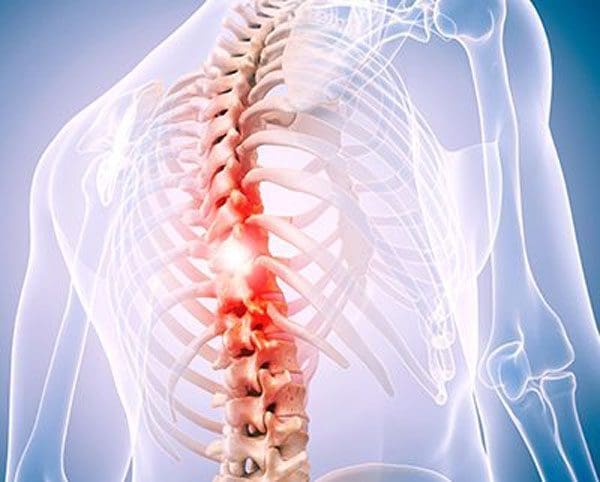
Abstract: Mid-back fatigue can appear before low-back pain because muscles around the shoulder blades and thoracic spine support the arms, head, and rib cage for hours. Screen work, lifting, carrying, breathing patterns, reduced movement, and limited endurance can contribute to late-day burning or tightness. Coordinated chiropractic care, mobility work, rehabilitation, and strength training may improve tolerance.
At 8 a.m., your back may feel fine. By lunch, you notice a dull ache between the shoulder blades. By late afternoon, the area feels hot, tight, or simply exhausted. Yet your low back may still feel normal.
That pattern makes sense when you consider what your mid-back does all day.
The thoracic spine is the middle portion of the spine, where the ribs attach. Muscles around it position the shoulder blades, stabilize the upper body, assist breathing, and support repeated arm use. For software engineers, help-desk employees, hybrid workers, data analysts, warehouse associates, and parents, these tissues may work quietly for hours before complaining.
A 2024 systematic review found that computer users commonly experience upper back, neck, shoulder, and low back pain, with prolonged computer use and repetitive or awkward work among reported risk factors (Demissie et al., 2024).
Your Arms Create Work for Your Mid-Back
Typing looks easy, but your arms still need support. Muscles around the shoulder blades make small adjustments to keep your hands positioned over a keyboard, mouse, steering wheel, scanner, phone, or tool.
Away from a desk, carrying a toddler, unloading groceries, stocking shelves, lifting boxes, or holding equipment away from the body increases mid-back demand.
This does not mean these activities are harmful. It means capacity matters. A muscle can tolerate only so much sustained or repeated work before fatigue changes how you move.
Concentration Can Quietly Reduce Thoracic Movement
When people concentrate, they often become still. The head moves closer to the screen, the shoulders may drift forward or upward, and the rib cage may move less freely.
No single posture is automatically “bad.” The bigger problem is often staying in one position for too long.
The thoracic spine normally bends, rotates, and extends. During long blocks of nearly motionless sitting, those opportunities shrink. Later, a stretch, twist, or deep breath may reveal how stiff the region feels.
Breathing Is Part of the Picture
Breathing is not just a lung activity. The ribs, diaphragm, abdominal wall, and muscles around the chest and spine all participate.
During stress or intense concentration, some people use smaller, upper-chest breaths or brace while typing, lifting, or driving. These patterns are not automatically dangerous, but hours of them can leave the ribs and shoulder girdle with fewer chances to relax.
A useful reset is simple: change position, let your shoulders drop, and take several comfortable breaths that let the lower ribs expand without forcing a giant inhale.
Why Endurance Matters More Than “Perfect Posture”
Many people try to solve mid-back fatigue by sitting straighter all day. That can backfire if “straight” becomes rigid.
Research in office workers with chronic neck pain suggests neck, shoulder, and shoulder blade strengthening can reduce pain and disability, although evidence certainty is low (Jones et al., 2024). Another meta-analysis found scapular-focused treatment can reduce pain, while some functional outcomes remain uncertain (Chen et al., 2024).
The practical message is not that everyone needs the same exercise. It is that muscles supporting the neck, shoulders, and thoracic region benefit from gradually increased capacity.
Useful building blocks may include:
Change positions instead of chasing one perfect posture.
Use comfortable thoracic rotation and extension.
Take walking breaks and let the arms swing.
Add rows, carries, or progressive pulling when appropriate.
Practice shoulder-blade control without constant bracing.
Gradually rebuild tolerance for lifting, carrying, reaching, and computer work.
Where Chiropractic Care Fits
Chiropractic evaluation can help determine whether the tired feeling is primarily related to joint restriction, muscle overload, shoulder mechanics, cervical referral, rib movement, or another problem requiring medical assessment.
Manual care may improve comfortable movement and reduce short-term symptoms, making exercise easier. In people with neck pain, thoracic manipulation may improve short-term pain, range of motion, and disability, but this evidence should not be taken as a promise that manipulation alone fixes every case of mid-back fatigue (Yang et al., 2024).
That distinction supports both beneficence and autonomy: care should help you move toward meaningful goals while giving you enough information to decide what fits your preferences.
At ChiroMed, care can combine chiropractic assessment, rehabilitation, and appropriate MD/NP evaluation. Dr. Alex Jimenez, DC, APRN, FNP-BC, CFMP, IFMCP, bridges chiropractic care, diagnostics, physical medicine, and functional health. Dr. Maria Guadalupe Cardenas, MD, provides internal medicine oversight when needed.
Acupuncture Can Be an Adjunct, Not the Finish Line
If persistent muscle tension or musculoskeletal pain makes it difficult to participate in mobility or strengthening, acupuncture or electroacupuncture may sometimes be added to the plan.
A 2024 systematic review found that acupuncture used as an adjunct for chronic neck pain may provide sustained pain relief in some patients, while comparisons with sham acupuncture were not consistently superior (Fang et al., 2024).
That is why acupuncture should be framed as a possible symptom-modulating tool, not a substitute for rebuilding strength, endurance, movement confidence, and work tolerance.
When Mid-Back Fatigue Deserves Medical Evaluation
Most late-day muscular fatigue is not an emergency, but unusual thoracic pain deserves attention. Seek prompt evaluation after significant trauma or with progressive weakness, numbness, difficulty walking, bowel or bladder changes, fever, unexplained weight loss, known cancer, immune suppression, or severe pain unlike ordinary musculoskeletal discomfort.
The American College of Radiology notes that thoracic pain with neurological findings, trauma risks, or concern for infection or cancer may warrant imaging based on the clinical picture (American College of Radiology, 2024).
Chest pressure, shortness of breath, fainting, or pain accompanied by other concerning heart or lung symptoms should be treated as a medical issue rather than assumed to be “just the back.”
Build a Back That Lasts Through the Day
The goal is not to make your mid-back perfectly still. It is to help it tolerate your life.
For one person, that means computer work without burning between the shoulder blades. For another, it means carrying a child, stocking a shelf, driving, or cooking dinner without feeling that the upper back has already finished its shift.
A coordinated plan can address mobility, strength, endurance, workstation habits, lifting mechanics, recovery, and medical factors. Non-invasive options such as chiropractic care, exercise, and selected acupuncture approaches may reduce reliance on more invasive strategies when appropriate, while patients can coordinate decisions with their healthcare team.
Schedule a ChiroMed multidisciplinary evaluation to identify what is overloaded, what is not moving well, and what needs more capacity. A good plan should explain what is happening, restore comfortable movement, and build resilience for work, family, and valued activities with coordinated care.
Learn how integrative chiropractic can help manage insulin resistance and promote better metabolic health to the body.
Insulin Resistance, Musculoskeletal Pain, and Lipomas: An Integrative Chiropractic Perspective
Lipomas are common, benign tumors made of mature fat cells. Clinically evaluate them, especially when a lump is rapidly enlarging, firm, deep, fixed, painful, neurologically symptomatic, or otherwise atypical. While emerging research suggests that lipomas may coexist with metabolic dysfunction in some people, it does not establish that insulin resistance, impaired autophagy, gut permeability, or chiropractic care directly cause, shrink, prevent, or eliminate lipomas. Lipoma – StatPearls[ncbi.nlm.nih]
A more evidence-aligned clinical message is this: a lipoma can be an opportunity to look beyond the lump and assess the person. For patients with multiple lipomas, central adiposity, hypertension, dyslipidemia, prediabetes, diabetes, sleep disruption, chronic pain, or reduced activity, a cardiometabolic and musculoskeletal assessment may uncover modifiable contributors to pain, impaired movement, and long-term health. Recent observational research has reported a higher prevalence of metabolic syndrome among people with lipomas, but association is not proof that metabolic dysfunction created an individual lipoma.[frontiersin]
Lipomas Need Appropriate Evaluation
Most lipomas are soft, mobile, slow-growing, painless subcutaneous masses. Management is usually observation when they are asymptomatic, or procedural removal when they are painful, enlarge, interfere with movement, create diagnostic uncertainty, or are cosmetically bothersome. A clinician may recommend imaging, biopsy, surgical referral, or further workup when the physical examination is not reassuring.[ncbi.nlm.nih]
Do not promise that fasting, supplements, manual therapy, adjustment, nutritional protocols, or “detoxification” will dissolve a lipoma. These approaches may support general cardiometabolic health in appropriately selected patients, but they are not established treatments for removing benign fatty tumors.
At Injury Medical Clinic PA and ChiroMed in El Paso, a multidisciplinary model can instead use the lipoma encounter as a broader health conversation: Are there signs of insulin resistance? Is chronic pain reducing the patient’s ability to exercise? Are sleep, nutrition, mobility, stress, medication effects, neuropathy, or orthopedic limitations complicating metabolic health? That clinical framing is more useful and better supported than treating a lipoma as proof of a particular metabolic pathway.
What Insulin Resistance Means
Insulin is a hormone that helps move glucose from the bloodstream into cells, especially skeletal muscle, for energy use and storage. Insulin resistance occurs when tissues respond less effectively to insulin. The pancreas may initially compensate by producing more insulin, so fasting glucose can remain normal for years even as insulin resistance develops.
Insulin resistance is commonly associated with:
Prediabetes and type 2 diabetes.
Abdominal or visceral adiposity.
Elevated triglycerides and low HDL cholesterol.
Hypertension.
Fatty liver disease.
Sleep apnea.
Chronic low-grade inflammation.
Reduced physical activity and prolonged sedentary time.
Certain medications, endocrine disorders, genetic predisposition, and aging.
Skeletal muscle is particularly important because it is a major site of glucose disposal. When muscle quality, strength, mitochondrial capacity, or activity level declines, whole-body insulin sensitivity can worsen. Intramuscular fat accumulation and chronic low-grade inflammation are among the mechanisms connecting metabolic dysfunction with impaired muscle and joint health.[pmc.ncbi.nlm.nih]
This does not mean that all musculoskeletal pain is caused by insulin resistance. Pain is multifactorial. Injury, workload, biomechanics, psychosocial stress, sleep, degenerative change, neuropathy, central sensitization, inflammatory disease, and occupational demands may all play a role. However, insulin resistance can clinically amplify pain, tissue vulnerability, fatigue, and slower recovery.
Why Insulin Resistance Affects Movement
Musculoskeletal tissues are metabolically active. Muscle, tendon, fascia, cartilage, bone, peripheral nerves, and synovium all depend on adequate circulation, collagen turnover, cellular energy production, and appropriate inflammatory signaling. Persistent dysglycemia and insulin resistance may affect these systems through several overlapping pathways.
Low-Grade Inflammation
Visceral adipose tissue and insulin-resistant states can increase inflammatory signaling. This may contribute to systemic inflammation and affect connective-tissue remodeling, pain sensitivity, and joint homeostasis. Metabolic syndrome has been associated with conditions including osteoarthritis, tendinopathy, osteoporosis, sarcopenic obesity, and disability.[pmc.ncbi.nlm.nih]
Glycation and Connective Tissue Stiffness
With sustained high glucose exposure, advanced glycation end products can accumulate in collagen-rich structures. Glycation can alter collagen cross-linking and reduce tissue elasticity, contributing to stiffness and impaired tendon or capsular adaptability. These mechanisms help explain why shoulder dysfunction, tendon disorders, and limited joint mobility are more frequent in diabetes.[repository.uantwerpen]
Muscle Insulin Resistance and Deconditioning
Pain can reduce activity; less activity reduces muscular glucose uptake and conditioning; reduced conditioning can worsen insulin sensitivity. This creates a self-reinforcing cycle:
Pain limits walking, lifting, exercise, and restorative sleep.
Tissue capacity, recovery, and pain tolerance may decline.
The person becomes even less able to move confidently.
Breaking this cycle requires a plan that addresses both pain and metabolic capacity rather than treating either in isolation.
Peripheral Nerve Effects
Long-standing diabetes can damage peripheral nerves and contribute to burning pain, numbness, tingling, weakness, altered balance, and loss of protective sensation. Neuropathy changes gait and loading patterns, increasing fall risk and sometimes adding stress to the feet, knees, hips, and spine. Patients with neuropathic symptoms require medical assessment, vascular screening when indicated, footwear and foot-care education, and carefully adapted rehabilitation.
Pain Conditions that May Co-Occur
Insulin resistance, metabolic syndrome, prediabetes, and diabetes can correlate with several musculoskeletal complaints and comorbidities. Correlation does not establish that metabolic dysfunction is the only cause, but it should prompt a broader clinical evaluation.
Clinical concern
Potential metabolic connection
Practical clinical implication
Osteoarthritis
Insulin resistance, obesity, inflammation, altered cartilage and synovial biology may contribute beyond mechanical loading alone
Combine graded strength and mobility work with weight, glucose, sleep, and pain management
Tendinopathy
Metabolic dysfunction may impair tendon homeostasis, collagen turnover, and tolerance to load
Use progressive loading rather than rest alone; address glucose control and recovery factors
Frozen shoulder
Diabetes is associated with a substantially higher prevalence of adhesive capsulitis than in non-diabetic populations
Screen for diabetes or poor glycemic control in unexplained shoulder stiffness; use coordinated rehabilitation and medical care
Trigger finger
Diabetes is associated with greater prevalence, often with bilateral or multiple-digit involvement
Evaluate glucose status and manage hand symptoms with appropriate medical and rehabilitation pathways
Carpal tunnel syndrome
Diabetes, edema, connective-tissue changes, and neuropathy may contribute
Distinguish median neuropathy from cervical radiculopathy and generalized peripheral neuropathy
Chronic low back, neck, and widespread pain
Inflammation, reduced conditioning, poor sleep, obesity, depression, and altered pain processing may coexist
Use function-centered, multimodal pain care and cardiometabolic risk reduction
Peripheral neuropathy
Chronic hyperglycemia can damage peripheral nerves
Prioritize medical management, foot checks, balance work, fall-risk reduction, and symptom-informed activity
For example, adhesive capsulitis has been reported in approximately 11% to 30% of people with diabetes versus approximately 2% to 10% in people without diabetes. Trigger finger has likewise been reported more commonly in diabetic populations. These findings do not mean every patient with shoulder stiffness or finger locking has diabetes, but they support targeted screening when the clinical presentation and risk profile warrant it.[pmc.ncbi.nlm.nih]
Chiropractic Care’s Appropriate Role
Chiropractic care should not be marketed as a direct treatment for insulin resistance, diabetes, or lipomas. Current evidence does not show that spinal manipulation independently reverses insulin resistance or replaces medical diabetes care, nutrition therapy, prescribed medication, or exercise.
Its most defensible role is supportive: helping appropriately screened patients reduce musculoskeletal pain, improve mobility, restore confidence with movement, and participate more effectively in the lifestyle and rehabilitation interventions that do improve insulin sensitivity.
Dr. Alexander Jimenez, DC, APRN, FNP-BC, describes a clinical model centered on evaluating movement limitations, restoring dynamic function, integrating rehabilitation, and coordinating patient-specific care across chiropractic, functional rehabilitation, nutrition, and medical services. The ChiroMed clinical information also describes an integrated practice offering chiropractic care, nurse practitioner services, rehabilitation, nutrition counseling, naturopathy, and acupuncture. These observations support a coordinated, function-first model, not a claim that a spinal adjustment corrects metabolic disease.[chiromed][linkedin]
For example, in a patient with insulin resistance and low back pain, chiropractic management may include an evidence-informed examination, appropriate manual therapy or spinal manipulation when indicated, joint mobilization, soft-tissue approaches, education, pacing, and movement progression. By reducing pain-related barriers to walking, resistance training, and daily activity, care may indirectly support the patient’s ability to pursue the interventions most strongly linked to improved insulin action.
Spinal manipulation is generally used for musculoskeletal conditions rather than metabolic disease. Research indicates that combining manual approaches with exercise may be more useful for some neck and back pain presentations than using manual treatment as a stand-alone intervention. Treatment should always be individualized, consent-based, and modified for red flags, osteoporosis, fracture risk, neurologic deficit, anticoagulant use, inflammatory disease, severe neuropathy, recent trauma, or other contraindications.[pmc.ncbi.nlm.nih]
Discovering the Benefits of Chiropractic Care- Video
A Nonsurgical Care Pathway
The strongest nonsurgical approach is not a single therapy. It is an integrated plan that improves pain, physical capacity, metabolic health, and self-management while maintaining appropriate medical oversight.
Medical and Metabolic Assessment
A primary-care clinician, family nurse practitioner, or physician can evaluate cardiometabolic risk and determine whether laboratory testing is appropriate. Depending on clinical context, this may include:
Blood pressure, waist circumference, weight trajectory, and medication review.
HbA1c and/or fasting plasma glucose.
Lipid profile.
Liver enzymes when fatty liver disease is a concern.
Renal function and urine albumin screening for patients with diabetes.
Evaluation for sleep apnea, thyroid disease, polycystic ovary syndrome, hypogonadism, depression, or medication-related contributors when appropriate.
Perform neurologic, vascular, and foot exams when diabetes or neuropathy is present.
Fasting insulin and HOMA-IR may be used in some wellness or specialty settings, but they are not required to diagnose diabetes and should be interpreted in clinical context. A normal fasting glucose does not necessarily exclude early insulin resistance, yet a diagnosis should never be made from a single functional marker alone.
Chiropractic and Manual Care
Chiropractic care can help address mechanical restrictions, pain-related guarding, and movement avoidance in selected patients. The clinical goal is to improve function, not simply to pursue repeated passive treatment. A high-quality plan includes reassessment and a transition toward active self-management.
Potential components include:
Spinal or peripheral joint mobilization or manipulation when appropriate.
Soft-tissue treatment for pain-limited movement.
Ergonomic and posture education.
Graded exposure to feared or painful movement.
Home mobility work.
Coordination with physical therapy and medical care.
Physical Therapy and Rehabilitation
Physical therapy is especially important because skeletal muscle is central to glucose disposal. A physical therapist can adapt activity for osteoarthritis, tendinopathy, spine pain, neuropathy, balance impairment, obesity, prior injury, or post-surgical limitations.
Regular aerobic and resistance training improve glycemic management and insulin sensitivity. Combined aerobic and resistance programs are generally more beneficial than either modality alone, and breaking up prolonged sitting can modestly reduce post-meal glucose and insulin elevations.[pmc.ncbi.nlm.nih]
A practical progression may include:
Brief walks after meals, if medically safe.
Low-impact aerobic activity such as cycling, pool exercise, or walking.
Progressive resistance training for major muscle groups.
Balance and gait work for neuropathy or fall risk.
Mobility and load-management work for shoulders, hips, knees, spine, and ankles.
A gradual return to work, sport, or household activity.
The right dose depends on medical status, medications, glucose-lowering therapy, cardiovascular risk, neuropathy, retinopathy, orthopedic limitations, and baseline conditioning. Patients who use insulin or sulfonylureas need individualized education on hypoglycemia prevention around exercise.
Massage Therapy
Massage therapy can be a useful adjunct for short-term relaxation, perceived stiffness, muscle soreness, and pain modulation. Present it honestly: massage does not cure insulin resistance or remove lipomas. Its value lies in helping some patients tolerate movement, sleep better, reduce stress-related muscle tension, and engage more consistently in exercise and rehabilitation.
Modify or avoid massage over an unexplained mass, infected tissue, acute thrombosis, unstable fracture, open wounds, severe vascular compromise, or areas with markedly reduced sensation. Patients with diabetic neuropathy require special attention to pressure, skin integrity, and thermal safety.
Functional Wellness and Nutrition
Functional wellness is most useful when it translates metabolic science into sustainable behaviors, not unvalidated promises. A patient-centered plan can include:
Reduced intake of sugar-sweetened beverages and highly refined carbohydrates.
Meal timing and individualized caloric strategy when appropriate.
Sleep assessment and treatment of suspected sleep apnea.
Stress-management practices that are realistic and acceptable to the patient.
Tobacco cessation and alcohol-risk counseling.
Medication adherence and review with the prescribing clinician.
Regular follow-up using measurable outcomes such as HbA1c, blood pressure, strength, walking tolerance, waist circumference, sleep, pain interference, and quality of life.
Time-restricted eating or intermittent fasting may be appropriate for some adults, but it is not universally safe. It requires individualized medical review for people using insulin or hypoglycemia-causing medications, people who are pregnant or breastfeeding, those with a history of eating disorders, frail older adults, and patients with certain medical conditions.
Clinical Observations from El Paso
In the clinical approach described by Dr. Jimenez, patients often present with overlapping concerns: chronic low back or neck pain, work or motor-vehicle injury, sciatica, sports-related limitations, deconditioning, poor sleep, excess weight, and difficulty returning to activity. His practice materials emphasize individualized functional assessment, dynamic rehabilitation, manual and chiropractic care, nutritional support, and interdisciplinary collaboration.[chiromed][linkedin]
From a practical clinical standpoint, this supports several observations:
Pain can be a metabolic barrier because it limits walking, resistance exercise, sleep quality, and participation in healthy routines.
Metabolic dysfunction can be a rehabilitation barrier because inflammation, fatigue, neuropathy, connective-tissue stiffness, and reduced tissue tolerance can slow recovery.
A patient with persistent pain should not be told to exercise harder. They need a graded, tolerable program that respects tissue capacity, pain mechanisms, mobility restrictions, and cardiometabolic risk.
A patient with prediabetes or diabetes should not be treated as though every complaint is “just metabolic.” New weakness, progressive numbness, vascular symptoms, bowel or bladder change, unexplained weight loss, fever, trauma, a suspicious mass, or severe night pain requires appropriate medical evaluation.
The best outcomes are more likely when clinicians align care around function: less pain interference, more daily movement, better strength, improved sleep, safer exercise, and evidence-based metabolic monitoring.
A Realistic Patient Example
Consider a patient with central weight gain, prediabetes, chronic knee pain, intermittent low back pain, reduced walking tolerance, and several stable lipomas. A responsible care plan does not promise to “flush toxins” or make the lipomas disappear.
Instead, the plan may include:
Medical evaluation of the masses and cardiometabolic risk factors.
Measurement of HbA1c, blood pressure, lipids, medication effects, sleep risk, and neuropathy symptoms as clinically indicated.
Chiropractic and manual care for pain-limited lumbar, hip, or knee mobility when appropriate.
Physical therapy-led progressive strengthening for quadriceps, hips, trunk, and balance.
Short post-meal walks and gradual aerobic conditioning.
Nutrition counseling focused on durable improvements in food quality and glucose management.
Massage therapy as an adjunct for comfort and recovery when appropriate.
Follow-up based on function, pain interference, glucose measures, strength, and activity rather than dependence on passive treatment.
That is the central principle: improve the person’s capacity to move and participate in the interventions that protect long-term metabolic and musculoskeletal health.
When to Seek Prompt Evaluation
Seek timely medical assessment for a lump that is growing rapidly, is painful without explanation, is firm or fixed, lies deep beneath the fascia, exceeds roughly 5 cm, returns after removal, causes neurologic symptoms, or is associated with systemic symptoms. A clinician should determine whether imaging, biopsy, or referral is necessary.[ncbi.nlm.nih]
Patients with diabetes or possible insulin resistance should seek medical care for new foot wounds, color or temperature change in a limb, loss of protective sensation, progressive weakness, severe swelling, chest pain, shortness of breath, unexplained weight loss, or symptoms of severe hyperglycemia or hypoglycemia.
Conclusion
Insulin resistance is not simply a blood-sugar issue. It can intersect with muscle quality, inflammation, connective-tissue health, joint function, nerve health, pain, and physical capacity. It may contribute to a pattern in which discomfort limits activity and low activity further worsens metabolic health.
Chiropractic care can be a valuable part of a comprehensive, nonsurgical musculoskeletal plan when it is used appropriately: to reduce pain-related barriers, restore mobility, and help patients engage in active rehabilitation. It is not a stand-alone cure for insulin resistance, diabetes, or lipomas. The strongest strategy combines medical assessment, nutrition and lifestyle support, physical therapy, progressive aerobic and resistance exercise, pain-informed manual care, and coordinated follow-up.
A full weekend can feel like a gift and a surprise. Yard work, errands, a kids’ game, a home project, or a late drive can leave muscles and joints feeling different when Monday starts. This article explains why that shift happens, how sleep and unfamiliar lifting play a part, and how a gradual return to work can protect weekend gains. It also shows how family-centered chiropractic care and medical oversight can help El Paso households start the week with more comfort.
The alarm goes off, and the first step out of bed tells the story. Saturday felt productive. Sunday felt full. Monday feels tight.
That pattern is familiar in El Paso households where the workweek and the weekend ask for two different bodies. A software engineer who sat most of the week may spend Saturday hauling mulch. An Amazon associate may spend Sunday on a ladder. A data-center technician may drive across town for a birthday, then sleep later than usual. A working parent may carry groceries, a car seat, and a cooler between soccer and the hardware store.
None of that means the weekend was a mistake. The body met a new mix of loads, and Monday is when it shows up.
Why Monday Feels Different From Friday
During the week, many tech workers repeat the same positions. Desk time and short walks become the pattern. Fulfillment associates repeat scans, pivots, and lifts. Data-center employees repeat ladders, kneeling, and overhead reaches.
The weekend breaks that pattern. It is often different exercise, with less warm-up and less recovery time.
Common weekend loads include:
Awkward lifting, such as soil bags, furniture, and storage bins
Long drives, with the neck turned toward a back seat
Yard work that hinges and twists the low back at the same time
Sports after several quieter weekdays
Home projects with the arms overhead longer than a normal shift
Later nights that shift the sleep window
Muscles that lengthen while they work are especially likely to feel sore one to two days later. That delay is called delayed onset muscle soreness, or DOMS. It is most common after a quieter period, or after a task the body has not practiced (Cheung et al., 2003). Lowering a box or walking downhill can create that effect even when the job felt fine in the moment.
One bout of a new load can make the next similar bout easier. Researchers call that the repeated bout effect. A smaller dose of the same work can build protection without a heroic weekend (Nosaka & Aoki, 2011). Monday stiffness often means the dose jumped, not that the family should stop moving.
Sleep, Driving, and the Sunday Night Reset
Weekend sleep is rarely as steady as a work alarm. A parent may stay up for a movie, then rise early for a game. A night-shift associate may flip toward family time, then flip back. A technician coming off a late rotation may sleep in chunks.
Adults generally do best with a regular seven to nine hours, not a short night followed by a long morning (Hirshkowitz et al., 2015). When that window moves, the first stand can feel stiffer. The mattress did not fail. The schedule changed.
Driving adds its own load. A long errand loop keeps the hips bent, and the neck turned. The low back may feel fine until the first step onto the driveway. That moment is a posture clue, not proof of a disc injury. Shooting leg pain, fading grip, or a change in balance deserves a clinical look.
Keeping the Gains Without Repeating the Crash
National guidance is clear: moving more and sitting less helps nearly everyone, and a weekly mix of aerobic and strengthening work supports health (Piercy et al., 2018). The weekend already supplied some of that movement. Monday should not erase it on the couch or repeat Saturday’s heaviest hour.
A gradual return protects the gains:
Keep the first block shorter on the hardest task. A fulfillment associate can ask for a brief pace change. A technician can split overhead work instead of stacking it early.
Use easy movement first. Light walking and gentle ranges often ease DOMS for a while, even though relief can fade when movement stops (Cheung et al., 2003).
Warm up with the pattern you will use. A desk worker needs hip and mid-back motion before the first meeting. A parent lifting a toddler needs a slow hinge, not a cold grab from the car seat.
Spread the next project. Thirty minutes of yard work on two evenings is kinder than three hours on Sunday night.
Protect sleep. A similar bedtime on Sunday makes Monday less of a shock.
This is autonomy in daily form. The household chooses the dose. Care makes that choice clearer.
What a Family Visit Can Change Before the Next Shift
At Injury Medical Clinic PA in El Paso, we treat Monday stiffness as a family pattern, not a personal failure. Dr. Alex Jimenez, DC, APRN, FNP-BC, CFMP, IFMCP, is both a chiropractor and a board-certified family nurse practitioner. He holds Texas Advanced Practice Nursing License #1191402 and Prescriptive Authority #59628 (NPI 1205907805). Dr. Maria Guadalupe Cardenas, MD, board-certified in internal medicine with more than 40 years of experience (Texas Medical License #J2933, NPI 1164426748), directs the medical side of care.
Beneficence here is practical. A chiropractic visit can restore motion in a stiff mid-back, hip, or neck so walking and lifting practice can calm soreness. Medical oversight checks whether fatigue, poor sleep, or another condition is amplifying that stiffness. Both views serve a safer start to the week.
Non-maleficence matters just as much. Many families reach for leftover pain pills to finish a shift. Drug-free options, used first when appropriate, lower the chance of leaning on medication for a load and recovery problem. Surgery is rarely the answer for typical weekend stiffness. Still rule out red flags, including weakness, saddle numbness, fever, chest pain, or night pain that will not settle.
A first visit may include:
A history of weekend tasks, work tasks, and who else is lifting
Movement testing for the hips, mid-back, neck, and shoulders
A plan to re-enter the shift in steps
Guidance for the partner or teen who shared the project
A shared decision on labs, imaging, or a referral
If a tendon has stayed sore for weeks, we may discuss shockwave or Multiwave Locked System laser therapy. These tools do not replace gradual reload. Platelet-rich plasma is not a Monday fix, and tendon evidence remains mixed, so choices wait for Dr. Cardenas’s oversight.
Many Amazon, technology, and data-center households in El Paso carry strong group health benefits. Chiropractic visits and medical evaluation are often included, though each policy differs. A benefits check lets a family use coverage they earn before stiffness becomes a missed shift.
Try this sequence before the commute or the first scan:
Drink water, then walk for five to ten minutes.
Move the hips with a gentle lunge, holding only to a mild pull.
Sit tall and turn the mid-back slowly each way, five times.
Roll the shoulders, then reach overhead only as far as the ribs stay easy.
Rehearse a coming lift once with an empty bin.
Stand or change tasks every 45 to 60 minutes at a desk.
Call if pain is sharp, a limb feels weak, or symptoms follow a fall or crash. Weekend soreness and a new injury are not the same story.
Start the Week Without Giving the Weekend Back
An active Saturday is worth keeping. The goal is to still be able to play and work on Wednesday.
Injury Medical Clinic PA welcomes parents, tech employees, fulfillment associates, and data-center crews. Dr. Jimenez and Dr. Cardenas match structural care and medical oversight to the household and the shift. Patients remain in charge, and they can share care with their clinician.
Call 915-850-0900 or book online at https://bit.ly/Book-Online-Appointment. The clinic is at 11860 Vista Del Sol, Ste 128, El Paso, TX 79936. Ask how group benefits may apply before the next weekend.
Hirshkowitz, M., Whiton, K., Albert, S. M., Alessi, C., Bruni, O., DonCarlos, L., Hazen, N., Herman, J., Katz, E. S., Kheirandish-Gozal, L., Neubauer, D. N., O’Donnell, A. E., Ohayon, M., Peever, J., Rawding, R., Sachdeva, R. C., Setters, B., Vitiello, M. V., Ware, J. C., & Adams Hillard, P. J. (2015). National Sleep Foundation’s sleep time duration recommendations: Methodology and results summary. Sleep Health, 1(1), 40–43.
Piercy, K. L., Troiano, R. P., Ballard, R. M., Carlson, S. A., Fulton, J. E., Galuska, D. A., George, S. M., & Olson, R. D. (2018). The Physical Activity Guidelines for Americans. JAMA, 320(19), 2020–2028.
Abstract: Neck stiffness that grows from Monday through Friday is often less about one bad moment and more about accumulated workload. Long hours at a screen, repetitive lifting, driving, stress, interrupted sleep, and too little recovery can gradually exceed what the neck and shoulder muscles comfortably tolerate. This guide explains why symptoms can build across the week, how to recognize common patterns, and how movement, chiropractic care, rehabilitation, sleep, and practical recovery habits can help interrupt the cycle while keeping patients in control of their care.
Monday morning may feel manageable. By Wednesday, you are rubbing the base of your neck during meetings. By Friday afternoon, turning your head in traffic feels stiff, your shoulders are elevated, and carrying groceries or picking up a child sounds exhausting.
For many tech workers, data-center employees, Amazon associates, and working parents, that pattern makes sense. The neck does not experience work one task at a time. It experiences the total load of the week.
A software employee may sit for hours, commute home, look down at a phone, help with homework, and sleep poorly. A warehouse associate may scan, lift, reach, drive, and repeat those tasks for several days. A data-center technician may alternate between laptop work, cable management, ladders, crouching, and overhead tasks. None of these exposures automatically causes injury, but repeated demands with limited recovery can leave muscles and joints increasingly sensitive.
Think of Your Neck Like a Weekly Work Budget
Your neck, upper back, and shoulders have a certain capacity for sitting, lifting, reaching, concentrating, and stabilizing the head. That capacity changes from day to day.
When demand repeatedly exceeds recovery, symptoms may accumulate. A useful way to picture it is a weekly budget. Every long meeting, lifting session, stressful commute, poor night of sleep, and evening spent looking down at a screen makes a withdrawal. Movement, sleep, exercise, position changes, and recovery make deposits.
By Friday, the account may simply be running low.
Research on office workers with chronic neck pain suggests that strengthening the neck, shoulder, and shoulder-blade muscles can reduce pain and disability, although the certainty of evidence is limited (Jones et al., 2024).
Why Friday Can Feel Different From Monday
Several small factors can stack together.
Prolonged sitting: Staying in one position reduces movement variety. Even a reasonable workstation can become uncomfortable when the same tissues are loaded for hours.
Repetitive lifting or reaching: Warehouse, delivery, technical, and home tasks can repeatedly challenge the neck and shoulder complex.
Driving: Commuting adds another block of relatively fixed posture, especially when traffic increases stress and muscle tension.
Mental stress: Concentration and deadline pressure can change breathing, muscle tone, and how strongly the nervous system interprets discomfort.
Poor sleep: Sleep problems and chronic musculoskeletal pain can reinforce each other. A 2024 systematic review found that sleep problems were associated with a higher risk of chronic musculoskeletal pain over time (Runge et al., 2024).
Less recovery: By late week, you may skip exercise, go to bed later, and fatigue can make healthy routines harder to maintain.
The result is often not a dramatic injury. It can be a gradual loss of comfortable motion, endurance, and tolerance.
The Answer Is Usually More Movement, Not Perfect Posture
Posture matters, but chasing a rigid “correct” position can become another source of stress. A better goal is variety.
During the workday, try simple resets:
Stand up briefly between tasks or calls.
Walk for a few minutes when possible.
Change screen height or chair position during long work blocks.
Let the shoulders relax instead of holding them lifted.
Alternate hands when carrying light objects.
Break large lifting jobs into smaller bouts when the job allows.
Use your lunch or break period for a short walk instead of another hour of sitting.
For workers with recurring symptoms, strengthening may be especially important. A systematic review of workplace interventions found low-quality evidence that neck strengthening and tailored workstation changes may reduce neck pain symptoms in office workers (Frutiger & Borotkanics, 2021). The practical lesson is that comfort often improves when the body becomes more capable, not when life becomes completely free of physical demand.
Where Chiropractic Care Fits
Chiropractic care should begin with examination, not assumptions. Neck pain can come from joints, muscles, tendons, irritated nerves, headaches, previous injuries, or conditions that are not primarily musculoskeletal.
A clinician may assess neck motion, shoulder mechanics, posture tolerance, strength, reflexes, sensation, grip, and the movements that reproduce symptoms. If the pattern appears mechanical and no red flags are present, care may include manual therapy, chiropractic adjustments or mobilization, soft-tissue work, therapeutic exercise, and progressive rehabilitation.
Current evidence supports a combined approach rather than relying on a single treatment. An umbrella review found strong support for manual therapy combined with exercise for nonspecific neck pain, while also noting that study quality varies across the literature (Reynolds et al., 2025). Another systematic review similarly found that manual therapy plus exercise can improve pain and disability compared with several control approaches, although certainty ranges from low to moderate for many outcomes (Wilhelm et al., 2023).
That combination reflects beneficence: care is organized around what helps the patient function safely. It also supports non-maleficence by emphasizing conservative, non-invasive options when clinically appropriate before more aggressive interventions are considered.
Rehabilitation Helps Build a Bigger Reserve
Feeling looser after treatment is useful, but lasting improvement often requires greater physical capacity.
Rehabilitation may target:
deep neck flexor endurance,
shoulder-blade control,
upper-back mobility,
rotator-cuff strength,
lifting mechanics,
grip and carrying tolerance,
thoracic movement,
and gradual return to work-specific demands.
A programmer who becomes stiff after six hours of screen work needs a different plan than an associate who repeatedly lifts boxes or a technician who spends time overhead.
Progress also matters. Exercises that are too easy may not build capacity, while exercises that are too aggressive may flare symptoms. A measured progression helps the body adapt without turning rehabilitation into another source of overload.
Recovery Habits Can Change the End of Your Week
Start with the habits most likely to restore capacity.
Aim for a consistent sleep window, especially on work nights. Eat regular meals and stay hydrated enough to support normal energy and concentration. Add brief movement breaks instead of waiting until pain forces you to stop. Keep some strength training in the week, even if sessions are short. After physically demanding shifts, choose recovery that includes gentle activity rather than spending the entire evening completely still.
Working parents may need even simpler strategies. A ten-minute walk after dinner, two short strength sessions, changing positions while helping with homework, and going to bed thirty minutes earlier can be more realistic than an ambitious plan that disappears by Tuesday.
When Neck Pain Needs More Than Self-Care
Most end-of-week stiffness is not an emergency, but some symptoms deserve prompt evaluation. Seek medical attention for neck pain after significant trauma, new or progressive weakness, loss of coordination, severe headache unlike your usual pattern, fever with neck stiffness, unexplained weight loss, chest pain, difficulty breathing, or new bowel or bladder changes.
Persistent numbness, tingling, pain traveling into the arm, or steadily worsening symptoms also deserve examination.
A Multidisciplinary Plan Keeps You in Charge
At ChiroMed, integrated care aims to avoid forcing every patient into the same pathway. Dr. Alex Jimenez, DC, APRN, FNP-BC, CFMP, IFMCP, can combine chiropractic assessment and rehabilitation with advanced medical evaluation when the clinical picture calls for it. Dr. Maria Guadalupe Cardenas, MD, Board Certified in Internal Medicine, provides medical direction and oversight for patients whose symptoms may involve broader health concerns.
That coordination matters when neck discomfort is accompanied by unusual fatigue, inflammatory symptoms, neurological changes, medication concerns, sleep problems, or other issues that may require medical testing or referral. It also protects patient autonomy. You should understand what clinicians think is happening, what options are available, the benefits and risks, and what you can do between visits.
The Friday flare is often a message, not a verdict. Your body may be telling you that five days of work are currently demanding more than your recovery system can comfortably replace. By adding movement, building strength, improving sleep, adjusting repeated exposures, and using chiropractic and medical care when appropriate, you can work toward finishing the week with more motion, more energy, and less time thinking about your neck.
Uncover the advantages of chiropractic treatment for carpal tunnel syndrome and regain your hand’s strength and flexibility.
Abstract: Unlocking Relief for Carpal Tunnel Syndrome
Carpal tunnel syndrome (CTS) is a pervasive and often debilitating condition that I encounter frequently in my practice. It can cause pain, numbness, tingling, and weakness in the hand and wrist, stemming from compression of the median nerve as it passes through the narrow carpal tunnel. If left unaddressed, this condition can severely impair your ability to perform daily tasks, affecting both your professional and personal life. In this comprehensive educational post, I will guide you through the wrist’s intricate anatomy, the pathophysiology of CTS, and the diagnostic process we use. We will delve deeply into a highly effective, minimally invasive treatment: the cortisone injection. I will detail the precise anatomical landmarks, injection technique, and rationale behind our chosen approach, drawing on the latest evidence-based research and our extensive clinical experience. This article will also highlight the power of an integrative care model. I will explain how my role as a Doctor of Chiropractic (DC) and Advanced Practice Registered Nurse (APRN) combines with the medical oversight of our esteemed Medical Director, Dr. Maria Guadalupe Cardenas, a Board-Certified Internist with over four decades of experience. Together, at Injury Medical Clinic, we create a synergistic treatment paradigm that merges chiropractic adjustments, functional medicine, rehabilitation, and conventional medical interventions to provide holistic, patient-centered care for conditions like carpal tunnel syndrome.
Our Collaborative Care Philosophy: The Power of Integrative Medicine
At Injury Medical Clinic, our approach is rooted in the belief that the most effective patient care comes from a multidisciplinary, collaborative effort. My dual qualifications as a Doctor of Chiropractic (DC) and a board-certified Family Nurse Practitioner (FNP-BC), along with advanced certifications in functional and lifestyle medicine, give me a unique, broad perspective on health and wellness. However, our practice’s success rests on our partnership with Dr. Maria Guadalupe Cardenas, MD. Dr. Cardenas is a highly respected, Board-Certified Internist with more than 40 years of invaluable clinical experience. She serves as our Medical Director and Collaborative Physician, providing essential medical oversight and guidance. This structure is common and highly effective in modern integrative and injury care settings. It allows us to blend the best of different medical worlds under one roof.
How Our Integrated Team Works for You
This collaboration allows us to offer a truly comprehensive suite of services tailored to each patient’s unique needs. Here’s how our team integrates to manage a condition like carpal tunnel syndrome: Medical Oversight (Dr. Cardenas, MD): Dr. Cardenas provides the overarching medical governance for our practice. Her extensive experience in internal medicine is crucial for diagnosing complex conditions, managing comorbidities, and ensuring that all treatments, including procedures like injections, are medically appropriate and safe for the patient. She reviews patient cases, consults on treatment plans, and provides the medical authority for procedures within the scope of conventional medicine. Advanced Practice & Chiropractic Care (Dr. Jimenez, DC, APRN): My role is multifaceted. As a Chiropractor, I focus on the biomechanical and structural aspects of health. For a carpal tunnel patient, this involves assessing and treating potential contributing factors in the entire kinetic chain—from the neck (cervical spine) and shoulder down to the elbow and wrist. Misalignments or nerve impingement in the neck, for instance, can mimic or exacerbate carpal tunnel symptoms, a condition often referred to as a “double crush” syndrome. Chiropractic adjustments can alleviate this proximal nerve irritation. As a Family Nurse Practitioner, I am trained and licensed to perform comprehensive physical exams, order and interpret diagnostic tests (such as nerve conduction studies), and administer medical treatments like therapeutic injections. This dual expertise allows for a seamless transition from structural diagnosis to medical intervention. Functional Medicine: We look beyond the symptoms to understand the “why.” Chronic inflammation is a key driver of conditions like CTS. Using functional medicine principles, we investigate and address root causes of systemic inflammation, such as dietary triggers, gut health imbalances, or nutritional deficiencies. This may involve specialized testing and personalized lifestyle and nutrition plans to reduce the body’s overall inflammatory load and support healing of the median nerve. Rehabilitation and Personal Injury Care: Our clinic is equipped to manage injuries, including those sustained in auto accidents or at work, which commonly cause CTS. Our rehabilitation programs include targeted exercises to stretch and strengthen the wrist and hand, ergonomic assessments to modify aggravating activities, and modalities like ultrasound or cold laser therapy to reduce inflammation and promote tissue healing. This integrated model ensures that a patient presenting with hand pain receives a 360-degree evaluation. We don’t just inject the wrist; we assess the spine, evaluate systemic inflammation, provide rehabilitative support, and ensure an experienced medical doctor oversees the entire process. This is the future of patient care—comprehensive, collaborative, and profoundly effective.
A Clinical Scenario: Managing Carpal Tunnel Syndrome with a Targeted Injection
Today, I have a 65-year-old patient in my examination room who presents with the classic signs of carpal tunnel syndrome in her right hand. She describes a persistent “pins and needles” sensation, numbness that often wakes her at night, and a noticeable weakness in her grip. After a thorough physical examination and review of her history, we’ve decided that a carpal tunnel injection is an appropriate and effective next step to provide her with significant and rapid relief. This procedure is straightforward but requires precision and a deep understanding of the wrist’s intricate anatomy. My goal is to deliver a combination of local anesthetic and anti-inflammatory steroid directly to the site of nerve compression, calming inflammation and creating more space for the median nerve. Let’s walk through this process step by step, just as I would perform it here in the clinic.
Step 1: Mapping the Anatomy – Identifying the Landmarks
Before administering a single drop of medication, the most critical phase is anatomical landmarking. Accurate identification of key structures ensures the injection is delivered safely to the target tissue while avoiding injury to the nerve itself or surrounding blood vessels. The wrist is a complex intersection of tendons, nerves, and bones, and precision is paramount. Here are the landmarks I identify on the patient’s right hand: The Distal Palmar Crease: This is the most prominent crease at the base of the palm, where the hand meets the wrist. It serves as our primary horizontal reference point. I take a moment to mark a line across this crease gently. This line roughly corresponds to the superior border of the transverse carpal ligament, the thick band of connective tissue that forms the “roof” of the carpal tunnel. The injection will be aimed just proximal to this ligament, into the tunnel entrance. The Palmaris Longus Tendon: This is a fascinating and variable structure. The palmaris longus is a slender, superficial tendon that, when present, serves as a crucial guide to the median nerve, which lies directly beneath it. To identify it, I ask the patient to perform a specific maneuver: “Please touch your thumb to your pinky finger and flex your wrist forward, as if you’re trying to make the palm of your hand touch your forearm.” In many individuals, this action causes the tendon to “pop” out visibly in the center of the wrist. However, the palmaris longus is congenitally absent in approximately 15-20% of the population (Yildiz et al., 2021). In my patient today, her tendon is present but diminutive, meaning it’s small and not easily visible on camera, but I can clearly palpate it with my fingertips. I feel its subtle, cord-like structure running down the midline of her wrist. Knowing its location is like having a direct arrow pointing toward the median nerve. Although it’s not visually prominent, my tactile sense confirms its path, which I mentally trace to the distal palmar crease. The Flexor Carpi Radialis (FCR) Tendon: This is another essential landmark, located on the thumb side (radial side) of the palmaris longus. The FCR is a much more robust and consistently present tendon. To identify it, I ask the patient to make a fist and flex her wrist again. As she does this, I place my fingers on the radial aspect of her wrist and feel the strong, thick FCR tendon contract and become prominent. I ask her to relax, and the tendon softens, but I can still trace its course. The FCR tendon serves as a lateral boundary marker. The median nerve lies in the space between the palmaris longus tendon (or its expected path) and the FCR tendon.
The Rationale Behind the “Lexor Carpi Radialis Approach”
With these landmarks identified, I can now select my injection portal. Several evidence-based approaches exist for carpal tunnel injection. Still, my preferred method, and one widely supported in the literature, is the flexor carpi radialis (FCR) approach, also known as the ulnar-sided FCR approach (Smith et al., 2020). Here’s the reasoning behind this choice: Safety: The primary goal is to avoid direct injection into the median nerve, an event known as intraneural injection. This can cause severe pain and potential nerve damage. By positioning the needle just ulnar to the FCR tendon (the pinky-finger side), we place it in the safe zone. The median nerve reliably lies ulnar to the FCR, and this approach provides a clear path into the carpal tunnel space that surrounds the nerve without directly targeting it. Efficacy: The objective is to bathe the inflamed tendons and the median nerve in the anti-inflammatory medication, a technique known as a perineural injection. We don’t need to hit the nerve itself. The medication is delivered into the carpal tunnel sheath, where it diffuses to surround the nerve and flexor tendons, reducing swelling and pressure. Patient Comfort: This approach avoids passing the needle through the thicker, more sensitive palmaris longus tendon itself, potentially making the procedure more comfortable for the patient. Based on this, I determine the precise entry point. I choose a spot about 1 cm proximal to the distal palmar crease I marked earlier. This location ensures that the needle enters the carpal tunnel just before it becomes most constricted under the transverse carpal ligament, allowing the medication to flow distally into the tightest part of the space. I then mark this specific injection site, along with my target point (where the palmaris longus path crosses the distal palmar crease), using the retracted tip of a ballpoint pen. This creates a small, temporary, sterile, precise indentation in the skin that serves as my bullseye.
Step 2: Preparing the Field – Aseptic Technique
With the anatomical map clearly defined on the patient’s skin, the next step is to ensure a sterile environment to prevent infection. Aseptic technique is non-negotiable in any invasive procedure, no matter how minor. An infection in the carpal tunnel space, known as suppurative tenosynovitis, is a surgical emergency. Therefore, we take meticulous care in our preparation. First Cleanse (Alcohol): I begin by wiping the entire area with an alcohol prep pad. This initial pass serves two purposes: it starts the disinfection process by killing surface bacteria, and it conveniently erases the ink lines I drew earlier, leaving only the subtle indentations from the pen tip as my guide. Second Cleanse (Povidone-Iodine): Next, I apply a generous amount of povidone-iodine, a powerful and broad-spectrum antiseptic. I use a sterile swab stick to apply it in an expanding circular motion, starting from the injection site and moving outward. This ensures I do not drag contaminants back toward the entry point. I leave the brownish-orange solution on the skin to dry, giving it the contact time needed to kill a wider range of pathogens. Third Cleanse (Povidone-Iodine): For added security, I apply povidone-iodine a second time. This two-step antiseptic protocol is a best practice recommended to minimize the risk of introducing cutaneous flora into deeper tissues (McDonnell & Burke, 2013). We allow this final layer to air-dry completely before proceeding.
Step 3: Preparing the Medication and Anesthesia
While the antiseptic dries, I prepare the injection solution. The choice of medication is crucial for achieving both immediate and lasting relief. My formulation for this procedure consists of: 1 mL of 1% Lidocaine without epinephrine: Lidocaine is a local anesthetic. Its purpose is twofold. First, it provides immediate pain relief by blocking sodium channels in the nerve fibers, preventing them from transmitting pain signals. This makes the post-injection period much more tolerable for the patient. Second, if I were to touch the median nerve during needle advancement inadvertently, the lidocaine would cause an immediate, but temporary, numbing sensation, confirming the nerve’s location without causing lasting damage. I specifically choose lidocaine without epinephrine. Epinephrine is a vasoconstrictor, and its use in areas with limited collateral circulation, like the digits or the carpal tunnel, is controversial and generally avoided to prevent ischemic injury to the nerve (Prabhakar et al., 2LidocaineL of a Corticosteroid Solution: The workhorse of this injection is the steroid. I use a standard preparation such as triamcinolone acetonide (Kenalog) or methylprednisolone acetate (Depo-Medrol). Corticosteroids are potent anti-inflammatory agents. Their cellular mechanism of action is complex: they inhibit the synthesis of multiple inflammatory mediators, including prostaglandins and leukotrienes, by blocking the enzyme phospholipase A2. They also stabilize lysosomal membranes in inflammatory cells and reduce capillary permeability. In the context of the carpal tunnel, the steroid works to: Reduce Synovial Inflammation: The flexor tendons passing through the carpal tunnel are wrapped in synovial sheaths. In CTS, these sheaths become inflamed and swollen (tenosynovitis), which contributes significantly to compression of the median nerve. The steroid directly targets this inflammation, causing the sheaths to shrink. Decrease Edema: The medication helps to reduce the fluid buildup (edema) within the confined space of the tunnel. Create Space: By reducing the volume of the tunnel’s contents (the swollen tendons), the pressure on the median nerve is alleviated, allowing it to function normally again. This is why patients often experience a dramatic reduction in numbness and tingling within a few days of the injection. I draw these two medications into a single syringe. I am using a 25-gauge, 1-inch needle. The 25-gauge size is a good balance: thin enough to be minimally traumatic and comfortable for the patient, yet rigid enough to allow precise control and navigation through the tissues without significant deflection. The 1-inch length is ideal for reaching the target depth within the carpal tunnel from our chosen entry point.
The Role of Vapocoolant Spray
To make the initial needle entry as comfortable as possible, I use a vapocoolant spray (like PainEase Mist). This skin refrigerant provides transient topical anesthesia. When sprayed on the skin, it evaporates rapidly, causing a significant and immediate drop in skin temperature. This intense cold sensation temporarily blocks the superficial pain receptors (nociceptors). I spray it directly onto the indented injection site. The patient will feel a very cold sensation. I watch the skin closely, waiting for it to “flash white“—a brief blanching of the skin that indicates it has reached the optimal temperature for maximal anesthetic effect. This happens within seconds. This simple step can dramatically improve the patient’s experience, reducing anxiety and the sharp sensation of the needle piercing the skin. My patient confirms, “Yes, that’s cold,” and almost immediately, I see the white flash. Now, we are ready.
Step 4: The Injection Procedure – Precision in Motion
The injection requires focus, a steady hand, and clear communication with the patient. The procedure’s success hinges on these final movements.
Patient Briefing and Safety Instructions
Before I begin, I provide the patient with a crucial instruction. This is a vital part of the safety protocol. “I am about to begin the injection,” I explain calmly. “The needle will be advanced slowly toward the carpal tunnel. The tip of the needle may come very close to, or even gently touch, the median nerve. If this happens, you will likely feel a tingling or a mild, electric-like sensation that might shoot into your thumb, index, or middle finger. This is called a paresthesia. If you feel this, it’s actually good information for me, as it confirms the exact nerve location. The most important thing is not to jerk your hand away. Say the word ‘stop,’ and I will immediately halt my advance. We will then slightly retract and reposition the needle. Do you understand?” The patient nods in understanding. This pre-procedure briefing empowers the patient, makes them a partner in their own safety, and prevents a sudden, reflexive movement that could cause injury.
The Injection Trajectory
With the patient prepared, I proceed: Bevel Orientation: I orient the needle so the bevel (the slanted opening at the tip) points distally, down toward the fingers. This orientation encourages the fluid to flow away from the needle tip and down into the carpal tunnel, following the path of least resistance. Angle of Entry: I position the needle at the prepared site, just ulnar to the FCR tendon and 1 cm proximal to the distal palmar crease. I insert the needle through the skin at a 30- to 45-degree angle, aiming it toward my target point where the palmaris longus path crosses the distal palmar crease. This angle lets me traverse the subcutaneous tissue and aim directly for the carpal tunnel entrance. Advancement: I advance the needle slowly and deliberately. As I move deeper, I can feel the different tissue planes. I will feel a subtle “pop” or a change in resistance as the needle tip pierces the flexor retinaculum (the deep fascia of the forearm) and enters the carpal tunnel space. Throughout this advance, I am asking the patient, “Are you doing okay? Any tingling?” In this particular case, my patient reports no paresthesia. This is perfectly acceptable and, in fact, quite common. It simply means my needle trajectory has successfully entered the carpal tunnel space without making direct contact with the nerve. The primary goal is a perineural, not intraneural, injection. Research, including ultrasound-guided studies, shows that clinical success does not depend on eliciting paresthesia (Lee et al., 2019). The key is being in the correct tissue plane. Aspiration and Injection: Once I feel I am at the correct depth, just inside the carpal tunnel, I perform a critical safety check: aspiration. I gently pull back the syringe plunger. If blood returns to the syringe, it indicates the needle tip is inside a blood vessel (like the nearby ulnar artery). If this happens, I must reposition the needle. In this case, no blood returns, confirming I am in a safe location. I then begin to inject the 2 mL solution slowly and with minimal pressure. Rapid or forceful injection can cause a painful spike in pressure within the confined tunnel and increase the risk of the solution dissecting into the nerve itself. As I inject, the fluid containing the lidocaine and steroid flows into the carpal tunnel, bathing the median nerve and the inflamed flexor tendons. The patient may feel fullness or pressure in the wrist, which is normal. Withdrawal: Once the entire volume is delivered, I withdraw the needle smoothly along its entry path. The procedure is complete. I immediately ask the patient about her pain level during the procedure. “Zero pain,” she reports with a smile. This is the outcome we strive for—a procedure that is not only therapeutically effective but also well-tolerated.
Post-Procedure Care and The Role of Integrative Rehabilitation
The injection is a powerful tool to break the cycle of inflammation and pain, but it is often just one piece of a larger, more comprehensive treatment puzzle. True long-term success comes from addressing the underlying factors that contributed to the CTS in the first place. This is where our integrative model truly shines.
Immediate Post-Injection Care
Immediately after the injection, I apply gentle pressure to the site with a sterile gauze pad, then cover it with a simple adhesive bandage. I instruct the patient on post-procedure care: Initial Rest: “For the next 24-48 hours, please try to take it easy with this hand. Avoid any heavy lifting, forceful gripping, or repetitive motions. The lidocaine will provide pain relief for a few hours, but after it wears off, you may experience some soreness at the injection site. This is normal.” The “Steroid Flare“: “It’s also possible to experience a temporary increase in pain a day or two after the injection. This is called a ‘steroid flare’ and happens as the steroid medication crystallizes in the tissue before it starts to dissolve and take effect. It’s not a sign that something is wrong. You can manage this with ice packs and over-the-counter pain relievers like acetaminophen or ibuprofen, as long as they are medically appropriate for you.” Monitoring for Signs of Infection: “Although very rare, it’s important to watch for any signs of infection, such as increasing redness, swelling, warmth, or any pus-like drainage from the site. If you experience this or a fever, please get in touch with our office immediately.” The Onset of Relief: “The full anti-inflammatory effect of the steroid typically begins within 3 to 7 days. This is when you should start to notice a significant reduction in your symptoms of numbness, tingling, and pain.”
Long-Term Strategy: Chiropractic, Rehabilitation, and Functional Medicine
The injection creates a crucial window of opportunity. With pain and inflammation significantly reduced, the patient can now engage in the rehabilitative therapies essential for long-term recovery and preventing recurrence. Chiropractic Care for the “Double Crush“ Phenomenon: As a chiropractor, I will perform a thorough assessment of the patient’s entire upper kinetic chain. The nerves that supply the hand originate in the neck (cervical spine). If a subluxation (misalignment) or disc issue in the neck compresses a nerve root (e.g., C6 or C7), it can make the median nerve more vulnerable to compression further down at the wrist. This is the “double crush syndrome” (Upton & McComas, 1973). Gentle, specific chiropractic adjustments to the cervical and thoracic spine can restore proper motion, alleviate nerve root irritation, and improve overall nerve function, providing relief that a wrist-only treatment would miss. Targeted Rehabilitation: We will initiate a customized physical therapy program. This is not just a generic sheet of exercises; it’s a progressive plan that includes: Tendon Gliding Exercises: A specific series of hand movements designed to gently slide the flexor tendons and the median nerve back and forth through the carpal tunnel. This helps to break up minor adhesions and improve the nerve’s mobility within the sheath. Nerve Flossing/Gliding: Similar to tendon gliding, these exercises are specific movements of the neck, arm, and wrist designed to gently mobilize the entire length of the median nerve from the neck to the hand, ensuring it can slide freely at all potential compression points. Stretching: We focus on stretching the wrist flexor muscles, which can tighten and contribute to pressure in the tunnel. Strengthening: Once the inflammation subsides, we introduce gentle strengthening exercises for the hand and forearm to improve support and stability. Ergonomic and Lifestyle Modification: A crucial component of our functional medicine approach is identifying and modifying the aggravating activities. We conduct a detailed review of the patient’s daily life: What is her occupation? What are her hobbies? We provide specific advice on: Workstation Ergonomics: Adjusting chair height, keyboard position, and mouse usage to maintain a neutral wrist posture. Tool Modification: Using tools with larger, padded handles to reduce grip force. Activity Pacing: Taking frequent breaks during repetitive tasks to stretch and rest the hands. Splinting: We often recommend wearing a neutral wrist splint, especially at night. Many people flex their wrists while sleeping, which compresses the carpal tunnel. A splint keeps the wrist straight and neutral, allowing the nerve to rest and recover overnight. Functional Medicine and Nutrition: Systemic inflammation is a major contributor to CTS. We may explore anti-inflammatory dietary strategies, such as increasing the intake of omega-3 fatty acids (found in fish oil) and antioxidant-rich fruits and vegetables. We might also recommend supplements like Vitamin B6, which some studies show supports nerve health and may benefit mild CTS (Ryan-Harshman & Aldoori, 2007). Addressing underlying metabolic issues like pre-diabetes or thyroid dysfunction, which are known risk factors for CTS, is also a key part of our holistic approach, managed in collaboration with Dr. Cardenas.
Conclusion: A Synthesis of Precision and Holism
The carpal tunnel injection I performed today is a perfect example of modern, evidence-based medicine. It is a precise, anatomically guided procedure designed to deliver targeted pharmacological relief. However, its true power is unlocked when it is embedded within a comprehensive, integrative framework. At Injury Medical Clinic, under the medical direction of Dr. Maria Cardenas, we have cultivated an environment where the precision of a medical procedure coexists with the holistic principles of chiropractic care, the root-cause investigation of functional medicine, and the restorative power of physical rehabilitation. We don’t just treat the wrist; we treat the patient. We address the spine’s biomechanics, the biochemistry of inflammation, and the bio-reality of a person’s daily life. By calming the fire of inflammation with a targeted injection, we open the door to true healing. We provide the structural realignment, the rehabilitative strength, and the lifestyle education necessary to not only resolve the current episode of carpal tunnel syndrome but to empower our patients with the tools to prevent its return. This synthesis of care is what allows us to guide our patients, like the 65-year-old woman I treated today, on a journey from debilitating pain to lasting, functional wellness.
References
Lee, J. H., Kim, D. H., & Kim, D. H. (2019). Clinical efficacy of carpal tunnel injection with or without eliciting paresthesia. Journal of Orthopedic Surgery, 27(1), 2309499018820358. https://doi.org/10.1177/2309499018820358
McDonnell, G., & Burke, P. (2013). Povidone-iodine: A review of its role as a surgical skin preparation agent. Journal of Hospital Infection, 85(2), 116–123. https://doi.org/10.1016/j.jhin.2013.07.001
Prabhakar, A., Lambert, T., Kaye, R. J., Gordin, V., & Kaye, A. D. (2019). Adjuvants in clinical regional anesthesia practice: A comprehensive review. Best Practice & Research Clinical Anaesthesiology, 33(4), 415–423. https://doi.org/10.1016/j.bpa.2019.09.002
Smith, J., Wisniewski, S. J., & Finnoff, J. T. (2020). Musculoskeletal Injections: A Review of the Evidence. In Musculoskeletal Sports and Spine Disorders: A Comprehensive Guide (pp. 1-21). Springer, Cham.
Yildiz, E., Hosseini, P., Sehra, R., Amin, F., & Amin, R. (2021). Anatomic variations of palmaris longus muscle and its clinical implications: a review of the literature. Cureus, 13(8), e17316. https://doi.org/10.7759/cureus.17316
SEO Tags: Carpal Tunnel Syndrome, Carpal Tunnel Injection, Dr. Alex Jimenez, Dr. Maria Cardenas, Integrative Medicine El Paso, Chiropractic Care, Median Nerve Compression, Cortisone Shot Wrist, Functional Medicine, Double Crush Syndrome, Hand Pain Treatment, Wrist Pain Relief, Injury Medical Clinic, Non-Surgical CTS Treatment, Paresthesia, Tenosynovitis, Flexor Carpi Radialis Approach, Vapocoolant Spray, Lidocaine Injection, Tendon Gliding Exercises.
This article follows a common day for hybrid and remote tech-working parents: mouse work, a laptop bag, a child on one hip, and little upper-back movement. It explains how those loads can lead to shoulder, neck, and mid-back discomfort, how fatigue differs from rotator cuff or nerve warning signs, and why control, mobility, and gradual strength matter more than sitting straighter. It also shows when chiropractic care fits, when medical evaluation should come first, and why the goal is strength left for family life.
The laptop closes at 5:40. Your shoulder already feels used up. Then the other day begins: the backpack, the car seat, the grocery bags, the child who wants the same hip every time. Your shoulder does not sort those jobs. It only knows the total load.
That is the work-from-home shoulder. It shows up in hybrid software engineers, help-desk employees, data analysts, and tech-working parents. The ache is often quiet at the desk and louder in the back seat.
One Household, One Shoulder, Many Small Loads
Hybrid life blends the office and the house. A help-desk parent may mouse with the right hand, then carry a toddler on that same side. An analyst may hike a laptop bag from the car to the kitchen table, then sit for three more hours with the upper back barely moving.
Common stacks in a hybrid household include:
Prolonged mouse or trackpad use with the arm slightly forward
A laptop, charger, and notebook carried on one side
A one-strap bag, or a backpack worn loose on one shoulder
A child held on the same hip or in the same arm
Reaching into a crib, car seat, or low cabinet with a stiff mid-back
Stress that keeps the shoulders slightly lifted, even during rest
A 2024 review linked shoulder disorders to arm elevation, repetition, and force. Job stress also tracked with rotator cuff syndrome and tendon irritation (Versloot et al., 2024). Telework findings are mixed, but a 2023 review tied more neck and shoulder discomfort to improvised desks, long days, and less movement (Fadel et al., 2023).
Fatigue Is a Signal. It Is Not Always an Injury.
Ordinary muscular fatigue usually eases when you change position, walk, or sleep. Your shoulder may feel heavy, yet you can still lift your child and lie on that side after a warm shower. Strength is there. It is just tired.
A closer look is wiser when the rotator cuff or a neck nerve may be involved. The rotator cuff keeps the shoulder ball centered while you lift. Cervical nerve irritation starts in the neck and can send pain, tingling, or weakness down the arm.
Consider an evaluation if you notice:
Pain that still blocks a gallon of milk or a child after weeks of rest and simple changes
Night pain that wakes you when you roll onto the shoulder
Progressive weakness, not just tiredness
Numbness, tingling, or a grip that fades while typing
Pain after a fall, a hard pull, or a car incident
Unexplained swelling, redness, fever, or a shoulder that looks deformed
Pain from the neck into the hand, or chest symptoms that do not feel muscular
A rotator cuff guideline recommends screening first for serious signs, including major swelling, unexplained nerve loss, fever, or symptoms that could come from another body system (Lafrance et al., 2022). Imaging is more useful after trauma, when a full tear is suspected, or when nonsurgical care has not helped.
That line is non-maleficence in plain language: do not jump to a procedure or a long medicine plan before the exam has spoken. It is also autonomy. You should know which signs can wait and which should not.
Why “Sit Straighter” Misses the Real Job
A straighter photo is not a stronger shoulder. Many hybrid parents sit tall for four minutes, then lean toward the ticket queue or a child calling from the other room. What usually needs training is control, not a frozen pose.
Scapular control means the shoulder blade stays a steady base while the arm works. In one study of computer office workers, about 90 percent showed scapular dyskinesis, a change in how the shoulder blade moves, and the clearer pattern came with more neck and shoulder pain (Moon & Kim, 2023). A noisy shoulder blade does not explain every ache. It does show how often the base of the arm is unsettled at a screen.
Thoracic mobility is the mid-back’s ability to rotate and extend. If it stays rounded, the shoulder borrows motion from the neck. Endurance, position changes, and slow strengthening matter more than one perfect posture.
A useful home check:
Can you reach overhead without shrugging an ear toward the shoulder?
Does the same side carry the bag, the child, and the mouse?
Does the mid-back move when you look behind you in the car?
Does the ache fade after a short walk, or bloom at night?
The guideline favors active rehab: mobility, motor control, strength, endurance, and education (Lafrance et al., 2022). Passive tools can calm a flare. They do not rebuild the job.
What Integrated Care Can Change
Beneficence here is practical. The plan should serve the life you live. At Injury Medical Clinic PA in El Paso, chiropractic care and medical evaluation are under one roof, so a parent doesn’t have to guess which door to open.
Dr. Alex Jimenez, DC, APRN, FNP-BC, CFMP, IFMCP, is both a chiropractor and a board-certified family nurse practitioner. He holds Texas APRN license #1191402, prescriptive authority #59628, and NPI 1205907805. He can examine how the neck, ribs, shoulder blade, and arm share the load, then pair alignment and rehabilitation with screening when needed. Dr. Maria Guadalupe Cardenas, MD, board-certified in internal medicine, Texas license #J2933, NPI 1164426748, provides medical direction, lab review, and risk checks so structural care does not ignore the rest of the person.
For a mechanical pattern, care often starts with:
An exam of neck motion, shoulder strength, and shoulder-blade control
Hands-on care for stiff mid-back and neck segments that block an easy reach
A short endurance plan, not a lecture about perfect posture
Coaching on bag side, hip side, and mouse side
A note to the clinicians you already trust, if you want that loop open
Many hybrid software, help-desk, and analyst roles come with excellent group insurance. You can often get a visit covered when symptoms limit work or home tasks. Benefits still depend on the plan.
Medical evaluation moves up when weakness is progressing, numbness is clear, swelling is unexplained, an injury was traumatic, or pain is not budging. That may include imaging or labs under Dr. Cardenas’s oversight. The goal is not to miss a tendon tear or a nerve problem while wearing a shoulder costume.
Advanced Options Stay in Their Lane
If a tendon injury is confirmed after a fair trial of rehabilitation, shockwave therapy, MLS laser therapy, or platelet-rich plasma or fibrin may be discussed. These stay secondary. They follow the exam and a strengthening plan. They are not a shortcut around scapular control.
Surgery is a selected path for certain full-thickness tears after shared decision-making, not the default for tendon irritation (Lafrance et al., 2022). A slower, drug-sparing route, when it is safe, is another way of doing no harm.
Strength Left After the Laptop Closes
The win is not a pain-free hour at the keyboard. The win is 6:10 p.m.: groceries in hand, a child picked up, and a drive home without bracing one arm. That is family capacity.
Your shoulder will keep adding the loads whether you name them or not. A plan for both the ticket queue and the car seat gives you a say in the total.
If shoulder, upper-back, or neck symptoms are following you from the desk to the driveway, call the team at Injury Medical Clinic PA in El Paso at (915) 850-0900, or ask how your group benefits may apply. You remain the decision-maker. We will sort fatigue from findings, coordinate with clinicians you already trust, and build a plan you can live with at home.