Give us a Call
+1 (915) 412-6680
Send us a Message
[email protected]
Opening Hours
Mon-Thu: 7 AM - 7 PM
Fri - Sun: Closed

Understanding Therapeutic Approaches for Tissue Regeneration with Photobiomodulation

Discover the impact of photobiomodulation in tissue regeneration and its therapeutic approaches for better health.

Abstract

In this educational post, I walk you through how I evaluate and apply modern, multiwavelength laser therapy using MLS technology for low back pain, facet-mediated joint pain, knee osteoarthritis, soft-tissue injuries, and orthobiologic integrations such as PRP. From patient positioning and dosing to understanding the physiological cascade of photobiomodulation, I present the latest research and clinical protocols, explain why we calibrate to energy density in joules per square centimeter, and outline how integrative chiropractic care improves outcomes through precise mechanical assessment, neuromuscular re-education, and connective-tissue engagement. You will learn how dosing windows, pulse structure, and wavelength selection support analgesia, resolution of inflammation, mitochondrial function, and microcirculatory improvements—plus how to safely combine laser therapy with rehabilitation, shockwave, and PRP in a stepwise, patient-centered plan.

Introduction: My Clinical Framework for MLS Laser Therapy

As Dr. Alexander Jimenez, DC, APRN, FNP-BC, CFMP, IFMCP, ATN, CCST, I blend integrative chiropractic care with advanced rehabilitative technologies to optimize musculoskeletal outcomes. Over decades in clinics and interdisciplinary settings, I’ve seen that the most important variable in laser success is not just the device—it’s the workflow, patient comfort, anatomical precision, and dosing discipline. Modern MLS laser systems deliver synchronized dual wavelengths—typically an 808-nm continuous component and a 905-nm pulsed component—engineered to maximize therapeutic photobiomodulation while minimizing thermal load at the surface. The result is consistent dosing to the targeted tissue with reduced risk of superficial overheating.

Below, I reframe a hands-on demonstration into a patient-centered journey, explain the science, and share how I incorporate these methods with chiropractic assessment, trigger point discovery, fascial continuity, and orthobiologic protocols. I aim to ensure you not only know what to do but also why to do it—and how to apply it safely and effectively using the latest evidence.

Patient Comfort and Positioning: The Starting Point for Precision

Key clinical lesson: Patient comfort is critical. When a robotic laser array is programmed to a precise region, movement ruins alignment and compromises dose delivery. For lumbar facet and paraspinal treatments:

  • Positioning:
    • Low back cases are set up face down (prone) for spine-neutral exposure.
    • The laser head must be at the correct focal distance—often around 6 inches for a robotic MLS head—with a manufacturer-provided ruler to ensure the sweet spot for beam collimation.
    • Handheld diodes are applied directly to the skin for punctual targets, such as trigger points or joint spaces, where tactile feedback guides accuracy.
  • Why positioning matters physiologically:
    • Collimated beams preserve fluence across depth; misalignment reduces energy density at target tissues.
    • Stable respiratory movement and muscle tone affect microtargeting of facets, interspinous ligaments, and paraspinal myofascia. Comfortable patients move less, ensuring reliable dosing.
    • Direct skin contact improves photon coupling for the handheld diode, reducing interface losses and aiding precise delivery to nociceptive and myofascial triggers.

Integrative Chiropractic Care: Mapping Pain Generators and Connective Tissue

Laser therapy is powerful, but it works best when guided by a skilled structural evaluation, which I refine within integrative chiropractic care:

  • I begin with:
    • Facet loading tests and segmental palpation to identify painful motion segments (e.g., L4–L5 facets producing unilateral right-sided pain).
    • Trigger point mapping using the tactile distinction between supple muscle and firm nodules—the so-called “cooked meat vs. raw meat” analogy, which helps describe hypertonic bands amidst pliable tissue.
    • Regional fascial continuity assessment, because pain seldom lives in isolation. Engaging paraspinal fascia, thoracolumbar fascia, and gluteal connective tissue can reduce compensatory strain.
  • Why this matters:
    • Trigger points harbor sensitized nociceptors and metabolically stressed fibers; laser’s photobiomodulation supports local ATP recovery and neurochemical modulation.
    • Facet irritation is inflammatory and mechanical; improving microcirculation and reducing inflammatory mediators supports the tissue, while chiropractic care restores segmental mechanics.
    • Global connective-tissue engagement changes load distribution; laser helps soften densified fascia, and adjustments re-coordinate how forces travel through the spine and pelvis.

Robotic and Handheld: A Clinical Multimodal Approach

  • Modern MLS platforms often include:
    • A robotic head delivering synchronized dual wavelengths over a defined X–Y treatment field.
    • A handheld diode for highly focused points.
  • Workflow:
    • I zero the X–Y axes on the robotic interface to center the primary pain site. Then I expand the field to include adjacent connective tissue, adopting a global, multisite approach.
    • The robot treats the broader region for 6–12 minutes, while I concurrently apply the handheld to discrete trigger points for 20–30 seconds each.
  • Why this dual approach:
    • Robotic fields ensure uniform density over larger areas, improving consistency in paraspinal tissues.
    • Handheld punctual dosing adds specificity for trigger points, tender facets, or periarticular zones—ideal when patient movement (guided breathing or gentle mobilization) enhances the therapeutic effect.
    • Treating both the source and the surrounding network supports load-sharing and reduces recurrences.

Dosimetry: Energy Density vs. Total Joules

Laser dosing must be clinical and quantitative. The most robust standard in the literature is energy density, measured in joules per square centimeter (J/cm²), rather than total joules. A typical effective window for musculoskeletal tissues is 4–10 J/cm², depending on the condition, acuity, and depth (World Association for Laser Therapy guidance and subsequent studies emphasize dose per area as the key benchmark).

  • Practical dosing:
    • For low back pain with facet irritation, I often target 6 J/cm² to start, adjusting based on response and tissue characteristics.
    • Total joules will scale with the treatment field size, but the software should auto-recalculate time when you enlarge or shrink the X–Y field to deliver the desired J/cm² without manual math.
  • Why density matters:
    • Cellular photobiomodulation follows a biostimulatory window; too little energy fails to trigger meaningful cascades, too much can provoke bioinhibition (Arndt-Schulz law).
    • Dose per area ensures consistent tissue response independent of field size, improving reproducibility.

Pulse Structure, Power, and Heat Management

Modern MLS devices often use high peak power (e.g., up to 50 W) but short pulse durations, synchronized with continuous 808-nm light. This design delivers high photon flux to deeper tissues without excessive surface heating.

  • Physiology of pulsing:
    • Short pulses drive photons deeper before heat builds at the surface; inter-pulse rest periods allow thermal relaxation and energy absorption without temperature creep.
    • 808-nm continuous-wave light supports steady photobiomodulation at the muscle and connective tissue levels.
    • 905-nm pulsed complements penetration and neuromodulatory effects at nociceptive fibers and microvasculature.
  • Clinical takeaway:
    • If a patient reports heat at the surface, reassess wavelengths, pulse parameters, and dose. Correctly calibrated systems should maintain tissue temperature over time, indicating safe energy delivery.

Treatment Timing and Response Expectations

A single session may produce a delayed-onset analgesia window—often noticeable 4–6 hours post-treatment. In my clinic, I ask patients to check functional tests later that day (for example, bending or walking at 17:00 if the session was at 11:00). Early improvements after one session are common. Still, cumulative effects emerge over a short course.

  • Typical course:
    • Acute conditions: ~6 sessions over 2 weeks.
    • Chronic conditions: ~12 sessions over 3–4 weeks.
    • Spacing: Minimum 24 hours between sessions; realistic schedules often have a Monday–Wednesday–Friday cadence.
  • Why cumulative dosing matters:
    • Photobiomodulation signals alter gene expression, cytokine profiles, and mitochondrial function over time. Repetition consolidates tissue-level changes and neural recalibration.

Knee Osteoarthritis: Targeting Compartments and Patellar Reflection

For knee OA, positioning is crucial:

  • With the knee flexed, avoid direct anterior-only beams that reflect off the patella. Include posterior and medial/lateral compartments.
  • Dose by compartmental area, maintaining the target J/cm² per treated field. If multiple compartments are indicated, treat each field to the appropriate density rather than arbitrarily summing total joules.
  • Physiological reasoning:
    • OA involves synovial inflammation, cartilage stress, capsular fibrosis, and periarticular trigger points. Laser supports microcirculation, inflammatory modulation, and analgesia while integrative chiropractic care addresses hip-knee-ankle mechanics and gait re-education.
    • You will not reverse bone-on-bone structurally with laser alone; however, you can delay symptom progression, reduce flares, and restore daily function.

Bone Healing and Fractures: Off-Label Considerations

While laser therapy for bone healing may be considered off-label in certain jurisdictions, clinicians have reported benefits when it is initiated within 7–10 days post-fracture, during the inflammatory phase. The rationale:

  • Early photobiomodulation may support angiogenesis, osteoblastic signaling, and the orchestration of inflammation that favors callus formation.
  • Nonunion fractures are far more complex, often requiring surgical or biologic intervention; lasers may not reliably correct nonunion but can be adjunctive in multimodal plans.

Always align with local regulations and informed consent, and document the intended therapeutic goals. My personal practice emphasizes the inflammatory-window strategy in conjunction with orthopedic guidance and imaging follow-up.

Combining MLS Laser with Orthobiologics: PRP Protocols

Laser therapy can complement PRP via tissue priming, peri-injection modulation, and post-injection support:

  • A progressive protocol I employ:
    • Pre-injection: 2–3 laser sessions to prime local microcirculation, reduce baseline inflammatory noise, and enhance cellular redox readiness.
    • Day of injection: Adjust parameters to limit immediate pain and support controlled inflammatory signaling essential for PRP efficacy (do not blunt the pro-inflammatory phase; aim to augment coordinated inflammation, not suppress it).
    • Post-injection: ~6 sessions over 2–3 weeks to optimize ATP availability, fibroblast activity, and matrix remodeling while managing pain.
  • Evidence trends:
    • Emerging clinical observations suggest additive efficacy when a laser is layered over PRP compared with PRP alone, with improved pain and functional scores in musculoskeletal cohorts (see references).
  • Why integrative chiropractic care helps here:
    • I use segmental stabilization, mobility drills, and neuromuscular retraining to direct the newly remodeled tissue toward efficient movement patterns. This reduces aberrant load and helps preserve PRP gains.

Acute vs. Chronic Effects: Mapping the Physiological Cascade

Laser therapy acts on multiple levels, often concurrently. For clarity, think in phases:

  • Immediate to short-term (minutes to hours):
    • Analgesia via modulation of small myelinated fibers and C-fiber signaling.
    • Changes in ion channel activity and neurogenic inflammation.
    • Early microcirculatory shifts with vasomotor influences.
  • Subacute (days):
    • Inflammatory modulation: Downregulation of pro-inflammatory cytokines (e.g., TNF-α, IL-1β), upregulation of anti-inflammatory mediators (e.g., IL-10) in line with photobiomodulation literature.
    • Edema reduction through improved lymphatic flow and endothelial function.
    • Mitochondrial activation: Cytochrome c oxidase absorbs photons, increasing ATP production, ROS signaling at hormetic levels, and transcriptional responses that promote recovery.
  • Remodeling (weeks):
    • Enhanced fibroblast proliferation, collagen deposition, and matrix organization in ligaments and fascia.
    • Neural plasticity shifts that reduce central sensitization, reinforced by targeted rehab and chiropractic neuromechanical inputs.

Optimizing Mitochondrial Support: Clinical Considerations

Many patients take medications (e.g., certain statins) that can influence mitochondrial function. In my practice, I support mitochondrial resilience ethically and collaboratively:

  • Nutritional and lifestyle adjuncts:
    • Consider coenzyme Q10, creatine (phosphate donor), nicotinamide riboside/NMN for NAD+ support, and dietary polyphenols that moderate oxidative stress.
    • Encourage sleep optimization, glycemic control, and anti-inflammatory nutrition to support mitochondrial biogenesis and redox balance.
  • What laser adds:
    • Photobiomodulation directly enhances electron transport chain efficiency, increasing ATP while moderating ROS within a hormetic range that drives adaptive signaling.
    • These effects dovetail with targeted supplementation and therapeutic exercise, potentially offsetting medication-related mitochondrial stress.
  • Practical caution:
    • Always individualize adjuncts based on medical history and coordinate with the patient’s primary physician or pharmacist. Laser is nonpharmacologic, but co-therapies require medical oversight.

Integrative Chiropractic Care During Laser Courses

Laser therapy is not a standalone panacea. A mechanically intelligent plan reduces recurrence:

  • Segmental and regional adjustments:
    • Gentle high-velocity, low-amplitude or low-force mobilizations restore facet glide, disc-friendly mechanics, and neural mobility.
    • Pelvic and hip alignment improve load transfer to the knee and spine.
  • Soft-tissue integration:
    • Myofascial release aligns collagen fibers, enabling laser-softened tissues to remodel along the correct lines of tension.
    • Neuromuscular re-education—gluteal activation, core endurance, posterior chain drills—transforms pain relief into durable movement patterns.
  • Reasoning:
    • Laser modulates biology; chiropractic care organizes biomechanics. Together, they create a bio-mech synergy that outperforms isolated treatments.

Safety, Durability, and Service

Modern MLS systems are designed for on-site reliability with field-service support, avoiding shipping risks. Typical issues are rare after installation, and comprehensive training sets teams up for success.

  • Patient sensations:
    • Most patients feel no pain during treatment; some report mild warmth or tingling. If sensitive, reassure and re-check parameters; small sensations are within normal expectations when dosing within the therapeutic window.
  • Maintenance:
    • Keep optics clean, verify focal distance with the ruler, and routinely check software calibration. Follow manufacturer service intervals.

Explaining Energy Dosing to Patients: Clear Communication

Patients often ask about total joules. I explain that we focus on energy density (J/cm²) because tissues respond to dose per area, not raw totals. The software automatically adjusts the time when we change the treatment area, so they receive a consistent, science-based dose tailored to their condition.

Trigger Point Strategy: Why Punctual Application Works

When I palpate a trigger point, I often apply the handheld diode for 20–30 seconds per spot, moving across a map of nodules discovered on exam:

  • Mechanisms:
    • Local ATP restoration aids sarcomere relaxation in taut bands.
    • Substance P and calcitonin gene-related peptide (CGRP) signaling can be moderated, reducing local neurogenic inflammation.
    • Microvascular perfusion improves in the endplate zone of dysfunctional motor units.
  • Practice tip:
    • Combine with breathing cues, gentle contract-relax techniques, or post-irradiation eccentrics to lock in improved tone.

Shockwave, Laser, and PRP: Coordinating Modalities

In clinics that rely on shockwave therapy, we coordinate timing to leverage mechanotransduction and photobiomodulation:

  • Typical sequence:
    • Use shockwave to provoke controlled micro-disruption and stimulate regenerative signaling.
    • Apply laser to augment mitochondrial activity, reduce excessive inflammatory noise, and improve perfusion.
    • Integrate PRP with pre- and post-laser treatments, as described, to layer biologic potential atop mechanically and metabolically optimized tissue.
  • Rationale:
    • Mechanotransduction + photobiomodulation + biologics equals a triad of healing: mechanical cueing, bioenergetic support, and cellular supply.

Exploring Integrative Medicine- Video


Clinical Observations from My Practice

In my clinics and collaborations, I consistently see:

  • Low back facet pain responds within the first week, with functional gains evidenced by improved tolerances to extension and rotation.
  • Knee OA patients reporting better stair negotiation and reduced morning stiffness after 6–12 sessions, especially when hip stability and foot mechanics are concurrently addressed.
  • Post-PRP recovery with faster pain control and an earlier return to graded activity when the laser is layered per protocol.
  • Patient adherence improves when the plan is explained as a stepwise journey with cumulative benefits, rather than a single miracle session.

For further details on my approach and outcomes, you can explore my clinical observations and frameworks on my professional pages:

Putting It All Together: A Practical Treatment Blueprint

  • Intake and exam:
    • Identify pain generators (facet, ligamentous strain, trigger points), movement faults, and red flags.
  • Dosing plan:
    • Choose 4–10 J/cm², start around 6 J/cm² for common spine and joint cases, adjust per response and acuity.
  • Position and align:
    • Prone setup for low back; flexed knee for OA with posterior and compartmental coverage; verify 6-inch focal distance for robotic heads.
  • Deliver multimodal therapy:
    • Robotic field for broad tissue coverage; handheld diode for punctual trigger points and joint spaces.
  • Chiropractic integration:
    • Segmental adjustments, myofascial release, and neuromuscular drills during the laser course for lasting change.
  • Orthobiologic layering:
    • PRP with 2–3 pre-injection sessions, day-of session modulated for supportive effects, and ~6 post-injection sessions.
  • Scheduling:
    • Acute: ~6 sessions; Chronic: ~12 sessions, spaced by ≥24 hours, often three per week.
  • Reassessment:
    • Functional tests at 4–6 hours post-treatment on the first day; weekly progress checks; adjust parameters or fields as needed.

Final Thoughts: Precision, Patience, and Integration

The best outcomes come from precision dosing, patient comfort, and integrated care. MLS laser therapy is a potent tool when used with a systems mindset—connective tissue mapping, segmental mechanics, mitochondrial support, and thoughtful protocols. Patients appreciate that the plan is clear, the science is sound, and the results are cumulative. With a compassionate, evidence-based approach, you can reliably reduce pain, restore movement, and improve quality of life.

References

In-text citation examples:

  • WALT dosing windows emphasize targeting 4–10 J/cm² for musculoskeletal tissues (WALT, n.d.).
  • Photobiomodulation acts via cytochrome c oxidase, improving ATP and signaling cascades (Karu, 2008; Hamblin, 2017).
  • Systematic reviews support analgesic and anti-inflammatory effects across musculoskeletal pain conditions (Chow, 2020).
  • Adjunctive strategies with PRP may enhance outcomes compared to PRP alone in select cohorts (Filardo, 2018).
  • Dose discipline avoids bioinhibition, consistent with Arndt-Schulz principles (Huang, 2016).

SEO tags

MLS laser therapy, photobiomodulation, integrative chiropractic care, low back pain, facet joint pain, knee osteoarthritis, PRP integration, orthobiologics, trigger points, energy density J/cm2, 808 nm, 905 nm pulsed laser, mitochondrial function, microcirculation, chiropractic adjustments, shockwave therapy, pain management, rehabilitation, Arndt-Schulz law, WALT guidelines

Hormone Optimization Techniques For Thyriod Health

Achieve optimal thyroid health through hormone optimization and support your body’s natural balance and energy.

Abstract

In this educational post, I will explore the nuanced and highly individualized world of hormone optimization, moving beyond rigid, population-based “normal” ranges to focus on patient-centered, evidence-based outcomes. We will delve into the physiological importance of key hormones like testosterone, thyroid hormones (T4 and T3), and progesterone, and discuss the complex considerations surrounding estrogen therapy, particularly for patients with a history of cancer. My goal is to illuminate the rationale behind a functional and integrative approach, emphasizing that true health is about how a patient feels and functions, supported by data, not just about achieving a specific number on a lab report. We will discuss why a low testosterone level, even if the patient feels “normal,” poses significant long-term health risks, including increased all-cause mortality, type 2 diabetes, and Alzheimer’s disease. Furthermore, I’ll explain how integrative chiropractic care, by addressing the body’s structural and neurological integrity, provides a foundational pillar of support for these hormonal therapies, enhancing overall physiological function and patient well-being. This journey is about empowering patients with information, fostering a collaborative provider-patient relationship, and using a comprehensive, multi-system approach to unlock true, lasting health.

The Fallacy of “Normal”: Redefining Hormone Lab Ranges

As a practitioner in functional and integrative medicine for many years, I have found that one of the most common hurdles I encounter is the conventional reliance on standardized lab ranges. When we receive a lab report with a “goal range,” it’s crucial to understand that this is merely a starting point—an initial target. It is not a one-size-fits-all destination for every individual. My clinical philosophy, which aligns with the leading minds in this field, is to use that initial goal as a starting point for a journey. From there, the true art and science of medicine begin as we work to find the specific, optimal range in which that unique patient thrives.
I’ve had countless conversations about this. For example, a man might have a total testosterone level of 300 ng/dL. The lab report may not flag this as critically low, and he might even report feeling “asymptomatic” or “normal.” This is where a deeper, evidence-based understanding is vital.

  • The Problem with a “Normal” Low: A testosterone level of 300 ng/dL is not sufficient for optimal physiological function. At this level, the androgen receptors throughout the body—in the brain, muscles, bones, and cardiovascular system—are not adequately saturated. This undersaturation is a major risk factor.
  • Long-Term Health Risks: Leading researchers like Dr. Abraham Morgentaler from Harvard have published extensive work linking low testosterone to severe health consequences. Evidence clearly shows that men with levels in this lower range have a significantly higher risk of:
    • All-cause mortality (risk of dying from any cause)
    • Type 2 Diabetes
    • Alzheimer’s Disease
    • Cardiovascular events

So, when I have a patient in this situation, my conversation shifts from “how do you feel?” to a more comprehensive discussion about future-proofing their health. I explain that while I am glad they feel well now, my primary responsibility is to mitigate their future risk of chronic disease. We aren’t just treating a number; we are treating the person attached to that number, with a clear eye on their long-term vitality. The feeling of “normal” is often just a baseline that a person has become accustomed to; it is not synonymous with optimal health.

The Interplay of Hormones: A Symphony of Systems

It’s a fundamental principle of endocrinology that hormones do not work in isolation. They function as a complex, interconnected orchestra. If one instrument is out of tune, the entire symphony is affected. This is why we cannot look at testosterone without also considering other key players, such as cortisol and thyroid hormones.
Someone with a sub-optimal testosterone level will inevitably have imbalances elsewhere. Perhaps their sense of “normal” is their body’s maladaptive state. The fatigue they attribute to a poor night’s sleep might actually be a symptom of an underactive thyroid, which is itself affected by low testosterone. This is where a thorough, functional workup becomes indispensable. We must assess the entire hormonal cascade to understand the root cause of a patient’s condition.

Cracking The Low Thyroid Code- Video

The Role of Integrative Chiropractic Care

This is where my perspective as a Doctor of Chiropractic (DC) synergizes with my training as a Family Nurse Practitioner (FNP-BC) and Functional Medicine Practitioner (IFMCP). The nervous system is the master conductor of the endocrine orchestra. The hypothalamus and pituitary gland, located in the brain, are the command center for hormone production.

  • Structural Integrity and Neurological Function: Spinal misalignments, or subluxations, can create nerve interference that disrupts the signaling between the brain and the rest of the body, including the endocrine glands.
  • Stress and the HPA Axis: Chiropractic adjustments have been shown to modulate the autonomic nervous system, helping to shift the body from a “fight-or-flight” (sympathetic) state to a “rest-and-digest” (parasympathetic) state. This directly impacts the Hypothalamic-Pituitary-Adrenal (HPA) axis, helping to regulate cortisol production. Chronically elevated cortisol can suppress testosterone and disrupt thyroid function.

By ensuring the spine is properly aligned and the nervous system is functioning without interference, integrative chiropractic care helps create a stable physiological foundation. This allows hormonal therapies to be more effective, as we address both the biochemical and bio-structural aspects of health simultaneously.

Navigating Complex Cases: Hormone Therapy After Diagnosis

One of the most sensitive and important areas of my practice involves guiding patients experiencing significant hormonal decline and imbalance. There is a great deal of fear and misinformation surrounding hormone therapy, particularly regarding estrogen. It is my duty to provide these patients with the most current, evidence-based information so they can make empowered decisions about their health.

Here are the key principles I follow, based on the latest research and clinical consensus among functional medicine experts:

  • Progesterone is Generally Safe: For nearly all patients, bioidentical progesterone is considered safe and beneficial. It is a calming, protective hormone that supports mood, sleep, and overall hormonal balance.
  • Thyroid Optimization is Crucial: Essential for energy, metabolism, recovery, and overall well-being. There are generally no contraindications to providing appropriate thyroid hormone support.

Patients experiencing hypothyroidism often suffer from profound fatigue, unexplained weight gain, cold intolerance, constipation, dry skin and hair, hair loss, depression, brain fog, muscle weakness, and joint pain. If left unmanaged, it can contribute to elevated cholesterol, slowed metabolism, cardiovascular strain, and long-term impacts on heart and brain health. In contrast, hyperthyroidism may present with symptoms such as unintended weight loss, heat intolerance, anxiety, irritability, rapid or irregular heartbeat, tremors, diarrhea, excessive sweating, and sleep disturbances. Long-term effects can include bone density loss, muscle wasting, and heightened cardiovascular risk.

  • Testosterone for Men and Women: Testosterone is a critical hormone for both men and women, supporting muscle mass, bone density, cognitive function, and mood. It can be safely administered with proper monitoring.
  • Estrogen is a Case-by-Case Decision: The question of estrogen therapy is the most nuanced. The decision depends heavily on the patient’s symptom severity, overall health profile, duration of hormonal decline, and quality of life.

Integrative Chiropractic Perspective
Patients with these complex hormonal and thyroid imbalances frequently experience increased muscle tension, restricted cervical and thoracic mobility, and elevated sympathetic nervous system activity. Gentle chiropractic care—including targeted spinal adjustments, soft tissue techniques, diaphragmatic breathing instruction, and postural optimization—helps regulate nervous system function, reduce physical stress, improve sleep, and support healthier endocrine balance. This integrative approach enhances the benefits of hormone therapy and addresses the full spectrum of symptoms more comprehensively.

An Individualized Approach to Estrogen

When a patient with a history of breast cancer comes to me suffering from severe symptoms of estrogen deficiency—debilitating hot flashes, recurrent urinary tract infections (UTIs), vaginal atrophy, bone density loss, and cognitive decline—we have a very serious conversation. We have to weigh the theoretical risks against the very real, quality-of-life-destroying, and health-endangering consequences of estrogen deprivation.
Consider this clinical scenario: A woman, ten years post-diagnosis for a Stage 1 breast tumor, who underwent a double mastectomy, is now miserable. Tamoxifen, a drug designed to block estrogen, has left her with a host of debilitating side effects. Her oncologist offers no alternatives. In this case, she came to me seeking to reclaim her life. After a thorough discussion of the risks and benefits, and confirming her ER-negative status and the complete surgical removal of breast tissue, we can carefully initiate bioidentical estrogen therapy. We use the right formulation (often Bi-Est, which favors the weaker, more protective estriol), monitor her levels closely, and support her detoxification pathways.
What is the alternative? A life plagued by chronic infections, a high risk of osteoporosis-related fractures, an increased risk of cardiovascular disease, and a descent into cognitive decline and Alzheimer’s. The very conditions that will likely shorten her life and destroy its quality are directly linked to the absence of estrogen. Leading research, such as the comprehensive review by Sarrel et al. (2020), highlights the profound negative impact of estrogen deprivation on urogenital, cardiovascular, and bone health. My job is to present the full picture, allowing the patient to participate in their own decision-making process. This right is too often taken away in conventional oncology settings.

The Importance of Thyroid Hormone T3, Especially During Pregnancy

Another area where conventional practice often falls short is in managing thyroid health, particularly in distinguishing between T4 (thyroxine) and T3 (triiodothyronine). T4 is the inactive, storage form of thyroid hormone, while T3 is the active, powerhouse hormone that drives metabolism in every cell of the body. While many patients do well on T4-only medication (like Synthroid or levothyroxine), a significant portion—perhaps up to 20%—are poor converters. Their bodies cannot efficiently turn T4 into the usable T3. For these individuals, continuing on a T4-only protocol leaves them symptomatic and unwell.
This becomes critically important during pregnancy.

  • Fetal Brain Development: During the first 18-20 weeks of gestation, the fetus is entirely dependent on the mother’s thyroid hormone supply for neurological development. Specifically, it is the mother’s active T3 that crosses the placenta and is essential for brain development in the baby.
  • Clinical Protocol: To ensure the health of both mother and baby, my protocol is to keep a pregnant woman’s TSH (Thyroid Stimulating Hormone) below 2.5, and often closer to 1.5, during the first trimester. I ensure she has adequate T3 available. After 18-20 weeks, the baby’s own thyroid gland becomes functional, and while we continue to monitor the mother closely, the most critical window for fetal dependence has passed.

Denying a woman the necessary thyroid support during this period is a profound disservice to the neurodevelopment of her child. The research is unequivocal on this point, as detailed in the American Thyroid Association guidelines (Alexander et al., 2017).

The Power of Patient Empowerment and Building Trust

Ultimately, my role is to serve as an educator and a partner. I present the data, I share the clinical evidence, and I explain the physiological “why” behind every recommendation. Whether we are discussing testosterone, thyroid, or post-cancer hormone therapy, the patient must be at the center of the decision.
I often see patients who have been dismissed or even fear-mongered by other practitioners. They come to me frustrated and hopeless. My approach is to build a relationship based on trust and shared knowledge. I might say, “What you have been doing for the last five years hasn’t worked. Let’s try something different for 12 weeks. We will monitor you closely. If you don’t feel significantly better, you can walk away, and we will try something else. But let’s give your body the tools it needs to heal.”
This collaborative approach is transformative. When patients feel heard, respected, and empowered with knowledge, they become active participants in their healing journey. Over the 16 years I have been in this field, I have seen countless lives changed. The “crazy endocrinologist,” as some of my former colleagues jokingly called me, is now the one they send their most complex patients to, because they see the results. They see patients not just surviving, but truly thriving. And that is the ultimate goal of everything we do.


References

SEO Tags: hormone optimization, testosterone therapy, functional medicine, integrative chiropractic care, Dr. Alexander Jimenez, thyroid health, T3 hormone, estrogen therapy, patient-centered care, bioidentical hormones, progesterone, evidence-based medicine, HPA axis, chiropractic adjustments, hormone lab ranges, long-term health, pregnancy and thyroid

Chiropractic and ESWT Support Flexibility and Movement

Chiropractic and ESWT Support Flexibility and Movement

Chiropractic and ESWT Support Flexibility and Movement

Flexibility is a big part of feeling well and moving with ease. It helps you bend, twist, reach, walk, lift, and exercise with less strain. When the body becomes stiff, tight, or out of balance, even simple daily activities can become harder. Many people notice this in the neck, shoulders, lower back, hips, knees, calves, or feet. Over time, those restrictions can affect posture, comfort, and physical performance.

At ChiroMed, an integrative chiropractic approach focuses on more than quick symptom relief. The goal is to help the body move better by improving joint alignment, reducing muscle tension, supporting nervous system function, and strengthening movement patterns. When Extracorporeal Shockwave Therapy, or ESWT, is added to the treatment plan, it can further support flexibility by addressing soft tissue problems such as scar tissue, tendon strain, and chronic tightness. Together, these therapies may help restore range of motion, reduce stiffness, and support long-term mobility (Gentle Chiropractic, 2025; San Diego NUCCA, n.d.).

Why Flexibility Is Important

Flexibility is not just for athletes or people who exercise every day. It matters for anyone who wants to move comfortably and stay active. Healthy flexibility helps muscles and joints work together so the body can move smoothly and efficiently. It also supports better posture, balance, coordination, and comfort throughout the day.

When flexibility decreases, the body often begins to compensate. One area may tighten while another area becomes overworked. This can lead to poor movement habits and ongoing discomfort.

Common signs of reduced flexibility include:

  • Stiffness when getting out of bed
  • Tightness after sitting too long
  • Trouble bending, reaching, or twisting
  • Reduced range of motion in the shoulders, hips, or back
  • Feeling sore or restricted during exercise
  • Muscle tension that keeps coming back

These problems often develop slowly. Poor posture, long hours of sitting, repetitive movements, sports-related stress, and old injuries can all worsen flexibility over time (ThinkVida, n.d.; TXMAC, n.d.-a).

How Integrative Chiropractic Care Helps the Body Stay Flexible

Integrative chiropractic care is designed to address both structure and function. Instead of focusing only on where pain is felt, it looks at how the whole body moves. This can include chiropractic adjustments, stretching, soft tissue support, posture advice, and therapeutic exercises.

This type of care helps flexibility in several ways.

Restoring Better Joint Motion

When the spine or other joints are not moving well, the body often becomes stiff and guarded. Chiropractic adjustments are used to improve motion in restricted joints. Improved joint mobility can make everyday activities easier and may reduce stress on surrounding muscles and tissues (Dubuque Chiropractic, n.d.; Rodgers Stein Chiropractic, n.d.-a).

Many people describe this change as feeling looser or less stuck after treatment. That improved motion can be especially helpful in the neck, upper back, lower back, shoulders, hips, knees, and ankles.

Reducing Muscle Tension

Tight muscles can limit flexibility even when the joints are not severely damaged. When muscles stay tense for long periods, they can pull the body out of balance and make movement feel restricted. Integrative chiropractic treatment often includes stretching and soft-tissue work to help muscles relax and function more effectively (Chiropractic Fitness, n.d.; Alter Chiropractic, n.d.).

When tension goes down, movement often becomes smoother and less painful.

Supporting the Nervous System

The nervous system helps control posture, muscle activity, balance, and coordination. Chiropractic care often focuses on improving how the spine and joints interact with the nervous system. When that system works more efficiently, muscles may respond better, and movement can become more natural (Gentle Chiropractic, 2025; Thrive Health Systems, n.d.).

This is important because flexibility is not only about tissue length. It is also about how the brain and body communicate during motion.

Improving Movement Patterns

Good flexibility is easier to maintain when the body learns better movement habits. That is why therapeutic exercises are such an important part of integrative care. Exercises help strengthen weak muscles, improve control, and support proper joint function. This makes it easier for the body to keep the benefits of treatment over time (OAA Orthopaedic Specialists, n.d.; Chiropractic Fitness, n.d.).

Why Stretching and Therapeutic Exercise Matter

Adjustments can help restore motion, but stretching and exercise help the body hold onto those gains. Stretching supports tissue length and mobility. Therapeutic exercise helps improve stability, coordination, and body control.

A flexibility-focused plan may include:

  • Gentle stretching for tight muscle groups
  • Mobility drills for stiff joints
  • Core exercises for spinal support
  • Postural exercises for daily alignment
  • Strengthening work for weak stabilizing muscles
  • Balance and coordination training

These methods work together so muscles and joints can support one another more effectively. That is one of the key ideas behind integrative chiropractic care. The body needs both mobility and stability to stay flexible and strong (Rodgers Stein Chiropractic, n.d.-b; TXMAC, n.d.-b).

What ESWT Is and Why It Helps Flexibility

Extracorporeal Shockwave Therapy, or ESWT, is a noninvasive treatment that uses acoustic waves to stimulate tissue repair. It is commonly used for chronic soft tissue problems that can limit motion and cause long-term discomfort.

Many flexibility problems are not caused by joint restriction alone. In some cases, the main issue is in the muscles, tendons, or fascia. Scar tissue, chronic inflammation, tendon overload, and soft tissue adhesions can make movement feel tight and painful. ESWT is often used to address these issues by promoting blood flow and tissue healing (Bend Total Body Chiropractic, 2023; Corrective Chiropractic, n.d.).

ESWT may help by:

  • Increasing circulation to the treated area
  • Supporting tissue repair
  • Reducing pain and inflammation
  • Breaking down scar tissue and adhesions
  • Improving tissue elasticity
  • Helping muscles and tendons move more freely

This can be especially useful when a patient has chronic tightness that does not improve enough with stretching or rest alone (InSpine Chiropractic, n.d.; Chiropractic Experience, n.d.).

Why Chiropractic Care and ESWT Work Well Together

Chiropractic care and ESWT address different aspects of the same problem. Chiropractic adjustments help restore motion in the joints and spine. ESWT helps improve the condition of the soft tissues around those joints. When both are used together, the body may respond better than it would with only one treatment.

This two-part approach can help:

  • Improve joint mechanics
  • Reduce muscle guarding
  • Break up scar tissue
  • Improve blood flow
  • Lower chronic inflammation
  • Increase range of motion
  • Support better long-term movement

This is one reason many integrative clinics combine chiropractic care and ESWT. The goal is to improve both how the body moves and the condition of the tissues that support that movement (San Diego NUCCA, n.d.; My Office Info, n.d.; Holistiq, n.d.).

Conditions That Can Limit Flexibility

A combined approach of chiropractic care and ESWT is often used for conditions involving both movement restriction and soft-tissue stress.

Frozen Shoulder

Frozen shoulder can cause severe stiffness, pain, and loss of motion. It often makes reaching overhead or behind the back very difficult. Adjustments, mobility work, and ESWT may help improve movement and reduce soft-tissue restrictions around the shoulder complex (Gentle Chiropractic, n.d.; Chiro Oklahoma City, 2025).

Achilles Tendinopathy

The Achilles tendon can become painful and tight, especially in active people or in those with faulty movement mechanics. ESWT is often used to support tendon healing, while chiropractic treatment may help improve the mechanics of the ankle, foot, knee, hip, and spine that affect how the tendon is loaded (Chiropractic First, n.d.; Dr. Alex Jimenez, 2026a).

Chronic Muscle Tightness

Long-term tightness in the neck, back, hips, or legs can come from stress, poor posture, repetitive work, or old injuries. In these cases, chiropractic care may restore joint motion while ESWT helps address stubborn tissue restrictions. This may make it easier for patients to stretch, exercise, and move without constant pulling or stiffness (Bend Total Body Chiropractic, 2023; TXMAC, n.d.-a).

Clinical Observations That Support an Integrative Approach

Dr. Alexander Jimenez, DC, APRN, FNP-BC, has published clinical material that supports a whole-body view of flexibility and recovery. His work describes a model that combines chiropractic care with rehabilitation, functional medicine, and advanced treatment strategies to improve mobility, strength, and overall function (Dr. Alex Jimenez, 2026b).

His published material on shockwave therapy also explains how ESWT can fit into a broader care plan addressing both joint mechanics and soft-tissue healing. That kind of combined strategy is useful because many movement problems involve more than one tissue type. A patient may have joint restriction, muscle tension, tendon overload, and scar tissue simultaneously. A well-rounded plan is often needed to improve function in a lasting way (Dr. Alex Jimenez, 2026a).

For a clinic like ChiroMed, that kind of integrative thinking fits naturally with patient-centered care. Instead of chasing only symptoms, the focus is on why movement is limited and how to improve it safely and effectively.

What Patients May Notice With Consistent Care

When chiropractic care, stretching, therapeutic exercise, and ESWT are used together in the right setting, patients may notice:

  • Less stiffness in the morning
  • Easier movement during daily tasks
  • Better flexibility in the shoulders, hips, and back
  • Reduced muscle tightness
  • More comfort during walking, lifting, or exercise
  • Better posture and body awareness

These improvements often build over time. Flexibility is not something that changes only from one visit. It usually improves best through consistent care, home exercises, better posture, and regular movement.

Conclusion

Integrative chiropractic care helps the body stay flexible by restoring joint alignment, easing muscle tension, and improving nervous system function. When regular adjustments are combined with stretching and therapeutic exercises, patients may experience improved range of motion, reduced stiffness, and more efficient movement in daily life.

When ESWT is added, the treatment plan can become even more effective for people dealing with scar tissue, chronic tendon problems, and long-term muscle tightness. By addressing both joint mechanics and soft-tissue limitations, chiropractic care and ESWT work together to improve mobility, support healing, and help the body remain flexible and strong.

For a practice like ChiroMed, this integrative model reflects a practical, modern approach to supporting long-term movement, recovery, and function (San Diego NUCCA, n.d.; Dr. Alex Jimenez, 2026a).


References

Alter Chiropractic. (n.d.). Why choose chiropractic for enhanced flexibility?

Bend Total Body Chiropractic. (2023, October 25). Exploring the uses, benefits, side effects of shockwave therapy

Chiro Oklahoma City. (2025, October 25). What is shockwave therapy?

Chiropractic Experience. (n.d.). Shockwave therapy – ESWT

Chiropractic First. (n.d.). How shockwave therapy complements chiropractic treatments

Chiropractic Fitness. (n.d.). Boost mobility and flexibility with chiropractic care

Corrective Chiropractic. (n.d.). Shockwave therapy

Dr. Alex Jimenez. (2026a). Shockwave therapy for healing: Understanding ESWT

Dr. Alex Jimenez. (2026b). Why choose our clinical team?

Dubuque Chiropractic. (n.d.). 5 ways chiropractic adjustments enhance flexibility

Gentle Chiropractic. (2025, March 14). Can chiropractic care improve joint flexibility and range of motion?

Gentle Chiropractic. (n.d.). Frozen shoulder relief and treatment

Holistiq. (n.d.). Chiropractic treatment and shockwave treatment

InSpine Chiropractic. (n.d.). Shockwave therapy in chiropractic care

My Office Info. (n.d.). Why you should integrate shockwave therapy into your chiropractic care plan

OAA Orthopaedic Specialists. (n.d.). How regular chiropractic visits boost mobility

Rodgers Stein Chiropractic. (n.d.-a). Why thousands trust chiropractors for greater flexibility

Rodgers Stein Chiropractic. (n.d.-b). Transform your flexibility with chiropractic care

San Diego NUCCA. (n.d.). Shockwave therapy and chiropractic adjustments

ThinkVida. (n.d.). Chiropractic and flexibility

TXMAC. (n.d.-a). Why choose chiropractic for enhanced flexibility?

TXMAC. (n.d.-b). Boost mobility and flexibility with chiropractic care

Thrive Health Systems. (n.d.). How chiropractic adjustments can improve mobility and flexibility

How Poor Posture Habits Develop Over Time

How Poor Posture Habits Develop Over Time

How Poor Posture Habits Develop Over Time

ChiroMed’s Integrative Chiropractic Care Can Correct Them

Poor posture affects many people today due to modern daily routines. Long hours sitting at desks, constant use of smartphones and computers, and limited movement create habits that pull the body out of alignment. These habits cause muscle fatigue, in which some muscles tire while others weaken, leading the body to slump forward for short-term comfort (Harvard Health Publishing, n.d.a; Beyond Therapy and Wellness, n.d.).

Over months or years, the body adjusts to these slouched positions. They begin to feel natural, even though they strain the spine and muscles. Tight muscles in the chest and front of the neck pull the shoulders forward, while weak back and core muscles fail to hold the body upright. This results in common issues like rounded shoulders, forward head posture (often called “text neck”), and an exaggerated curve in the lower back (OrthoCarolina, n.d.; Brown Health, n.d.).

At ChiroMed – Integrated Medicine in El Paso, TX, the team led by Dr. Alex Jimenez, DC, APRN, FNP-BC, uses a holistic approach to address these problems. By combining chiropractic adjustments, soft-tissue therapies, rehabilitation, and education on better habits, they target the root causes of poor posture to achieve lasting improvement and pain relief.

Key Factors Leading to Poor Posture

Several everyday elements contribute to poor posture habits:

  • Prolonged Sitting and Sedentary Routines: Extended periods in chairs weaken supporting muscles and encourage slouching (Foundation Health, n.d.; Better Health Channel, n.d.).
  • Heavy Technology Use: Looking down at phones or screens strains the neck, as the head’s weight pulls forward like a heavy object held out in front (Harvard Health Publishing, n.d.b; Capital Ortho, n.d.).
  • Weak Core and Back Strength: Without regular strengthening, the spine lacks support, making it harder to maintain upright positions (Hull Chiropractic, n.d.; Foundation Family Chiropractic, n.d.).
  • Stress-Induced Tension: Emotional stress tightens shoulder and neck muscles, pushing the body into a hunched shape (OAA Ortho, n.d.; Aligned Modern Health, n.d.).
  • Reduced Body Awareness: Many people ignore their posture until pain appears, and repetitive actions, such as carrying bags unevenly, worsen the imbalance (Pettett Chiro, n.d.; Denver Chiropractic, n.d.).

Dr. Alex Jimenez at ChiroMed observes these patterns in patients daily. His integrative practice recognizes that sedentary jobs and tech habits can create spinal misalignments and nerve compression, often leading to chronic discomfort (Jimenez, n.d.a; Jimenez, n.d.b; ChiroMed, n.d.a).

The Body’s Adaptation to Slouched Positions

As poor posture continues, the body remodels itself around the habit. Forward-leaning muscles shorten and tighten, while opposing ones lengthen and lose strength. This creates a cycle where good posture requires more effort. For instance, forward head posture strains the upper spine, and swayback exaggerates the lower curve (Active Posture, n.d.; Etalon, n.d.).

These changes can lead to broader health effects, such as restricted breathing from a compressed chest or increased joint wear. Stress keeps muscles locked, making reversal tougher without intervention (Harvard Health Publishing, n.d.a; Beyond Therapy and Wellness, n.d.).

In his clinical experience, Dr. Jimenez notes that these adaptations often stem from lifestyle factors. Patients with desk jobs exhibit muscle imbalances that contribute to issues such as sciatica or neck pain, underscoring the need for whole-body correction (Jimenez, n.d.a; ChiroMed, n.d.b).

Health Impacts of Ignoring Poor Posture

Beyond appearance, poor posture influences daily function and well-being:

  • Chronic Pain: Neck, back, and shoulder aches become common, often accompanied by tension headaches (Better Health Channel, n.d.; Harvard Health Publishing, n.d.b).
  • Reduced Mobility: Imbalanced muscles raise injury risk and limit movement (Capital Ortho, n.d.; Hull Chiropractic, n.d.).
  • Other Effects: Shallower breathing, fatigue, and even digestive strain from spinal pressure (Brown Health, n.d.; Foundation Health, n.d.).

ChiroMed addresses these through non-invasive methods, helping patients regain comfort and function.

ChiroMed’s Integrative Approach to Posture Correction

ChiroMed – Integrated Medicine stands out in El Paso by offering chiropractic care alongside nurse practitioner services, naturopathy, rehabilitation, nutrition counseling, and acupuncture. This multidisciplinary setup allows comprehensive treatment that goes beyond single fixes (ChiroMed, n.d.c; ChiroMed, n.d.d).

Dr. Alex Jimenez leads with evidence-based, patient-centered care. His dual licensure as a chiropractor and family nurse practitioner provides a comprehensive view of health issues.

Core elements include:

  • Chiropractic Adjustments: Gentle spinal manipulations realign the spine, ease nerve pressure, and support natural curves (OAA Ortho, n.d.; Pettett Chiro, n.d.; ChiroMed, n.d.e).
  • Soft Tissue and Rehabilitation Therapies: Techniques release tight muscles and rebuild strength for balanced support (DE Integrative Healthcare, n.d.; Zaker Chiropractic, n.d.; ChiroMed, n.d.f).
  • Personalized Education and Plans: Guidance on ergonomics, posture awareness, and daily habits prevents relapse (Jackson Healing Arts, n.d.; Thrive Chiro Health, n.d.).
  • Holistic Support: Nutrition and other services enhance recovery and overall wellness (Dr. Darold Leto, n.d.; ChiroMed, n.d.g).

This integrated method corrects misalignments from poor posture while strengthening the body against future strain.

Benefits of Seeking Care at ChiroMed

Patients at ChiroMed experience:

  • Targeted Pain Relief: Adjustments and therapies reduce discomfort from imbalances (Denver Chiropractic, n.d.; ChiroMed, n.d.h).
  • Improved Alignment and Posture: Restored spinal position promotes upright stance (Zaker Chiropractic, n.d.; ChiroMed, n.d.i).
  • Long-Term Results: Focus on causes leads to sustained, pain-free posture (Thrive Chiro Health, n.d.; ChiroMed, n.d.j).
  • Enhanced Daily Life: Better breathing, energy, and movement follow (Etalon, n.d.; Harvard Health Publishing, n.d.a).

Dr. Jimenez’s approach, seen in cases involving posture-related issues like scoliosis or athletic performance, combines adjustments with targeted exercises for optimal outcomes (ChiroMed, n.d.k; ChiroMed, n.d.l).

Simple Steps to Support Better Posture

Alongside professional care at ChiroMed, incorporate these habits:

  • Stand and stretch every 30 minutes during screen time.
  • Build core strength with safe exercises.
  • Position screens at eye level to avoid forward tilt.
  • Maintain awareness of shoulder and back position (OrthoCarolina, n.d.; Capital Ortho, n.d.).

These complement ChiroMed’s treatments for stronger results.

Final Thoughts

Poor posture arises from common modern habits but can lead to ongoing pain and limitations. At ChiroMed – Integrated Medicine in El Paso, TX, Dr. Alex Jimenez and the team provide expert integrative chiropractic care to reverse these effects. By addressing root causes through adjustments, therapy, and education, they help restore natural alignment and promote lasting health. If posture concerns affect your daily life, consider reaching out to ChiroMed for personalized support.


References

Active Posture. (n.d.). Understanding swayback: Causes, symptoms, and effective treatments. https://www.activeposture.co.uk/blogs/pain/understanding-swayback-causes-symptoms-and-effective-treatments

Aligned Modern Health. (n.d.). How chiropractic care helps improve posture. https://alignedmodernhealth.com/how-chiropractic-care-helps-improve-posture/

Better Health Channel. (n.d.). Posture. https://www.betterhealth.vic.gov.au/health/conditionsandtreatments/posture

Beyond Therapy and Wellness. (n.d.). Is poor posture the cause of your back pain? https://beyondtherapyandwellness.com/is-poor-posture-the-cause-of-your-back-pain/

Brown Health. (n.d.). Posture and how it affects your health. https://www.brownhealth.org/be-well/posture-and-how-it-affects-your-health

Capital Ortho. (n.d.). Why bad posture is a bad habit. https://capitalortho.com/why-bad-posture-is-a-bad-habit/

ChiroMed. (n.d.a). ChiroMed – Integrated Medicine Holistic Healthcare in El Paso, TX. https://chiromed.com/

ChiroMed. (n.d.b). Chiropractor El Paso, TX. https://chiromed.com/services/chiropractor-el-paso-tx/

ChiroMed. (n.d.c). Integrated Medicine Services El Paso TX. https://chiromed.com/services

ChiroMed. (n.d.d). ChiroMed: Combining Care for Better Health. https://chiromed.com/chiromed-combining-care-for-better-health

ChiroMed. (n.d.e). Advanced Chiropractic Care for Back and Nerve Pain. https://chiromed.com/advanced-chiropractic-care-for-back-and-nerve-pain

ChiroMed. (n.d.f). Glute Dysfunction: Chiropractic and Integrative Healing. https://chiromed.com/glute-dysfunction-chiropractic-and-integrative-healing

ChiroMed. (n.d.g). Nutrition El Paso, TX. https://chiromed.com/services/nutrition-el-paso-tx/

ChiroMed. (n.d.h). How Poor Posture Impacts Breathing and Digestion. https://chiromed.com/how-poor-posture-impacts-breathing-and-digestion

ChiroMed. (n.d.i). Posture Improves Athletic Performance: Key to Success. https://chiromed.com/posture-improves-athletic-performance-key-to-success

ChiroMed. (n.d.j). The Schroth Method & Chiropractic Care Techniques for Reducing Scoliosis. https://chiromed.com/the-schroth-method-chiropractic-care-techniques-for-reducing-scoliosis

ChiroMed. (n.d.k). ChiroMed: Traumatic Brain Injury & Posture. https://chiromed.com/chiromed-traumatic-brain-injury-posture

ChiroMed. (n.d.l). Posture Correction Exercises. https://chiromed.com/tag/posture-correction-exercises

Denver Chiropractic. (n.d.). Fixing poor posture. https://denver-chiropractic.com/fixing-poor-posture/

Dr. Darold Leto. (n.d.). 4 ways chiropractic can improve your poor posture. https://www.drdaroldleto.com/blog/1044696-4-ways-chiropractic-can-improve-your-poor-posture_2

Etalon. (n.d.). Strategies to overcome slouching. https://shopetalon.com/blogs/lifestyle/strategies-overcome-slouching

Foundation Family Chiropractic. (n.d.). Chiropractic care for posture correction. https://foundationfamilychiropractic.com/chiropractic-care-for-posture-correction/

Foundation Health. (n.d.). The importance of posture. https://www.foundationhealth.org/our_community/fhp_healthbreak/the_importance_of_posture

Harvard Health Publishing. (n.d.a). Is it too late to save your posture? https://www.health.harvard.edu/exercise-and-fitness/is-it-too-late-to-save-your-posture

Harvard Health Publishing. (n.d.b). In a slump? Fix your posture. https://www.health.harvard.edu/staying-healthy/in-a-slump-fix-your-posture

Hull Chiropractic. (n.d.). Top 5 most common causes of poor posture. https://www.hullchiropractic.com/blog/283705-top-5-most-common-causes-of-poor-posture

Jackson Healing Arts. (n.d.). How regular chiropractic visits can improve posture. https://www.jacksonhealingarts.com/how-regular-chiropractic-visits-can-improve-posture/

Jimenez, A. (n.d.a). Injury specialists. https://dralexjimenez.com/

Jimenez, A. (n.d.b). Dr. Alexander Jimenez, DC, APRN, FNP-BC, IFMCP, CFMP, ATN ♛ [LinkedIn profile]. LinkedIn. https://www.linkedin.com/in/dralexjimenez/

OAA Ortho. (n.d.). Poor posture: 3 ways chiropractic adjustments can help you stand tall. https://www.oaaortho.com/blog/poor-posture-3-ways-chiropractic-adjustments-can-help-you-stand-tall

OrthoCarolina. (n.d.). The surprising power of posture. https://www.orthocarolina.com/blog/the-surprising-power-of-posture

Pettett Chiro. (n.d.). How chiropractic care improves posture. https://www.pettetchiro.com/how-chiropractic-care-improves-posture

Thrive Chiro Health. (n.d.). The role of chiropractic care in posture correction: Improving alignment. https://thrivechirohealth.com/the-role-of-chiropractic-care-in-posture-correction-improving-alignment/

Zaker Chiropractic. (n.d.). How chiropractic care can help improve your posture. https://zakerchiropractic.com/how-chiropractic-care-can-help-improve-your-posture/

Optimal Joint Movement: Achieving Pain-Free Mobility

Optimal Joint Movement: Achieving Pain-Free Mobility

Optimal Joint Movement: Achieving Pain-Free Mobility

ChiroMed Integrated Medicine

Optimal joint movement is essential for living an active, comfortable life. It’s defined as the ability to move a joint through its full, anatomically intended range of motion (ROM) in a smooth, coordinated, and pain-free way. This is often known as high-quality mobility, blending flexibility with active control to support daily activities and sports performance (Anschutz Medical Campus, n.d.). At ChiroMed Integrated Medicine in El Paso, TX, we understand how crucial this is. Our holistic approach combines chiropractic care, rehabilitation, and nutrition to help restore and maintain optimal joint function.

When joint balance is disrupted by injury or a sedentary lifestyle, mobility decreases, leading to compensatory movements elsewhere. This can create a chain of issues, like back pain from stiff hips. Optimal joint movement means joints move through their natural ROM smoothly, efficiently, and without pain. It balances mobility (active movement) and stability (joint control), enabling muscles, ligaments, and tendons to function effectively. At ChiroMed, our integrative chiropractic care uses spinal adjustments, soft tissue therapy, and movement guidance to restore function, reduce inflammation, and improve neuromuscular coordination (Mainstay Medical, n.d.).

By enhancing joint mobility, strengthening muscles, and optimizing nervous system pathways, our comprehensive methods at ChiroMed help you move with ease and efficiency and reduce your risk of injury. Located at 11860 Vista Del Sol Dr, Suite 128, El Paso, TX, we’ve provided superior expertise since 1996, with a focus on patient-centered care.

Understanding Range of Motion at ChiroMed

Range of motion (ROM) measures how far a joint can move. For instance, a normal knee bends from 0 to 135 degrees, and a shoulder reaches 180 degrees overhead (Verywell Health, 2023a). At ChiroMed, we assess ROM to tailor treatments for better daily function.

Here are typical ROM values for key joints:

  • Neck: Flexion 50 degrees, extension 60 degrees, rotation 80 degrees per side (Physiopedia, n.d.a).
  • Shoulder: Flexion 180 degrees, abduction 180 degrees, internal rotation 70 degrees (Physiopedia, n.d.a).
  • Elbow: Flexion 150 degrees, extension 0 degrees (Verywell Health, 2023a).
  • Hip: Flexion 120 degrees, extension 30 degrees, abduction 45 degrees (Physiopedia, n.d.a).
  • Knee: Flexion 135 degrees, extension 0 degrees (The GO Knee, n.d.).
  • Ankle: Dorsiflexion 20 degrees, plantarflexion 50 degrees (Baliston, n.d.).

Our team at ChiroMed uses tools such as goniometers to capture precise measurements, ensuring personalized treatment plans.

Balancing Mobility and Stability with ChiroMed’s Approach

Mobility allows free movement, while stability provides control. At ChiroMed, we follow a joint-by-joint approach: ankles and hips prioritize mobility, while knees and the lower back emphasize stability (Motus Physio, n.d.). Imbalances can cause pain, but our rehabilitation services address them.

  • Common Imbalances: Hip stiffness causing back strain, or unstable shoulders affecting the neck.
  • ChiroMed Benefits: Improved posture, enhanced athletic power, reduced injuries through targeted therapies (Activ Therapy, n.d.).

Our acupuncture and naturopathy complement chiropractic adjustments for optimal balance.

How Injuries and Sedentary Lifestyles Affect Joints – Insights from ChiroMed

Injuries cause scar tissue, limiting ROM, while prolonged sitting tightens muscles (Dr. OngKeeLeong, n.d.). This leads to compensation, such as overusing the back due to poor hip mobility (Physical Therapy FitMJC, n.d.).

At ChiroMed, we see this in patients with auto accidents or sports injuries. Our team, led by Dr. Alex Jimenez, DC, APRN, FNP-BC, uses muscle energy techniques (MET) to address imbalances, restore gait, and prevent chronic pain. Prolonged immobility worsens issues, but our rehab breaks the cycle (Frozen Shoulder Clinic, n.d.).

Key Benefits of Optimal Joint Movement at ChiroMed

Good joint movement enhances life quality. At ChiroMed, patients report:

  • Everyday Ease: Simpler tasks like reaching or walking (OneStep, n.d.).
  • Sports Edge: Greater power and agility (Activ Therapy, n.d.).
  • Injury Avoidance: Stronger joints handle stress (Anschutz Medical Campus, n.d.).
  • Pain Management: Less arthritis discomfort through lubrication (Arthritis Foundation, n.d.).
  • Improved Gait: Better balance and health (Baliston, n.d.).
  • Aging Well: Maintain independence (Chesapeake Regional, n.d.).

Our nutrition counseling supports joint health with anti-inflammatory diets.

Assessing and Enhancing Mobility with ChiroMed Services

We evaluate “end-feel” for joint health – it should be soft, not painful (Physiopedia, n.d.b). Simple tests at ChiroMed reveal deficits.

Improvement strategies include:

  • Stretching Routines: Shoulder rolls, knee bends (Chesapeake Regional, n.d.).
  • Strength Building: Weights for stability (ACE Fitness, n.d.b).
  • Mobility Exercises: Squats, lunges (Royal City Physio, n.d.).
  • Daily Walking: Boosts lower body ROM (Baliston, n.d.).
  • Mind-Body Practices: Yoga for balance (Muscle and Motion, n.d.).

For arthritis, low-impact options such as swimming can provide relief (Arthritis Foundation, n.d.).

Integrative Chiropractic Care at ChiroMed

ChiroMed offers spinal adjustments, massage, and exercises to restore joints (Rodgers Stein Chiropractic, n.d.a). Our multidisciplinary team addresses root causes.

Benefits:

  • Flexibility Boost: Freeing stuck joints (TXMAC, n.d.).
  • Coordination Improvement: Nerve pathway optimization (Evolved Health Chiropractic, n.d.).
  • Sustained Health: Preventing degeneration (Duca Chiropractic, n.d.).
  • Effortless Movement: Easier daily activities (Core Integrative Health, n.d.).

Manual therapy sessions maintain wellness (Smart Sports Med, n.d.).

Expert Insights from ChiroMed’s Dr. Alex Jimenez

Dr. Alex Jimenez, with over 25 years of experience in chiropractic and physical therapy, observes mobility loss due to poor lifestyle choices. At ChiroMed, he treats sciatica and hip pain with adjustments and MET to restore ROM quickly.

His blog covers how gait affects joints and the use of functional medicine for inflammation. Patients regain activity post-treatment for back or knee issues. Dr. Jimenez links gut health to joint health and offers detox programs.

Team members like Helen Wilmore (massage) and Kristina Castle (PT) enhance care.

Joint Movement in Daily Activities – ChiroMed Tips

In walking, joints coordinate: ankles flex, knees bend (Physiopedia, n.d.c). Limited ROM causes issues, but ChiroMed’s warm-ups and footwear advice help.

Addressing Specific Joint Challenges at ChiroMed

Shoulders are mobile but unstable (Indy Spine, n.d.). Knees need functional ROM (The GO Knee, n.d.). We treat frozen shoulder with therapy (Frozen Shoulder Clinic, n.d.).

The Kinetic Chain in ChiroMed’s Holistic View

Body parts move together; one imbalance affects all (OMassageT, n.d.). ChiroMed ensures chain-wide mobility and stability (ACE Fitness, n.d.a).

Components of Movement Health at ChiroMed

We address flexibility, strength, and coordination (Stretch Affect, n.d.), creating custom plans.

Conclusion: Partner with ChiroMed for Optimal Mobility

Optimal joint movement powers a vibrant life. At ChiroMed Integrated Medicine, our blend of chiropractic, rehab, and nutrition restores it. Reach out to us at +1 (915) 412-6680 or visit https://chiromed.com/ to begin your journey. Achieve pain-free movement today with the help of experts like Dr. Jimenez.


References

ACE Fitness. (n.d.a). Stability vs. mobility: What’s the difference?

ACE Fitness. (n.d.b). Joint mobility and stability.

Activ Therapy. (n.d.). Why improve joint movement for sporting success.

Anschutz Medical Campus. (n.d.). Flexibility, mobility, stability and injury prevention.

Arthritis Foundation. (n.d.). 8 ways exercise helps joints.

Baliston. (n.d.). How does your range of motion impact your quality of walking.

Bernstein, J. (n.d.). Integrated fixation.

Chesapeake Regional. (n.d.). Exercise to improve your arthritis symptoms.

ChiroMed Integrated Medicine. (n.d.). ChiroMed website.

Core Integrative Health. (n.d.). Chiropractic care: Moving freely with great range of motion.

DrOngKeeLeong. (n.d.). Improve shoulder mobility.

Duca Chiropractic. (n.d.). The benefits of chiropractic care for long-term joint health.

Evolved Health Chiropractic. (n.d.). Chiropractic care for joint health: Maintaining mobility and flexibility for life.

Frozen Shoulder Clinic. (n.d.). MUA frozen shoulder.

Indy Spine. (n.d.). The shoulder: The most mobile and troublesome joint in the body.

Jimenez, A. (n.d.). Dr. Alex Jimenez’s website.

Mainstay Medical. (n.d.). Relationship between joint mobility and stability.

Motus Physio. (n.d.). The joint-by-joint approach to physiotherapy: Understanding knee pain.

Muscle and Motion. (n.d.). Mobility: The key to optimal movement.

Musculoskeletal Key. (n.d.). Assessment and classification of uncontrolled movement.

NASM. (n.d.). Mobility and stability: Joint functions when we move.

OMassageT. (n.d.). Understanding the kinetic chain: How body structure affects movement.

OneStep. (n.d.). The importance of range of motion.

Peninsula WP. (n.d.). How integrative chiropractic care connects movement and recovery.

Physical Therapy FitMJC. (n.d.). How to figure out if you have a range of motion deficit.

Physiopedia. (n.d.a). Range of motion normative values.

Physiopedia. (n.d.b). End-feel.

Physiopedia. (n.d.c). Joint range of motion during gait.

Rodgers Stein Chiropractic. (n.d.a). Why do adjustments enhance mobility and flexibility.

Rodgers Stein Chiropractic. (n.d.b). 5 ways chiropractic adjustments enhance flexibility.

Royal City Physio. (n.d.). Flexibility vs. mobility: They are different and what you should know.

Smart Sports Med. (n.d.). Enhancing joint health: The role of joint mobilization in manual therapy.

Stretch Affect. (n.d.). The eight components to movement health.

The GO Knee. (n.d.). Understanding knee range of motion.

Trainerize. (n.d.). Understanding normal ranges of motion.

TXMAC. (n.d.). Why choose chiropractic for enhanced flexibility.

Verywell Health. (2023a). What is normal range of motion in a joint.

ChiroMed: Traumatic Brain Injury & Posture

ChiroMed: Traumatic Brain Injury & Posture

Traumatic Brain Injury & Posture: From Subtle Balance Changes to Abnormal Posturing — and How Integrative Chiropractic Care Can Help

Traumatic brain injuries (TBIs) can quietly change how you balance and stand, even months after a mild concussion. In the most serious cases, TBIs can trigger rigid reflex body positions called decorticate or decerebrate posturing, which are medical emergencies. These posture changes often stem from problems in how the brain uses sensory, visual, and vestibular (inner ear) signals. Neck and upper-back (cervical and upper thoracic) strain can exacerbate the problem by disrupting head-neck alignment and irritating nerves, which may worsen headaches and dizziness. An integrative plan that includes medical oversight, chiropractic adjustments, and sensory–motor therapies may help restore better alignment, reduce symptom drivers, and support safer balance over time (as part of a team approach). Mount Sinai Health System+3braininjurycanada.ca+3Brain Injury Association of America+3


Why TBIs Affect Posture

The brain’s balance triangle: vision, vestibular system, and body sense

Good balance depends on three main inputs working together: eyes (vision), the inner ear (vestibular system), and proprioception (your body’s internal sense of position). After a TBI, even a mild one, the brain may process these signals less efficiently. That can leave you feeling unsteady, dizzy, or “off,” especially during walking, turning the head, or in busy visual settings (like grocery aisles). Large groups of people with brain injuries report issues with balance, showing how common this problem can be. (Brain Injury Canada explains that balance integrates strength, vision, and inner-ear function and that balance problems are frequently reported after brain injury.) braininjurycanada.ca

Mild TBI: subtle but persistent postural-control changes

Research reviews show that after a concussion, people can have lingering deficits in postural control that routine tests sometimes miss. Nonlinear balance metrics and instrumented measures can detect differences even when symptoms appear to be improved. In other words, you might feel “almost fine,” but objective measures still pick up changes in sway, gait, or dynamic stability. PMC+1

Moderate to severe TBI: larger balance impairments

In moderate-to-severe TBI, studies document more obvious balance asymmetries and mobility limitations, which often require targeted, progressive rehab to improve safety and independence. OUP Academic


When Posture Becomes an Emergency: Abnormal Posturing

In rare but severe brain injuries, the body can assume reflex, rigid positions that signal deep brain dysfunction and require immediate medical care.

  • Decorticate posturing: arms flexed toward the chest with clenched fists; legs extended and rigid. It’s a sign of serious brain damage affecting pathways in the cerebral cortex, thalamus, or upper midbrain. Call emergency services at once if you see this. (Cleveland Clinic; Mount Sinai.) Cleveland Clinic+1
  • Decerebrate posturing: arms and legs extended, toes pointed down, head/neck arched backward, with rigid muscles—often linked to lower midbrain or pontine involvement. This also demands urgent care. (Cleveland Clinic; Mount Sinai.) Cleveland Clinic+1

Abnormal posturing is typically evaluated in conjunction with other signs using tools such as the Glasgow Coma Scale (GCS) during emergency assessments. NCBI


The Neck–Brain Link: How Cervical and Upper Thoracic Issues Can Worsen Symptoms

TBIs often occur with whiplash or neck strain, which can disturb joint motion, muscle tone, and head-on-neck position. In some patients, this can contribute to cervicogenic dizziness, headaches, and neck-related balance problems—especially when turning the head or maintaining upright posture. Clinical discussions from Dr. Jimenez’s team describe how cervical dysfunction and upper thoracic stiffness may aggravate dizziness and balance challenges after head/neck trauma. El Paso, TX Doctor Of Chiropractic+2El Paso, TX Doctor Of Chiropractic+2

  • Dr. Jimenez, DC, APRN, FNP-BC, emphasizes that a careful examination of posture, cervical range of motion, and joint motion can reveal overlooked factors contributing to headaches and dizziness, and that progress often includes cervical stabilization and vestibular drills, alongside other care. El Paso, TX Doctor Of Chiropractic+1

What Symptoms Might You Notice?

  • Feeling wobbly, light-headed, or “tilted,” especially in visually busy places
  • Headaches (often starting at the neck or base of the skull), neck pain, and eye strain
  • Dizziness when turning the head, rolling in bed, or after long screen time
  • Fatigue, brain fog, or irritability that worsens as the day goes on
  • Slower walking, shorter steps, or veering off line

These align with common post-concussion complaints (headache, dizziness, fatigue) and with mobility/balance challenges described in the brain-injury literature. PMC+1

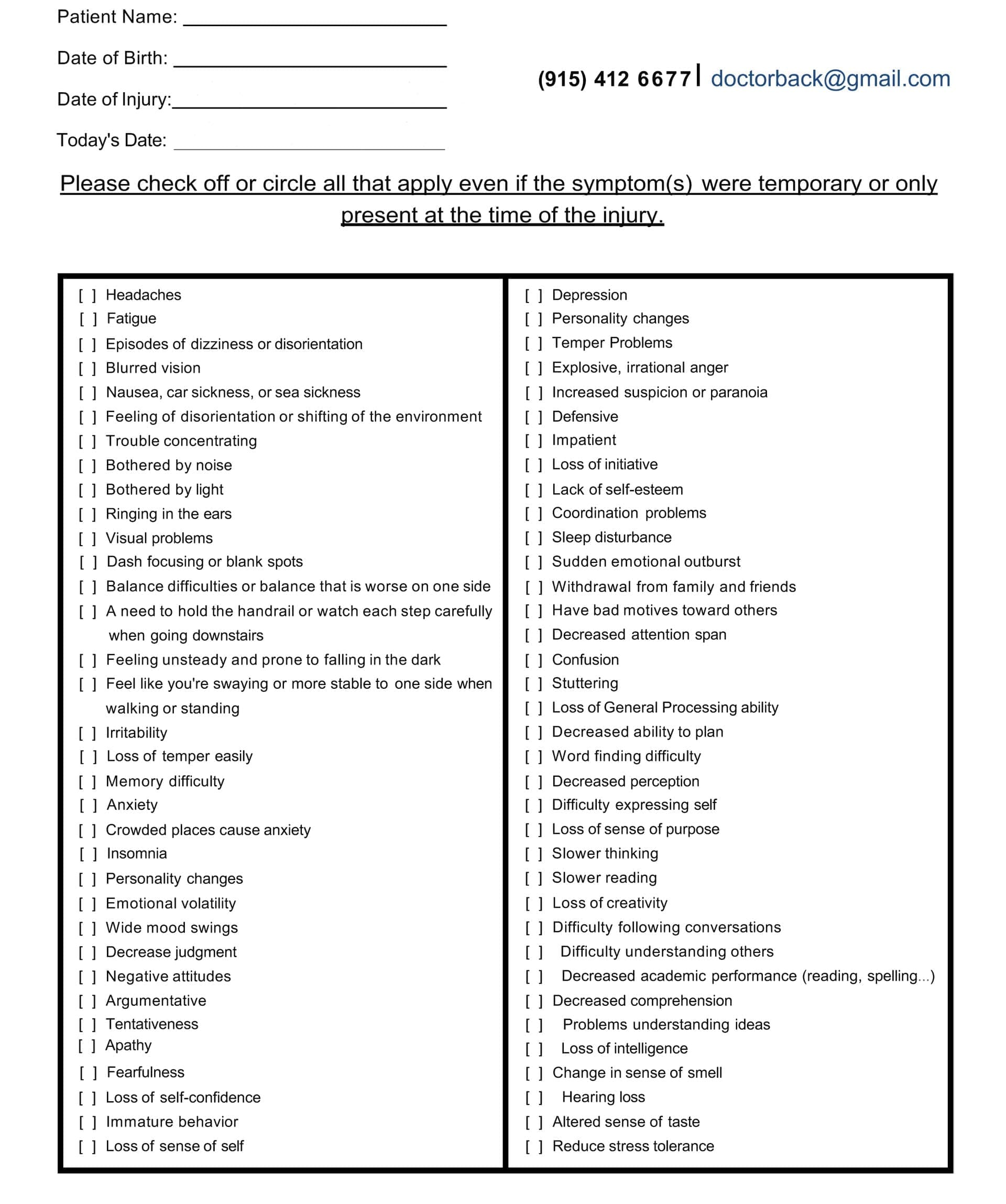
Symptom Questionnaire:


How Integrative Chiropractic Care Can Fit Into a TBI Recovery Plan

Important: Chiropractic care does not treat the brain injury itself and should not replace medical diagnosis or urgent care. It may, however, support symptom management and functional recovery when coordinated with your medical team (neurology, primary care, vestibular/physical therapy). Bergeron Clifford LLP

1) Restoring better spinal mechanics and alignment (especially upper neck)

Gentle, carefully selected spinal adjustments can reduce joint restrictions and muscle guarding in the cervical and upper thoracic regions. For some patients, improving head–neck alignment can reduce neck-related headaches and dizziness, which can indirectly improve balance and posture. Dr. Jimenez’s clinical materials and other chiropractic sources describe these goals and report symptom relief in select cases where the neck is a contributing factor. El Paso, TX Doctor Of Chiropractic+2El Paso, TX Doctor Of Chiropractic+2

2) Supporting neurophysiology and fluid dynamics (theoretical/adjunctive)

Some clinics note that adjustments may improve blood and cerebrospinal fluid (CSF) circulation, potentially aiding brain recovery by optimizing the environment around neural tissue. The evidence here is preliminary and should be framed as “may help” within a broader rehabilitation plan; still, it’s a common adjunctive rationale in clinical practice. Impact Medical Group+1

3) Sensory–motor rehabilitation to rebuild coordination

Integrative chiropractic and functional-neurology clinics often pair adjustments with targeted sensory and movement therapies: gaze stabilization, saccade/pursuit drills, balance progressions (wide base → narrow base → head turns), dual-task walking, and cervical proprioception exercises. These aim to retrain the brain (neuroplasticity) and calibrate vision–vestibular–proprioceptive inputs. HML Functional Care

4) Team-based care improves outcomes and safety

Medical guidance identifies red flags, rules out dangerous causes, and directs imaging or vestibular testing when needed. Rehabilitation professionals measure postural control, gait, and mobility using validated tools to demonstrate progress over time. Observational and review data indicate that balance changes occur after concussion, supporting the need for a structured assessment to guide rehabilitation. PMC+1


A Step-By-Step Care Pathway (What This Can Look Like)

  1. Medical evaluation first (especially if symptoms are new, severe, or worsening). Providers check for red flags and determine whether urgent care or imaging is necessary. Abnormal posturing = emergency. Mount Sinai Health System+1
  2. Baseline function check: vision, vestibular function, neck exam, simple balance tests. archives-pmr.org
  3. Cervical and upper thoracic care: gentle mobilization/adjustments (as appropriate), soft-tissue work, and home exercises to restore motion and reduce headache/neck-related dizziness. El Paso, TX Doctor Of Chiropractic
  4. Sensory–motor retraining: vestibular and oculomotor drills, graded balance tasks, gait training; progress in small, safe steps. HML Functional Care
  5. Lifestyle and pacing: sleep, graded activity, hydration, and symptom-paced screens/exercise—often supported by nurse-practitioner-led coaching in integrative settings. (Dr. Jimenez’s practice materials emphasize whole-person plans and steady progression.) El Paso, TX Doctor Of Chiropractic

How TBIs Can Lead to Spinal Misalignments and Symptom Flares

  • Impact mechanics (falls, crashes, sports) can strain facet joints, discs, and deep neck muscles.
  • The body may then adopt protective postures (chin jutting, shoulder guarding), which can irritate cervical nerves and muscle trigger points.
  • These patterns may worsen headaches and dizziness by disturbing cervical proprioception and upper-neck mobility—especially around C0–C2, a frequent source of cervicogenic symptoms after whiplash/TBI. Clinical articles on cervicogenic dizziness echo these links and suggest appropriate manual care and stabilization when indicated (after medical clearance). El Paso, TX Doctor Of Chiropractic+1

When Symptoms Become “Rigid Posturing”

Remember: decorticate or decerebrate posturing means severe brain dysfunction. The person is typically unconscious and in a coma; both patterns require 911/emergency care now. (Do not attempt chiropractic or rehab; call for medical help immediately.) Cleveland Clinic+1


Tests and Tools for TBI & Postural Problems (From Simplest to Most Advanced)

Note: Your exact pathway depends on symptoms and safety. Start with medical evaluation and add tests as needed.

Bedside & Screening (simplest)

  • History and neuro exam (headache, dizziness, nausea, vision changes, sleep, mood, neck pain; cranial nerves; coordination).
  • Glasgow Coma Scale (GCS) in acute settings to rate eye, verbal, and motor responses. NCBI
  • Symptom scales (e.g., post-concussion symptom checklists). Mayo Clinic
  • Basic balance screens (Romberg, tandem stance, timed up-and-go), and observation of gait and turns.
  • Cervical exam: range of motion, segmental motion, palpation, and joint position error tests for proprioception when appropriate. (Dr. Jimenez highlights posture and cervical mechanics in clinical content.) El Paso, TX Doctor Of Chiropractic

Clinic-level functional tests

  • BESS (Balance Error Scoring System) and instrumented postural sway for more sensitive detection of balance deficits after concussion. PMC
  • Community Balance & Mobility Scale (CB&M) for higher-level balance and mobility challenges (validated in brain injury populations). PMC
  • Vestibular/Oculomotor screening (e.g., smooth pursuit, saccades, vestibulo-ocular reflex/gaze stabilization, visual motion sensitivity).
  • Cervical/vestibular differentiation tests (to help sort inner-ear vs. neck-driven dizziness).

Specialized vestibular & ocular testing

  • Videonystagmography (VNG), calorics, rotary chair, and dynamic visual acuity tests to quantify vestibular deficits.
  • Eye-tracking or computerized oculomotor measures for pursuit/saccades.
  • Computerized posturography/force-plate is utilized for objective sway and strategy analysis, while center-of-mass measures aid in characterizing dynamic postural control following a concussion. IJSPT

Neurocognitive assessment

  • Standardized tests of attention, processing speed, memory, and executive function are used in concussion management (clinic-dependent).

Imaging & electrophysiology (advanced)

  • CT (acute bleed/fracture) and MRI (structural injury).
  • Diffusion Tensor Imaging (DTI) (white-matter pathways) and functional MRI in research/selected clinical contexts.
  • EEG if seizures or atypical episodes are suspected. (Mount Sinai lists EEG among tests for abnormal posturing workups; emergency pathways decide timing.) Mount Sinai Health System+1
  • PET/SPECT in select specialty centers; blood biomarkers (e.g., GFAP, UCH-L1) may be used in emergency algorithms.

Evidence Snapshots: What Research and Clinical Sources Say

  • Postural control can remain impaired after concussion; sophisticated metrics can reveal deficits not obvious on quick screens. PMC
  • Dynamic postural control, as measured by center-of-mass, is a useful outcome within one year post-concussion. IJSPT
  • Balance limitations after TBI are common and affect independence; better sitting balance early in rehab predicts better self-care after discharge. Brain Injury Association of America
  • Cervicogenic dizziness and neck-related headache can follow whiplash/head trauma; carefully managed manual therapy and cervical stabilization may reduce symptom drivers. (Clinical sources, including Dr. Jimenez’s site.) El Paso, TX Doctor Of Chiropractic+1
  • Chiropractic care should be adjunctive—not a replacement for medical treatment—and may help selected patients as part of a team plan, especially when cervical dysfunction contributes to symptoms. Bergeron Clifford LLP
  • Some clinics suggest that adjustments may help with blood and cerebrospinal fluid flow; however, this idea remains a theory and should be clearly explained to patients and used as part of a medically supervised plan. Impact Medical Group+1

A Practical, Integrated Plan (Example)

Built around safety, simplicity, and steady progress—and coordinated with your medical team.

  1. Protect & screen: See a clinician first. Urgent signs (worsening severe headache, repeated vomiting, loss of consciousness, new weakness/vision loss, abnormal posturing) need emergency care. Mount Sinai Health System+1
  2. Calm the neck: Gentle manual therapy and mobility work for the cervical/upper thoracic regions to reduce joint restriction and muscle guarding. Add home drills (chin nods, scapular setting, breathing) and progress slowly. El Paso, TX Doctor Of Chiropractic
  3. Recalibrate balance systems: Start with a wide-base stance, eyes open → eyes closed; then narrow base; then add head turns and dual-task steps. Integrate gaze stabilization (VOR) and visual motion tolerance exercises as symptoms allow. HML Functional Care
  4. Train real-life tasks: Gentle walking on level ground → turns → uneven terrain; keep sessions short and frequent. Measure progress with CB&M or instrumented sway when available. PMC
  5. Whole-person support: Sleep regularity, hydration, anti-inflammatory nutrition, and pacing (breaks between screens/reading). Clinics like Dr. Jimenez’s emphasize collaborative care—chiropractic care, nurse practitioner oversight, and vestibular/physical therapy—ensuring each domain is covered. El Paso, TX Doctor Of Chiropractic

When to Call Right Away (Red Flags)

  • Abnormal posturing (decorticate/decerebrate), severe confusion, or unresponsiveness
  • Worsening severe headache, repeated vomiting, seizures, new weakness/numbness, or vision loss
  • Neck pain with fever, sudden stiff neck, or neurological deficits

These signs need emergency evaluation—not clinic-based care. Mount Sinai Health System+1


How Dr. Alexander Jimenez’s Team Applies This Locally (El Paso)

Dr. Jimenez, DC, APRN, FNP-BC, highlights a dual-scope approach: identifying cervical drivers of headache/dizziness, rebuilding posture with gentle adjustments and stabilization, and combining this with vestibular drills, balance progressions, and lifestyle support. His clinical articles emphasize the importance of careful posture and cervical motion exams, stepwise progress, and collaborative plans with medical and rehabilitation partners. El Paso, TX Doctor Of Chiropractic+1


The Bottom Line

  • Mild TBI can leave behind subtle balance problems; severe TBI can cause abnormal posturing—an emergency. PMC+2Cleveland Clinic+2
  • These changes stem from how the brain integrates vision, vestibular input, and body sense, and they can be worsened by neck/upper-back dysfunction. braininjurycanada.ca+1
  • Integrative care—encompassing medical oversight, targeted chiropractic adjustments for cervical mechanics, and sensory–motor rehabilitation—offers a practical path to safer posture and stability. HML Functional Care+1

References

Brain Injury Association of America. (n.d.). [Factors associated with sitting and standing balance]. https://biausa.org/ Brain Injury Association of America

Brain Injury Association of America. (n.d.). [Sitting balance in rehabilitation is a good predictor of the amount of assistance that will be required]. https://biausa.org/ Brain Injury Association of America

Brain Injury Canada. (n.d.). [Balance]. https://braininjurycanada.ca/ braininjurycanada.ca

Brain Injury Canada. (n.d.). [Mobility]. https://braininjurycanada.ca/ braininjurycanada.ca

Cleveland Clinic. (2023, May 9). [Decerebrate posturing: What it is, causes, & treatment]. https://my.clevelandclinic.org/ Cleveland Clinic

Cleveland Clinic. (2023, May 9). [Decorticate posturing: What it is, causes, & treatment]. https://my.clevelandclinic.org/ Cleveland Clinic

Inness, E. L., et al. (2011). [Measuring balance and mobility after traumatic brain injury: Validation of the Community Balance and Mobility Scale (CB&M)]. Journal of Neurosurgery, 114(6). https://pmc.ncbi.nlm.nih.gov/ PMC

Mount Sinai Health Library. (2025, Apr 16). [Decerebrate posture]. https://www.mountsinai.org/ Mount Sinai Health System

Mount Sinai Health Library. (2025, Apr 16). [Decorticate posture]. https://www.mountsinai.org/ Mount Sinai Health System

Patejak, S., et al. (2021). [A systematic review of center of mass as a measure of dynamic postural control following concussion]. International Journal of Sports Physical Therapy. https://ijspt.scholasticahq.com/ IJSPT

Permenter, C. M., et al. (2023). [Postconcussive syndrome]. StatPearls. https://www.ncbi.nlm.nih.gov/books/ NCBI

Sosnoff, J. J., et al. (2011). [Previous mild traumatic brain injury and postural-control dynamics]. Journal of Athletic Training. https://pmc.ncbi.nlm.nih.gov/ PMC

Buckley, T. A., et al. (2016). [Postural control deficits identify lingering post-concussion neurological deficits]. Journal of Athletic Training. https://pmc.ncbi.nlm.nih.gov/ PMC

Jain, S., et al. (2023). [Glasgow Coma Scale]. StatPearls. https://www.ncbi.nlm.nih.gov/books/ NCBI

Flint Rehab. (2021). [Posturing after brain injury: Types and recovery outlook]. https://www.flintrehab.com/ Flint Rehab

HML Functional Care. (2025, Jul 22). [How chiropractic neurology supports brain healing]. https://hmlfunctionalcare.com/ HML Functional Care

Impact Medical Group. (2024, Jun 26). [Can chiropractic care help with mild traumatic brain injuries?] https://www.impactmedicalgroup.com/ Impact Medical Group

Northwest Florida Physicians Group. (2025). [Using chiropractic care to treat traumatic brain injuries]. https://northwestfloridaphysiciansgroup.com/ Northwest Florida Physicians Group

Pinnacle Health Chiropractic. (2025). [Six ways chiropractic care supports healing after TBI]. https://www.pinnaclehealthchiro.com/ pinnaclehealthchiro.com

ThinkVida. (2025). [Treating concussions with chiropractic care]. https://thinkvida.com/ Vida Integrated Health

Jimenez, A. (n.d.). [Finding hidden TBI symptoms: Signs you might miss]. dralexjimenez.com. https://dralexjimenez.com/ El Paso, TX Doctor Of Chiropractic

Jimenez, A. (n.d.). [Neck pain and feeling dizzy: Cervicogenic/cervical vertigo]. dralexjimenez.com. https://dralexjimenez.com/ El Paso, TX Doctor Of Chiropractic

Jimenez, A. (n.d.). [Cervicogenic dizziness from whiplash]. dralexjimenez.com. https://dralexjimenez.com/ El Paso, TX Doctor Of Chiropractic

Jimenez, A. (2025). [Traumatic brain injury: Understanding the long-term effects]. dralexjimenez.com. https://dralexjimenez.com/ El Paso, TX Doctor Of Chiropractic


Post-Accident Headaches: Fast, Lasting Relief

Post-Accident Headaches: Fast, Lasting Relief

Post-Accident Headaches & Chiropractic Care: A Practical, Patient-First Guide for ChiroMed

Headaches that won’t quit after a car crash are common—and fixable. This guide explains why they linger and how an integrative chiropractic plan at ChiroMed can address the root causes with safe, conservative care.

Why Headaches Linger After Car Accidents

A collision can injure soft tissues (muscles, tendons, and ligaments), upset normal spinal alignment, and irritate nerves in the neck and upper back. Together, these changes create muscle guarding, restricted joint motion, and inflamed pain pathways that keep headaches going—even when ER scans look “normal.” Typical patterns include tension-type headaches, cervicogenic (neck-originating) headaches, post-traumatic migraines, and post-concussive headaches (Cascade Spine & Injury Center, 2023; North Port Chiropractic, 2025; Wellness Chiropractic Care, n.d.). Cascade Spine and Injury Center+2northport-chiropractor.com+2

  • Soft-tissue microtrauma triggers inflammation and protective spasm. Tight suboccipitals, SCMs, scalenes, and upper trapezius muscles can refer pain into the head and behind the eyes (Brookdale Health, n.d.). brookdalehealth.com
  • Spinal misalignments and facet joint irritation alter mechanics in the upper cervical spine and can refer pain toward the skull (North Port Chiropractic, 2025; Dr. Toth Chiropractic, n.d.). northport-chiropractor.com+1
  • Nerve irritation and autonomic upset heighten sensitivity to normal movement and posture, reinforcing headache cycles (Premier Care Chiropractic, 2023/2024). premiercarechiro.com+1
  • Delayed onset is common: symptoms may flare days to weeks after impact as inflammation evolves and compensations set in (Premier Care Chiropractic, 2024; Premier Care Chiropractic, 2023). premiercarechiro.com+1

Important: Seek emergency care first for red flags like severe or worsening headache, repeated vomiting, confusion, weakness/numbness, vision or speech changes, or loss of consciousness (Cascade Spine & Injury Center, 2023; Neuro Injury Care, 2023). Chiropractic care complements—never replaces—urgent medical evaluation. Cascade Spine and Injury Center+1


The Headache Patterns We See Most

Tension-Type Headaches

Why they happen: After a crash, overloaded neck and shoulder muscles develop trigger points that refer pain to the head.
What it feels like: Dull, band-like pressure starting at the neck/base of the skull; worse with stress or screen time.
What helps: Gentle cervical/upper-thoracic adjustments, soft-tissue release, and breathing-based down-regulation (Brookdale Health, n.d.; Wellness Chiropractic Care, n.d.). brookdalehealth.com+1

Cervicogenic Headaches

Why they happen: Pain is generated by cervical joints/soft tissue but felt in the head; often linked to upper-cervical facet irritation and reduced segmental motion.
What it feels like: Unilateral head/neck pain that worsens with neck movement or sustained posture.
What helps: Segment-specific adjustments/mobilization and deep-neck-flexor reconditioning (North Port Chiropractic, 2025; Premier Care Chiropractic, 2023). northport-chiropractor.com+1

Post-Traumatic Migraines

Why they happen: Impact can dysregulate cervical nociception, the trigeminovascular system, and autonomic tone.
What it feels like: Throbbing pain with light/sound sensitivity, nausea; activity or posture may aggravate.
What helps: Improve cervical mechanics and tissue tone, normalize sleep/hydration, pace activity; consider decompression when indicated (My Pinnacle Chiropractic, 2025; Premier Care Chiropractic, 2023). Pinnacle Chiropractic+1

Post-Concussive Headaches

Why they happen: Rapid acceleration/deceleration can injure brain tissues and cervical structures even without a direct head strike.
What it feels like: Headache with dizziness, brain fog, or visual strain; may worsen with exertion.
What helps: Medical clearance first; then a graded plan to restore cervical mobility and strength, guided by symptoms (Cascade Spine & Injury Center, 2023). Cascade Spine and Injury Center


The Mechanics Behind Lingering Pain

  1. Inflammation + Guarding Loop
    Damaged tissues release inflammatory mediators that stimulate pain receptors. The body “guards” by tightening muscles, which compresses joints and perpetuates inflammation (Lutz Chiropractic, 2025; Wellness Chiropractic Care, 2023). lutzchiro.com+1
  2. Joint Fixations & Misalignments
    When cervical segments stop moving well, facet joints and surrounding tissues become irritated, leading to increased referred head pain (North Port Chiropractic, 2025; Dr. Toth Chiropractic, n.d.). northport-chiropractor.com+1
  3. Nerve Sensitization
    Irritated nerve roots and sympathetic fibers elevate sensitivity. Restoring alignment and easing tissue load helps normalize signaling (Premier Care Chiropractic, 2023/2024). premiercarechiro.com+1
  4. Delayed Expression of Symptoms
    Early adrenaline and subtle sprains can mask pain; symptoms may arise days or weeks later as swelling and compensations evolve (Premier Care Chiropractic, 2024; Premier Care Chiropractic, 2023). premiercarechiro.com+1

How Chiropractic Care at ChiroMed Addresses Root Causes

At ChiroMed, your plan is built to treat what’s driving the headache, not just dull symptoms. We combine hands-on care, targeted exercise, and practical self-care so improvement lasts.

1) Spinal Adjustments (Manual or Instrument-Assisted)

Gentle, specific adjustments restore segmental motion, reduce facet irritation, and refine alignment—especially at the upper cervical spine. Patients often report fewer and less intense headaches as mechanics normalize (Dr. Toth Chiropractic, n.d.; North Port Chiropractic, 2025). drtoth.com+1

2) Soft-Tissue Therapy

Myofascial release and trigger-point techniques deactivate common referral sources (suboccipitals, SCM, scalenes, upper traps), reduce guarding, and help adjustments “hold” between visits (Brookdale Health, n.d.). brookdalehealth.com

3) Cervical Traction/Decompression (As Indicated)

For patients with nerve irritation or axial loading, gentle traction can open space, reduce pressure, and improve local circulation—often easing cervicogenic and tension-type triggers (North Port Chiropractic, n.d.). northport-chiropractor.com

4) Corrective Exercise & Postural Retraining

We re-educate deep neck flexors, scapular stabilizers, and thoracic mobility to support healthy mechanics during driving, desk work, and daily life (Premier Care Chiropractic, 2023; Lutz Chiropractic, 2025). premiercarechiro.com+1

5) Education & Prevention

Micro-breaks, workstation tweaks, sleep/hydration routines, and graded activity protect progress and lower flare-ups (Cascade Spine & Injury Center, 2023; Wellness Chiropractic Care, n.d.). Cascade Spine and Injury Center+1

Timing matters. Evaluating within the first 1–2 weeks helps prevent chronic pathways from “setting in” (Premier Care Chiropractic, 2024; Dr. Toth Chiropractic, 2025). premiercarechiro.com+1


What a Visit Looks Like (ChiroMed Process)

  1. History & Red-Flag Screen
    We clarify the mechanism (rear-end, side-impact, headrest position), immediate/delayed symptoms, medications, prior headache history, and job/sport demands. Red flags trigger immediate medical referral (Cascade Spine & Injury Center, 2023; Neuro Injury Care, 2023). Cascade Spine and Injury Center+1
  2. Neuromusculoskeletal Exam
    • Cervical/thoracic ROM and joint end-feel
    • Palpation for segmental tenderness & trigger points
    • Neurologic screen: myotomes, dermatomes, reflexes
    • Headache triggers: posture, screen/drive time, sleep
  3. Advanced Imaging (As Indicated)
    X-ray or MRI/CT is considered for neurological deficits, high-energy trauma, or poor progress after an appropriate trial of care (North Port Chiropractic, 2025; Premier Care Chiropractic, 2023). northport-chiropractor.com+1
  4. Diagnosis & Care Plan
    We identify dominant drivers—such as joint dysfunction, muscle guarding, nerve irritation, migraine physiology, or mixed—and match them with precise interventions (Dr. Toth Chiropractic, n.d.; Brookdale Health, n.d.). drtoth.com+1
  5. Outcome Tracking & Case Coordination
    We document progress (range, strength, disability scores, frequency/intensity of headaches) and coordinate with your PCP, specialists, or, when relevant, legal teams. (Premier Care Chiropractic, 2023; El Paso Chiropractic/Synergy, 2025—exemplar). premiercarechiro.com+1

Complementary Therapies That Pair Well With Chiropractic

  • Massage therapy / myofascial release: Frees restricted tissue and improves circulation (Brookdale Health, n.d.). brookdalehealth.com
  • Heat & cold strategies: Apply heat before mobility to relax tissues; use brief ice after workload spikes (Cascade Spine & Injury Center, 2023). Cascade Spine and Injury Center
  • Ergonomics & driving posture: Headrest height, seat angle, and screen position reduce cervical load (Cascade Spine & Injury Center, 2023). Cascade Spine and Injury Center
  • Graded return to activity: Short walks and gentle mobility boost blood flow without flare-ups (Premier Care Chiropractic, 2023). premiercarechiro.com

Recovery Timeline (Example)

Note: Your plan will be individualized. This timeline illustrates common milestones.

Weeks 0–2: Calm & Restore Motion

  • Tolerance-based cervical/upper-thoracic adjustments
  • Soft-tissue release for suboccipitals, SCMs, scalenes, upper traps
  • Gentle traction/decompression as indicated
  • Heat before movement; brief ice after activity
  • Micro-breaks every 20–30 minutes; sleep/hydration reset
    (Dr. Toth Chiropractic, 2025; Brookdale Health, n.d.). drtoth.com+1

Weeks 2–6: Re-Educate & Strengthen

  • Deep-neck-flexor endurance and scapular stabilization
  • Thoracic mobility drills; desk/driver posture coaching
  • Reassessment: ROM, headache frequency/intensity, disability scores
    (Premier Care Chiropractic, 2023; Lutz Chiropractic, 2025). premiercarechiro.com+1

Weeks 6–12: Stabilize & Prevent

  • Maintain adjustment frequency as needed
  • Progress strength/endurance; add job- or sport-specific tasks
  • Build a prevention toolkit: mobility sequence, ergonomic playbook, flare-control plan
    (Premier Care Chiropractic, 2023). premiercarechiro.com

Frequently Asked Questions

Do “minor” crashes really cause lasting headaches?
Yes. Even low-speed impacts can strain soft tissue and disturb joint mechanics. Symptoms often appear days or weeks later (Premier Care Chiropractic, 2024; Premier Care Chiropractic, 2023). premiercarechiro.com+1

How soon should I see a chiropractor?
Ideally, within 1–2 weeks, or sooner if symptoms escalate (Premier Care Chiropractic, 2024; Dr. Toth Chiropractic, 2025). premiercarechiro.com+1

Will I need imaging?
Not always. Imaging is considered for neurological findings, severe trauma, or poor progress (North Port Chiropractic, 2025; Premier Care Chiropractic, 2023). northport-chiropractor.com+1

Can chiropractic help post-traumatic migraines?
By improving alignment, reducing muscle tension, and normalizing nerve input, many people report fewer and less intense migraine days (My Pinnacle Chiropractic, 2025; Premier Care Chiropractic, 2023). Pinnacle Chiropractic+1

What if symptoms persist beyond 3 months?
That’s often considered chronic and may still respond to a targeted plan; we reassess drivers and adjust care (Premier Care Chiropractic, 2024). premiercarechiro.com


A Brief Clinical Lens on Dual-Scope Care (Exemplar)

While ChiroMed provides chiropractic-centered, integrative care, it’s useful to note how some clinics coordinate chiropractic and medical decision-making under one roof. For example, Dr. Alexander Jimenez, DC, APRN, FNP-BC (El Paso) illustrates a dual-scope model that correlates biomechanical findings with medical drivers, orders advanced neuromusculoskeletal imaging when indicated, and prepares legal-ready documentation for personal-injury cases—all while progressing patients through adjustments, soft-tissue care, decompression, and rehabilitation (Jimenez, 2025a–d; El Paso Chiropractic/Synergy, 2025). This kind of coordination underscores the value of clear diagnosis, structured progression, and consistent documentation in post-accident headache care. Synergy Chiropractic


Practical Home Strategies (Simple & Repeatable)

  1. Screens at eye level: Keep ears over shoulders; set a 20–30-minute micro-break timer (Cascade Spine & Injury Center, 2023). Cascade Spine and Injury Center
  2. Warm before, cool after: Brief heat before mobility to relax tissue; brief ice after workload spikes (Brookdale Health, n.d.). brookdalehealth.com
  3. Hydrate and sleep: Dehydration and poor sleep can amplify headaches, so maintain a steady routine (Premier Care Chiropractic, 2023). premiercarechiro.com
  4. Ease into cardio: Short walks improve circulation without provoking flares (Premier Care Chiropractic, 2023). premiercarechiro.com
  5. Track triggers: Note links between neck posture, stress spikes, and headache intensity; adjust positions accordingly (Cascade Spine & Injury Center, 2023). Cascade Spine and Injury Center

Bottom Line

Post-accident headaches linger because a collision injures soft tissues, disturbs cervical alignment, and irritates nerves. Chiropractic care targets the root causes with precise adjustments, soft-tissue therapy, traction when indicated, and corrective exercise—plus practical coaching to keep gains. At ChiroMed, we design a plan around your exam findings, track measurable progress, and coordinate when imaging or additional consultation is appropriate—so relief is not just fast, but lasting (North Port Chiropractic, 2025; Lutz Chiropractic, 2025; Premier Care Chiropractic, 2023/2024; Cascade Spine & Injury Center, 2023). Cascade Spine and Injury Center+4northport-chiropractor.com+4lutzchiro.com+4


References

Brookdale Health. (n.d.). Auto injury treatment for headaches. brookdalehealth.com

Brookdale Health. (n.d.). How can chiropractic adjustments relieve tension headaches from accidents?. brookdalehealth.com

Cascade Spine & Injury Center. (2023, August 28). Navigating the road of headaches after a car accident. Cascade Spine and Injury Center

Dr. Toth Chiropractic. (n.d.). Headaches after a car accident. drtoth.com

Dr. Toth Chiropractic. (2025, March 21). How long should you see a chiropractor after a car accident?. drtoth.com

El Paso Chiropractic / Synergy Health Solutions. (2025, October 2). Car accident headaches and whiplash: Chiropractic care in El Paso. Synergy Chiropractic

Jimenez, A. (2025a). Safe chiropractic care in El Paso: What to expect.

Jimenez, A. (2025b). Chiropractic performance-based therapy for injury rehab.

Jimenez, A. (2025c). Integrative healing: Hidden injuries after accidents.

Lutz Chiropractic. (2025, September 8). From fender bender to full recovery: How chiropractic care helps after car accidents. lutzchiro.com

My Pinnacle Chiropractic. (2025, August 29). Should I go to a chiropractor after a car accident?. Pinnacle Chiropractic

Neuro Injury Care Institute. (2023, September 22). Why you shouldn’t ignore headaches after a car accident. neuroinjurycare.com

North Port Chiropractic. (2025, February 3). How chiropractic care can help relieve headaches after an auto accident. northport-chiropractor.com

North Port Chiropractic. (n.d.). Auto accident care. northport-chiropractor.com

Premier Care Chiropractic. (2023). Chiropractic treatment for headaches. premiercarechiro.com

Premier Care Chiropractic. (2024). Chronic pain after a car accident. premiercarechiro.com

Premier Care Chiropractic. (2023). How long after a car accident can injuries appear?. premiercarechiro.com

Wellness Chiropractic Care. (n.d.). Headaches FAQs. wellnesschiropracticcare.com

Wellness Chiropractic Care. (2023, March 23). Common airbag and seatbelt injuries. wellnesschiropracticcare.com

Strong Backs with Chiropractic Integrative Care

ChiroMed Back Basics: A Practical, Integrative Guide to Lifelong Spinal Health

Strong backs with chiropractic integrative spine health

What “spinal health” means (straight talk)

Spinal health refers to the proper structure, alignment, and function of your spine, enabling it to support your body, allow for comfortable movement, and protect your spinal cord, which carries nerve signals between your brain and the rest of your body. You can protect your spinal health with regular exercise, good posture, a balanced diet, steady hydration, and a healthy weight. If these habits slip, problems can build into chronic pain, nerve irritation or damage, and a lower quality of life (Raleigh Orthopaedics, 2024; Orthopedic Specialists of SW Florida, 2024; National Spine Health Foundation, 2024). Raleigh Orthopaedic+2SW Florida Orthopedics+2


Why the spine drives whole-body wellness

  • Load sharing & alignment. Your spine is the central pillar that keeps you upright and shares loads with the hips and legs; better alignment means less strain everywhere (Premier Spine & Sports Medicine, n.d.). Premier Spine and Sports Medicine
  • Movement & shock absorption. Vertebrae, discs, and joints enable you to bend, twist, and absorb impact for daily tasks, work, and sports (Raleigh Orthopaedics, 2024). Raleigh Orthopaedic
  • Nerve protection. The spinal canal safeguards nerve tissue; irritation can cause pain, tingling, or weakness that travels into an arm or leg (Cary Orthopaedics, 2023). Cary Orthopaedics
  • Quality of life. Unaddressed issues can contribute to fatigue, sleep disturbances, and reduced participation in work or recreational activities (Raleigh Orthopaedics, 2024). Raleigh Orthopaedic

The 3 pillars of a resilient back: Align · Activate · Adapt

1) Align (posture + ergonomics you’ll actually use)

  • Sit: feet flat, hips back in the chair, lumbar support, and screen at eye level.
  • Stand: weight balanced, knees soft, ears over shoulders.
  • Reset every 30–45 minutes—frequent micro-breaks beat one long break (National Spine Health Foundation, 2024). National Spine Health Foundation

Desk quick fix: raise the screen, pull the keyboard/mouse close, and keep forearms supported.
Lifting quick fix: hinge at the hips, brace the core, keep the load close, and exhale as you stand.

2) Activate (movement as daily medicine)

  • 20–30 minutes of gentle cardio most days (walking, cycling, swimming).
  • Core & hip strength 2–3 days/week: planks, side planks, glute bridges, bird-dogs.
  • Mobility after you’re warm: thoracic rotations, hip-flexor and hamstring stretches.
    These habits reduce stiffness, support discs and joints, and build endurance for posture (National Spine Health Foundation, 2024; Mobility Project PT, 2024). National Spine Health Foundation+1

3) Adapt (recovery, stress, sleep)

  • Sleep neutral: a mattress and pillow that keep your neck/back aligned. Side sleepers: pillow between knees; back sleepers: pillow under knees.
  • Downshift stress: taking a 3–5 minute breathing break or going for a short walk can help lower tension, which often reduces pain sensitivity (Raleigh Orthopaedics, 2024). Raleigh Orthopaedic

Common spinal problems—and how conservative care helps

  • Strains/sprains and facet irritation from long sitting or awkward lifting
  • Disc issues that can irritate nearby nerves and trigger radiating symptoms
  • Spinal stenosis (narrowing) that can pinch nerves
  • Degenerative changes are tied to inactivity, smoking, or excess body weight

Most cases improve with movement, posture resets, targeted exercises, and load management—especially when treatment begins early (Orthopedic Specialists of SW Florida, 2024). SW Florida Orthopedics

Red flags—don’t wait: radiating pain, numbness, weakness, headaches, or loss of function. Get a timely exam (Cary Orthopaedics, 2023; Suarez Physical Therapy, n.d.). Cary Orthopaedics+1


The ChiroMed-style conservative care playbook (evidence-informed & integrative)

An integrative chiropractic setting typically combines:

  • Chiropractic adjustments to restore motion and reduce joint irritation
  • Exercise therapy for core/hip strength and mobility
  • Manual therapy/massage for tight or sensitive tissues
  • Acupuncture when appropriate
  • Education on ergonomics, lifting, sleep, and self-care routines
    (Prestige Health & Wellness, n.d.; Mobility Project PT, 2024; Raleigh Orthopaedics, 2024). Prestige Health and Wellness+2Mobility Project Physical Therapy+2

If red flags or stubborn neurological signs are present, your provider may order imaging to clarify the diagnosis and guide next steps (Cary Orthopaedics, 2023). Cary Orthopaedics


Fuel your spine: simple nutrition that works

  • Protein (muscle/ligament repair)
  • Omega-3 fats (help moderate inflammation)
  • Calcium + Vitamin D (bone strength)
  • Magnesium (nerve and muscle function)
  • Colorful fruits & vegetables (antioxidants for recovery)
  • Water (disc hydration and nutrient transport)

These basics support tissue healing and resilience (Watkins Family Chiropractic, n.d.; Orthopedic Specialists of SW Florida, 2024). Watkins Family Chiropractic+1

Hydration matters: steady water intake helps keep discs “springy,” and pairing hydration with a healthy body weight reduces stress on joints and discs (Centeno-Schultz Clinic, n.d.; Raleigh Orthopaedics, 2024). Centeno-Schultz Clinic+1


Two environments, two quick setups

Office/Remote work

  • Position the screen at eye level, with lumbar support or a small pillow, and your arms close to your sides.
  • Stand-up breaks or a 60-second walk every 30–45 minutes (NSHF, 2024). National Spine Health Foundation

Physical jobs

  • Practice the hip hinge with light objects daily to improve your flexibility.
  • Rotate tasks when possible and use brief mobility breaks to reset your posture.

Sport, driving, and travel: keep momentum

  • Sport: pair mobility + core/hip strength; return to play gradually.
  • Driving: the seat is close enough for slightly bent knees; the headrest is aligned with the back of the head; posture is checked at stops.
  • Travel: micro-moves every fuel or restroom break (NSHF, 2024; Centeno-Schultz Clinic, n.d.). National Spine Health Foundation+1

The 4-week “Momentum Map” (minimal gear, steady progress)

Week 1 — Build the base

  • Daily: 10-minute walk + 5 minutes mobility (open-books, hip-flexor, hamstrings).
  • Core (3×/week): plank 20 s, side plank 15 s/side, glute bridge 10 reps.
  • Posture: Raise the screen and add a small lumbar roll.

Week 2 — Add consistency

  • Daily: 15–20 minutes walk/cycle + mobility.
  • Core (3×/week): plank 25–30 s, side plank 20 s/side, bridge 12 reps; add bird-dog 6/side.
  • Nutrition nudge: leafy greens + lean protein at each meal (Watkins Family Chiropractic, n.d.). Watkins Family Chiropractic

Week 3 — Strength + recovery

  • Cardio most days: 20–25 minutes.
  • Light hinge pattern 1–2×/week (backpack or kettlebell) with the load close.
  • Pre-bed slow breathing for 3–5 minutes (Raleigh Orthopaedics, 2024). Raleigh Orthopaedic

Week 4 — Re-test & refine

  • Repeat day-one moves and note changes in pain, flexibility, and energy.
  • Keep what helps, trim what doesn’t.
  • If numbness, weakness, or radiating pain persists, schedule an exam (Cary Orthopaedics, 2023; Suarez Physical Therapy, n.d.). Cary Orthopaedics+1

Myths vs. facts (clinic edition)

  • Myth: “If my back hurts, I should rest all day.”
    Fact: Gentle movement and short walks often speed recovery; long bed rest increases stiffness (National Spine Health Foundation, 2024). National Spine Health Foundation
  • Myth: “Only heavy lifting causes back pain.”
    Fact: Prolonged sitting, poor ergonomics, stress, and sleep problems also drive pain (NSHF, 2024; Raleigh Orthopaedics, 2024). National Spine Health Foundation+1

When to see a clinician (simple rule)

  • New or worsening radiating pain, numbness/weakness, or loss of function
  • Night pain, fever, or unexplained weight loss
  • Pain that persists beyond a couple of weeks despite basic steps
    These are reasons for prompt evaluation and, if indicated, imaging to guide care (Cary Orthopaedics, 2023; Orthopedic Specialists of SW Florida, 2024). Cary Orthopaedics+1


References


Neuropathy Chiropractic Treatment Questions and Answers

A ChiroMed-Style Guide for Safer, Active Recovery

Neuropathy Chiropractic Treatment Questions and Answers

What is peripheral neuropathy?

Peripheral neuropathy refers to the irritation or damage of nerves outside the brain and spinal cord. Common signs include tingling, burning pain, numbness, sensitivity to cold or heat, weakness, cramping, and balance issues. Causes vary: diabetes and prediabetes, spine or joint compression (pinched nerves), vitamin deficiencies, medication effects (including some chemo drugs), autoimmune conditions, infections, alcohol overuse, and trauma from work, sports, or car crashes.

Why this matters: Two people can both have “neuropathy,” but they need very different treatment plans. The first step is a careful assessment to identify likely drivers and eliminate potential red flags.


Can chiropractic care cure neuropathy?

No. Most cases of neuropathy are not “curable.”
However, when combined with active rehabilitation and smart medical co-management, chiropractic care can often reduce symptoms, improve mobility, enhance balance, and support daily functioning. The goal is to alleviate mechanical irritation, enhance joint mobility, and promote safer patterns—while medical teams address glucose control, medication issues, wound care, and other systemic factors.


How a ChiroMed-style program helps

A modern chiropractic program doesn’t rely on one tool. It blends gentle hands-on care with progressive exercise and lifestyle support:

  • Low-force spinal and extremity adjustments to restore motion and reduce local nerve stress.
  • Soft-tissue therapy (myofascial techniques, instrument-assisted work) to ease guarding and improve circulation.
  • Nerve mobility drills (nerve glides) to reduce sensitivity where appropriate.
  • Traction/decompression for select patients with disc or foraminal narrowing.
  • Balance, gait, and strength training to lower fall risk and protect joints.
  • Lifestyle coaching on sleep, stress, ergonomics, and foot care; nutrition support coordinated with your medical team.
  • Acupuncture or electro-acupuncture in clinics that offer it, to modulate pain and sensitivity.

Safety first (and always)

Chiropractic care is generally low-risk when delivered after a thorough interview and physical examination. Your clinician should screen for red flags, adapt techniques to account for bone density and age, adjust for diabetes or chemotherapy history, and co-manage with your primary-care clinician, neurologist, endocrinologist, podiatrist, or pain specialist when necessary.

Call your medical team or urgent care first if you develop:

  • sudden severe weakness or paralysis
  • bowel or bladder changes, groin numbness
  • rapidly worsening numbness with foot wounds or infection
  • unexplained fever, night pain, or weight loss
  • cancer history with new bone pain

How chiropractic integrates with traditional medicine

Think team sport.

  • Diabetic neuropathy: medical teams focus on glucose control, wound/foot care, and medication choices; chiropractic care adds mobility, balance exercises, and joint care to protect walking and daily activities.
  • Spine-related neuropathy (radiculopathy): chiropractors address motion, posture, and stability, while physicians guide imaging, medications if needed, and surgical opinions for non-responders or those with red flags.
  • Post-injury neuropathy (work/sport/MVA): Coordinated plans address soft-tissue strain, scar, and joint mechanics; objective testing and documentation support a safe return to work or sport.

What results should I expect?

Results depend on cause, severity, and time. Some people feel better in weeks; others progress slowly over months. Programs that combine hands-on care, progressive exercise, balance training, and lifestyle steps tend to produce the best long-term function and comfort. Expect regular re-checks with objective measures (sensation, strength, balance, gait, daily tasks).


A sample 12-week roadmap (personalized to your exam)

Weeks 1–4 | Calm & Protect

  • Low-force adjustments and gentle soft-tissue work
  • Basic nerve-glide and mobility drills, tolerance-based
  • Foot-care education and home safety for fall prevention
  • Short walking intervals; sleep and stress routines

Weeks 5–8 | Rebuild

  • Posture, hip/core strength, ankle/foot stability
  • Balance and gait training; ergonomic coaching
  • Consider traction/decompression or acupuncture where indicated
  • Nutrition tweaks (with your medical team) for inflammation and glucose control

Weeks 9–12 | Function & Maintain

  • Job/sport-specific progressions and endurance
  • Outcome re-testing (pain, sensation, gait, strength, functional tasks)
  • Long-term plan: home program + periodic tune-ups

FAQ: Chiropractic Neuropathy Treatment Questions

1) Will I still need medications?
Maybe. Chiropractic is complementary. As movement and sleep improve, some people need fewer pain meds—decisions are made with your prescribing clinician.

2) Are adjustments painful?
Most patients tolerate them well. We can start with very gentle, low-force methods and progress as you gain confidence.

3) How often are visits?
Usually more frequent early on, then fewer as you learn self-care. Re-testing guides when to taper.

4) What about imaging or nerve tests?
If your exam suggests it—or if progress stalls—your team may order X-rays/MRIs, EMGs/NCVs, labs, or vascular studies.

5) What can I start at home?
Daily foot checks, short walks, simple balance drills by a counter, gentle mobility, and a regular sleep routine. For diabetic cases: medical-guided glucose control and protective footwear.

6) Is this safe if I’m older or osteoporotic?
Yes, with proper screening and adapted techniques (instrument-assisted, mobilization, or position-based methods).

7) Does this help after a car crash or work injury?
Yes. Plans target alignment, soft tissue, and movement patterns; clinicians also document objective findings to support authorizations and return-to-work decisions.


What to look for in a clinic

  • Clear explanation of findings and plan, in plain language
  • Customized techniques (not one-size-fits-all)
  • Built-in active rehab (balance, gait, strength)
  • Coordination with your medical team
  • Regular outcome measurements and progress notes
  • Education on home care and prevention

The take-home message

  • Not a cure—but helpful. Modern chiropractic care, combined with active rehabilitation, can help reduce neuropathic pain, improve mobility, and support a safer daily life.
  • Safety and teamwork matter. Screening, personalization, and medical co-management make care smarter and safer.
  • Movement is medicine. Gentle hands-on care plus progressive exercise and healthy habits protect gains and prevent setbacks.

References

Medical Associates of Northwest Arkansas. (n.d.). Chiropractic care for peripheral neuropathy.

DE Integrative Healthcare. (n.d.). Answers to your top 10 questions about chiropractic care.

Antigo Chiropractic. (n.d.). Neuropathy FAQs.

Aventura Wellness & Rehab Center. (n.d.). Nerve renewal: How chiropractic care can help alleviate neuropathic pain.

Waukee Wellness & Chiropractic. (n.d.). Can a chiropractor help with neuropathy?.

Renovation Chiropractic. (n.d.). Common questions about neuropathy.

Vero Health Center. (n.d.). FAQ about neuropathy.

Optimum Wellness Solutions. (n.d.). Neuropathy FAQs.

Cornerstone Chiropractic & Wellness. (n.d.). Neuropathy services.

Ocean Chiropractic & Health. (n.d.). What are the most common questions about chiropractic care?.

Legacy Family Health. (n.d.). Neuropathy overview.

Urteaga Chiropractic. (n.d.). How to use chiropractic care for neuropathy relief: A beginner’s guide.

Pain & Wellness Institute. (n.d.). Can chiropractic care help my neuropathy?.

Knecht Chiropractic Clinic. (n.d.). Can chiropractic care help patients with peripheral neuropathy?.

KB Chiropractic—Hudson. (n.d.). Can chiropractic care help relieve neuropathy symptoms?.

Dr. Leap Chiropractic. (n.d.). 10 answers to frequently asked questions about chiropractic care.

The Well Chiropractic. (n.d.). Neuropathy: What is it and how chiropractic treatment can help.

DeBruin Chiropractic. (n.d.). Can chiropractic care help with neurological conditions?.

Family Chiropractic Plus. (n.d.). Feeling the impact of neuropathy: A caring holistic path to relief.

Lowery Chiropractic. (n.d.). How chiropractic care offers relief from peripheral neuropathy

ChiroMed’s Ergonomic Mouse Wrist Health Guide

ChiroMed’s Ergonomic Mouse Wrist Health Guide

ChiroMed’s Guide to Pain-Free Hands with Ergonomic Mice

In today’s digital age, hours spent at computers can lead to discomfort in hands, wrists, and arms. At ChiroMed – Integrated Medicine in El Paso, TX, we understand how repetitive tasks cause strain. An ergonomic mouse, paired with our holistic care, offers relief. Designed to support natural hand posture, it helps reduce repetitive strain injuries (RSI) such as carpal tunnel syndrome and tendonitis. Combined with proper workstation setup and our integrative treatments, including chiropractic care, acupuncture, and rehabilitation, these tools help manage and prevent pain. This article examines how ChiroMed utilizes ergonomic solutions and expert care, drawing on insights from Dr. Alex Jimenez, DC, APRN, FNP-BC, to foster lasting wellness.

Understanding the Ergonomic Mouse Advantage

An ergonomic mouse isn’t like the flat, standard ones. It’s shaped to fit your hand’s natural curve, often tilted upright like a handshake. This design keeps your wrist aligned and reduces muscle strain (Goldtouch, 2023a). At ChiroMed, we recommend these tools to patients who have desk jobs or experience repetitive strain issues.

Unlike traditional mice that twist your forearm, ergonomic models keep your arm in a neutral position. This reduces nerve pressure and muscle fatigue (Logitech, n.d.). For example, vertical mice like Logitech’s MX Vertical tilt at 57 degrees, easing wrist tension (Logitech, n.d.). Patients at ChiroMed report less discomfort after switching, allowing them to work longer without pain.

Choosing the right mouse matters. Look for adjustable angles or thumb rests to match your hand size. Our team at ChiroMed can guide you to the best fit for your needs (ProtoArc, 2023).

Supporting Natural Posture to Ease Strain

Your hand’s position affects your whole arm. A regular mouse forces your wrist to bend inward, straining forearm bones and nerves (ZDNet, 2023). An ergonomic mouse aligns your hand naturally, reducing this twist, called pronation (Goldtouch, 2023a).

This neutral grip lowers muscle effort by up to four times, per studies (Logitech, n.d.). It also eases shoulder and neck tension, as your arm stays relaxed (Kosak Chiropractic, n.d.). At ChiroMed, we have seen patients benefit from this simple switch, especially those who spend long hours on computers.

Reducing Repetitive Strain Injuries

Repetitive strain injuries (RSI) come from repeated clicks and scrolls. They cause tingling, numbness, or pain in the hands and arms (EffyDesk, 2023). Ergonomic mice reduce these risks by minimizing hand movements. Their curved design allows fingers to rest comfortably without stretching (Goldtouch, 2023b).

Features like thumb rests prevent over-gripping, which tires tendons. Lightweight designs make mouse movement easier (ProtoArc, 2023). At ChiroMed, we’ve seen coders and designers use these mice to work pain-free, as they reduce muscle strain during long tasks.

Preventing Carpal Tunnel and Tendonitis

Carpal tunnel syndrome squeezes the median nerve in your wrist, causing tingling or a weak grip. Tendonitis inflames arm tendons from overuse (FlexiSpot, n.d.). Both are common among desk workers, but ergonomic mice can help alleviate these issues.

These mice open the wrist’s carpal tunnel, reducing pressure by up to 30% in some cases (Goldtouch, 2023a). They also limit unnatural bends that inflame tissues (ZDNet, 2023). For tendonitis, less forearm twist eases elbow and shoulder strain, preventing long-term damage (Lowery Chiropractic, n.d.). ChiroMed patients who switch early often avoid worsening their symptoms.

Optimizing Your Workstation for Health

An ergonomic mouse works best with a properly set-up desk. At ChiroMed, we recommend setting your chair so that your elbows bend at a 90-degree angle, with your feet flat on the floor. Place your mouse at elbow height to avoid reaching (Kosak Chiropractic, n.d.).

Use a keyboard tray to keep your wrists in a straight position. Ensure your monitor is at eye level to prevent neck strain (Kosak Chiropractic, n.d.). Take short breaks every hour—stretch your wrists and roll your shoulders—to boost blood flow (EffyDesk, 2023). Our El Paso clinic provides personalized guidance to transform your workspace into a health hub.

ChiroMed’s Integrative Approach to Healing

At ChiroMed, we blend chiropractic care, acupuncture, and rehabilitation to treat pain holistically. Chiropractic adjustments realign joints, freeing nerves and reducing swelling (Rozenhart Chiropractic, n.d.). For wrist pain, we target hand-to-elbow alignment to ease carpal tunnel pressure (Lowery Chiropractic, n.d.).

Our integrative methods include ultrasound to warm tissues and electrical stimulation to calm nerves (Lowery Chiropractic, n.d.). Nutrition

counseling reduces inflammation, supporting recovery (Evolve Chiropractic, n.d.). Dr. Alex Jimenez and our team create personalized plans to address root causes, not just symptoms.

Dr. Alex Jimenez’s Expertise in Injury Care

Dr. Alex Jimenez, a chiropractor and nurse practitioner at ChiroMed, brings dual expertise to the treatment of injuries. His clinic handles work, sports, personal, and motor vehicle accident (MVA) injuries. Using advanced neuromusculoskeletal imaging and dual-scope diagnosis, he pinpoints issues like nerve compression or joint misalignment (Jimenez, n.d.a).

For MVAs, Dr. Jimenez correlates whiplash to arm pain, using scans to guide care (Jimenez, n.d.b). Treatments combine adjustments, targeted exercises, and massage to restore function. Acupuncture enhances pain relief by stimulating the body’s natural healing process (Evolve Chiropractic, n.d.). ChiroMed also manages legal documentation for injury claims, easing patient stress (Jimenez, n.d.a).

A recent case involved a data entry worker with RSI. Dr. Jimenez’s plan, comprising chiropractic adjustments, ergonomic mouse use, and stretches, resulted in a 65% reduction in pain within a month (Jimenez, n.d.b). His approach emphasizes natural healing over medication.

Targeted Therapies for Lasting Relief

ChiroMed pairs ergonomic tools with rehab. Grip exercises strengthen the hands, while wrist stretches build flexibility (EffyDesk, 2023). Acupuncture targets specific pain points, while massage helps loosen tight muscles (Rozenhart Chiropractic, n.d.).

Dr. Jimenez utilizes electro-acupuncture to enhance nerve recovery, a treatment favored by patients with chronic pain (Jimenez, n.d.a). We track progress with pain logs, ensuring steady improvement. Our El Paso clinic offers these therapies under one roof for seamless care.

Patient Success Stories at ChiroMed

Maria, an office worker, switched to an ergonomic mouse and visited ChiroMed for adjustments. Her wrist pain faded within weeks, allowing her to type comfortably (Goldtouch, 2023a). Juan, injured in a car accident, worked with Dr. Jimenez. Adjustments and exercises restored his arm strength, avoiding surgery (Jimenez, n.d.b).

These stories highlight ChiroMed’s impact. Small changes, backed by expert care, transform lives.

Building a Pain-Free Future with ChiroMed

Start with an ergonomic mouse and a tuned workspace. Experience ChiroMed’s holistic care—encompassing chiropractic, acupuncture, and nutrition—for lasting health. Short walks and stress-relief breathing enhance results (Evolve Chiropractic, n.d.).

Visit ChiroMed in El Paso for a custom plan. Dr. Jimenez’s team treats all injuries, from desk strain to MVAs, with natural methods (Jimenez, n.d.a). Catch issues early to stay pain-free.

Conclusion: Choose Comfort with ChiroMed

An ergonomic mouse supports your hand’s natural shape, cutting strain. Paired with ChiroMed’s integrative care, it helps prevent and manage issues like carpal tunnel syndrome. Dr. Jimenez’s expertise ensures personalized, effective treatment. Call ChiroMed at +1 (915) 412-6680 or email [email protected] to start your pain-free journey today.


References

Evolve Chiropractic. (n.d.). What integrative approaches do chiropractors use for pain management?

EffyDesk. (2023). How to relieve hand pain from mouse: Effective tips and techniques

FlexiSpot. (n.d.). Benefits of using an ergonomic mouse and keyboard

Goldtouch. (2023a). 7 benefits of an ergonomic mouse

Goldtouch. (2023b). 4 reasons you need an ergonomic mouse

Jimenez, A. (n.d.a). Injury specialists

Jimenez, A. (n.d.b). Dr. Alexander Jimenez, DC, APRN, FNP-BC, IFMCP, CFMP, ATN ♛ – Injury Medical Clinic PA

Kosak Chiropractic. (n.d.). Chiropractic care for repetitive strain injuries in the workplace

Logitech. (n.d.). Is an ergonomic mouse better for me?

Lowery Chiropractic. (n.d.). How chiropractic care provides natural relief for hand and wrist pain

ProtoArc. (2023). The complete guide to ergonomic mice: Principles, selection strategies, and health benefits

Rozenhart Chiropractic. (n.d.). How chiropractic care can aid in recovery from common personal injuries

ZDNet. (2023). 3 reasons you should use an ergonomic mouse before it’s too late