Give us a Call
+1 (915) 412-6680
Send us a Message
[email protected]
Opening Hours
Mon-Thu: 7 AM - 7 PM
Fri - Sun: Closed

Cardiometabolic Research Advances Using GLP-1 Receptor Therapy


Find out about GLP-1 receptor therapy on cardiometabolic health and its revolutionary role in modern medicine and patient care.

Abstract

Hello, I’m Dr. Alex Jimenez, and I am honored to share transformative insights into managing cardiovascular and metabolic conditions, such as type 2 diabetes. This educational post explores a significant shift in our medical understanding, moving from a purely glucose-centric model to a comprehensive, risk-reduction strategy. Here, we will journey through the latest findings from leading researchers, backed by robust, evidence-based studies, to understand this new paradigm. We’ll delve into the mechanisms of two groundbreaking classes of medications—SGLT2 inhibitors and GLP-1 receptor agonists—and their profound benefits for cardiovascular and renal health, often independent of their glucose-lowering effects. We will also discuss how our multidisciplinary team at Injury Medical Clinic PA, including the invaluable medical direction of Dr. Maria Guadalupe Cardenas, MD, integrates these advancements with integrative chiropractic care, functional medicine, and rehabilitation to provide a truly holistic treatment plan for our patients in El Paso, Texas. This post aims to illuminate the interconnectedness of cardiac, metabolic, and kidney health and present a collaborative path forward for optimal patient outcomes.

Our Collaborative and Integrative Practice at Injury Medical Clinic PA

Before we delve into the clinical science, I want to take a moment to explain our unique approach to patient care here in El Paso, Texas. At Injury Medical Clinic PA, also known as Mission Plaza Injury Medical Clinic, we have built a truly multidisciplinary practice. I am Dr. Alex Jimenez, and my credentials include DC, APRN, FNP-BC, CFMP, IFMCP, ATN, and CCST. My passion lies in functional medicine and chiropractic care, focusing on the body’s innate ability to heal and the musculoskeletal system’s foundational role in overall health.
A cornerstone of this model is my collaboration with Dr. Maria Guadalupe Cardenas, MD. With over 40 years of experience as a board-certified internist, Dr. Cardenas serves as our Medical Director and Collaborative Physician (NPI #1164426749, Texas MD License #J2933). Her extensive expertise in internal medicine provides essential medical oversight and direction, allowing us to seamlessly merge advanced medical protocols with chiropractic, functional medicine, rehabilitation, and personal injury care.
Our model is built on the synergy between different disciplines:

  • Medical Oversight (Dr. Cardenas): Provides diagnoses, prescribes medications like the advanced therapies we will discuss today, and oversees the overall medical treatment plan, ensuring patient safety and efficacy.
  • Chiropractic and Functional Medicine (Dr. Jimenez): I focus on identifying and addressing the root causes of dysfunction. Through chiropractic adjustments, we restore proper nerve function and biomechanics. With functional medicine, we analyze a patient’s genetics, lifestyle, and environment to correct underlying imbalances in metabolism, inflammation, and gut health.
  • Integrated Services: Together, we manage personal injury cases, rehabilitation, nutritional counseling, and chronic disease management. This team-based approach ensures that a patient with diabetes, for example, not only receives the latest medications but also benefits from dietary overhauls, targeted supplementation, and structural care to improve insulin sensitivity and reduce systemic inflammation. This is the essence of integrative medicine—uniting the best of multiple worlds for superior patient outcomes.

The Critical Link Between Diabetes and Cardiovascular Disease

For a long time, the primary focus in managing type 2 diabetes was on lowering blood glucose. While important, this approach was incomplete. We now have an overwhelming body of evidence showing that people with diabetes face a significantly elevated risk for Atherosclerotic Cardiovascular Disease (ASCVD), which includes coronary heart disease, stroke, and peripheral arterial disease. In fact, ASCVD is the leading cause of death for individuals with diabetes.

  • Consider this startling fact: over 70% of individuals with diabetes over the age of 65 will likely succumb to heart disease or a stroke.
  • Following a heart attack (myocardial infarction or MI), people with diabetes have a much higher mortality risk and a poorer long-term prognosis.
  • These grim outcomes persist even when blood sugar levels are well-controlled, and they affect individuals with both type 1 and type 2 diabetes.

This reality has forced a paradigm shift in how we manage these interconnected conditions. The focus has expanded from aggressive glucose reduction to a holistic strategy to reduce overall cardiovascular and renal risk. This involves managing not just blood sugar, but also blood pressure, cholesterol levels, weight, physical activity, and smoking cessation. For the first time in my career, all the major guideline-issuing bodies—including the American College of Cardiology (ACC), the American Heart Association (AHA), the American Diabetes Association (ADA), and the Kidney Disease: Improving Global Outcomes (KDIGO)—are in complete agreement on this new, integrated approach to care. This consensus marks a monumental step forward, allowing us to view and treat our patients through a unified, comprehensive lens.

Rethinking Treatment Algorithms: A Risk-Based Approach

This new paradigm is reflected in the latest treatment algorithms from the American Diabetes Association. The guidelines now emphasize a risk-stratified approach. For any patient with type 2 diabetes who has established ASCVD, heart failure, chronic kidney disease (CKD), or is at high risk for developing these conditions, the recommendation is to concurrently address all risk factors and prioritize specific classes of medications.
The algorithm directs us to move beyond traditional first-line agents like metformin alone and immediately consider two powerful classes of drugs:

  1. SGLT2 (Sodium-Glucose Cotransporter-2) Inhibitors
  2. GLP-1 (Glucagon-Like Peptide-1) Receptor Agonists

These medications are now recommended as foundational therapies for high-risk patients precisely because they have demonstrated proven cardiovascular (CV) benefits in large-scale clinical trials. The choice between them, or the decision to use them in combination, depends on patient-specific factors, comorbidities, and preferences. This marks a significant departure from simply trying to lower the A1C; it’s about proactively protecting the heart and kidneys.

The History and Evolution of Diabetes Medication Trials

How did we arrive at this pivotal moment? The story begins around 2008, when the U.S. Food and Drug Administration (FDA) issued mandatory guidance for all new antidiabetic medications. The FDA required pharmaceutical companies to conduct long-term Cardiovascular Outcomes Trials (CVOTs). The primary goal was to ensure that these new drugs did not increase the risk of Major Adverse Cardiovascular Events (MACE)—a composite of non-fatal heart attack, non-fatal stroke, and cardiovascular death.
This mandate was a direct response to past experiences where certain drugs, such as rosiglitazone (Avandia) and others like Vioxx, were later found to cause cardiovascular harm. Earlier studies were often too short, underpowered, or poorly designed to detect these risks. The FDA’s new requirement forced the industry to conduct large, well-designed, placebo-controlled trials that were robust enough to demonstrate safety or non-inferiority.
What happened next was truly surprising. As the results of these CVOTs began to be published, starting with the EMPA-REG OUTCOME trial for empagliflozin (Jardiance) in 2015, researchers discovered something extraordinary. These new drugs weren’t just safe—some of them were actively protective.

  • Empagliflozin (Jardiance), an SGLT2 inhibitor, was the first to show a significant reduction in MACE, CV death, and hospitalization for heart failure.
  • Liraglutide (Victoza), a GLP-1 receptor agonist, followed in 2016 with the LEADER trial, also demonstrating significant cardiovascular benefits.

These unexpected findings of superiority, not just safety, were game-changers. They provided the evidence needed to completely overhaul the clinical guidelines and place these drug classes at the forefront of managing patients with cardiovascular, metabolic, and renal disease.

A Deeper Dive into SGLT2 Inhibitors

Let’s explore the SGLT2 inhibitor class more closely. These medications work by blocking glucose reabsorption in the kidney, causing excess sugar to be excreted in the urine. While this helps lower blood glucose, their profound cardiovascular and renal benefits appear to stem from multiple other mechanisms.

Landmark Cardiovascular Outcomes Trials for SGLT2 Inhibitors

Several major CVOTs have established the benefits of this class:

  • EMPA-REG OUTCOME (empagliflozin/Jardiance): This trial was a watershed moment. It showed a highly statistically significant reduction in MACE, CV death, and hospitalization for heart failure.
  • CANVAS Program (canagliflozin/Invokana): Demonstrated significant reductions in MACE and hospitalization for heart failure.
  • DECLARE-TIMI 58 (dapagliflozin/Farxiga): While it didn’t show a significant reduction in MACE, it showed a substantial and statistically significant reduction in the risk of hospitalization for heart failure.
  • VERTIS-CV (ertugliflozin/Steglatro): Also showed a significant reduction in hospitalization for heart failure risk (a 30% relative risk reduction).

The consistent and powerful effect on reducing hospitalizations for heart failure across the class is particularly noteworthy and has led to their widespread adoption in cardiology.

The Multifaceted Mechanisms of SGLT2 Inhibitors

What makes these drugs so effective? The benefits go far beyond simple glucose lowering. Some of the proposed mechanisms that contribute to their cardioprotective and renoprotective effects:

  • Hemodynamic Effects: SGLT2 inhibitors have a mild diuretic effect, which helps reduce blood pressure by about 3-5 mmHg systolic. This is achieved through natriuresis, or the excretion of sodium and water, which reduces fluid volume and preload on the heart.
  • Reduced Glomerular Pressure: In the kidneys, these drugs reduce pressure within the glomerulus (the kidney’s filtering unit). This is a key theorized mechanism for their nephroprotective (kidney-protecting) effects, slowing the progression of diabetic kidney disease.
  • Metabolic Shifts: SGLT2 inhibitors promote a slight shift towards ketosis. The heart is a unique metabolic organ that can efficiently use ketones as a fuel source. This “super fuel” improves myocardial efficiency and function, especially in a stressed or failing heart.
  • Systemic Benefits: They also contribute to a modest weight loss (around 5-7 pounds), reduce inflammation, decrease oxidative stress, and may improve endothelial function and stabilize atherosclerotic plaques.
  • Improved Myocardial Energetics: By reducing the workload on the heart (via lower blood pressure and volume) and providing a more efficient fuel source (ketones), these drugs improve the overall energy balance and function of the heart muscle.

SGLT2 Inhibitors in Heart Failure and Kidney Disease

The benefits of SGLT2 inhibitors have been so profound that their use has expanded to patients without diabetes.

Heart Failure Trials

  • DAPA-HF and EMPEROR-Reduced: These trials studied dapagliflozin and empagliflozin, respectively, in patients with heart failure with reduced ejection fraction (HFrEF). Both showed a remarkable 25-26% relative risk reduction in the composite outcome of cardiovascular death or hospitalization for heart failure, regardless of whether the patients had diabetes.
  • EMPEROR-Preserved: This was the first trial to show a meaningful benefit in patients with heart failure with preserved ejection fraction (HFpEF), a very common and difficult-to-treat type of heart failure, particularly in older adults, women, and those with obesity. Empagliflozin reduced the primary composite endpoint by 21%.

Kidney Disease Trials

The evidence for kidney protection is just as compelling:

  • DAPA-CKD (dapagliflozin): This trial was stopped early due to overwhelming efficacy. It showed a 39% reduction in the risk of progression of kidney disease.
  • EMPA-KIDNEY (empagliflozin): Also demonstrated a significant 28% reduction in the risk of kidney disease progression or cardiovascular death.
  • CREDENCE (canagliflozin): Showcased a 30% reduction in the risk of kidney failure and cardiovascular events in patients with type 2 diabetes and kidney disease.

These trials have firmly established SGLT2 inhibitors as a cornerstone therapy for chronic kidney disease, even in patients without diabetes.

Understanding the Incretin Effect: TheBody’ss Natural Glucose Response System

For years, the management of type 2 diabetes centered on a few key strategies. However, a fascinating discovery completely shifted our understanding and opened the door to a new class of powerful therapies. Researchers observed a peculiar phenomenon: when people consumed glucose orally (by drinking it), their bodies produced a much more robust insulin response to lower blood sugar than when the same amount of glucose was administered intravenously (IV). This observation led them to a logical conclusion: there must be something happening in the gut when food is ingested that signals the pancreas to ramp up insulin production.
This phenomenon was termed the “incretin effect.” The “somethings” responsible were identified as gut hormones called incretins, primarily glucagon-like peptide-1 (GLP-1) and glucose-dependent insulinotropic polypeptide (GIP).

  • The Process: When you eat, food travels to your stomach and intestines. Specialized cells in your gut (L-cells) detect the presence of nutrients and release GLP-1 and GIP into your bloodstream.
  • The Signal: These hormones then travel to the pancreas, where they act as messengers. They bind to receptors on pancreatic beta cells, stimulating the cells to release insulin.
  • The Result: This insulin release helps your body’s cells take up glucose, effectively lowering your blood sugar levels after a meal.

Crucially, this entire process is glucose-dependent. This means the incretins only stimulate insulin release when blood sugar levels are high, as they are after a meal. This built-in safety mechanism significantly reduces the risk of hypoglycemia (dangerously low blood sugar) when these pathways are targeted with medication, especially compared to older diabetes drugs.

The Blunted Incretin Effect in Type 2 Diabetes

One of the key physiological defects we see in patients with type 2 diabetes is a blunted or even absent incretin effect. Their bodies produce insufficient amounts of native GLP-1 in response to food. This deficiency contributes significantly to the hallmarks of the disease:

  • Poor Post-Meal Glucose Control: Without a strong incretin signal, the pancreas doesn’t release sufficient insulin after eating, resulting in prolonged periods of high blood sugar.
  • Dysregulated Appetite: Native GLP-1 also plays a critical role in promoting satiety, or the feeling of fullness. Low levels of this hormone can lead to a state of poor satiety, contributing to overeating and the obesity that is so often a comorbid condition with type 2 diabetes.
  • Excess Glucagon Secretion: GLP-1 normally helps suppress the release of another hormone called glucagon. Glucagon tells the liver to produce and release more sugar into the bloodstream (gluconeogenesis). In type 2 diabetes, this suppression is impaired, so the liver continues to release glucose even when blood glucose is already high.

Understanding this hormonal defect was the key that unlocked the development of GLP-1 receptor agonists—medications designed to mimic the action of our natural GLP-1 and restore these vital functions.

The Silent Threat: Hyperhomocysteinemia and its Impact on Your Health- Video

How GLP-1 Receptor Agonists Revolutionize Treatment

GLP-1 receptor agonists are a class of medications that bind to and activate GLP-1 receptors throughout the body, just as our native GLP-1 would, but they are engineered to last much longer. Their multifaceted mechanism of action addresses several core issues in type 2 diabetes and obesity simultaneously.

  • Stimulates Insulin Secretion: By activating pancreatic receptors, they prompt a glucose-dependent release of insulin, directly lowering blood sugar.
  • Inhibits Glucagon Secretion: They effectively tell the liver to stop producing excess sugar, which is a major contributor to high fasting and post-meal glucose levels.
  • Slows Gastric Emptying: This is a key mechanism for both glucose control and weight loss. By slowing down the rate at which food leaves the stomach, they prevent rapid spikes in blood sugar after meals. This delay also contributes to a prolonged feeling of fullness, which naturally leads to a decrease in overall food intake. This effect is often responsible for the common initial side effects like nausea, but it is also a primary driver of the medication’s success.
  • Increases Satiety: GLP-1 receptor agonists act directly on appetite centers in the brain, enhancing the feeling of fullness and reducing food cravings. This neurobiological effect is fundamental to the significant weight loss seen with these therapies.

Collectively, these actions lead to profound improvements in A1c, blood glucose, and body weight, tackling the metabolic dysfunction of type 2 diabetes at its source.

The Challenge of Over-Basalization: A Case Study

To truly understand the paradigm shift in diabetes care,let’ss consider a typical patient I might see in our clinic, whom we’ll call Tony. He represents a common challenge where adding a GLP-1 agonist is the superior strategy.

  • Patient Profile: Tony
  • Age: 62 years
  • Diagnosis: Type 2 Diabetes (11 years), Hyperlipidemia, Hypertension
  • Recent A1c: 8.2% (well above the target of <7.0%)
  • Kidney Health: Proteinuria (protein in the urine), an early sign of kidney damage.
  • Current Medications:
    • Degludec (basal insulin): 65 units daily
    • Metformin: 1000 mg twice daily
    • An SGLT2 inhibitor daily
    • A statin for cholesterol
  • An ARB for blood pressure
  • Physical Stats: Weight 220 lbs, Height 5’9 ” “, BMI 32.5 (classifies as obese)
  • Blood Sugar Patterns:
    • Fasting Glucose (morning): 15050 mg/dL
    • Postprandial Glucose (after meals/bedtime): 160-200 mg/dL

Tony’s case highlights a critical issue we call over-basalization. We’ve pushed his basal (long-acting) insulin dose to a high level, yet his A1c and post-meal sugars remain dangerously elevated. Research in pharmacokinetics reveals that once you exceed a certain dose of basal insulin, typically around 0.5 units per kilogram of body weight per day, you get diminishing returns. For Tony, who weighs 100 kg (220 lbs), this threshold is about 50 units. He is already on 65 units, pushing him past the point of modest glycemic effect and into the territory of significant side effects, primarily weight gain and a higher risk of hypoglycemia.
For a patient like Tony, the conventional next step might have been to add prandial (mealtime) insulin. While this can control post-meal spikes, it comes with a heavy price: a near-certainty of further weight gain and a significantly increased risk of hypoglycemia. Given his BMI of 32.5, adding more weight would only worsen his insulin resistance, creating a vicious cycle.
This is where the 2024 guidelines from the American Diabetes Association (ADA) strongly recommend adding a GLP-1 receptor agonist. It addresses multiple problems at once, moving beyond simple glucose lowering, weight loss, and cardiovascular protection, which are crucial for a high-risk patient like Tony.

Beyond Blood Sugar: The Cardiovascular and Renal Benefits of GLP-1s

Perhaps the most exciting development in the story of GLP-1 agonists is the overwhelming evidence of their protective effects on the heart and kidneys. Several landmark trials have established these powerful benefits:

  • The LEADER Trial (Liraglutide): This trial studied patients with type 2 diabetes and high cardiovascular risk. It showed a significant reduction in the risk of major adverse cardiovascular events (MACE), including cardiovascular death, non-fatal heart attack, and non-fatal stroke.
  • The SUSTAIN-6 and PIONEER 6 Trials (Semaglutide): Both the injectable (SUSTAIN-6) and oral (PIONEER 6) forms of semaglutide were studied in patients with high cardiovascular risk. Both trials demonstrated a robust reduction in MACE, confirming the class effect.
  • The REWIND Trial (Dulaglutide): What made this trial unique was its focus on a broader population, including many patients who had risk factors for cardiovascular disease but had not yet had an event. It demonstrated that dulaglutide can be used for primary prevention, reducing the risk of a first cardiovascular event.
  • Tirzepatide (Mounjaro®, Zepbound™): This is a newer, highly potent dual GIP/GLP-1 receptor agonist. While its final CVOTs are still pending as of June 15, 2026, preliminary data suggest powerful cardiovascular benefits are likely.

More recently, the FLOW trial for semaglutide was stopped early because of overwhelmingly positive results showing a significant reduction in the risk of kidney disease progression (nephropathy). These findings are game-changers, solidifying the role of GLP-1 agonists as essential therapies for patients with or at high risk for heart and kidney disease.

Navigating Side Effects and Safety Considerations of GLP-1 Agonists

As with any potent medication, GLP-1 agonists are not without side effects. As clinicians, our job is to help patients navigate these challenges.

  • Gastrointestinal (GI) Issues: Nausea, vomiting, and diarrhea are common and caused by delayed gastric emptying. My clinical advice is always to “start low and go slow,” beginning with the lowest dose and titrating upwards gradually.
  • Dehydration and Acute Kidney Injury (AKI): Patients on these medications must drink plenty of water to prevent dehydration due to GI side effects.
  • Gallbladder Disease: Rapid weight loss, regardless of the method, is associated with an increased risk of gallstone formation.
  • Pancreatitis: Recent large-scale studies as of early 2025 have been reassuring, finding no statistically significant increase in the risk of pancreatitis and even suggesting a potential long-term risk reduction by improving metabolic health.
  • Thyroid C-Cell Tumors: These medications carry a black box warning due to an increased risk of thyroid C-cell tumors in rodents. They are contraindicated in patients with a personal or family history of medullary thyroid carcinoma (MTC) or Multiple Endocrine Neoplasia syndrome type 2 (MEN 2).
  • Muscle and Bone Loss: This is a feature of significant weight loss in general, not something specific to these drugs. This is where our integrative care becomes critical.

An Integrative Chiropractic Perspective on Metabolic Health

As a Doctor of Chiropractic with advanced training in functional medicine, I view the body as an integrated system. When I see a patient, I don’t just see a person with diabetes and heart disease. I see a complex interplay of systemic inflammation, metabolic dysfunction, and biomechanical stress. This is where our unique approach at Injury Medical Clinic PA provides immense value. The side effects and physiological changes associated with modern diabetes therapies are whole-body issues we can address.
Here’s how integrative chiropractic care fits into this new paradigm:

  1. Addressing Systemic Inflammation: Chronic inflammation is a root cause of both ASCVD and insulin resistance. Chiropractic adjustments have been shown to modulate the nervous system and can have a downstream effect on inflammatory pathways. By reducing spinal misalignments (subluxations), we can help normalize nerve function, which in turn influences the body’s inflammatory response.
  2. Promoting Physical Activity and Combating Muscle Loss: Exercise is a critical component of managing diabetes. However, many patients are limited by musculoskeletal pain. As chiropractors, our primary role is to improve biomechanical function, reduce pain, and restore mobility. Furthermore, with the rapid weight loss induced by GLP-1s, there is a risk of sarcopenia (muscle loss). We implement targeted strength training and rehabilitation protocols to preserve and build lean muscle mass. By treating underlying musculoskeletal issues, we empower patients to engage in the physical activity necessary for their metabolic health.
  3. Functional Medicine and Nutritional Counseling: My training as a Certified Functional Medicine Practitioner (CFMP) allows us to go deeper. We create personalized nutrition plans and recommend targeted supplementation to reduce inflammation, improve insulin sensitivity, and support cardiovascular health. To combat muscle loss, we ensure patients consume adequate protein to support muscle synthesis. This complements the work of medications by addressing the foundational lifestyle factors that drive disease.
  4. Stress Management and Autonomic Balance: The autonomic nervous system plays a huge role in regulating blood pressure, heart rate, and metabolic function. Chronic stress leads to a state of sympathetic (“fight-or-flight”) dominance, which can worsen hypertension and insulin resistance. Chiropractic care, along with techniques like breathwork and meditation, helps promote a parasympathetic (“rest-and-digest”) state, supporting better cardiovascular and metabolic regulation.

In our clinic, a patient would receive a comprehensive plan. Under the medical direction of Dr. Cardenas, they might be started on an SGLT2 inhibitor or a GLP-1 agonist. Simultaneously, my team would work with them on a personalized plan including chiropractic adjustments to improve mobility, an anti-inflammatory diet, and a progressive exercise program they can perform without pain. This integrated approach addresses the disease from multiple angles, leading to far better and more sustainable outcomes. This is the future of chronic disease management—a holistic, patient-centered, and team-based model of care.

References

SEO Tags: SGLT2 inhibitors, GLP-1 receptor agonists, cardiovascular disease, type 2 diabetes, chronic kidney disease, heart failure, integrative chiropractic care, functional medicine, Dr. Alex Jimenez, Dr. Maria Cardenas, El Paso, TX, ASCVD, risk reduction, metabolic health, incretin effect, over-basalization, tirzepatide, semaglutide, Mounjaro, Ozempic, diabetes management, A1c reduction, weight loss and diabetes, nephroprotection, cardioprotection, collaborative care, internal medicine, chiropractic, personal injury care, musculoskeletal health

Integrative Care for Improved Health from Cardiorenal Syndrome


Understand the principles of integrative care for cardiorenal syndrome and its impact on patient wellness and recovery.

Abstract

I am Dr. Alexander Jimenez, DC, APRN, FNP-BC, CFMP, IFMCP, ATN, CCST. In this educational post, I guide you through a clear, evidence-based understanding of the heart–kidney relationship known as cardiorenal syndrome. We will explore how decreased cardiac output, increased preload, and chronic neurohormonal activation—especially the renin–angiotensin–aldosterone system (RAAS) and sympathetic nervous system (SNS)—drive congestion, inflammation, and progressive organ dysfunction. I discuss why venous congestion and right ventricular (RV) mechanics are pivotal, what natriuretic peptides signal, and how splanchnic venous reservoir dynamics and renal tubular injury shape decisions.
You will also see how our multidisciplinary team at Injury Medical Clinic PA (Mission Plaza Injury Medical Clinic) in El Paso, Texas integrates chiropractic care, functional medicine, personal injury care, rehabilitation, and medical oversight to deliver safe, modern cardiorenal care. Our Medical Director and Collaborative Physician, Dr. Maria Guadalupe Cardenas, MD (Board Certified in Internal Medicine; NPI #1164426749; Texas MD License #J2933), provides medical direction as I implement integrative chiropractic and functional strategies. I present practical frameworks for loop diuretic regimens, sequential nephron blockade, guideline-directed medical therapy (GDMT), and when to consider inotropes, ultrafiltration, or mechanical circulatory support. Throughout, I explain how integrative chiropractic fits—via thoracic and diaphragmatic mechanics, autonomic modulation, and postural optimization—to complement medical therapy.

Integrative Cardiorenal Care in El Paso: Our Collaborative Model

Practice within a multidisciplinary structure common to modern integrative and injury care clinics. At Injury Medical Clinic PA (Mission Plaza Injury Medical Clinic), I work alongside Dr. Maria Guadalupe Cardenas, MD, our Medical Director and Collaborative Physician, who is board-certified in Internal Medicine with over 40 years of experience (NPI #1164426749; Texas MD License #J2933). Dr. Cardenas provides comprehensive medical oversight, directing our cardiometabolic and internal medicine pathways and ensuring our care aligns with current standards and safety protocols.
My integrated role combines:

  • Chiropractic and rehabilitative biomechanics to improve mobility, breathing mechanics, and venous return
  • Autonomic and pain modulation techniques to temper sympathetic drive
  • Functional medicine frameworks for inflammation, nutrition, and mitochondrial health
  • Personal injury care and graded rehabilitation for safe return to function
  • Close medical coordination for diagnostics, pharmacology, and escalation pathways

This coordinated model allows us to deliver evidence-based care for complex syndromes like cardiorenal syndrome, chronic kidney disease (CKD), and heart failure, while integrating spine-focused biomechanics and lifestyle interventions under medical supervision.

The Cardiorenal Connection: Heart–Kidney Crosstalk

Cardiorenal syndrome describes the bidirectional relationship in which heart dysfunction worsens kidney injury and kidney dysfunction exacerbates heart failure. To act precisely, we must understand the crosstalk:

  • Natriuretic peptides (ANP, BNP/NT-proBNP, CNP): They promote vasodilation, natriuresis, and reduced preload, signaling the heart’s attempt to counter congestion.
  • RAAS: Renin, angiotensin II, and aldosterone drive vasoconstriction and sodium/water retention—powerful mechanisms that often dominate in chronic heart failure.
  • SNS activation: Increases heart rate and contractility to compensate for low stroke volume; chronically, it amplifies inflammation and oxidative stress.

Why this matters: Chronic low cardiac output and elevated filling pressures tip the endocrine tug-of-war toward RAAS dominance, promoting fluid retention, vascular stiffness, and fibrosis. Over time, this neurohormonal imbalance becomes maladaptive, feeding back into both cardiac and renal decline (American College of Cardiology, n.d.; American Heart Association, n.d.; European Society of Cardiology, n.d.).

Decreased Cardiac Output, Increased Preload, and Maladaptive Responses

Early in heart failure, two key changes dominate:

  • Decreased cardiac output from reduced stroke volume, adverse remodeling, and increased LV wall stress
  • Increased preload with elevated left atrial and central venous pressures

Compensatory responses:

  • RAAS activation stabilizes blood pressure but increases sodium and water retention
  • SNS activation maintains cardiac output (CO = HR × SV) but increases oxidative stress and inflammatory signaling

Short-term benefits can lead to long-term harm: persistent vasoconstriction strains the myocardium; aldosterone drives interstitial fibrosis in the heart and kidney; sustained SNS activity increases reactive oxygen species (ROS), worsening myocardial and tubulointerstitial injury (American College of Cardiology, n.d.; American Heart Association, n.d.).

Renal Pathophysiology: Tubular Injury, Fibrosis, and RAAS Amplification

At the nephron level, chronic inflammation and catecholamine exposure create:

  • Glomerular and interstitial damage leading to sclerosis
  • Renal tubular injury with vacuolization and reduced effective surface area, impairing natriuresis and diuresis
  • Apoptosis and fibrosis that diminish renal reserve
  • Local RAAS amplification from injured renal tissue, compounding systemic signals

Clinical implications:

  • Worsening CKD is both a consequence and driver of advanced heart failure
  • NT-proBNP rises as a counter-regulatory endocrine signal; yet in chronic disease, it is overwhelmed
  • Progressive dysfunction narrows the therapeutic windows for ACEi/ARBs/ARNIs, MRAs, SGLT2 inhibitors, and diuretics, thereby demanding careful dosing and monitoring (European Society of Cardiology, n.d.; Natriuretic peptides and heart failure outcomes, n.d.; RAAS inhibition and cardiorenal protection, n.d.).

Venous Congestion and the Splanchnic Reservoir: Abdominal Physiology in Focus

A frequently under-recognized driver is abdominal (splanchnic) congestion. The liver, spleen, omentum, and mesenteric vasculature form a large venous reservoir. In heart failure:

  • Fluid redistributes early to splanchnic beds, preceding peripheral edema
  • Elevated portal and mesenteric pressures impair gut perfusion and barrier function, contributing to intestinal edema, malabsorption, dysbiosis, and systemic inflammation.
  • Hepatic congestion elevates liver enzymes, lowers albumin, and alters drug metabolism—crucial for dosing loop diuretics and other GDMT agents.

Clinically, splanchnic congestion explains early satiety, bloating, nausea, RUQ discomfort, and variable diuretic responses. Effective care must reduce central venous pressure and consider RV dynamics, not just peripheral edema.

Right Ventricular Hemodynamics: The Hidden Driver of Renal Outcomes

The right ventricle (RV) primes venous return and pulmonary flow. Elevated RV afterload (e.g., pulmonary hypertension) or intrinsic RV dysfunction raises central venous pressure, compressing renal perfusion pressure (mean arterial pressure minus renal venous pressure). Even with preserved systemic BP, renal venous hypertension narrows the filtration gradient, impairing GFR and accelerating tubulointerstitial injury.
Therapeutic implications:

  • RV unloading through oxygenation, judicious pulmonary vasodilators, and careful fluid offloading can improve renal perfusion and diuretic responsiveness
  • Thoracic mobility, diaphragmatic mechanics, and postural optimization—core chiropractic strategies—support venous return and respiratory efficiency, synergizing with cardiology care

Forward Versus Backward Flow: A Modern Hemodynamic Framework

Four decades of hemodynamics reframed heart failure from contractility-centric to congestion-centric:

  • Forward flow is arterial delivery—cardiac output reaching organs
  • Backward flow is venous pressure burden—congestion impeding organ drainage

High venous pressures collapse the transglomerular filtration gradient. The kidney depends on strong arteriolar inflow against low venous outflow. When venous pressures rise, filtration falls—creating cardiorenal and veno-renal states. Effective therapy must preserve forward arterial perfusion while reducing venous congestion (Stevenson, 1999).

The Veno-Renal State: Why Decongestion Restores Filtration

Elevated renal vein pressure increases interstitial and capsular pressures, diminishing net filtration pressure. Renal congestion triggers inflammatory pathways, worsens tubular oxygen demand, and perpetuates sympathetic tone. Decongestion widens renal gradients, improves filtration, and reduces neurohormonal stress. This is why diuretics, volume redistribution, and venous pressure relief can yield renal recovery, even without dramatic increases in forward cardiac output.

Clinical Assessment: How We Characterize Congestion and Risk

Under Dr. Cardenas’s medical direction, we integrate physical exam and testing:

  • Jugular venous pressure (JVP) and hepatojugular reflux
  • Lung auscultation for rales and airflow changes
  • Hepatic size/tenderness, ascites signs, and abdominal wall tension
  • Peripheral edema grading
  • Bioimpedance and segmental composition when available
  • Functional measures: orthopnea, bendopnea, exercise tolerance, and heart rate recovery
  • BNP/NT-proBNP, CMP, urinalysis, albumin–creatinine ratio
  • Echocardiography for LV/RV function and pulmonary pressures
  • IVC ultrasound for collapsibility as a central venous pressure surrogate
  • POCUS for lung B-lines and portal flow; renal Doppler for resistive index when indicated

These findings guide diuretic regimens, fluid targets, and GDMT adjustments, defining whether pulmonary, splanchnic, or peripheral compartments dominate.

Beating the Odds: “Conquering Congestive Heart Failure”- Video

Diuretic Therapy: Thresholds, Ceilings, and Precision Offloading

Loop diuretics are cornerstone therapies for decongestion. Our approach emphasizes pharmacokinetics and physiology:

  • Agent selection:
    • Furosemide: Widely used; variable oral bioavailability; IV preferred in acute decompensation; SQ options in supervised settings
    • Torsemide: High, consistent bioavailability; favorable half-life; potential antifibrotic aldosterone-modulating effects; often preferred in gut edema
    • Bumetanide: Potent, reliable absorption; useful in intestinal edema or furosemide resistance
  • Dosing strategy:
    • Start weight-adjusted doses; escalate based on urine output targets (e.g., 150–200 mL/hour acutely) and daily weight trends
    • Sequential nephron blockade: Add thiazide-like diuretics (e.g., metolazone) or acetazolamide when resistance occurs
    • Consider IV or subcutaneous routes when oral absorption is limited
  • Safety checks:
    • Monitor electrolytes, renal function, blood pressure; anticipate hypokalemia, hyponatremia, metabolic alkalosis
    • Use IVC ultrasound and lung B-lines to avoid over-diuresis and renal hypoperfusion

Physiologic rationale: Targeting nephron segments reduces venous pressures, improves renal perfusion by lowering renal venous hypertension, and reduces splanchnic reservoir volume—improving symptoms and organ function (Felker et al., 2011; Mullens et al., 2022).

Managing Diuretic Resistance: Push vs Drip and Sequential Blockade

When resistance appears, we reassess dose, bioavailability, timing, and add-ons:

  • Bolus vs infusion: Adequate bolus dosing can be comparable to continuous infusion; continuous infusion may aid severe resistance by sustaining tubular drug levels (Felker et al., 2011)
  • Sequential nephron blockade:
    • Add a thiazide (e.g., metolazone) to increase distal blockade
    • Layer MRAs for neurohormonal modulation and sodium balance
    • Consider acetazolamide to augment proximal diuresis in alkalotic patients (Mullens et al., 2022)

Cardiorenal nuance: Patients often have higher thresholds due to renal venous congestion and interstitial edema; higher initial doses of loop diuretics may be required. A modest early rise in creatinine can reflect hemodynamic shifts rather than intrinsic injury—context matters.

Guideline-Directed Medical Therapy: Renal-Safe Sequencing

We tailor GDMT to renal function:

  • ACE inhibitors/ARBs/ARNI: Reduce afterload and RAAS activity; monitor creatinine and potassium, especially in CKD
  • Mineralocorticoid receptor antagonists (MRAs): Counter aldosterone-mediated fibrosis and retention; monitor for hyperkalemia
  • SGLT2 inhibitors: Provide osmotic diuresis, modulate tubuloglomerular feedback, and deliver cardio-renal protection; initiation feasible down to eGFR ≥20 mL/min/1.73 m² in many protocols
  • Beta-blockers: Temper SNS overactivation; we typically initiate after decongestion to avoid acute hemodynamic compromise

Why it works: GDMT attenuates maladaptive RAAS/SNS cascades, reduces fibrosis, improves hemodynamics, and stabilizes renal function when combined with congestion management and lifestyle support (Yancy et al., 2017; McDonagh et al., 2021; McMurray et al., 2019; Heerspink et al., 2020).

Inotropes and Escalation: Milrinone, Dobutamine, Ultrafiltration, and MCS

In refractory oliguria or low-output states:

  • Milrinone: PDE-3 inhibition improves calcium handling, reduces systemic and pulmonary vascular resistance, and unloads the RV—lowering venous pressures and improving renal gradients; renally cleared, so dose cautiously
  • Dobutamine: Beta-1 agonism increases contractility; beta-2 effects can vasodilate; monitor for tachyarrhythmias and ischemia; useful when faster augmentation of output is needed, including RV responsiveness

If diuretics fail:

  • Ultrafiltration/CRRT/hemodialysis: Remove fluid without RAAS activation associated with loops; decompress venous beds to restore renal output; modality choice depends on blood pressure and setting
  • Mechanical circulatory support (MCS):
    • Impella platforms for LV unloading; Impella RP for RV support
    • Protek Duo RVAD systems for right-sided failure
    • VA-ECMO for biventricular support and oxygenation

Early referral to advanced heart failure teams prevents prolonged renal congestion and organ compromise (McDonagh et al., 2021; Yancy et al., 2017).

Integrative Chiropractic Care: Mechanobiology Meets Hemodynamics

Chiropractic care must be thoughtfully integrated into cardiorenal frameworks to support mobility, autonomic balance, and venous return safely. My priorities include:

  • Thoracic spine mobility and rib cage mechanics: Enhancing diaphragmatic excursion improves the respiratory pump, supporting venous return and lymphatic drainage
  • Diaphragmatic training and myofascial release: Reducing abdominal wall tension aids interstitial fluid movement and improves GI motility affected by splanchnic congestion
  • Cervical and upper thoracic autonomic modulation: Gentle techniques that reduce sympathetic tone may improve heart rate variability and sleep quality
  • Postural optimization: Correcting kyphosis and forward head posture improves intrathoracic pressure dynamics and may reduce venous congestion in splanchnic and hepatic beds
  • Safe exercise prescription: Low-intensity, interval-based activity focusing on calf-muscle pump activation mobilizes peripheral venous blood without hemodynamic instability

Clinical guardrails:

  • Coordinate with Dr. Cardenas for patients on high-dose diuretics, vasodilators, or with orthostatic risk
  • Avoid aggressive manipulations in decompensated states; prioritize gentle mobilization, breathing mechanics, and isometrics tailored to stability.
  • Monitor for signs of worsening congestion: new orthopnea, weight gain, increased abdominal girth, escalating fatigue.

Physiologic rationale: Improving respiratory mechanics increases negative intrathoracic pressure and IVC collapsibility, supporting RV preload management. Autonomic balancing reduces catecholamine burden, which otherwise constricts venous capacitance and impairs renal perfusion (Shaffer & Ginsberg, 2017).

Functional Medicine Foundations: Inflammation, Oxidative Stress, and Nutrition

Functional medicine complements GDMT by addressing systemic drivers:

  • Anti-inflammatory nutrition: Emphasize omega-3s, polyphenol-rich plants, and sodium-aware choices tailored to renal function
  • Mitochondrial support: Consider medically supervised supplementation (e.g., CoQ10 in select cases) with lab-guided oversight
  • Gut barrier integrity: Address dysbiosis with dietary fiber, fermented foods when tolerated, and targeted probiotics; splanchnic congestion can impair gut function, heightening systemic inflammation
  • Sleep and stress modulation: Screen for sleep apnea and apply stress-reduction practices to lower SNS activity

Why it helps: Reducing ROS and inflammatory cytokines alleviates endothelial and tubular stress, potentially slowing fibrosis and improving responsiveness to GDMT and diuretics (Heerspink et al., 2020; McMurray et al., 2019; Yancy et al., 2017).

Personal Injury Care and Rehabilitation: Cardiorenal-Aware Protocols

Many patients with heart failure or CKD present with musculoskeletal pain or injuries that limit activity:

  • Tailor rehabilitation to avoid preload spikes and excessive intrathoracic pressure
  • Use graded activity while monitoring heart rate, blood pressure, oxygen saturation, and perceived exertion
  • Emphasize non-opioid pain management and mechanically informed approaches compatible with cardiovascular safety

In trauma-related cases, thoracoabdominal mechanics may be impaired. Post-injury diaphragm dysfunction and altered posture can exacerbate venous congestion. Our protocols restore:

  • Respiratory mechanics via diaphragm training and rib mobility drills
  • Core stability with low-load exercises to improve abdominal wall tone without excessive pressure
  • Graded activity to enhance skeletal muscle pump and lymph flow

Team-Based Care: Medical Oversight and Integrated Delivery

Under Dr.Cardenas’ss direction:

  • We define congestion targets and diuretic protocols with lab and ultrasound monitoring
  • Chiropractic and rehab schedules are synchronized with medical therapy
  • Functional medicine plans are reviewed for renal safety (e.g., potassium and magnesium loads) and medication interactions
  • Fast-track escalation pathways are in place for decompensation—cardiology, nephrology, advanced heart failure programs, or transplant centers when indicated

This structure ensures precision, safety, and continuity across disciplines.

Clinical Observations From My Practice

In my hands-on experience and professional insights:

  • Patients with pronounced abdominal congestion respond better when we combine respiratory mechanics and gentle thoracic mobility with diuretic therapy
  • Torsemide often outperforms oral furosemide in gut edema due to consistent bioavailability; bumetanide is reliable and potent when absorption is uncertain
  • Adjusting diuretic timing (morning and early afternoon) reduces nocturia and fall risk, improving adherence
  • Pairing loops with metolazone for short, closely monitored bursts can break resistance effectively
  • Low-dose milrinone for RV congestion improves urine output within hours by lowering venous backflow
  • Integrative chiropractic rib mobilization and diaphragmatic retraining lessen dyspnea, enhance exercise tolerance, and reduce perceived fatigue

For deeper insight into my approach and clinical perspectives, see my professional pages:

Putting It All Together: A Practical, Stepwise Pathway

  • Assess congestion comprehensively
    • JVP, hepatojugular reflux, IVC ultrasound, lung B-lines, abdominal exam
    • Determine whether pulmonary, splanchnic, or peripheral compartments dominate
  • Initiate or adjust diuretics
    • Choose loop based on bioavailability and potency; set a dosing schedule that minimizes nocturia.
    • Use sequential nephron blockade when necessary; monitor electrolytes and renal function closely.y
  • Implement GDMT with renal consideratio.ns
    • ACEi/ARB/ARNI, MRA, SGLT2 inhibitor, beta-blocker—tailored to ejection fraction and kidney function
    • Sequence therapies to avoid acute hemodynamic compromise
  • Layer integrative chiropractic and rehabilitation
    • Thoracic and rib mobility, diaphragmatic training, postural optimization, autonomic modulation, calf-pump-centric activity
  • Apply functional medicine strategies.
    • Nutrition, sleep optimization, stress reduction, and microbiome support to reduce inflammation and oxidative stress
  • Coordinate under medical oversight
    • Align therapy changes, monitor safety, and escalate promptly when needed

Why this works: Cardiorenal syndrome is a systemic problem in which hemodynamics, endocrine signals, inflammation, and structural changes interlock. Our model reduces maladaptive neurohormonal activation, safely offloads venous congestion, supports autonomic balance and respiratory mechanics, and ensures medical oversight for complex decisions—bridging chiropractic practice with internal medicine standards.

The Initial Workup and Differentiation: Practical Details

When a patient presents with acute decompensation, we assemble the full physiological picture:

  • CBC to assess infection and anemia, which can mimic refractory dyspnea
  • Comprehensive Metabolic Panel (CMP) for electrolytes, BUN/creatinine, and liver enzymes to gauge hepatic congestion
  • NT-proBNP/BNP to quantify cardiac strain and congestion
  • Urinalysis and urinary sodium to evaluate tubular function and diuretic responsiveness
  • Echocardiogram for ejection fraction, RV function, pulmonary pressures, and IVC size/collapsibility
  • Renal ultrasound to rule out post-obstructive processes (e.g., hydronephrosis); neurogenic bladder and strictures can masquerade as intrinsic AKI
  • 12-lead EKG to evaluate ischemia or arrhythmia triggers (e.g., atrial fibrillation)
  • Lactate for perfusion assessment—elevated levels suggest malperfusion, guiding escalation beyond simple diuresis

This workup helps answer whether heart failure drove renal dysfunction or vice versa (Ronco et al., 2008; Stevenson, 1999).

Hemodynamic Profiles and Cardiorenal Types: Guiding Strategy

Categorizing hemodynamic profiles:

  • Warm and wet: Good perfusion, congested—focus on diuresis
  • Cold and wet: Poor perfusion and congested—combine diuretics with inotropic/perfusion support
  • Warm and dry: Stable and compensated
  • Cold and dry: Low output without congestion—consider volume or inotropes, not diuretics

Cardiorenal syndrome types:

  • Type 1: Acute heart failure → acute kidney injury
  • Type 2: Chronic heart failure → progressive CKD
  • Type 3: Acute kidney injury → acute heart dysfunction
  • Type 4: Chronic kidney disease → cardiac hypertrophy and diastolic dysfunction
  • Type 5: Systemic condition (e.g., sepsis, lupus) → both heart and kidney dysfunction (Ronco et al., 2008)

These frameworks refine therapy and escalation plans.

Patient-Centered Communication: Functional Signs That Matter

I listen for specific functional clues:

  • Orthopnea: Difficulty lying flat; ask how many pillows or whether the patient sleeps in a recliner
  • Paroxysmal nocturnal dyspnea (PND): Sudden nighttime dyspnea often described as a panic episode
  • Bendopnea: Shortness of breath when bending; a specific sign pointing to increased intracardiac pressures
  • Dyspnea on exertion (DOE): Probe real-world activities (parking lot walk, vacuuming) rather than abstract distances
  • Early satiety, bloating, weight gain, peripheral edema: Indicators of splanchnic and systemic congestion
  • Fatigue, confusion, low urine output: Signs of malperfusion, corroborated by lactate

These narratives connect laboratory and imaging data to lived physiology, guiding personalized care.

Conclusion: A Modern, Multidisciplinary Path to Cardiorenal Stability

Cardiorenal syndromes require precision medicine anchored in physiology and delivered through integrated care. Diuretics, used with a clear grasp of thresholds, ceilings, and pharmacokinetics, remain foundational for decongestion. Thoughtful GDMT sequencing stabilizes neurohormonal networks. When needed, inotropes, ultrafiltration, and mechanical support provide timely escalation. In our El Paso practice, the co-led model—Dr. Maria Guadalupe Cardenas, M.D., providing internal medicine oversight, and I integrating chiropractic and functional medicine—help patients breathe easier, move better, and regain confidence in daily life.
For more about my clinical observations and approach, visit:

References

SEO tags: cardiorenal syndrome, heart failure, chronic kidney disease, RAAS, sympathetic nervous system, natriuretic peptides, venous congestion, right ventricular dysfunction, splanchnic reservoir, loop diuretics, torsemide, bumetanide, GDMT, SGLT2 inhibitors, mineralocorticoid receptor antagonists, inotropes, ultrafiltration, mechanical circulatory support, integrative chiropractic care, thoracic mobility, diaphragmatic training, functional medicine, El Paso, Injury Medical Clinic PA, Mission Plaza Injury Medical Clinic, Dr. Maria Guadalupe Cardenas MD, Dr. Alex Jimenez DC APRN FNP-BC

The Thyroid: A Comprehensive Guide for Gut Hormone Integration

Understand the importance of the thyroid and gut-hormone integration in managing health and hormonal balance to the body.

Introductory Abstract

In this educational post, I will explore the intricate and often overlooked relationship between your thyroid function and your gut health. Many individuals suffer from symptoms of low thyroid, such as fatigue, weight gain, and brain fog, yet their standard lab tests come back “normal.” We will delve into why the common Thyroid-Stimulating Hormone (TSH) test is merely a screening tool and often fails to capture the full picture. I will explain the critical roles of Free T4 and Free T3 hormones, as well as the vital conversion process that converts the inactive form (T4) into the active form (T3). You will learn about the various factors in our modern world—from stress and insulin resistance to common medications—that impair this conversion. We will journey into the gut, the primary site of T4-to-T3 conversion, and uncover how an imbalanced microbiome (dysbiosis) can disrupt not just your thyroid but your entire hormonal system. Finally, I will discuss our integrative approach at Injury Medical Clinic, where we combine functional medicine diagnostics, medical oversight, and chiropractic care to address the root causes of these complex conditions and guide our patients toward optimal health.

As a clinician with decades of experience in functional medicine and chiropractic care, I have seen countless patients walk into my office feeling exhausted, frustrated, and misunderstood. They often carry a file of lab results, all pointing to “normal,” yet their bodies are screaming that something is profoundly wrong. One of the most common and significant misconceptions I encounter revolves around the thyroid. Many believe that a single blood test, the TSH test, is the definitive word on their thyroid health. However, this is a significant oversimplification that leaves millions of people suffering needlessly.
At our practice, Injury Medical Clinic PA, we operate on a multidisciplinary, integrative model. Our team is dedicated to looking beyond the surface-level symptoms to uncover the root cause of dysfunction. This collaborative approach is anchored by the extensive experience and medical oversight of our Medical Director, Dr. Maria Guadalupe Cardenas, MD. Dr. Cardenas is Board Certified in Internal Medicine and brings over 40 years of invaluable clinical wisdom to our team. Her role as my collaborative physician (NPI #1164426749, Texas MD License #J2933) ensures that our patients receive comprehensive care that bridges the gap between conventional medical diagnostics and holistic, functional treatments. Together, we integrate chiropractic adjustments, functional medicine, rehabilitation, and personalized wellness protocols to create a system of care that treats the entire person, not just a set of symptoms.

Beyond TSH: Understanding True Thyroid Function

The journey to understanding your thyroid begins with moving past the limitations of the standard Thyroid-Stimulating Hormone (TSH) test. TSH is a hormone produced by your pituitary gland in the brain. Its job is to signal your thyroid gland to produce thyroid hormone.
If your thyroid isn’t producing enough hormone, your pituitary gland will release more TSH to “shout” louder. A high TSH level suggests hypothyroidism (an underactive thyroid).

If your thyroid is producing too much hormone, your pituitary will whisper, releasing less TSH. A low TSH level suggests hyperthyroidism (an overactive thyroid).
While TSH is a useful screening test, it tells us very little about what is happening at the cellular level. The real story lies with the thyroid hormones themselves: T4 (thyroxine) and T3 (triiodothyronine). Your thyroid gland primarily produces T4, the inactive, or “storage,” form of the hormone. For your body to use it, T4 must be converted into T3, the active form that enters your cells and drives your metabolism.
The problem is, this crucial conversion process is incredibly fragile. The modern world is filled with factors that can disrupt it, leading to a state where you have plenty of T4 but not enough active T3 to feel well. This is why it’s possible to have a “normal” TSH and T4 level but still experience all the classic symptoms of hypothyroidism:
Persistent fatigue and low energy
Unexplained weight gain or difficulty losing weight
Brain fog and poor concentration
Hair loss
Feeling cold all the time
Constipation
Depression and mood swings
Leading endocrinology researchers have long pointed out the shortcomings of relying solely on TSH. Dr. Jeffrey Garber, who was instrumental in writing the Endocrine Society’s guidelines on thyroid hormone replacement back in 2012, has published papers highlighting that TSH levels fluctuate daily and are influenced by age, medications, and stress. Using it as the sole marker for managing thyroid health is like trying to understand a complex movie by only watching the opening scene.

The Roadblocks to T3 Conversion: Why Your Body Can’t Keep Up

The enzymes responsible for converting T4 into the active form, T3, are called deiodinases. Several common health issues and lifestyle factors can significantly impair the activity of these enzymes.

Key Inhibitors of T4-to-T3 Conversion:

Chronic Stress: When you’re under constant stress, your body produces high levels of the hormone cortisol. Elevated cortisol tells your body to conserve energy, and one way it does this is by blocking the conversion of T4 to T3. Instead, it shunts T4 down a different pathway to create an inactive hormone called Reverse T3 (rT3). Reverse T3 acts like a brake on your metabolism, further worsening hypothyroid symptoms.
Gut Dysbiosis and Leaky Gut: This is perhaps the most significant and overlooked factor. A substantial portion—around 20%—of T4-to-T3 conversion happens in your gastrointestinal tract, mediated by healthy gut bacteria. When your gut microbiome is imbalanced (dysbiosis), or the lining of your gut becomes permeable (leaky gut), this conversion process is severely compromised.
Insulin Resistance: It’s estimated that a staggering percentage of the American population has some degree of insulin resistance, a precursor to type 2 diabetes. This condition, characterized by elevated blood insulin levels, induces systemic inflammation that directly inhibits deiodinase enzymes.
Nutrient Deficiencies: The conversion process requires specific vitamins and minerals as cofactors, including selenium, zinc, and iron. Deficiencies in any of these can slow down the production of active T3.
Common Medications: Many widely prescribed medications interfere with thyroid function. These include:
Beta-blockers (for high blood pressure)
Birth control pills
Statins (for high cholesterol)
When a patient comes to me with these symptoms, I insist on a comprehensive thyroid panel. This includes not just TSH, but also Free T4, Free T3, and Reverse T3. Seeing these numbers gives us a window into the body’s entire thyroid pathway, from production to conversion and utilization.

The Gut: Your Body’s “Second Brain” and Hormone Headquarters

The more we learn about human physiology, the clearer it becomes that the gut is the epicenter of health. It’s not just a digestive tube; it is a complex ecosystem and a critical endocrine (hormone-producing) organ. As I often explain to my patients, when your gut is unhealthy, nothing else in your body can function optimally.
The gut’s influence extends to every major hormone system:
Thyroid Hormones: As mentioned, the gut is a primary site for T4-to-T3 conversion. A healthy microbiome is essential for this process.
Estrogen: The gut contains a collection of bacteria known as the estrobolome, which helps metabolize and regulate estrogen levels. Gut dysbiosis can lead to the improper recycling of estrogen, contributing to conditions like estrogen dominance, PCOS, and even hormone-driven cancers.
Cortisol: An inflamed gut sends stress signals to the brain, leading to chronically elevated cortisol levels, which, in turn, disrupt sleep, energy, and thyroid function.
Insulin: Gut inflammation is a known driver of insulin resistance.
Testosterone and Growth Hormone: Systemic inflammation and hormonal chaos originating from an unhealthy gut can suppress the production of anabolic hormones such as testosterone and growth hormone, leading to muscle loss, fatigue, and accelerated aging.
This is why a patient presenting with low T3 often has a constellation of other issues: high stress, poor sleep, low testosterone, and digestive complaints. It’s all interconnected, forming what some researchers call a “system of systems.” The issue often starts in the gut. Trying to fix the thyroid with medication without addressing the underlying gut dysfunction is like mopping up a flooded floor without turning off the overflowing sink.

The Benefits of a Healthy Diet and Chiropractic Care -Video

The Integrative Chiropractic Approach to Thyroid and Gut Health

At Injury Medical Clinic, our treatment philosophy is built on this “system of systems” understanding. Under the medical direction of Dr. Cardenas, we integrate multiple disciplines to provide a truly holistic solution.

1. Comprehensive Functional Testing

We start by gathering data. This goes far beyond standard labs. We utilize comprehensive stool analysis to assess microbiome health, screen for pathogens, and measure markers of inflammation and digestion. We run a full hormonal panel, including the complete thyroid profile, sex hormones, and adrenal hormones like cortisol. This detailed picture allows us to identify the specific root causes of a patient’s symptoms.

2. Restoring Gut Function

Once we identify gut dysbiosis or leaky gut, we implement a functional medicine protocol often referred to as the “5R Program”:
Remove: inflammatory foods, infections (such as bacteria, yeast, or parasites), and environmental toxins.
Replace: Support digestion with necessary enzymes, acids, and bile.
Reinoculate: Introduce beneficial bacteria with high-quality probiotics and prebiotics (foods that feed good bacteria).
Repair: Provide key nutrients like L-glutamine, zinc, and collagen to help heal the gut lining.
Rebalance: Address lifestyle factors like stress, sleep, and exercise that influence gut health.

3. Chiropractic Care and The Nervous System

This is where my expertise as a Doctor of Chiropractic becomes crucial to the healing journey. The nervous system is the master controller of the body, including the gut and the entire endocrine system. The vagus nerve, in particular, forms a direct communication highway between the brain and the gut (the gut-brain axis).
Spinal misalignments (subluxations), especially in the upper cervical (neck) and thoracic (mid-back) regions, can interfere with the nerve signals traveling to and from the digestive organs. This can disrupt gut motility, enzyme secretion, and the overall function of the gut-brain axis.
Chiropractic adjustments are designed to correct these misalignments, restoring proper nerve flow. By optimizing nervous system function, we can help regulate the stress response (reducing cortisol), improve vagal tone, and enhance the body’s innate ability to heal the gut. This creates a physiological environment where the thyroid can begin to function properly again.

4. Optimizing Thyroid Hormone Levels

While we work on the root cause, we also need to manage the debilitating symptoms of low T3. Groundbreaking clinical studies have shown a clear link between T3 levels and health outcomes. Research published in journals such as the Journal of Clinical Endocrinology & Metabolism has demonstrated that individuals with Free T3 levels at the lower end of the “normal” range have a significantly higher risk of cardiovascular events and all-cause mortality (Chaker et al., 2016). Conversely, optimizing Free T3 to the upper end of the normal range is associated with better clinical outcomes, less visceral fat, and improved overall survival.
Under the medical guidance of Dr. Cardenas, we may consider thyroid hormone replacement, often using preparations that include T3, to help restore a patient’s energy and metabolic function while the deeper healing takes place. The key is to manage the patient, not just the lab numbers. We listen to their symptoms and adjust treatment accordingly, a stark contrast to the common practice of titrating medication based solely on a fluctuating TSH level.

Putting It All Together: A Journey to Wellness

Imagine a patient who has been told for years that their fatigue is “just stress” or “in their head.” Through our integrative lens, we uncover a different story: chronic stress has led to gut dysbiosis, which has impaired their T4-to-T3 conversion, resulting in low active thyroid hormone. This, in turn, has slowed their metabolism, causing weight gain and further fatigue.
Our approach addresses every piece of this puzzle. We use functional medicine to heal the gut, chiropractic care to optimize the nervous system’s control over the gut and glands, and medical oversight from Dr. Cardenas to safely manage hormone levels. We educate the patient on nutrition, stress management, and lifestyle changes that empower them to take control of their health. This is the future of medicine—a collaborative, patient-centered model that recognizes the body as the incredible, interconnected machine that it is.

References

SEO Tags: thyroid health, gut health, hypothyroidism, TSH, Free T3, Free T4, gut-brain axis, chiropractic care, functional medicine, Dr. Alex Jimenez, integrative medicine, El Paso, TX, leaky gut, dysbiosis, insulin resistance, cortisol, hormone imbalance, Dr. Maria Cardenas, integrative chiropractic

Photobiomodulation for Pain Relief and Recovery

Photobiomodulation for Pain Relief and Recovery

Abstract

This educational article explores the profound cellular mechanisms behind Photobiomodulation Therapy (PBMT), often known as laser therapy, and its transformative potential in modern medicine. From a first-person perspective, I will guide you through the scientific journey of how light energy interacts with our cells to promote healing, reduce inflammation, and restore function. We will delve into the latest findings from leading researchers, explaining how PBMT activates mitochondria, modulates cytokine responses, and stimulates tissue regeneration across nerves and muscles. This post will also illuminate the synergistic relationship between PBMT and orthobiologics such as Platelet-Rich Plasma (PRP), demonstrating how combining these therapies can enhance clinical outcomes. Finally, I will explain how we integrate these advanced modalities at our clinic, where a multidisciplinary team approach, featuring integrative chiropractic care alongside medical oversight, provides a comprehensive and evidence-based path to recovery for our patients.


A Personal Journey into the Power of Light

After nearly a decade in this field, I feel like I’ve finally found my people. For years, mentioning the word “laser” in medical circles felt like an uphill battle. I faced skepticism and resistance—metaphorical rotten tomatoes and broken beer bottles for the first five years. Many of you in the regenerative medicine space can likely relate to that struggle. Pushing the boundaries of biologic-based therapies has been a similar journey. That’s why I am so thrilled to have the opportunity to share my experience and the powerful science that has not only vindicated this work but is now revolutionizing how we approach healing.

It all begins with a fundamental biological principle we often overlook: photosynthesis. The sun shines, plants grow, and they sustain life on our planet. We, as a species, have evolved over hundreds of thousands of years under that very sun. Our cells, down to their deepest genetic components, have developed a sensitivity to light.

Think about it this way: from our first days in medical school, we are taught that sunlight is essential for vitamin D synthesis. We accept this without question. Yet a significant gap exists in modern medical education regarding the broader therapeutic applications of light—a field known as Photobiomodulation Therapy (PBMT). This post is my effort to bridge that gap and explain how we can harness light to unlock the body’s innate ability to heal itself.

Our Integrative Approach at Injury Medical Clinic

At our practice, Injury Medical Clinic PA, we believe in a team-based, patient-centered model. My role as a Doctor of Chiropractic (DC) with advanced training as a Nurse Practitioner (APRN) and in Functional Medicine (CFMP, IFMCP) is to focus on the biomechanical, neurological, and metabolic aspects of health. I am privileged to work alongside Dr. Maria Guadalupe Cardenas, MD, a Board-Certified Internist with over 40 years of invaluable experience. Dr. Cardenas serves as our Medical Director and Collaborative Physician, providing essential medical oversight and ensuring our patients receive comprehensive, integrated care.

This multidisciplinary setup allows us to blend the best of different worlds:

  • Chiropractic Care: We address musculoskeletal alignment, nerve function, and biomechanics to restore the body’s structural integrity.
  • Medical Oversight: Dr. Cardenas provides the medical diagnosis, management, and direction necessary for complex cases, especially in personal injury and chronic disease.
  • Functional Medicine: We investigate the root causes of dysfunction, considering genetics, lifestyle, and environmental factors to develop personalized treatment plans.
  • Advanced Therapies: We incorporate cutting-edge modalities like Photobiomodulation (PBMT) and orthobiologics to accelerate healing at the cellular level.

This collaborative environment ensures that when we recommend a therapy like PBMT, it is part of a holistic strategy designed to treat the whole person, not just the symptom.

What is Photobiomodulation? Understanding the Language of Our Cells

Let’s break down the term:

  • Photo: Light
  • Bio: Life
  • Modulation: To affect or change

Photobiomodulation is the process of using light to create a biological change. We know that light is energy, and its fundamental units are photons. Think of photons as the currency of light energy. When these photons penetrate our tissues, they transfer their energy to our cells, initiating a cascade of biological responses.

For the first twenty years of my practice, I was a mechanic, using tools to “fix” conditions. For the last ten, I have become more of a biologist, focused on creating the right environment for the body’s own cells to orchestrate a healing response. Cellular recovery is the goal, and this is where PBMT truly shines.

The Cellular Mechanisms: From Mitochondria to Tissue Repair

Everyone is talking about mitochondrial health and ATP production, but the effects of PBMT go much deeper. Let’s explore the documented cellular reactions that translate into the clinical outcomes we see every day—less pain in the shoulder, knee, or elbow.

1. Mitochondrial Activation and Energy Production

The primary target of PBMT within our cells is an enzyme in the mitochondria called cytochrome C oxidase. This enzyme is a photoacceptor, meaning it is specifically designed to absorb light. When photons of the correct wavelength strike this enzyme, it becomes more active. This supercharges the Krebs cycle, leading to several critical downstream effects:

  • Increased ATP Production: The cell’s energy currency is produced in greater abundance, providing the fuel needed for repair and function.
  • Modulation of Reactive Oxygen Species (ROS): While high levels of ROS cause oxidative stress, a transient, controlled increase acts as a crucial signaling molecule.
  • Release of Nitric Oxide: Light can displace nitric oxide bound to cytochrome c oxidase, allowing oxygen to bind more efficiently and increasing cellular respiration. The released nitric oxide then acts as a vasodilator, improving local blood flow.

This initial spark in the mitochondria triggers a cascade that sends messages all the way to the cell’s nucleus, initiating gene transcription. This is how the cell starts producing the proteins and signaling molecules—cytokines—that direct the healing process.

2. Immune Modulation: Shifting from Inflammation to Repair

When you sustain an injury, your body floods the area with pro-inflammatory cytokines to kickstart the healing process. However, in chronic conditions, this inflammatory state can become “stalled,” preventing true recovery. PBMT helps modulate this immune response.

We can scientifically document that PBMT, using the right wavelength and dose, can:

  • Increase anti-inflammatory cytokines, such as interleukin-10 (IL-10).
  • Reduce pro-inflammatory cytokines, such as interleukin-6 (IL-6).

Essentially, PBMT helps guide the body out of the persistent inflammatory phase and into the reparative, healing phase.

3. Enhancing Blood Flow and Nerve Regeneration

The benefits continue to cascade through the body’s systems:

  • Angiogenesis: PBMT has been shown to stimulate angiogenesis by promoting the production of cytokines, including galectin-1. Improved microcirculation is fundamental for delivering oxygen and nutrients to damaged tissue and removing waste products.
  • Neurogenesis: We can even see improvements at the neuronal level. Studies have demonstrated that PBMT can upregulate proteins like hnRNP K, which are involved in axonal growth and neuronal repair. This is why it’s so effective for nerve-related pain and injury recovery.

4. Accelerating Muscle and Connective Tissue Recovery

  • Muscle Recovery: Using electron microscopy, researchers have confirmed that PBMT improves muscle cell development and increases myoglobin production, thereby enhancing oxygenation and speeding recovery after exertion or injury.
  • Fibroblast Activation: Fibroblasts are the body’s master builders, responsible for producing collagen and forming the structural framework for tissue repair. PBMT provides the energy these cells need to activate and get to work, which is why it pairs so well with orthobiologics that send the initial “go” signal.

By targeting these fundamental cellular processes, PBMT doesn’t just treat conditions like tendonitis or arthritis; it also treats the dysfunctional cells within the pathological tissue. It changes the cellular environment to one that fosters healing. That’s why it has such a broad range of applications for anything that ends in “-itis.”

The Science of Light: Wavelength, Penetration, and the Therapeutic Window

Not all light is created equal. The electromagnetic spectrum ranges from deadly gamma rays with very short wavelengths to harmless radio waves with very long wavelengths. There is a specific “therapeutic window” for PBMT, typically between 600 nanometers (red light) and 1200 nanometers (near-infrared light).

Why is this range so important? It’s all about penetration. To be effective, photons must reach the target tissue. Three primary obstacles stand in their way: skin, blood (hemoglobin), and water. The wavelengths within the therapeutic window are most adept at bypassing these absorbers and penetrating deep into the body, where musculoskeletal injuries reside.

  • Red light (around 600-700 nm) is excellent for superficial tissues. It penetrates only a few millimeters, making it great for skin conditions, but it won’t reach deep muscles or joints.
  • Near-infrared light (around 800-1100 nm) penetrates much deeper, making it the workhorse for orthopedic and musculoskeletal conditions.

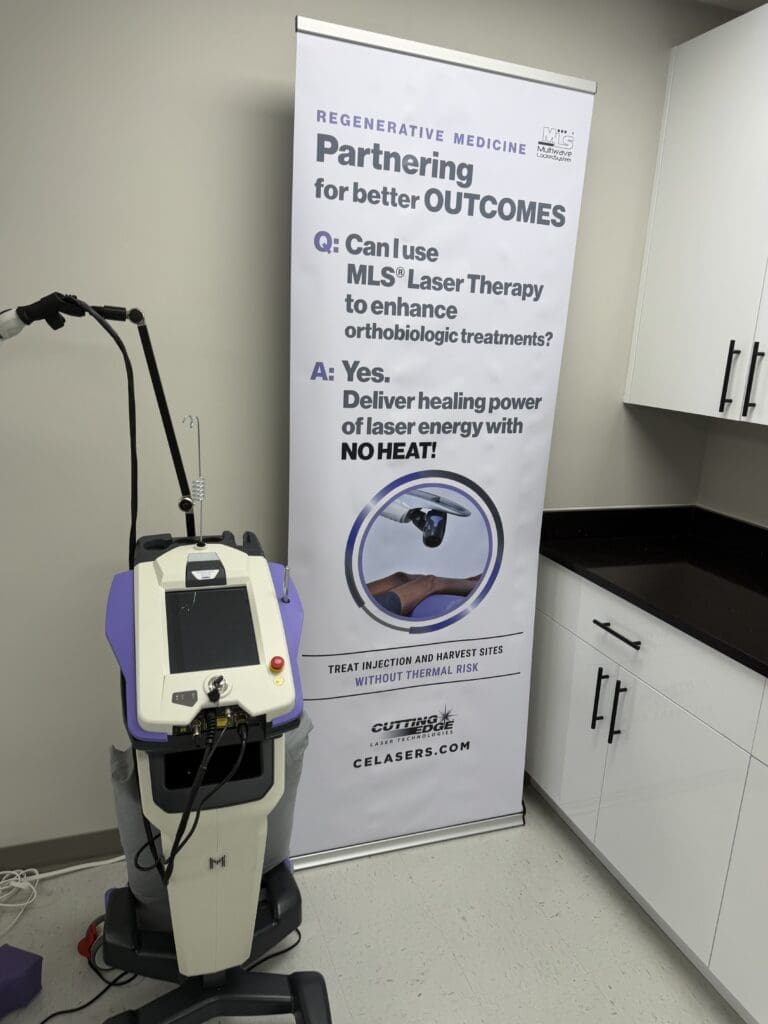
At our clinic, we use advanced systems like MLS (Multiwave Locked System) Laser Technology. I am a huge fan of this technology because it synchronizes two different wavelengths—one continuous and one pulsed. The pulsed wavelength, which fires thousands of times per second, allows the tissue to absorb light energy without building up excessive heat. This makes the treatment incredibly safe and effective, allowing for unattended application without the risk of thermal damage.

The Clinical Applications: From Acute Injury to Chronic Pain

In my practice, which includes serving as a team physician for a Division I school, we use PBMT across a spectrum of conditions:

  • Acute Injuries: For our athletes, PBMT is a go-to for sprains, strains, and contusions. It significantly reduces recovery time and gets them back on the field faster.
  • Post-Operative Recovery: Surgery is, in essence, a controlled acute injury. We use PBMT postoperatively to reduce swelling, bruising, and pain, resulting in cleaner incisions and significantly improved patient-reported outcomes.
  • Chronic Inflammatory Conditions: For issues such as a thickened Achilles tendon or degenerative joint disease, where the inflammatory process is stalled, PBMT can reignite the healing cascade.

The evidence is overwhelming. With over 7,000 published studies, PBMT is gaining recognition from major health organizations. The Centers for Disease Control (CDC) mentions “laser photobiomodulation” dozens of times in its revised opioid guidelines as a non-pharmacological option for acute, subacute, and chronic pain. The science is no longer theoretical; it’s a clinical reality.

The Ultimate Synergy: Combining PBMT with Orthobiologics

This is where the magic truly happens. Orthobiologics like Platelet-Rich Plasma (PRP) are rich in growth factors and anti-inflammatory proteins. They are a powerful message sent to the site of injury, instructing the local cells to begin the repair process.

Now, imagine giving those cells the fuel they need to carry out those instructions. That is what PBMT does.

  • Orthobiologics provide the blueprint (the message).
  • PBMT provides the energy (the fuel).

By combining these two therapies, we are creating the optimal environment for cellular activity, healing, and regeneration. People are starting to talk about this synergy. A landmark study in the veterinary world—where patients don’t have secondary gain or placebo effects—provided powerful proof (Ferreira et al., 2021). In this canine study on knee osteoarthritis, dogs were treated with PBMT alone, then PRP alone, and finally a combination of both. The results were clear: the combination therapy produced significantly better outcomes.

The Future is Biology: A Glimpse into Our Research

We are committed to contributing to this growing body of evidence. I’m incredibly proud to share a “proud dad moment.” My son, Zachary, recently completed a study at the Mass General Brigham Enable BioSkills Lab. We took human tenocytes (tendon cells) and applied our laser over them.

The results were astounding: we demonstrated a 20% dose-dependent increase in tenocyte proliferation from PBMT alone.

We are literally proving that we can make tendon cells multiply with light. Our next steps involve qPCR to analyze gene expression and ELISA to measure protein levels. This research helps us move from anecdotal success to hard, reproducible science. The future of orthopedics isn’t just metal and screws; it’s biology. It’s about working with the body, not just on it.

From modulating inflammation to fueling cellular engines, Photobiomodulation Therapy has proven itself to be a cornerstone of modern, integrative care. I’ve witnessed its power firsthand, and I am honored to share this knowledge with you. It has been a pleasure to take you on this journey into the science of light and healing.


References

  • Ferreira, M. P., Tucholski, G. Z., Dória, R. G. S., de Oliveira, B. C., Pimpão, C. T., & De Nardi, A. B. (2021). Intra-articular injections of platelet-rich plasma and photobiomodulation therapy (904 nm) for the treatment of canine osteoarthritis: A double-blinded, randomized clinical trial. Research in Veterinary Science, 139, 270–279. https://doi.org/10.1016/j.rvsc.2021.07.027
  • Jimenez, A. (n.d.). Clinical Observations. Retrieved from https://chiromed.com/ and https://www.linkedin.com/in/dralexjimenez/

PRP Therapy Overview for Non-Surgical Musculoskeletal Care

Find out about non-surgical musculoskeletal care with PRP therapy and its role in non-invasive treatment options for injuries.

Abstract

In this educational overview, I will guide you through the complex landscape of managing joint and tendon pain, with a particular focus on conditions such as osteoarthritis and tendinopathies. Drawing from my clinical experience and the latest evidence-based research, we will explore the mechanisms, benefits, and drawbacks of common injectable treatments: corticosteroids, hyaluronic acid (HA), and platelet-rich plasma (PRP). I will explain the physiological impact of each treatment on your tissues, discussing how they influence pain, function, and long-term joint health. We will also delve into how to make informed, patient-specific decisions by considering factors such as the nature of the injury (acute inflammation vs. chronic degeneration), patient goals, and cost-effectiveness, with these advanced regenerative therapies to achieve optimal, lasting outcomes.

Hello, I’m Dr. Jimenez. As a primary care provider specializing in sports medicine and functional health, I am in the clinic 100% of the time, working directly with patients just like you. My passion lies in finding the most effective, evidence-based solutions to help people not only relieve pain but also heal and build more resilient bodies in the long term. Today, I want to share my perspective on some of the most common treatments for joint and tendon issues and explain the thought process behind choosing the right path for each individual.

Why We Seek Alternatives to Traditional Approaches

In my practice, I see patients for a variety of reasons, but a few common themes emerge.

  • Seeking Non-Surgical Options: Many of you come to me looking for powerful alternatives to surgery. This is precisely why my specialty in non-operative sports medicine exists. You want to heal without the risks, downtime, and potential complications of an invasive procedure.
  • Desire for Faster Recovery: Whether you’re a competitive athlete or someone who wants to get back to playing with your grandchildren, you want to get better as quickly as possible.
  • Focus on Long-Term Tissue Health: This is perhaps the most crucial point. I can inject something to numb the pain temporarily, but are we actually helping the tissue heal? Or are we potentially causing harm down the line? My goal is not to provide a temporary fix that requires you to come back every few months for the rest of your life. Instead, we want to restore and strengthen damaged tissue and return you to your life with confidence and strength. This philosophy is at the core of regenerative and functional medicine.

Let’s consider a common scenario. A patient comes to me with a chronic tendon injury. A neurosurgeon sent them for evaluation. The problem isn’t just about pain; it’s about compromised tissue integrity. My objective is to do more than mask the symptoms. We want to change the tissue’s biology to promote a healthier, more robust state.

Understanding the Tools: Corticosteroids, HA, and PRP

When it comes to injectable treatments for joint and tendon pain, we have several tools at our disposal. It’s essential to understand what each one does, why we might use it, and what its limitations are.

Corticosteroids: The Double-Edged Sword

Corticosteroids (like cortisone) and powerful non-steroidal anti-inflammatory drugs (NSAIDs) like Toradol are well-known for providing rapid and potent pain relief. They work by aggressively shutting down the inflammatory process.

  • Mechanism: Corticosteroids are powerful anti-inflammatory agents. They suppress the immune response, reducing the swelling, warmth, and pain associated with inflammation.
  • The Downside: While they offer quick relief, this comes at a cost. Emerging research and extensive clinical observation have raised serious concerns about their long-term effects. A significant issue is chondrotoxicity, meaning they can be toxic to cartilage cells (chondrocytes). When we repeatedly inject steroids into a joint, we may be accelerating the very cartilage breakdown we are trying to prevent. Think of it this way: inflammation is part of the body’s natural healing signal. By completely silencing it, we might also be silencing the signals that call for repair and regeneration. The result is often a cycle of temporary relief followed by a return of pain, often worse than before, leading to more injections. Many patients I see have been on this “injection treadmill” and eventually end up needing surgery anyway.

Hyaluronic Acid (HA): The Joint Lubricant

Hyaluronic Acid (HA), also known as viscosupplementation, is a different approach. HA is a natural component of the synovial fluid that lubricates our joints.

  • Mechanism: In arthritic joints, the concentration and quality of HA are often diminished. Injecting a gel-like HA substance helps to restore the viscosity of the joint fluid. This provides better lubrication and shock absorption, improving the overall joint environment (homeostasis). It’s important to note that HA itself is not a direct anti-inflammatory in the classical sense, unlike a steroid. Its primary role is mechanical and supportive.
  • Application: I often think of it like this: I can inject a steroid into an “angry,” inflamed joint to calm it down, or I can add HA gel to improve the mechanics and reduce friction. In many cases, especially in an irritated joint, I might combine a short-term anti-inflammatory with HA to get the benefits of both—calming the fire and then improving the environment. In the United States, insurance typically covers HA injections only for knee osteoarthritis, but clinically, we see benefits in other joints, such as the shoulders, hips, and ankles. Patients often acquire the syringes from specialty pharmacies for these off-label applications.

Platelet-Rich Plasma (PRP): Harnessing the Body’s Healing Power

This brings us to Platelet-Rich Plasma (PRP), a cornerstone of modern regenerative medicine.

  • Mechanism: PRP is a concentration of your own blood platelets, which we obtain through a simple blood draw and centrifugation process. Platelets are the body’s first responders to injury. They are packed with hundreds of growth factors and signaling proteins that orchestrate the entire healing cascade. When we inject PRP directly into an injured tendon or an arthritic joint, we deliver a powerful, concentrated dose of these natural healing signals. PRP doesn’t just mask pain; it works to:
    • Modulate Inflammation: Unlike steroids, which obliterate inflammation, PRP modulates it. It helps transition the inflammatory state from a chronic, destructive process to an acute, regenerative one.
    • Promote Tissue Healing: It stimulates the recruitment of stem cells to the area and encourages the formation of new blood vessels (angiogenesis) and new, healthy tissue (such as collagen in tendons or cartilage components in joints).
  • The Outcome: By using your body’s own biological software, PRP aims to fundamentally change the tissue environment, promoting true healing and creating a more durable, functional structure. This is how we move from managing symptoms to actually restoring tissue.

The Evidence: Comparing PRP, Steroids, and HA

The scientific community has been rigorously studying these treatments, and a clear picture is beginning to emerge.

PRP vs. Corticosteroids

A growing body of high-quality research shows that for many conditions, particularly osteoarthritis and tendinopathies, PRP is superior to corticosteroids. A systematic review and meta-analysis by Belk et al. (2021) found that, for knee osteoarthritis, patients treated with PRP experienced significantly greater improvements in pain and function than those who received corticosteroid injections, with benefits lasting much longer, often up to 12 months. Steroids, in contrast, typically provide relief for only a few weeks to a few months.

PRP vs. Hyaluronic Acid (HA)

Similarly, when PRP is compared to HA for knee osteoarthritis, the evidence favors PRP. Multiple studies, including a large-scale meta-analysis published in Arthroscopy, have demonstrated that PRP provides more significant and longer-lasting improvements in both pain scores and functional outcomes at 6 and 12 months post-injection (Laudy et al., 2015). While HA can be beneficial, PRP appears to offer a more profound and durable biological effect.

Summary of Evidence Table

TreatmentMechanism of ActionDuration of EffectEffect on TissueBest For
CorticosteroidsPotent anti-inflammatoryShort-term (1-12 weeks)Potentially chondrotoxic (damaging to cartilage) with repeated useAcute, severe inflammatory flare-ups when other options are not feasible
Hyaluronic Acid (HA)Joint lubrication and shock absorptionMedium-term (up to 6 months)Supportive, improves joint homeostasisMild to moderate osteoarthritis, especially when insurance covers it
Platelet-Rich Plasma (PRP)Modulates inflammation, delivers growth factors to stimulate healingLong-term (6-12+ months)Regenerative, promotes healing and tissue repairChronic tendinopathies, mild to moderate osteoarthritis, long-term tissue health

Making the Right Choice: A Patient-Centered Approach

So, how do we decide which treatment is right for you? This is where a personalized, integrative approach becomes critical. There is no one-size-fits-all answer.

  • For Chronic Tendinopathy or Mild-to-Moderate Osteoarthritis: If you have a long-standing issue like tennis elbow, Achilles tendinopathy, or early-to-moderate joint arthritis without severe, acute inflammation, my first recommendation is almost always PRP. It addresses the underlying degenerative nature of the problem and offers the best chance for long-term healing and functional improvement. I try to avoid steroids in these cases to protect the long-term health of the tissue.
  • When Cost is a Major Factor: If PRP is not financially feasible and your insurance covers HA for knee osteoarthritis, it is a very reasonable and effective option that provides better long-term outcomes than steroids. With some insurance plans now dropping coverage for HA, the cost-benefit analysis is shifting. If you are paying out of pocket, the small additional cost of PRP may provide significantly more value, as it often requires fewer treatments over time.
  • For Acute, Severe Pain: There are times when a patient is in so much pain that their only goal is immediate relief. In these situations, judicious use of a corticosteroid injection can serve as a bridge. It can calm a severe inflammatory flare-up enough to allow the patient to engage in physical therapy and other restorative treatments. However, I always have a conversation with the patient: “This is a temporary solution to get you out of this crisis. Once the inflammation is under control, we need to address the underlying problem to prevent this from happening again.”

The Crucial Role of Integrative Chiropractic Care

Injectable therapies, even advanced ones like PRP, are only one piece of the puzzle. If we don’t address the underlying biomechanical issues that led to the tissue breakdown in the first place, the problem is likely to return. This is where integrative chiropractic care is essential.
As a Doctor of Chiropractic (DC) and a board-certified Family Nurse Practitioner, I see the body through a unique lens. Pain and degeneration in a joint or tendon are often symptoms of a deeper functional problem.

  • Restoring Biomechanics: A knee doesn’t exist in isolation. Its function is directly influenced by hip and ankle mobility, core stability, and pelvic alignment. Through chiropractic adjustments, soft tissue mobilization, and specific therapeutic exercises, we work to correct these imbalances. For example, if a patient has knee osteoarthritis, I will assess their hip mobility and foot mechanics. Often, hip stiffness or poor foot posture forces the knee to take on excessive rotational stress, accelerating wear and tear. By restoring normal movement patterns in the entire kinetic chain, we offload the damaged knee joint.
  • Enhancing the Effects of Regenerative Injections: Performing a PRP injection without correcting the faulty mechanics is like patching a tire without fixing the alignment that caused it to wear out unevenly. The patch won’t last. Chiropractic care creates an optimal biomechanical environment for the regenerative process to succeed. By improving joint alignment and muscle function, we ensure that the newly forming tissue is not immediately subjected to the same stresses that caused the initial injury. This synergy between advanced regenerative injections and foundational chiropractic care is the key to achieving durable, long-term success.

At my clinic, a comprehensive treatment plan for a patient with knee osteoarthritis might involve a PRP injection to stimulate cartilage repair, combined with a targeted program of chiropractic adjustments to the lumbar spine and pelvis, mobilizations for the hip and ankle, and a tailored exercise regimen to strengthen the gluteal muscles and improve neuromuscular control. This holistic approach ensures we are treating not just the site of pain, but the entire system.

Final Thoughts

The world of medicine is moving away from simply managing symptoms and toward restoring function and promoting true healing. When we talk about treating joint and tendon pain, we have to consider the long-term implications of our choices.

  • Steroids have their place for short-term crisis management, but pose a risk to long-term tissue health.
  • Hyaluronic Acid is a safe and effective lubricant, offering a good supportive option for osteoarthritis.
  • Platelet-Rich Plasma (PRP) stands out as a superior treatment for promoting true tissue healing and offering lasting functional improvement, supported by robust scientific evidence.

Ultimately, the best approach is personalized to you—your specific condition, your goals, and your body’s unique needs. By combining advanced regenerative therapies like PRP with the foundational principles of integrative chiropractic care, we can go beyond temporary fixes and help you move toward lasting health, durability, and a full return to the life you love.

References

SEO Tags: Joint Pain, Osteoarthritis Treatment, PRP Therapy, Platelet-Rich Plasma, Hyaluronic Acid, Cortisone Injections, Regenerative Medicine, Integrative Chiropractic Care, Sports Medicine, Tendinopathy, Knee Pain, Non-Surgical Treatment, Dr. Alexander Jimenez, El Paso, TX, Functional Medicine

A Clinical Approach Overview on Bioidentical Hormones

Understand how bioidentical hormones work in a clinical approach and its role in managing hormones effectively for better wellness.

Abstract

Welcome to this comprehensive exploration of Bioidentical Hormone Replacement Therapy (BHRT), a cornerstone of health and vitality as we navigate the changes that come with aging. In this educational post, I, Dr. Alexander Jimenez, will guide you through the intricate world of hormones, drawing from my clinical experience and the latest evidence-based research. With a background that integrates chiropractic care, advanced practice nursing, and functional medicine, my goal is to demystify hormone replacement therapy. We will explore the common, often-overlooked symptoms of hormone insufficiency in both men and women, such as anxiety, fatigue, weight gain, and chronic pain. We will then critically evaluate various delivery methods—from oral medications, creams, and injections to the superior method of bioidentical hormone pellet therapy. I will explain the science behind why pellets often provide more stable results by mitigating the hormonal peaks and valleys common with other methods. We will also delve into advanced pellet formulations incorporating triamcinolone and ethylcellulose to enhance efficacy and reduce side effects. Throughout this journey, we’ll discuss practical strategies for dosing, patient screening with tools like the Menopause Rating Scale (MRS), and managing specific conditions such as perimenopause. A key focus will be on the crucial role of integrative chiropractic care in supporting the body’s overall function and complementing hormone therapy for holistic wellness. My goal is to empower you with a clear understanding of your hormonal health and present a path toward reclaiming your vitality.

Hello, I’m Dr. Alexander Jimenez. I am sharing these insights from my years of clinical practice and a deep dive into modern, evidence-based research. With my background as a Doctor of Chiropractic (DC), Advanced Practice Registered Nurse (APRN), board-certified Family Nurse Practitioner (FNP-BC), and certifications in Functional Medicine (CFMP, IFMCP), I’ve dedicated my career to an integrative approach to health. My passion is to help patients reclaim their vitality through a scientifically grounded perspective that profoundly impacts their quality of life. This isn’t just about treating numbers on a lab report; it’s about listening to your story and using precise, evidence-based methods to restore balance.
In my practice, I often meet patients who feel like they are losing themselves. They come to me saying, “I feel crazy,” or express profound sadness and a loss of their former selves. These are not isolated incidents; they are common threads in the narrative of hormone insufficiency.

The Overlooked Symptoms of Hormone Insufficiency

Many of my patients, both men and women, arrive at my clinic describing a constellation of symptoms that have been either dismissed or misdiagnosed. It’s a story I hear daily.

  • Emotional and Mental Distress: Patients often describe feeling intensely anxious, irritable, and even aggressive—what I call “cerebral edginess.” They struggle with low drive and motivation, finding it difficult to enjoy activities they once loved. Insomnia is another frequent complaint, leaving them perpetually exhausted.
  • Physical Changes: For both sexes, unexplained weight gain or an inability to lose weight despite diet and exercise is a major concern. Men often report a significant lack of stamina and libido. While they may still have the desire, performance becomes an issue. Women, conversely, frequently experience a complete loss of libido. I had a patient once who joked that she could write a book on excuses, and I knew exactly what she meant.
  • Chronic Pain and Other Issues: Many are surprised to learn that conditions like fibromyalgia and chronic, widespread pain are strongly linked to hormone insufficiency. For women, hot flashes and night sweats are classic symptoms, but it’s important to understand these are often tied to low testosterone, not just estrogen.

Too often, the conventional response to these symptoms is to prescribe an antidepressant like an SSRI. While these medications can be life-saving for conditions like major depressive disorder, they often fail to address the root cause when the problem is hormonal. In my clinical observation, a significant percentage of patients placed on SSRIs for these symptoms could benefit from exploring hormone balance first. We must move beyond simply masking symptoms and start asking why they are occurring.

The Clinical Journey: Screening, Labs, and Treatment Planning

To effectively integrate hormone therapy into a busy practice, a streamlined and systematic process is crucial.

Step 1: Patient Screening and Documentation

The first step is identifying patients who could benefit from therapy. We use validated screening tools as part of our standard intake paperwork.

  • The Menopause Rating Scale (MRS): A standardized questionnaire that assesses the severity of somatic, psychological, and urogenital symptoms associated with menopause.
  • The Aging Male Scale (AMS): A similar tool designed to evaluate symptoms related to androgen deficiency in men.
  • These tools are invaluable. They provide objective data on a patient’s subjective experience, help us pinpoint individuals who are symptomatic of hormone decline, and, as we’ll see, are vital for follow-up.

Step 2: Foundational Lab Work to Establish Your Hormonal Baseline

You cannot manage what you do not measure. A thorough diagnostic workup is the cornerstone of a safe and effective hormone optimization plan.

  • Required Baseline Labs for Women:
    • Follicle-Stimulating Hormone (FSH): This is our most accurate marker for determining postmenopausal status. It operates on a classic negative feedback loop with estrogen. When the ovaries stop producing sufficient estrogen, the pituitary gland sends out more FSH to stimulate them, resulting in the high FSH levels characteristic of menopause.
    • Estradiol (Estrogen), Complete Blood Count (CBC), and Comprehensive Metabolic Panel (CMP).
  • Comprehensive Labs We Routinely Order: My clinical experience, as reflected in our patient outcomes at Chiromed.com, has shown that casting a wider net catches more underlying issues. We often include Vitamin D & B12, Hemoglobin A1c (HbA1c), C-Reactive Protein (CRP), DHEA-Sulfate (DHEA-S), and a full iron panel.

For my male patients, the panel is just as critical. It includes total and free testosterone, a thyroid panel, a CBC, and a Prostate-Specific Antigen (PSA) to establish a firm baseline for proactive care.

Step 3: The Consultation and Personalized Treatment Plan

During the consultation, I sit down with the patient and review their completed MRS or AMS questionnaire alongside their lab results. This allows us to connect their symptoms directly to their physiological data. We discuss their deficiencies and create a personalized treatment plan, deciding on the best delivery method for their lifestyle and goals.

Evaluating Hormone Replacement Therapy Options

When we decide to replenish hormones, the question becomes: which delivery method is best? Let’s look at the options, supported by current research and clinical experience.

Oral Medications

Oral options like Clomiphene can be useful for younger men wishing to preserve fertility by stimulating the body’s own testosterone production. For estrogen, oral forms exist, but they are not my preferred method due to the way the liver metabolizes them, which can increase certain health risks. Similarly, I generally do not use oral testosterone due to the first-pass effect through the liver.

Transdermal Creams and Gels

Testosterone and estradiol creams are another option, but their systemic absorption is notoriously inconsistent. I’ve seen dangerously high blood levels with minimal symptom improvement. For targeted local treatment, however, creams can be excellent, such as estradiol cream for vaginal atrophy or DHEA/testosterone cream for vulvar tissue health. For men, scrotal application offers the best absorption. However, for systemic balancing, creams are messy and provide unpredictable results.

Injections

Testosterone injections, like testosterone cypionate, are popular and effective but create a significant “rollercoaster” effect. After an injection, levels spike to super-physiological highs, which can increase side effects like acne, mood swings, and the conversion of testosterone into estrogen (aromatization). Then, as the week progresses, levels plummet, leading to a crash. A more modern approach I use is to split the weekly dose (e.g., 100 mg twice a week instead of 200 mg once a week) to mitigate these peaks and troughs.
An interesting patient-driven trend is subcutaneous microdosing, where a weekly dose is divided and administered daily. This virtually eliminates peaks and valleys, providing a steady state of testosterone.

Transdermal Patches

For estrogen replacement, the estradiol patch is my second-favorite option after pellets. Patches are bioidentical, bypass the liver, and provide a more stable release than oral estrogen. They are a good option for patients who do not want pellets.

The Superiority of Hormone Pellet Therapy

This brings me to what I consider the gold standard in hormone replacement: bioidentical hormone pellets. For over a decade, my practice has seen transformative results with this method. Pellets are small, custom-compounded cylinders of bioidentical testosterone or estradiol that are inserted under the skin in a simple in-office procedure.

Why Pellets Are Different

  • Consistent Hormone Levels: This is the single biggest advantage. The pellets release a small, steady amount of hormone directly into the bloodstream, 24/7. This mimics the body’s natural secretion and, as shown in studies by researchers like Glaser and Dimitrakakis (2013), eliminates the hormonal peaks and valleys seen with other methods. This stability translates to more consistent symptom relief.
  • Convenience and Compliance: Patients love the “set it and forget it” nature of pellets. Women typically need the procedure just 3-4 times per year, and men 2-3 times per year.
  • Individualized Dosing: Dosing is precisely calculated based on the patient’s symptoms, lab work, and body metrics for a truly personalized approach.
  • Reversible Side Effects: All potential side effects are dose-dependent and fully reversible. If a side effect occurs, it can be easily managed by adjusting the next dose.

Innovations in Pellet Compounding: The Next Level of Care

Not all pellets are created equal. The formulation and manufacturing process matter immensely.

The Role of Triamcinolone

Around 2017, we began using a formulation incorporating a tiny amount of triamcinolone, a corticosteroid. This was a game-changer. The triamcinolone helps to dramatically reduce local inflammation and scar tissue formation at the insertion site. Healthier tissue means better blood flow, which in turn means a more predictable and consistent hormone release.

Ethylcellulose for a Smoother Release

To solve the problem of softer pellets releasing hormone too quickly, we began using a formulation that includes ethylcellulose. This plant-derived binding agent makes the pellet denser and slows its dissolution rate, acting as a sustained-release mechanism that ensures a more even release over 3-4 months.

The Science of Horizontal Pellet Pressing

Most pharmacies press pellets vertically, leading to uneven density. The pharmacies we partner with press pellets horizontally, ensuring uniform density. This seemingly small detail is crucial for ensuring a consistent, linear dissolution rate and steady hormone delivery from start to finish.


Modulating Women’s Hormones-Video


Clinical Pearls: Practical Guidance for Common Scenarios

Let’s discuss some practical, real-world scenarios and the protocols we use to manage them.

Perimenopause: The 6 mg Estrogen Game-Changer

Perimenopause is arguably the most challenging phase for women. Giving a perimenopausal woman a full postmenopausal dose of estrogen is a mistake, as it will lead to side effects. The solution is a low-dose 6 mg estrogen pellet. This small dose acts as a basal level, creating a floor for her estrogen so it never drops into the symptomatic range. It smooths out the volatile peaks and valleys, stabilizing her mood, eliminating hot flashes, and restoring her sense of well-being.

The Critical Role of Progesterone

Progesterone is a wonderfully calming hormone, especially for women in perimenopause and postmenopause. Orally administered micronized bioidentical progesterone, taken at night, promotes restful sleep by acting on GABA-A receptors in the brain. In perimenopause, it can regulate periods and alleviate severe PMS. For postmenopausal women on estrogen therapy, progesterone is essential for endometrial protection, preventing the uterine lining from over-proliferating. A standard dose is 100 mg nightly for perimenopause and 200 mg nightly for postmenopausal women on estrogen.

Optimizing Testosterone and the Power of Shilajit

Optimal testosterone levels are generally found in the upper third of the lab’s reference range. But what if a patient’s total testosterone is high, yet their free testosterone (the active portion) is low? This is where a game-changing nutraceutical comes in: shilajit. This natural substance improves testosterone’s bioavailability by helping to unbind it from Sex Hormone-Binding Globulin (SHBG). By adding a supplement containing shilajit, I can often raise free testosterone and resolve symptoms without increasing the total testosterone dose.

The Role of Integrative Chiropractic Care

As a chiropractor, I see the body as an interconnected system. Hormone therapy does not exist in a vacuum. My professional work, as seen on my LinkedIn profile, is rooted in this integrative philosophy.

  • Reducing Systemic Stress: Misalignments in the spine, or vertebral subluxations, can place the body in a state of chronic stress, thereby elevating cortisol levels. High cortisol disrupts the entire endocrine system. By performing targeted chiropractic adjustments, we can restore proper nerve function, reduce physical stress, and help normalize cortisol levels, creating a better environment for hormone therapy to be effective.
  • Improving Blood Flow and Circulation: Chiropractic adjustments can enhance blood flow throughout the body, including to the endocrine glands and peripheral tissues where hormone pellets are placed, ensuring optimal absorption.
  • Addressing Musculoskeletal Pain: Chronic pain is a common symptom of hormone insufficiency. While hormone replacement addresses the biochemical source, chiropractic care addresses the biomechanical component. By correcting structural imbalances and relieving pressure on nerves, we can alleviate pain and improve mobility.

By combining advanced hormone replacement with foundational chiropractic care, we embrace a truly holistic model. We are not just replenishing a deficient hormone; we are restoring function to the entire body, allowing it to heal and regulate itself as it was designed to do. This synergy is powerful. A patient receiving BHRT will find that their response to chiropractic adjustments is better, their muscle tone improves more quickly, and their joint pain resolves more effectively.

The Power of Follow-Up and Validation

Our work doesn’t end after the first insertion. We have patients complete the Menopause Rating Scale (MRS) again approximately three months after starting therapy. Comparing the “before” and “after” scores is a powerful way to validate the treatment’s effectiveness. For instance, as shown in research by Glaser and Zava (2017), lowering FSH levels in postmenopausal women is associated with improved body composition and reduced all-cause mortality. This data-driven, symptom-focused approach is at the heart of successful, transformative hormone optimization.

References

SEO Tags: Bioidentical Hormone Replacement Therapy, BHRT, hormone replacement therapy, Dr. Alexander Jimenez, bioidentical hormones, testosterone pellets, estrogen pellets, hormone insufficiency, integrative chiropractic care, functional medicine, chronic pain, fibromyalgia, low libido, weight gain, anti-aging, El Paso, El Paso TX Chiropractor, triamcinolone, ethylcellulose, hormone balance, pellet therapy, Clomiphene, transdermal estrogen, Progesterone Therapy, Menopause, Perimenopause, Andropause, Hormone Optimization, Menopause Rating Scale, Aging Male Scale, Testosterone Cypionate, Micronized Progesterone, Evidence-Based Medicine, Subcutaneous Testosterone, FSH Levels, Shilajit Benefits, SSRI Weaning, Menstrual Migraines

ChiroMed’s Adaptive Exercises for Senior Health

ChiroMed's Adaptive Exercises for Senior Health

Best Exercises for Seniors at ChiroMed – Integrated Medicine

At ChiroMed – Integrated Medicine in El Paso, TX, we believe that staying active is key to a healthy, independent life, especially for seniors or those with limited mobility. Our integrative approach combines chiropractic care, nurse practitioner services, and complementary therapies like acupuncture and massage to create personalized, low-impact exercise plans. These exercises are designed to improve flexibility, balance, and strength while supporting spinal health, managing pain, and reducing fall risks. Led by Dr. Alexander Jimenez, DC, APRN, FNP-BC, our team uses advanced diagnostic tools and holistic methods to help patients recover from injuries and enhance their well-being. This article examines the most effective exercises for seniors, specifically designed to complement ChiroMed’s integrative care model.

Why Choose ChiroMed for Integrative Care?

Located in the heart of El Paso, ChiroMed – Integrated Medicine offers a unique blend of chiropractic adjustments, naturopathy, rehabilitation, nutrition counseling, and acupuncture. Our mission is to address the root causes of health issues, not just the symptoms, through patient-centered care (ChiroMed, 2025). For seniors or those with limited mobility, our team creates customized treatment plans that integrate gentle exercises with spinal adjustments to promote natural healing and long-term wellness.

Dr. Alexander Jimenez, a board-certified chiropractor and family nurse practitioner, brings a dual-scope approach to care. With expertise in treating injuries from work, sports, personal incidents, and motor vehicle accidents (MVAs), he uses advanced neuromusculoskeletal imaging, such as X-rays and MRIs, to diagnose conditions accurately (Jimenez, 2025). This allows ChiroMed to design exercise programs that align with chiropractic adjustments, ensuring safe and effective outcomes for seniors.

The Importance of Low-Impact, Adaptive Exercises

Low-impact exercises are ideal for seniors because they minimize stress on joints and muscles while improving strength, flexibility, and balance. These movements are especially helpful for those with arthritis, osteoporosis, or post-injury limitations, as they reduce the risk of further injury (Atlas Senior Living, 2024). At ChiroMed, our adaptive exercises are modified to suit individual abilities, making them accessible to patients who use walkers, wheelchairs, or other mobility aids (Live2BHealthy, 2024). These exercises support our chiropractic adjustments by enhancing spinal alignment, reducing pain, and improving mobility.

Dr. Jimenez’s clinical approach emphasizes personalized care. For example, patients recovering from MVAs may have soft tissue damage or spinal misalignments, which are assessed using diagnostic tools and treated with tailored exercises, adjustments, and therapies like massage or acupuncture (Jimenez, 2025). This holistic method ensures that seniors can stay active while addressing their specific health challenges.

Top Exercises at ChiroMed for Seniors

ChiroMed’s exercise programs are designed to complement our integrative care model. Below are some of the best low-impact, adaptive exercises we recommend for seniors or those with limited mobility, all tailored to support chiropractic treatment and overall health.

1. Chair-Based Exercises

Chair exercises are safe and effective for seniors with balance issues or mobility limitations. Performed seated, these movements improve strength, flexibility, and circulation while reducing fall risks (BLHC, 2023).

  • Seated Marches: Sit in a sturdy chair with feet flat on the floor. Lift one knee toward your chest, then lower it, alternating legs like marching. Do 10–15 repetitions per leg. This strengthens leg muscles and supports hip alignment, complementing pelvic adjustments at ChiroMed (Comfort Keepers, 2024).
  • Seated Leg Extensions: Extend one leg straight out, hold for 3–5 seconds, then lower slowly. Repeat 10 times per leg. This builds quadriceps strength, aiding knee stability and mobility (Lakehouse Three Rivers, 2024).
  • Arm Raises: Hold light weights or water bottles, raise arms to shoulder level, and lower slowly. Perform 10–12 repetitions. This improves shoulder mobility and supports upper spine health, aligning with ChiroMed’s thoracic adjustments (Olive Elder Care, 2025).

2. Stretching Exercises

Stretching keeps muscles and joints flexible, reduces tension, and enhances circulation, supporting ChiroMed’s chiropractic adjustments (Eaton Chiropractic, 2024).

  • Neck Tilts: Gently tilt your head to one side, bringing your ear toward your shoulder, and hold for 10–15 seconds. Repeat on the other side. This relieves cervical spine tension, a focus of ChiroMed’s adjustments (Care Indeed, 2024).
  • Shoulder Shrugs: Lift your shoulders toward your ears, hold for 3 seconds, then release. Repeat 10 times. This loosens the upper back, reducing strain on the thoracic spine (Village Green Retirement, 2024).
  • Ankle Circles: Lift one foot slightly and rotate your ankle in circles, 10 times each direction. This improves ankle mobility, supporting lower body stability (McCarthy & Stone, 2024).

3. Core Strengthening Exercises

A strong core supports the spine, reduces misalignment risks, and enhances posture, all key goals of ChiroMed’s chiropractic care (Erie Chiropractic, 2024).

  • Seated Cat-Cow Stretch: Sit upright, arch your back slightly while lifting your chest (cow), then round your back while tucking your chin (cat). Repeat 8–10 times. This enhances spinal flexibility, supporting lumbar adjustments (Elevate to Life, 2024).
  • Pelvic Tilts: Sit or lie down, tighten your abdominal muscles, and tilt your pelvis upward. Hold for 5 seconds, repeat 10 times. This strengthens the lower back, aligning with ChiroMed’s spinal health focus (Best Grand Rapids Chiropractor, 2024).
  • Seated Crunches: Cross your arms over your chest, engage your core, and lean forward slightly, then return upright. Do 10–15 repetitions. This builds core strength safely (Olive Elder Care, 2025).

4. Balance Exercises

Balance exercises are vital for preventing falls, a major concern for seniors. At ChiroMed, these movements are integrated with chiropractic care to improve coordination and stability (Rush Chiropractic, 2024).

  • Heel-to-Toe Walking: Hold onto a wall or chair for support and walk by placing one foot directly in front of the other, heel touching toe. Take 10–15 steps. This strengthens leg muscles and improves balance (Village Green Retirement, 2024).
  • Single-Leg Stand: Hold a chair, lift one foot slightly, and maintain the position for 10–20 seconds. Switch sides. This enhances ankle stability, supporting ChiroMed’s lower body adjustments (McCarthy & Stone, 2024).
  • Chair Squats: Stand in front of a chair, lower your body as if sitting, then stand up without fully sitting. Repeat 8–10 times. This strengthens legs and core, aiding posture (Peregrine Crossgate, 2024).

5. Water-Based Exercises

Aquatic exercises, recommended by ChiroMed, use water’s buoyancy to reduce joint stress while building strength and mobility (Live2BHealthy, 2024).

  • Water Walking: Walk in waist-deep water for 10–15 minutes, swinging arms naturally. This boosts cardiovascular health and leg strength, supporting overall mobility (Atlas Senior Living, 2024).
  • Aquatic Arm Lifts: In chest-deep water, raise arms to shoulder level, then lower slowly. Repeat 10–12 times. This strengthens the upper body, complementing shoulder adjustments (Lakehouse Three Rivers, 2024).
  • Leg Swings: Hold the pool edge and swing one leg forward and backward gently, 10 times per leg. This improves hip mobility, aligning with pelvic adjustments (Cordia Westmont, 2024).

6. Tai Chi and Yoga

ChiroMed incorporates mind-body exercises like Tai Chi and yoga to promote balance, flexibility, and relaxation, enhancing chiropractic outcomes (Baxter Senior Living, 2023).

  • Chair Yoga: Sit in a chair, inhale while raising arms overhead, exhale while twisting gently to one side. Hold for 10 seconds, switch sides. This improves spinal flexibility (Health with Nargis, 2025).
  • Tai Chi Flow: Perform slow movements like “wave hands like clouds” for 10 minutes. This enhances balance and coordination, supporting neuromusculoskeletal health (Be On The Move, 2025).
  • Seated Sun Salutations: Modify sun salutations with seated arm and torso movements. Repeat 5–8 cycles. This boosts flexibility and circulation (Life in Lines, 2024).

Dr. Alexander Jimenez’s Expertise at ChiroMed

Dr. Alexander Jimenez leads ChiroMed with a dual-scope approach, combining chiropractic and nurse practitioner expertise. His clinic specializes in treating injuries from work, sports, personal incidents, and MVAs, using advanced imaging like MRIs and CT scans to diagnose conditions accurately (Jimenez, 2025). For seniors, this means tailored exercise plans that address specific limitations, such as arthritis or post-injury mobility issues, while promoting natural healing.

In MVA cases, Dr. Jimenez’s team provides comprehensive medical care and legal documentation, ensuring accurate records for insurance or legal needs. For example, they assess soft tissue injuries, spinal misalignments, and neurological impacts, then create plans with exercises, adjustments, and therapies like massage or acupuncture (Dallas Accident and Injury Rehab, 2024). At ChiroMed, massage therapy relaxes muscles before adjustments, while acupuncture reduces inflammation, enhancing exercise effectiveness (Integra Health, 2024).

Benefits of ChiroMed’s Exercise Programs

ChiroMed’s integrative exercise programs offer numerous benefits for seniors:

  • Enhanced Spinal Health: Exercises like cat-cow stretches support spinal flexibility and alignment, reinforcing adjustments (Elevate to Life, 2024).
  • Pain Relief: Low-impact movements reduce joint and muscle pain, especially for arthritis, by improving circulation (Chiro Health KC, 2024).
  • Fall Prevention: Balance exercises like single-leg stands strengthen stabilizing muscles, reducing fall risks (Fall Prevention Foundation, 2024).
  • Improved Strength and Flexibility: Stretching and strength exercises maintain muscle mass and joint mobility, supporting daily activities (Comfort Keepers, 2024).
  • Better Mental Health: Mind-body exercises like Tai Chi release endorphins, reducing stress and boosting mood (Baxter Senior Living, 2023).

Safety Tips at ChiroMed

Before starting exercises, ChiroMed conducts thorough assessments to ensure safety, especially for seniors with chronic conditions or recent injuries. Dr. Jimenez’s diagnostic approach customizes plans to avoid overexertion (Jimenez, 2025). Safety tips include:

  • Use supportive equipment like chairs or pool railings.
  • Start with short sessions (5–10 minutes) and increase gradually.
  • Stop if pain occurs and consult ChiroMed’s team.
  • Exercise in a well-lit, stable environment with non-slip shoes (Baxter Senior Living, 2023).

Conclusion

ChiroMed – Integrated Medicine in El Paso, TX, offers seniors and those with limited mobility a holistic path to better health through low-impact, adaptive exercises. Under Dr. Alexander Jimenez’s leadership, our integrative approach combines chiropractic adjustments, personalized exercises, and therapies like massage and acupuncture to support spinal health, manage pain, and prevent falls. By addressing injury causes with advanced diagnostics and tailored care, ChiroMed helps patients stay active and independent. Visit us at ChiroMed to experience personalized, holistic care that prioritizes your well-being.

References

Atlas Senior Living. (2024, February 21). What safe and accessible exercises benefit seniors with restricted mobility?

Baxter Senior Living. (2023, September 17). Exercise routines for senior adults with limited mobility.

Best Grand Rapids Chiropractor. (2024). Corrective exercises for chiropractic patients.

BLHC. (2023). Home care: The best exercises for seniors who have limited mobility.

Chiro Health KC. (2024). Age 55 or over? See your chiropractor for exercise options.

Chirocare Fairlawn. (2024). Therapeutic exercises.

ChiroMed. (2025). Integrated Medicine Holistic Healthcare in El Paso, TX.

Comfort Keepers. (2024). Exercise for seniors with limited abilities.

Cordia Westmont. (2024). Beginner-friendly low-impact exercises for seniors.

Dallas Accident and Injury Rehab. (2024). The role of chiropractic care in older adults.

Eaton Chiropractic. (2024). 8 stretching & balancing exercises for older adults.

Elevate to Life. (2024). Top 7 exercises to support your chiropractic treatment.

Erie Chiropractic. (2024). The role of exercise in maintaining chiropractic adjustments.

Fall Prevention Foundation. (2024). Chair exercises for seniors with limited mobility: A comprehensive guide.

Health with Nargis. (2025, February 2). 10 best low-impact exercises for seniors over 60.

Integra Health. (2024). Chiropractic for ankle pain.

Jimenez, A. (2025). Clinical observations and treatment approaches.

Lakehouse Three Rivers. (2024). Effective low-impact exercises for seniors to boost mobility.

Live2BHealthy. (2024). Adaptive fitness: Exercise modifications for seniors with mobility issues.

McCarthy & Stone. (2024). Balance exercises for seniors at home.

Peregrine Crossgate. (2024). The best exercises for seniors to stay fit & active.

Rush Chiropractic. (2024). Safe and effective exercise for seniors under chiropractic care.

Team Chiro. (2024). Chiropractic care for seniors.

The Joint Chiropractic. (2024, March 20). Chiropractic care for those with limited mobility.

UNC Health Talk. (2024). How to exercise with limited mobility.

Village Green Retirement. (2024). Low-impact exercises for seniors.

Recovering from Motor Vehicle Accidents: A Holistic Approach to Healing Musculoskeletal Injuries, Back Pain, Neck Pain, Nerve Injuries, and Sciatica

Post MVA Complex examination and treatment of back pain with examination and MRI of spine in the neurological spine disorders clinic

Motor vehicle accidents (MVAs) can be life-altering events, often resulting in a range of injuries that affect physical and emotional well-being. From musculoskeletal damage to nerve injuries like sciatica, the impact of a car crash can linger long after the incident. Fortunately, combining the expertise of nurse practitioners, chiropractic care, and integrative medicine offers a comprehensive path to recovery. This blog post examines how MVAs lead to injuries such as back pain, neck pain, and sciatica, and how professionals like Dr. Alexander Jimenez in El Paso, Texas, employ evidence-based, holistic strategies to aid patients in their recovery. Written for a high school reading level, this article aims to educate and empower those affected by auto accidents to take charge of their recovery.

Understanding Motor Vehicle Accident Injuries

How MVAs Cause Musculoskeletal and Nerve Injuries

Car accidents often involve sudden, forceful movements that put immense stress on the body. When a vehicle collides, the spine, muscles, ligaments, and nerves can be jolted out of alignment or damaged. Common injuries include:

  • Whiplash: A rapid back-and-forth motion of the neck, often causing muscle strain, ligament sprains, and spinal misalignments.
  • Herniated Discs: The impact can cause spinal discs to rupture, pressing on nearby nerves and triggering pain.
  • Spinal Misalignments: Also known as subluxations, these occur when vertebrae shift out of their normal position, potentially compressing the nerves.
  • Sciatica: Compression of the sciatic nerve, often due to a herniated disc or misaligned spine, leads to radiating pain, numbness, or tingling down the leg.

According to research, MVAs are a significant cause of musculoskeletal injuries, with spinal misalignments and nerve compression being common outcomes (Team Allied Physical Therapy & Wellness, n.d.). These injuries may not always show immediate symptoms, making early evaluation critical to prevent chronic pain (Team Allied Physical Therapy & Wellness, n.d.).

The Connection Between MVAs and Sciatica

Sciatica occurs when the sciatic nerve, which runs from the lower back through the hips and down each leg, becomes irritated or compressed. A car accident can trigger this condition in several ways:

  • Disc Injuries: A herniated or bulging disc can press on the sciatic nerve, causing sharp, shooting pain.
  • Pelvic Misalignment: The force of a crash can cause the pelvis to shift, potentially aggravating nerve compression.
  • Inflammation: Trauma from an accident can lead to inflammation around the spine, further irritating the sciatic nerve (Portland Urgent Care, n.d.).

Studies show that car accidents can directly contribute to sciatica by damaging spinal structures or connective tissues (Hodes & Menard, n.d.). Left untreated, these issues can lead to chronic pain and reduced mobility.

Why Early Intervention Matters

After an MVA, some people feel fine initially, only to experience pain days or weeks later. Hidden injuries, like soft tissue damage or minor spinal misalignments, can worsen over time if not addressed. Seeking care from professionals like chiropractors and nurse practitioners early on can prevent long-term complications and promote faster healing (Illumin8 Chiropractic, 2024).

References
Hodes, M., & Menard, J. (n.d.). Can a car accident cause sciatica? What to look for. HM Attorneys. https://www.hm-attorneys.com/can-a-car-accident-cause-sciatica-what-to-look-for/
Illumin8 Chiropractic. (2024, October 24). Car accident injuries & whiplash. https://illumin8chiro.com
Portland Urgent Care. (n.d.). Can a car accident cause sciatica pain? https://www.portlandurgentcare.com/blog/can-a-car-accident-cause-sciatica-pain
Team Allied Physical Therapy & Wellness. (n.d.). Why spinal misalignments after an auto accident shouldn’t be ignored. https://teamalliedpw.com/why-spinal-misalignments-after-an-auto-accident-shouldnt-be-ignored/

The Role of Chiropractic Care in MVA Recovery

What Is Chiropractic Care?

Chiropractic care focuses on diagnosing and treating musculoskeletal disorders, particularly those involving the spine. Chiropractors use hands-on techniques, such as spinal adjustments, to correct misalignments, reduce nerve pressure, and restore proper function. This approach is non-invasive and drug-free, making it a safe option for many MVA patients (The Neck and Back Clinics, n.d.).

How Chiropractic Care Helps MVA Injuries

Chiropractic techniques are highly effective for addressing common MVA injuries:

  • Spinal Adjustments: By realigning the spine, chiropractors relieve pressure on nerves, reducing pain and improving mobility. A 2020 study found that spinal manipulative therapy significantly reduces pain and disability in patients with chronic low back pain (Rubinstein et al., 2020, as cited in El Paso Back Clinic, 2025).
  • Spinal Decompression: This non-surgical therapy relieves pressure on spinal discs, helping to treat conditions such as herniated discs and sciatica (El Paso Back Clinic, 2025).
  • Soft Tissue Therapy: Techniques such as massage or myofascial release reduce muscle tension and promote the healing of strained ligaments.

For sciatica specifically, chiropractic adjustments can correct pelvic or spinal misalignments that compress the sciatic nerve, alleviating pain and restoring function (OC Spinal Care, n.d.). Patients often report immediate relief after adjustments, with continued improvement over time (Mission Village Chiropractic, n.d.).

Benefits of Chiropractic Care

  • Pain Relief Without Medication: Chiropractic care reduces reliance on painkillers, which can have addictive side effects.
  • Improved Mobility: Adjustments and therapies restore range of motion, enabling patients to return to their daily activities.
  • Holistic Approach: Chiropractors often provide guidance on exercise, posture, and nutrition to support overall recovery (Mission Village Chiropractic, n.d.).

References
El Paso Back Clinic. (2025, May 23). Why choose Dr. Alex Jimenez for your care. https://elpasobackclinic.com
Mission Village Chiropractic. (n.d.). How chiropractors work with auto injury patients. https://missionvillagechiropractic.com/blog/how-chiropractors-work-with-auto-injury-patients.html
OC Spinal Care. (n.d.). Combining spinal decompression with chiropractic adjustments: A comprehensive approach to pain relief. https://www.ocspinalcare.com/blog/combining-spinal-decompression-with-chiropractic-adjustments-a-comprehensive-approach-to-pain-relief.html
The Neck and Back Clinics. (n.d.). How chiropractic care may alleviate neck and back pain from auto and work-related accidents. https://theneckandbackclinics.com/how-chiropractic-care-may-alleviate-neck-and-back-pain-from-auto-and-work-related-accidents/

Nurse Practitioners: Comprehensive Care for MVA Patients

The Role of Nurse Practitioners

Nurse practitioners (NPs) are advanced practice registered nurses with extensive training in diagnosing and managing health conditions. In the context of MVAs, NPs play a vital role in:

  • Assessing Injuries: NPs conduct thorough physical exams and order diagnostic tests, such as X-rays or MRIs, to identify injuries.
  • Managing Pain: They prescribe medications, recommend therapies, and coordinate care with other specialists.
  • Holistic Care: NPs address the patient’s overall health, including mental and emotional well-being, which can be affected by the trauma of an accident (Physicians Group, LLC, n.d.).

How NPs Collaborate with Chiropractors

The combination of NP and chiropractic care is particularly powerful for MVA recovery. While chiropractors focus on spinal alignment and nerve function, NPs provide medical oversight, ensuring all aspects of the patient’s health are addressed. For example:

  • Pain Management: NPs may prescribe anti-inflammatory medications to complement chiropractic adjustments, reducing inflammation more effectively.
  • Diagnostic Support: NPs interpret imaging results, helping chiropractors tailor their adjustments to the patient’s specific injuries.
  • Long-Term Care Plans: NPs develop comprehensive treatment plans that integrate chiropractic care, physical therapy, and lifestyle changes (Jimenez, 2024).

This collaborative approach ensures that both the immediate symptoms and underlying causes of MVA injuries are treated, leading to better outcomes (Physicians Group, LLC, n.d.).

Benefits of NP Involvement

  • Personalized Care: NPs tailor treatment plans to each patient’s unique needs, considering factors such as age, health history, and injury severity.
  • Coordination with Specialists: NPs refer patients to orthopedists, neurologists, or pain management specialists when needed.
  • Patient Education: NPs empower patients with knowledge about their injuries and recovery process, improving adherence to treatment plans.

References
Jimenez, A. (2024, October 24). Strategies for pain management following motor vehicle accidents. LinkedIn. https://www.linkedin.com/pulse/strategies-pain-management-following-motor-vehicle-dr-alexander-vouuc
Physicians Group, LLC. (n.d.). The role of nurse practitioners in managing auto injuries. https://physiciansgroupllc.com/the-role-of-nurse-practitioners-in-managing-auto-injuries/

Integrative Medicine: A Holistic Approach to Healing

What Is Integrative Medicine?

Integrative medicine combines conventional medical treatments with complementary therapies, such as chiropractic care, nutrition, and health coaching. This approach focuses on treating the whole person—body, mind, and spirit—rather than just the symptoms of an injury (Charleston Chiropractic Studio, n.d.).

Key Components of Integrative Medicine for MVA Recovery

Integrative medicine offers several strategies to support recovery from MVA injuries:

  • Nutritional Therapy: Anti-inflammatory diets rich in omega-3 fatty acids and antioxidants can reduce inflammation and support spinal health. A 2020 study found that dietary interventions help reduce chronic pain (Kaushik et al., 2020, as cited in El Paso Back Clinic, 2025).
  • Health Coaching: Coaches guide patients in making lifestyle changes, such as improving posture, managing stress, and staying active, to prevent the recurrence of injuries.
  • Mind-Body Techniques: Practices like meditation and yoga can reduce stress and improve mental health, which is crucial for recovery from traumatic events like MVAs.

Dr. Alexander Jimenez, a chiropractor and nurse practitioner in El Paso, emphasizes the importance of integrative medicine in addressing the root causes of motor vehicle accident (MVA) injuries, such as spinal misalignments and nerve compression (Jimenez, n.d.).

Benefits of Integrative Medicine

  • Addresses Underlying Causes: By targeting inflammation, hormonal imbalances, and lifestyle factors, integrative medicine promotes long-term healing.
  • Enhances Overall Well-Being: Patients often report improved energy, mood, and quality of life.
  • Prevents Chronic Conditions: Early intervention with integrative therapies can help prevent acute injuries from developing into chronic conditions.

References
Charleston Chiropractic Studio. (n.d.). Diagnosis & chiropractic pain. https://charlestonchirostudio.com/blog/diagnosis-chiropractic-pain/
El Paso Back Clinic. (2025, May 23). Why choose Dr. Alex Jimenez for your care. https://elpasobackclinic.com
Jimenez, A. (n.d.). Clinical observations. https://dralexjimenez.com/

Dr. Alexander Jimenez: A Leader in MVA Recovery

Who Is Dr. Alexander Jimenez?

Dr. Alexander Jimenez, DC, APRN, FNP-BC, is a board-certified chiropractor and family nurse practitioner based in El Paso, Texas. With over 25 years of experience, he is recognized for his expertise in treating injuries related to motor vehicle accidents (MVAs), including sciatica, back pain, and neck pain. Dr. Jimenez holds dual licensure as a chiropractor and nurse practitioner, allowing him to bridge the gap between biomechanical and medical care (El Paso Back Clinic, 2025).

Dr. Jimenez’s Approach to MVA Injuries

Dr. Jimenez’s practice, Injury Medical & Chiropractic Clinic, integrates chiropractic care, functional medicine, and advanced diagnostics to create personalized treatment plans. His clinical observations highlight the following:

  • Enhanced Imaging: Dr. Jimenez uses X-rays, MRIs, and other imaging techniques to accurately diagnose spinal misalignments, disc injuries, and nerve compression. This ensures treatments target the precise source of pain (Jimenez, n.d.).
  • Dual-Scope Procedures: As both a chiropractor and a nurse practitioner (NP), Dr. Jimenez combines spinal adjustments with medical interventions, such as anti-inflammatory medications or nutritional therapy, for comprehensive care.
  • Diagnostic Evaluations: He conducts thorough assessments, including neurological and musculoskeletal exams, to identify all injury-related issues, from soft tissue damage to hormonal imbalances caused by chronic stress (Jimenez, n.d.).

Unique Qualities of Dr. Jimenez

Dr. Jimenez’s dual expertise sets him apart in the field of MVA recovery:

  • Medical and Legal Documentation: His background as an NP allows him to provide detailed medical records that support legal claims in personal injury cases, ensuring patients receive fair compensation.
  • Holistic Philosophy: Dr. Jimenez incorporates integrative medicine principles, such as nutrition and lifestyle coaching, to address the root causes of injuries and promote long-term wellness.
  • Patient-Centered Care: His practice emphasizes education, empowering patients to understand their injuries and actively participate in their recovery (El Paso Back Clinic, 2025).

Case Studies from El Paso

Dr. Jimenez has successfully treated numerous MVA victims in El Paso. For example, a patient named Manuel Lozano, who suffered from sciatica and back pain after a car accident, experienced significant improvement through Dr. Jimenez’s chiropractic adjustments and integrative therapies. Such cases demonstrate the effectiveness of his approach in restoring mobility and reducing pain (El Paso Back Clinic, 2019).

References
El Paso Back Clinic. (2019, May 16). Chiropractic sciatica care El Paso, TX. https://personalinjurydoctorgroup.com
El Paso Back Clinic. (2025, May 23). Why choose Dr. Alex Jimenez for your care. https://elpasobackclinic.com
Jimenez, A. (n.d.). Clinical observations. https://dralexjimenez.com/

Combining Chiropractic Care, NP Expertise, and Integrative Medicine

A Synergistic Approach

The collaboration between chiropractors, nurse practitioners, and integrative medicine practitioners creates a powerful framework for MVA recovery. Each professional brings unique skills to the table:

  • Chiropractors: Correct spinal misalignments and relieve nerve compression, addressing the biomechanical aspects of injuries.
  • Nurse Practitioners: Provide medical oversight, pain management, and coordination with other specialists.
  • Integrative Medicine Practitioners: Offer nutritional therapy, health coaching, and mind-body techniques to support overall healing.

This multidisciplinary approach ensures that all facets of a patient’s health are addressed, from physical injuries to emotional trauma (Thrive VB, n.d.).

Practical Steps for MVA Recovery

If you’ve been in a car accident, follow these steps to maximize your recovery:

  1. Seek Immediate Care: Visit a chiropractor or NP for a thorough evaluation, even if you feel fine initially.
  2. Follow a Treatment Plan: Adhere to recommended therapies, including spinal adjustments, physical therapy, and nutritional changes.
  3. Stay Active: Engage in gentle exercises as advised by your healthcare provider to maintain mobility.
  4. Monitor Symptoms: Report any new or worsening symptoms, such as numbness or radiating pain, to your care team.
  5. Prioritize Self-Care: Practice stress management techniques and follow a healthy diet to support healing.

Long-Term Benefits

Patients who combine chiropractic care, NP expertise, and integrative medicine often experience:

  • Faster Recovery: Addressing both symptoms and underlying causes accelerates the healing process.
  • Reduced Risk of Chronic Pain: Early intervention helps prevent acute injuries from developing into long-term issues.
  • Improved Quality of Life: Holistic care enhances physical, mental, and emotional well-being.

References
Thrive VB. (n.d.). How chiropractors and physical therapists work together for the good of your health. https://thrivevb.com/how-chiropractors-and-physical-therapists-work-together-for-the-good-of-your-health/

Conclusion

Motor vehicle accidents can cause a range of injuries, from musculoskeletal damage to sciatica, but recovery is possible with the right care. By combining chiropractic adjustments, nurse practitioner expertise, and integrative medicine, patients can address both the symptoms and root causes of their injuries. Professionals like Dr. Alexander Jimenez in El Paso exemplify this approach, utilizing advanced diagnostics, dual-scope procedures, and holistic therapies to aid patients in their recovery. If you’ve been in an MVA, don’t wait to seek care—early intervention can make all the difference in achieving a full recovery.

References

Charleston Chiropractic Studio. (n.d.). Diagnosis & chiropractic pain. https://charlestonchirostudio.com/blog/diagnosis-chiropractic-pain/

El Paso Back Clinic. (2019, May 16). Chiropractic sciatica care El Paso, TX. https://personalinjurydoctorgroup.com

El Paso Back Clinic. (2025, May 23). Why choose Dr. Alex Jimenez for your care. https://elpasobackclinic.com

Hodes, M., & Menard, J. (n.d.). Can a car accident cause sciatica? What to look for. HM Attorneys. https://www.hm-attorneys.com/can-a-car-accident-cause-sciatica-what-to-look-for/

Illumin8 Chiropractic. (2024, October 24). Car accident injuries & whiplash. https://illumin8chiro.com

Jimenez, A. (n.d.). Clinical observations. https://dralexjimenez.com/

Jimenez, A. (2024, October 24). Strategies for pain management following motor vehicle accidents. LinkedIn. https://www.linkedin.com/pulse/strategies-pain-management-following-motor-vehicle-dr-alexander-vouuc

Mission Village Chiropractic. (n.d.). How chiropractors work with auto injury patients. https://missionvillagechiropractic.com/blog/how-chiropractors-work-with-auto-injury-patients.html

OC Spinal Care. (n.d.). Combining spinal decompression with chiropractic adjustments: A comprehensive approach to pain relief. https://www.ocspinalcare.com/blog/combining-spinal-decompression-with-chiropractic-adjustments-a-comprehensive-approach-to-pain-relief.html

Physicians Group, LLC. (n.d.). The role of nurse practitioners in managing auto injuries. https://physiciansgroupllc.com/the-role-of-nurse-practitioners-in-managing-auto-injuries/

Portland Urgent Care. (n.d.). Can a car accident cause sciatica pain? https://www.portlandurgentcare.com/blog/can-a-car-accident-cause-sciatica-pain

Team Allied Physical Therapy & Wellness. (n.d.). Why spinal misalignments after an auto accident shouldn’t be ignored. https://teamalliedpw.com/why-spinal-misalignments-after-an-auto-accident-shouldnt-be-ignored/

The Neck and Back Clinics. (n.d.). How chiropractic care may alleviate neck and back pain from auto and work-related accidents. https://theneckandbackclinics.com/how-chiropractic-care-may-alleviate-neck-and-back-pain-from-auto-and-work-related-accidents/

Thrive VB. (n.d.). How chiropractors and physical therapists work together for the good of your health. https://thrivevb.com/how-chiropractors-and-physical-therapists-work-together-for-the-good-of-your-health/

The Hidden Impact of Motor Vehicle Accidents on Gut Health: A Comprehensive Guide

Introduction

Motor vehicle accidents (MVAs) are more than just a momentary disruption—they can have far-reaching effects on your health, particularly your gut. While the immediate concern after a car crash often centers on visible injuries like broken bones or whiplash, the impact on your digestive system and overall gut health can be profound and frequently overlooked. From physical trauma to the belly to the stress and medications that follow, MVAs can disrupt the delicate balance of your gut-brain axis, leading to abdominal pain, internal hemorrhaging, and long-term gastrointestinal issues. This blog post examines the impact of MVAs on gut health, drawing on clinical insights from Dr. Alexander Jimenez, a renowned chiropractor and nurse practitioner in El Paso, Texas, as well as other credible sources. We’ll also discuss the connection to musculoskeletal pain, the role of advanced diagnostics, and the importance of seeking timely medical and legal support.


How Motor Vehicle Accidents Affect Gut Health

Physical Trauma to the Abdomen

One of the most direct ways an MVA can impact gut health is through physical trauma to the abdomen. The force of a collision, especially in high-velocity accidents, can cause blunt or penetrating injuries to the digestive organs. Blunt trauma, such as from a seatbelt or steering wheel, may lead to internal hemorrhaging, organ rupture, or damage to the intestines (MDSearchlight, n.d.). Although less common, penetrating injuries can occur when sharp objects puncture the abdominal cavity, which may lead to severe complications such as peritonitis or sepsis.

Immediate symptoms of abdominal trauma may include sharp pain, bruising, or swelling, but some injuries manifest hours or days later. Delayed stomach pain after a car accident is a concerning symptom that could indicate internal bleeding, organ damage, or a hematoma (AICA Orthopedics, 2024). For example, a bruised liver or spleen may not cause noticeable symptoms right away but can lead to life-threatening complications if untreated. Dr. Alexander Jimenez, a board-certified chiropractor and nurse practitioner, emphasizes the importance of thorough medical evaluations following an accident to rule out potential injuries. (Jimenez, 2025).

Citations:

Stress and the Gut-Brain Axis

The emotional toll of an MVA can be just as damaging to gut health as physical injuries. The gut-brain axis, a bidirectional communication network between the brain and the gastrointestinal system, is highly sensitive to stress and trauma (Khiron Clinics, n.d.). The shock, fear, and anxiety following a car accident can trigger a stress response, releasing cortisol and other stress hormones that disrupt gut motility, increase inflammation, and alter the gut microbiota.

Chronic stress from an MVA, especially if it leads to post-traumatic stress disorder (PTSD), can exacerbate gastrointestinal issues like irritable bowel syndrome (IBS), constipation, or diarrhea (Janicek Law, n.d.). Dr. Jimenez notes that stress-related gut disturbances are common among his patients in El Paso, where he uses functional medicine to address these issues through nutrition and stress management protocols (Jimenez, 2025).

Citations:

Adverse Effects of Medications

Post-accident treatment often involves medications like painkillers, anti-inflammatories, or antibiotics, which can have significant side effects on the gut. Nonsteroidal anti-inflammatory drugs (NSAIDs), commonly prescribed for pain, can irritate the stomach lining, leading to ulcers, gastritis, or bleeding (Gastroenterology Advisor, 2024). Opioids, used for severe pain, can slow gut motility, causing constipation or even opioid-induced bowel dysfunction.

Antibiotics, sometimes administered to prevent infection after surgery or injury, can disrupt the gut microbiota, reducing beneficial bacteria and increasing the risk of conditions like Clostridium difficile infection (PMC, 2018). Dr. Jimenez advocates for nutritional interventions to restore gut flora and minimize medication-related damage, integrating probiotics and anti-inflammatory diets into his treatment plans (Jimenez, 2025).

Citations:


The Connection to Musculoskeletal Pain

MVAs are a leading cause of musculoskeletal injuries, particularly to the back and neck. Whiplash, herniated discs, and soft tissue damage are common, and these injuries can indirectly affect gut health through viscerosomatic reflexes, where pain in one part of the body influences another (Jimenez, 2025). For instance, chronic back pain can alter posture and muscle tension, impacting abdominal organs and contributing to digestive issues.

Dr. Jimenez’s dual expertise as a chiropractor and nurse practitioner allows him to address both the musculoskeletal and systemic effects of MVAs. His clinic in El Paso uses spinal adjustments, functional strength training, and advanced diagnostics to restore mobility and reduce pain, which in turn supports gut health by alleviating stress and improving nerve function (Jimenez, 2025). Patients with neck or back pain often report secondary symptoms like nausea or bloating, underscoring the interconnectedness of these systems.

Citations:


Traumatic Brain Injury and Gut Health

In severe MVAs, traumatic brain injuries (TBIs) can further complicate gut health. TBIs disrupt the connection between the gut and the brain by altering how nerves transmit signals, which can upset the balance of gut bacteria and increase gut permeability, often referred to as a “leaky gut.” This can cause systemic inflammation, worsening digestive symptoms, and potentially contribute to mental health issues like anxiety or depression.

Dr. Jimenez’s integrative approach includes assessing neurological and gastrointestinal symptoms in TBI patients, using blood panels and imaging to identify underlying dysfunctions (Jimenez, 2025). By addressing both the brain and gut, he helps patients achieve comprehensive recovery.

Citations:


Dr. Alexander Jimenez’s Approach in El Paso

Clinical Rationale and Advanced Diagnostics

Dr. Alexander Jimenez, based in El Paso, Texas, is a leading expert in treating MVA victims, combining chiropractic care with nurse practitioner-driven medical management. His clinic, Injury Medical & Chiropractic Clinic, utilizes advanced imaging techniques (such as X-rays and MRIs) and dual-scope procedures (combining musculoskeletal and systemic assessments) to accurately diagnose injuries. (Jimenez, 2025). These tools are critical for identifying hidden injuries, such as internal hemorrhaging or subtle spinal misalignments, that may contribute to gut issues.

His diagnostic assessments, including the Living Matrix Functional Medicine Assessment, help uncover the root causes of health problems, from biomechanical misalignments to metabolic imbalances (Jimenez, 2025). This comprehensive approach ensures that treatment plans address both immediate symptoms and long-term health.

Balancing Medical and Legal Needs

In personal injury cases, accurate documentation is crucial for legal claims. Dr. Jimenez’s detailed reports, supported by diagnostic evidence, provide the necessary medical records for insurance settlements and lawsuits (Jimenez, 2025). His dual licensure allows him to bridge the gap between clinical care and legal requirements, ensuring patients receive both effective treatment and fair compensation.

Citations:


What to Do If You Experience Stomach Pain After an MVA

If you experience stomach pain, diarrhea, or other digestive issues after a car accident, take these steps:

  1. Seek Immediate Medical Attention: Visit a healthcare provider to rule out serious injuries like internal bleeding or organ damage (Michigan Auto Law, n.d.).
  2. Document Symptoms: Keep a detailed record of your symptoms, including when they started and their severity, to support medical and legal claims.
  3. Consult a Specialist: A chiropractor, such as Dr. Jimenez, with expertise in MVAs, can provide non-invasive treatments to address both musculoskeletal and gut-related issues. (Chiropractor Snellville, n.d.).
  4. Consider Functional Medicine: Nutritional and stress management interventions can help restore gut health (The Barnes Firm, n.d.).
  5. Work with a Personal Injury Attorney: Legal support ensures you receive compensation for medical expenses and pain and suffering.

Citations:


Conclusion

Motor vehicle accidents can have a profound impact on gut health, affecting everything from physical digestion to mental well-being. Through physical trauma, stress, and medication side effects, MVAs disrupt the gut-brain axis and can lead to serious complications if not addressed. Dr. Alexander Jimenez’s integrative approach in El Paso, combining chiropractic care, functional medicine, and advanced diagnostics, offers a comprehensive solution for MVA victims. By addressing both the physical and systemic effects of these injuries, he helps patients recover fully while providing the documentation needed for legal claims. If you’ve been in a car accident, don’t ignore symptoms like stomach pain or digestive issues—seek medical attention promptly to protect your health and future.

References

The Power of Physical Therapy After Motor Vehicle Accidents: A Path to Healing and Recovery


Introduction: The Unseen Impact of Motor Vehicle Accidents

Motor vehicle accidents (MVAs) affect millions of people every year, and even minor collisions can lead to lasting musculoskeletal, neurological, and postural complications. These injuries may not always be immediately visible but can evolve into chronic pain, mobility limitations, and nerve damage if left untreated. Physical therapy plays a critical role in the rehabilitation process by targeting pain relief, restoring flexibility, strengthening weakened muscles, and preventing long-term damage. Dr. Alexander Jimenez, DC, APRN, FNP-BC, based in El Paso, Texas, is a leader in post-accident care, specializing in personalized, evidence-based physical therapy protocols that integrate chiropractic and medical strategies (Jimenez, n.d.).


Section 1: Understanding Common MVA Injuries

Car accidents can trigger a cascade of injuries, even at low speeds. These include:

  • Whiplash and cervical sprain/strain
  • Herniated or bulging spinal discs
  • Lumbar or thoracic spine injuries
  • Ligamentous instability
  • Sciatica or peripheral nerve impingement
  • Postural alterations like forward head posture or scoliosis

Research shows that ligamentous and joint injuries can impair spinal alignment and cause referred pain in the extremities (Gomez, 2024). Such trauma disrupts biomechanics and impairs daily function.


Section 2: Physical Therapy as a Non-Invasive Solution

Physical therapy is often the first line of treatment after an MVA due to its non-invasive nature. It helps:

  • Reduce inflammation
  • Rebuild muscle control
  • Restore normal movement
  • Address postural deficits
  • Improve circulation

Therapists employ targeted strategies, including manual therapy, active range-of-motion exercises, electrical stimulation, and cryotherapy, to address pain and restore normal function (Bay State Physical Therapy, 2023).


Section 3: Key Therapeutic Exercises Post-Accident

Post-MVA physical therapy typically includes:

  • Stretching: To ease muscle tightness from whiplash and disuse.
  • Aerobic conditioning: Walking or cycling to enhance endurance (Texas Physical Therapy Specialists, 2023).
  • Strengthening: Resistance exercises to reinforce spinal stability.
  • Range-of-motion: Gentle joint movement to regain flexibility.

These exercises prevent disuse atrophy and promote neuroplasticity, especially after neurological injuries.


Section 4: Modalities and Tools That Support Recovery

Along with exercise, therapists utilize:

  • Electrical stimulation
  • Ultrasound therapy
  • Heat and cold packs
  • Manual therapy (myofascial release, trigger point work)

Rocky Mountain Physical Therapy explains that these methods reduce pain, increase circulation, and prime tissues for movement (Rocky Mountain PT, 2023).


Section 5: The Importance of Individualized Therapy Plans

According to GA Spine & Orthopaedics, no two recovery plans are the same. Treatment plans are customized based on:

  • Injury location and severity
  • Pain tolerance
  • Medical history
  • Personal recovery goals

Therapists frequently re-evaluate progress and adjust treatment accordingly (GA Spine Ortho, 2024).


Section 6: Clinical Insight from Dr. Alexander Jimenez

Dr. Jimenez emphasizes that early intervention is crucial in preventing chronic pain syndromes. His integrative assessments involve:

  • Advanced imaging referrals (MRI, CT, digital motion X-ray)
  • Dual-scope evaluation combining chiropractic and medical frameworks
  • Neurological and orthopedic assessments
  • Legal documentation for personal injury claims

His clinic in El Paso is known for handling complex post-accident cases, where diagnostic clarity is essential to building a strong treatment and legal case (Jimenez, n.d.).


Section 7: How Physical Therapy Improves Long-Term Outcomes

Without rehabilitation, MVA injuries can lead to chronic complications like:

  • Fibromyalgia
  • Complex regional pain syndrome
  • Degenerative disc disease
  • Chronic postural dysfunction

Synergy Rehab notes that early physical therapy (PT) reduces the risk of long-term disability by restoring normal motion patterns and muscle coordination (Synergy Rehab, 2023).


Conclusion: Moving Forward with Confidence

Recovering from a motor vehicle accident is not just about healing physically—it’s about regaining confidence in your body and daily function. Physical therapy offers a tailored, evidence-based path toward recovery, minimizing chronic pain and restoring mobility. With expert providers like Dr. Alexander Jimenez, patients in El Paso have access to comprehensive, compassionate care that integrates clinical precision and legal understanding.


References

Bay State Physical Therapy. (2023). Motor vehicle accident injuries. https://baystatept.com/specialties-provided/motor-vehicle-accident-injuries/

Benchmark Physical Therapy. (2023). Conditions: Motor vehicle accident. https://www.benchmarkpt.com/conditions/motor-vehicle-accident/

Breakthrough Physical Therapy. (2023). Conditions: MVA-related injuries. https://breakthrough-pt.com/conditions/mva-related-injuries/

GA Spine & Orthopaedics. (2024). Physical therapy after a car accident. https://www.gaspineortho.com/physical-therapy-after-a-car-accident/

Gomez, J. (2024). Ligamentous injuries and spinal stability post-MVA. https://storage.googleapis.com/msgsndr/f7MqhebiCT4QYAjutsvR/media/67227299da17a583d1941479.pdf

Jimenez, A. (n.d.). El Paso chiropractic and functional medicine center. https://elpasochiropractic.com/

One Rehab. (2023). Physical therapy exercises after a car accident. https://onerehab.com/physical-therapy-exercises-after-a-car-accident/

Release Physical Therapy. (2023). Functional training. https://releasept.com/functional-training/

Rocky Mountain Physical Therapy. (2023). Conditions: Post-auto collision. https://rockymountain.urpt.com/conditions/post-auto-collision/

Sports Physical Therapy Centers. (2023). How to start exercising following a motor vehicle accident. https://sportsptcenters.com/how-to-start-exercising-following-a-motor-vehicle-accident/

Synergy Rehab. (2023). Physical therapy after auto accident. https://synergyrehabinc.com/physical-therapy-after-auto-accident/

Texas Physical Therapy Specialists. (2023). Motor vehicle accident care. https://texpts.com/primary-services/motor-vehicle-accident/

Apex Orthopedic & Sports Medicine. (2023). Physical therapy after a car accident. https://www.apexosn.com/physical-therapy-after-a-car-accident/