Give us a Call
+1 (915) 412-6680
Send us a Message
[email protected]
Opening Hours
Mon-Thu: 7 AM - 7 PM
Fri - Sun: Closed
Integrative MLS Laser for Back Pain and PRP Support

Integrative MLS Laser for Back Pain and PRP Support

Integrative MLS Laser for Back Pain and PRP Support

Abstract

This educational post explores how modern, evidence-based laser therapy protocols—specifically multi-wave locked system (MLS) laser therapy—are applied to common musculoskeletal problems like low back pain, facet joint-related stiffness, knee osteoarthritis, trigger points, and post-injection recovery. Presented in a first-person narrative by Dr. Alexander Jimenez, DC, APRN, FNP-BC, CFMP, IFMCP, ATN, CCST, it explains why prioritizing patient comfort, precise dosing via energy density, and multimodal targeting of connective tissues produce superior outcomes.

I detail how to set up robotic and handheld MLS laser delivery, calibrate dose using the X–Y field, and integrate laser therapy with integrative chiropractic care, orthobiologics (e.g., PRP), and metabolic optimization for mitochondrial health. I also clarify the distinction between acute and chronic protocols, the concept of energy density (4–10 J/cm²), pulse technology that protects tissues from thermal overload, and the clinical logic behind timing and sequence with PRP. Finally, I share clinical observations from my practice and insights from leading researchers using contemporary study designs, including randomized and controlled trials and consensus guidance, to ground recommendations in the current science.

Patient Comfort, Precision, and Workflow: Why Setup Matters

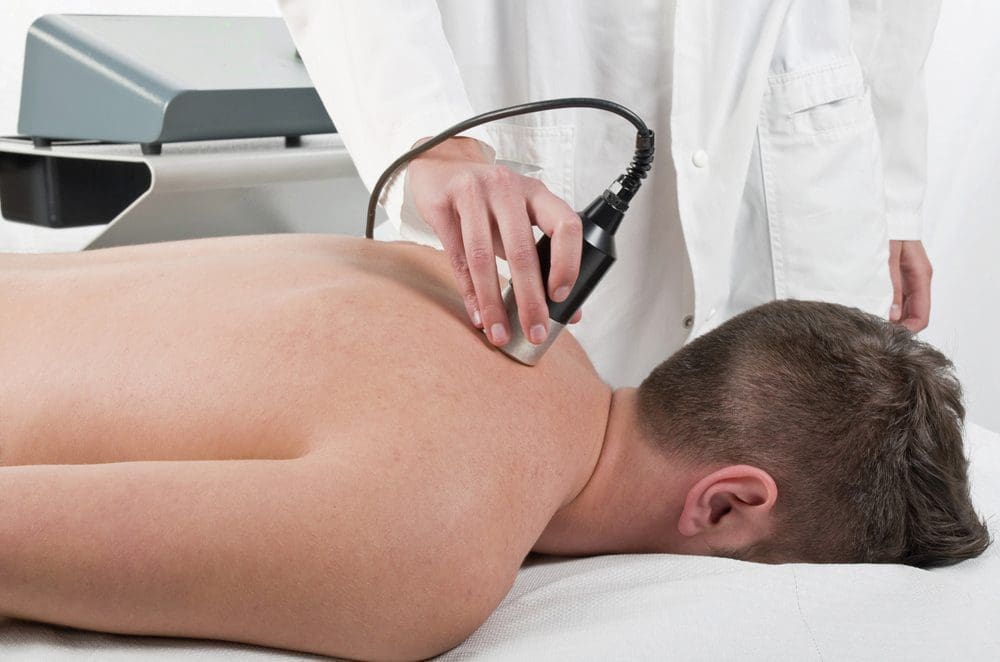
As a clinician, I have learned that successful laser therapy begins with one simple principle: patient comfort first. When I set up a robotic MLS laser for low back pain—especially in suspected facet joint dysfunction at L4–L5—I position the patient face down. The treatment window must be stable; if the patient shifts, I risk misalignment and uneven dosing. Maintaining a direct line of skin contact ensures accurate energy delivery and reproducible results.

  • Key setup principles:
    • Prioritize patient comfort to prevent movement and preserve targeting accuracy.
    • Ensure direct-to-skin application for the handheld diode; the robotic headcan remains 5–7 inches off the skin due to its collimated beam and focal geometry.
    • Calibrate the robot’s X and Y axes to center on the symptomatic site, then expand coverage to include both the primary lesion and surrounding connective tissues. This is what I call a clinical multimodal approach.

Why do I expand beyond the pain site? Because musculoskeletal pain rarely lives in isolation. Fascia, ligaments, and periarticular tissues function as a tensegrity network. When inflammation, nociceptive signaling, and muscular guarding spread through that network, addressing only the painful focal point misses upstream and downstream contributors. A global field—centered on the primary complaint and widened to nearby connective tissue—helps restore biomechanical harmony and promotes fluid exchange, mitochondrial efficiency, and neuromuscular balance. This approach aligns with modern integrative chiropractic care, in which spinal and soft-tissue adjustments, neuromuscular re-education, and laser therapy combine to reduce nociceptive signaling and optimize function.

Robotic vs. Handheld MLS Laser: Complementary Channels, Distinct Goals

In practice, I often employ both the robotic MLS laser and a handpiece simultaneously. Both are MLS devices, but they differ:

  • Robotic head:
    • Three diodes, a collimated beam with a focal distance of ~6 inches.
    • Non-contact application is ideal for larger fields or when skin contact is contraindicated (post-surgical regions, fragile skin, or neuropathic sensitivity).
    • Software-driven auto-recalibration: if I enlarge or shrink the X–Y treatment area, the device automatically adjusts treatment time to maintain the prescribed energy density.
  • Handpiece:
    • A single diode requires direct skin contact.
    • Ideal for trigger points, narrow joint spaces, and dynamic application during guided movement.
    • Short, focused exposures (e.g., 25 seconds per point) deliver precision dosing to the densest nociceptive clusters.

Using two separate channels allows me to run broader regional coverage with the robot while simultaneously desensitizing specific trigger points with the handpiece. This dual strategy is powerful in acute low back pain with facet involvement and for myofascial knots—what one analogy calls the “cooked meat” zones—firm, hypertonic bands within otherwise pliable “raw meat” muscle tissue. While the analogy is imperfect, patients recognize the feel instantly, and the focused pulse helps soften the local hypercontractile segment by modulating calcium handling, ATP availability, and nociceptive signaling in the immediate region.

Energy Density: The Dose That Drives Outcomes

Laser therapy is often misunderstood as a race to increase total energy (joules). In reality, the most clinically relevant parameter is energy density (J/cm²)—how much energy we deliver per unit area. For most musculoskeletal indications, the literature supports a target window of 4–10 J/cm². In my low back protocol, I typically choose ~6 J/cm² for facet-mediated stiffness.

  • Why energy density matters:
    • Achieves sufficient photobiomodulation to stimulate mitochondrial cytochrome c oxidase and downstream ATP production.
    • Avoids the bioinhibition paradox (excess dose that suppresses cellular signaling) consistent with the Arndt–Schulz law, where too little dose yields no biological response, and too much can inhibit repair.
    • Maintains consistent thermal equilibrium, so tissue temperature remains constant over time, which is a hallmark of properly dosed pulsed wavelengths.

Modern MLS systems use a combination of 808 nm (near-infrared, continuous or modulated) and 905 nm (super-pulsed) light. The 905 nm super-pulsed bursts allow very high peak power (e.g., 50 W) in extremely short pulses, minimizing surface heating while driving photons deeper. This “punch and rest” cycle provides tissues with time to absorb and distribute energy, preventing superficial thermal saturation and enabling deep-tissue photobiomodulation. If a patient feels excessive surface warmth, I re-evaluate the wavelength, dose, or settings to preserve the tissue’s thermal kinetics.

Visualizing the Treatment Field: Triangles, Wavelengths, and Practical Insight

Patients often enjoy seeing what’s happening in real time. Using a smartphone camera, the 808 nm wavelength is often visible as a triangle-shaped field on the skin. The 905 nm super-pulsed emission is generally invisible to smartphone cameras due to its pulse characteristics. Showing this helps the patient understand where energy is being delivered and why field geometry matters.

I calibrate the robot’s focal distance with a 6-inch ruler and adjust the X–Y coordinates until the triangle covers the target region and peripheral connective tissues. This geometry is more than aesthetics; it influences photon flux density and therefore the uniformity of cellular stimulation across the field. Small changes in field size cause the device to automatically recalculate the time required to maintain constant energy density, eliminating manual errors and ensuring dosing accuracy.

Acute and Chronic Protocols: Sequencing and Cumulative Effects

One of the most frequent clinical questions I receive is how many treatments are needed and how quickly results appear. Based on clinical experience and published guidance:

  • Acute conditions:
    • Aim for six treatments.
    • Allow ~24 hours between sessions to allow tissue kinetics and cumulative photobiomodulation pathways to take effect.
    • Common schedule: Monday/Wednesday/Friday for two consecutive weeks.
  • Chronic conditions:
    • Aim for 12 treatments, again with 24 hours between sessions.
    • Patients often feel significant improvement after 3–5 sessions, but it is important to complete the series to realize the cumulative benefits of mitochondrial and inflammatory modulation. I recommend packaged care plans to encourage adherence and completion.
  • Post-treatment time course:
    • I counsel patients that 4–6 hours after an MLS session is often when the first significant changes are felt. If we treat at 11:00 AM, I ask them to reassess the function at around 5:00 PM that same day, performing their usual movement test to gauge the difference.

Knee Osteoarthritis: Field Geometry and Patellofemoral Considerations

For knee osteoarthritis (KOA), field geometry matters. Treating the anterior knee directly with the leg extended can reflect significant energy off the patella and anterior bony surfaces. I flex the knee to open the joint spaces and ensure that energy reaches the intra-articular and periarticular tissues. I also include posterior coverage to target the popliteal fossa, posterior capsule, and surrounding fascia.

  • Clinical pearls:
    • Use flexed positioning to reduce reflection and enhance penetration.
    • Treat multiple compartments—medial, lateral, anterior (in flexion), and posterior—to ensure whole-joint coverage.
    • Dose by energy density per compartment (e.g., ~6 J/cm²), rather than summing arbitrary total joules. The device will automatically calculate the total joules based on area and density.

Integrative chiropractic care is invaluable here—mobilizing the tibiofemoral and patellofemoral joints, freeing the IT band and lateral retinaculum, and reinforcing hip–knee kinetic chain alignment. Laser-induced reductions in synovial inflammation and nociception, combined with adjustments and neuromuscular re-education, reduce loading asymmetry and improve gait.

Bone Healing: Off-Label Insights and Early-Phase Targeting

While most of our discussion focuses on soft-tissue pathology, clinicians frequently ask about fractures. In my experience, there can be a meaningful benefit to bone healing when MLS therapy is applied early—within 7–10 days of injury—though such use is often considered off-label. Mechanistically, early-phase laser input supports angiogenesis, osteoblastic activity, and hematoma organization by stimulating mitochondrial signaling within the periosteal and soft-tissue envelopes surrounding the fracture. It is less effective for established nonunion, where the biological environment has already become chronically dysregulated.

  • Practical considerations:
    • Focus energy on the peri-fracture envelope where vascular and cellular activity is highest.
    • Consider daily sessions in the acute inflammatory phase for the best impact.
    • Integrate with orthopedic guidance and imaging to confirm progress.

Orthobiologics and PRP: Priming, Day-of, and Post-Injection Sequencing

Pairing MLS laser therapy with platelet-rich plasma (PRP) has become a promising strategy. The sequence matters.

  • Pre-injection priming:
    • 2–3 treatments in the two weeks preceding PRP prepare the microenvironment by enhancing local perfusion, lymphatic clearance, and mitochondrial readiness.
    • This reduces local oxidative stress burden and improves cellular responsiveness to growth factors.
  • Day of injection:
    • A tailored MLS protocol is used to minimize trauma-induced nociception and to stabilize vascular responses without suppressing the beneficial pro-inflammatory phase of PRP. MLS is not an anti-inflammatory hammer; properly dosed pulsed emissions tend to modulate rather than abolish the necessary early signals.
  • Post-injection build:
    • Six treatments post-PRP help synchronize mitochondrial ATP supply, growth factor signaling, and matrix remodeling, thereby boosting clinical outcomes compared with PRP alone.

This sequencing mirrors the “prep the soil” concept—optimizing tissue to respond to biological seed inputs. Early data and clinical observations suggest that MLS + PRP can yield greater pain relief and functional improvements than PRP alone, by 15–20% in some series, though results vary based on tissue type, dosing fidelity, and patient-specific metabolic status (see References).

Mitochondrial Modulation: From Small Fiber Relief to Chronic Recovery

Patients and clinicians often ask: what changes first—pain relief, inflammatory control, or mitochondrial efficiency? In practice, these pathways overlap, but the temporal arc often looks like this:

  • Immediate to early:
    • Modulation of small myelinated fibers can quickly reduce pain and temperature sensitivity, aided by central pattern changes and gate-control influences.
    • Rapid shifts in vasomotor tone improve local perfusion and wash out inflammatory mediators.
  • Intermediate:
    • Inflammatory and immune modulation refines cytokine balance (e.g., downregulation of TNF-α and IL-1β, upregulation of IL-10) and microglial reactivity at neuropathic interfaces.
    • Redox balance improves as reactive oxygen species are buffered and mitochondrial enzymes are upregulated.
  • Later/chronic:
    • Mitochondrial biogenesis and enhanced ATP production elevate tissue repair capacity.
    • Improvements in ECM remodeling, collagen crosslinking quality, and tendon/ligament fiber organization become clinically evident as strength and function return.

This is why finishing the treatment series matters. Early symptom relief can tempt patients to stop early. However, the deeper mitochondrial and matrix changes typically require completion of the protocol to lock in long-term functional gains.

Metabolic Optimization: CoQ10, Creatine, NAD, and Medication Considerations

MLS laser therapy does not occur in a metabolic vacuum. Many patients are on statins, metformin, and other medications that can influence mitochondrial function. In integrative practice, I frequently layer nutraceutical support when clinically appropriate and evidence-supported:

  • CoQ10: replenishes electron transport chain cofactor depleted by statins, supports ATP production.
  • Creatine: provides phosphate donation to regenerate ATP during high-demand phases.
  • NAD+ precursors (e.g., NR, NMN): support sirtuin signaling, mitochondrial maintenance, and DNA repair processes.
  • Methylene blue (low dose, select cases): can act as an electron cycler to support mitochondrial throughput.
  • Anti-inflammatory diet and glycemic control: reduce oxidative burden and improve tissue recovery dynamics.

I emphasize shared decision-making and medical oversight for supplements—especially when interacting with existing medications. The goal is to align lifestyle, metabolic support, and MLS protocol so the patient’s tissues are primed for repair. This integrative framework reflects how I practice and teach at my clinics and platforms, where chiropractic adjustments, soft-tissue work, neuromuscular re-education, laser therapy, and metabolic optimization are woven into cohesive care pathways (see Chiromed and LinkedIn links in References).

Trigger Points and Fascial Networks: Precision Meets Systems Thinking

When addressing trigger points, I use the handpiece in short pulses with direct skin contact to deliver localized energy density that downregulates nociceptive fiber firing, relieves actin–myosin contracture, and improves local microcirculation. Simultaneously, the robotic head treats the broader fascial network, because trigger points rarely resolve in isolation. This combined strategy eases the “cooked meat” knot while restoring gliding in adjacent muscle and fascial planes. Integrative chiropractic care—active release techniques, instrument-assisted soft-tissue mobilization, and spinal mechanics correction—complements laser-induced biochemical changes, facilitating durable outcomes.

Safety, Durability, and Practical Use

MLS devices are built with durability; issues are rare once installed. Service networks can perform on-site maintenance as needed, thereby avoiding the risks associated with shipping heavy equipment. Patient sensations during MLS therapy are typically minimal:

  • Most patients feel no pain, perhaps mild warmth or tingling.
  • The pulsed nature of MLS minimizes surface heating, allowing higher peak power without thermal injury.
  • If sensitivity occurs, I reassure patients that they may be “overachievers” in responsiveness—a lighthearted way to normalize their sensation—and I adjust parameters as needed.

Evidence Base and Methods: Modern, Multi-Wave, Dose-Controlled Research

The rationale for energy density targeting (4–10 J/cm²) stems from a combination of controlled trials, consensus guidelines, and mechanistic research in photobiomodulation. The World Association for Laser Therapy (WALT) and subsequent photobiomodulation consensus literature emphasize dosing by J/cm² to standardize clinical outcomes across devices and tissues. MLS’s dual-wavelength, pulsed-peak approach addresses known limitations of continuous-wave systems by minimizing superficial heat while increasing depth of effect. Studies in tendinopathies, osteoarthritis, neuropathic pain, and post-surgical recovery increasingly support structured protocols, with outcome measures including pain scales, functional scores, range of motion, and return-to-activity metrics. While device specifics differ, the consistent theme is that dose discipline, pulsed emission, and field geometry drive reproducibility.

Clinical Observations from Dr. Jimenez: Integrative Pathways That Work

At my clinics, I have seen:

  • Low back facet pain responds rapidly when I combine robotic field coverage (centered on L4–L5, with slight medial/lateral expansion) with handheld trigger-point relief in the paraspinal bands. Chiropractic adjustments immediately after laser often hold better because the muscle tone and pain signaling are reduced.
  • Knee osteoarthritis improvements in stair negotiation and walking distances when I treat the posterior knee, the medial and lateral compartments, and the anterior knee in flexion, paired with hip–core stabilization and gait retraining.
  • Enhanced results with PRP when I follow the pre-injection priming, day-of modulation, and post-injection series approach described above.
  • Faster return to activity in athletes when laser therapy is integrated with shockwave, chiropractic mobilization, and neuromuscular drills—each tool serving distinct biological and mechanical roles.

These observations align with the literature and underscore the importance of multimodal, sequence-aware care.

Practical Protocol Summary

  • Low back facet pain:
    • Robotic MLS: center X–Y over L4–L5 symptoms, expand to connect fascia; ~6 J/cm².
    • Handpiece: 25-second bursts to paraspinal trigger points; direct skin contact.
    • Schedule: 6 sessions acute; 12 for chronic; 24-hour spacing.
  • Knee osteoarthritis:
    • Treat the posterior and anterior compartments in flexion; add the medial/lateral compartments.
    • Dose per compartment: around 6 J/cm²; let the device recalculate the time based on the area.
    • Integrate chiropractic joint mobilization and soft-tissue work.
  • PRP integration:
    • 2–3 pre-injection MLS sessions.
    • Day-of-injection MLS with tailored parameters.
    • 6 post-injection MLS sessions.
    • Reinforce with metabolic support as clinically appropriate (CoQ10, creatine, NAD+ precursors), while respecting medications.
  • Trigger points:
    • Handpiece, direct contact, short focused exposures; pair with robotic field treatment.
    • Follow with manual therapy and corrective exercises.

Why Integrative Chiropractic Care Fits Perfectly

Laser therapy initiates biochemical cascades that reduce pain, inflammation, and tissue stiffness. Integrative chiropractic care then capitalizes on that improved tissue state. Adjustments and mobilizations realign joints; soft-tissue techniques free fascial restrictions; neuromuscular training restores movement efficiency. Together, they transform photobiomodulation’s cellular gains into functional victories—better posture, smoother gait, stronger lifts, and less recurrence. This integrated model is central to modern precision musculoskeletal care and is the foundation of how I approach complex cases in my practice.

Closing Thoughts

Laser therapy—especially MLS with dose-centered energy density and pulsed dual-wavelength design—has matured into a robust tool for musculoskeletal and integrative care. When layered thoughtfully with chiropractic methods, orthobiologics, and metabolic optimization, it helps patients move from short-term relief to durable function. The secret is not just the light; it is the protocol, the sequence, and the system we build around the patient’s biology and biomechanics. That is the essence of integrative care, and it is how we transform evidence into outcomes.


References

Understanding Therapeutic Approaches for Tissue Regeneration with Photobiomodulation

Discover the impact of photobiomodulation in tissue regeneration and its therapeutic approaches for better health.

Abstract

In this educational post, I walk you through how I evaluate and apply modern, multiwavelength laser therapy using MLS technology for low back pain, facet-mediated joint pain, knee osteoarthritis, soft-tissue injuries, and orthobiologic integrations such as PRP. From patient positioning and dosing to understanding the physiological cascade of photobiomodulation, I present the latest research and clinical protocols, explain why we calibrate to energy density in joules per square centimeter, and outline how integrative chiropractic care improves outcomes through precise mechanical assessment, neuromuscular re-education, and connective-tissue engagement. You will learn how dosing windows, pulse structure, and wavelength selection support analgesia, resolution of inflammation, mitochondrial function, and microcirculatory improvements—plus how to safely combine laser therapy with rehabilitation, shockwave, and PRP in a stepwise, patient-centered plan.

Introduction: My Clinical Framework for MLS Laser Therapy

As Dr. Alexander Jimenez, DC, APRN, FNP-BC, CFMP, IFMCP, ATN, CCST, I blend integrative chiropractic care with advanced rehabilitative technologies to optimize musculoskeletal outcomes. Over decades in clinics and interdisciplinary settings, I’ve seen that the most important variable in laser success is not just the device—it’s the workflow, patient comfort, anatomical precision, and dosing discipline. Modern MLS laser systems deliver synchronized dual wavelengths—typically an 808-nm continuous component and a 905-nm pulsed component—engineered to maximize therapeutic photobiomodulation while minimizing thermal load at the surface. The result is consistent dosing to the targeted tissue with reduced risk of superficial overheating.

Below, I reframe a hands-on demonstration into a patient-centered journey, explain the science, and share how I incorporate these methods with chiropractic assessment, trigger point discovery, fascial continuity, and orthobiologic protocols. I aim to ensure you not only know what to do but also why to do it—and how to apply it safely and effectively using the latest evidence.

Patient Comfort and Positioning: The Starting Point for Precision

Key clinical lesson: Patient comfort is critical. When a robotic laser array is programmed to a precise region, movement ruins alignment and compromises dose delivery. For lumbar facet and paraspinal treatments:

  • Positioning:
    • Low back cases are set up face down (prone) for spine-neutral exposure.
    • The laser head must be at the correct focal distance—often around 6 inches for a robotic MLS head—with a manufacturer-provided ruler to ensure the sweet spot for beam collimation.
    • Handheld diodes are applied directly to the skin for punctual targets, such as trigger points or joint spaces, where tactile feedback guides accuracy.
  • Why positioning matters physiologically:
    • Collimated beams preserve fluence across depth; misalignment reduces energy density at target tissues.
    • Stable respiratory movement and muscle tone affect microtargeting of facets, interspinous ligaments, and paraspinal myofascia. Comfortable patients move less, ensuring reliable dosing.
    • Direct skin contact improves photon coupling for the handheld diode, reducing interface losses and aiding precise delivery to nociceptive and myofascial triggers.

Integrative Chiropractic Care: Mapping Pain Generators and Connective Tissue

Laser therapy is powerful, but it works best when guided by a skilled structural evaluation, which I refine within integrative chiropractic care:

  • I begin with:
    • Facet loading tests and segmental palpation to identify painful motion segments (e.g., L4–L5 facets producing unilateral right-sided pain).
    • Trigger point mapping using the tactile distinction between supple muscle and firm nodules—the so-called “cooked meat vs. raw meat” analogy, which helps describe hypertonic bands amidst pliable tissue.
    • Regional fascial continuity assessment, because pain seldom lives in isolation. Engaging paraspinal fascia, thoracolumbar fascia, and gluteal connective tissue can reduce compensatory strain.
  • Why this matters:
    • Trigger points harbor sensitized nociceptors and metabolically stressed fibers; laser’s photobiomodulation supports local ATP recovery and neurochemical modulation.
    • Facet irritation is inflammatory and mechanical; improving microcirculation and reducing inflammatory mediators supports the tissue, while chiropractic care restores segmental mechanics.
    • Global connective-tissue engagement changes load distribution; laser helps soften densified fascia, and adjustments re-coordinate how forces travel through the spine and pelvis.

Robotic and Handheld: A Clinical Multimodal Approach

  • Modern MLS platforms often include:
    • A robotic head delivering synchronized dual wavelengths over a defined X–Y treatment field.
    • A handheld diode for highly focused points.
  • Workflow:
    • I zero the X–Y axes on the robotic interface to center the primary pain site. Then I expand the field to include adjacent connective tissue, adopting a global, multisite approach.
    • The robot treats the broader region for 6–12 minutes, while I concurrently apply the handheld to discrete trigger points for 20–30 seconds each.
  • Why this dual approach:
    • Robotic fields ensure uniform density over larger areas, improving consistency in paraspinal tissues.
    • Handheld punctual dosing adds specificity for trigger points, tender facets, or periarticular zones—ideal when patient movement (guided breathing or gentle mobilization) enhances the therapeutic effect.
    • Treating both the source and the surrounding network supports load-sharing and reduces recurrences.

Dosimetry: Energy Density vs. Total Joules

Laser dosing must be clinical and quantitative. The most robust standard in the literature is energy density, measured in joules per square centimeter (J/cm²), rather than total joules. A typical effective window for musculoskeletal tissues is 4–10 J/cm², depending on the condition, acuity, and depth (World Association for Laser Therapy guidance and subsequent studies emphasize dose per area as the key benchmark).

  • Practical dosing:
    • For low back pain with facet irritation, I often target 6 J/cm² to start, adjusting based on response and tissue characteristics.
    • Total joules will scale with the treatment field size, but the software should auto-recalculate time when you enlarge or shrink the X–Y field to deliver the desired J/cm² without manual math.
  • Why density matters:
    • Cellular photobiomodulation follows a biostimulatory window; too little energy fails to trigger meaningful cascades, too much can provoke bioinhibition (Arndt-Schulz law).
    • Dose per area ensures consistent tissue response independent of field size, improving reproducibility.

Pulse Structure, Power, and Heat Management

Modern MLS devices often use high peak power (e.g., up to 50 W) but short pulse durations, synchronized with continuous 808-nm light. This design delivers high photon flux to deeper tissues without excessive surface heating.

  • Physiology of pulsing:
    • Short pulses drive photons deeper before heat builds at the surface; inter-pulse rest periods allow thermal relaxation and energy absorption without temperature creep.
    • 808-nm continuous-wave light supports steady photobiomodulation at the muscle and connective tissue levels.
    • 905-nm pulsed complements penetration and neuromodulatory effects at nociceptive fibers and microvasculature.
  • Clinical takeaway:
    • If a patient reports heat at the surface, reassess wavelengths, pulse parameters, and dose. Correctly calibrated systems should maintain tissue temperature over time, indicating safe energy delivery.

Treatment Timing and Response Expectations

A single session may produce a delayed-onset analgesia window—often noticeable 4–6 hours post-treatment. In my clinic, I ask patients to check functional tests later that day (for example, bending or walking at 17:00 if the session was at 11:00). Early improvements after one session are common. Still, cumulative effects emerge over a short course.

  • Typical course:
    • Acute conditions: ~6 sessions over 2 weeks.
    • Chronic conditions: ~12 sessions over 3–4 weeks.
    • Spacing: Minimum 24 hours between sessions; realistic schedules often have a Monday–Wednesday–Friday cadence.
  • Why cumulative dosing matters:
    • Photobiomodulation signals alter gene expression, cytokine profiles, and mitochondrial function over time. Repetition consolidates tissue-level changes and neural recalibration.

Knee Osteoarthritis: Targeting Compartments and Patellar Reflection

For knee OA, positioning is crucial:

  • With the knee flexed, avoid direct anterior-only beams that reflect off the patella. Include posterior and medial/lateral compartments.
  • Dose by compartmental area, maintaining the target J/cm² per treated field. If multiple compartments are indicated, treat each field to the appropriate density rather than arbitrarily summing total joules.
  • Physiological reasoning:
    • OA involves synovial inflammation, cartilage stress, capsular fibrosis, and periarticular trigger points. Laser supports microcirculation, inflammatory modulation, and analgesia while integrative chiropractic care addresses hip-knee-ankle mechanics and gait re-education.
    • You will not reverse bone-on-bone structurally with laser alone; however, you can delay symptom progression, reduce flares, and restore daily function.

Bone Healing and Fractures: Off-Label Considerations

While laser therapy for bone healing may be considered off-label in certain jurisdictions, clinicians have reported benefits when it is initiated within 7–10 days post-fracture, during the inflammatory phase. The rationale:

  • Early photobiomodulation may support angiogenesis, osteoblastic signaling, and the orchestration of inflammation that favors callus formation.
  • Nonunion fractures are far more complex, often requiring surgical or biologic intervention; lasers may not reliably correct nonunion but can be adjunctive in multimodal plans.

Always align with local regulations and informed consent, and document the intended therapeutic goals. My personal practice emphasizes the inflammatory-window strategy in conjunction with orthopedic guidance and imaging follow-up.

Combining MLS Laser with Orthobiologics: PRP Protocols

Laser therapy can complement PRP via tissue priming, peri-injection modulation, and post-injection support:

  • A progressive protocol I employ:
    • Pre-injection: 2–3 laser sessions to prime local microcirculation, reduce baseline inflammatory noise, and enhance cellular redox readiness.
    • Day of injection: Adjust parameters to limit immediate pain and support controlled inflammatory signaling essential for PRP efficacy (do not blunt the pro-inflammatory phase; aim to augment coordinated inflammation, not suppress it).
    • Post-injection: ~6 sessions over 2–3 weeks to optimize ATP availability, fibroblast activity, and matrix remodeling while managing pain.
  • Evidence trends:
    • Emerging clinical observations suggest additive efficacy when a laser is layered over PRP compared with PRP alone, with improved pain and functional scores in musculoskeletal cohorts (see references).
  • Why integrative chiropractic care helps here:
    • I use segmental stabilization, mobility drills, and neuromuscular retraining to direct the newly remodeled tissue toward efficient movement patterns. This reduces aberrant load and helps preserve PRP gains.

Acute vs. Chronic Effects: Mapping the Physiological Cascade

Laser therapy acts on multiple levels, often concurrently. For clarity, think in phases:

  • Immediate to short-term (minutes to hours):
    • Analgesia via modulation of small myelinated fibers and C-fiber signaling.
    • Changes in ion channel activity and neurogenic inflammation.
    • Early microcirculatory shifts with vasomotor influences.
  • Subacute (days):
    • Inflammatory modulation: Downregulation of pro-inflammatory cytokines (e.g., TNF-α, IL-1β), upregulation of anti-inflammatory mediators (e.g., IL-10) in line with photobiomodulation literature.
    • Edema reduction through improved lymphatic flow and endothelial function.
    • Mitochondrial activation: Cytochrome c oxidase absorbs photons, increasing ATP production, ROS signaling at hormetic levels, and transcriptional responses that promote recovery.
  • Remodeling (weeks):
    • Enhanced fibroblast proliferation, collagen deposition, and matrix organization in ligaments and fascia.
    • Neural plasticity shifts that reduce central sensitization, reinforced by targeted rehab and chiropractic neuromechanical inputs.

Optimizing Mitochondrial Support: Clinical Considerations

Many patients take medications (e.g., certain statins) that can influence mitochondrial function. In my practice, I support mitochondrial resilience ethically and collaboratively:

  • Nutritional and lifestyle adjuncts:
    • Consider coenzyme Q10, creatine (phosphate donor), nicotinamide riboside/NMN for NAD+ support, and dietary polyphenols that moderate oxidative stress.
    • Encourage sleep optimization, glycemic control, and anti-inflammatory nutrition to support mitochondrial biogenesis and redox balance.
  • What laser adds:
    • Photobiomodulation directly enhances electron transport chain efficiency, increasing ATP while moderating ROS within a hormetic range that drives adaptive signaling.
    • These effects dovetail with targeted supplementation and therapeutic exercise, potentially offsetting medication-related mitochondrial stress.
  • Practical caution:
    • Always individualize adjuncts based on medical history and coordinate with the patient’s primary physician or pharmacist. Laser is nonpharmacologic, but co-therapies require medical oversight.

Integrative Chiropractic Care During Laser Courses

Laser therapy is not a standalone panacea. A mechanically intelligent plan reduces recurrence:

  • Segmental and regional adjustments:
    • Gentle high-velocity, low-amplitude or low-force mobilizations restore facet glide, disc-friendly mechanics, and neural mobility.
    • Pelvic and hip alignment improve load transfer to the knee and spine.
  • Soft-tissue integration:
    • Myofascial release aligns collagen fibers, enabling laser-softened tissues to remodel along the correct lines of tension.
    • Neuromuscular re-education—gluteal activation, core endurance, posterior chain drills—transforms pain relief into durable movement patterns.
  • Reasoning:
    • Laser modulates biology; chiropractic care organizes biomechanics. Together, they create a bio-mech synergy that outperforms isolated treatments.

Safety, Durability, and Service

Modern MLS systems are designed for on-site reliability with field-service support, avoiding shipping risks. Typical issues are rare after installation, and comprehensive training sets teams up for success.

  • Patient sensations:
    • Most patients feel no pain during treatment; some report mild warmth or tingling. If sensitive, reassure and re-check parameters; small sensations are within normal expectations when dosing within the therapeutic window.
  • Maintenance:
    • Keep optics clean, verify focal distance with the ruler, and routinely check software calibration. Follow manufacturer service intervals.

Explaining Energy Dosing to Patients: Clear Communication

Patients often ask about total joules. I explain that we focus on energy density (J/cm²) because tissues respond to dose per area, not raw totals. The software automatically adjusts the time when we change the treatment area, so they receive a consistent, science-based dose tailored to their condition.

Trigger Point Strategy: Why Punctual Application Works

When I palpate a trigger point, I often apply the handheld diode for 20–30 seconds per spot, moving across a map of nodules discovered on exam:

  • Mechanisms:
    • Local ATP restoration aids sarcomere relaxation in taut bands.
    • Substance P and calcitonin gene-related peptide (CGRP) signaling can be moderated, reducing local neurogenic inflammation.
    • Microvascular perfusion improves in the endplate zone of dysfunctional motor units.
  • Practice tip:
    • Combine with breathing cues, gentle contract-relax techniques, or post-irradiation eccentrics to lock in improved tone.

Shockwave, Laser, and PRP: Coordinating Modalities

In clinics that rely on shockwave therapy, we coordinate timing to leverage mechanotransduction and photobiomodulation:

  • Typical sequence:
    • Use shockwave to provoke controlled micro-disruption and stimulate regenerative signaling.
    • Apply laser to augment mitochondrial activity, reduce excessive inflammatory noise, and improve perfusion.
    • Integrate PRP with pre- and post-laser treatments, as described, to layer biologic potential atop mechanically and metabolically optimized tissue.
  • Rationale:
    • Mechanotransduction + photobiomodulation + biologics equals a triad of healing: mechanical cueing, bioenergetic support, and cellular supply.

Exploring Integrative Medicine- Video


Clinical Observations from My Practice

In my clinics and collaborations, I consistently see:

  • Low back facet pain responds within the first week, with functional gains evidenced by improved tolerances to extension and rotation.
  • Knee OA patients reporting better stair negotiation and reduced morning stiffness after 6–12 sessions, especially when hip stability and foot mechanics are concurrently addressed.
  • Post-PRP recovery with faster pain control and an earlier return to graded activity when the laser is layered per protocol.
  • Patient adherence improves when the plan is explained as a stepwise journey with cumulative benefits, rather than a single miracle session.

For further details on my approach and outcomes, you can explore my clinical observations and frameworks on my professional pages:

Putting It All Together: A Practical Treatment Blueprint

  • Intake and exam:
    • Identify pain generators (facet, ligamentous strain, trigger points), movement faults, and red flags.
  • Dosing plan:
    • Choose 4–10 J/cm², start around 6 J/cm² for common spine and joint cases, adjust per response and acuity.
  • Position and align:
    • Prone setup for low back; flexed knee for OA with posterior and compartmental coverage; verify 6-inch focal distance for robotic heads.
  • Deliver multimodal therapy:
    • Robotic field for broad tissue coverage; handheld diode for punctual trigger points and joint spaces.
  • Chiropractic integration:
    • Segmental adjustments, myofascial release, and neuromuscular drills during the laser course for lasting change.
  • Orthobiologic layering:
    • PRP with 2–3 pre-injection sessions, day-of session modulated for supportive effects, and ~6 post-injection sessions.
  • Scheduling:
    • Acute: ~6 sessions; Chronic: ~12 sessions, spaced by ≥24 hours, often three per week.
  • Reassessment:
    • Functional tests at 4–6 hours post-treatment on the first day; weekly progress checks; adjust parameters or fields as needed.

Final Thoughts: Precision, Patience, and Integration

The best outcomes come from precision dosing, patient comfort, and integrated care. MLS laser therapy is a potent tool when used with a systems mindset—connective tissue mapping, segmental mechanics, mitochondrial support, and thoughtful protocols. Patients appreciate that the plan is clear, the science is sound, and the results are cumulative. With a compassionate, evidence-based approach, you can reliably reduce pain, restore movement, and improve quality of life.

References

In-text citation examples:

  • WALT dosing windows emphasize targeting 4–10 J/cm² for musculoskeletal tissues (WALT, n.d.).
  • Photobiomodulation acts via cytochrome c oxidase, improving ATP and signaling cascades (Karu, 2008; Hamblin, 2017).
  • Systematic reviews support analgesic and anti-inflammatory effects across musculoskeletal pain conditions (Chow, 2020).
  • Adjunctive strategies with PRP may enhance outcomes compared to PRP alone in select cohorts (Filardo, 2018).
  • Dose discipline avoids bioinhibition, consistent with Arndt-Schulz principles (Huang, 2016).

SEO tags

MLS laser therapy, photobiomodulation, integrative chiropractic care, low back pain, facet joint pain, knee osteoarthritis, PRP integration, orthobiologics, trigger points, energy density J/cm2, 808 nm, 905 nm pulsed laser, mitochondrial function, microcirculation, chiropractic adjustments, shockwave therapy, pain management, rehabilitation, Arndt-Schulz law, WALT guidelines

Regenerative Therapy for Auto Accident Injury Recovery

Regenerative Therapy for Auto Accident Injury Recovery

Regenerative Therapy for Auto Accident Injury Recovery

Abstract

Motor vehicle accidents can cause more than quick pain. A crash can injure muscles, ligaments, tendons, joints, nerves, and spinal tissues. Some injuries are felt right away, while others show up days later. For many people, early care can make a major difference in recovery. At a ChiroMed-style integrative clinic, the goal is to look at the whole injury pattern, not just the painful area. Care may include chiropractic treatment, rehabilitation, shockwave therapy, and regenerative options such as platelet-rich plasma (PRP), platelet-poor plasma, plasma-based therapies, and microfragmented adipose tissue (MFAT). These therapies may help support tissue healing, improve movement, reduce pain, and help some patients avoid surgery when appropriate.

Why Motor Vehicle Accidents Can Lead to Chronic Pain

A motor vehicle accident can place sudden force on the body. The neck may snap forward and backward. The lower back may twist. The shoulder, hip, knee, or ankle may absorb impact. Even when there are no broken bones, the soft tissues can still be injured.

Common accident-related injuries may include:

  • Whiplash
  • Neck and back sprains
  • Ligament injuries
  • Tendon injuries
  • Joint pain
  • Muscle strains
  • Disc irritation
  • Nerve irritation
  • Headaches
  • Shoulder, hip, or knee pain
  • Spinal stiffness
  • Reduced range of motion

These injuries can become more difficult to treat when they are ignored. Pain may begin as soreness, then turn into stiffness, weakness, nerve symptoms, or chronic inflammation. This is why early evaluation matters after an accident (Fletcher Family Chiropractic, n.d.; Health Coach Clinic, n.d.).

The ChiroMed Approach to Accident Recovery

ChiroMed is a natural fit for this topic because accident recovery often needs more than one type of care. A patient may need spinal care, soft tissue treatment, rehab, imaging review, and medical coordination. The goal is not only to reduce pain but also to improve how the body moves and heals.

An integrative chiropractic plan may include:

  • A detailed accident history
  • Orthopedic testing
  • Neurological screening
  • Range of motion testing
  • Posture and movement assessment
  • Imaging referrals when needed
  • Chiropractic adjustments
  • Soft tissue therapy
  • Corrective exercises
  • Shockwave therapy
  • Regenerative medicine consultation
  • Ongoing progress exams

This type of care helps connect the injury to the symptoms. It also helps create a clearer recovery plan, especially when the patient has soft-tissue injuries that may not be clearly visible on basic X-rays (Health Coach Clinic, n.d.; Pure Wellness, n.d.).

Why Soft Tissue Injuries Need Special Attention

Soft tissue injuries involve muscles, tendons, ligaments, fascia, and joint-supporting tissues. These structures help stabilize the spine and joints. When they are damaged, the body may become unstable, stiff, painful, or weak.

Soft tissue injuries can be difficult because they may heal slowly. Some tissues have limited blood flow, which can make recovery harder. Ligaments and tendons may also stay irritated if the joint continues to move poorly.

For example, after a rear-end crash, a person may develop whiplash. The neck muscles tighten to protect the spine. Ligaments may be stretched. Small joints in the neck may become irritated. If this pattern is not treated, the patient may develop headaches, limited neck motion, shoulder tightness, or nerve-like symptoms in the arm.

This is where combined care may help. Chiropractic care can improve motion. Rehab can rebuild strength. Shockwave therapy may support soft tissue healing. Regenerative options may be considered when injured tissue needs more support.

PRP Therapy After an Auto Accident

Platelet-rich plasma, or PRP, is a regenerative treatment made from the patient’s own blood. A small blood sample is drawn and processed to concentrate platelets. These platelets contain growth factors that help guide the body’s healing response. The PRP is then placed into the injured area when clinically appropriate (Johns Hopkins Medicine, n.d.).

PRP may be considered for:

  • Ligament sprains
  • Tendon injuries
  • Muscle injuries
  • Joint pain
  • Whiplash-related soft tissue injuries
  • Chronic pain after trauma
  • Pain that has not improved with basic care

PRP does not act like a pain-killing shot. Instead, it is used to support the body’s healing process. Patients still need a full recovery plan that may include chiropractic care, rehab, movement correction, and follow-up exams (MVA MVP, n.d.; Integrative Spine & Sports, n.d.).

PFP and Plasma-Based Regenerative Options

Some clinics discuss platelet-poor plasma, platelet fibrin plasma, or other plasma-based products. The terms can vary depending on how the product is prepared and what the provider is trying to treat. Patients should always ask what type of plasma product is used, why it is recommended, and how it fits into the full treatment plan.

In simple terms, plasma-based therapies are designed to support the tissue environment. After a crash, ligaments, tendons, joints, and spinal tissues may need help calming inflammation and rebuilding healthier function. Plasma-based care may be part of that process when medically appropriate.

For a ChiroMed-style plan, plasma-based care should not stand alone. It works best when the patient is also improving movement, strength, posture, stability, and daily activity habits.

MFAT Therapy for More Complex Soft Tissue and Joint Injuries

Micro-fragmented adipose tissue, or MFAT, uses a small amount of the patient’s own fat tissue. The tissue is processed into tiny fragments and then placed into the injured area. MFAT contains a natural tissue matrix and signaling factors that may help support repair in joints, tendons, ligaments, and other soft tissues (Engelen Sports & Orthobiologics, n.d.; Ortho-Regen, n.d.).

MFAT may be discussed for:

  • Chronic joint pain
  • Partial tendon tears
  • Ligament injuries
  • Meniscus-related problems
  • Degenerative joint changes
  • Soft tissue injuries that are slow to heal
  • Injuries that have not improved with standard care

MFAT is not for every patient. It requires proper evaluation, clear diagnosis, and careful clinical judgment. A 2025 review described MFAT as a developing regenerative option with potential for tissue repair, but also highlighted the need for proper patient selection and further clinical research (Fu & Wang, 2025).

Shockwave Therapy for Post-Accident Pain

Shockwave therapy uses acoustic energy to stimulate injured tissues. It is non-surgical and may be used to support circulation, collagen activity, and tissue remodeling, and to reduce pain. In accident care, shockwave therapy may be beneficial for soft tissue pain, scar tissue, tendon irritation, muscle tightness, and chronic inflammation (Advanced Back & Neck Care, n.d.; Mayo Clinic, n.d.).

Shockwave therapy may help with:

  • Neck and back soft tissue pain
  • Tendon pain
  • Muscle trigger points
  • Scar tissue stiffness
  • Chronic inflammation
  • Reduced mobility
  • Pain that has lasted longer than expected

For many patients, shockwave therapy fits into an integrative plan because it can be paired with chiropractic care and rehab. The goal is to help the tissue respond better while also correcting movement problems that keep stressing the injury.

Why Chiropractic Care Is the Foundation

Regenerative therapies may support tissue repair, but the body also needs proper movement. If a joint is not moving well, the injured area may continue to become irritated. If muscles are weak or tight, the spine may remain under stress. If posture is poor after the crash, pain may continue.

Chiropractic care may help by:

  • Improving spinal motion
  • Reducing joint restriction
  • Calming muscle guarding
  • Supporting better nerve function
  • Improving posture
  • Helping the body move with less stress
  • Supporting better rehab progress

After a motor vehicle accident, chiropractic care is often used for neck pain, back pain, whiplash, headaches, shoulder pain, hip pain, and joint stiffness. When combined with rehabilitation, it can help restore strength and stability, not just temporary comfort (Delaware Back Pain & Sports Rehabilitation Centers, n.d.; Pure Wellness, n.d.).

Dr. Alexander Jimenez’s Clinical Perspective

Dr. Alexander Jimenez, DC, APRN, FNP-BC, has long emphasized a dual-scope approach to personal injury care. This means considering both the structural and medical aspects of an injury. In a motor vehicle accident, the case may involve spinal and joint function, nerve symptoms, soft-tissue damage, inflammation, imaging needs, and clear documentation.

This approach is important because accident injuries can overlap. A patient may experience neck pain, headaches, shoulder tightness, lower back pain, and nerve irritation simultaneously. Treating only one symptom may miss the bigger injury pattern.

A ChiroMed-focused care model can reflect this same goal: evaluate the whole person, identify the injured tissues, restore movement, support healing, and help the patient return to daily life with better function.

Why Early Care Matters After a Crash

The best time to treat injuries from accidents is often early. This does not mean every patient needs advanced treatment right away. It means the patient should be examined before the injury becomes chronic.

Early care may help:

  • Reduce inflammation
  • Protect injured tissue
  • Improve range of motion
  • Prevent stiffness
  • Reduce compensation patterns
  • Identify nerve symptoms
  • Support better documentation
  • Lower the risk of long-term pain

When care is delayed, the body may begin moving around the painful area. This can lead to new problems in the spine, hips, shoulders, knees, and muscles. Over time, the patient may develop chronic pain, weakness, poor posture, or limited mobility.

When Regenerative Care May Be Considered

Regenerative therapies may be considered when a patient has tissue damage that is slow to heal or when the goal is to avoid surgery when possible. These treatments may be useful when standard care has helped only partly or when the tissue injury is more complex.

A provider may consider PRP, PFP, MFAT, or shockwave therapy when there is:

  • Ongoing ligament pain
  • Tendon damage
  • Joint injury
  • Soft tissue trauma
  • Chronic inflammation
  • Pain that returns with activity
  • Reduced function despite basic care
  • A desire to explore non-surgical options

However, regenerative care must be based on diagnosis. It should not be used as a guess. Imaging, exams, and medical history help determine whether the patient is a suitable candidate.

Physical Rehabilitation Completes the Recovery Plan

Rehabilitation is important because healing tissue needs strength and control. A patient may feel better after an adjustment, injection, or shockwave session, but long-term recovery also depends on how well the body moves during daily life.

Rehab may include:

  • Gentle mobility work
  • Stretching
  • Core strengthening
  • Balance training
  • Posture correction
  • Neck stabilization
  • Hip and shoulder strengthening
  • Walking programs
  • Return-to-work conditioning

Physical therapy and rehab can help patients regain confidence after an accident. They also help reduce fear of movement, which is common after painful trauma (RES Physical Medicine & Rehab, n.d.; Fairview Rehab, n.d.).

When Emergency Care Is Needed

Not every accident injury belongs in a chiropractic or regenerative medicine setting first. Some symptoms require emergency medical care.

A person should seek urgent care right away for:

  • Loss of consciousness
  • Severe headache
  • Chest pain
  • Trouble breathing
  • New weakness
  • Loss of bladder or bowel control
  • Severe abdominal pain
  • Numbness that is getting worse
  • Trouble walking
  • Severe neck or back pain after trauma
  • Confusion or memory problems

Safety comes first. Once serious conditions are ruled out, an integrative recovery plan may begin.

A Clear Path Forward With ChiroMed

Motor vehicle accident recovery works best when the care plan is clear, complete, and personalized. Regenerative therapies such as PRP, PFP, and related plasma-based options, as well as MFAT, may help support tissue healing. Shockwave therapy may help improve soft tissue response, circulation, and pain control. Chiropractic care may improve spinal motion, reduce joint stress, and support the nervous system. Rehabilitation helps rebuild strength and long-term stability.

For ChiroMed, the message is simple: accident injuries should not be ignored, and pain should not be treated as a one-size-fits-all problem. A thoughtful integrative plan can help patients understand their injuries, support healing, improve function, and reduce the risk of chronic pain after a motor vehicle accident.


References

Advanced Back & Neck Care. (n.d.). Shockwave therapy for motor vehicle accidents in Lumberton

BenGlassLaw. (n.d.). What is the value of my PRP therapy claim?

Delaware Back Pain & Sports Rehabilitation Centers. (n.d.). Best car accident pain solutions that work

Engelen Sports & Orthobiologics. (n.d.). Microfragmented adipose tissue (MFAT) therapy

Fairview Rehab. (n.d.). What type of post-accident therapy you may need

Fletcher Family Chiropractic. (n.d.). Why seeing a chiropractor after a car accident matters

FoRM Health. (n.d.). MFAT injections

Fu, H., & Wang, C. (2025). Micro-fragmented adipose tissue-An innovative therapeutic approach: A narrative review

Health Coach Clinic. (n.d.). Chiropractic integrative care for motor vehicle accidents

Health Coach Clinic. (n.d.). Regenerative medicine and integrative chiropractic approaches

Imperium Health Center. (n.d.). Holistic chiropractic treatments for injuries

Integrative Spine & Sports. (n.d.). PRP for whiplash: Accelerating recovery and restoring mobility

Jimenez, A. (n.d.). Dr. Alexander Jimenez, DC, APRN, FNP-BC

Jimenez, A. (n.d.). Dr. Alexander Jimenez LinkedIn profile

Johns Hopkins Medicine. (n.d.). Platelet-rich plasma injections

Mayo Clinic. (n.d.). Shockwave treatment: A new wave for musculoskeletal care

MVA MVP. (n.d.). Platelet-rich plasma therapy for vehicle accidents

Ortho-Regen. (n.d.). Microfragmented adipose tissue (MFAT)

Pure Wellness. (n.d.). Treating auto injuries with chiropractic care and regenerative medicine

RES Physical Medicine & Rehab. (n.d.). Road to recovery: The role of physical therapy after a car accident

Whalen Injury Lawyers. (n.d.). What is regenerative care in my motor vehicle accident case?

MLS Laser Therapy & Photobiomodulation Benefits for the Body

Find out how MLS laser therapy for photobiomodulation can improve your quality of life and accelerate healing processes.

Abstract

In this educational post, I share a clear, first-person journey through modern laser therapy and photobiomodulation as I apply it in integrative practice. You will learn what laser therapy is, why the patented MLS multiwave locked system matters, how wavelength, power, and emission modes influence safety and clinical impact, and where these technologies fit within regenerative medicine, orthobiologics, and sports care. I explain the cellular physiology behind mitochondrial activation, photochemical and photothermal responses, and how true pulsed emission reduces thermal risk while enhancing photon density and depth of action. I also describe practical dosing, point-by-point vs. scanning techniques, and the benefits of robotic, hands-free delivery for consistent outcomes. Finally, I illustrate how integrative chiropractic care coordinates laser therapy with manual interventions, shockwave, neuromusculoskeletal assessment, and functional medicine principles to improve pain, function, and long-term recovery. References to leading researchers, randomized trials, and real-world registry data are included, along with my clinical observations from practice.

Introduction: My Perspective on Photobiomodulation in Modern Care

As Dr. Alexander Jimenez, DC, APRN, FNP-BC, CFMP, IFMCP, ATN, CCST, I have spent years helping patients navigate complex musculoskeletal pain, neuropathy, and recovery from orthopedic and sports injuries. When I first stepped into Apex’s new education and learning facility on 2026-05-02, I felt the resonance of a well-designed environment dedicated to cutting-edge modalities. The enthusiasm from colleagues, including leaders from OrthoLaser and technology innovators in MLS robotic therapy lasers, underscored the transformation underway in regenerative medicine: energy devices like lasers and shockwave are now merging seamlessly with orthobiologics to promote true tissue repair rather than merely manage symptoms.
In this post, I distill the science and clinical practicality behind photobiomodulation—laser therapy—so you can confidently understand how it works, why the MLS approach is unique, and how integrative chiropractic care amplifies patient outcomes. My goal is to guide you through the essential concepts and then show you how to integrate them in a real clinical workflow.

Modern Laser Therapy Basics: The Four Tissue Interactions

Laser-tissue interaction determines clinical results. Four fundamental phenomena occur when laser light meets biological tissue:
Reflection
Transmission
Scattering
Absorption
Among these, absorption is the therapeutic linchpin. Chromophores must absorb laser photons to initiate biologically meaningful change. Reflection and scattering represent energy loss; transmission is the passage of energy through tissue without interaction. Effective therapy maximizes absorption while controlling the other interactions—by choosing appropriate wavelengths, power, emission modalities, and delivery methods.

Key Laser Concepts: Source, Power Class, Emission Mode, Wavelength

To make laser therapy intuitive, I break it into four key concepts:
Source
Power class
Emission modality
Wavelength
Each element shapes clinical effect, depth of action, safety, and dosing.

Understanding Laser Sources

A laser source is defined by the active material that emits photons when excited. In surgical contexts, CO2 gas lasers interact with water to cut tissue via micro-explosions—excellent for incisions, not for healing. Therapeutic lasers most often use diodes. MLS laser systems are diode-based and sourced from high-precision Italian manufacturing, which matters for reliability, calibration integrity, and diode stability over time. Stable sources translate into reproducible clinical dosimetry and consistent patient outcomes.

Power Class: Class 3 vs. Class 4 and Why It Matters

Therapeutic lasers commonly fall into Class 3 (≤0.5 W) and Class 4 (>0.5 W). Marketing labels like low-level laser (LLLT), cold laser, high-intensity laser, and hot laser can be confusing; what matters is the interaction between power and emission mode. Class 4 systems can shorten treatment times and improve photon density in deeper tissues, but poorly controlled continuous delivery may lead to thermal accumulation.
MLS laser therapy is technically Class 4, yet its patented emission design delivers the efficacy profile of Class 4 while maintaining the safety characteristics of Class 3. That combination reduces liability concerns and broadens indications, enabling point-by-point dosing without burning tissue—crucial for precise joint-space work and peri-implant care.

Emission Modality: Continuous, Chopped, and True Pulsed

Emission modality is the heartbeat of laser safety and effectiveness:
Continuous emission delivers uninterrupted light. If held stationary too long with high power, tissue temperatures can exceed the thermal damage threshold (~45°C).
Continuous chopped (or interrupted) uses mechanical means to block a continuous beam in microseconds. This delays heating but does not fully prevent thermal accumulation because the source never truly turns off.
True pulsed emission turns the source off in nanosecond intervals, creating genuine rest periods. Tissue can absorb photons and then cool between pulses, preventing temperature from creeping above therapeutic ranges. Therapeutic photobiomodulation aims to avoid sustained temperatures above ~43°C, where biological reactions can be inhibited rather than stimulated.

Wavelength: The “Prescription” for Depth and Targeting

Therapeutic photobiomodulation generally uses wavelengths in the 600–1200 nm window because of the absorption spectra of melanin, hemoglobin, and water. MLS systems specifically employ synchronized 808 nm (continuous) and 905 nm (pulsed) wavelengths. The 808 nm band offers strong penetration for photochemical activation, while 905 nm provides deeper penetration with high-peak-power pulses, enhancing photon density in target tissues without thermal risk.

Why the MLS Multiwave Locked System Is Unique

The Multiwave Locked System (MLS) synchronizes multiple wavelengths so they arrive simultaneously, reinforcing each other’s effects. This synchronization creates homogeneous energy distribution across superficial and deeper targets—like switching from a scattershot meteor shower to a uniform wavefront that saturates the tissue volume. In practice:
808 nm (continuous) supports mitochondrial activation and local circulation.
905 nm (true pulsed) delivers high-peak-power bursts with cooling intervals, increasing photon density for deeper tissues while preventing thermal buildup.
The physiologic result is a balanced combination of photochemical activation (ATP synthesis), photothermal modulation (controlled vasodilation and lymphatic flow), and photomechanical signaling (ECM deformation and mechanotransduction) that collectively accelerates tissue repair without suppressing necessary early inflammation.

Safety Profile: Why Heat Sensation Is Not Performance

Patients often equate “feeling heat” with effective treatment; however, high thermal effects do not equal high performance in photobiomodulation. The goal is cellular signaling, not cooking tissue. MLS’s true pulsed pattern keeps tissue below inhibitory temperature ranges and far below damage thresholds, ensuring that biological cascades proceed unimpeded. This distinction is vital around implants, tattoos, and bone surfaces, which can reflect energy and concentrate heat with non-pulsed devices.

Depth of Action: Wavelength, Emission, Power Density, and Time

Reaching target tissues requires the right combination of:
Wavelength (primary determinant of penetration).
Emission mode (true pulsed allows higher peak power without heat accumulation).
Power density (mW/cm² at tissue).
Exposure time (J/cm² dose).
The relationship between peak power and photon density matters: more photons per unit time and area increase the likelihood that chromophores such as cytochrome c oxidase will be activated, thereby driving ATP production and redox signaling. With MLS, true pulsed 905 nm delivery increases peak power in bursts, raising photon density at depth while tissue cools between pulses.

Clinical Delivery: Point-by-Point vs. Scanning

There are two practical methods:
Point-by-point dosing: stationary application over the target for a prescribed duration and energy dose. This maximizes absorption, minimizes dispersion, and grants precise dosing—ideal for joint spaces, tendon origins, and small neuropathic focal points.
Scanning: moving the applicator across a region. This can be effective for broader fields but is operator-dependent. Variability in speed, overlap, and distance can lead to inconsistent dosing.
MLS robotic platforms overcome scanning variability by delivering hands-free, precisely programmed energy maps, ensuring consistent dosing across operators and visits. In my clinic, that consistency translates into more reliable outcomes, smoother workflows, and the ability to combine laser with manual therapies simultaneously.

Robotic and Hands-Free Advantages

The MLS robotic arm ensures:
Consistent energy delivery across sessions and staff.
Safety via locked synchronization and true pulsed control.
Workflow efficiency: hands-free operation allows clinicians to perform soft-tissue release, joint mobilization, neuromuscular re-education, or percussion therapy while the laser runs—maximizing appointment value without sacrificing precision.
For field settings and athletic trainers, portable MLS units with straps enable targeted dosing at the sideline or in the training room, extending therapy beyond the clinic walls.

Physiological Underpinnings: Photochemical, Photothermal, and Photomechanical Effects

Laser therapy’s mechanisms can be organized into three complementary pathways:
Photochemical Activation
Mitochondrial stimulation via cytochrome c oxidase increases ATP production, shifts cellular redox states, and promotes the activity of transcription factors associated with growth and repair.
This accelerates fibroblast activity, collagen synthesis, and angiogenesis, while modulating oxidative stress.
Photothermal Modulation
Controlled vasodilation improves perfusion, oxygenation, and nutrient delivery.
Lymphatic enhancement reduces edema, supports waste clearance, and decreases inflammatory exudate.
In MLS systems, photothermal effects are therapeutic without crossing inhibitory thresholds; tissue temperature remains within a range favorable to enzymatic reactions and signaling cascades.
Photomechanical Signaling
Rapid pulses create temporary deformation of the extracellular matrix (ECM) and cell membranes, activating mechanosensitive pathways.
This facilitates cytoskeletal reorganization, influences integrin-mediated signaling, and augments tissue repair sequences.

Inflammation Modulation vs. Suppression

It is critical to note that MLS therapy does not suppress inflammation as NSAIDs do. It modulates inflammatory processes—upregulating anti-inflammatory proteins and downregulating pro-inflammatory cytokines—while respecting the acute phase needed for proper healing. This is why MLS pairs well with orthobiologics; rather than blunting early inflammation (which supports cell recruitment and initial repair), MLS normalizes and supports the cascade, reducing excessive pain and swelling while protecting regenerative intent.

Clinical Indications and Dosing Framework

Common indications include:
Musculoskeletal pain: plantar fasciitis, knee osteoarthritis, neck pain, tendinopathies, myofascial pain.
Post-surgical healing: incisions, soft-tissue repair, peri-implant recovery.
Wound care: diabetic ulcers, traumatic and infected wounds, burns.
Sports medicine: delayed onset muscle soreness, acute muscle strain, ligament sprain.
Neuropathic pain: diabetic neuropathy, compressive neuropathies, small fiber pain.
Dosing principles in my practice:
Session length: typically 6–12 minutes, depending on area size and target depth; anterior-posterior or dual-field approaches may extend the time accordingly.
Packages: acute conditions often 4–6 sessions; chronic conditions 8–12 sessions. This cumulative dosing approach allows progressive improvements in pain and function.
Frequency: ideally 2–3 times per week. In acute flares, daily sessions can be considered for brief periods; practicality and access may guide scheduling.
Point-by-point dosing for focal structures; robotic scanning for consistent energy distribution over broader fields.

Clinical Images and Observations

Wound- and burn-healing examples demonstrate why safety matters. Treating burns with a laser may seem paradoxical until you understand MLS’s non-heating, pulsed profile. In my clinical observations, combining MLS laser therapy with compression, offloading, and nutritional cofactors (e.g., protein sufficiency, vitamin C, zinc) accelerates closure rates in diabetic ulcers. It reduces the risk of infection, particularly when paired with meticulous debridement and glycemic control.
Peri-implant treatment is another area where MLS stands out. Patients with knee replacements or hardware often fear laser near implants; MLS’s synchronized wavelengths and pulsed control minimize conductive heat accumulation, allowing safe application to surrounding soft tissues. In my experience, postoperative stiffness and peripatellar pain respond well to a protocol integrating MLS laser therapy, joint mobilization, instrument-assisted soft-tissue mobilization (IASTM), and graded activity.

Neuropathic Pain and the MLS MIS Platform

Emerging devices geared to neuropathic pain (e.g., MIS systems) target parameters tuned for nerve repair and dysesthesia reduction. European MDR clearance has recognized neuropathic indications, and similar approvals are progressing domestically. In my practice, patients with diabetic neuropathy or post-chemotherapy neuropathies benefit from MLS laser combined with glycemic optimization, B-vitamin sufficiency (especially methylated B12 and folate where appropriate), alpha-lipoic acid, and foot intrinsic strengthening. The laser’s modulation of neuroinflammation and microcirculation complements metabolic correction.

Evidence Base: Trials and Registry Data

Modern photobiomodulation has matured beyond anecdote. Randomized controlled trials and real-world registries corroborate benefits across pain and function domains. Combining orthobiologics with MLS laser therapy shows synergistic improvements:
Faster numeric pain rating reductions in the first month and sustained gains out to 24 months.
Greater improvements in worst pain scores and desired functionality markers.
Higher overall patient satisfaction in combined protocols.
These data support a shift from symptom management to cellular health optimization, marrying biologic inputs (PRP, BMAC, growth factor-rich preparations) with photonic signals that improve mitochondrial function, microvascular flow, and ECM remodeling.

Integrative Chiropractic Care: Where Laser Therapy Fits

From a chiropractic and functional medicine viewpoint, MLS laser therapy is most powerful when embedded in a coordinated plan:
Assessment and Diagnosis
Thorough neuromusculoskeletal examination: joint mobility, muscle tone, proprioception, gait, and regional interdependence.
Functional lab insights per case: inflammation markers, glycemic status, micronutrient sufficiency.
Manual and Movement Foundations
Spinal and extremity adjustments to restore joint mechanics and reduce nociceptive input.
Soft-tissue release (IASTM, myofascial techniques) to normalize tone and improve tissue gliding.
Neuromuscular re-education and graded loading to reintegrate function and resilience.
Energy Devices and Orthobiologics
MLS laser therapy to modulate inflammation, energize mitochondria, and support microcirculation.
Shockwave therapy for mechanotransduction and neovascularization when indicated.
Orthobiologics (e.g., PRP) for biologic scaffolding and cellular inputs; MLS supports the early healing milieu without suppressing beneficial inflammation.
Metabolic and Lifestyle
Nutritional optimization for collagen synthesis and tissue repair.
Sleep and stress modulation to enhance autonomic balance and recovery capacity.
Progress Monitoring
Standardized pain and function scales (NPRS, ODI, KOOS, FAAM).
Imaging or ultrasound, where appropriate.
Consistent MLS dosing via robotic delivery and careful parameter documentation.

Why Each Technique Is Used

Adjustments reduce mechanical stress and abnormal joint signaling, making downstream laser effects more efficient by removing barriers to perfusion and nerve function.
Soft-tissue mobilization breaks adhesions and improves ECM pliability—laser photomechanical signaling benefits from tissues primed to respond.
Shockwave induces regenerative signals and vascular remodeling; laser complements by reducing inflammatory load and energizing mitochondrial repair.
Orthobiologics provide biological substrates and cellular signals; laser therapy supports their integration by improving the microenvironment (oxygenation, edema reduction).
MLS laser specifically balances deep photon delivery with safety—its synchronized wavelengths and true pulsed mode prevent heat accumulation while maximizing cellular activation.

Clinical Workflow Example: Knee Osteoarthritis

Visit 1–2: Assessment, set goals, baseline NPRS and function scales, initial MLS laser point-by-point dosing to medial and lateral joint lines, posterior capsule, peri-patellar soft tissue; gentle mobilizations; home exercises for quads, hips, and ankle mobility.
Visit 3–6: Robotic MLS scanning over the knee for consistent dosing; introduce shockwave localized to tendinous attachments if appropriate; progress strength and motor control drills.
Visit 7–12: Consider PRP for refractory cases; maintain MLS sessions around biologic injection timelines to modulate inflammation and improve circulation; recheck metrics and adjust as needed.
Outcome: Reduced pain scores, improved stair descent, better stance stability; long-term maintenance via periodic MLS sessions and continued exercise.

Clinical Workflow Example: Plantar Fasciitis

Acute phase: MLS point-by-point over proximal plantar fascia insertion; calf and posterior chain soft-tissue release; intrinsic foot activation; load management.
Subacute: Robotic MLS coverage of plantar arch and heel; introduce shockwave to stimulate local regeneration if needed; progressive loading.
Chronic: Consider orthobiologics for degenerative fascial changes; maintain MLS to reduce pain and enhance functional durability.

Addressing Safety: Implants, Tattoos, and Bone

Implants: MLS’s synchronized, pulsed pattern allows safe peri-implant dosing without heating risks associated with continuous high-power systems.
Tattoos: Pigment absorption can concentrate energy; MLS mitigates this via true pulsed delivery, enabling comfortable treatment over tattooed skin.
Bone Reflection: Bone can reflect >90% of incident Class 4 energy; MLS protocols emphasize proper patient positioning and joint-window targeting to maximize soft-tissue absorption.

Why Robot-Assisted Consistency Matters

Consistency is an outcome multiplier. Different operators inevitably vary in distance, speed, overlap, and timing when scanning by hand. The robotic MLS platform standardizes all of this, producing repeatable dosing that tightens the variance band around results. In my clinic, that translates to more predictable timelines, fewer setbacks, and better communication with patients about expected improvements.

My Clinical Observations in Practice

From my experience:
Combining MLS laser therapy with shockwave and targeted manual therapies reduces time-to-improvement in tendinopathies, especially in high-load athletes.
In diabetic neuropathy, adding MLS to metabolic care (glycemic control, micronutrient support) reduces burning pain and enhances light-touch discrimination sooner than metabolic care alone.
Postoperative patients benefit from MLS’s ability to modulate edema and restore movement tolerance, especially when coupled with gentle mobilization and progressive rehab.
In chronic myofascial pain, point-by-point MLS over trigger points followed by percussion therapy and motor control exercises often breaks stubborn cycles of pain and guarding.

A Practical Protocol Rationale

Early-phase: Photobiomodulation targets mitochondrial function and reduces pain enough to allow patients to move; movement restores joint mechanics, circulation, and neuromuscular coordination.
Mid-phase: Shockwave and loading recondition tissues; MLS continues to optimize the microenvironment.
Late-phase: Orthobiologics may be layered in for degenerative changes; MLS supports integration and reduces flare risk.
Maintenance: Periodic MLS and functional exercise maintain gains, reduce relapse, and support aging athletes or individuals with persistent risk factors.

Closing Thoughts: From Symptom Relief to Cellular Optimization

The integrative future of musculoskeletal medicine is already here. By aligning MLS laser therapy with chiropractic care, shockwave, and orthobiologics, we move beyond symptom suppression toward genuine cellular optimization. True pulsed, synchronized wavelengths create a therapeutic environment that respects physiology while accelerating recovery. In my practice, the most gratifying moments are when patients realize their improvement is not a temporary pain mask—it is a deeper shift in function, resilience, and quality of life.

References

In-text citations: (Hamblin, 2018; Chung et al., 2012; Leal Junior et al., 2014; Barolet & Christiaens, 2018; Franco et al., 2019; Schmitz et al., 2018; DataBiologics, 2026)

Author and Clinical Resources

Dr. Alexander Jimenez, DC, APRN, FNP-BC, CFMP, IFMCP, ATN, CCST
Clinical observations and integrative practice insights: https://chiromed.com/
Professional profile: https://www.linkedin.com/in/dralexjimenez/

SEO tags: photobiomodulation, MLS laser therapy, integrative chiropractic care, regenerative medicine, orthobiologics, sports medicine laser, true pulsed emission, mitochondrial activation, pain modulation, robotic laser therapy, shockwave synergy, neuropathic pain laser, peri-implant laser safety, functional medicine musculoskeletal, evidence-based laser therapy

Integrative Care for Plantar Fasciitis With SoftWave

Integrative Care for Plantar Fasciitis With SoftWave

Integrative Care for Plantar Fasciitis With SoftWave

Abstract

In this educational post, I share my personal journey with severe plantar fasciitis and how SoftWave shockwave therapy transformed my recovery without injections or surgery. From there, we look at modern, evidence-based research on shockwave physics and mechanisms, compare true shockwave and radial pressure-wave devices, and explore patient outcome data from independent registries. I then outline how integrative chiropractic care fits into this model, including spinal and regional joint mechanics, fascial and neuromuscular coordination, anti-inflammatory nutrition, and return-to-sport protocols. You will learn why electrohydraulic shockwave is considered a gold standard, how it triggers angiogenesis and modulates inflammation, and how to implement it alongside biologics such as PRP in a clinically rational way. Throughout, I incorporate clinical observations from my practice to demonstrate real-world application and patient-centered workflows.

Why This Matters

I am Dr. Alexander Jimenez, DC, APRN, FNP-BC, CFMP, IFMCP, ATN, CCST. My clinical focus integrates chiropractic medicine, advanced practice nursing, functional medicine, sports science, and tissue rehabilitation. My mission is simple: deliver safe, effective, and science-driven care that helps patients return to life and sport with better long-term outcomes.

For many of my patients, chronic musculoskeletal pain feels like a maze of temporary relief and recurrent setbacks. New technologies can promise a lot but deliver unevenly. My goal in this post is to clarify the science, present real data, and show how integrative chiropractic care and SoftWave shockwave therapy can be combined to create a precise, reproducible plan of action.

From Pain To Practical Solutions: A Patient’s Plantar Fasciitis Story

Seven years ago, while working long hours on their feet as a wedding planner, a patient developed bilateral plantar fasciitis—a stubborn, burning heel pain worsened by standing, walking, and push-off mechanics. The standard recommendation the patient received was cortisone injections, which can blunt pain but may impair soft tissue healing and carry a risk of plantar fascia rupture with repeated use. The patient declined and assumed they would have to live with the pain.

A colleague introduced the patient to SoftWave shockwave therapy. Their first session was intense—older protocols often sought to “treat into pain”—but they felt relief the same day. The pain recurred within a few days, and the patient moved on. Then, two months later, the patient woke up and realized they hadn’t felt heel pain for days. They hadn’t stretched, changed footwear, or altered workload. The pain was just… gone. They stayed pain-free for nearly four years before needing another series. That experience ignited a commitment to evidence-based regenerative technologies that work with the body’s repair systems rather than against them.

What Is A Shockwave? The Physics That Matter

When you hear “shockwave,” think of a high-speed acoustic energy wave traveling faster than the speed of sound through tissue. In medicine, the waveform and speed are crucial:

  • True shockwave: A high-velocity acoustic wave that reaches supersonic speeds and produces a sharp pressure gradient at the leading edge. Electrohydraulic systems generate this wave inside the applicator and deliver it as a coherent, high-energy impulse.
  • Radial pressure wave: A lower-velocity pressure wave that disperses energy superficially and primarily creates mechanical perturbations near the skin surface.

Key physiological effects of true shockwave:

  • Cell membrane mechanotransduction: The rapid pressure shift causes a transient change in cell membrane permeability, initiating signaling cascades.
  • Angiogenesis: Upregulation of pro-angiogenic factors (e.g., VEGF) stimulates the formation of both small and large vessels, improving perfusion to hypoxic or degenerated tissues.
  • Inflammation modulation: Downregulation of NF-κB pathways and altered cytokine profiles can help shift chronic inflammatory states toward resolution.
  • Tissue remodeling: Stimulation of tenocytes, fibroblasts, and osteoblasts enhances matrix turnover, collagen alignment, and bone healing.
  • Analgesic neuromodulation: Changes in peripheral nociceptor sensitivity and local neuropeptide signaling can reduce pain over time without neurodestructive effects.

Why speed and waveform matter:

  • The steep pressure gradient of a true shockwave produces a shearing force at the cell membrane, which initiates the biological cascade (mechanotransduction).
  • Devices that produce sound waves that converge into a shockwave only outside the applicator may have a shorter effective burst and require precise targeting to avoid under- or overdosing tissue.
  • Electrohydraulic devices generate a shockwave within the applicator, providing a consistent, therapeutic energy profile that can reach deeper targets (often cited as up to approximately 12 cm, depending on tissue, coupling, and parameters).

Electrohydraulic Versus Electromagnetic/Piezoelectric: Practical Differences

There are several ways to generate shockwaves:

  • Electrohydraulic: Two electrodes create a spark in water, producing a cavitation bubble; the leading edge of the bubble is the shockwave. This is often considered a gold standard by clinical shockwave societies due to stable energy delivery and deeper penetration.
  • Electromagnetic: A magnetic coil accelerates a membrane or projectile; a shockwave forms as sound waves converge.
  • Piezoelectric: Arrays of crystals emit waves that focus and converge to create a shockwave in a focal zone.

Clinical implications:

  • Electrohydraulic systems typically deliver a full-energy shockwave at the applicator exit, reducing the “gap” between the device and the therapeutic zone.
  • Convergent systems (electromagnetic, piezoelectric) can be effective but may have narrow focal zones, shorter burst durations, and require meticulous targeting and tip selection.
  • The patient experience can differ: a broader energy distribution tends to be more comfortable, enabling higher-dose delivery without anesthesia.

True Shockwave Versus Radial Pressure Waves: Mechanisms And Outcomes

It is common to see radial devices marketed under “shockwave” branding. Mechanistically, radial devices:

  • Produce pressure waves at sub-shock speeds.
  • Disperse energy superficially, relying on microtrauma to induce reactive hyperemia and local neurogenic effects.
  • Can be uncomfortable, and their therapeutic depth is generally limited.

Where radial can be useful:

  • Short-term pain relief in superficial soft tissue conditions.
  • Adjunct to manual therapy for myofascial trigger points.
  • Situations requiring cost-effective, quick, superficial treatment.

Limitations:

  • The durability of results may degrade over months in chronic degenerative conditions, as suggested by independent patient-reported outcome data comparing radial and true shockwave approaches.

The Two-Wave Advantage: Focused And Broad Focus Delivery

With electrohydraulic systems, particularly those using parabolic reflectors, two effects can be achieved:

  • Primary focused wave: Laser-pointer-like focal energy reaching deeper tissue targets.
  • Broad focus column: Recovered energy from the expanding cavitation bubble is redistributed, creating a larger therapeutic zone.

Why this matters:

  • A larger treatment volume can address complex pain generators that are regionally interdependent (e.g., plantar fascia, intrinsic foot muscles, tibialis posterior, and soleus).
  • Faster treatment times due to broader coverage.
  • Reduced technician dependency because biofeedback cues and broader zones make precision less brittle.
  • Improved comfort, allowing higher energy without anesthesia.

Biofeedback: The Patient Guides The Map

One practical advantage of shockwave therapy is patient biofeedback during treatment:

  • Healthy tissue feels like gentle tapping.
  • Inflamed or damaged tissue feels sharply distinct, allowing clinicians to map hotspots and functional pain generators.
  • This reduces guesswork and allows real-time tailoring of energy density, pulse number, and coverage.

Sports Medicine Use Case: Rapid Return-To-Play

Consider an athlete with an adductor strain. Typical recovery for moderate strains is often 6–10 weeks, depending on grade and reinjury risk. Athletes treated with true shockwave combined with integrative rehab can sometimes return in 3–4 weeks when:

  • Deep perfusion is improved via angiogenesis and vasodilation.
  • Pain is modulated without masking protective reflexes.
  • Tissue remodeling is supported with eccentric loading, neuromuscular re-education, and fascia mobility during the subacute window.

Orthopedic Insights From Elite Sports

Orthopedic specialists serving NBA and NFL athletes frequently use shockwave for:

  • Bone edema
  • Slow-healing fractures
  • Post-operative nonunion risk
  • Soft tissue tendinopathies

These clinicians report greater patient tolerance with true shockwave devices that deliver comfortably, thereby allowing higher-energy dosing without anesthesia and consistent day-to-day clinic throughput. This aligns with the published literature demonstrating the utility of shockwaves in bone and tendon biology through angiogenesis and mechanotransductive signaling.

How Integrative Chiropractic Care Fits The Model

Shockwave therapy works best in an integrative framework that addresses mechanical, neurophysiological, metabolic, and behavioral dimensions. In my clinic, we approach musculoskeletal problems through the following pillars:

  • Biomechanics and joint mechanics:
    • Correct regional alignment: In plantar fasciitis, foot pronation, tibial internal rotation, and hip mechanics create downstream overload on the plantar fascia. Chiropractic adjustments to the subtalar joint, midfoot, and pelvis can redistribute load and normalize gait.
    • Improve segmental mobility: Thoracolumbar stiffness can degrade shock absorption; lumbar-pelvic adjustments support kinetic chain efficiency.
  • Fascial continuity and neuromuscular coordination:
    • Fascia connects the foot to the calf, hamstrings, and the lower back via myofascial chains. SoftWave improves perfusion and tissue pliability, while chiropractic soft-tissue work promotes gliding and hydration of the fascial planes.
    • Focused motor control drills retrain the intrinsic foot muscles, the tibialis posterior, and the hip abductors to prevent recurrence.
  • Load management and graded exposure:
    • Implement eccentric loading and isometric pain-modulating holds to enhance collagen remodeling in tendons under safe strain.
    • Use return-to-sport progressions based on pain response, strength benchmarks, and functional testing (e.g., single-leg hop, Y-balance).
  • Anti-inflammatory nutrition and recovery biology:
    • Encourage omega-3 fatty acids, polyphenols (curcumin, quercetin), vitamin D, magnesium, and targeted collagen peptides to support connective tissue health.
    • Address sleep architecture and stress modulation, which influence cytokine profiles and healing velocity.
  • Footwear, orthotics, and surface management:
    • Consider temporary orthotic support to unload the plantar fascia during high-volume training weeks.
    • Optimize shoe geometry (heel-to-toe drop, midfoot stiffness) to improve force distribution.

Clinical Observations From My Practice

Across multiple musculoskeletal conditions, I observe:

  • Immediate reductions in pain scores following shockwave, especially when combined with regional adjustments and fascial mobilization.
  • Durability improves when patients receive structured motor retraining and metabolic support.
  • In tendinopathies (patellar, Achilles, gluteal), pairing shockwave therapy with progressive eccentric loading and coaching on stride or jump mechanics yields superior outcomes compared with passive care alone.
  • For bone edema and stress reactions, true shockwave paired with relative rest, calcium/vitamin D, and careful return-to-impact criteria often accelerates readiness while reducing reinjury risk.

True Shockwave And Biologics: Rational Combinations

Shockwave interacts with biologic therapies thoughtfully:

  • Same-day approach:
    • Use shockwave to reduce pain and increase perfusion; perform PRP or cellular biologic injection afterward. Patients often tolerate injections better due to the immediate analgesic effects.
  • Pre-injection priming:
    • Deliver shockwave 2–3 days prior to biologic injection to enhance vascularity and cellular signaling, potentially improving biologic distribution and response.
  • Diagnostic reinforcement:
    • Use shockwave biofeedback to identify pain generators with a witness present; document patient responses to localize pathology and justify targeted biologic therapy.

Why each protocol makes sense:

  • Shockwave-induced vasodilation and angiogenic signaling can facilitate biologic dispersion and nutrient delivery.
  • Modulation of inflammation reduces hostile cytokine environments that can degrade biologic efficacy.
  • Analgesia without anesthesia preserves protective neuromuscular control, reducing the risk of overloading post-injection immediately.

Device Selection And Practical Considerations

If you are evaluating devices:

  • Prioritize true shockwave generation with consistent energy delivery and sufficient depth.
  • Evaluate energy distribution patterns: A broad focus column plus focus offers versatility for both diffuse and focal pathologies.
  • Consider patient comfort: Devices that deliver higher energy comfortably improve compliance and throughput.
  • Assess training and workflow: Systems that are biofeedback-guided and easy to delegate to trained staff can streamline care without compromising safety.

Clinic Workflow And Patient Experience

Shockwave sessions in my clinic typically last 10–15 minutes. We:

  • Conduct a focused functional exam and pain provocation tests.
  • Use biofeedback mapping to guide energy dosing.
  • Immediately follow with manual therapy, chiropractic adjustments, and targeted exercises to lock in gains.
  • Provide home care protocols: gentle mobility, isometric holds, footwear guidance, and nutrition.
  • Track outcomes using PROMs (pain scales, LEFS, VISA-A for Achilles, etc.) to quantify progress and justify care plans.

Cost And Access

Shockwave therapy is often a cash-based service, though some regions and payers may offer limited reimbursement for specific indications. In my experience, patients value:

  • Rapid relief
  • Non-invasive approach
  • Fewer injections
  • Evidence-backed tools

Transparent pricing, clear expectations, and outcome tracking build trust and encourage adherence.

Use Cases: Plantar Fasciitis, Tendinopathy, And Bone Edema

  • Plantar fasciitis:
    • Address degenerative microtears and fibrosis with shockwave-induced angiogenesis and matrix remodeling.
    • Integrate foot mechanics correction, calf flexibility, and eccentric loading.
    • Typical plan: 3–6 sessions over 4–8 weeks, tailored by pain and function.
  • Achilles and patellar tendinopathy:
    • Target mid-substance degeneration and enthesis changes using focused energy.
    • Pair with tempo-controlled eccentrics and isometric protocols (45–60 second holds for pain modulation).
  • Bone edema and slow-healing fractures:
    • Use shockwave to stimulate osteogenesis and microcirculation, while managing load and nutrition.
    • Coordinate with imaging and orthopedic oversight for safe progression.

Physiological Underpinnings: Why These Techniques Work

  • Mechanotransduction: Shockwave applies mechanical stress that cells convert into biochemical signals—a core regenerative cue in tendon and bone.
  • Angiogenesis and perfusion: Chronic pain is often a story of oxygen debt. Improving microvascular flow restores the redox balance, supports ATP production, and accelerates matrix repair.
  • Inflammation resolution: Many chronic conditions are stuck in an immune loop of low-grade inflammation. Shockwave can shift cytokine profiles toward resolution, enabling fibroblasts and tenocytes to remodel effectively.
  • Neuromodulation: Pain reduction without nerve ablation allows normal motor learning and movement quality to return during rehab—a safer, smarter approach.

Implementation Roadmap For Clinicians

  • Assess:
    • Identify pain generators via functional testing and biofeedback mapping.
    • Consider imaging for bone edema or complex tendinopathy.
  • Plan:
    • Select energy levels and pulse counts based on tissue depth and patient tolerance.
    • Integrate chiropractic adjustments, manual therapy, and exercise on the day of.
  • Deliver:
    • Keep sessions short, progressive, and guided by patient feedback.
    • Use a broad focus for regional complaints and focused energy for pinpoint lesions.
  • Reinforce:
    • Provide home protocols, nutrition plans, and sleep hygiene.
    • Schedule follow-ups and measure outcomes with standardized scales.
  • Combine when indicated:
    • Coordinate with PRP or other biologics using same-day or pre-injection priming.
    • Document responses to build a data-informed case, improving patient consent and expectations.

What Patients Feel And How We Adjust

  • Early sessions may include transient soreness at hot spots; this is expected and short-lived.
  • Most patients feel immediate lightness or reduced pain, making subsequent rehab easier.
  • If discomfort increases, we adjust energy or coverage while maintaining therapeutic intent.

Safety And Contraindications

  • Avoid direct application over malignancy, active infection, or open wounds.
  • Caution with pregnancy over the abdomen/low back.
  • Coordinate with cardiology for anticoagulated patients near deep vascular structures.
  • For acute complete tendon ruptures, shockwave is not a substitute for surgical repair; we use it post-operatively when cleared.

A Real-World Example: Return-To-Sport Strategy

For a competitive court-sport athlete with adductor strain:

  • Week 0–1:
    • Shockwave to the adductor complex and pelvic attachments.
    • Chiropractic adjustments for pubic symphysis and sacroiliac joints.
    • Isometric adductor holds, gentle mobility, and anti-inflammatory nutrition.
  • Week 2–3:
    • Progressive eccentric adductor loading and lateral movement drills.
    • Continue shockwave as symptoms guide; expand coverage to hip flexors and gluteal stabilizers.
    • Gait and stride mechanics corrections.
  • Week 3–4:
    • Introduce change-of-direction, acceleration/deceleration, and reactive drills.
    • Clearance based on pain-free function, strength symmetry, and field tests.

In practice, this integrative plan frequently compresses recovery timelines while preserving tissue integrity.

Where To Learn More

For clinicians and patients interested in exploring shockwave research, professional societies and independent registries offer robust resources. You will find clinical guidelines, mechanisms, and outcome data across tendon, bone, and soft tissue conditions.

Training, Support, And Workflow Integration

Clinics that implement shockwave successfully typically:

  • Receive hands-on training from experienced providers.
  • Adopt biofeedback mapping in daily workflow.
  • Leverage marketing assets to educate their community and referrers.
  • Track PROMs and share outcomes in peer forums to refine protocols.

Closing Thoughts: Bringing Science, Skill, And Compassion Together

Patients with chronic pain taught me a simple truth: the body is eager to heal when given the right signals. SoftWave shockwave therapy delivers those signals powerfully and safely. When combined with integrative chiropractic care, targeted exercise, and smart biologics, the results are often transformative. Patients do not need to rely solely on injections or tolerate long downtimes. They need a coherent, evidence-informed plan that respects physiology, mechanics, and lived experience.

If you are struggling with chronic pain or you are a clinician looking for a better way, consider a thoughtful shockwave-based approach integrated with chiropractic biomechanics, fascia care, and functional medicine. It is not just about feeling better today—it is about building durable health for tomorrow.


References

Ultrasound Therapy Benefits and Uses For The Musculoskeletal System

Find out how ultrasound therapy provides effective solutions for chronic musculoskeletal pain and joint issues.

Abstract

As a clinician with a diverse background in chiropractic, nursing, and functional medicine, I have dedicated my career to integrating the most advanced, evidence-based tools into patient care. This post explores the transformative role of musculoskeletal ultrasound (MSKUS), a powerful, real-time imaging modality that has revolutionized the way we diagnose and treat soft-tissue injuries. We will embark on a journey through the sonographic appearance of various tissues—tendons, muscles, cartilage, ligaments, and nerves—understanding their unique visual signatures. I will share insights from leading researchers and practical clinical pearls from my own practice on interpreting these images, including the critical concept of anisotropy. Furthermore, we will delve into proper probe handling techniques for both diagnostic and procedural applications, emphasizing methods that set clinicians up for success. Finally, I will explain how these advanced diagnostic capabilities integrate with a holistic, integrative chiropractic approach, enabling more precise, effective, and patient-centered treatment plans that support true healing.


Understanding the Language of Ultrasound: Echogenicity Explained

In my practice, I often refer to musculoskeletal ultrasound as a “glorified flashlight” that allows us to peer directly into the body’s anatomy in real time. But to understand what we’re seeing, we must first learn its language. The fundamental concept is echogenicity, which describes how tissues reflect ultrasound waves.

  • Hyperechoic: Tissues that appear bright white on the screen. These structures, like bone, are dense and reflect most ultrasound waves to the probe.
  • Hypochoic: Tissues that appear dark gray. These structures, like muscle or fluid, absorb more ultrasound waves and reflect fewer.
  • Anechoic: Tissues that appear completely black. These are typically fluid-filled structures, such as cysts or bursae, that transmit almost all sound waves.
  • Isoechoic: Tissues that have a similar brightness or echotexture to adjacent structures.

Pattern recognition is the cornerstone of interpreting ultrasound images. Each tissue type has an expected appearance, and deviations from this norm can signal pathology.

Sonographic Signatures of Key Musculoskeletal Tissues

Let’s explore what healthy tissues look like under the lens of an ultrasound probe.

Tendons: The Body’s Strong Cords

Tendons are the strong, fibrous cords that connect muscle to bone. On ultrasound, a healthy tendon has a classic appearance: it’s hyperechoic (bright) and displays a distinct fibrillar pattern—think of it as a tightly packed bundle of cables or parallel stripes.

For example, when we look at the patellar tendon in a long-axis view (aligned with the tendon), we expect to see a bright, organized, striped pattern. Beneath it, we can identify other structures, such as the infrapatellar fat pad (which has a more wavy, less organized appearance) and the hyperechoic surfaces of the patella and tibia. Recognizing this norma, fibrillar architecture is crucial because when a tendon is injured (tendinosis or a tear), it loses this organization, thickens, and appears more hypoechoic (darker).

Muscles: The Engines of Movement

Muscle tissue presents a more complex, mixed-echogenicity pattern. It is generally hypoechoic compared to the bright white of bone. However, within the muscle belly, you’ll see hyperechoic strands of connective tissue, known as the perimysium, which encase the muscle fascicles. This gives healthy muscle a “marbled” or “feathery” appearance.

When viewing a muscle like the bicep or deltoid over the humerus, you can see the dark muscle tissue contrasted against the bright cortical line of the bone. You can even appreciate its structure, tapering towards its tendinous insertion. This visual information helps us identify muscle strains, tears, or atrophy.

Cartilage: Smooth Surfaces and Tough Cushions

Cartilage is a critical tissue, and ultrasound helps us differentiate between its two main types:

  • Hyaline Cartilage: This is the smooth, glassy cartilage that covers the ends of bones within a joint, allowing for low-friction movement. On ultrasound, it appears as a distinct, thin, hypoechoic (dark) line sitting directly on the bright, hyperechoic bone surface. A great example is viewing the posterior aspect of the humeral head in the shoulder joint.
  • Fibrocartilage: This is a tougher, more fibrous type of cartilage found in structures like the meniscus of the knee or the labrum of the shoulder and hip. Unlike hyaline cartilage, fibrocartilage is hyperechoic (brighter) and has a more triangular or wedge-shaped appearance. On the shoulder, you can clearly distinguish the bright, triangular labrum from the dark, linear hyaline cartilage on the humeral head.

Ligaments: The Stabilizers

Ligaments, which connect bone to bone, look very similar to tendons on ultrasound. They are also hyperechoic and have a fibrillar, striated pattern. The key difference is that ligaments are typically more compact and densely packed than tendons.

The true power of ultrasound in evaluating ligaments comes from its real-time, dynamic capabilities. The best way to confirm you are looking at a ligament is to trace it from one bony attachment to another. If it originates from or inserts into a muscle, it’s a tendon. With ligaments such as the Medial Collateral Ligament (MCL) of the knee, we can perform a stress test under direct visualization. By applying a valgus force to the knee, we can watch the ligament in real time to see if there is any “gapping” or separation of its fibers.

A report might read: “The linear probe was placed over the medial aspect of the knee, and the MCL was visualized in a long-axis view. Upon real-time valgus stress, there was observable gapping of the mid-substance fibers with surrounding hypoechoic fluid, consistent with a grade 2 sprain.” This level of detail is impossible with a static MRI.

Nerves: The Body’s Electrical Wiring

Nerves have a unique and fascinating appearance on ultrasound, often described as a honeycomb” in short-axis (cross-section) view. This pattern is created by the hypochoic nerve fascicles (the bundles of nerve fibers) surrounded by the hyperechoic epineurium (the connective tissue sheath).

In a long-axis view, the nerve can look like a bundle of parallel “railroad tracks,” though this view is often less distinct than the honeycomb cross-section. A clinical pearl I share with my students is that nerves are often easier to spot when you scan. The distinct honeycomb pattern moves through the surrounding tissue, catching your eye more readily than the linear patterns of tendons or muscles. The carpal tunnel is the classic location to visualize this, as the median nerve’s honeycomb structure stands out clearly against the adjacent flexor tendons in the forearm.


The Challenge of Anisotropy: A Critical Pitfall to Avoid

One of the most important concepts in MSKUS is anisotropy. This phenomenon occurs when the ultrasound beam is not perfectly perpendicular (at a 90-degree angle) to the structure being imaged, particularly tendons and ligaments. When the beam hits the tissue at an angle, the sound waves are reflected away from the probe instead of back to it. This lack of returning signal causes the normally bright, hyperechoic tissue to appear artifactually hypochoic, or dark.

Why is this so critical? Because a tendon tear also appears as a hypoechoic defect. Anisotropy can mimic pathology, leading to a false-positive diagnosis.

Here’s how we differentiate:

  1. Prove the Pathology: If you see a dark spot in a tendon, like the supraspinatus tendon at its insertion on the humerus, you must prove it’s real.
  2. Toggle the Probe: Carefully “heel-toe” or “toggle” the probe to ensure you are perfectly perpendicular to the tendon fibers at that exact spot.
  3. Observe the Change: If the dark spot disappears and brightens when you adjust the probe angle, it indicates anisotropy. If the dark spot remains dark no matter how you angle the probe, it is more likely to be true pathology, such as tendinosis or a tear.

In my practice, I live by the mantra taught in orthopedic surgery: “One view is no view.” I always confirm a suspected finding from multiple angles, in both long and short-axis views, and correlate it with a dynamic assessment and the patient’s physical exam. This meticulous approach is what separates a novice from an expert operator and ensures diagnostic accuracy.

Mastering the Tool: Proper Probe Handling Techniques

Ultrasound is operator-dependent. Your skill in handling the probe directly impacts the quality of your images and the accuracy of your diagnosis.

The Tripod Grip for Diagnostic Scanning

For diagnostic imaging, stability and fine control are paramount. The “death grip,” where you wrap your whole hand around the probe, is unstable and limits fine motor control. Instead, we use the tripod technique.

  • Hold the probe like a pencil, using your thumb and index finger for control.
  • Brace your remaining fingers (pinky, ring, and/or middle finger) on the patient’s skin.
  • This creates a stable base, allowing subtle, precise movements such as sliding, toggling (heel-toe), and rotating to remain perpendicular to curved structures and eliminate anisotropy.

Your hand should be in contact with the patient. This is a more connected, controlled experience that allows you to feel the anatomy as you visualize it.

Modifying the Grip for Procedural Guidance

When performing an ultrasound-guided injection, the grip must change. Holding the probe with your fingers wrapped around it can physically block your needle’s path. For this reason, I advocate for holding the probe by its edges, which keeps your fingers clear of the sterile field and the needle’s intended path.

  • In-Plane Technique: For this approach, in which the needle is inserted parallel to the probe’s long axis and visualized along its entire length, a pencil-like grip is often effective.
  • Out-of-Plane Technique: In this approach, where the needle is inserted perpendicular to the probe and appears as a bright dot in cross-section, holding the probe by its edges provides the necessary space.

The key is to be facile, comfortable moving the probe in different ways for different tasks. Pre-planning your procedure is essential. My protocol is simple:

  1. Find the Target: Use your scanning skills to locate the exact anatomical target.
  2. Stay Perpendicular: Position the probe directly over the target, perpendicular to the skin. This simplifies your needle trajectory.
  3. Bring Tip to Target: Once you have a clear, stable view of your target, you can confidently guide your needle tip precisely where it needs to go.

This methodical approach minimizes “searching” for the needle or the target, making procedures faster, safer, and more successful.

Integrative Chiropractic Care and Ultrasound Synergy

So, how does this high-tech imaging fit into a chiropractic and functional medicine framework? Perfectly.

At our clinic, we don’t just treat symptoms; we seek to understand and correct the underlying biomechanical and physiological dysfunction. MSKUS is an invaluable tool in this process.

  • Precision Diagnosis: Before I perform a chiropractic adjustment or recommend a course of rehabilitative exercise, I want to know exactly what tissue is injured. Is that shoulder pain from a rotator cuff tear, biceps tendinopathy, or bursitis? Ultrasound tells me instantly, allowing me to tailor my treatment. For instance, if I identify a partial tear in the supraspinatus tendon, I can modify my spinal and extremity adjustments to avoid stressing the injured tissue and instead focus on improving scapular mechanics to offload the tendon.
  • Guiding Soft Tissue Therapies: Many of our treatments involve soft-tissue mobilization, such as Active Release Technique (ART) or the Graston Technique. Ultrasound allows me to visualize fibrotic adhesions or scar tissue and specifically target these areas, making the treatment more efficient and effective.
  • Monitoring Healing: Ultrasound provides objective evidence of tissue healing. We can track the reduction of inflammation, the reorganization of collagen fibers in a healing tendon, or the decrease in fluid within a bursa over time. This helps us advance the patient’s rehabilitation protocol based on actual tissue physiology rather than just subjective pain reports.
  • Patient Education: Showing a patient a real-time image of their injury is incredibly powerful. When they can see the inflamed bursa or the tear in their tendon, it enhances their understanding and improves their adherence to the treatment plan. It transforms the abstract concept of their injury into something tangible.

Ultimately, musculoskeletal ultrasound elevates the practice of integrative chiropractic care. It bridges the gap between a physical exam and a definitive diagnosis, allowing a level of precision previously unattainable in clinical settings. It helps us create highly specific, evidence-based treatment plans that address the root cause of a patient’s pain and dysfunction, accelerating their path back to optimal health and function.

As of May 2nd, 2026, the technology continues to evolve, but its core value remains: it is a safe, dynamic, and profoundly insightful tool that, in the hands of a skilled operator, can truly transform patient outcomes.


References

Jacobson, J. A. (2017). Fundamentals of Musculoskeletal Ultrasound (3rd ed.). Elsevier.

McNally, E. G. (2014). Practical Musculoskeletal Ultrasound (2nd ed.). Elsevier.

The Ultrasound Site. (n.d.). Musculoskeletal Ultrasound. Retrieved from https://www.theultrasoundsite.co.uk/

Ultrasound For Movement Disorders. (n.d.). MSK Resources. Retrieved from https://www.ultrasoundformovementdisorders.com/


SEO Tags: Musculoskeletal Ultrasound, MSKUS, Integrative Chiropractic, Dr. Alexander Jimenez, Echogenicity, Anisotropy, Tendinopathy, Ligament Sprain, Nerve Entrapment, Ultrasound-Guided Injections, Functional Medicine, Chiropractic Care, Sports Medicine, Diagnostic Imaging, Soft Tissue Injury, El Paso Chiropractor, Probe Handling

Chiropractic Shockwave Therapy for Pain and Healing

Chiropractic Shockwave Therapy for Pain and Healing

Chiropractic Shockwave Therapy for Pain and Healing
Shockwave Therapy Helps MVA Injuries Heal Faster

Radial vs. Focused Approaches, Physiological Mechanisms, Clinical Protocols, and Practical Considerations

Abstract

In this educational post, I share a clear, first-person overview of how shockwave therapy integrates into evidence-based chiropractic and advanced practice nursing care, explaining the differences between radial and focused shockwave systems, the underlying regenerative physiology, and how these modalities can be combined to optimize patient outcomes. I discuss FDA status, indications, dosing paradigms, and treatment sequencing for conditions such as tennis elbow, plantar fasciitis, whiplash-associated neck pain, and broader myofascial pain syndromes. I also outline practical details on device maintenance, session duration, patient experience, and cash-pay considerations, all framed within modern clinical research methods. Finally, I demonstrate how integrative chiropractic care, functional medicine, and rehabilitative protocols complement shockwave therapy to accelerate healing and restore function, supported by current literature and clinical observations from my practice.

Introduction: My Integrative Lens on Shockwave Care

As Dr. Alexander Jimenez, DC, APRN, FNP-BC, CFMP, IFMCP, ATN, CCST, I approach musculoskeletal care through an integrative model that blends chiropractic medicine, advanced practice nursing, functional medicine, and rehabilitative sciences. In recent years, I have incorporated acoustic shockwave technologies to complement manual therapy, neuromuscular re-education, and metabolic optimization. The clinical question patients and colleagues often ask is simple: how do these devices work, which type is appropriate, and how do we combine them within a patient-centered care plan?

In this post, I take you through a straightforward journey:

  • What shockwave therapy is and how it differs between radial and focused systems
  • The physiological basis of tissue regeneration triggered by acoustic waves
  • Why combining radial and focused treatments can produce synergistic results
  • FDA status, indications, session parameters, and maintenance
  • Evidence-based protocols and how we titrate energy levels using real-time patient feedback
  • How integrative chiropractic care and functional medicine enhance outcomes
  • Practical notes on reimbursement, patient materials, and clinical communication

Throughout, I reference contemporary literature and share clinical observations from my practice, highlighting the care pathways we use at ChiroMed and those we use in collaboration with broader interdisciplinary networks.

Shockwave Therapy Basics: What It Is and Why It Matters

Shockwave therapy delivers high-pressure acoustic waves into target tissues to stimulate the body’s innate regenerative and anti-inflammatory mechanisms. The field evolved from lithotripsy, originally used to break kidney stones. Clinicians then noticed surrounding soft tissues exhibited improved quality post-treatment, spurring research into orthopedic and sports applications.

Key distinctions:

  • Radial shockwave disperses energy from the skin surface and fans out through the tissue to a depth of roughly 6 cm, favoring superficial tendons and large muscle groups.
  • Focused shockwave converges energy at a precise focal point up to ~12.5 cm deep, ideal for tendons, bone, ligaments, and deep joint pain.

These mechanical stimuli produce controlled microtrauma, which is central to the therapeutic cascade. Rather than damaging tissues, the microtrauma acts as a signal—prompting targeted neovascularization, growth factor upregulation, and cellular recruitment necessary for remodeling and repair.

Radial vs. Focused Shockwave: Energy Distribution and Clinical Targeting

The difference between radial and focused shockwave lies in energy distribution:

  • Radial: Highest energy at the skin; wavefront dissipates as it travels inward; broad field engagement of fascia and muscle.
  • Focused: Energy converges at depth; highly pinpoint targeting of the primary pain generator or structural lesion.

In practice, I often layer these modalities in a single session:

  • Use radial shockwave across affected myofascial chains (e.g., forearm flexors/extensors and biceps in lateral epicondylopathy) to reduce global tone, address trigger points, and improve tissue pliability.
  • Follow with focused shockwave directly over the primary lesion (e.g., degenerative extensor tendon insertion at the lateral epicondyle) to catalyze tissue-specific healing responses.

This dual approach respects both the regional interdependence of musculoskeletal pain and the necessity of site-specific regenerative signaling.

Physiological Underpinnings: From Microtrauma to Regeneration

Why does controlled acoustic microtrauma work? The physiology unfolds across several interconnected domains:

  • Mechanotransduction: Acoustic waves deform cellular membranes and extracellular matrix (ECM). Integrins, stretch-activated ion channels, and cytoskeletal elements transduce mechanical inputs into biochemical signals that regulate gene expression and protein synthesis (Wang, 2012).
  • Neovascularization and angiogenesis: Shockwave stimulates vascular endothelial growth factor (VEGF), eNOS, and related pathways, increasing capillary density and improving perfusion to ischemic or chronically degenerated tissues (Hausdorf et al., 2011).
  • Inflammatory modulation: Microtrauma induces a controlled acute-phase response, converting a chronic, low-grade inflammatory milieu into a time-limited acute state with organized repair—resetting stalled healing cycles typical of tendinopathies (Rompe et al., 2009).
  • Fibroblast activation and collagen remodeling: Enhanced fibroblast activity and collagen turnover shift tissue architecture from disordered Type III collagen toward more aligned, load-bearing Type I collagen, improving tensile strength (Wang et al., 2003).
  • Nociceptive effects: Shockwave may modulate pain via hyperstimulation analgesia, substance P depletion at sensory nerve endings, and activation of descending inhibitory pathways. Clinically, patients often report immediate analgesia and improved range of motion after a session—effects that partially recede within ~72 hours before consolidating with serial treatments (Notarnicola & Moretti, 2012).
  • Stem/progenitor cell recruitment: Acoustic cues can enhance mesenchymal stromal cell migration and differentiation in preclinical models, supporting tendon-bone interface healing and cartilage support under specific dosing conditions (Chen et al., 2014). While human data are still evolving, these mechanisms inform dosing strategies.

In short, shockwave interrupts chronic pain physiology, converts it into an acute reparative state, and guides structural remodeling through repeat, appropriately titrated dosing.

Immediate Relief vs. Long-Term Remodeling: Setting Expectations

One hallmark of clinical shockwave is the rapid analgesic effect many patients feel upon standing after the session. Patients often say that the arm, heel, or neck “feels amazing” with improved range of motion. However, I emphasize that this is step one. Over the next ~72 hours, some symptoms transiently return. With each subsequent session, the recurrence is diminished, reflecting cumulative tissue regeneration and functional adaptation.

We schedule shockwave in series—common patterns include 4–6 sessions spaced 5–10 days apart, depending on indication, tissue response, and comorbidities. The objective isn’t merely pain reduction; it’s structural and functional restoration.

FDA Status and Clinical Indications

Understanding regulatory status helps us communicate clearly and ethically:

  • Focused shockwave has FDA approval for chronic plantar fasciitis (e.g., ESWT/Focused ESWT devices).
  • Radial shockwave systems have FDA clearance for the treatment of chronic and acute musculoskeletal pain.

In practice, I consider shockwave for:

  • Plantar fasciitis/heel pain (focused primary; radial adjunct for calf/plantar fascia chain)
  • Lateral epicondylopathy (focused at tendon insertion; radial over forearm muscle groups)
  • Patellar tendinopathy and Achilles tendinopathy
  • Gluteal and proximal hamstring tendinopathies
  • Myofascial pain syndromes and trigger points
  • Hip abductor complex, rotator cuff tendinopathy, and selected bony stress responses under proper guidance
  • Neck pain and whiplash-associated disorders below the skull base—radial for global muscular tone; focused cautiously for deep facet/tendon interfaces when indicated

Note: Cranial applications remain contraindicated in the US at present, though ongoing investigational work in Europe is underway.

Session Design, Dosing, and Patient Experience

We aim for treatment sessions around 10 minutes when combining modalities:

  • Radial shockwave: ~5 minutes, commonly 2,500–3,000 pulses per session
  • Focused shockwave: ~5 minutes, with pulse counts adapted to the device and indication

The handpiece interfaces allow real-time pulse tracking, energy adjustments, and preset stops. I titrate energy using patient feedback to maintain a therapeutic sensation of roughly 5–6 out of 10—intense enough to engage the physiology, but not so strong as to provoke guarding or undue distress. Because shockwave is diagnostic in practice, I use palpable landmarks, ultrasound when appropriate, and patient-reported tenderness to find and follow the pain generators.

  • Sound levels: Radial devices are louder (mini jackhammer sound), whereas focused devices are quieter. Modern systems have improved acoustic dampening relative to older platforms.

Safety and Contraindications

  • Avoid treatment over active infection, malignancy, or open growth plates (pediatric considerations).
  • Exercise caution over vascular or neural bundles, and in patients with coagulopathies or on anticoagulants.
  • Cranial applications are not cleared in the US; limit upper cervical work to below the skull base.
  • Dose conservatively in severe neuropathy or altered pain processing syndromes, titrating by feedback.

Device Maintenance and Practical Operations

For reliable performance, maintenance is straightforward:

  • Radial shockwave: Replace the guide tube and bullet approximately every 1,000 treatments (~2 million pulses for the pair). Revision kits include two bullets and two guide tubes. Handpiece notifications prompt replacement; providers can perform an easy swap via video guidance or live support.
  • Focused shockwave: Replace the coil after around 2 million pulses (~1,000 treatments). The handpiece is typically overnighted to service for same-day repair and return, with scheduling tips to minimize clinic downtime.

Applying Shockwave in Personal Injury and Neck Care

For whiplash-associated cases, I use an integrative protocol:

  • Radial shockwave across hypertonic upper trapezius, levator scapulae, scalenes, and paraspinals below the skull base to normalize tone and reduce myofascial trigger points.
  • Focused shockwave when indicated over facet capsule areas or tendinous insertions with precise dosing, guided by palpation and, when appropriate, ultrasound. This combination reduces guarding and prepares tissues for manual therapy and motor control retraining.

Integrative Chiropractic Care: Layering Modalities for Superior Outcomes

Shockwave is not a standalone cure—it is most powerful when integrated:

  • Chiropractic adjustments: Once radial shockwave reduces guarding and focused shockwave modulates deep nociception, spinal and extremity adjustments can be delivered with less resistance and greater carryover.
  • Neuromuscular re-education: I pair shockwave with targeted isometrics in early phases, then eccentric loading (e.g., Alfredson protocol variants) to align collagen fibers and reinforce tensile strength in tendons.
  • Fascia-focused care: Post-shockwave, instrument-assisted soft-tissue mobilization or myofascial release can remodel ECM cross-links while perfusion is elevated.
  • Functional medicine support: Optimize micronutrients (Vitamin C, collagen peptides, magnesium), sleep, glycemic control, and inflammation (addressing omega-3/6 balance) to support collagen synthesis and tissue repair. I monitor metabolic markers when needed for stubborn cases.

Clinical Observations from My Practice

In my clinics (see ChiroMed and my professional LinkedIn profile), I observe consistent patterns:

  • Plantar fasciitis: Focused shockwave over the medial calcaneal attachment, with radial shockwave across the posterior chain (gastrocnemius/soleus and plantar fascia). Patients often report first-step pain reduced after session two, with functional gains consolidated by week 4–6.
  • Lateral epicondylopathy: Radial shockwave to forearm compartments reduces tone; focused shockwave to the common extensor tendon origin accelerates pain resolution. I incorporate eccentric wrist-extensor exercises and ergonomic coaching to achieve sustained outcomes.
  • Cervical myofascial pain: Radial shockwave to the upper quarter reduces headaches and neck stiffness, especially when combined with scapular stabilization and cervical motor control drills.
  • Achilles tendinopathy: Dose-focused sessions at the midportion or insertion; radial shockwave reverberates across calf muscle fascia. Eccentrics and load management remain essential.

Patients report immediate relief, with a transient return of symptoms, followed by decreasing recurrence and improved tissue quality across a series. These patterns align with the known biology of shockwave-induced remodeling and the literature’s outcome curves.

Evidence-Based and Research Methods

Modern shockwave research spans randomized controlled trials, meta-analyses, and biomechanical studies. Core findings:

  • Plantar fasciitis: Multiple RCTs support the superiority of focused ESWT over sham or conservative care for chronic cases, improving pain and function (Gerdesmeyer et al., 2008).
  • Lateral epicondylopathy: ESWT demonstrates clinically meaningful pain reduction and improvements in grip strength, with particular benefit in chronic cases (Rompe et al., 2004).
  • Tendinopathy biology: Mechanotransduction and angiogenic responses underlie the observed improvements (Wang, 2012), while studies show reductions in substance P and CGRP in tendon nociceptors, which explain rapid analgesia (Maier et al., 2003).
  • Myofascial pain: Radial shockwave can reduce trigger point tenderness and improve functional measures compared to baseline (Cagnie et al., 2013).

Device technologies measure energy differently:

  • Electromagnetic focused systems commonly report energy in millijoules per square millimeter (mJ/mm²), reflecting the energy density at the tissue interface.
  • Electrohydraulic systems may report joules, which represent total burst energy, without the same normalized-area metric.

When interpreting literature, I align dosing models with energy density, frequency, and pulse counts, then correlate them with the clinical target and tolerance. This ensures translational fidelity from studies to practice.

Shockwave Protocol Design: Practical Steps

I standardize protocols while leaving room for individualized titration:

  • Intake: Assess pain generators, regional interdependence, activity demands, comorbidities, and prior response to care.
  • Planning:
    • Radial shockwave: 2,500–3,000 pulses across related muscle and fascial chains; start lower energy and titrate to a 5–6/10 therapeutic sensation.
    • Focused shockwave: Target lesion with energy density consistent with literature for the indication; adjust based on tenderness and tissue depth.
  • Sequencing: Radial first to reduce tone; focused second to pinpoint the lesion.
  • Integration: Post-session gentle ROM, hydration guidance, and, within 24–48 hours, begin isometric or eccentric loading routines.
  • Series: Typically 4–6 sessions, each spaced by 5–10 days, with reevaluation after session 3 to confirm trajectory.
  • Outcomes: Pain VAS, functional scales (e.g., VISA-A for Achilles), and objective ROM/strength assessments.

Reimbursement, Cash-Pay, and Patient Communication

Shockwave is often positioned as a cash-pay modality in the United States. While some providers explore coding pathways, my stance focuses on transparency and value:

  • Present a clear series package (e.g., 4–6 sessions), with per-session rates typically between $250–$300, depending on the modality combination.
  • Use patient education materials—brochures, website pages, and scripts—to explain mechanisms, timelines, and expected post-treatment sensations.
  • Emphasize the functional ROI: fewer flare-ups, improved performance, reduced reliance on adjunct analgesics, and potential avoidance of more invasive interventions.

Patient Materials and Training

Comprehensive patient-facing content includes:

  • What shockwave is
  • Why we combine radial and focused treatments
  • What they will feel during and after a session
  • The importance of completing the series and participating in home exercise
  • Safety points and post-care instructions

Team training ensures consistent dose titration, proper handpiece handling, maintenance, and confident communication with patients.

Clinical Pearl: The 72-Hour Window

I counsel patients that immediate relief is common, but some symptoms may re-emerge within ~72 hours as acute signaling fades and tissue repair continues. This is normal. Over subsequent sessions, they notice a stepwise reduction in recurrence. Setting this expectation enhances adherence and satisfaction.

Integrative Outcomes: Faster Rehabilitation, Better Function

Within my integrative framework, shockwave accelerates:

  • Tissue readiness for manual therapy
  • Engagement with therapeutic exercise
  • Re-alignment of movement patterns
  • Return to work and sport

Functional medicine supports the biologic terrain for collagen synthesis, capillary formation, and sleep-dependent repair. Over time, patients experience not just symptom relief, but durable biomechanical improvements.

Closing Thoughts

Shockwave therapy—when properly dosed, sequenced, and integrated—bridges the gap between immediate analgesia and long-term tissue regeneration. By combining radial and focused approaches, aligning with current research, and embedding care within chiropractic, rehabilitative, and functional frameworks, we achieve meaningful, measurable outcomes. In my practice, these technologies have become a reliable part of restoring movement and reducing chronic pain, provided we honor the physiology and respect the patient’s lived experience.


References

PRP Injections and Their Benefits for Osteoarthritis

Discover the potential of PRP injections for osteoarthritis treatment and its role in promoting healing and reducing inflammation.

Abstract

As a clinician dedicated to integrative and evidence-based care, I frequently encounter patients suffering from knee osteoarthritis (OA) who are seeking relief. The decision on which injectable treatment to use can be complex, involving a delicate balance of providing rapid pain relief, ensuring long-term joint health, and considering the patient’s individual needs and goals. In this educational post, I will guide you through the latest research on common intra-articular injections for knee OA. We will begin by examining the role and significant risks of corticosteroids, exploring why the medical community is moving toward alternatives. I will then introduce ketorolac, an NSAID injection, as a safer, fast-acting alternative for acute flares. We’ll delve into the science of hyaluronic acid (HA), or viscosupplementation, evaluating its potential for longer-term benefits and its current standing in clinical guidelines. Finally, we will explore the exciting and robust evidence supporting Platelet-Rich Plasma (PRP) as a treatment that not only manages pain but also shows promise as a disease-modifying therapy capable of delaying the need for surgery. Throughout this discussion, I will integrate my clinical observations and emphasize how an integrative chiropractic approach, focusing on biomechanics and holistic patient care, complements these advanced treatments to optimize outcomes for our patients.


Hello, I’m Dr. Alexander Jimenez. With my extensive background in chiropractic and functional medicine, holding titles such as DC, APRN, FNP-BC, CFMP, IFMCP, ATN, and CCST, my practice is rooted in a deep commitment to providing integrative care grounded in the latest scientific evidence. Today, I want to take you on a journey through the landscape of injectable treatments for knee osteoarthritis, a condition I see daily in my clinic. We’ll examine what the research tells us and how we can make the best choices for our patients.

Let’s begin with a common clinical scenario to frame our discussion.

A Common Clinical Scenario: The Acute Knee OA Flare

Imagine a 60-year-old woman who comes into my office with an acute flare-up of her right knee pain. She was diagnosed with mild osteoarthritis two years prior and had managed it well with physical therapy and weight loss. She remains quite active, but this current flare started after a bit more walking than usual. There was no specific injury or trauma. She presents with mild swelling, and her pain is most pronounced when using stairs. Her son’s wedding is just a week away, and she is understandably anxious, requesting an injection to improve her pain and mobility for the event.

On examination, she has a mild antalgic gait (walking with a limp to avoid pain), tenderness along the medial joint line, and a small effusion (swelling within the joint). Her X-rays confirm tricompartmental osteoarthritis with a Kellgren-Lawrence (K-L) grade of 2, which is considered mild to moderate.

So, we have a patient with an acute OA flare, no history of prior injections, and a significant life event approaching. What is the best way to help her? The most conventional response in many practices would be an intra-articular corticosteroid injection. But is that the right answer? My goal today is not to give you a single “correct” answer but to arm you with the evidence so you can make an informed decision, one that aligns with the principles of modern, evidence-based care.

The Double-Edged Sword of Corticosteroid Injections

Why Corticosteroids are so Common

There’s a clear reason why corticosteroids have been the go-to for decades. The primary driver of pain and swelling in an OA flare is synovial inflammation. Corticosteroids are potent anti-inflammatory agents. They work by:

  • Suppressing the infiltration of leukocytes (white blood cells) into the joint.
  • Decreasing the activity of local immune cells within the synovium (the soft tissue lining the joint).
  • Downregulating the expression of genes involved in the inflammatory cascade.

This powerful anti-inflammatory effect leads to decreased synovial membrane inflammation and a reduction in the effusion. The result is rapid pain relief, typically occurring within three to seven days. For our patient with the wedding next week, this timeline is very appealing. While oral NSAIDs or steroids could be considered, they carry significant systemic risks that an injection helps to minimize.

The Mounting Evidence Against Corticosteroids

Despite the short-term benefits, a growing body of evidence urges caution. There is significant concern for chondrotoxicity, meaning the substance is toxic to cartilage cells. Preclinical studies have provided robust evidence that steroids exert dose-dependent deleterious effects on cartilage morphology, histology, and viability. Simply put, the higher the dose of the steroid, the more damage it can cause to the cartilage. Among the different types, dexamethasone and triamcinolone appear to be the least toxic, but the risk remains.

This isn’t just a finding in lab studies. High-level clinical trials support these concerns. A pivotal study published in JAMA in 2017 was a two-year, randomized, placebo-controlled trial comparing injections of triamcinolone to saline in patients with knee OA (McAlindon et al., 2017). Patients received an injection every 12 weeks. The findings were startling:

  • There was no significant difference in pain relief between the steroid group and the placebo (saline) group over the two years.
  • The group receiving repeated steroid injections experienced significantly greater cartilage volume loss compared to the placebo group.

Another powerful retrospective review of over 49,000 patients, published in 2019, found that patients who received even one to three steroid injections (for various hip or knee conditions, not just OA) had a twofold greater risk of needing a knee replacement at the five-year mark (Kompel et al., 2019). The study also revealed a dose-dependent relationship: the risk of total knee arthroplasty (TKA) increased with each subsequent injection.

In my clinical practice at ChiroMed, I’ve observed this pattern. Patients who have received multiple steroid injections over the years often present with more advanced degenerative changes on their imaging than their symptom history might suggest. This is why there is a strong call within the medical community to find safer alternatives. While a single, first-time injection for an acute flare might seem reasonable, we must ask ourselves if we are sacrificing long-term joint health for short-term relief.

Ketorolac: A Safer, Fast-Acting Alternative for Knee Flares

If we want to avoid the chondrotoxic effects of steroids but still provide rapid relief for a patient like the one we discussed, where do we turn? I want to present an excellent alternative: ketorolac.

Ketorolac is a non-steroidal anti-inflammatory drug (NSAID) that can be injected directly into the joint. Its mechanism of action is different from and safer than corticosteroids:

  • As a COX-1 and COX-2 inhibitor, it blocks prostaglandin production, which is a key mediator of inflammation and pain sensitization.
  • Delivering it locally via injection achieves a high concentration in the synovial fluid, providing potent anti-inflammatory effects with minimal systemic exposure compared with oral NSAIDs.
  • Crucially, ketorolac provides anti-inflammatory and analgesic effects without the immunosuppressive and gene-expression-altering effects of steroids.

Most importantly, preclinical models have not shown the deleterious structural effects on cartilage that we see with steroids. Its onset of action is similar, within a few days, and its efficacy often lasts for a few months.

A 2021 systematic review and meta-analysis confirmed that, for knee and hip OA, an intra-articular ketorolac injection provides pain and functional improvements similar to those of corticosteroids from one week to three months post-injection, with minimal adverse events (Saltzman et al., 2021). Our own research has echoed these findings. In a study we conducted on hip pathologies, including OA, we found a trend toward greater pain improvement in the ketorolac group, which was statistically significant for the OA patients. The onset of relief was rapid (around 3 days for ketorolac), and the duration was comparable to that of steroids.

Therefore, ketorolac stands out as a fantastic steroid-sparing option. It addresses the same goal—rapid relief from an inflammatory flare—without the known cartilage toxicity. However, we must still be cautious and avoid its use in patients with contraindications to NSAIDs, such as a history of gastrointestinal ulcers, severe cardiac or kidney disease, or those on anticoagulants.

Hyaluronic Acid for Long-Term Joint Health

What if our patient doesn’t have an acute flare? What if they present with more chronic, persistent pain and want to improve the long-term health of their joint? This is where we shift our focus from just putting out the fire of inflammation to improving the joint’s structural environment. A primary candidate for this goal is hyaluronic acid (HA), also known as viscosupplementation.

The core concept behind HA injections is to augment the natural viscoelastic properties of the synovial fluid. In an osteoarthritic joint, the natural endogenous HA is depleted and degraded. This reduces the fluid’s viscosity and lubricating properties. By supplementing it with an injection, we aim to:

  • Improve joint lubrication and shock absorption.
  • Modulate nociception (pain signaling) and inflammation.

HA works through several biological pathways. It binds to a receptor on synovial cells, CD44, which in turn helps modulate inflammation by decreasing inflammatory cytokines such as IL-1β and cartilage-degrading enzymes such as MMPs. It also appears to stimulate the joint’s own cells to produce more of their natural HA and may have direct chondroprotective effects.

Clinical evidence shows that HA leads to a small but statistically significant reduction in knee OA pain compared to placebo. A comprehensive review by Jevsevar et al. (2015) showed that the pain-relieving effects tend to peak around two months and can last for six months or longer. The treatment appears to be most effective in patients under 65, those with a higher BMI, more severe baseline symptoms, and lower radiographic severity.

It’s important to note that not all HA is created equal. Molecular weight matters. Basic science shows that high-molecular-weight HA has a more profound chondroprotective effect, a greater ability to reduce inflammation through the CD44 pathway, and is better at stimulating the body’s own HA production compared to low-molecular-weight formulations. This is a critical factor I consider when selecting a product for my patients.

Despite this evidence, there is no unified stance on HA. While many European societies accept its use, leading U.S. organizations like the American Academy of Orthopedic Surgeons (AAOS) generally discourage it, citing that the clinical benefit is not consistently large enough. As a result, many insurance companies no longer provide coverage, making it an out-of-pocket expense for many patients. While some studies suggest HA can delay the need for knee replacement surgery, it is not considered a true disease-modifying treatment. This leads us to the next logical step in our journey: biologics.

Platelet-Rich Plasma (PRP): A True Disease-Modifying Potential

If we are looking for an injection that can both treat pain effectively and potentially modify the disease process itself, the strongest evidence currently points to Platelet-Rich Plasma (PRP).

PRP is a concentrate of platelets derived from the patient’s own blood. These platelets are a reservoir of powerful growth factors and signaling molecules that orchestrate tissue healing. When injected into an osteoarthritic knee, PRP has multiple effects:

  • Modulates Inflammation: It influences key inflammatory pathways, such as NF-kappa B, shifting the joint environment from a pro-inflammatory (M1 macrophage) state to an anti-inflammatory and regenerative (M2 macrophage) state.
  • Promotes Tissue Repair: It releases growth factors like VEGF, PDGF, and TGF-beta, which promote angiogenesis (new blood vessel formation) and stimulate local cells to repair damaged tissue.
  • Activates Cellular Signaling: It regulates cell migration, proliferation, and survival, and may even help guide local stem cells toward a cartilage repair lineage.

Preclinical studies in animal models have shown that PRP can decrease cartilage degeneration, increase cartilage thickness, reduce osteophyte (bone spur) formation, and improve subchondral bone health.

The clinical evidence for PRP in knee OA is vast and robust. One of the most comprehensive meta-analyses to date, published in late 2024, included 1900 patients across 16 trials (many of them Level 1 evidence) (Belk et al., 2024). The analysis found that PRP demonstrated a significant advantage over hyaluronic acid, leading to greater symptom improvement and a lower rate of reintervention.

What was particularly compelling about this study was its use of the fragility index, a statistical measure of the robustness of a study’s conclusions. The evidence supporting PRP’s superiority over saline and steroid injections was exceptionally strong. In fact, the evidence base for PRP in this context is more robust than that for over 50% of interventions in general medicine and significantly more robust than that for the average intervention in sports medicine.

A crucial question for any OA treatment is whether it can delay surgery. A 2021 retrospective analysis of nearly 700 patients attempted to answer this (Sánchez et al., 2021). The results were profound:

  • 85% of patients did not undergo a total knee replacement during the five-year follow-up period.
  • For those who did eventually need surgery, the median delay was 5.3 years.
  • Remarkably, 15% of patients were able to delay surgery for more than 10 years.

The Critical Role of Dose in PRP for Regenerative Medicine

The journey with PRP has had its ups and downs. For years, the results of PRP studies were highly variable, leading to considerable confusion. Some studies would report remarkable success, while others, such as a notable study in the Journal of the American Medical Association (JAMA), would conclude that PRP was ineffective. This left us with a critical question: why the discrepancy? The answer, we are now learning, lies in a factor that was often overlooked: dose.

The aforementioned JAMA study used a relatively low platelet concentration—about 325,000 platelets per microliter, for a total dose of approximately 1.6 billion platelets. However, cutting-edge research is revealing that for true cartilage protection and the stimulation of healing processes such as angiogenesis (the formation of new blood vessels), a much higher concentration is required. The target we now aim for is 1.5 to 2 million platelets per microliter.

This concept has been validated by rigorous analysis of the existing literature. A systematic review my colleagues and I analyzed found a stark difference in outcomes based on dosage:

  • Studies with Positive Outcomes: Used an average total dose of 5.5 billion platelets.
  • Studies with Negative Outcomes: Used an average total dose of only 2.2 billion platelets.

This finding strongly suggested a dose-response relationship, meaning that the therapeutic effect of PRP is directly related to the number of platelets administered. A comprehensive meta-regression analysis of 42 knee OA studies confirmed this, showing that a high-dose group (greater than 10 billion platelets) significantly outperformed lower-dose groups on standard pain and function scales. The takeaway is clear: not all PRP is created equal. The effectiveness of the treatment is contingent on the use of a system capable of achieving these high-concentration, high-dose formulations.

PRP vs. Hyaluronic Acid (HA) for Osteoarthritis

Let’s return to a common clinical scenario: a patient with knee OA wants a healthier, long-term solution. The two primary options often considered are PRP and Hyaluronic Acid (HA).

The evidence is now overwhelmingly clear: PRP outperforms HA for the treatment of OA. A meta-analysis of randomized controlled trials, published in Arthroscopy in February 2026, demonstrated that PRP was superior to HA in improving both WOMAC and VAS scores, with the improvements meeting the threshold for Minimally Clinically Important Difference (MCID).

But does this mean HA has no role? Not necessarily. An exciting area of research is the combination of PRP and HA. The rationale is that their mechanisms are complementary:

  • PRP: Works on a biologic level, delivering a high concentration of growth factors that reduce inflammation and stimulate matrix synthesis.
  • HA: Works primarily on a mechanical level, restoring the viscoelastic properties of the synovial fluid to improve joint lubrication.

A compelling 2021 study in Arthroscopy found that the combination of PRP and HA resulted in a greater reduction in inflammatory markers than PRP alone. Clinically, while HA alone lost efficacy after six months and PRP began to wane after a year, the combination group showed continued improvement out to two years. This suggests that HA may act as a bioscaffold, prolonging the presence of PRP growth factors in the joint and thereby extending their therapeutic effect. From a practical standpoint in my clinic, I often consider this combination therapy, particularly if a patient’s insurance covers the cost of hyaluronic acid.

Comparative Look at Knee Injectables for OA

To summarize the key differences, let’s break down how each injectable option functions within the joint:

MechanismPlatelet-Rich Plasma (PRP)CorticosteroidsHyaluronic Acid (HA)Ketorolac (Toradol)
ChondroprotectionExcellent: Stimulates chondrocytes and protects cartilage.Catabolic: Harmful to cartilage cells with repeated use.Mild: Some protective effects.None: No direct effect on cartilage.
Anti-InflammatoryPotent & Biologic: Modulates inflammatory pathways for long-term effect.Potent but Short-Lived: Rapidly reduces inflammation, but the effect is temporary.Mild: Modest anti-inflammatory action.Potent: Blocks COX enzymes for rapid pain and inflammation relief.
Matrix SynthesisExcellent: Upregulates genes for collagen and proteoglycan production.Inhibitory: Suppresses the synthesis of new cartilage matrix.Modest: Small increase in matrix synthesis.None: No benefit to matrix synthesis.
Viscoelastic SupportNone: Does not improve joint lubrication.None: No mechanical benefit.Excellent: The primary mechanism is restoring joint fluid viscosity.None: No mechanical benefit.
Longevity of EffectLongest: Months to years.Short: Weeks.Moderate: 4 to 6 months.Short: Weeks to a month.

The Role of Integrative Chiropractic Care

As a practitioner who integrates chiropractic care into my treatment plans, I see these advanced injections as powerful tools that work synergistically with our philosophy. While PRP helps to heal the joint from the inside, integrative chiropractic care addresses the biomechanical factors that contribute to OA in the first place.

A problem in a joint is often related to biomechanical imbalances, postural deficits, or movement dysfunctions elsewhere in the body. Chiropractic care is essential for:

  • Restoring Proper Biomechanics: Through spinal and extremity adjustments, we correct joint misalignments that place abnormal stress on the knee, addressing the root cause of the overload. Injecting PRP into a misaligned knee is like repaving a road with a faulty foundation; the problem will inevitably return.
  • Improving Neuromuscular Function: Adjustments help normalize nerve function, which is critical for muscle activation patterns, coordination, and proprioception—all of which protect joints from injury.
  • Facilitating Rehabilitation: By combining injectables with a tailored physical rehabilitation program, we create an optimal environment for the injected biologics to work.

This integrative model ensures that we are not just treating the site of pain but are restoring function to the entire kinetic chain, which is paramount for achieving lasting results.

Conclusion: A Personalized, Evidence-Based Approach

So, returning to our 60-year-old patient with the wedding next week, what is the best choice?

  • A corticosteroid injection would offer rapid relief but at the cost of potential long-term cartilage damage.
  • A ketorolac injection would provide similarly rapid relief without the chondrotoxicity, making it a much safer choice for an acute inflammatory flare.
  • If her goal were longer-term management rather than immediate relief, hyaluronic acid would be a reasonable consideration, though its benefits are modest and often not covered by insurance.
  • For a patient seeking not only pain relief but also the potential to slow disease progression and delay surgery, high-dose PRP stands as the most evidence-based option, offering superior and more durable outcomes.

In my practice, the journey doesn’t end with an injection. It’s about creating a comprehensive, personalized treatment plan. This includes functional assessments, nutritional counseling to reduce systemic inflammation, and targeted chiropractic adjustments and rehabilitation to optimize joint mechanics. By combining these advanced injectable therapies with a foundational, integrative approach, we empower our patients not just to manage their pain but to truly improve their joint health and quality of life.


Dr. Alexander Jimenez, DC, APRN, FNP-BC, CFMP, IFMCP, ATN, CCST

References


SEO Tags: knee osteoarthritis, knee pain, intra-articular injections, corticosteroid, chondrotoxicity, ketorolac, hyaluronic acid, viscosupplementation, PRP, platelet-rich plasma, regenerative medicine, integrative chiropractic, Dr. Alexander Jimenez, knee OA treatment, PRP dose, high-dose PRP, non-surgical knee treatment, evidence-based medicine, functional medicine, joint health, cartilage protection

Parking Lot Accident Injuries in El Paso, TX

Parking Lot Accident Injuries in El Paso, TX

Parking Lot Accident Injuries in El Paso, TX

How ChiroMed Supports Safer Recovery

Abstract

Parking lot motor vehicle accidents in El Paso, TX, can look minor, but they can still cause painful injuries. Even at low speeds, a sudden hit can strain the neck, back, shoulders, hips, and soft tissues. Parking lots are risky because drivers, pedestrians, shopping carts, tight spaces, blind spots, poor lighting, and distracted driving all come together in one area. The National Safety Council reports that parking lots and garages experience tens of thousands of crashes each year, resulting in many injuries and hundreds of deaths (National Safety Council [NSC], n.d.).

At ChiroMed – Integrated Medicine in El Paso, patients can receive a patient-centered approach that may include chiropractic care, nurse practitioner services, naturopathy, rehabilitation, nutrition counseling, and acupuncture (ChiroMed, 2026). This type of integrated care can help victims of parking lot accidents address hidden injuries, reduce pain, restore mobility, and support long-term recovery.

Why Parking Lot Accidents Are a Real Concern in El Paso

Many people think parking lot crashes are “small accidents.” The cars may not be moving fast, and the damage may look minor. But the human body can still absorb a sudden force. A quick jolt can cause the head, neck, and spine to move in ways they were not prepared for.

Parking lots can be risky because they are full of activity:

  • Drivers backing out of spaces
  • Pedestrians walking between cars
  • Children, strollers, and shopping carts
  • Drivers looking for open parking spaces
  • Large vehicles blocking the view
  • Distracted drivers using phones
  • Poor lighting or faded parking lines
  • Cars cutting across rows instead of staying in lanes

The National Safety Council states that slow speeds do not automatically make parking lots safe. Drivers still need to stay in lanes, drive slowly, use signals, watch for pedestrians, and be careful when backing out (NSC, n.d.).

This matters in El Paso because local traffic risk is already a concern. KFOX14/CBS4 reported that El Paso ranked 20th on a Forbes list of the worst drivers among the 50 most populated U.S. cities. The ranking examined crashes, fatal crashes, distracted driving, drunk driving, and speeding (Pittock, 2024).

How Parking Lot Crashes Commonly Happen

Parking lot accidents can happen in many ways. Some are simple rear-end crashes. Others involve backing, sideswipes, pedestrians, or unclear right-of-way.

Common parking lot crash patterns include:

  • A driver backs out and hits another vehicle.
  • Two drivers back out at the same time.
  • A car hits a pedestrian walking between vehicles.
  • A driver turns too sharply and sideswipes a parked car.
  • A vehicle cuts across parking rows and hits cross traffic.
  • A driver speeds through the lot and cannot stop in time.
  • A large truck, SUV, or van blocks another driver’s view.

Backing accidents are especially dangerous because blind spots can hide people and vehicles. Backup cameras help, but they are not perfect. The National Safety Council recommends that drivers perform a 360-degree walk-around when possible, look over their shoulders, use mirrors, and avoid relying solely on cameras (NSC, n.d.).

Distracted Driving in Parking Lots

Many drivers relax in parking lots and may start using their phones. That can be a serious mistake. The National Safety Council reported that in one poll, many drivers admitted they would use their phones or other devices while driving through parking lots. This included making calls, programming GPS, texting, using social media, sending emails, and taking photos or videos (NSC, n.d.).

Distraction is dangerous because parking lots change quickly. A child can step out from behind a car. A vehicle can reverse. A pedestrian can cross outside a marked walkway. A driver may only look away for a few seconds, but that can be enough time to cause a crash.

Why Low-Speed Parking Lot Crashes Can Still Cause Pain

A parking lot crash may happen at a lower speed than a highway crash, but the body can still be injured. When a vehicle is hit, the body may twist, bend, brace, or snap forward and backward. This can strain muscles, ligaments, joints, discs, and nerves.

Common injuries after parking lot accidents include:

  • Whiplash
  • Neck pain
  • Low back pain
  • Shoulder pain
  • Hip pain
  • Headaches
  • Muscle spasms
  • Stiffness
  • Tingling or numbness
  • Reduced range of motion
  • Soft-tissue sprains and strains
  • Spinal joint irritation

These injuries may not appear right away. Stress hormones can hide pain after a crash. Some people feel “fine” at the scene, then wake up the next day with stiffness, headaches, or back pain.

Delayed Symptoms After a Parking Lot Accident

Delayed pain is common after car accidents. The body may protect itself by tightening muscles. Over time, that tightness can lead to pain, limited movement, poor sleep, and headaches.

Symptoms to watch for include:

  • Neck stiffness
  • Back tightness
  • Headaches
  • Pain between the shoulder blades
  • Dizziness
  • Numbness or tingling
  • Pain that spreads into the arm or leg
  • Difficulty turning the head
  • Hip or pelvic pain
  • Trouble sitting, standing, or walking normally

If symptoms become severe, or if there is chest pain, trouble breathing, confusion, loss of consciousness, severe headache, weakness, or loss of bladder or bowel control, emergency medical care is needed.

Why Parking Lot Accident Claims Can Be Complicated

Parking lot accidents can be confusing because many happen on private property. This can affect police response, insurance claims, and the review of fault. Universal Law Group notes that officers may not always file reports for private-property accidents unless serious injuries are involved (Universal Law Group, 2025).

Insurance companies may also argue that fault is shared. For example, they may claim both drivers were backing out, both failed to yield, or both were not watching carefully. Texas uses proportionate responsibility rules. Under Texas Civil Practice and Remedies Code § 33.001, a claimant may not recover damages if that person’s percentage of responsibility is greater than 50% (Texas Civil Practice and Remedies Code § 33.001, 2025).

Because of this, documentation is important.

After a parking lot crash, it may help to:

  • Take photos of the vehicles
  • Take photos of the parking lot layout
  • Photograph signs, arrows, lighting, and parking lines
  • Get witness names and phone numbers
  • Ask whether security video exists
  • Report the accident to the property manager
  • Exchange insurance information
  • Seek medical evaluation if pain or symptoms appear
  • Keep a daily pain and activity journal

A clear medical record can help connect the crash to the symptoms and care plan.

How ChiroMed’s Integrated Approach Can Help

ChiroMed – Integrated Medicine in El Paso describes its care model as holistic and patient-centered, offering services such as chiropractic care, nurse practitioner services, naturopathy, rehabilitation, nutrition counseling, and acupuncture (ChiroMed, 2026). This approach can be helpful after a parking lot accident because injuries often affect more than one area of the body.

For example, a person with neck pain may also have:

  • Shoulder tension
  • Mid-back stiffness
  • Headaches
  • Jaw tightness
  • Poor posture
  • Trouble sleeping
  • Nerve irritation

An integrated care plan examines how these problems are connected. Instead of only treating pain, the goal is to improve movement, reduce inflammation, support healing, and help the patient return to normal daily activities.

Clinical Observations From Dr. Alexander Jimenez

Dr. Alexander Jimenez, DC, APRN, FNP-BC, has a dual-scope background that blends chiropractic care with nurse practitioner training. ChiroMed describes Dr. Jimenez as a dual-licensed professional who leads a multidisciplinary team focused on holistic, patient-centered care (ChiroMed, 2026).

In parking-lot accident cases, Dr. Jimenez’s clinical approach focuses on identifying hidden injury patterns. A low-speed crash can still create spinal stress, joint restriction, muscle guarding, nerve irritation, and soft-tissue inflammation. These problems may not always show up as major vehicle damage, but they can affect how the patient moves and feels.

A careful evaluation may include:

  • Health history
  • Accident history
  • Pain location
  • Range-of-motion testing
  • Orthopedic and neurological checks when needed
  • Posture and movement assessment
  • Referral for imaging when red flags are present
  • A treatment plan based on the patient’s findings

This type of care can help connect the patient’s symptoms to the mechanics of the crash.

Chiropractic Care for Whiplash and Spinal Misalignment

Whiplash can happen when the neck moves quickly forward and backward or twists during impact. In a parking lot crash, this can occur when the driver is hit while turning, backing, or looking over the shoulder.

Chiropractic care may help by improving joint motion, reducing muscle tension, and supporting better spinal alignment. Depending on the patient’s condition, care may include:

  • Gentle spinal adjustments
  • Soft-tissue therapy
  • Stretching
  • Corrective exercises
  • Posture training
  • Neck and back mobility work
  • Home care instructions

The goal is not only pain relief. The goal is also better function. Patients often want to turn their neck again, walk without stiffness, sleep better, drive more comfortably, and return to work or daily duties.

Rehabilitation After a Parking Lot Accident

Rehabilitation is important because pain can cause the body to move differently. A person may guard one side, avoid turning the neck, walk with a stiff back, or sit in poor posture to avoid discomfort. Over time, these habits may create more pain.

A rehab plan may include:

  • Gentle range-of-motion exercises
  • Core stability training
  • Hip and shoulder mobility
  • Balance and coordination work
  • Strengthening exercises
  • Guided return-to-activity steps

Rehabilitation helps the body relearn healthy movement. This may lower the risk of chronic pain and repeated flare-ups.

Acupuncture, Nutrition, and Whole-Body Support

Because ChiroMed uses an integrated model, care may also include supportive therapies such as acupuncture, nutrition counseling, and wellness guidance when appropriate. These services may help support pain control, inflammation balance, stress recovery, and overall healing.

After an accident, many patients deal with more than pain. They may also feel tense, anxious, tired, or frustrated. A whole-body approach can help patients feel supported while they recover.

Why Early Evaluation Matters

Early care after a parking lot accident can make a major difference. Waiting too long may allow stiffness, inflammation, and movement problems to worsen. Early evaluation also helps create a clear record of symptoms soon after the crash.

Early care may help:

  • Reduce inflammation
  • Improve range of motion
  • Decrease muscle guarding
  • Identify hidden injuries
  • Support better posture
  • Improve daily movement
  • Reduce the risk of chronic pain
  • Document the injury pattern

Even if the crash seemed minor, pain that lasts more than a short time should not be ignored.

Safety Tips for El Paso Parking Lots

Parking lot accidents are not always preventable, but safer habits can reduce risk.

Helpful tips include:

  • Drive slowly.
  • Stay in marked lanes.
  • Avoid cutting across parking rows.
  • Use turn signals.
  • Look for pedestrians before backing.
  • Do not text or scroll while driving.
  • Watch for children and strollers.
  • Park in well-lit areas.
  • Check mirrors and blind spots.
  • Pull through a parking space when safe and allowed.
  • Do not rely only on backup cameras.
  • Watch for potholes, debris, puddles, and faded lines.

The National Safety Council also warns that poor pavement striping, potholes, cracks, a lack of signs, debris, and poor lighting can increase the risk of injuries in parking lots (NSC, n.d.).

Conclusion

Parking lot accidents in El Paso, TX, should be taken seriously. Even though these crashes often happen at lower speeds, they can still cause whiplash, back pain, neck pain, headaches, soft-tissue injuries, joint stiffness, and reduced mobility. They can also become complicated when the crash happens on private property and insurance companies try to assign shared fault.

ChiroMed – Integrated Medicine offers a patient-centered model that brings together chiropractic care, rehabilitation, nurse practitioner services, nutrition, naturopathy, and acupuncture. For victims of parking lot accidents, this integrated approach can help uncover hidden injuries, restore mobility, reduce pain, and support long-term recovery.

The safest step after a parking lot crash is to pay attention to symptoms, document what happened, and seek an early evaluation when pain, stiffness, headaches, numbness, or reduced movement appear.


References

Angel Reyes & Associates. (n.d.). Parking lot accidents in Texas: Rules & rights

Buckingham & Vega Law Firm. (2021). How common are parking lot accidents?

ChiroMed. (2026). ChiroMed – Integrated Medicine Holistic Healthcare in El Paso, TX

El Paso Back Clinic. (n.d.). Chiropractor for auto injuries? El Paso, TX

El Paso Back Clinic. (n.d.). Integrated chiropractic accident treatment for recovery

El Paso Back Clinic. (n.d.). Integrative chiropractic care benefits in El Paso

El Paso Doctors of Chiropractic. (2025). Chiropractic care in El Paso: How it helps after an accident

Health First Chiropractic. (n.d.). Car accident chiropractor

National Safety Council. (n.d.). Parking lots & distracted driving

Orihuela, J. (2023). Parking lot accidents: Who’s at fault?

Pittock, D. (2024). El Paso ranks 20th on Forbes’ list of U.S. cities with worst drivers

Ruhmann Law Firm. (n.d.). Parking lot injury lawyers in El Paso & Las Cruces

Schilling & Esposito PLLC. (2019). The dangers of parking lot and garage accidents

Synergy Chiropractic. (n.d.). Car accident chiropractic care in El Paso

Texas Civil Practice and Remedies Code § 33.001. (2025). Proportionate responsibility

Texas Municipal Police Association. (2018). Parking and backing basics fact sheet

Universal Law Group. (2025). Don’t get parked: Your guide to Texas parking lot accidents

Autologous Platelet Therapy Benefits for Musculoskeletal Care

Learn about the innovative approaches in musculoskeletal care with autologous platelet therapy and how it benefits patient recovery.

Abstract

In this educational post, I, Dr. Alexander Jimenez, DC, APRN, FNP-BC, CFMP, IFMCP, ATN, CCST, share a practical, step-by-step roadmap for preparing and using modern autologous biologics—specifically platelet-rich plasma (PRP) and protein concentrate (PC)—to treat musculoskeletal pain, tendinopathies, and knee osteoarthritis. I explain, in plain language, how anticoagulants like ACD-A, centrifugation parameters (RCF and time), and careful buffy coat handling determine platelet integrity, leukocyte content, and clinical performance. I also show how integrative chiropractic care—spinal and extremity adjustments, myofascial work, shockwave therapy, laser photobiomodulation, and graded loading—creates the mechanical and neurophysiological context that enables PRP and PC to deliver durable results. Drawing on rigorous, peer-reviewed research and my own clinical observations from practice in El Paso and collaborative networks, I present safety protocols, dosing logic, workflow checklists, and return-to-function pathways that patients and clinicians can use immediately.

Why PRP And PC Belong In Modern Musculoskeletal Care

As a clinician at the intersection of chiropractic medicine, advanced practice nursing, and functional medicine, my goal is to accelerate tissue repair while safeguarding joint integrity and long-term function. Over the past decade, PRP has matured from a promising concept to a therapy with growing support for specific indications, notably chronic tendinopathy and early-to-moderate knee osteoarthritis when protocols are standardized and paired with rehabilitation (Fitzpatrick et al., 2017; Murray et al., 2020). In our El Paso clinic, I increasingly integrate PRP with protein concentrate (PC)—a concentrated fraction derived from platelet-poor plasma—to enhance anti-inflammatory protein density and complement PRP’s growth factor payload.
What PRP does: Platelets deliver a coordinated set of bioactive signals—PDGF, TGF-β, VEGF, IGF-1, and others—that recruit reparative cells, modulate inflammation, stimulate angiogenesis, and upregulate extracellular matrix synthesis in tendons, ligaments, and cartilage (Murray et al., 2020).
What PC adds: By removing water from PPP through a controlled filtration step (typically with ~15 kDa cut-off membranes), we enrich proteins like albumin, fibronectin, and alpha-2-macroglobulin (A2M). This can increase injectate viscosity, potentially inhibit catabolic proteases, and support symptom modulation in degenerative joints—complementing PRP’s anabolic signaling.
Most importantly, biologics work best when the body’s mechanics and neuroimmune balance support healing. This is where integrative chiropractic care amplifies outcomes: restoring joint motion, optimizing load distribution, calming nociceptive drive, and guiding collagen remodeling through progressive, tissue-specific loading.

The Physiology Of PRP: Why Anticoagulants And Spin Settings Matter

Platelets are not just clotting cells; they are mobile drug-delivery systems. Their alpha-granules house the growth factors and cytokines that direct early inflammation, angiogenesis, and matrix deposition. To preserve this potential:
We use ACD-A (acid-citrate-dextrose solution A) to chelate calcium and prevent premature clotting. The acidic environment keeps platelets quiescent, preserving membrane integrity and the kinetics of growth factor release upon tissue exposure (Textor & Taber, 2020).
We standardize centrifugation using RCF (g) rather than rpm because rotor radius affects the rpm-to-g translation. Targeting validated RCF bands yields consistent separation of RBCs, the buffy coat, and PPP. It allows us to choose leukocyte-rich (LR-PRP) or leukocyte-poor (LP-PRP) profiles based on the indication (Chahla et al., 2020).
Why precision is non-negotiable:
Too much g-force or time can pre-activate platelets, spilling growth factors in the tube rather than the tissue.
Too little separation results in an under-concentrated product that may not meet dose thresholds associated with better outcomes (Fitzpatrick et al., 2017).
Leukocyte content shapes the inflammatory milieu. LR-PRP can be helpful for chronic tendinopathy; LP-PRP is often favored for intra-articular administration to reduce synovial flares (Mathesul et al., 2022; Chahla et al., 2020).

Step-By-Step PRP Workflow: From Venous Draw To Final Injectate

I design our workflow to be reproducible in a busy clinic and gentle on the biologic product.
Preparation
Confirm kit integrity, lot numbers, and expiration dates.
Preload ACD-A into the collection system (for example, 5–6 cc in a 60-cc draw, when feasible).
Set up a sterile field and label everything before the draw.
Phlebotomy and Handling
Prefer an 18-gauge or appropriately sized needle to ensure a steady flow without excessive shear.
Mix blood with ACD-A via gentle inversion (5–10 times). Avoid shaking or rapid aspiration that can activate platelets or hemolyze cells.
If venous access is challenging, hydrate the patient in advance and consider a butterfly set with ultrasound guidance.
Centrifugation
Balance paired tubes within 1 gram to limit vibration and shear. Imbalance increases oscillatory forces that can damage platelets.
Use a validated protocol. For many musculoskeletal uses, a single spin at a defined RCF for 10 minutes yields a clean separation into RBCs, a visible buffy coat, and PPP. Systems differ; always standardize by RCF.
If the clinical goal requires a higher concentration or specific leukocyte tailoring, a double-spin protocol can be used judiciously, with activation risk in mind.
Harvesting The Buffy Coat
After spin, the buffy coat is the platelet-rich layer at the RBC-plasma interface. Using a 10 cc syringe, harvest with minimal RBC contamination. A faint salmon hue is acceptable; frank red is not.
For LR-PRP (tendons), dip slightly deeper toward the interface; for LP-PRP (joints), harvest more superficially from the plasma side.
Protein Concentrate From PPP
Process PPP through a pre-moistened filter with a ~15-kDa cut-off. Pre-moistening minimizes nonspecific protein adsorption.
Gently remove ~70–75% of the water content using controlled push-pull through the filter, thereby increasing the relative concentration of beneficial proteins, including A2M and fibronectin.
The resulting PC provides additional injectate volume and a protein-rich milieu that can modulate inflammation and lubricate articular surfaces.
Final Assembly
Decide whether to inject PRP and PC separately or gently homogenize measured volumes using a sterile connector. Mix slowly to avoid shear.
Use ultrasound guidance for precise placement—tendon hypoechoic zones, paratenon planes, or intra-articular spaces.
Clinical reasoning behind each step:
Anticoagulation preserves growth factor payload until the tissue triggers platelet activation.
Centrifuge balance and appropriate RCF protect platelet morphology and reduce unwanted leukocyte shifts.
Leukocyte tailoring aligns the biologic with the tissue’s inflammatory tolerance and remodeling needs.
PC complements PRP by inhibiting proteases and improving the rheology of the injectate, which is especially useful in early OA phenotypes.

Matching PRP Formulation To Pathology: LR-PRP Versus LP-PRP

Deciding between leukocyte-rich and leukocyte-poor PRP is a clinical fulcrum point.
LR-PRP for chronic tendinopathy
Rationale: A brief, targeted inflammatory spark can restart stalled healing, recruit macrophages, and stimulate tenocytes to produce new matrix (Fitzpatrick et al., 2017).
Application: Lateral epicondylalgia, patellar tendinopathy, proximal hamstring tendinopathy, and Achilles tendinopathy in non-irritable phases.
Caveats: Expect more post-injection soreness during days 1–3; plan analgesia and loading accordingly.
LP-PRP for intra-articular applications
Rationale: Minimizes synovial irritation while delivering anabolic signals that support chondrocyte activity and symptom relief (Mathesul et al., 2022).
Application: Knee osteoarthritis and other joints prone to inflammatory flares.
Synergy: LP-PRP + PC can offer additional symptom control via protease inhibition and improved viscoelastic properties.

Protein Concentrate: Extending The Therapeutic Window

After PRP separation, we convert PPP into a protein concentrate to increase the per-injection protein density of albumin, fibronectin, and alpha-2-macroglobulin. Why this matters:
Protease modulation: In osteoarthritic joints, catabolic enzymes degrade the matrix. A2M acts as a broad-spectrum protease inhibitor, potentially shifting the balance toward repair.
Matrix support: Fibronectin aids cell adhesion and matrix assembly, supporting collagen alignment under load.
Symptom modulation: Concentrated proteins can improve injectate lubrication and reduce irritative symptoms between PRP rounds.
In my practice, PC serves as a versatile adjunct—expanding injectable volume for multi-site care without diluting the platelet dose and providing a biologically supportive environment for tissue remodeling.

Patient Preparation, Safety, And Vasovagal Readiness


Real clinics treat real people—some are needle-averse, and a subset are prone to vasovagal syncope. We normalize and prepare:
Screening: Ask explicitly about a history of fainting. If a patient says, “I am a fainter,” we believe them and plan.
Positioning: Supine or semi-recumbent for draws and injections when indicated, with leg elevation available.
Hydration and nutrition: Encourage hydration 24 hours before, unless contraindicated. This improves venous access and stabilizes layers during spin.
Medication review: Avoid NSAIDs and aspirin pre- and post-procedure when clinically appropriate to preserve platelet function (Patrono & Rocca, 2008). Acetaminophen and topical measures are preferred for pain in the early window.
Calm environment: Dim lights, paced breathing, and gentle narration reduce sympathetic spikes and post-episode fatigue.
A smooth experience supports adherence throughout the 6–12-week remodeling arc, which is essential for functional gains.

Integrative Chiropractic Care: The Biomechanical Force Multiplier

Biologics supply the biochemical instructions; movement and alignment tell tissues how to read them. I integrate chiropractic care before and after injections to align cellular and mechanical healing.
Spinal and extremity adjustments
Goal: Restore joint play, reduce aberrant loading, and normalize afferent input. Better arthrokinematics reduce paratenon friction and focal tendon stress.
Physiology: Optimized mechanics improve mechanotransduction, allowing tenocytes and chondrocytes to interpret growth factor signals under appropriate strain (Khan & Scott, 2009).
Myofascial and neurodynamic work
Goal: Restore fascial glide and reduce neural mechanosensitivity that perpetuates guarding and pain.
Payoff: Reduces nociceptive noise and central sensitization, smoothing the early inflammatory-to-proliferative transition post-PRP.
Shockwave therapy
Evidence: Shockwave improves tenocyte activity, neovascularization, and nociceptive modulation in chronic tendinopathy (Laudy et al., 2015).
Timing: Often introduced after the initial inflammatory window, it can reinforce matrix turnover initiated by PRP.
Photobiomodulation (high-intensity laser)
Mechanism: Red/NIR light can enhance mitochondrial respiration via cytochrome c oxidase, improve perfusion, and modulate oxidative stress.
Role: Supports energy demands and pain control during weeks 1–2 when tissues are transitioning into proliferation.
Graded loading and neuromuscular re-education
Sequence: Isometrics for early analgesia, then eccentrics to organize collagen, followed by concentric and plyometric phases as tolerated (Khan & Scott, 2009).
Principle: Tissues remodel along lines of stress. We give them the right stress at the right time.
From my clinic observations at ChiroMed and collaborations documented on my professional channels, patients who receive PRP plus a coherent chiropractic-guided loading plan routinely achieve faster, more durable gains than those who receive injection alone. See clinical updates and case patterns at my practice website and professional profile (Jimenez, n.d.-a; Jimenez, n.d.-b).

Dosing, Volumes, And Timing: Making Every Platelet Count

Does precision matter more than any single concentration number? From a 60 mL whole blood draw, many systems yield roughly 6–7 mL of PRP and an additional 2–4 mL of PC after filtration—enough for a focused tendon program or a knee joint plus peritendinous adjuncts.
Platelet dose: The literature supports aiming for a platelet count threshold associated with improved outcomes in tendinopathy and knee OA, acknowledging system variability (Fitzpatrick et al., 2017; Rabago & Nourani, 2017).
Intervals: Joints commonly respond to 1–3 PRP sessions spaced 4–8 weeks apart, especially when integrated with mechanical correction and strengthening. Symptom relief in knee OA can extend 6–12 months in responders (Saltzman et al., 2016).
PC timing: PC can help maintain symptom control between PRP rounds, particularly in active patients, targeting return-to-play milestones in 4–6 weeks, when mechanics and loading are well controlled.
When a smaller draw (35–40 mL) is all a patient can tolerate, I prioritize the most symptomatic target, amplify the mechanical program, and carefully allocate injectate volume to where it will be most impactful.

Chiropractic Solutions for Osteoarthritis-Video

Post-Procedure Roadmap: From Inflammation To Remodeling

Healing unfolds in phases that we respect and leverage.
Days 0–3: Inflammatory
Expected: Fullness, ache, mild swelling as platelets degranulate.
Plan: Protect the site; avoid NSAIDs unless medically necessary; consider acetaminophen and topical care. Use light mobility and breathing to downshift sympathetic tone.
Days 3–10: Early proliferative
Introduce: Isometrics for tendon analgesia, gentle joint mobilizations as indicated, and low-load tissue exposure.
Weeks 2–6: Proliferative
Progress: Eccentrics and tempo-controlled loading. Add shockwave and manual therapy to restore fascial gliding and reinforce collagen organization.
Weeks 6–12: Remodeling
Integrate: Concentric and energy-storage drills for tendons. Restore kinetic-chain control—hip abductors for knee, scapular control for shoulder, foot intrinsics for Achilles.
Beyond 12 weeks
Return to sport or high-demand tasks with periodic reassessment. Consider a PC boost to modulate symptoms in select OA phenotypes.
This framework capitalizes on PRP’s early signaling and aligns tissue loading with collagen maturation and alignment.

Safety, Ultrasound Guidance, And Documentation

Safety is the floor, not the ceiling.
Aseptic technique: Single-use kits, sterile fields, and ultrasound-guided placement are standard in our clinic.
Ultrasound guidance: Increases accuracy, reduces off-target irritation, and ensures injectate reaches hypoechoic degenerative zones or joint spaces precisely.
Compliance and traceability: We document consent, kit lots, spin parameters (RCF/time), volumes at each stage, and injection details in the EHR. This supports quality assurance and continuous improvement.

Clinical Observations From My Practice

Across my patient panels and collaborative work:
Knee OA with valgus collapse: LP-PRP plus PC fares far better when we also correct foot-ankle mechanics, mobilize the hip, and retrain frontal-plane control. Durable symptom relief tracks with durable biomechanical correction.
Chronic Achilles tendinopathy: Respect tissue irritability. Avoid aggressive stretching immediately post-PRP. Use isometrics for analgesia, progress to heavy-slow resistance, and add plyometrics after week 6, guided by reactivity. Outcomes improve when we follow this cadence.
Desk-bound lateral epicondylalgia: Ergonomics, cervicothoracic mobility, and local tendon loading paired with LR-PRP produce stronger, more durable pain relief than injection alone.
For ongoing case narratives and data-informed reflections, see my clinic resources and professional updates (Jimenez, n.d.-a; Jimenez, n.d.-b).

Troubleshooting And Practical Pearls

Difficult venipuncture: Warm compress, dependent positioning, and ultrasound assistance. Reschedule rather than force a hemolyzing draw.
Clotting in tube: Ensure prompt, gentle mixing with ACD-A; minimize dwell time before spin.
Low platelet yield: Reassess RCF calibration, balance, and harvest technique. Consider double-spin if indicated by protocol.
Patient anxiety: Supine positioning, vibration distraction near the site, and paced breathing reduce sympathetic surges and improve tolerance.
Each solution maps to a physiologic principle: protecting platelet integrity, maintaining layer purity, and stabilizing autonomic balance.

Evidence Snapshot: What Leading Researchers Show

PRP improves pain and function in chronic tendinopathy and offers advantages over comparators in selected knee OA cohorts when properly formulated and delivered with rehab (Fitzpatrick et al., 2017; Saltzman et al., 2016; Rabago & Nourani, 2017).
Leukocyte tailoring matters: LP-PRP generally outperforms or is better tolerated when administered intra-articularly, whereas LR-PRP can benefit recalcitrant tendon pathology (Chahla et al., 2020; Mathesul et al., 2022; Filardo et al., 2018).
Multimodal care—shockwave, photobiomodulation, and structured loading—enhances outcomes beyond injection alone (Laudy et al., 2015; Tumilty et al., 2010; Khan & Scott, 2009).
Standardization is key. Reporting RCF, leukocyte, and platelet counts, and activation status makes methods reproducible and results translatable from clinic to clinic (Chahla et al., 2019).

Putting It All Together: A Patient-Centered, Systems Approach

Our integrative pathway is simple in concept and precise in execution:
Use PRP to catalyze anabolic signaling.
Add PC to concentrate protective proteins and support joint microenvironments.
Deploy ultrasound-guided injections for precision.
Align biomechanics with spinal and extremity adjustments, fascial work, and neurodynamics.
Guide collagen remodeling with staged isometric-to-eccentric-to-plyometric loading.
Support cellular energy and recovery with photobiomodulation, sleep optimization, hydration, and protein-forward nutrition.
When these elements synchronize, I consistently see faster pain relief, stronger functional gains, and longer-lasting results.

References

SEO tags

platelet-rich plasma, PRP, protein concentrate, PPP, ACD-A, leukocyte-poor PRP, leukocyte-rich PRP, centrifugation RCF, buffy coat, ultrasound-guided injection, chiropractic integration, mechanotransduction, shockwave therapy, photobiomodulation, tendon healing, knee osteoarthritis, regenerative medicine, functional rehabilitation, El Paso chiropractor, Dr. Alexander Jimenez