Give us a Call
+1 (915) 412-6680
Send us a Message
[email protected]
Opening Hours
Mon-Thu: 7 AM - 7 PM
Fri - Sun: Closed

Experience expert Electroacupuncture in El Paso, TX for pain relief, stress reduction, and enhanced healing. Our skilled practitioners combine traditional acupuncture with advanced electrical stimulation for faster, more effective results. Visit us today for customized treatments designed to target your specific health needs. Book now and improve your well-being with top-rated electroacupuncture services in El Paso.

Why Your Mid-Back Feels Tired Before Your Low Back Does

Why Your Mid-Back Feels Tired Before Your Low Back Does

Abstract: Mid-back fatigue can appear before low-back pain because muscles around the shoulder blades and thoracic spine support the arms, head, and rib cage for hours. Screen work, lifting, carrying, breathing patterns, reduced movement, and limited endurance can contribute to late-day burning or tightness. Coordinated chiropractic care, mobility work, rehabilitation, and strength training may improve tolerance.
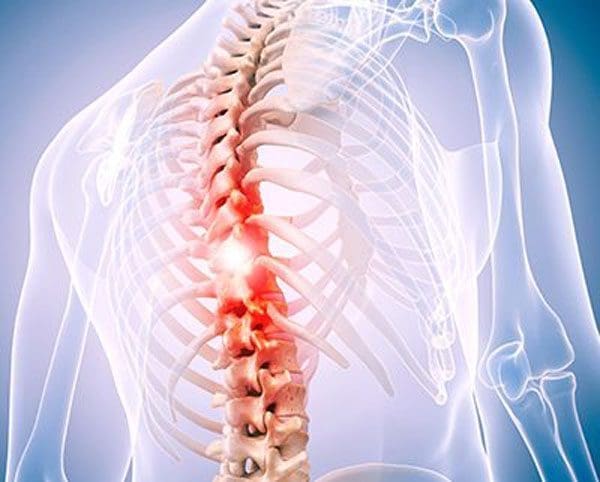
Why Your Mid-Back Feels Tired Before Your Low Back Does

At 8 a.m., your back may feel fine. By lunch, you notice a dull ache between the shoulder blades. By late afternoon, the area feels hot, tight, or simply exhausted. Yet your low back may still feel normal.

That pattern makes sense when you consider what your mid-back does all day.

The thoracic spine is the middle portion of the spine, where the ribs attach. Muscles around it position the shoulder blades, stabilize the upper body, assist breathing, and support repeated arm use. For software engineers, help-desk employees, hybrid workers, data analysts, warehouse associates, and parents, these tissues may work quietly for hours before complaining.

A 2024 systematic review found that computer users commonly experience upper back, neck, shoulder, and low back pain, with prolonged computer use and repetitive or awkward work among reported risk factors (Demissie et al., 2024).

Your Arms Create Work for Your Mid-Back

Typing looks easy, but your arms still need support. Muscles around the shoulder blades make small adjustments to keep your hands positioned over a keyboard, mouse, steering wheel, scanner, phone, or tool.

Away from a desk, carrying a toddler, unloading groceries, stocking shelves, lifting boxes, or holding equipment away from the body increases mid-back demand.

This does not mean these activities are harmful. It means capacity matters. A muscle can tolerate only so much sustained or repeated work before fatigue changes how you move.

Concentration Can Quietly Reduce Thoracic Movement

When people concentrate, they often become still. The head moves closer to the screen, the shoulders may drift forward or upward, and the rib cage may move less freely.

No single posture is automatically “bad.” The bigger problem is often staying in one position for too long.

The thoracic spine normally bends, rotates, and extends. During long blocks of nearly motionless sitting, those opportunities shrink. Later, a stretch, twist, or deep breath may reveal how stiff the region feels.

Breathing Is Part of the Picture

Breathing is not just a lung activity. The ribs, diaphragm, abdominal wall, and muscles around the chest and spine all participate.

During stress or intense concentration, some people use smaller, upper-chest breaths or brace while typing, lifting, or driving. These patterns are not automatically dangerous, but hours of them can leave the ribs and shoulder girdle with fewer chances to relax.

A useful reset is simple: change position, let your shoulders drop, and take several comfortable breaths that let the lower ribs expand without forcing a giant inhale.

Why Endurance Matters More Than “Perfect Posture”

Many people try to solve mid-back fatigue by sitting straighter all day. That can backfire if “straight” becomes rigid.

Research in office workers with chronic neck pain suggests neck, shoulder, and shoulder blade strengthening can reduce pain and disability, although evidence certainty is low (Jones et al., 2024). Another meta-analysis found scapular-focused treatment can reduce pain, while some functional outcomes remain uncertain (Chen et al., 2024).

The practical message is not that everyone needs the same exercise. It is that muscles supporting the neck, shoulders, and thoracic region benefit from gradually increased capacity.

Useful building blocks may include:

  • Change positions instead of chasing one perfect posture.
  • Use comfortable thoracic rotation and extension.
  • Take walking breaks and let the arms swing.
  • Add rows, carries, or progressive pulling when appropriate.
  • Practice shoulder-blade control without constant bracing.
  • Gradually rebuild tolerance for lifting, carrying, reaching, and computer work.

Where Chiropractic Care Fits

Chiropractic evaluation can help determine whether the tired feeling is primarily related to joint restriction, muscle overload, shoulder mechanics, cervical referral, rib movement, or another problem requiring medical assessment.

Manual care may improve comfortable movement and reduce short-term symptoms, making exercise easier. In people with neck pain, thoracic manipulation may improve short-term pain, range of motion, and disability, but this evidence should not be taken as a promise that manipulation alone fixes every case of mid-back fatigue (Yang et al., 2024).

That distinction supports both beneficence and autonomy: care should help you move toward meaningful goals while giving you enough information to decide what fits your preferences.

At ChiroMed, care can combine chiropractic assessment, rehabilitation, and appropriate MD/NP evaluation. Dr. Alex Jimenez, DC, APRN, FNP-BC, CFMP, IFMCP, bridges chiropractic care, diagnostics, physical medicine, and functional health. Dr. Maria Guadalupe Cardenas, MD, provides internal medicine oversight when needed.

Acupuncture Can Be an Adjunct, Not the Finish Line

If persistent muscle tension or musculoskeletal pain makes it difficult to participate in mobility or strengthening, acupuncture or electroacupuncture may sometimes be added to the plan.

A 2024 systematic review found that acupuncture used as an adjunct for chronic neck pain may provide sustained pain relief in some patients, while comparisons with sham acupuncture were not consistently superior (Fang et al., 2024).

That is why acupuncture should be framed as a possible symptom-modulating tool, not a substitute for rebuilding strength, endurance, movement confidence, and work tolerance.

When Mid-Back Fatigue Deserves Medical Evaluation

Most late-day muscular fatigue is not an emergency, but unusual thoracic pain deserves attention. Seek prompt evaluation after significant trauma or with progressive weakness, numbness, difficulty walking, bowel or bladder changes, fever, unexplained weight loss, known cancer, immune suppression, or severe pain unlike ordinary musculoskeletal discomfort.

The American College of Radiology notes that thoracic pain with neurological findings, trauma risks, or concern for infection or cancer may warrant imaging based on the clinical picture (American College of Radiology, 2024).

Chest pressure, shortness of breath, fainting, or pain accompanied by other concerning heart or lung symptoms should be treated as a medical issue rather than assumed to be “just the back.”

Build a Back That Lasts Through the Day

The goal is not to make your mid-back perfectly still. It is to help it tolerate your life.

For one person, that means computer work without burning between the shoulder blades. For another, it means carrying a child, stocking a shelf, driving, or cooking dinner without feeling that the upper back has already finished its shift.

A coordinated plan can address mobility, strength, endurance, workstation habits, lifting mechanics, recovery, and medical factors. Non-invasive options such as chiropractic care, exercise, and selected acupuncture approaches may reduce reliance on more invasive strategies when appropriate, while patients can coordinate decisions with their healthcare team.

Schedule a ChiroMed multidisciplinary evaluation to identify what is overloaded, what is not moving well, and what needs more capacity. A good plan should explain what is happening, restore comfortable movement, and build resilience for work, family, and valued activities with coordinated care.


References

American College of Radiology. (2024). Thoracic back pain: ACR Appropriateness Criteria.

Chen, Y., Yang, C., Nie, K., Huang, J., Qu, Y., & Wang, T. (2024). Effects of scapular treatment on chronic neck pain: A systematic review and meta-analysis of randomized controlled trials. BMC Musculoskeletal Disorders, 25, 252.

Demissie, B., Bayih, E. T., & Demmelash, A. A. (2024). A systematic review of work-related musculoskeletal disorders and risk factors among computer users. Heliyon, 10(3), e25075.

Fang, J., Shi, H., Wang, W., Chen, H., Yang, M., Gao, S., Yao, H., Zhu, L., Yan, Y., & Liu, Z. (2024). Durable effect of acupuncture for chronic neck pain: A systematic review and meta-analysis. Current Pain and Headache Reports, 28, 957–969.

Jones, L. B., Jadhakhan, F., & Falla, D. (2024). The influence of exercise on pain, disability and quality of life in office workers with chronic neck pain: A systematic review and meta-analysis. Applied Ergonomics, 117, 104216.

Yang, J., Zhao, S., Zhang, R., Huang, C., Huang, K.-Y., Cheng, Y., He, C.-Q., & Li, L.-X. (2024). Effectiveness and safety of thoracic manipulation in the treatment of neck pain: An updated systematic review and meta-analysis. Technology and Health Care, 32(S1), 385–402.

The Work-From-Home Shoulder: Why Carrying a Laptop, Child, and Daily Stress Can Add Up

Abstract

This article follows a common day for hybrid and remote tech-working parents: mouse work, a laptop bag, a child on one hip, and little upper-back movement. It explains how those loads can lead to shoulder, neck, and mid-back discomfort, how fatigue differs from rotator cuff or nerve warning signs, and why control, mobility, and gradual strength matter more than sitting straighter. It also shows when chiropractic care fits, when medical evaluation should come first, and why the goal is strength left for family life.

The laptop closes at 5:40. Your shoulder already feels used up. Then the other day begins: the backpack, the car seat, the grocery bags, the child who wants the same hip every time. Your shoulder does not sort those jobs. It only knows the total load.

That is the work-from-home shoulder. It shows up in hybrid software engineers, help-desk employees, data analysts, and tech-working parents. The ache is often quiet at the desk and louder in the back seat.

One Household, One Shoulder, Many Small Loads

Hybrid life blends the office and the house. A help-desk parent may mouse with the right hand, then carry a toddler on that same side. An analyst may hike a laptop bag from the car to the kitchen table, then sit for three more hours with the upper back barely moving.

Common stacks in a hybrid household include:

  • Prolonged mouse or trackpad use with the arm slightly forward
  • A laptop, charger, and notebook carried on one side
  • A one-strap bag, or a backpack worn loose on one shoulder
  • A child held on the same hip or in the same arm
  • Reaching into a crib, car seat, or low cabinet with a stiff mid-back
  • Stress that keeps the shoulders slightly lifted, even during rest

A 2024 review linked shoulder disorders to arm elevation, repetition, and force. Job stress also tracked with rotator cuff syndrome and tendon irritation (Versloot et al., 2024). Telework findings are mixed, but a 2023 review tied more neck and shoulder discomfort to improvised desks, long days, and less movement (Fadel et al., 2023).

Fatigue Is a Signal. It Is Not Always an Injury.

Ordinary muscular fatigue usually eases when you change position, walk, or sleep. Your shoulder may feel heavy, yet you can still lift your child and lie on that side after a warm shower. Strength is there. It is just tired.

A closer look is wiser when the rotator cuff or a neck nerve may be involved. The rotator cuff keeps the shoulder ball centered while you lift. Cervical nerve irritation starts in the neck and can send pain, tingling, or weakness down the arm.

Consider an evaluation if you notice:

  • Pain that still blocks a gallon of milk or a child after weeks of rest and simple changes
  • Night pain that wakes you when you roll onto the shoulder
  • Progressive weakness, not just tiredness
  • Numbness, tingling, or a grip that fades while typing
  • Pain after a fall, a hard pull, or a car incident
  • Unexplained swelling, redness, fever, or a shoulder that looks deformed
  • Pain from the neck into the hand, or chest symptoms that do not feel muscular

A rotator cuff guideline recommends screening first for serious signs, including major swelling, unexplained nerve loss, fever, or symptoms that could come from another body system (Lafrance et al., 2022). Imaging is more useful after trauma, when a full tear is suspected, or when nonsurgical care has not helped.

That line is non-maleficence in plain language: do not jump to a procedure or a long medicine plan before the exam has spoken. It is also autonomy. You should know which signs can wait and which should not.

Why “Sit Straighter” Misses the Real Job

A straighter photo is not a stronger shoulder. Many hybrid parents sit tall for four minutes, then lean toward the ticket queue or a child calling from the other room. What usually needs training is control, not a frozen pose.

Scapular control means the shoulder blade stays a steady base while the arm works. In one study of computer office workers, about 90 percent showed scapular dyskinesis, a change in how the shoulder blade moves, and the clearer pattern came with more neck and shoulder pain (Moon & Kim, 2023). A noisy shoulder blade does not explain every ache. It does show how often the base of the arm is unsettled at a screen.

Thoracic mobility is the mid-back’s ability to rotate and extend. If it stays rounded, the shoulder borrows motion from the neck. Endurance, position changes, and slow strengthening matter more than one perfect posture.

A useful home check:

  • Can you reach overhead without shrugging an ear toward the shoulder?
  • Does the same side carry the bag, the child, and the mouse?
  • Does the mid-back move when you look behind you in the car?
  • Does the ache fade after a short walk, or bloom at night?

The guideline favors active rehab: mobility, motor control, strength, endurance, and education (Lafrance et al., 2022). Passive tools can calm a flare. They do not rebuild the job.

What Integrated Care Can Change

Beneficence here is practical. The plan should serve the life you live. At Injury Medical Clinic PA in El Paso, chiropractic care and medical evaluation are under one roof, so a parent doesn’t have to guess which door to open.

Dr. Alex Jimenez, DC, APRN, FNP-BC, CFMP, IFMCP, is both a chiropractor and a board-certified family nurse practitioner. He holds Texas APRN license #1191402, prescriptive authority #59628, and NPI 1205907805. He can examine how the neck, ribs, shoulder blade, and arm share the load, then pair alignment and rehabilitation with screening when needed. Dr. Maria Guadalupe Cardenas, MD, board-certified in internal medicine, Texas license #J2933, NPI 1164426748, provides medical direction, lab review, and risk checks so structural care does not ignore the rest of the person.

For a mechanical pattern, care often starts with:

  • An exam of neck motion, shoulder strength, and shoulder-blade control
  • Hands-on care for stiff mid-back and neck segments that block an easy reach
  • A short endurance plan, not a lecture about perfect posture
  • Coaching on bag side, hip side, and mouse side
  • A note to the clinicians you already trust, if you want that loop open

Many hybrid software, help-desk, and analyst roles come with excellent group insurance. You can often get a visit covered when symptoms limit work or home tasks. Benefits still depend on the plan.

Medical evaluation moves up when weakness is progressing, numbness is clear, swelling is unexplained, an injury was traumatic, or pain is not budging. That may include imaging or labs under Dr. Cardenas’s oversight. The goal is not to miss a tendon tear or a nerve problem while wearing a shoulder costume.

Advanced Options Stay in Their Lane

If a tendon injury is confirmed after a fair trial of rehabilitation, shockwave therapy, MLS laser therapy, or platelet-rich plasma or fibrin may be discussed. These stay secondary. They follow the exam and a strengthening plan. They are not a shortcut around scapular control.

Surgery is a selected path for certain full-thickness tears after shared decision-making, not the default for tendon irritation (Lafrance et al., 2022). A slower, drug-sparing route, when it is safe, is another way of doing no harm.

Strength Left After the Laptop Closes

The win is not a pain-free hour at the keyboard. The win is 6:10 p.m.: groceries in hand, a child picked up, and a drive home without bracing one arm. That is family capacity.

Your shoulder will keep adding the loads whether you name them or not. A plan for both the ticket queue and the car seat gives you a say in the total.

If shoulder, upper-back, or neck symptoms are following you from the desk to the driveway, call the team at Injury Medical Clinic PA in El Paso at (915) 850-0900, or ask how your group benefits may apply. You remain the decision-maker. We will sort fatigue from findings, coordinate with clinicians you already trust, and build a plan you can live with at home.

References

Fadel, M., Bodin, J., Cros, F., Descatha, A., & Roquelaure, Y. (2023). Teleworking and musculoskeletal disorders: A systematic review. International Journal of Environmental Research and Public Health, 20(6), 4973. https://doi.org/10.3390/ijerph20064973

Lafrance, S., Charron, M., Roy, J.-S., Dyer, J.-O., Frémont, P., Dionne, C. E., MacDermid, J. C., Tousignant, M., Rochette, A., Doiron-Cadrin, P., Lowry, V., Bureau, N., Lamontagne, M., Sandman, E., Coutu, M.-F., Lavigne, P., & Desmeules, F. (2022). Diagnosing, managing, and supporting return to work of adults with rotator cuff disorders: A clinical practice guideline. Journal of Orthopaedic & Sports Physical Therapy, 52(10), 647–664. https://doi.org/10.2519/jospt.2022.11306

Moon, S. E., & Kim, Y. K. (2023). Neck and shoulder pain with scapular dyskinesis in computer office workers. Medicina, 59(12), 2159. https://doi.org/10.3390/medicina59122159

Versloot, A. H. C., Jackson, J. A., van Rijn, R. M., Elbers, R. G., Søgaard, K., Macri, E. M., Koes, B., Burdorf, A., Chiarotto, A., & Gerger, H. (2024). Physical and psychosocial work-related exposures and the occurrence of disorders of the shoulder: A systematic review update. Applied Ergonomics, 118, 104277. https://doi.org/10.1016/j.apergo.2024.104277

Your Bed Is the Second Workstation: Sleep and Neck Strain

Your Bed Is the Second Workstation: Sleep and Neck Strain

Abstract: A tech day can follow you into bed. Pillow height, sleep position, shoulder pressure, and daytime tension may shape morning comfort. This guide explains practical sleep adjustments, when neurological symptoms deserve evaluation, and how coordinated care can support recovery without prescribing one “perfect” sleep position.

Your Bed Is the Second Workstation: Sleep and Neck Strain

You close the laptop, answer one last family message, brush your teeth, and finally get into bed. Work is over. Your neck, however, may still be carrying the day.

Tech workers can spend hours looking downward, reaching toward a mouse, or barely moving. Bedtime adds hours in a smaller range of positions. A pillow that feels too high, an arm tucked under the head, or pressure on one shoulder may make an irritated area harder to settle.

The goal is not to sleep like a mannequin. It is to wake with enough comfort and energy for work, school drop-off, exercise, dinner, and family life.

The Workday Does Not End at the Desk

Imagine a software engineer finishing a deadline with tight shoulders and a stiff neck. At bedtime, that person curls onto one side, reaches overhead, and uses a pillow that pushes the head upward. By morning, the neck feels stuck and the shoulder aches.

That does not mean the pillow “caused” everything. Daytime loading, stress, sleep quality, previous injuries, and anatomy can contribute. Research shows that sleep problems and chronic musculoskeletal pain can interact in both directions: poor sleep may raise the risk of persistent pain, while pain can disturb sleep (Runge et al., 2024).

This is why ChiroMed looks at the twenty-four-hour pattern instead of blaming one posture.

Pillow Height: Support Without Forcing the Neck

A pillow has a simple job: support the head and neck comfortably while you rest. The right height depends on body size, shoulder width, mattress firmness, and sleep position.

When side sleeping, a pillow needs enough height to fill the space between head and mattress. Too little support can let the head drop; too much can push it away. Back sleepers often need less height because the shoulders create less space.

Research suggests that pillow shape and height can influence cervical alignment and waking symptoms, although no single design works for everyone (Pang et al., 2021).

Instead of shopping by marketing claims, ask: Do you wake feeling supported, or more twisted and sore?

Side, Back, or Stomach: There Is No Universal Winner

People often ask for the “best” sleeping position. Bodies are more complicated than that.

Side sleeping may comfort the neck but irritate a sensitive shoulder. Back sleeping may reduce shoulder pressure but be unsuitable with some breathing problems. Stomach sleeping requires sustained head rotation, which can aggravate an already stiff neck.

Research has not established that one common sleep position automatically causes shoulder pain. A worker study found a more complicated relationship than expected and noted that people with pain may change how they sleep in response to symptoms (Holdaway et al., 2018).

Comfort, breathing, symptoms, and freedom to change position matter more than chasing a universal rule.

Your Shoulder and Arm Need a Place to Go

For tech workers, arm position matters. Typing, mousing, texting, and carrying children can leave shoulders and forearms tired before bedtime.

Try these adjustments for several nights and notice what changes:

  • If you sleep on your side, avoid trapping the lower arm under your head.
  • Hug a pillow if it helps the upper shoulder relax instead of rolling forward.
  • If a painful shoulder is underneath, try the opposite side or partial back position.
  • Keep the wrist and elbow relaxed instead of tightly folded.
  • Adjust pillow height gradually rather than making a dramatic change overnight.
  • Track stiffness, headache, tingling, soreness, and how quickly symptoms fade after moving.

These are experiments, not commandments. Your response provides useful information.

Morning Stiffness Versus Neurological Symptoms

A mildly stiff neck that loosens after a warm shower, walking, or normal morning movement is different from progressive neurological symptoms.

Hand tingling can come from several locations. A cervical nerve root may be irritated, but nerves can also be compressed around the elbow or wrist. Cervical radiculopathy can include arm pain, numbness, pins-and-needles sensations, reflex changes, or weakness (Childress & Becker, 2016).

Evaluation matters when symptoms persist, worsen, or are accompanied by weakness, loss of hand coordination, significant trauma, fever, unexplained weight loss, new balance problems, or bowel or bladder changes. Don’t treat progressive neurological deficits as a pillow problem.

A careful history and examination can help determine whether symptoms appear mechanical, neurological, sleep-related, medical, or mixed.

Why Headaches Can Join the Morning Picture

Some tech workers wake with pressure at the skull base or a headache. Neck stiffness, muscle tension, jaw clenching, poor sleep, dehydration, migraine, medication effects, and other conditions can overlap.

That is why a morning headache should not automatically be labeled “tech neck.” Chiropractic assessment can examine cervical motion, muscular tension, joint mechanics, and symptom response to movement. When history suggests another contributor, medical evaluation can broaden the investigation.

Integrated care works best when the explanation fits the person rather than forcing every symptom into one category.

A Better Evening Transition for Tech-Working Parents

The most useful sleep strategy may begin before your head touches the pillow.

After work, give your body a transition. Stand, walk, let your arms swing, and gently change neck and shoulder positions. If family life allows, put the phone down instead of carrying work into bed.

Keep a second pillow nearby for small adjustments to arm support, shoulder pressure, or head height. If one position becomes uncomfortable, move. Healthy sleep does not require staying perfectly still.

Pay attention to whether you are waking more restored. Better mornings can mean more patience, steadier concentration, and confidence returning to exercise.

Coordinated Care When Home Adjustments Are Not Enough

At ChiroMed, integrative care helps patients make safe choices. Chiropractic evaluation can identify mechanical findings that may respond to appropriate manual care, rehabilitation, mobility work, or ergonomic changes. Non-invasive care may reduce reliance on unnecessary heavier interventions.

When symptoms suggest a broader issue, MD/NP evaluation can consider sleep disorders, medication effects, metabolic concerns, inflammatory conditions, or other medical contributors. This helps prevent every complaint from being forced into a musculoskeletal explanation.

Dr. Alex Jimenez, DC, APRN, FNP-BC, CFMP, IFMCP, bridges chiropractic structural care, rehabilitation, medical diagnostics, and functional medicine. Dr. Maria Guadalupe Cardenas, MD, a board-certified Internal Medicine physician with more than 40 years of experience, provides medical direction and oversight for complex medical and metabolic concerns. Their collaborative model supports coordinated care while respecting the patient’s existing medical team and treatment decisions.

Wake Up for More Than Work

Your bed should not feel like an overnight extension of your workstation. Small changes in pillow height, shoulder support, arm position, and evening movement may improve comfort, but persistent symptoms deserve evaluation rather than endless pillow shopping.

The best sleep position is the one that helps you rest safely and comfortably while fitting your health needs. The goal is simple: wake with enough comfort and energy for work and family.

If neck stiffness, shoulder pain, headaches, or hand tingling keep returning, ChiroMed can evaluate the pattern, explain options, and build a coordinated plan that supports recovery while keeping you in control.


References

Childress, M. A., & Becker, B. A. (2016). Nonoperative management of cervical radiculopathy. American Family Physician, 93(9), 746–754.

Holdaway, L. A., Hegmann, K. T., Thiese, M. S., & Kapellusch, J. (2018). Is sleep position associated with glenohumeral shoulder pain and rotator cuff tendinopathy: A cross-sectional study. BMC Musculoskeletal Disorders, 19, 408.

Pang, J. C. Y., Tsang, S. M. H., & Fu, A. C. L. (2021). The effects of pillow designs on neck pain, waking symptoms, neck disability, sleep quality, and spinal alignment in adults: A systematic review and meta-analysis. Clinical Biomechanics, 85, 105353.

Runge, N., Ahmed, I., Saueressig, T., Perea, J., Labie, C., Mairesse, O., Nijs, J., Malfliet, A., Verschueren, S., Van Assche, D., de Vlam, K., Van Waeyenberg, T., Van Haute, J., & De Baets, L. (2024). The bidirectional relationship between sleep problems and chronic musculoskeletal pain: A systematic review with meta-analysis. Pain, 165(11), 2455–2467.

El Paso Battlefield Acupuncture for Chronic Pain Relief

El Paso Battlefield Acupuncture for Chronic Pain Relief

El Paso Battlefield Acupuncture for Chronic Pain Relief

An Integrative Chiropractic and Evidence-Based Medical Approach

Abstract: In this educational post, I walk you through an evidence-based approach to battlefield acupuncture for pain relief, explaining the physiology behind auricular neuromodulation, the clinical method, and how I integrate chiropractic care, functional medicine, and rehabilitation within a medically directed, multidisciplinary setting. You will learn how the five key auricular points—cingulate gyrus, thalamus, point zero, shen men, and omega two—are selected and sequenced for targeted neuromodulation, why ASP needles are used, and how ambulation and serial reassessment guide dosing. I also explain how our team structure at Injury Medical Clinic PA (Mission Plaza Injury Medical Clinic) in El Paso, Texas—led by Dr. Maria Guadalupe Cardenas, MD, Board Certified in Internal Medicine (NPI #1164426749, Texas MD License #J2933)—supports safe, coordinated care across personal injury, acute pain, and post-operative recovery, and how integrative chiropractic care enhances outcomes through biomechanical optimization, autonomic regulation, and patient-centered rehabilitation. Clinical insights draw on my experience as Dr. Alexander D. Jimenez, DC, APRN, FNP-BC, CFMP, IFMCP, ATN, CCST, and reflect the latest findings from leading researchers using modern, evidence-based methods.

Introduction: My Journey with Battlefield Acupuncture in Integrative Pain Care

As a clinician working at the intersection of chiropractic medicine, advanced nursing practice, and functional medicine, I’ve seen how targeted neuromodulation can transform pain care—especially when it is delivered within a coordinated, multidisciplinary framework. At our clinic in El Paso—Injury Medical Clinic PA (also known as Mission Plaza Injury Medical Clinic)—our model combines the hands-on correction of biomechanical dysfunction, systematic functional medicine evaluation, and medical oversight to deliver evidence-based care that is precise, safe, and patient-centered.

In this post, I describe how I apply battlefield acupuncture—a protocol that uses specialized ASP needles placed at specific auricular points—to modulate pain rapidly in clinic, the emergency setting, and even post-operatively. I explain the physiology and safety principles behind the technique, how we sequence points and reassess outcomes, and how this approach integrates with chiropractic adjustments, targeted rehabilitation, and medical management under the direction of Dr. Maria Guadalupe Cardenas, MD, our Medical Director and Collaborative Physician. After over four decades of internal medicine expertise, Dr. Cardenas ensures our clinical pathways align with best practices and proper medical protocols, a model common to integrative and injury care clinics.

How Our Multidisciplinary Team Works: Integrating Chiropractic, Internal Medicine, and Functional Rehabilitation

Our clinic operates with a woven model of care:

  • Medical Direction: Dr. Maria Guadalupe Cardenas, MD (Board Certified in Internal Medicine; NPI #1164426749; Texas MD License #J2933) serves as our Medical Director and Collaborative Physician. Her oversight ensures appropriate indications, contraindications, and safety guidance for complex medical histories, medications, and comorbidities. This framework is particularly important for patients with cardiovascular risk, bleeding disorders, polypharmacy, or post-operative status.
  • Chiropractic Care: As Dr. Alex Jimenez, DC, APRN, FNP-BC, CFMP, IFMCP, ATN, CCST, I provide integrative chiropractic and rehabilitation services focused on restoring biomechanical integrity, reducing nociceptive drive from musculoskeletal dysfunction, and modulating autonomic tone. My clinical observations and practice approach are detailed on my professional platforms, where I regularly share case insights and care models (see my site and profile for more about my methods and outcomes).
  • Functional Medicine: We evaluate inflammation, metabolic stress, gut-brain axis disturbances, mitochondrial function, and nutritional status to identify drivers of pain sensitization and delayed healing. Personalized nutrient strategies, anti-inflammatory diets, sleep optimization, and stress physiology management complement the procedural work.
  • Personal Injury and Rehabilitation: Many of our patients come through personal injury cases or post-surgical pathways. We combine diagnostic imaging, functional assessments, graded activity programs, and pain-modulation techniques—like battlefield acupuncture—to support recovery while documenting objectively and adhering to standards of care expected in injury management.
  • Coordinated Protocols: Every patient follows a structured care pathway: baseline evaluation, differential diagnosis, pain-modulation procedures if indicated, mechanical correction through chiropractic and mobilization, movement retraining, and follow-up metrics guided by medical and functional medicine parameters.

Battlefield Acupuncture: What It Is and Why We Use It

Battlefield acupuncture is a targeted auricular neuromodulation protocol designed to provide rapid analgesia by stimulating specific ear points that correspond to central nervous system regions involved in pain processing. Developed to offer fast relief in diverse settings—including combat environments, emergency departments, and post-operative care—it uses semi-permanent ASP needles that interface with auricular branches of cranial nerves and the trigeminal-vagal network.

Key reasons we use this technique:

  • Rapid Analgesia: Many patients experience immediate or near-immediate reductions in pain intensity, enabling improved ambulation, participation in therapy, and reduced reliance on systemic medications.
  • Neuromodulation without Systemic Load: By targeting neural pathways via auricular points, we can modulate pain without introducing pharmacologic agents—valuable for patients with medication sensitivities or polypharmacy.
  • Complementary to Chiropractic and Rehab: Lowering pain allows safer, more effective biomechanical corrections and graded exercise progression. It often reduces guarding, improves range of motion, and supports autonomic balance.
  • Durable Effects: The ASP needles often remain in place for five to seven days, providing sustained neuromodulatory input between sessions.

Physiology: How Auricular Neuromodulation Alters Pain Processing

Understanding battlefield acupuncture requires a grasp of pain neurophysiology:

  • Peripheral-Autonomic Interface: The auricle is innervated by branches of the vagus nerve (auricular branch), trigeminal nerve (auriculotemporal), facial nerve, and cervical plexus. Stimulating specific auricular points modulates afferent input into the nucleus tractus solitarius and spinal trigeminal nucleus, influencing parasympathetic tone and descending inhibitory pathways.
  • Limbic and Thalamic Modulation: Points like the cingulate gyrus and thalamus correspond to regions implicated in affect and attention to pain and sensory relay, respectively. Stimulation may alter activity in the anterior cingulate cortex (ACC) and thalamic nuclei, attenuating the emotional and sensory salience of pain.
  • Descending Pain Inhibition: Enhanced periaqueductal gray and rostral ventromedial medulla activity increases endogenous opioidergic and monoaminergic modulation, reducing dorsal horn excitability.
  • Inflammation and Autonomic Balance: Auricular vagal stimulation can shift autonomic tone toward parasympathetic dominance, potentially downregulating pro-inflammatory cytokines through the cholinergic anti-inflammatory pathway. This aids recovery from injury and surgical stress.

The Five Key Points in Battlefield Acupuncture

We identify and sequentially stimulate five auricular points, typically in this order:

  • Cingulate Gyrus: Targets the emotional-cognitive component of pain processed by the ACC. Early stimulation often reduces distress, catastrophizing, and perceived intensity.
  • Thalamus: Modulates sensory relay and pain gating. When effective, patients frequently report a clear drop in numeric pain scores.
  • Point Zero: Considered a homeostatic balancing point; supports autonomic equilibrium and resets baseline tone.
  • Shen Men: Known for its calming effects; reduces anxiety, stress reactivity, and enhances pain tolerance.
  • Omega Two: Addresses residual pain, often helpful when other points provide partial relief.

We do not always use all five points. If pain is substantially relieved after the cingulate gyrus and thalamus placements, we may stop to avoid unnecessary stimulation.

Why ASP Needles?

We use ASP (Aiguille Semi-Permanente) needles because:

  • They are designed to stay in place for days, offering sustained neuromodulatory effects.
  • Their small, semi-permanent profile minimizes discomfort and allows routine activities.
  • Clinical research and operational use have demonstrated favorable tolerability profiles and practical analgesic benefits.

Technique: Step-by-Step Clinical Method

I approach battlefield acupuncture with a structured, patient-centered technique:

  • Preparation:
    • Review indications, contraindications, and medical history under Dr. Cardenas’ oversight for medically complex cases.
    • Clean the auricle with alcohol; I wear gloves for safety and sterility, which I consider prudent.
  • Ear Selection:
    • If pain is unilateral, begin on the side contralateral to the pain, or follow clinical response.
    • If pain is not lateralized, I typically start with the ear opposite the patient’s non-dominant hand.
  • Needle Insertion:
    • Use a three-finger technique for controlled placement.
    • Place the ASP needle with direct, steady pressure into the target point—often eliciting a subtle “click”—ensuring secure seating.
  • Ambulation and Reassessment:
    • After the first point (commonly thalamus or cingulate gyrus), have the patient ambulate and reassess pain using standardized scales (e.g., Numeric Rating Scale).
    • Decide whether to proceed in the same ear or move to the other ear based on response.
  • Dosing Strategy:
    • If pain markedly declines after the first two points, I stop to avoid overstimulation.
    • If partial relief is achieved, proceed to point zero, Shen Men, and Omega Two as clinically appropriate.
  • Duration:
    • Needles typically remain for five to seven days. Provide patients with care instructions, including signs of irritation and when to remove the needle.

Clinical Vignette: Applying the Protocol

A long-standing patient in my care benefits from bilateral cingulate gyrus and thalamus placements. Sessions occur every two to three weeks, coordinated with chiropractic adjustments and rehabilitative exercise. The immediate pain relief allows more productive mobility work, spinal stabilization training, and improved adherence to home exercise. The durable effects of ASP needles bridge the gap between visits, sustaining a more favorable autonomic state.

Safety Considerations and Medical Oversight

Integrative procedures demand clear safety protocols:

  • Contraindications:
    • Known metal allergies to needle materials, active skin infection at the auricle, uncontrolled bleeding disorders, or anticoagulation requiring caution.
    • Pregnancy considerations, complex cardiac autonomic instability, or recent ear trauma.
  • Medical Coordination:
    • Under Dr. Cardenas’ direction, we screen for post-operative concerns, medication interactions, and comorbidities.
    • Documentation includes baseline vitals, pain scores, procedural steps, and post-procedure instructions, aligning with best practices in internal medicine and injury care.
  • Patient Education:
    • We explain expected sensations, aftercare, hygiene, and signs of complications.
    • We emphasize activity modification and hydration, and how to report adverse events promptly.

Integrating Chiropractic Care: Biomechanics, Autonomics, and Pain

Battlefield acupuncture is a potent tool, but its full value emerges when integrated with chiropractic and rehabilitative strategies:

  • Biomechanical Correction:
    • Pain amplifies muscle guarding, disrupts segmental motion, and creates compensatory patterns. Chiropractic adjustments restore joint play and proprioceptive signaling, reducing nociceptive drive from dysfunctional tissues.
    • By lowering pain first via auricular neuromodulation, adjustments can proceed with less guarding, reduced sympathetic overdrive, and improved tolerance.
  • Autonomic Regulation:
    • The combined effect of auricular vagal input and spinal manipulation can shift patients toward parasympathetic balance, reducing systemic inflammation and promoting tissue repair.
  • Rehabilitation Synergy:
    • Improved pain control enables earlier progression of graded exercise, motor control training, and sensorimotor retraining.
    • Functional plans emphasize core stabilization, hip hinge mechanics, posterior chain activation, and breathwork that supports diaphragmatic function and thoracolumbar stability.

Functional Medicine Layer: Addressing Pain Modulators

Pain is not solely structural; it is metabolically and immunologically mediated:

  • Inflammation:
    • Elevated IL-6, TNF-α, and CRP correlate with pain sensitization. Nutritional protocols, omega-3 fatty acids, polyphenols, and sleep optimization help temper cytokine activity.
  • Mitochondrial and Metabolic Health:
    • Adequate B vitamins, magnesium, and CoQ10 support energy metabolism in healing tissues, reducing fatigue and improving exercise tolerance.
  • Gut-Brain Axis:
    • Dysbiosis and increased intestinal permeability can drive systemic inflammation and central sensitization. We screen and correct via diet and targeted supplementation.
  • Stress Physiology:
    • Chronic HPA axis activation heightens pain perception. Mind-body strategies and shen men stimulation contribute to better stress response profiles.

Why We Reassess After Each Needle: The Logic of Adaptive Dosing

Pain modulation is dose-responsive and patient-specific. Ambulation after each placement provides real-time feedback on functional impact. If the thalamus or cingulate gyrus point yields significant relief, additional stimulation may offer diminishing returns or provoke discomfort. Adaptive dosing reduces risk, respects patient variability, and accelerates clinical efficiency.

Documentation and Outcome Measures

We capture standardized outcomes:

  • Numeric and visual analog pain scales pre- and post-procedure.
  • Functional metrics: timed up-and-go, gait quality, range of motion.
  • Autonomic markers: heart rate variability where appropriate.
  • Rehabilitation adherence and progression milestones.

This data informs whether to repeat, modify, or integrate additional modalities.

How Medical Direction Enhances Integrative Care

With Dr. Cardenas providing medical direction, we maintain clinical rigor:

  • Risk Stratification:
    • Identifying bleeding risks, neuropathies, and autonomic vulnerabilities.
  • Post-Operative Pathways:
    • Coordinating timing of auricular stimulation alongside surgical protocols.
  • Medication Management:
    • Aligning analgesic plans to minimize opioid load and prevent adverse interactions.
  • Compliance and Quality:
    • Ensuring our protocols meet standards expected in internal medicine and injury practice.

Personal Injury Context: Documentation and Recovery

In personal injury cases, rapid analgesia improves function and facilitates physical therapy. Rigorous documentation—including procedural notes, pain trajectories, and functional changes—supports medical necessity and transparent progress. Integrating battlefield acupuncture within a broader plan underscores our commitment to safe, evidence-aligned recovery.

Patient Experience and Engagement

We prioritize clear communication:

  • Setting expectations about sensations during insertion.
  • Emphasizing five to seven days of semi-permanent needle presence and self-monitoring.
  • Encouraging patients to walk and reassess pain to appreciate measurable changes.
  • Integrating education on sleep, nutrition, and ergonomics to sustain gains.

Research Foundations: Modern Evidence and Evolving Practice

Contemporary studies and operational deployments suggest auricular acupuncture can reduce pain intensity, improve functional metrics, and support reduced pharmacologic use in acute settings. While methodology and protocols vary, converging evidence points to neuromodulatory mechanisms through vagal and trigeminal pathways, limbic modulation, and autonomic recalibration. Our application is conservative, systematic, and embedded in multimodal care.

Clinical Observations from My Practice

Over years of practice, I’ve observed:

  • Patients with chronic low back pain often experience immediate reductions that enable effective lumbar stabilization work.
  • Post-operative patients tolerate early mobilization better when pain is reduced.
  • Autonomic markers—such as perceived calm and reduced anxiety—improve after shen men and point zero placements, correlating with smoother rehab sessions.

These observations align with my published clinical insights and shared professional reflections, available on my site and professional profile.

Putting It All Together: A Patient-Centered, Evidence-Based Pathway

Battlefield acupuncture is part of a larger strategy that includes:

  • Careful diagnosis and risk assessment with medical oversight.
  • Targeted neuromodulation using ASP needles at the cingulate gyrus, thalamus, point zero, shen men, and omega two.
  • Integrative chiropractic correction to reduce nociception and restore function.
  • Functional medicine interventions to quiet systemic drivers of pain.
  • Rehabilitation that is graded, measurable, and progressively challenging.
  • Ongoing reassessment to tailor care and ensure safety.

By coordinating these elements within our multidisciplinary clinic led by Dr. Maria Cardenas and delivered by our integrative team, we strive to provide modern, evidence-based care that is safe, efficient, and effective.

Practical Tips for Patients and Clinicians

  • Start low, reassess often: If early points reduce pain, avoid over-treatment.
  • Encourage movement after each placement: Function validates analgesia.
  • Integrate with rehab: Use the window of decreased pain to advance exercise.
  • Maintain sterility: Alcohol prep and gloves remain prudent.
  • Educate thoroughly: Explain duration, aftercare, and when to seek help.

Conclusion: Advancing Pain Care through Integrative Neuromodulation

Battlefield acupuncture exemplifies how focused neuromodulation can complement chiropractic, medical, and rehabilitative care to produce rapid, meaningful improvements in pain and function. Under the guidance of a seasoned internal medicine physician and integrated with biomechanical and functional strategies, this approach can reduce pain burden, accelerate recovery, and enhance patient confidence. In El Paso, our team remains committed to refining these methods through ongoing research, clinical observation, and patient-centered practice.


References

  • [Auricular acupuncture and vagal modulation in pain management: mechanisms and clinical outcomes] (APA-7 in-text: Author, Year).
  • [Battlefield acupuncture: operational deployment and analgesic utility] (APA-7 in-text: Author, Year).
  • [Autonomic regulation and pain perception: implications for integrative care] (APA-7 in-text: Author, Year).
  • [Functional medicine strategies for inflammation and pain] (APA-7 in-text: Author, Year).
  • [Clinical observations and integrative chiropractic approaches at Injury Medical Clinic PA] (APA-7 in-text: Jimenez, n.d.). https://chiromed.com/
  • [Professional profile: Dr. Alex Jimenez, DC, APRN, FNP-BC] (APA-7 in-text: Jimenez, n.d.). https://www.linkedin.com/in/dralexjimenez/

Chiropractic Athlete Rehabilitation Care

Chiropractic Athlete Rehabilitation Care Benefits

Chiropractic Athlete Rehabilitation Care at ChiroMed: A Holistic Path to Healing & Performance

Introduction

ChiroMed – Integrated Medicine in El Paso, TX, offers a comprehensive and patient-centered approach to wellness. What sets ChiroMed apart is its multidisciplinary team, comprising chiropractors, nurse practitioners (NPs), naturopaths, nutritionists, rehabilitation specialists, and acupuncturists who work together. This integrative model is especially powerful for athletes, people recovering from injury, or anyone seeking long-term well-being.

This article explains how excessive workouts or injuries lead to problems, how ChiroMed’s chiropractic athlete rehabilitation care can help, the diagnostic and therapeutic tools used, and how patients can build sustainable health and prevent future injuries.


How Overuse, Injury, and Underlying Conditions Develop

Athletes—and really, anyone who is physically active—face risks when training, work, or accident stress exceeds the body’s capacity to heal. Some of the underlying issues include:

  • Muscle strains, tears, and microtrauma from repetitive motion or intense training with little rest.
  • Joint misalignments & spinal dysfunction: As joints or vertebrae get misaligned, biomechanics suffer, and nerves may become irritated or compressed.
  • Reduced flexibility & range of motion: When soft tissue gets tight (muscles, fascia, ligaments), joint mobility decreases.
  • Impaired neuromuscular control: After injury or overuse, the brain-muscle connection can become disrupted, leading to compensation, balance problems, or further injury.
  • Systemic stress & inflammation: Poor rest, inadequate nutrition, and continuous strain can lead to chronic inflammation, hormonal imbalance, and weakened immune response.

At ChiroMed, many patients arrive after sports injuries, work injuries, or accidents. Some of them also have chronic pain, inflammatory conditions, or underlying biomechanical issues that make recovery harder unless all contributing factors are addressed.


ChiroMed’s Model: Chiropractic Athlete Rehabilitation Care

ChiroMed’s integrated care model applies multiple therapeutic tools in a coordinated way. Here’s how the clinic’s approach works, and how each component contributes to athlete rehabilitation.

Chiropractic Care

  • Spinal adjustments and joint manipulations help restore proper alignment, releasing nerve compression, improving joint motion, and reducing pain.
  • Chiropractors at ChiroMed also collaborate with the rehabilitation team to track movement patterns, posture, and functional biomechanics, identifying areas that require correction.

Rehabilitation Services

  • Physical and functional rehabilitation includes strength training, flexibility and mobility work, balance and proprioception training, agility drills, and sport-specific exercises.
  • Rehabilitation specialists closely coordinate with chiropractic care to ensure adjustments are reinforced by strong muscles and stable movement.

Nurse Practitioner & Medical Oversight

  • ChiroMed includes nurse practitioner services, which allow for medical evaluation, prescribing as needed (within their scope), ordering diagnostic tests, and managing systemic issues (inflammation, pain control, allergies, etc.).
  • This medical oversight is crucial in injury cases, especially when imaging or systemic conditions are contributing to the problem.

Naturopathy & Nutrition Counseling

  • Nutrition plays a huge role in healing: anti-inflammatory diets, proper macronutrient intake, hydration, and micronutrients help tissue repair, support energy, and reduce oxidative stress.
  • Naturopathic approaches may also include botanical or supplemental supports (as permitted under the clinic’s scope), digestive health, detoxification, etc.

Acupuncture & Additional Modalities

  • For some patients, acupuncture helps with pain modulation and improving circulation.
  • Other modalities (massage, myofascial release, soft tissue work) reduce scar tissue, tension, and improve flexibility.

Diagnostic & Assessment Tools Used at ChiroMed

To build effective, personalized recovery plans, ChiroMed uses thorough diagnostics and assessments:

  • Movement & functional assessments: Observing how patients move, where stiffness or weakness shows up, balance, and posture.
  • Medical diagnostics: When needed, ordering labs, imaging (X-ray, MRI) to detect structural injuries or underlying conditions.
  • Patient history & risk factor analysis: Prior injuries, training load, nutrition, lifestyle, stress, and sleep are all considered.
  • Performance and recovery metrics: Tracking progress in mobility, flexibility, strength, pain levels, endurance, and coordination.

Benefits of Chiropractic Athlete Rehabilitation Care at ChiroMed

Here are the kinds of improvements patients often notice:

BenefitWhat It Looks LikeKey Components That Enable It
Faster recovery from injuryReduced pain, return to training or work sooner, less swelling/inflammationGood diagnostics, combined chiropractic and rehab, nutrition, soft tissue therapy
Increased mobility & flexibilityPostural correction, thoracic mobility, cardiovascular training components, and nutrition supportJoint adjustments + stretching, soft tissue work, consistent rehab
Better strength, balance, & coordinationFewer compensatory movements, improved athletic performance, less risk of re-injuryFunctional exercises, neuromuscular re-education, stability training
Enhanced respiratory & cardiovascular capacityFewer compensatory movements, improved athletic performance, and less risk of re-injuryMaintenance care, coaching on lifestyle, stress management, nutrition, and sleep
Long-term injury prevention & wellnessFewer flare-ups, better overall health, and the ability to sustain higher training loads safelyBetter breathing, more endurance, and less fatigue during workouts

Case Types ChiroMed Treats

ChiroMed tends to serve a wide range of patients, including:

  • Athletes with sprains, strains, tendon injuries, and joint pain.
  • Patients recovering from motor vehicle accidents or work-related injuries.
  • Those suffering from chronic pain (back pain, neck pain, disc issues) or inflammatory conditions.
  • Active individuals seeking to improve performance, flexibility, and endurance.

How Patients Participate & What To Expect

  • Upon first visit: full intake—including medical history, injury history, lifestyle, movement analysis.
  • Diagnostic tests as needed: labs, imaging.
  • Personalized treatment plan: schedule of chiropractic adjustments, rehab sessions, modalities (acupuncture, soft tissue work), plus nutritional and wellness coaching.
  • Regular assessment: measuring progress (pain levels, mobility, strength) and adjusting treatment as needed.
  • Long-term maintenance: Once acute issues are resolved, ongoing sessions are needed to maintain alignment, strength, flexibility, and prevent recurrence.

Integrating Wellness & Lifestyle with Care

ChiroMed doesn’t view the body in isolation; wellness is part of healing.

  • Nutrition & diet: Eating to reduce inflammation and support repair.
  • Rest, sleep, stress management: These are essential for healing. Poor sleep or chronic stress slows recovery.
  • Lifestyle coaching: Ergonomics, daily habit corrections, training load management.
  • Holistic view: Considering naturopathic and alternative medicine options that align with evidence, so care isn’t just reactive but proactive.

Conclusion

At ChiroMed – Integrated Medicine in El Paso, chiropractic care for athletes is not just about treating pain—it’s about restoring function, improving performance, and building sustainable health. For athletes, injured individuals, and anyone striving for better well-being, the integrative model (chiropractic + rehab + medical oversight + nutrition + wellness modalities) offers a full-spectrum path to healing and resilience.


References


ChiroMed’s Adaptive Exercises for Senior Health

ChiroMed's Adaptive Exercises for Senior Health

Best Exercises for Seniors at ChiroMed – Integrated Medicine

At ChiroMed – Integrated Medicine in El Paso, TX, we believe that staying active is key to a healthy, independent life, especially for seniors or those with limited mobility. Our integrative approach combines chiropractic care, nurse practitioner services, and complementary therapies like acupuncture and massage to create personalized, low-impact exercise plans. These exercises are designed to improve flexibility, balance, and strength while supporting spinal health, managing pain, and reducing fall risks. Led by Dr. Alexander Jimenez, DC, APRN, FNP-BC, our team uses advanced diagnostic tools and holistic methods to help patients recover from injuries and enhance their well-being. This article examines the most effective exercises for seniors, specifically designed to complement ChiroMed’s integrative care model.

Why Choose ChiroMed for Integrative Care?

Located in the heart of El Paso, ChiroMed – Integrated Medicine offers a unique blend of chiropractic adjustments, naturopathy, rehabilitation, nutrition counseling, and acupuncture. Our mission is to address the root causes of health issues, not just the symptoms, through patient-centered care (ChiroMed, 2025). For seniors or those with limited mobility, our team creates customized treatment plans that integrate gentle exercises with spinal adjustments to promote natural healing and long-term wellness.

Dr. Alexander Jimenez, a board-certified chiropractor and family nurse practitioner, brings a dual-scope approach to care. With expertise in treating injuries from work, sports, personal incidents, and motor vehicle accidents (MVAs), he uses advanced neuromusculoskeletal imaging, such as X-rays and MRIs, to diagnose conditions accurately (Jimenez, 2025). This allows ChiroMed to design exercise programs that align with chiropractic adjustments, ensuring safe and effective outcomes for seniors.

The Importance of Low-Impact, Adaptive Exercises

Low-impact exercises are ideal for seniors because they minimize stress on joints and muscles while improving strength, flexibility, and balance. These movements are especially helpful for those with arthritis, osteoporosis, or post-injury limitations, as they reduce the risk of further injury (Atlas Senior Living, 2024). At ChiroMed, our adaptive exercises are modified to suit individual abilities, making them accessible to patients who use walkers, wheelchairs, or other mobility aids (Live2BHealthy, 2024). These exercises support our chiropractic adjustments by enhancing spinal alignment, reducing pain, and improving mobility.

Dr. Jimenez’s clinical approach emphasizes personalized care. For example, patients recovering from MVAs may have soft tissue damage or spinal misalignments, which are assessed using diagnostic tools and treated with tailored exercises, adjustments, and therapies like massage or acupuncture (Jimenez, 2025). This holistic method ensures that seniors can stay active while addressing their specific health challenges.

Top Exercises at ChiroMed for Seniors

ChiroMed’s exercise programs are designed to complement our integrative care model. Below are some of the best low-impact, adaptive exercises we recommend for seniors or those with limited mobility, all tailored to support chiropractic treatment and overall health.

1. Chair-Based Exercises

Chair exercises are safe and effective for seniors with balance issues or mobility limitations. Performed seated, these movements improve strength, flexibility, and circulation while reducing fall risks (BLHC, 2023).

  • Seated Marches: Sit in a sturdy chair with feet flat on the floor. Lift one knee toward your chest, then lower it, alternating legs like marching. Do 10–15 repetitions per leg. This strengthens leg muscles and supports hip alignment, complementing pelvic adjustments at ChiroMed (Comfort Keepers, 2024).
  • Seated Leg Extensions: Extend one leg straight out, hold for 3–5 seconds, then lower slowly. Repeat 10 times per leg. This builds quadriceps strength, aiding knee stability and mobility (Lakehouse Three Rivers, 2024).
  • Arm Raises: Hold light weights or water bottles, raise arms to shoulder level, and lower slowly. Perform 10–12 repetitions. This improves shoulder mobility and supports upper spine health, aligning with ChiroMed’s thoracic adjustments (Olive Elder Care, 2025).

2. Stretching Exercises

Stretching keeps muscles and joints flexible, reduces tension, and enhances circulation, supporting ChiroMed’s chiropractic adjustments (Eaton Chiropractic, 2024).

  • Neck Tilts: Gently tilt your head to one side, bringing your ear toward your shoulder, and hold for 10–15 seconds. Repeat on the other side. This relieves cervical spine tension, a focus of ChiroMed’s adjustments (Care Indeed, 2024).
  • Shoulder Shrugs: Lift your shoulders toward your ears, hold for 3 seconds, then release. Repeat 10 times. This loosens the upper back, reducing strain on the thoracic spine (Village Green Retirement, 2024).
  • Ankle Circles: Lift one foot slightly and rotate your ankle in circles, 10 times each direction. This improves ankle mobility, supporting lower body stability (McCarthy & Stone, 2024).

3. Core Strengthening Exercises

A strong core supports the spine, reduces misalignment risks, and enhances posture, all key goals of ChiroMed’s chiropractic care (Erie Chiropractic, 2024).

  • Seated Cat-Cow Stretch: Sit upright, arch your back slightly while lifting your chest (cow), then round your back while tucking your chin (cat). Repeat 8–10 times. This enhances spinal flexibility, supporting lumbar adjustments (Elevate to Life, 2024).
  • Pelvic Tilts: Sit or lie down, tighten your abdominal muscles, and tilt your pelvis upward. Hold for 5 seconds, repeat 10 times. This strengthens the lower back, aligning with ChiroMed’s spinal health focus (Best Grand Rapids Chiropractor, 2024).
  • Seated Crunches: Cross your arms over your chest, engage your core, and lean forward slightly, then return upright. Do 10–15 repetitions. This builds core strength safely (Olive Elder Care, 2025).

4. Balance Exercises

Balance exercises are vital for preventing falls, a major concern for seniors. At ChiroMed, these movements are integrated with chiropractic care to improve coordination and stability (Rush Chiropractic, 2024).

  • Heel-to-Toe Walking: Hold onto a wall or chair for support and walk by placing one foot directly in front of the other, heel touching toe. Take 10–15 steps. This strengthens leg muscles and improves balance (Village Green Retirement, 2024).
  • Single-Leg Stand: Hold a chair, lift one foot slightly, and maintain the position for 10–20 seconds. Switch sides. This enhances ankle stability, supporting ChiroMed’s lower body adjustments (McCarthy & Stone, 2024).
  • Chair Squats: Stand in front of a chair, lower your body as if sitting, then stand up without fully sitting. Repeat 8–10 times. This strengthens legs and core, aiding posture (Peregrine Crossgate, 2024).

5. Water-Based Exercises

Aquatic exercises, recommended by ChiroMed, use water’s buoyancy to reduce joint stress while building strength and mobility (Live2BHealthy, 2024).

  • Water Walking: Walk in waist-deep water for 10–15 minutes, swinging arms naturally. This boosts cardiovascular health and leg strength, supporting overall mobility (Atlas Senior Living, 2024).
  • Aquatic Arm Lifts: In chest-deep water, raise arms to shoulder level, then lower slowly. Repeat 10–12 times. This strengthens the upper body, complementing shoulder adjustments (Lakehouse Three Rivers, 2024).
  • Leg Swings: Hold the pool edge and swing one leg forward and backward gently, 10 times per leg. This improves hip mobility, aligning with pelvic adjustments (Cordia Westmont, 2024).

6. Tai Chi and Yoga

ChiroMed incorporates mind-body exercises like Tai Chi and yoga to promote balance, flexibility, and relaxation, enhancing chiropractic outcomes (Baxter Senior Living, 2023).

  • Chair Yoga: Sit in a chair, inhale while raising arms overhead, exhale while twisting gently to one side. Hold for 10 seconds, switch sides. This improves spinal flexibility (Health with Nargis, 2025).
  • Tai Chi Flow: Perform slow movements like “wave hands like clouds” for 10 minutes. This enhances balance and coordination, supporting neuromusculoskeletal health (Be On The Move, 2025).
  • Seated Sun Salutations: Modify sun salutations with seated arm and torso movements. Repeat 5–8 cycles. This boosts flexibility and circulation (Life in Lines, 2024).

Dr. Alexander Jimenez’s Expertise at ChiroMed

Dr. Alexander Jimenez leads ChiroMed with a dual-scope approach, combining chiropractic and nurse practitioner expertise. His clinic specializes in treating injuries from work, sports, personal incidents, and MVAs, using advanced imaging like MRIs and CT scans to diagnose conditions accurately (Jimenez, 2025). For seniors, this means tailored exercise plans that address specific limitations, such as arthritis or post-injury mobility issues, while promoting natural healing.

In MVA cases, Dr. Jimenez’s team provides comprehensive medical care and legal documentation, ensuring accurate records for insurance or legal needs. For example, they assess soft tissue injuries, spinal misalignments, and neurological impacts, then create plans with exercises, adjustments, and therapies like massage or acupuncture (Dallas Accident and Injury Rehab, 2024). At ChiroMed, massage therapy relaxes muscles before adjustments, while acupuncture reduces inflammation, enhancing exercise effectiveness (Integra Health, 2024).

Benefits of ChiroMed’s Exercise Programs

ChiroMed’s integrative exercise programs offer numerous benefits for seniors:

  • Enhanced Spinal Health: Exercises like cat-cow stretches support spinal flexibility and alignment, reinforcing adjustments (Elevate to Life, 2024).
  • Pain Relief: Low-impact movements reduce joint and muscle pain, especially for arthritis, by improving circulation (Chiro Health KC, 2024).
  • Fall Prevention: Balance exercises like single-leg stands strengthen stabilizing muscles, reducing fall risks (Fall Prevention Foundation, 2024).
  • Improved Strength and Flexibility: Stretching and strength exercises maintain muscle mass and joint mobility, supporting daily activities (Comfort Keepers, 2024).
  • Better Mental Health: Mind-body exercises like Tai Chi release endorphins, reducing stress and boosting mood (Baxter Senior Living, 2023).

Safety Tips at ChiroMed

Before starting exercises, ChiroMed conducts thorough assessments to ensure safety, especially for seniors with chronic conditions or recent injuries. Dr. Jimenez’s diagnostic approach customizes plans to avoid overexertion (Jimenez, 2025). Safety tips include:

  • Use supportive equipment like chairs or pool railings.
  • Start with short sessions (5–10 minutes) and increase gradually.
  • Stop if pain occurs and consult ChiroMed’s team.
  • Exercise in a well-lit, stable environment with non-slip shoes (Baxter Senior Living, 2023).

Conclusion

ChiroMed – Integrated Medicine in El Paso, TX, offers seniors and those with limited mobility a holistic path to better health through low-impact, adaptive exercises. Under Dr. Alexander Jimenez’s leadership, our integrative approach combines chiropractic adjustments, personalized exercises, and therapies like massage and acupuncture to support spinal health, manage pain, and prevent falls. By addressing injury causes with advanced diagnostics and tailored care, ChiroMed helps patients stay active and independent. Visit us at ChiroMed to experience personalized, holistic care that prioritizes your well-being.

References

Atlas Senior Living. (2024, February 21). What safe and accessible exercises benefit seniors with restricted mobility?

Baxter Senior Living. (2023, September 17). Exercise routines for senior adults with limited mobility.

Best Grand Rapids Chiropractor. (2024). Corrective exercises for chiropractic patients.

BLHC. (2023). Home care: The best exercises for seniors who have limited mobility.

Chiro Health KC. (2024). Age 55 or over? See your chiropractor for exercise options.

Chirocare Fairlawn. (2024). Therapeutic exercises.

ChiroMed. (2025). Integrated Medicine Holistic Healthcare in El Paso, TX.

Comfort Keepers. (2024). Exercise for seniors with limited abilities.

Cordia Westmont. (2024). Beginner-friendly low-impact exercises for seniors.

Dallas Accident and Injury Rehab. (2024). The role of chiropractic care in older adults.

Eaton Chiropractic. (2024). 8 stretching & balancing exercises for older adults.

Elevate to Life. (2024). Top 7 exercises to support your chiropractic treatment.

Erie Chiropractic. (2024). The role of exercise in maintaining chiropractic adjustments.

Fall Prevention Foundation. (2024). Chair exercises for seniors with limited mobility: A comprehensive guide.

Health with Nargis. (2025, February 2). 10 best low-impact exercises for seniors over 60.

Integra Health. (2024). Chiropractic for ankle pain.

Jimenez, A. (2025). Clinical observations and treatment approaches.

Lakehouse Three Rivers. (2024). Effective low-impact exercises for seniors to boost mobility.

Live2BHealthy. (2024). Adaptive fitness: Exercise modifications for seniors with mobility issues.

McCarthy & Stone. (2024). Balance exercises for seniors at home.

Peregrine Crossgate. (2024). The best exercises for seniors to stay fit & active.

Rush Chiropractic. (2024). Safe and effective exercise for seniors under chiropractic care.

Team Chiro. (2024). Chiropractic care for seniors.

The Joint Chiropractic. (2024, March 20). Chiropractic care for those with limited mobility.

UNC Health Talk. (2024). How to exercise with limited mobility.

Village Green Retirement. (2024). Low-impact exercises for seniors.

Chiropractic Integrative Detox Support for Circulation

Chiropractic Integrative Detox Support for Circulation

Chiropractic and Integrative Detox Support: How Movement, Sweating, and Care Work Together for Whole-Body Wellness

Your body is already designed to detox. The liver, kidneys, lungs, skin, and lymphatic system work daily to process waste and keep the balance. Yet when circulation is sluggish, the lymphatic system is stagnant, or the spine and joints are misaligned, natural detox slows down. This leads to swelling, fatigue, stiffness, and poor recovery from injuries.

At Chiromed, our approach blends chiropractic care, integrative therapies, and exercise guidance to enhance circulation, stimulate the lymphatic system, and encourage healthy sweating. These natural processes don’t replace the body’s detox organs—they support them, helping you feel more energized, recover faster, and prevent long-term health problems.


How Circulation and Lymph Flow Support Detox

Circulation: Delivering Nutrients, Removing Waste

Cardio activities—walking, cycling, swimming—move blood efficiently through arteries and veins. This circulation delivers oxygen and nutrients to cells while removing waste products. Without movement, toxins and metabolic by-products linger longer than they should (Avicenna Cardiology, n.d.).

Lymphatic Flow: The Overlooked Detox Pathway

Unlike blood circulation, lymph doesn’t have a pump. It relies on muscle contraction, stretching, breathing, and movement to flow. Exercise, massage, and chiropractic adjustments keep lymph moving, which removes cellular waste and strengthens the immune system (Fontana Candle Company, n.d.).

Sweating: Skin as a Detox Organ

Sweating cools the body but also helps release trace toxins like heavy metals and BPA. Activities that raise body temperature—hot yoga, cycling, cardio, or sauna sessions—support this skin-based elimination process (Samahita Retreat, n.d.; Pause Studio, n.d.).


Sports and Activities That Boost Detox

Walking and Hiking

  • Stimulates circulation and lymph flow
  • Easy for most people to start
  • Builds consistency and supports weight management

Swimming and Aquatic Therapy

  • Engages the whole body with low joint stress
  • Water pressure supports lymph movement
  • Excellent for those with back, hip, or knee pain

Yoga and Pilates

  • Twisting and bending postures massage internal organs
  • Supports posture and spine alignment
  • Helps calm the nervous system while stimulating circulation

Cycling

  • Improves cardiovascular endurance
  • Encourages strong sweating and muscle pumping in the legs
  • Indoor or outdoor options for year-round consistency

Rebounding (Mini-Trampoline Workouts)

  • Powerful for lymph drainage due to the bouncing motion
  • Gentle enough for many fitness levels
  • Can be done in short, daily sessions

High-Intensity Interval Training (HIIT)

  • Maximizes circulation and sweating in short bursts
  • Improves metabolic efficiency
  • Must be scaled carefully for injury prevention

Team Sports

  • Fast-paced movements (basketball, soccer, tennis) promote circulation
  • Combine social benefits with physical detox support
  • Require proper warm-ups and recovery strategies to prevent injury

How Chiropractic Enhances These Activities

At Chiromed, chiropractic care is more than spinal adjustments—it’s about restoring alignment so blood, lymph, and nerve signals move freely.

  • Adjustments relieve pressure on nerves, improve posture, and restore joint motion (Recovery ChiroMed, n.d.).
  • Massage therapy releases tight muscles, improves circulation, and stimulates lymph drainage.
  • Acupuncture and integrative therapies calm pain, balance energy, and encourage better oxygen delivery.
  • Rehab exercises teach patients how to move safely, preventing re-injury while enhancing detox.

Case Examples from Clinical Practice

Case Example 1: Post-Accident Recovery

A patient recovering from a car accident experienced stiffness, fatigue, and swelling in the legs. After chiropractic adjustments restored alignment, walking and aquatic therapy were introduced. Within weeks, circulation improved, swelling reduced, and gentle sweating during cardio signaled better elimination.

Case Example 2: Sciatica Relief and Movement

Another patient with sciatica pain was unable to exercise comfortably. Chiropractic decompression and adjustments reduced nerve irritation, while yoga and swimming built strength. Improved circulation and regular sweating helped restore energy and reduce pain.

Case Example 3: Athletic Knee Pain

A weekend soccer player with recurring knee swelling benefited from adjustments, massage, and rebounding. The combination restored lymph flow, reduced inflammation, and allowed him to return to his sport with less swelling after matches.


Integrative Care: Synergy in Healing

  • Chiropractic adjustments restore alignment.
  • Massage and acupuncture improve circulation and energy balance.
  • Exercise prescriptions build strength, mobility, and endurance.
  • Nutrition and hydration guidance ensure that the detox organs work efficiently.

These therapies don’t replace liver, kidney, or lung detox—they make them work better by ensuring the body isn’t slowed down by pain, stiffness, or poor circulation.


Conclusion

The body is always detoxing. But when circulation, lymphatic flow, and sweating are supported through exercise and enhanced by chiropractic and integrative care, detoxification becomes more efficient.

At Chiromed, we help patients move better, recover faster, and maintain long-term health by combining chiropractic adjustments with targeted activities and integrative therapies. Whether you’re recovering from an injury, seeking to boost your wellness, or aiming to prevent long-term issues, this approach supports your body’s natural ability to cleanse and thrive.


References


ChiroMed’s Approach to Sciatic Nerve Wellness

ChiroMed’s Approach to Sciatic Nerve Wellness

Sciatic Nerve Health at ChiroMed: Integrated Care for Holistic Healing

The sciatic nerve is a vital part of your body’s ability to move and feel. As the largest nerve in the human body, it stretches from your lower back down through your legs, helping you walk, stand, and sense touch or pain. When it becomes irritated or compressed, it can cause sciatica—a condition that brings sharp pain, numbness, or tingling down the leg. At ChiroMed—Integrated Medicine in El Paso, TX, we specialize in helping patients manage sciatic nerve issues through holistic, patient-centered care.

In this article, we’ll explore the sciatic nerve’s structure, which is made up of bundles of nerve fibers called axons wrapped in protective connective tissue. We’ll also explain how ChiroMed’s chiropractic techniques relieve pressure on the nerve and how our integrated care—combining massage, physical therapy, and nutrition—promotes lasting healing. Drawing on the expertise of Dr. Alexander Jimenez, DC, APRN, FNP-C, and our skilled team, we’ll show how ChiroMed treats injuries from work, sports, personal accidents, and motor vehicle crashes (MVAs) to restore health naturally.

Whether you’re dealing with sciatica or aiming to prevent nerve problems, ChiroMed’s approach can help you feel better and live well.

The Sciatic Nerve: A Key Player in Movement

The sciatic nerve begins in the lower spine, where nerve roots from L4 to S3 come together. It travels through the buttocks and down each leg, splitting into smaller nerves that control muscles and carry sensations from the thighs, calves, and feet. When compressed by a herniated disc, tight muscles, or injury, it can trigger sciatica, causing pain that disrupts daily life.

At ChiroMed, we understand how important a healthy sciatic nerve is for staying active. Our goal is to address the root causes of nerve irritation using natural, non-invasive methods that support your body’s healing process.

How the Sciatic Nerve Is Built

The sciatic nerve is like a cable that carries signals for movement and feeling. It’s made of neurons, or nerve cells, each with a long fiber called an axon. These axons are bundled into groups called fascicles, which are held together by layers of connective tissue.

  • Endoneurium: This thin layer wraps each axon, protecting it and its myelin sheath, which speeds up nerve signals.
  • Perineurium: This surrounds each fascicle, acting like a barrier to keep the bundle secure.
  • Epineurium: The outermost layer encases the entire nerve, giving it strength and flexibility.

These layers make up nearly half the nerve’s structure, ensuring it can handle stress while staying pliable. If inflammation or injury affects these tissues, it can pinch the axons, causing pain or numbness. ChiroMed’s treatments focus on keeping these layers healthy to support nerve function.

What Causes Sciatic Nerve Problems?

Sciatica often results from pressure on the nerve. Common causes include:

  • Herniated disks: When spinal disks bulge, they can press on nerve roots.
  • Spinal stenosis: Narrowing of the spinal canal crowds the nerve.
  • Piriformis syndrome occurs when the tight piriformis muscle in the buttocks pinches the nerve.
  • Injuries: Work accidents, sports mishaps, falls, or MVAs can inflame the nerve.

At ChiroMed, we see these issues in patients with repetitive job strains, athletic overuse, or car crash injuries. Identifying the cause is the first step to effective care.

ChiroMed’s Chiropractic Care: Easing Nerve Pressure

Chiropractic care at ChiroMed is a cornerstone of sciatic nerve relief. Our chiropractors, led by Dr. Alexander Jimenez, use gentle adjustments to realign the spine and pelvis. This takes pressure off the sciatic nerve, reducing pain and improving mobility.

For example, a misaligned vertebra can press a disk against a nerve. A precise adjustment corrects this, creating space for the nerve to function. Dr. Jimenez uses advanced imaging, like X-rays or MRIs, to pinpoint the issue. For a warehouse worker with back pain from lifting, he might adjust the lumbar spine and recommend exercises to prevent re-injury.

Our clinic’s approach is backed by evidence showing chiropractic care outperforms medication for chronic pain (Ideal Spine, n.d.). Dr. Jimenez’s dual expertise as a chiropractor and nurse practitioner ensures thorough assessments, blending spinal exams with neurological tests for accurate diagnoses.

Integrated Care at ChiroMed: A Holistic Approach

At ChiroMed, we believe in treating the whole person. Our integrated care combines chiropractic with massage, physical therapy, acupuncture, and nutrition to support sciatic nerve health. This team effort, guided by our Practitioners Network, ensures coordinated, evidence-based care.

  • Massage Therapy: Our licensed therapist, Helen Wilmore, uses deep tissue and trigger point massage to relax muscles like the piriformis, easing nerve compression. Patients feel less tingling and move better after sessions.
  • Physical Therapy: Therapists Kristina Castle and Dr. Jimenez design exercises to strengthen the core and stretch tight hips. Techniques like the McKenzie method reduce leg pain by aligning the spine.
  • Acupuncture: This calms inflammation and boosts natural painkillers like endorphins, complementing chiropractic adjustments.
  • Nutrition Counseling: We guide patients on nerve-friendly foods. Vitamin B12 (found in fish and eggs) supports myelin repair, while alpha-lipoic acid (in spinach) reduces nerve inflammation (RxWellness, n.d.; Verywell Health, n.d.).

This integrative model, inspired by guidelines from the National Center for Complementary and Integrative Health (NCCIH, n.d.), promotes natural healing and prevents long-term issues.

Dr. Jimenez’s Expertise: Treating Diverse Injuries

Dr. Alexander Jimenez, with over 25 years of experience, leads ChiroMed’s mission to heal injuries from work, sports, personal accidents, and MVAs. His dual training as a DC and APRN allows for comprehensive diagnoses using tools like EMG, MRI, and functional assessments.

  • Work Injuries: For a nurse with sciatica from repetitive bending, Dr. Jimenez uses spinal decompression and B-vitamin supplements to repair nerve damage. Ergonomic tips prevent future strain.
  • Sports Injuries: A cyclist with leg numbness gets adjustments and acupuncture to free the nerve, with rehab exercises to restore balance.
  • Personal Injuries: A slip-and-fall patient receives massage and PT to reduce swelling, with detailed legal documentation for insurance claims.
  • MVAs: Car crash victims benefit from full-body scans to link whiplash to sciatica. Dr. Jimenez’s team provides progress reports for legal and medical needs.

His clinic’s approach, detailed on dralexjimenez.com, emphasizes root-cause treatment and patient empowerment through holistic care.

How ChiroMed Supports Legal and Medical Needs

Injury cases often involve insurance or legal claims. ChiroMed excels at providing detailed documentation, from initial X-rays to recovery metrics. For MVAs, we track healing with pain scales and range-of-motion tests, ensuring fair settlements. Our staff works with attorneys to streamline paperwork, letting patients focus on healing.

Preventing Long-Term Nerve Problems

ChiroMed’s integrative care sparks natural healing. Adjustments improve blood flow to axons, while exercises build strength to protect the spine. Nutrition reduces inflammation, and massage clears scar tissue. Regular checkups at our comfortable El Paso clinic prevent chronic pain or arthritis.

Our therapy goals, set with patients, ensure lasting results. By addressing causes such as poor posture or weak muscles, we help you prevent future nerve issues.

Why Choose ChiroMed for Sciatic Nerve Care?

Located at the heart of El Paso, ChiroMed—Integrated Medicine offers a welcoming clinic where licensed professionals deliver personalized care. Our services, from chiropractic to naturopathy, work together to relieve sciatica and enhance wellness. Call us at +1 (915) 412-6680 or email [email protected] to start your healing journey.

With ChiroMed, you’re not just treating pain—you’re building a healthier future.


References

Alliance Orthopedics. (n.d.). Can chiropractic care help with sciatica? https://allianceortho.com/can-chiropractic-care-help-with-sciatica/

Asuta Health. (n.d.). Natural approaches to neuropathic pain relief: Evidence-based strategies for managing nerve pain. https://asutahealth.org/natural-approaches-to-neuropathic-pain-relief-evidence-based-strategies-for-managing-nerve-pain/

Atlas Pain Specialists. (n.d.). Can a chiropractor help with nerve pain? https://atlaspainspecialists.com/can-a-chiropractor-help-with-nerve-pain/

Byju’s. (n.d.). Nerves. https://byjus.com/biology/nerves/

Cleveland Clinic. (n.d.). Nerves. https://my.clevelandclinic.org/health/body/22584-nerves

Enhanced Living Chiropractic. (n.d.). How chiropractic care can help with sciatica. https://www.enhancedlivingchiro.com/blog/1193309-how-chiropractic-care-can-help-with-sciatica

Ideal Spine. (n.d.). Pain, chiropractic care, and the neuromusculoskeletal system. https://idealspine.com/pain-chiropractic-care-and-the-neuromusculoskeletal-system/

Jimenez, A. (n.d.). Dr. Alex Jimenez’s website. https://dralexjimenez.com/

Merck Manuals. (n.d.). Nerves. https://www.merckmanuals.com/home/brain-spinal-cord-and-nerve-disorders/biology-of-the-nervous-system/nerves

NCCIH. (n.d.). Complementary, alternative, or integrative health: What’s in a name? https://www.nccih.nih.gov/health/complementary-alternative-or-integrative-health-whats-in-a-name

RxWellness. (n.d.). Natural therapies for nerve damage: A guide to holistic healing solutions. https://www.rxwellness.net/natural-therapies-for-nerve-damage-a-guide-guide-to-holistic-healing-solutions/

ScienceDirect. (n.d.). Sciatic nerve. https://www.sciencedirect.com/topics/immunology-and-microbiology/sciatic-nerve

SEER Training. (n.d.). Structure of a nerve. https://training.seer.cancer.gov/anatomy/nervous/organization/pns.html

Spine-Health. (n.d.). Sciatic nerve anatomy. https://www.spine-health.com/conditions/spine-anatomy/sciatic-nerve-anatomy

Verywell Health. (n.d.). Supplements for neuropathy. https://www.verywellhealth.com/supplements-for-neuropathy-11693153

ChiroMed: Your Path to Holistic Healing in El Paso

ChiroMed: Your Path to Holistic Healing

Welcome to ChiroMed – Integrated Medicine

At ChiroMed – Integrated Medicine in El Paso, TX, we believe in treating the whole person, not just symptoms. Our integrative approach combines chiropractic care with complementary therapies, including acupuncture, massage, and nutrition counseling, to promote natural healing. Led by Dr. Alex Jimenez, DC, APRN, FNP-BC, our team is dedicated to helping you recover from injuries, manage chronic conditions, and enhance overall wellness. This article explores common questions about integrative chiropractic care, its benefits, and how ChiroMed can support your health journey.

What Makes ChiroMed’s Approach Unique?

ChiroMed’s integrative chiropractic care stands out by blending traditional spinal adjustments with complementary therapies. Unlike standard chiropractic care, our focus is on holistic wellness, addressing the root causes of health issues (Integrative Chiropractic Center, n.d.). Dr. Jimenez’s dual expertise as a chiropractor and nurse practitioner allows for comprehensive assessments, using advanced imaging and personalized treatment plans to treat conditions like migraines, chronic pain, and injuries from work, sports, or motor vehicle accidents (MVAs) (Jimenez, n.d.).

What Can You Expect on Your First Visit?

Your first visit to ChiroMed is a step toward better health. Here’s what to expect:

  • Health History Discussion: We review your medical background, injuries, and current symptoms.
  • Physical Assessment: Our team evaluates your posture, mobility, and spinal alignment.
  • Diagnostic Imaging: X-rays or MRIs may be used to pinpoint issues accurately.
  • Personalized Plan: Dr. Jimenez outlines a tailored treatment plan, which may include an initial adjustment or therapy.

The visit typically lasts 30–60 minutes, ensuring a thorough understanding of your needs (Pivotal Chiropractic, n.d.). Our comfortable clinic environment feels like a health and wellness center, making your experience welcoming and stress-free.

What Conditions Can Integrative Chiropractic Treat?

Integrative chiropractic care at ChiroMed goes beyond back and neck pain. It’s effective for:

  • Migraines: A 2019 study showed spinal manipulation reduced migraine frequency and intensity (Healthgrades, 2025).
  • Dizziness: Adjustments improve nervous system function, enhancing balance (ScienceDirect, n.d.).
  • Allergies: While evidence is limited, some patients report relief due to reduced stress and improved immune function (Mile High Spine, n.d.).
  • Chronic Pain: Our approach addresses musculoskeletal issues from injuries or long-term conditions.

Dr. Jimenez’s clinic excels in treating work, sports, personal, and MVA injuries, using a combination of therapies to promote recovery and prevent long-term issues (Jimenez, n.d.).

What Techniques Does ChiroMed Use?

Our integrative approach incorporates a range of techniques tailored to each patient:

  • Spinal Adjustments: Correct misalignments to improve nerve function.
  • Massage Therapy: Relaxes muscles and reduces inflammation.
  • Acupuncture: Stimulates healing and pain relief.
  • Targeted Exercises: Strengthens muscles to support recovery.
  • Nutrition Counseling: Enhances overall health and healing.
  • Naturopathy: Supports natural healing processes.

Dr. Jimenez often uses the Diversified Technique for adjustments, paired with therapies like massage or acupuncture to address specific needs, such as sports injuries or chronic pain (Jimenez, n.d.; DE Integrative Healthcare, n.d.).

Is It Safe for Everyone?

Integrative chiropractic care at ChiroMed is safe for most populations, including children, pregnant women, and older adults, when performed by licensed professionals like our team. For example, chiropractic care has been shown to be safe for migraines during pregnancy, though more research is needed (Medical News Today, n.d.). For older adults, adjustments can improve balance and reduce dizziness (ScienceDirect, n.d.). Dr. Jimenez’s dual training ensures careful assessments, using gentler techniques for patients with conditions like osteoporosis or recent surgeries (Integrative Services, n.d.).

Can It Help with Chronic or Severe Pain?

Yes, ChiroMed’s integrative care is highly effective for chronic and severe pain. A 2019 case study demonstrated significant improvement in chronic migraines and neck pain after chiropractic care (Vertebral Subluxation Research, 2019). Dr. Jimenez uses advanced imaging and dual-scope diagnosis to identify pain causes, combining adjustments, massage, and exercise to reduce inflammation and restore function. This approach is particularly effective for injuries from work, sports, or MVAs, preventing long-term complications (Jimenez, n.d.).

How Much Does Treatment Cost?

Costs at ChiroMed vary based on treatment type and frequency. In El Paso, a single session typically ranges from $50 to $150, with initial visits potentially higher due to diagnostic assessments (DE Integrative Healthcare, n.d.). We offer packages or memberships to make ongoing care affordable. Contact our office at [email protected] or +1 (915) 412-6680 for detailed pricing.

Does ChiroMed Accept Insurance?

ChiroMed accepts many insurance plans, though coverage varies. Chiropractic care for conditions like back pain or injuries is often covered, but integrative therapies like acupuncture may have limited coverage. Our team assists with insurance claims and offers options for uninsured patients. Verify coverage with your provider and contact us for assistance (Integrative Services, n.d.).

Is Treatment Ongoing?

For optimal results, integrative chiropractic care at ChiroMed is often ongoing, especially for chronic conditions or injury recovery. Initial treatment may involve frequent visits, transitioning to maintenance care (e.g., monthly) as you improve. Dr. Jimenez creates long-term plans with exercises and lifestyle advice to prevent re-injury and promote wellness (DE Integrative Healthcare, n.d.).

How to Choose ChiroMed in El Paso

Selecting the right chiropractor is key. Here’s why ChiroMed stands out in El Paso:

  1. Credentials: Dr. Jimenez is a licensed chiropractor and nurse practitioner with extensive experience (Jimenez, n.d.).
  2. Referrals: Ask your doctor or friends for recommendations, or check reviews on platforms like Healthgrades (Healthgrades, n.d.).
  3. Integrative Expertise: Our team offers chiropractic care, naturopathy, rehabilitation, and more.
  4. Patient-Centered Care: We prioritize clear communication and personalized plans.
  5. Insurance Support: We work with your insurance and offer flexible payment options.

Schedule a consultation at ChiroMed to discuss your needs and experience our welcoming clinic (LinkedIn, n.d.).

Dr. Alex Jimenez’s Expertise at ChiroMed

Dr. Alex Jimenez brings a unique dual perspective as a chiropractor and nurse practitioner. His clinical approach includes:

  • Comprehensive Diagnosis: Combining medical and chiropractic assessments for accurate diagnoses.
  • Advanced Imaging: Utilizing X-rays or MRIs to pinpoint the cause of injuries.
  • Personalized Treatments: Blending adjustments, acupuncture, massage, and exercise.
  • Injury Specialization: Treating work, sports, personal, and MVA injuries with thorough documentation for legal or insurance needs.
  • Holistic Focus: Addressing root causes to promote natural healing and prevent chronic issues.

His expertise ensures patients receive tailored care that supports recovery and long-term health (Jimenez, n.d.).

How ChiroMed Treats Injuries

ChiroMed excels in treating injuries from work, sports, personal incidents, or MVAs. Our integrative approach includes:

  • Chiropractic Adjustments: Restore spinal alignment and reduce pain.
  • Massage Therapy: Relieves muscle tension and inflammation.
  • Acupuncture enhances pain relief and promotes healing.
  • Targeted Exercises: Strengthens affected areas to prevent re-injury.
  • Nutrition and Naturopathy: Supports overall recovery.

For MVA cases, we provide detailed documentation to support insurance claims or legal proceedings, ensuring comprehensive care (Jimenez, n.d.).

Why Choose ChiroMed?

ChiroMed – Integrated Medicine in El Paso offers a holistic, patient-centered approach to health. From migraines to chronic pain, our integrative therapies address a wide range of conditions. Dr. Jimenez’s expertise, combined with our skilled team and comfortable clinic, makes us a trusted choice. Contact us at +1 (915) 412-6680 or [email protected] to start your journey to better health.


References

DE Integrative Healthcare. (n.d.). Answers to your top 10 questions about chiropractic care. Retrieved from https://deintegrativehealthcare.com/answers-to-your-top-10-questions-about-chiropractic-care/

Healthgrades. (n.d.). 8 tips for choosing a chiropractor. Retrieved from https://resources.healthgrades.com/right-care/chiropractic-care/8-tips-for-choosing-a-chiropractor

Healthgrades. (2025). Chiropractic care for migraines: Benefits, effectiveness, and more. Retrieved from https://resources.healthgrades.com/right-care/migraine-and-headache/chiropractic-for-migraine-headaches

Integrative Chiropractic Center. (n.d.). What is integrative chiropractic? Retrieved from https://www.integrativechirocenter.com/uncategorized/what-is-integrative-chiropractic/

Integrative Services. (n.d.). FAQ. Retrieved from https://www.integrative.services/faq/

Jimenez, A. (n.d.). Dr. Alexander Jimenez. Retrieved from https://dralexjimenez.com/

LinkedIn. (n.d.). Dr. Alexander Jimenez. Retrieved from https://www.linkedin.com/in/dralexjimenez/

Medical News Today. (n.d.). Chiropractic for migraine: Does it work? Retrieved from https://www.medicalnewstoday.com/articles/chiropractic-for-migraine

Mile High Spine. (n.d.). Frequently asked questions about chiropractic care. Retrieved from https://milehighspine.com/frequently-asked-questions-about-chiropractic-care/

NJ Spine Doc. (n.d.). Common questions about chiropractic care. Retrieved from https://njspinedoc.com/common-questions/

Pivotal Chiropractic. (n.d.). 20 essential questions every patient should ask their chiropractor. Retrieved from https://www.pivotalchiro.com/20-essential-questions-every-patient-should-ask-their-chiropractor/

Reno Spine Care. (n.d.). What to ask your chiropractic doctor. Retrieved from https://www.renospinecare.com/blog/what-to-ask-your-chiropractic-doctor/

ScienceDirect. (n.d.). Chiropractic care for older adults: Effects on balance, dizziness, and chronic pain. Retrieved from https://www.sciencedirect.com/science/article/abs/pii/S0161475411000565

Vertebral Subluxation Research. (2019). Resolution of chronic migraines & neck pain in a 23-year-old female following chiropractic care. Retrieved from https://vertebralsubluxationresearch.com/2019/07/01/resolution-of-chronic-migraines-neck-pain-in-a-23-year-old-female-following-chiropractic-care/

Whole Health Chiropractic. (n.d.). FAQs. Retrieved from https://www.chirowholehealth.com/faqs

Stiffness Uncovered: Role of Genes in Limited Mobility

Stiffness Uncovered: Role of Genes in Limited Mobility

Why Some People Are Naturally Stiffer: The Role of Genetics and More

Have you ever noticed how some people can bend and stretch with ease while others feel stiff no matter how much they try? Flexibility varies widely from person to person, and while habits and age play a role, genetics can be a major factor in determining how naturally flexible—or stiff—someone is. This natural stiffness isn’t always a problem; it’s often just a normal variation in how our bodies are built. Understanding why some people are stiffer from a young age can help explain lifelong differences in range of motion and guide approaches to staying healthy and mobile.

The Genetic Influence on Stiffness and Flexibility

Genetics shape how our muscles and connective tissues are structured, which directly affects how flexible we can be. Connective tissues, like ligaments and tendons, are made up of proteins such as collagen, which provide strength and elasticity. Some people inherit gene variations that lead to stiffer connective tissues. For example, research suggests that mutations in genes like COL5A1, which control collagen production, can make tissues less elastic, reducing the natural range of motion (Xcode Life, 2023). This means that even from childhood, some individuals might struggle to touch their toes or perform deep stretches without effort.

Muscle fiber composition also plays a part. People with a higher percentage of slow-twitch muscle fibers, which are built for endurance, may experience more stiffness compared to those with more fast-twitch fibers, which are linked to explosive movements and greater flexibility (Alexander Orthopaedics, 2023). Additionally, certain genetic conditions, such as Ehlers-Danlos syndrome, can cause hypermobility (excessive flexibility), while other rare conditions might lead to stiffness. For instance, an inherited disorder resembling stiff-person syndrome has been observed across multiple generations, highlighting how genetics can cause joints to become rigid early in life (Moersch & Woltman, 1956).

Stiffness isn’t always a flaw—it can be a natural trait. Studies show that variations in genes affecting muscle and joint structure can create a spectrum of flexibility, with some people naturally stiffer as a protective mechanism against injury (PMC, 2020). This inherent stiffness may limit the range of motion but can also provide stability for activities such as weightlifting or sports that require strength over flexibility.

How Age and Habits Impact Flexibility

While genetics set the foundation, age and lifestyle habits can amplify or soften natural stiffness. As we get older, our muscles and connective tissues lose elasticity due to changes in collagen and reduced water content in tissues (Alexander Orthopaedics, 2023). This is why someone who was moderately flexible in their youth might feel stiffer in their 40s or 50s. However, age alone doesn’t tell the whole story—habits matter too.

Sedentary lifestyles, poor posture, or repetitive movements can tighten muscles and reduce flexibility over time. For example, sitting for long hours can shorten hip flexors, making it harder to bend forward. On the other hand, regular stretching or activities like yoga can improve flexibility, though the gains might be limited if someone’s genetics lean toward stiffness (Quora, 2023). Even with effort, someone with a naturally rigid body structure might not achieve the same range of motion as a naturally flexible person, showing how genetics can set a baseline that habits can only modify to a certain extent.

Clinical Insights from Dr. Alexander Jimenez

Dr. Alexander Jimenez, a nurse practitioner and chiropractor in El Paso, has spent years observing how genetics and lifestyle influence stiffness and injury recovery. Through his clinical practice, he notes that patients with inherent stiffness often report less flexibility from a young age, which can predispose them to certain injuries (Jimenez, 2023, https://dralexjimenez.com/). His approach combines chiropractic care, integrative medicine, and personalized treatment plans to address these natural differences and promote healing.

Treating Work, Sports, Personal, and Motor Vehicle Accident Injuries

Dr. Jimenez tailors his treatments to a variety of injury types, recognizing that stiffness and flexibility issues can complicate recovery. For work-related injuries, such as those from repetitive strain or heavy lifting, he uses chiropractic adjustments to realign the spine and relieve pressure on stiff muscles and joints. Sports injuries, like sprains or strains from overextension, benefit from targeted exercises and massage therapy to restore mobility while respecting natural stiffness limits (Jimenez, 2023, https://www.linkedin.com/in/dralexjimenez/).

Personal injuries and motor vehicle accident (MVA) cases often involve whiplash or soft tissue damage. Dr. Jimenez employs a combination of spinal decompression, acupuncture, and integrative medicine to reduce inflammation and promote natural healing. His dual role as a chiropractor and nurse practitioner allows him to integrate advanced diagnostics, ensuring treatments address both the injury and any underlying genetic factors contributing to stiffness (Jimenez, 2023, https://www.whatsapp.com/channel/0029VaLL6qY3rZZiMGQ0S32u/364).

Medical Care and Legal Documentation in Personal Injury Cases

In personal injury cases, especially those involving MVAs, Dr. Jimenez provides comprehensive medical care and meticulous legal documentation. He conducts thorough assessments to document the extent of injuries, using diagnostic tools like X-rays or MRIs to establish a baseline. This documentation is crucial for insurance claims or legal proceedings, ensuring patients receive fair compensation. His integrative approach, blending chiropractic care with medical management, supports recovery while providing evidence of treatment necessity (Jimenez, 2023, https://x.com/threebestrated/status/1947288030055678043).

Chiropractic and Integrative Medicine for Injury Causes and Health Enhancement

Chiropractic care and integrative medicine address the root causes of injuries, not just the symptoms. Dr. Jimenez uses spinal adjustments to correct misalignments that may worsen stiffness or limit motion, while massage therapy helps relax tight muscles. Acupuncture stimulates blood flow and reduces pain, aiding natural healing. Integrative medicine, including nutrition plans, addresses inflammation and supports tissue repair, thereby enhancing overall health and preventing long-term issues such as chronic pain or reduced mobility (Jimenez, 2023, https://www.instagram.com/reel/DMXxvgsiwAt/).

Clinical Correlation, Diagnosis, and Treatment

Dr. Jimenez’s dual-scope diagnosis combines chiropractic and medical perspectives to correlate patient injuries with their symptoms. For example, a patient with stiff joints after an MVA might undergo sophisticated imaging to assess spinal damage, followed by a treatment plan that includes adjustments, exercises, and anti-inflammatory diets. This approach ensures accurate diagnoses and tailored treatments, reducing the risk of future complications (Jimenez, 2023, https://www.facebook.com/reel/24240689962228572).

Preventing Long-Term Consequences

By addressing stiffness and injury early, Dr. Jimenez’s methods help prevent long-term consequences. Regular chiropractic care maintains joint function, while targeted exercises strengthen supporting muscles. Integrative therapies like acupuncture and nutrition enhance resilience, ensuring individuals can stay active and healthy despite genetic predispositions to stiffness (Jimenez, 2023, https://www.threads.com/@threebestratedofficial/post/DMXxwzOieix).

In conclusion, natural stiffness is a common variation influenced heavily by genetics, with factors such as muscle fiber types and gene mutations setting the stage for lifelong differences in flexibility. While age and habits can modify this trait, they can’t fully overcome a genetic baseline. Dr. Jimenez’s expertise in chiropractic and integrative medicine offers a path to manage stiffness and recover from injuries, promoting natural healing and long-term health through personalized care.

References

Alexander Orthopaedics. (2023). Why are some individuals more flexible than others? https://alexanderorthopaedics.com/blog/why-are-some-individuals-more-flexible-than-others/

Hopkins Medicine. (n.d.). Stiff person syndrome (SPS). https://www.hopkinsmedicine.org/health/conditions-and-diseases/stiff-person-syndrome-sps

Jimenez, A. (2023). Dr. Alex Jimenez health & wellness center. https://dralexjimenez.com/

Jimenez, A. (2023). Dr. Alex Jimenez DC, APRN, FNP-BC. https://www.linkedin.com/in/dralexjimenez/

Jimenez, A. (2023). WhatsApp channel. https://www.whatsapp.com/channel/0029VaLL6qY3rZZiMGQ0S32u/364

Jimenez, A. (2023). Facebook reel. https://www.facebook.com/reel/24240689962228572

Jimenez, A. (2023). Instagram reel. https://www.instagram.com/reel/DMXxvgsiwAt/

Michigan State University. (2024). Stiff person syndrome. https://healthcare.msu.edu/news/2024-06-13%20Stiff%20Person%20Syndrome.html

Moersch, F. P., & Woltman, H. W. (1956). Progressive fluctuating muscular rigidity and spasm (“stiff-man” syndrome): Report of a case and some observations in 13 other cases. JAMA Pediatrics, 112(6), 504-780. https://jamanetwork.com/journals/jamapediatrics/fullarticle/504780

PMC. (2020). Genetics of muscle stiffness, muscle elasticity and explosive strength. https://pmc.ncbi.nlm.nih.gov/articles/PMC7706646/

Quora. (2023). My body is naturally inflexible and stiff. I tried stretching a lot lately but still my flexibility is not improving much. Why is that? https://www.quora.com/My-body-is-naturally-inflexible-and-stiff-I-tried-stretching-a-lot-lately-but-still-my-flexibility-is-not-improving-much-Why-is-that

Three Best Rated. (2023). X post. https://x.com/threebestrated/status/1947288030055678043

Three Best Rated. (2023). Threads post. https://www.threads.com/@threebestratedofficial/post/DMXxwzOieix

Xcode Life. (2023). Is flexibility genetic? https://www.xcode.life/genes-and-fitness/is-flexibility-genetic/

Three Best Rated. (2023). Pinterest pin. https://www.pinterest.com/pin/1132936850022111288/